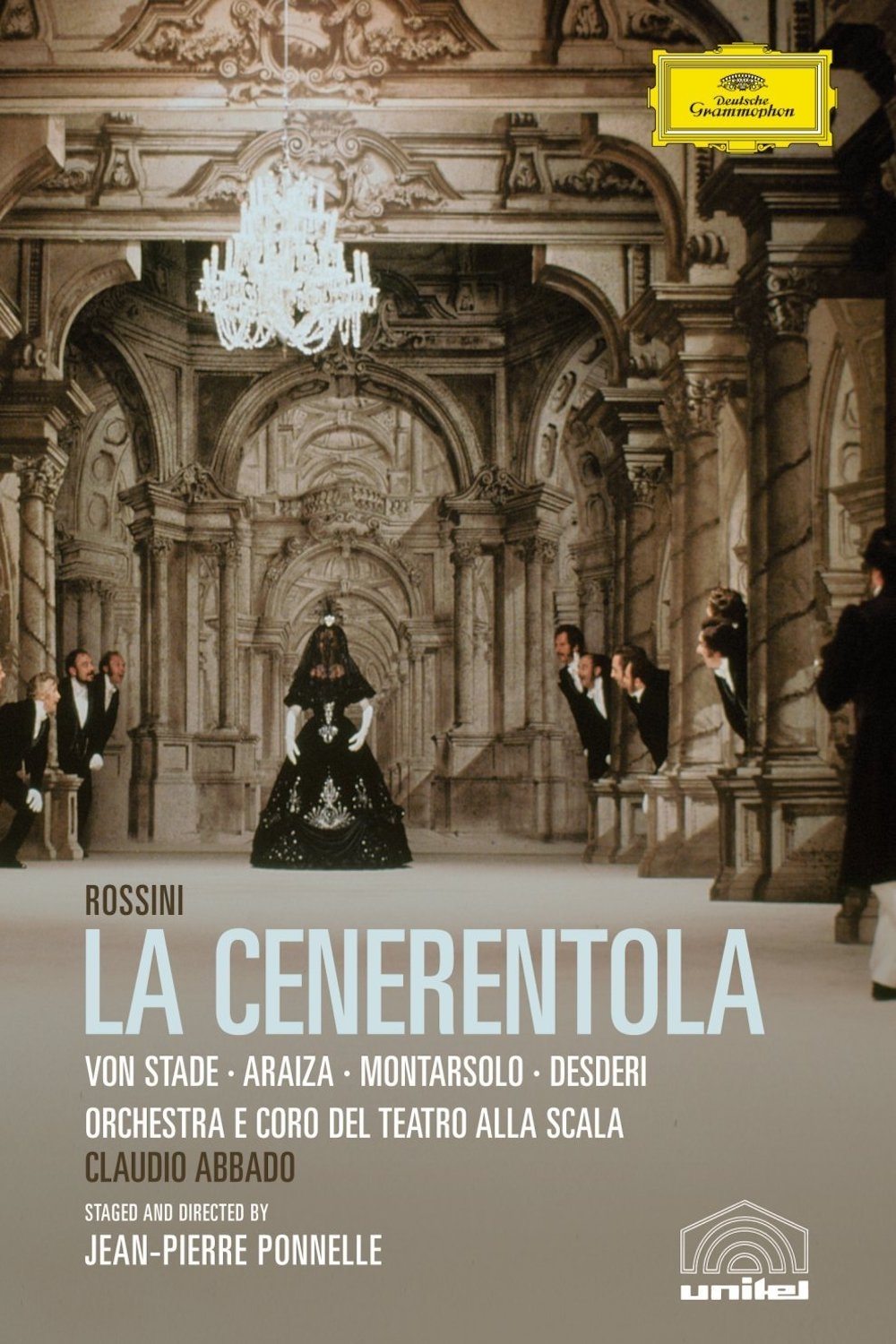
The Prince, Don Ramiro (who has changed places with his valet, Dandini), meets Cenerentola and they are instantly attracted to each other. When the Philosopher, Alidoro, later takes Cenerentola (dressed in magnificent clothing) to the palace, Dandini (still posing as the prince) tries to talk of love to her, but Cenerentola rejects him, saying that she is in love with his 'valet'. Ramiro, who has overheard this comment, is overjoyed, and immediately proposes to her, but Cenerentola says that he must first seek her out and then, if he still felt the same way, she would marry him. She gives him one of a matching pairs of bracelets, telling him to look for its companion on her right arm (she then leaves the palace). Ramiro ends the masquerade, and he and Dandini resume their true identities. The Prince then sets out on his quest - little realising that destiny, in the form of a violent thunderstorm, is about to take a hand in the affair.
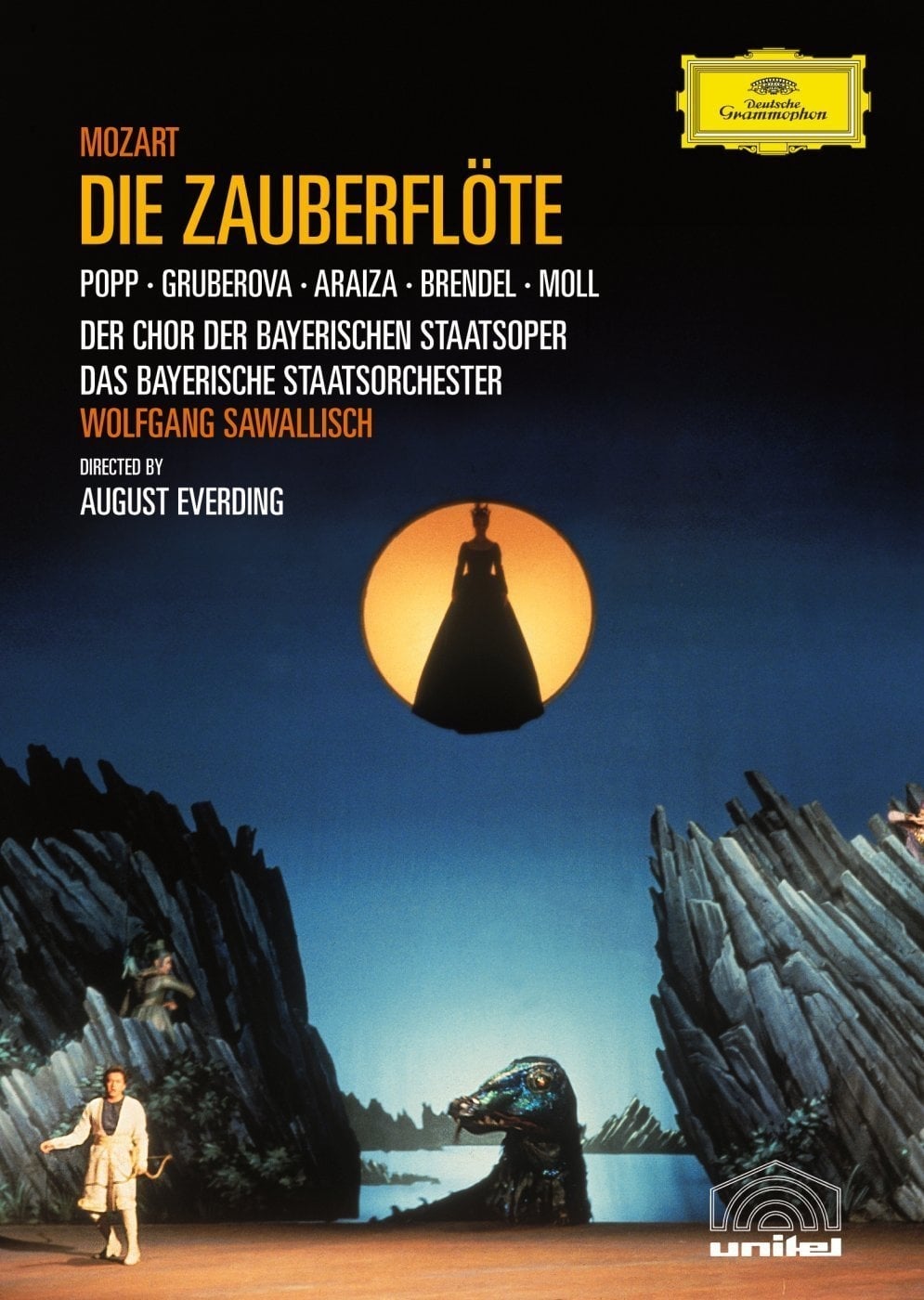
The Queen of the Night enlists a handsome prince named Tamino to rescue her beautiful kidnapped daughter, Princess Pamina. Aided by the lovelorn bird hunter Papageno and a magical flute that holds the power to change the hearts of men, young Tamino embarks on a quest for true love, leading to the evil Sarastro's temple where Pamina is held captive.

Mozart’s allegorical fairy tale has charmed audiences and inspired artists, for more than 200 years. A few weeks before this telecast, the Met unveiled a new production of the opera featuring the colorful designs of acclaimed artist David Hockney. His bold colors and vivid images enchanted audiences and seemed to inspire the striking cast, led by James Levine’s affectionate conducting. Francisco Araiza is the young prince Tamino, who finds himself in a strange land, forced to undergo mysterious tests so he can rescue, then marry, the woman he loves, Pamina, played by Kathleen Battle. Kurt Moll is the compassionate Sarastro and Luciana Serra is the Queen of the Night.
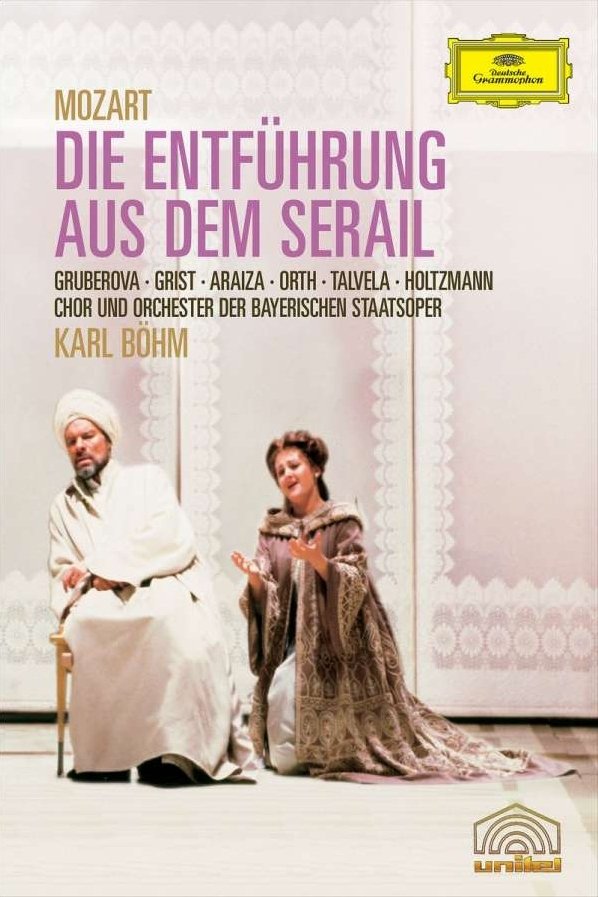
Production of Mozart's opera about the Spanish nobleman who seeks to rescue his beloved Konstanze from the hands of the Pasha. Karl Bohm conducts the Chorus and Orchestra of the Bayerischen Staatsoper with the right balance of serious purpose and light lilting lyricism. This production, staged by August Everding with set and costume design by Max Bignens, was filmed from a live television production relayed on the First Programme (Channel 1) of German television on 25 April 1980,
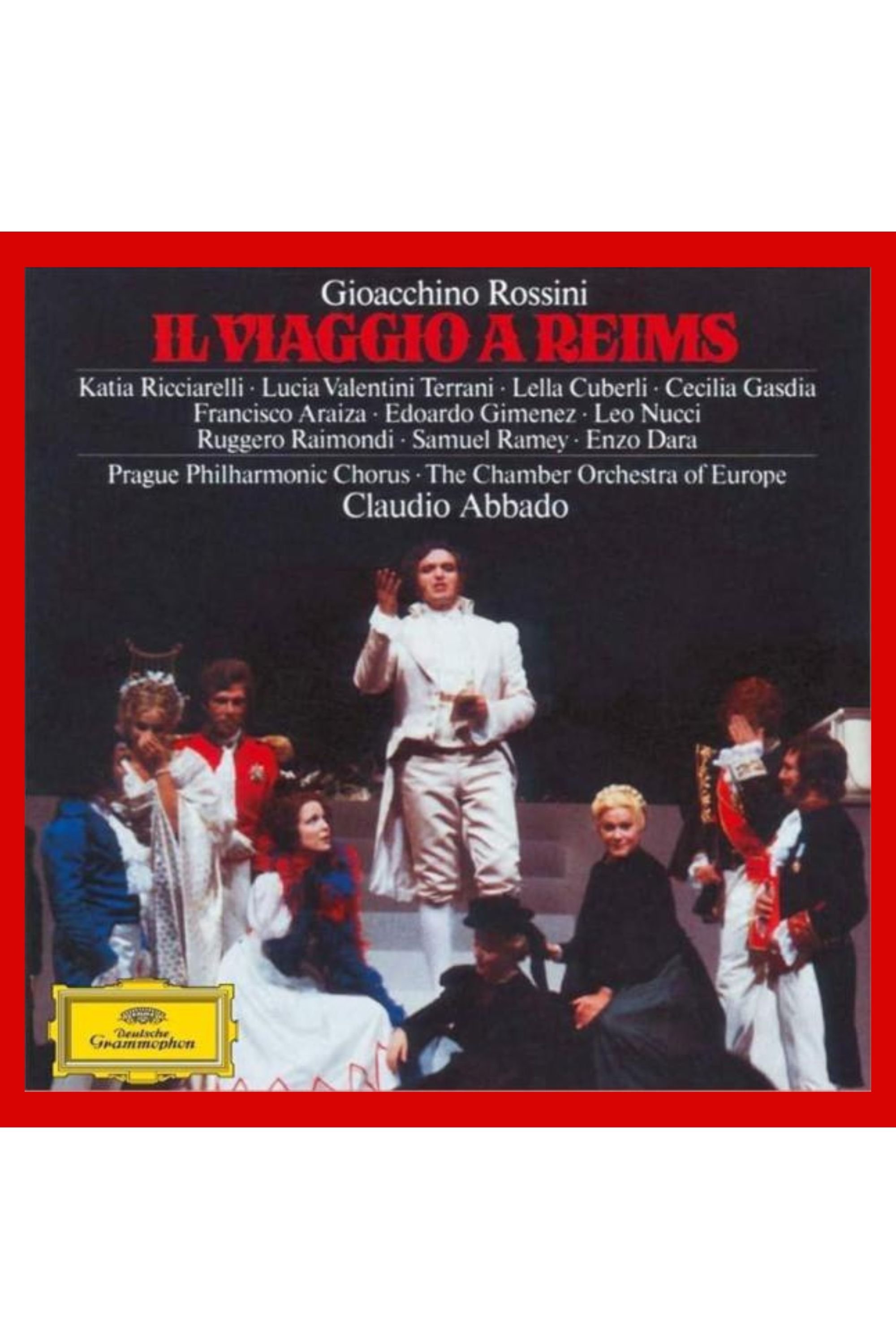
The historic 1984 revival performance of Il viaggio a Reims was the first time in over 150 years the opera was performed. Set in a luxurious hotel in Plombières-les-Bains, the opera follows a diverse group of aristocratic characters as they gather to celebrate the coronation of King Charles X of France. Amidst the festivities, wacky antics ensue, romantic entanglements unfold, and the characters face various comedic and dramatic challenges, showcasing Rossini's masterful blend of music, comedy, and drama.
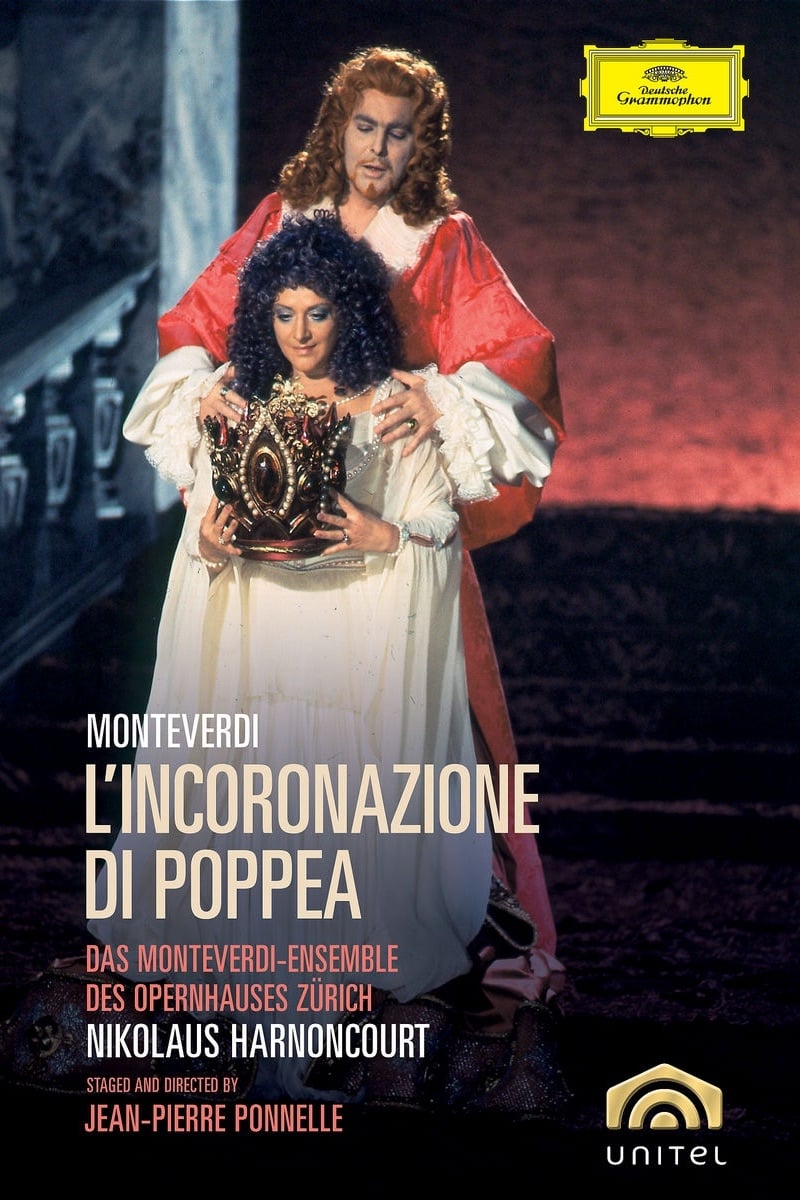
Live performance, part of Monteverdi cycle staged by Oper Zürich with Nikolaus Harnoncourt conducting the Zürich Opera House Monteverdi Ensemble. Staged and directed by Jean-Pierre Ponnelle
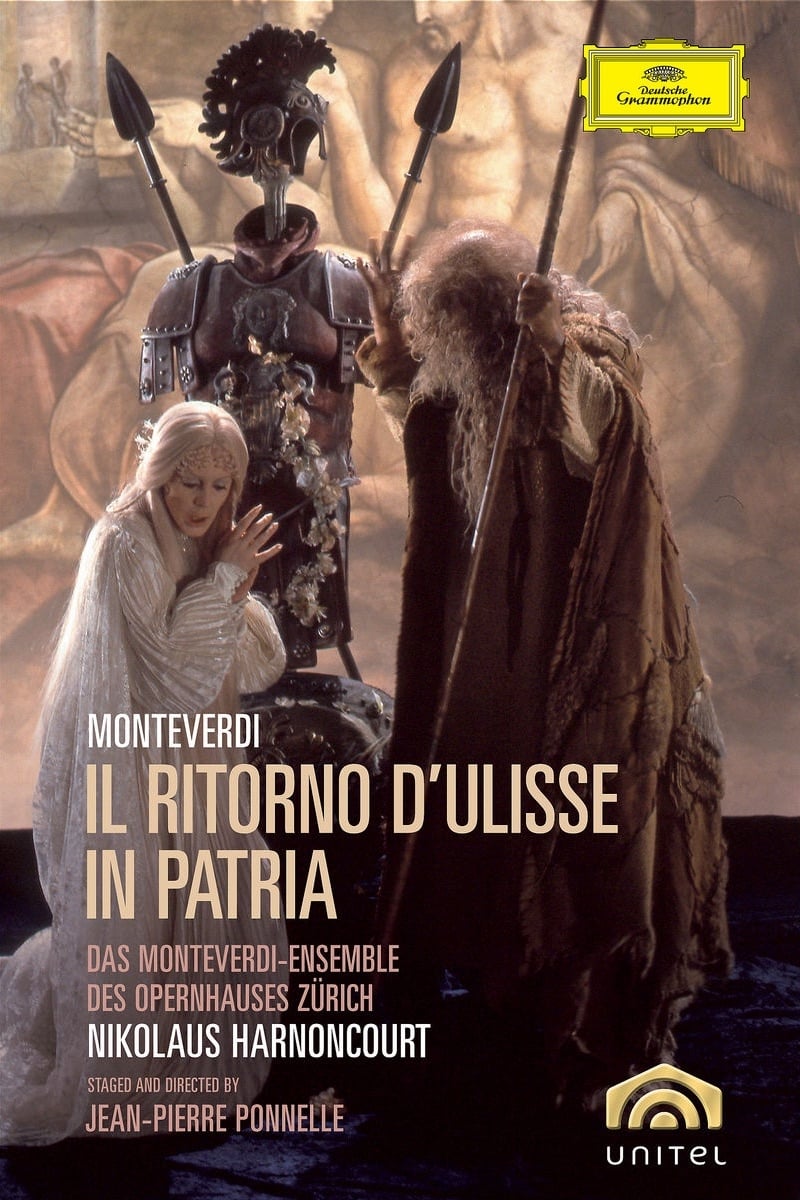
Live performance, part of Monteverdi cycle staged by Oper Zürich with Nikolaus Harnoncourt conducting the Zürich Opera House Monteverdi Ensemble. Staged and directed by Jean-Pierre Ponnelle
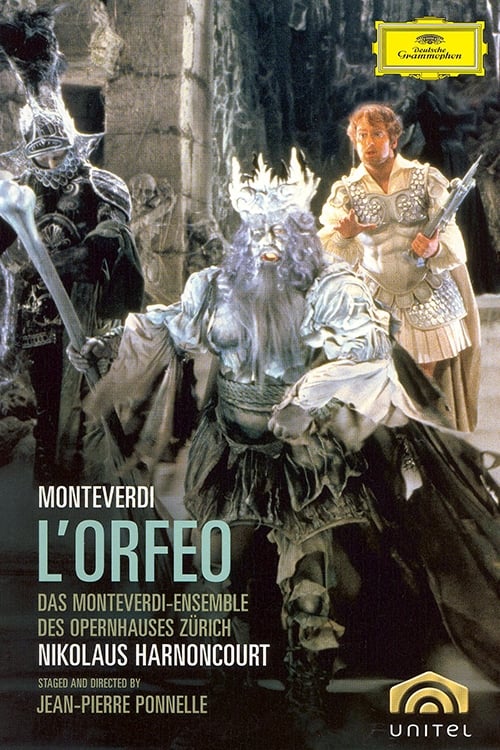
Live performance, part of Monteverdi cycle staged by Oper Zürich with Nikolaus Harnoncourt conducting the Zürich Opera House Monteverdi Ensemble. Staged and directed by Jean-Pierre Ponnelle. Filmed 28 March – 20 April 1978 in Vienna, sound recorded 1 – 25 December 1977 in Zürich.
Live from Teatro alla Scala 1987.
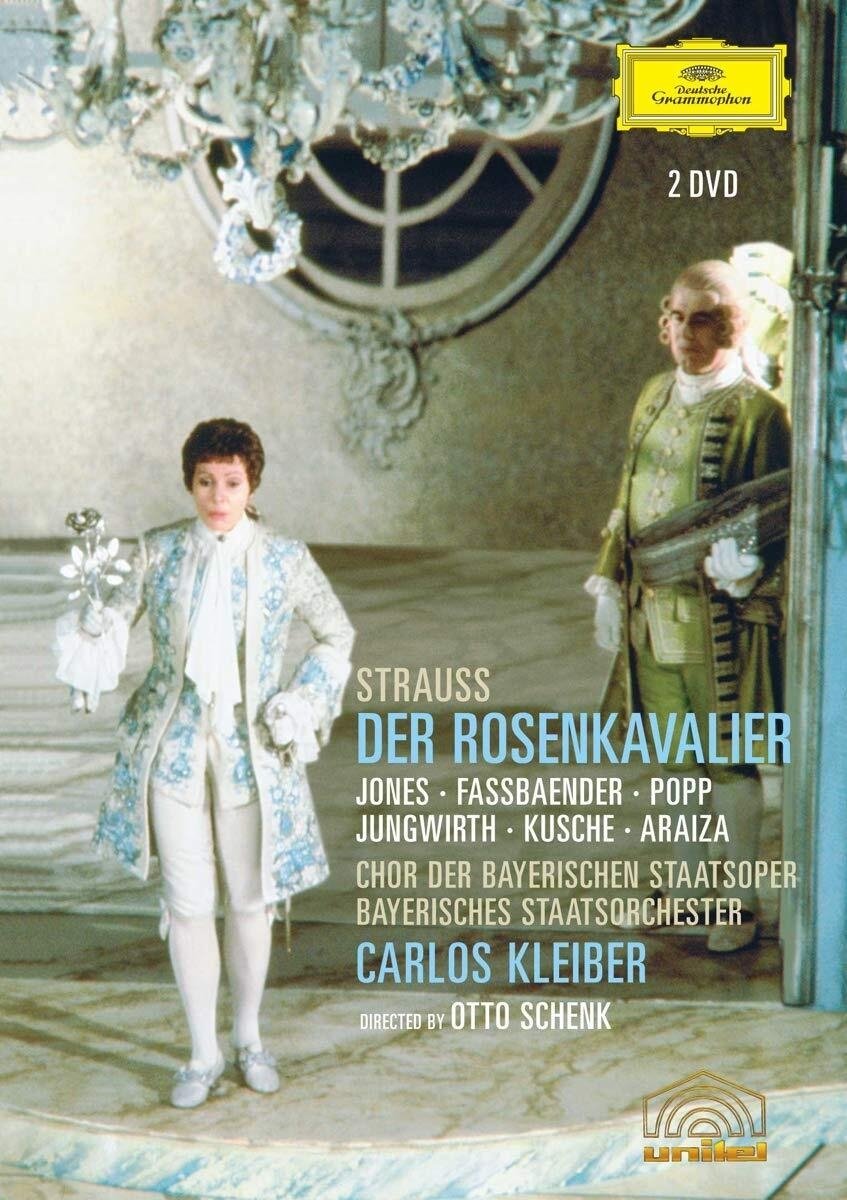
This performance of Richard Strauss' opera Der Rosenkavalier (1979) features the vocal talents of Gwyneth Jones in the lead role; recorded at the National Theatre Munich.
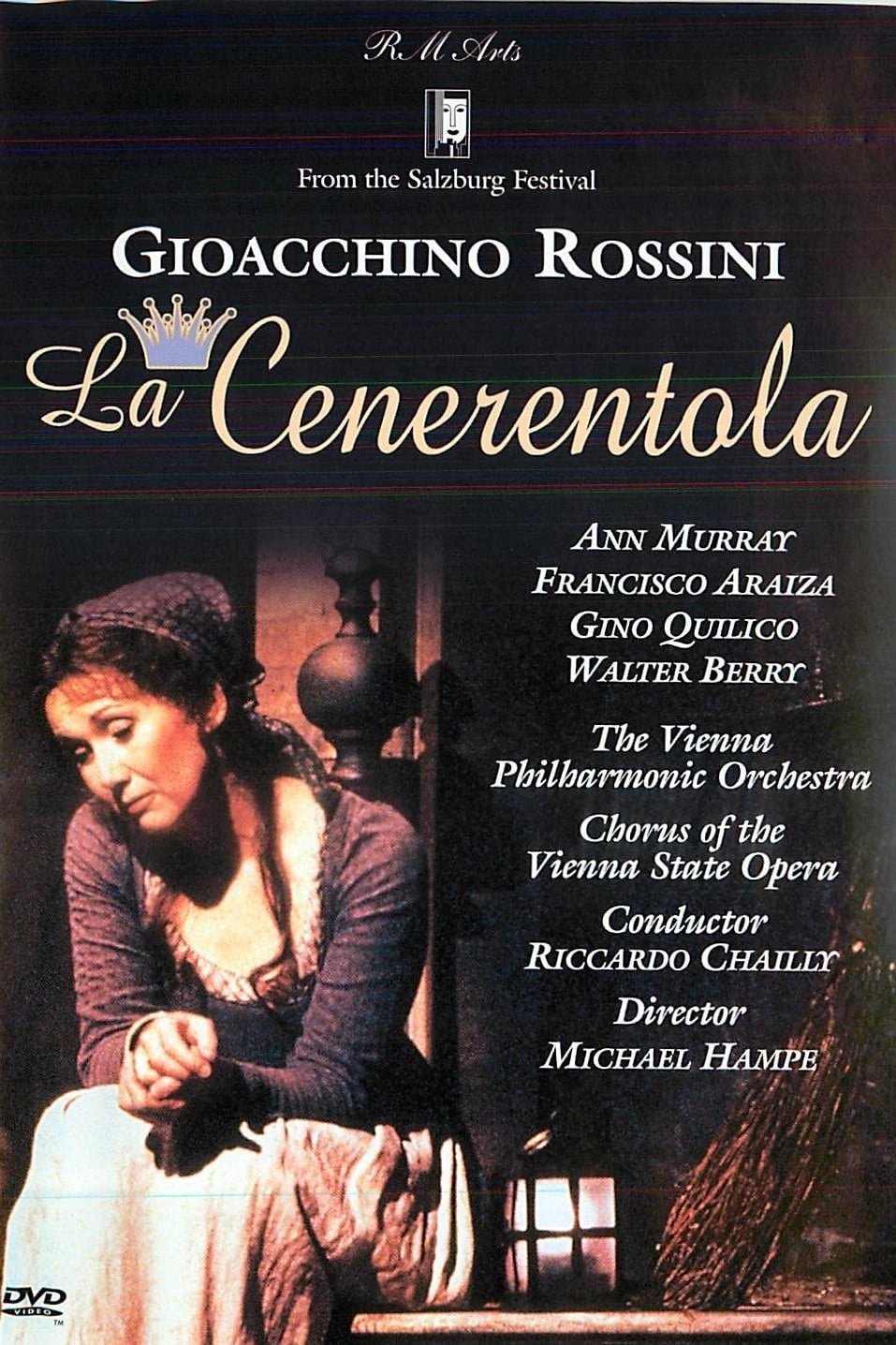
Gioacchino Rossini's sparkling version of the Cinderella story comes live from the Salzburg Festival with Ann Murray and Francisco Araiza as Cinderella and the Prince. Director Michael Hampe envisions La Cenerentola less as a fairy tale and more as a gently satirical comment on the nature of society and the relationship between people. Conductor Riccardo Chailly's masterly display of the Rossini style is visually matched by the opulent and elegant set designs by Mauro Pagano. 162 minutes.
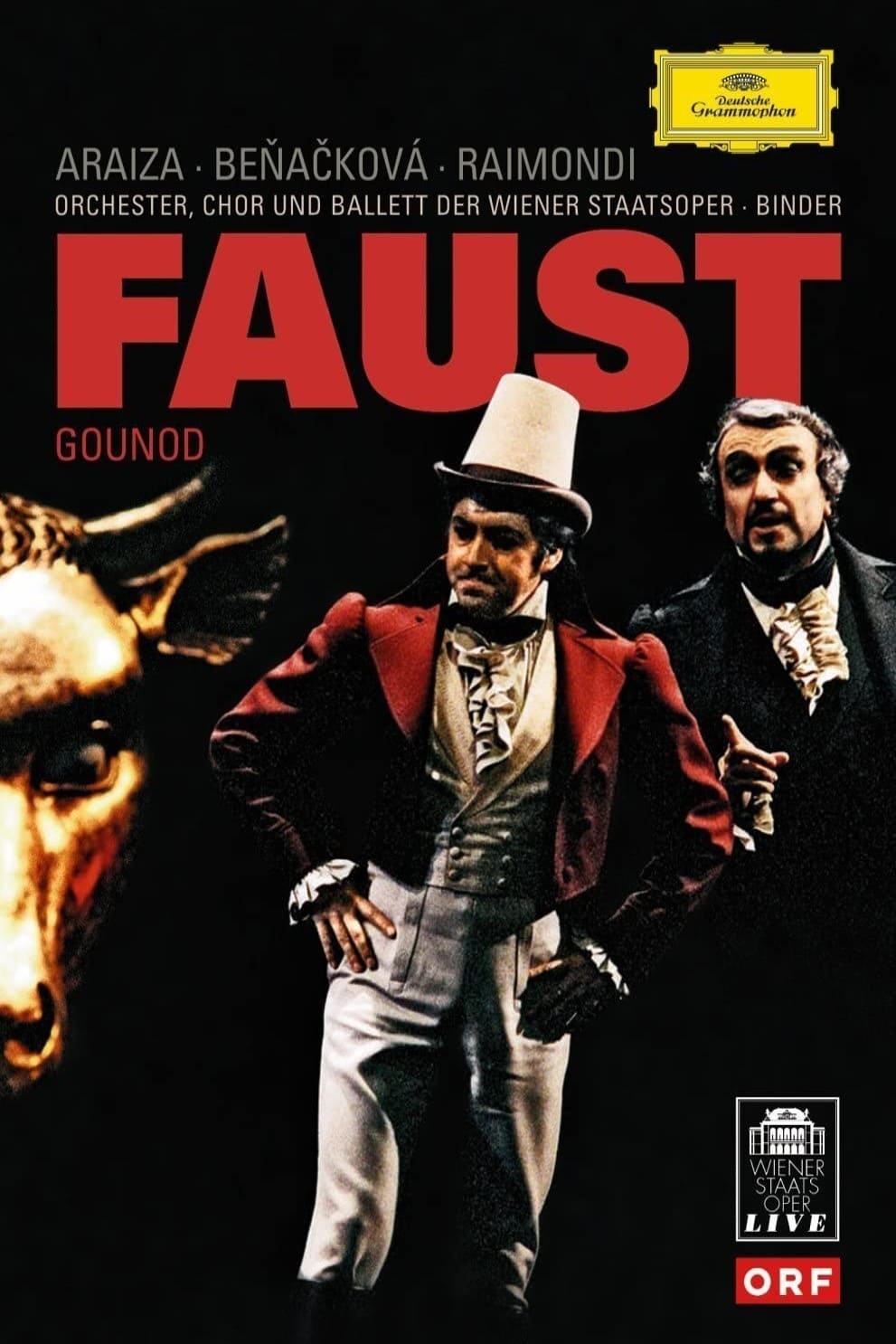
In an epic tale of good versus evil, Faust sells his soul to the Devil and tries to save Marguerite from an eternity in Hell.
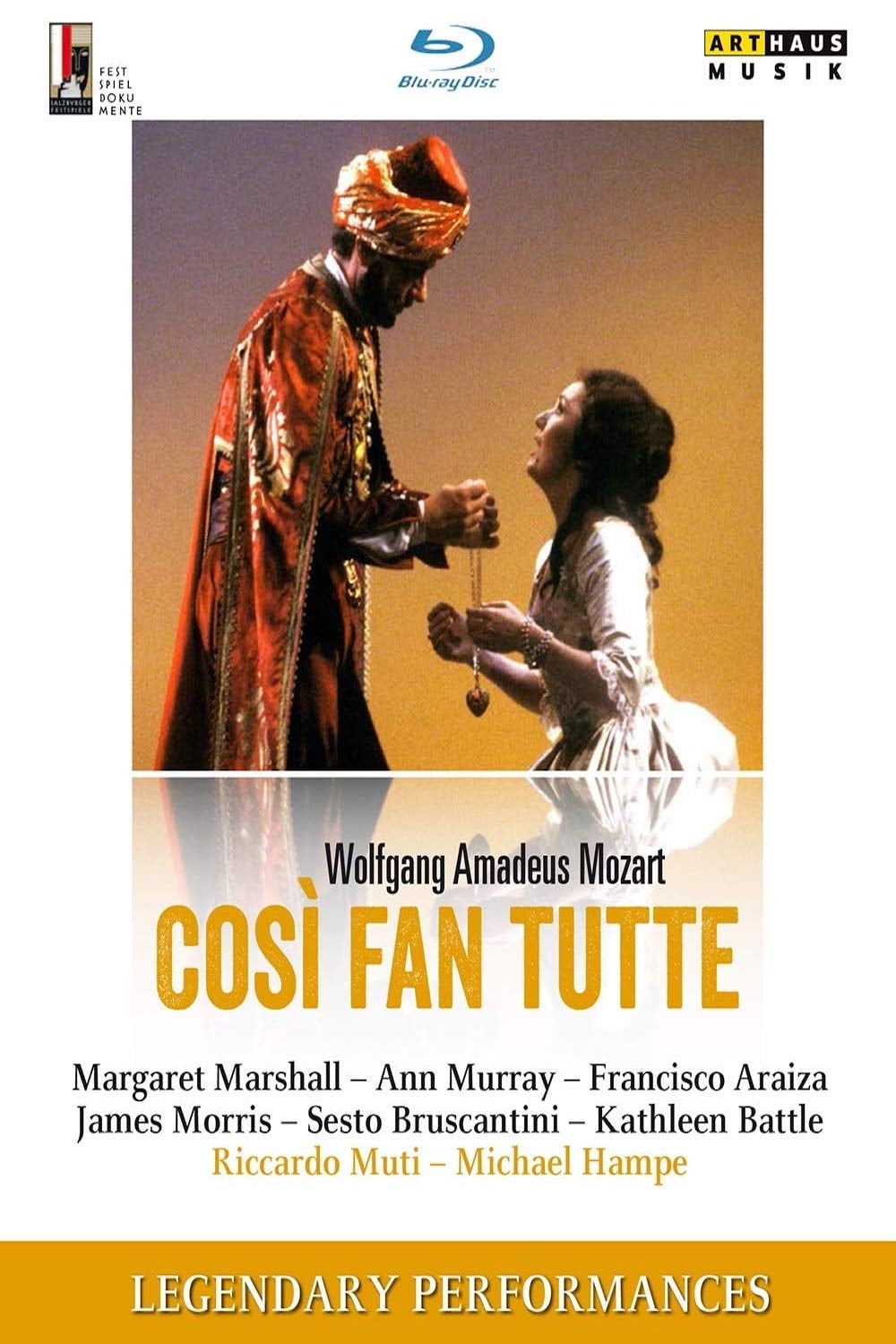
An excellent performance of this delightful opera. The principals are superb, especially the sisters. Bruscantini as Don Alfonso is past his prime, but he knows and understands the role inside out, so one does not even notice his vocal limitations. Araiza is in top form as Ferrando, and Morris makes virile Guglielmo. The only disappointment is Battle as Despina. Unlike her partners, she does not have feel for the Mozart ensemble, and her vocal mannerisms are totally unbecoming. How the producers allowed that to happen is a mystery. Muti's conducting is terrific, much better than on his La Scala video, where he is uninvolved.
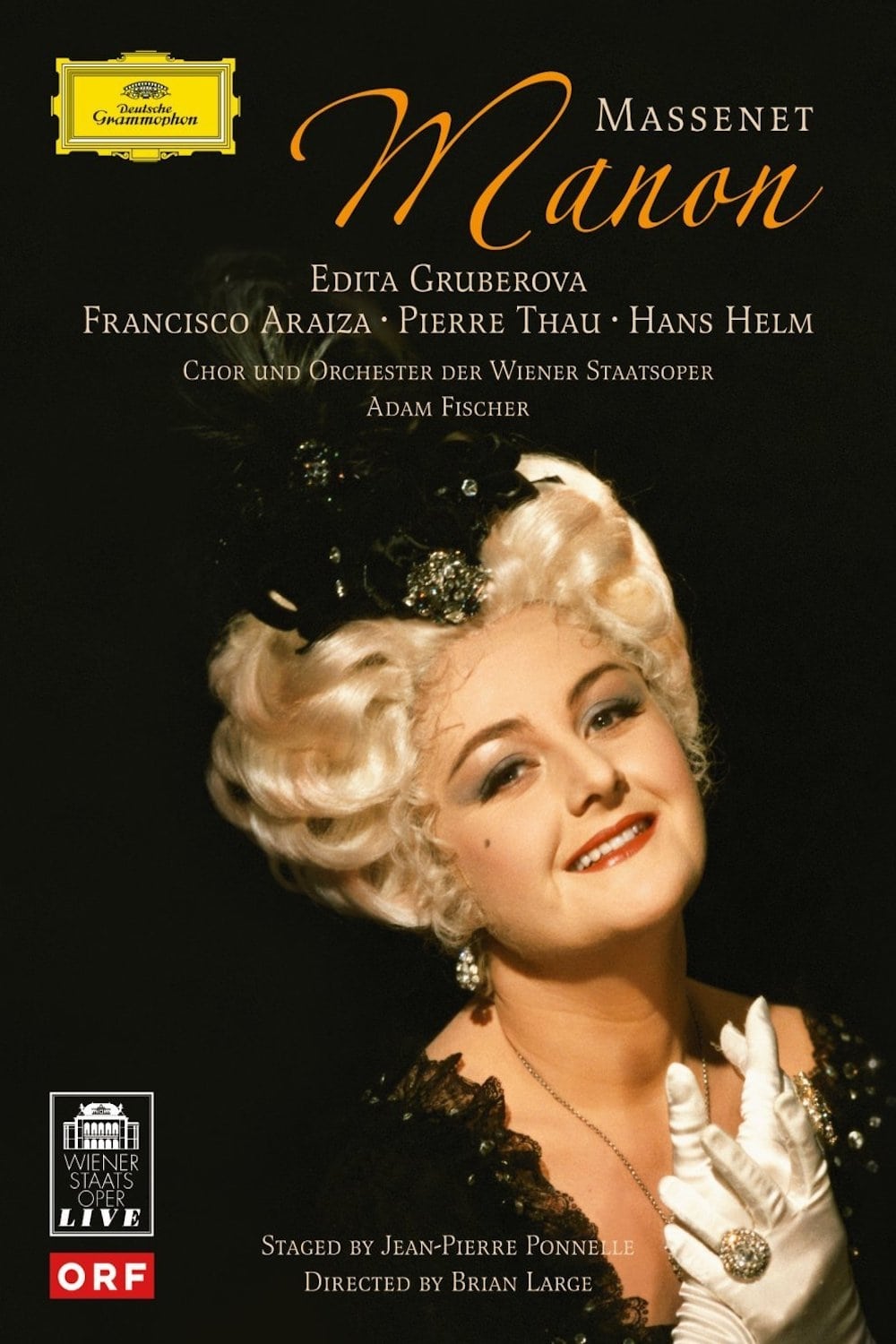
The sets and costumes by Ponnelle are truly reflective of the 'grand style'. Plus the fact that the two lead characters are portrayed by top singers in their absolute prime - both Gruberova and Araiza weren't even 35 years old at the time of this performance, makes this production the most convincing both dramatically and musically. The conducting of Fischer is good - he makes the music come alive, much more so than the MET version.

“The whole world is a jest, man was born a great jester…” So goes the brilliant conclusion to Verdi’s Falstaff, an opera inspired by Shakespeare’s beloved comedy The Merry Wives of Windsor. The virtuosic score requires a particularly talented cast, not to mention a truly exceptional conductor. Herbert von Karajan perfectly fits the bill, and this performance featuring the Wiener Philharmoniker and an all-star group of singers is clearly worthy of Verdi’s powerful work, a masterpiece whose comic facade thinly veils the complex and sometimes even tragic characters’ struggles. Recorded in 1982. Re-released 2015.
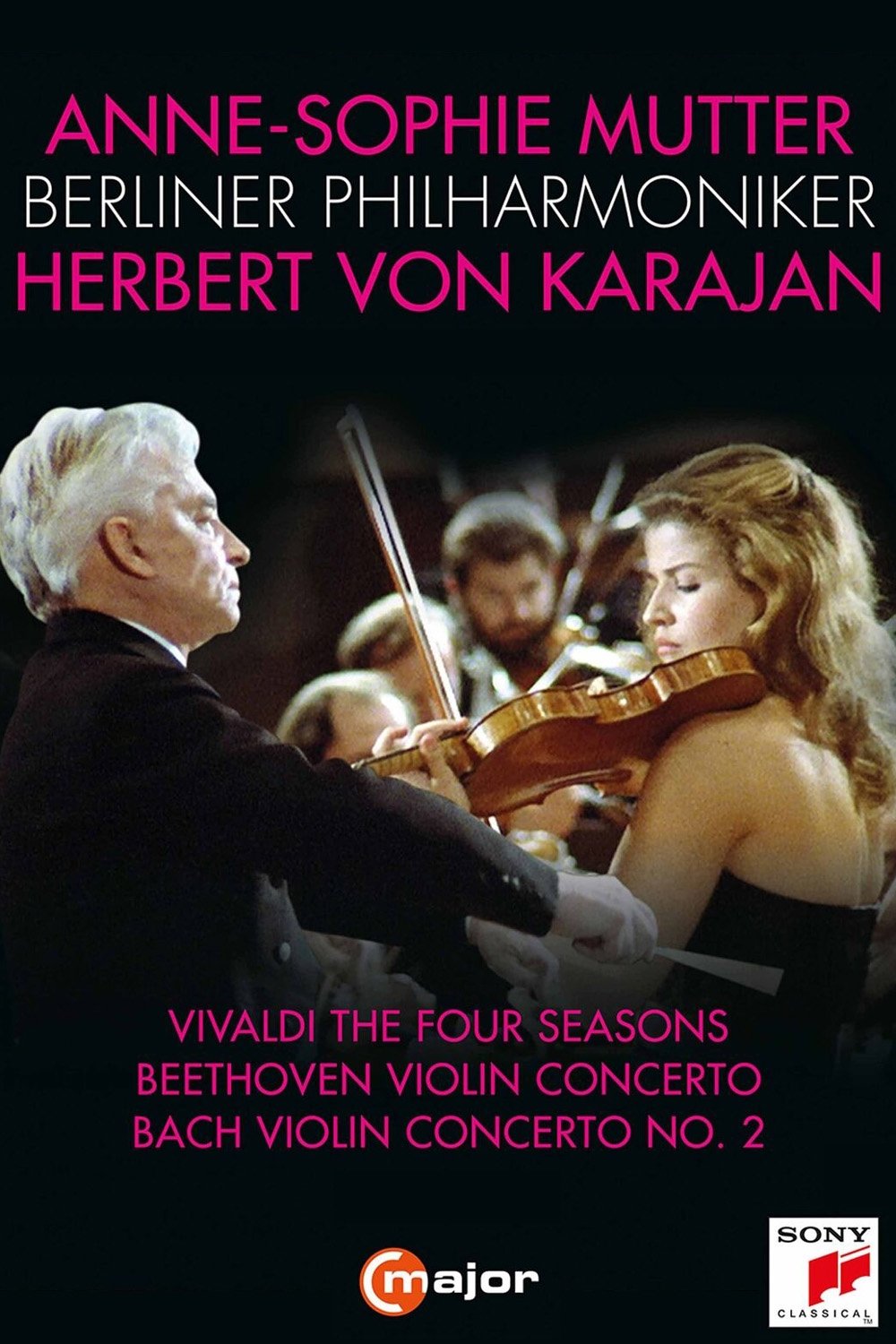
Live performance of Johann Sebastian Bach's Magnificat, BWV 243 from Herbert von Karajan's New Year's Eve concert in 1984.
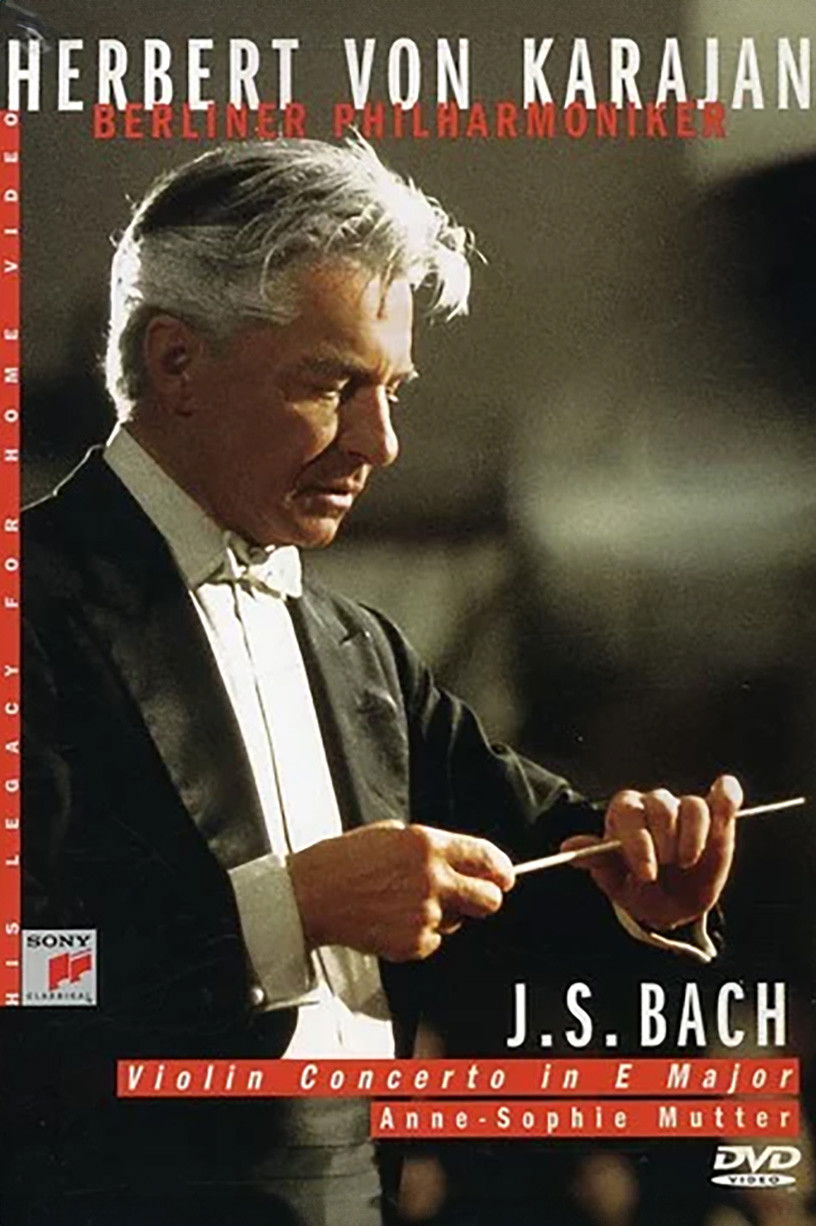
World-renowned conductor Herbert Von Karajan directs the Berlin Philharmonic Orchestra in this performance of Bach's Violin Concerto No. 2 for a New Year's Eve concert filmed in Berlin in 1984. Together with noted violinist Anne-Sophie Mutter and gifted vocalists Judith Blegen, Helga Muller Molinari, Francisco Araiza and Robert Holl, Karajan and his orchestra present a remarkable performance of Bach's masterwork.