Karol lives alone in the forester's lodge. Unexpectedly, he is visited by his mother whom he has not seen for years.
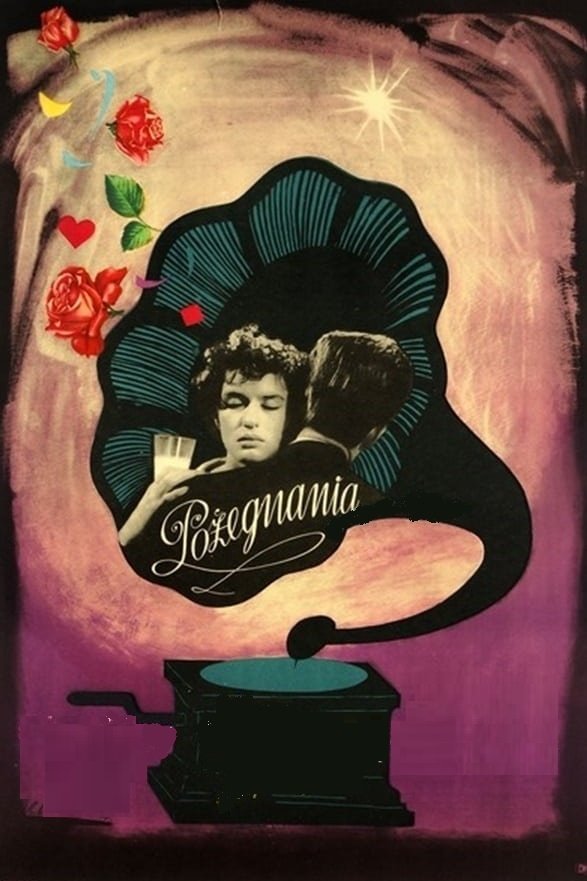
The story takes place before World War II and centers on Pawel, a member of a conservative, middle-class family, and his love for Lidka, a taxi dancer. Social conventions and the lovers' inability to defy those forces Pawel and Lidka benefit. Times change, war breaks out, leading to Pawel sent to Auschwitz while Lidka marry his cousin. Their love has survived and conventions are no longer the issue.
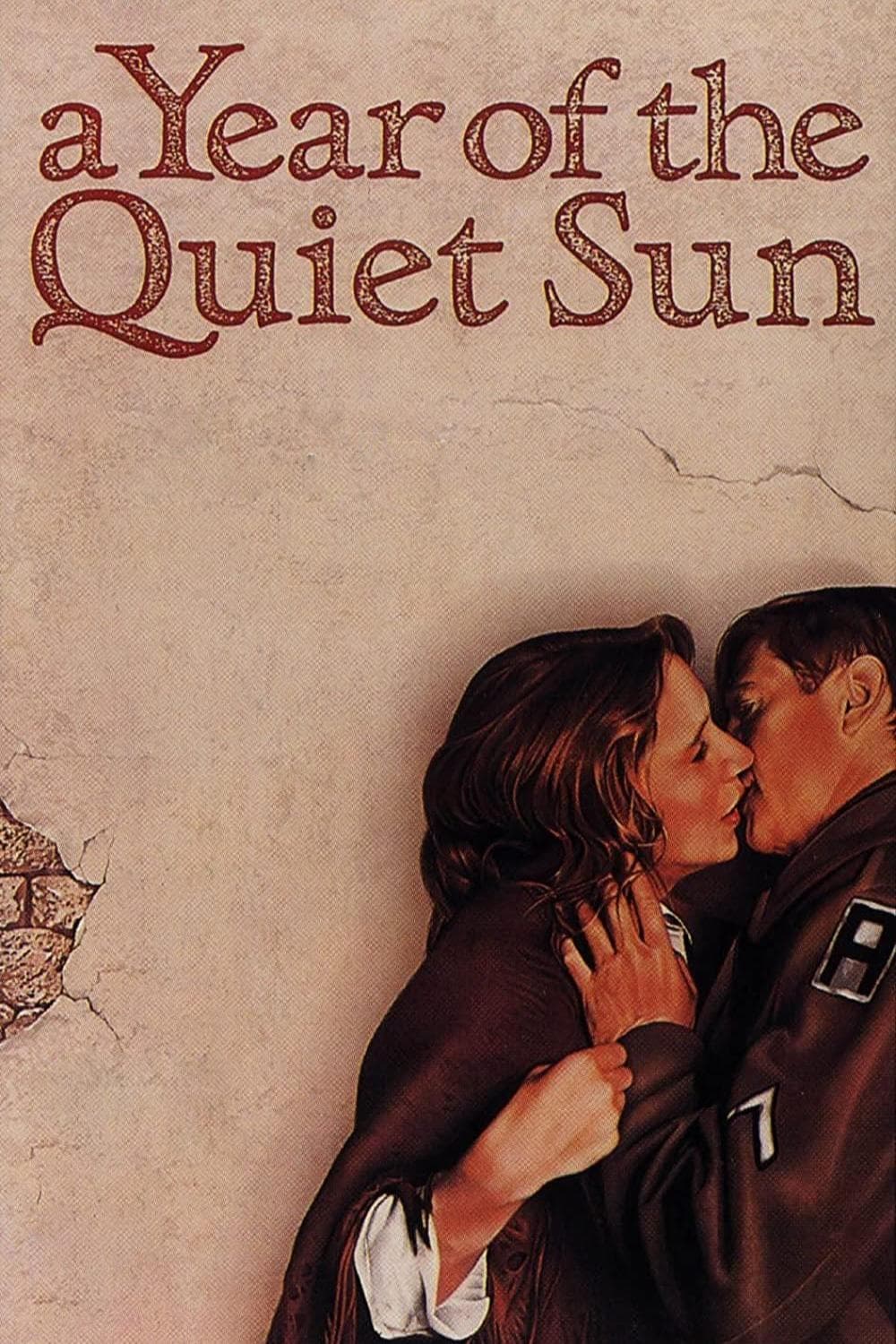
Shortly after World War II an American soldier (Norman) and a Polish refugee (Emilia) fall in love. Eventually he will return to the U.S. and both expect that she will soon follow him with her mother. Emilia's mother is sick, but will recover with the right medicine. But the mother, and not Emilia, knows that there will only be one ticket...
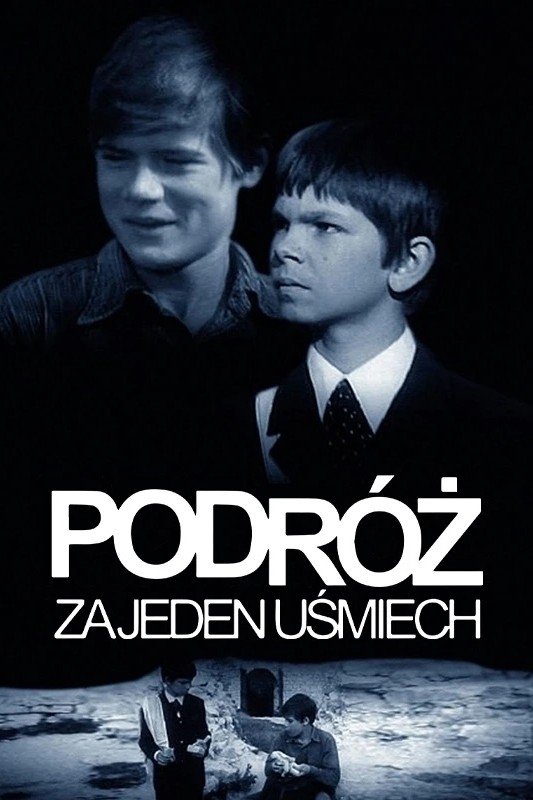
Two boys set out by train from Kraków to the seaside but lose their travel money and decide to continue their journey “for a smile,” hitchhiking and using every transport they can find.
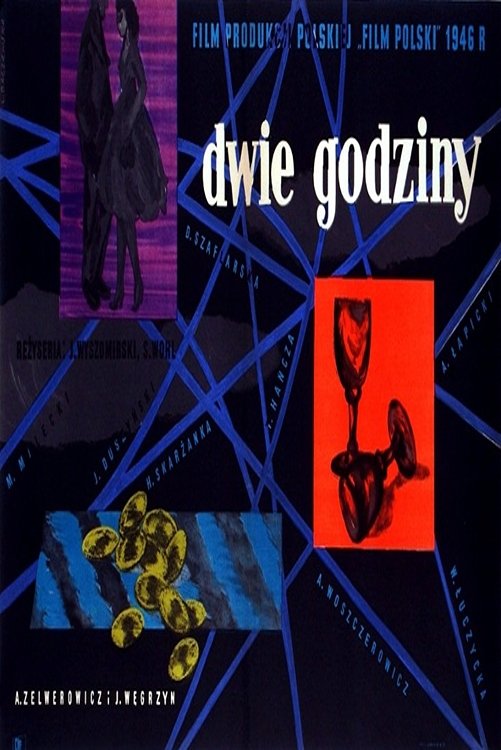
Follows the lives of people shortly after World War 2 as they try to adjust to their new lives. Completed in 1946, it was banned from release by the communist government of Poland until 1957 in edited form.
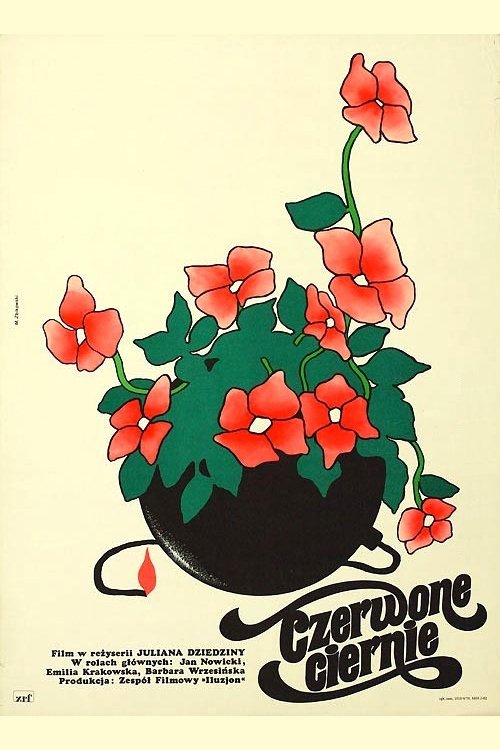
A descendant of a noble family takes the side of the proletariat, fighting against the mistreatment of factory owners and the oppresion from the Tsar during the 1905 revolution.

Young people living in Poland in the late 1960s had to face difficult times and make tough choices. Some of them were forced to leave their country for having Jewish origin. And for political reasons.
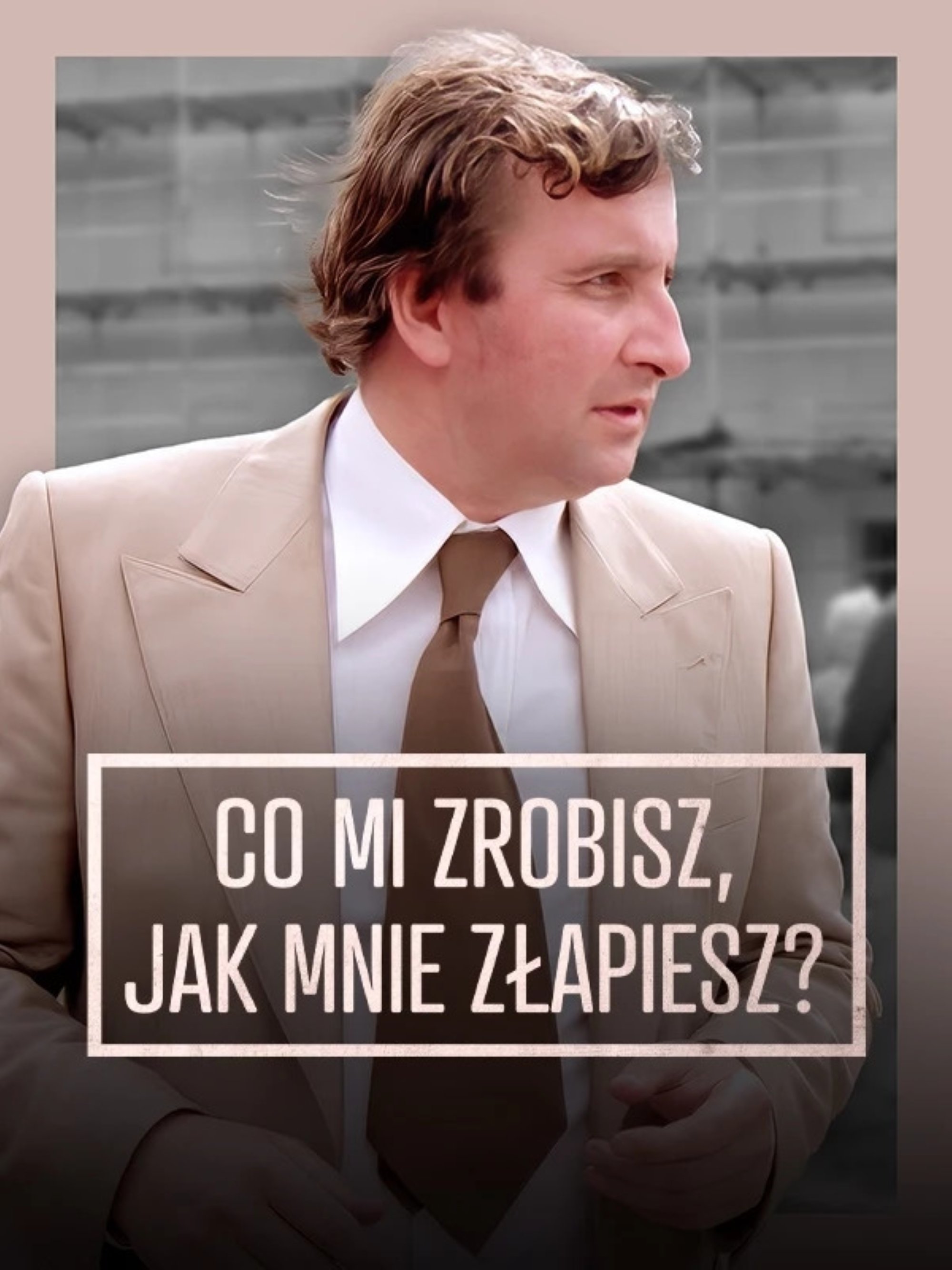
Tadeusz Krzakoski, the director of a failing state-owned company, is married with problems. His mistress, the daughter of a Communist party bigwig, says she's pregnant and Tadeusz knows he'll have to marry her to save his reputation and his job. But divorce is never simple and Bareja's screwball comedies are never boring.

Set before the first World War in part of Poland under Austrian occupation, the story of a young boy in primary school who later grows up to become a rebellious, poetic-minded teen in the same school when the national movement toward liberation is under way. The story of a country where church and state work together to suppress the human spirit.
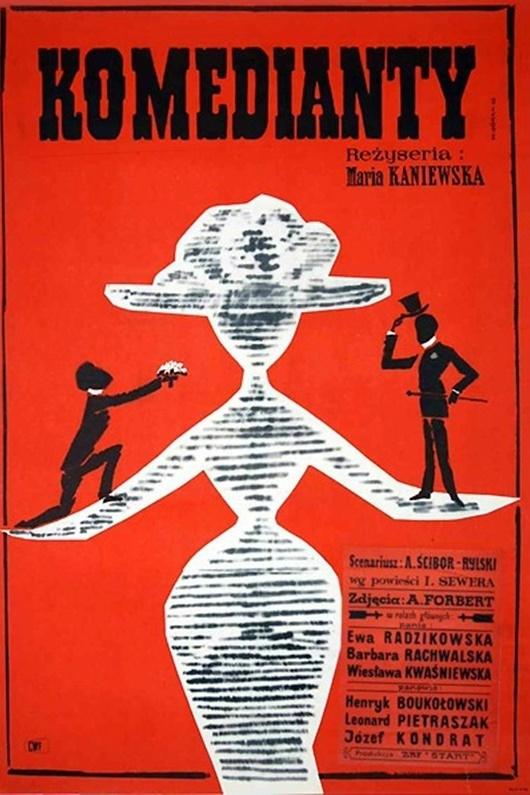
Two travelling actors break from their troupe and with help of friends and family start their own act, experiencing serious success.
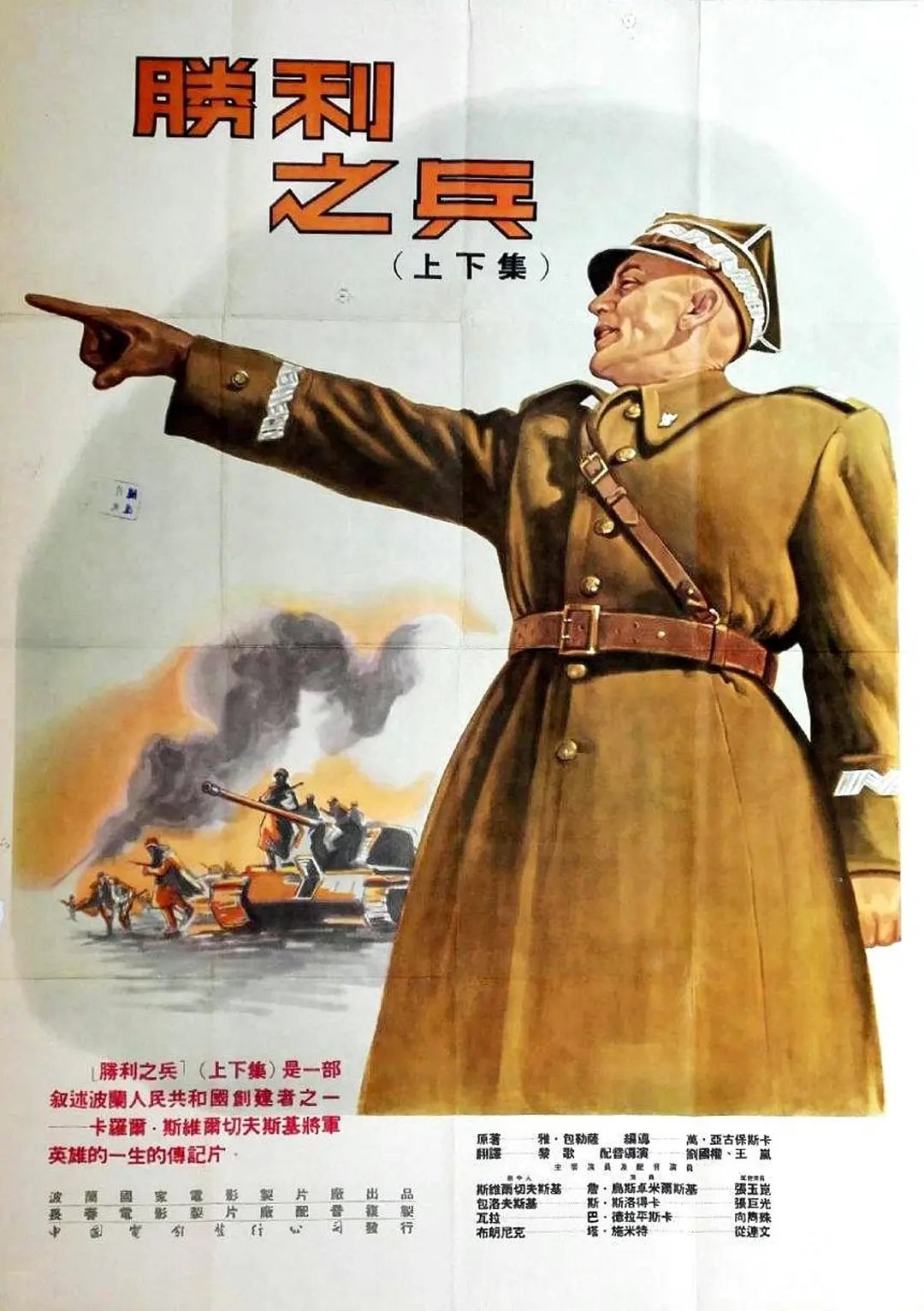
Two-part biopic about General Karol Świerczewski, living embodiment of the party line, and the group of party members from his hometown fighting the fascist forces towards the socialist state of affairs.

Rafał is suspected of killing a turtle that fell out of the balcony.
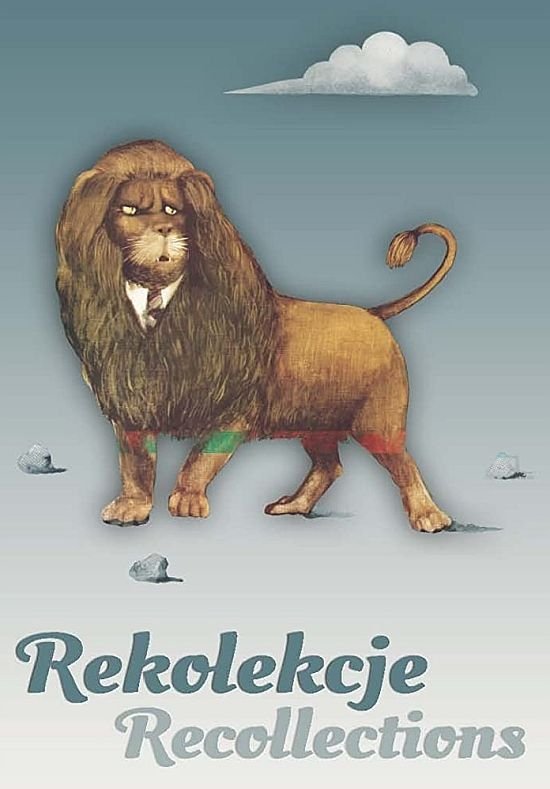
Two artists conduct philosophical disputes about practicing art.
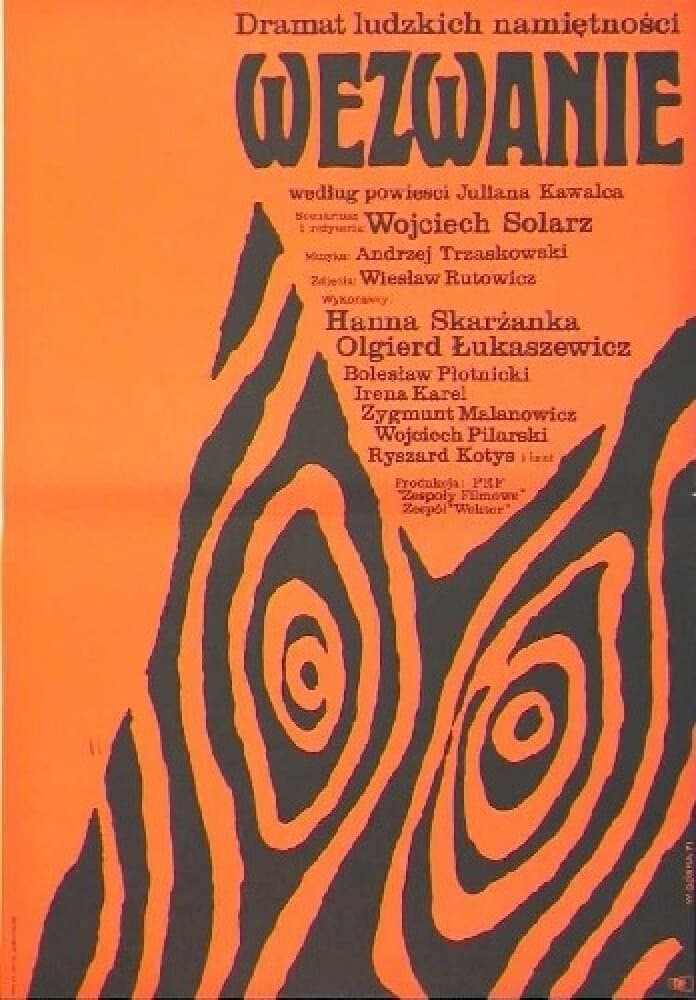
A family drama set in a Polish village - a woman recounts her life after her husband's death, focusing on the differences between her two sons and the tragedy that befalls one of them.
The film evokes a childhood in rural Lithuania between the wars. A country boy, Tomaszek, lives on a rich estate, situated on the Polish border. He realizes that the Issa Valley he lives in is to be torn apart by internal political conflicts and unrests among the mixed population of Poles, Lithuanians, Jews and Russians. He, however, is captivated by a paradise surrounding him, the forest, and his fantasies.
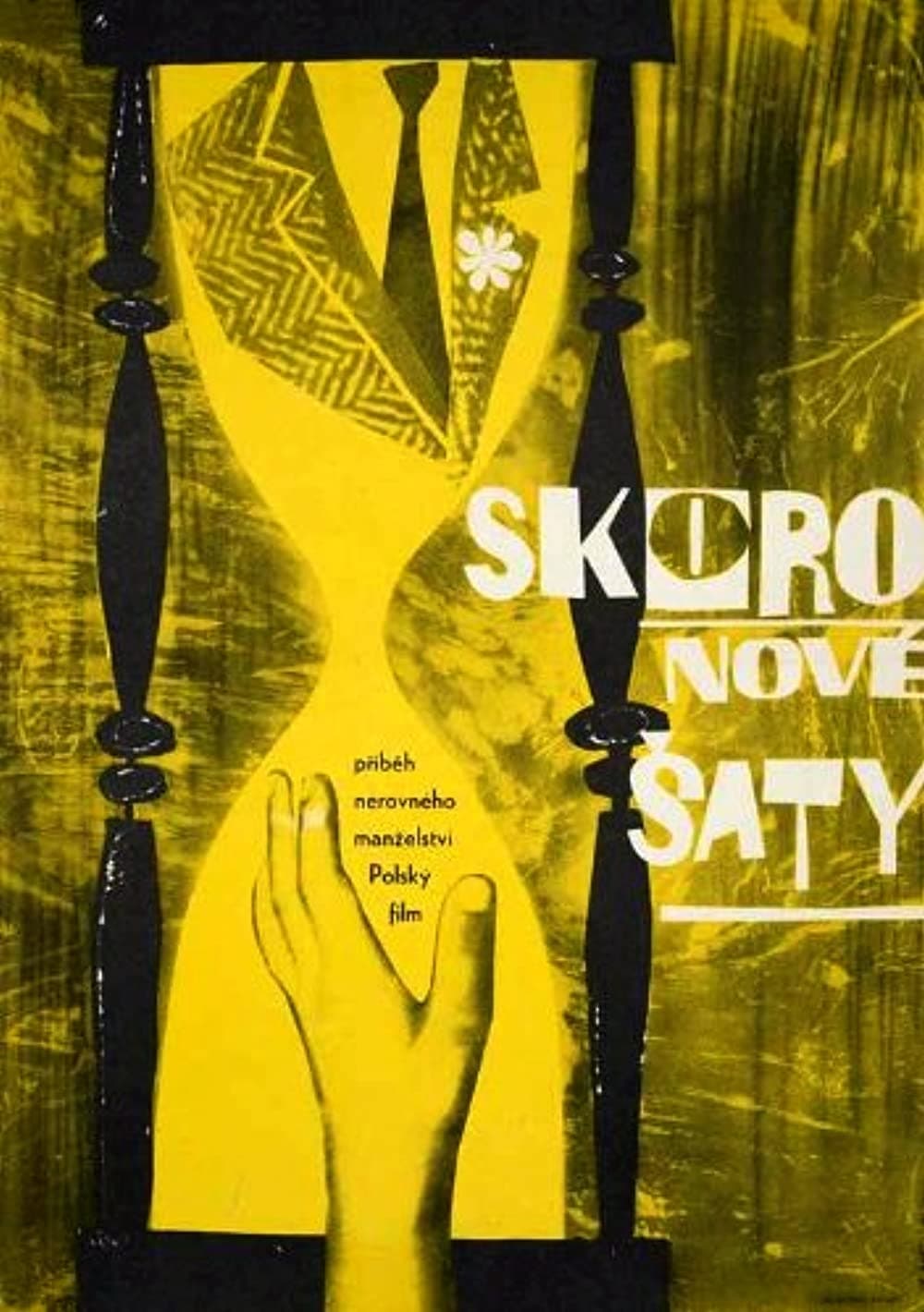
After years of working in the city, Róża returns to the countryside. The property she has accumulated draws the attention of local bachelors.

The main character is Bogna, a thirty year old woman lost in her surrounding reality and unhappy in her private life. After her husband departs for a foreign scholarship, Bogna learns that her mother died. The trip to her hometown for the funeral becomes a voyage in time, during which she relives the memories of her idyllic childhood.
A young doctor from the lower classes is helped in his career by a rich woman. When he comes back from study in Paris he takes a job at a watering spa. He comes up against the owners when he tries to help the poor.
Psychological drama: a teacher's internal moral conflict, who wins the students' sympathy and respect by devising a heroic war life story.
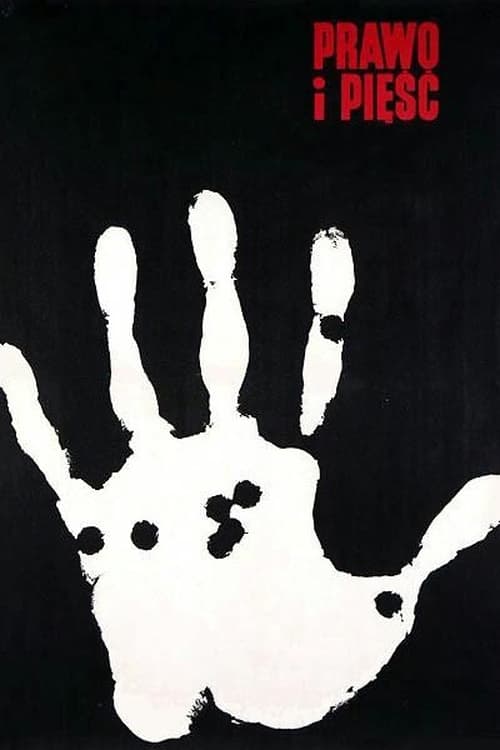
At the end of World War Two, Polish people move to the western lands vacated by Germans. But some ruthless profiteers pose as government representatives and intend to make off with loot from a deserted town they took over. One honest man stands up against them because he believes these goods belong to the people.
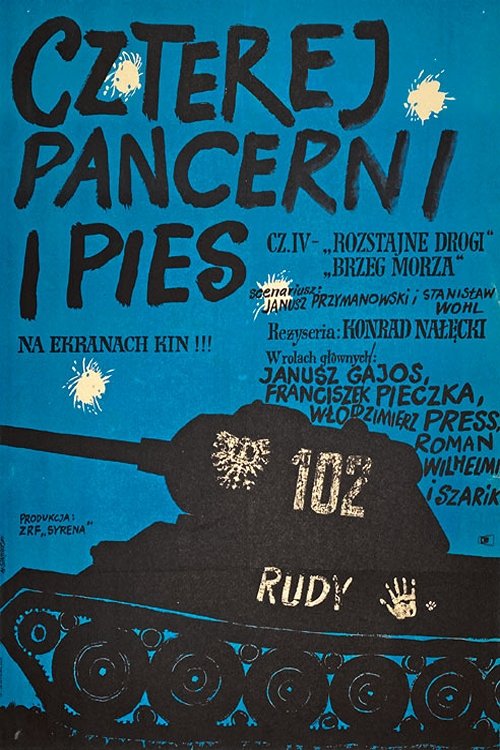
The last of the four theatrically released episode compilations of the TV series, featuring episodes 7 and 8.

Set at the turn of the century, the story concerns a Polish poet living in Cracow who has decided to marry a peasant girl. The wedding is attended by a heterogenous group of people from all strata of Polish society, who dance, get drunk and lament Poland's 100-year-long division under Russia, Prussia, and Austria. The bridegroom, a painter friend, and a journalist each in turn is confronted with spectres of Polish past.
An Uruguayan diplomat brings his new wife with him on a business trip to Poland in the summer immediately preceding the outbreak of World War II.
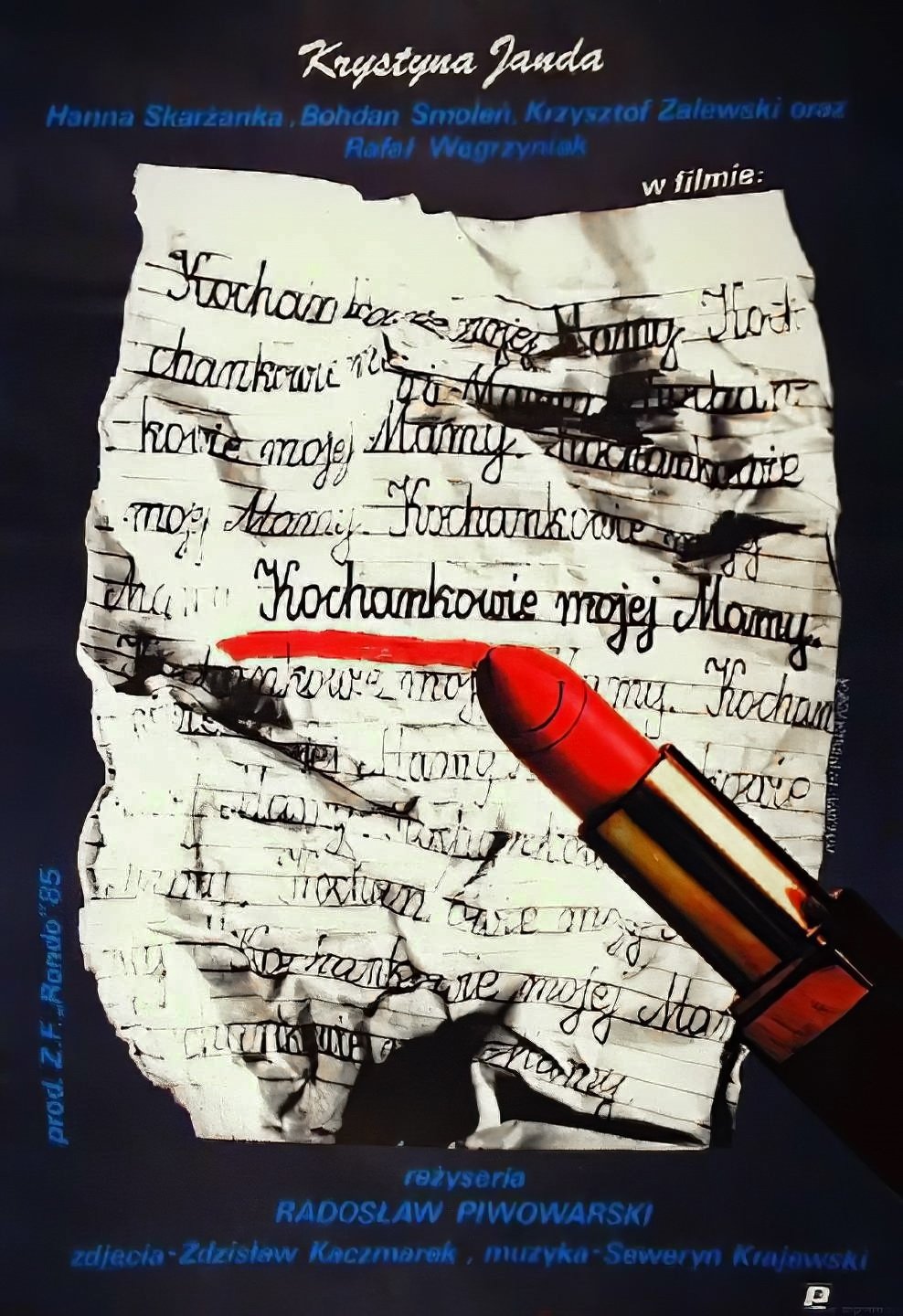
Rafal takes care of his dysfunctional carefree mother who is more interested in men, pills and alcohol than in the problems of her young yet very mature son.
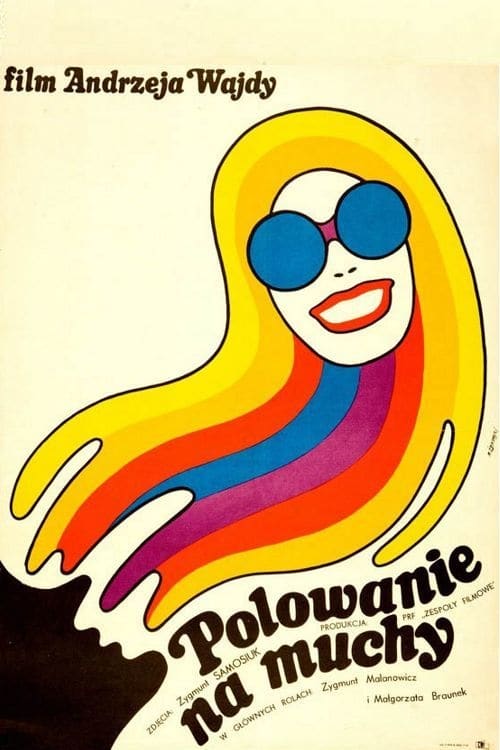
Włodek is a middle-aged man stuck in a dead-end job at the local library who lives with his harridan wife and critical in-laws in a small apartment. When Włodek draws the interest of a library patron, the beautiful young woman encourages him to strive for better things in his life and professional career. Together, the two take off for a three-day affair, but surprises could await Włodek upon his return home.
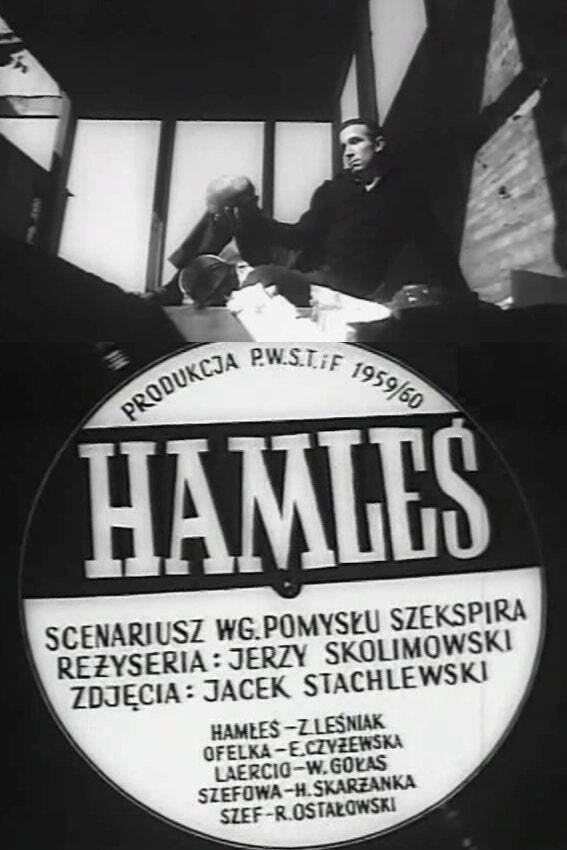
Hamlet suspects his uncle has murdered his father to claim the throne of Denmark and the hand of Hamlet's mother, but the prince cannot decide whether or not he should take vengeance.
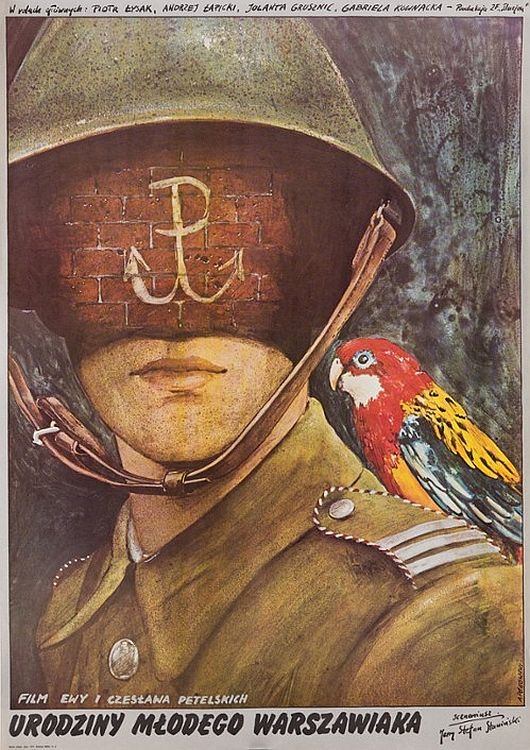
The four sequences in the film cover four days in a life of young Warsaw lad in September 1938, 1939, 1943 and 1944. In the first sequence Jurek decides not to study in the Sorbonne but enlists in a Polish military school instead. In the second sequence the war starts and Warsaw is occupied. In the third sequence he works in the underground resistance. The final sequence takes place during the Warsaw uprising.
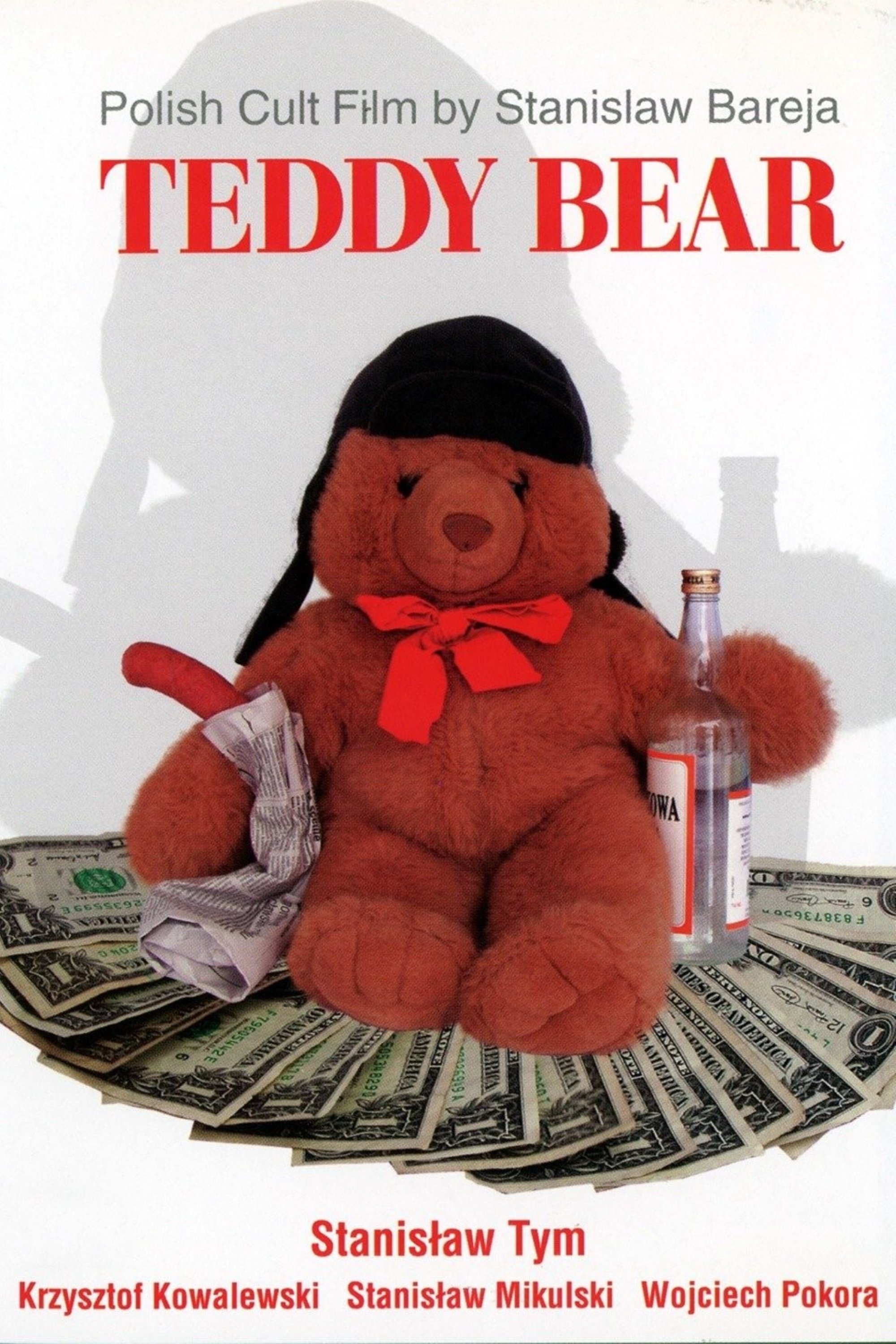
En route to London, Bear discovers at the border checkpoint that his passport is missing a few pages, which may prevent him from traveling to the city with the sports team he manages.
Stach is a wayward teen living in squalor on the outskirts of Nazi-occupied Warsaw. Guided by an avuncular Communist organizer, he is introduced to the underground resistance—and to the beautiful Dorota. Soon he is engaged in dangerous efforts to fight oppression and indignity, maturing as he assumes responsibility for others’ lives. A coming-of-age story of survival and shattering loss, A Generation delivers a brutal portrait of the human cost of war.
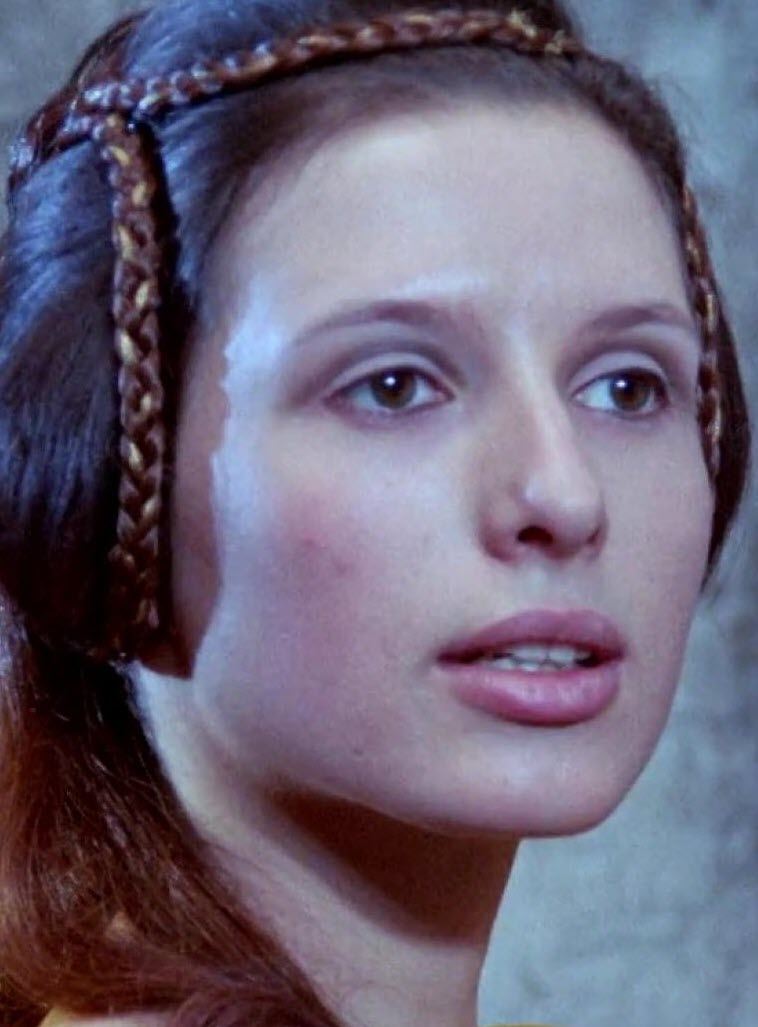
Seven women gather to hear one of them tell a story of a strange incident that happened to a certain dead man.
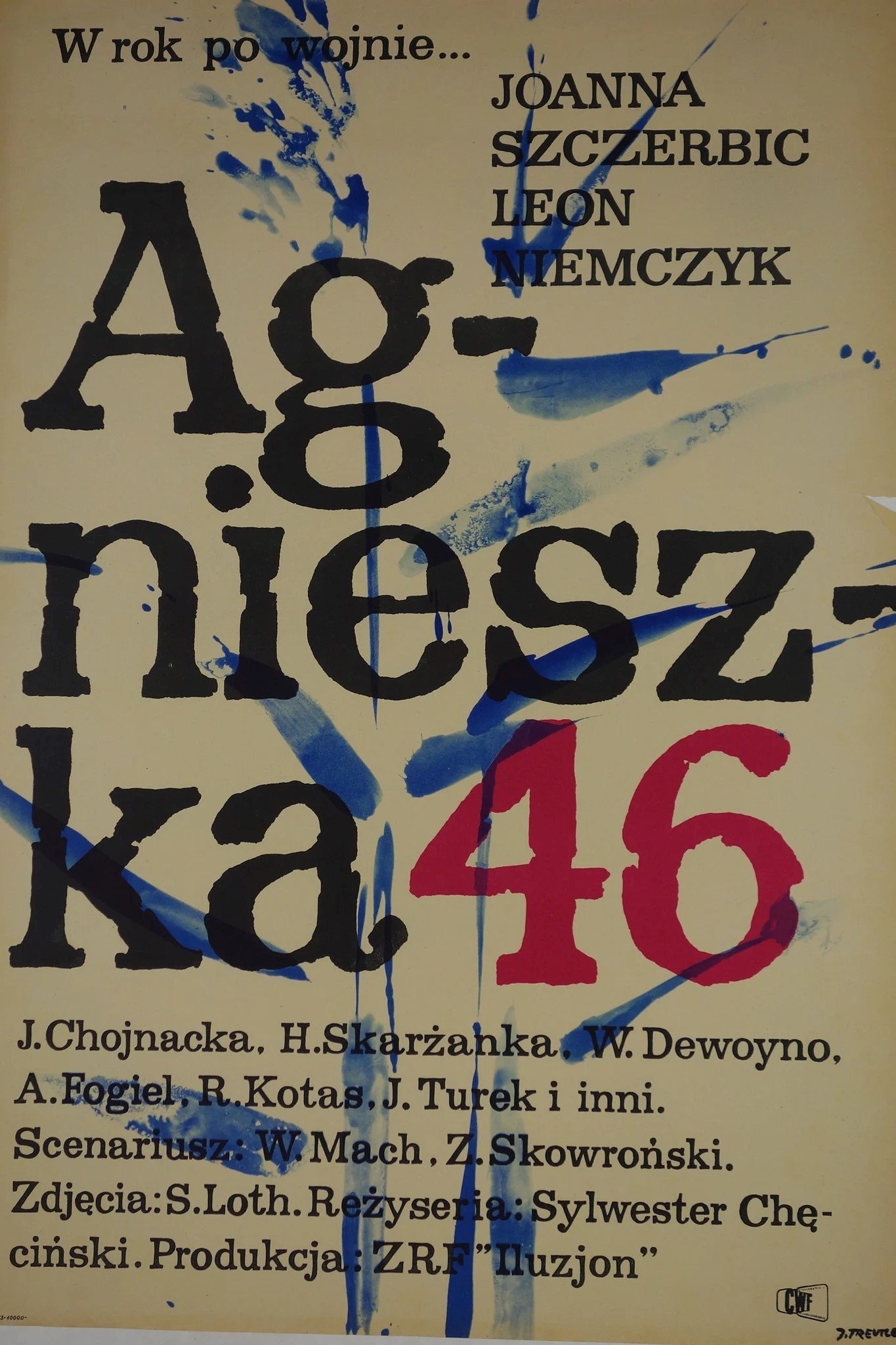
A young teacher and a conservative mayor fight over influence in a village in Western Poland, all while falling in love with each other.
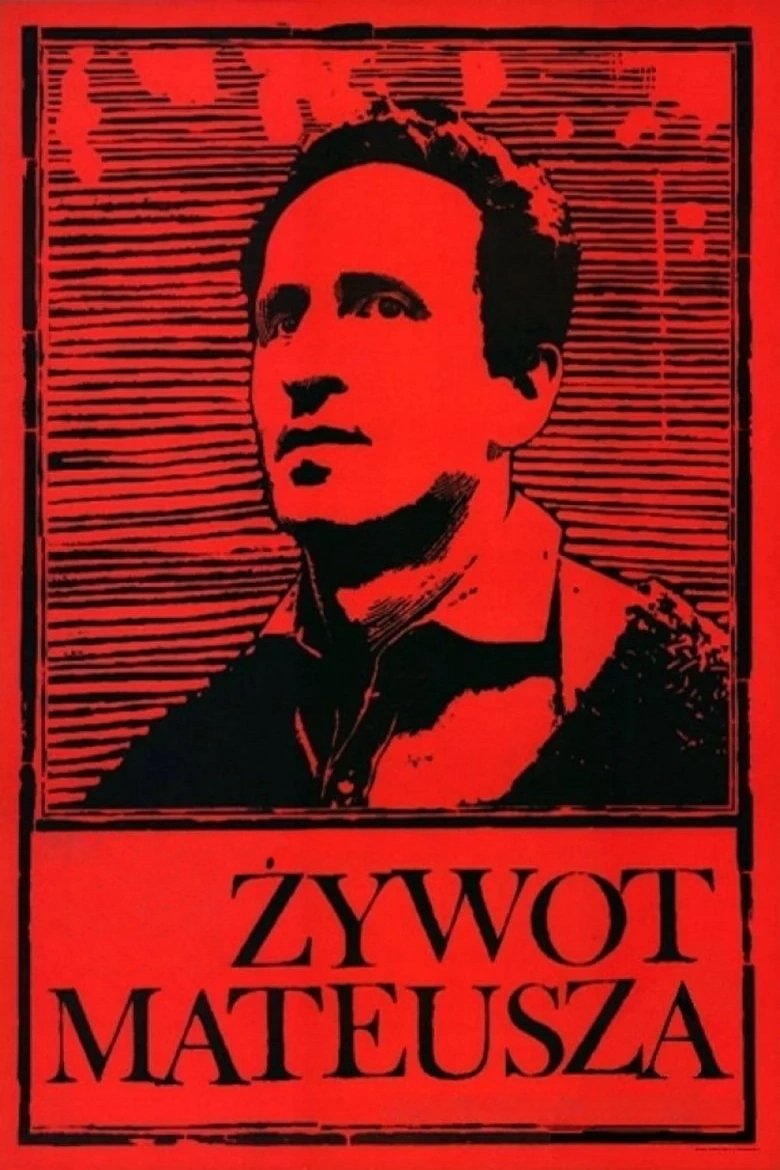
A man who is socially inept and out of touch with the world lives with his sister in a small farmhouse. The overly sensitive man lives off his hard-working sibling, taking odd jobs as he gets them to secure his meager earnings. When he brings home a woodcutter from the forest, the sister and the newcomer fall in love. Terrified over a life without his sister, the man can't cope.
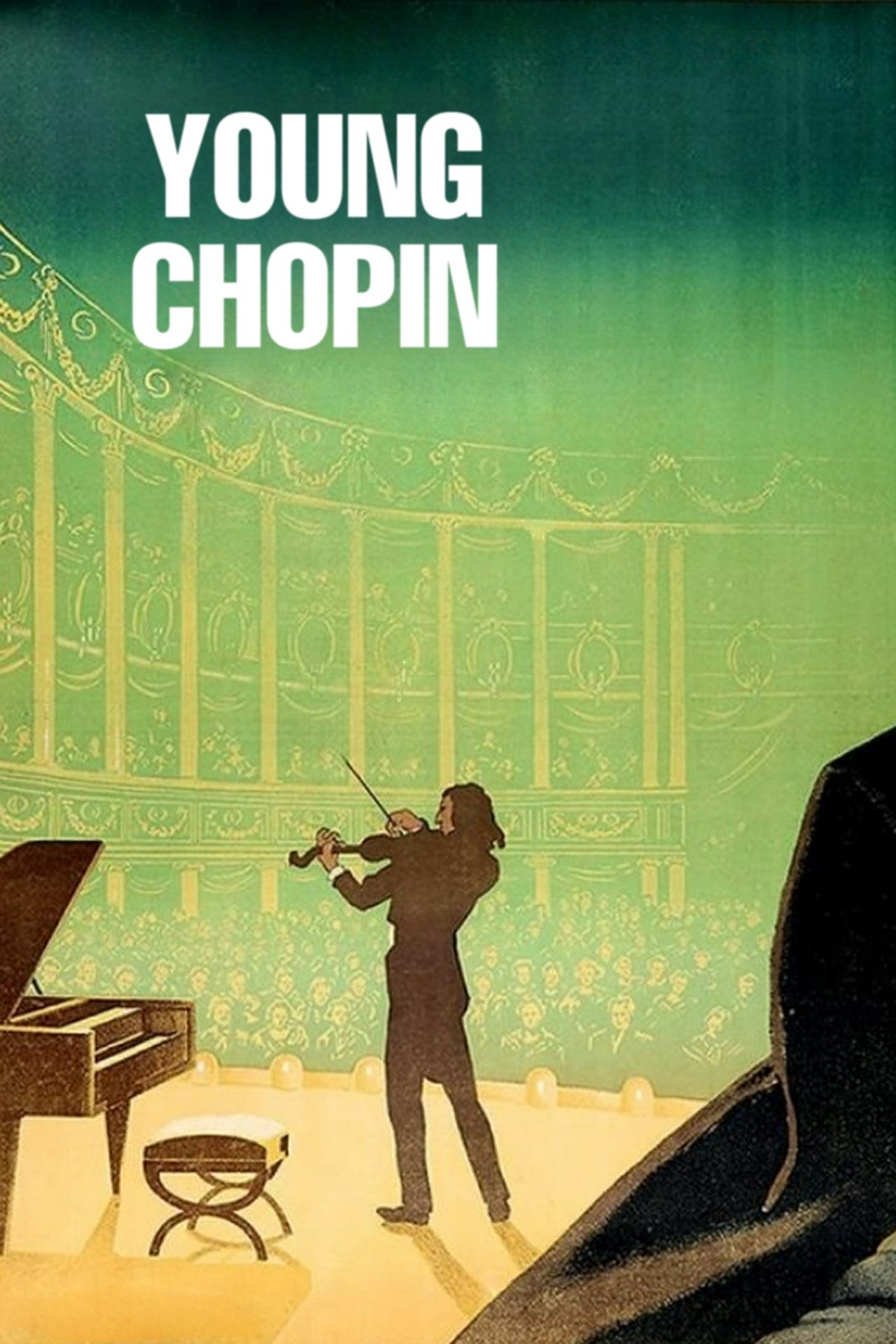
Young Frederic Chopin comes of age during a tumultous time in Polish history.
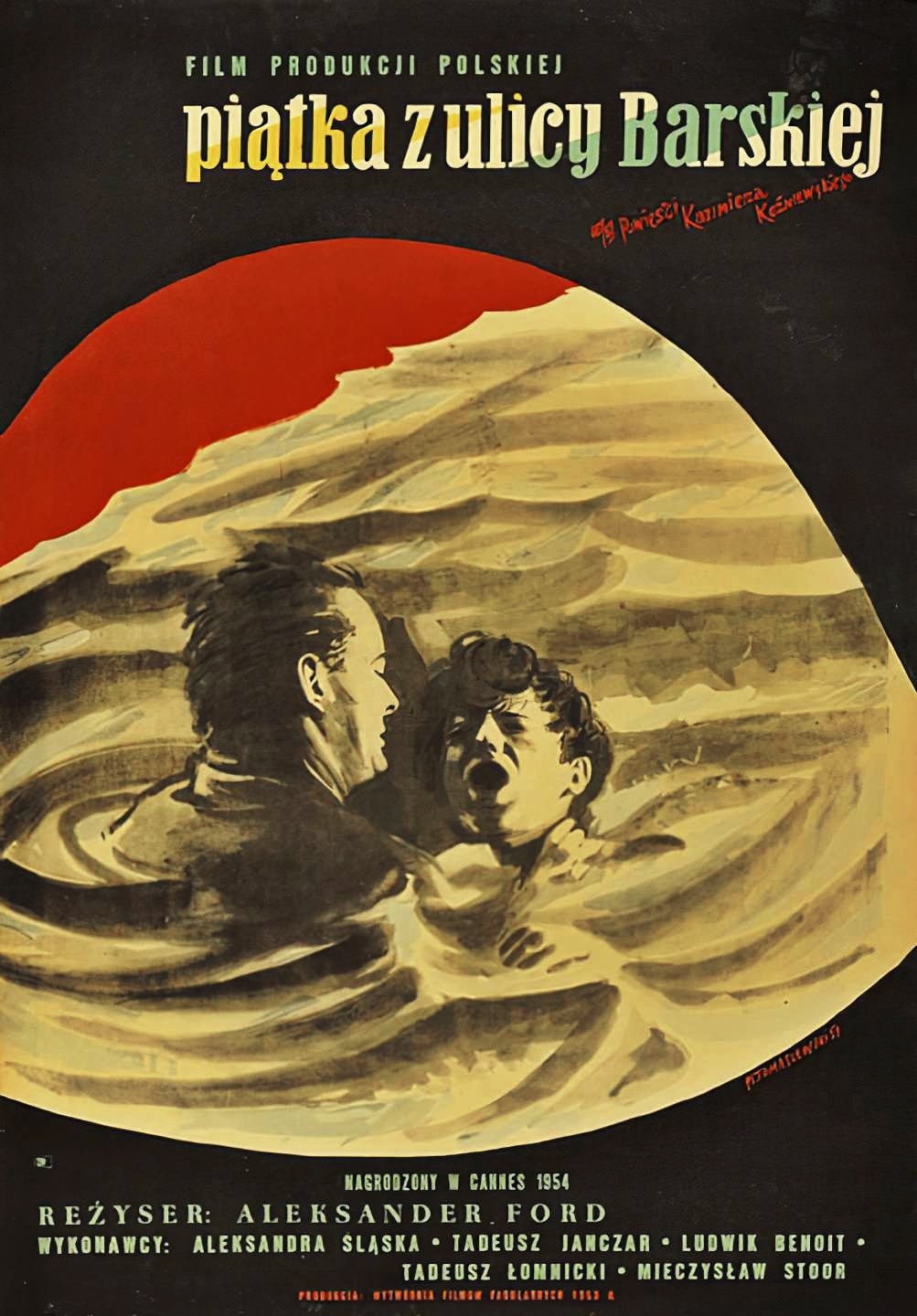
In war-ravaged Warsaw, five juvenile delinquents are given probation for stealing, to rehabilitate themselves, but remain under the influence of their profiteer-boss.
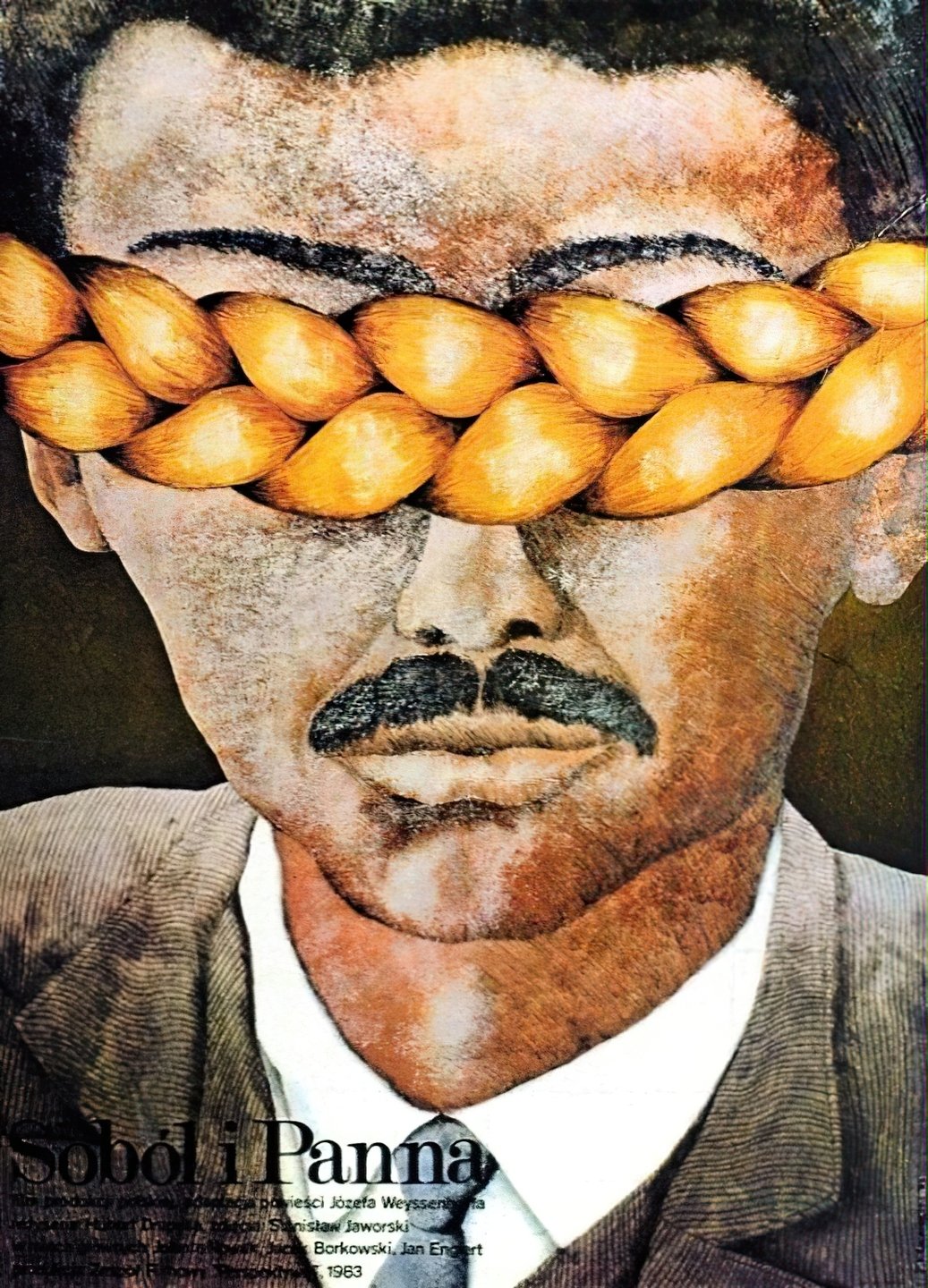
A young landowner, Michal Rajecki, falls in love with a beautiful country girl, Warszulka, with reciprocity. During one of their trysts, Rajecki gives the girl hope for a future together. Eventually, however, he begins to realize that a misalliance would cost him too much. He follows his friend's advice and tells the girl to accept the proposal of the peasant who is trying to get her. When he begins to realize that he has made a mistake, it is too late.
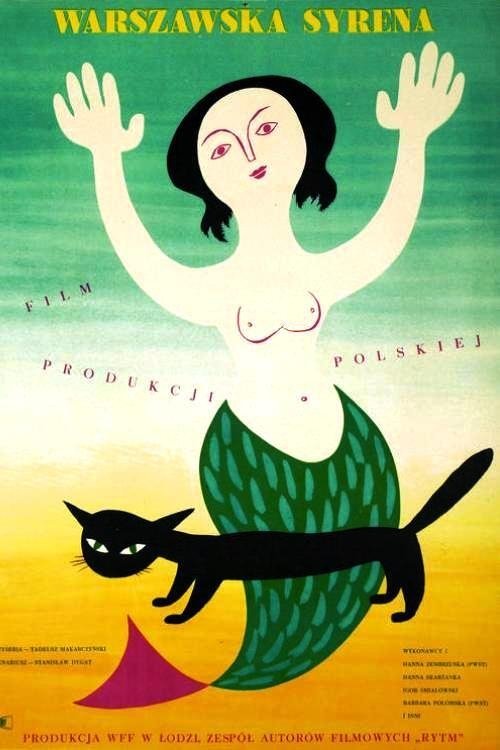
A fairy tale film based on an ancient legend about the founding of Warsaw and the good fairy Sirene of the Mazovian forests, who became the patron saint of the city.
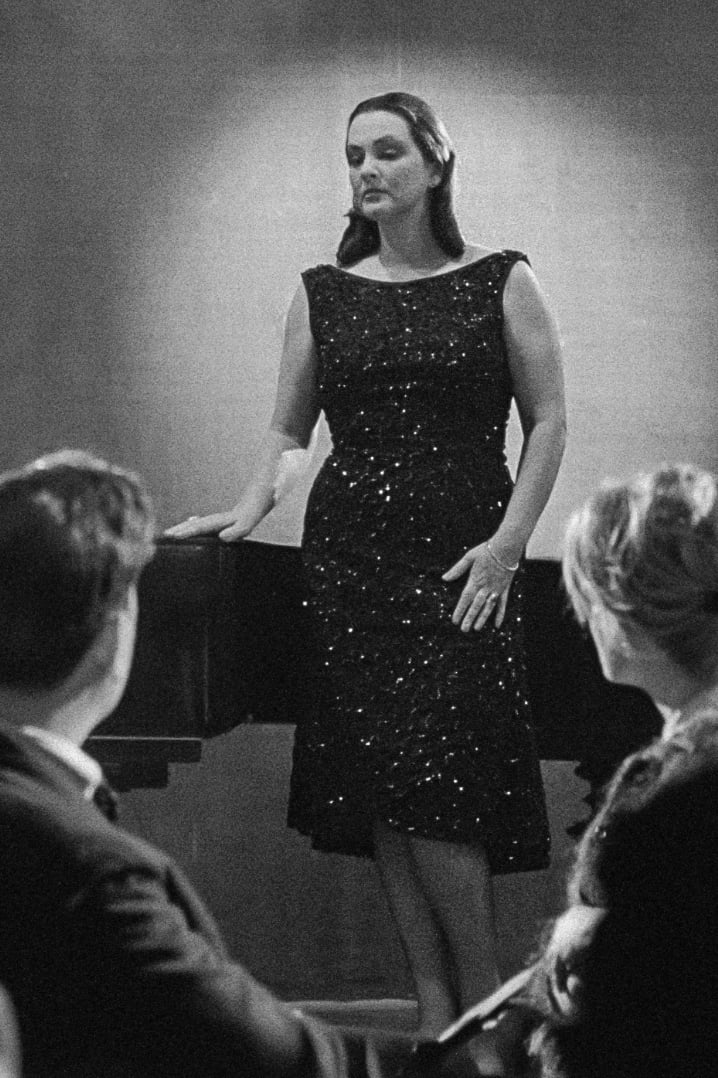
Documentary recording of one of the programs of the "Szpak" cabaret, which operated between 1954-1963 under the auspices of the Polish Radio. The skits and songs are presented by, among others, Irena Kwiatkowska, Alina Janowska, Mieczysław Czechowicz and Hanna Skarżanka.