
Early feature film by Hiroshi Shimizu.
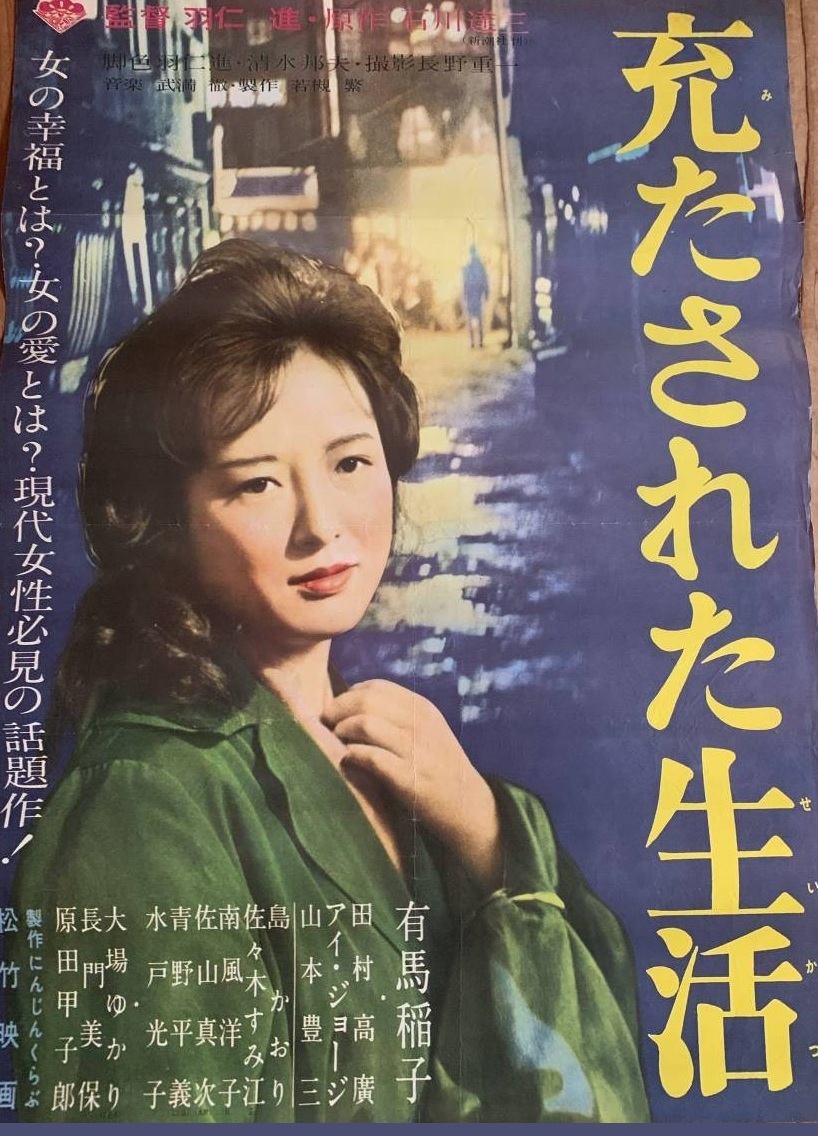
A woman becomes dissatisfied with her marriage and joins a political theater troupe to protest the U.S. Security Pact.
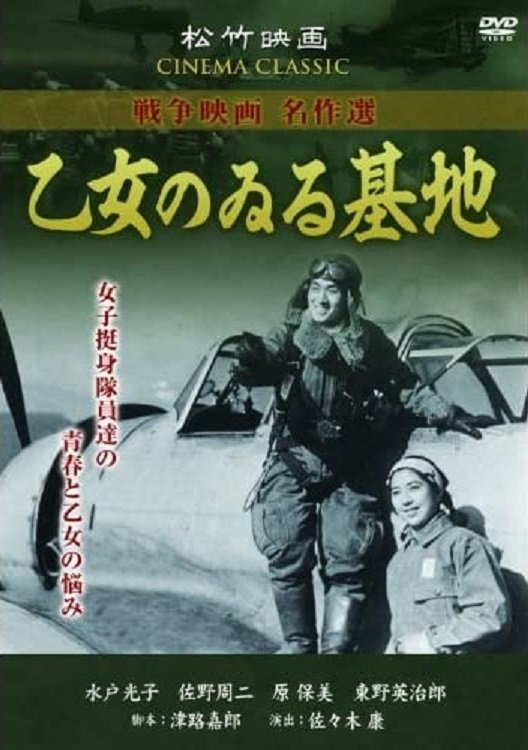
Japanese war movie.
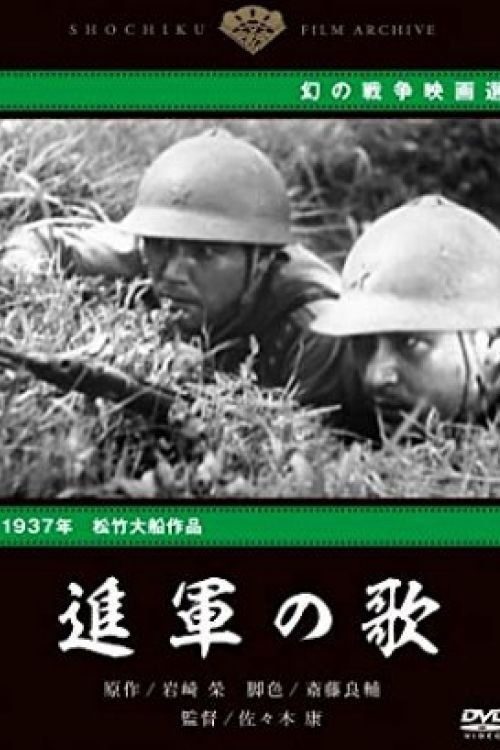
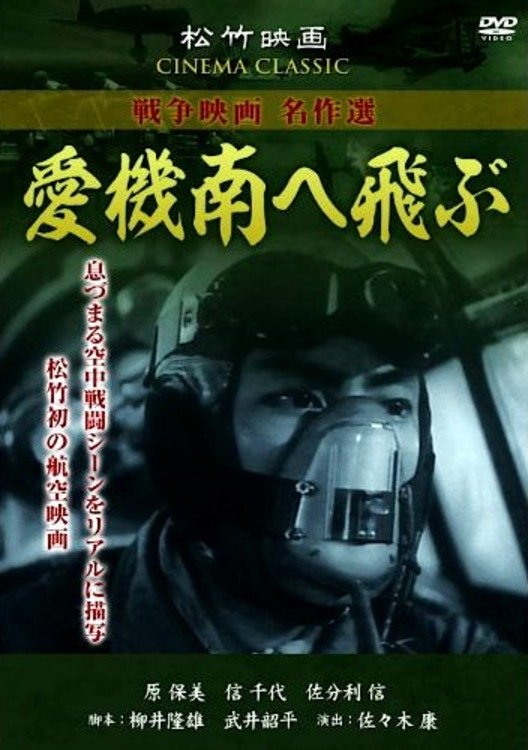
A Japanese wartime film directed by Yasushi Sasaki.
A spirited young teacher challenges the conservative school employing her with liberal thinking and teaching methods.
An actress returns to Tokyo after a successful stint in Hollywood to reclaim—with the help of her gangster brother—the daughter she abandoned years before.
Ryoichi and Chikako, brother and sister, live together. Chikako toils during the day and, at night, prostitutes herself to fund his college tuition.
A young man discovers that the woman who raised him is his stepmother. His stepbrother, who is unaware of the revelation, resents his mother for always punishing him more severely than his stepsibling.
Representing a destitute mother in an infanticide trial, a female lawyer attempts to convince a conservative prosecutor of the benefits of Japan's democratized post-war legal system.
A young man falls in love with a prostitute and is disowned by his family. He is then drafted, and heads off to war. Script exists - considered to be a lost film.
Second film of the Bannai Tarao series starring Chiezo Kataoka
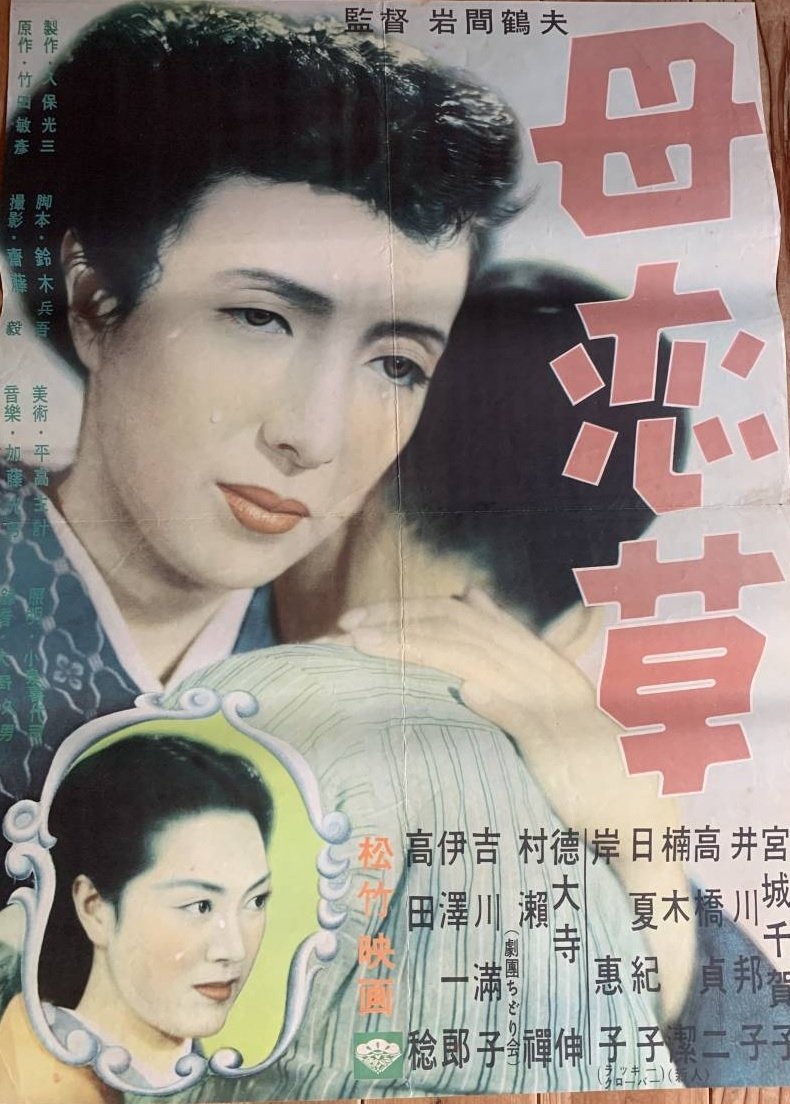
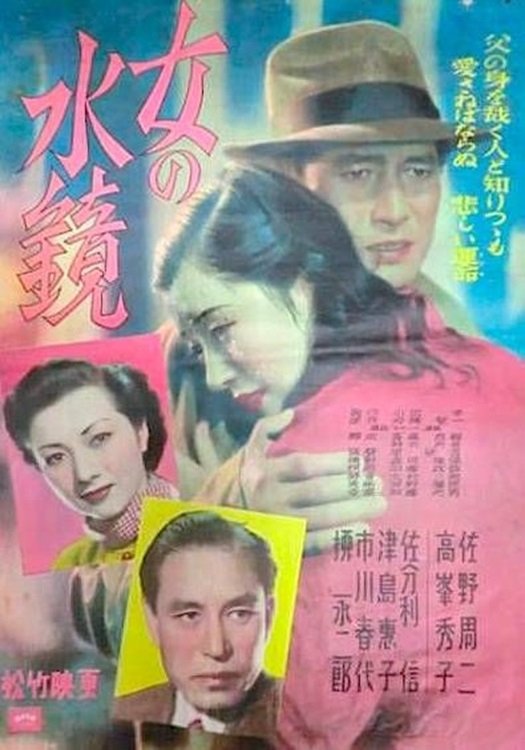
Tozai Electric president Minamoto (Yanagi) is about to be pursued by the public prosecutor's office and tries to bribe Manabe (Saburi), the man in charge, but fails. His daughter Naeko (Takamine) finds out and takes on the role herself. This is a love romance adapted from an original story by Seiichi Funabashi that appeared in the magazine "Romance.”
Directed by Mikio Naruse. It is presumed to be lost.
1945 Japanese movie
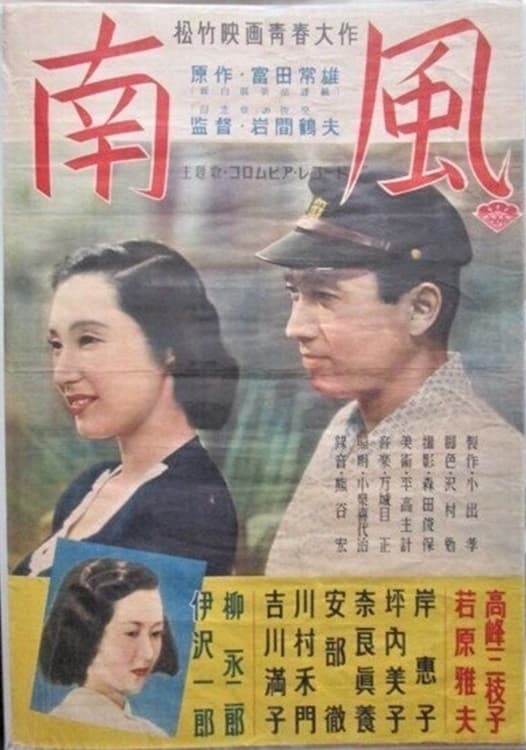
1951 Japanese movie
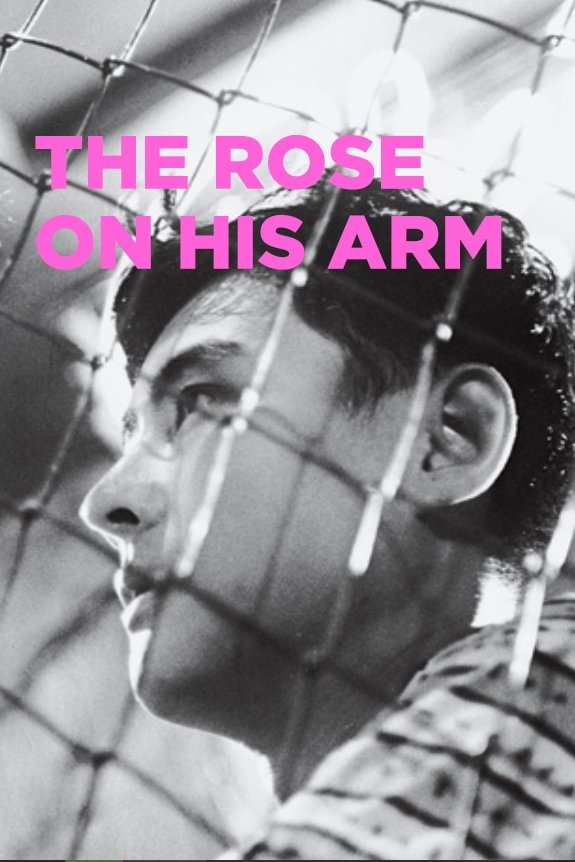
Ignoring the protests of his working-class mother, a young man becomes wrapped up in the world of delinquents and yakuza.
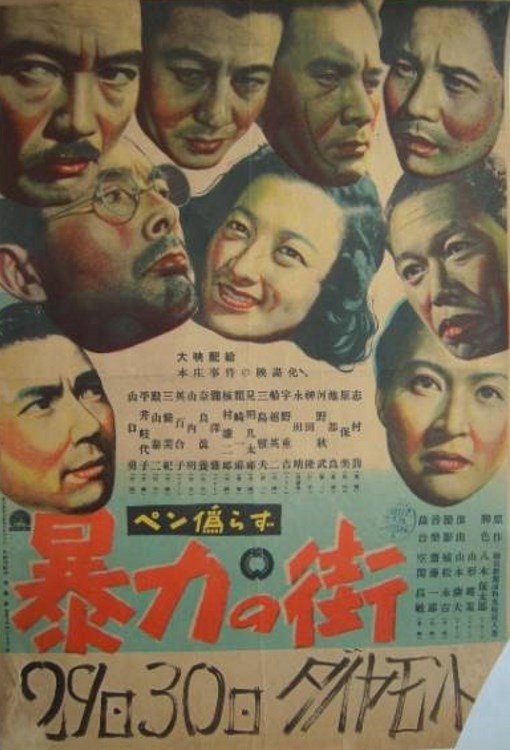
An attempt is made to suppress a journalist's investigation of collusion between a rural police chief and the local gangster bosses.
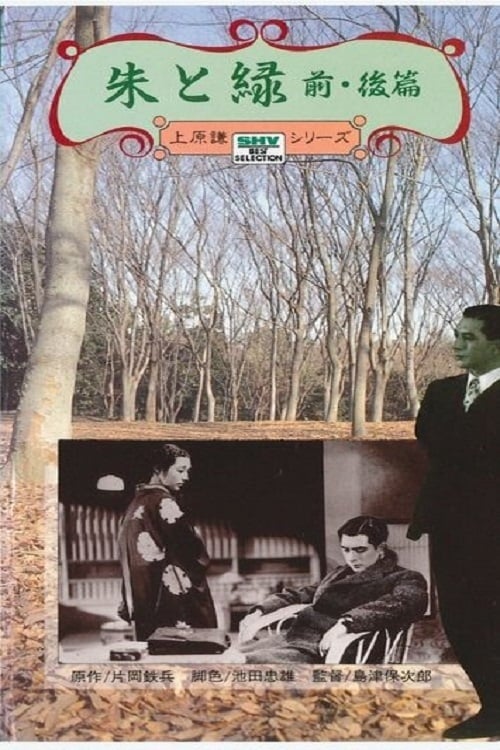
A businessman’s daughter falls in love with one of her father’s employees.
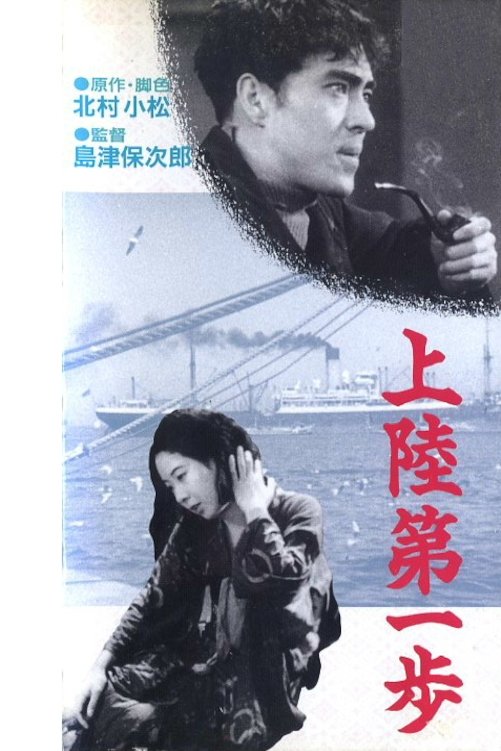
The story of a sailor who begins a love affair with a woman he saves from suicide.
The 1929 Japanese film "Mother" which helped child actress Hideko Takamine become a star.
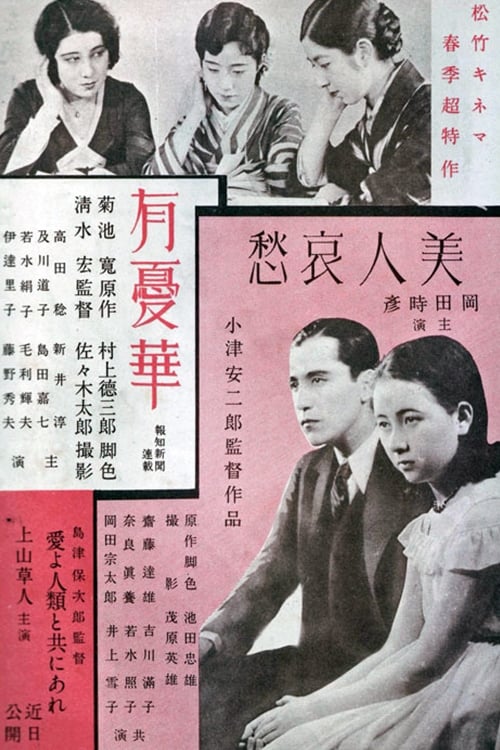
Two people are fascinated by a sculptor's statue. The film is lost.
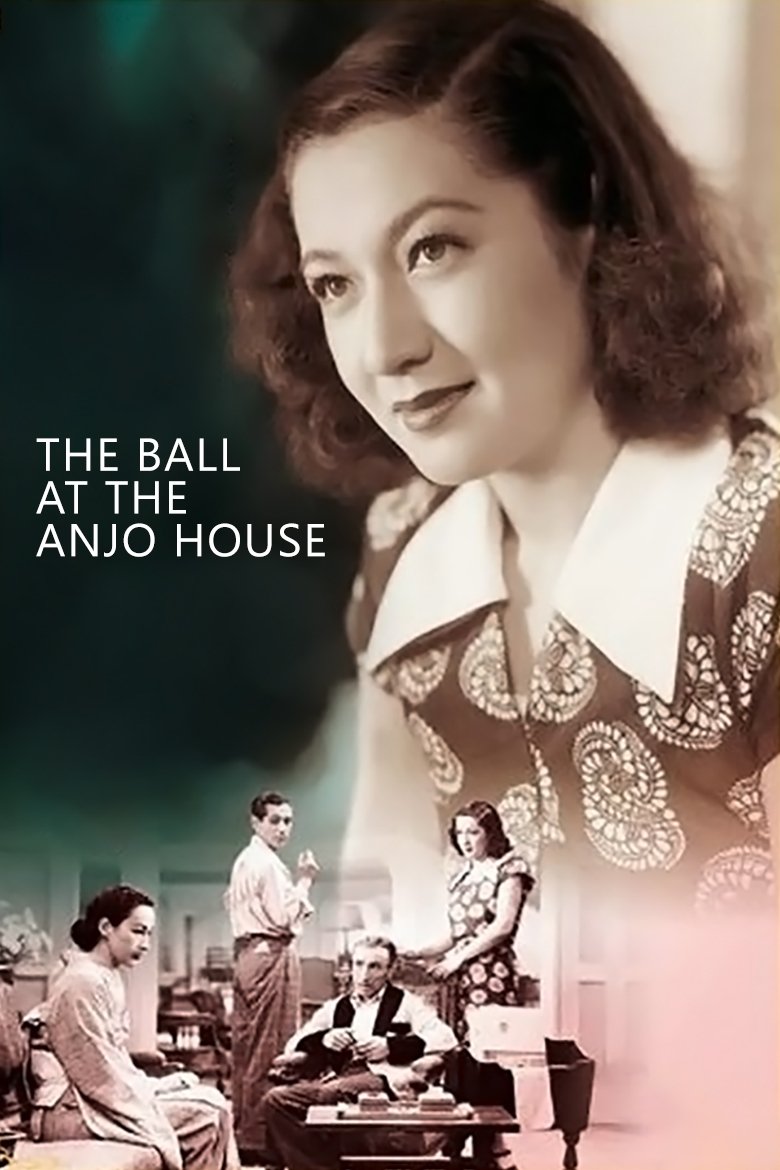
After Japan's defeat in the war, the Anjo family lose their peerage and wealth. Since their mansion is due to pass into the hands of a creditor, the family holds one last ball before leaving.
A reformatory in the remote countryside houses 200 delinquents and problem children. The teachers and caretakers face much trouble. The school is often short on water, and one day, the well runs dry.
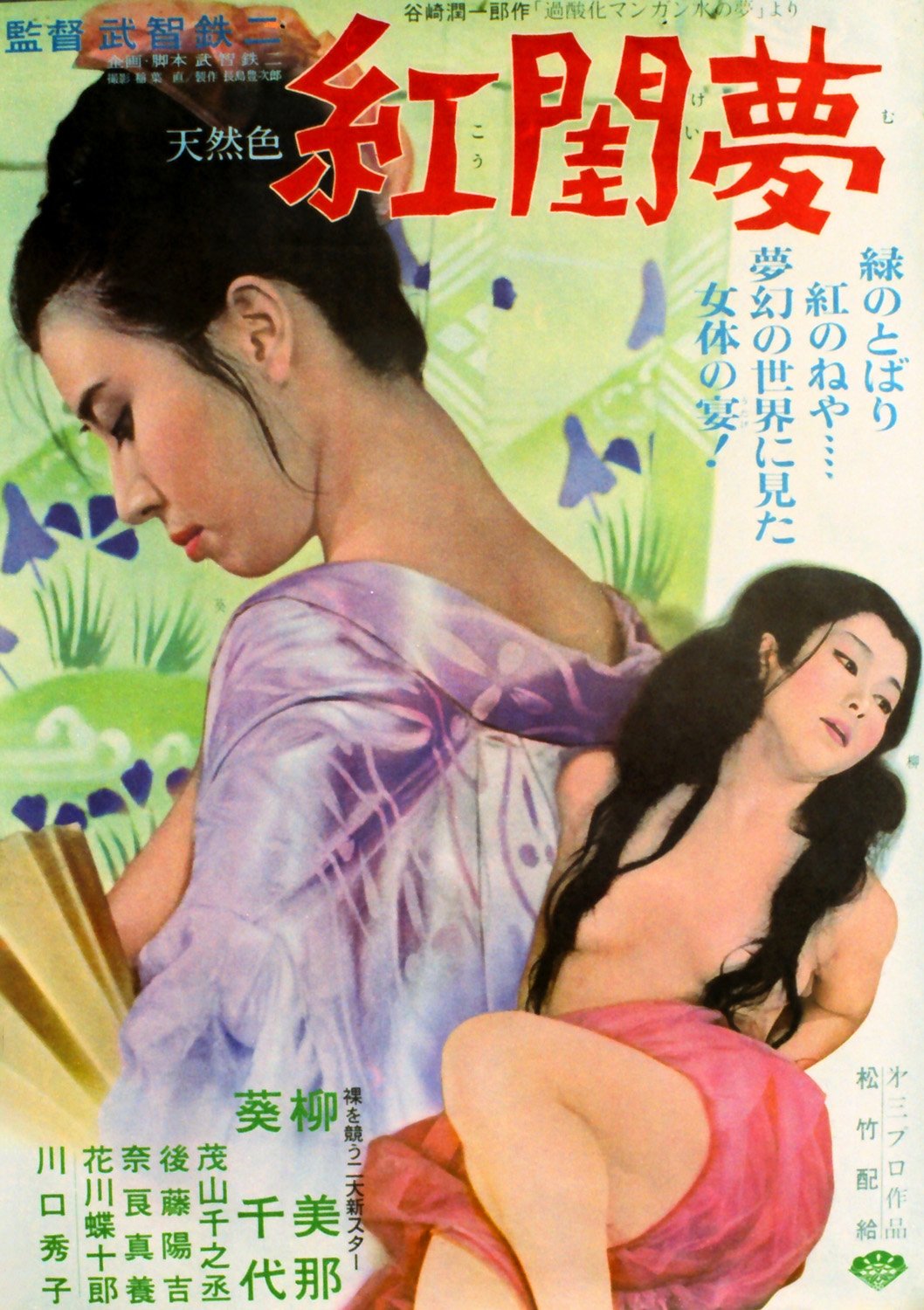
Tetsuji Takechi's third film is based on two short stories by Jun'ichirō Tanizaki. The film depicts the lurid and violently erotic dreams of a writer, his wife and his sister, after having spent a night out drinking and visiting sex shows. It underwent extensive censorship before the government would allow it to be released. About 20% of the film's original content was cut and this footage is now considered lost.
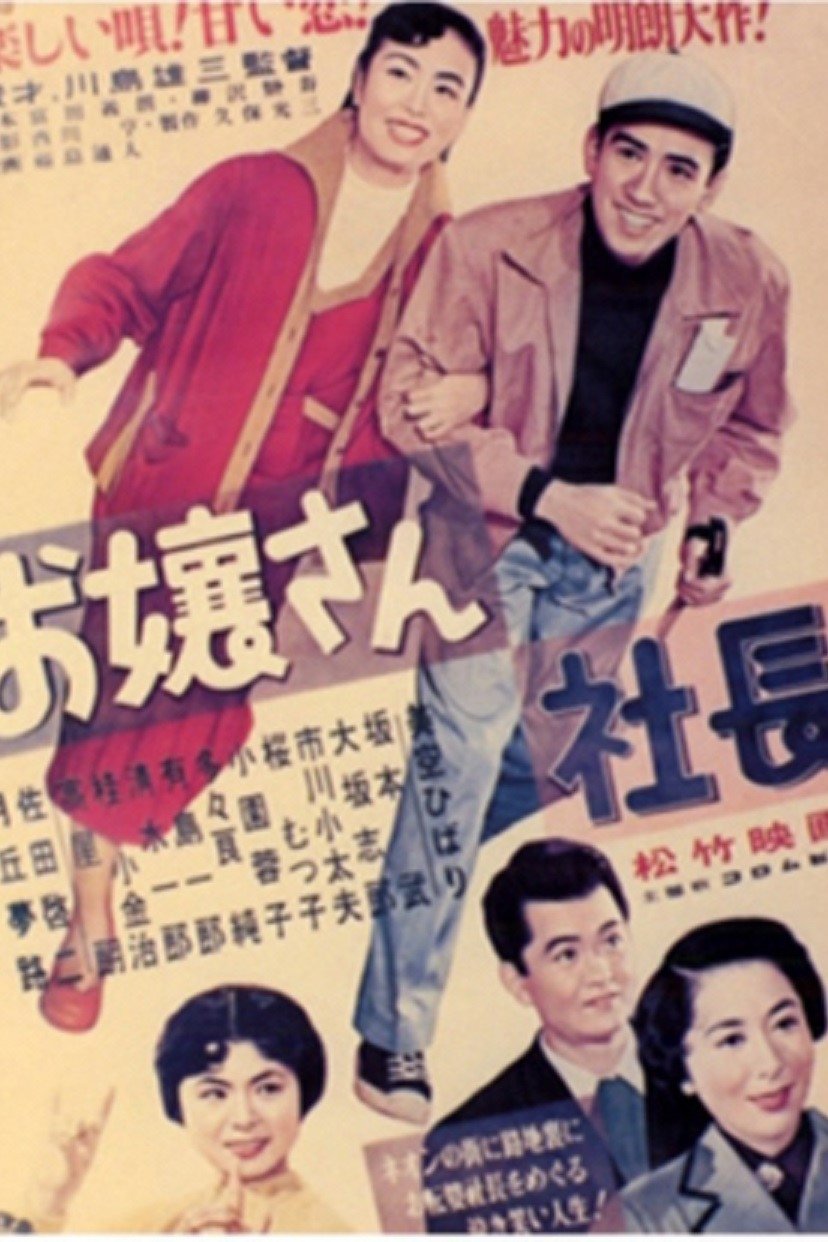
A President of the confectionery company announced his retirement, and his sixteen year old granddaughter, Madoka was ordered to be a new head. But Madoka wants to be a stage dancer, so she won't concentrate her office job. Madoka meets Akiyama, a stage director. Akiyama introduce her to his neighbors. In among poor but open minded people, Madoka has changed. Her new ambition is her company provide nice sweets for children. She decide to focus on the office job. But she doesn't know that company executives has conspiracy against her...
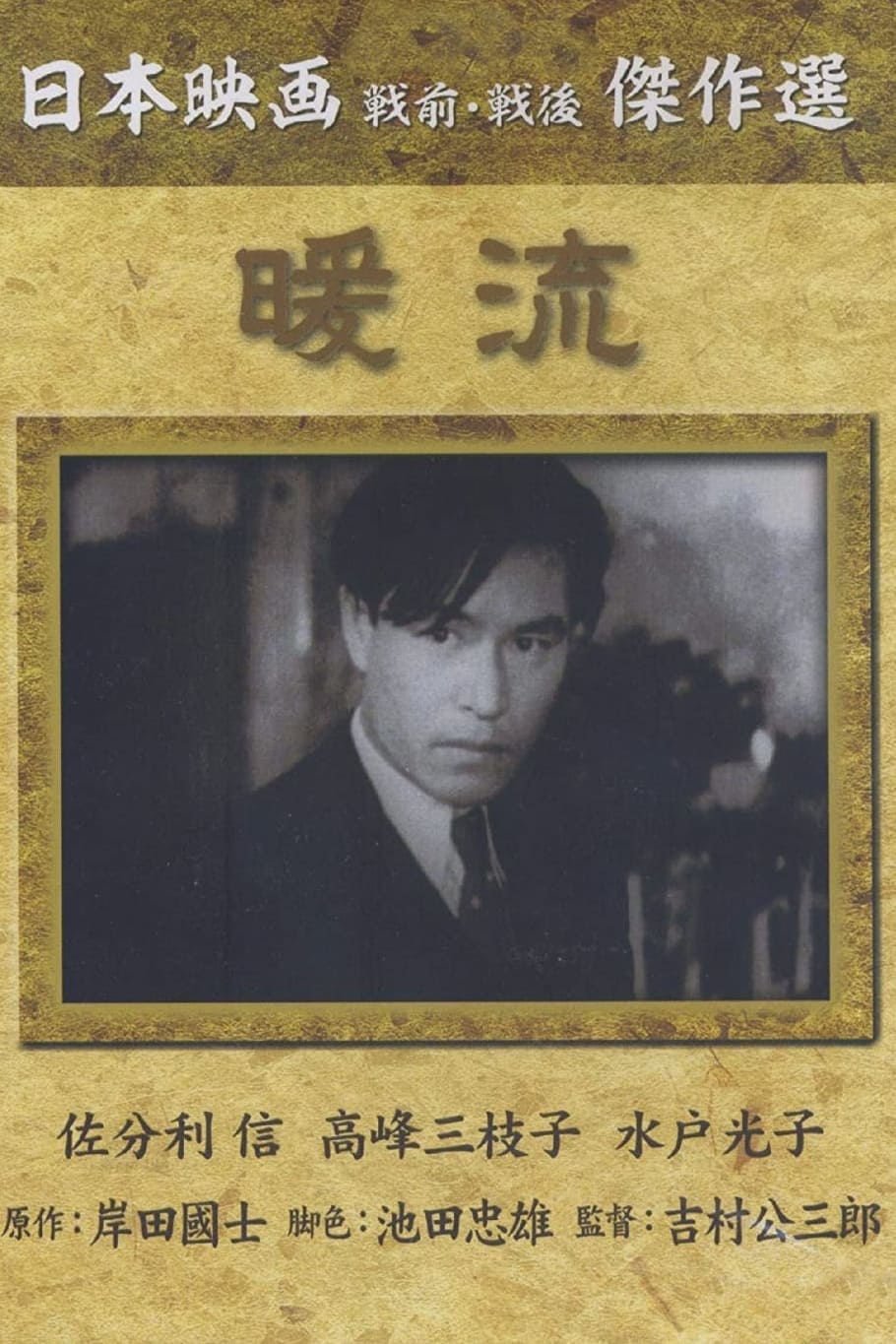
Adaptation of Kishida Kunio's novel. Set against the backdrop of a power struggle within a hospital, depicts the love lives of the director's daughter, the administrative director, a doctor, and a nurse.
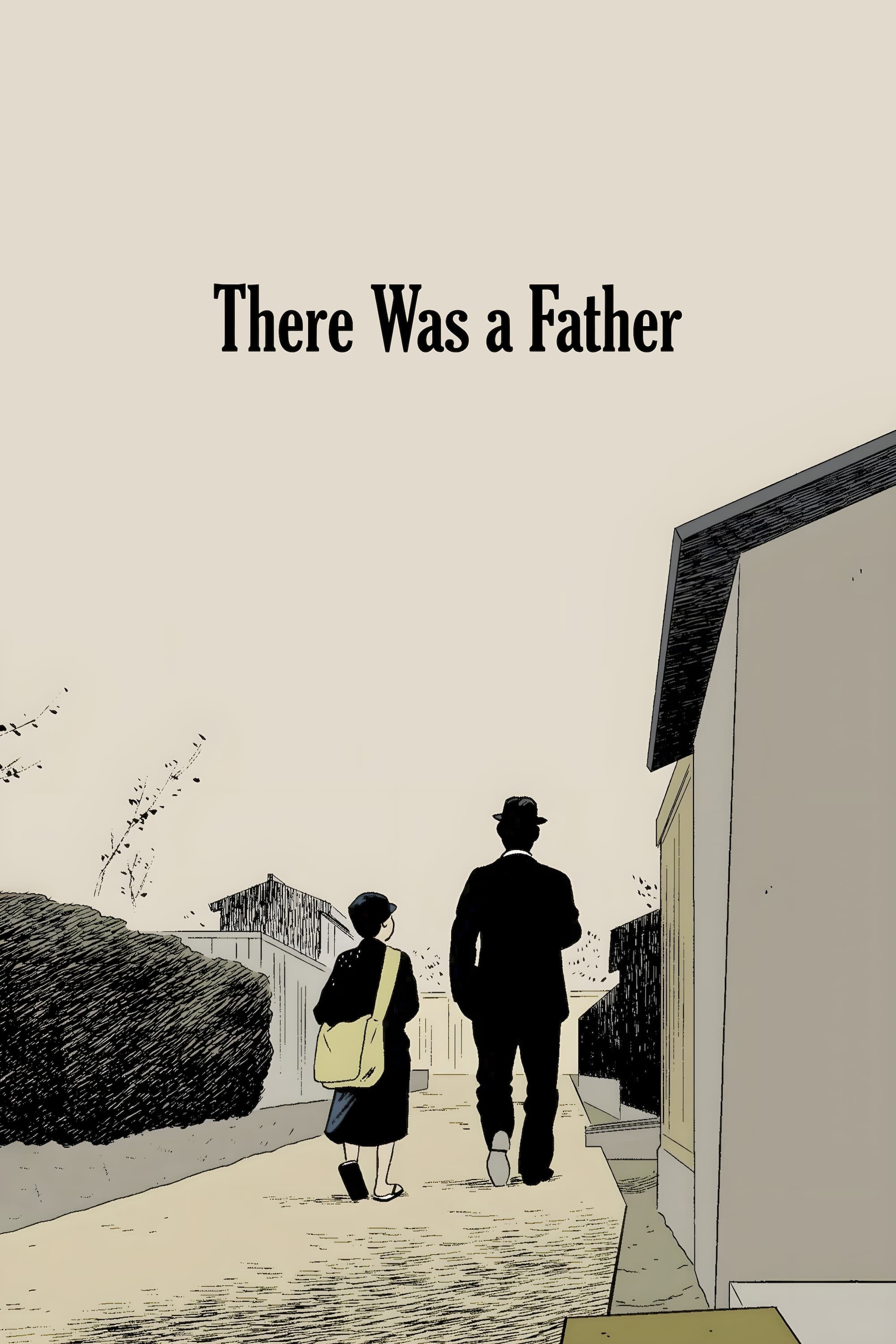
Shuhei Horikawa, a poor schoolteacher, struggles to raise his son Ryohei by himself, despite neither money nor prospects.
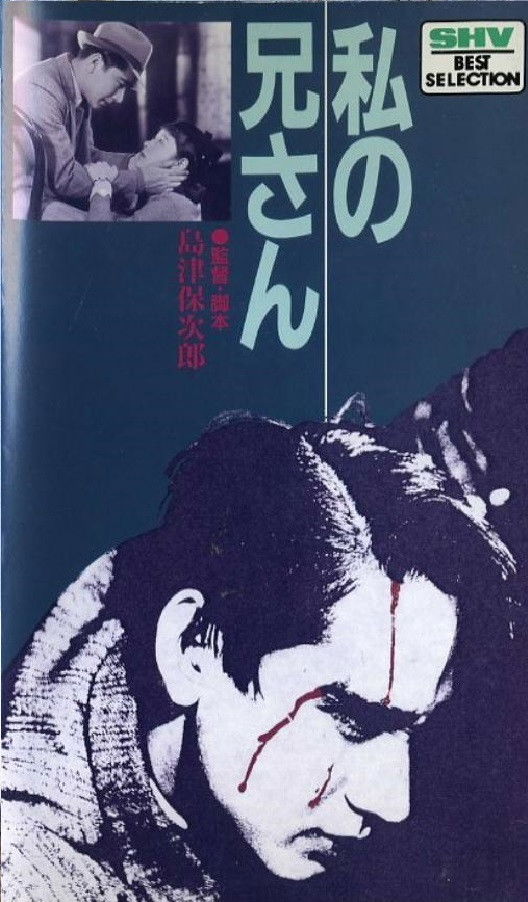
Jyuta, an honest owner of a taxi company, has a younger half-brother who is involved in the yakuza world and doesn’t get along well with his mother. Jyuta tries to correct him…
Michiko gets pregnant after a rape. She marries a boring business partner of her father to avoid the shame. Later she meets the rapist again who is now a union leader in opposition of her husband.
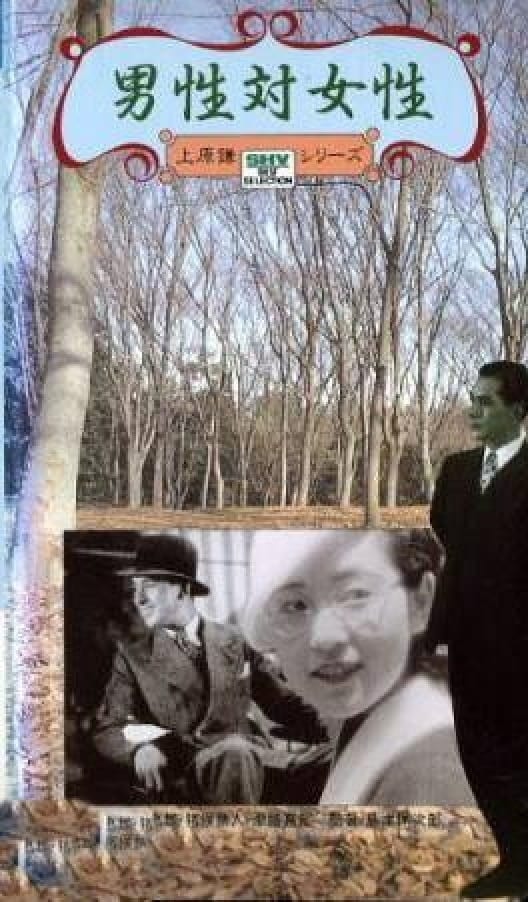
A musical film made for the inauguration of Shochiku's Ofuna Studio, with an all-star cast of the era.
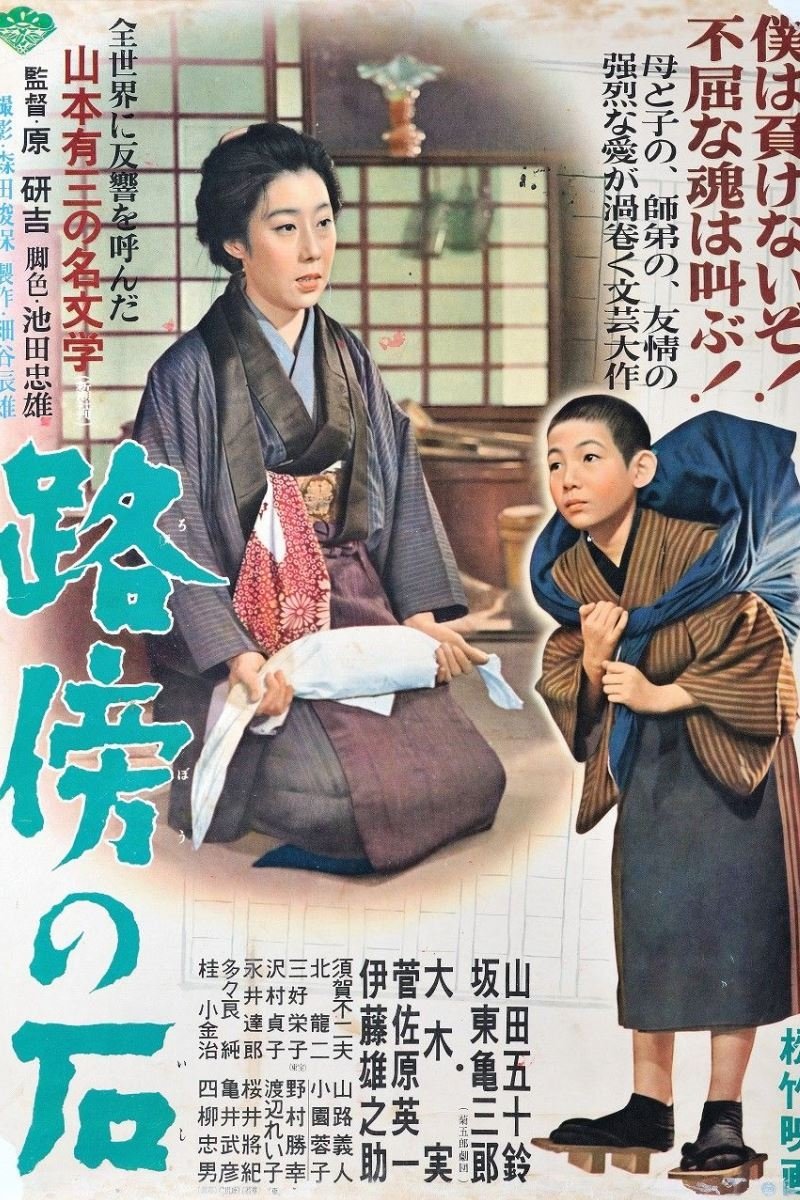
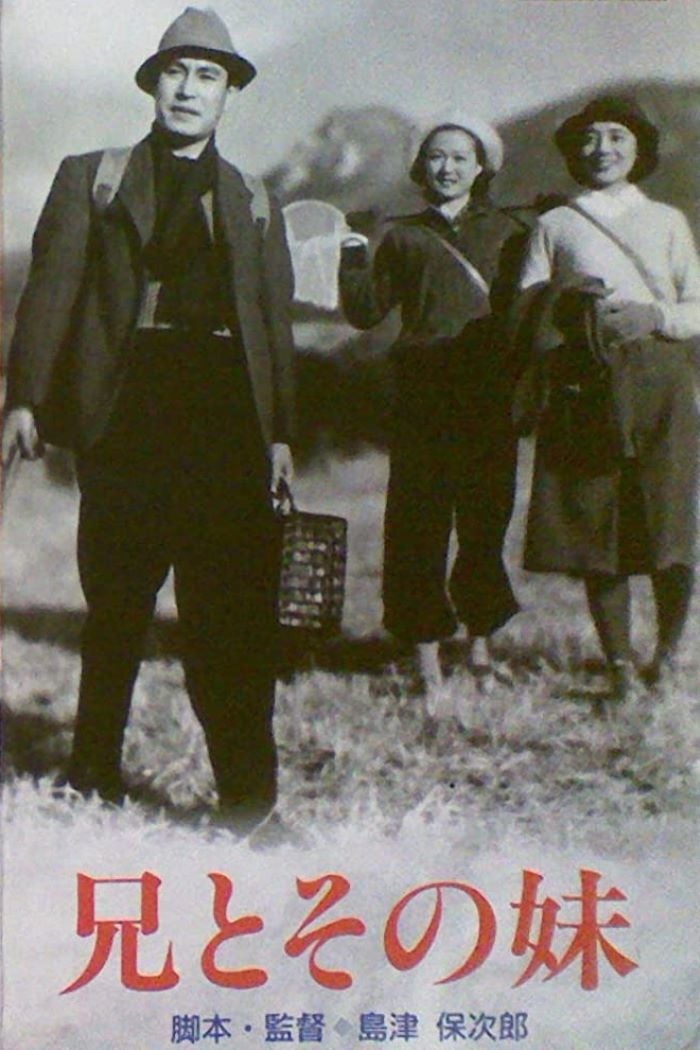
A man who works late hours at a deadening job lives together with his wife and his younger sister. The younger sister's a modern girl who's starting to receive romantic attention from one of her co-workers.
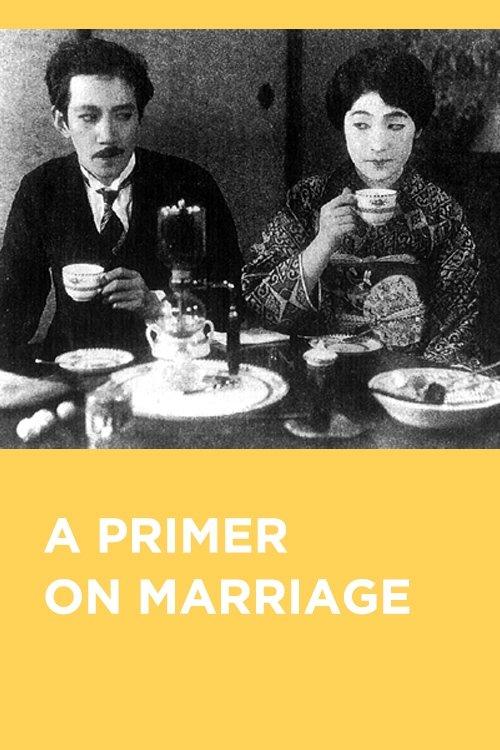
Bored in his marriage, a dentist flirts with a young woman on a train. However he soon finds himself embroiled in a series of misunderstandings with his wife, the young woman and her husband. Considered to be a lost film.
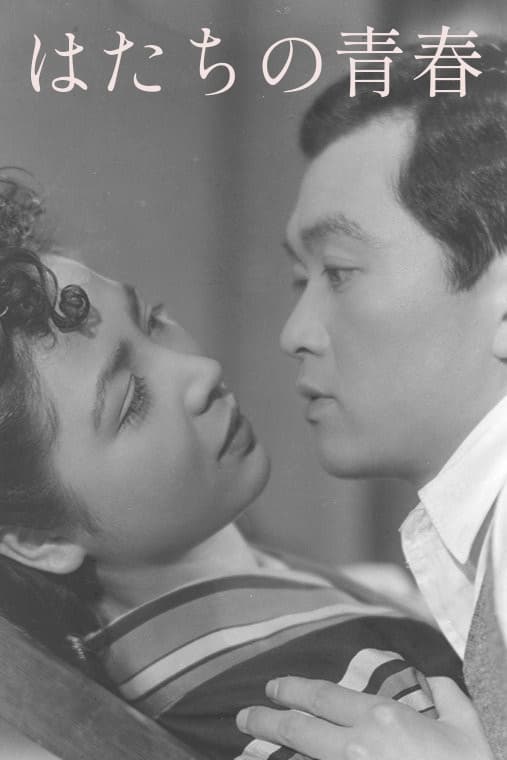
The film features the first scene with kissing in a Japanese film. Kiss scenes were encouraged by the American occupiers of Japan following World War II as it encouraged westernization and contrasted with the traditional bow prevalent in that country.
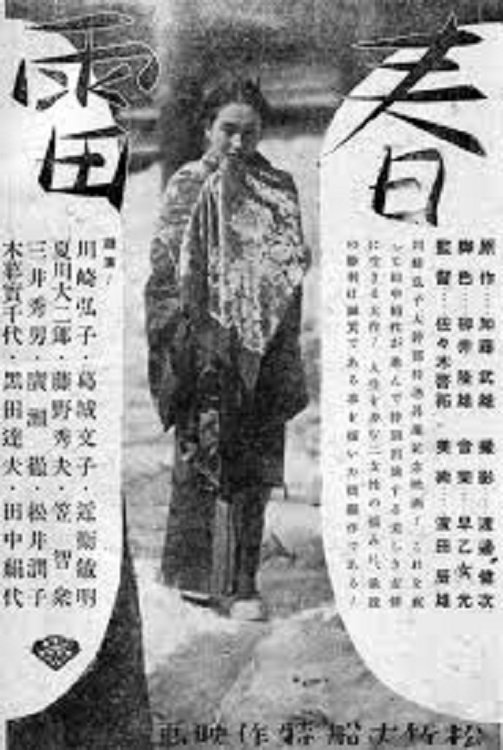
Eiko is an innocent young lady born into a wealthy family with nothing to offer. She was good at singing, and lived her life playing around with her cronies, organizing music concerts and so on. However, things change when her father's business fails and she was suddenly thrown out into the world without any foundation. Eiko has no one to support her after she loses her social status, and her only tutor, Shinnosuke (Natsukawa Daijiro) was the only one who was sincere. Eiko is a stickler for using everything she can get her hands on, and she quickly moves into Shinnosuke's house.
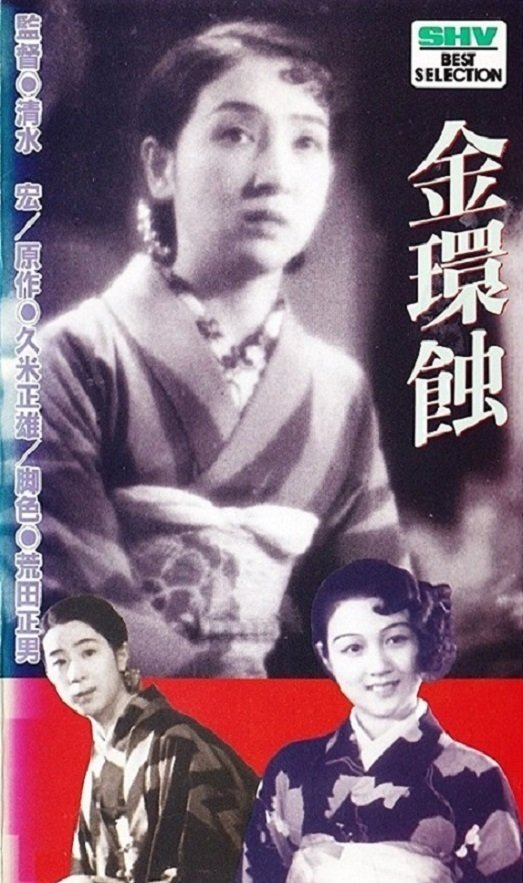
The story is centered around the devastating experiences of two villagers, Osaki Shuichi, and his cousin, Nishimiura Kinue, when they leave their hometown for the metropolis of Tokyo. They are in love with each other, but Kinue is expected to marry the lawyer Kanda Seiji. In consequence, Shukichi leaves for Tokyo, where he becomes tutor to the son of the rich Iwaki family. The heartbroken Kinue also makes her way to the capital, where she becomes a bar hostess.
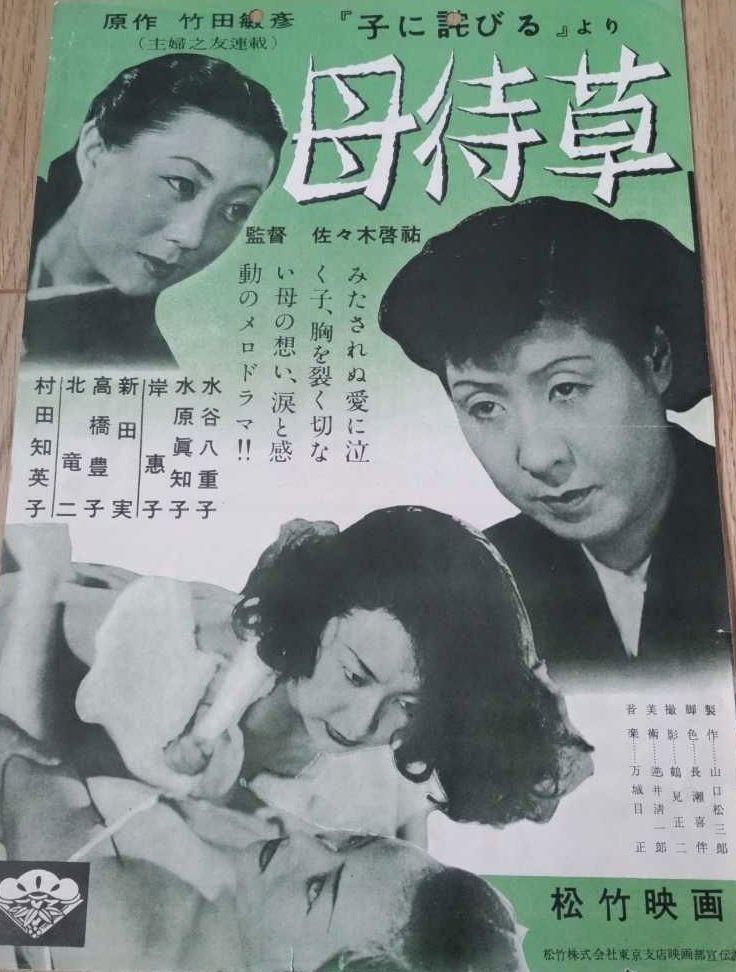
Asako works in a hostel for troubled young women. When a beautiful young girl is brought in one day after committing theft, Asako finds out from the older widow she works with that the new girl is undoubtedly her half-sister. When the younger sister suddenly flees on account of a misunderstanding, Asako makes up her mind to find the mother who deserted them both.
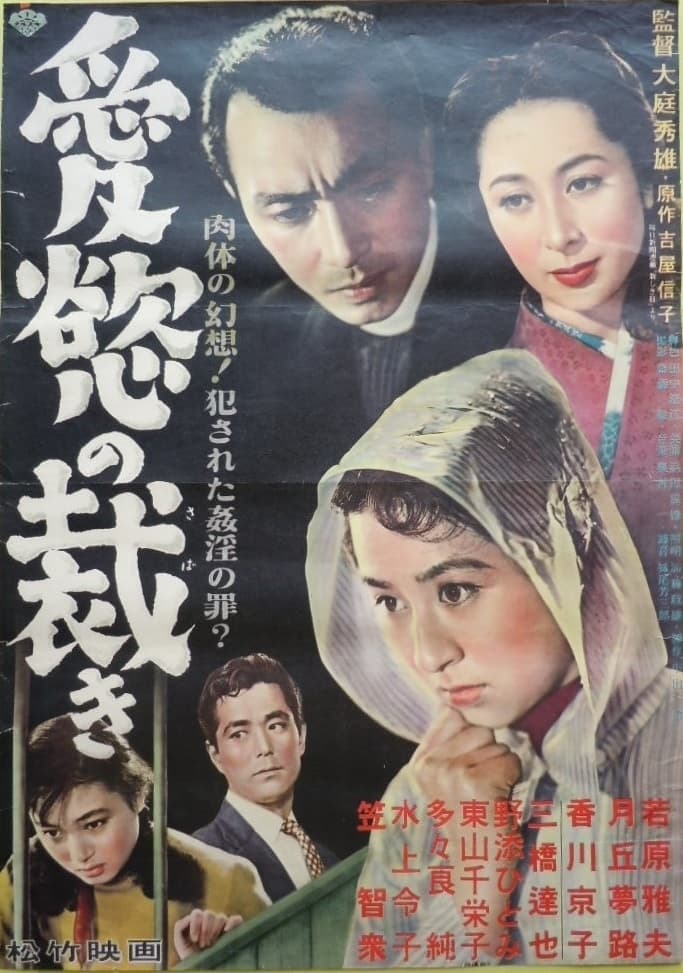
Motoko Fujikawa works in the Seisen Church as an assistant to pastor Maki Inokichi. Motoko falls in love with Inokichi's virtuous character and devotes herself to the rehabilitation of a delinquent girl, gradually finding her job at the institution more worthwhile than the marriage recommended by her parents. Meanwhile, inside Inokichi's heart a flame of unknowing love for the single-minded Motoko begins to burn...
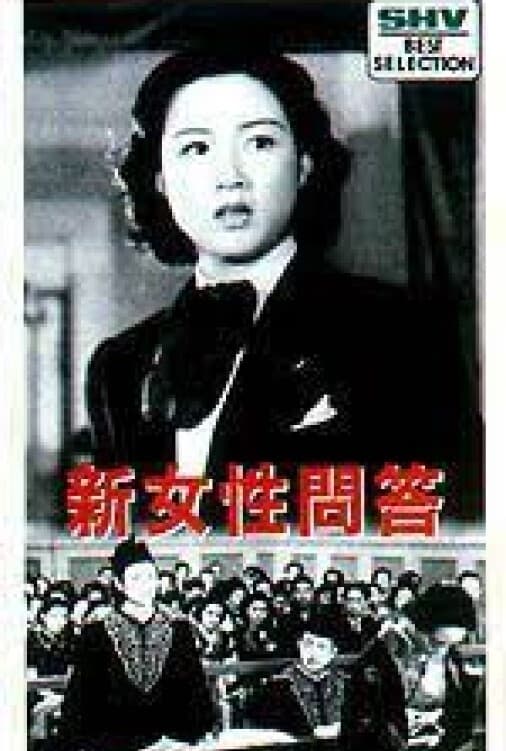
Jie attended a women's university with the financial support of her geisha sister Oha and became a lawyer. The aim. Michiko, one of the seven best friends from the same women's college, is getting married. The man she's marrying is her sister's lover.
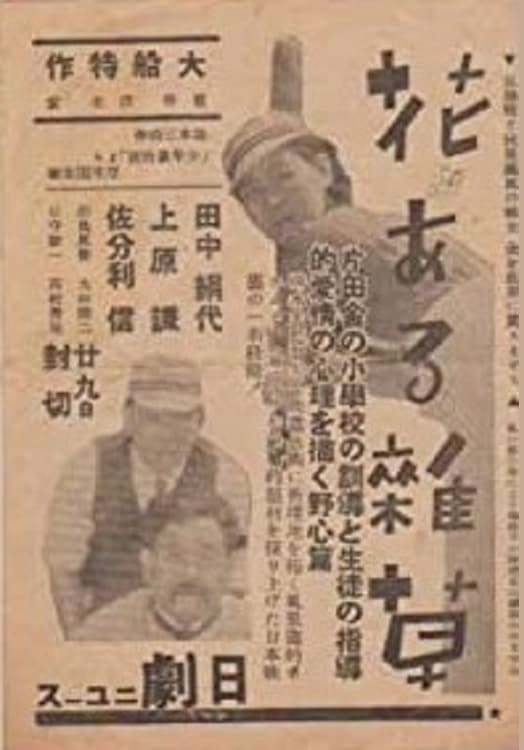
Weed with Flowers
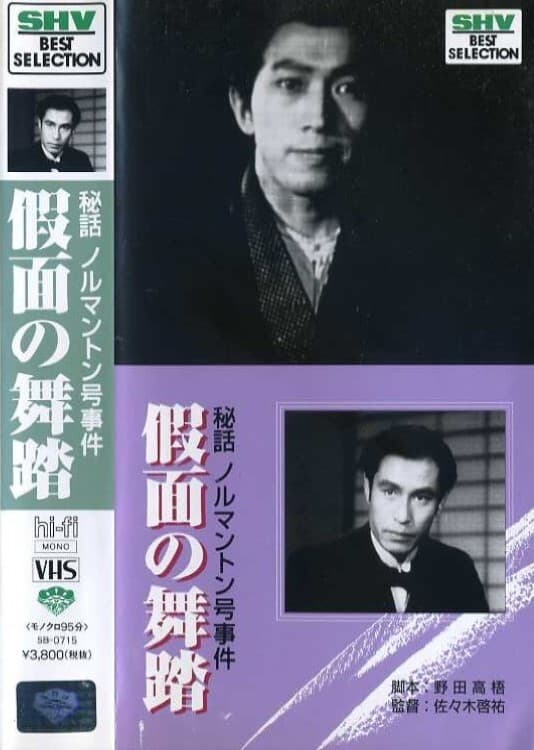
Japanese propaganda film about the Normanton Incident.
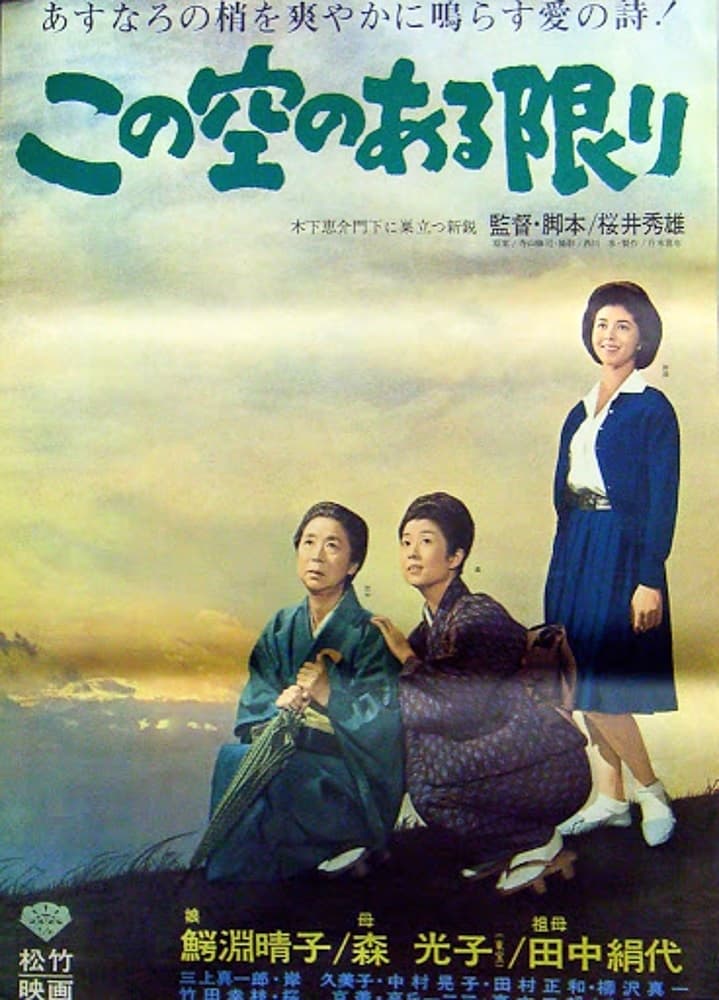
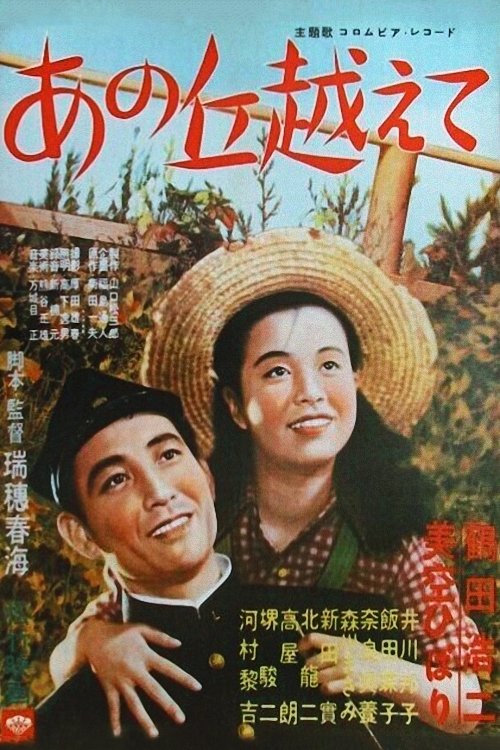
Mariko is an innocent girl who grew up in the highlands of Shinshu. She moves to Tokyo to live with her father who has successfully returned to Japan. Mariko is simply confused by the life in Tokyo, which is different from her own. Only her private tutor Daisuke was an advisor she could tolerate. Mariko develops slight feelings for Daisuke and finally realizes that he is her first love...
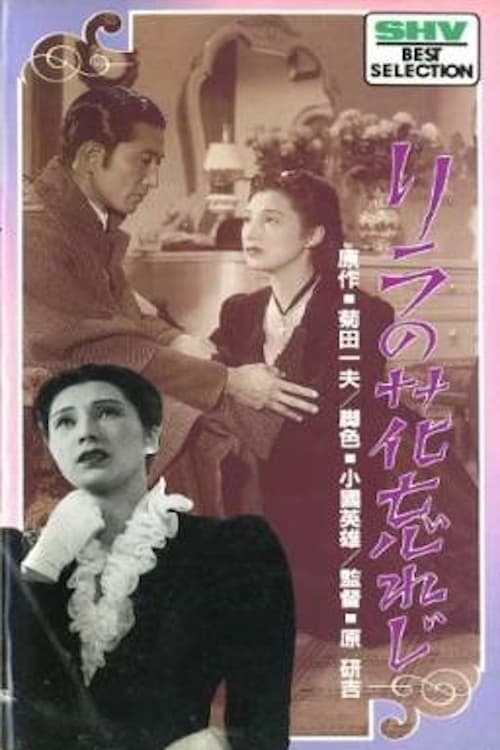
In the 30th year, Nirasaki Den'emon established the Nirasaki Hokkaido Development Company with investment from Sonoi to build railway facilities. However, the endeavor faced criticism for attempting to buy Ainu land at low prices. Tokyo Nippo reporter Toshimasa Matsuzaka, who was actually Nirasaki's son, wants to expose the flawed practices of the company.
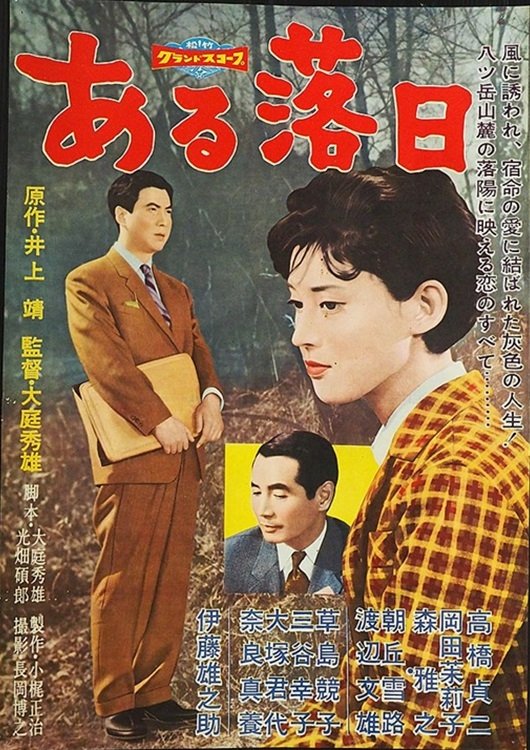
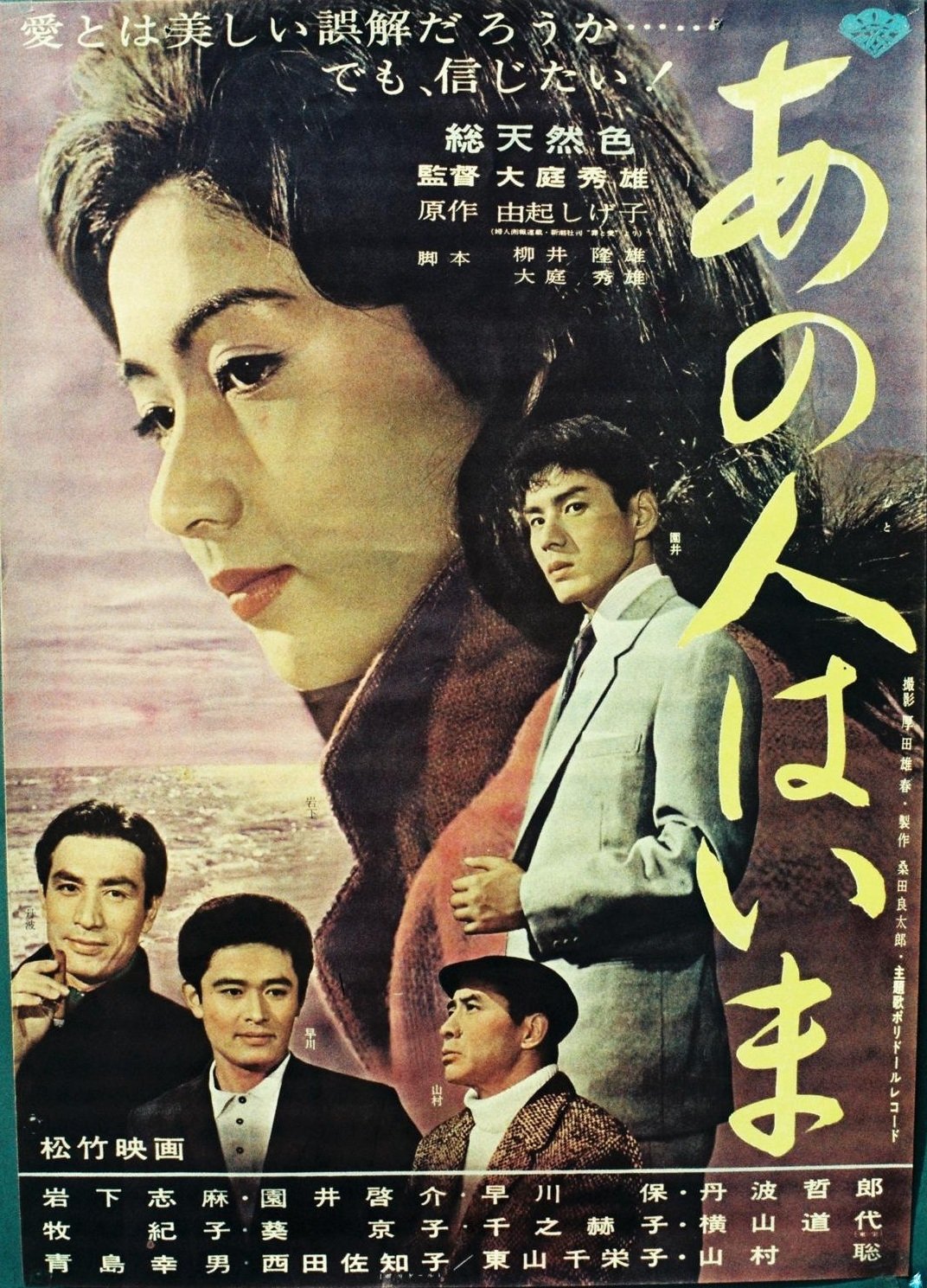
1963 Japanese movie
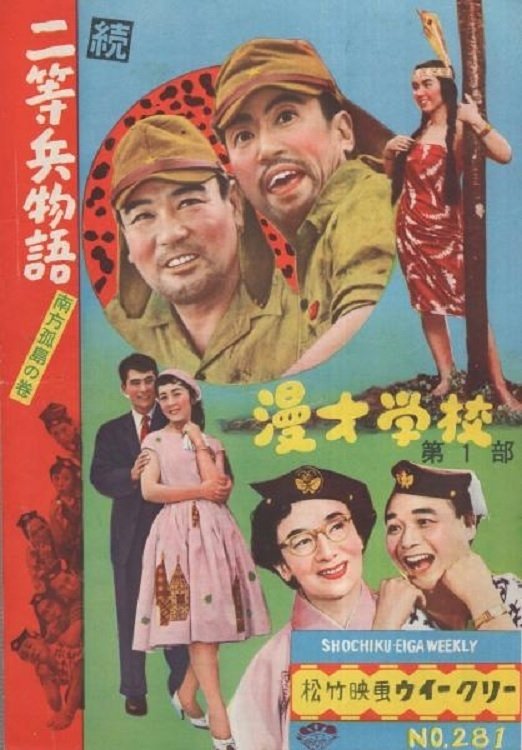
Second sequel to "Story of Second Class Private".
Japanese film from 1925.
Early silent film from Hiroshi Shimizu.
Early Japanese silent film by Hiroshi Shimizu.
1926 jidaigeki (period drama) directed by Hiroshi Shimizu.
Japanese silent film (jidaigeki) from 1926.
1926 jidaigeki from Japan.
Japanese silent film from 1927, based on a popular serialized novel by Kan Kikuchi.
Japanese silent film from 1929.
Japanese silent film from 1930. The second chapter of "The Big City: Labor" (1929).
Japanese silent film from 1930.
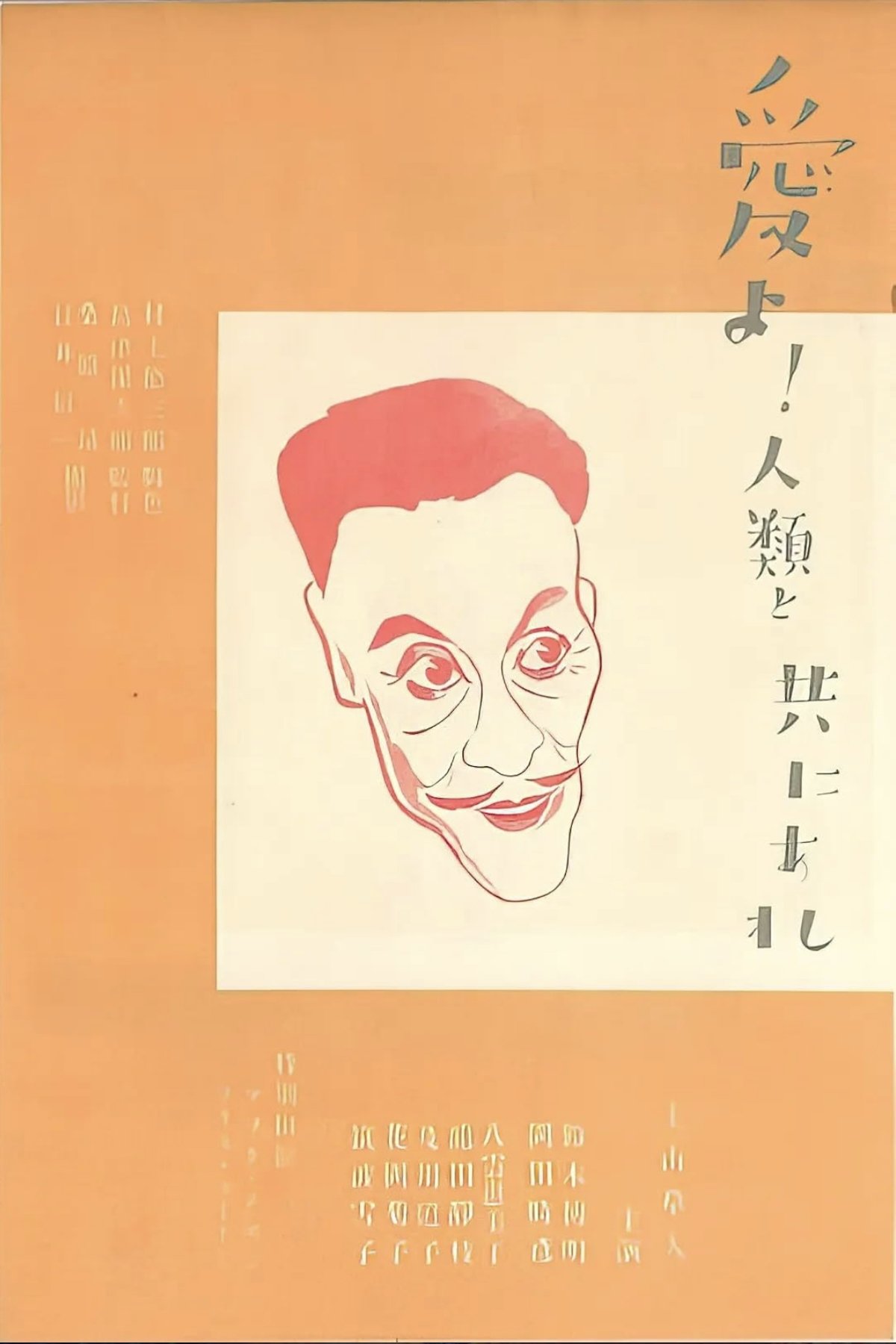
The three-hour Ai yo jinrui to tomo ni are / Love, Be with Humanity (1931) starts as a satire of alienation in the world of money, develops into a lumberland epic with a forest fire on Sakhalin Island, turns into a tragedy of King Lear dimensions, and manages to amaze the blasé audience with a happy end in the Wild West.
The three-hour Ai yo jinrui to tomo ni are / Love, Be with Humanity (1931) starts as a satire of alienation in the world of money, develops into a lumberland epic with a forest fire on Sakhalin Island, turns into a tragedy of King Lear dimensions, and manages to amaze the blasé audience with a happy end in the Wild West.
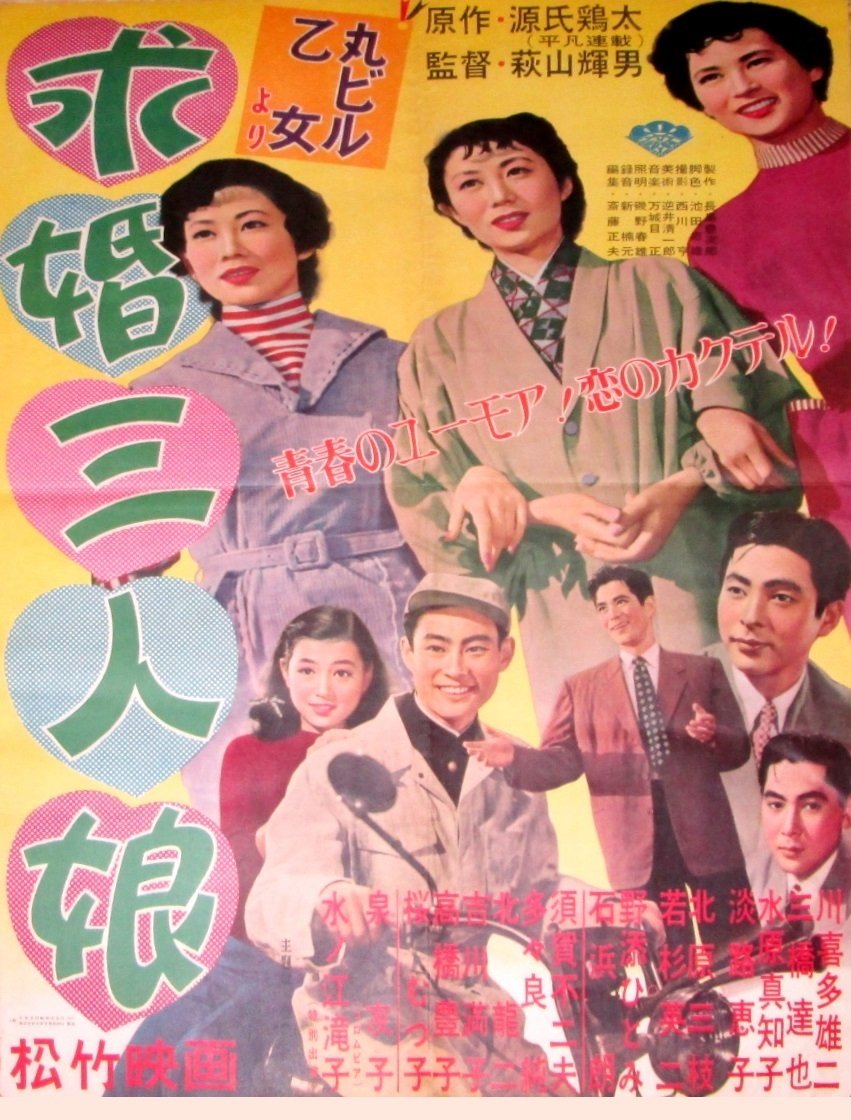
1954 Japanese movie
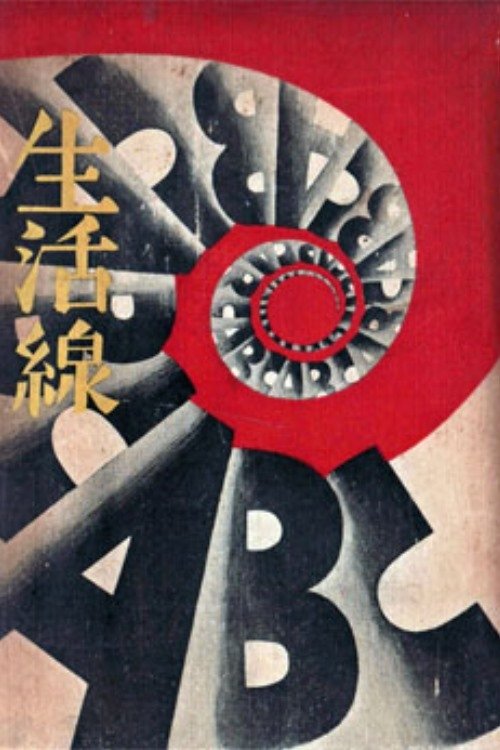
Japanese silent film directed by Yasujirô Shimazu, originally released as a two-part movie on December 11, 1931.
Lost Japanese silent film from 1931.
Japanese silent film from 1932.
Japanese film from 1933, adapted from a story serialized in the entertainment magazine "Fuji."
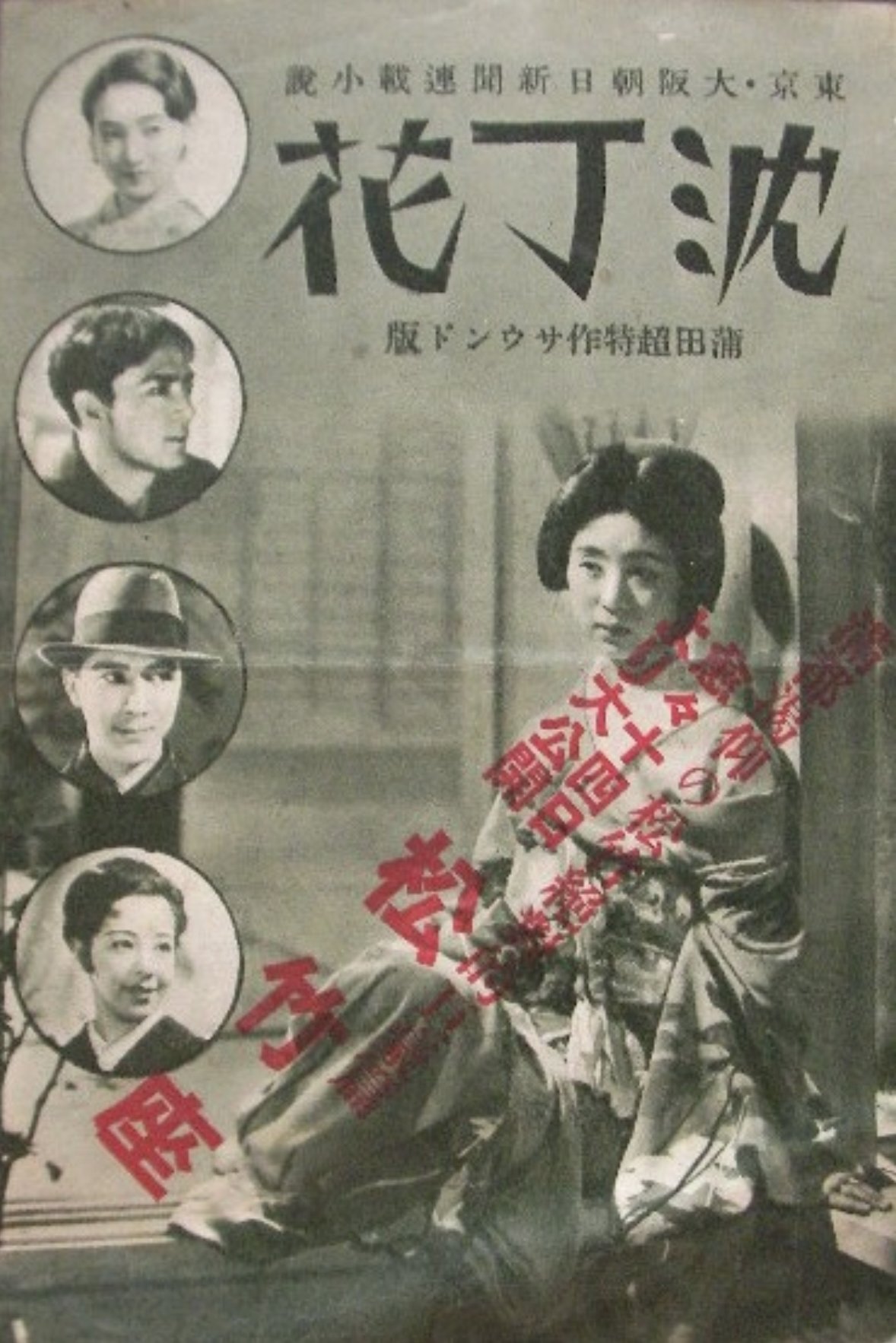
Japanese film from 1933, adapted from Masao Kume's serialized newspaper novel.
Japanese drama from 1934. A major production of Shochiku Studio, directed by Hiroshi Shimizu.
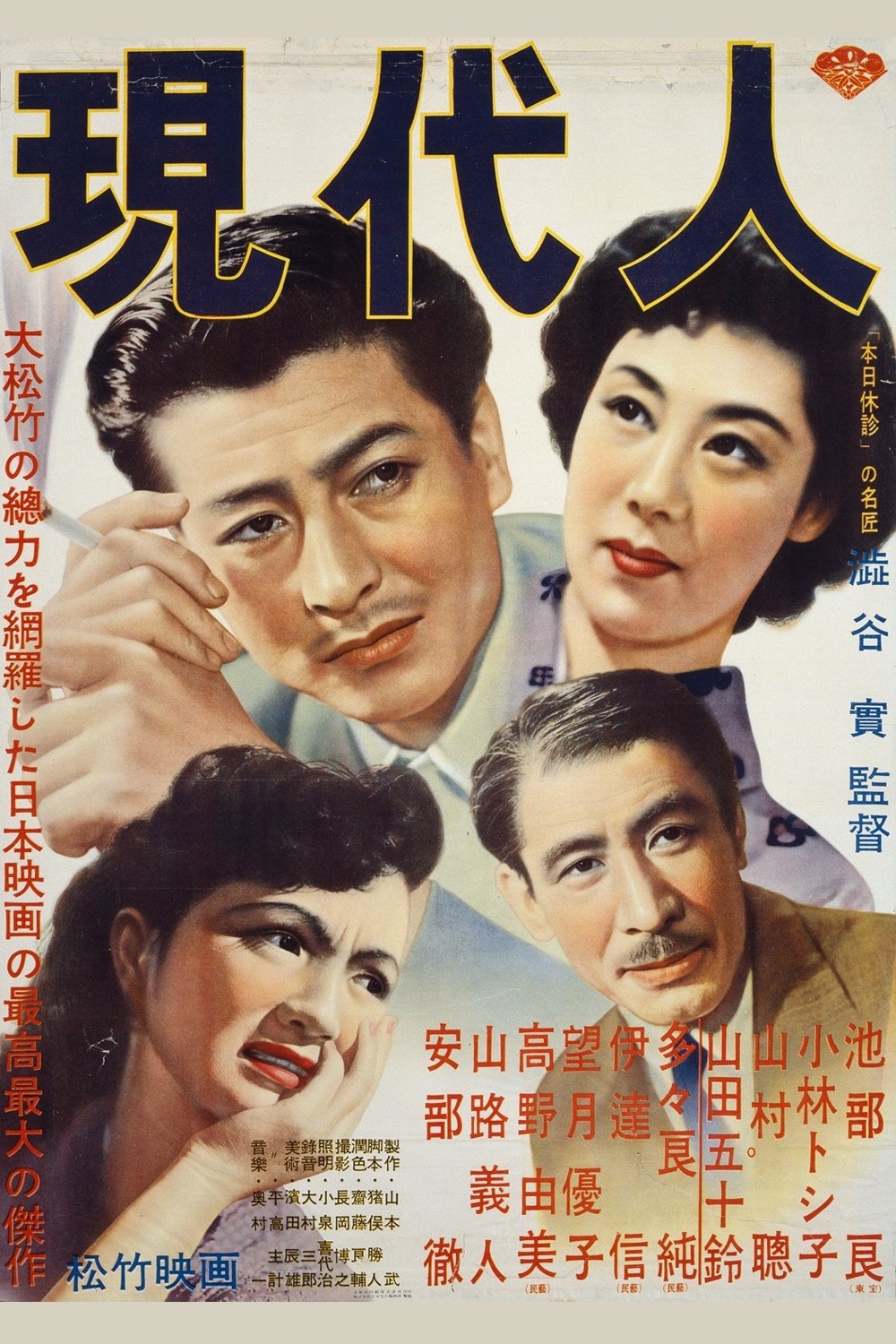
A section chief at the Bureau of Construction is in a shady relationship with a construction company. Then a new, young and honest subordinate is assigned to work under the section chief. Once he learns about the shady relationship, however, the new subordinate skillfully conceals the corruption and joins the corrupt, shady relationship.