
An omnibus film consisting of ten parts, each directed by a different young director from the Latvian Academy of Culture. The unifying element of the ten shorts is the place where they take place - the airport. A lot can happen there - including a strike by a comet, a malicious attempt to break havoc by passengers, or an exploration of the old airport guard's house where not a lot has changed since the collapse of the Soviet Union. The film consists of the following parts: A Mishap (Nediena) by Arta Biseniece, Blurp (Šļurp) by Aija Bley, Alien Sky (Svešās debesis) by Viesturs Kairišs, 5 Versions (5 versijas) by Dzintars Krūmiņš, Comet (Komēta) by Māra Liniņa, Cleptomania (Kleptomānija) by Andis Mizišs, Alfredo's Poetry (Alfredo dzeja) by Igors Varenieks, Little Hand (Mazā roka) by Ilze Vidauska, Comet 2 (Komēta 2) by Anna Viduleja, and Life No. 2 (Dzīve nr.2) by Kristīne Želve.
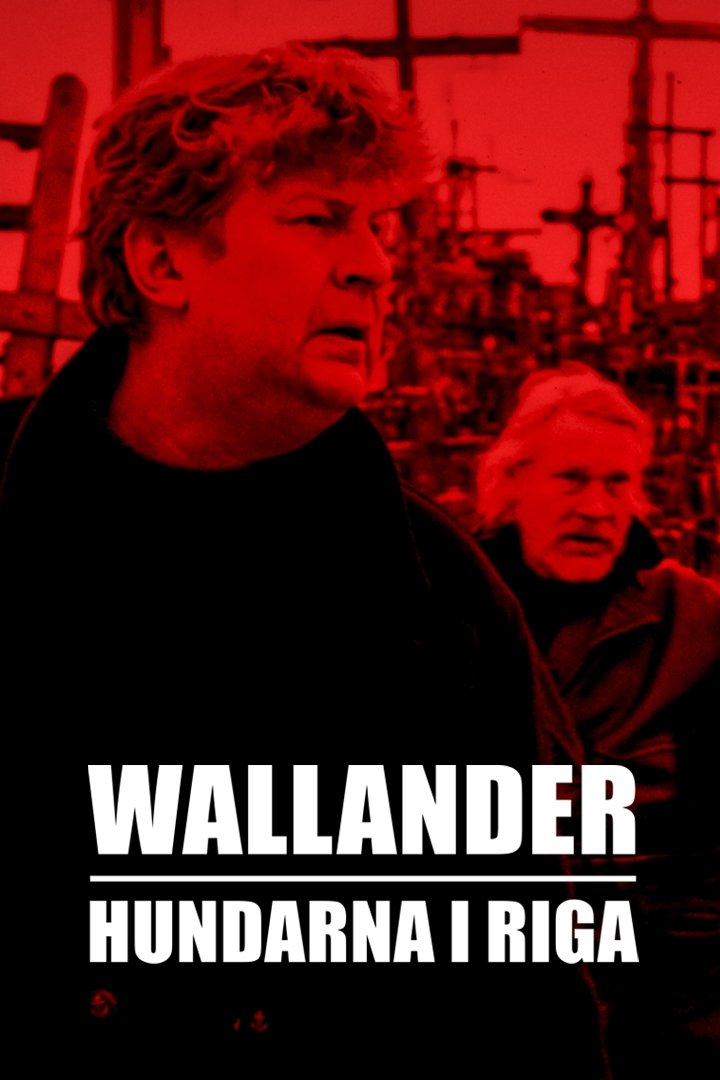
A lifeboat floats ashore at the coast of Skåne. Inside are two dead men who who've been murdered. Policeman Kurt Wallander is assigned to the case. The men are identified with the help of the police in Latvia. One of their officers travel to Sweden to to help but when he returns to his home country he is mysteriously murdered. Kurt flies to Riga to find out why and is drawn into complex conspiracy.

Ten-year-old Čurkstiņš is both an ordinary and unusual modern boy who, in his wanderings around the outskirts of his town, is never far from his two passions: his camera and his white cat, Watson. Čurkstiņš has a rich library of detective novels at home. The books he has read clearly influence his perception of the world around him, but the boy also possesses enormous patience and a sense of honesty. All of this suggests that he has the potential to be a talented investigator. During the course of the film, the boy, without realizing it, has done his first investigative work, exposing the cunning money-grabbing and hiding mechanisms of the fisherman Mellup. Čurkstiņš has evidence that the police officers lack. Gathering this evidence, of course, involves difficulties, risks, and clever solutions, which also form the plot of the film, but it all began with the lies of adults, against which the little boy protests internally and begins his great work.
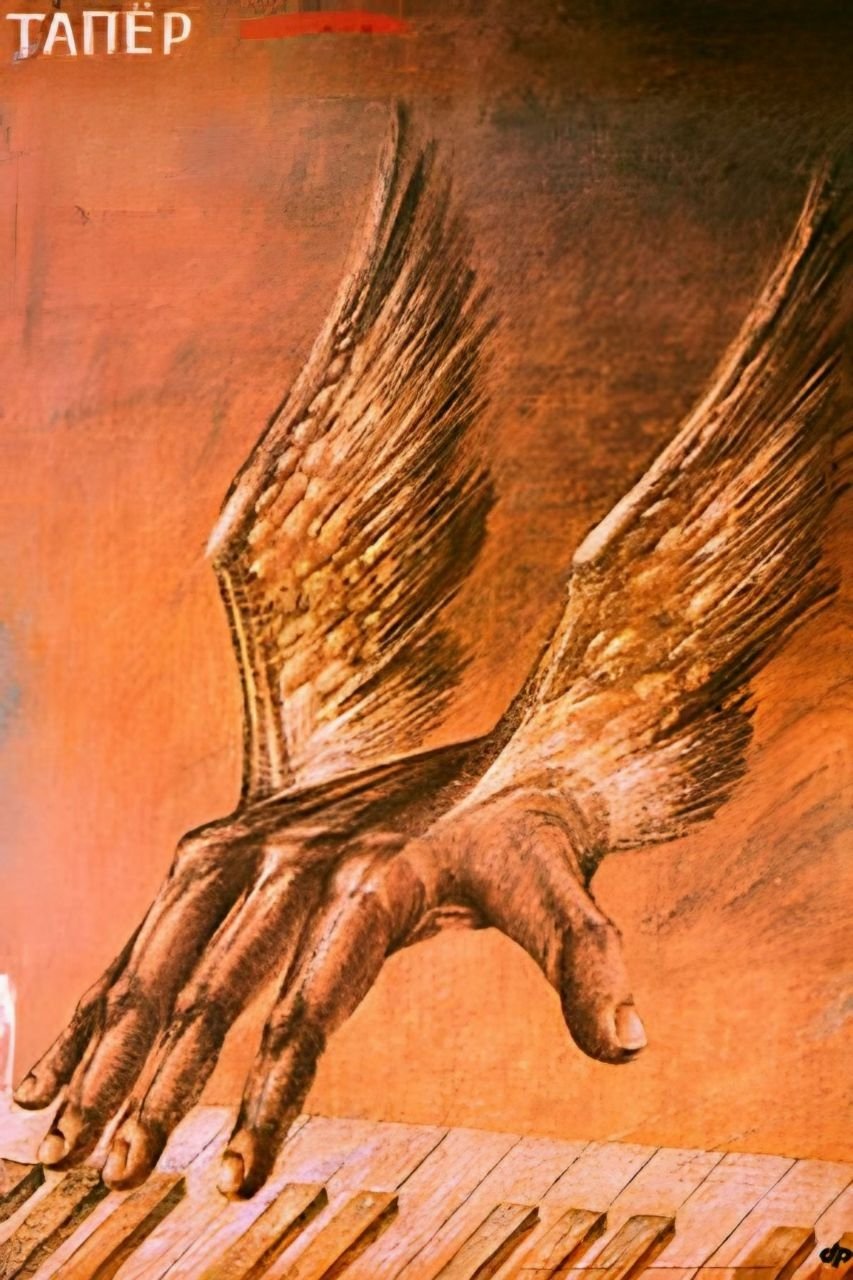
The path of the main character to the tops of creative work is a chain of victories and losses, in which gains and irretrievable losses alternate.
A short film based on motifs from Jānis Jaunsudrabiņš' book "Es stastu savai sievai" (I Tell My Wife).
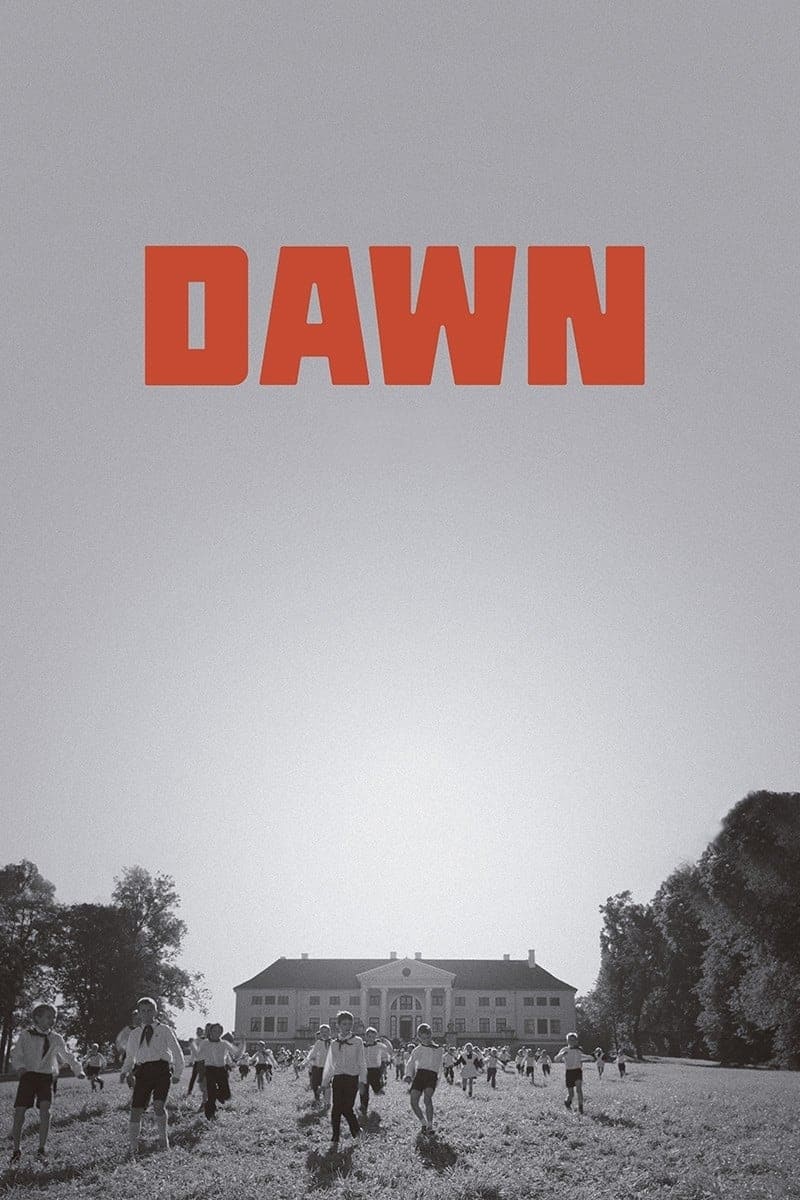
Based on a Soviet propaganda story about Young Pioneer (the Soviet equivalent of a Boy Scout) Morozov, who denounced his father to Stalin’s secret police and was in turn killed by his family. His life exemplified the duty of all good Soviet citizens to become informers, at any expense. In our film, 75 years later, we call him little Janis. He is a Pioneer who lives on the Soviet collective farm “Dawn”. His father is an enemy of the farm (and the Soviet system) and plots against it. Little Janis betrays his father; his father takes revenge upon his son. Who then in this old Soviet tale is good and who is bad? This film reveals that a distorted brain is always dangerous. Even today.
A little boy urgently needs a heart donor or he won't survive much longer. His father, a wealthy oligarch from the world of crime, is willing to pay any amount to keep his son alive. But there are long queues to buy a heart, and the only option left is to buy one unofficially. So he does, he sends his best boy to the border to get a heart. But there he gets a surprise. Instead of a small heart container, something else is waiting for him...
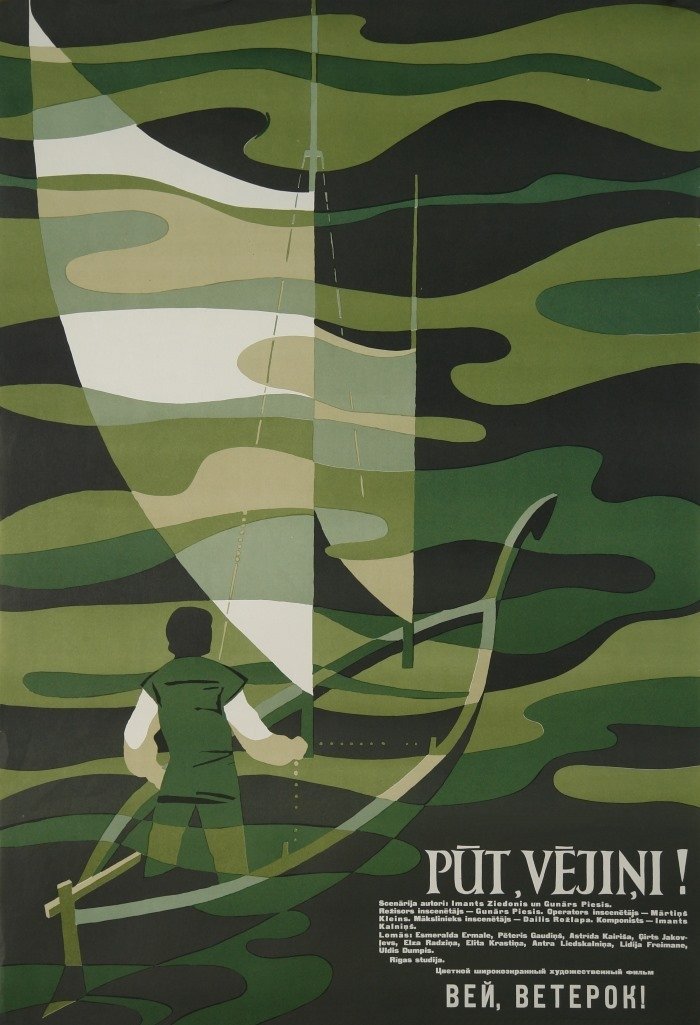
Based on a stage play of the same name by the one of the biggest names in the history of Latvian literature Rainis, "Put, vejini" tells a story of an unconventional love that blossoms between the handsome, wealthy and impetuous merchant Uldis and the timid, humble and clear-hearted orphan Baiba.
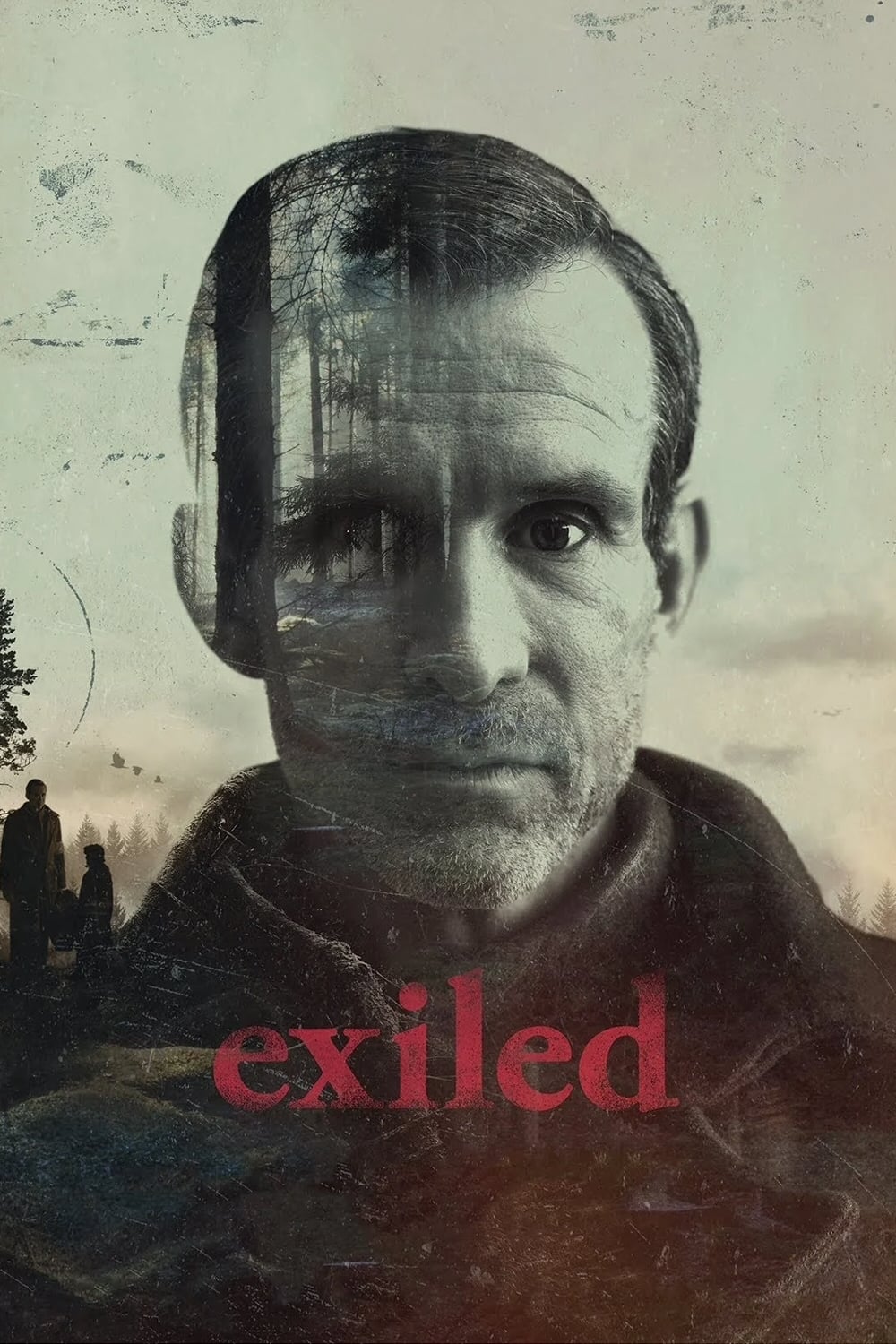
In the final years of World War I a retired German field medic is sent to a remote sanatorium for soldiers suffering from post-traumatic mental disorders. There he encounters a strange, dreamlike state of existence that challenges his own war-torn mind.
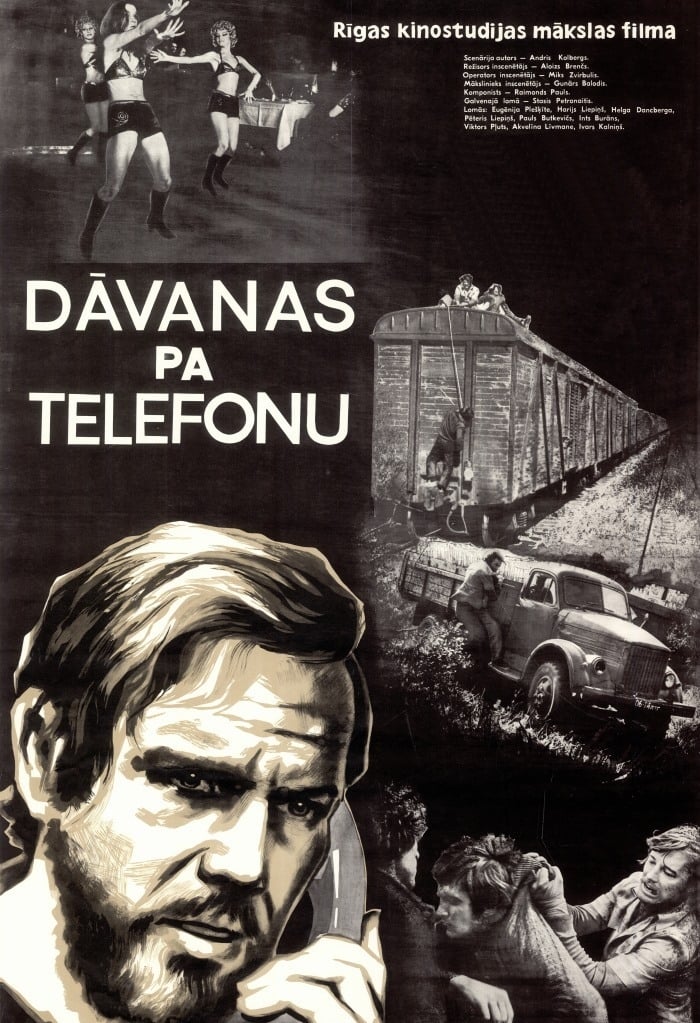
After the train conductor Pētersons receives money transfer from an unknown source, he suspects foul play involving the cargo he's transporting. He decides to do his own investigation into the matter, not realizing that he's putting himself and those around him in danger.
In ancient times, Latvians could blow up whatever they wanted – mushrooms, trees, or even other Latvians. Once, he decided to blow up the world to make more room for trees, mushrooms, and other Latvians...
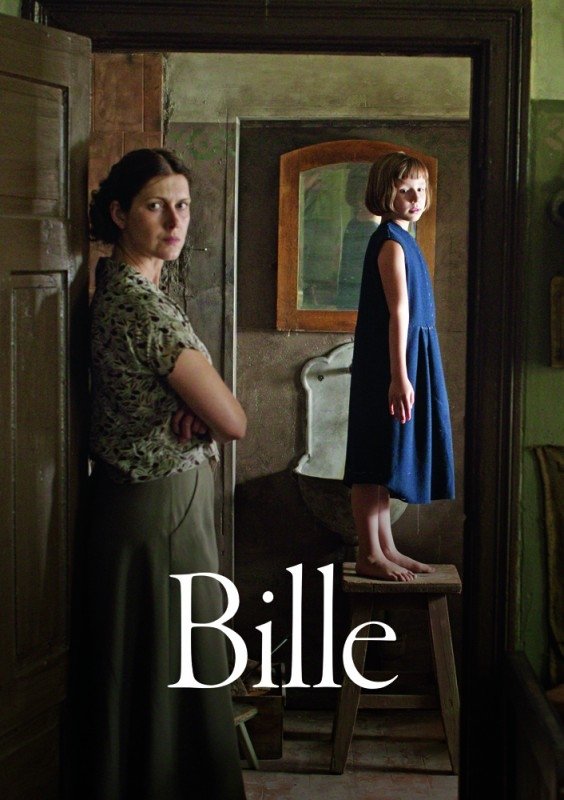
A family film based on the book Bille by Vizma Belševica. An extraordinary, lonely yet spiritually strong little girl attempts to comprehend the adult world, which in her eyes is very contradictory, and to prove her own value despite the ignorance and lack of appreciation by her family in late 1930s. Bille tries to find an escape in her vivid imagination.
Slava and Valeria, as both single parents, share similar circumstances and lives in the same neighborhood. They meet and become necessary for each other, but their children struggle with adapting to their new situation and their parents' happiness.

Donats is a modern-day Don Juan juggling the various women in his life seemingly without any consequences, until he falls in love with Agnese. Her husband, Ralfs, turns out to be a formidable opponent.

The elderly nursing home residents for years feel worthless and troublesome. But then a crazy idea strikes them - to waive their pensions and enroll in the army as volunteers thus saving the country from financial crisis and spending excitingly the last years of their lives. The oldies are wise enough at organizing this event and now real adventures begin.
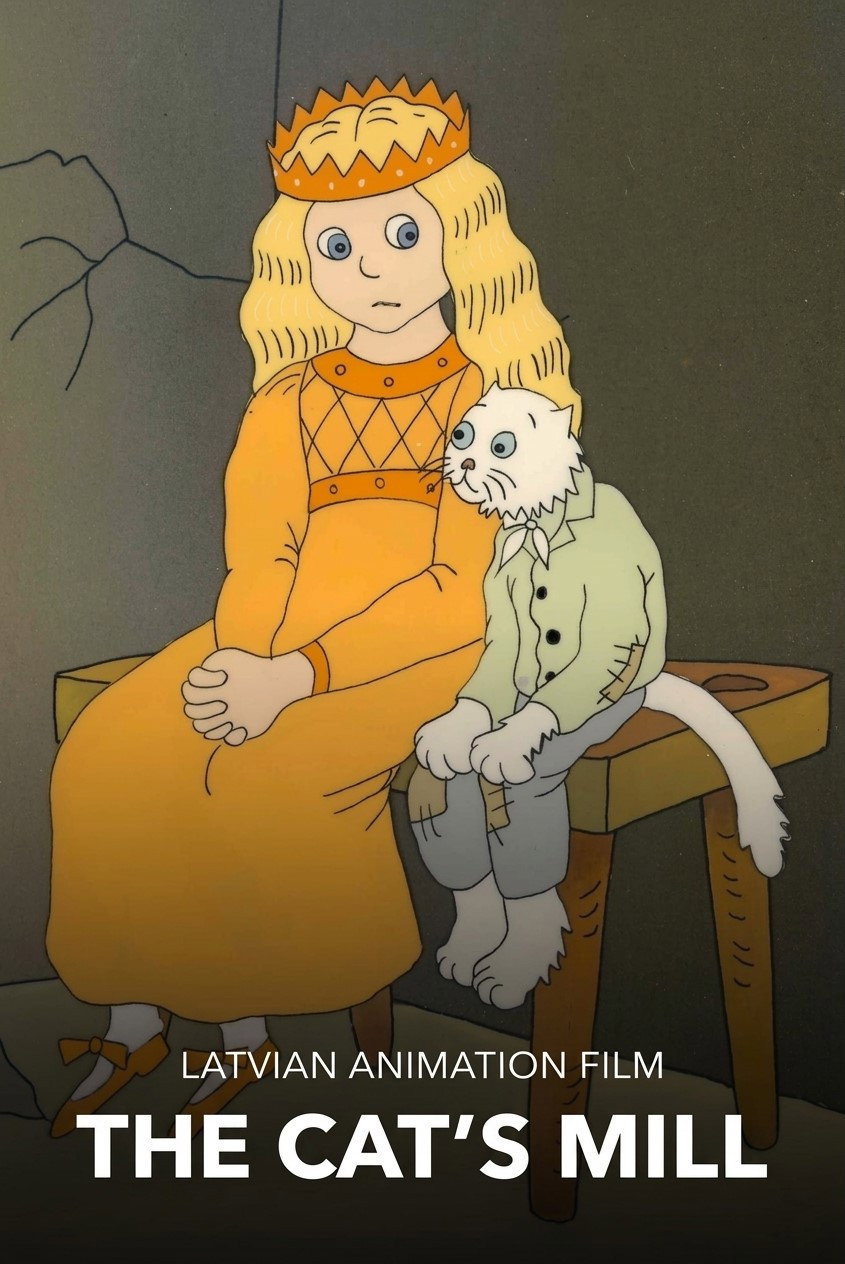
A white cat owns a mill, but loses the mill to a black cat and the devil.

According to the story of the same name by Vladimir Makanin. Mitya Rodiontsev, a young employee of the research institute, for some time now became one of those who were in the close circle of the secretary of the director Aglaya Andreyevna and felt well protected from the vicissitudes of fate. Having become a “retinue”, Mitya was no longer engaged in science, but was busy for those who needed him, openly respected him and saw him as a future leader. But once Rodiontsev was not invited to the director’s office for a weekly tea party...

Adam’s first wife Lilith is mentioned in the ancient Oriental legends, in Talmud and in the medieval books of Cabala. According to these sources, she was not created from Adam's rib like Eve but from clay like he himself. Nevertheless Lilith was not recognised by Adam as his equal and left him after a quarrel heading for Babylon. She has no soul, and she is immortal. Lilith assumes different names, can change her appearance, and takes possession of men against their will. Once it's accomplished, she leaves her victims forever, marking them for either spiritual, or physical death. Whatever she does it is neither Good nor Evil. She is made of an altogether different matter. Inspired by the works of French writer Anatole France, Yevgeny Pashkevich‘s GULF STREAM UNDER THE ICEBERG consists of three dramatically interwoven stories with the immortal Lilith stalking through time and space with her demonic mission.

A historical drama about an attempt to steal the entire Latvian national wealth deposited abroad by Wilhelms Munters, the Latvian Foreign Minister in the forties.
A Latvian fairy-tale film based on Anna Brigadere’s classic play. It follows two stepsisters: gentle, hardworking Maija and spoiled, idle Paija whose trials in the underworld reveal their true natures, with rewards and consequences to match.

The police leadership is concerned about the increase in car thefts. The investigation of the thefts is entrusted to police captain Siliņš. Once, his fiancée and colleague Aija Kalniņa almost catches up with the criminals in her service car after a chase, but at the last moment they manage to escape. However, Aija manages to spot her eighteen-year-old brother Juris among the thieves. Hiding in the forest, the car thieves accidentally witness another crime—an attack on a woman. To justify himself in his sister's eyes, Juris sets out to find the criminal and is killed.

The colourful musical comedy Maritime Climates could have been a triumph of smart political satire – if people in positions of power hadn’t got worried by the rushes they saw, which lead them to terminate the production. In 1992, Rolands Kalniņš made this edit of the remaining material – an elegy to lost hopes and illusions.

Facts is a dramatization of a massacre in a Lithuanian village during World War II when Nazis rounded up over 100 men, women, and children accused of partisan activity and then torched the houses in which they were held. Using Russian interrogations of a few survivors, the testimony of villagers, and some of the Germans responsible for the killing, the film gradually reconstructs the event and its context.
The summer internship of ninth-grade students from Riga at a mechanical plant.
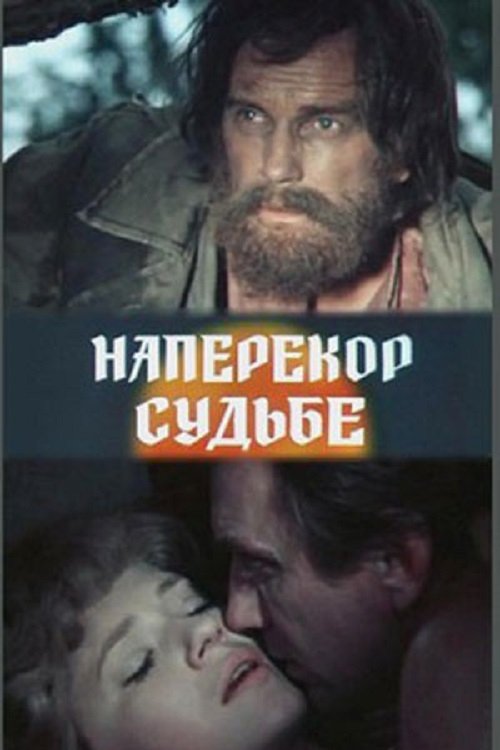
The events of the film take place in Latvia during the 1930s to the 1950s. Klinta, a young, poor, and naive villager, studies music in a nearby provincial Latvian town. Her meeting with the owner of a wealthy farm, Olavs, becomes fateful for the girl.
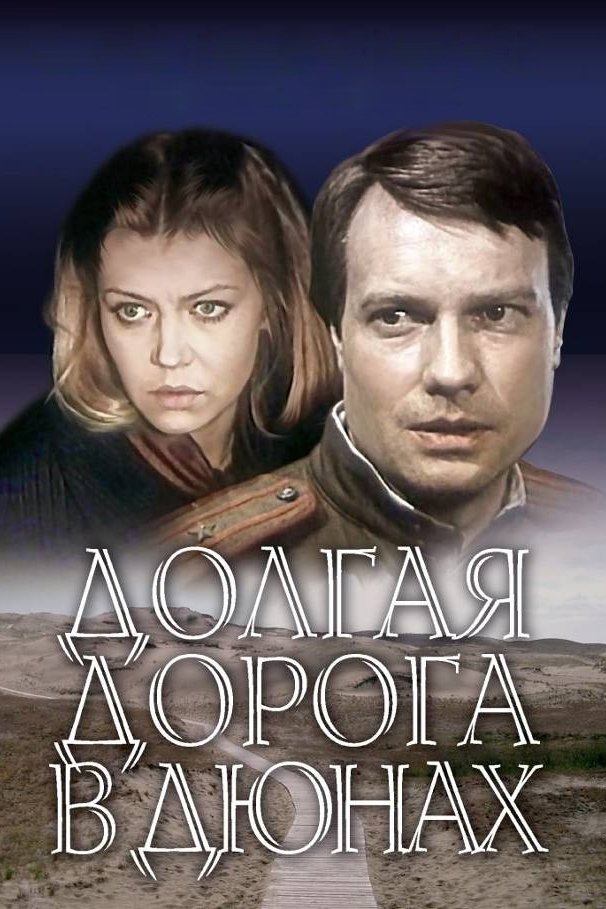
The action of the film takes place in Latvia and spans the period from 1939 to the early 1970s. The events that occurred in the country had various effects on the fates of the characters. But throughout it all, love guided them — it scattered and gathered, made them suffer terribly, and made them the happiest people in the world...
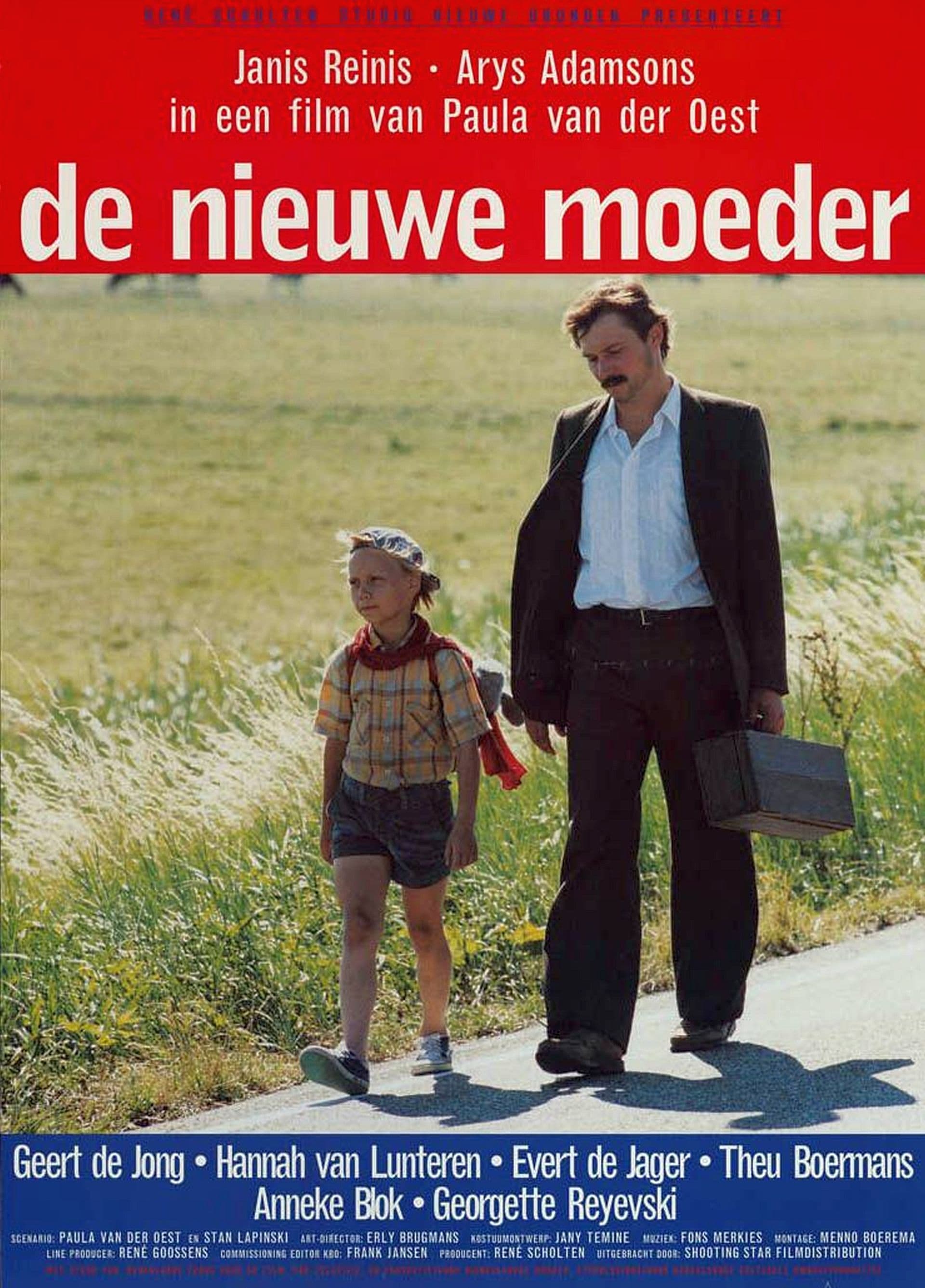
A widowed Latvian father's quest for a much-loved Dutch pen pal, whom he hasn't heard from in three decades, provides the basis of this comedy-drama. The father is accompanied by his traumatized and mute eight-year-old son whom he had to kidnap from a Riga hospital. Together, the two flee towards Holland where the father Yuris hopes to find his long-lost friend Marie, whom he remembers as a great beauty. During the long journey, father and son have several funny adventures, many of which occur because neither father nor son speak much Dutch. They finally arrive at Marie's door empty-handed. What they find, gives them little hope, for the lithe young idealist of Yuris' dreams has become middle-aged and cynical.