11 people — women and men, gay and straight, from all walks of life — share their stories. Alternately irreverent, candid and soulful, this stirring film is not about being sick; it is about being true to the emotional complexity of being mortal.

Marlon Riggs, with assistance from other gay Black men, especially poet Essex Hemphill, celebrates Black men loving Black men as a revolutionary act. The film intercuts footage of Hemphill reciting his poetry, Riggs telling the story of his growing up, scenes of men in social intercourse and dance, and various comic riffs, including a visit to the "Institute of Snap!thology," where men take lessons in how to snap their fingers: the sling snap, the point snap, the diva snap.
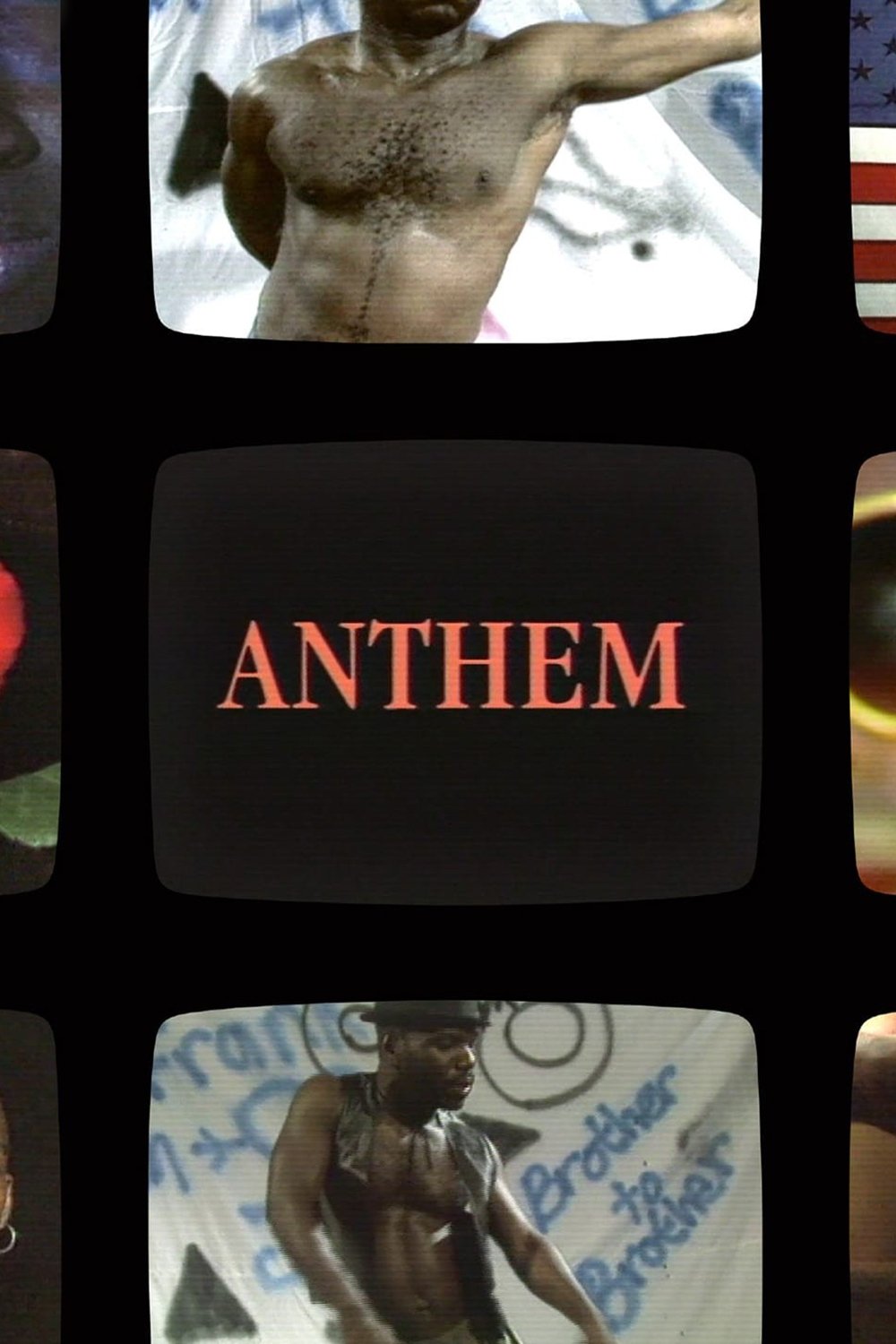
A collage of erotic images and a call to arms, with a feverish hip-hop energy that celebrates the lives of African American men.
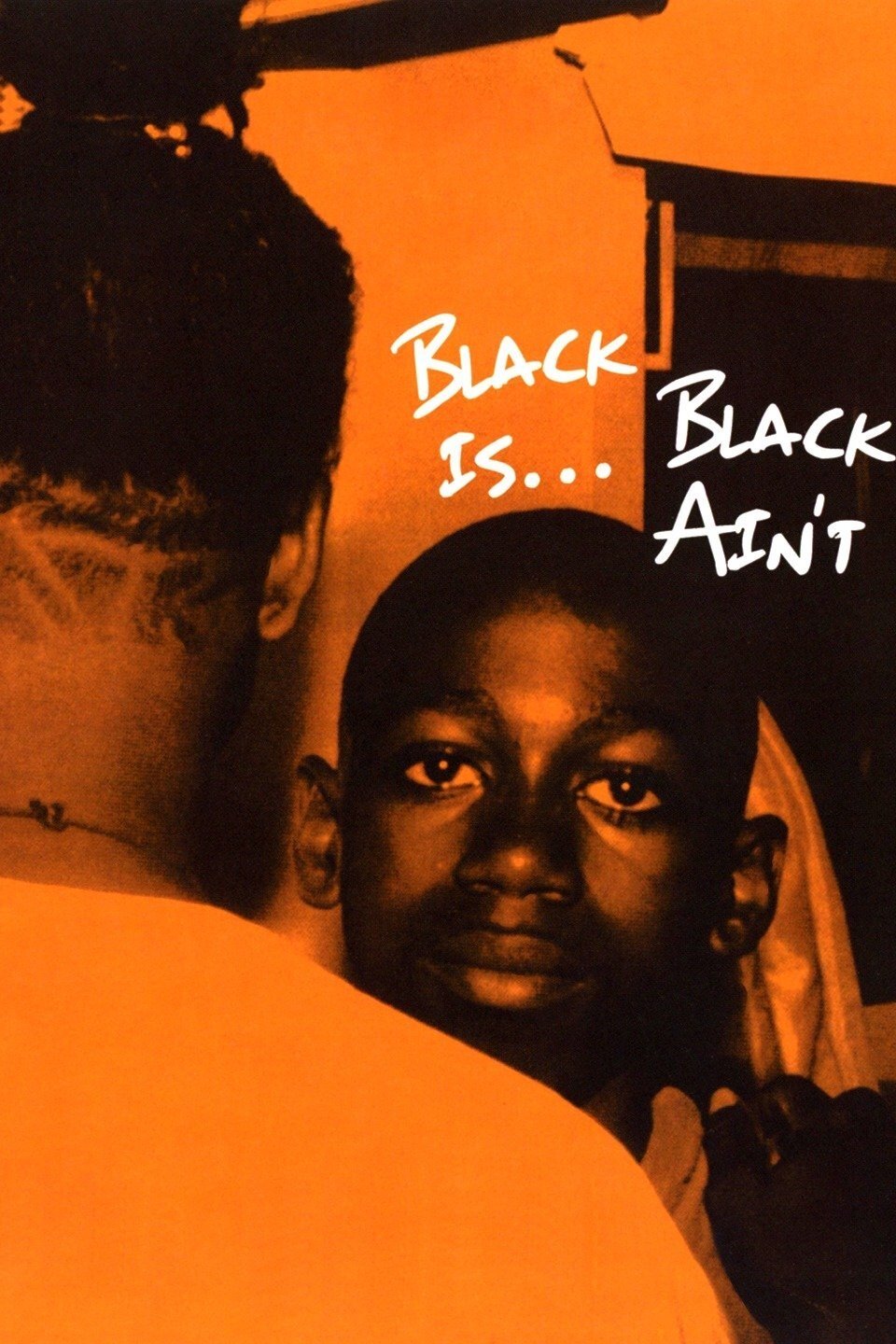
African-American documentary filmmaker Marlon Riggs was working on this final film as he died from AIDS-related complications in 1994; he addresses the camera from his hospital bed in several scenes. The film directly addresses sexism and homophobia within the black community, with snippets of misogynistic and anti-gay slurs from popular hip-hop songs juxtaposed with interviews with African-American intellectuals and political theorists, including Cornel West, bell hooks and Angela Davis.
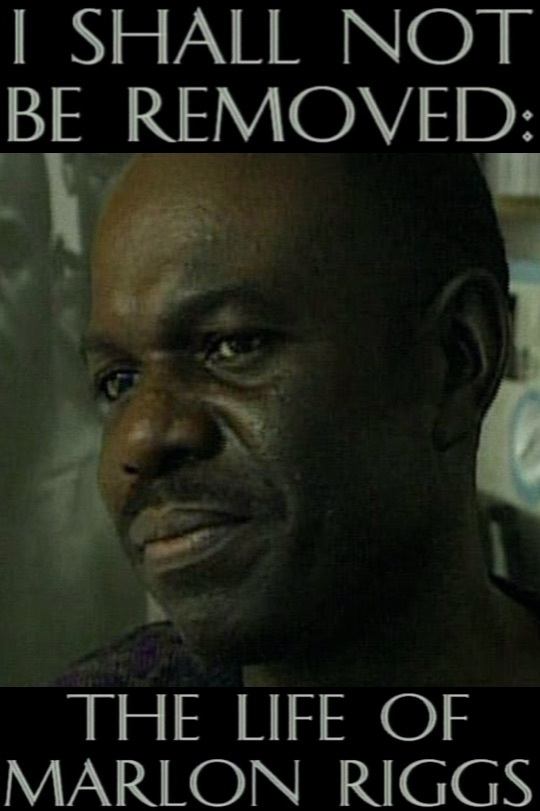
Incorporating archival material, revelatory verite footage, and clips from his own work, a documentary which chronicles the life and works of the black, openly gay filmmaker Marlon Riggs whose controversial body works exploded on the scene with his landmark 1989 film "Tongues Untied" (USA). Riggs specialized in films dealing mainly with African-American males and the nuances of sexuality as it relates to their cultural, religious, and social identity. A teacher and prolific documentarian, the outspoken artist, Riggs, eventually succumbed to an AIDS-related illness in 1994.
Positive Men begins as a docudrama which illustrates the impact of the AIDS epidemic on gay men in the early 1980s. Memories of New York and San Francisco are the backdrop for seven dramatic scenes which designate the intersection of community support, medical science, and gay politics that emerged in response to the AIDS epidemic. Words and images from these scenes resonate throughout the documentary portraits which follow. The interviews, conducted in Toronto and San Francisco (1993-1994), feature artists, filmmakers, AIDS community workers, writers and volunteers who have made unique contributions within the cultural and community responses to AIDS.