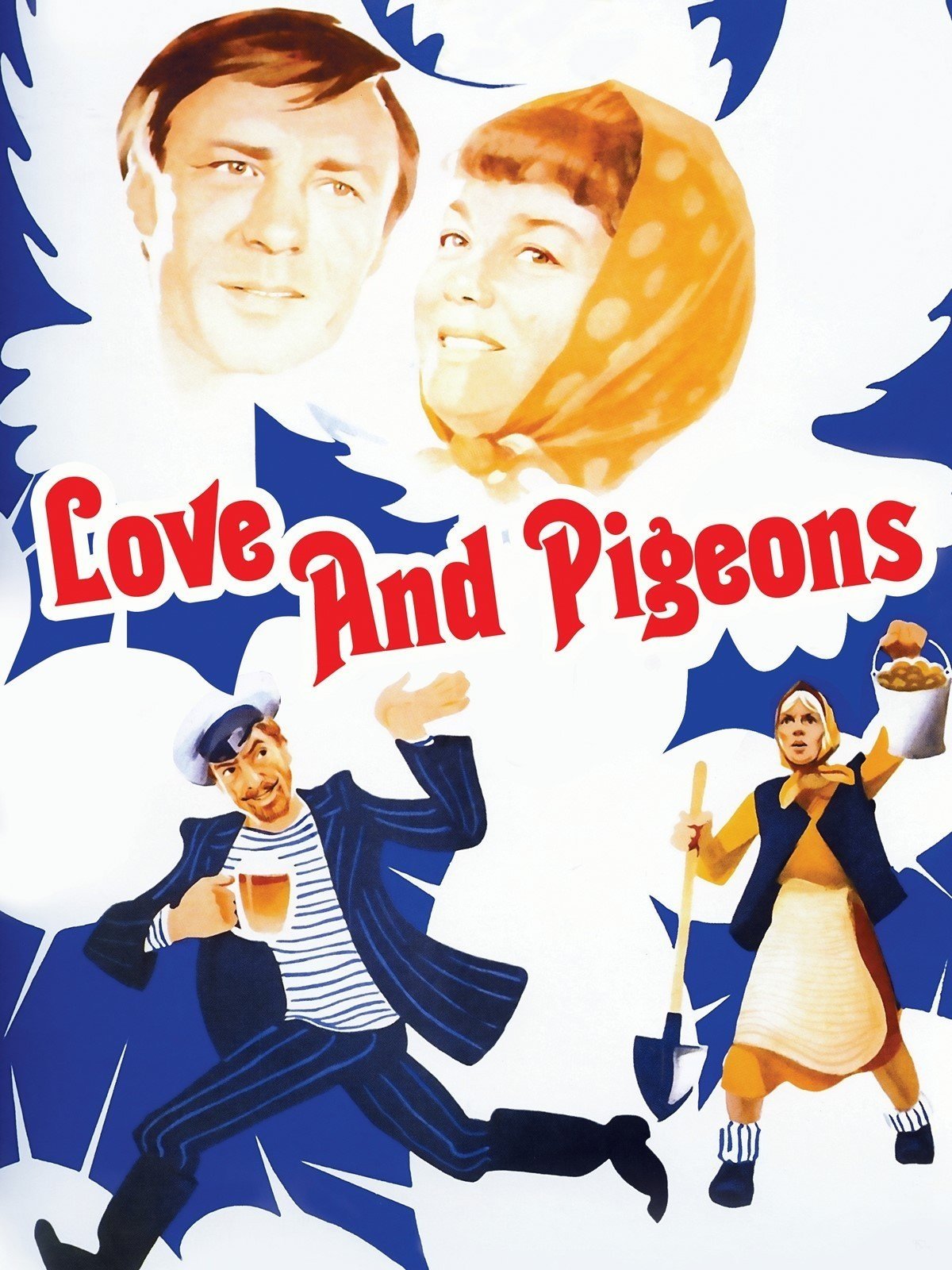
One of the most favorite Soviet comedies, a screen version of the play of the same name by Vladimir Gurkin. Each of us knows the story of Vasily, who went to the resort, succumbed to the charms of a femme fatale Raisa Zakharovna, but could not withstand two weeks of urban life, and returned to his family, where he waited for love and pigeons.
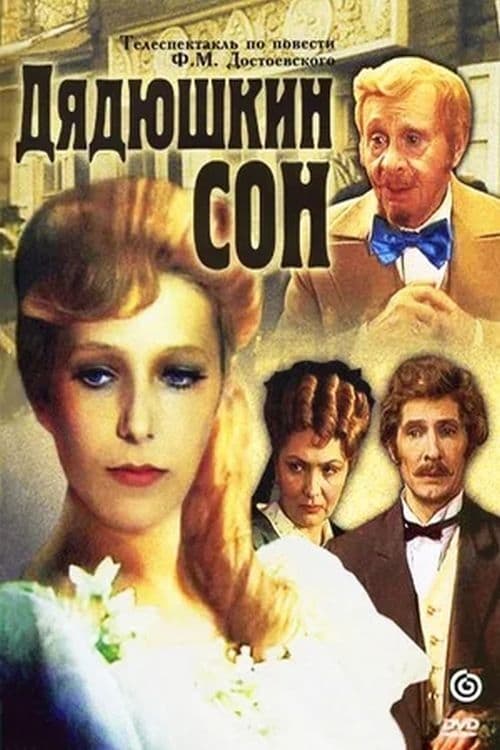
Energized by the arrival of a rich, elderly and seemingly eligible bachelor, a provincial noblewoman decides to marry off her daughter by any means necessary.
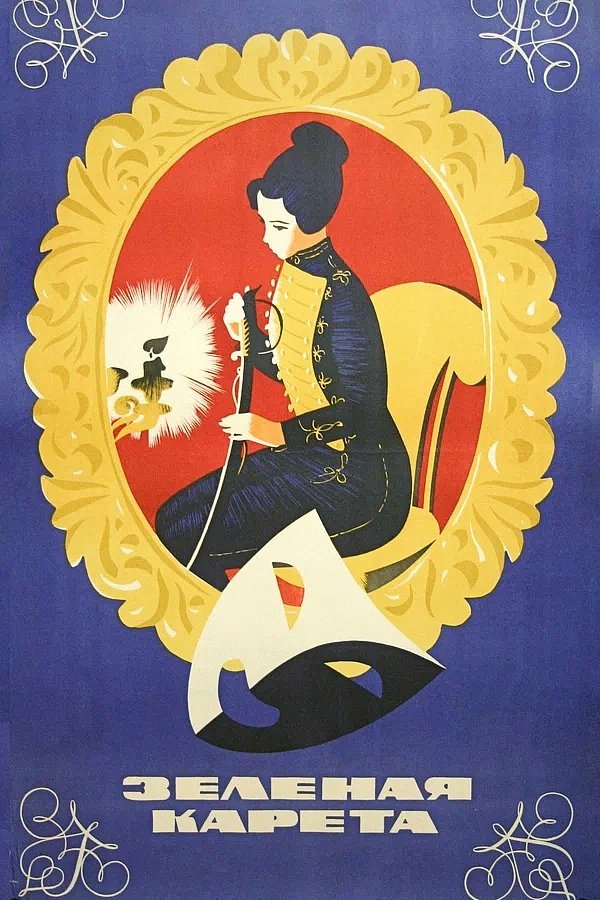
Inspired by the life of Varvara Asenkova, a 19th-century actress who earned great acclaim on St. Petersburg stage before her death at the age of 24.
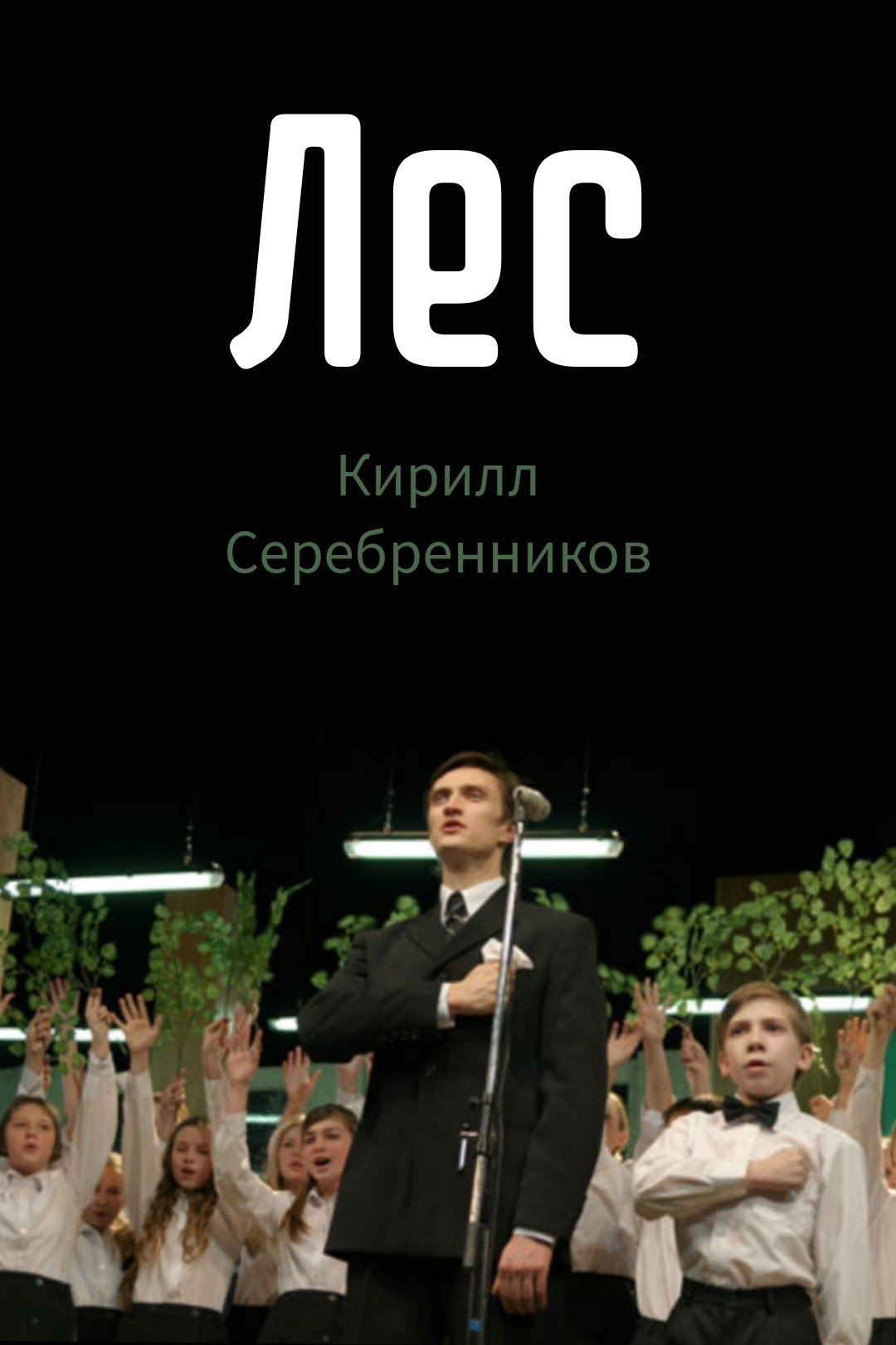
Alexander Ostrovsky's textbook comedy in the modern interpretation of Kirill Serebrennikov: about the price of freedom and love in the same ruble equivalent.
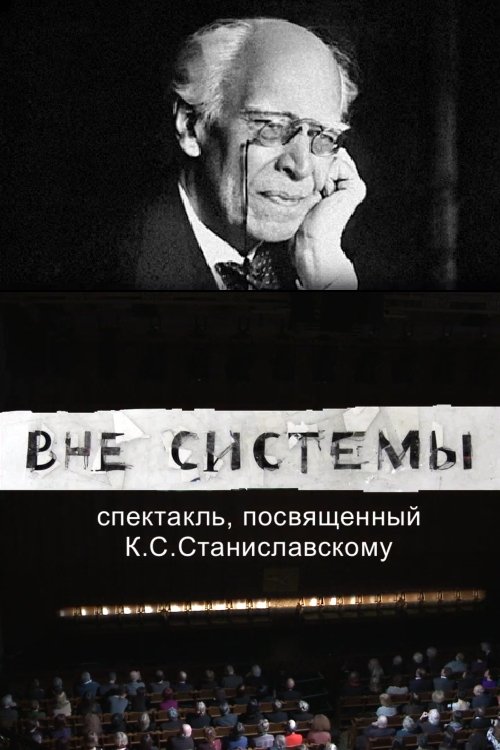
On the day of the 150th anniversary of Konstantin Sergeyevich Stanislavsky, an evening dedication "Outside the System" took place on the Main Stage of the Moscow Art Theater. The production is based on documentary material — letters, memoirs, memoirs, diaries, recordings of rehearsals. The fate of the founder of the Moscow Art Theater is reflected in the testimonies of his greatest contemporaries, friends, students and opponents.
A drama about a life of two sisters - Nadya and Lida, who both are dreaming about theater and actress career.
A play about the life and death of Jean-Baptiste Molière, an artist tired of fighting the world.

Colonel Chabert, who miraculously survived the battle, returns to his homeland after several years of wandering, but everyone has long considered him dead. It seems very problematic to prove the opposite - the wife got married again and sharing her fortune is not part of her plans...
A man tries to follow his interpretations and behave accordingly, sacrificing his entire private property and living for the poor.
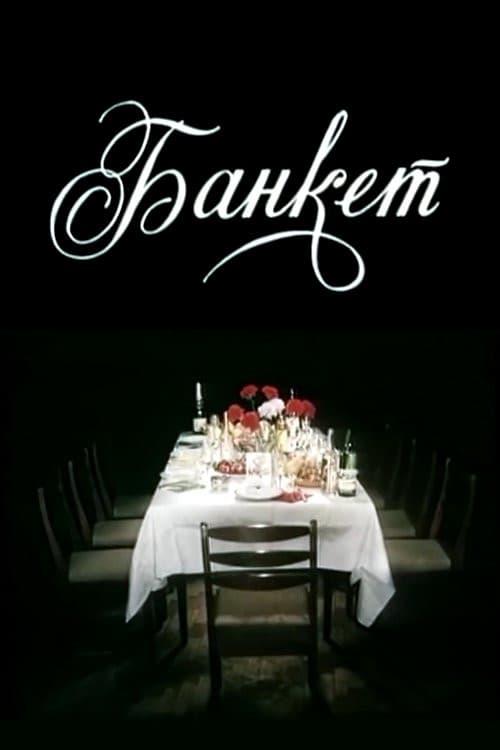
A riotous dinner party where the guests are invisible to the viewer.
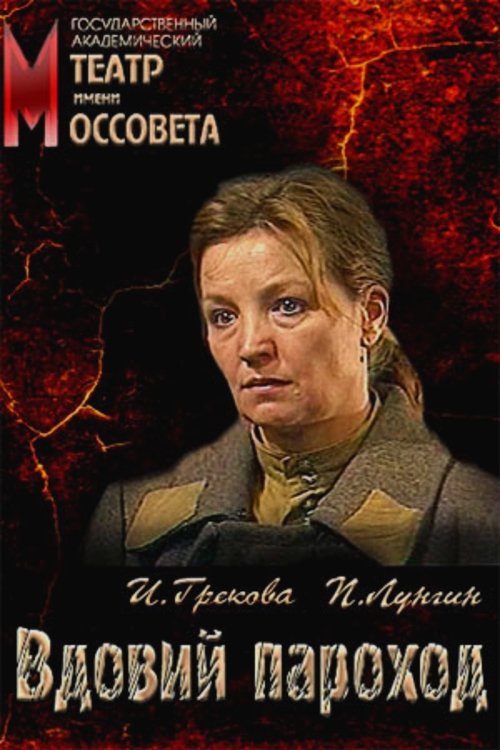
A story about women living in the same communal apartment, which they themselves nicknamed the "Widow Steamer". Everyone has their own story and their own grief. In 1943, Anfisa Gromova came back here from the frontlines…

The well-being of Stepan Sudakov’s family, which he himself believes in, turns out to be shaky. Practical, prudent, successful in business, Sudakov discovers that the family foundations he guarded in the walls of his apartment, in his nest, collapse one after another, and his own children are to blame.
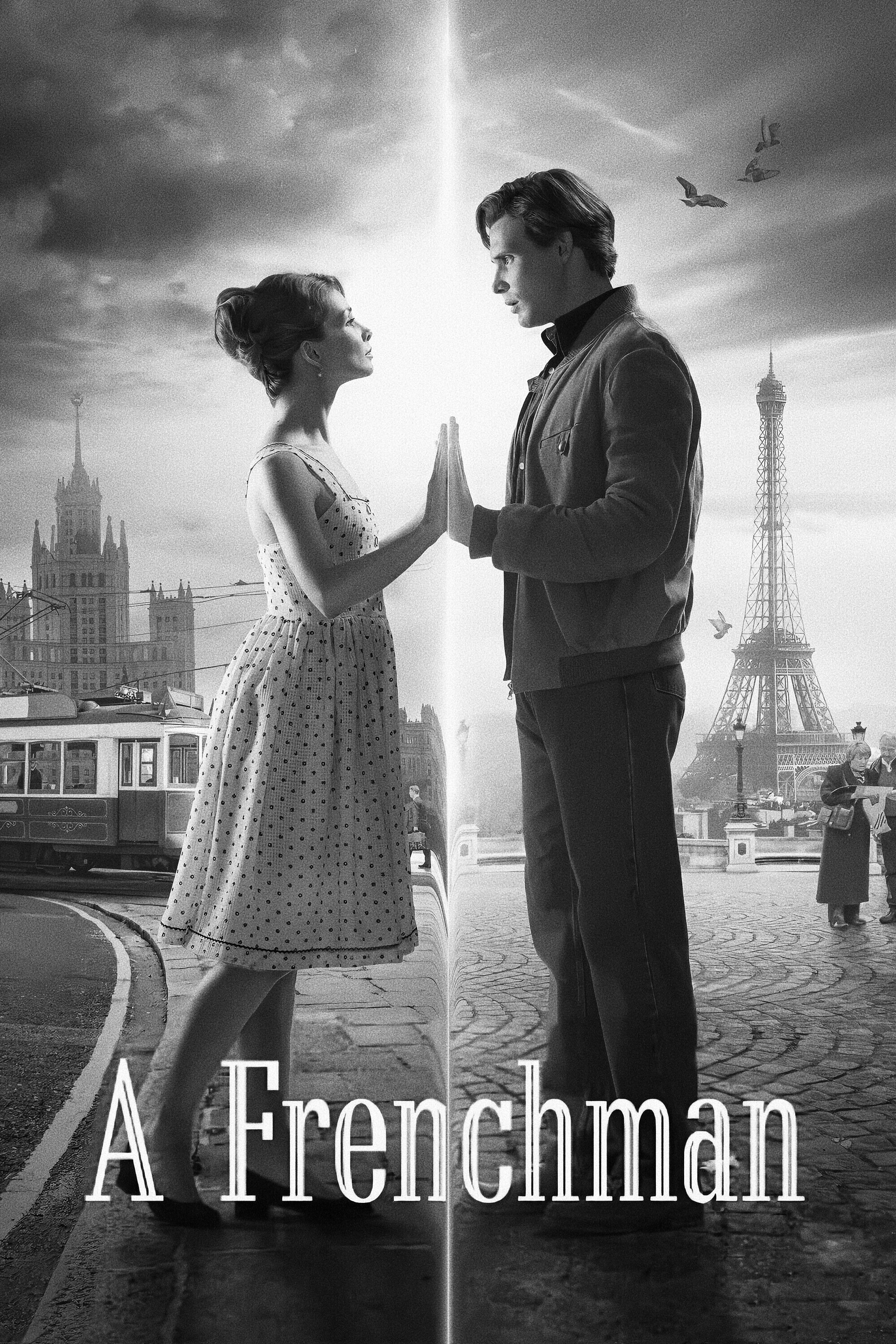
In 1957 French student Pierre Durand comes to Moscow to do an internship at Moscow State University. Here he meets ballerina Kira Galkina and photographer Valera Uspenskiy. With them he discovers the cultural side of Moscow — not just the traditional one, but the underground one as well. During his year in Russia’s capital Pierre lives an entirely different life than what he’s used to. But the internship and the experience of the Soviet people’s way of life are not the only things Pierre is after. He’s searching for his father, White officer Tatishchev, who was arrested in the 1930s.
The strange title is explained by the fact that there are two films in the film: one is about a real day in the life of the real Moscow architect Alexander Petrovich Chernov, his mental crisis; and the other is Chernov’s fiction. There is a different fate, a different country, a different life. It is into this very life that Chernov strives to get into - and for the sake of a trip to Spain he will have to commit betrayal. There, for a moment, the doubles will be nearby and both will be on the verge of death. Who will die in the spring of 1978?
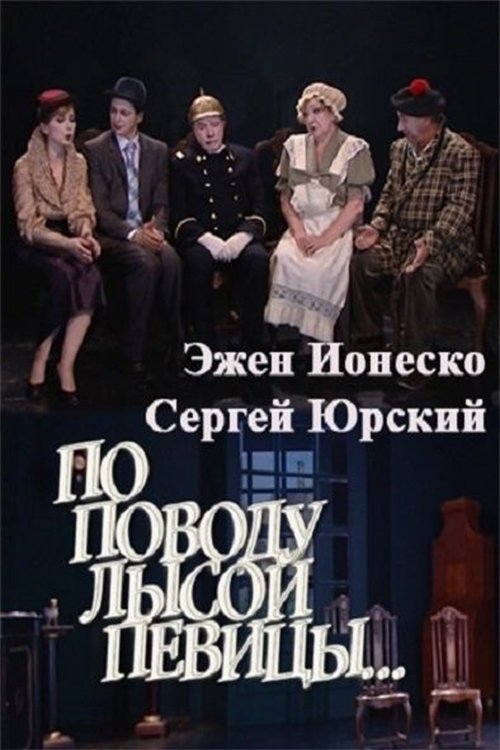
Free variations on a theme by Eugène Ionesco.
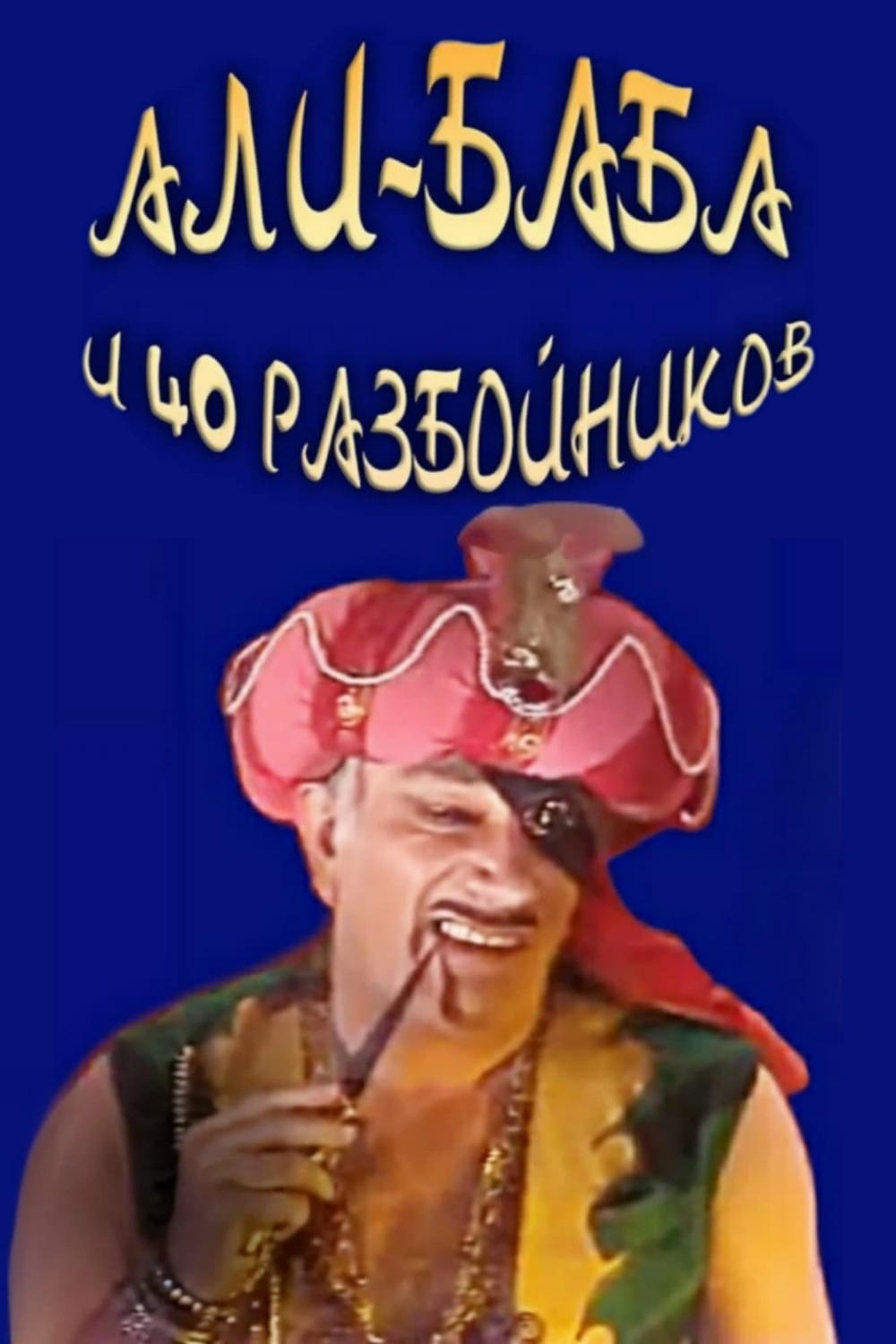
A cult Soviet musical based on Ali Baba story with spoken-word interludes stylized as Persian poetry.
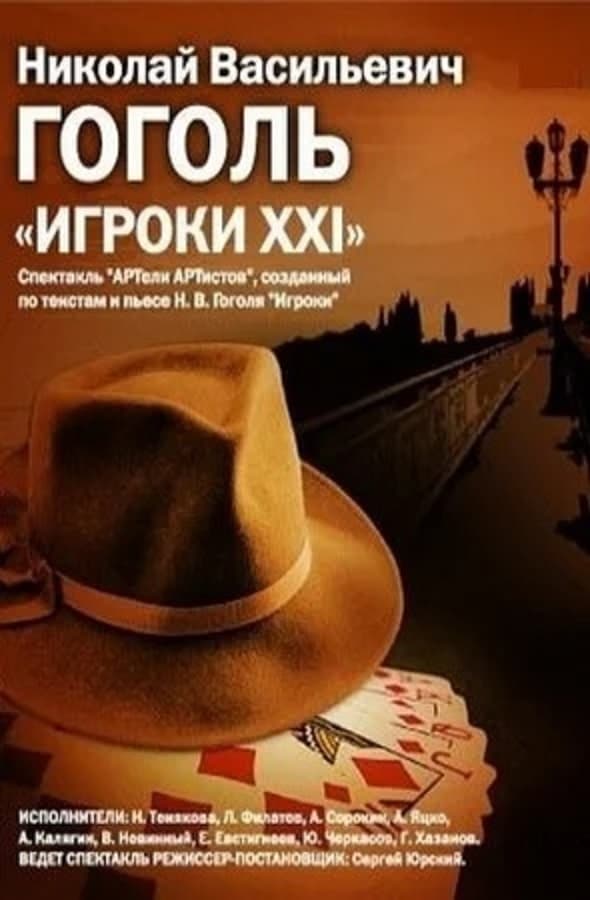
A filmed version of Nikolai Gogol's "The Gamblers", transposed into modern-day Russia and performed by an all-star cast.
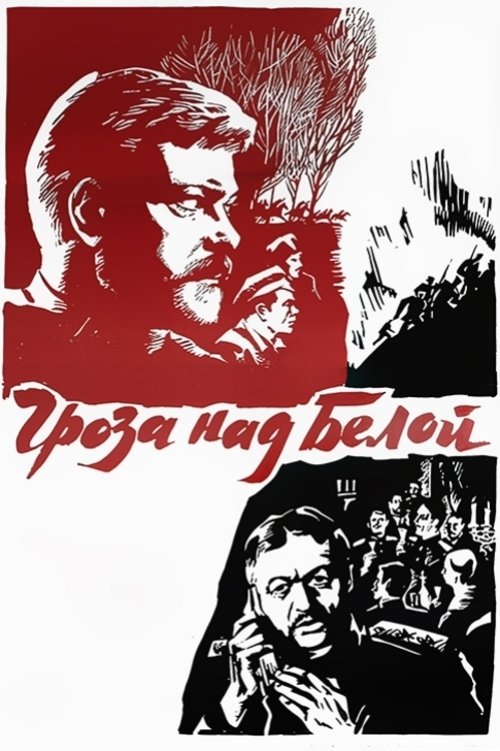
The film is set in 1919. The film tells about an episode of the Civil War, when the troops under the command of M. V. Frunze took Ufa away from the White Guards.

After the death of her father, Antonina Staroselskaya has difficulty finding work. A dull life is the cause of illness. A merchant seaman takes care of the sick Tona. After the marriage, he is arrested for smuggling, and the care of Tonya is transferred to a neighbor, who beats her from time to time. A chance meeting with the builders of a residential area awakens the desire to be closer to people, to become needed by someone - and Tonya comes to the construction site...
About the complicated relationship of spouses.
Oleg Borisov’s benefit performance. The plot of this televised stage production is based on Anton Chekhov’s dramatic sketch Swan Song, which tells the story of an aging actor’s fate. As the performance unfolds, the actor recalls some of his past roles in various productions based on the works of Ostrovsky, Griboyedov, Shakespeare, and Gogol. He also recites poems by Pushkin and sings a song by Okudzhava.
In this whimsical television play based on a fairy-tale by Karel Čapek, an enterprising detective goes on a globe-trotting adventure to catch a mysterious wizard.
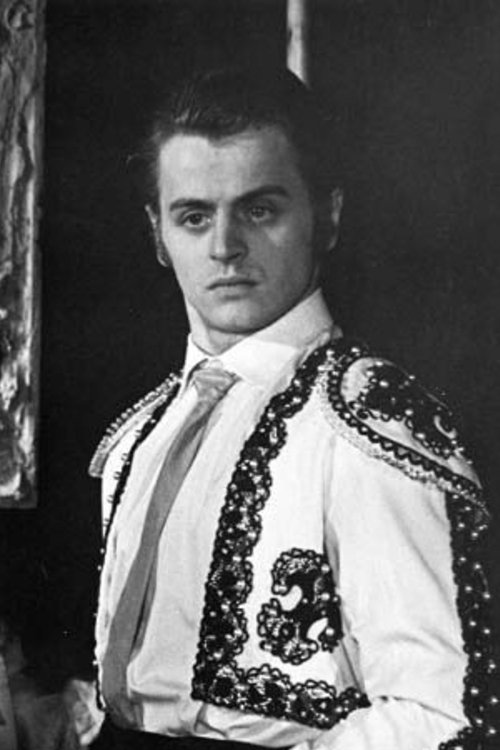
A stage adaptation of Ernest Hemingway's "The Sun Also Rises", first staged for Gorky Bolshoi Drama Theater and later reworked for Leningrad Television.
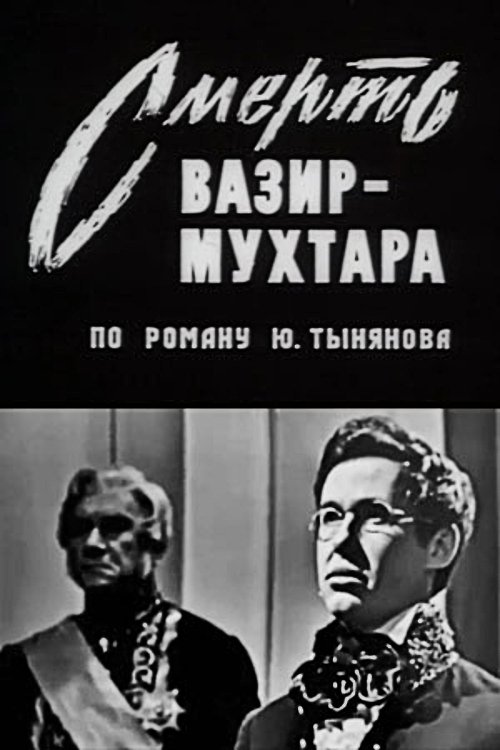
A television play chronicling the lead-up to the assassination of diplomat and playwright Alexander Griboyedov, dubbed “vazir mukhtar” in his position as Russia's ambassador to Tehran.
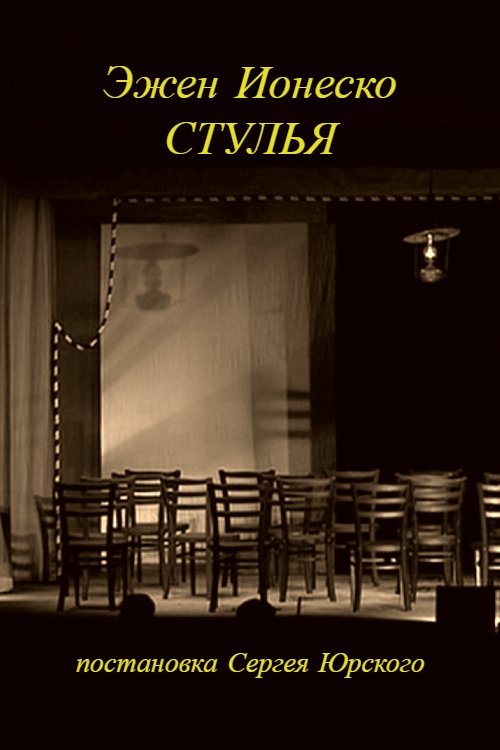
A television version of the award-winning stage adaptation of Eugène Ionesco's tragic farce, mounted in 1994 for Moscow's School of Contemporary Plays Theatre and revived for television in 2009.
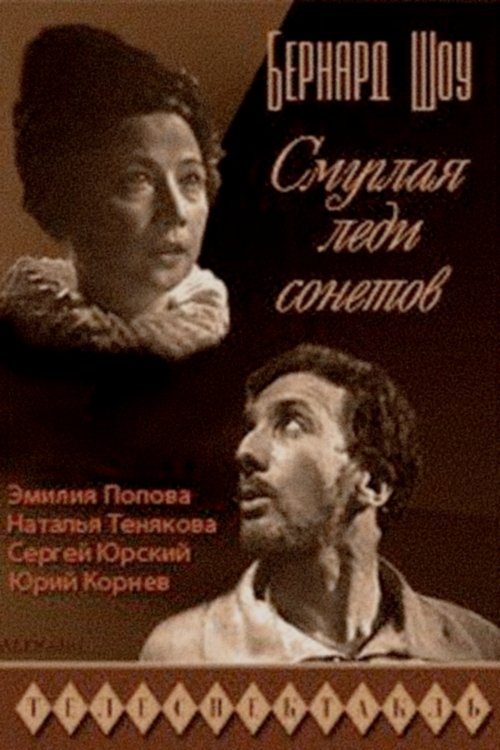
A television adaptation of a short comedy of the same name by George Bernard Shaw.
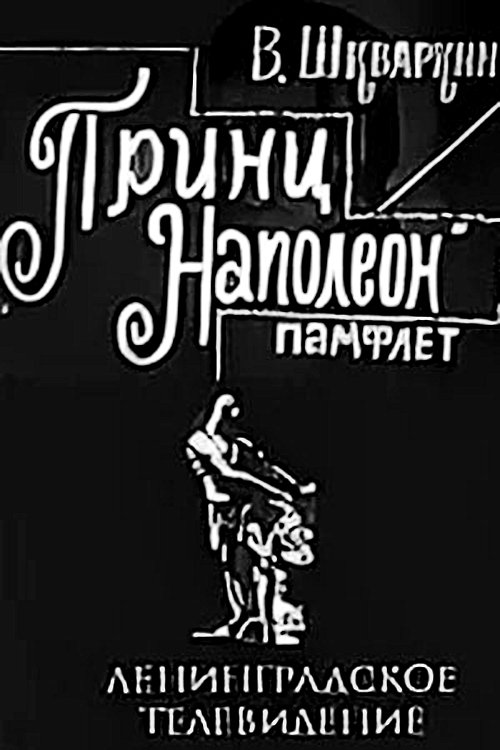
A satirical account of the rise and fall of Louis Napoleon Bonaparte.
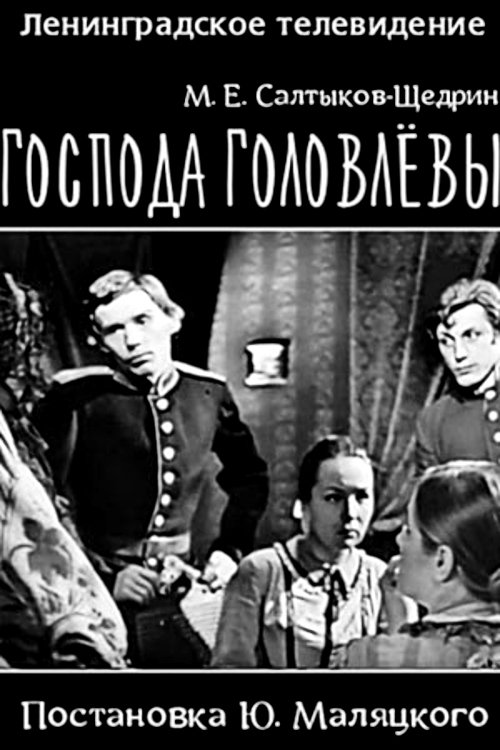
A television play based on Mikhail Saltykov-Shchedrin's satirical family chronicle.
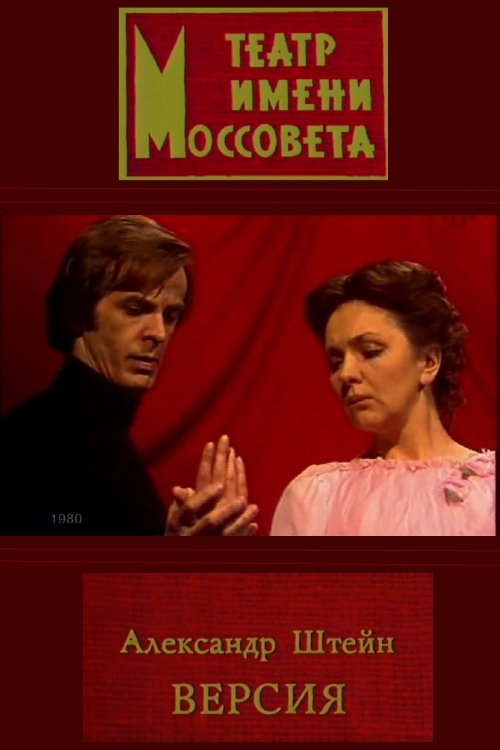
A television play based on the life and works of Russian poet Alexander Blok performed by the cast of Moscow's Mossovet Theatre.
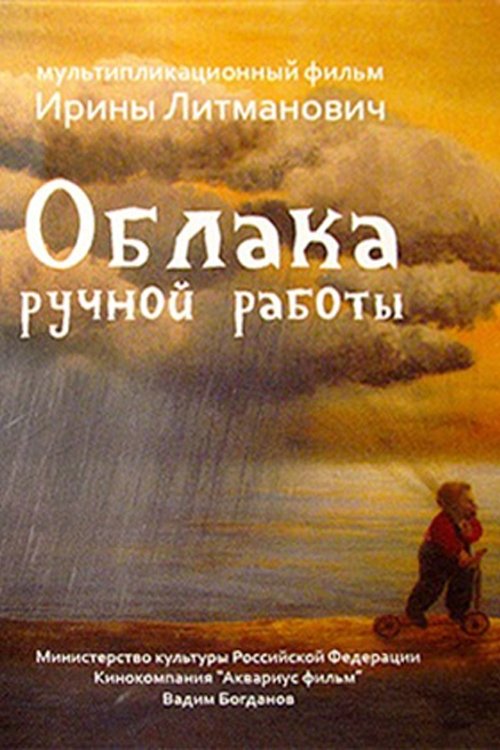
Five stories depicting five different kinds of love, from childhood to old age.
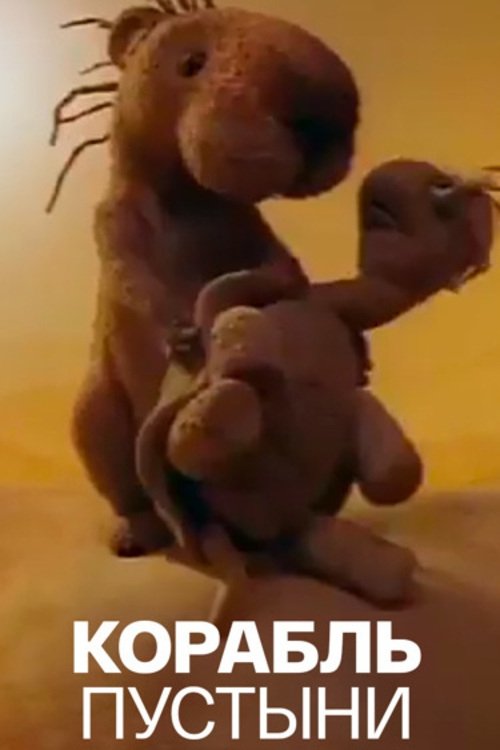
A porcupine, a jerboa, and a turtle build a wooden ship in the desert.
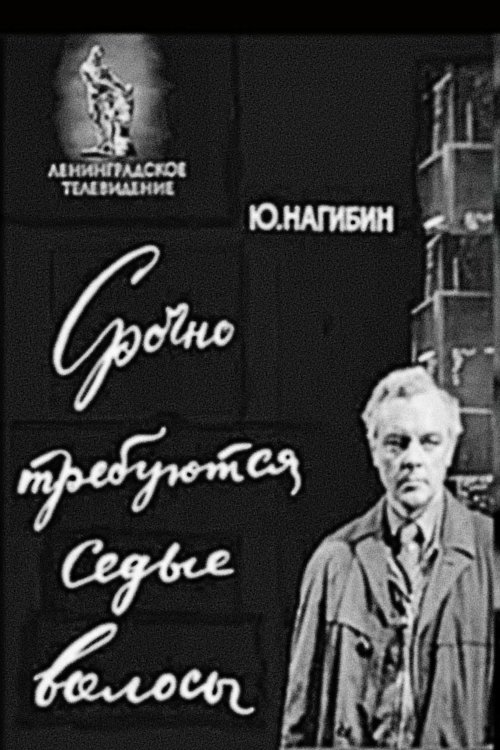
While on a business trip to Leningrad, engineer Sergei Gushchin meets a young woman and quickly falls for her. Acutely aware of the age difference between the two, the man decides against pursing the relationship.
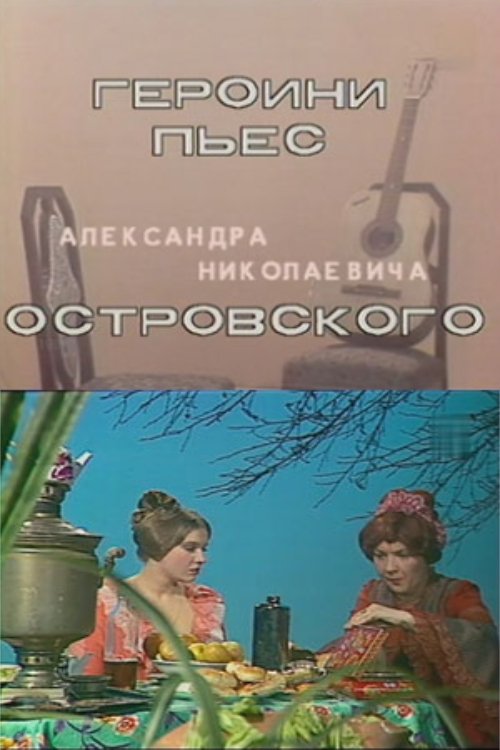
The film is dedicated to the heroines of Ostrovsky’s plays—wives, cooks, actresses, matchmakers. For the most part, these are composite characters, but many of them have real-life prototypes. The author was a keen observer and recorded everything interesting in his diary. This is how the gallery of images from his native Zamoskvorechye, where Ostrovsky was born, came into being. Later, after traveling along the Volga, portraits of residents from small towns along the river were added. Alexander Nikolaevich never overlooked the details. When the playwright described daily life, the details of clothing, or the manner of speaking of a character, the hero would literally come to life.
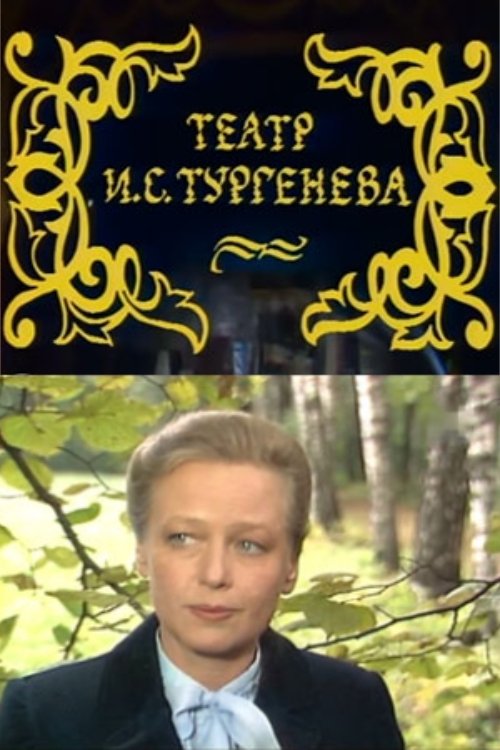
On the uniqueness and significance of I.S. Turgenev's theater, and the connection between his dramaturgy and prose.
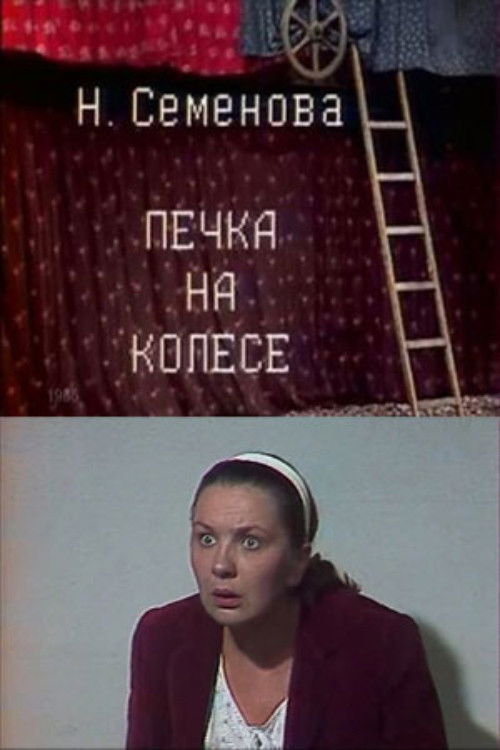
The heroine of the comedy is Frosya, a mother of five children and a calf-maiden, who lives in a run-down village and doesn't want to leave her native home, her "stove on wheels." The lead role is played by Natalia Tenyaeva. The true city dweller is remarkably natural in the role of a simple village girl. The actress borrowed her manner of speech from a local villager whose house was near the summer house Tenyaeva rented.