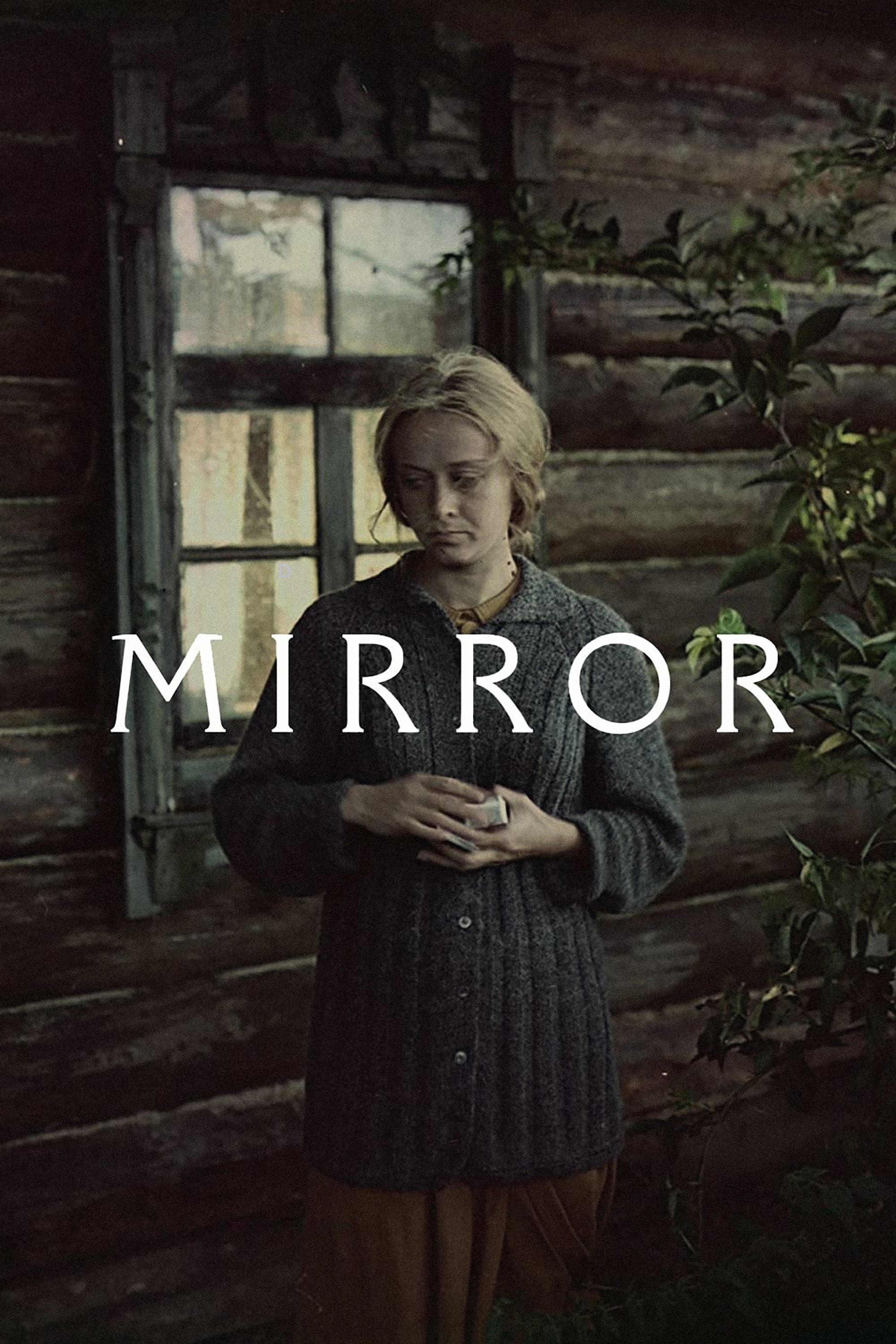
A dying man in his forties recalls his childhood, his mother, the war and personal moments that tell of and juxtapose pivotal moments in Soviet history with daily life.
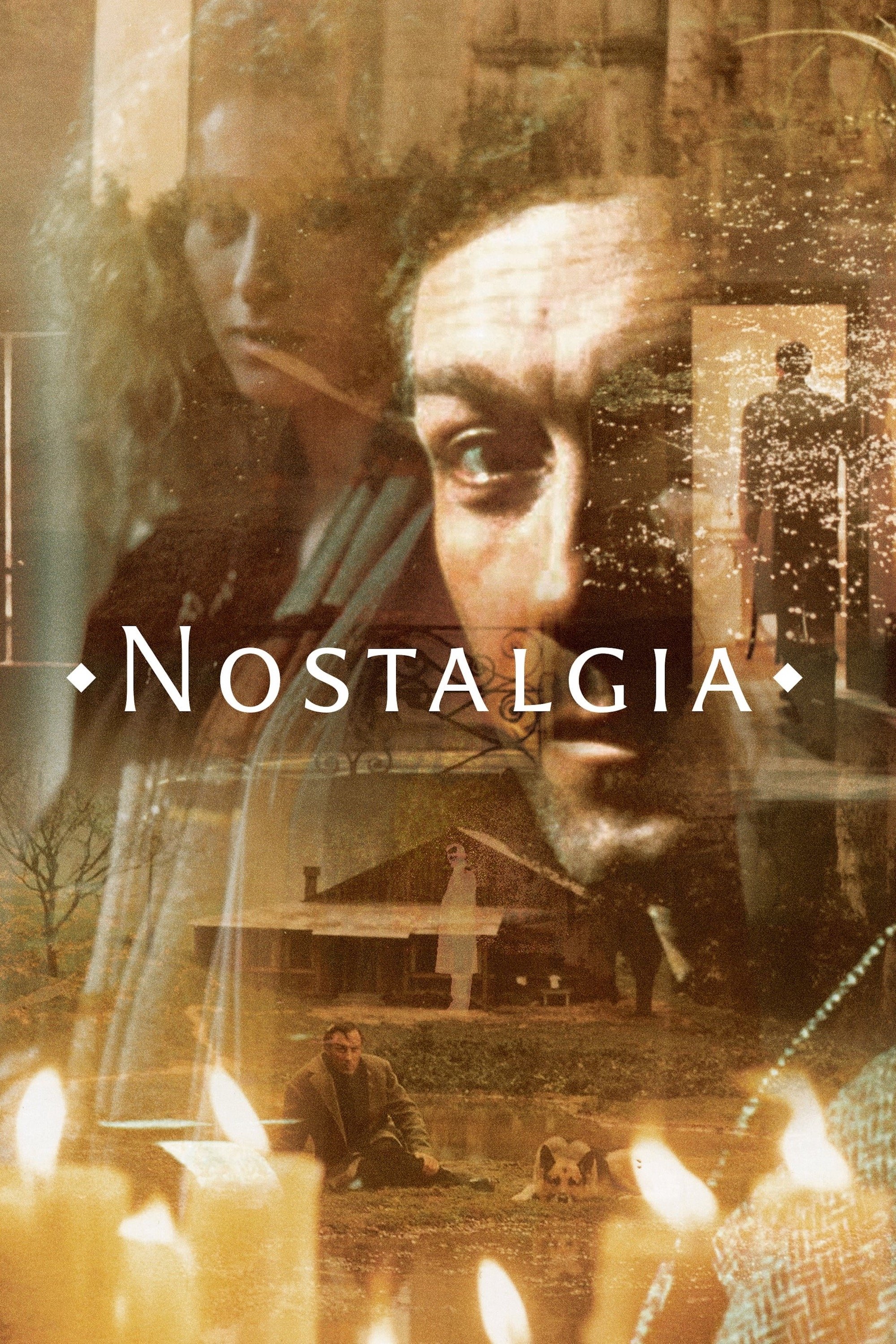
Russian poet Andrei Gorchakov journeys through Italy with his interpreter Eugenia to research the life of an 18th-century Russian composer who once lived abroad. Isolated and consumed by an unrelenting longing for his homeland, Andrei becomes drawn to Domenico, a radical mystic obsessed with spiritual redemption. Through austere imagery and extended temporal rhythms, Tarkovsky examines exile, memory, and the profound melancholy of being unable to belong fully to either place or language.
Based on the story of the same name by I. Turgenev. A story about the romantic feeling of falling in love with a young man for whom everything is for the first time.
Performance of the Lenkom Theater based on the play by M. Shatrov.
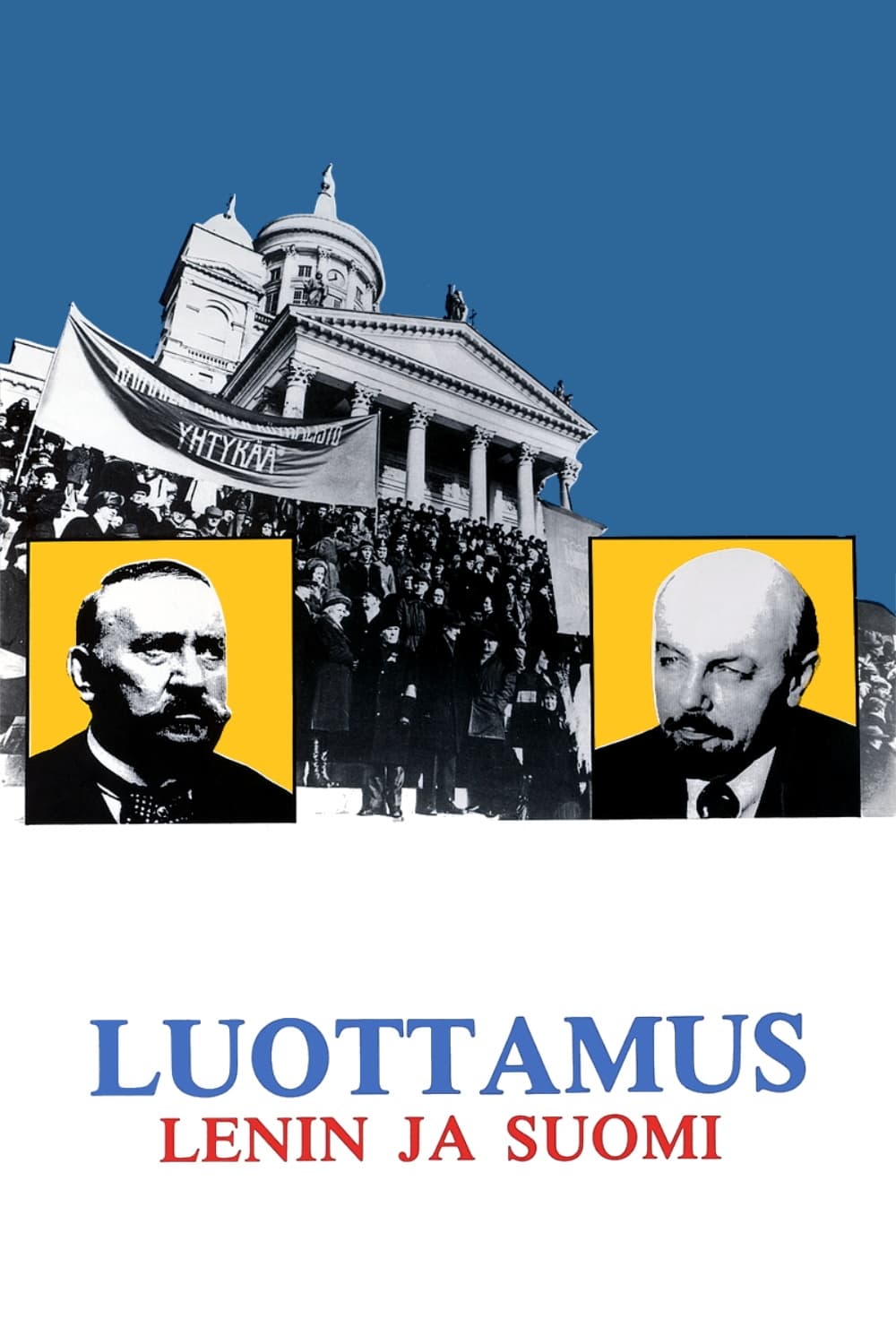
In December 1917, a Finnish delegation arrives in St. Petersburg to meet Vladimir Lenin to seek recognition of Finland's independence.
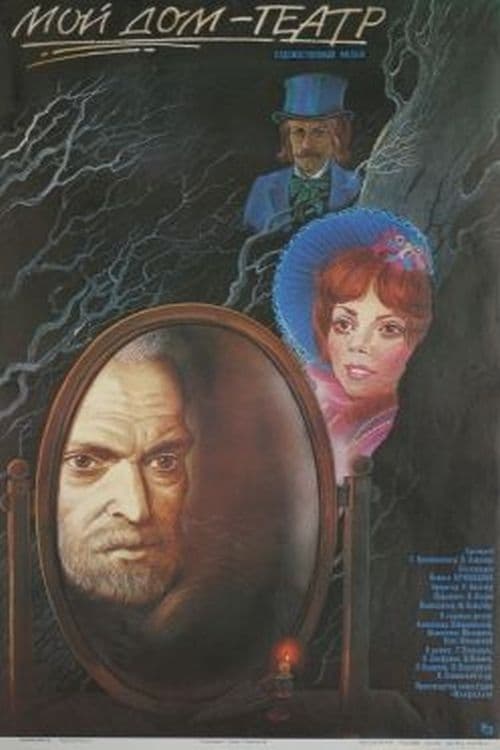
A.N. Ostrovsky recalls the first period of his creative work (1849–1859), when he began collaborating with the Maly Theatre and with masters of the Russian stage such as L.P. Kositskaya, M.S. Shchepkin, and P.M. Sadovsky. Almost every character in this film is a real historical figure.
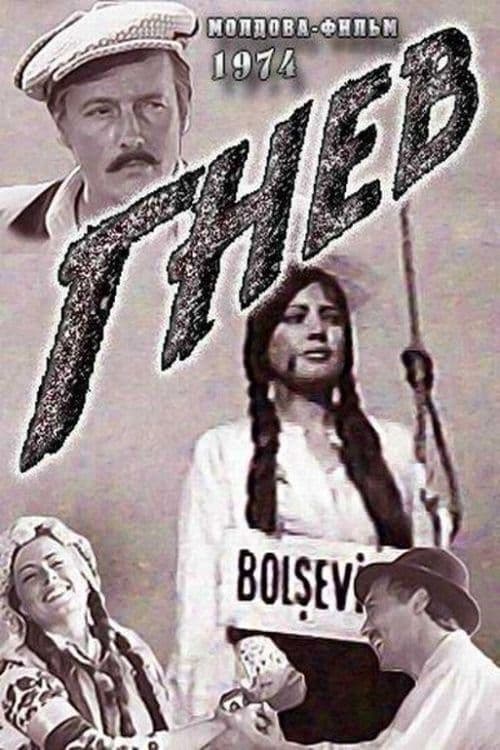
Historical drama about the Tatarbunar uprising in southern Bessarabia in September 1924. The plot is based on the complicated relationship between two brothers standing on opposite sides of the barricades. The betrayal of one of the brothers led to a spontaneous uprising of the poor, which swept the entire south of Bessarabia and was brutally suppressed by the punitive occupation forces.
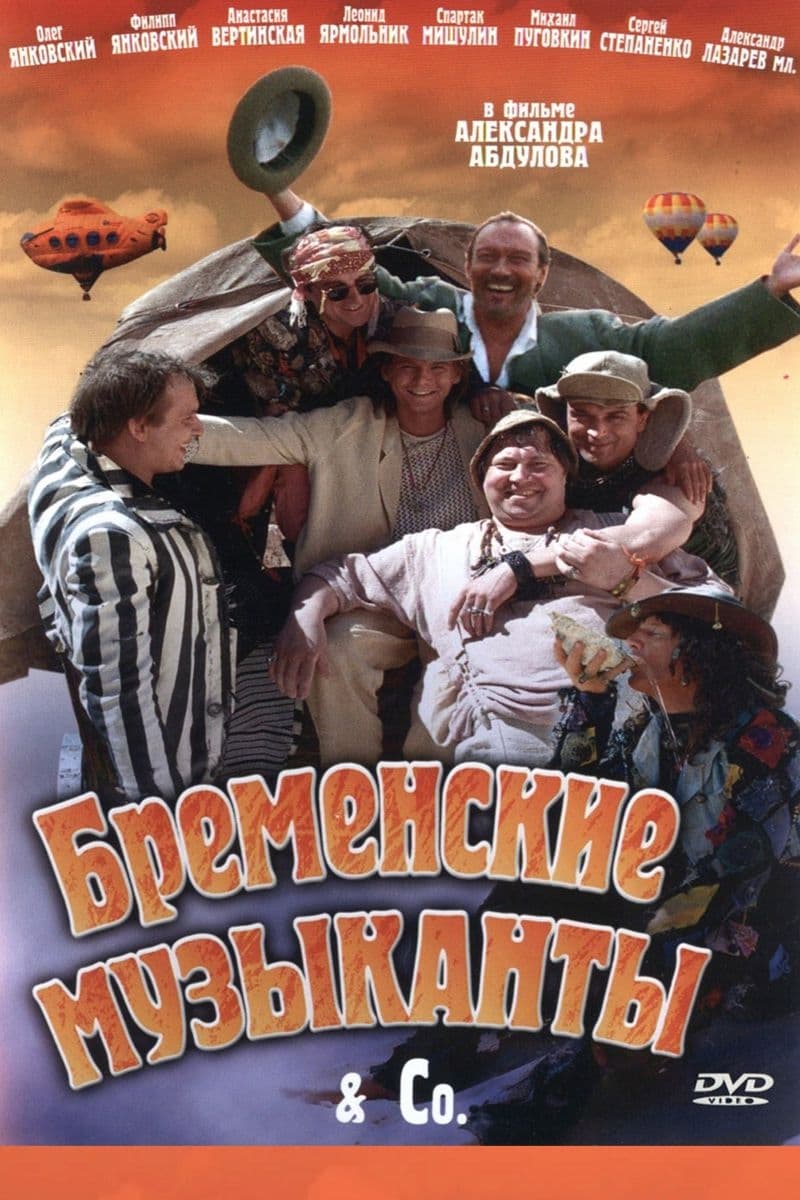
The classic story about a musicians from Bremen is told in not so classical way.

An immaculate, vivid and breathtaking implementation of Swift's romanticism.
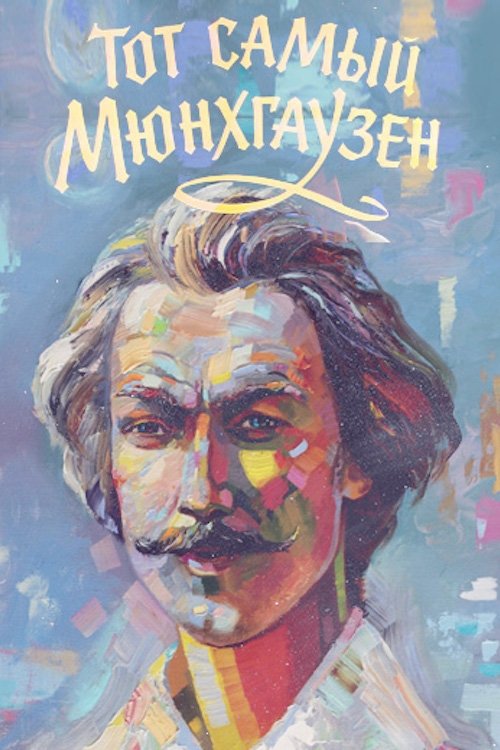
A philosophical and poetic portrait of the famous (or maybe infamous?) Baron Munchhausen. His crazy, yet very merriment, stories, views and behavior is what sets him apart from others. He becomes alienated from the society that failed to grasp his brilliance. In fact, his brilliance is what underlines the faults with the society itself. It's a beautiful yet tragic story that is filled with dense and intellectual dialogue.
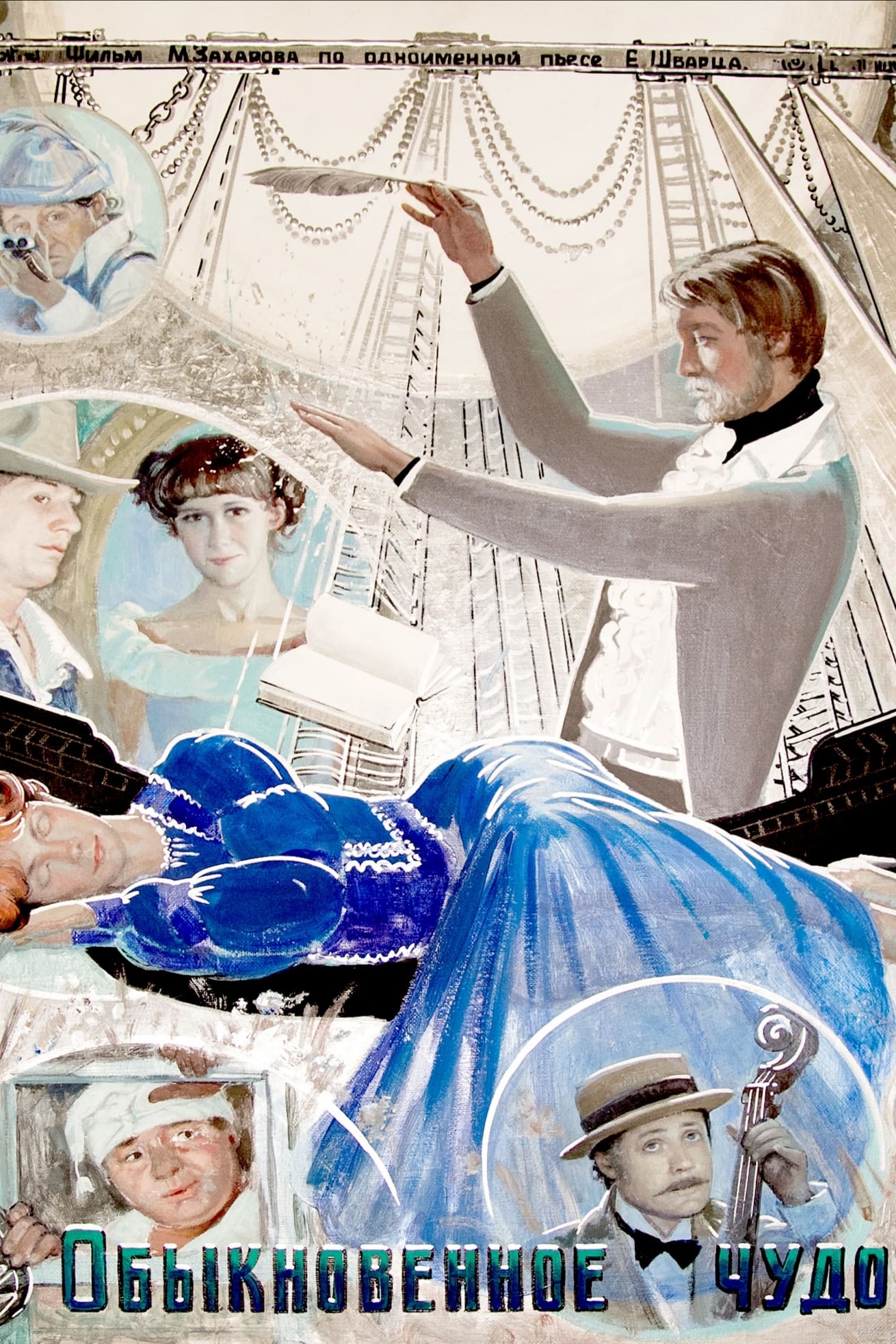
A wizard invents characters who all come to life and start to arrive at his house: a King, his servants, a princes, a bear trapped in a man's body - the usual lot. The Plot mainly rotates around the bear, who the wizard had turned into a man. The Bear, who wishes to be a bear once again, can turn into his old self if he were to kiss a princess. It gets complicated when he falls in love with that princess, that arrived at the wizard's house. For how can they be together, if a single kiss will destroy their love?
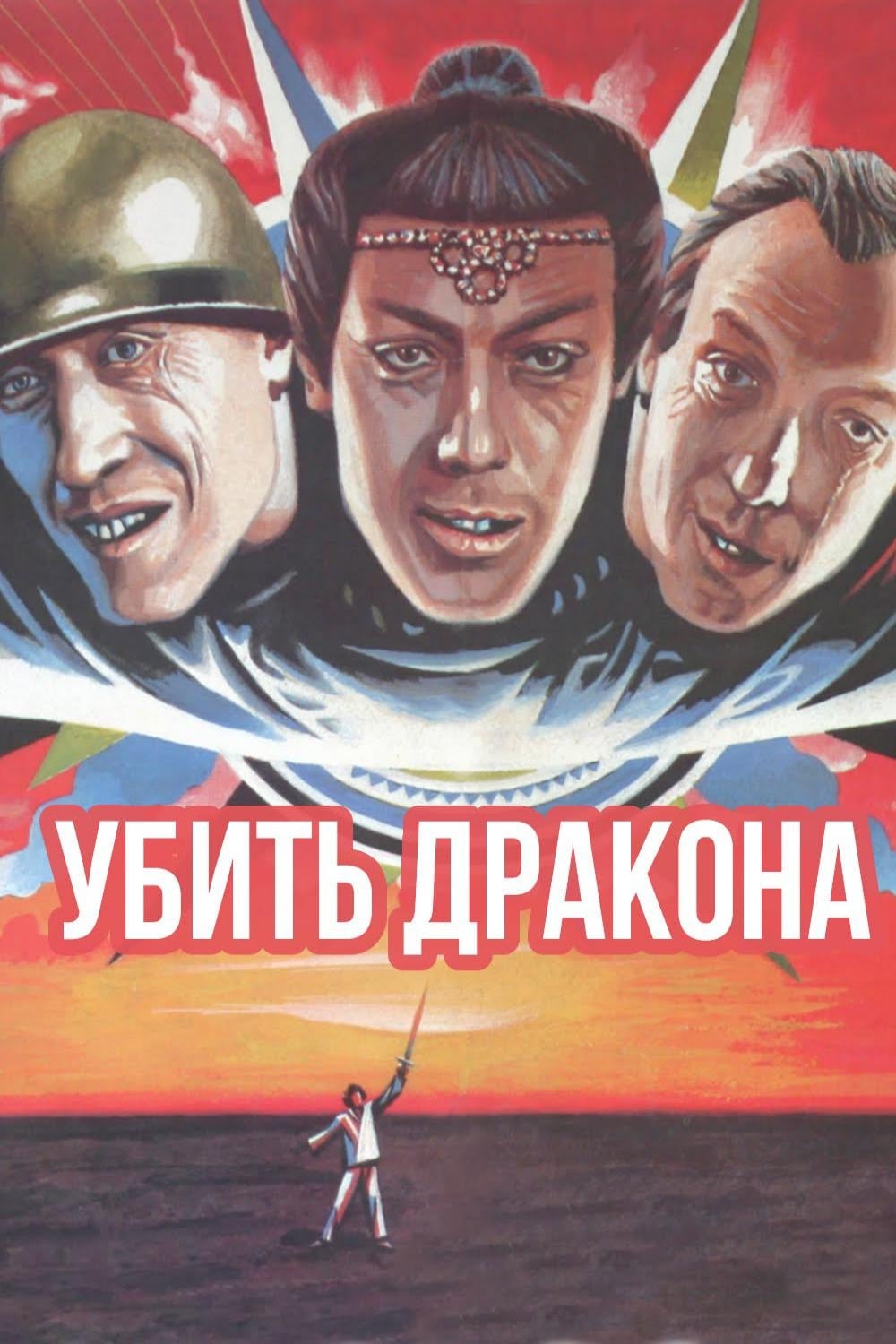
Dragon is a bloody dictator, who kills every opponent. People live hopelessly, until Lancelot comes to save the beautiful Elsa. Lancelot can only win, if all people become free from fear, that is feeding the Dragon's power. Dragon's multiple personalities, ranging from a "dragon" to a "samurai" to a "Nazi", scare the hell out of all people, except Lancelot. Finally Dragon drops all his masks, to become the most dangerous of his incarnations - "himself". And the battle begins
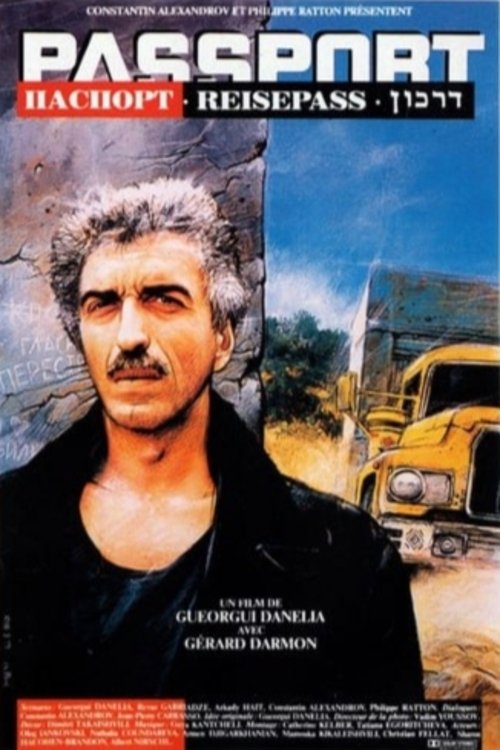
Merab, a Georgian taxi driver who mistakenly crosses into Israel while seeing off his Jewish brother, Yasha, gets stuck without documents. He gets entangled in bureaucratic nightmares, mistaken identity, and KGB plots while trying to return home.
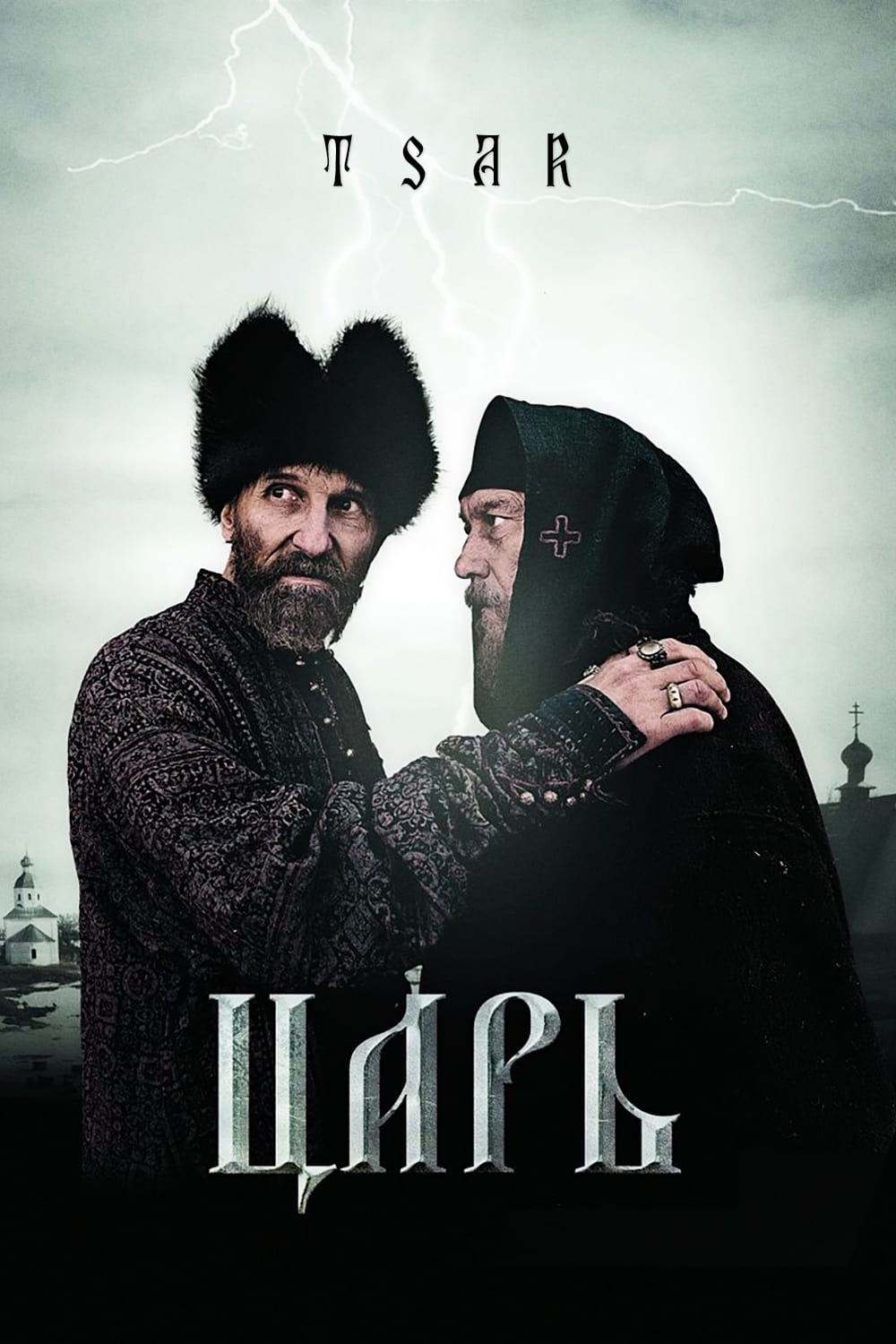
In 16th-century Russia in the grip of chaos, Ivan the Terrible strongly believes he is vested with a holy mission. Believing he can understand and interpret the signs, he sees the Last Judgment approaching. He establishes absolute power, cruelly destroying anyone who gets in his way. During this reign of terror, Philip, the superior of the monastery on the Solovetsky Islands, a great scholar and Ivan's close friend, dares to oppose the sovereign's mystical tyranny. What follows is a clash between two completely opposite visions of the world, smashing morality and justice, God and men. A grand-scale film with excellent leading roles by Mamonov and Yankovsky. An allegory of Stalinist Russia
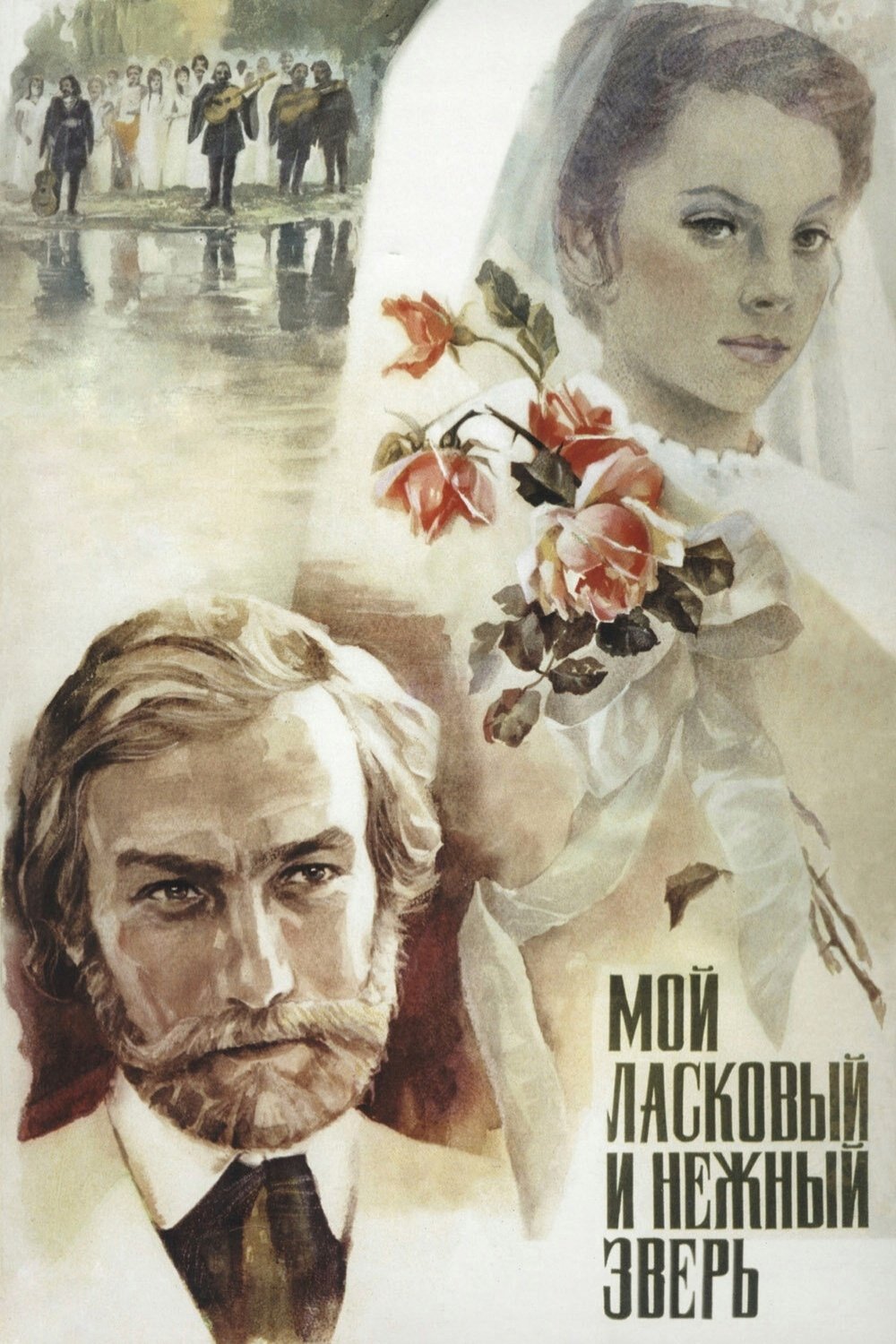
An aristocrat falls for a young woman who brings him ruin. Based on Chekhov's story. AKA A Hunting Accident, The Shooting Party.

In this hit Russian musical, a group of friends flaunts Soviet authority in 1950s Moscow by embracing jazz. When Communist Mels falls for Polly, a free-spirited jazz fan, he risks losing his party membership by associating with her rebellious crew.
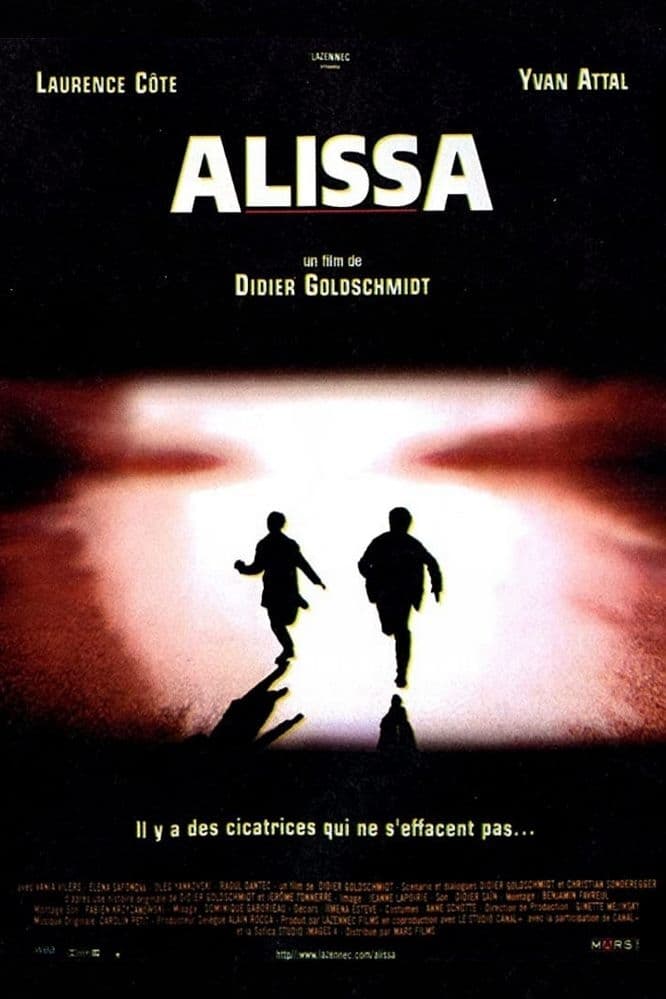
The son of an editor discovers that one of his father's writers is a former criminal from the Eastern bloc.
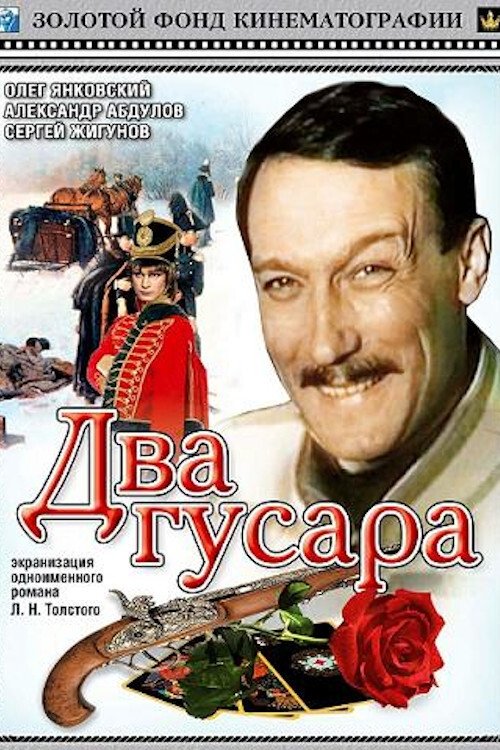
Drama on the novel of the same name L. N. Tolstoy. Two hussars - father and son - two morals, two worldviews. And although older Turbin frivolous in love, but reliable in friendship and principled in matters of honor. Junior Turbines do not stand up to comparison with his father - he is calculating, shallow and selfish "hussars of the new generation".
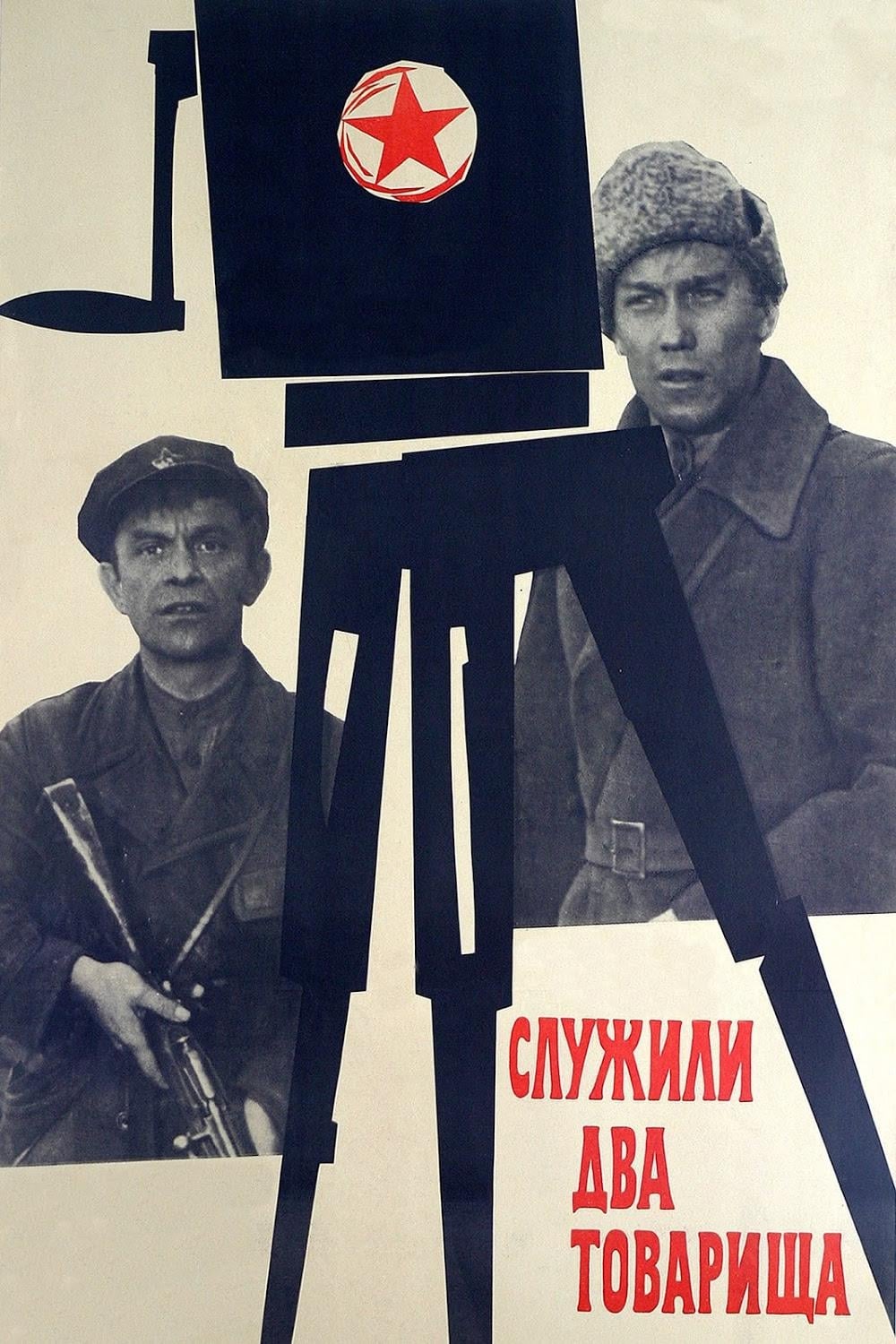
Set during the last days of the civil war that followed the Russian Revolution. The Crimea Peninsula is the last stronghold of the White Guard, and the Red Army is planning the final assault. The first story line of the movie follows two Red Army soldiers: unlikely friends Nekrasov and Karyakin. The second story line is about a White Guard officer Brusentsov who is devoted to Russia and his cause but sees it being destroyed day by day.
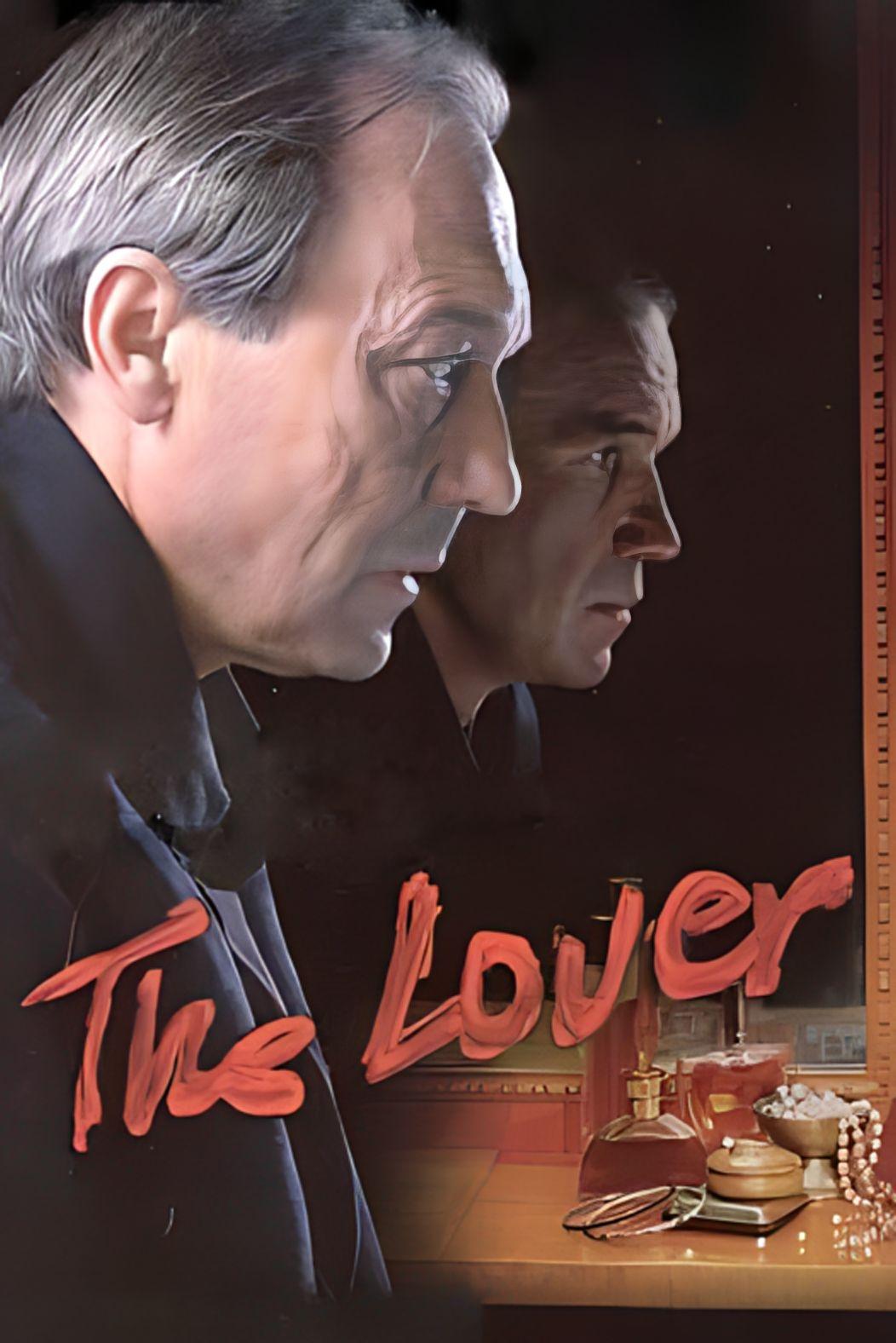
This is a remarkably subtle film–a character study that focuses on Mitya’s attempts to cope with each new startling phase of discovery. At first he mourns for his dead wife, but then he discovers that he didn’t really know her.
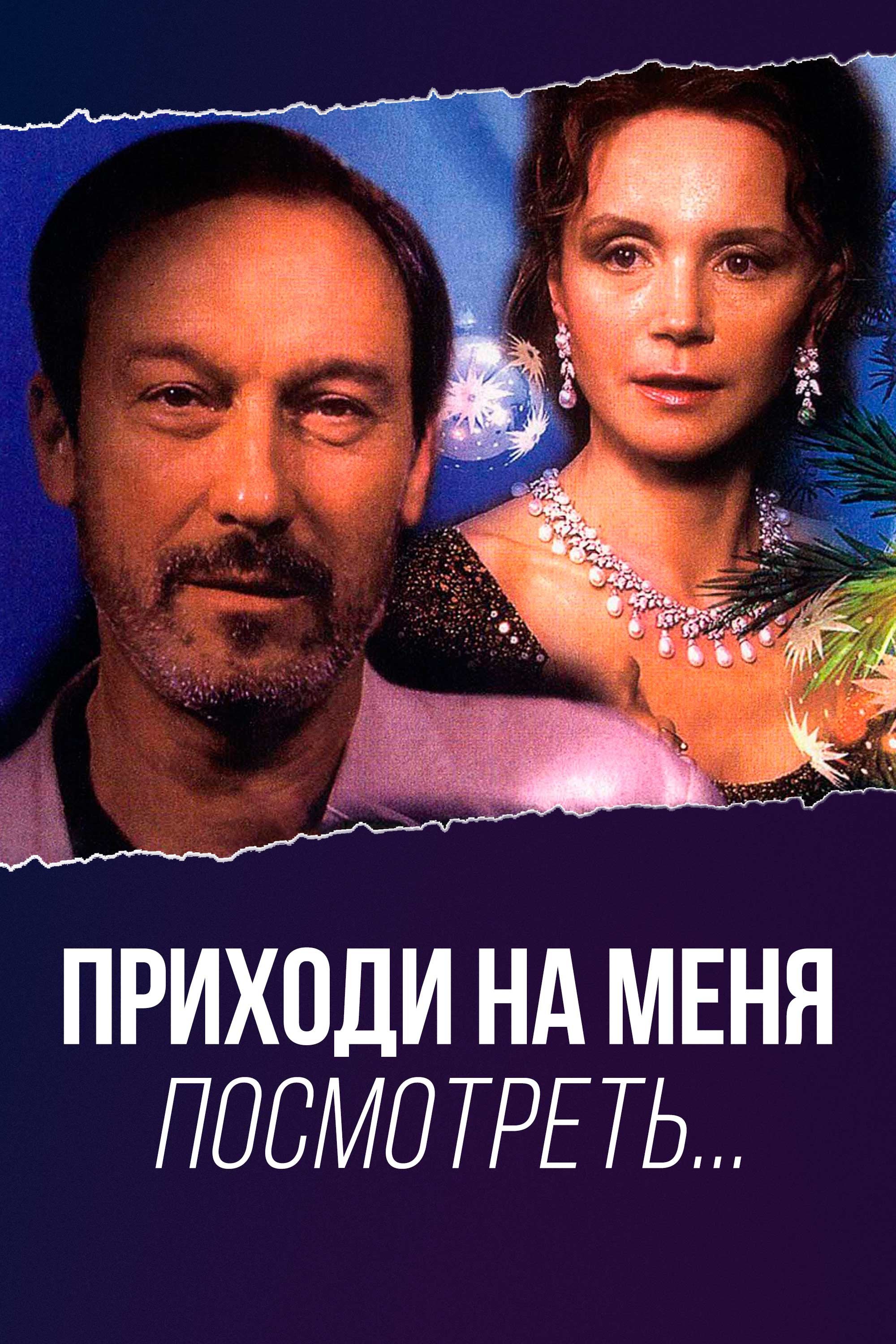
The movie is about an old disabled lady who lives with her spinster daughter. The lady desperately wants her daughter to marry, and the daughter, driven by the supposed imminent death of her mother, invites a total stranger home and introduces him as her boyfriend. The man and the prospective mother-in-law eventually start to like each other, and he makes every effort to be liked by the daughter. With the intervention of a fantasy granddaughter, quasi-miraculous healing, and a lot of hilarious repartee in between, the movie has a happy ending.
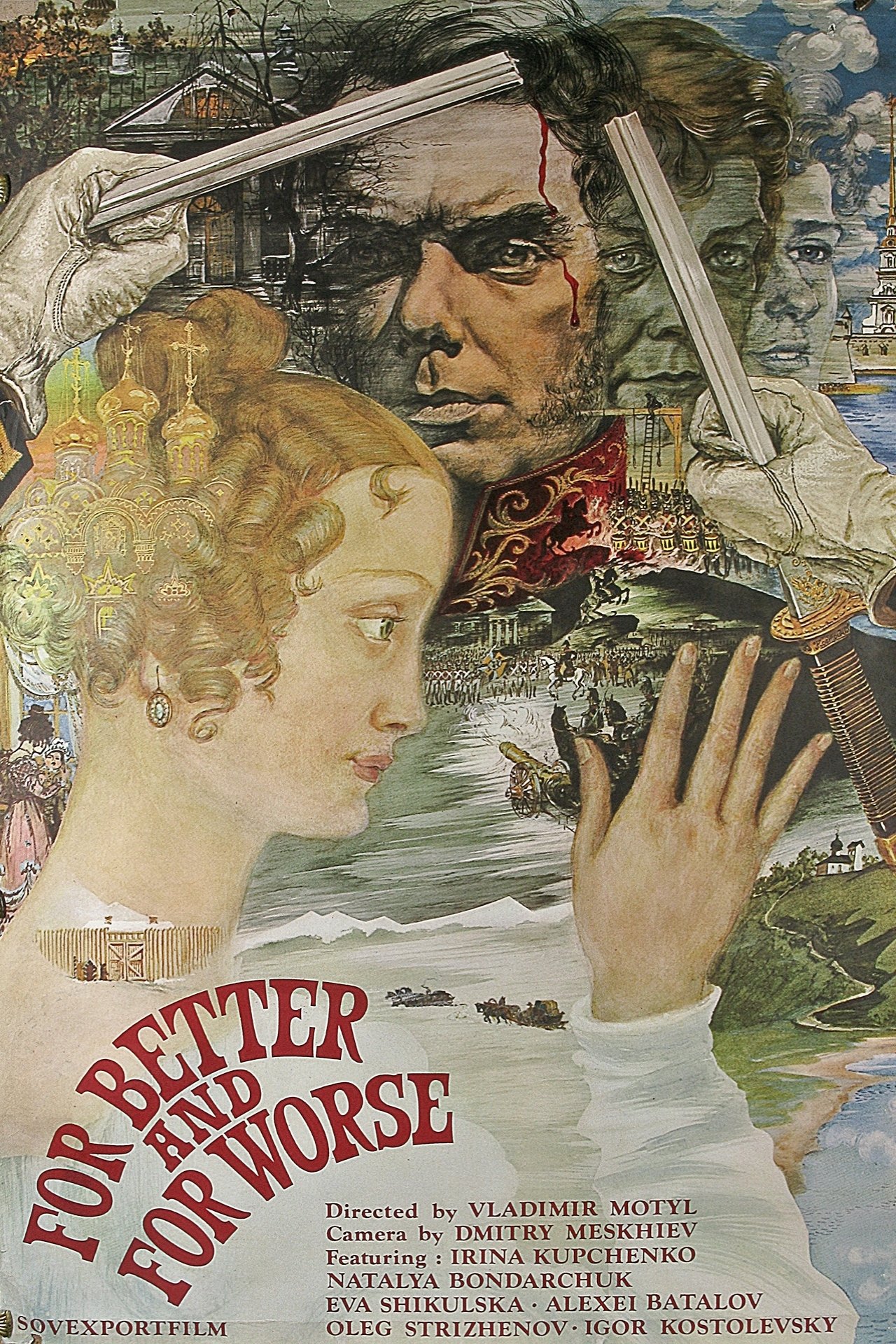
In December 1825, distinguished members of the Russian military, most of whom were quite affluent and of noble lineage, took it upon themselves to stir revolution against the autocratic and tyrannical Czar Nikolai I in the wake of his not honoring the drafting of a constitution for the Russian people. The revolution failed miserably and the conspirators (known as the Decembrists) were weeded out by the czar himself. One by one, each of the conspirators confess and are systematically exiled to the harsh winters of Siberia, slated to work and wither in a prison/mine. The wives of the conspirators are faced with the prospect of leaving the bosom of wealth and family (including their own children) to be with their husbands in the brutal Siberian locale. If they agree to this, they face having their illustrious social stations stripped away and certain disdain from everyone around them...
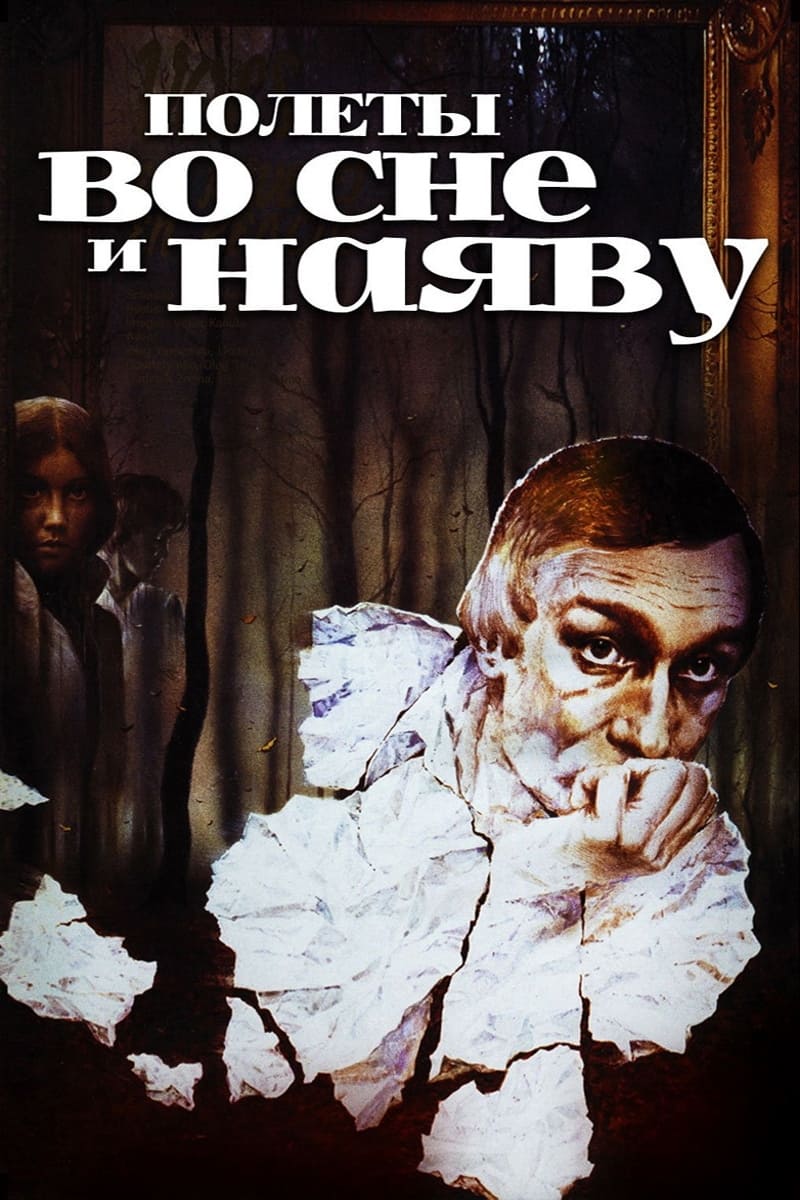
On the eve of his fortieth anniversary Sergei Makarov looks back at his life and learns that he has achieved nothing. He was not able to be happy and to bring happiness to the closest people in his life, neither to his long-suffering wife nor young mistress nor friends nor work... It is about the men who never grew up and could not find themselves in the time of stagnation – gifted, charming, but infantile and lost, they never were able to realize themselves...
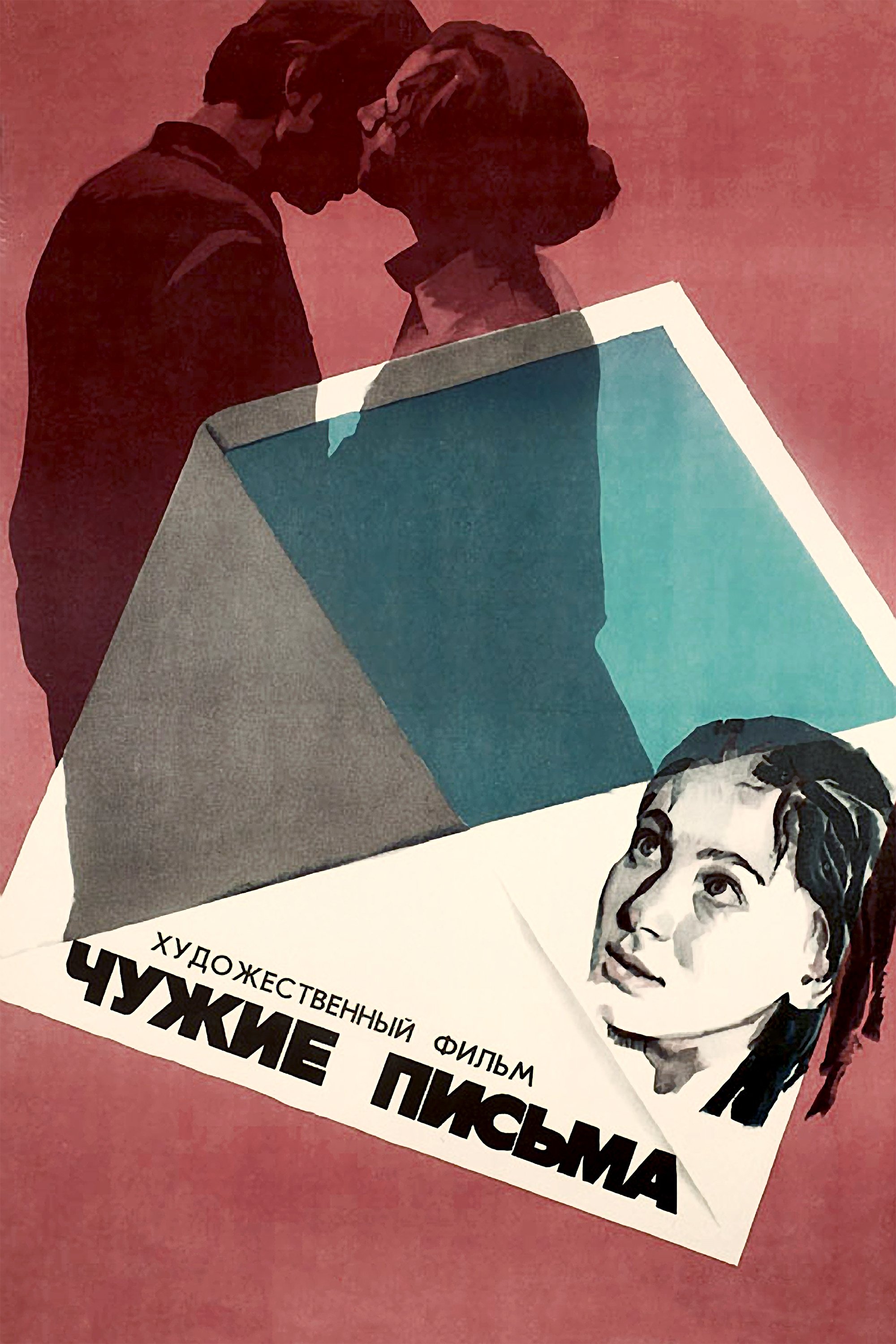
Zina is sixteen. She is a manipulative schoolgirl living in a small Russian town among sincere and simple people. Zina is nice on the surface, but so unable to enjoy normal life, that she is desperately trying to hurt someone. She tries to seduce and compromise a handsome young man, but he is smart enough to see through her and escapes from her trap. Zina manipulates her classmates so she looks like a victim. Now Zina's teacher, Vera, a sweet and loving lady, takes care of her trying to save the troubled girl, but in return, Zina becomes extremely crafty to hurt the teacher.
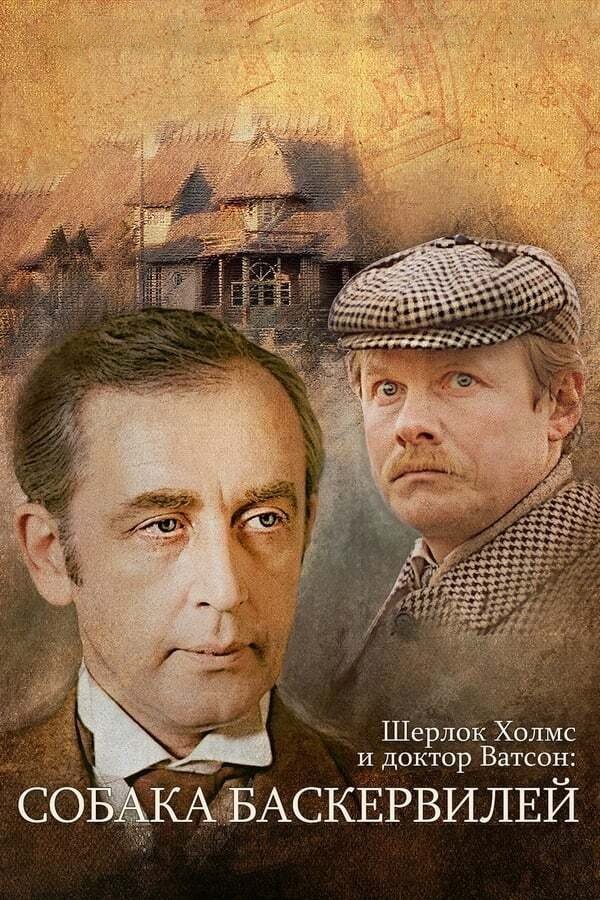
When Sir Charles Baskerville is found dead in his country house, Dr James Mortimer asks Sherlock Holmes for help to save Sir Henry Baskerville, the only known heir, from the curse that haunts Baskerville family.
Leningrade. Galina works as a restorer at Catherine Palace; she is a sculptor as well and takes her profession very seriously and enthusiastically. Vera, a friend from art school, sees her loneliness and introduces her to her husband's colleagues - friendly Mitya and mysterious Andrey. Soon Galina finds herself torn between the two men.
The film is set in 1913 Russia during the celebrations of the Tricentennial Anniversary of the Romanov Dynasty. Rich Russian merchants are celebrating their wealth by gambling and playing poker. They are traveling aboard the luxurious cruise liner "St. Nikolai" on Volga river, oblivious to the fact that several gangs of crooks and con-artists are stealing their money in the game. Their target is the wealthiest Russian tycoon Satanovsky.
In Imperial Russia, Anna, wife of the officer Karenin, goes to Moscow to visit her brother. On the way, she meets charming cavalry officer Vronsky, to whom she's immediately attracted. But in St. Petersburg’s high society, a relationship like this could destroy a woman’s reputation.
Based on the motifs of M. Bulhakow's story with the same title. The thing about the scientist-zoologist Persikow, whose unique invention makes the rate of formation and development of organisms grow thousands of times. The experiment subjects eggs of the anaconda, which by mistake go to the mad director of the model chicken farm, dealing with rebuilding the hen population in the country. Irradiated reptiles, hatching from eggs, start to devour.
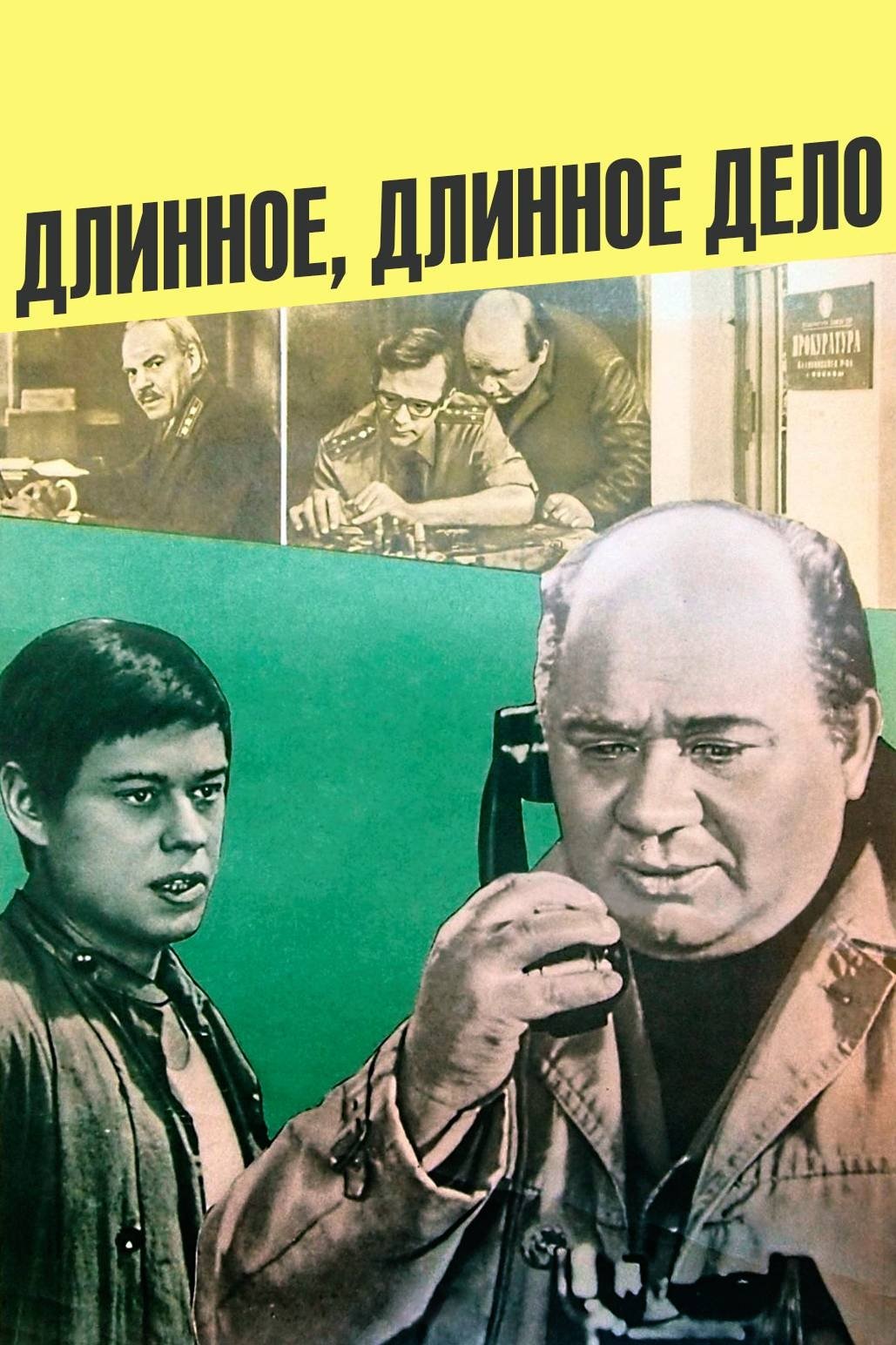
A murder just happened and it seems the answer is simple on who and how did it. But a casual talk between suspect's mother and prosecutor sets a different point of view on a just opened case.
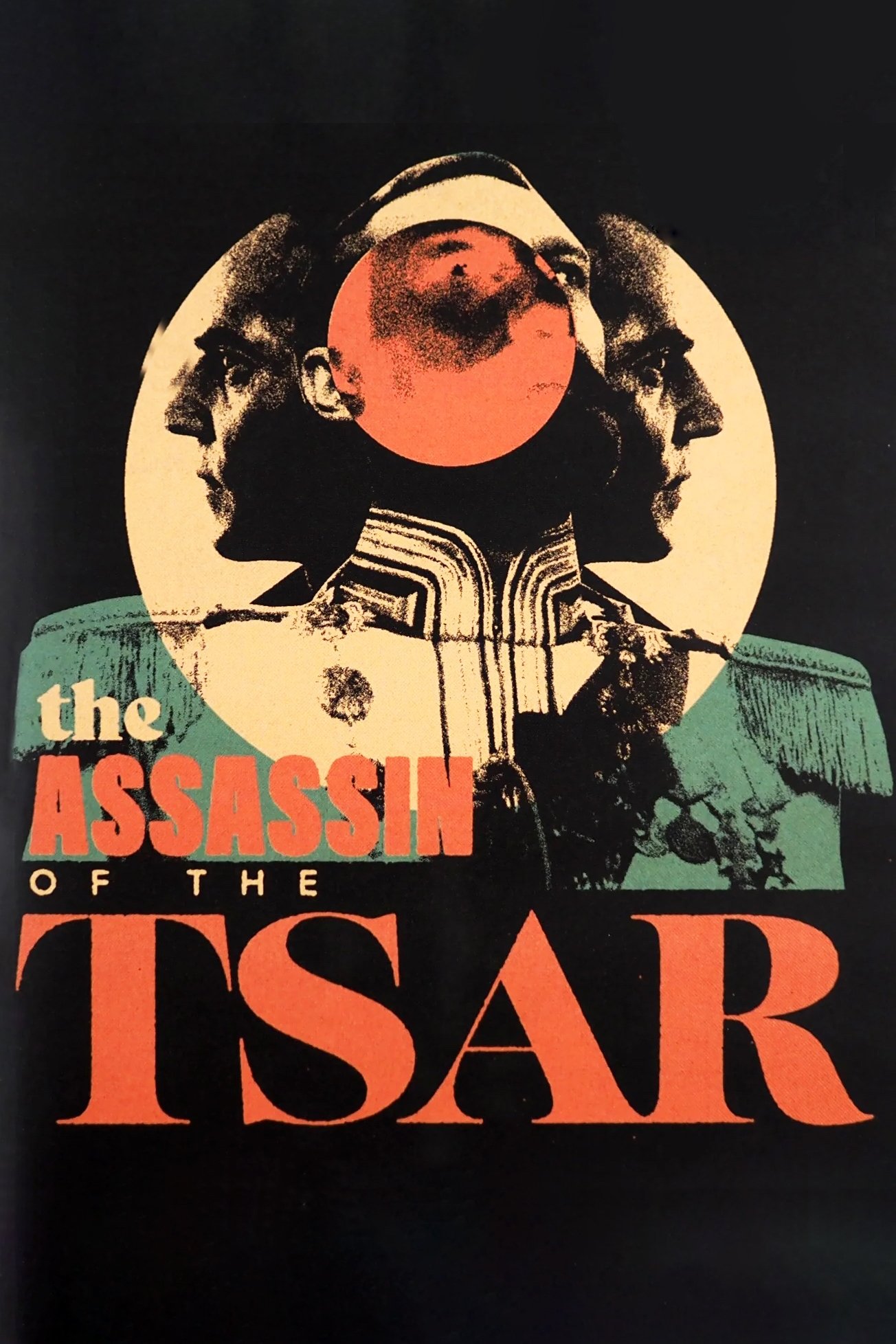
A new doctor from Moscow arrives at a provincial mental institution. His interest is the peculiarities of the psyche of a patient who believes that he is Yakov Yurovsky, the man who assassinated the last Russian tsar. In the course of their conversations it transpires that the patient is a kind of philosopher, not without a gift for suggestion. In a while the doctor himself falls under his patient’s influence: he tends to relive that fatal night of June 16-17, 1918 when, without any investigation or trial, Tsar Nicholas II, who had recently abdicated, was murdered, together with his wife, daughters and incurably ill heir. Soon the doctor realizes that the tragedy of the last Russian tsar is in part his own tragedy, too...
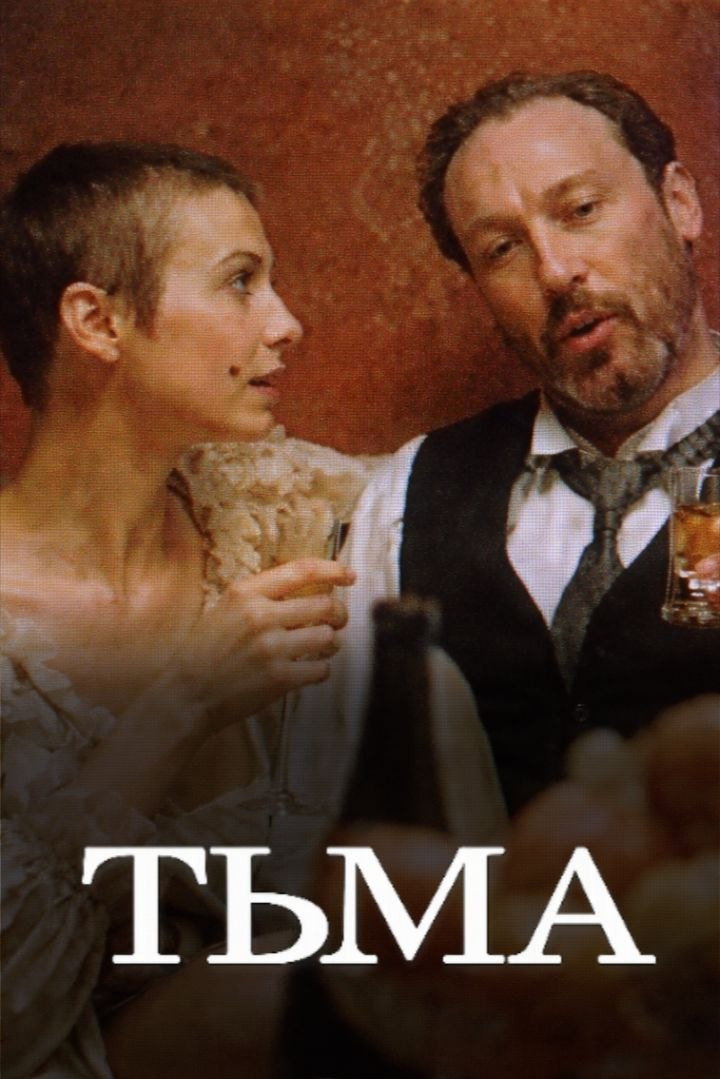
This story of the beginning of the century about a terrorist and a prostitute combined the inhumanity and sacrifice of terrorism - a disastrous and noble delusion that originated in Russia and spread throughout the world.
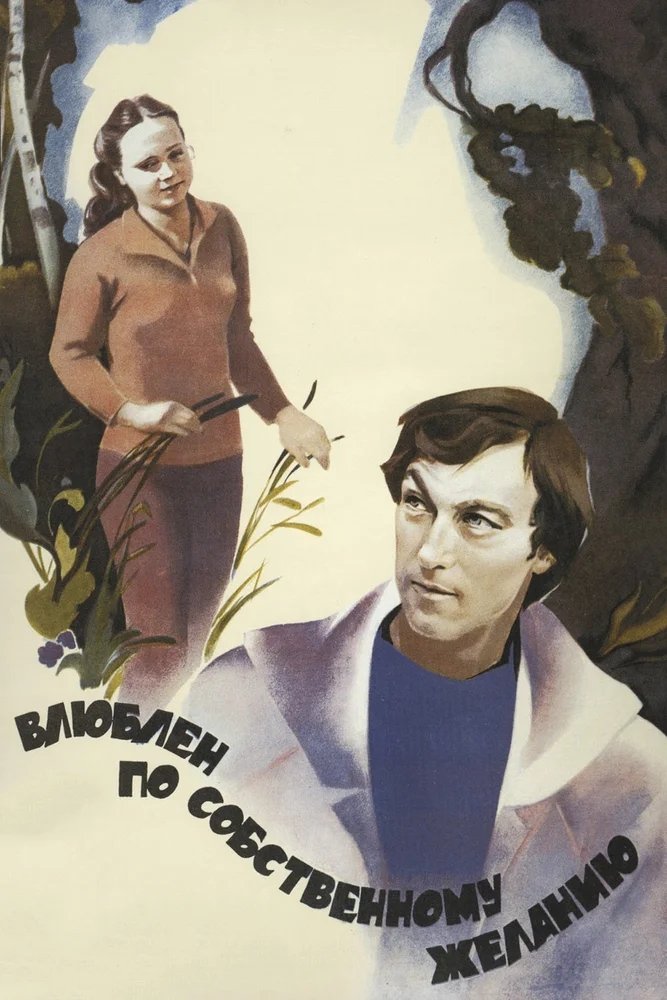
Two people: Igor, an ex-athlete living aimlessly and chasing rubles to get drunk and Vera, a dowdy librarian, try to find their luck by planning to fall in love with each other based on "psychological conditioning".
A story about life and love of a young girl Anna who moves from her village to a big city.
TV performance of the famous work of Shakespeare.
An unpleasant incident on the winter track results in a conflict between two racing drivers: the aging master of sports Kukushkin and his student — the young and ambitious Sergachev. The disagreement leads to the fact that despite the protests of the team coach, on the eve of the next major competitions, former teammates find themselves in different crews.
The setting for this off-beat drama of love and jealousy is the Pushkin Poetry Festival in Boldino. Liosha and his wife Tania are walking through the plush forest around Boldino when a mysterious figure pops up from behind a tree and asks the couple a question on an esoteric point of Pushkin scholarship. From that strange beginning, the man, whose name is Klimov, starts to ease himself into the couple's private space, and trouble ensues. Complementing this story is the festival itself, enactments of Pushkin's works, and emotional debates among the festival-goers over the meaning of his poetry.
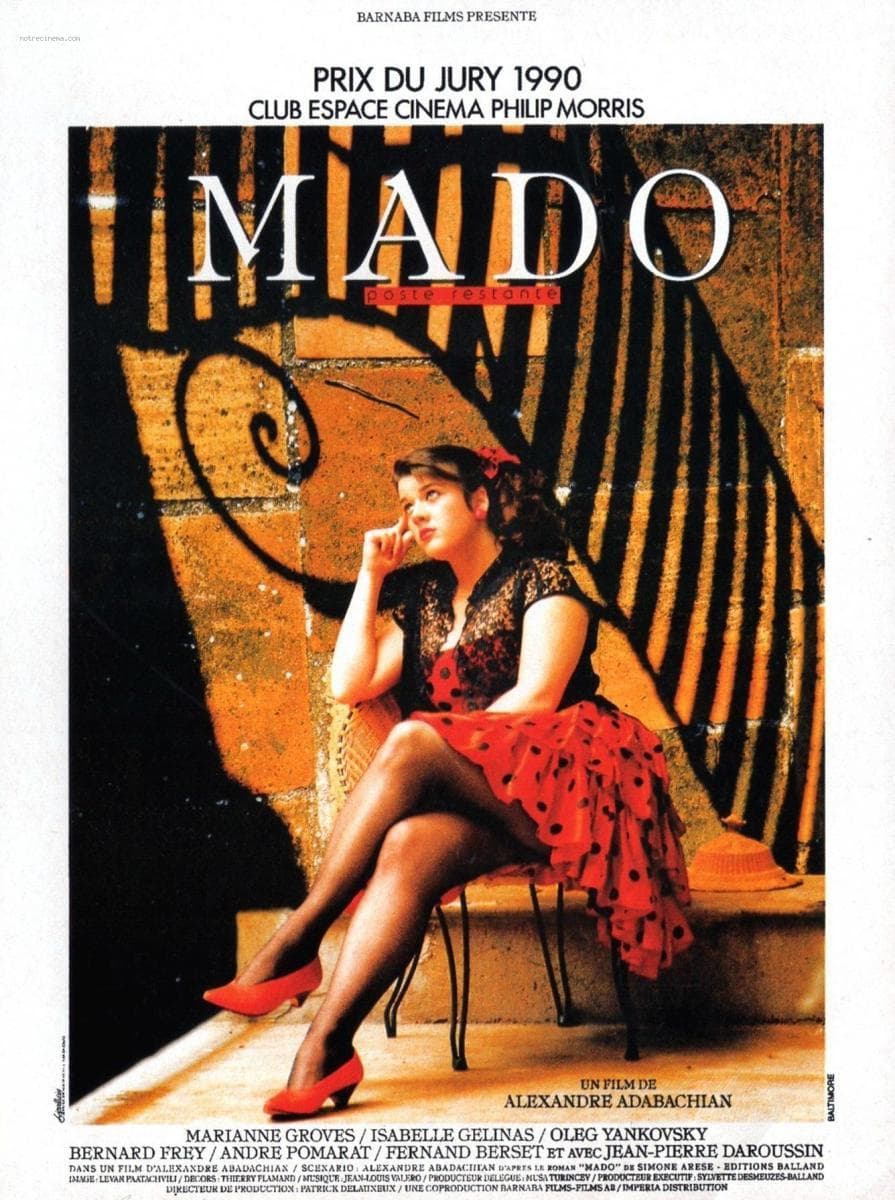
In this gentle comedy, Mado (Marianne Groves) is the letter-carrier for her small town, and she is constantly on the lookout for a good Catholic man who shares her enthusiasm for sunrises. She even puts up posters on trees and walls advertising her interest. The townspeople make fun of her, but she isn't discouraged. Her best friend is Germaine (Isabelle Gelinas), a pretty girl whose moral standards are not as strict as Mado's. When a film director (Oleg Yankovsky) arrives in town, everyone is agog, but Mado is particularly keen to find out about him. However, it seems that he has his eye on Germaine, and he isn't really in her league anyhow.
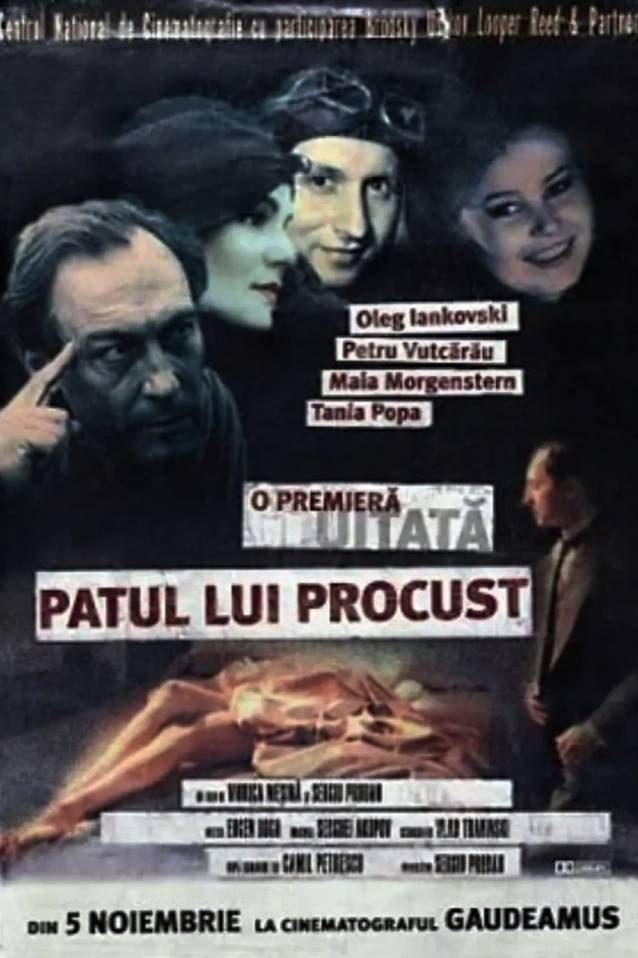
The poet and journalist Ladima commits suicide and his friend, Fred Vasilescu, tries to find out the reasons of those actions. In his search he discovers a mysterious Miss T.
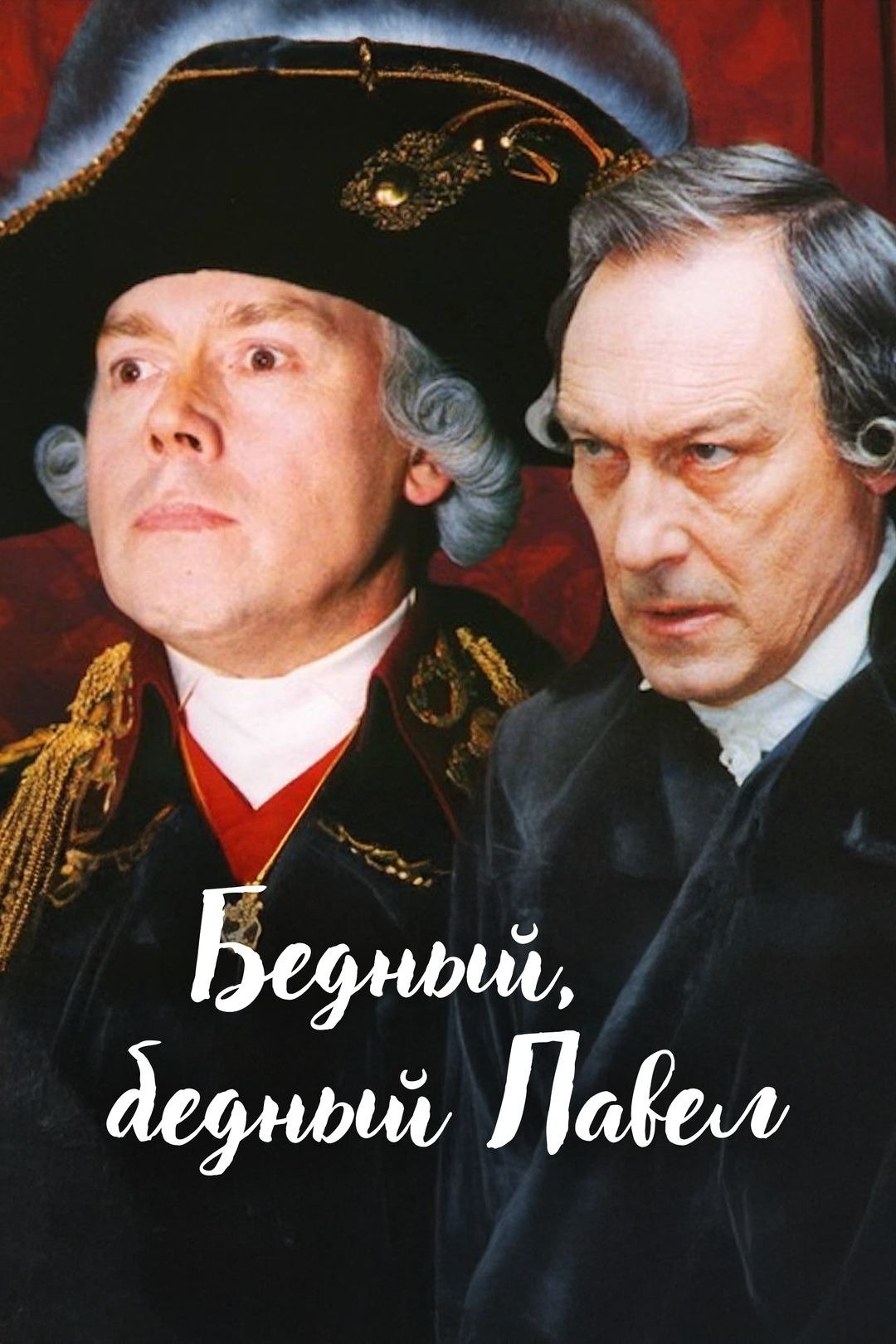
Lenfilm's most recent major production spins a kind of historical fantasy based on real incidents that's full of ominous implications for today. One night, a patrol rushes into the chambers of the Russian prince Pavel, son of the Empress Catherine; the Empress has died, and Pavel is to be anointed the new Tsar. Thought to be feeble-minded at best and crazy at worst, Pavel soon lives up to his enemies' fears: he dismisses long-serving courtiers, demands that peasants only work three days a week, and declares that state officials should start their days at 5 am. Soon, it seems that everyone who can is trying to hatch some kind of plot against him - including his own sons. Sumptuously designed, POOR POOR PAVEL constrasts the imperial splendor of the court with the sordid atmosphere of conspiracies and backstabbing that comes to define these characters' lives.
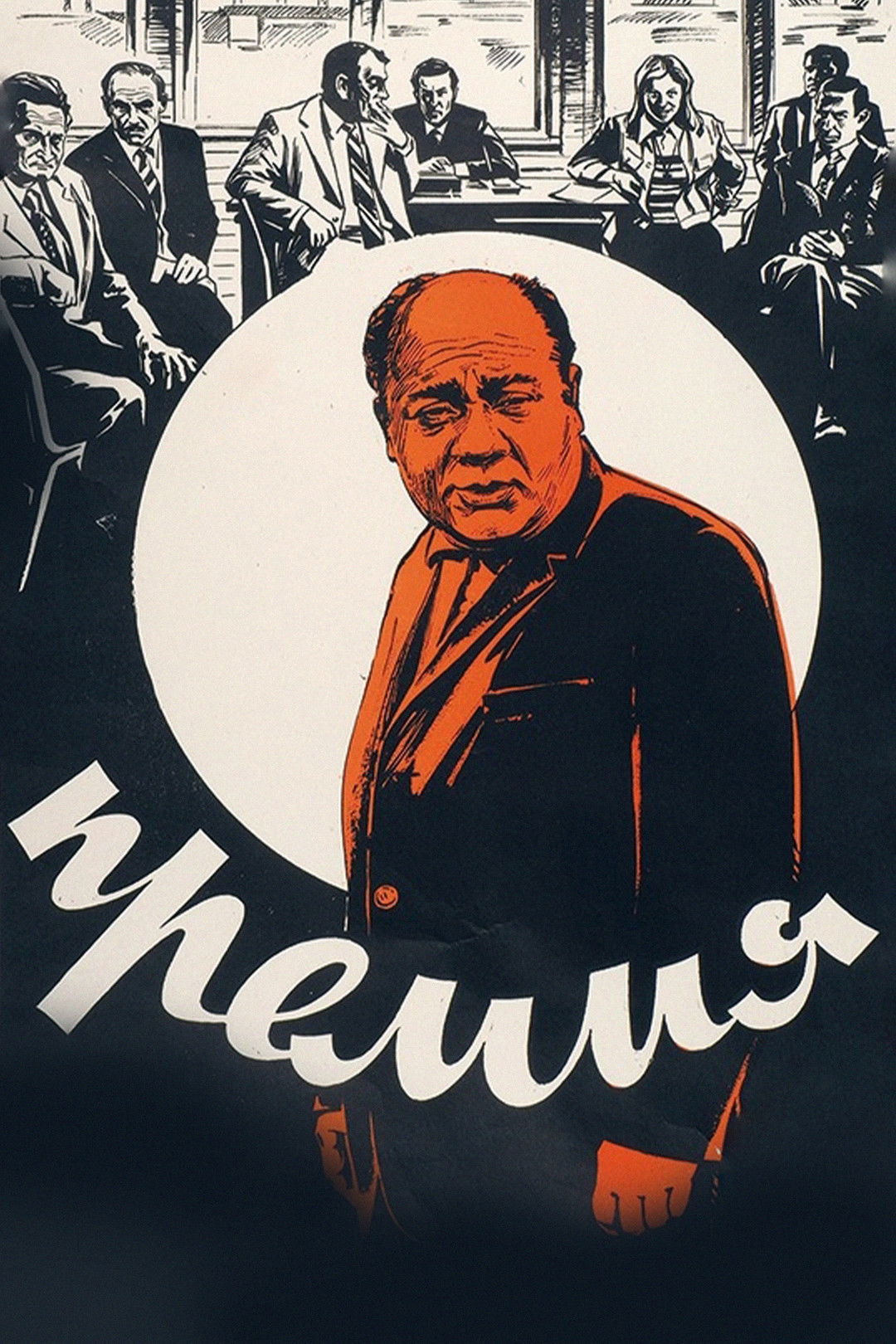
A small construction team led by Potapov suddenly refuses to receive a bonus payment from their company for exceeding performance targets. The team accuses its construction company HQ with artificially reducing the targets, so they can be easily exceeded. It makes the management looks good, yet leads to frequent downtime reducing earnings for common construction workers even with fake bonuses. On a hastily organized meeting the management tries to subdue the "unruly" gang leader charging that he cannot know all details. It turned out that Potapov and his team prepared a detailed business analysis, which proved their point. Managers, who had different interests and positions, have to decide how to deal with the real problem leading to unexpected results.
The main events unfold in the train. The acceptance committee from Moscow, revealing deficiencies in the constructed bakery, did not sign the act of its delivery. But the fate of not only many people associated with the construction, but also the life of the town as a whole depends on this. Lyonya Shindin — a conscientious and decent man — is trying by all means and by any means to change the decision of the commission...
This film is not about Oleg Yankovsky in the usual sense: not a biography of a great actor, not a review of roles. And not the sharp facts from his personal life. Although it's all in the film: a dramatic fate, unknown pages of biography. Like any great actor, he possessed a secret - he did not tell both in the movies and in life. But his main gift was not even acting. Yankovsky was talented at making people fall in love with him. I wanted to look at him again and again: that's why they loved him and still love him.
The events of the film take place in the Soviet Union in the early 1980s. It is forbidden to listen to foreign radio stations, it is not safe to voice one’s opinions in front of strangers. Words of truth are spoken only in private kitchens behind the curtained windows. The KGB tap phones, survey the ‘unreliable’ and consistently step by step destroy all forms of decent. The protagonists challenge the inhumane state machine, putting on stake their very lives and proving that nothing and nobody can stop a person who is on his way to achieve a true freedom.
A revelatory discussion on a train. Based on Leo Tolstoy's novel of the same name.
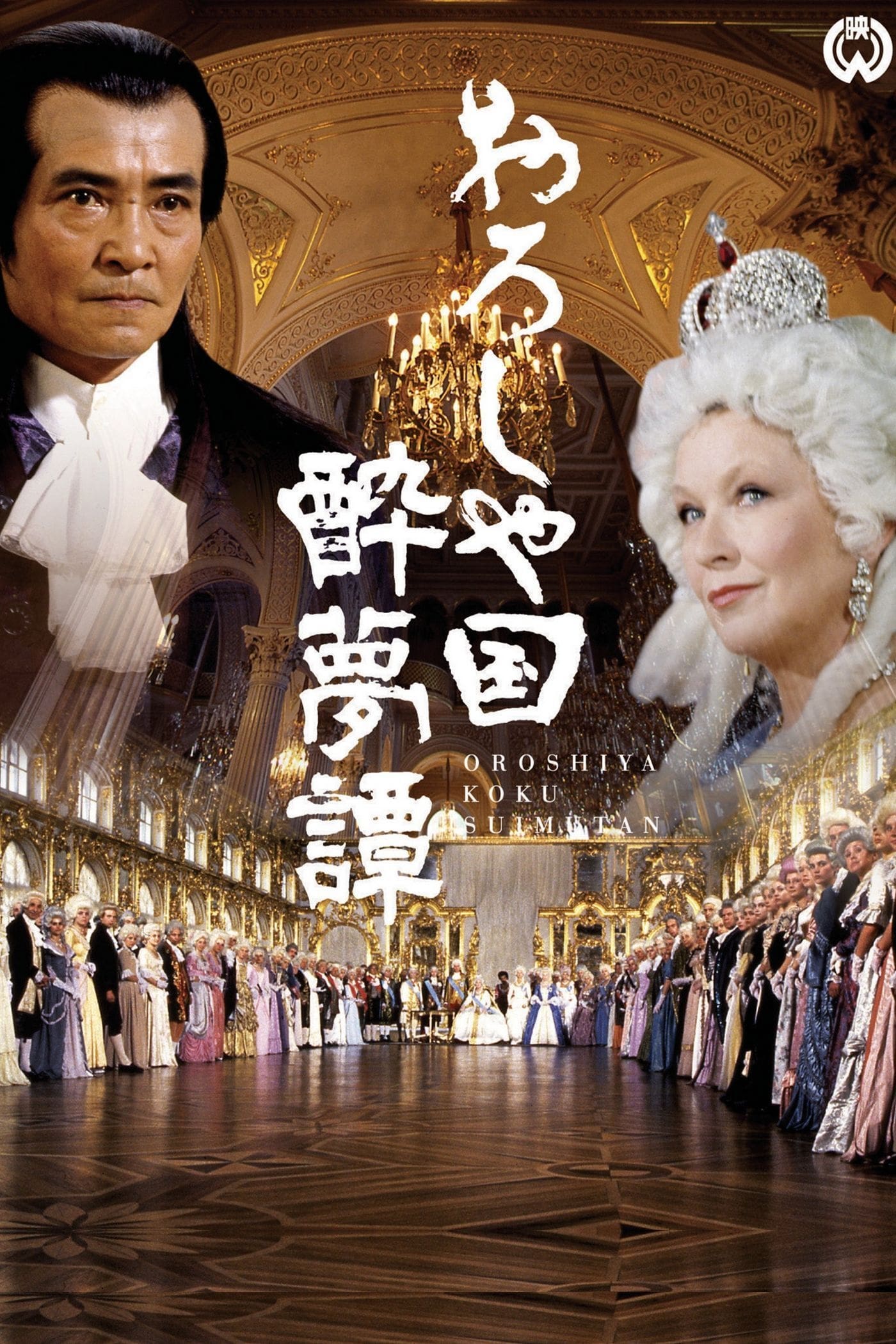
Sumptuous filming of the journey of a shipwrecked Japanese expedition from the Pacific Ocean across Siberia to the court of Catherine the Great of Russia. A Russo-Japanese co-production of a unique event in history which was the hit of Cannes and other film festivals but did not receive wide distribution despite its huge scope, high production values, and very human story of culture clash.
Operation Holtsauga was a Nazi plan to destroy Soviet ships and aircraft approaching Murmansk, which was carried out in 1942. Near Bezymyanny Island, a Soviet ship struck a mine and sank, and engineer Okulich, who miraculously survived, was taken prisoner. However, he managed to escape and even took German officer Ritter with him. During a week of difficult travel to the mainland, he learns from the German about the Holzaug plan. Thirty years later, an explosion occurs on Bezymyanny Island during the construction of an astrophysical station. Now Okulich must uncover all the details of the old operation in Munich...
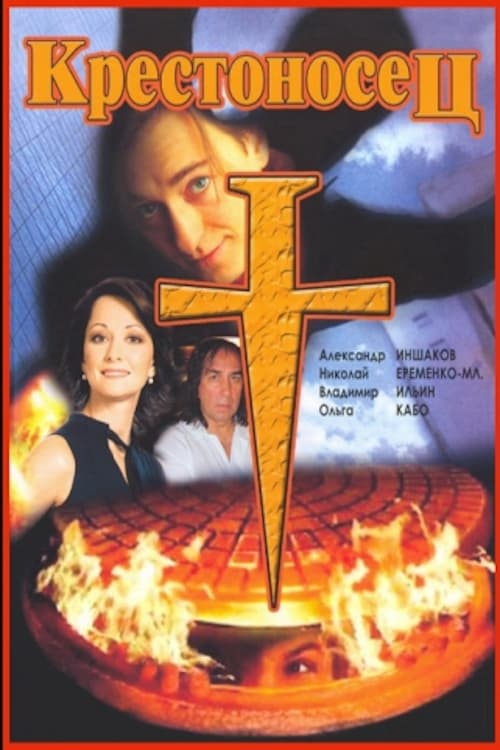
At the filming movie about the crusaders, in Turkey, with one of the stunts died in accident. Death of a stuntman was rigged by criminals, who smuggled a large shipment of drugs in the coffin. Producer Anton is killed, money stolen...
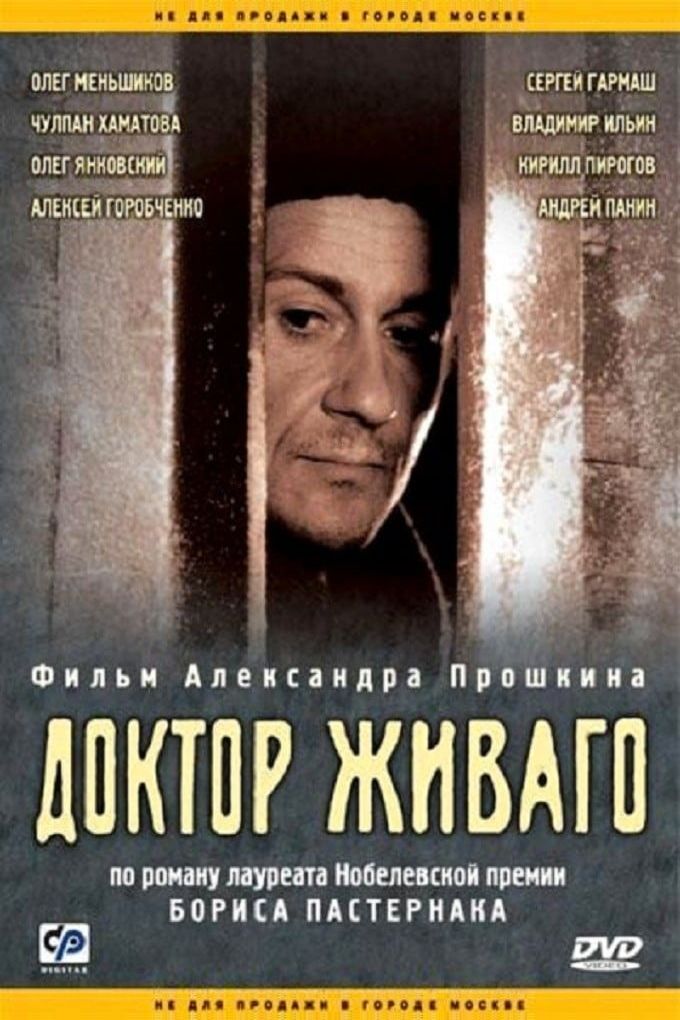
Russian TV miniseries of Boris Pasternak's classic novel.
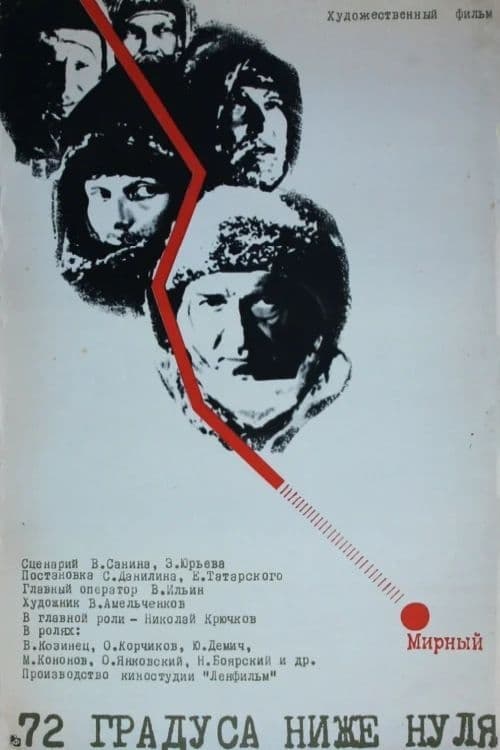
Antarctic station "Vostok" threatens conservation due to lack of fuel. Volunteer squad is called to take fuel, but will soon begin "Polar autumn" in Antarctica. No one has walked this way, when the temperature drops below 71 degrees Celsius and freezes fuels.
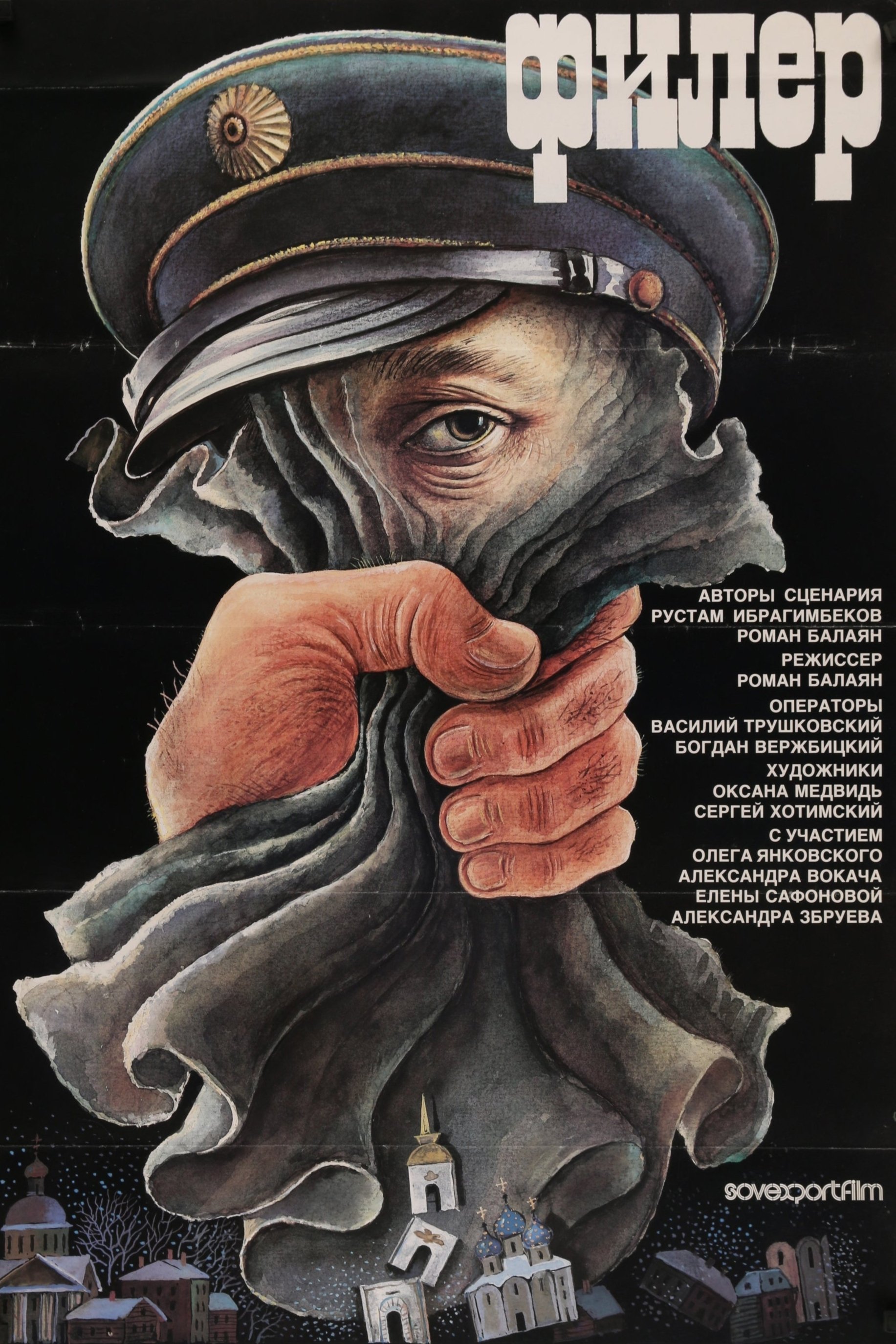
1916: on the verge of being evicted from his apartment, unable to find a job, with a desperate wife and a sick child, a man wrestles with his conscience about whether to turn police informer for money.
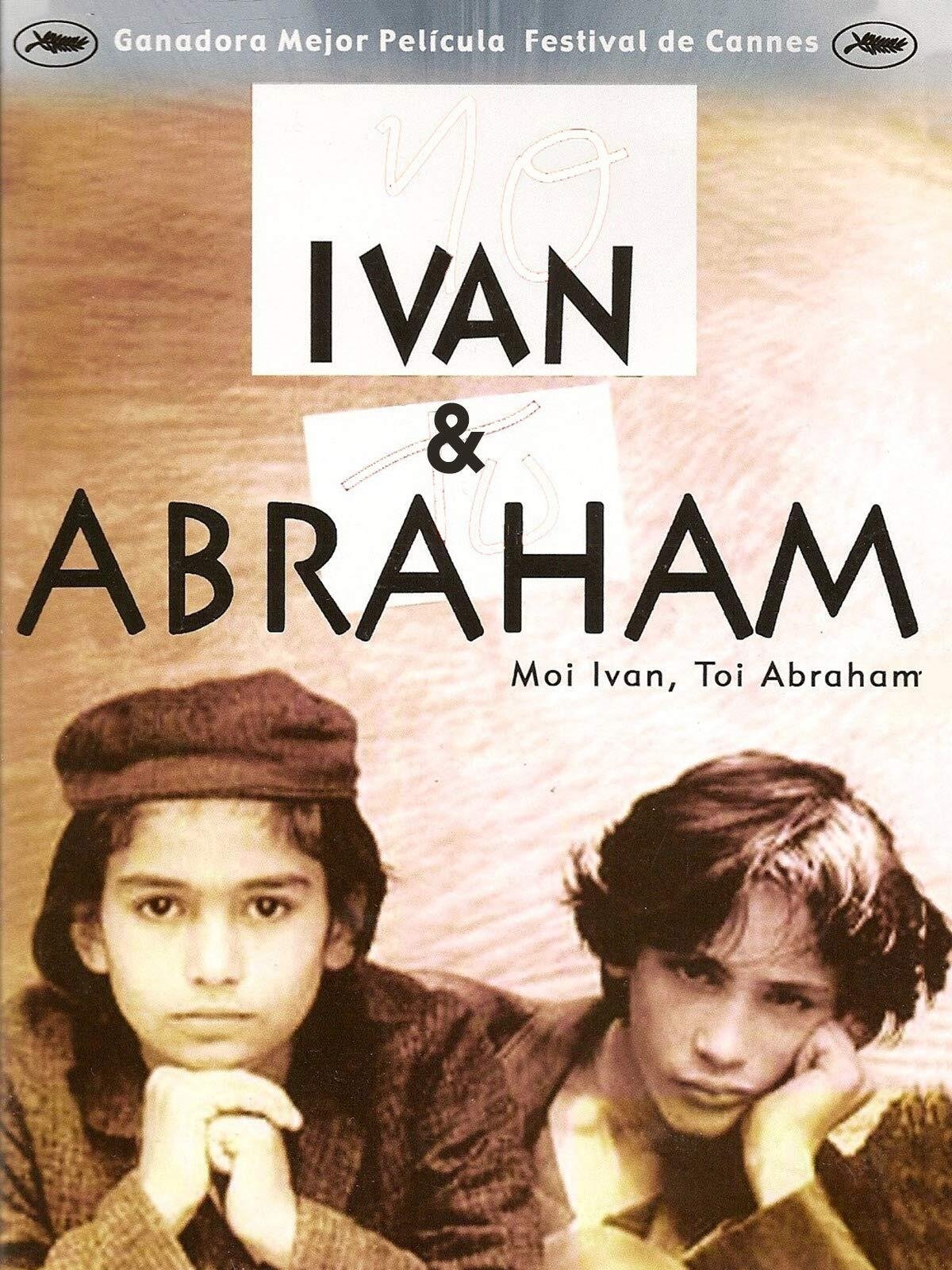
In 1930s Poland Christian boy Ivan goes to live with a Jewish family to learn a trade. He becomes friends with Abraham, the son of the family. However, anti-Semitism is rife in their environment, and they flee to escape an upcoming conflict. Journeying together, they demonstrate their inseparability.
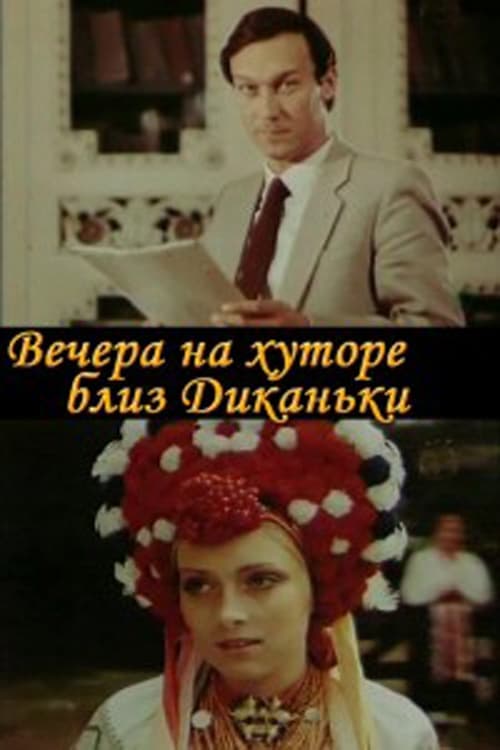
A fantasy film on the theme of the early works of Nikolai Gogol, tightly interwoven with his personality and biography.
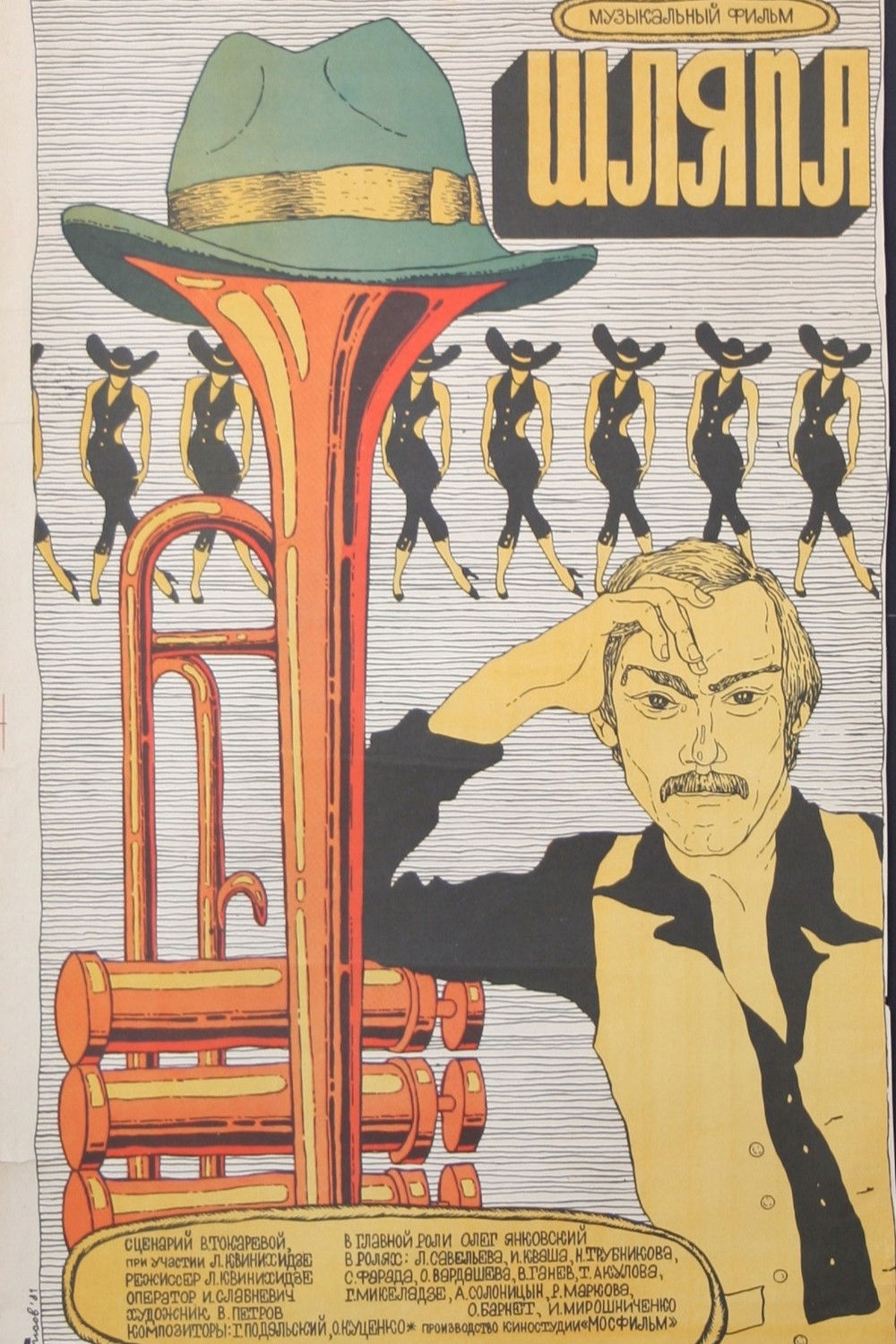
The hero of the movie is a popular composer and jazz performer. He is certainly a gifted man. However, his character is... to put it mildly, uncomfortable. He lives by emotions, he cares little about the fate of people who love him. Some will think that he is right in his own way; some will think that he missed something important in life. But anyway, one thing is certain: God is helping him.

Initially, all the events take place in Moscow, where the main character Dima accidentally ends up in a casino after a series of failures. And then he starts to get lucky. First, he wins a million and a chic car, and then unexpectedly Dima is invited by his old friend from St. Petersburg to celebrate the New Year. On the new car, the main character of the film rushes towards the northern capital, but in the middle of the road, near Valdai, his watchful car policeman Pavel stops him. Dima, trying to melt the heart of a law enforcement officer, tells Pavel a touching story about his beloved, who lives in the small town of Valdai. However, the randomly named address turns out to be the address where Paul himself lives. Shocked traffic cop arranges a confrontation with the so-called "lovers."
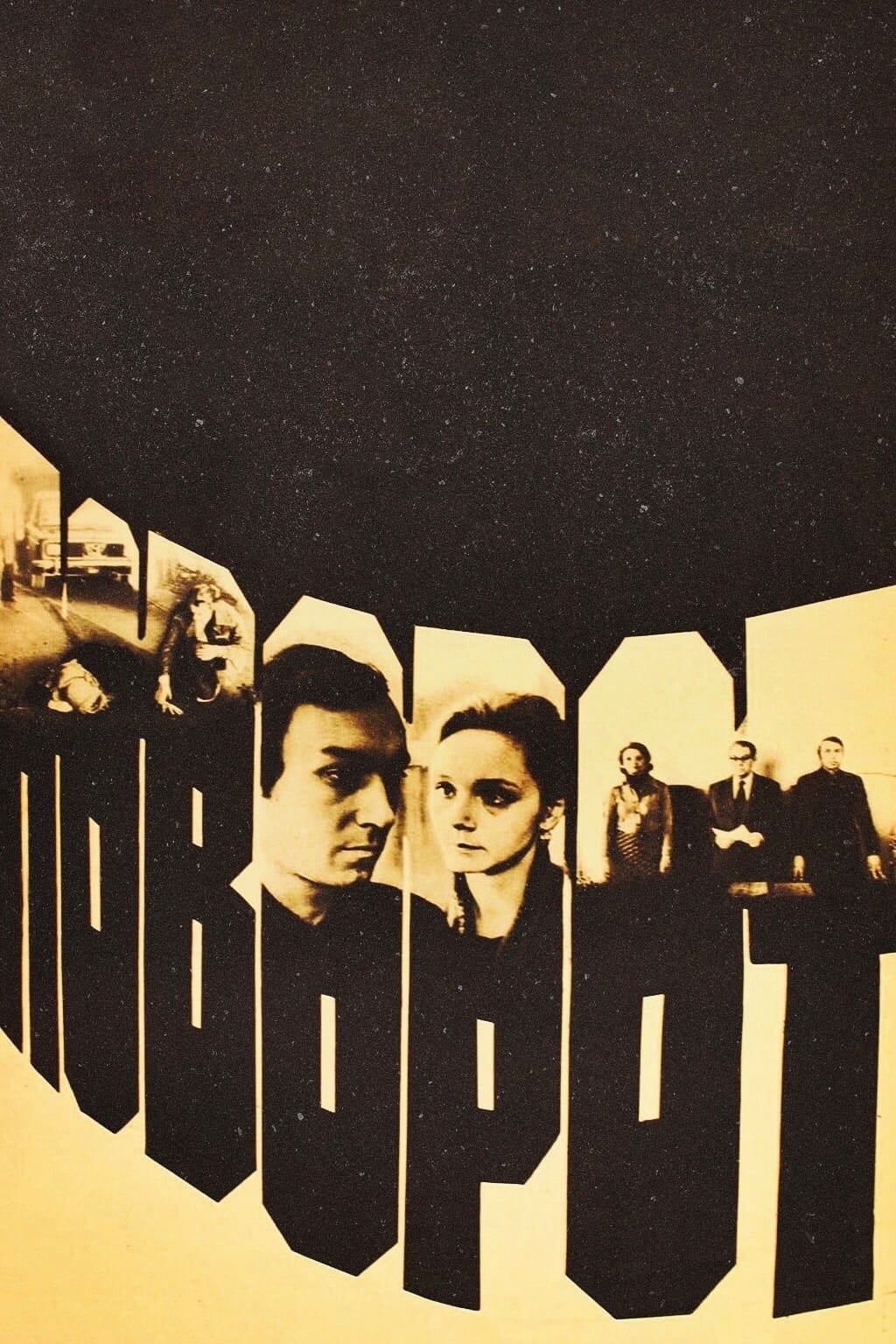
The newlyweds return to Moscow after a wonderful sea cruise on the Black Sea. It seems that they will have a happy life ahead, their beloved job, but chance rudely cuts off all dreams: Viktor doesn't have time to slow down and knocks down an elderly woman with his Zhiguli. His desire to evade responsibility is replaced by repentance and a decision to accept the burden of guilt upon himself.
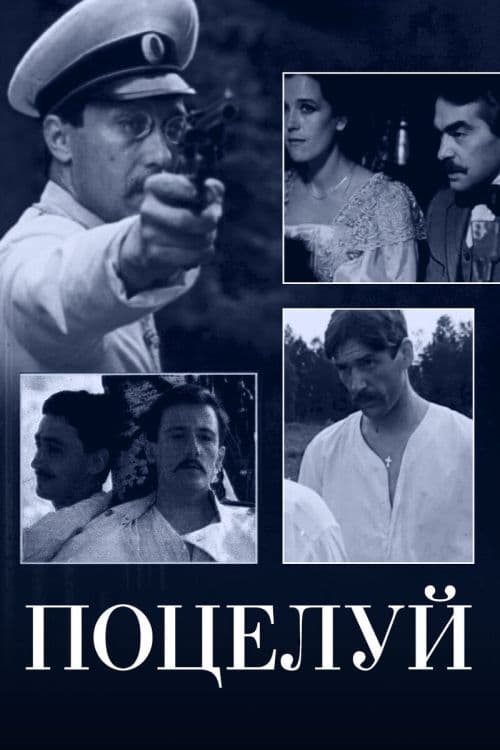
Lieutenant Ryabovich was accustomed to the monotonous life of an officer, but he found another life—society—difficult: ritual conversations, cards, billiards, chance encounters with random women. One of these women kisses Ryabovich in the house of a provincial landowner, and now the officer’s thoughts are consumed by her half-imaginary image. Meanwhile, the frivolous Lieutenant Lobytko teases his gentle friend, unaware of the danger.
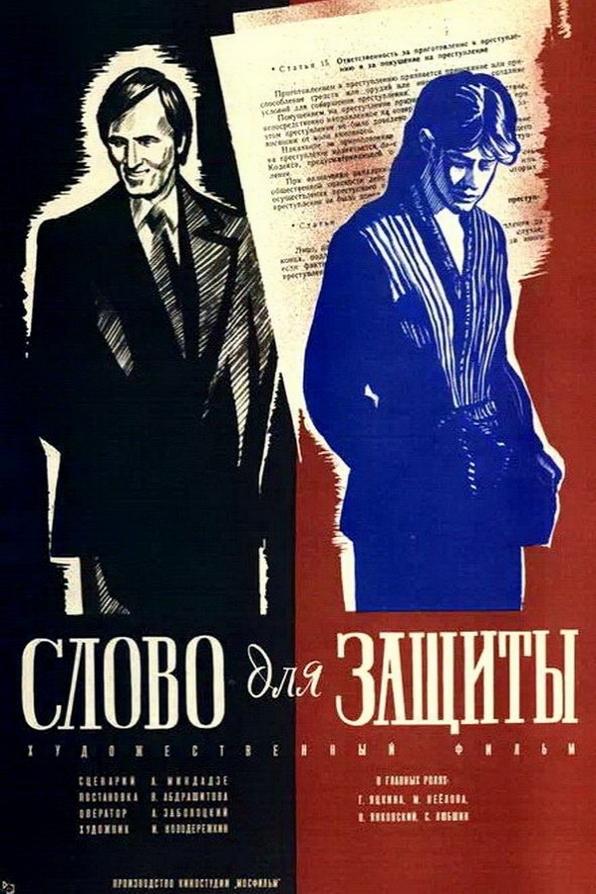
Valya supported her lover, denied herself everything, devotedly and sincerely loved him. He answered her with black ingratitude. Struck in the very heart, Valya decides to commit suicide with him.

A tale of twin girls, Dóra and Lili, who are born in 1880 Budapest at the same moment Thomas Edison presents his electric lightbulb to the world. The sisters are soon orphaned and separated in childhood, and follow different paths: one grows up to be a naïvely idealistic, bomb-toting anarchist, the other a pampered, hedonistic courtesan. Their paths cross once again on the Orient Express on New Year's Eve 1899...

When a mute makeup/special effects artist working on a low-budget slasher film gets locked in a dilapidated Moscow movie studio late one night, she thinks she witnesses the making of a snuff film. Thus begins a night of terror.
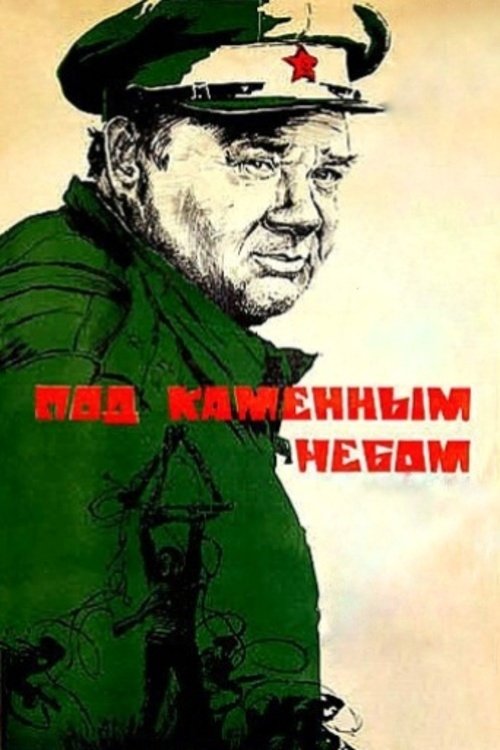
In the autumn of 1944, contrary to the order of the Nazi command to evacuate to the south, residents of the Norwegian town of Kirkenes took refuge in an abandoned mine. The command of the Soviet Army became aware of the intentions of the Nazis to blow up the old tunnels of the city, but the Soviet soldiers managed to prevent the tragedy.
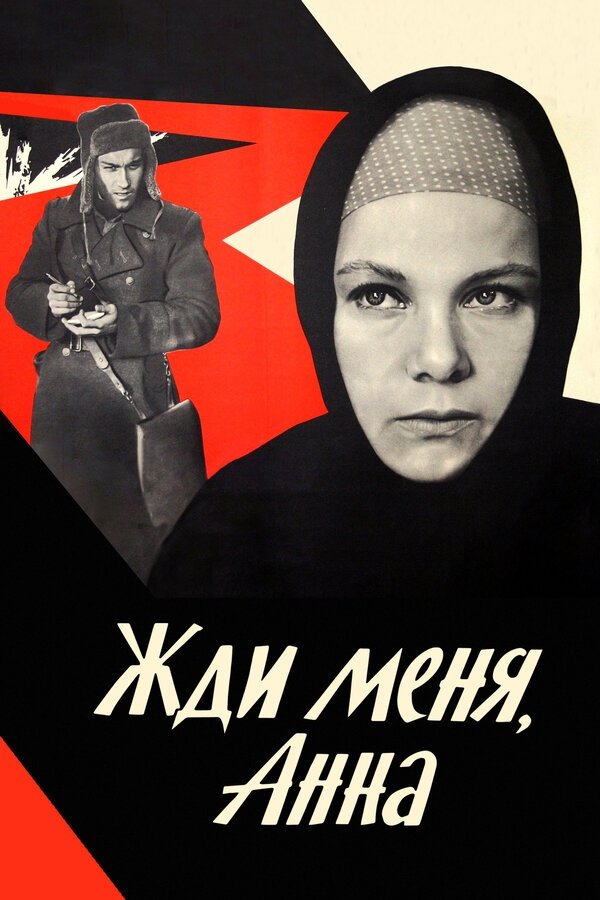
A love story during wartime.
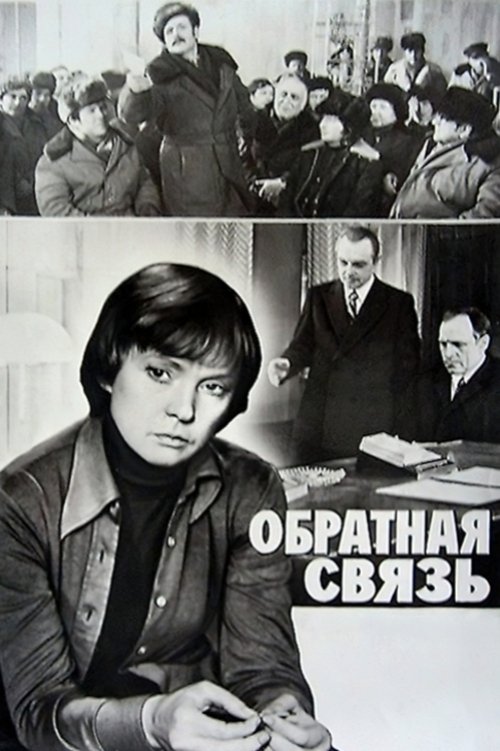
The film raises acute issues in construction, where, back in the 1970s, all the social shortcomings of large-scale but short-term production projects were concentrated: premature completion of projects, mismanagement, weak control, theft, and fraud.
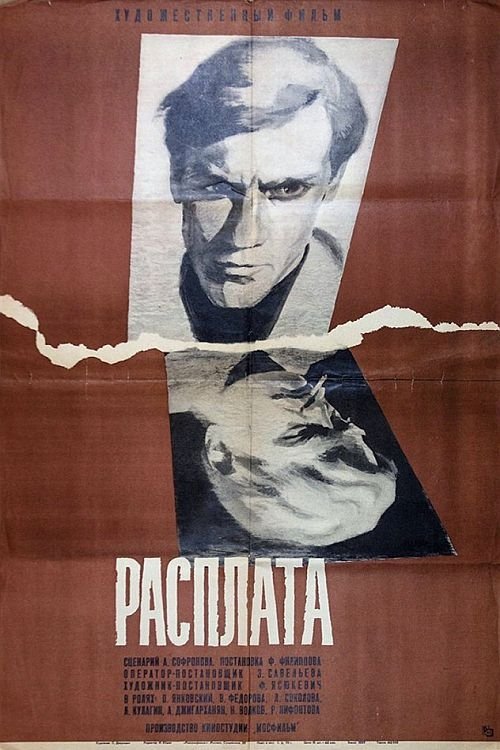
A young man discovers that his father behaved dishonourably during wartime.
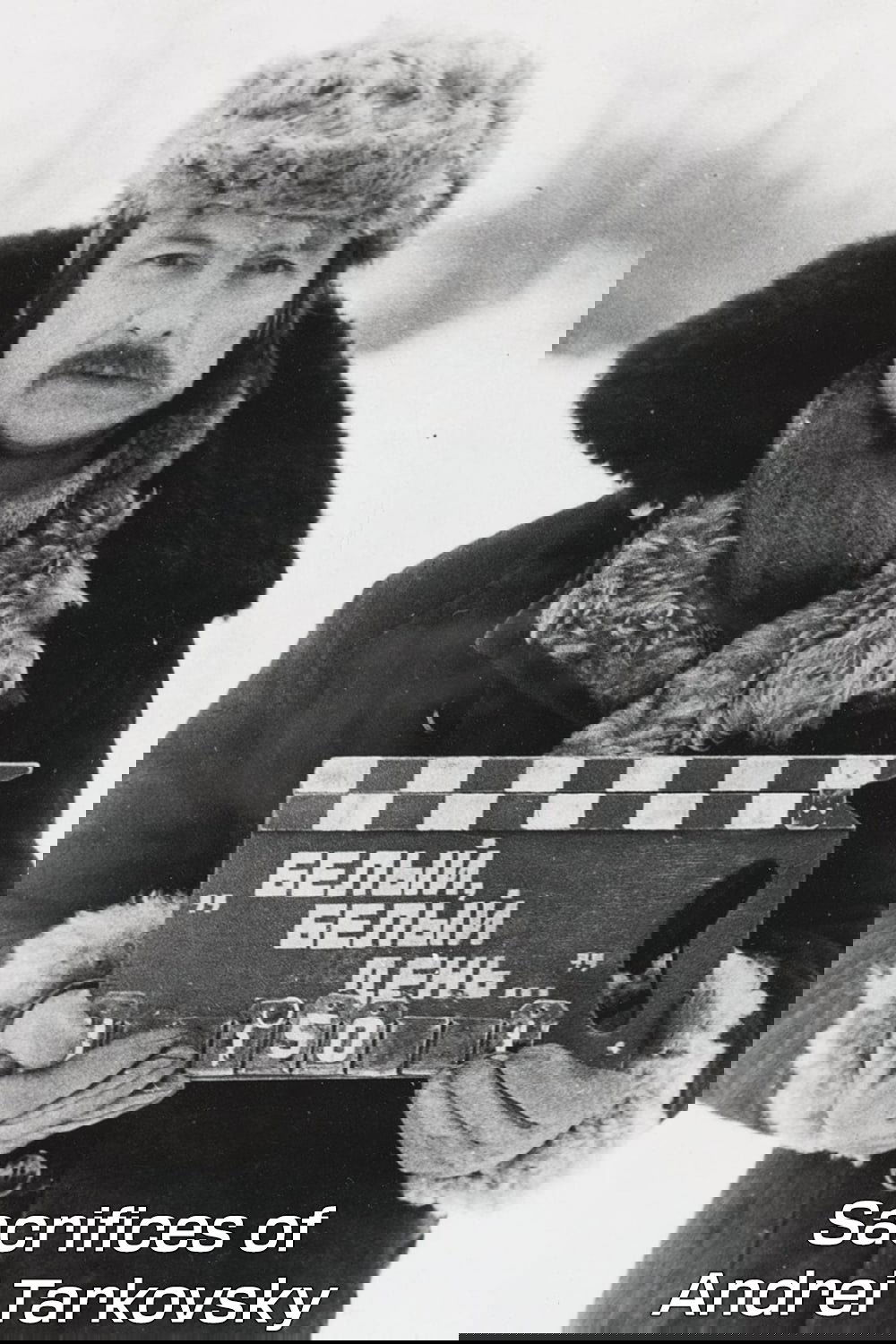
Dedicated to the 80th anniversary of Andrei Tarkovsky. The film uses unique materials related to the years Tarkovsky spent in Italy, personal accounts of friends and professionals, the shooting locations of his films, to what degree his works reflects his personal life. The film brings us closer to the man to whom contemporary filmmaking owes so much.

The movie takes place in the first years after the Bolshevik coup in Donbas. Bandits blow up the bridge that carries ore to the blast furnace, the director of the plant is seriously wounded. The workers unanimously elect Ivan Klyavin, a mining foreman, as acting director. In search of the missing train with bread Klyavin gets to Petrograd. Here the hero meets Lenin. Returning to the factory, Klyavin reads to the workers a letter from the leader of the party. Enemies kill Klyavin, but are no longer able to prevent the factory workers from successfully overcoming the devastation.
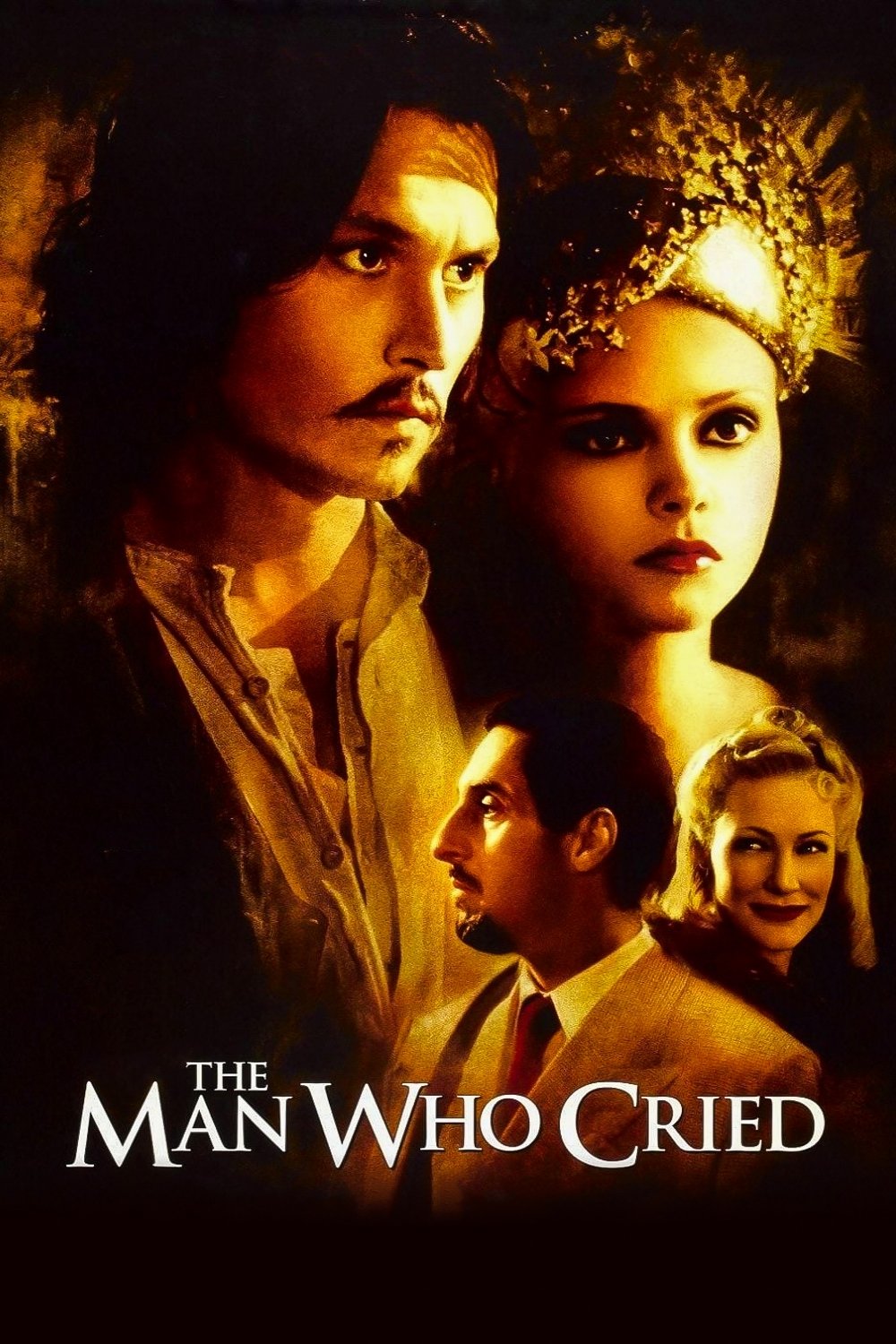
A young refugee travels from Russia to America in search of her lost father and falls in love with a gypsy horseman.
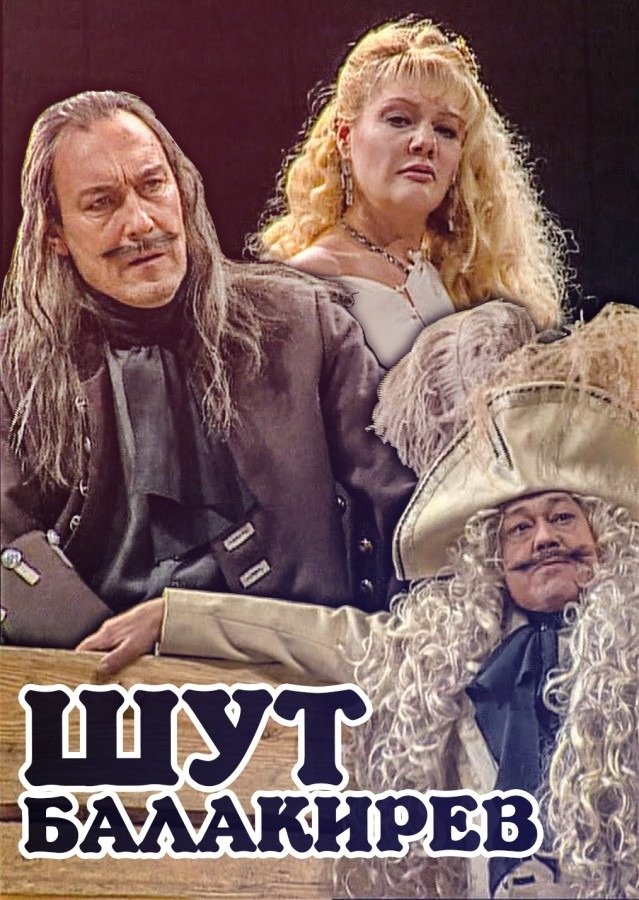
Pyotr's jester Ivan Balakirev is caught up in complicated family relations of Russian emperor and palace intrigues of his court.
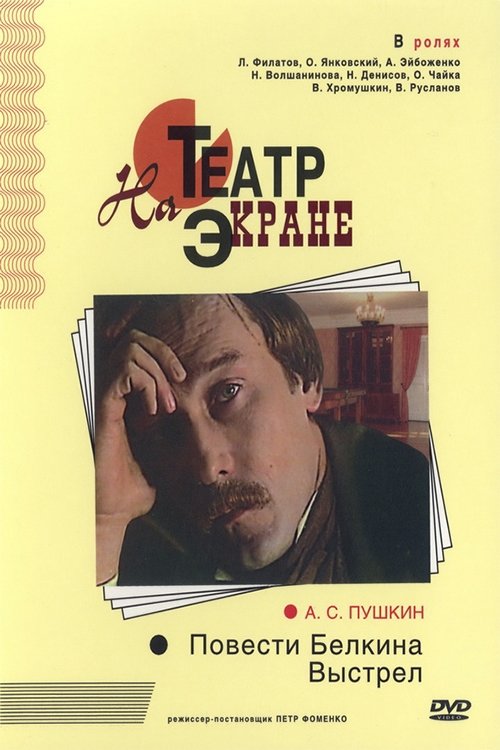
Feeling taunted by the success of an inordinately fortunate nobleman, an officer decides to challenge him to a duel.
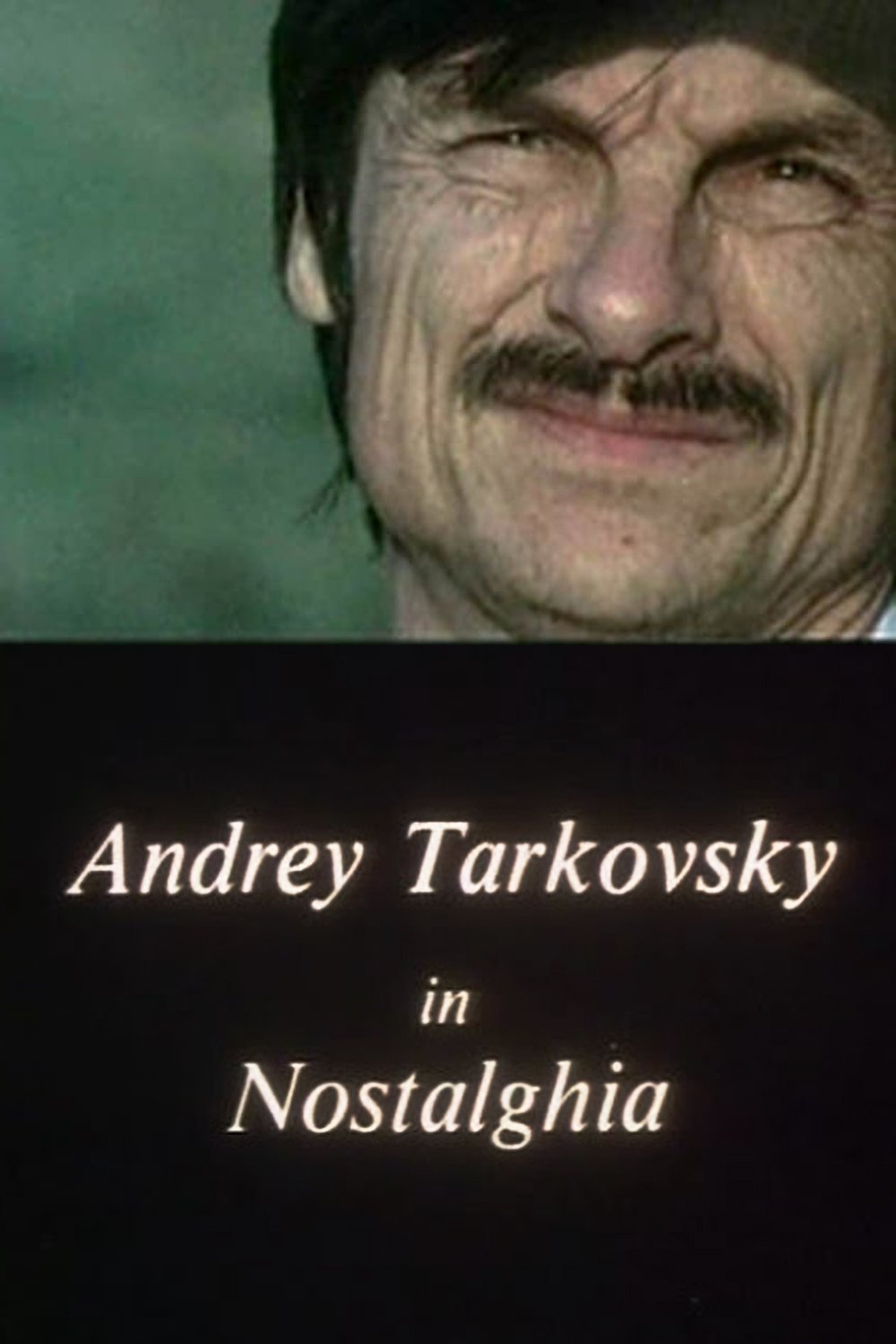
A poetic and intimate scene-by-scene look into the filming of Tarkovsky's 'Nostalghia'.
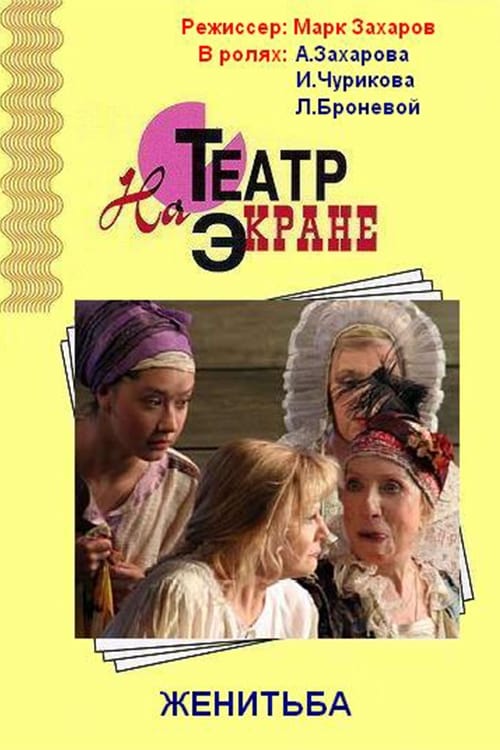
About the hapless bridegroom Podkolesin, who escaped from the bride through the window, and the picky bride Agafya Tikhonovna, who can not choose the right one, Mark Zakharov saw the story of a man who wants to change something in his life, but is not capable of doing anything.
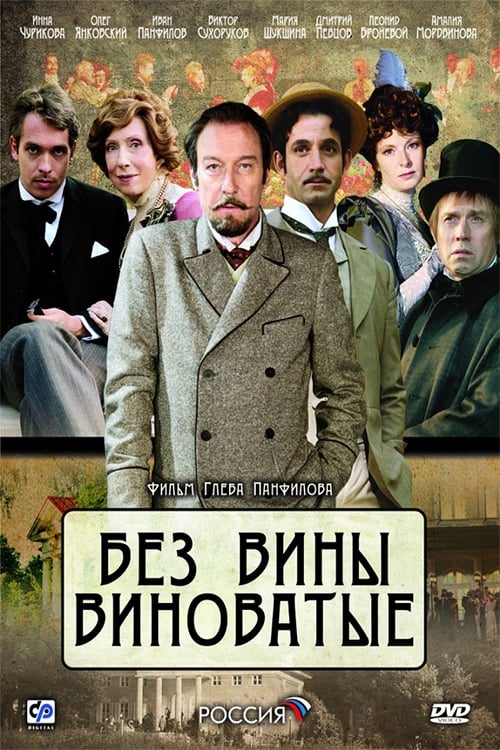
In a small provincial town, a famous actress comes on tour, who once fled from here from the shame of unhappy love. Many years ago, she was forced to leave her illegitimate son to raise strangers. Therefore, when a talented and reckless young actor appears on the way of a now rich and famous woman, she certainly wants to help him. The actress begins to take an active part in the fate of the young man.
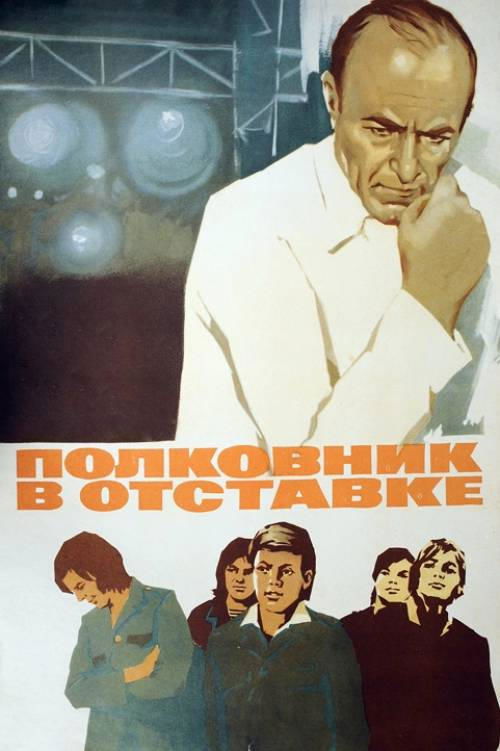
Korney Korneevich Polunin is a career military officer, a retired colonel. His wife died when his son was one and a half years old, Alexey had already grown up, became independent, and they rarely see each other. Unable to stay at home, Polunin goes to the factory as a locksmith - in his old specialty. Friends perceive this as an oddity, and they look at him warily at work. But a group of teenagers comes to the plant's personnel department, and Polunin undertakes to lead this team, instilling in it respect for work and awareness of his need to achieve the final result of work.
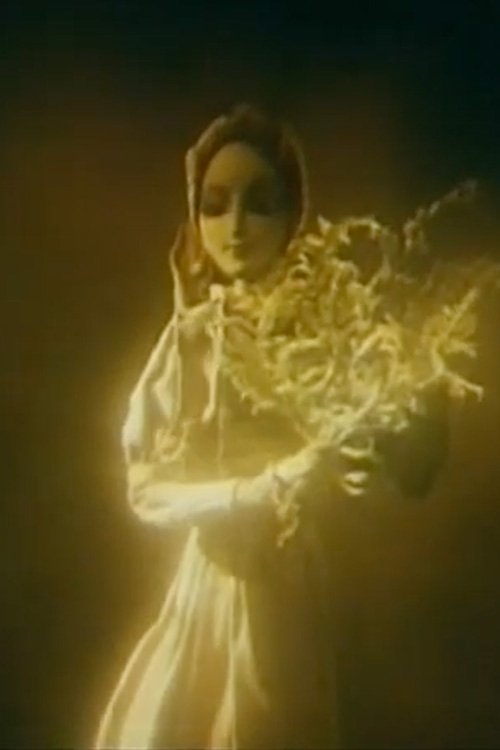
Peer Gynt grew up a handsome guy, girls peered at him, and he dreamed of becoming a king and getting rich. He went to the wedding and there he saw the girl Solveig. Peer got drunk, quarreled with the guests and went into the mountains, where he met a troll maiden. Peer wanted to marry her and become a king, but the troll king explained that for this you need to become a troll and live according to their customs. Peer managed to escape, and he sailed on the ship. For many years he swam and accumulated wealth. And when he returned to his native coast in a storm, the ship sank with all the load.
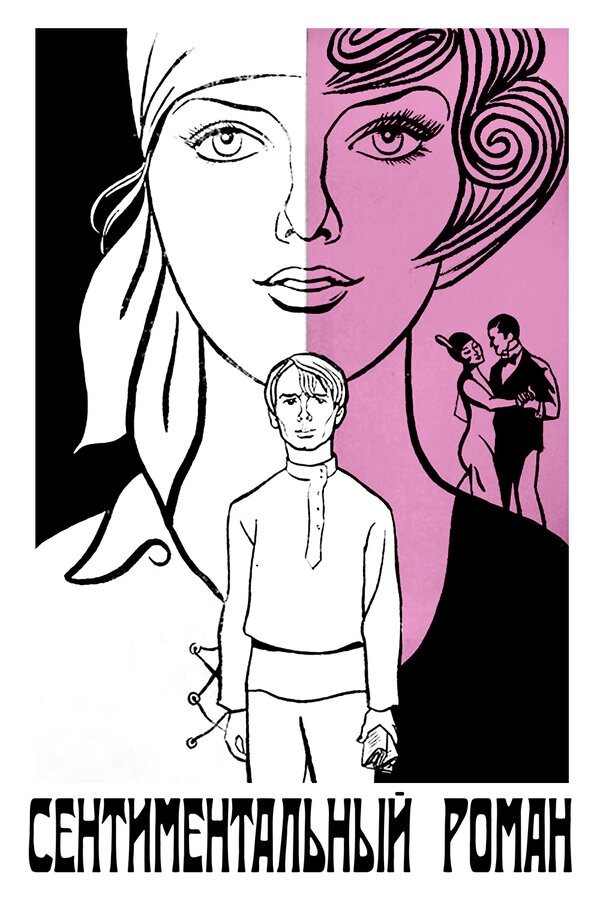
The film is set in the 1920s. Shura Sevastyanov is an aspiring journalist in a small newspaper, with two-classes of a parochial school behind him. In the spirit of building communism, he is an ardent fighter against philistinism in all its forms. He denies the phenomenon of love, believing that it does not exist and that there is only friendship and sexual desire of man to woman.
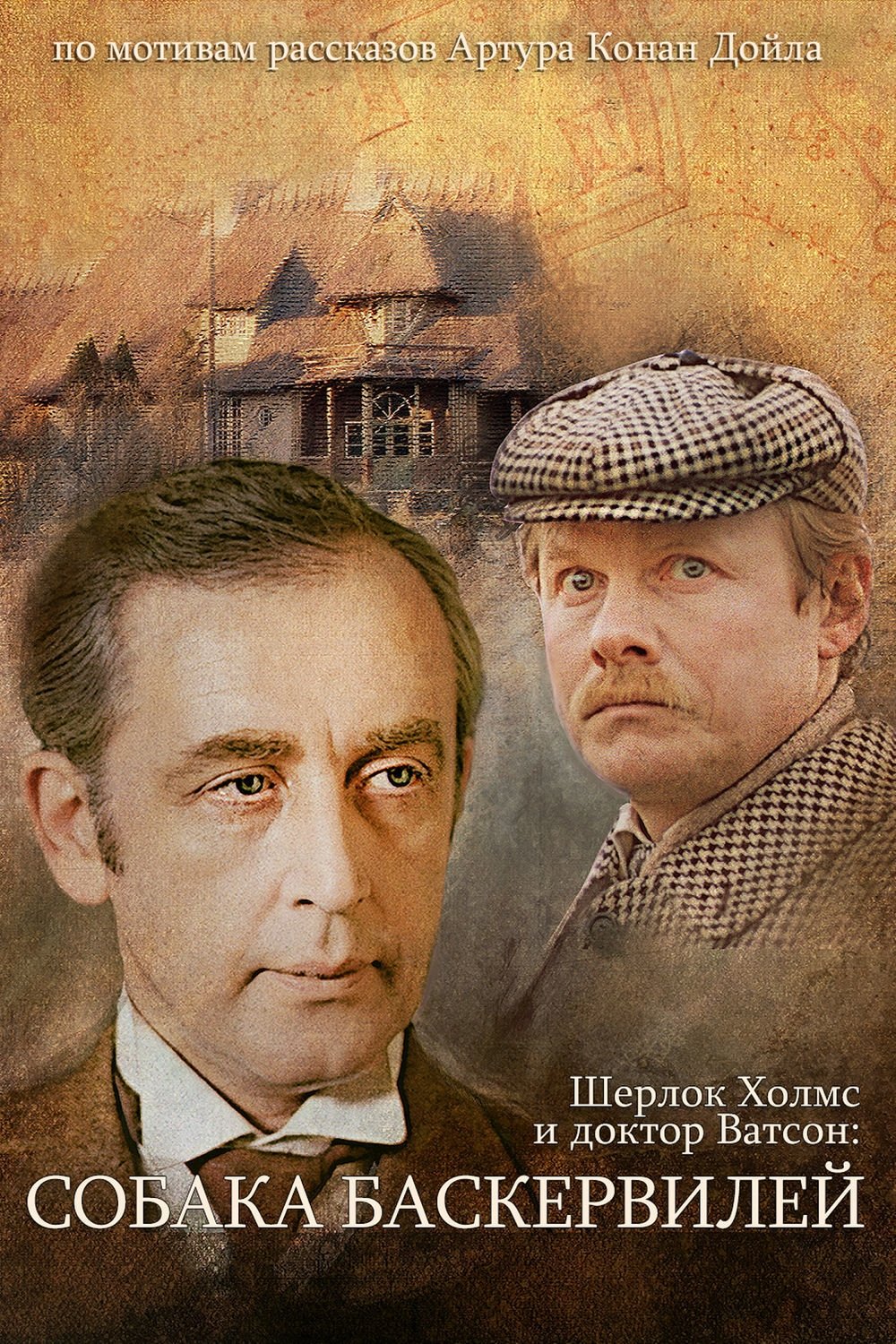
The Hound of the Baskervilles is a 1981 Soviet film adaptation of Arthur Conan Doyle's novel The Hound of the Baskervilles. It was the third installment in the TV series about adventures of Sherlock Holmes and Doctor Watson. A potent streak of humour ran through the film as concerns references to traditional British customs and stereotypes, ensuring the film's popularity with several generations of Russophone viewers. Other features of this best entry in the series include excellent exterior shots which closely match the novel's setting in the Dartmoor marshland, as well as an all-star cast: in addition to the famous Livanov -Solomin duo as Holmes and Watson, the film stars the internationally acclaimed actor/director Nikita Mikhalkov as Sir Henry Baskerville and the Russian movie legend Oleg Yankovsky as the villain Stapleton.
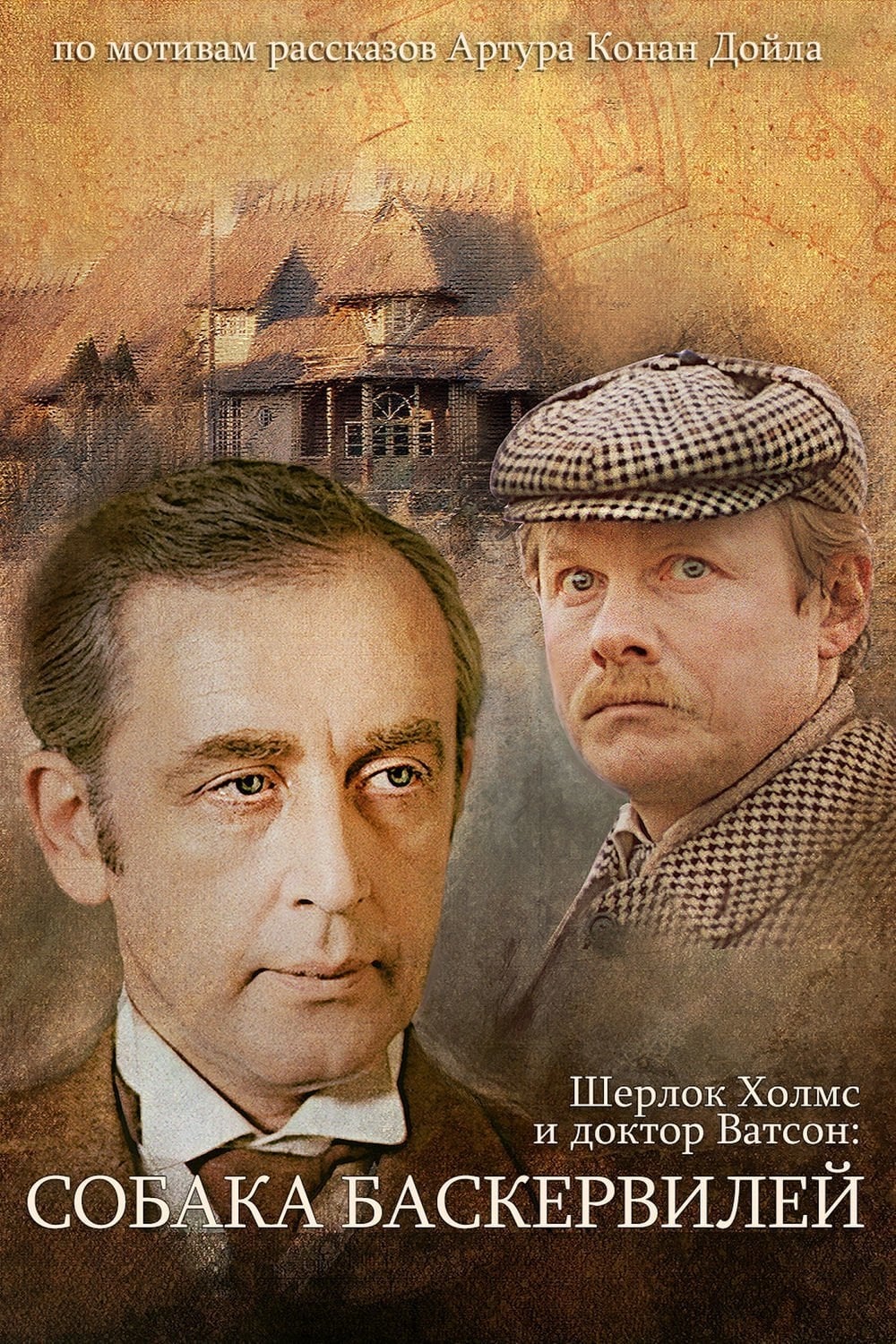
The second part of the Soviet TV adaption.
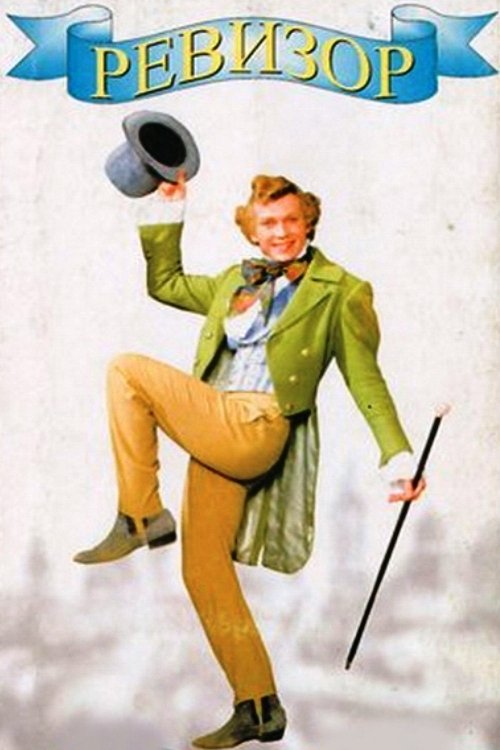
An adaptation of the play by Ukrainian playwright Mykola Gogol, set in Tsarist Russia during the 19th century. A provincial town plagued by bribery, abuse of power, embezzlement, and other corrupt practices. One day, Mayor Skvoznik-Dmukhanovsky summons the town officials and announces that an inspector is on their way.
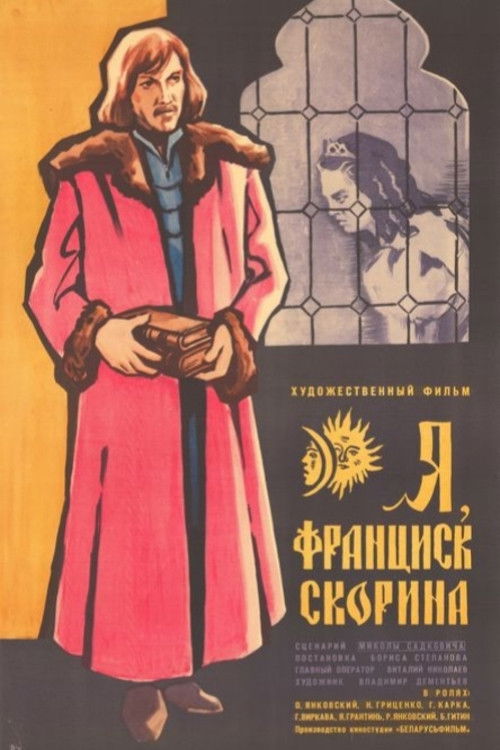
A film about the Belarusian publisher and educator Francis (Georgy) Skaryna, who lived in the first half of the 16th century, the founder of the first Belarusian printing house in Vilnius and the author of fundamental research in the field of linguistics.
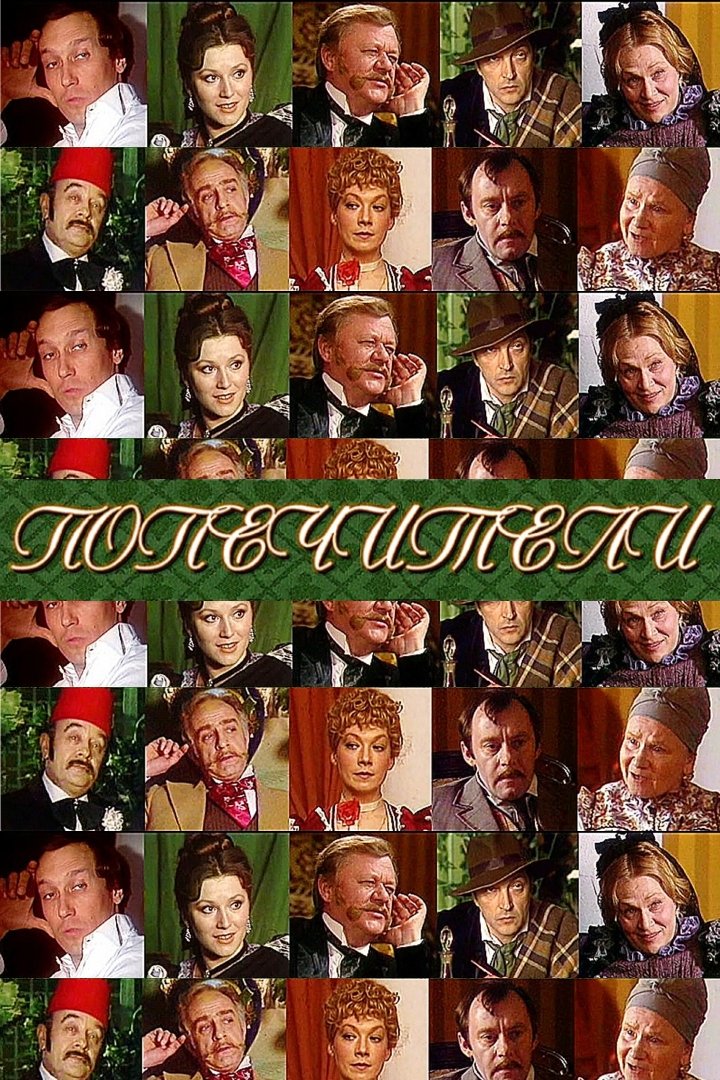
A television play based on A.N. Ostrovsky's play *"The Last Victim"*, filmed for the 180th anniversary of the playwright's birth. This play features the fateful passion of a young woman, an irresistible seducer, vast wealth, and a desire to destroy one's soul in debauchery.
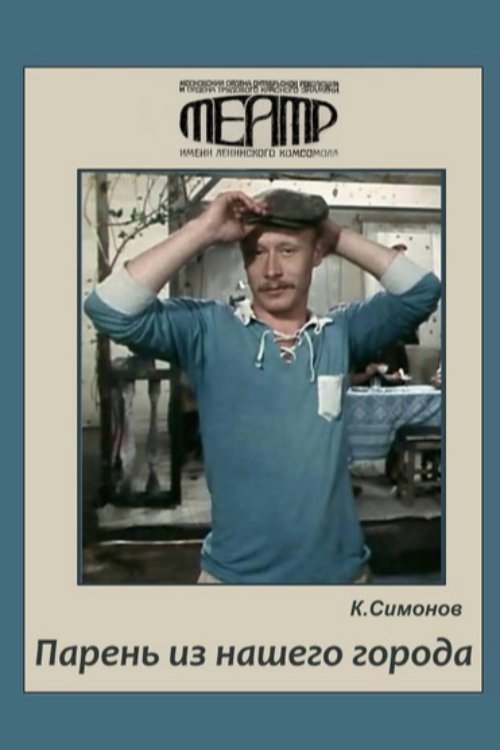
The young officer Sergei Lukonin faced severe trials: the war in Spain, an injury, escape from captivity, and the battles at Khalkhin Gol. Yet, he overcomes all hardships, showing courage and conviction in the justice of the cause he is fighting for.
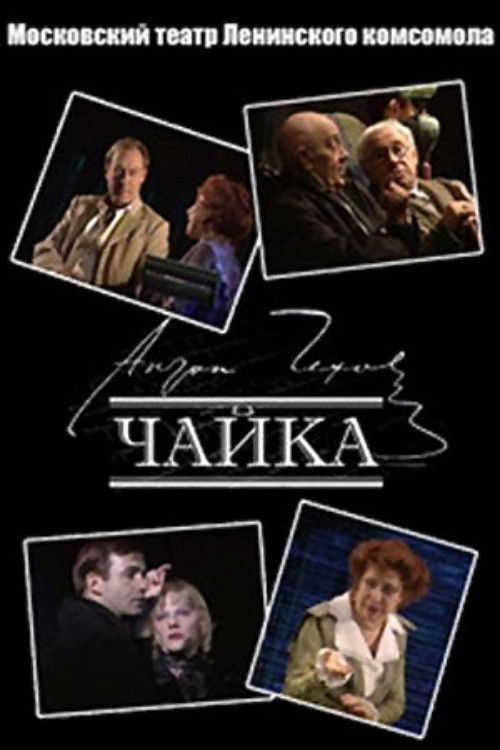
Based on A. Chekhov's comedy.

During the main withdrawal of troops from Afghanistan, a company of hardened paratroopers under the command of Major Bandura are joined by Steklov, the son of a high-ranking officer.