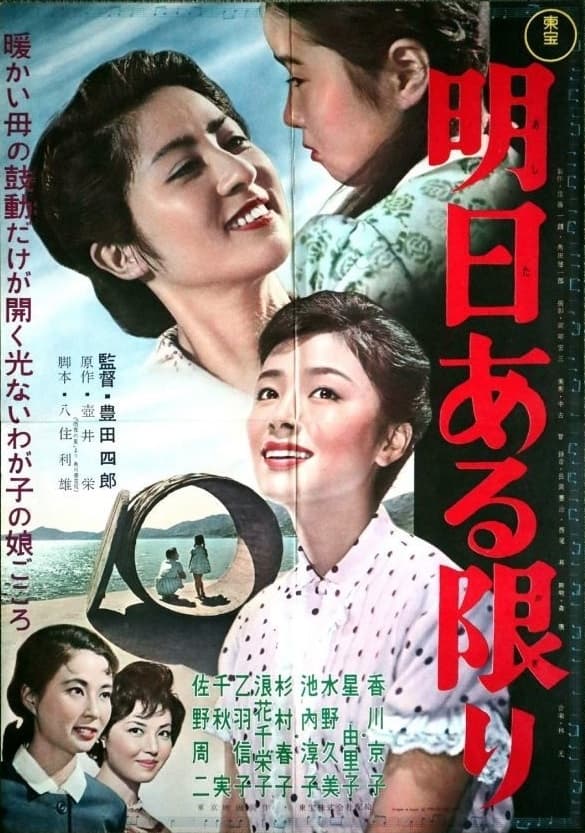
Natsuko’s daughter Saori is born blind in 1941, just before her father is drafted. Despite an attempted surgery and years of struggle, her condition proves permanent. Growing up, she faces stigma and danger but eventually finds hope and love with a fellow blind student.
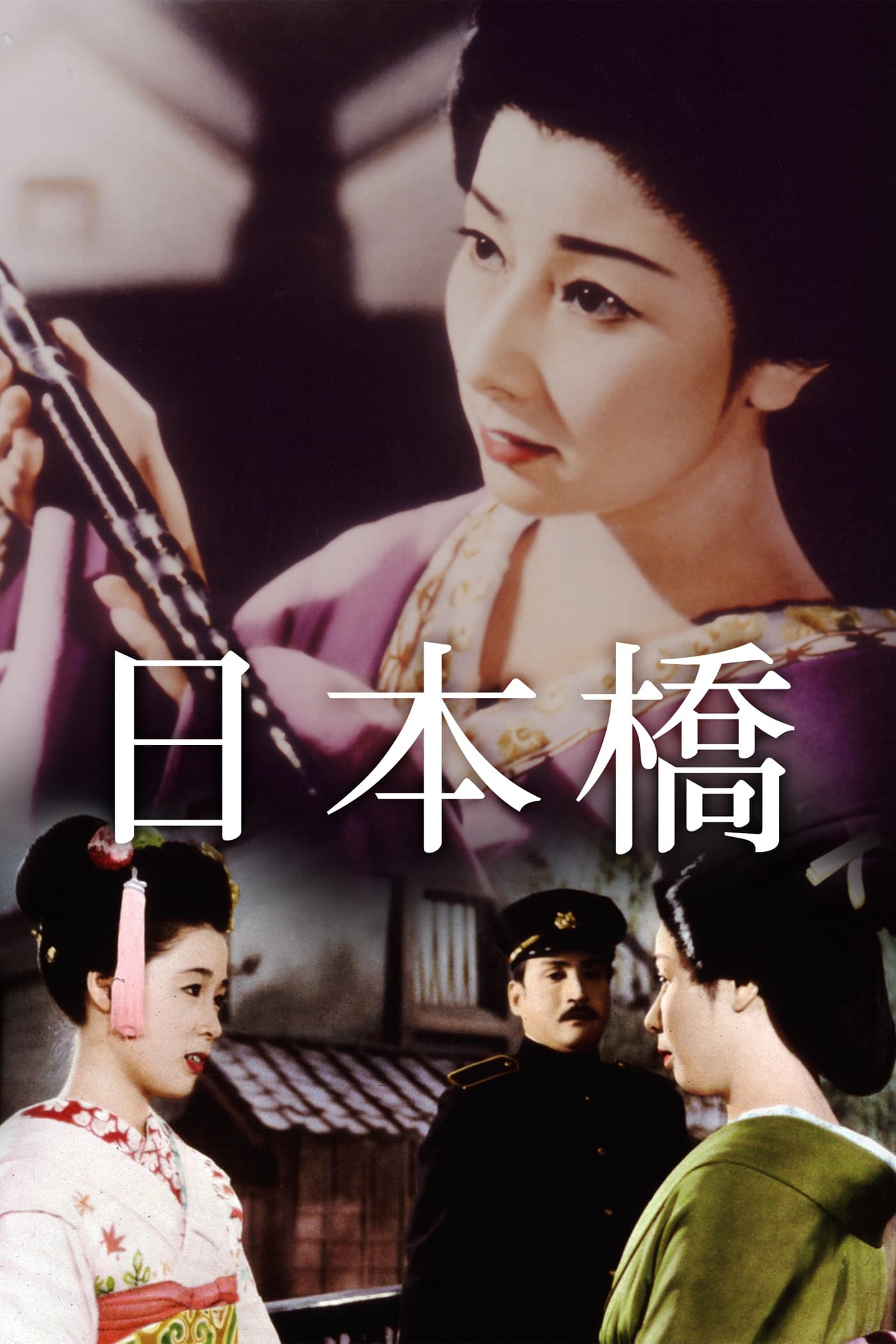
Ichikawa's 1956 adaptation of Nihonbashi was the first to take the work of Kyoka Izumi— until then regarded as a writer of common tragic melodramas—and re-evaluate it as a tanbi-ha work of decadence, aestheticism, and intrigue. Ichikawa's film presents the tragic plot of the young geisha who is unable to enact her love for a man publicly in any way other than a histrionic story of torment, a heart-rending tale of lovers being crushed by fate. Instead, Ichikawa shows the contest of wills that transpires as two geisha, Oko and Kiyoha fight for the top spot in Nihonbashi, the pinnacle of the Tokyo geisha world. Nihonbashi is an elegant, if steely, exposition of manners. The young doctor, Shinzo Katsuragi, is the object of affection for both women, but appears to be more the choice reward for the plotting and thieving of these two early modern superwomen, than a lover they swoon over.
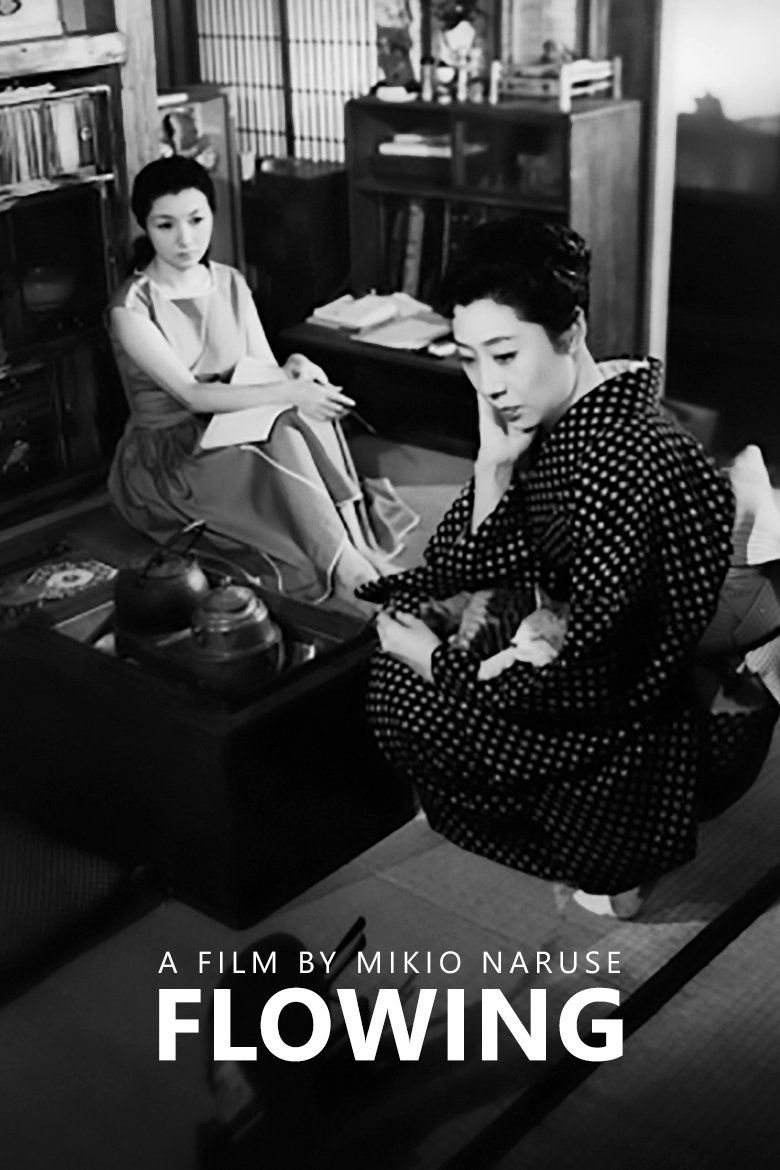
Otsuta is running the geisha house Tsuta in Tokyo. Her business is heavily in debt. Her daughter Katsuyo doesn't see any future in her mother's trade in the late days of Geisha. But Otsuta will not give up. This film portraits the day time life of geisha when not entertaining customers.

A Japanese family weathers much hardship after their military uncle comes to live with them during WWII.
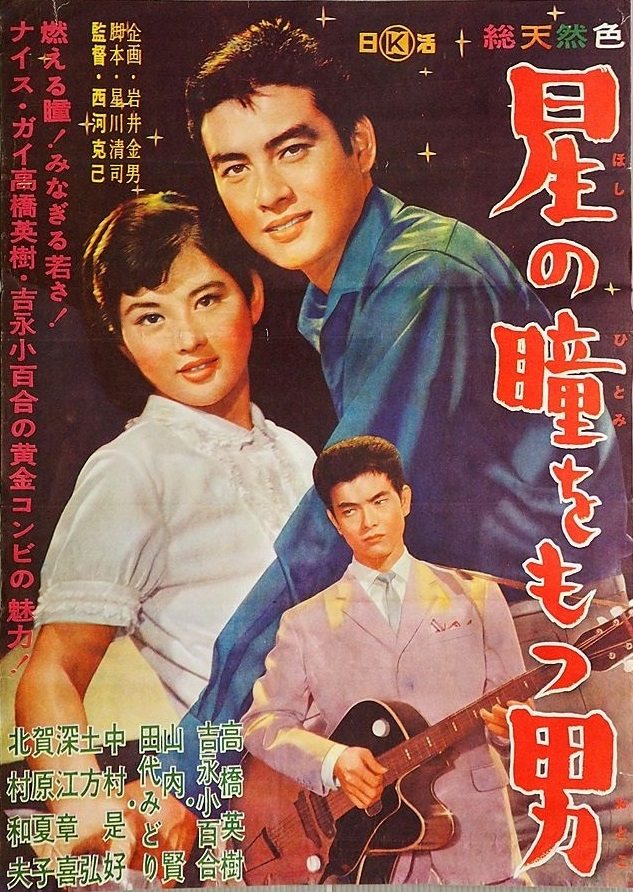
1962 Japanese movie
Special 50th anniversary recording of the Tokyo Imperial Theater production of the Fiddler on the Roof. Set in the little village of Anatevka, the story centers on Tevye, a poor milkman, and his five daughters. With the help of a colorful and tight-knit Jewish community, Tevye tries to protect his daughters and instill them with traditional values in the face of changing social mores and the growing anti-Semitism of Czarist Russia.
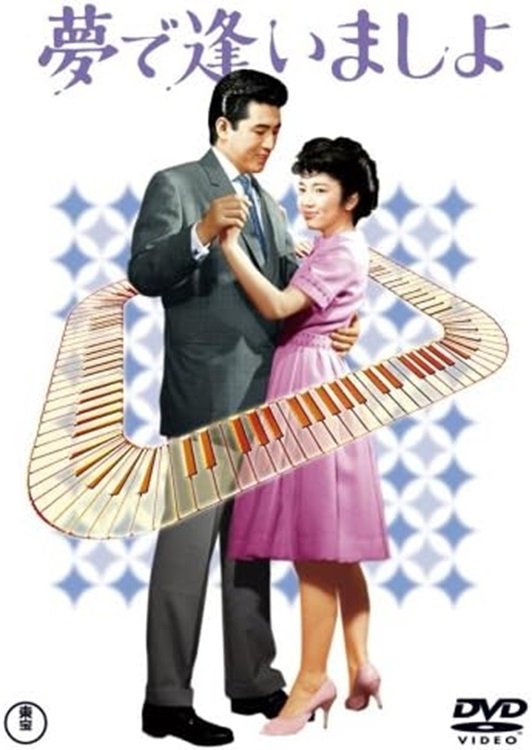
Mie Nakao runs away from home to join her older sister's production company as a new talent. We follow her ups and downs on the way to stardom as she falls in love with two men, a petty thief and a music writer and teacher, and makes her way in the industry alongside The Peanuts and The Crazy Cats.
Historical drama about a sleepy-eyed ronin.
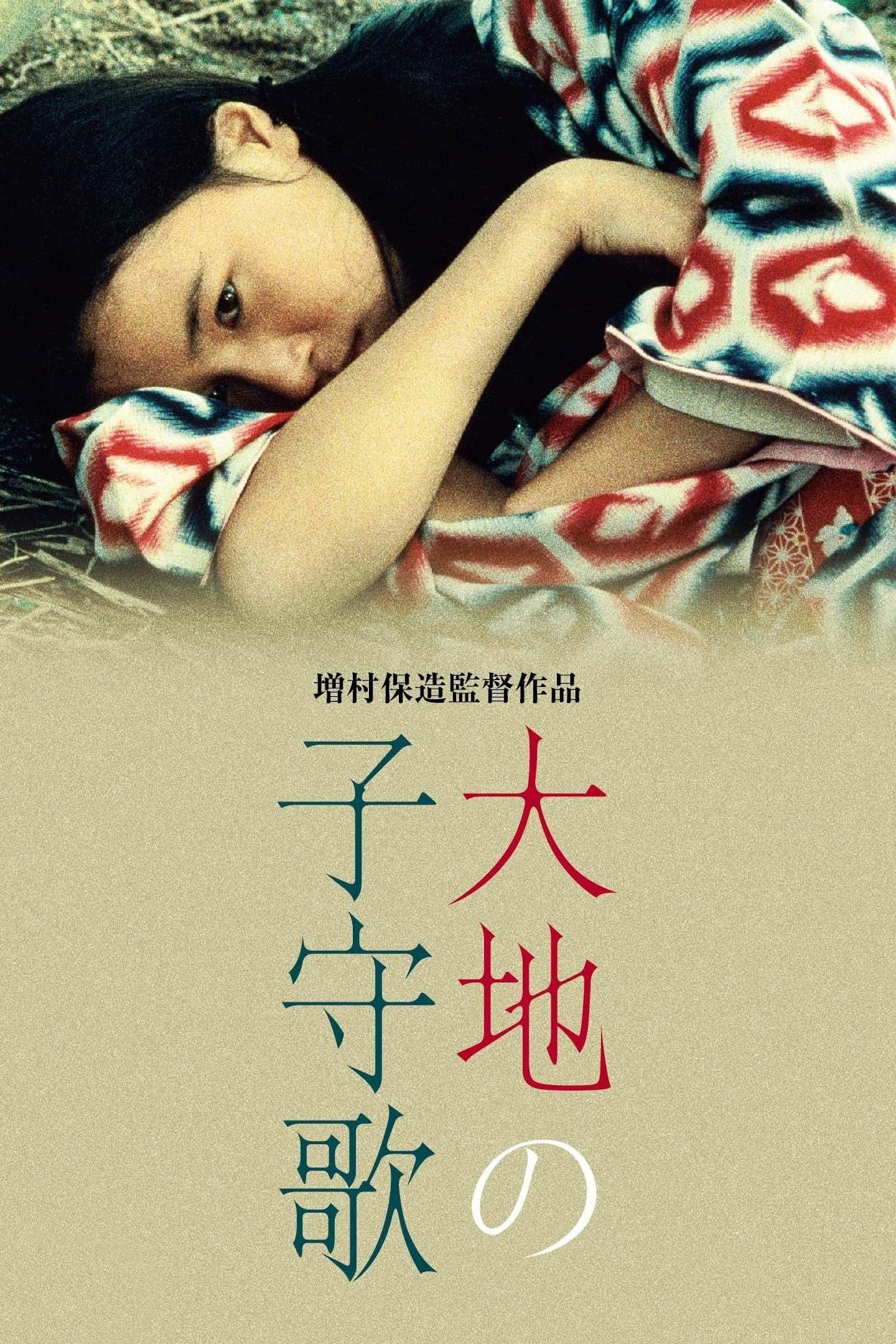
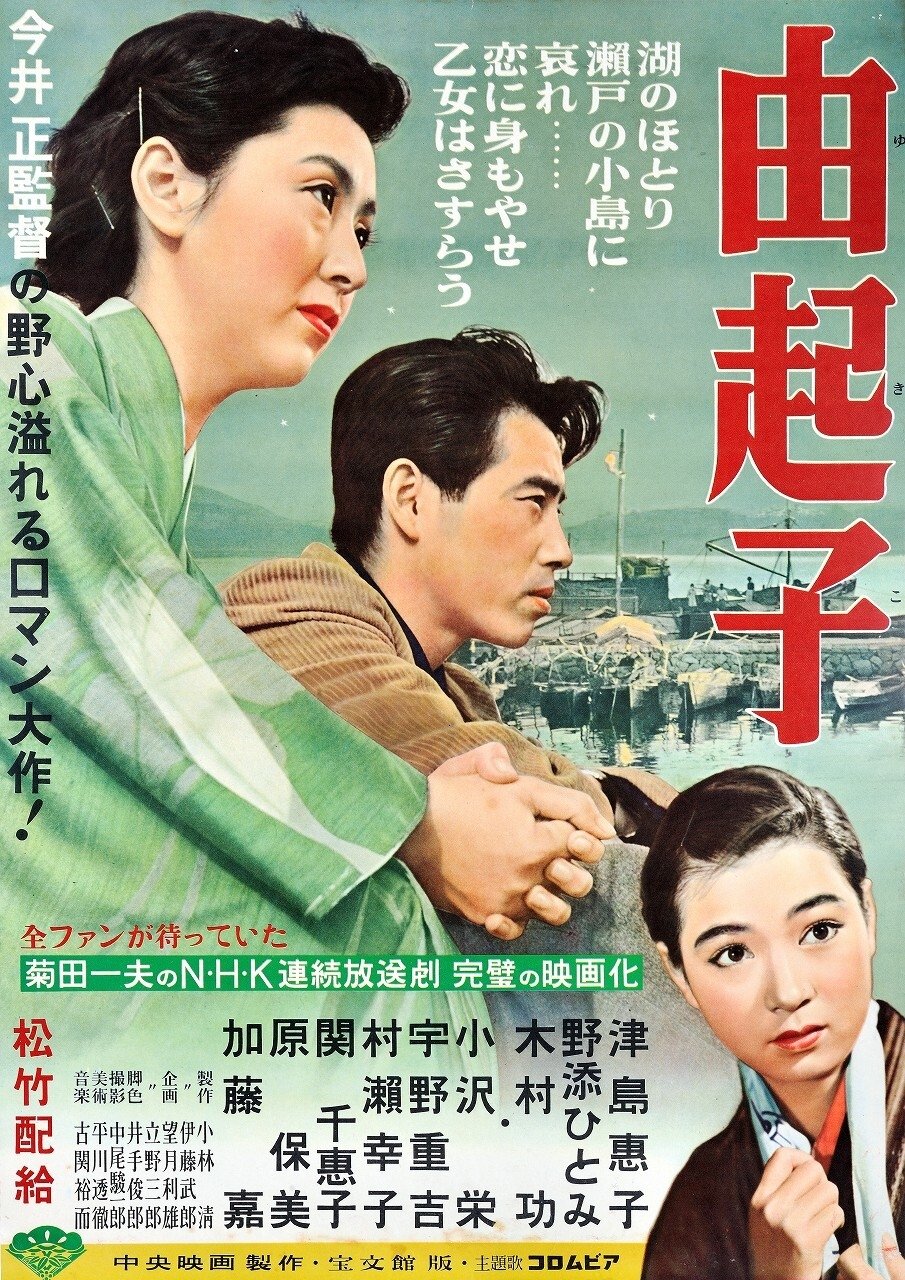
The story of an orphan girl, brought up in naive, rustic innocence by an elderly relative, who is suddenly exposed to the brutality, greed and deceptiveness of the outside world when her grandmother dies.
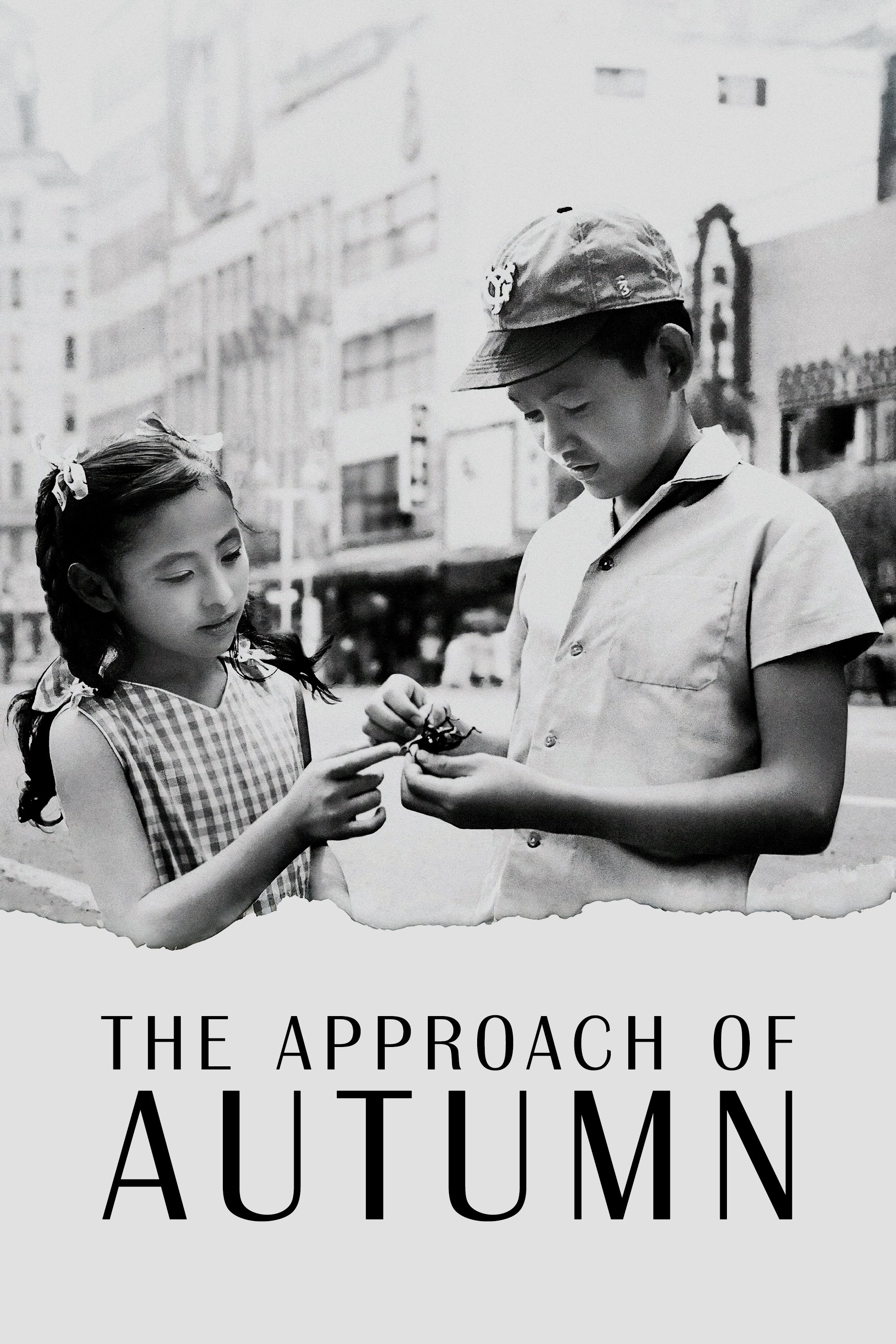
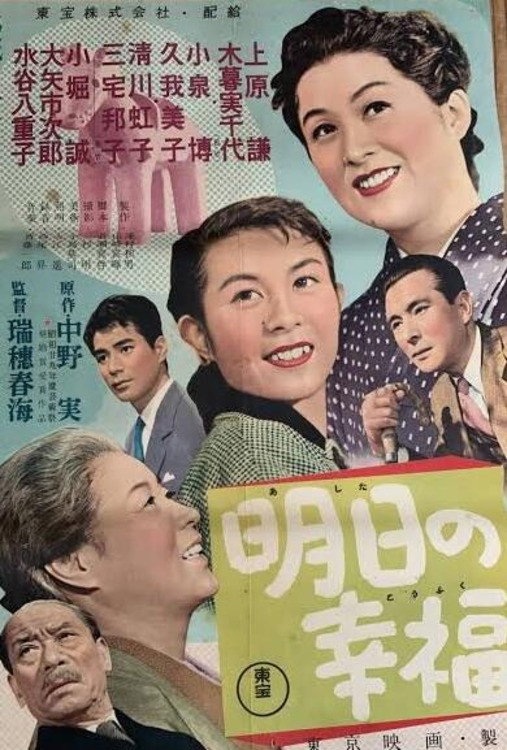
A single mother from the country raising a 6th grade boy comes to Tokyo, leaves the boy to live with his uncle's family, runs a struggling grocery store, and works a local inn. The boy befriends a girl, the daughter of the innkeeper.

In this loose adaptation of "Hamlet," illegitimate son Kôichi Nishi climbs to a high position within a Japanese corporation and marries the crippled daughter of company vice president Iwabuchi. At the reception, the wedding cake is a replica of their corporate headquarters, but an aspect of the design reminds the party of the hushed-up death of Nishi's father. It is then that Nishi unleashes his plan to avenge his father's death.

A war widow with a young boy manages a farm with her bossy mother-in-law. When a reporter comes to interview her, the two begin an affair. He turns out to be married and won't leave his wife. Her older brother tries to marry off his children and hang on to/ extend his farm through an advantageous marriage in the face of threatened land confiscation and the desire of his children to get comfortable urban jobs instead of the backbreaking work in the paddy fields under parental control.
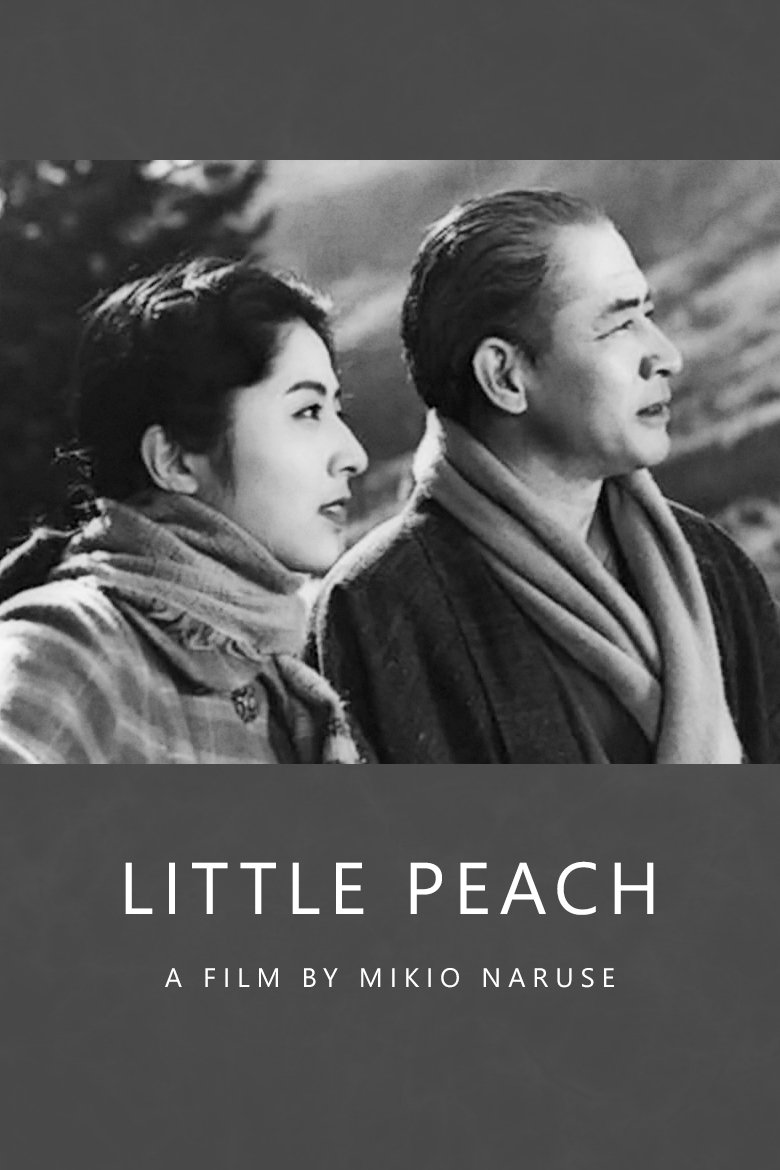
Anzukko (Little Peach) is the daughter of a successful writer. She turns down each one of her suitors, until she marries a beginning writer named Ryokichi. Their life quickly sinks into despair.
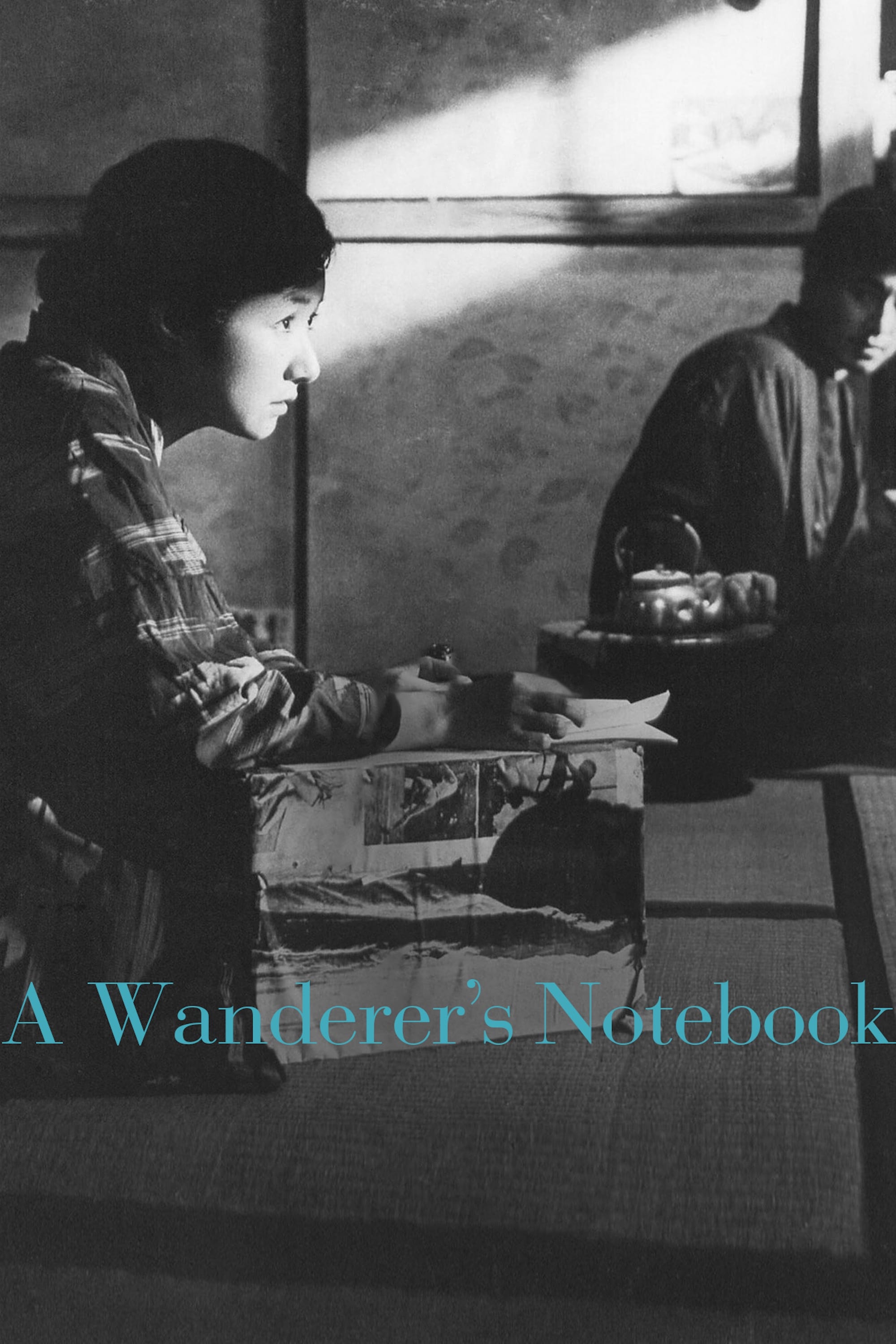
Based on the life and career of novelist Fumiko Hayashi, she bitterly struggles for literary recognition in the first half of the 20th-century – her affairs with feckless men, the jobs she took to survive (peddler, waitress, bar maid), and her arduous, often humiliating attempts to get published in a male-dominated culture.
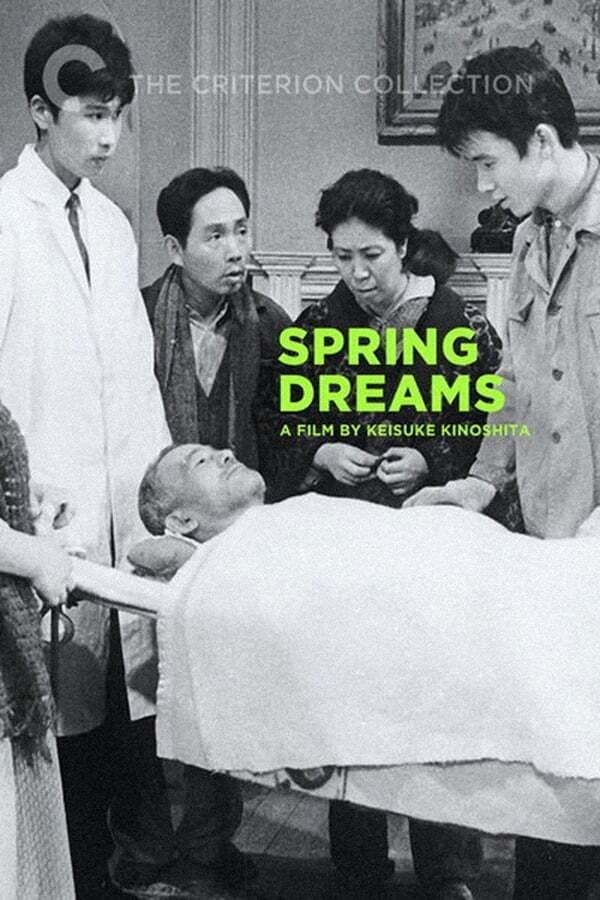
When a wealthy, selfish family decides to take care of an elderly hobo who collapsed near their home, they are beset by visits from his numerous friends.
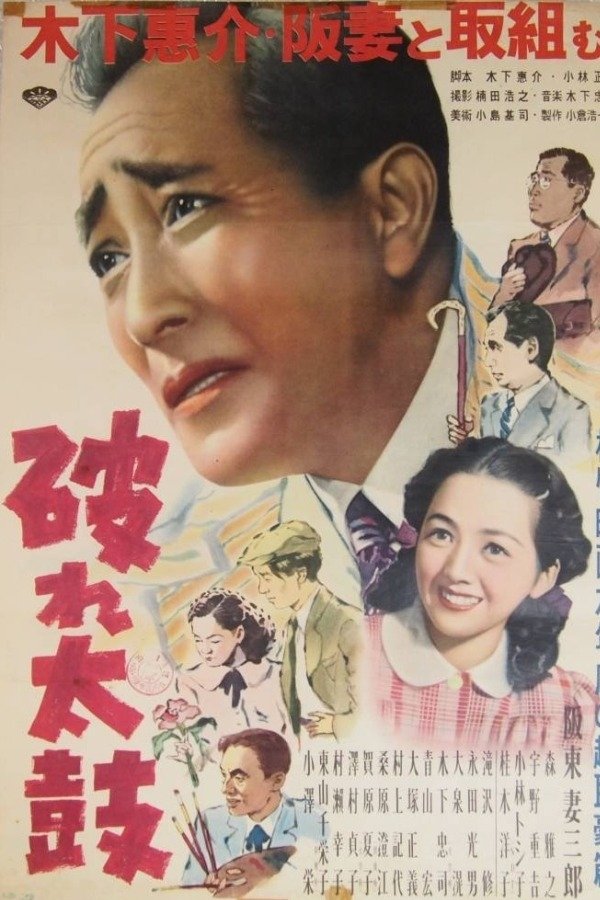
When the future of his construction company falls into danger, a controlling father pushes his children into unsatisfying marriages and careers in order to regain financial stability.
Based on the novel by Kojin Shimomura. Story of a young boy and his adventures in the country. His idyllic life is shattered by the illness and death of his mother.
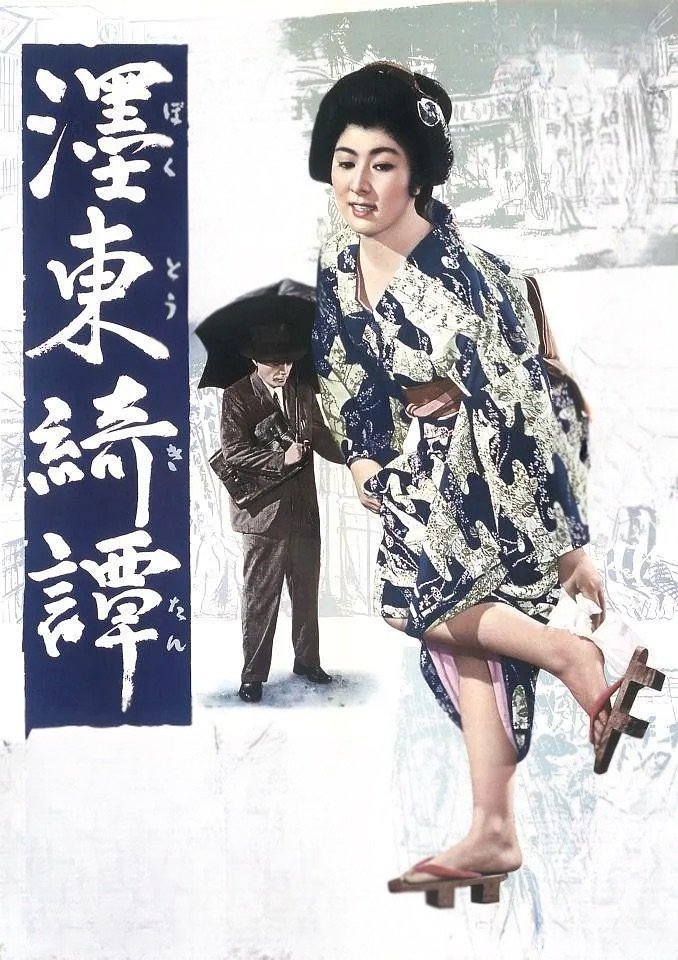
In this Japanese drama, a village girl goes to Tokyo and becomes a sex worker to support her ailing mother. While there she meets an unmarried teacher (at least he says he's unmarried) and falls in love.
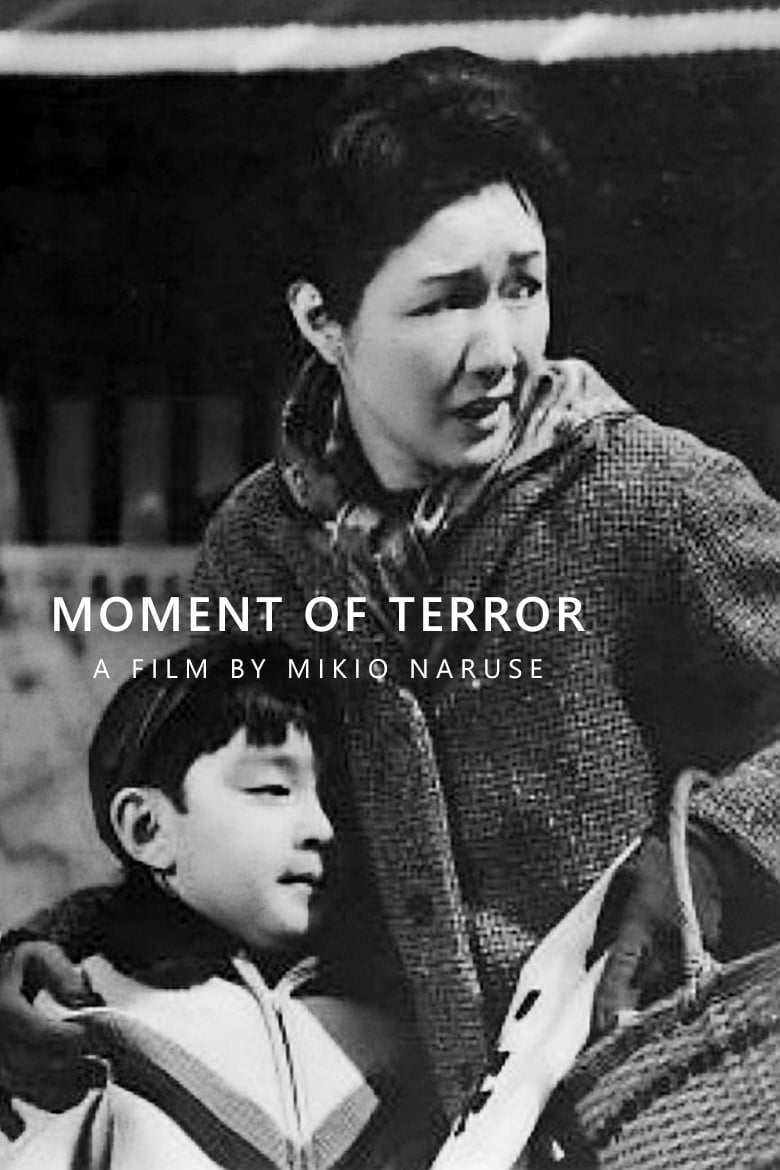
When the only son of a working class woman is fatally struck by a car driven by the adulterous wife of a company president in a hit-and-run, the victim's mother changes her identity and infiltrates the couple's home to work as their maid, plotting to murder their similarly-aged son.
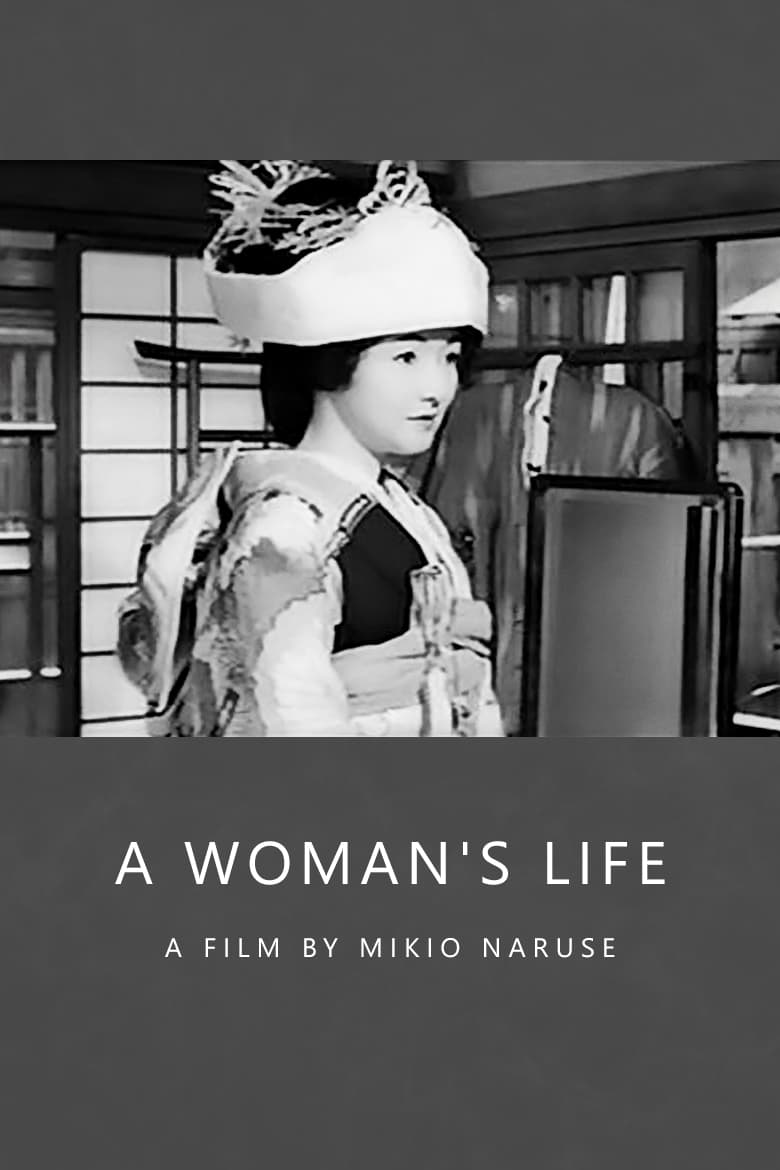
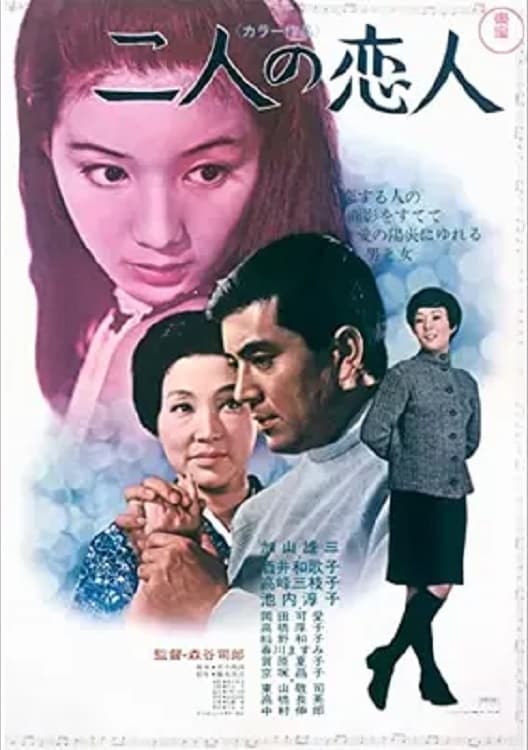
A woman remembers her own marriage when dealing with the love life of her son.
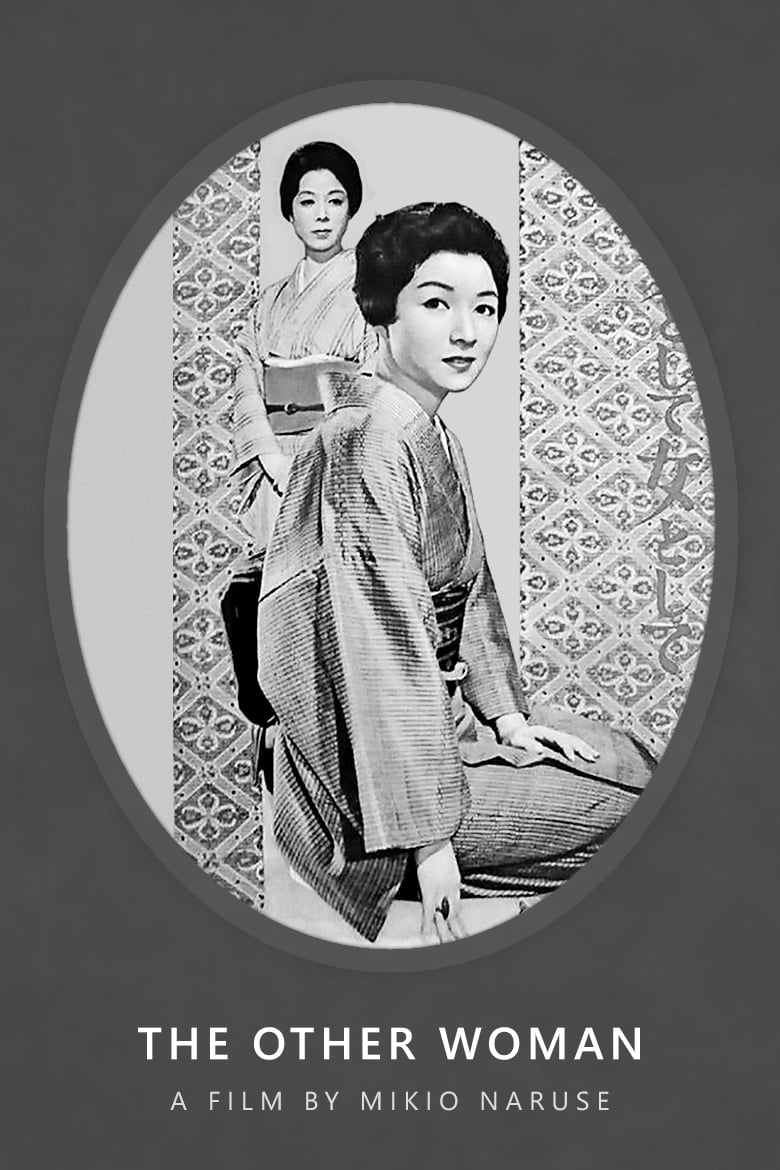
The real mother of the two children of a respectable university professor is not his wife, but his mistress, the hostess of a Ginza bar the family frequents.
Former playmates (Naito and Tamura), both long ago abandoned by their parents, recall their youth and fall in love.
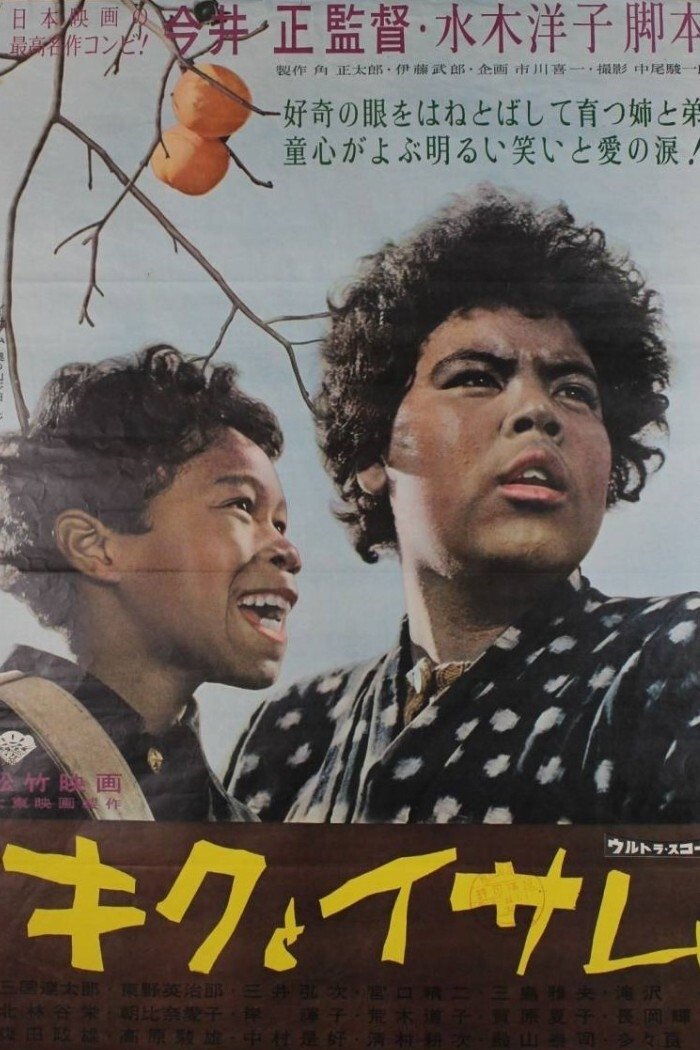
Kiku and her brother Isamu are social outcasts, children of a prostitute mother and black GI father, in postwar Japan.
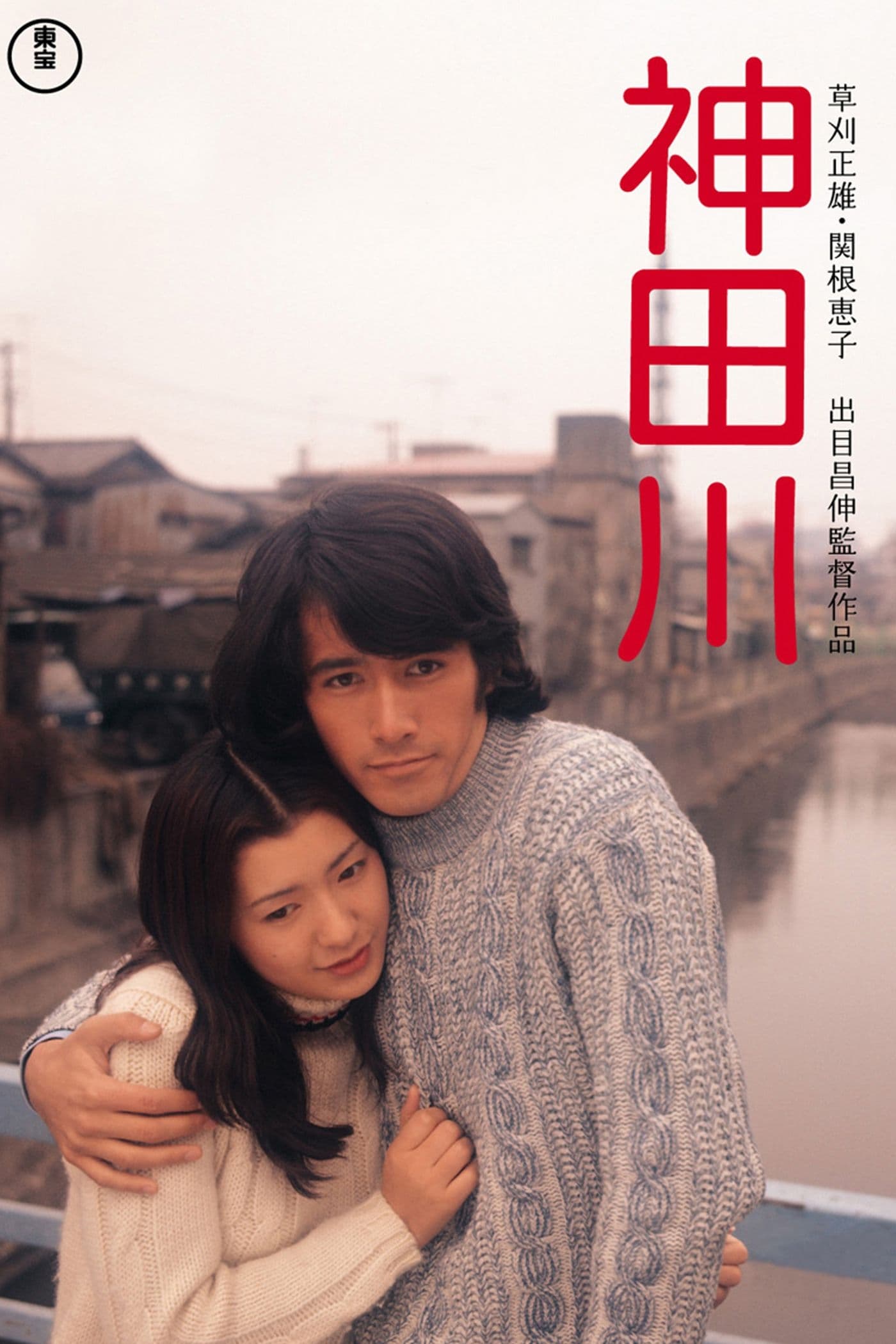
Based on a blockbuster song by Kaguyahime, a folk group. Makoto, a college student who belongs to a puppet theatre club, meets Michiko, who works at a printing factory, and they come to learn the bitterness and sadness of love. The two live humbly by the River Kanda, but are viewed coldly by people around them.
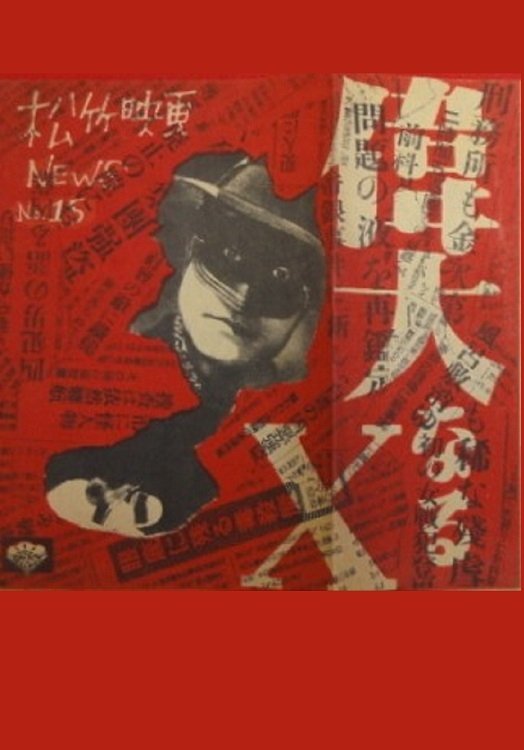
A 1948 Japanese film.

A study of uneasy relationships among the inhabitants of a tiny rural community.
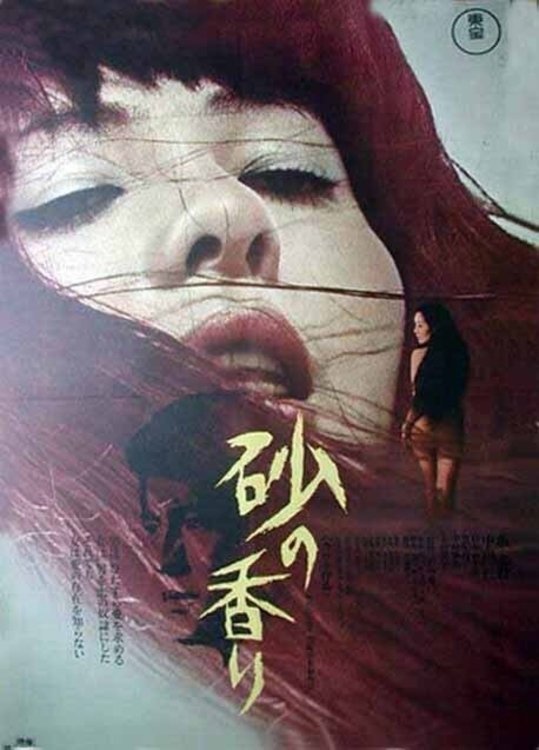
A woman has a brief, intense affair with a younger man while awaiting her trial for the murder of her husband's mistress.
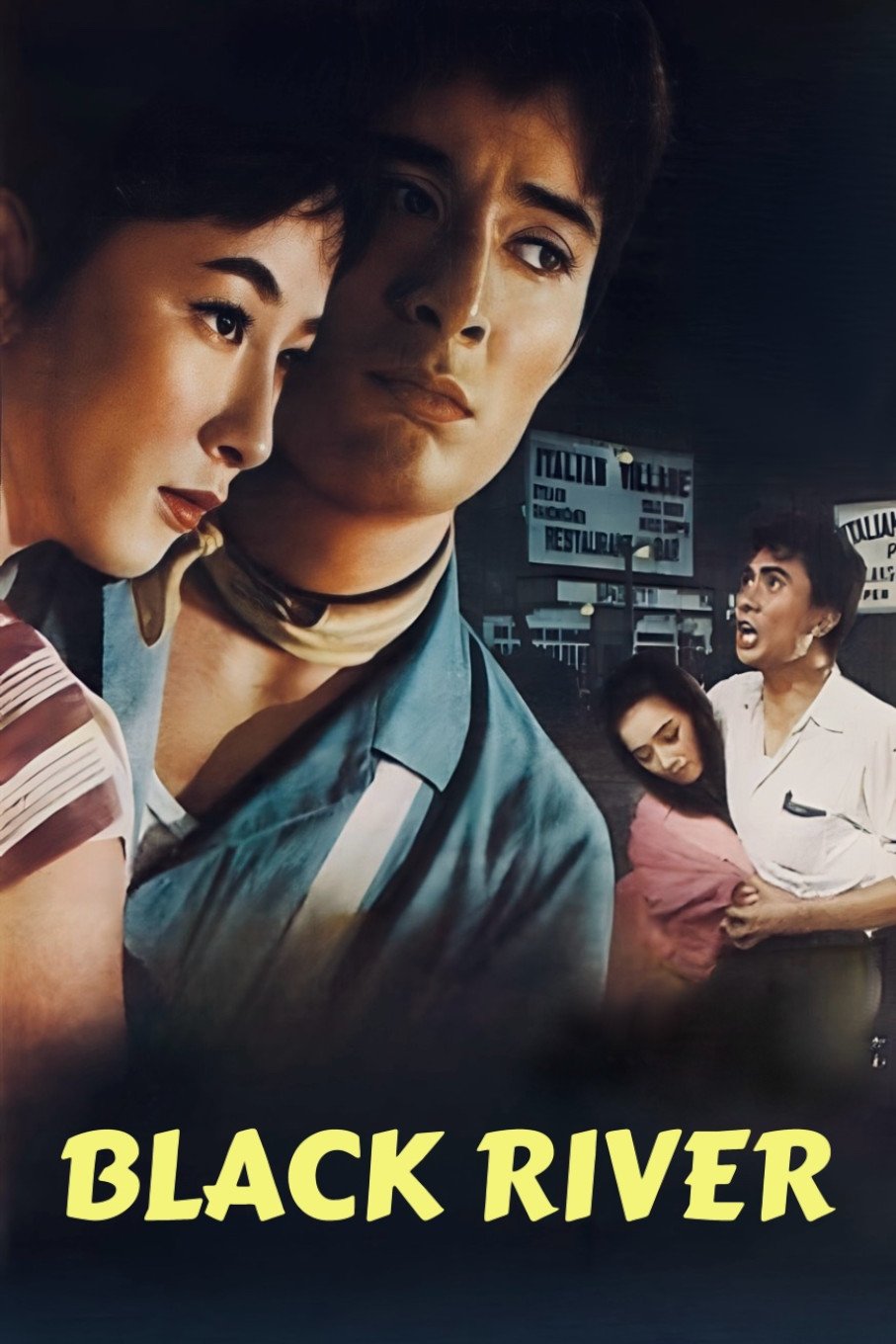
A love triangle develops between a benevolent student, his innocent girlfriend, and a cruel petty criminal, all as a point of diagnosis of a social disease that had Japan slowly succumbing to lawlessness during the post-War era.
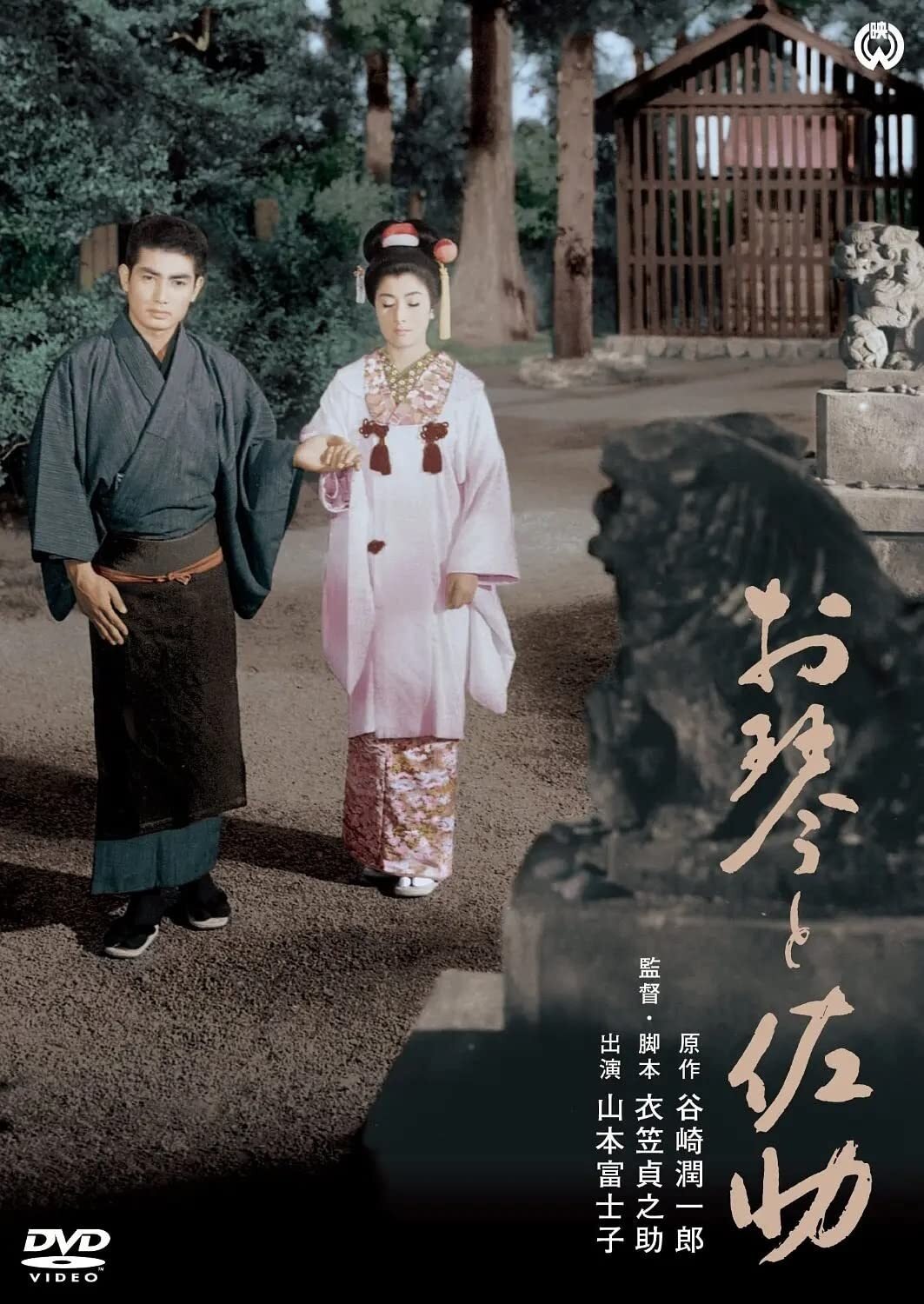
One of Kinugasa's last films--based on the story by Tanizaki Jun'ichirō.
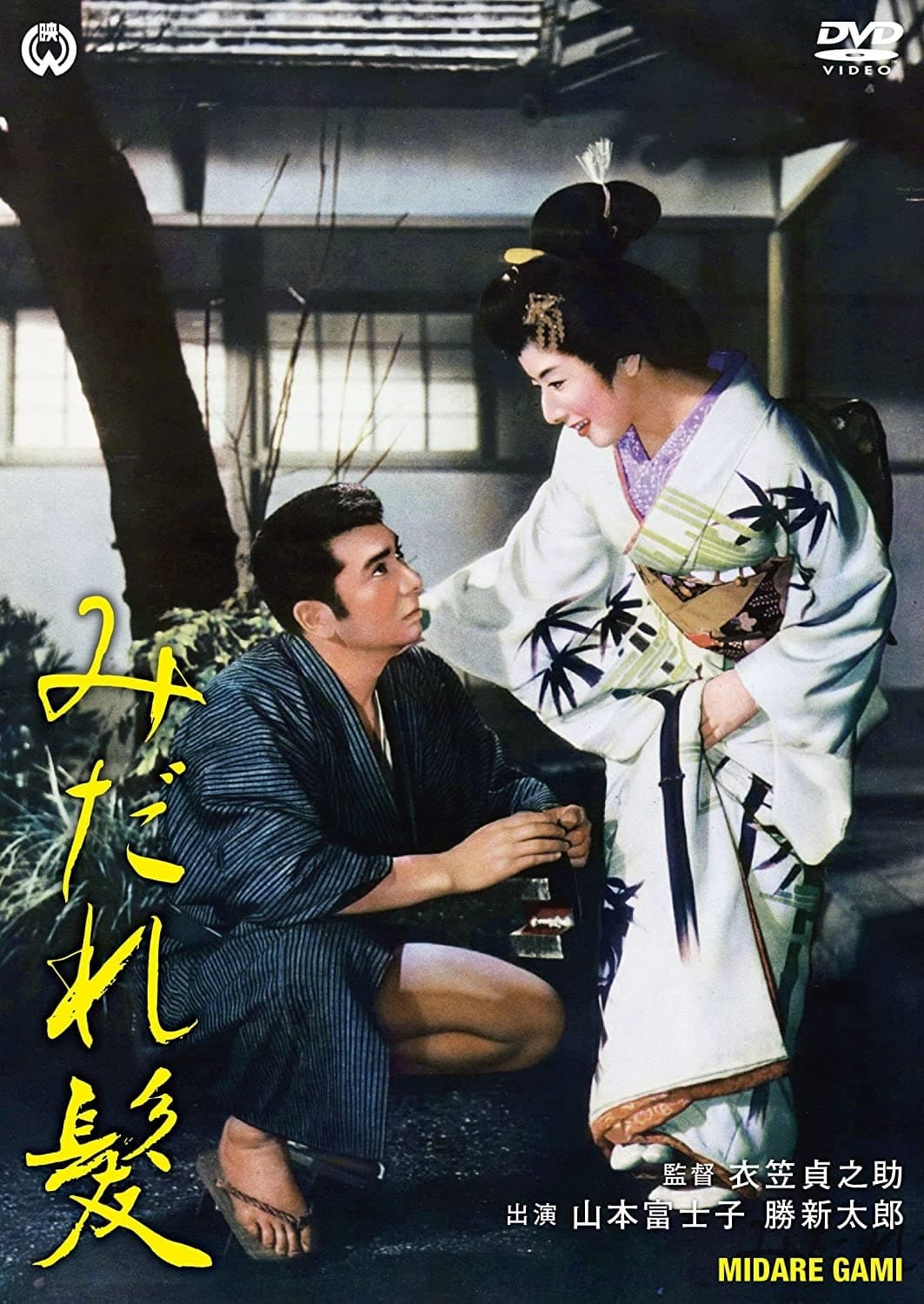
Late romance by acclaimed filmmaker Kinugasa Teinosuke.
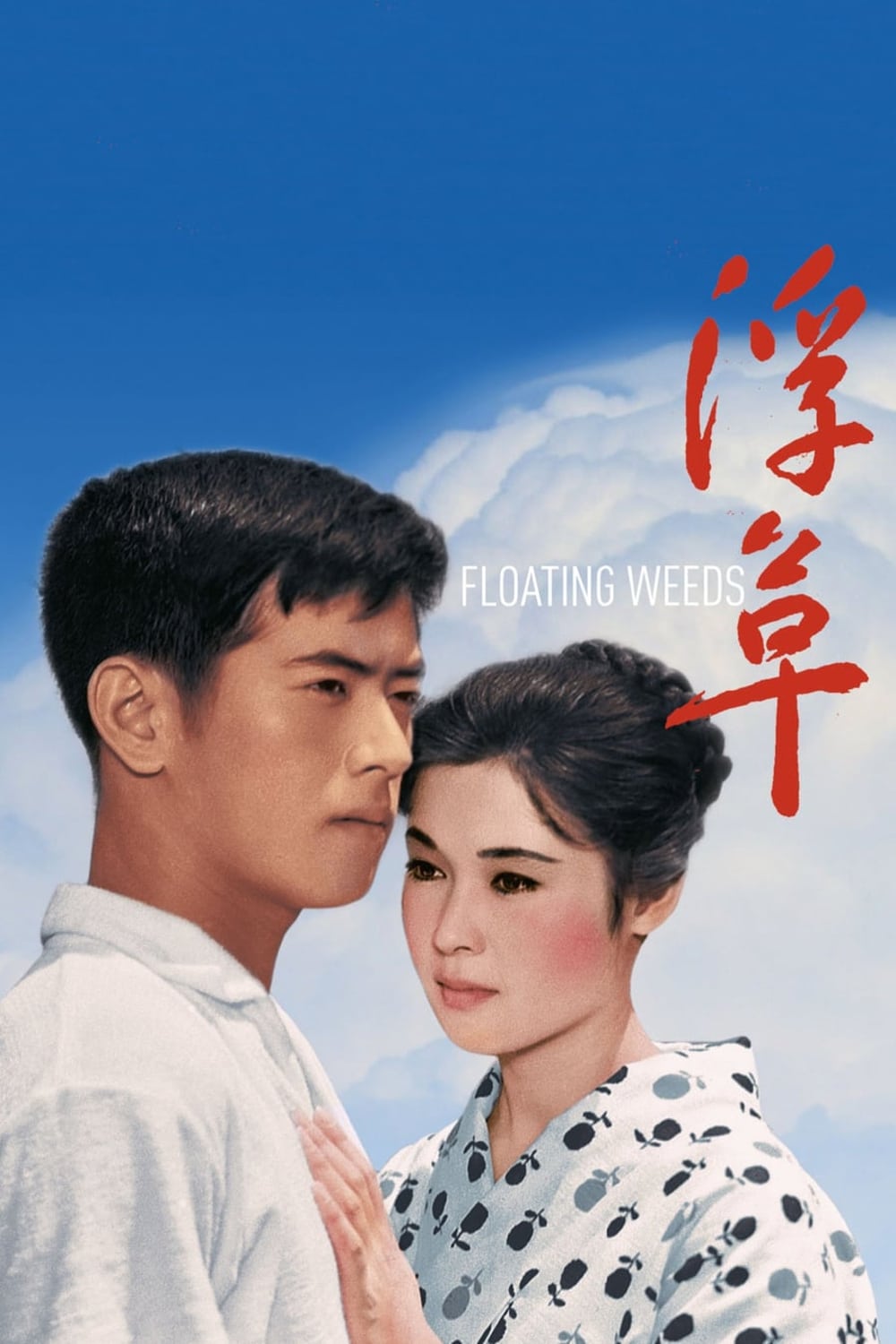
A theater troupe master's visit with his old flame unintentionally sets off a chain of unexpected events with devastating consequences.
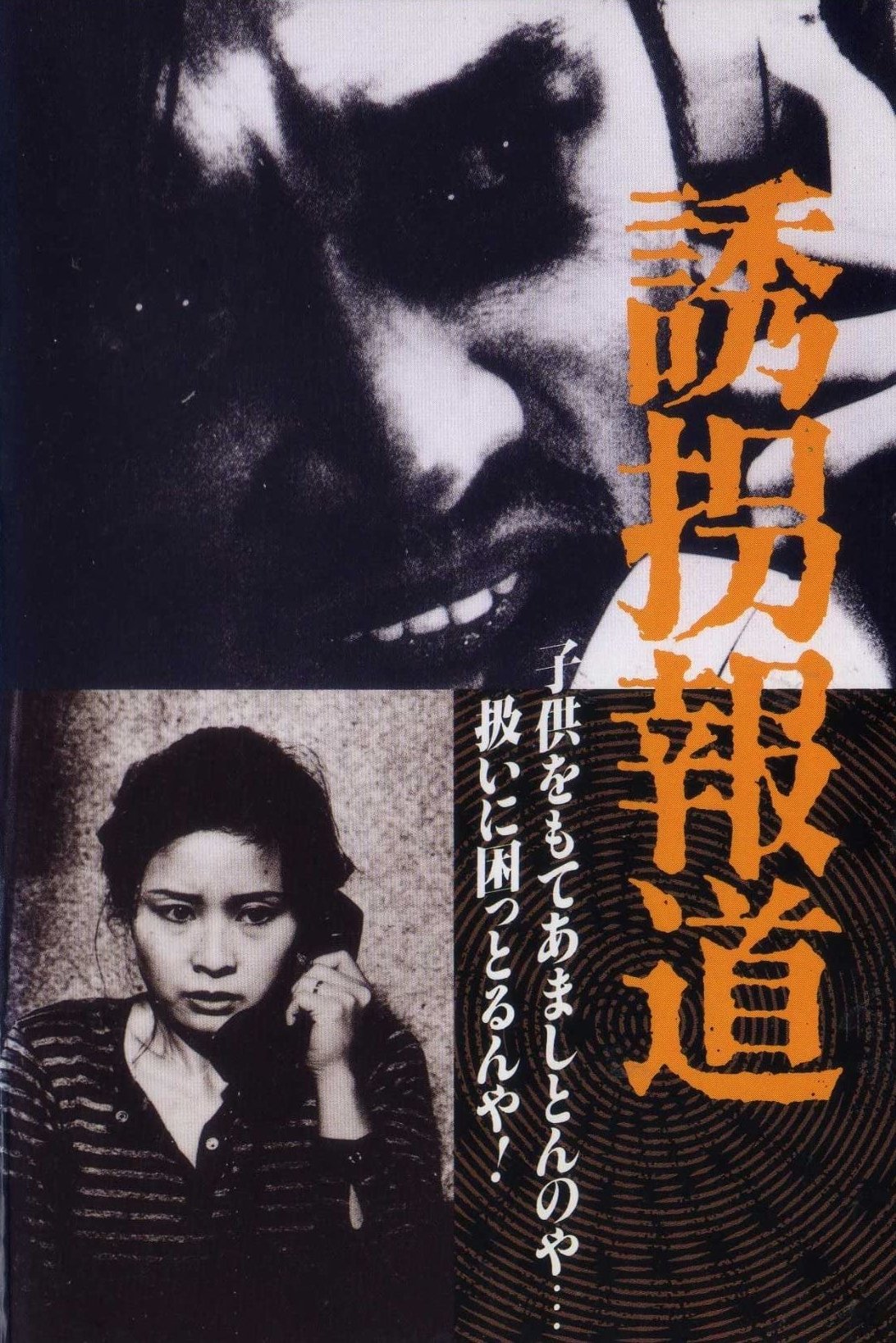
Hideyuki Mitamura, a student at a private school near Osaka, is kidnapped on his way home from school.
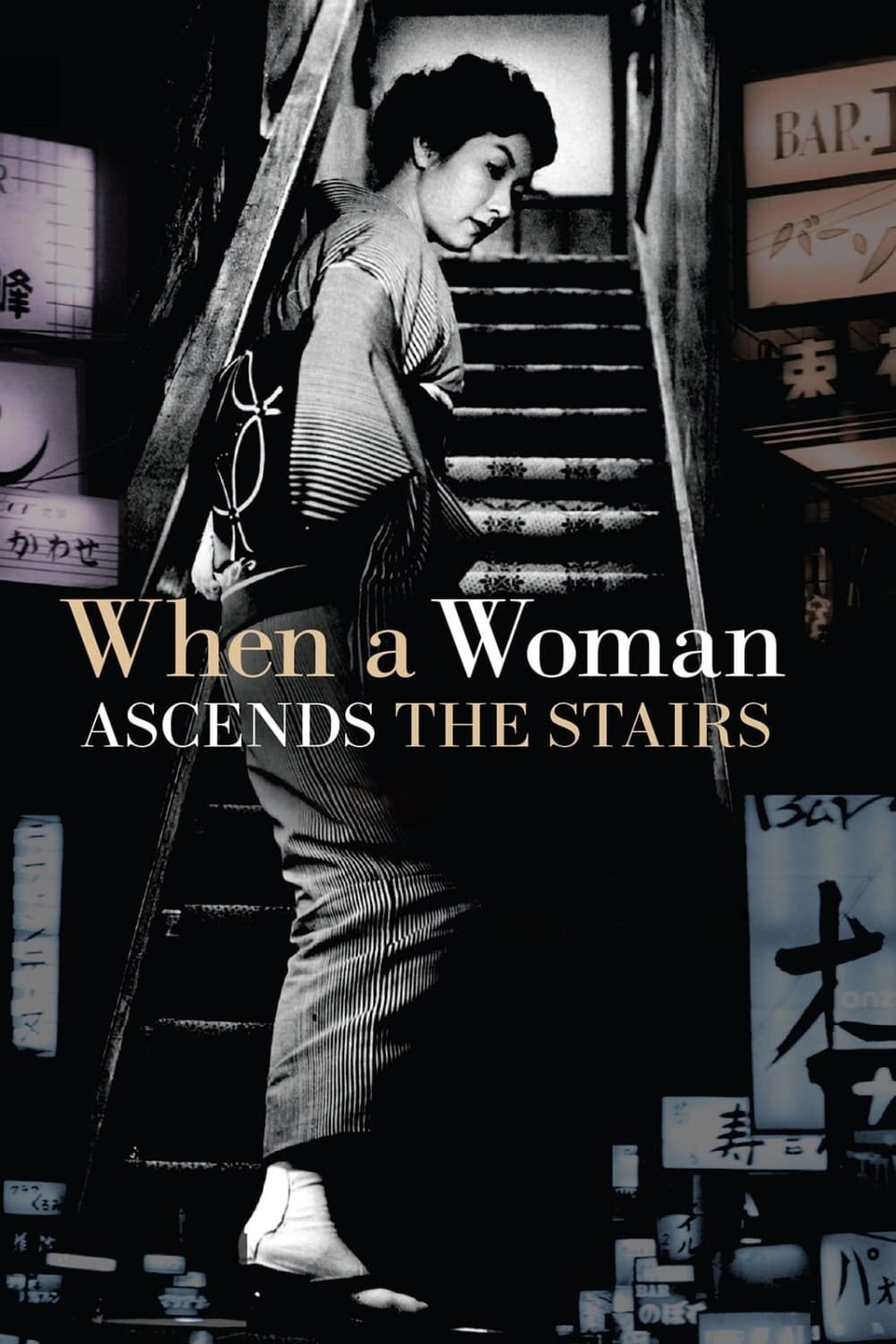
Keiko, whom everyone calls Mama, narrates her story: she's a hostess on the Ginza, 30, a widow. She describes life's vicious cycle: acting cheerful around drunks, dressing and living well to convey confidence, needing money for these expenses and for her demanding mother and brother, and knowing she's growing older.
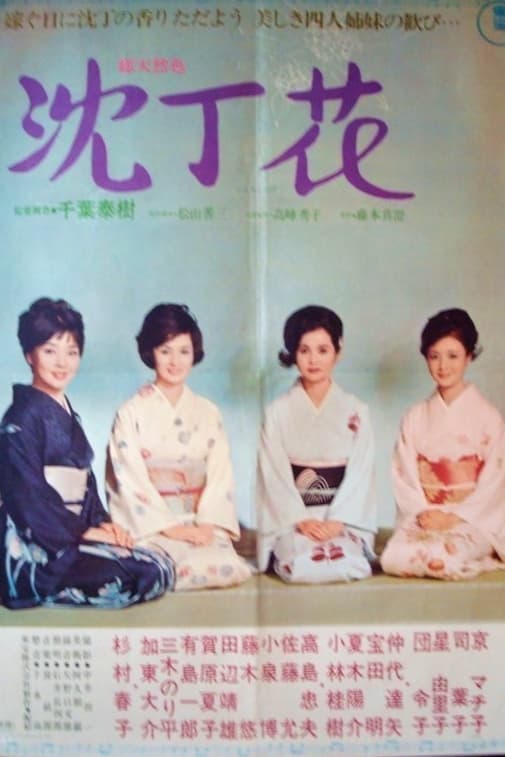
Four sisters are all named after flowers. While the two youngest are married, the eldest two remain single, much to the annoyance of their long-suffering mother. The mother and her brother try various schemes to find husbands for them.
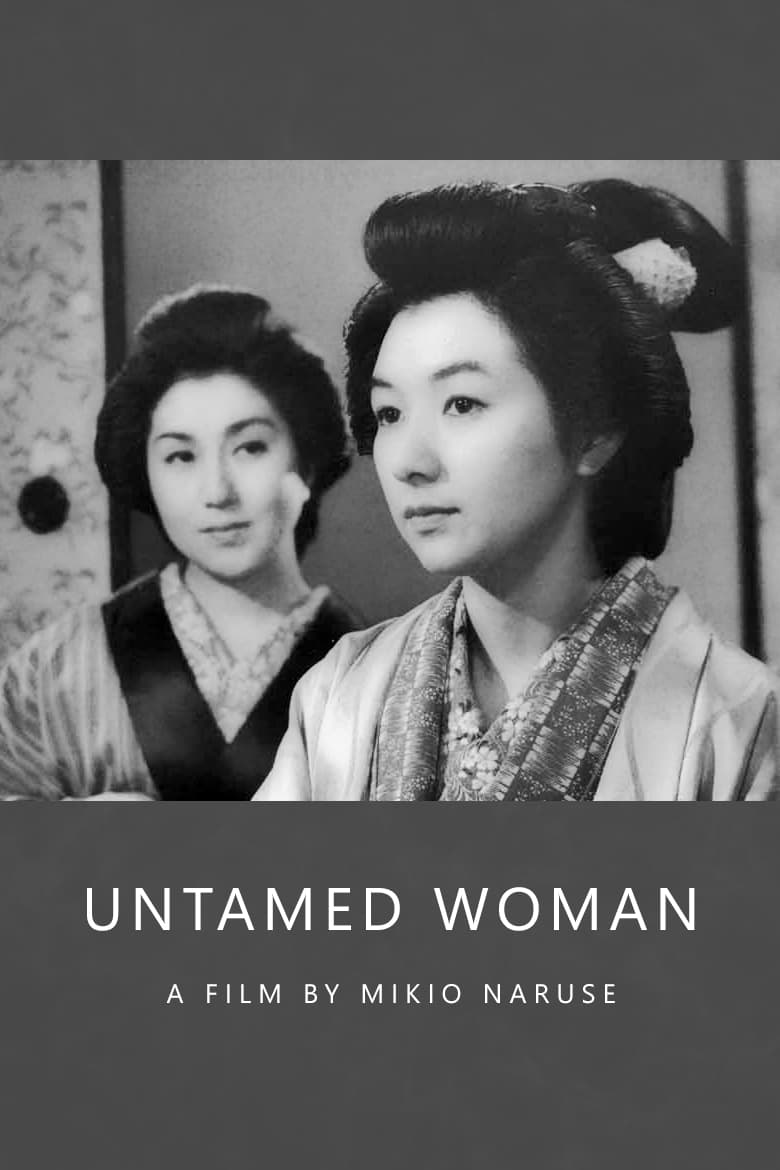
A woman marries, gives birth to a stillborn child, and divorces, falls in love with a hotel-keeper, only to find herself subordinated to his drive for success, takes up with a tailor who cannot console himself with her strong personality.
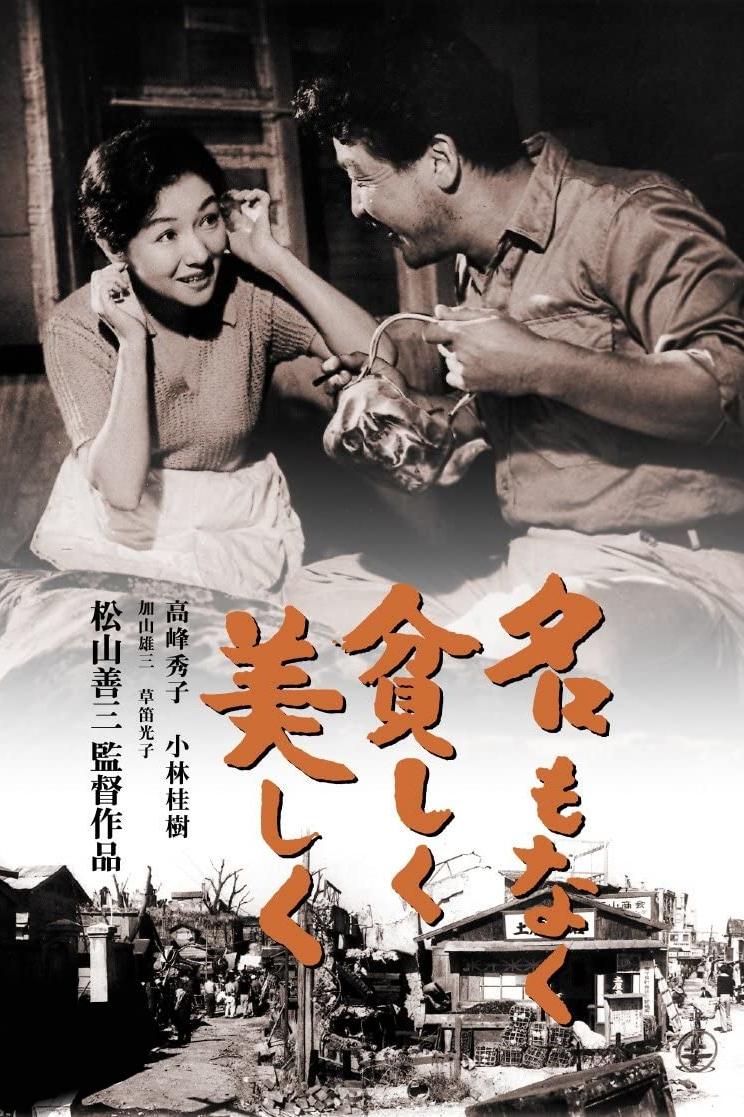
The story is of two people. One is deaf, the other deaf and mute. They marry after meeting at a school reunion, and the film follows their trials and tribulations ... and joys.
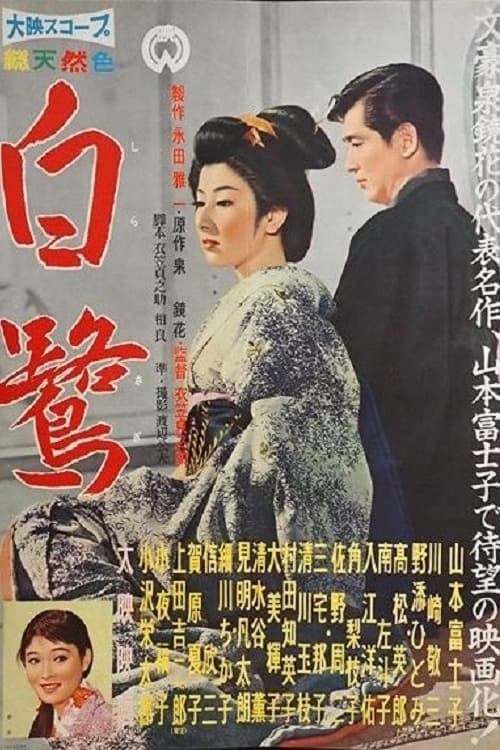
The story follows Oshino, a geisha who is trying to start a new life with a lover who is a painter. However, her past filled with debts and pimps catches up to her.
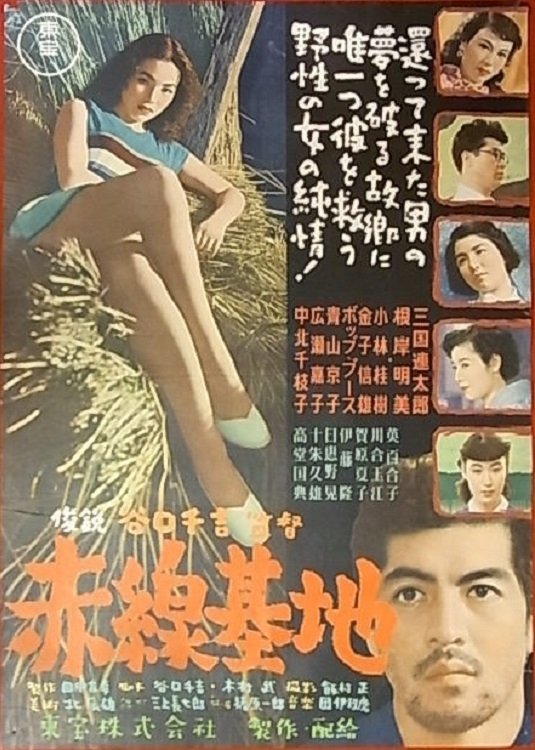
Story about a poor Japanese woman living near an American army base who resorts to prostitution.
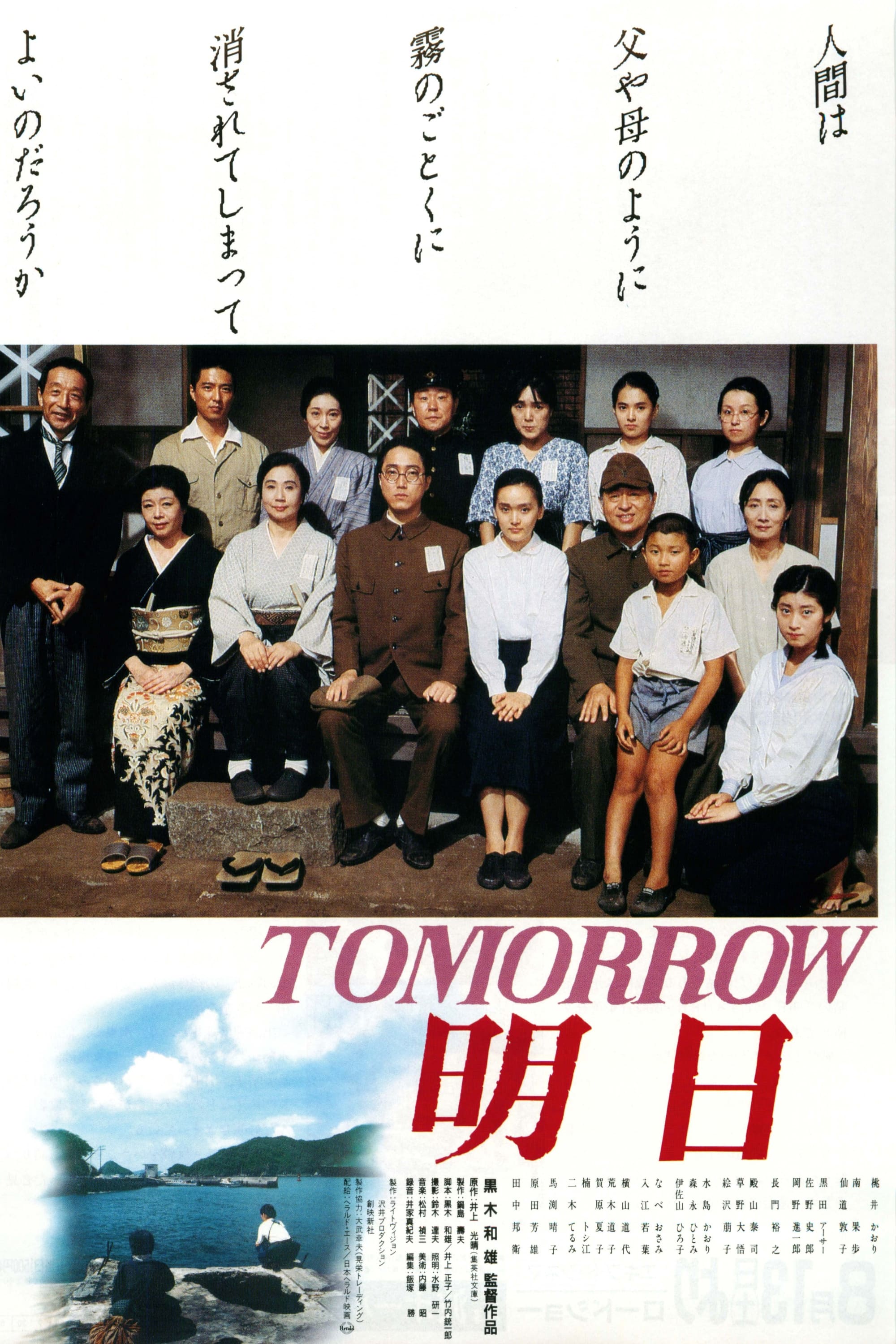
On August 9, 1945, the Americans dropped an atomic bomb on Nagasaki. This film, based on a story by Mitsukaru Inoue, describes the daily life of people in Nagasaki the day before that fateful event. It presents the human drama of people's lives, and their feelings of joy and sadness. These include a newlywed couple, an expectant mother, and lovers who must say farewell because the boy is called to serve in the army. Each of these people, like others in the city, hoped to live with their dreams for ‘tomorrow’. But tomorrow never comes for them, as their lives are brought to an abrupt and unexpected end. Knowing how the story ends, in this case, doesn't detract from it at all; rather, it enhances the emotional impact, which is further heightened by the poignant musical score from Teizo Matsumura. 'Ashita' is the first film in Kazuo Kuroki's 'War Requiem Trilogy,' which also includes 'Utsukushii Natsu Kirishima' (2002) and 'Chichi to Kuraseba' (2004).
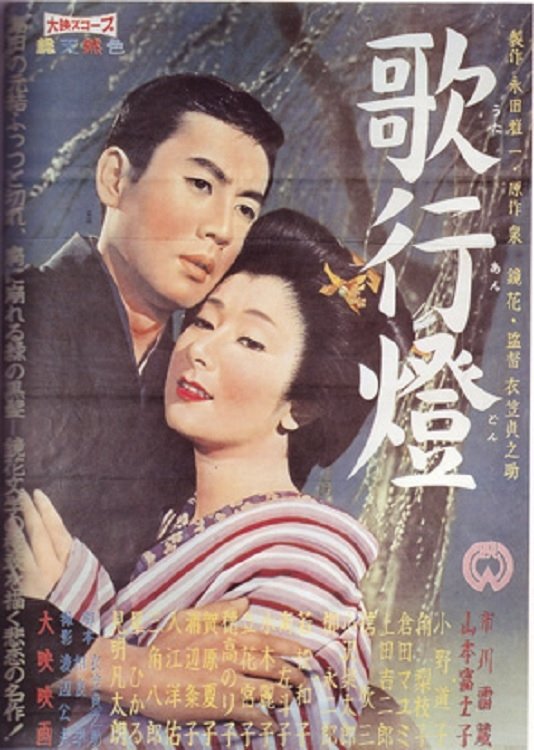
The title of the film reflects the custom of writing poems and lyrics on paper lanterns. The film tells about the difficult relationship between the actors of the Japanese classical theater No, friendship, hatred and love…
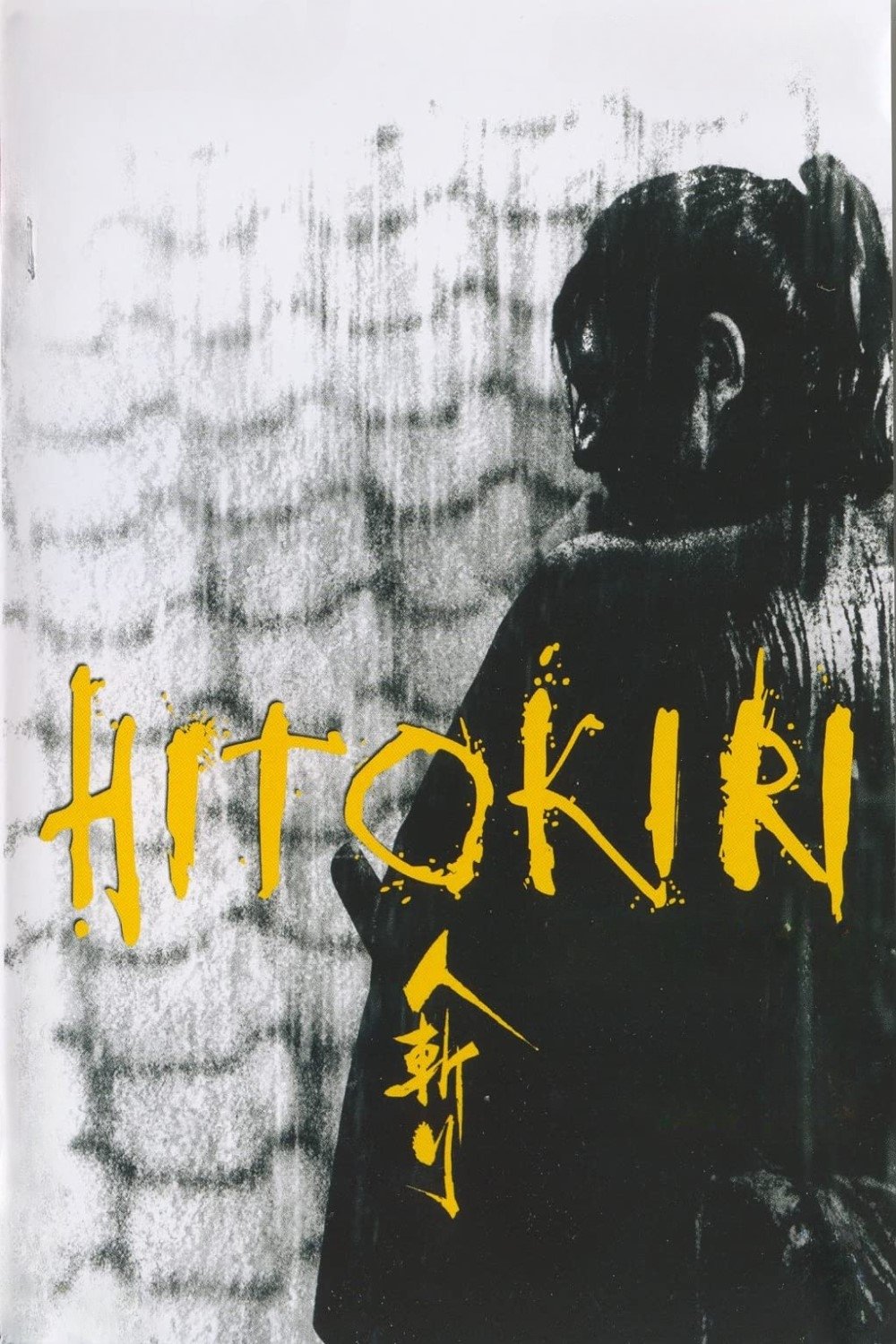
A ronin desperately seeks a way out of financial straits; he allies with the Tosa clan under the ruthless leader Takechi, who quickly takes advantage.
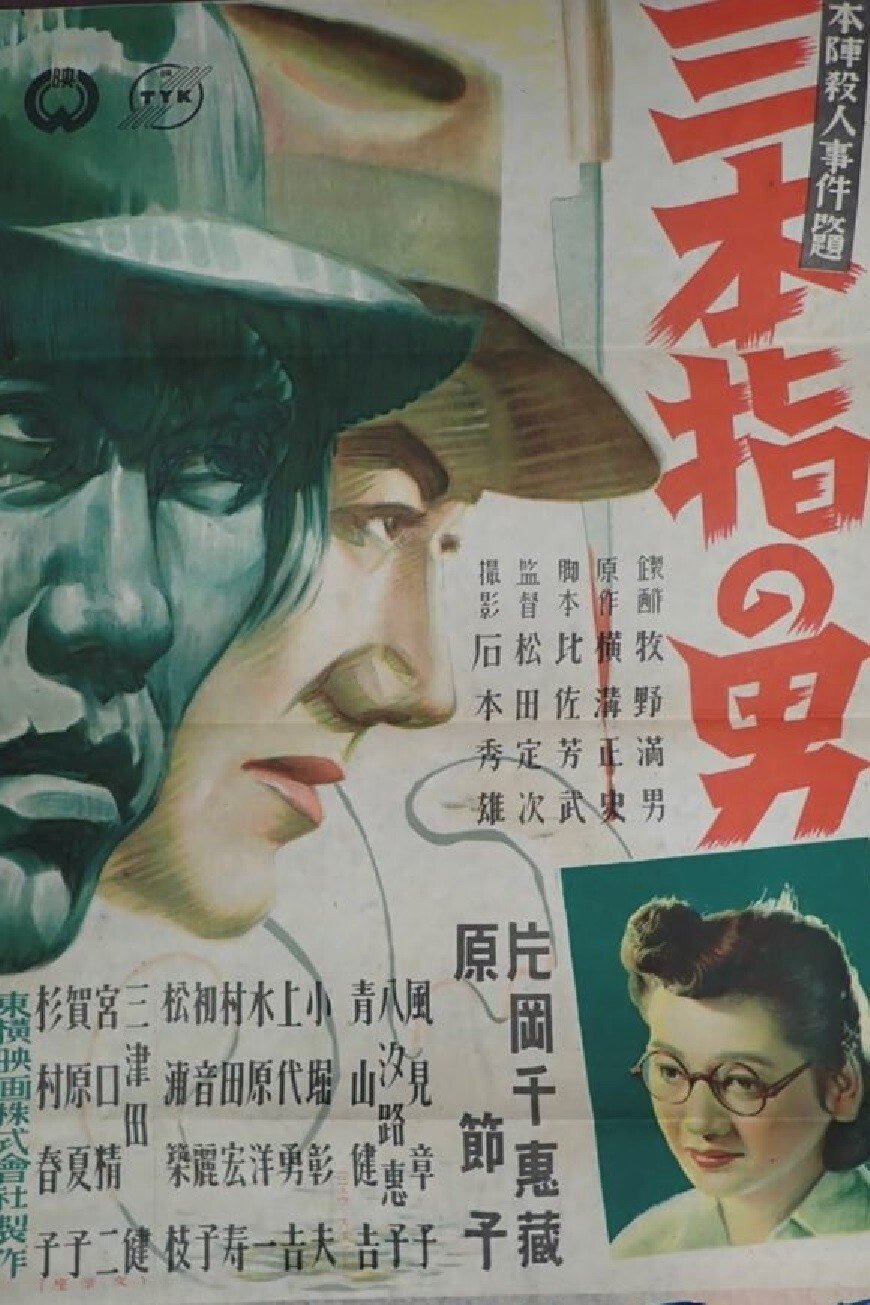
Being acquainted with the bride's uncle, a famed private detective is invited to a wedding ceremony. The groom's family is moneyed and owns large tracts of land. The bride is a former teacher and was rumoured to have had an affair, which explains why the groom's family opposed the union. On the night of the ceremony the bride and groom are killed in a sealed room. There is evidence left, however, as there is a hand print on the wall albeit with only the trace of three fingers.
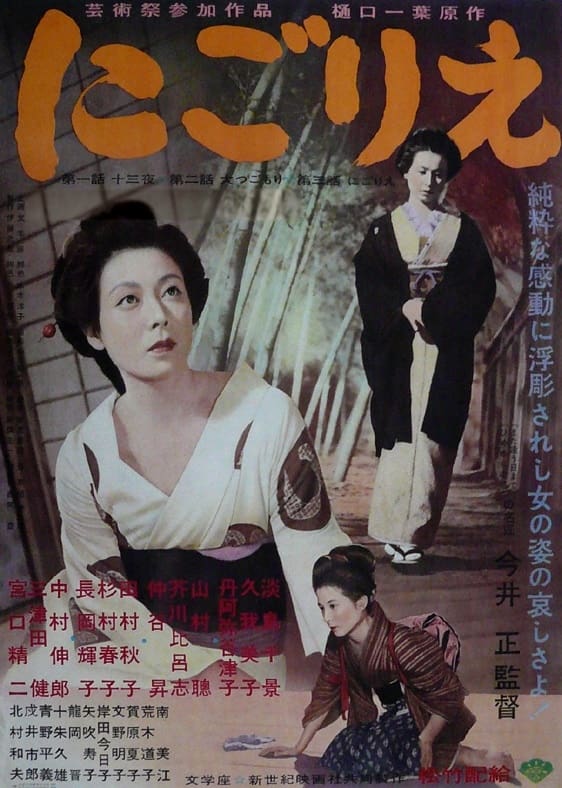
A Japanese woman writes down three stories she has witnessed or heard of in her diary, each about the difficult situation a young woman finds herself in.
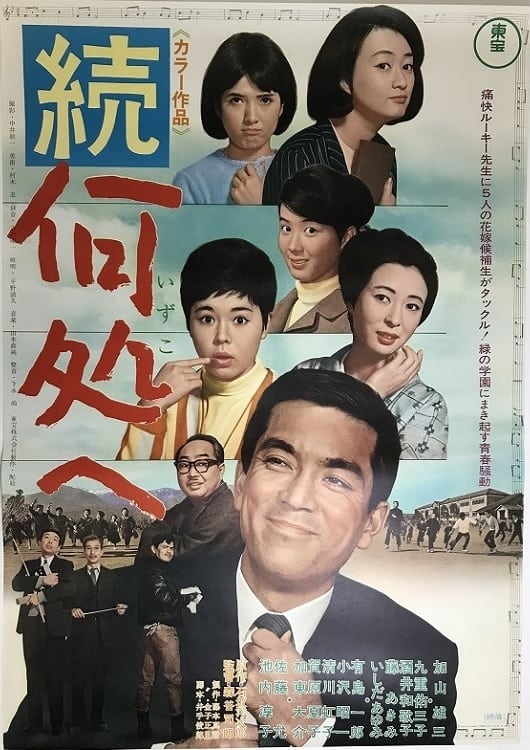
Sequel to "何処へ" (1966). A coming-of-age drama adapted from the novel by Yojiro Ishizaka.
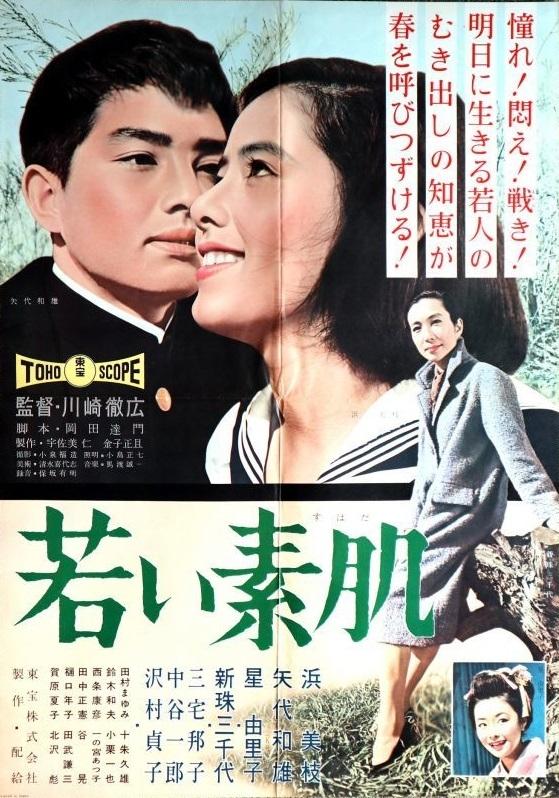
1960 Japanese movie
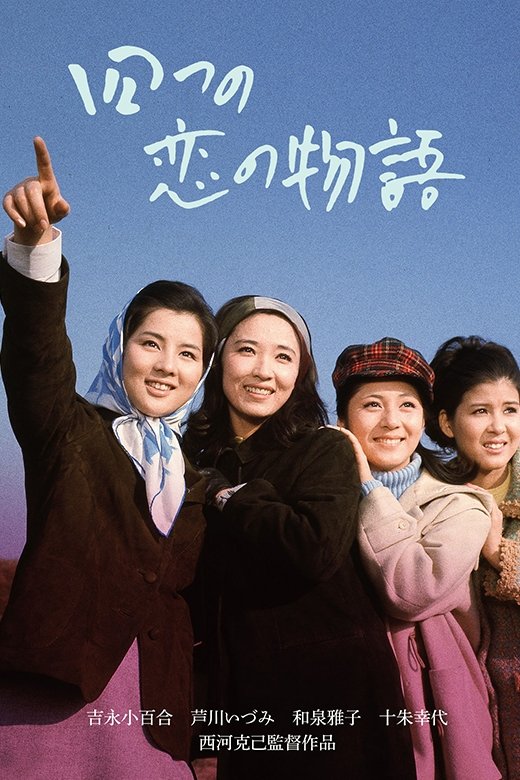
A father gives his four daughters his substantial retirement allowance on the stipulation that they leave him alone, as he wants some freedom. Each of the daughters has a romantic interest and it's noticeable that the father, too, has someone in mind.
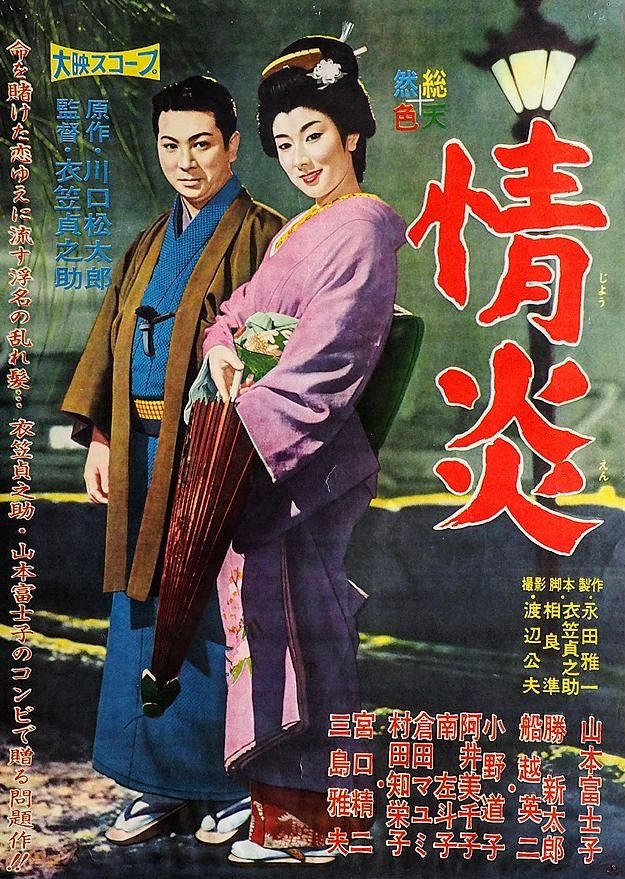
1959 Japanese movie
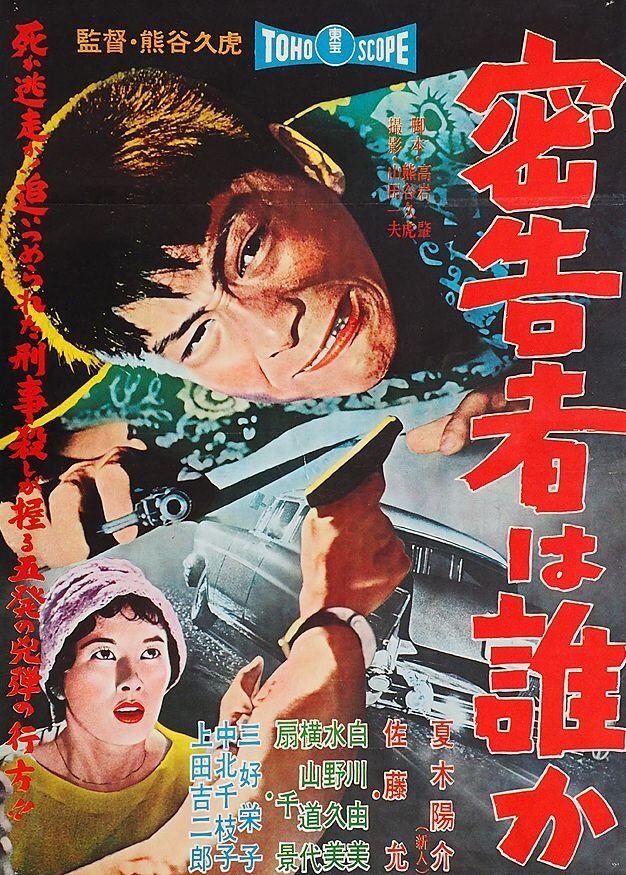
After killing a detective in a botched robbery, Keiichi (Natsuki) is on the run as police stake out the homes of his sisters, mother, and girlfriend.
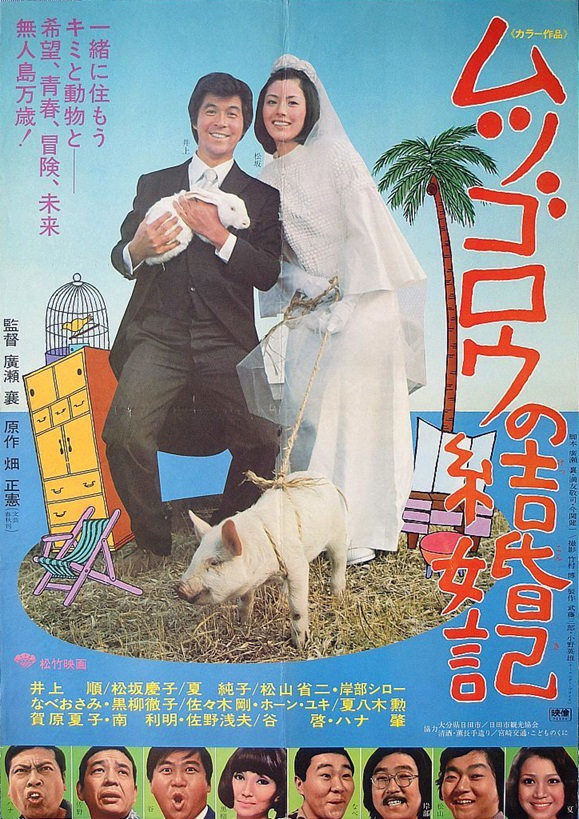
1974 Japanese movie
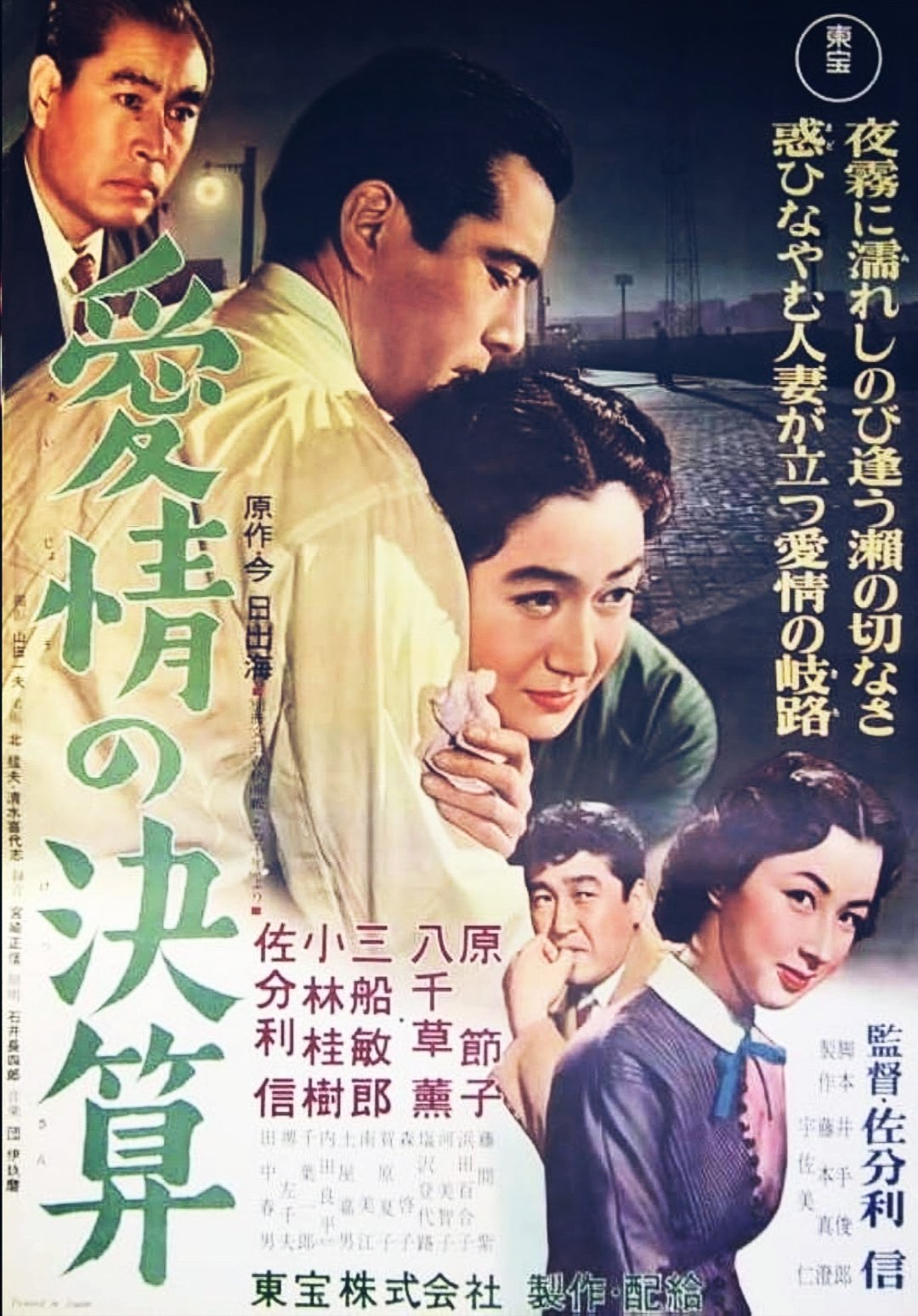
Living in a house that has lost its man to the war a year earlier are the widow and her child. Four of the dead man's friends gather to have an anniversary wake. Some time following the ceremony one of the attendees marries the widow. Soon another friend of the deceased and his family also make the house their home when they move to town. Everyone's life is changed quite a bit. When the newer husband sustains an injury to his leg and loses his job it leads to the wife having to work. By the time the fifth anniversary of the friend's death occurs and another reunion is held another friend is in love with the former widow.
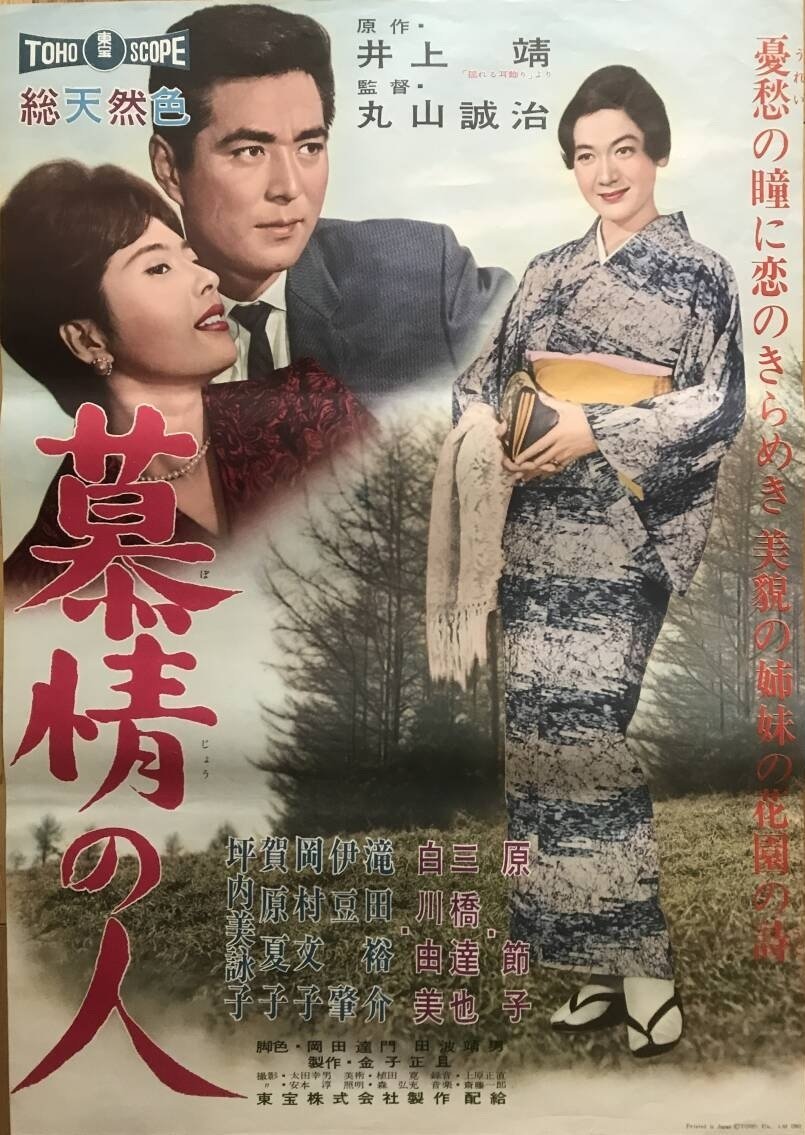
1961 Japanese movie
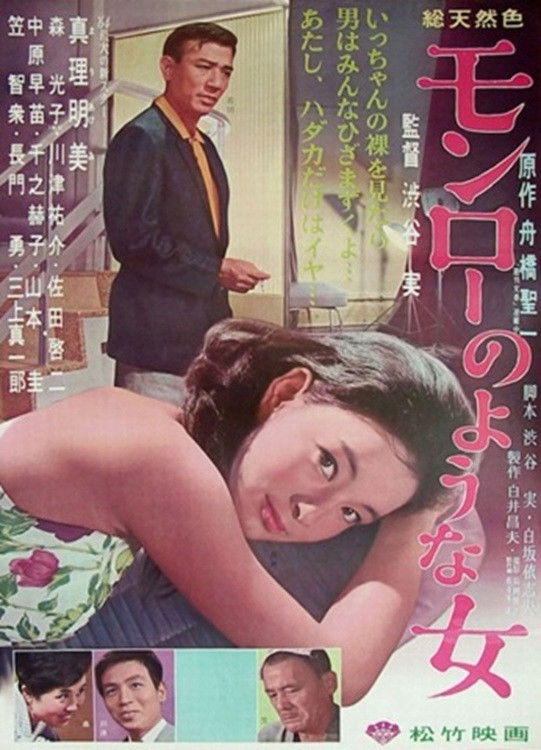
1964 Japanese movie

A Hiromichi Horikawa movie
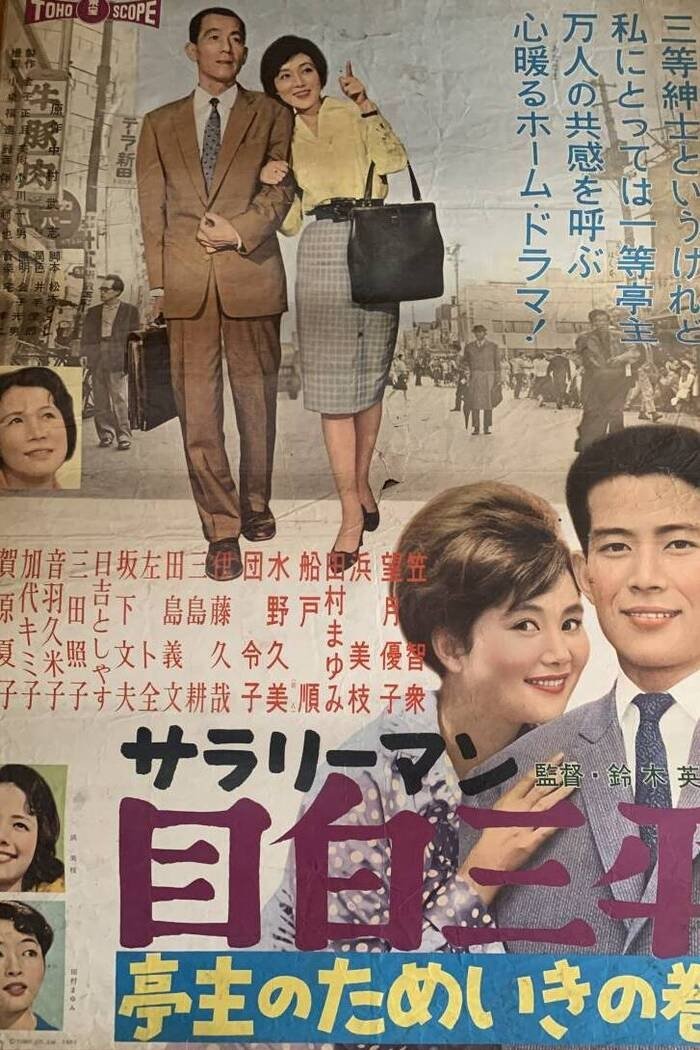
The fourth instalment in the Salaryman Mejiro Sanpei series.
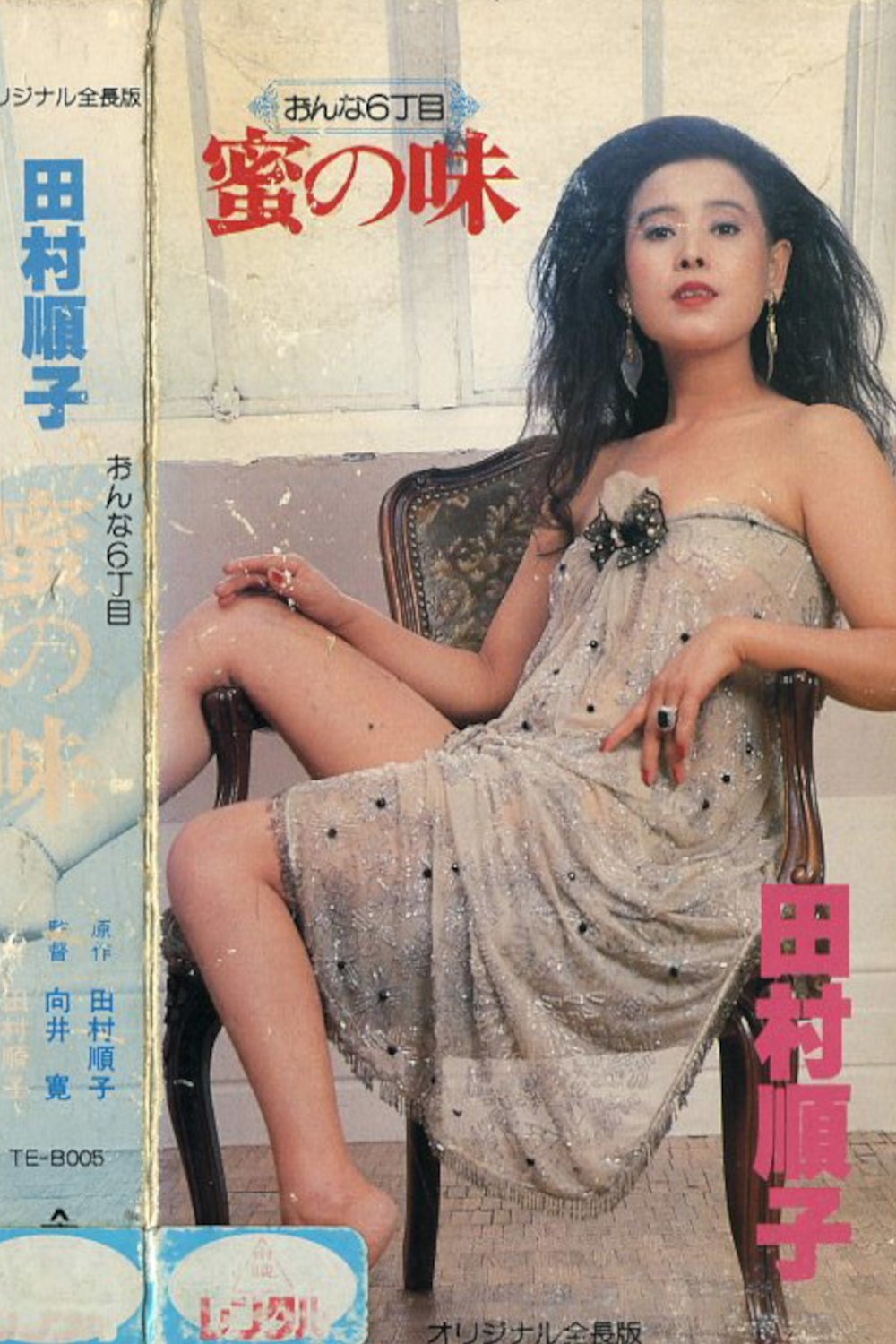
The night in Ginza was shimmering with neon lights. A grand celebration was being held for the seventh anniversary of the club "Ayako." Among the celebrities gathered for the beautiful Madame Ayako were Ayako's patron, businessman Hisamatsu Kozo; Madame Kahoru of "Black Pearl"; Madame Reiko of "La Bonne"; and the drunken, disheveled Fukiko, the owner of "Pahiyon," who relentlessly insulted Ayako. The next day, Fukiko jumped from the roof of a building. Her suicide, the result of her failure to attract customers, seemed to symbolize the harshness of Ginza beneath its glamor.
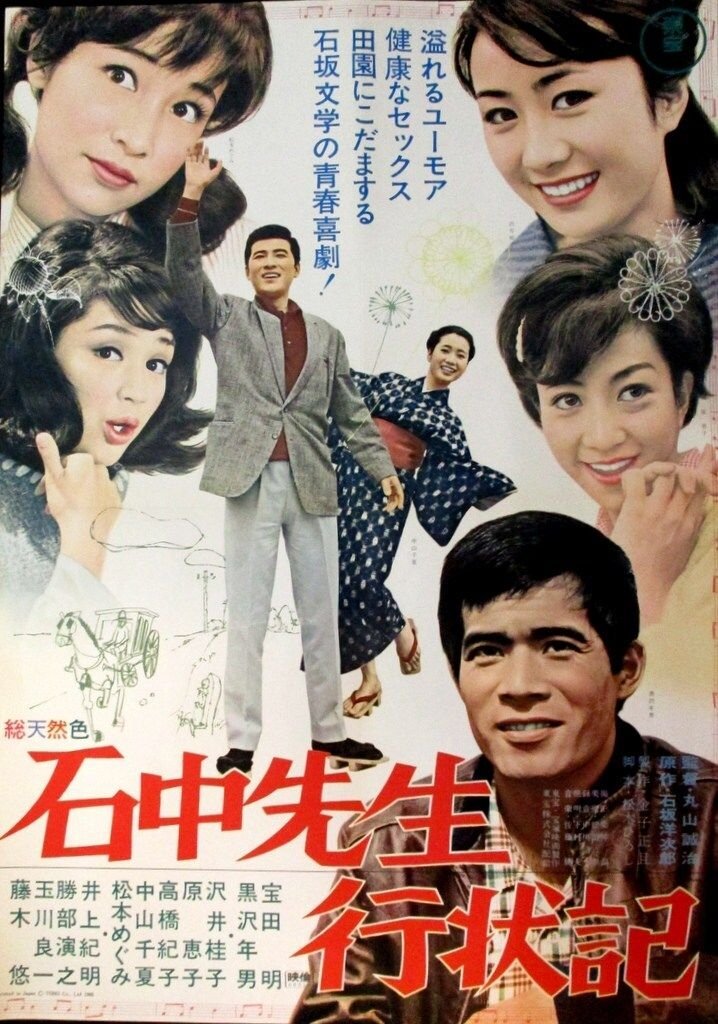
A TV writer and a director stranded in a rural town witness the young villagers’ tangled romances. Despite parental feuds and arranged marriages, true couples find their way together. The writer grows fond of the town before returning to Tokyo.
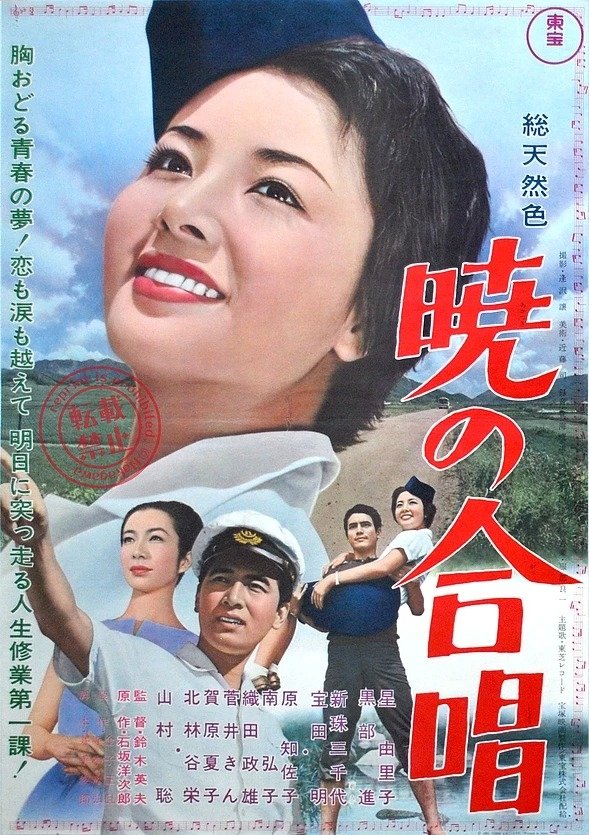
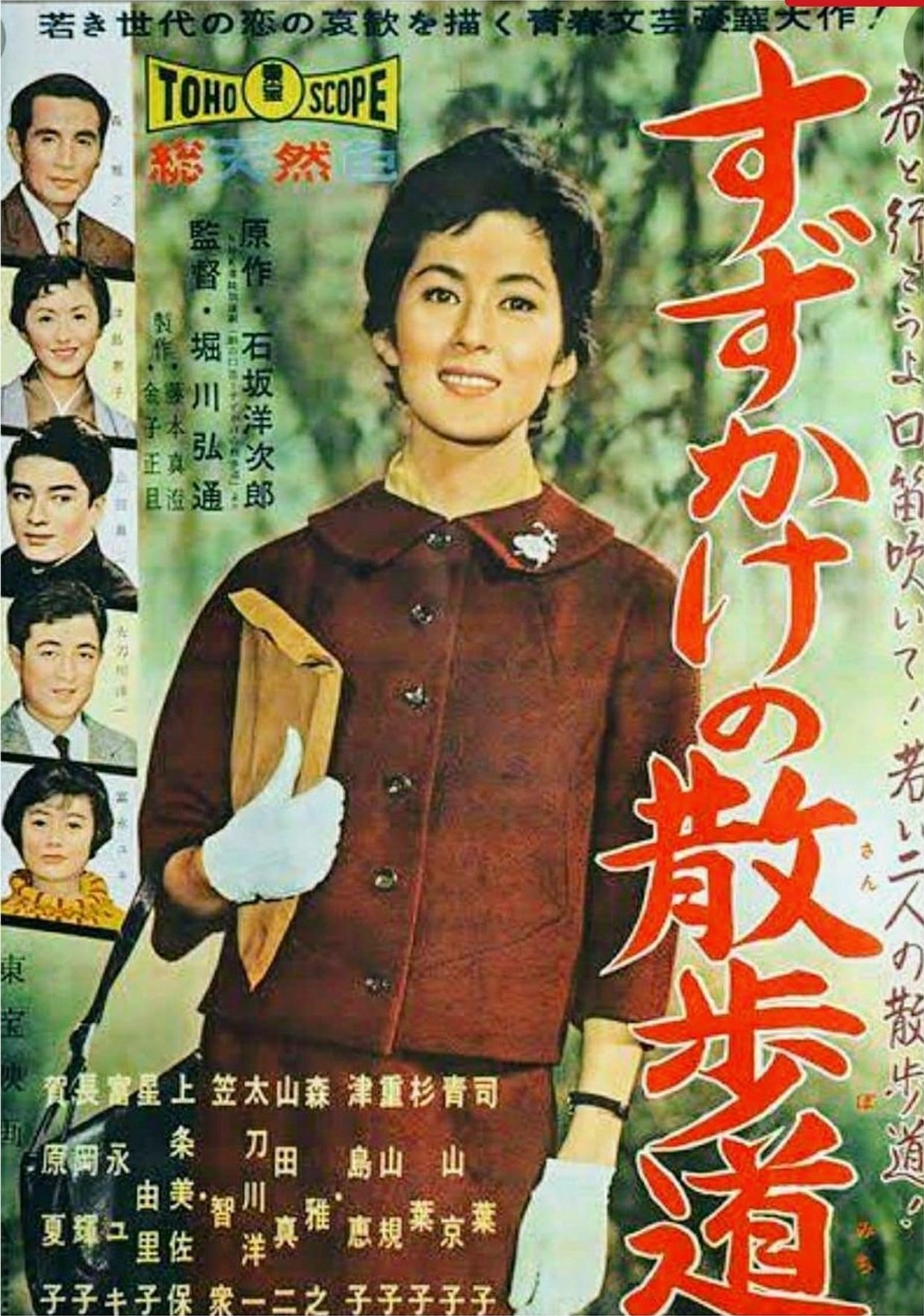
In a small town, Tomoko, a new bus conductor, works hard to prove herself. She crosses paths with Saburō, the company president’s playful younger brother, who slowly reveals a more sincere side.
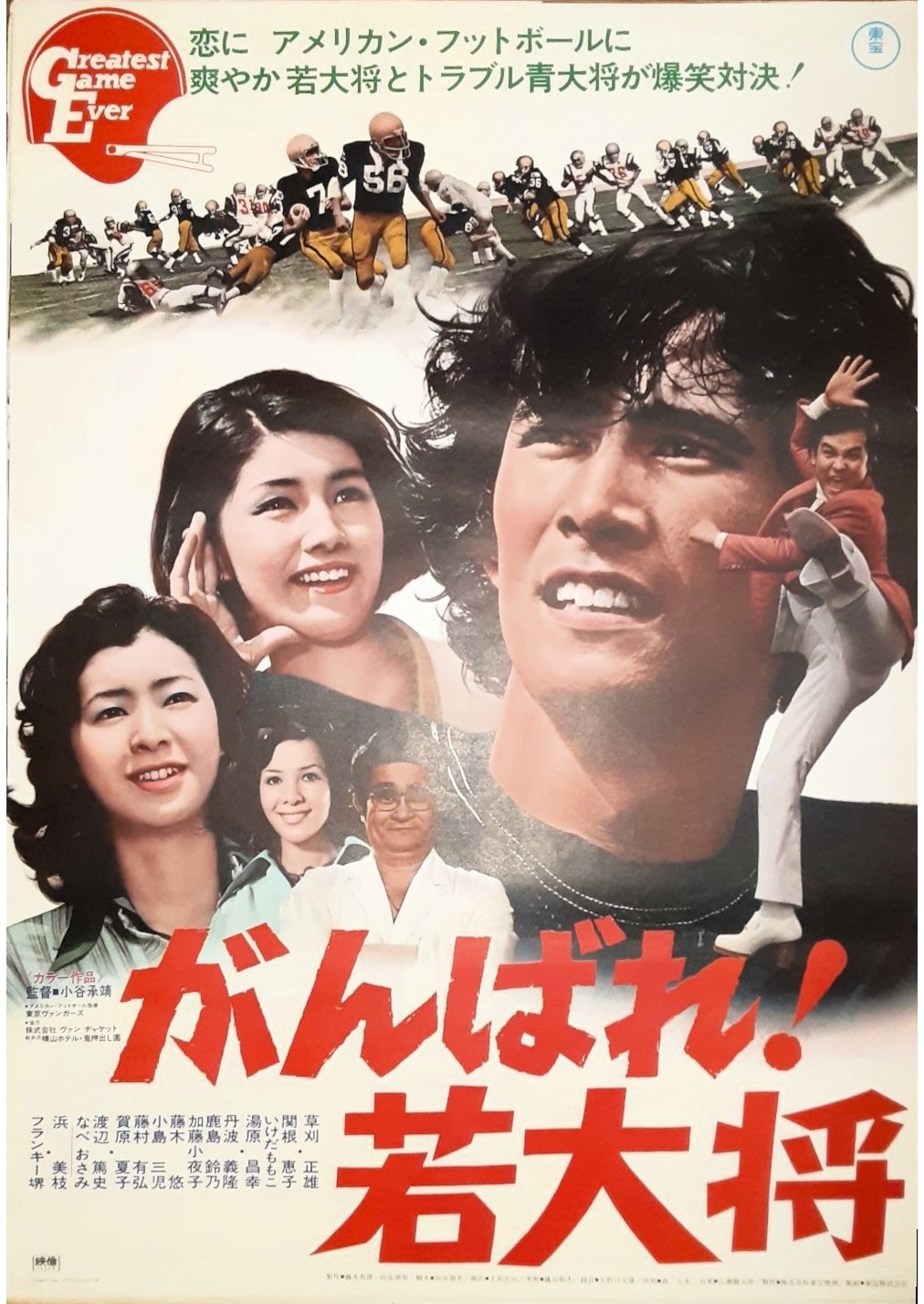
Part of the Young Guy [若大将] series.
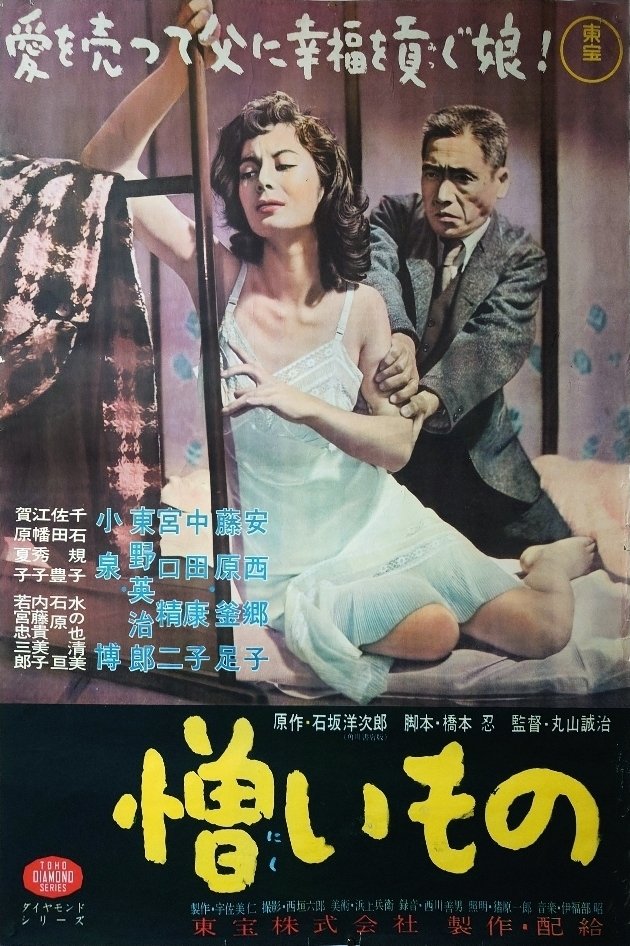
The story follows a humble merchant from Tohoku who travels to Tokyo to fulfill his dream of buying goods directly from wholesalers. During his stay, he experiences some of the happiest days with his daughter, only to be confronted with harsh realities that test family bonds, honor, and human frailty.
Romantic drama about three beautiful sisters, based on the acclaimed play.
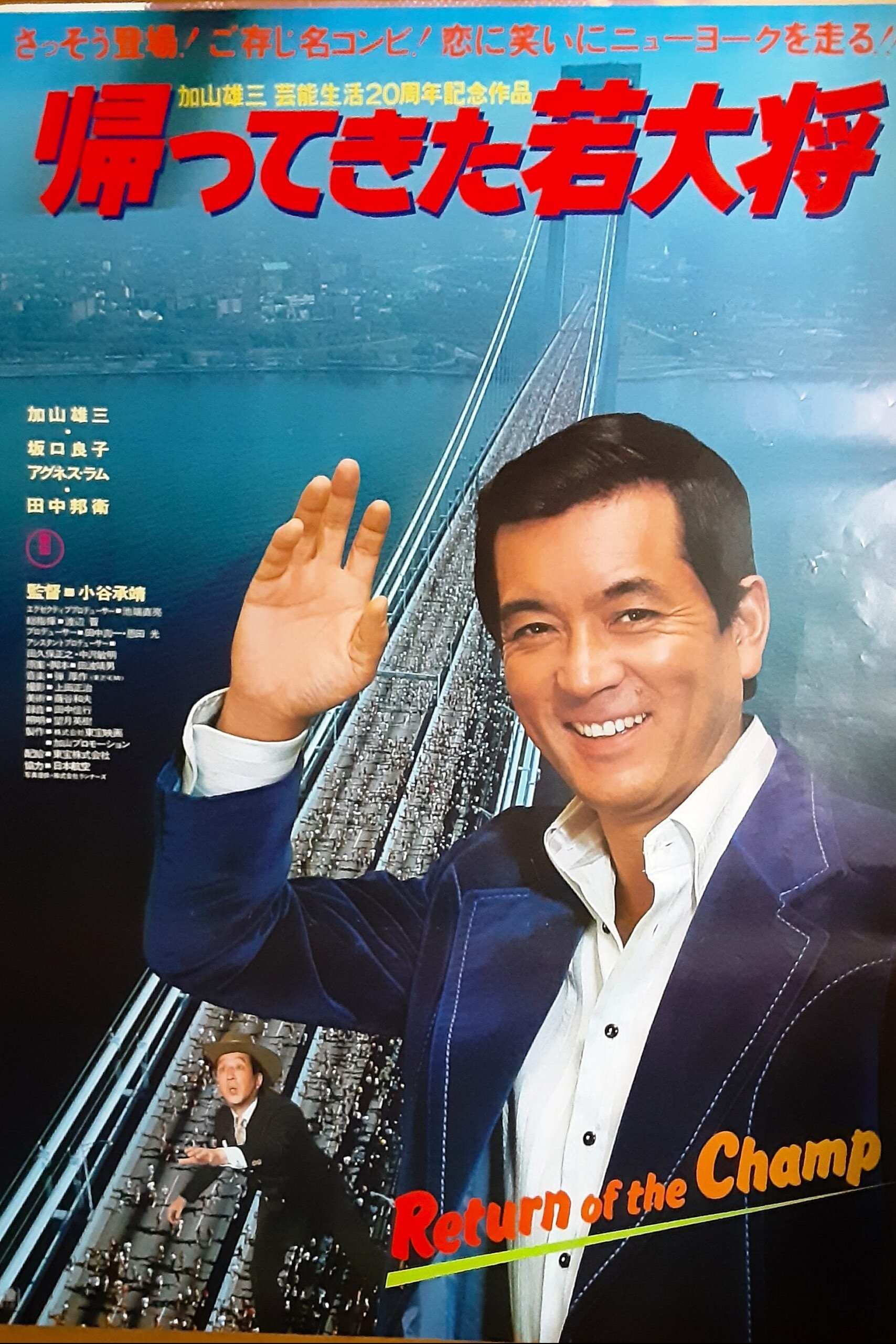
A not-so-young "Young Guy" (Kayama) returns in this reunion feature, which takes Yuichi and Ishiyama to New York, where the former runs in the New York Marathon and romances TV producer Minagawa. A delightful throwback to Toho's '60s style filmmaking.
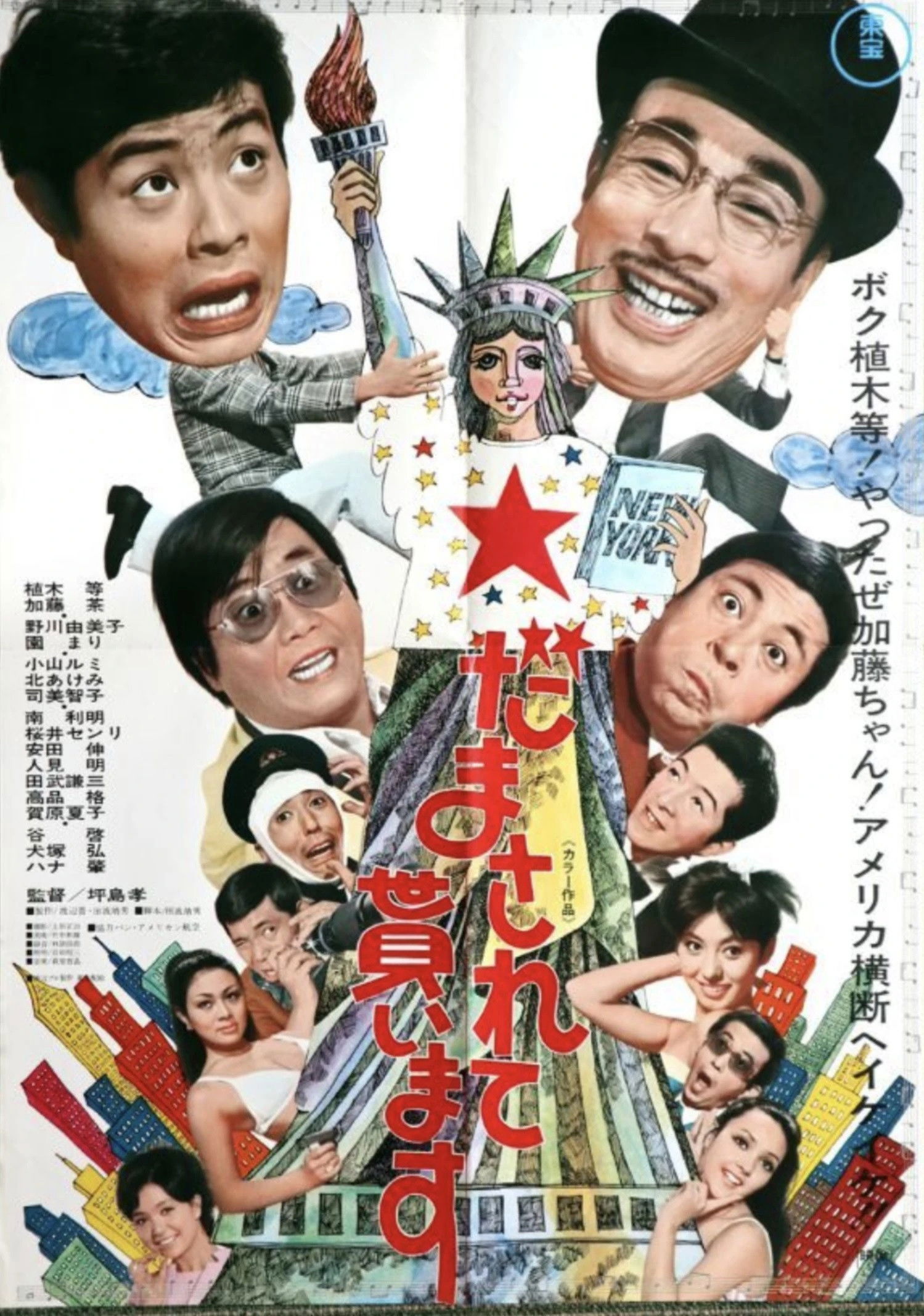
A con man defrauds a small rural town, sparking an international manhunt.
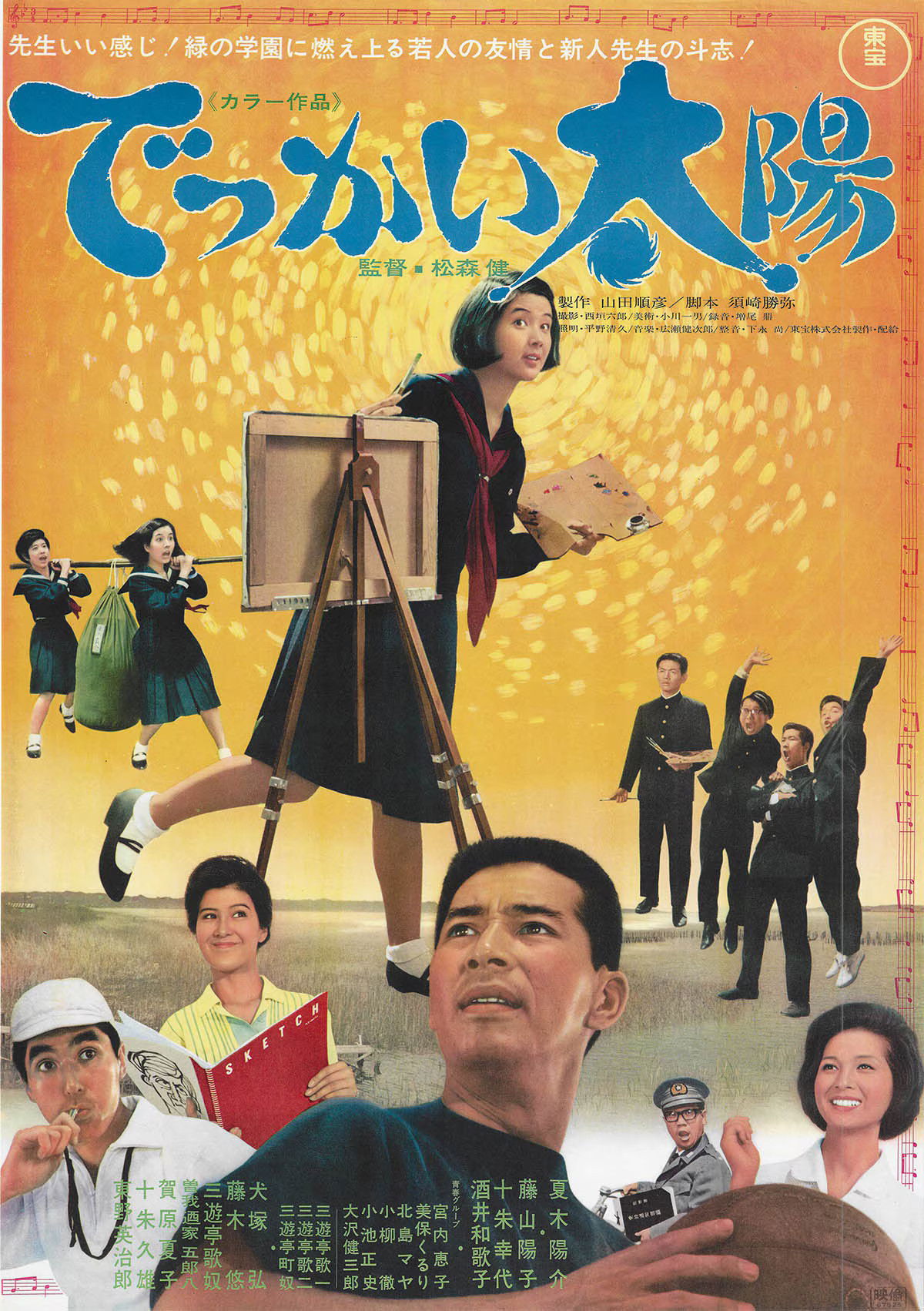
Teacher Yuki (Natsuki) is appointed to a high school where he stages a big soccer match.
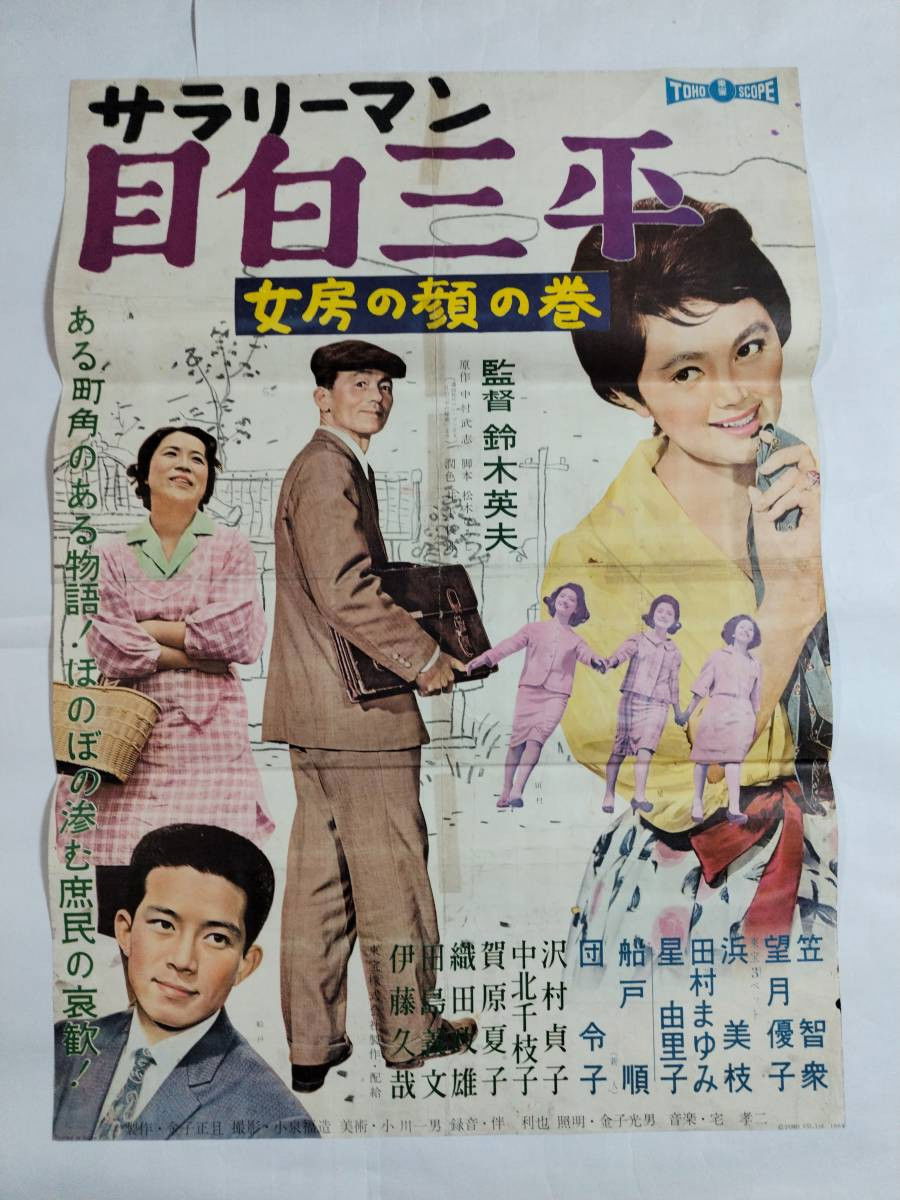
Salaryman comedy.
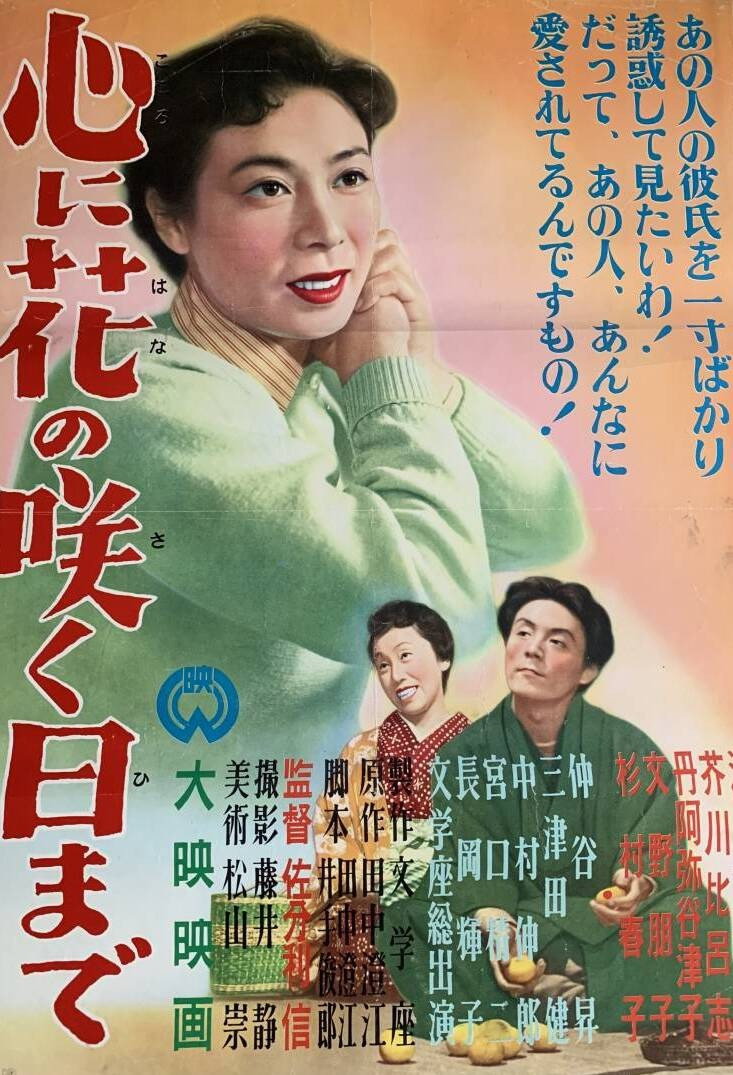

Adapted from a poem, which was composed by poet and sculptor Kotaro Takamura, Chieko-Sho is the story of the artist's wife Chieko. The poet meets a woman, who also as an artist illustrates, one day. They marry and have a good life spending many years together. One day, however, she loses her mind and has to be confined to a hospital. The poetry was some of star Hara Setsuko's favourite even before her involvement in the film.