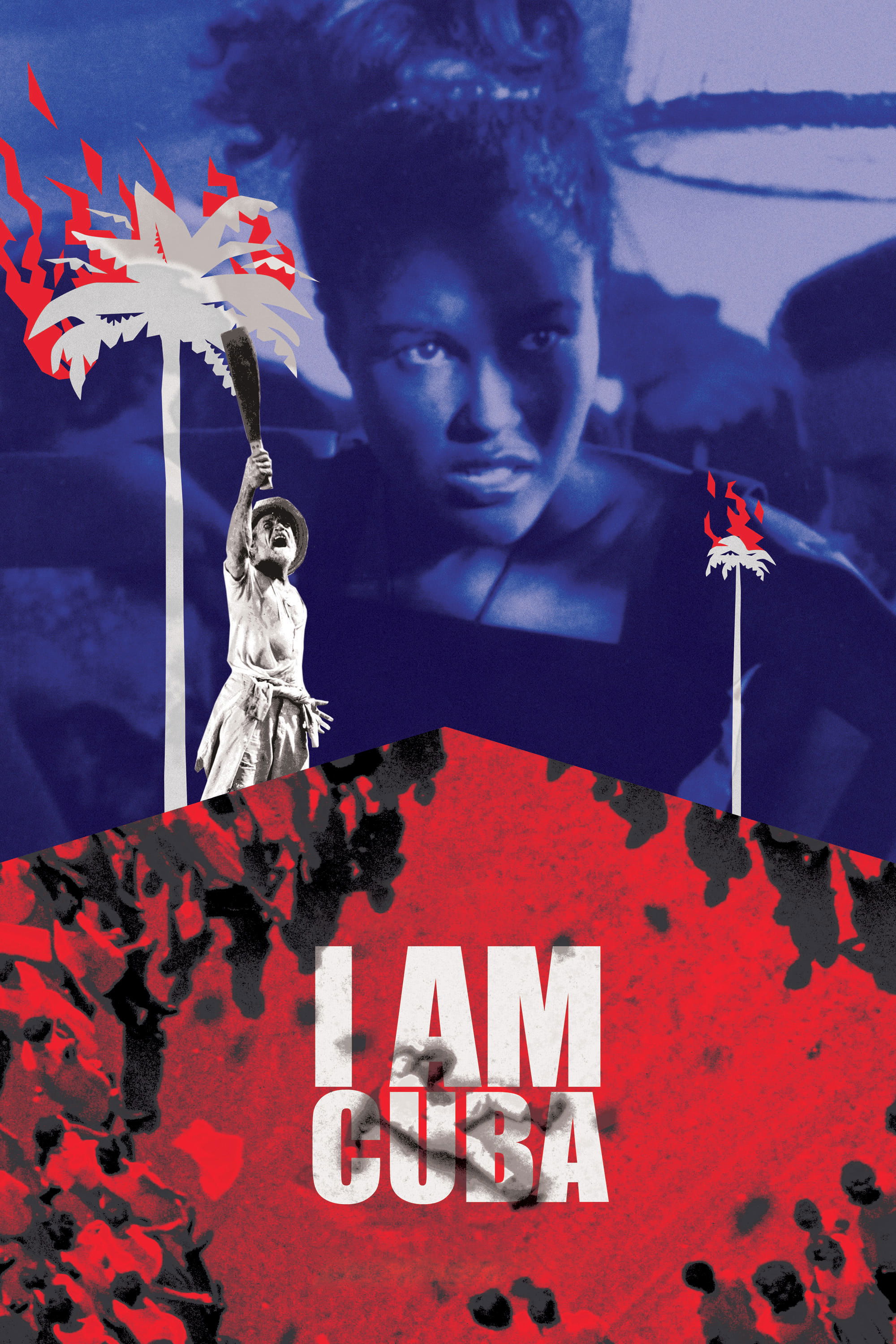
A study in contrasts set in and around Havana that explores Cuba's 1959 revolution: a young woman's fascination with the excess of an American-owned casino leads to her downfall in the eyes of her street vendor boyfriend; a tenant farmer revolts the only way he knows how, attacking the land he works; university students gain first-hand knowledge of political upheaval; and, in the hills outside the city, the members of a poor peasant family are patriotically swept up into the burgeoning revolt.

In the aftermath of the Bay of Pigs incident, Sergio chooses to stay behind in Cuba while his wife and family escape to neighboring Miami. Alone in a brave new world, Sergio observes the constant threat of foreign invasion while chasing young women all over Havana. He finally meets Elena, a young girl he seeks to mould into the image of his ex-wife, but at what cost to himself?
Engineer Mario Camargo, originally from Argentina, arrives in Cuba to work on the construction of a new industrial complex. He came from France, where he had lived most of his life. Mario had never thought about what homeland meant to him. He had always lived wherever he felt comfortable. In Cuba, Mario meets architect Marta Alea, a passionate patriot who devotes all her energy and abilities to building a new life. Seeing the enthusiasm of Marta and her friends, their devotion to the ideas of the revolution, Mario realizes that in our days, when the face of the world is changing, one cannot be a man without a homeland.
Tirso Fabre, a militiaman and member of the Black River co-operative farm, and Chano Carrillo, a counterrevolutionary hiding behind his front as a Castro sympathizer, receive the news in different ways, in line with their antagonistic ideological positions.

Contemporary film critics regard the epic film I Am Cuba as a modern masterpiece. The 1964 Cuban/Soviet coproduction marked a watershed moment of cultural collaboration between two nations. Yet the film never found a mass audience, languishing for decades until its reintroduction as a "classic" in the 1990s. Vicente Ferraz explores the strange history of this cinematic tour de force, and the deeper meaning for those who participated in its creation.
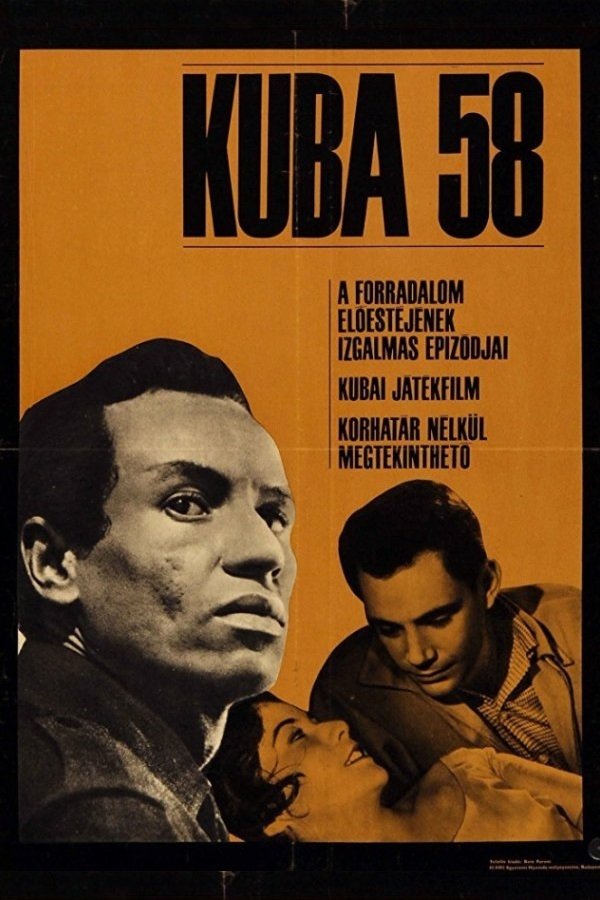
Three stories reconstructing the start of the triumphant Cuban revolution which deposed Batista.

1964, in the Escambray mountains: the area is infested with counter- revolutionary bands which are trying to spread terror among the population and re-establish contact with the US, CIA. The murder of a man led to a reprisal to wipe out the bandits.
The film is based on the historical event known as the Protest of Baraguá.
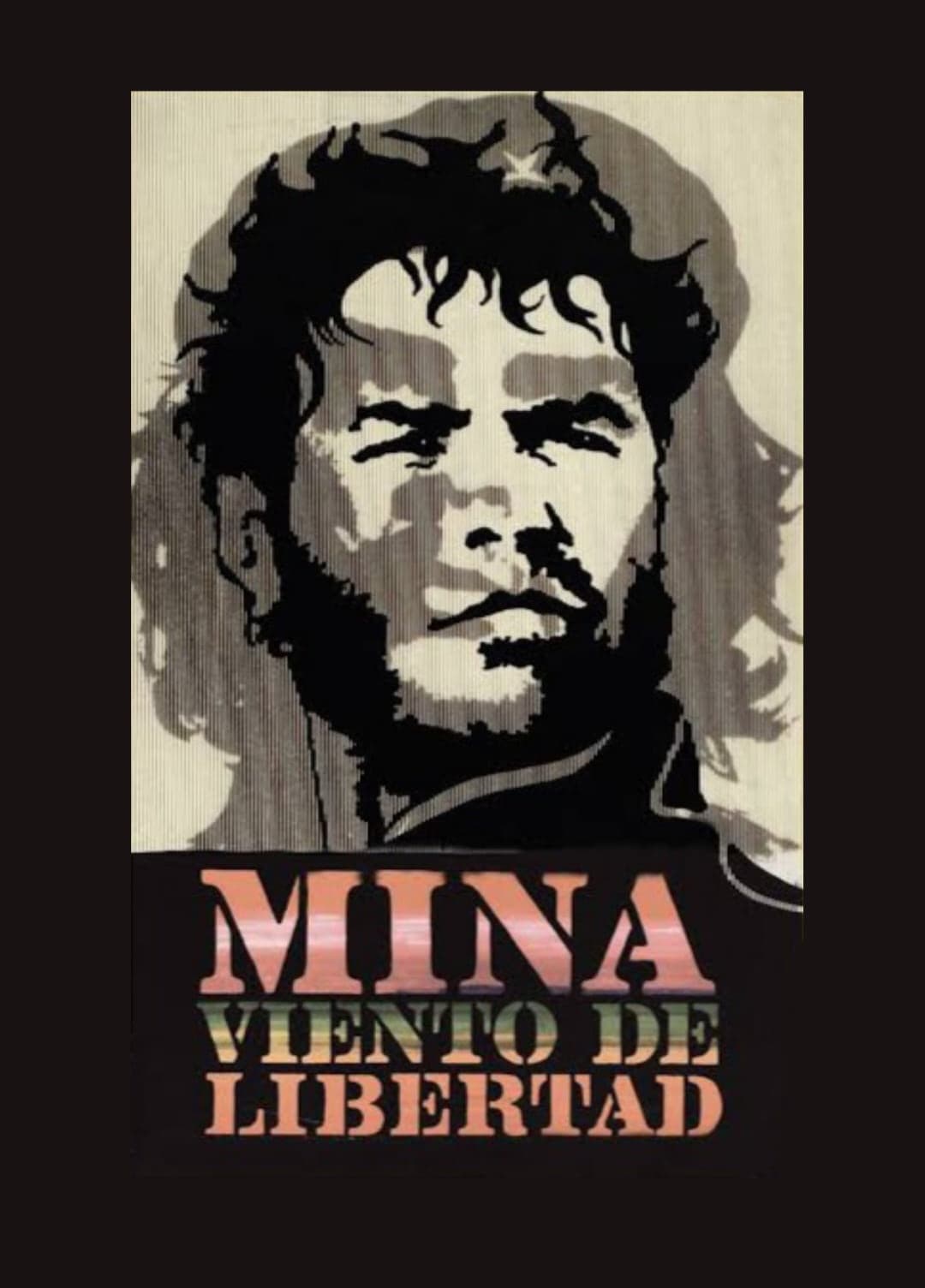
Xavier Mina accepted the commission to lead a liberating expedition in support of General Morelos. He failed to arrive in Mexico until Morelos had died and the Mexican Congress (which in New Spain faced the absolutism of Fernando VII) was dissolved, but for eight months he directed a series of more or less brilliant military actions, in the face of the harassment of the Viceroy , Who finally got him arrested.
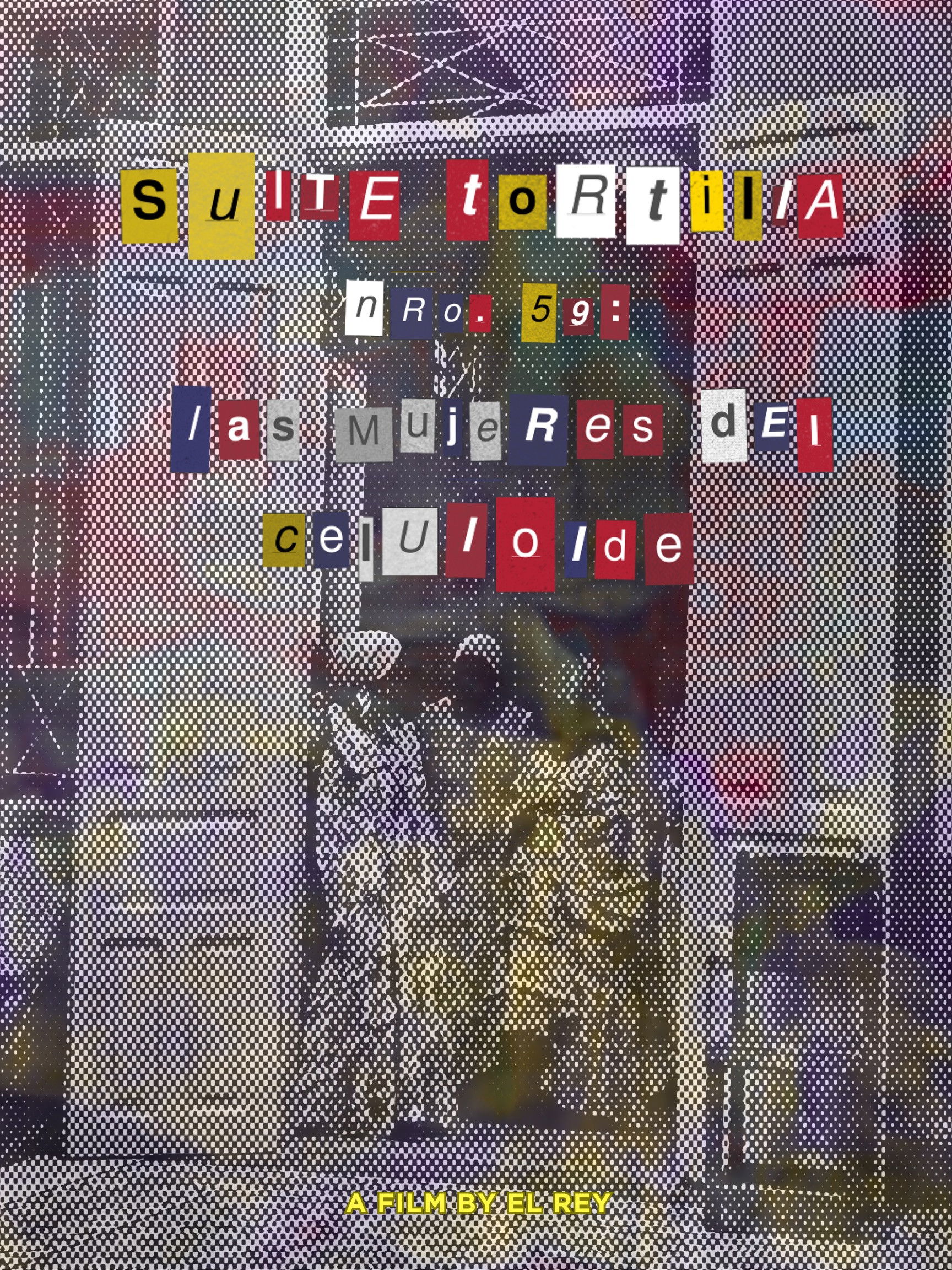
An American lesbian in Cuba explores gender through dance and film, blending personal experiences and cultural symbols with music and Revolutionary cinema and questions how lesbians fit into Cuban cinema.