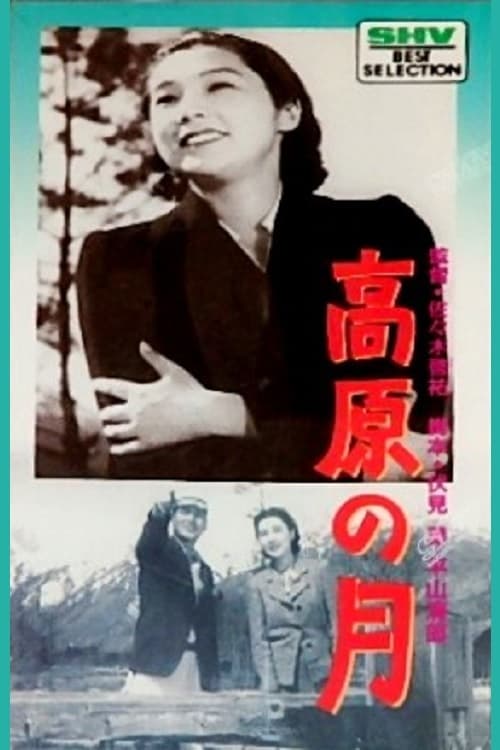
An older sister and brother (Mieko Takamine and Masayoshi Otsuka) come to visit their grandfather (Takeshi Sakamoto) who lives deep in the mountains. As for their parents, father was serving in the South Seas and mother died of illness on her way home. So, the brother, who is still young, will live alone with his grandfather whilst the sister goes away to study to become a teacher.

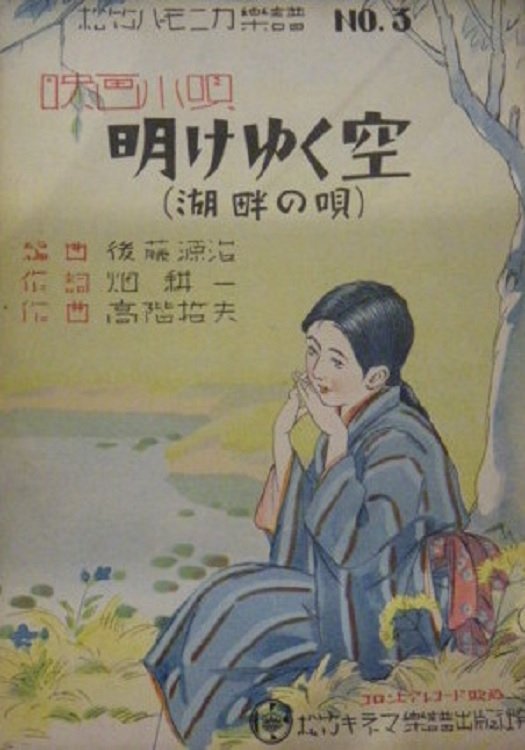
A melodrama about an orphan and her mother who are separated and lose contact, but are later reunited.
Japanese silent film from 1928. Kinema Junpo ranked it among the ten best Japanese movies of the year.
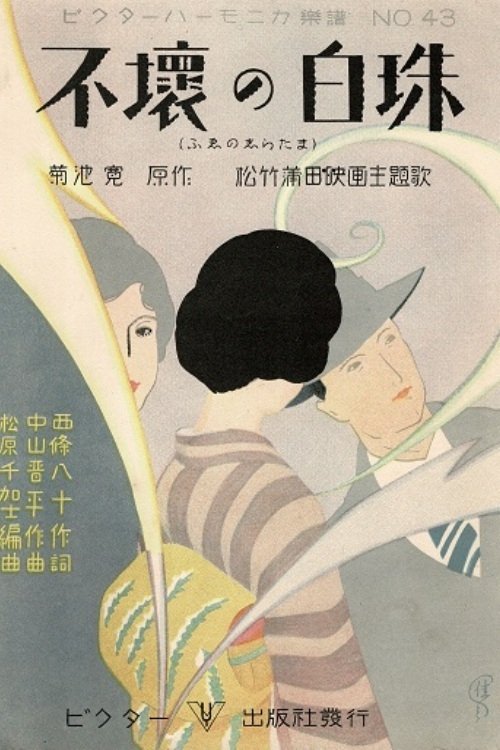
Toshie, a young, conservative secretary-typist has fallen in love with Shozo Narita, a young man she has met through her work.
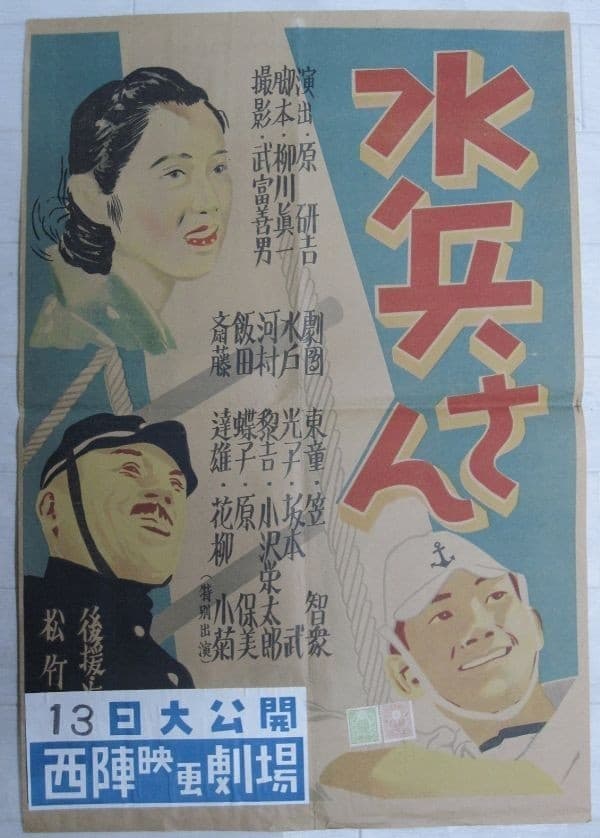
Shinpachi Morimura, who was born in a fusuma craftsman's house, wants to join the Japanese navy. However, his father wants him to continue in the family business and refuses to accept it.
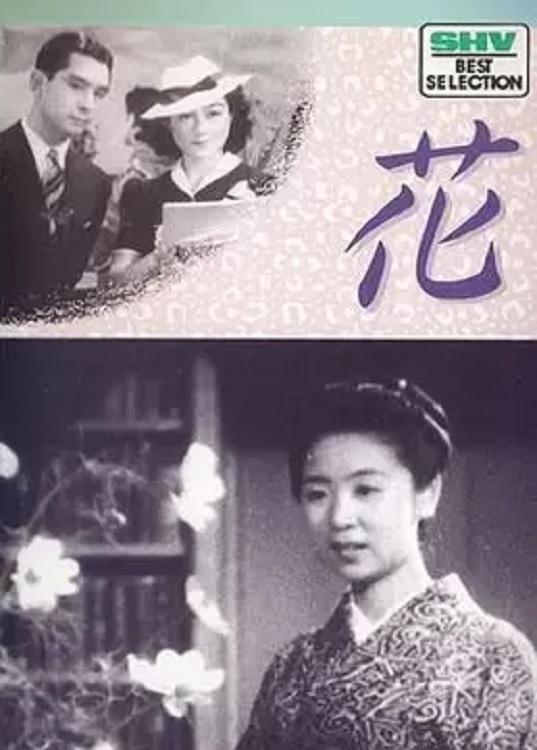
Most of the students studying Ikebana with Kozoe Iemoto are daughters of rich Tokyo families. Kozoe meets and grows close to a doctor who proposes marriage but whose mother harbours ill feeling towards her because of an incident in the mountains where a child got into difficulties. Kozoe rejects the proposal but falls ill and when she recovers, decides to devote herself entirely to the world of flower arranging.
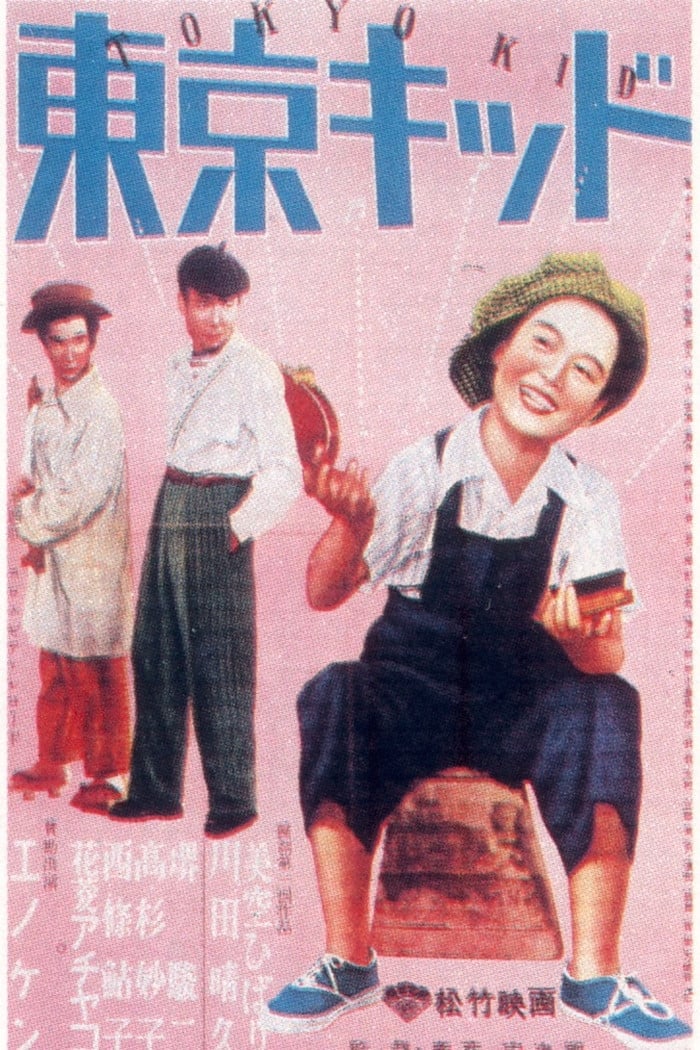
A young, talented singer (Misora) is orphaned, not once but twice, and has to turn to a rather unlikely, and unwilling, parental figure, while avoiding her wealthy, absentee father, his hired goons, and the neighborhood fortune teller (Enoken) who's after the reward money.
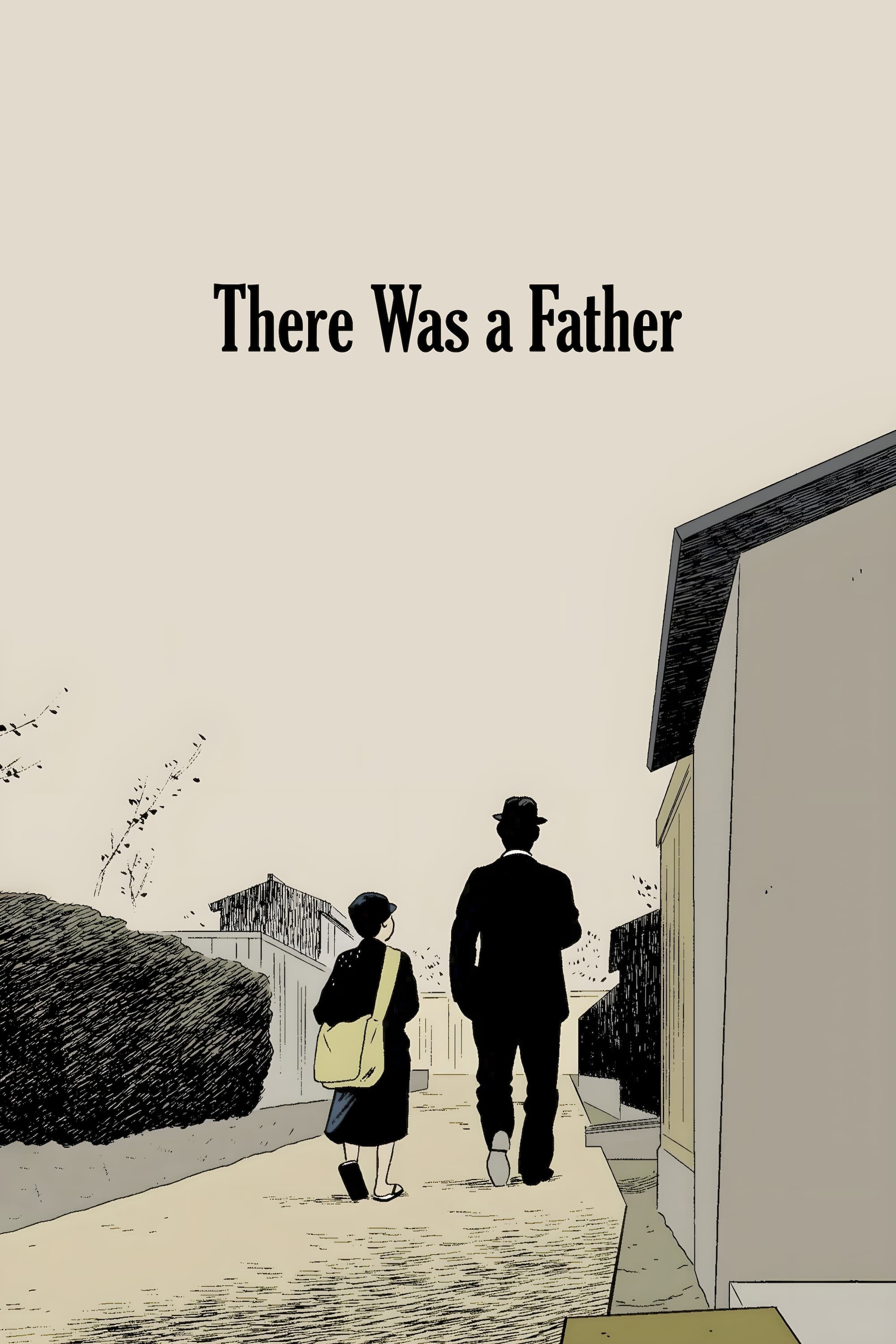
Shuhei Horikawa, a poor schoolteacher, struggles to raise his son Ryohei by himself, despite neither money nor prospects.
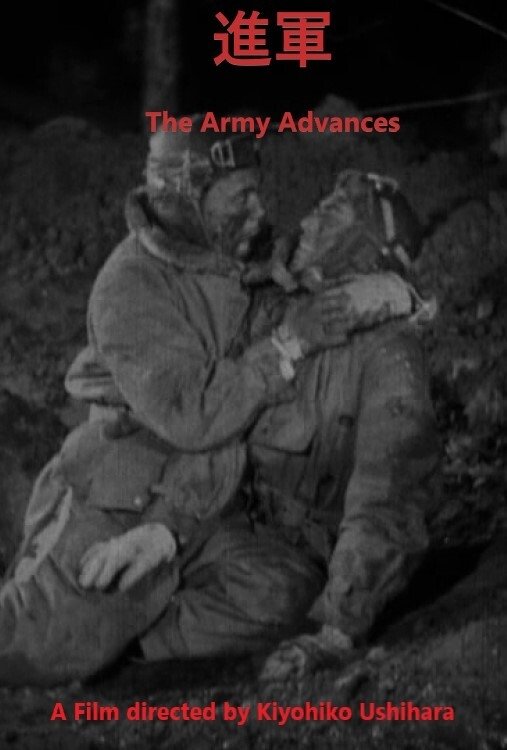
A farmer’s boy, obsessed with his balsa-and-paper flying models and with dreams of real aircraft, develops a friendship with the daughter of the local squire, who introduces the lad to her pilot brother and his flying officer friends; through hard work, and despite the handicap of a lowly class status, he eventually succeeds in qualifying as a pilot and joining the air force.
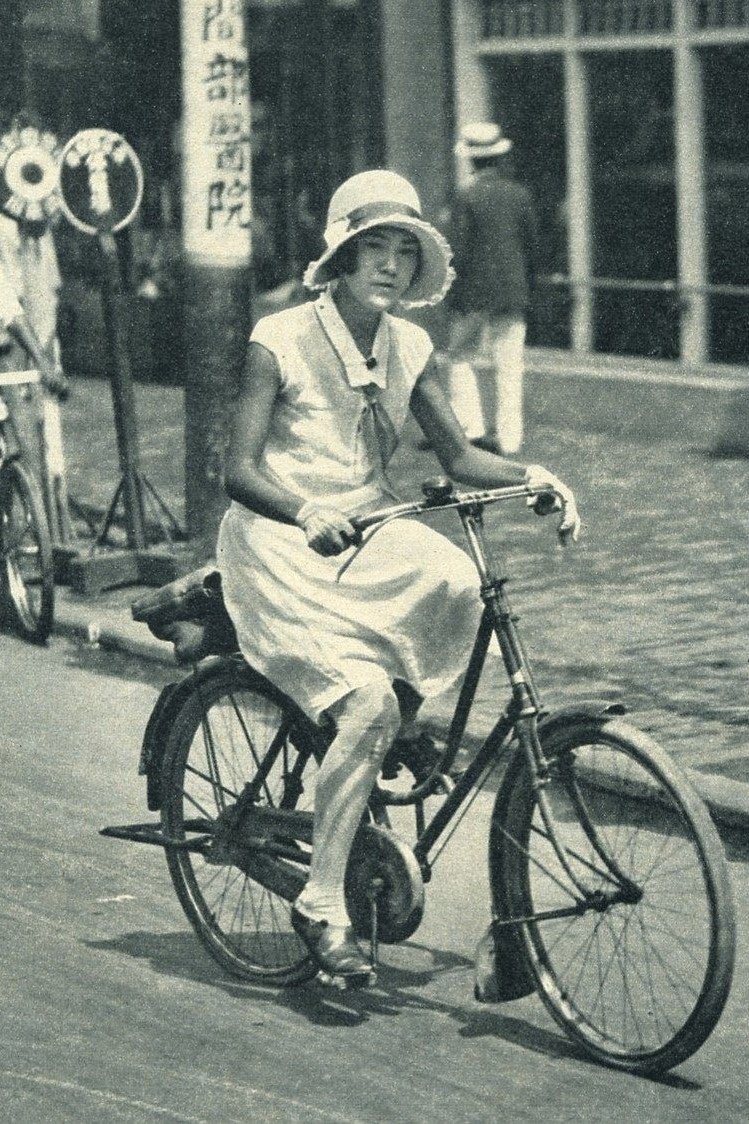
Created by Shochiku’s cultural film department on behalf of the Ministry of Education, this film tells an ironic anecdote juxtaposing the fate of a cooper’s son with that of the son of a middle-class salaried worker, and championing the virtues of honest poverty and diligence. An educational film preaching a fable-like message, it is however filled with humorous scenes that offset the film’s didacticism. Original director Yoshio Nishio fell ill and was replaced halfway through the shooting by the admired filmmaker Hiroshi Shimizu; though finished in May 1931, the film was shelved and never given a general release. Shot as a silent film, this version of the film features musical accompaniment, sound effects, and a spoken commentary track by a benshi narrator, thus bearing witness to the variety of forms taken by sound film during this transitional period.
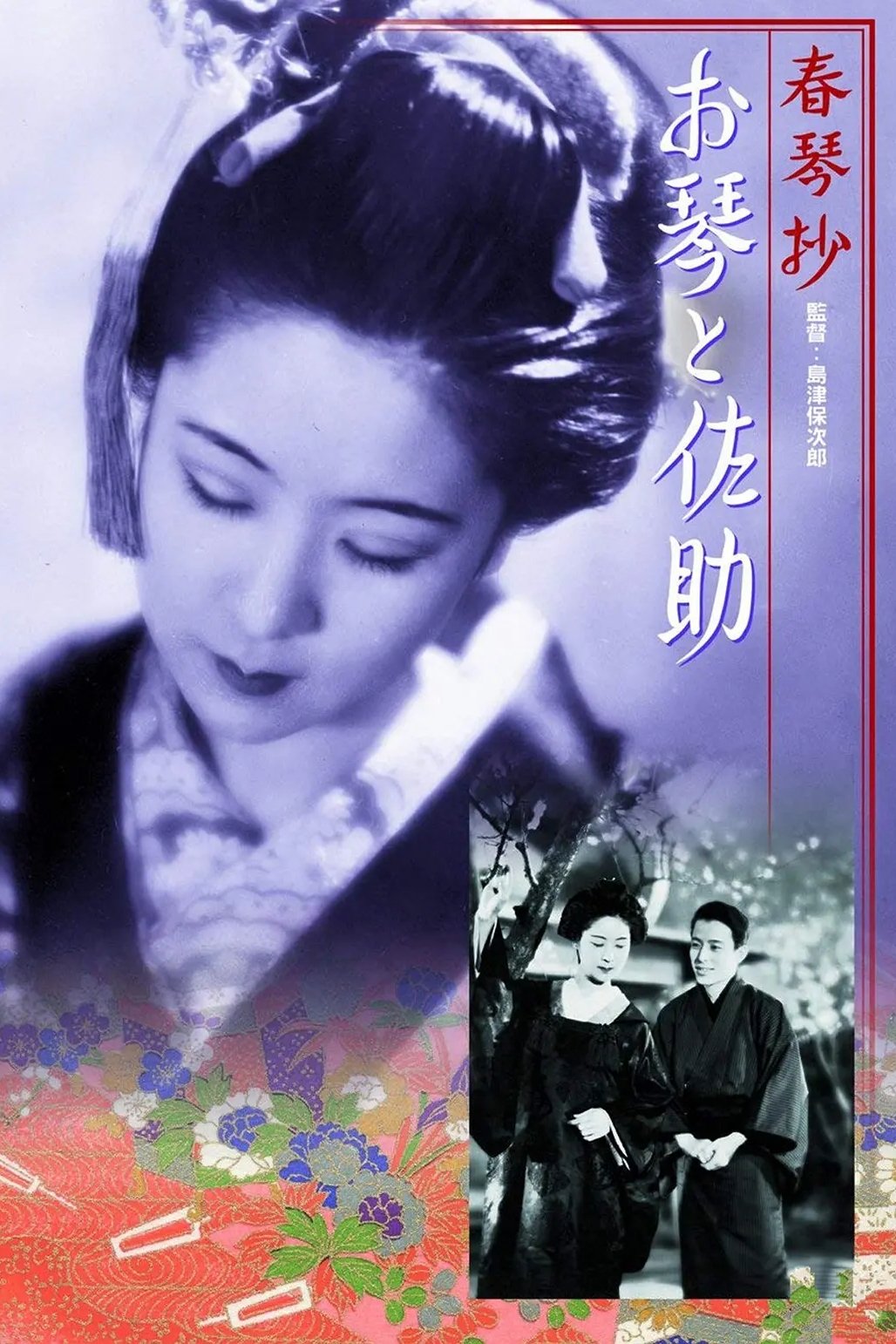
A period piece about the love of a wealthy blind woman, a teacher of koto and shamisen, and her devoted manservant. Based on a novella by Tanizaki Junichiro.

Directed by Mikio Naruse. It is presumed to be lost.
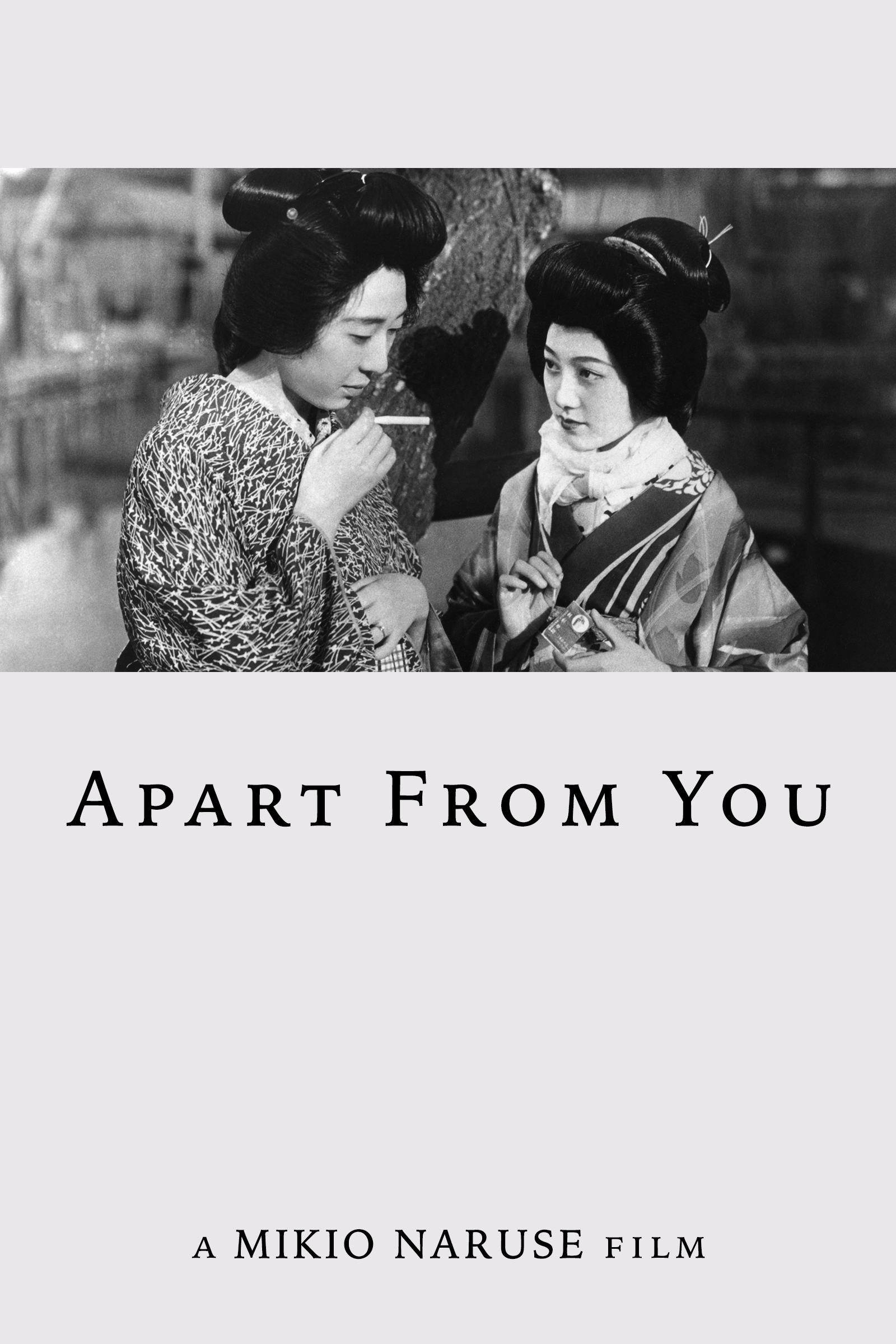
An aging geisha, whose angry teenage son is ashamed of her profession, works alongside a young geisha, resentful of her family for forcing her into a life of ignominy.
The 1929 Japanese film "Mother" which helped child actress Hideko Takamine become a star.
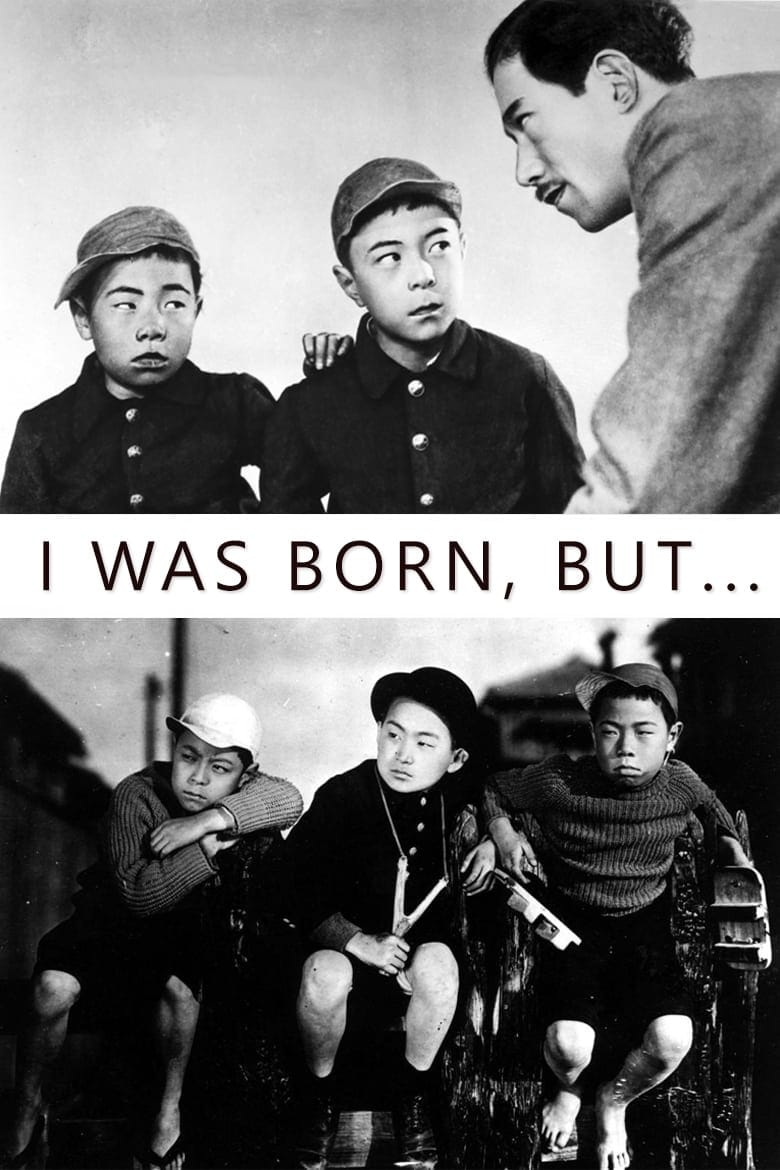
Two young brothers become the leaders of a gang of kids in their neighborhood. Ozu's charming film is a social satire that draws from the antics of childhood as well as the tragedy of maturity.
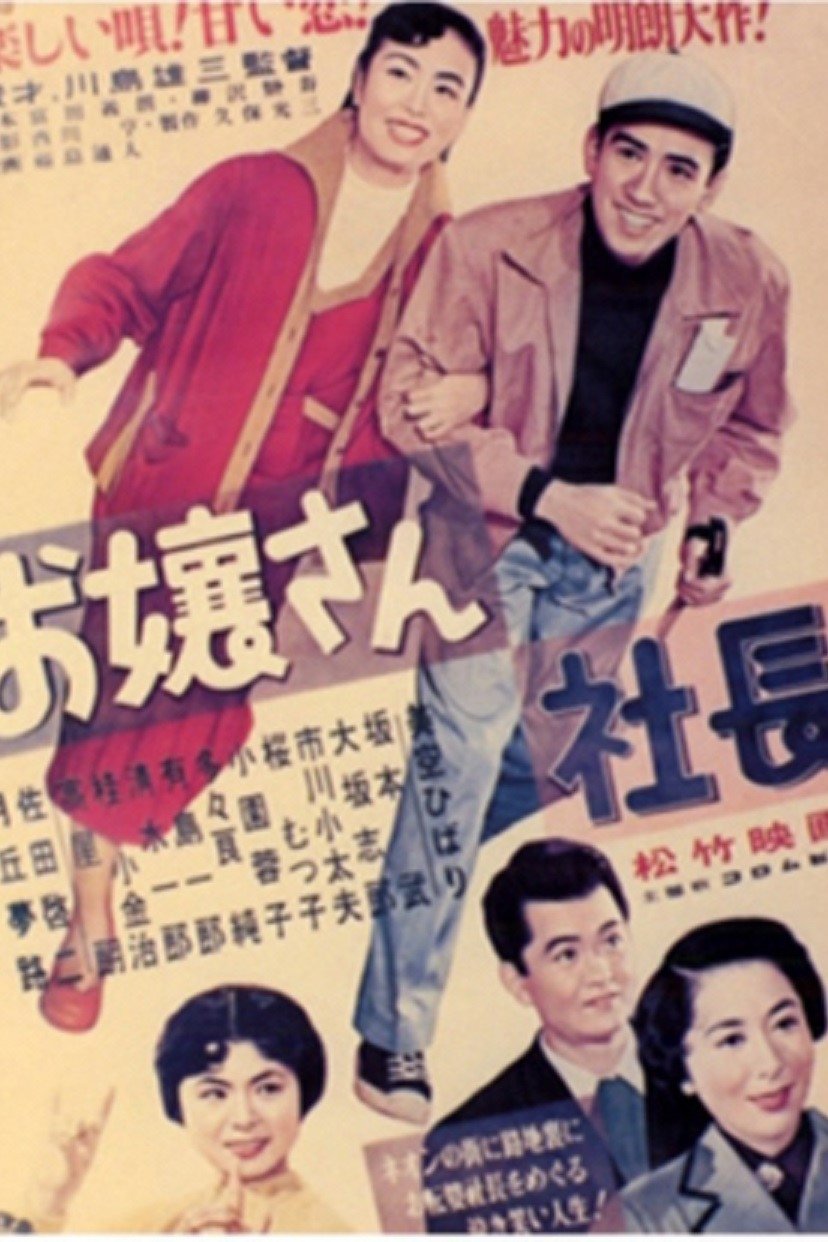
A President of the confectionery company announced his retirement, and his sixteen year old granddaughter, Madoka was ordered to be a new head. But Madoka wants to be a stage dancer, so she won't concentrate her office job. Madoka meets Akiyama, a stage director. Akiyama introduce her to his neighbors. In among poor but open minded people, Madoka has changed. Her new ambition is her company provide nice sweets for children. She decide to focus on the office job. But she doesn't know that company executives has conspiracy against her...
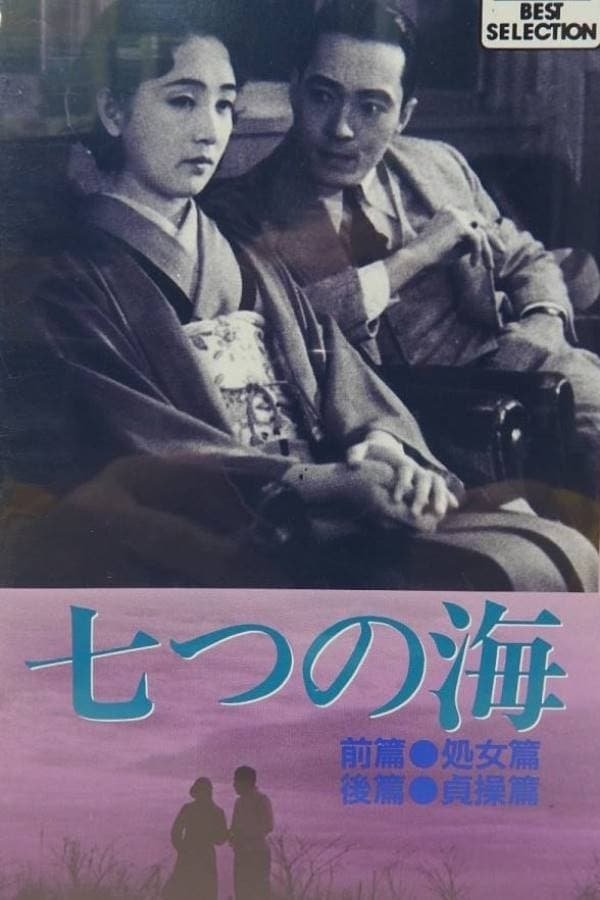
Part two of Shimizu's major silent Seven Seas, a family drama of the intertwining fates of the rich, decadent Yagibashis and the far less prosperous Sone family.
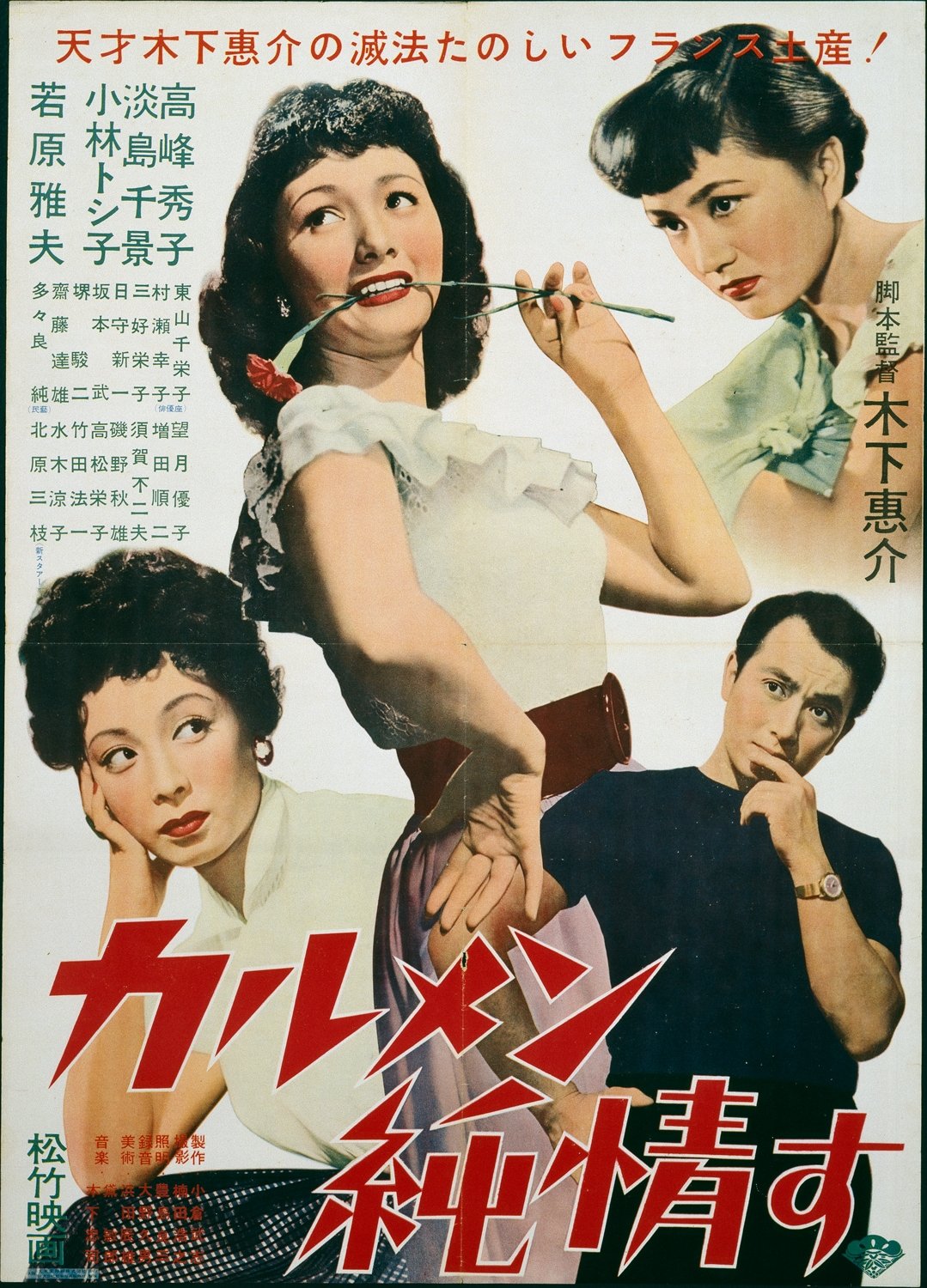
Strip dancer Carmen falls in love with Hajime, who is engaged to the daughter of a right-wing politician.

A gentle, war-shattered ex-soldier, Kinji Kameda, arrives in wintry Hokkaidō and is pulled into a volatile tangle of love and pity between the disgraced Taeko Nasu, the proud Ayako, and his possessive friend Akama. Kameda’s saintly compassion exposes everyone’s wounds, steering the quartet toward jealousy, violence, and inexorable tragedy. Adapted from Dostoevsky’s novel.
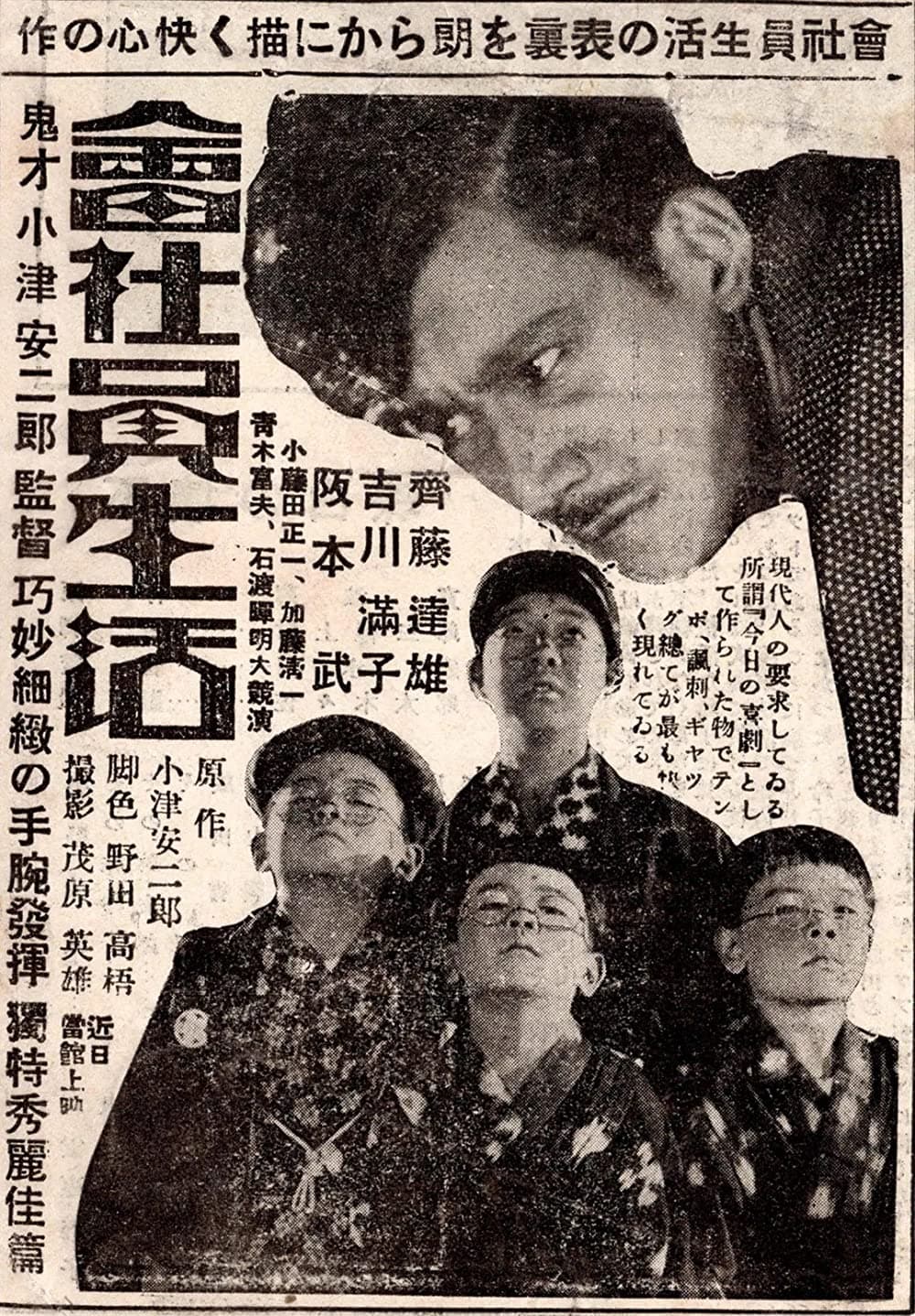
When Tsukamoto is made redundant he cannot bring himself to tell his wife. Instead he investigates other employment opportunities. Considered to be a lost film.

A group of rank-and-file Japanese soldiers are jailed for crimes against humanity, themselves victims of a nation refusing to bear its burdens as a whole.
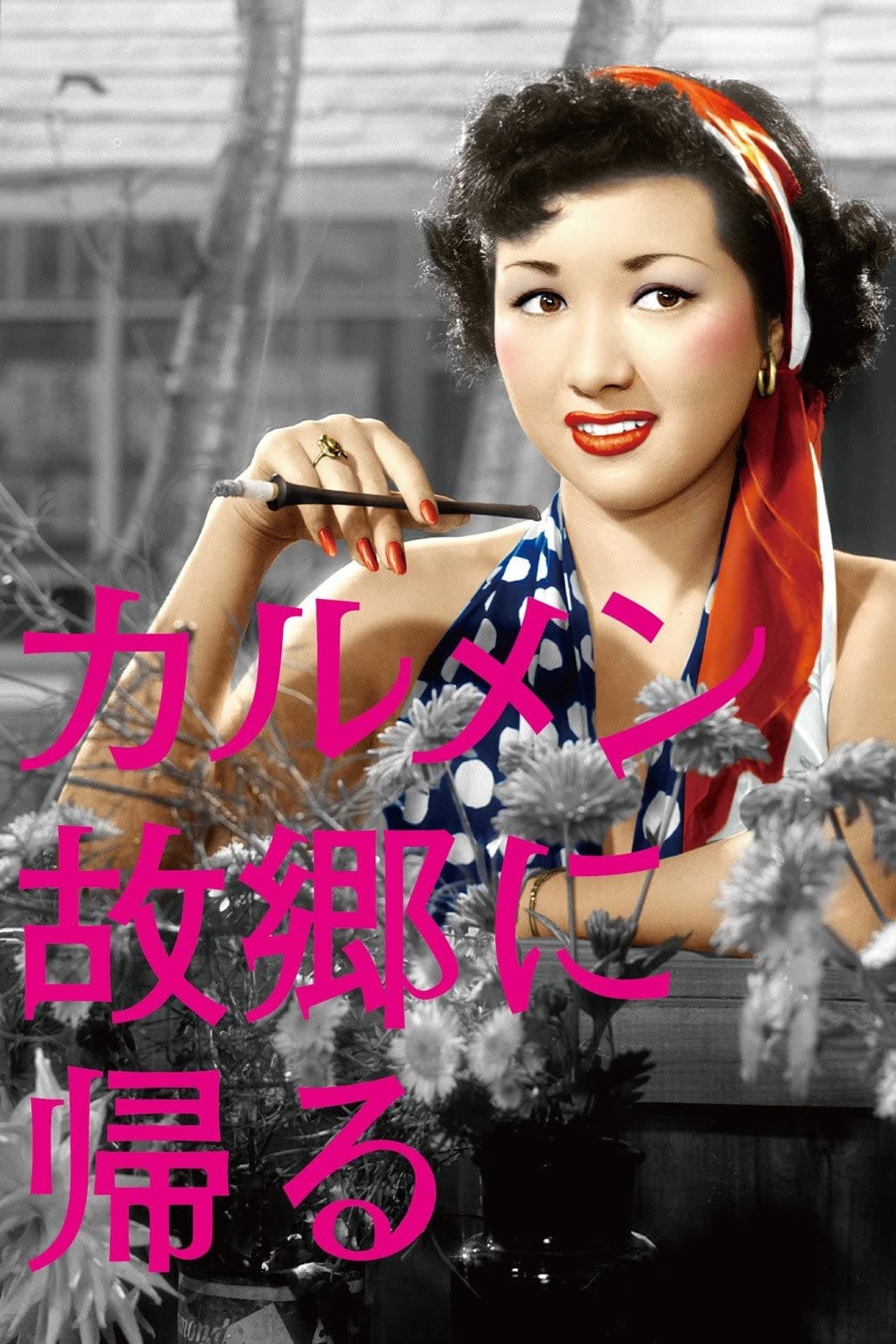
A rural village elder plans an event on the return of a farmer's daughter from the city, unaware that she has become a Westernized burlesque artist.
Comedy by Kiyohiko Ushihara. Once a full-length feature film, now only 14 minutes remain.
Japanese silent film from 1925.
Japanese silent film from 1928.
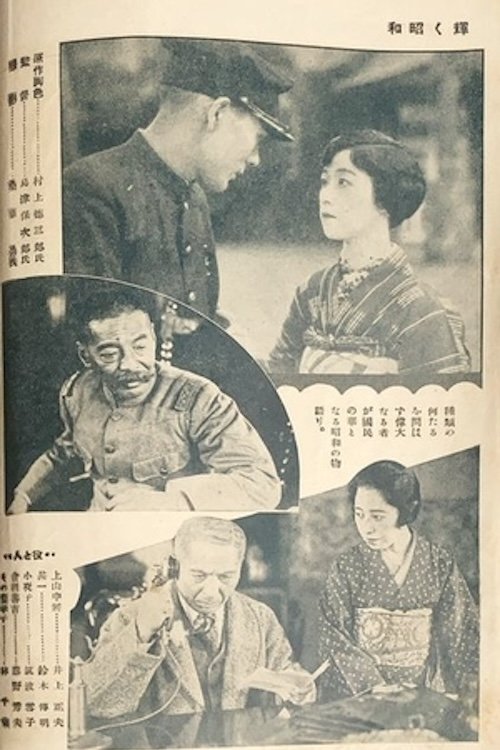
Japanese silent film from 1928.
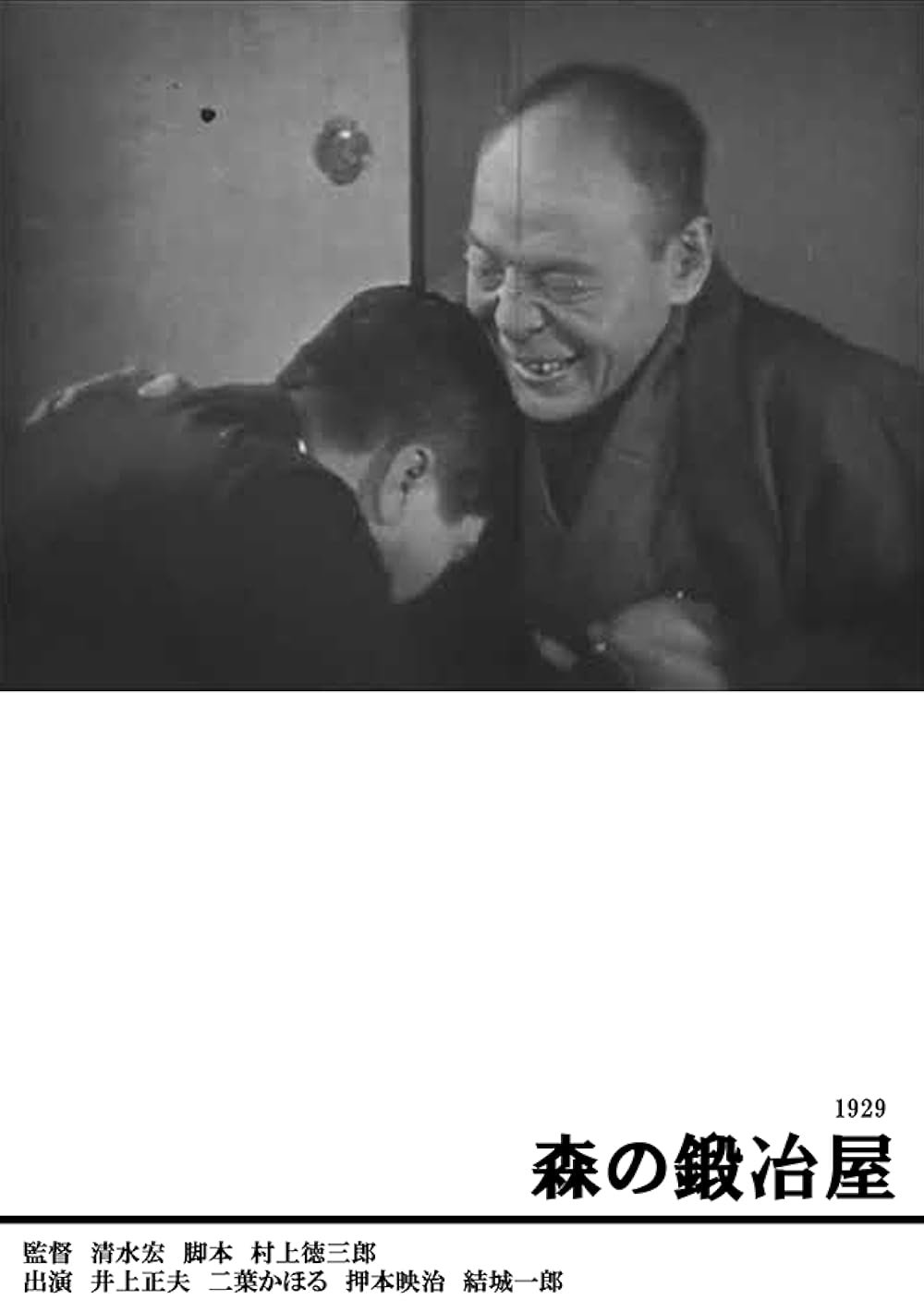
A blacksmith is chased out of the village by the sinister village chief and forced to move to the forest with his wife and two sons. The blacksmith's younger son is disabled, and the other children in the village tease him. The older son aspires to become a doctor in order to fix his brother's leg. The film depicts the bond between a father and his sons. Only 18 minutes survive.
Japanese silent film from 1929.
Japanese silent film from 1930.
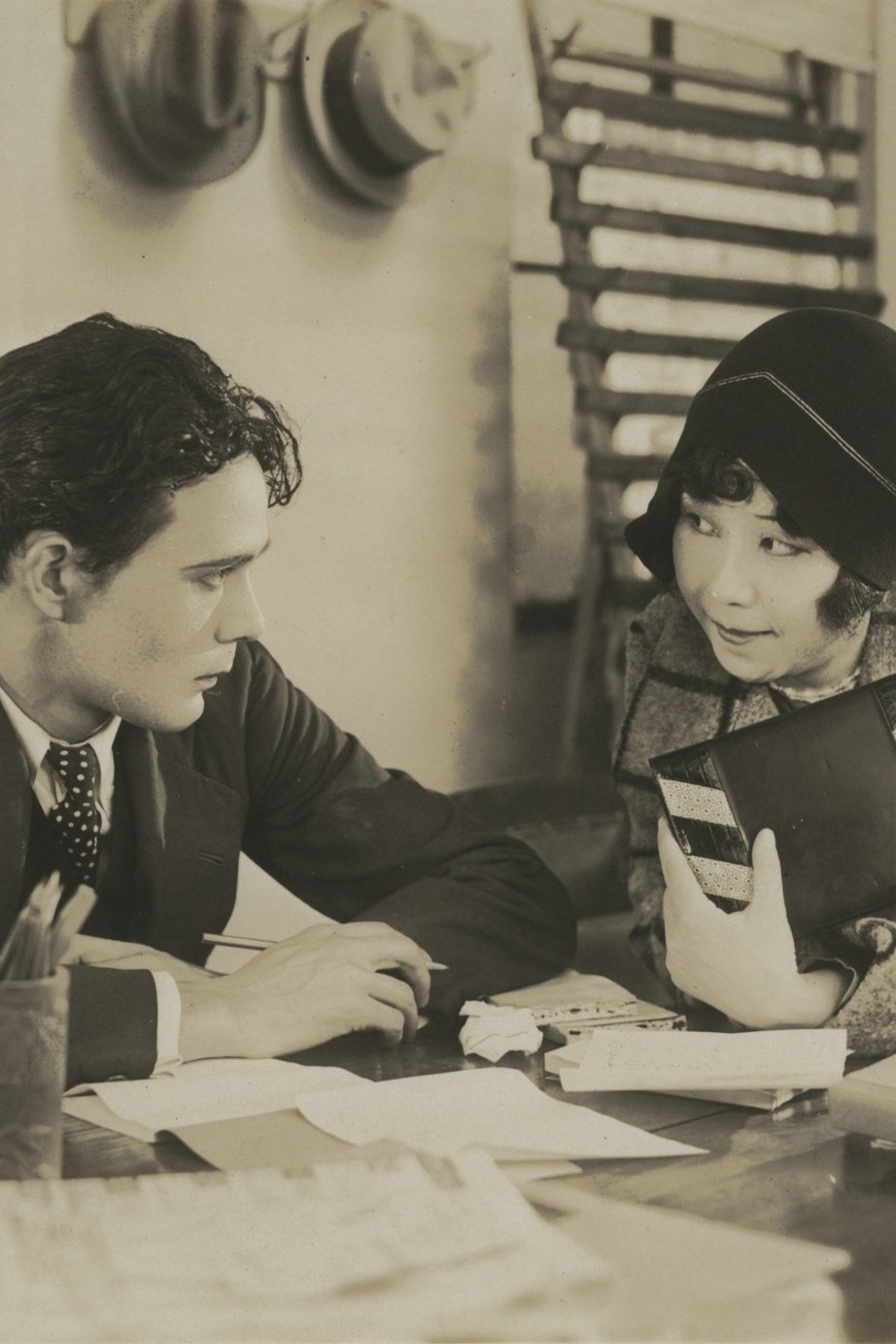
A modern girl suddenly intrudes into a widower's family home.
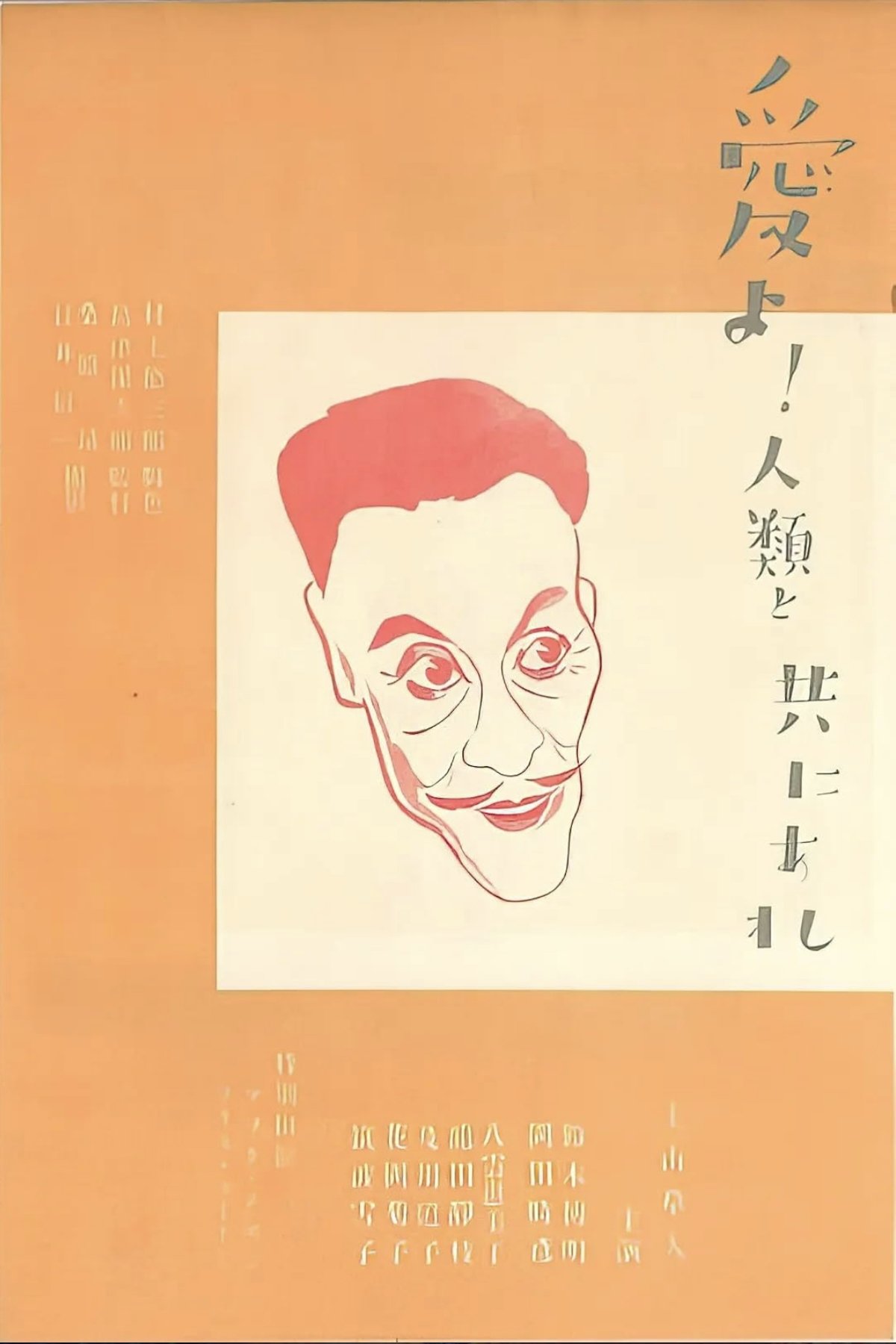
The three-hour Ai yo jinrui to tomo ni are / Love, Be with Humanity (1931) starts as a satire of alienation in the world of money, develops into a lumberland epic with a forest fire on Sakhalin Island, turns into a tragedy of King Lear dimensions, and manages to amaze the blasé audience with a happy end in the Wild West.
The three-hour Ai yo jinrui to tomo ni are / Love, Be with Humanity (1931) starts as a satire of alienation in the world of money, develops into a lumberland epic with a forest fire on Sakhalin Island, turns into a tragedy of King Lear dimensions, and manages to amaze the blasé audience with a happy end in the Wild West.
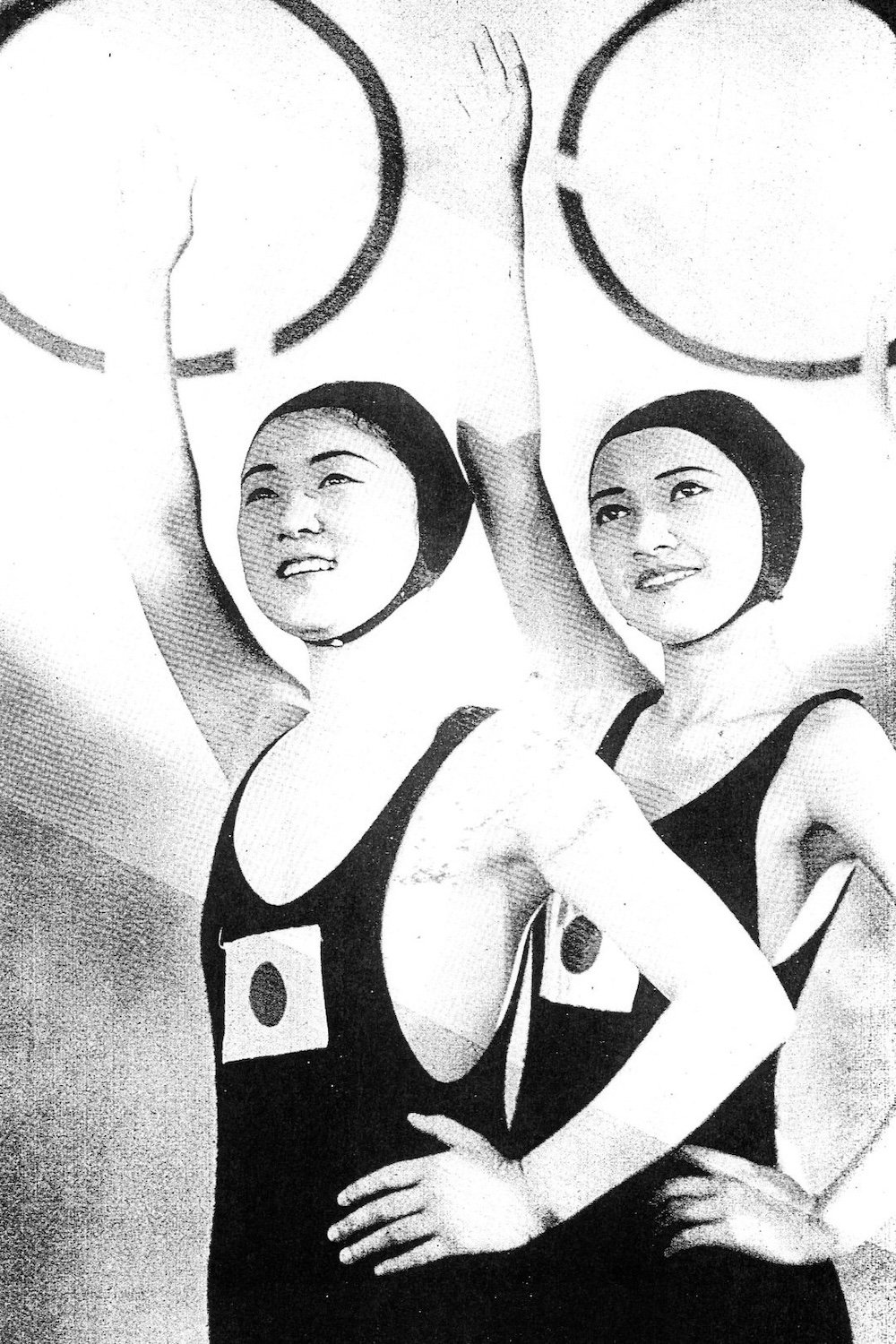
Shigeko and Midori, star swimmers at the renowned Kirishima Girls’ School, are training relentlessly with their sights set on the Los Angeles Olympics. But for the past week, Shigeko has been absent from practice. Her father has fallen ill, and to support her family’s struggling finances, she has secretly taken a job at a trading company. When Masao discovers this, he asks Midori to convince her to return, but soon the school learns of her secret. The students rally to raise funds, though the principal refuses their help, promising instead to handle the situation himself. Shigeko resumes training and travels to Tokyo for the qualifying meet. She touches the wall first in the 100-meter freestyle—only to receive news of her father’s passing. Overcome with grief, she collapses, cared for by Midori, whose own exhaustion leaves her finishing fourth. Despite these hardships, their prior accomplishments earn them a place on Japan’s Olympic team.