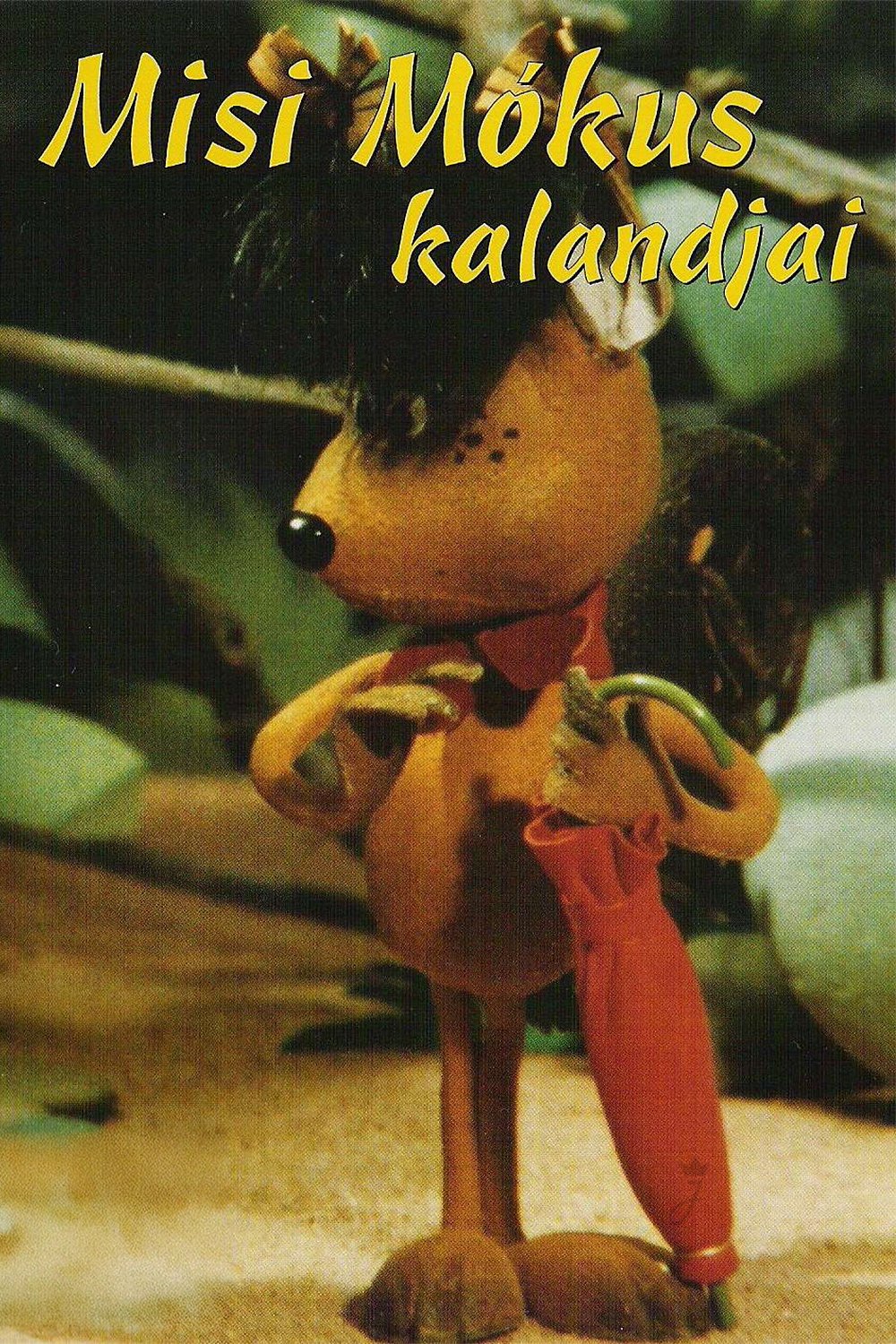
Misi Mókus was born in the spacious, comfortable den of a huge tree in the forest with his four little brothers and sisters. He was the liveliest and the biggest of the four. He could be distinguished from his siblings not only by his features, but also by a peculiar characteristic: his tail was black. Although there are species of squirrel that have black fur, Misi's family belonged to the red squirrel family. Father Squirrel was angry enough to say - Red squirrels have red tails. If it's black, it's caused by some bad spell.The parents asked Uncle Squirrel Squirrel for advice on what to do about Misi's boys' black tails. The wise old Squirrel Squirrel predicted good luck for his boys.
The film discusses generational and adaptational problems. The child of a cadre revolts against the omnipotent paternal authority and his own generations' nihilist members.
People say the true love lasts longer than life, but they don't mean it, and they are right: love ends when life does, except if it isn't.

A continuation of "Diary for My Children," the film picks up in 1950, when Juli, the diarist, is 18 and determined to become a movie director.
Winter of 1944, the last days of the war. When the roads and houses ceased to exist and the bottom of the cellars become filled with life, when fortunes were lost and countries burned up, her used coat was only important to Mama, the cloak-room servant of a local dance-school. Her son stole it to sell it for twenty pengő. He did it because Aranka Fussbaum's love cost money. There is no honour left in such a destroyed world. Yet still they start looking for that coat... (Elemér Ragályi won Best camera with this movie in Montreal, 1979, and in Budapest, 1980.)
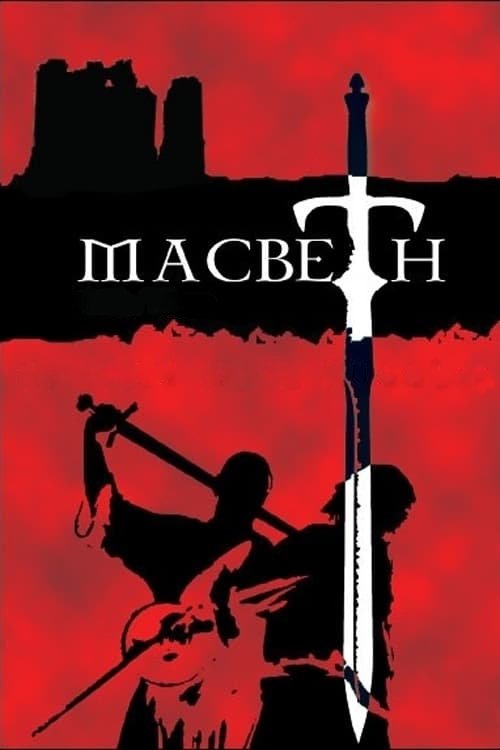
Consistent of only two long shots, three witches predict that Macbeth will ascend to the throne of Scotland. To fulfill this prophecy, Lady Macbeth convinces her husband to murder King Duncan, who has come to spend the night at their home. This crime plunges the new ruler into a macabre spiral that will lead him to sink into guilt and madness.
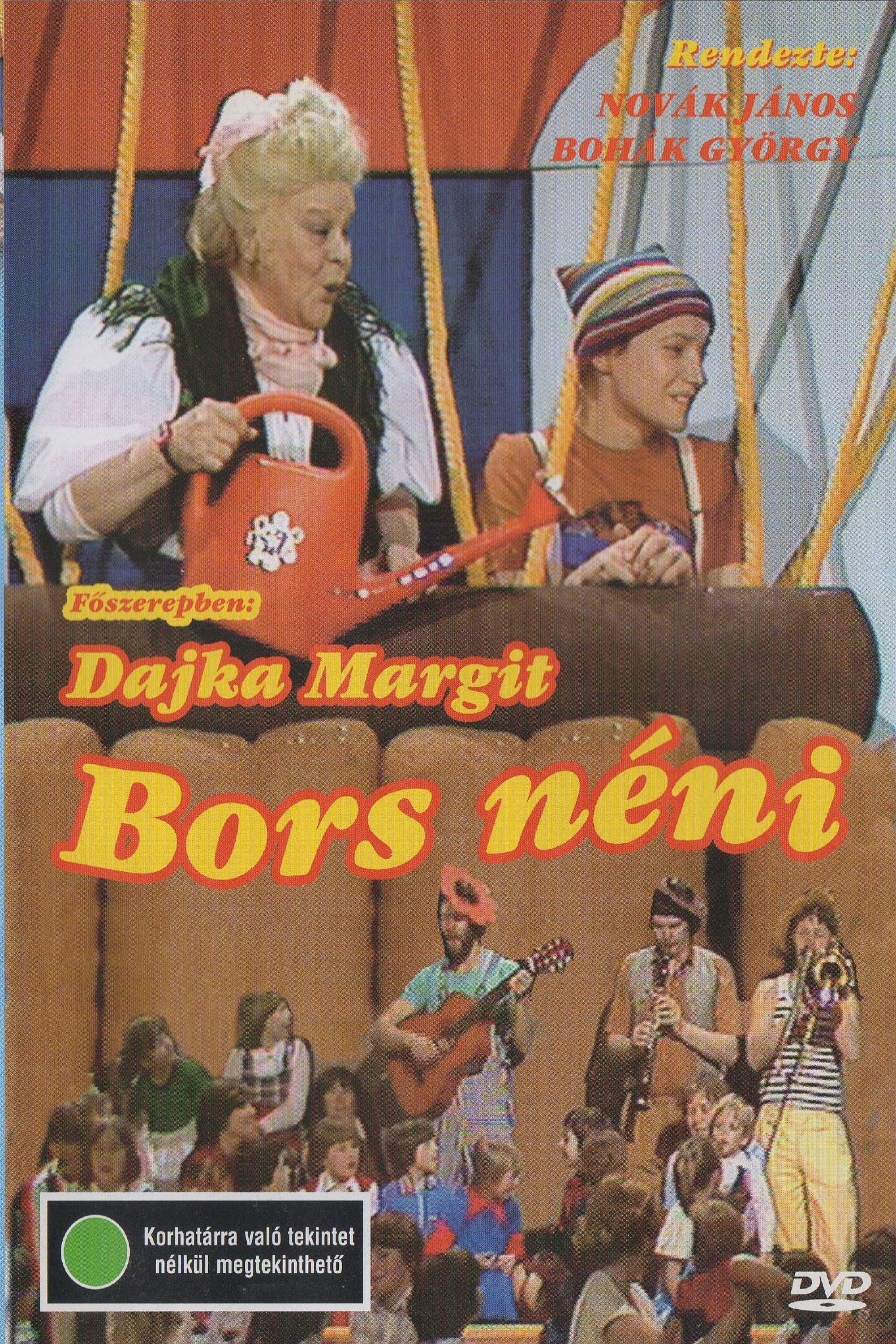
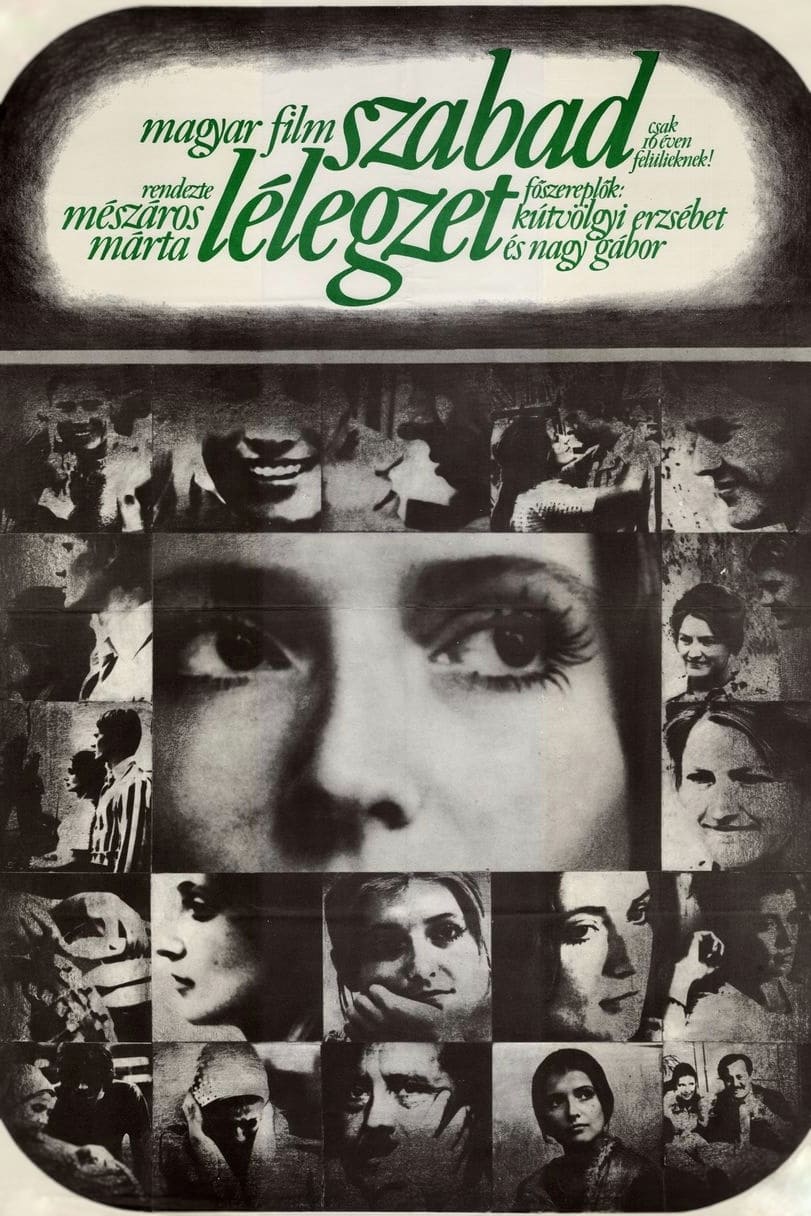
Jutka, a young woman who works in a factory, falls in love with Andras, a university student. She pretends to be a student, to him and to his parents, and begins to live a lie. Finally she rebels against Andras and his demands and the social conventions that forced her to live a lie.
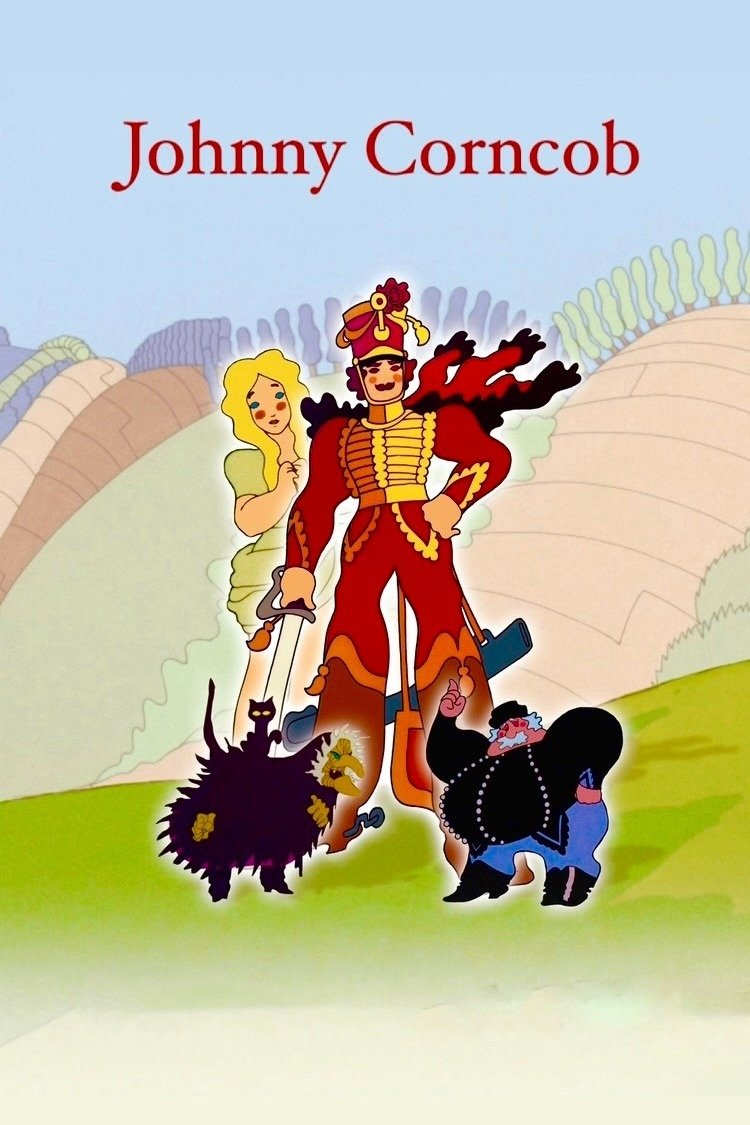
A traditional Hungarian poetic fairytale that describes the epic adventures of a young shepherd through love, war, magic and death.

This documentarist film is about a juvenile delinquent's unsuccessful after-education. Two prospective psychologists decide to patronise Barta Jancsi. They visit him in prison and get him accommodation and a job, not sparing their time, energy and money, in order to isolate him from his ex-accomplices.
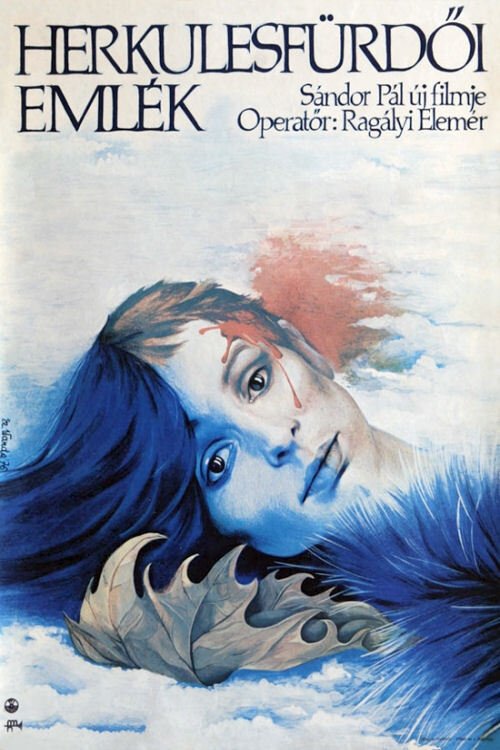
After the breakup of the Austro-Hungarian Empire, a young Hungarian, wanted by the police for political crimes, escapes to just this side of the Austrian border. When he discovers that his escape contact has been shot, he disguises himself as a woman and, posing as a maid, takes refuge at a tuberculosis sanatorium. He lives there as a woman for the entire winter before resuming his journey in the spring.

Film about the Holocaust. A Jewish family is allowed to keep the flat they have always lived in and to live a relatively normal life. One day their 10-year old son disappears. He has been sent to a deportation camp which seems like paradise except that the inmates are being used for medical experiments.

A tale about a little fox Vuk from the novel of the famous Hungarian writer István Fekete.
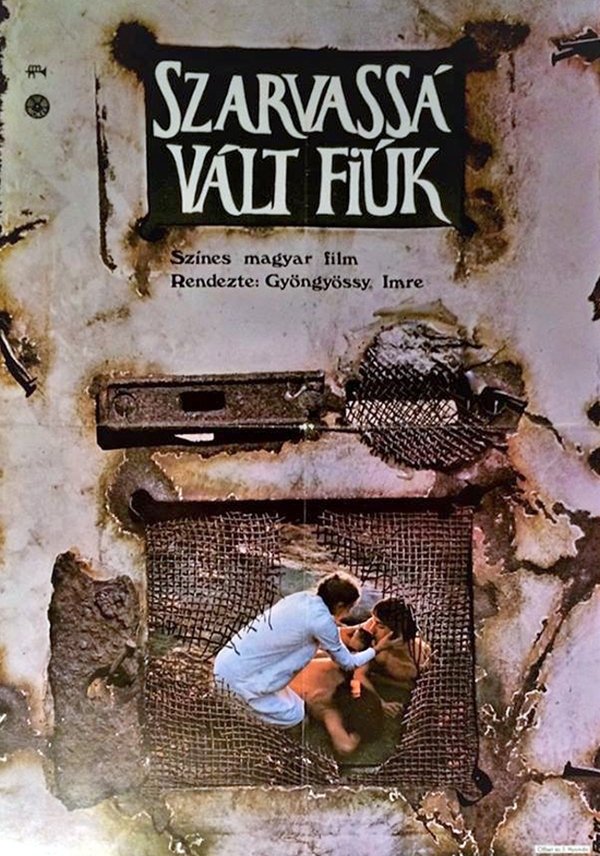
This poetic film presents the ballad of the boys who turned into stags, by the associative means of music, painting and folk art. At the same time it is a memorial to the martyrs of the 1944 Sátoraljaújhely prison revolt and shows its butchery reflected through the fate of three brothers.
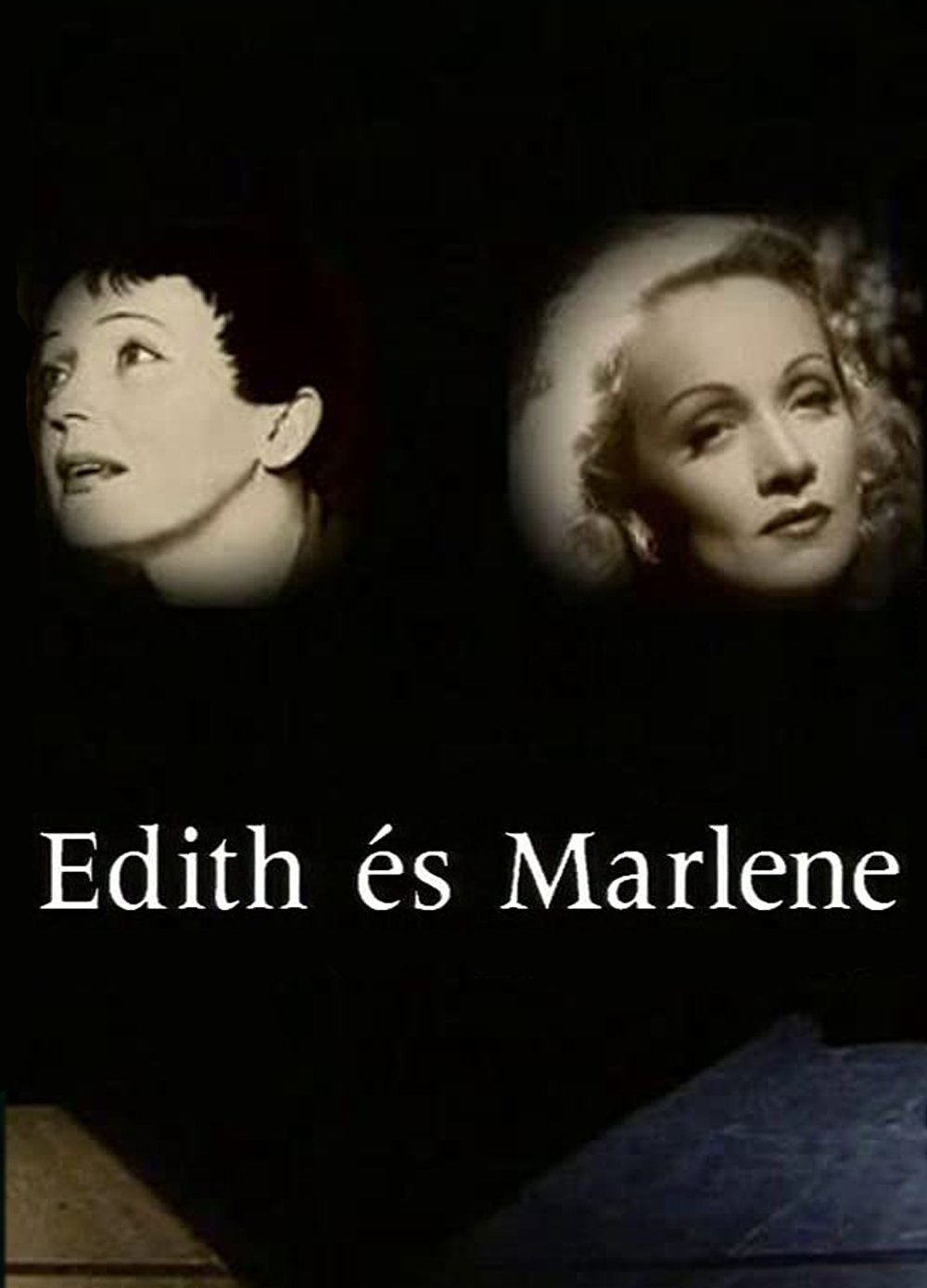
The lifelong friendship of Edith Piaf and Marlene Dietrich.
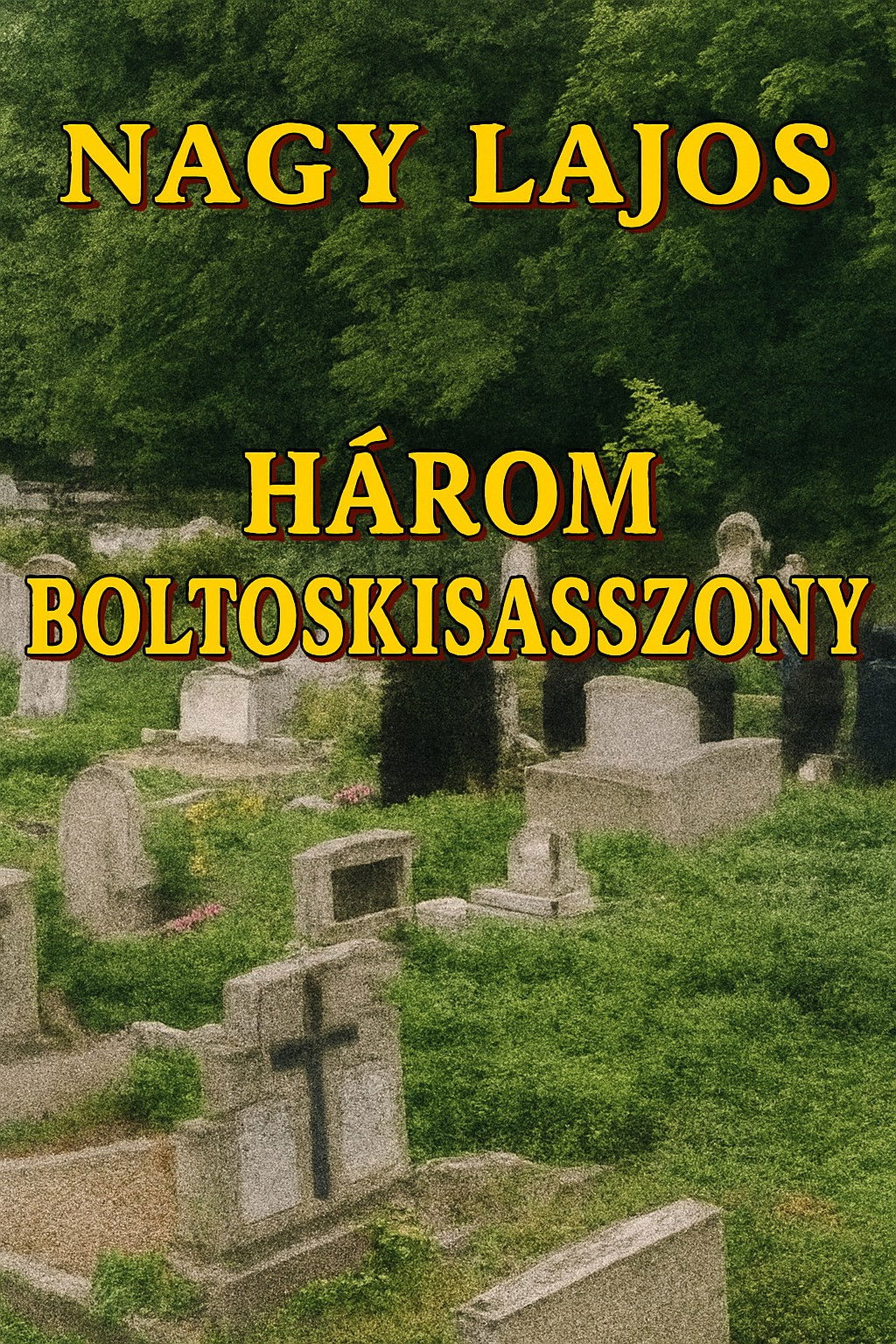
The story of three sisters at the beginning of the 20th century who choose different paths to happiness after the death of their parents. While Ilona tries to keep the family business together and help her sisters, Jolánka and Anna see in men and marriage a way out. Three different female destinies, three archetypes and three excellent young actresses appear in Imre Mihályfi's film.
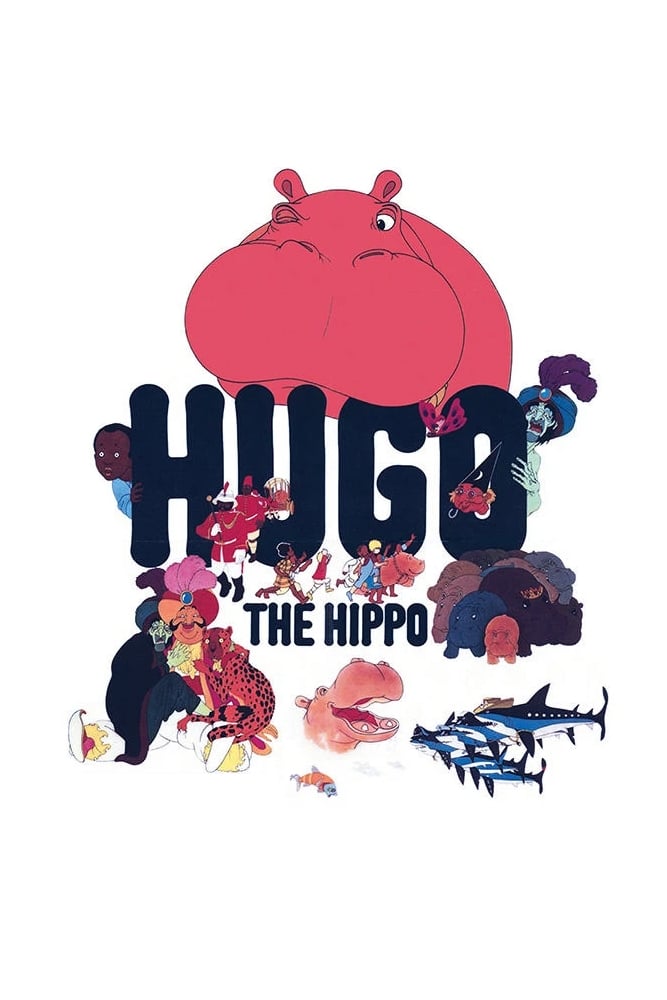
The Sultan of Zanzibar has a harbor infested with sharks, which makes it impossible for ships to trade with him. In an attempt to fix the problem, he brings twelve hippos into the harbor to keep the sharks away. His idea works well enough, but once the hippos are no longer a novelty and the people no longer feed them, they begin to starve. After the hungry hippos rampage through the city looking for food, Aban-Khan, the king's adviser, slaughters all the hippos except one, a little hippo named Hugo.
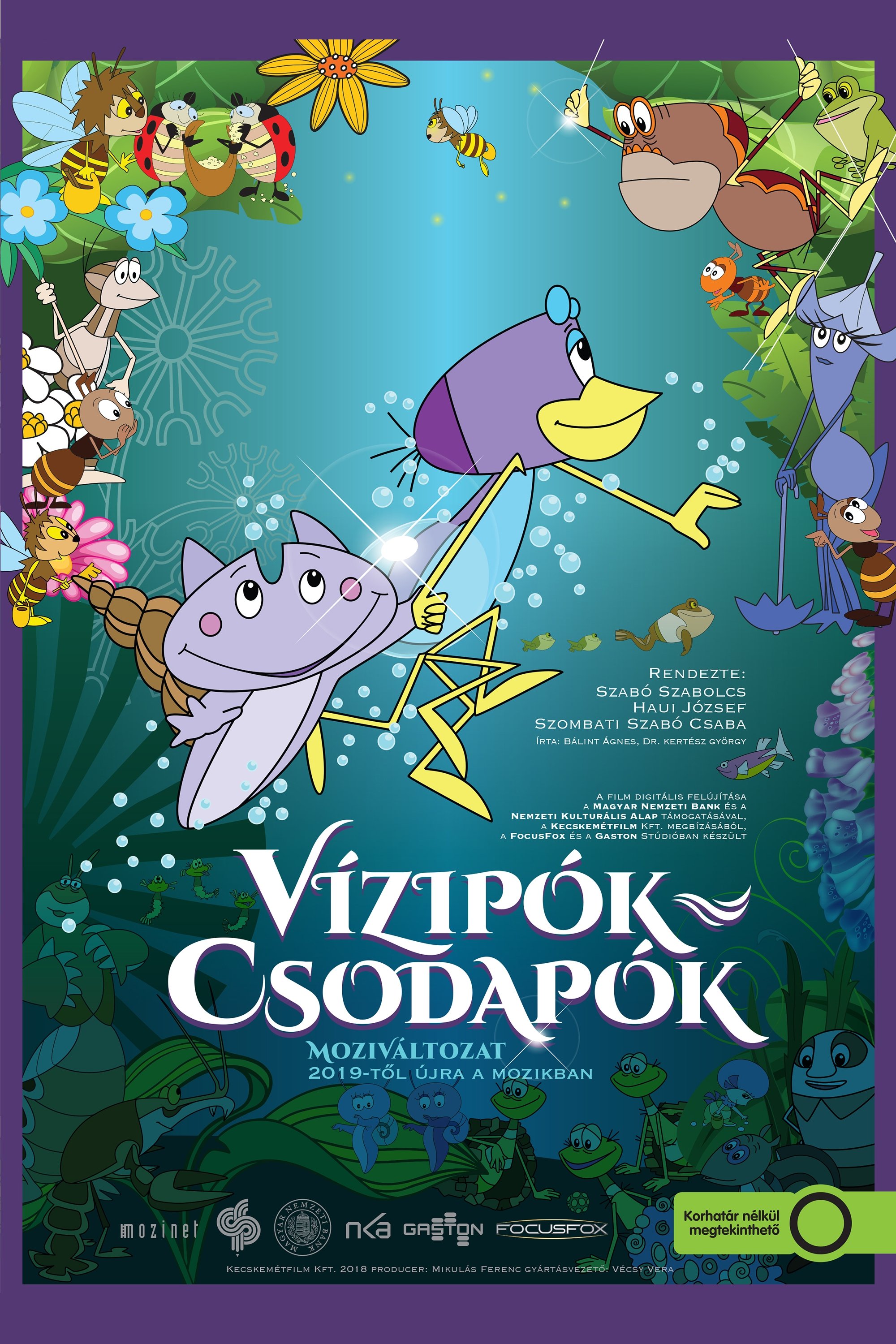
This is the story of the water spider, which, unlike land spiders, does not weave its web in the corners of rooms or in the tops of trees or bushes, but in the water.
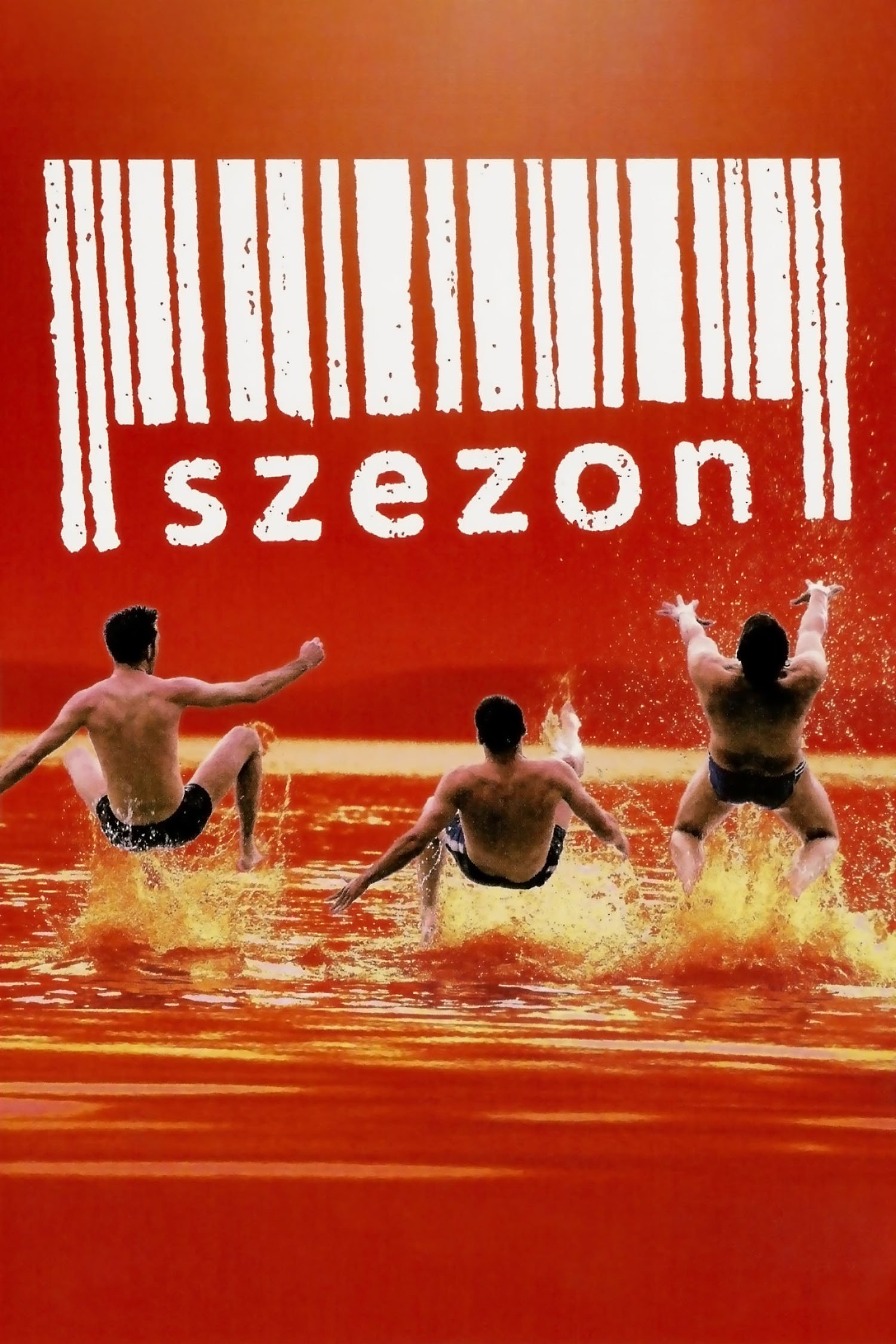
Three young friends, from the Hungarian countryside, want more sex and excitement in their life. Together they undertake a journey to Lake Balaton, where they hope to find plenty of summer fun as well as a temporary job.
The penniless but handsome Count Zalavári chooses a rich girl from the countryside for her money. They don't get to marry because the butler catches him with the maid. He meets an American millionairess who gives him expensive jewelry as a gift. She is killed by her driver later that night. All suspicion falls on the Count.