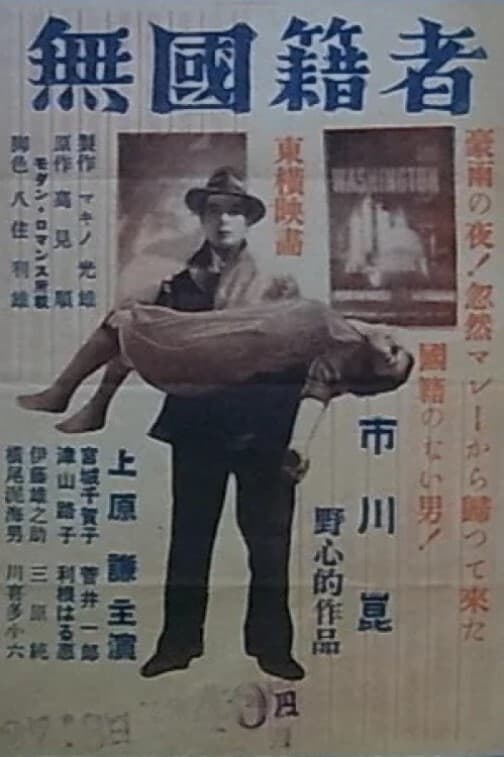
Thriller drama by Kon Ichikawa
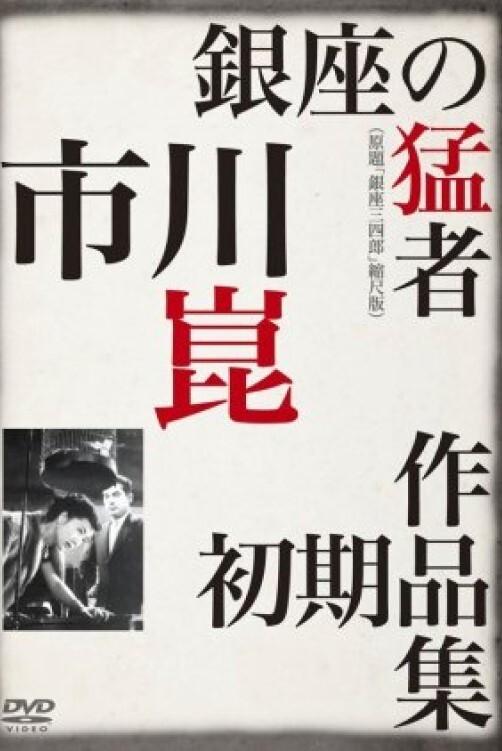
An early film by Kon Ichikawa
This horror tale adapts the Japanese legend which tells of a man who faces the consequences of betraying his wife in order to acquire wealth and power.
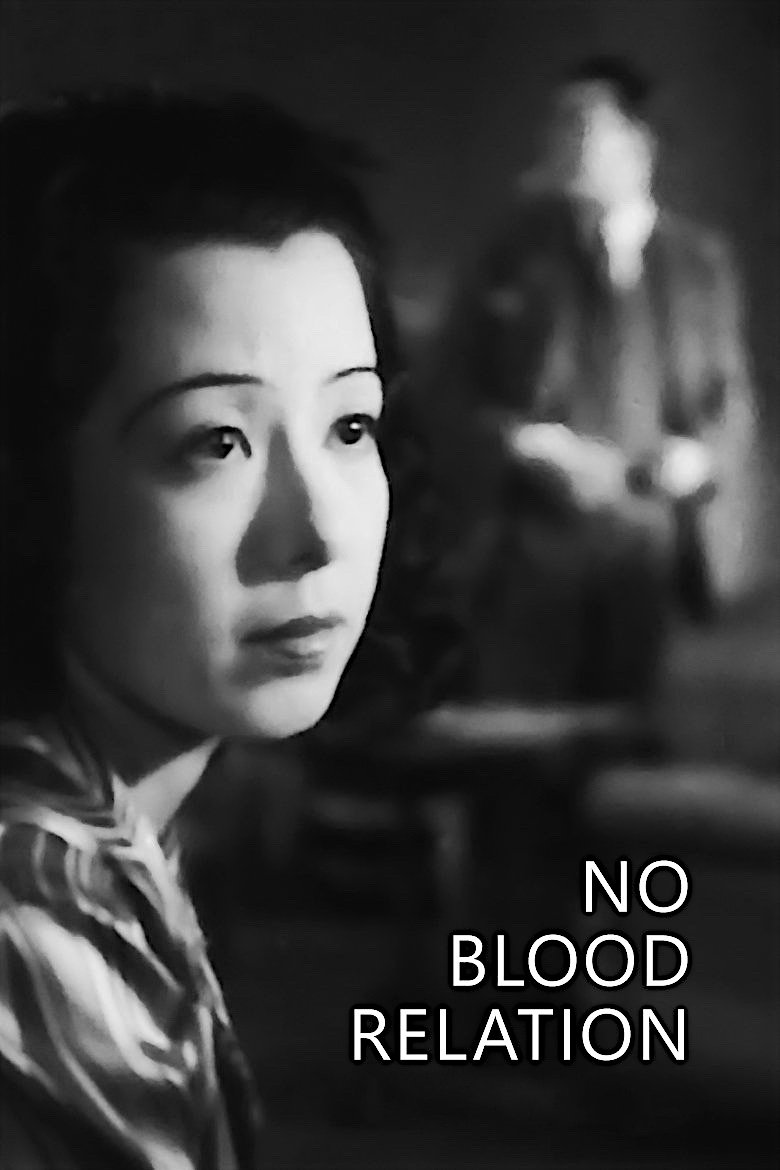
An actress returns to Tokyo after a successful stint in Hollywood to reclaim—with the help of her gangster brother—the daughter she abandoned years before.
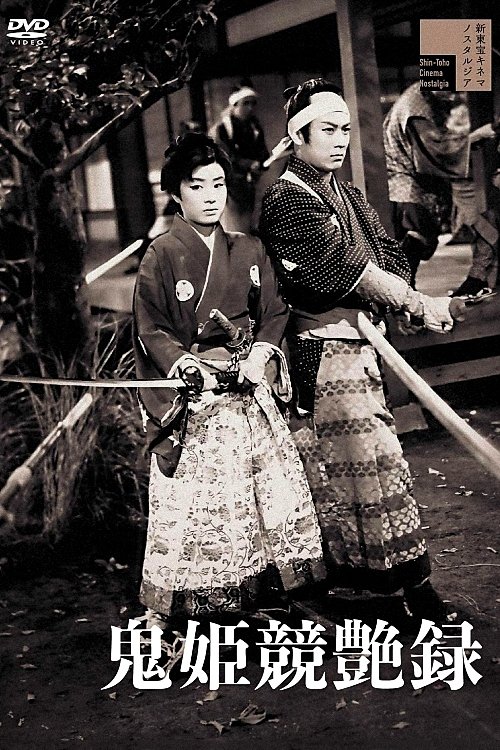
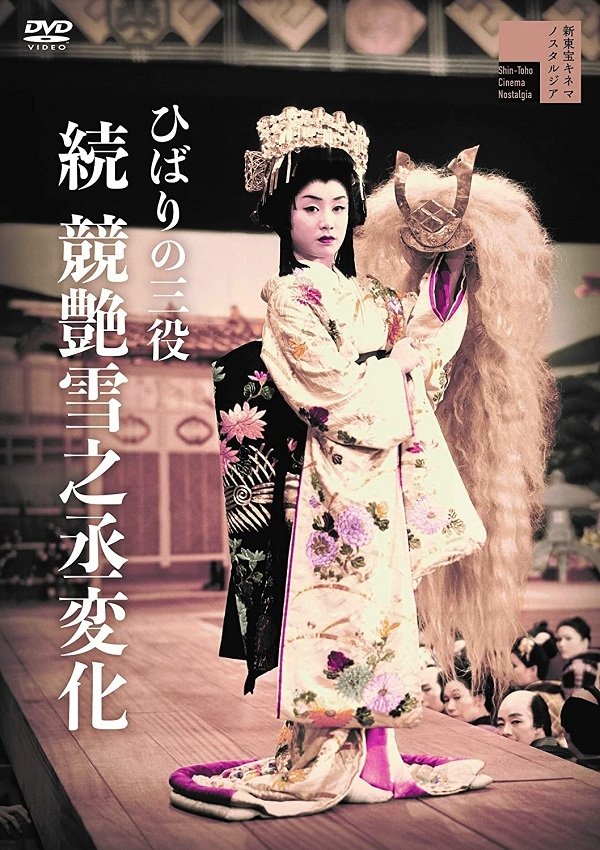
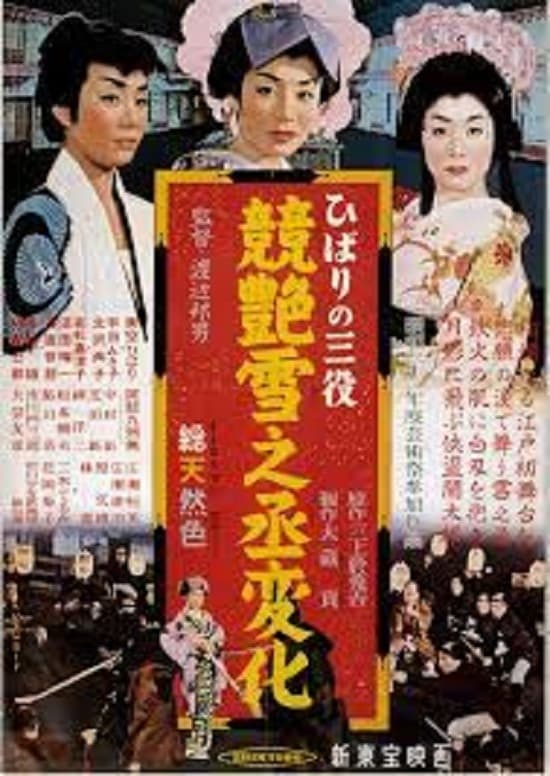
An exciting historical drama in which a beautiful woman secretly solves the family problems of the Owari clan. Hibari Misora plays two roles: a charming princess and a dashing youngster, performs songs and dances throughout the film until the big decisive battle.
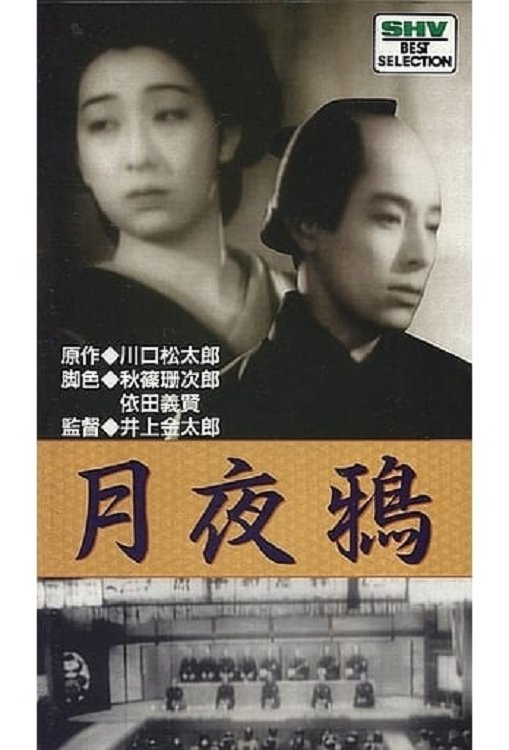
The ambiguous relationship between a woman musician and her young student.
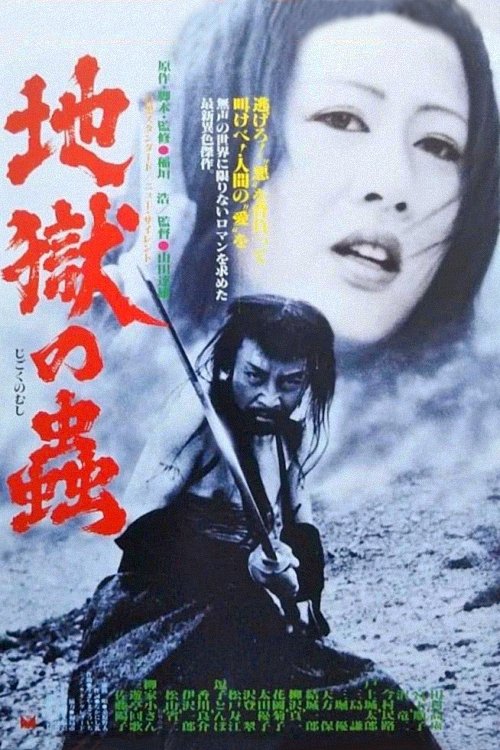
A group of bandits flee to the mountains after killing an evil moneylender. Remake of Hiroshi Inagaki's Jigoku no mushi (1938).
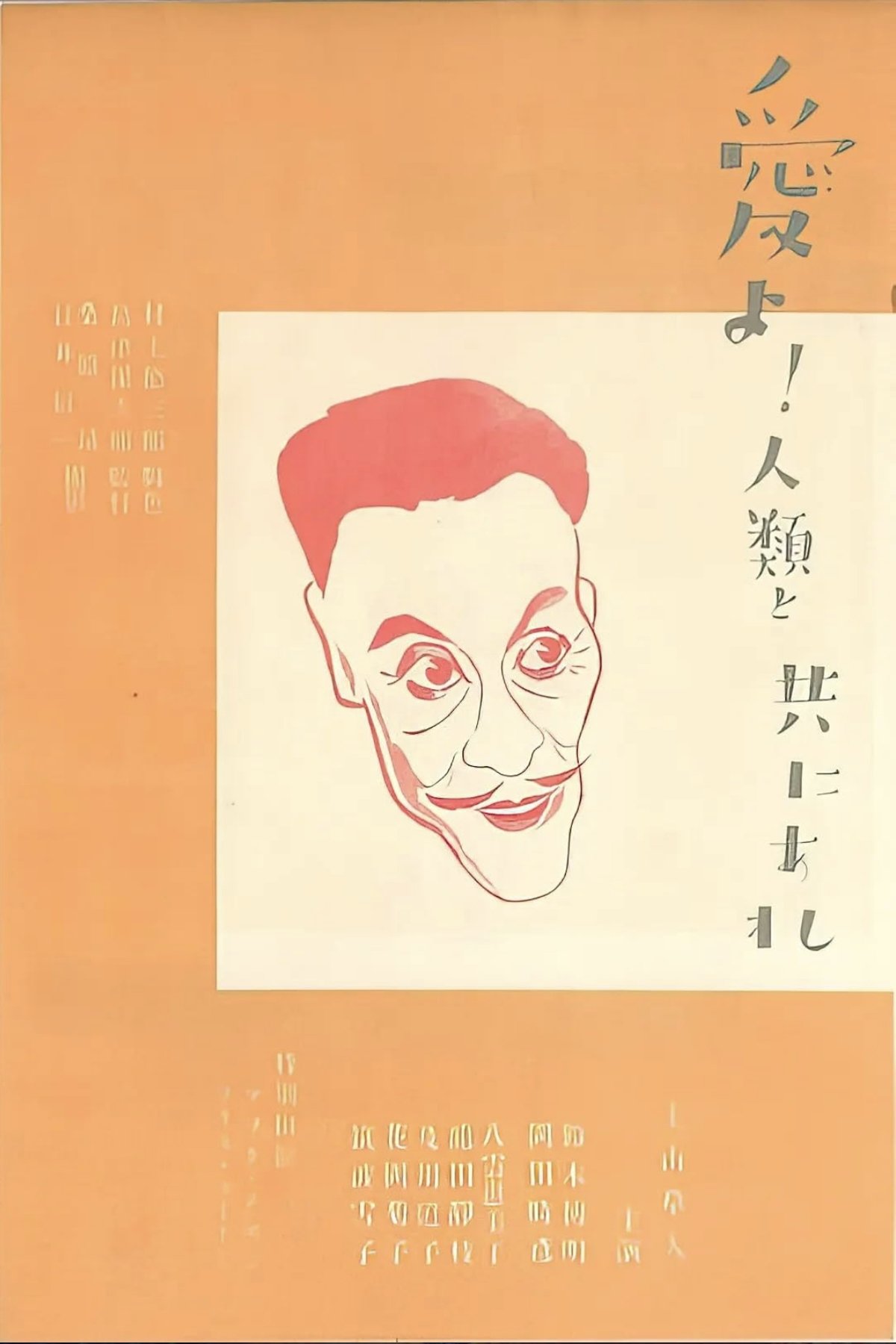
The three-hour Ai yo jinrui to tomo ni are / Love, Be with Humanity (1931) starts as a satire of alienation in the world of money, develops into a lumberland epic with a forest fire on Sakhalin Island, turns into a tragedy of King Lear dimensions, and manages to amaze the blasé audience with a happy end in the Wild West.
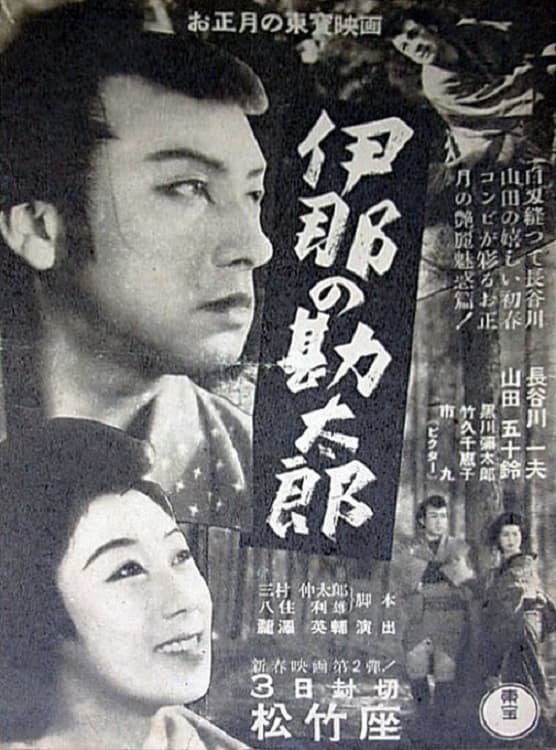
War-time jidaigeki by Eisuke Takizawa.
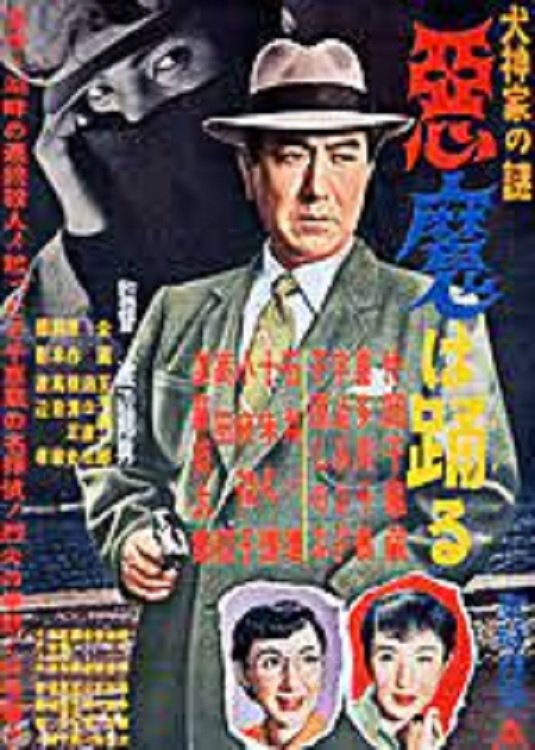
Early adaptation of the book "The Inugami Clan", featuring the detective Kōsuke Kindaichi.
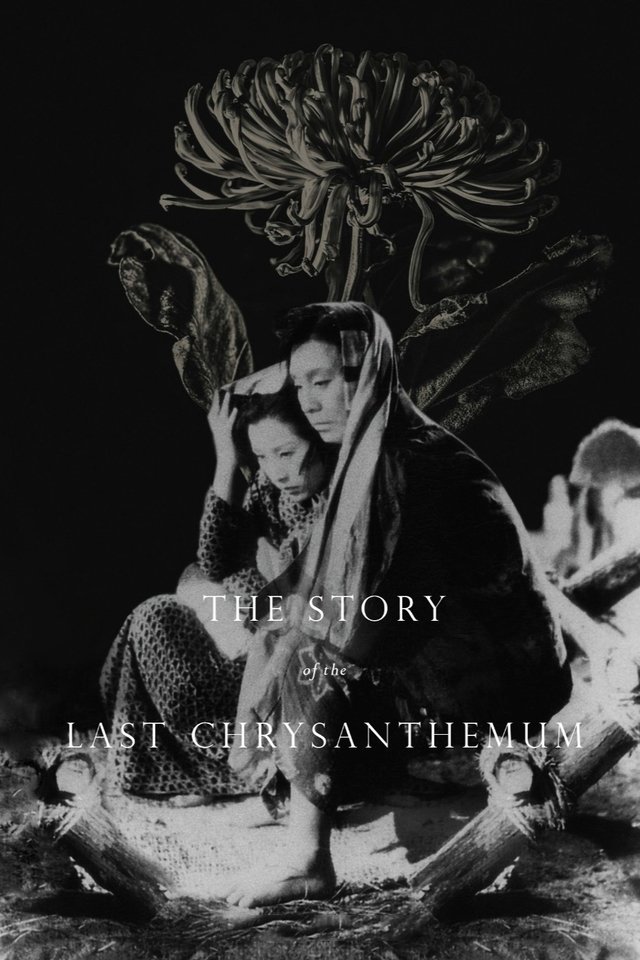
In late 19th-century Tokyo, Kikunosuke Onoue, the adopted son of a legendary actor, himself an actor specializing in female roles, discovers that the praise he receives is only due to his status as his father's heir. Devastated, he turns to Otoku, a servant of his family, for comfort, and they fall in love. Kikunosuke becomes determined to leave home and develop as an actor on his own merits, and Otoku faithfully joins him.
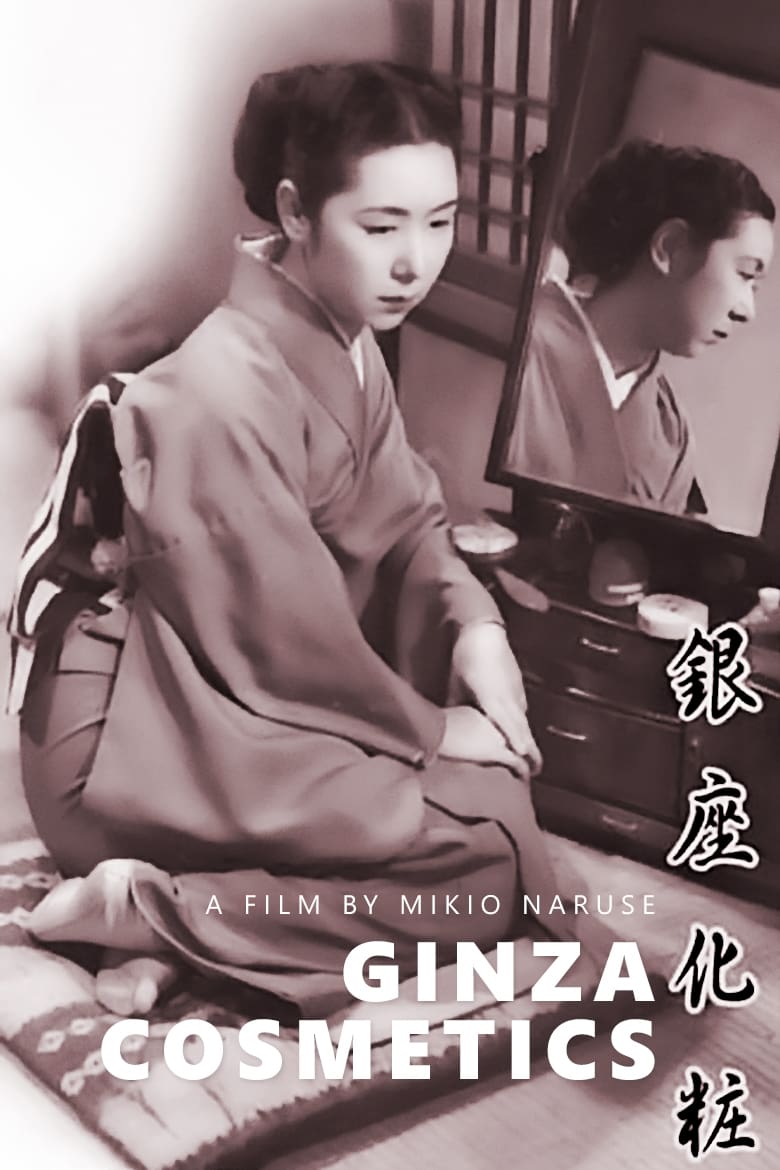
A few days in the life of a quiet geisha, single mother of a smart young boy, in the lively Tokyo quarter of Ginza. A woman devoted to others' needs, she'll end by taking part herself in one of the many disguises of Ginza.
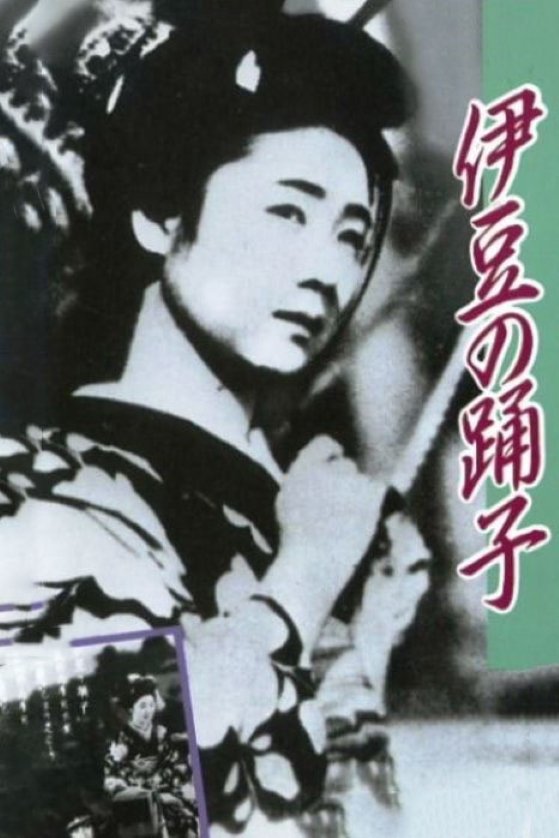
"The Dancing Girl of Izu" tells of the story between a young male student who is touring the Izu Peninsula and a family of traveling dancers he meets there, including their youngest girl. The student finds the naïve girl attractive even though he eventually has to part with the family after spending memorable time together.
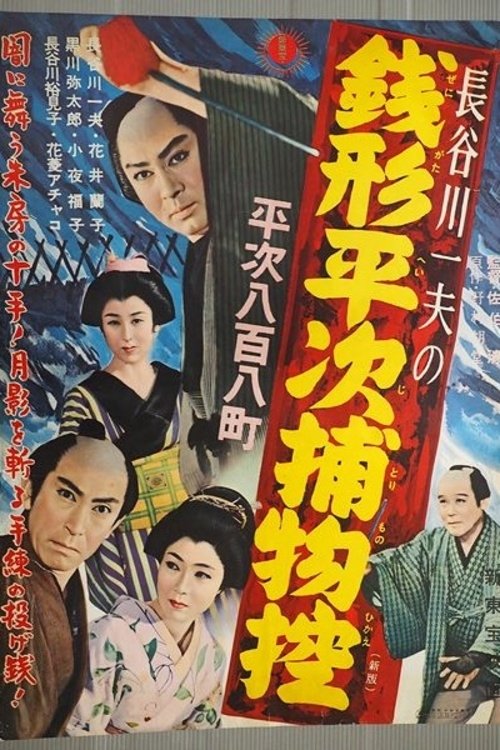
Police detective Heiji is assigned to catch the masked Maboroshi gang of robbers who have terrorized all of Edo leaving few clues as to who their leader is.
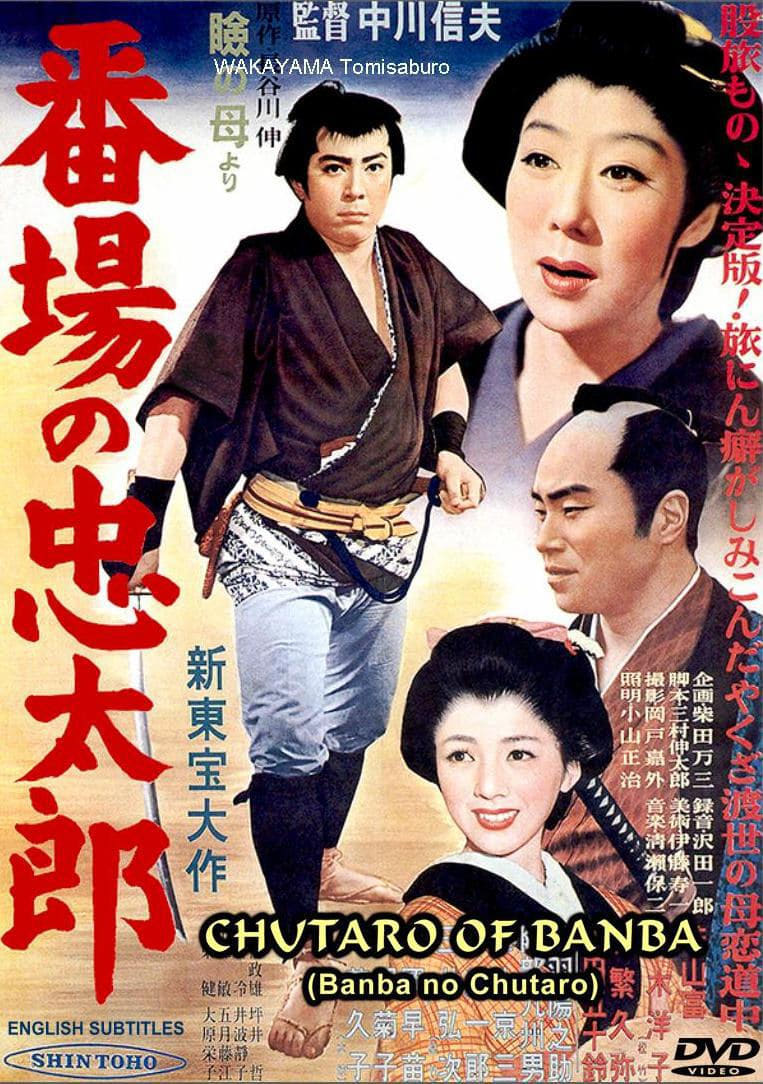
Based on the play ”Mabuta no haha” by famed author Shin Hasegawa, this is the first major starring role for Tomisaburo Wakayama. This heartfelt story concerns a wandering gambler from Banba by the name of Chutaro. Set during the Tenpo Period, Chutaro runs afoul of Boss Sukegoro of Iioka. Pursued by vengeance seeking swordsmen, Chutaro displays his phenomenal martial art skills. Abandoned as a child, he seeks to find his long lost mother, while at the same time fighting off numerous attacks by Iioka’s men.

A bar girl tries to pass her three children, each from a different father, to rural relatives.
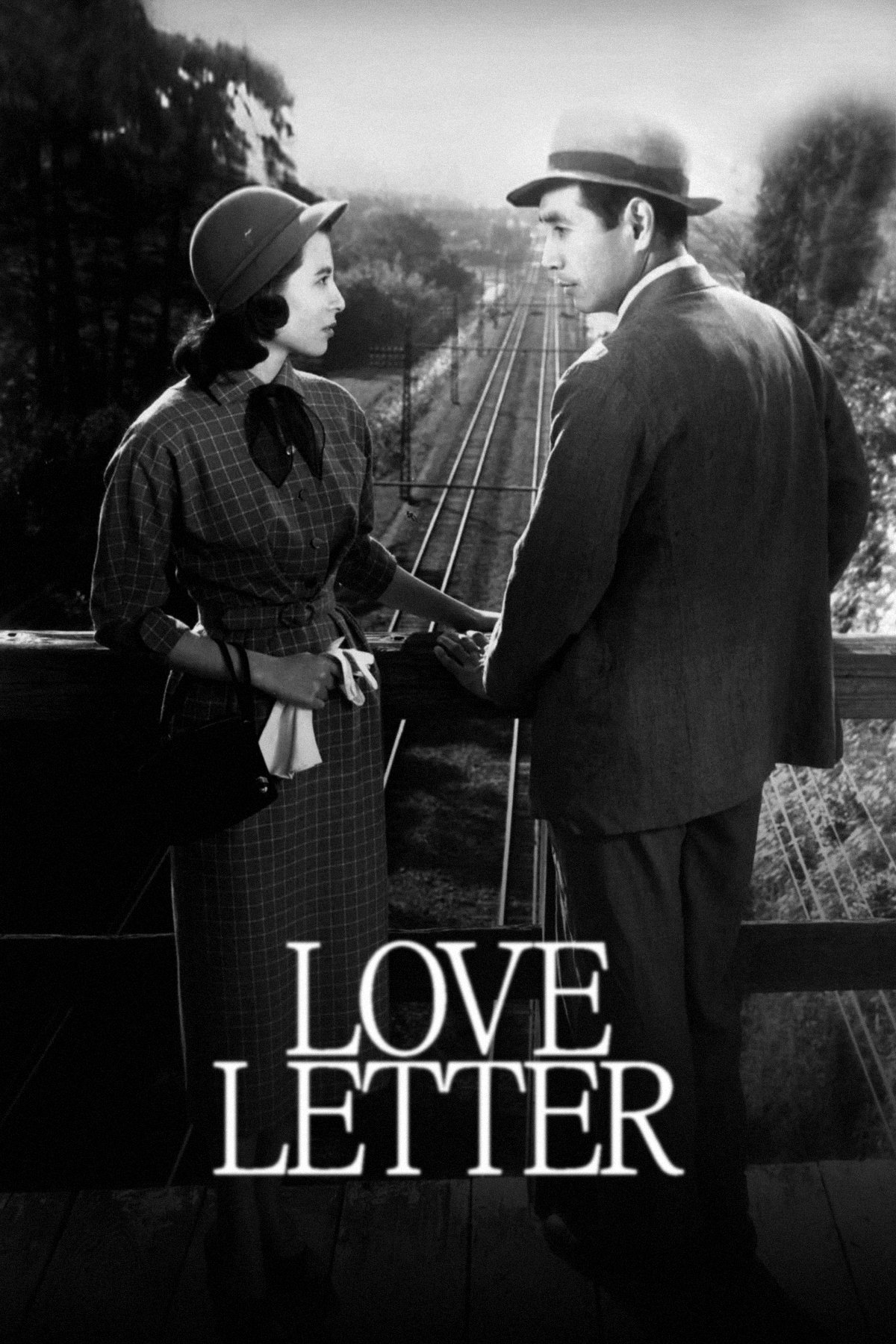
Five years after the end of the Second World War, Reikichi, a repatriated veteran, translates love letters for Japanese women to American GIs, while searching for his lost love, Michiko.
Japanese comedy film.
Japanese comedy film.
Japanese comedy film.
1952 Japanese film directed by Kunio Watanabe.
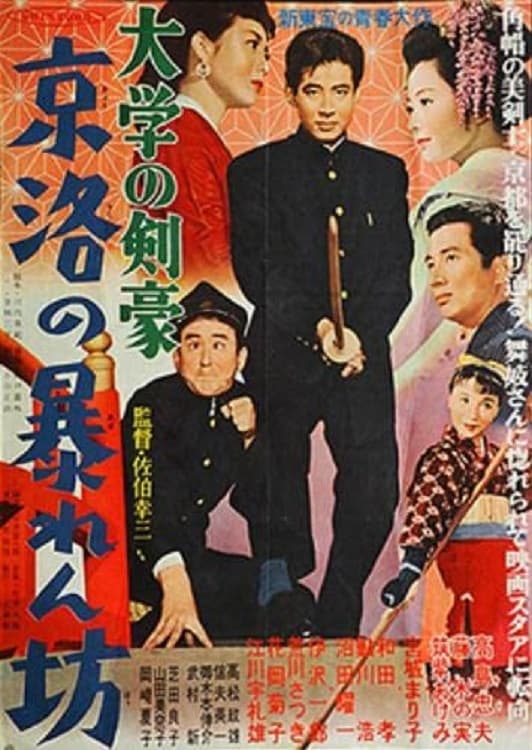
Japanese youth film about kendo.
Set in a bustling 1950s parlor, a beautiful counter clerk falls for a wealthy businessman’s son, only to have their romance derailed by a ruthless loan shark and a mounting family debt. As the parlor faces ruin, the narrative weaves through slapstick antics, musical numbers by Enka legends, and surreal interviews with real-life cultural figures. A chaotic "blueprint" for the Pachinko subgenre, this musical dramedy captures the obsession and desperation of the silver balls.
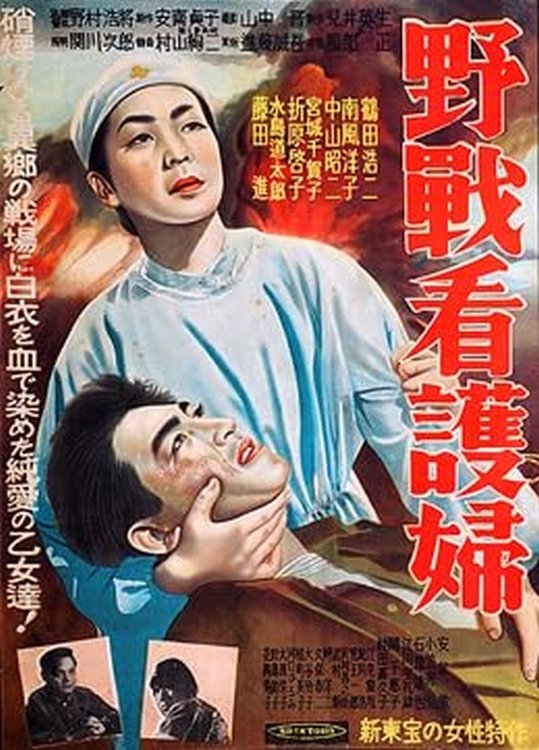
In 1942 South China, hardened field hospital nurse Yukiko secretly loves Sergeant Nemoto. The arrival of a fragile new nurse, Keiko, reawakens Yukiko's warmth but also sparks intense jealousy when Nemoto shows Keiko kindness. As the two bond over a shared hometown, Yukiko's resentment grows. The situation is compounded by the escalating chaos of a losing war, including air raids, medicine shortages, and a deadly malaria outbreak that weakens Keiko. Set against the backdrop of Japan’s impending defeat, Yukiko is forced to confront the high cost of her envy and decide where her loyalties lie in a final test of courage and compassion.
Japanese comedy film.
Japanese comedy film.
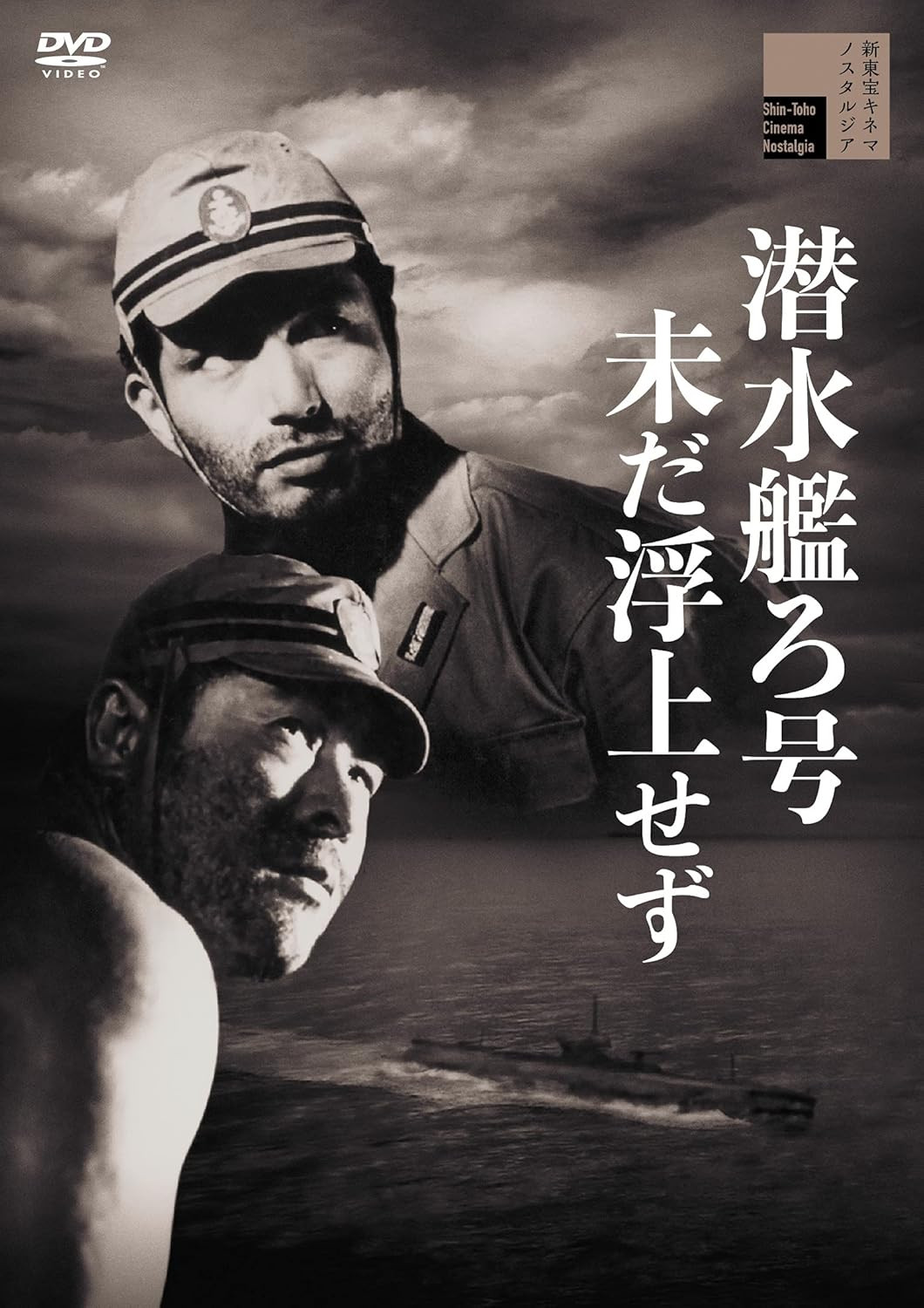
Japanese war film.
Japanese "kayo" film centered around the song "Wakai omawari-san" by Shiro Sone.
1959 Shintoho adaptation of Kyoka Izumi's novel "A Woman's Pedigree".

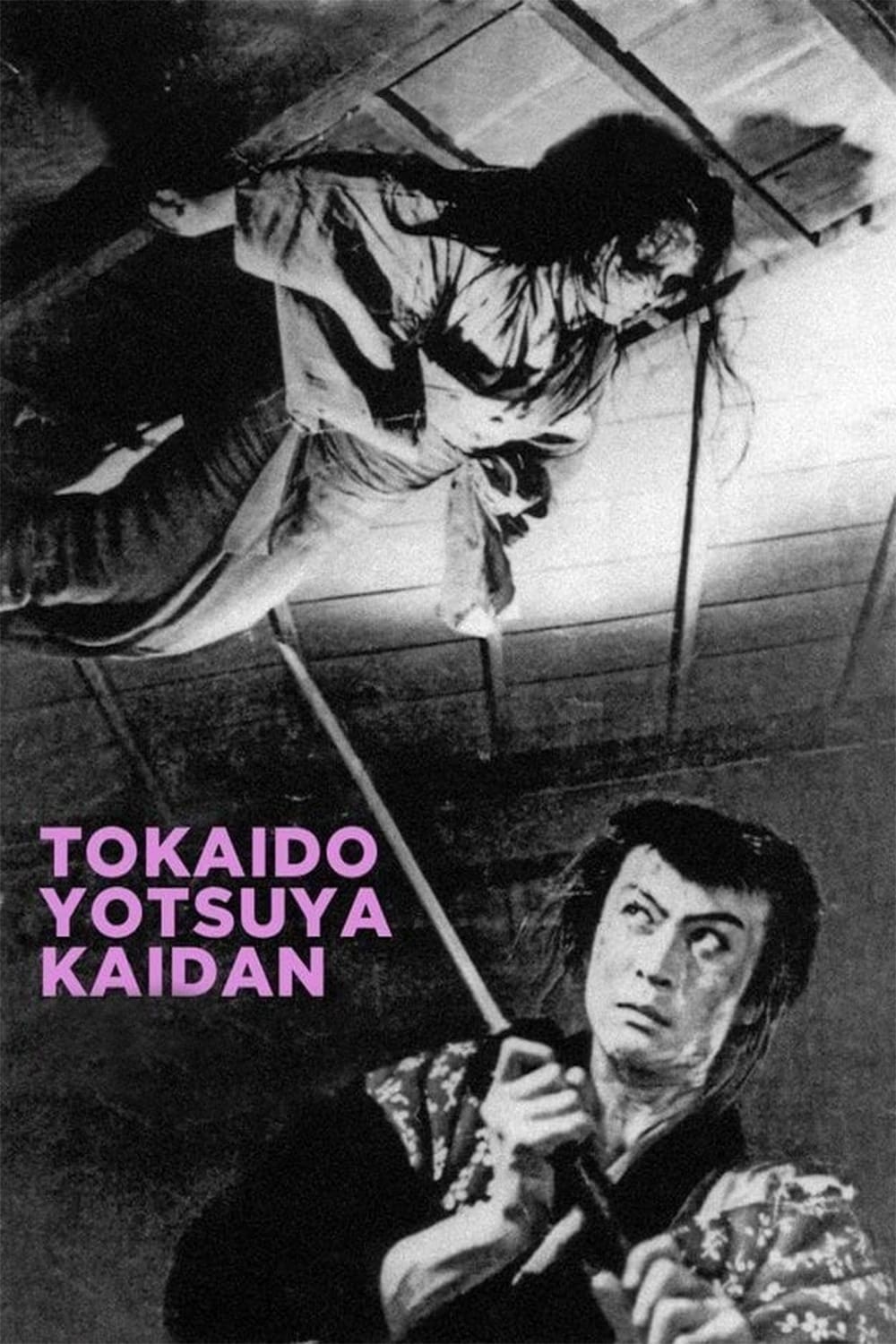
Oiwa has been searching for the one who killed her father for a long time. She comes to Yedo and sees a man named Naosuke. The film is based on the kabuki classic: Toukaidou Yotsuya Kaidan (1826) written by Tsuruya Nanboku and is one of the most famous ghost stories throughout Japan.
Japanese comedy film.
Japanese comedy film.
Home drama about tin craftsmen and their families in downtown Tokyo. Though poor, they do not lose their cheerfulness or give in to oppression.
1954 Japanese film starring professional wrestler Rikidozan.
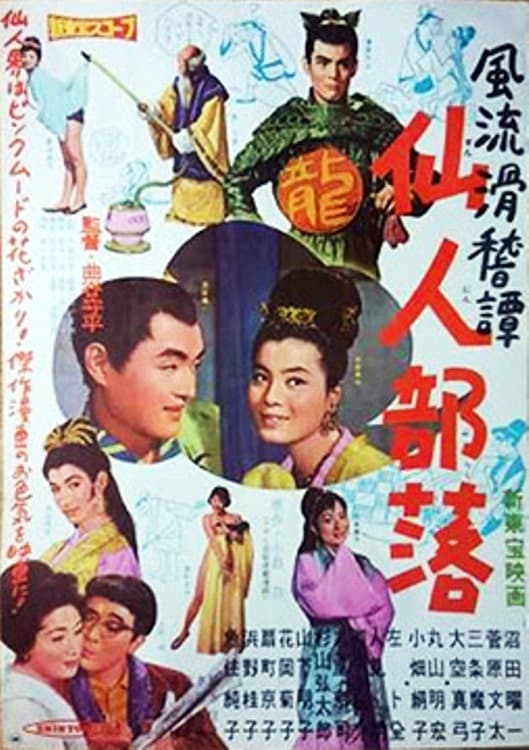
Live-action adaptation of Ko Kojima's manga "Sennin buraku".
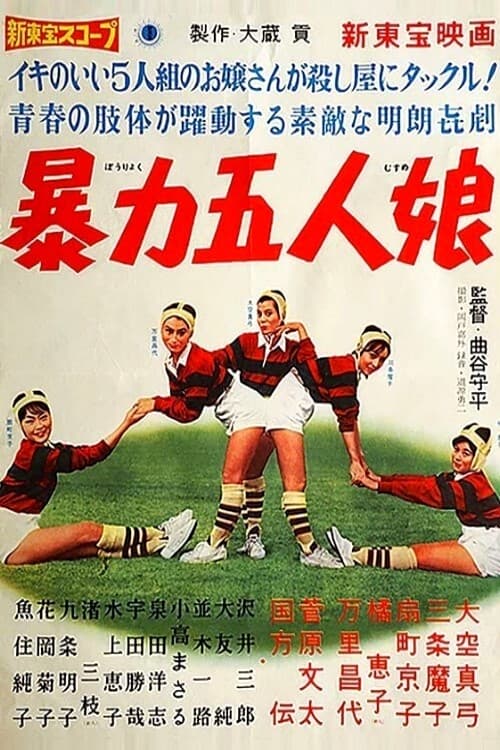
Japanese comedy film.
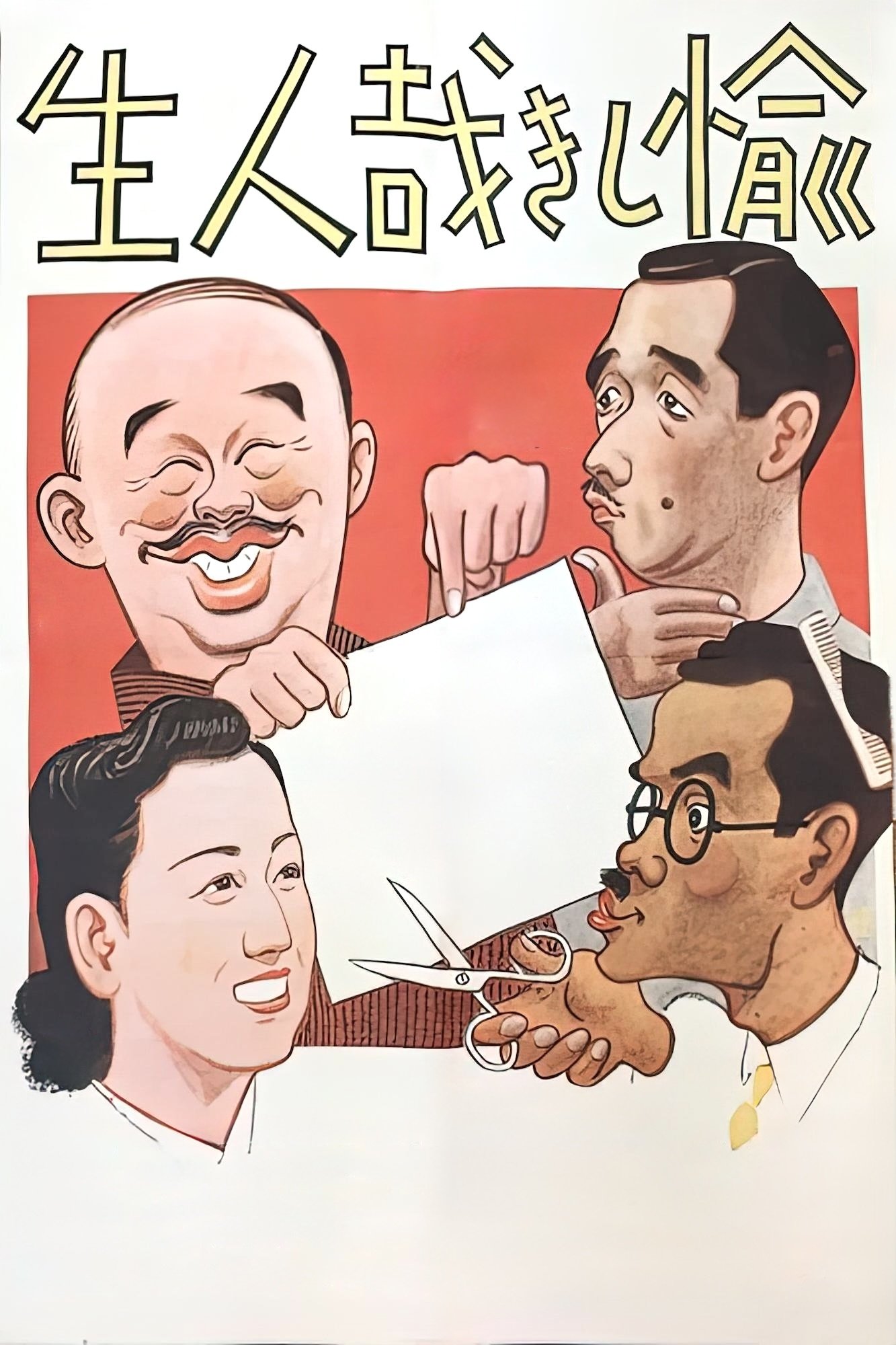
A small community in wartime Japan learn how to make do with less.
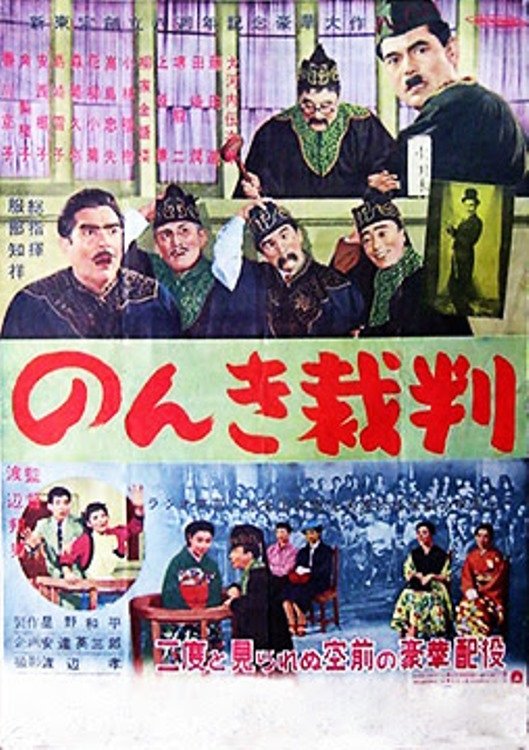
A spectacular comedy with a star-studded cast that depicts unusual trials and unexpected verdicts regarding the five deadly sins: the crime of beauty, the crime of a terrifying wife, the crime of taking the wrong course, the crime of seducing, and the crime of killing with laughter.
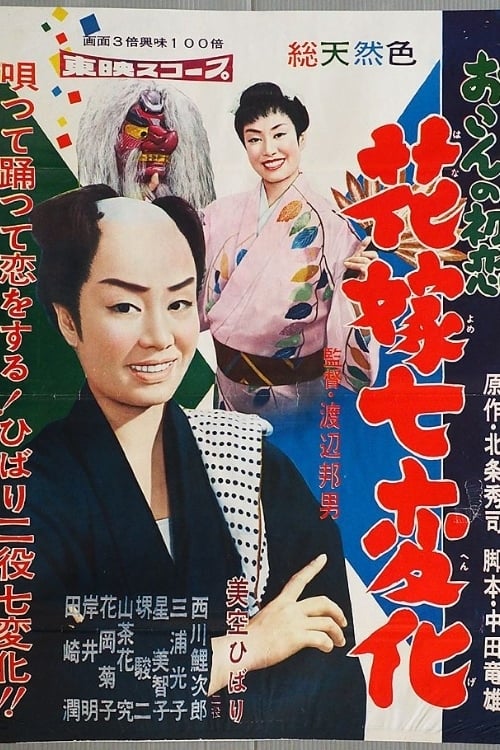
A fox in disguise, Okon, returns the favor to a man who rescued her from a fatal trap.
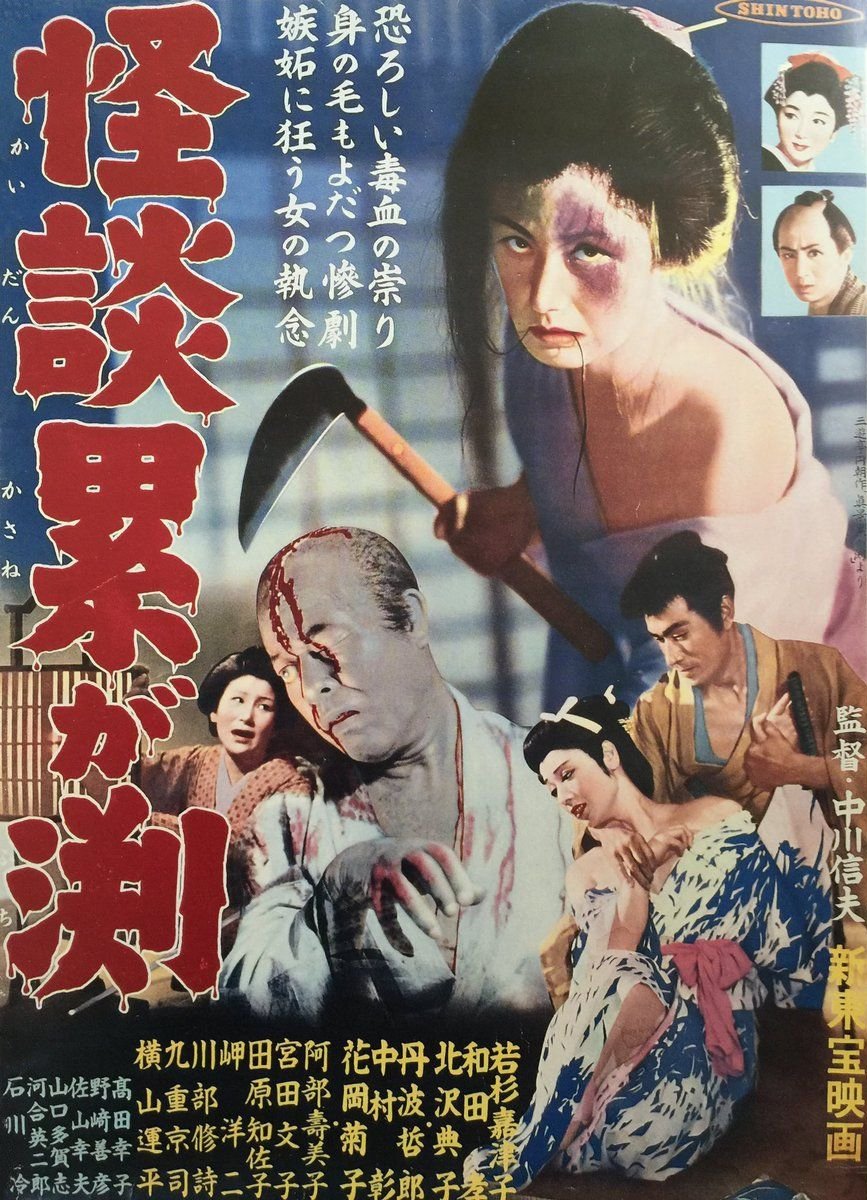
A blind masseur visits a samurai to request the return of a loan. The samurai kills him in anger, then has his servant dump the body in the Kasane swamp. However, the ghost of the masseur returns to haunt the samurai, who kills his wife by mistake and then goes to the swamp and drowns himself. 20 years later, the masseur's daughter unknowingly falls in love with the samurai's son who has been brought up to be a servant. After she is horribly disfigured in an accident, he plots to run away with another woman, but the path of their escape lies by the Kasane swamp...
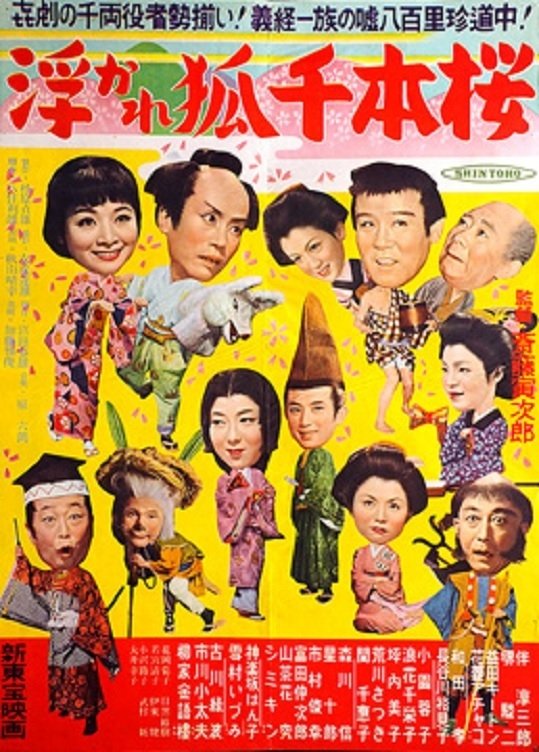
Japanese comedy film.
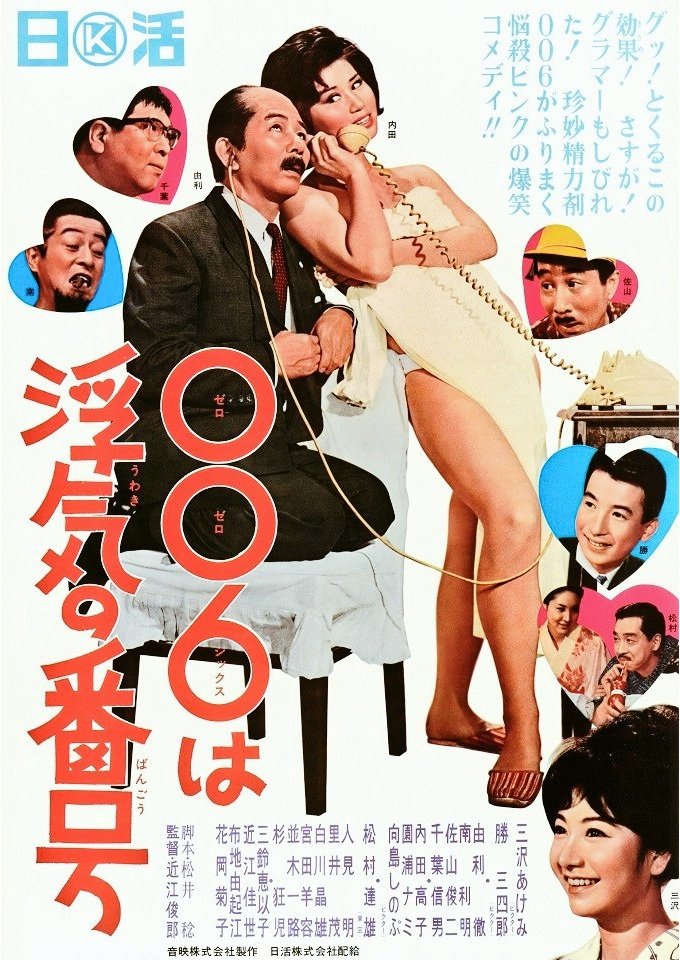
Japanese sex comedy film.
A 1942 film.

When a young man inherits his father's lucrative business, he cheats the system to set up three of his college friends with jobs.
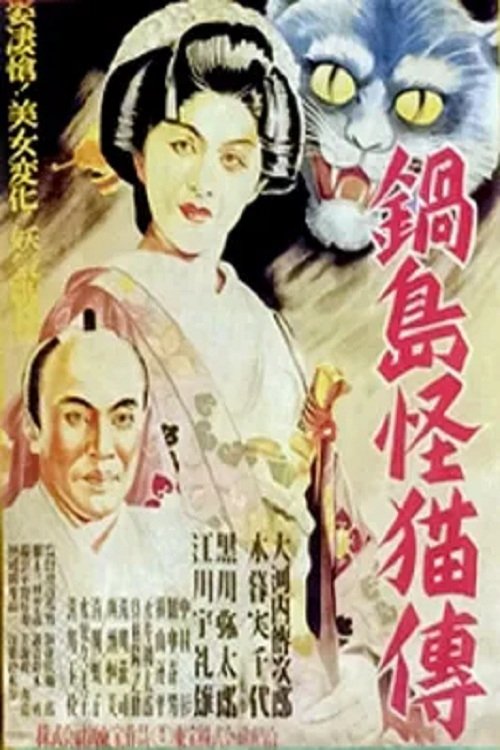
Tanuma Kandayuu is a high class samurai of the house of Nabeshima. He finds a lavish board of Go (a Chinese Board game) at Kinbei's store. He recommend Kinbei to offer it to his lord. Kinbei hesitates at first, since he knows the board has a mysterious legend surrounding it; it's believed that for every game played on the board, one death is required.
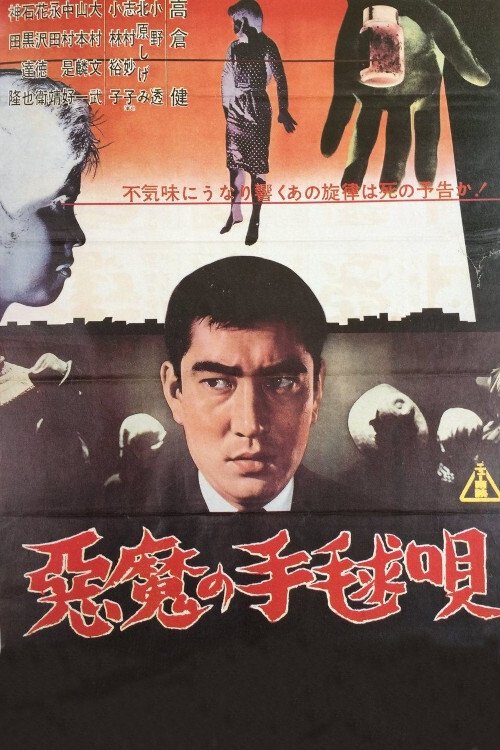
1961 Toei adaptation of Yokomizo's novel.
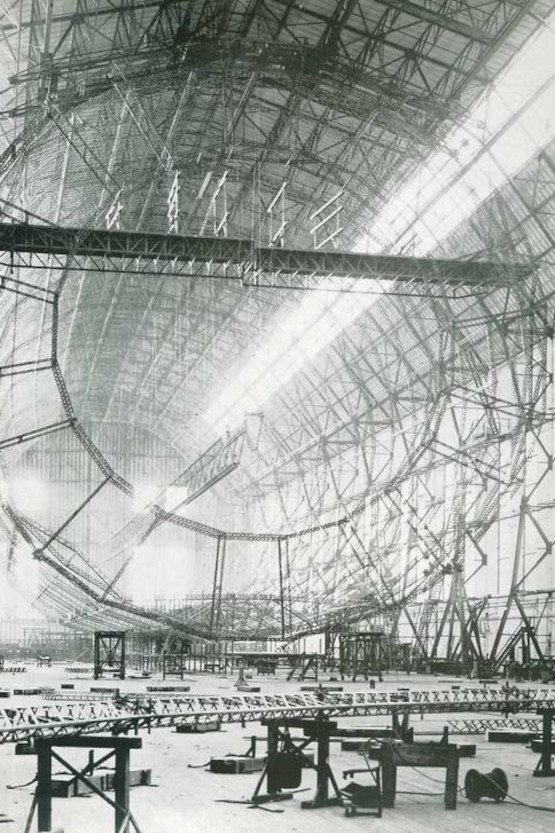
Film by Hiroshi Shimizu, featuring an early role for frequent Ozu and Naruse collaborator Hideko Takamine.
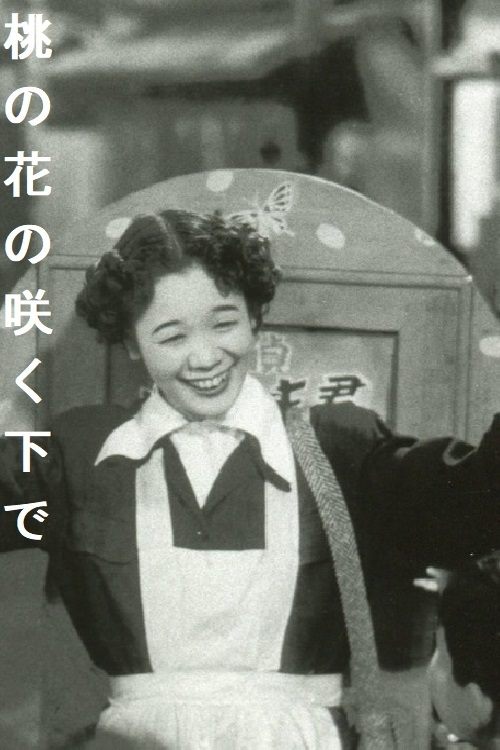
A picture-story-show operator, accompanies her son, Akira, who lives apart from her, to a hot-spring medical treatment and spend a moment of brief happiness together, but eventually the time comes to say goodbye. The portrayal of the children and the atmosphere of the hot spring resort shine through in this film about a mother by master filmmaker Hiroshi Shimizu.
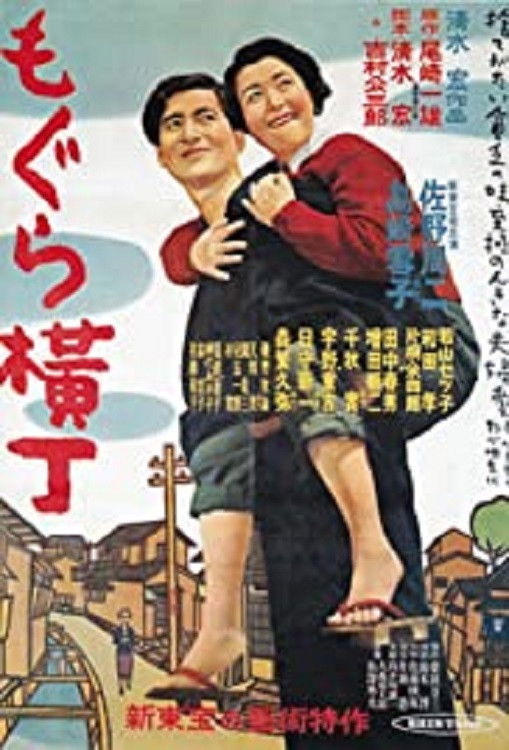
33-year-old poor writer Ogata was able to endure his miserable life cheerfully thanks to Yoshie, a 19-year-old innocent young wife. After graduating from a girls' school in Hokuriku, she immediately moved to Tokyo to meet and marry Ogata. After neatly writing Ogata's manuscript, he would buy dorayaki as a gratuity and devour it.
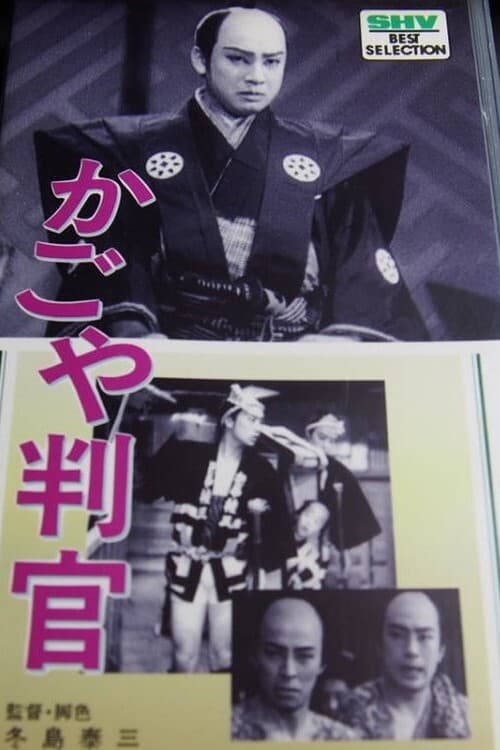
Two cowardly palanquin carriers know the culprit of a murder, but are too scared to report it to the police. In the meantime, an innocent man is arrested as the murderer and chaos ensues.
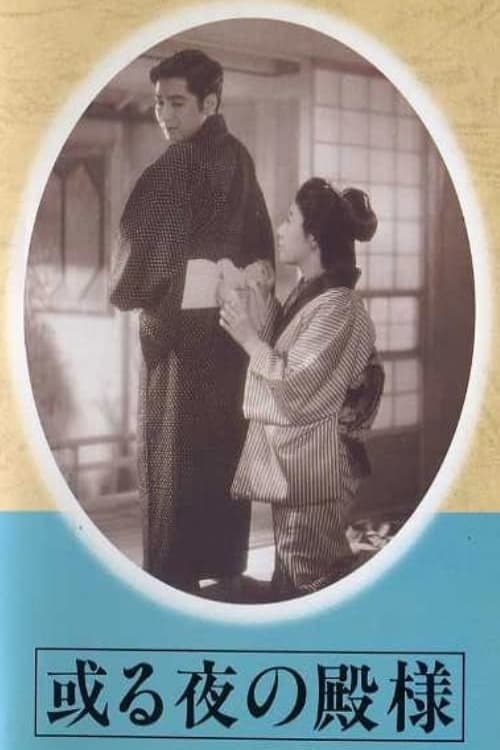
In 1887, two businessmen, Echigo-ya and Kitahara, compete for railroad construction authorization from the government. The minister states that a local noble must not object, and his missing younger brother is the only one who could sway him. Meanwhile, Omitsu, a hotel employee tired of Echigo-ya’s wife’s arrogance, teams up with Kitahara to stage a scheme where a vagrant young man pretends to be the noble’s lost brother, aiming to trick and embarrass the wealthy woman.
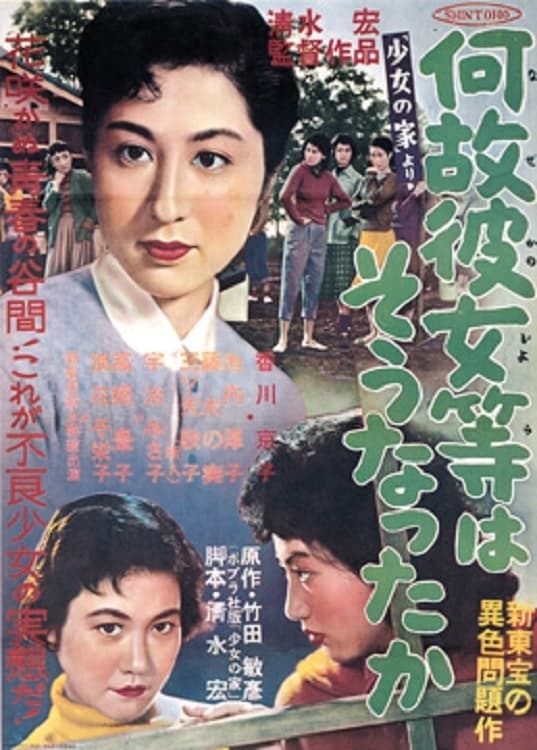
The day to day life in an establishment for delinquent teenage girls.
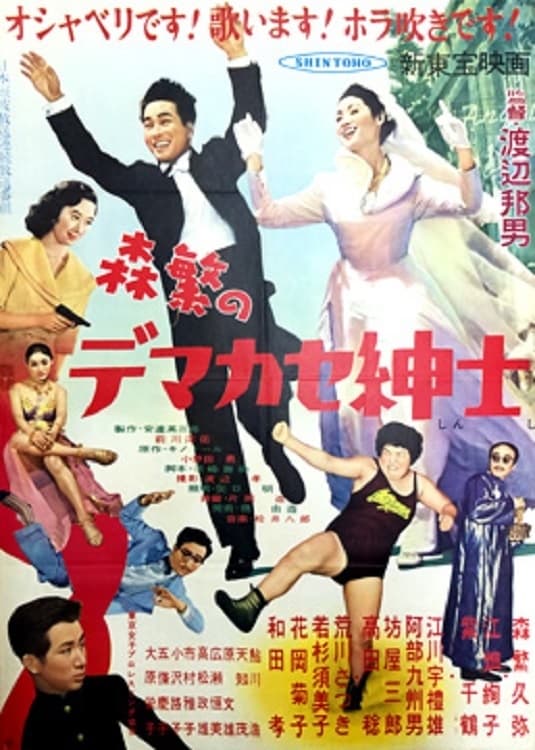
Scammer Horikawa Shinbei hopes to make a quick buck using Namie, a stripper under his control.
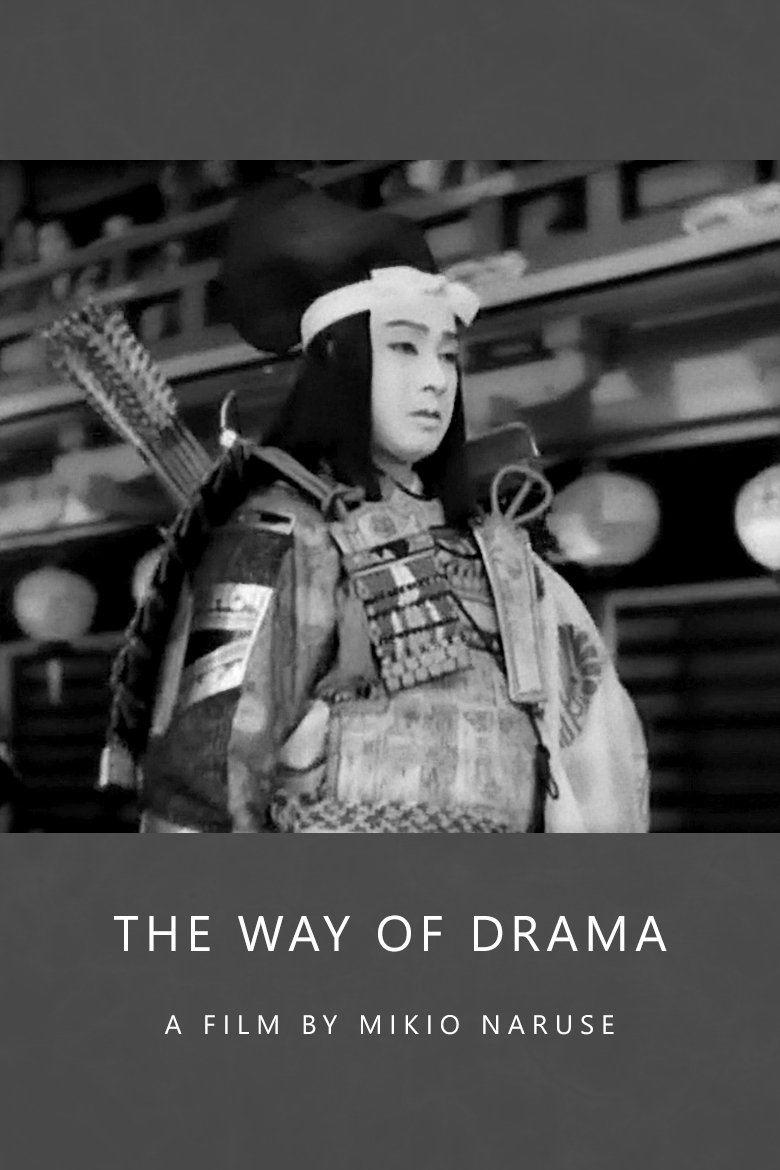
The Way of Drama unfolds in the world of kabuki in Osaka, but also addresses the politics of popular culture and the rivalry between theatrical styles like those used by amateur actors to dramatise contemporary events.
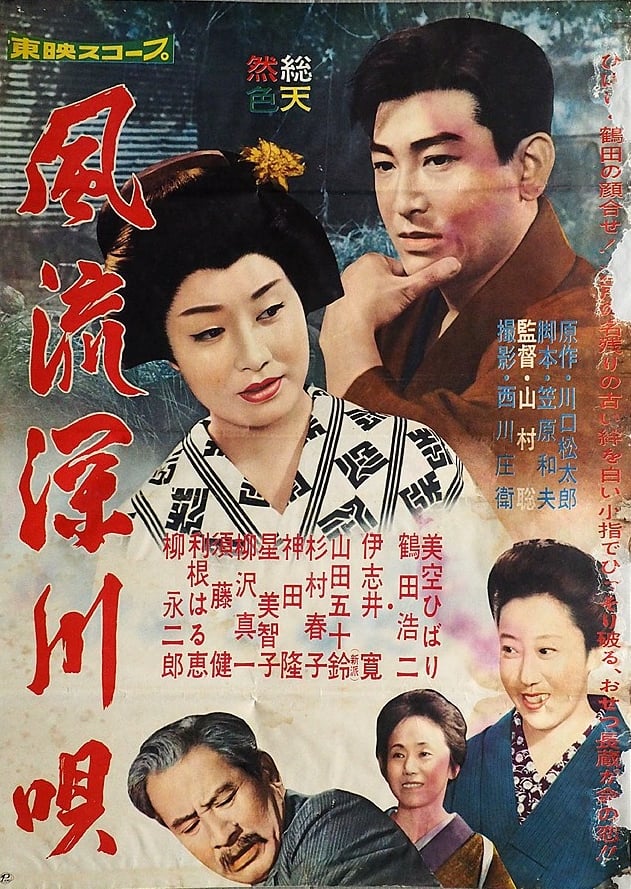
A poignant story about a young couple, Setsu and Chozo, who are torn apart to save Setsu's father's restaurant.
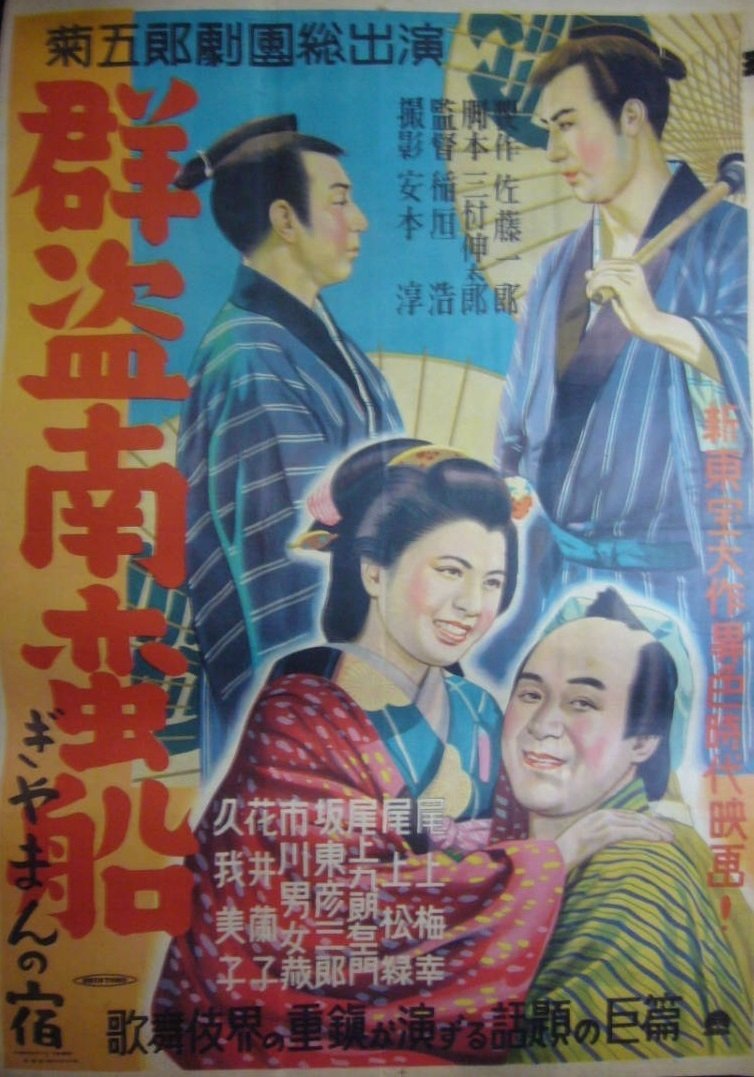
1950 Japanese movie
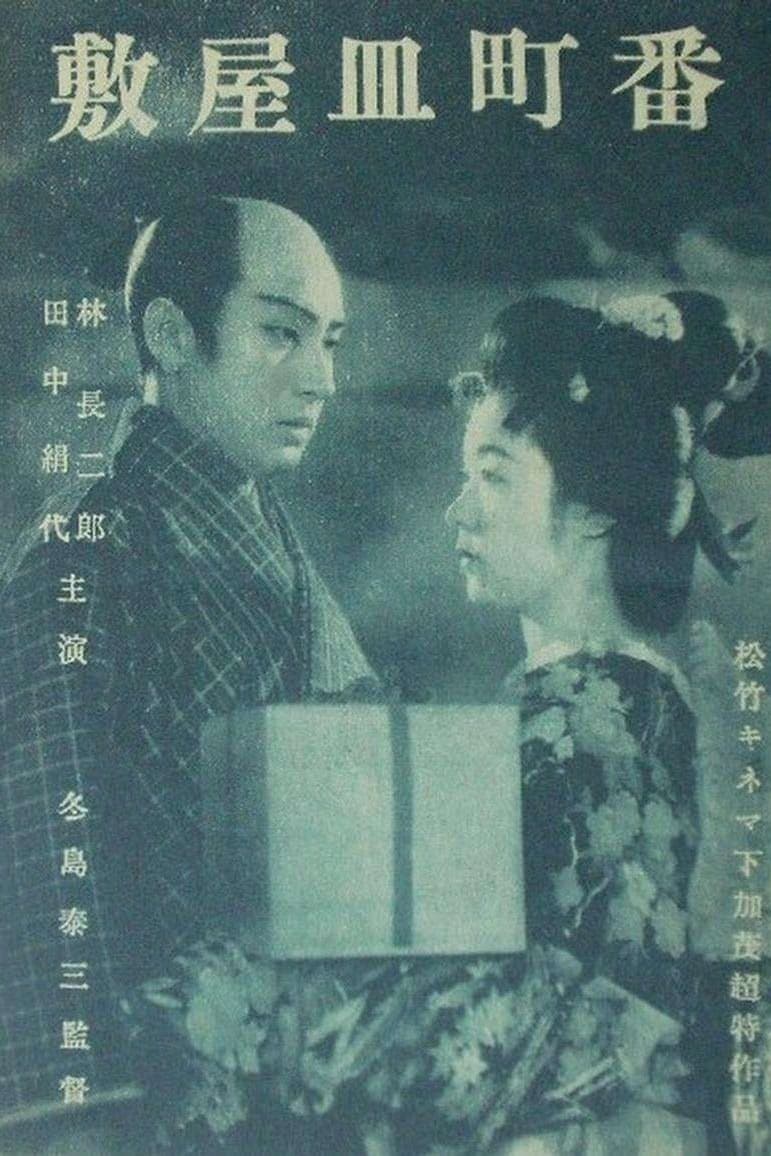
short film about Banchō Sarayashiki.
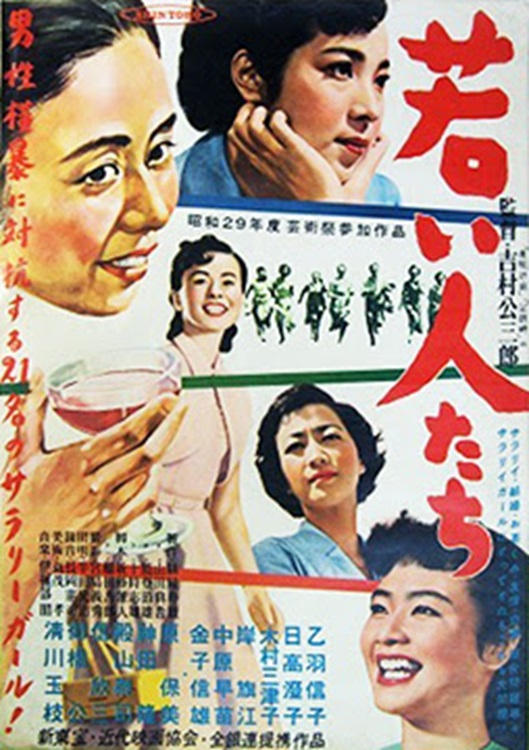
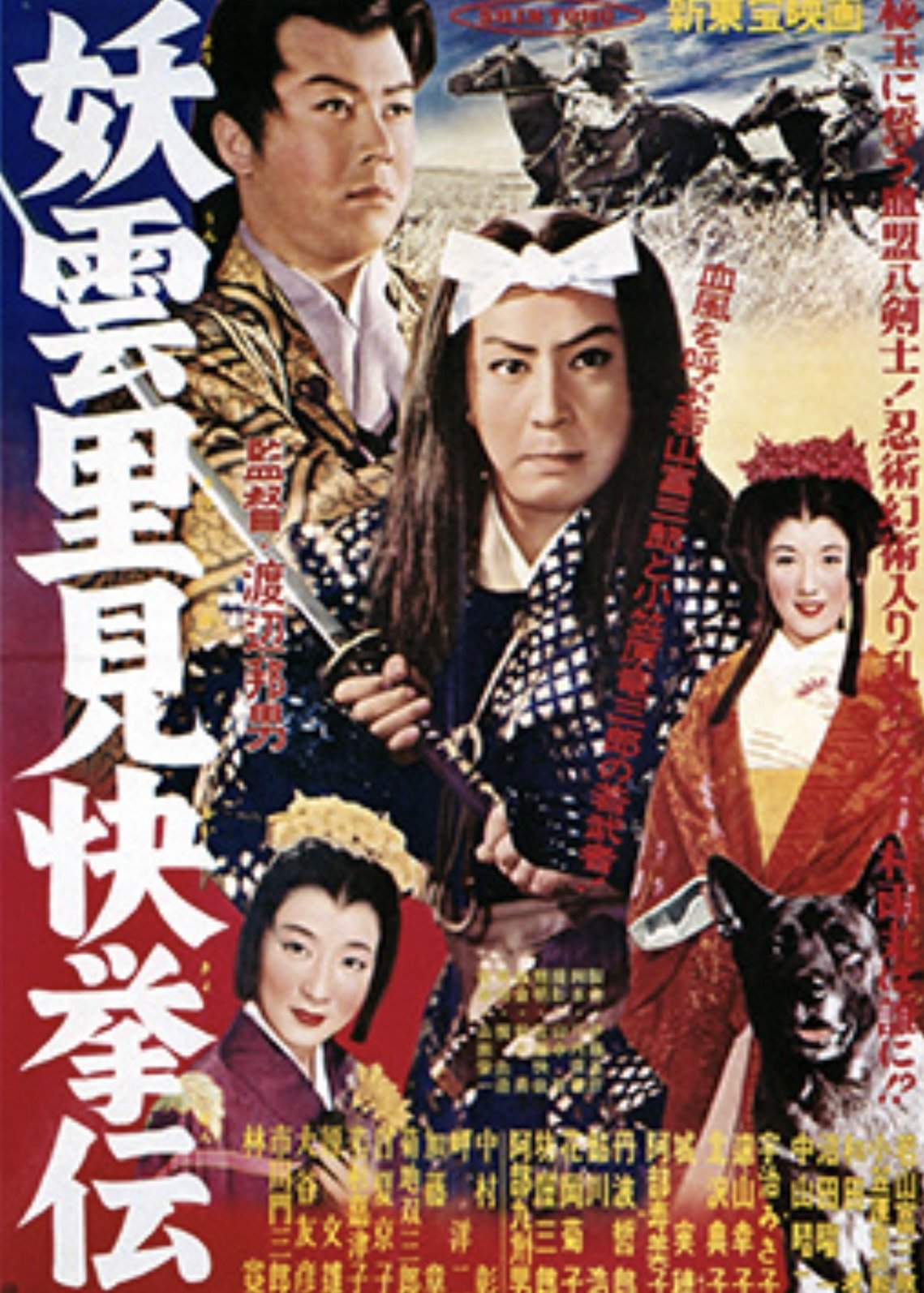
In the first year of Chōroku, Satomi Yoshimi, lord of Takita Castle in Awa, faces defeat by neighboring lord Anzai Kagesuren. As the castle nears collapse, Anzai demands a seed from Yoshimi’s lineage, specifically from his wife, Fushihime. Outraged but facing annihilation, Yoshimi gives Fushihime a string of eight ancestral beads and urges her to escape to loyal retainer Inuda Kobungo. Instead, she goes alone to Anzai, followed by her dog, Hachibo. In a twist, Hachibo attacks and kills Anzai, allowing Fushihime to escape. She later reveals that the beads protected her and predicts that eight warriors bearing these beads will someday defend the Satomi family before passing away. Yoshimi finds one of the beads in Inuzuka Nobuno’s armor and convinces her to serve him. Meanwhile, Baka Daiki, plotting to overthrow Satomi, imprisons Inukawa Shosuke, who tries to intervene, under the watch of vassal Aminen Saomojiro.
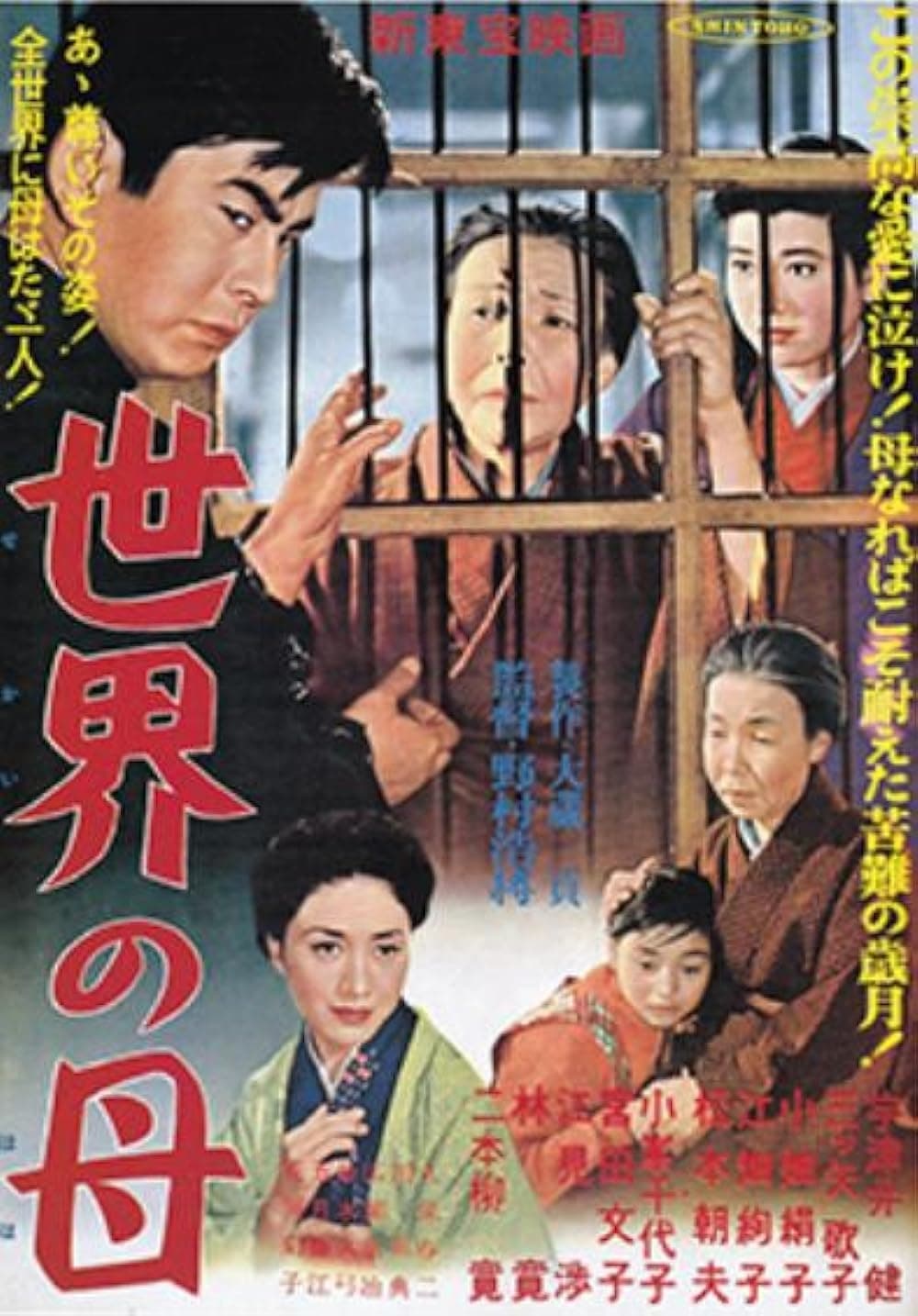
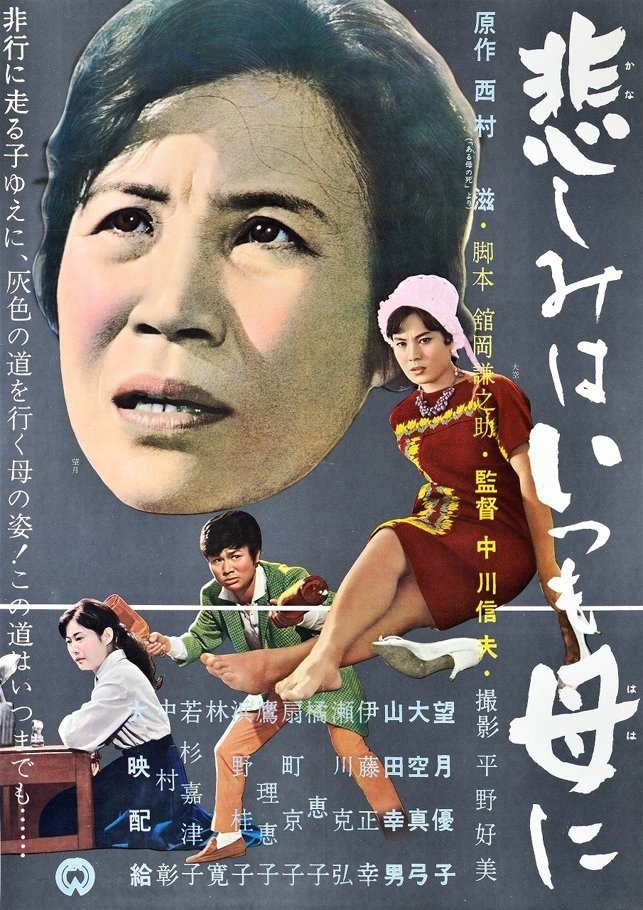
The last film produced by Shintoho.
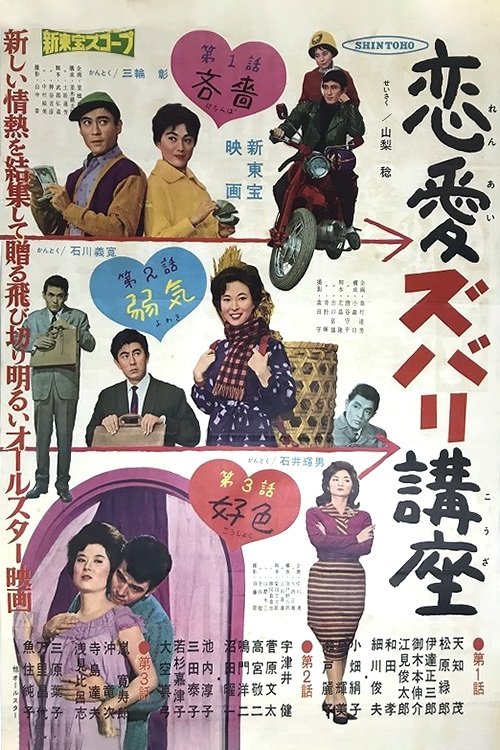
A omnibus movie consisting of the three parts: "Kechinbo", "Yowak" and "Kōshoku".
Japanese comedy film released to commemorate the 10th anniversary of Shintoho's founding.
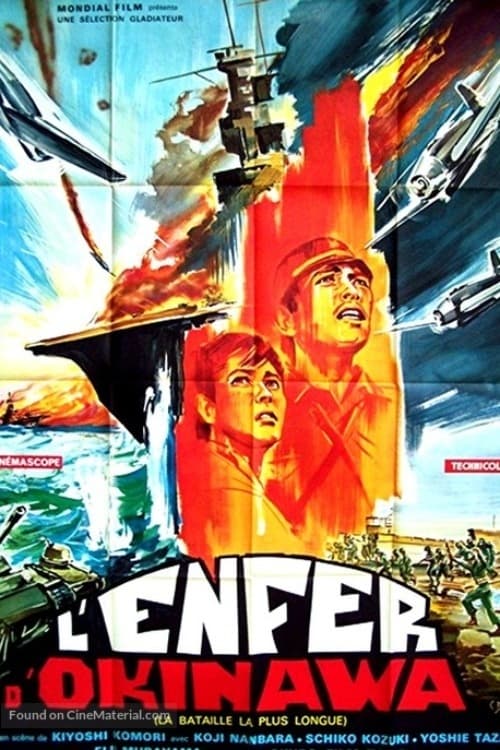
The last fight put up by remaining forces and a special volunteer nursing corps in 1944-5.
Japanese silent film from 1928.
Japanese silent film from 1929.
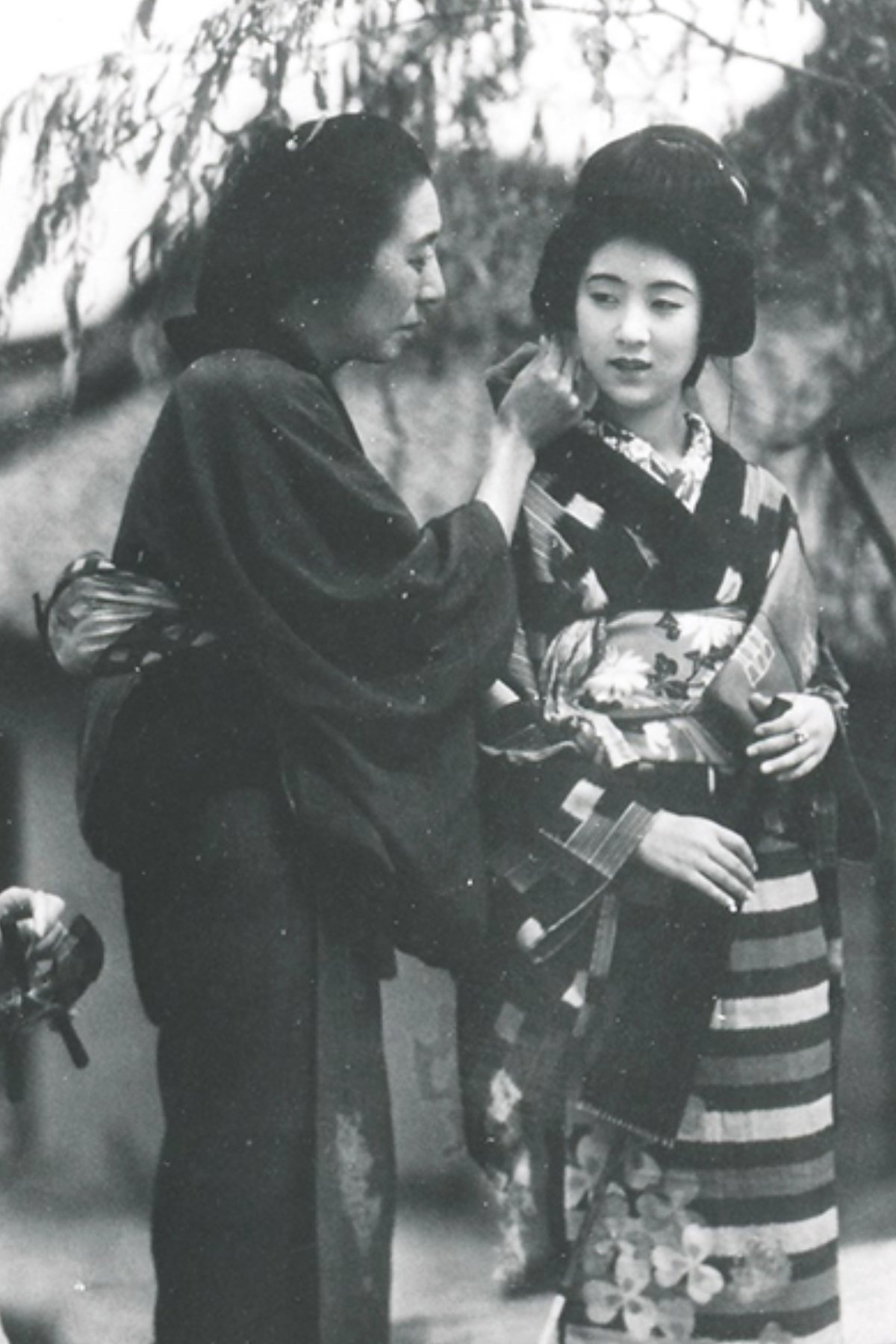
Japanese silent film from 1930. Directed by Heinosuke Gosho, the film marked a new stage in the artistry of Kinuyo Tanaka, earning acclaim strong enough to greatly expand her following as a leading actress.
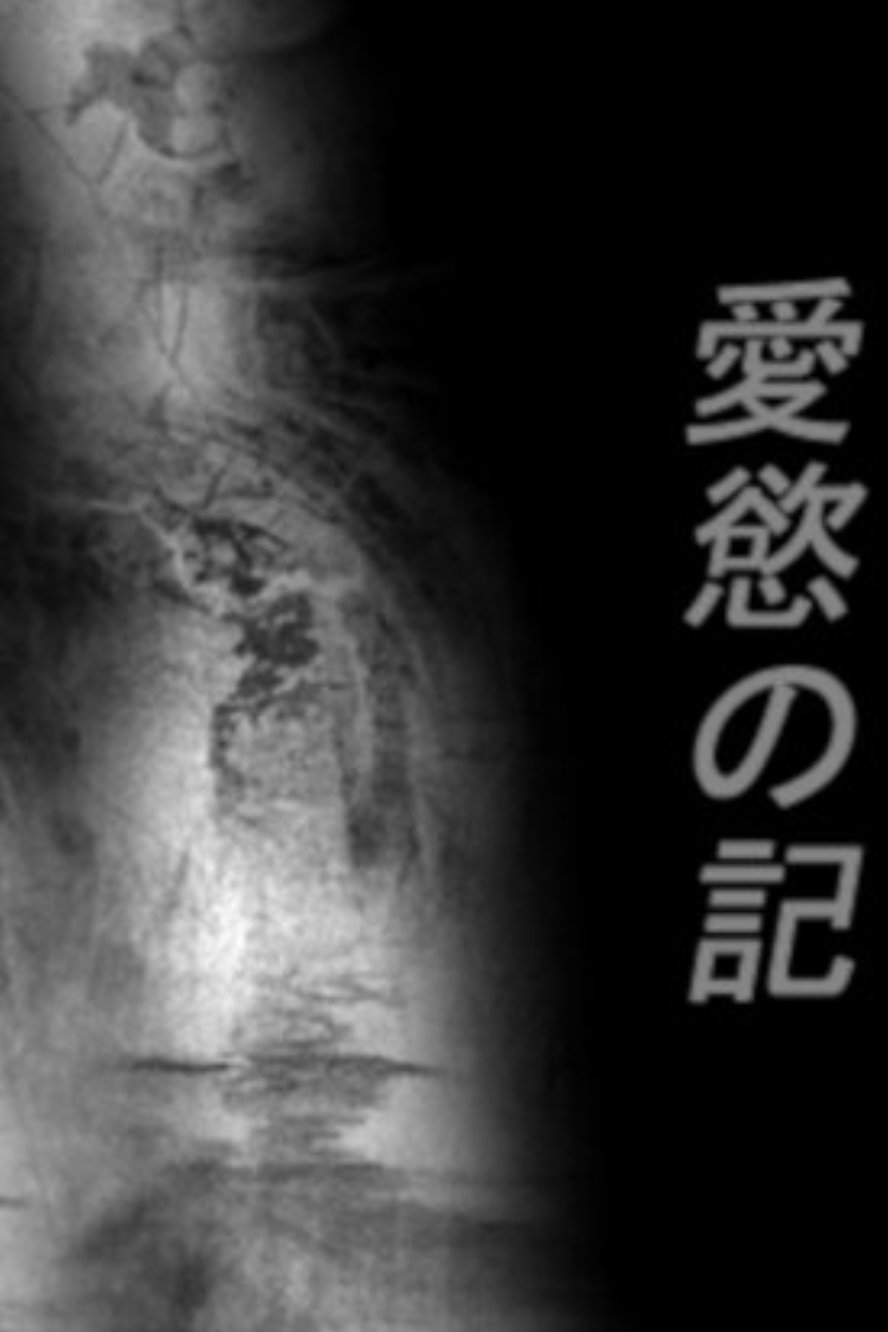
Record of Love and Desire a.k.a. Desire of Night (愛慾の記[b], Aiyoku no ki; lit. "Memories of Love and Desire") is a 1930 Japanese silent film directed by Heinosuke Gosho, starring Kinuyo Tanaka and Ichirō Yuki.
The three-hour Ai yo jinrui to tomo ni are / Love, Be with Humanity (1931) starts as a satire of alienation in the world of money, develops into a lumberland epic with a forest fire on Sakhalin Island, turns into a tragedy of King Lear dimensions, and manages to amaze the blasé audience with a happy end in the Wild West.
Kan’ichi Hazama and Omiya Shigisawa are engaged to be married, but Omiya breaks the engagement to marry a wealthy banker’s son. Heartbroken, Kan’ichi becomes a moneylender, and years later their paths cross again under changed circumstances. Adapted from a popular serialized novel of the same name.
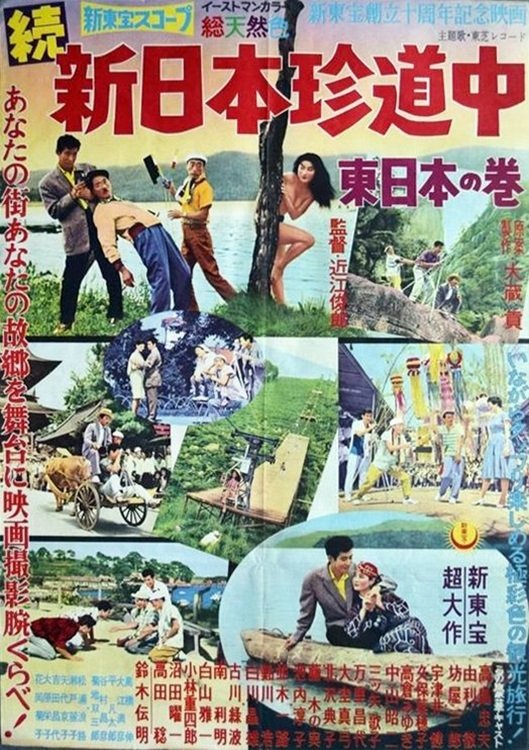
Part 2 of Holiday in Japan