
A thrilling story about the liquidation of a Polish terrorist group in Slovakia in the post-war years.
Episodic film consisting of three satirical shorts ('Smutný káder', 'Typický prípad' and 'Vel'korysá kampaň') comically exposing the shortcomings of society. In the interval between each short, a committee recognising themselves in the characters on screen, voice their approval or disapproval of each film.

Jakub, a dreamer and budding magician, juggles between parcels and services rendered to the villagers. His eyes cross that of the beautiful gypsy Jolanka. Together, they will try to live a first and big love, despite the pressure of their respective communities.
Drama about the rebellion of the Trencín Infantry Regiment against its superior officers in the Serbian city of Kragujevac, at the end of the First World War. It was the biggest and deadliest rebellion in the Austro-Hungarian army.
Three friends, Emil, Vrabec and Mišo, spend every Sunday playing the lottery, each nursing a personal dream: Emil wants a Jawa 250 motorcycle, Vrabec hopes for a Pionier scooter and Mišo imagines funding a world tour. Frustrated by constant losses, they decide to maximize their stake in the next draw, convinced that more money will tip the odds in their favor. Their plan takes an unexpected turn when they meet attractive Eva Dvorčíková on a televised variety show - Eva has long been Mišo’s unspoken crush. To determine who will have the right to win her affection, the friends agree to draw lots, putting their bonds and ambitions to the test.
The drama of the last days of the second world war through the eyes of children in rural areas.

Television adaptation of the novel by the Italian writer Italo Svevo. His hero is Zeno Cosini, the son of a merchant in Trieste. He is a type of useless person, defeated by life and incapable of action. The ironic insight with which the author draws a picture of the townspeople of Trieste at the turn of the century sounds like an accurate diagnosis of a social class that is doomed with its entire lifestyle and morality.
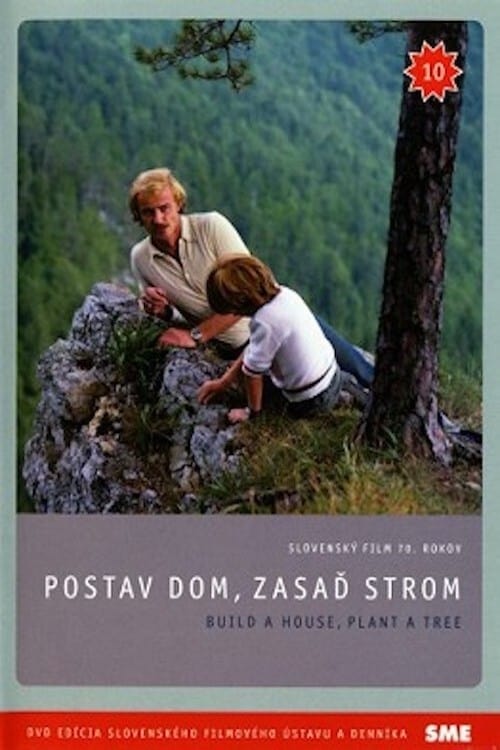
Juraj Jakubisko's first feature film after a forced nine-year-long break is a story about an unconventional man, Jozef Matúš. He arrives to a small village in eastern Slovakia to settle down and start a family. He is ready to subordinate everything to his goal. It all starts with stealing building material and ends with him disregarding those close to him to a point where his ambitions are turning against him. Build a House, Plant a Tree is a viewer-friendly film with a plot resembling a western, including several attractive action sequences.
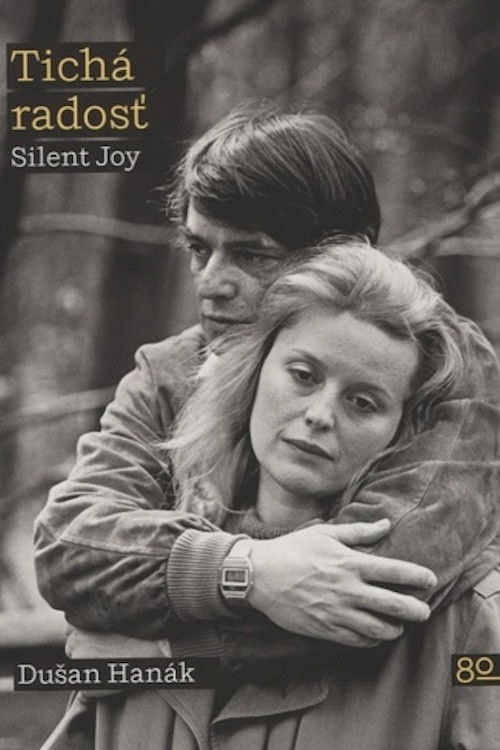
This film is a psychological study of a woman who chooses solitude as an escape from the duplicity and emotional barrenness of the men around her.
Police Lieutenant Vlado Hronec, together with the curious journalist Zvar, first search for the thief of important production documents, which they might be interested in even behind the Iron Curtain. At first, they think that engineer Kovalský stole them and fled with them across the border. However, when it is discovered that someone killed Kovalský, they have to start the investigation all over again...

The story is based on the situation in the housing estates, where parties of children who don't know how to spend their free time proliferate.
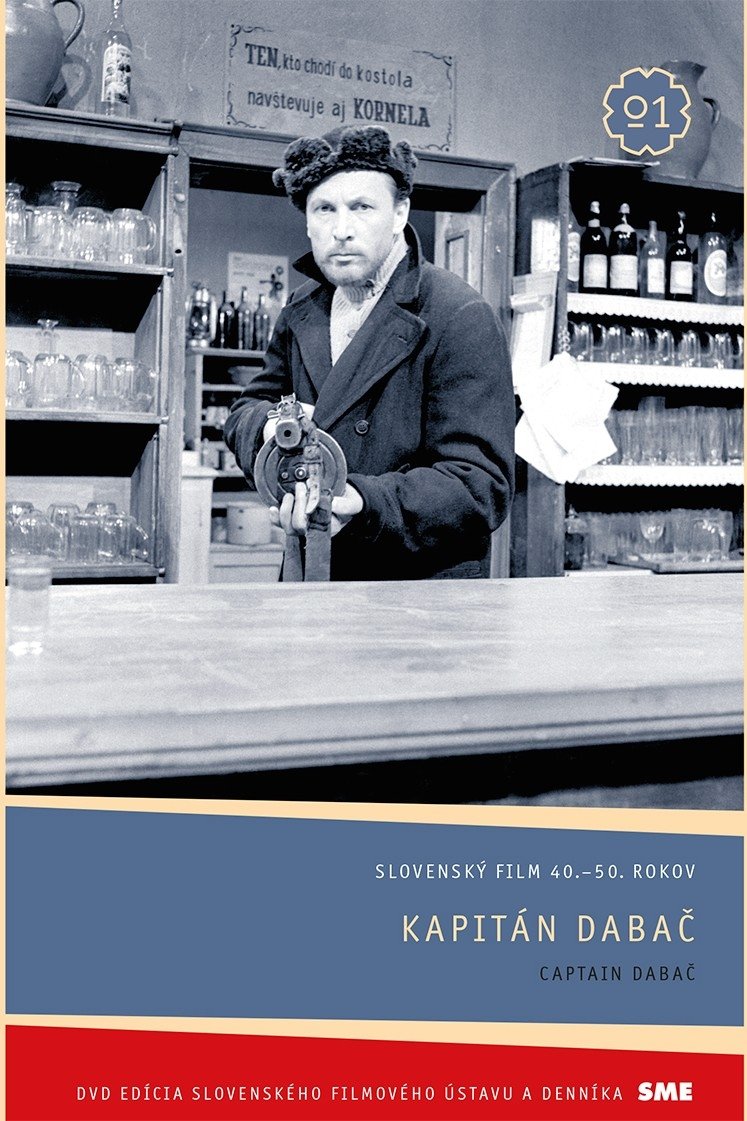
The drama of a young Slovak army officer who gradually realises the horrors of fascism during the fighting in Ukraine. On his return to Slovakia, he joins the SNP. However, he cannot overcome his loner attitude or his doubts about the meaning of partisan activity.
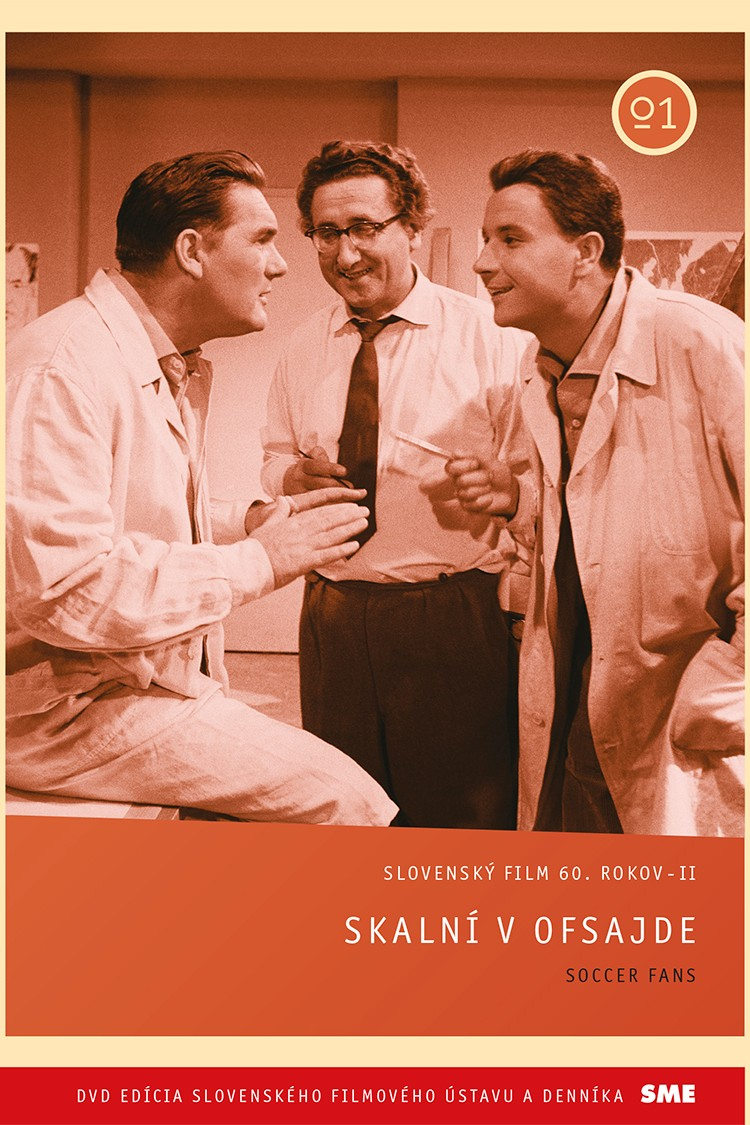
Three soccer fans are determined to do literally anything to get to the soccer match between Czechoslovakia and the famous representation team of Brazil. Reaching their goal to see the dream match live cannot he precluded neither by a sudden work task nor family obligations. However, there is one more obstacle in their way: for some time, their enthusiastic behavior during soccer matches has been monitored by the police. This time, it will not be easy for them to get to the stadium.
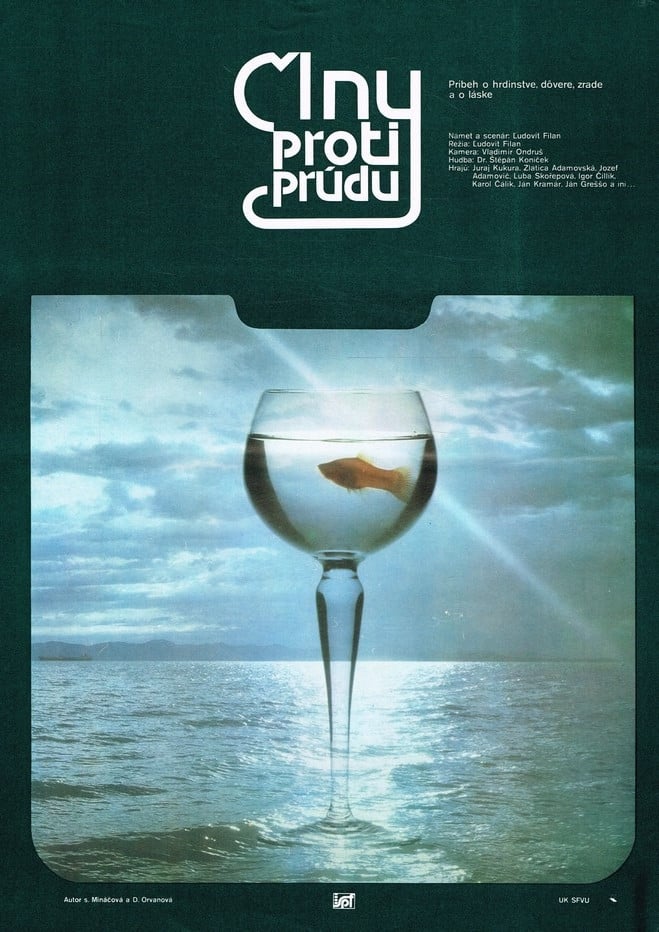
War tests human character severely, because the slightest suspicion of failure is hard to live with. A resistance worker who finds himself in such a situation would rather sacrifice his own life in order to dispel once and for all the doubts of those around him. Thus an agitprop was created about the moral maturity of those who consciously and from the right class positions fought against Nazism.
A dramatic story from the environment of young actors, students of the Bratislava theatre school. Betka Šimanová, a young acting adept, is a diligent student, but diligence, perseverance and hard work cannot make up for her lack of talent. She comes to this realization only after experiencing many disappointments and setbacks.
A teenager gets into a difficult situation due to several causes and tries to hide. His relations to others will decide his further life course.

This film is one of the most popular pictures of Slovak cinema and relates the story about the legendary folk hero and brigand Juro Jánošík [1688-1713] and the social situation in Slovakia of the late 17th and early 18th centuries. The first part talks about Jánošík's childhood, studies and return to his native village. In the second part Jánošík leaves for the hills, where he organizes his band of brigands and starts an anti-feudal resistance. The film concludes with Jánošík's execution.
At the beginning of normalization, stories emphasizing civic awareness once again prevailed. The hero here is a teacher from a small village in the foothills, whose inhabitants help the partisans in their fight against fascism. The hero, the only intellectual among them, agrees with them and educates not only his students in this spirit, but is also prepared to lay down his life for his ideals. When German soldiers occupy the village and force the teacher to cooperate, the model situation escalates.
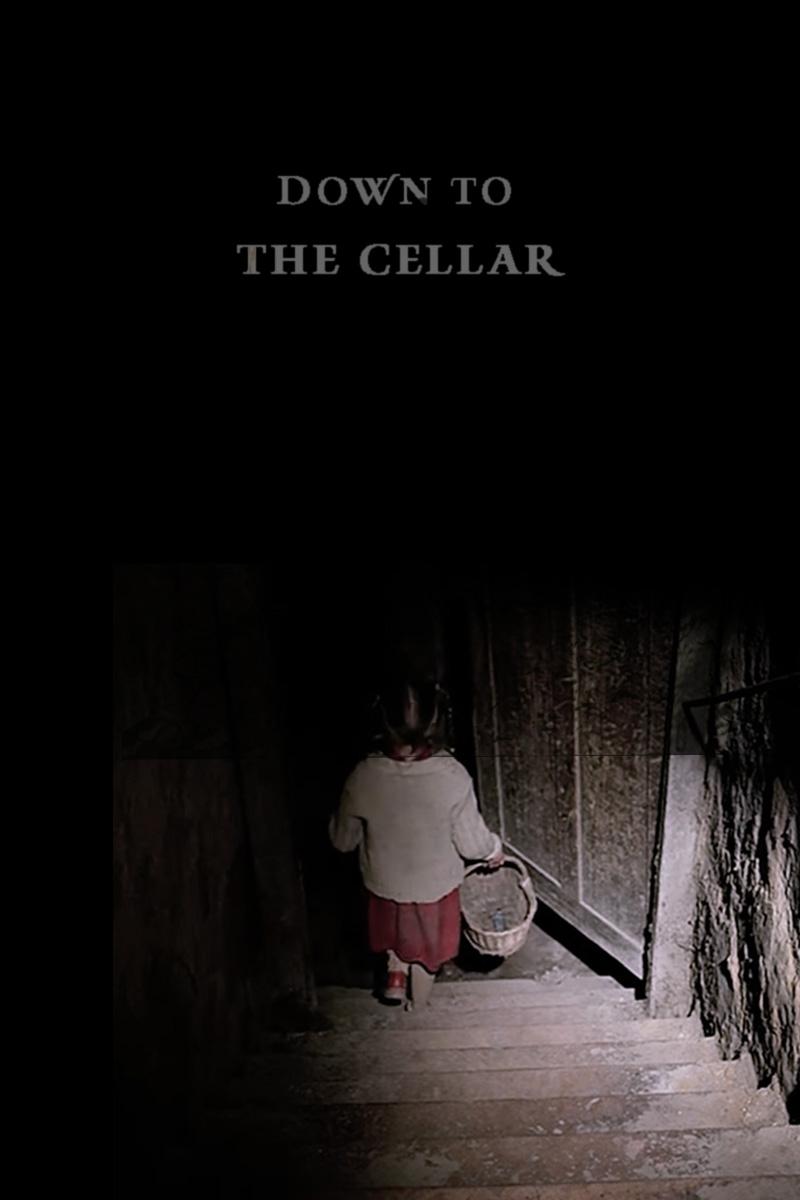
A little girl goes down to the basement cellar to fetch some potatoes, and finds all her hidden fears about the cellar depicted in animated form.

A movie built up of three stories about life in a small Slovak town. The Prosecutor: the district attorney is a jazz orchestra soloist at the same time and that is much disliked by the local provincial society. The Defender: is about a young doctor's relation to his patient, who is open about his reactionary opinions. The Judge: it is only after long years that the old judge realizes that his own marriage is in jeopardy.

Johanka had a fling with a well digger she had not met before and who, she was most likely certain, would never be around again. Just before his departure, they have sex and she eventually becomes single mother of a baby girl. Now, 18 years later, her daughter Paulina commutes by bus to work in the nearby city, which gives the village gossips the occasional opportunity to remind her of her unknown father. A resultant conflict with her mother makes Paulina take up residence in the city. Johanka, prodded by her also-single friend Jozefka who maintains that a woman without a man is nothing, begins to woo the new teacher Jarek only to discover later that he is married. Paulina, in the meantime, loses her virginity to the soldier Jirka who promptly makes himself scarce. Johanka fails to consider that she actually has a better life than some of her married neighbors, begins to see.
The beautiful, bright and intelligent, but perfectly mischievous Marquise de Mertuil and her charming and equally depraved and ruthless friend, the master of seduction Vicomte de Valmont play a cynical game full of intrigue. The marquise is willing to devote one night full of passion to the viscount. However, on the condition that the viscount first deflowers the innocent Cecile de Volanges, who is to marry her former lover. In the end, they themselves become victims of their own dangerous game.

Two female clerks using up their savings to enjoy a few days of carefree life, two plumbers looking for an erotic adventure, a building contractor determined to drink away all wages of his workers and a former major who became an alcoholic due to political persecution — these people meet in a ski resort bar somewhere in the High Tatras. During one night they gradually reveal their unfulfilled dreams, illusions and disappointments of ”average" people of those times.
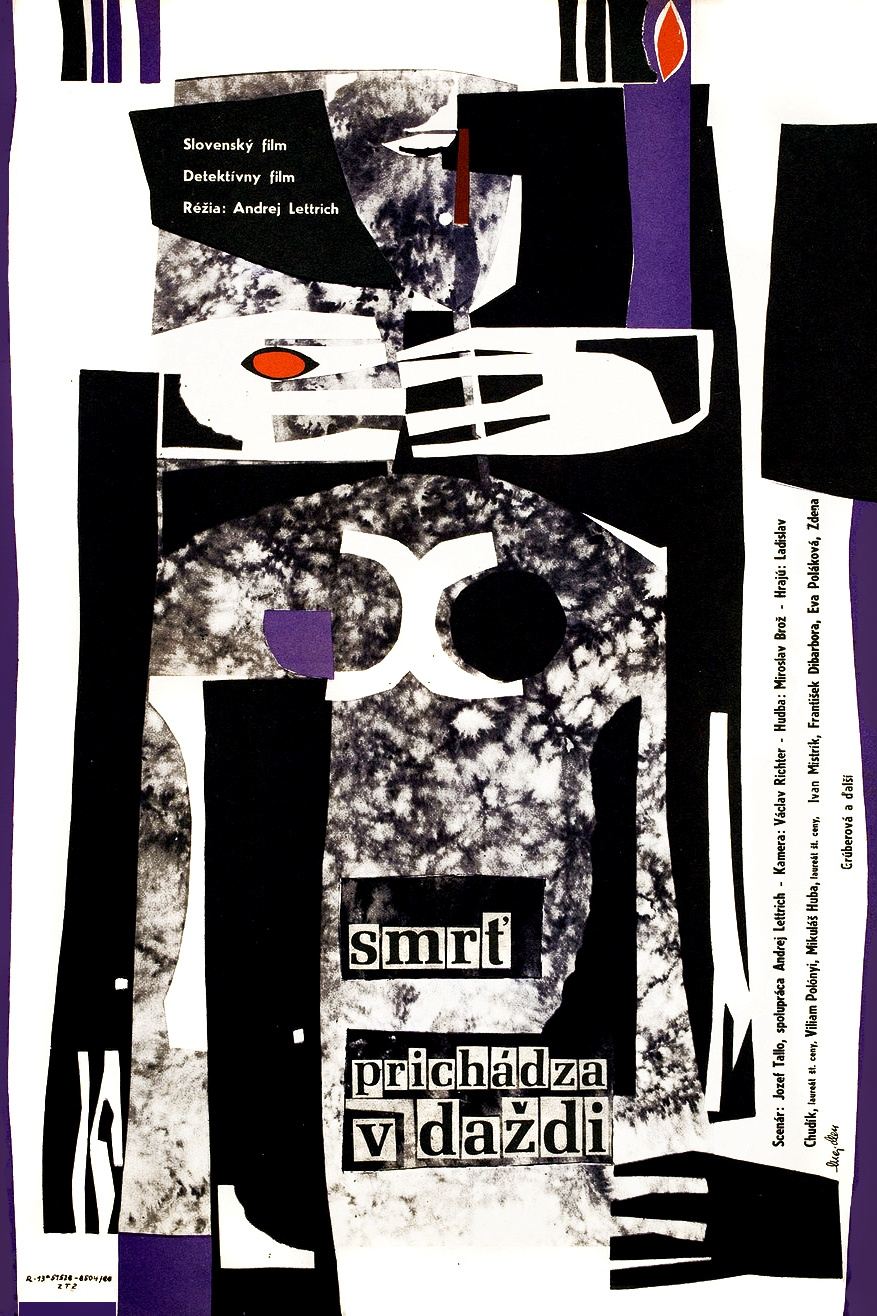
A Slovak detective story set in contemporary Bratislava and featuring ordinary people with their own everyday problems. The violent death of Olga Holešová places them under heavy suspicion of murder. A series of strange coincidences and circumstances complicate the investigators' work. Her husband's infidelity, the loss of a large sum of money that the treasurer Fiala is supposed to replace, a lawyer earning extra money by doing various odd jobs - all these are confusing clues, among which investigator Jakubec eventually finds a thread that will lead him to the correct solution to the case.
In Slovakia, they also created a pair of investigators who have appeared in several films. Volanie démonov is the third of them. The police officers, one Maigret-like, thoughtful, the other humorously hasty, this time solve a fire in a furniture factory and the deaths of two employees - one burned himself, the other fell into a dry well. The investigation of the complicated case takes a long time, but in the end it turns out that revenge can be extraordinarily strong and persistent.
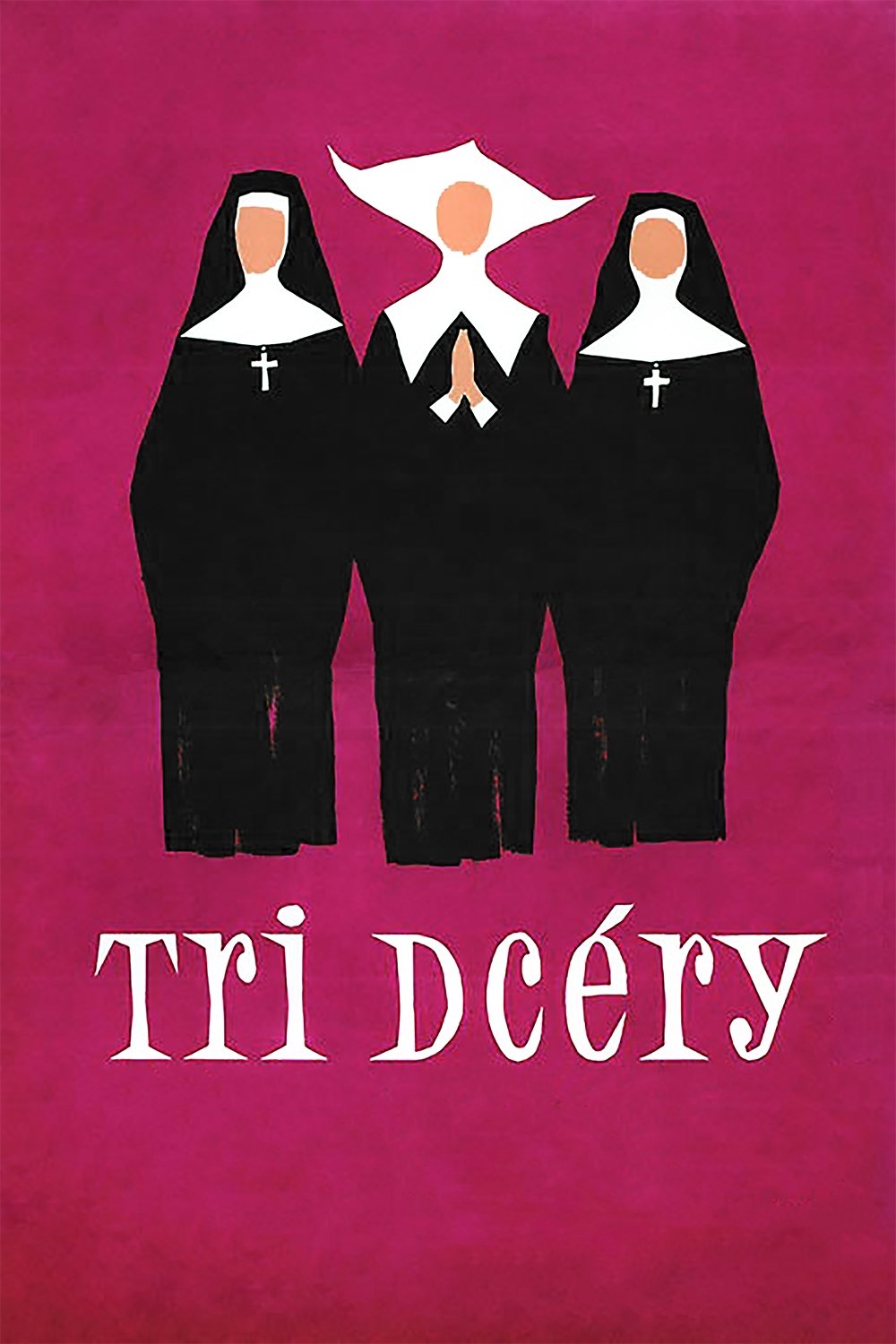
A classical ballad motif about an aging father and his three daughters is quite unusually here set against the backdrop of Czechoslovakia of the 1950s. After having been expropriated, the former landowner Majda seeks refuge with his three daughters whom he had sent to a convent a long time ago. But only the youngest one is able to forgive him and she is willing to take care of him despite the threat of expulsion from the order.
The original television production of the play by Jozef Gregor Tajovský. A drama from a Slovak village at the turn of the 19th and 20th centuries, in which the author shows the senselessness of linking human destinies for the sake of property. In the play, the author showed how property had taken over the entire thinking and actions of the farmer Palčík and his wife Mary. They persuaded the poor Ľavkovs to give them their son Ďurek as their own and marry him to Zuzka, with the understanding that they would transfer all the property to them after their death.
Two families live in an old house in a small town. Downstairs with his parents, a poor boy and upstairs, the owner's little girl, who sings very well and aspires to become a great singer. The boy adores his little friend and is very proud of her pretty voice. One day the children go to a fair together. The boy buys his friend a gingerbread heart with his hardly saved pennies and gives it to her out of great love. But he cannot yet tell her how much he loves her. He whispers his feelings only to the old willow tree, which is the only one who knows his secret. The years pass and the children become adults…
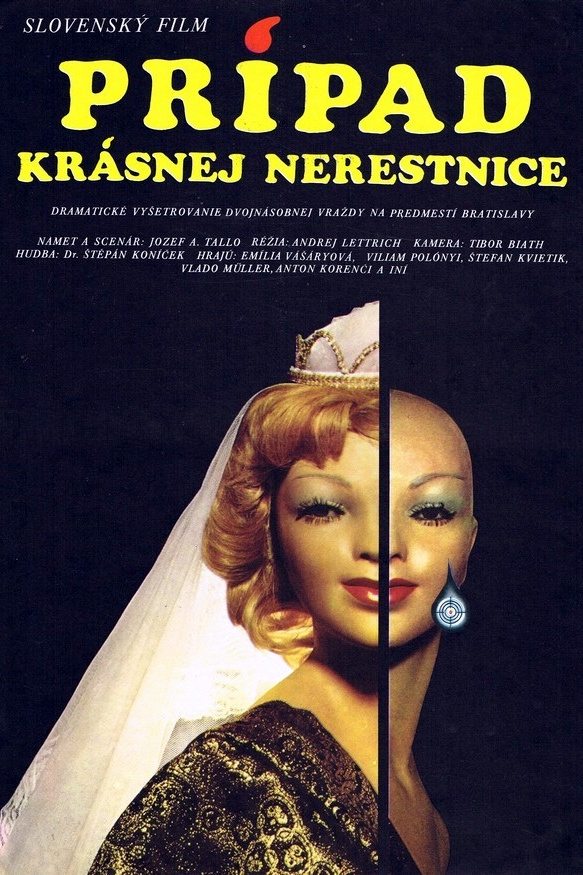
A crime story about a victim who was not entirely innocent. A fashion show is held on board a Danube steamer, where the star is the model Anna Vlčková, nicknamed "the beautiful harlot" because of her acquaintances with wealthy foreigners. Coincidentally, the young police captain Strelková and her older colleague Lieutenant Michalek are also among the spectators. Neither of them has any idea that Vlčková has a crush on the sick Swiss industrialist Langer. However, someone threatens her with death because of her intended marriage to him. Langer dies in the hospital before he can marry the beautiful harlot. However, someone still murders Vlčková with a shot from a hunting rifle. For Captain Strelková, this is the first major case of her career, and it is all the more difficult because the investigator has to make her mark in a world that has been the domain of men until now...
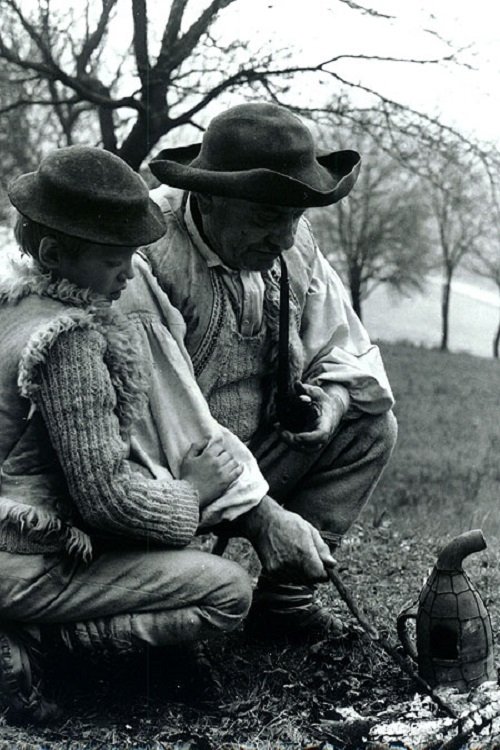
The Old Beekeeper brings a suggestive reflection on the pure soul of a brave simple man who strives to live honestly and selflessly. His relationship to the order of the world and nature also reflects his relationship to people, and he achieves harmony in life through his ability to live in accordance with his conscience and moral principles.
A comedy about Simon, an honest, clever confectioner. In practical life, the humble bachelor becomes an easy prey to his boss, his mother, and hordes of women eager to get married. The story incorporates well-tested methods of nearly all major periods in the history of film comedy: from a lumierish etude with the garden hose to a melancholic tramp to the menace of the streets Jacques Tati. Director Juraj Herz made a major contribution to the modest tradition of Slovak film comedy.

An apocalyptic story of three wars in three film tales encompassing the end of the WWI,WWII, as well as a vision of the world destroyed by nuclear weapons. This film was honored at the film festivals in Venice and Sorrento. Immediately after that the copy with Italian subtitles was locked in a safe as evidence of the anti-communist activities of the director, who used real footage of the Soviet invasion.
A TV adaptation of Zuzka Zguriška's novel of the same name. The story takes place in a characterful Slovak village. It shows a picture of the inhabitants of Myjava in the 1920s, where there is no lack of freshness, brightness, liveliness and cheerfulness. The main character, a wealthy patriarchal ruler, orders her three adult sons around. She refuses to acknowledge her son's love; she does not want a poor bride. She enjoys the rich Susanna, whom the second son marries. After many convoluted and humorous transformations, the poor girl nevertheless wins the seemingly stony heart of the Scourge.
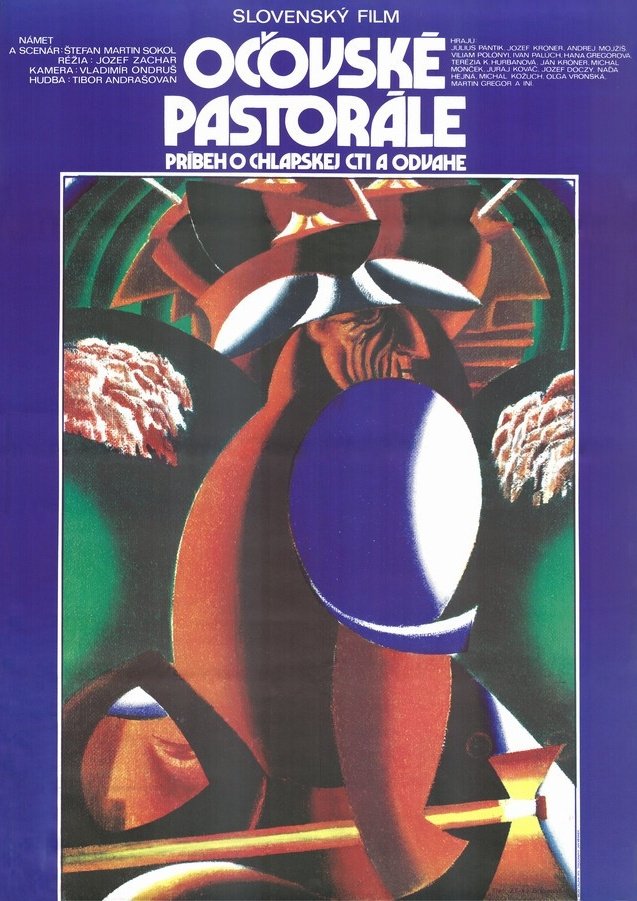
The story of a peasant whose harshness and bluntness only provoke disputes and anger, and his honesty and sense of truth and honor in conjunction with the previous qualities only exacerbate these disputes. The Slovak village with its collective farming, confronted with the habits of a square nature, raised by private farming, creates the main plot and conflict. In parallel, there is a lyrical motif of the young generation, whose love relationships do not care about the old ridiculous anger of the old generation.
In a small community around 400 years ago, Esben (Juraj Hrcka) has to flee when his mother is tried and burnt as a witch as a result of the cruel hysteria of the townsfolk. Finding shelter with the hermit Hans (Peter Staník), a friendship grows between the two, as Hans teaches Esben how to survive secluded from the rest of mankind, and introduces him to the secrets of medicine. But when Hans himself is taken, Esben is forced to flee again...
Dark satire about bare-knuckled capitalism in the immediate post-Cold War era. Set just as the Communist government is collapsing, the film focuses on the brutish Racz, the handyman in a Bratislava hotel. Knowing that his job is insured for life, Racz turns off the building's heat and demands food, money, and sex to have it restored. The film is narrated by a pimp named Urban who explains that people in the former Czechoslovakia were so used to being abused that they simply put up with Racz's corruption. By the end of the film, Racz's fortunes have changed considerably. Instead of being a lowly worker, he is now a ruthless and wealthy businessman, unafraid to kill or kidnap those who get in his way.
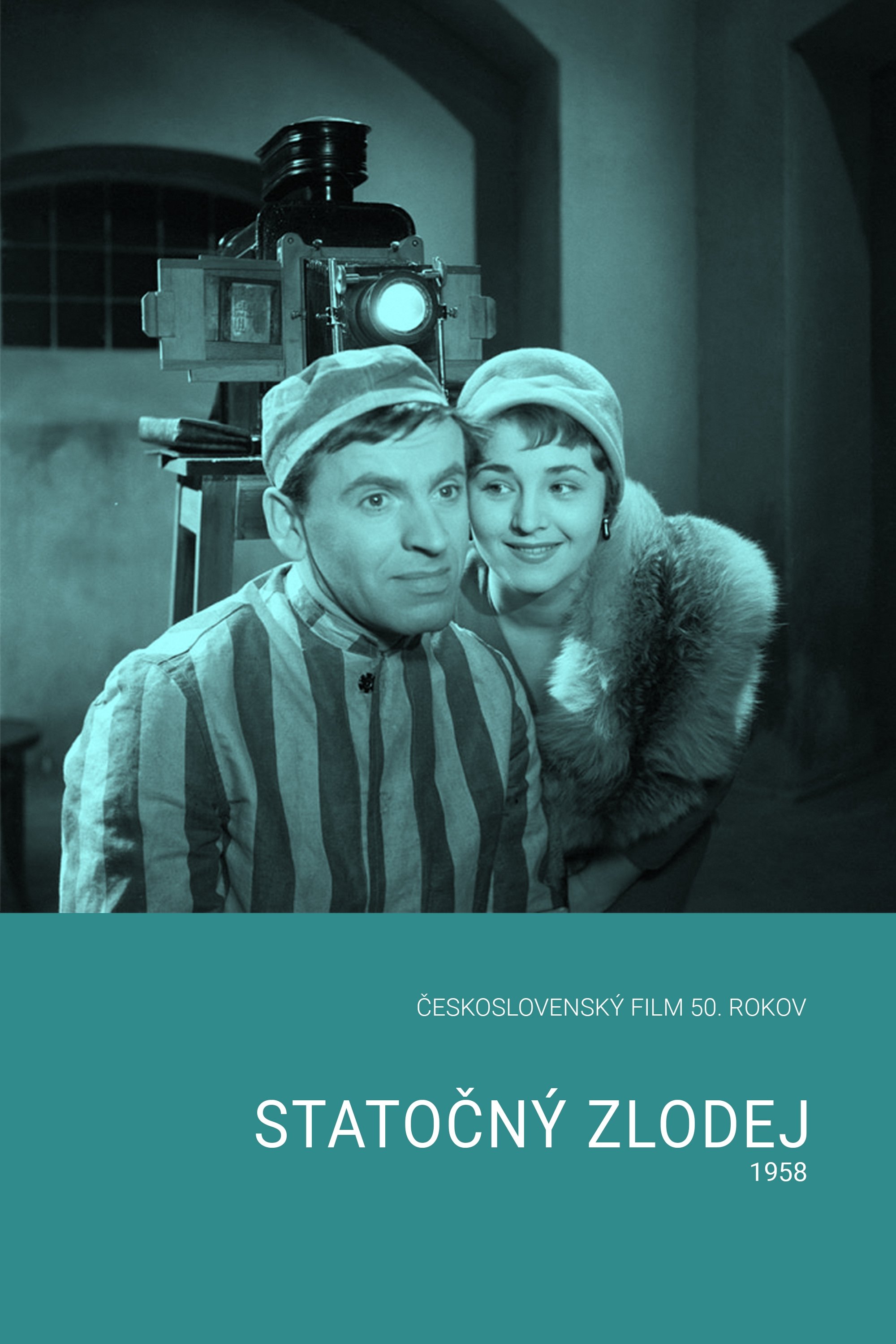
Set in Bratislava in the 1930s, about a clerk at a humanitarian foundation who is unjustly accused of embezzling a large sum of money.
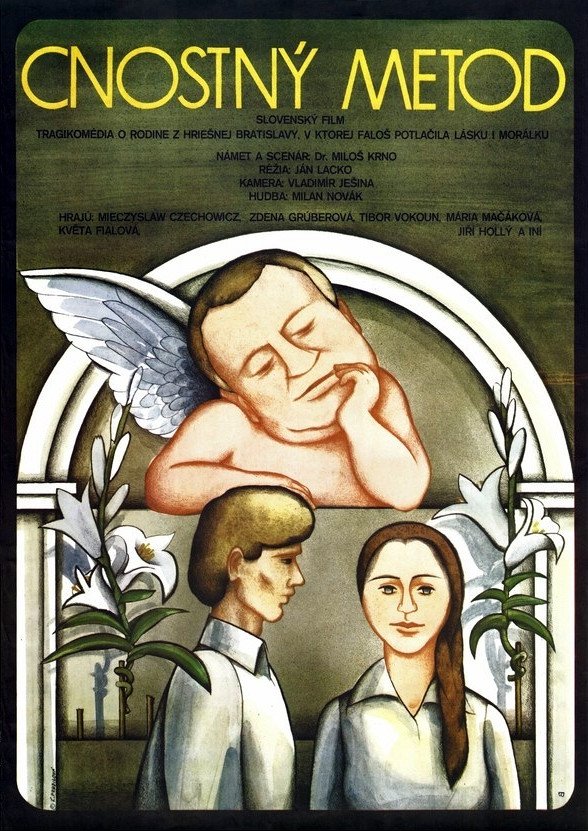
A story about the problems of a contemporary woman in her everyday life. Through the lives of a mother and her two daughters, there is a noticeable effort to capture the fragile world of women, connected with the struggle for independence and self-realization.
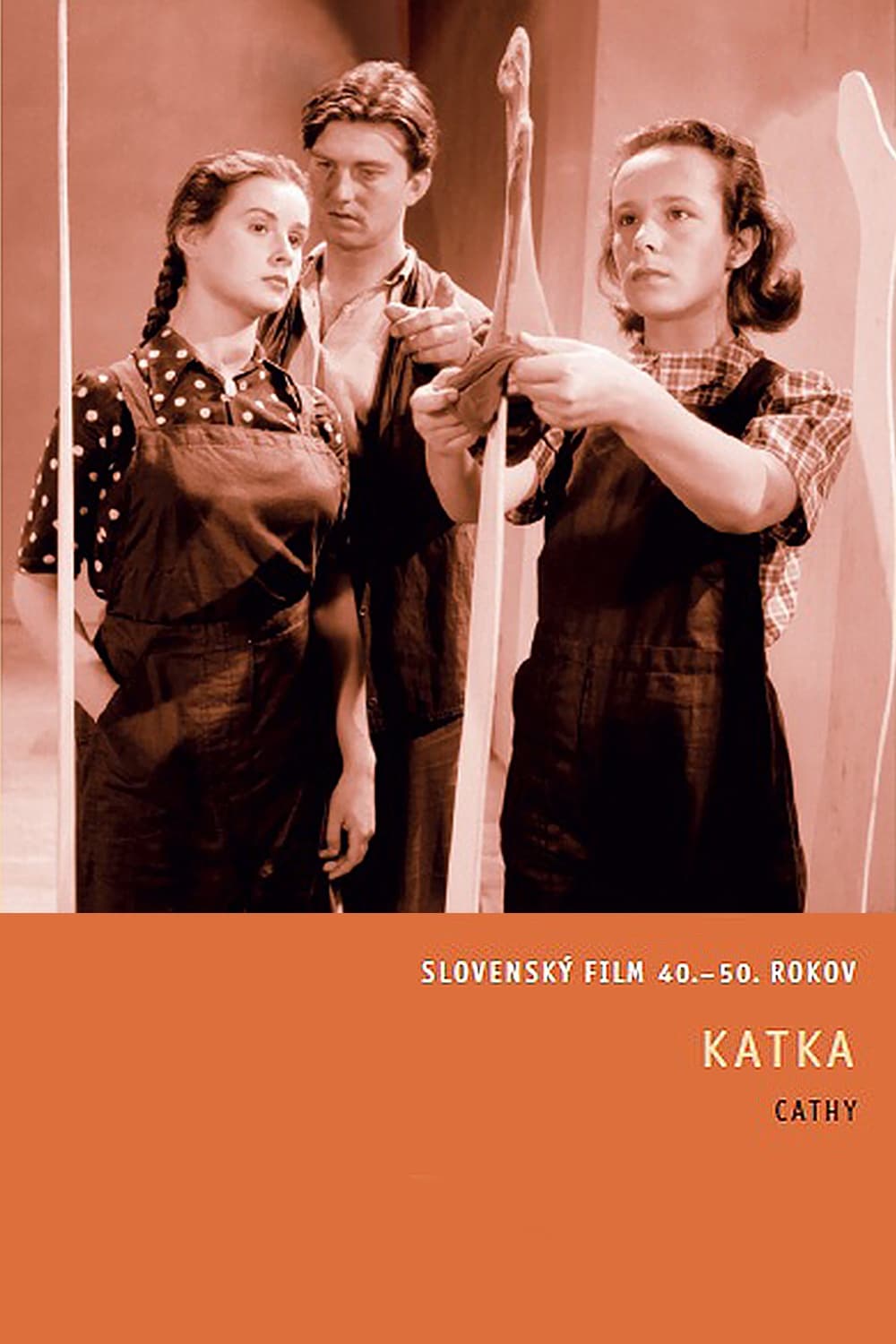
Strong-willed peasant girl Katka disobeys her father and heads to the city to work in a factory, where no one knows quite what to make of her.
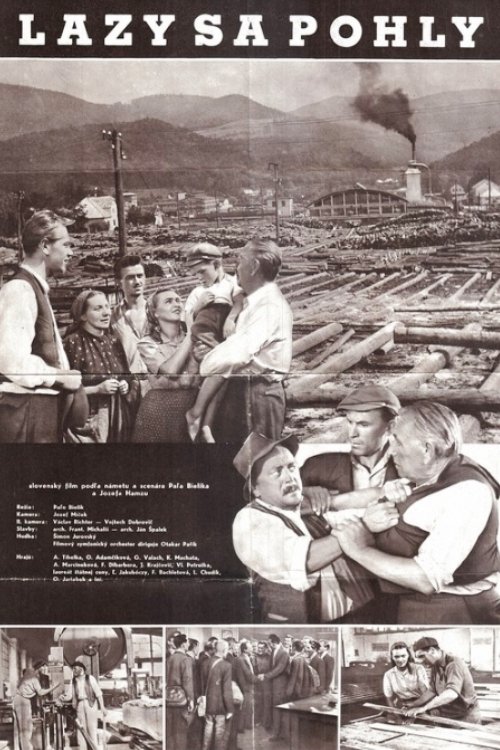
The life on the poor Slovak hills, the lazy hills, where agriculture is at a primitive stage and where the shelves give a small harvest. Meanwhile, socialist industrialization is reaching an amazing boom in the valleys. Therefore, it is necessary to solve the problem of small farmers on poor farms and the lack of labor in ever-growing industrial enterprises. The film, based on the fate of Matěj Rendek, who returns to Slovakia after 18 years from America, and on the fate of his family, who have toiled for years on poor fields and slaved for a rich farmer, shows how this problem must be solved: an agricultural cooperative is established on the lazy hills, which, with the help of machines, can handle agricultural work better and with a significantly smaller number of laborers, and most of the lazy villagers leave to work at a large sawmill.
A comedy film taking an ironic view of the bourgeois period prior to the First World War.
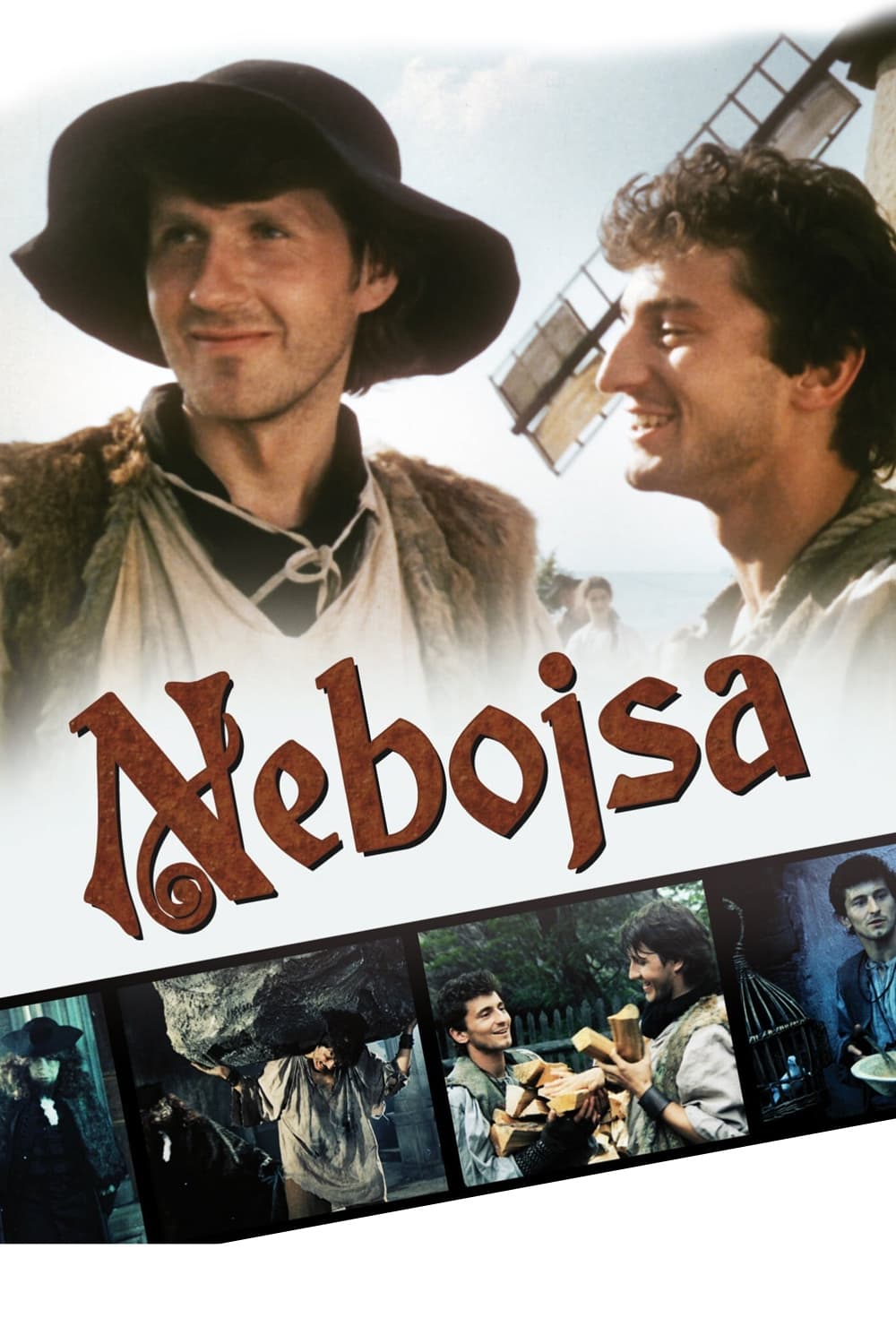
Woodcutter Ondra, who for his bold nature is called Nebojsa. He goes into the world to learn fear. During his journey, on which he is accompanied by a cowardly thief Ferka, he can deal with a bunch of bandits, vicious mill, fiery rock and eventually he must confront the evil wizard who swore a beautiful princess. Will Ondra do all his courage and ingenuity to liberate Princess?
A dramatic story based on the book of the same name by Peter Holka. The story of a teenager who falls in love with a drug-addicted friend. He tries to help her, but indirectly becomes addicted too, because he first starts stealing from home for her drugs, then starts dealing and loses his judgment, just to provide her with drugs. His love for a girl who can't stop being an addict ultimately costs him his own life.
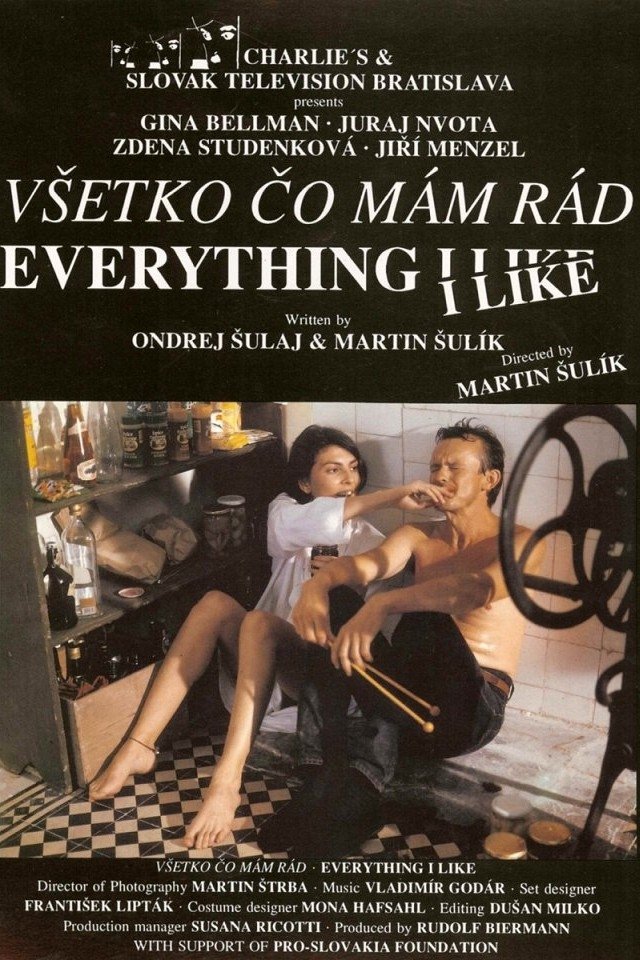
A film about the uncertainties faced by a man in post-Communist Slovakia, his relationship with a teenage son and English teacher girlfriend who's soon to return home to England.
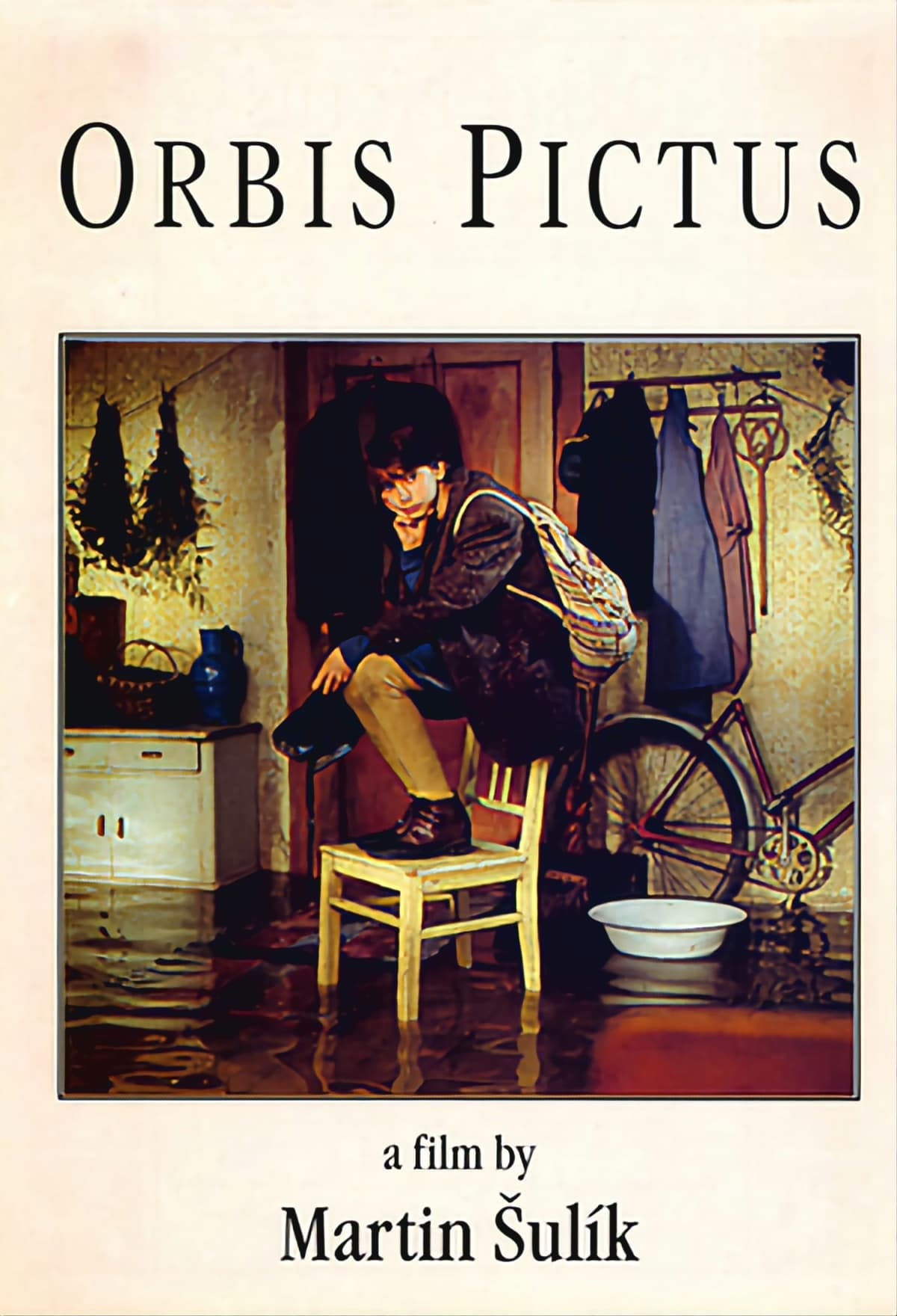
In Slovakia, the sixteen year-old Terezka is discharged from her school with a letter to her mother. Along her surrealistic journey to find her mother, Terezka entwines reality and fantasy and meets a man that is hired to burn clothes; a woman buried on the ground; a young bride that is marrying the forty and something year-old widow of his brother to support her family as a tradition in their village; her younger brother that is intern in a special school; a decadent TV comedian and his wife; a powerful mobster in the kitchen of a restaurant; one lover of her mother in her former address; and finally her promiscuous mother that advises her to travel through the world.