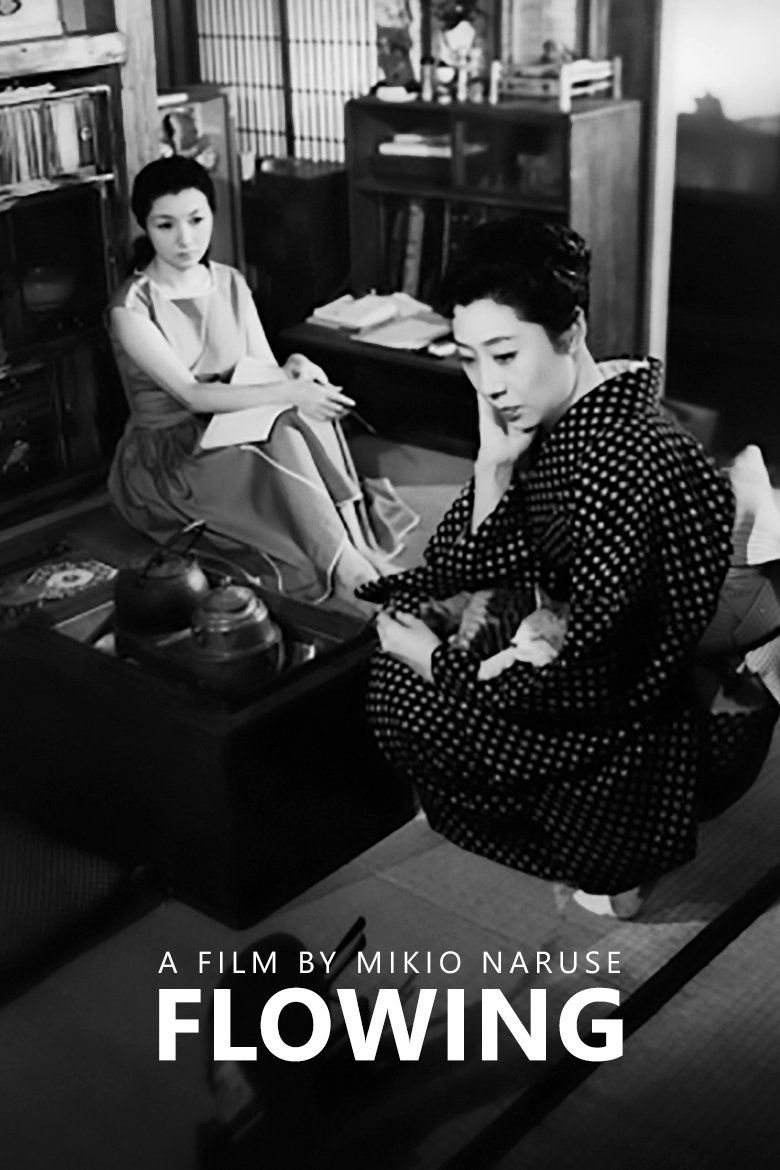
Otsuta is running the geisha house Tsuta in Tokyo. Her business is heavily in debt. Her daughter Katsuyo doesn't see any future in her mother's trade in the late days of Geisha. But Otsuta will not give up. This film portraits the day time life of geisha when not entertaining customers.
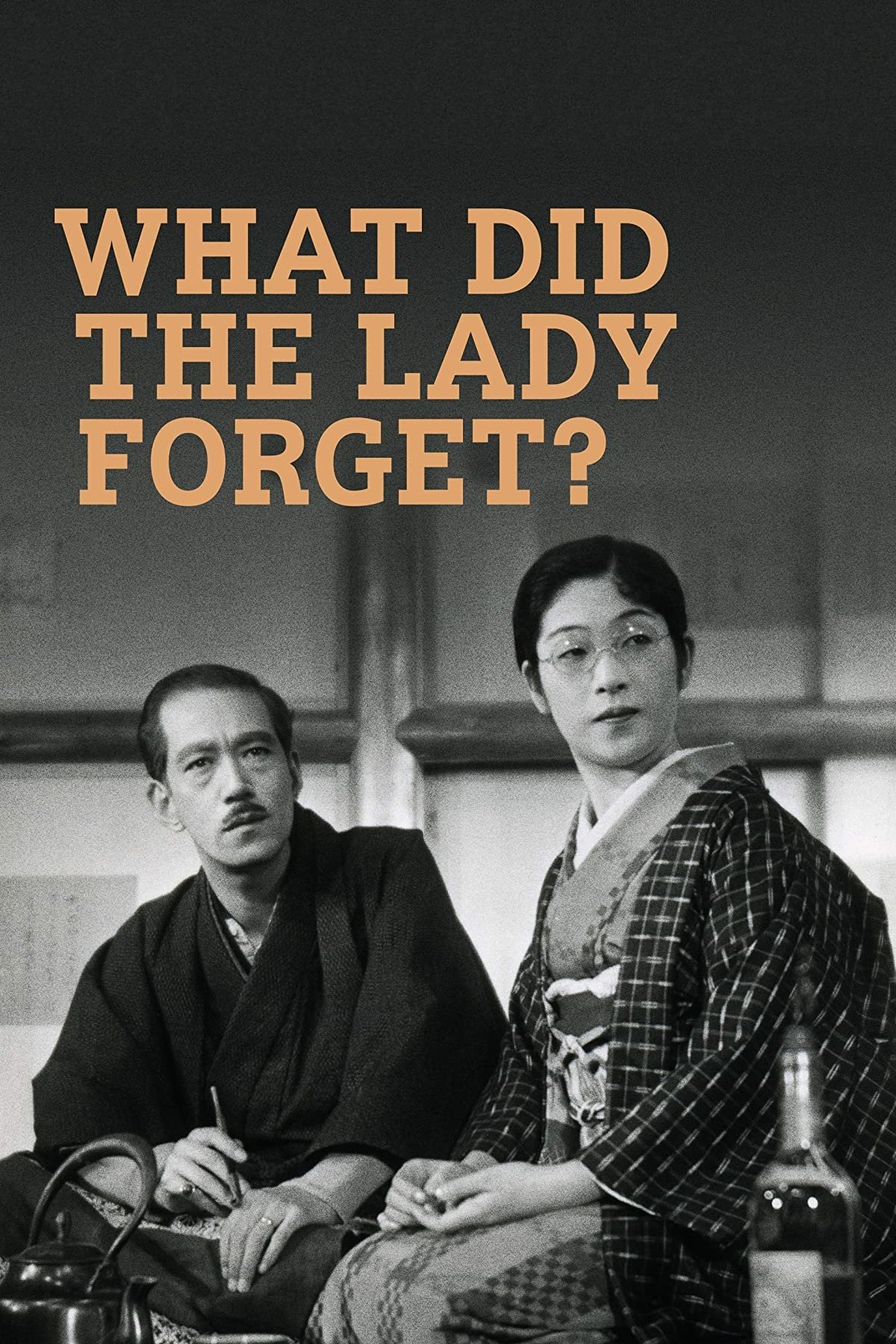
A professor, Komiya, and his bossy wife, Tokiko, are to look after Setsuko, their high-spirited niece from Osaka. Despite being a minor, Setsuko is a liberated woman who does whatever she wants, including smoking. She even convinces Koyima to take her to a geisha house. When she gets rather tipsy, the professor calls Okada, one of his students, to take her home. The wife becomes suspicious of Setsuko when she sees Okada bringing her home.
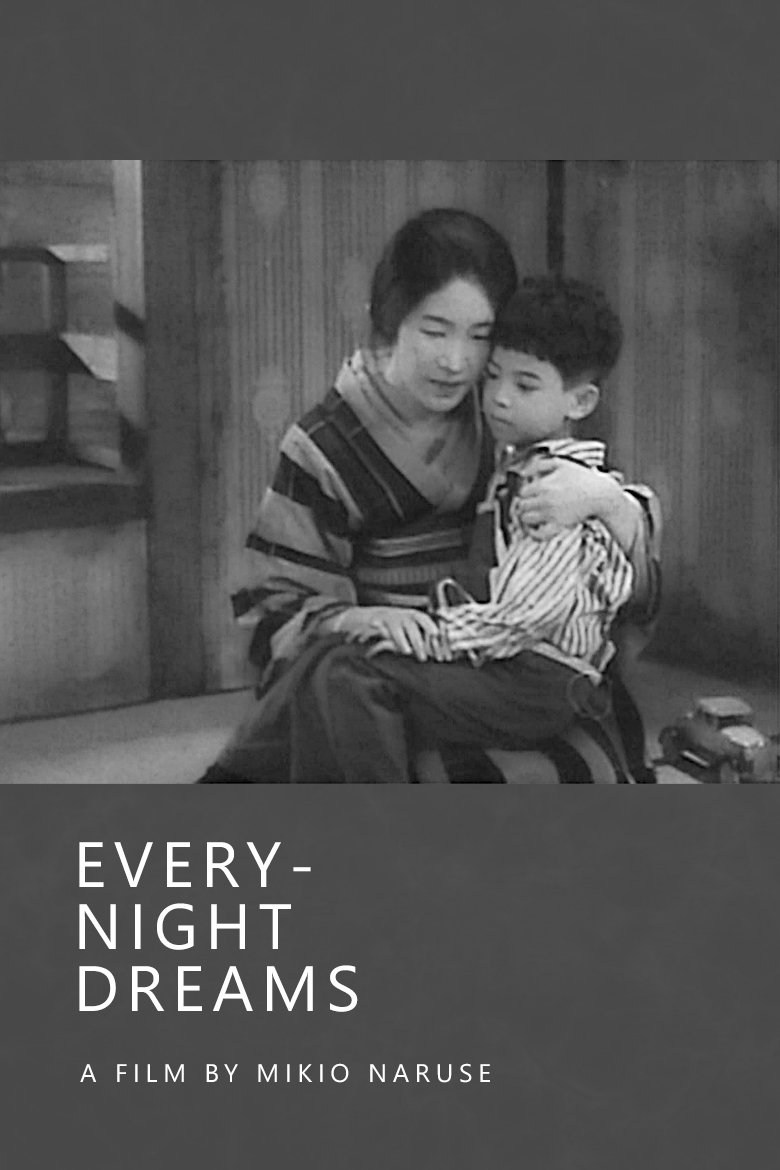
In Depression-era Tokyo, the life of a single mother and her young son are disrupted by the return of her ex-husband, who fathered the child and walked out on her years earlier.

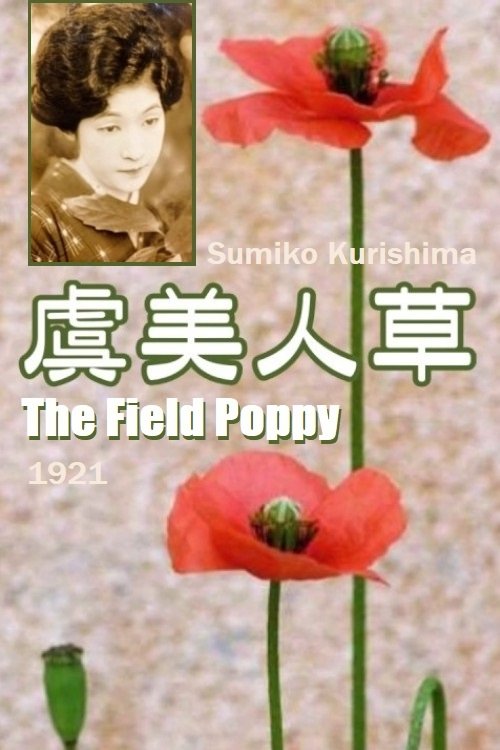
One of 3 movies released 1909 with the same name.
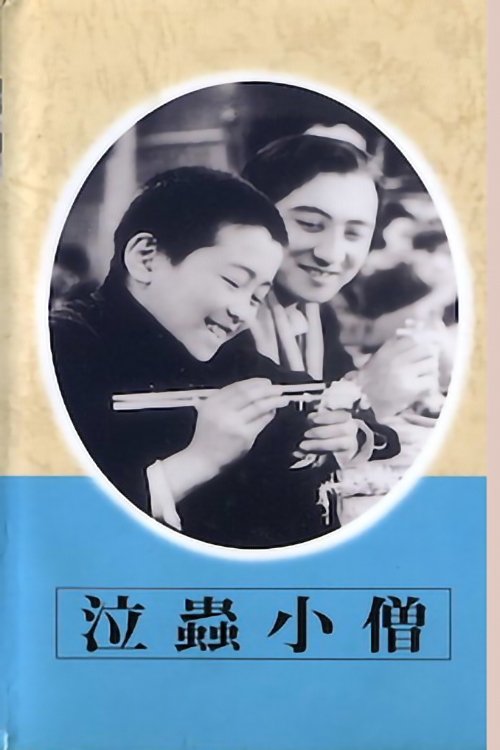
A fatherless boy's mother passes him from one aunt to another.
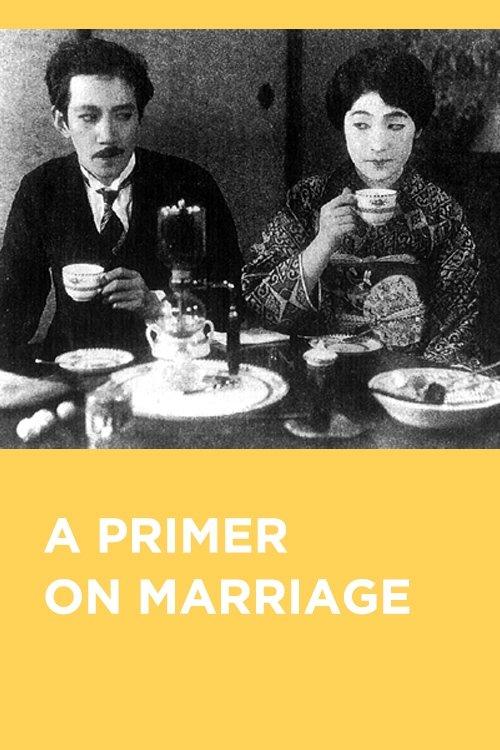
Bored in his marriage, a dentist flirts with a young woman on a train. However he soon finds himself embroiled in a series of misunderstandings with his wife, the young woman and her husband. Considered to be a lost film.

Lost film. Two reporters find that they are repeatedly beaten to the scoop by a new female journalist, 'young miss'. They decide to team up with her to investigate a secret club for wealthy voyeurs. Considered to be a lost film.
Japanese silent film from 1927, based on a popular serialized novel by Kan Kikuchi.
Japanese silent film from 1929.
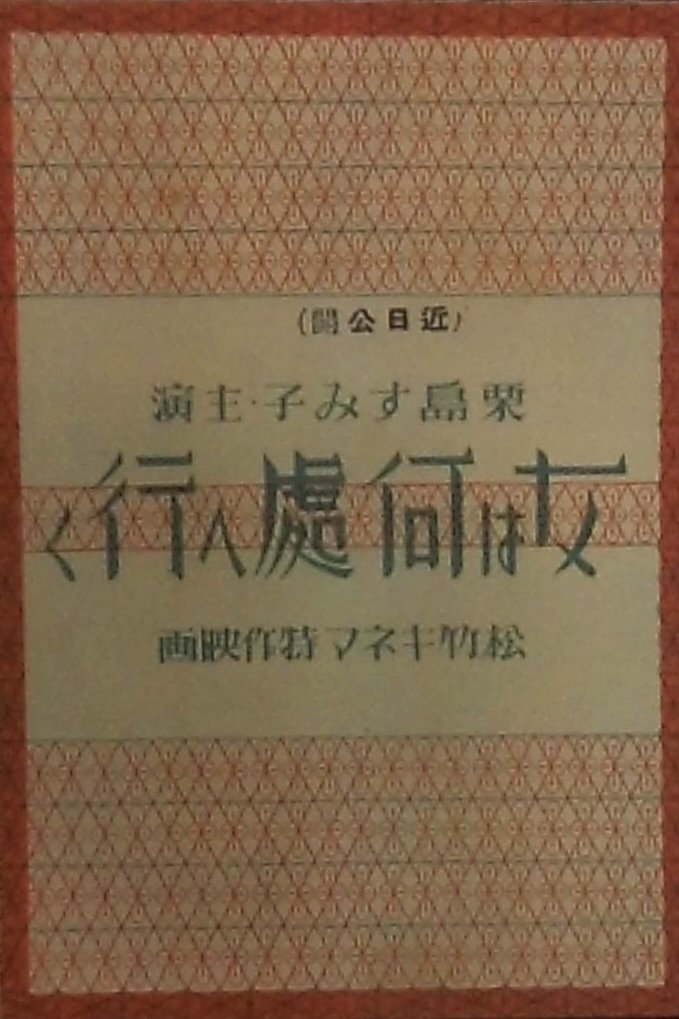
Japanese silent film from 1930 with an acclaimed performance by Sumiko Kurishima.
Japanese silent film from 1931.
Japanese silent film from 1931.
Japanese film from 1933, adapted from a story serialized in the entertainment magazine "Fuji."
Japanese drama from 1934. A major production of Shochiku Studio, directed by Hiroshi Shimizu.