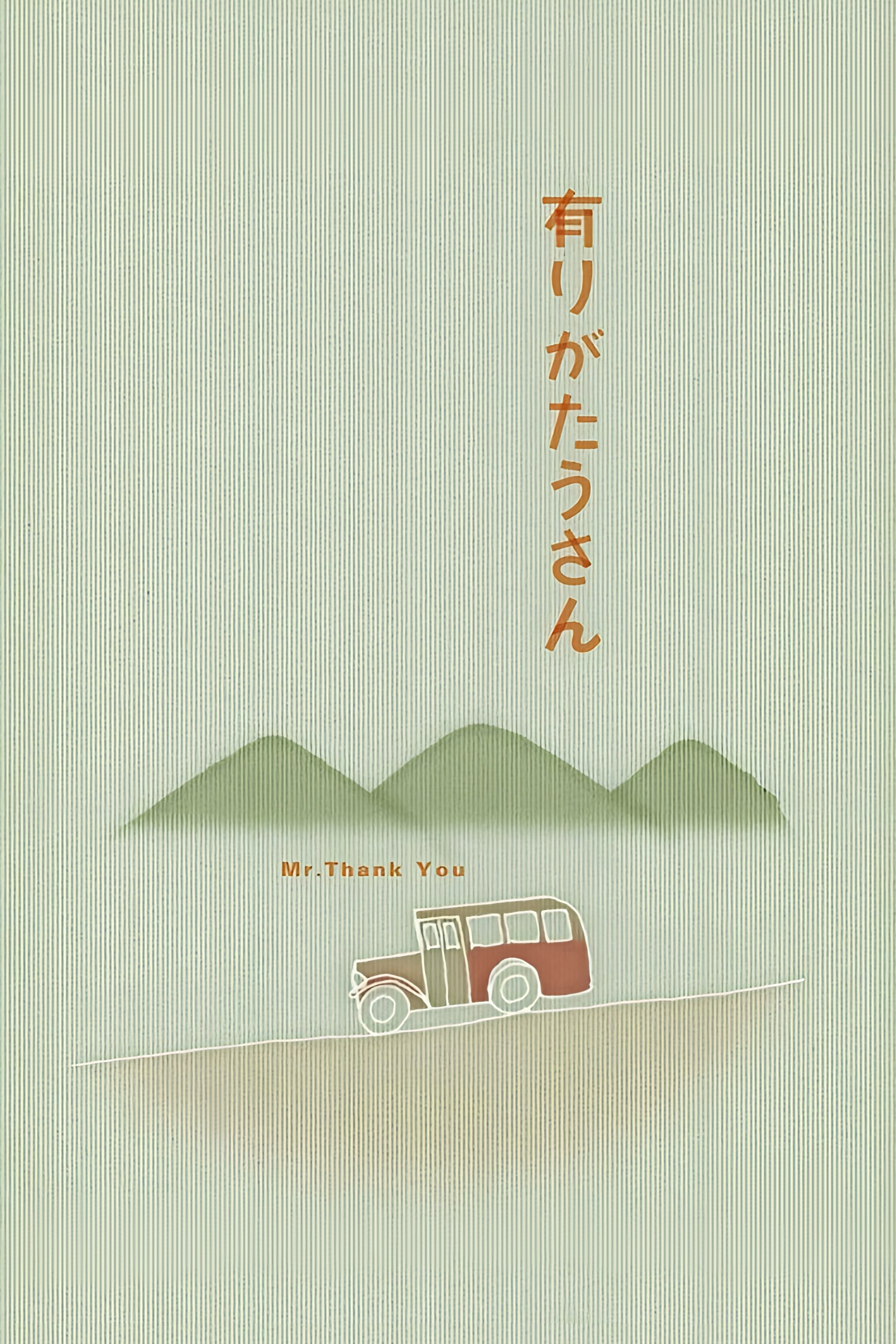
In Depression-era Japan, a courteous bus driver carries an eclectic group of passengers from the mountainous Izu to Tokyo.
Approaching their graduation ceremony, Saegusa, Sanae, and their classmates go on an overnight trip to Hakone with their teacher Ms. Kawahara, who will soon leave school. They thank her doing so and go on their respective paths, ending soon their student life.
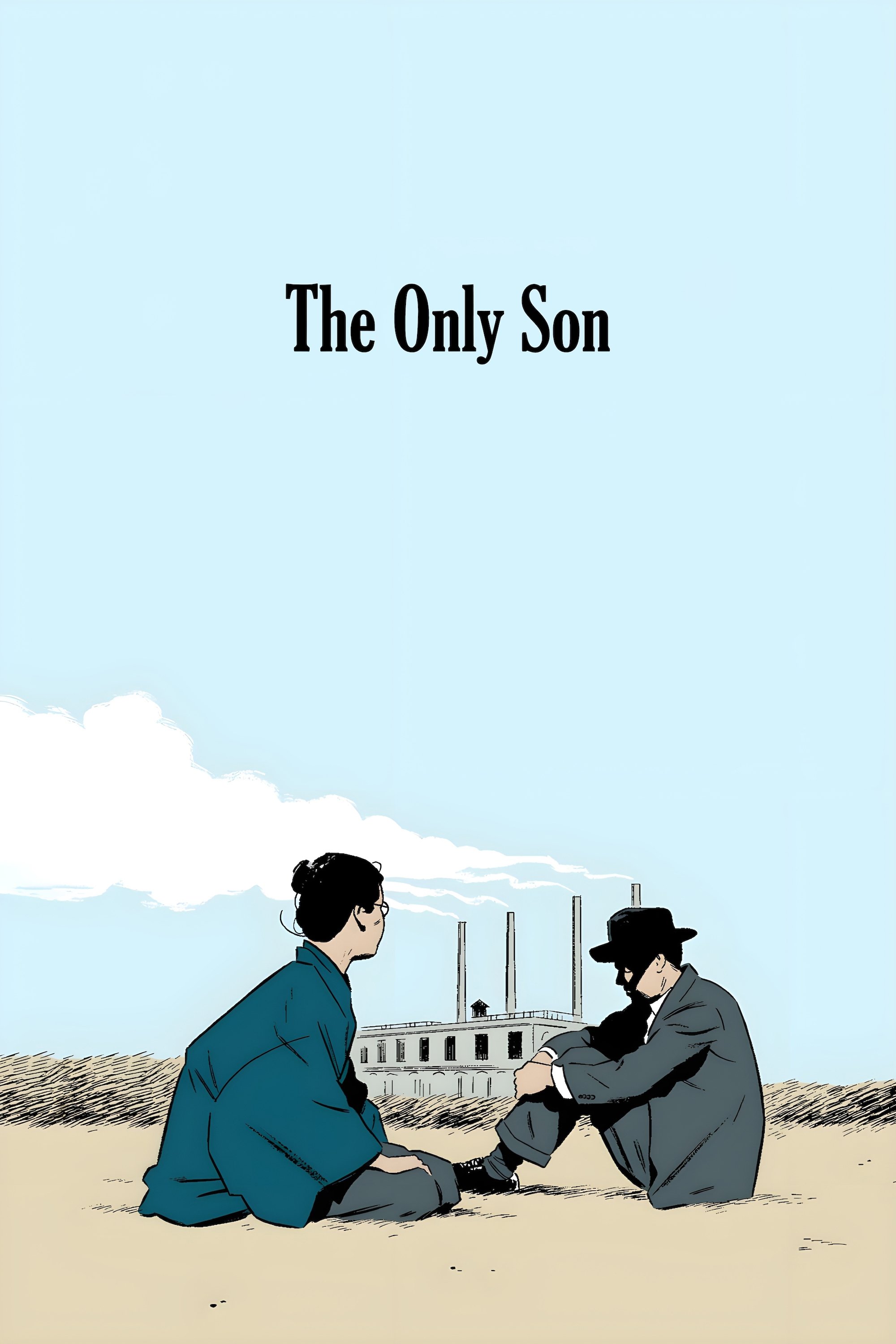
A silk factory worker is persuaded to support her son's education up to a college level despite their poverty. Many years later, she travels to Tokyo to visit her son.
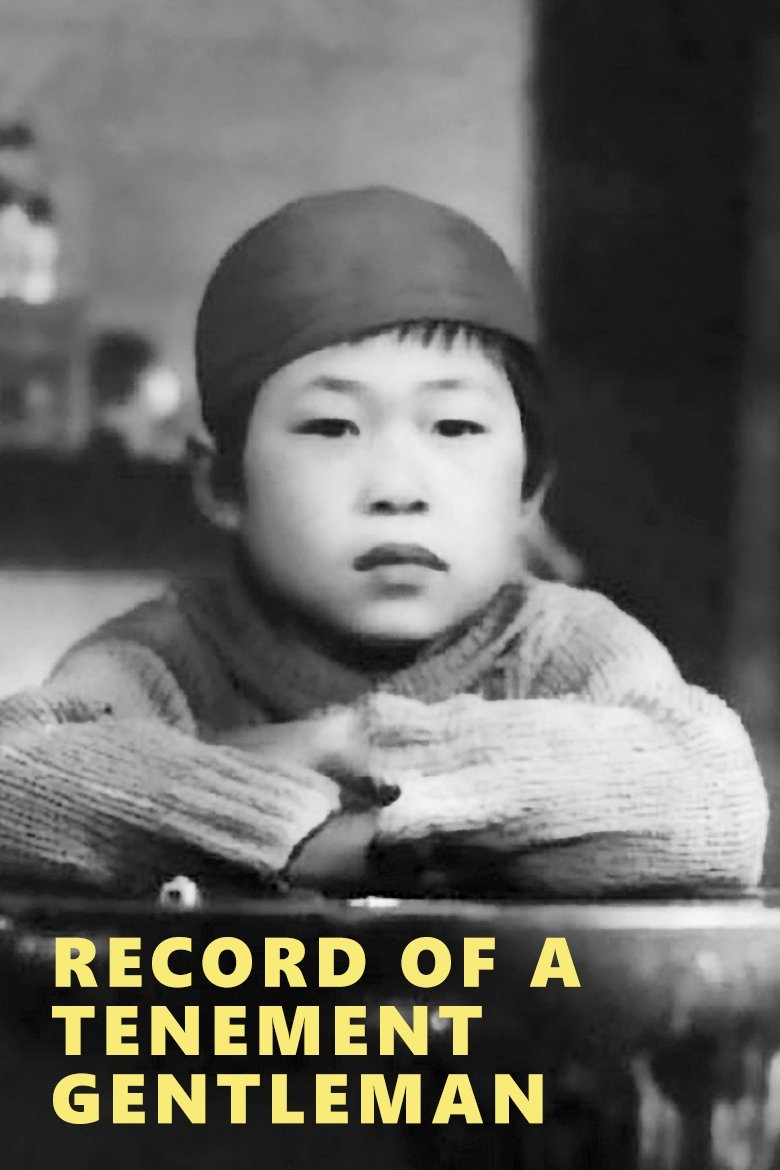
An errant salaryman's son gets lost until a man from the Tokyo tenements brings him to vendor Tane, who's reluctant to let the kid board.

A rural village elder plans an event on the return of a farmer's daughter from the city, unaware that she has become a Westernized burlesque artist.
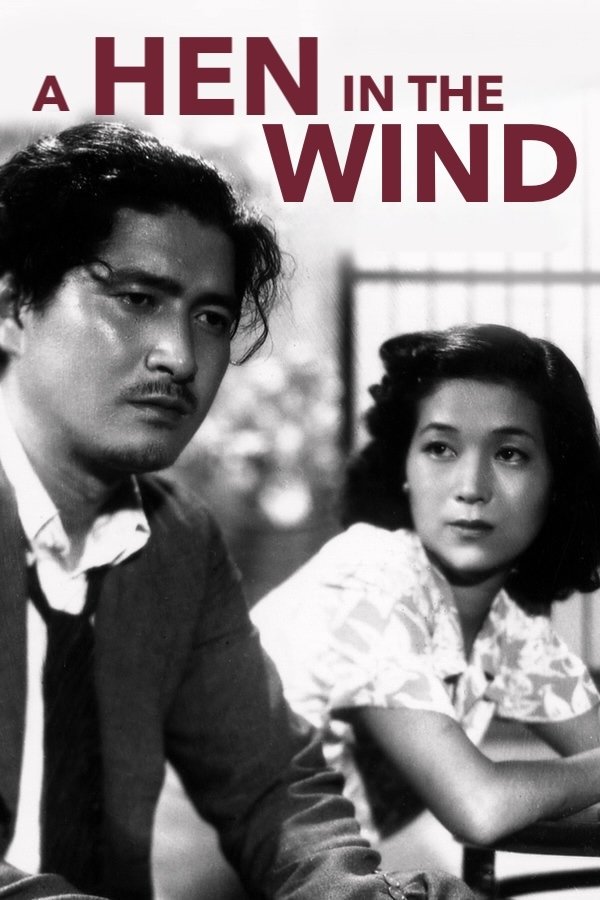
Tokiko is a mother patiently waiting for her husband's return from the war when her 4-year old son becomes ill. She takes him to the doctor for treatment but has no way of paying. She resorts to prostitution. One month later her husband returns from WWII to find his desperate wife, who tells him the truth. Together they must deal with the consequences.
A young student falls into a hopeless romantic attraction to a sick girl, whom he can only see from afar.

Japanese silent film from 1928. Kinema Junpo ranked it among the ten best Japanese movies of the year.
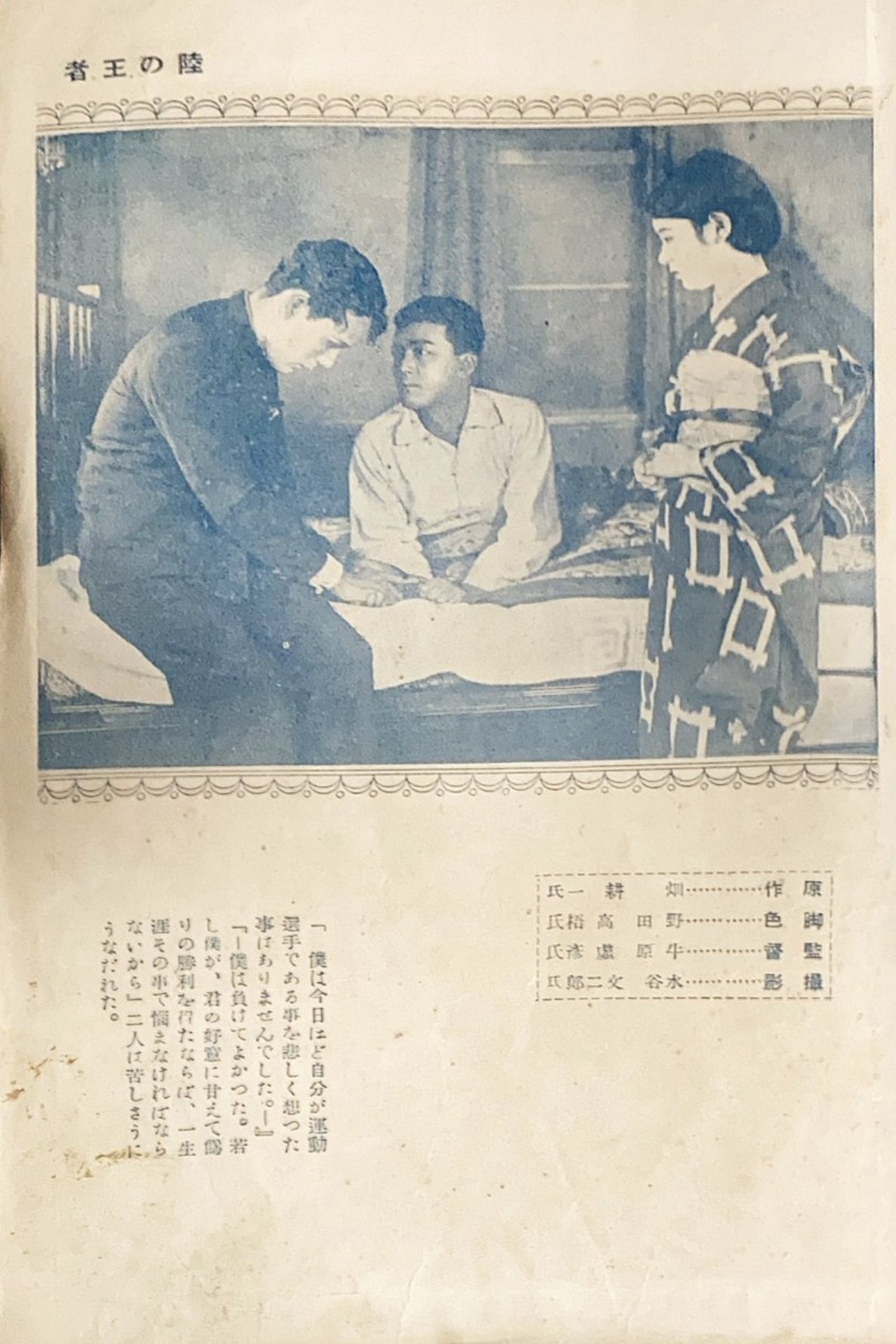
Japanese silent film from 1928, ranked as Kinema Junpo's second-best Japanese movie of the year.

A Japanese family weathers much hardship after their military uncle comes to live with them during WWII.

A group of rank-and-file Japanese soldiers are jailed for crimes against humanity, themselves victims of a nation refusing to bear its burdens as a whole.
Kodakara Sodo (The Treasure That Is Children) is a 1935 black and white Japanese silent film with benshi accompaniment directed by Torajiro Saito. This is a rare example of a silent Japanese slapstick film that has survived to this day.
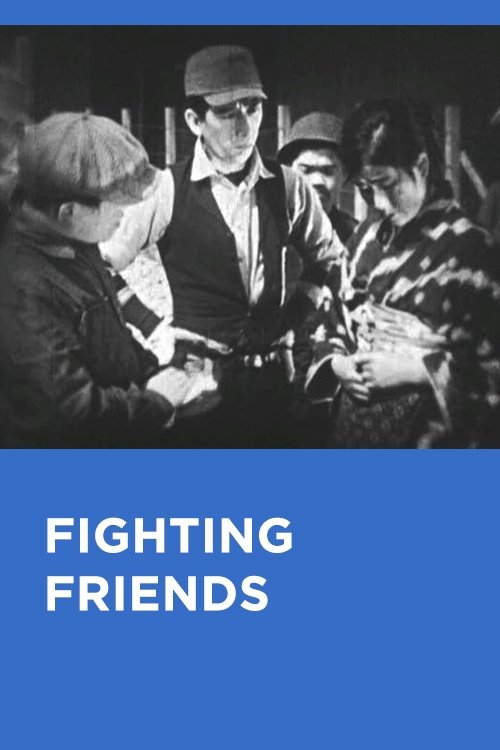
Two friends accidentally run into a young, homeless woman, so they take her in.
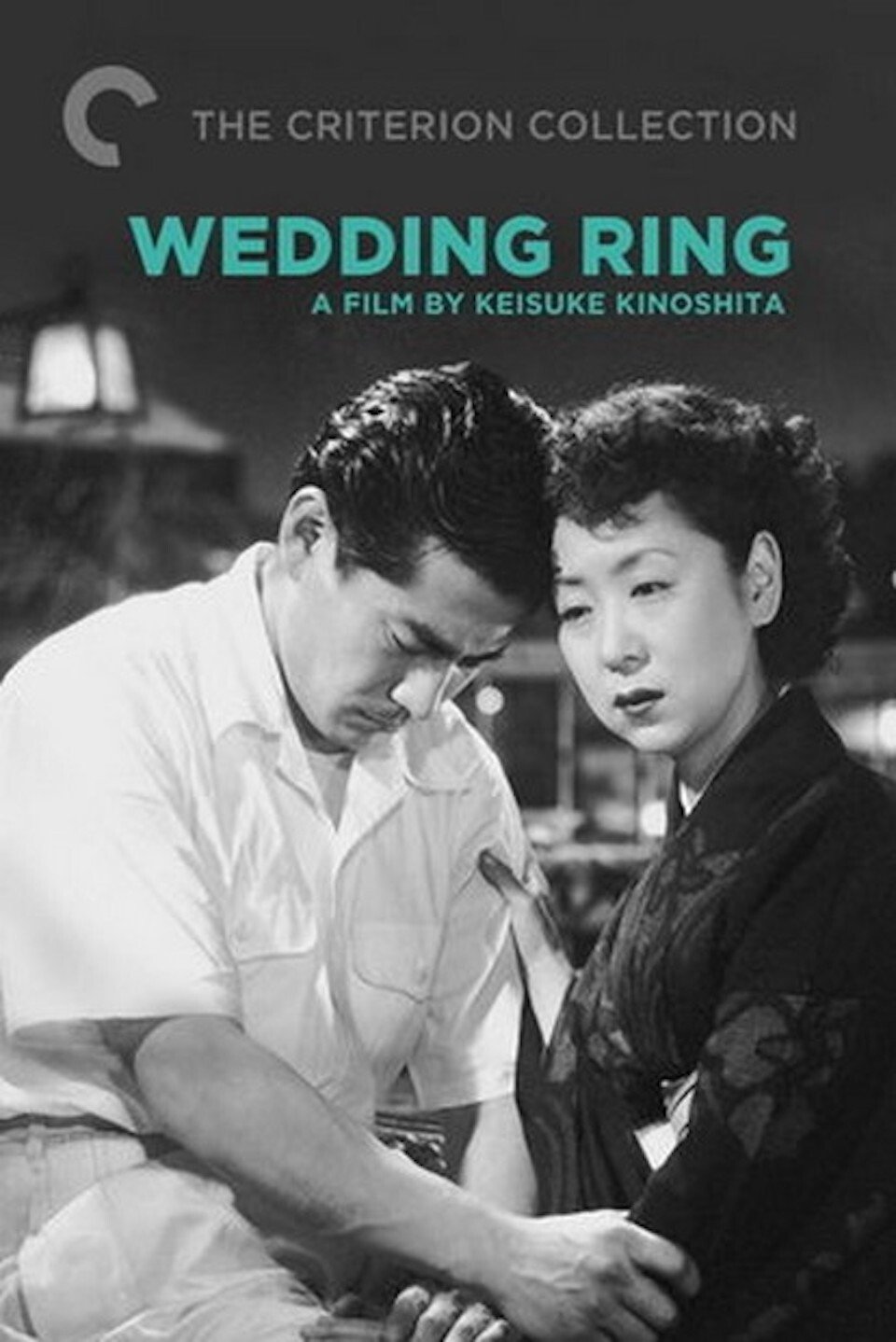
A jewelry store president begins to fall for the doctor treating her husband's illness.
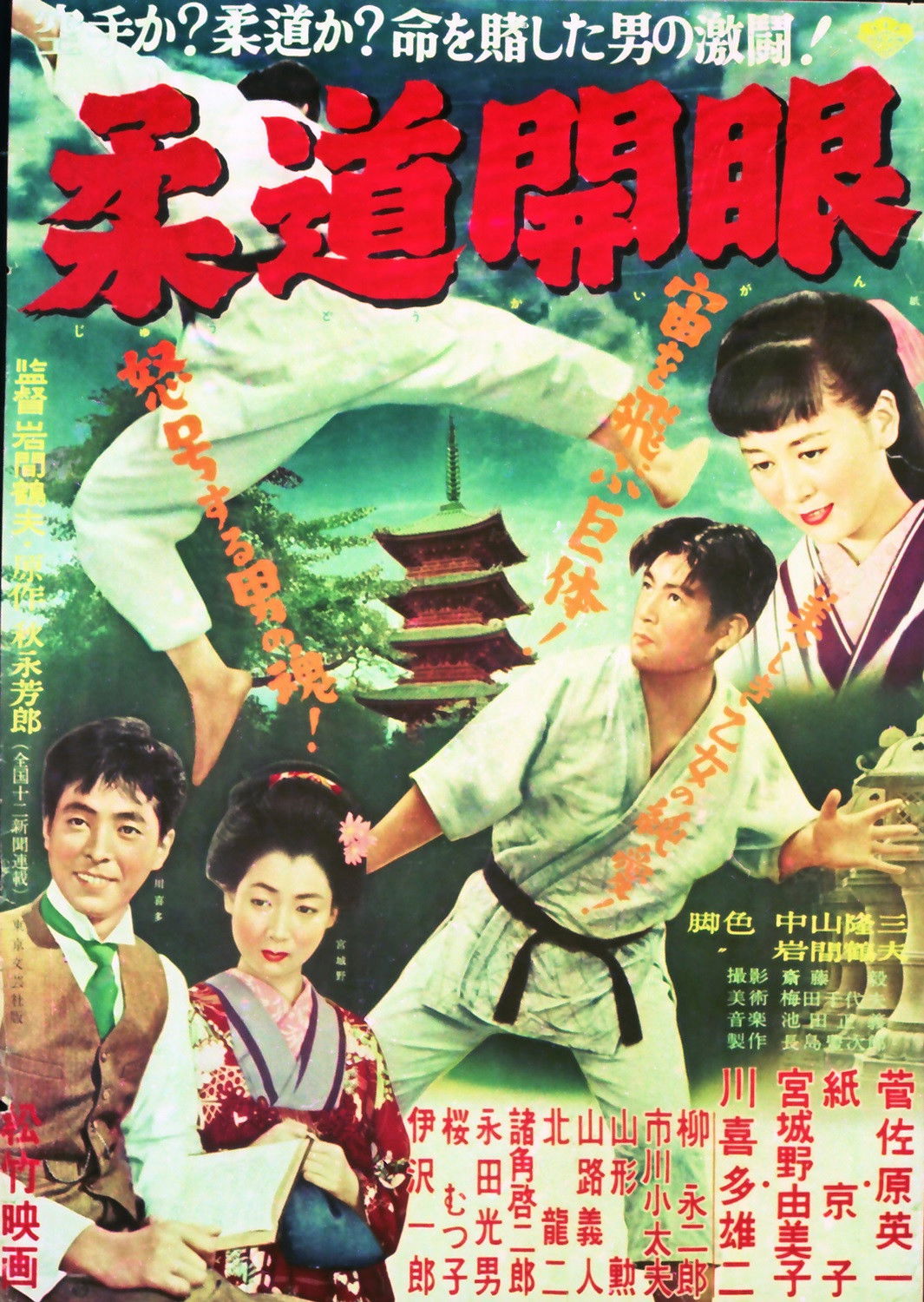
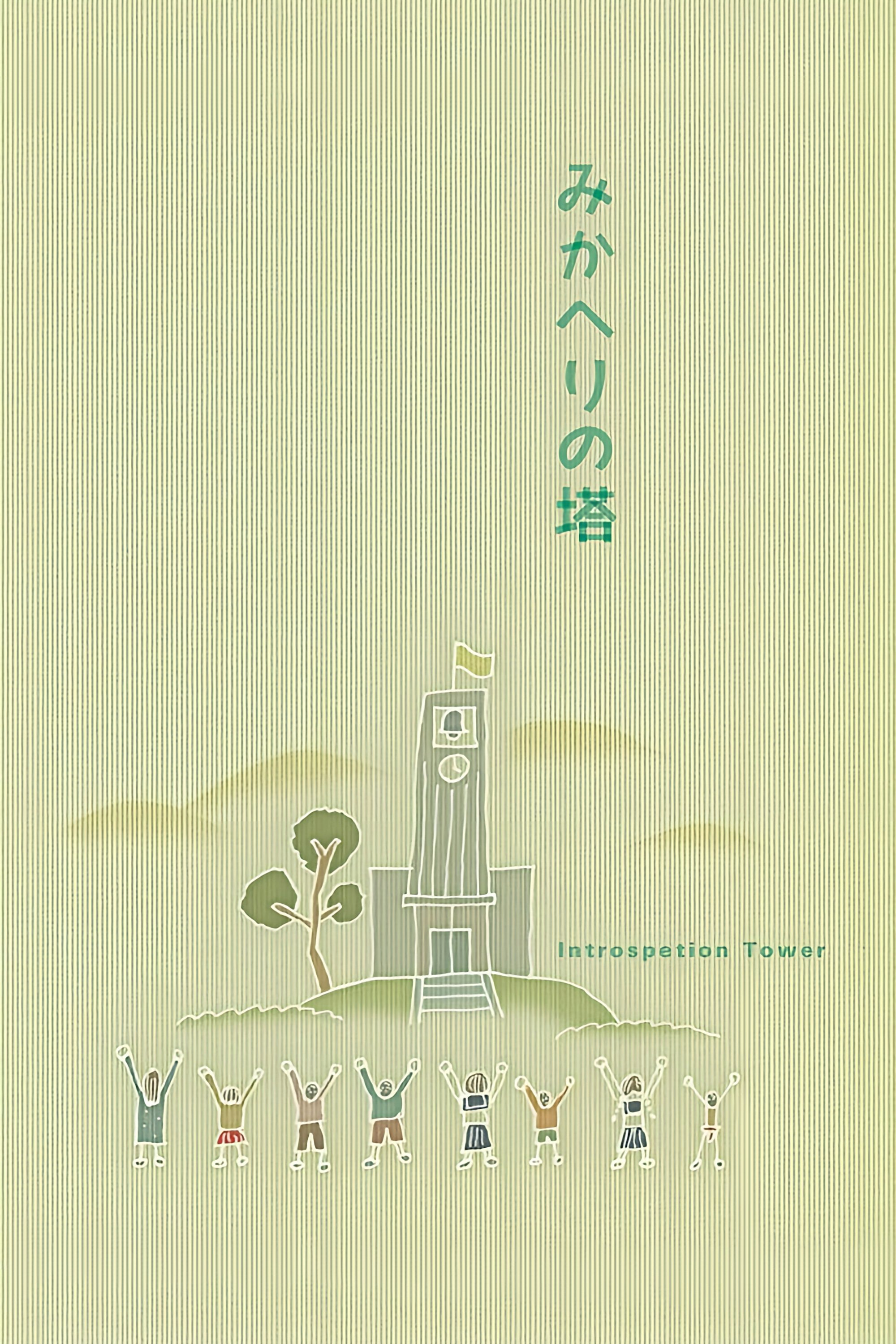
A reformatory in the remote countryside houses 200 delinquents and problem children. The teachers and caretakers face much trouble. The school is often short on water, and one day, the well runs dry.
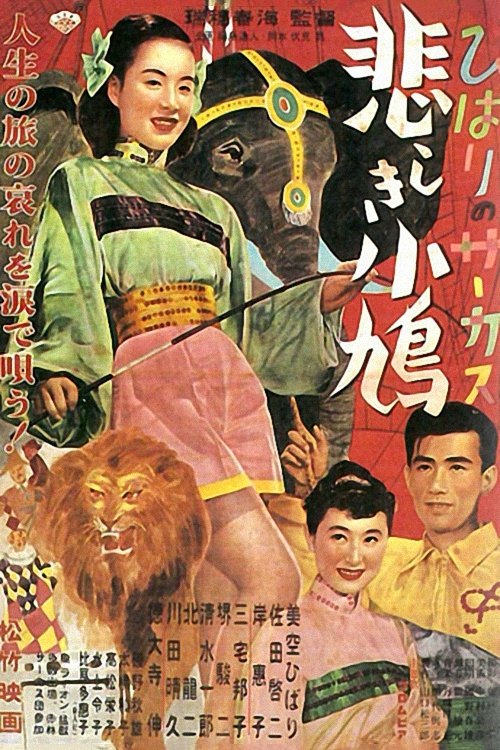
Mariko studies at a missionary school in Shinshu. She drops out of school and joins her father on a circus tour when she discovers that her father, Ryutaro, whom she always thought was an agricultural and forestry engineer, was a circus clown. Over time, Mariko's singing attracted the attention of the public.
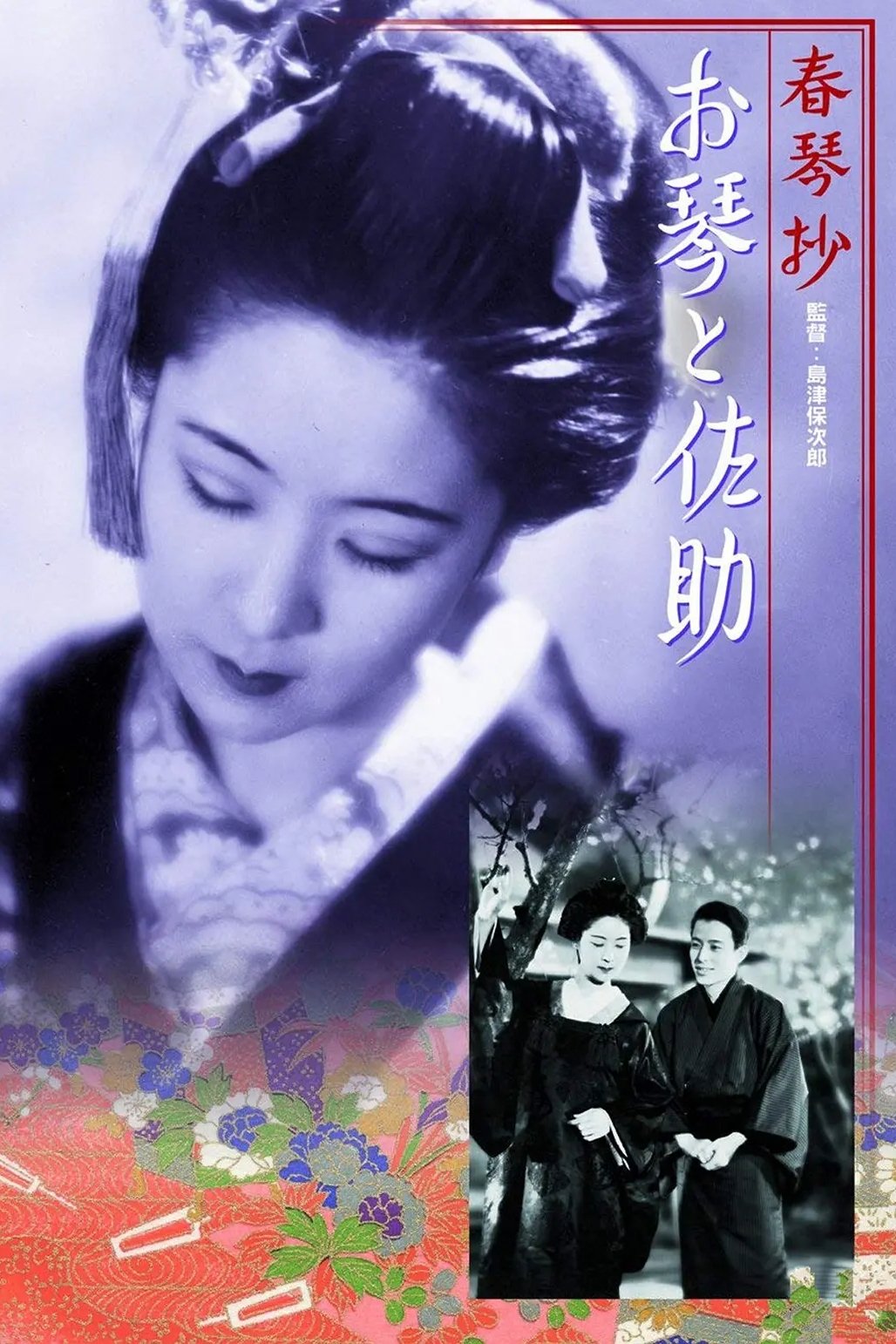
A period piece about the love of a wealthy blind woman, a teacher of koto and shamisen, and her devoted manservant. Based on a novella by Tanizaki Junichiro.
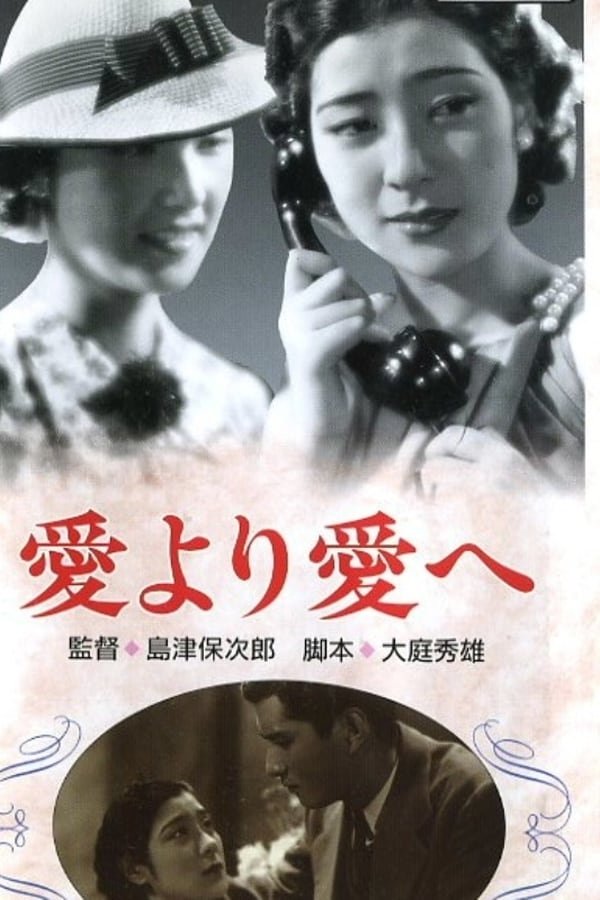
Shigeo is an aspiring writer living with his girl friend Minako and hoping for success and a better tomorrow every day. Both live on what Minako earns from working in a café. Shigeo is not happy with the situation and neither is his family who do not approve of Minako. Especially his uncle tries to convince him to leave Minako, even using his influence behind the scenes. Things start to change when Shigeo's sister pays the young couple a visit, being the first member of Shigeo's family to actually get to know Minako in person.
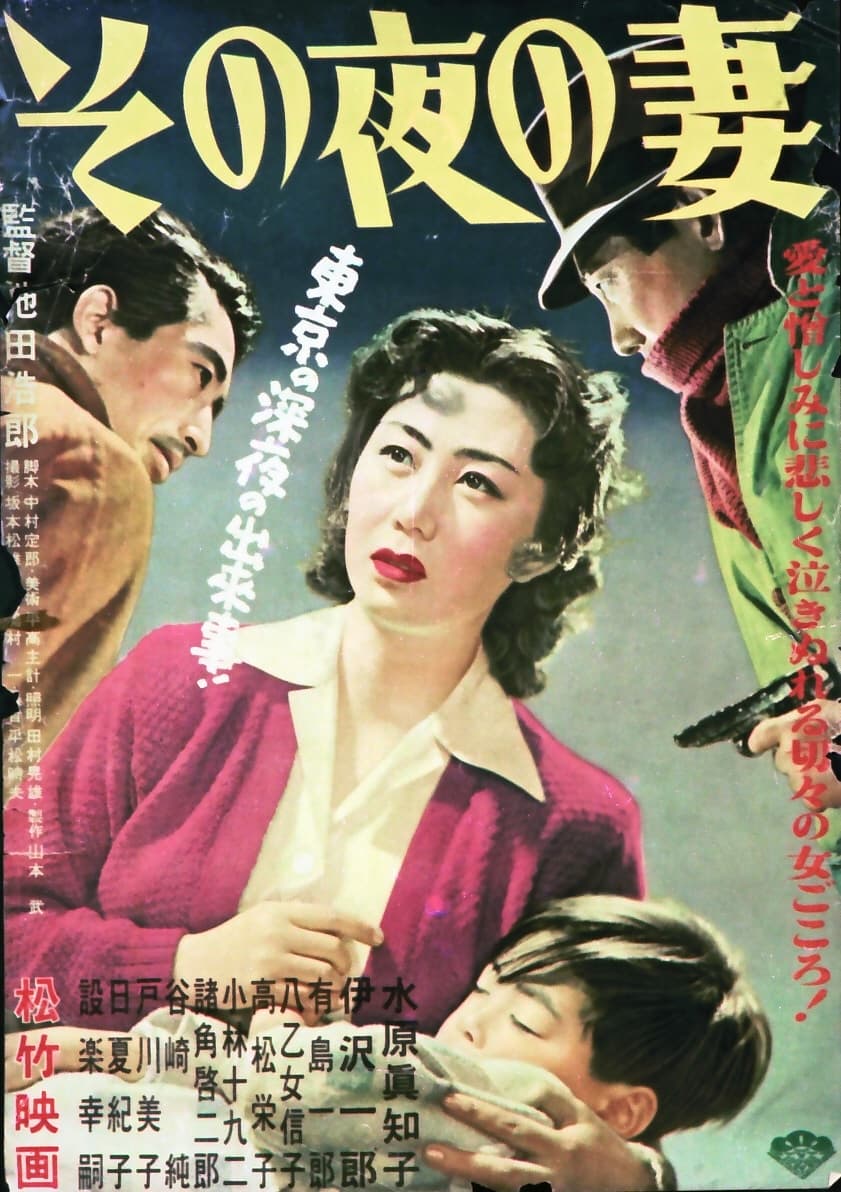
Hiroo Ikeda movie

Directed by Mikio Naruse. It is presumed to be lost.
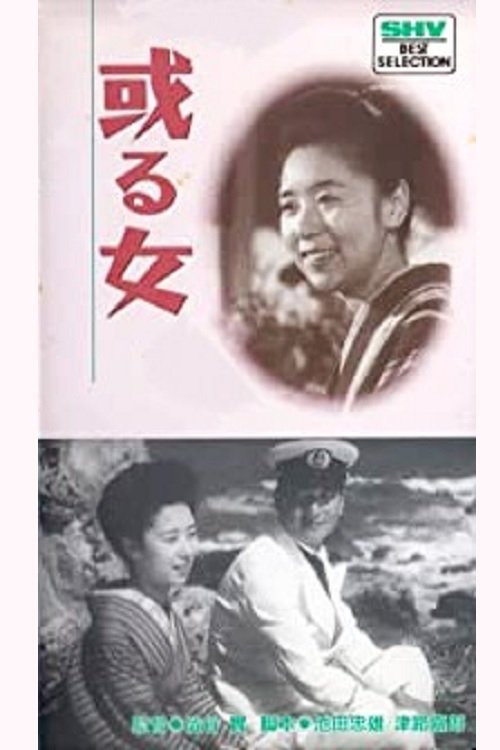
Pretty Oshige is deceived by her first love. After this, she lives a hard lifestyle, working at a number of jobs. Her only pleasure is her nephew, who eventually becomes a merchant marine. When Oshige meets her old love ten years later, she is able to forgive him and even thank him for the path her life has taken.

Directed by Mikio Naruse. It is presumed to be lost.
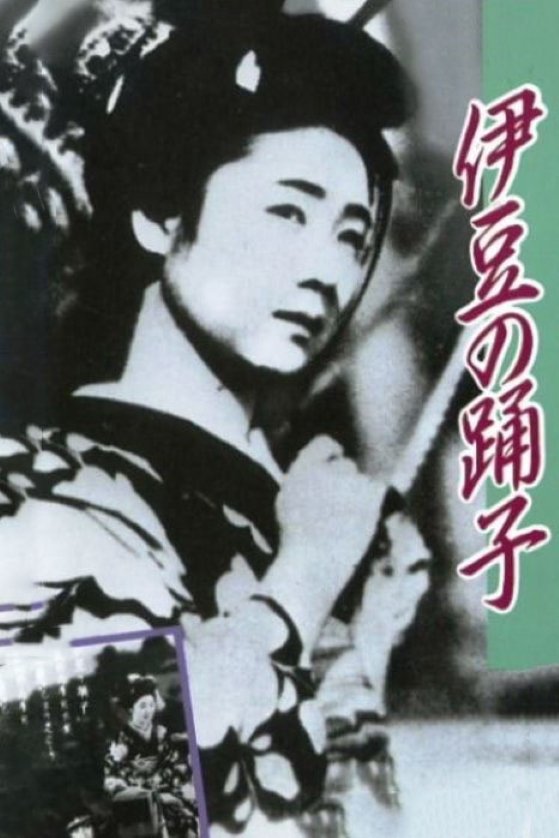
"The Dancing Girl of Izu" tells of the story between a young male student who is touring the Izu Peninsula and a family of traveling dancers he meets there, including their youngest girl. The student finds the naïve girl attractive even though he eventually has to part with the family after spending memorable time together.
A newlywed couple faces tension when the wife, after her husband leaves for work, becomes completely unmotivated to handle household chores and goes back to sleep. Her neglect of daily duties starts to strain their marriage, and the couple is on the brink of divorce. However, a close friend of the husband, determined to save their relationship, introduces a hypnotist to uncover something.
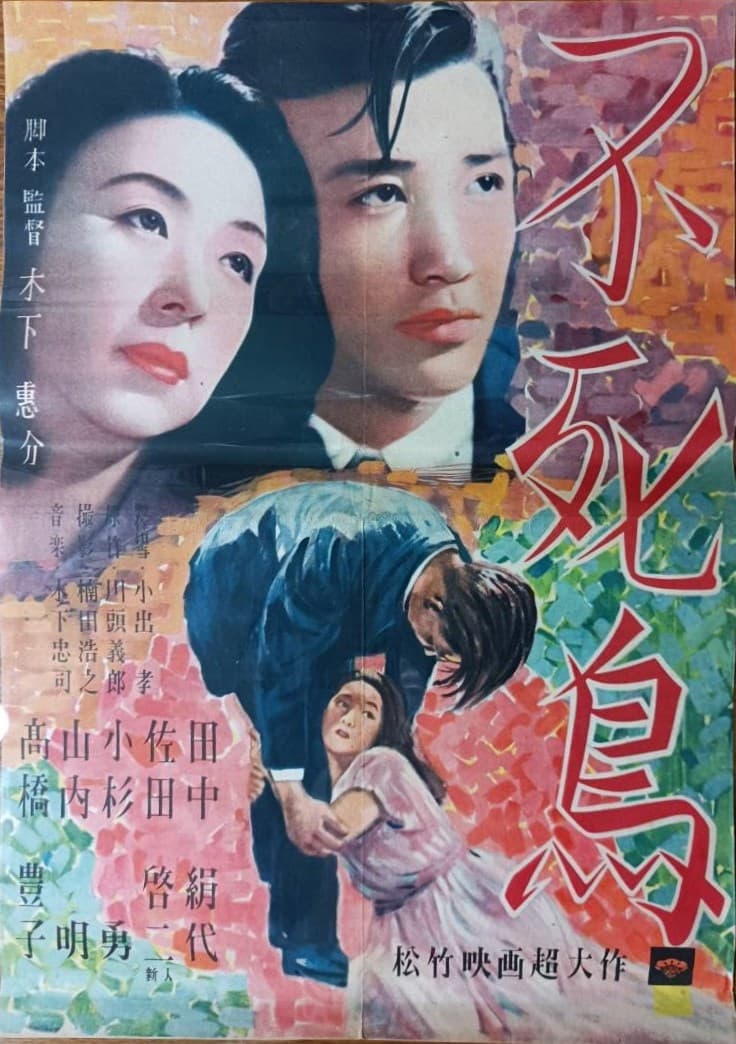
A Japanese war widow recalls her love affair with her deceased husband.
Two childhood friends go their own ways but meet again some years later after they have both married. They get re-acquainted, meet each others’ families, and all is well. Then the disagreements start...
A Japanese short film, the earliest extant film of the great director Hiroshi Shimizu.
A Japanese film
Japanese silent film.

After Japan's defeat in the war, the Anjo family lose their peerage and wealth. Since their mansion is due to pass into the hands of a creditor, the family holds one last ball before leaving.
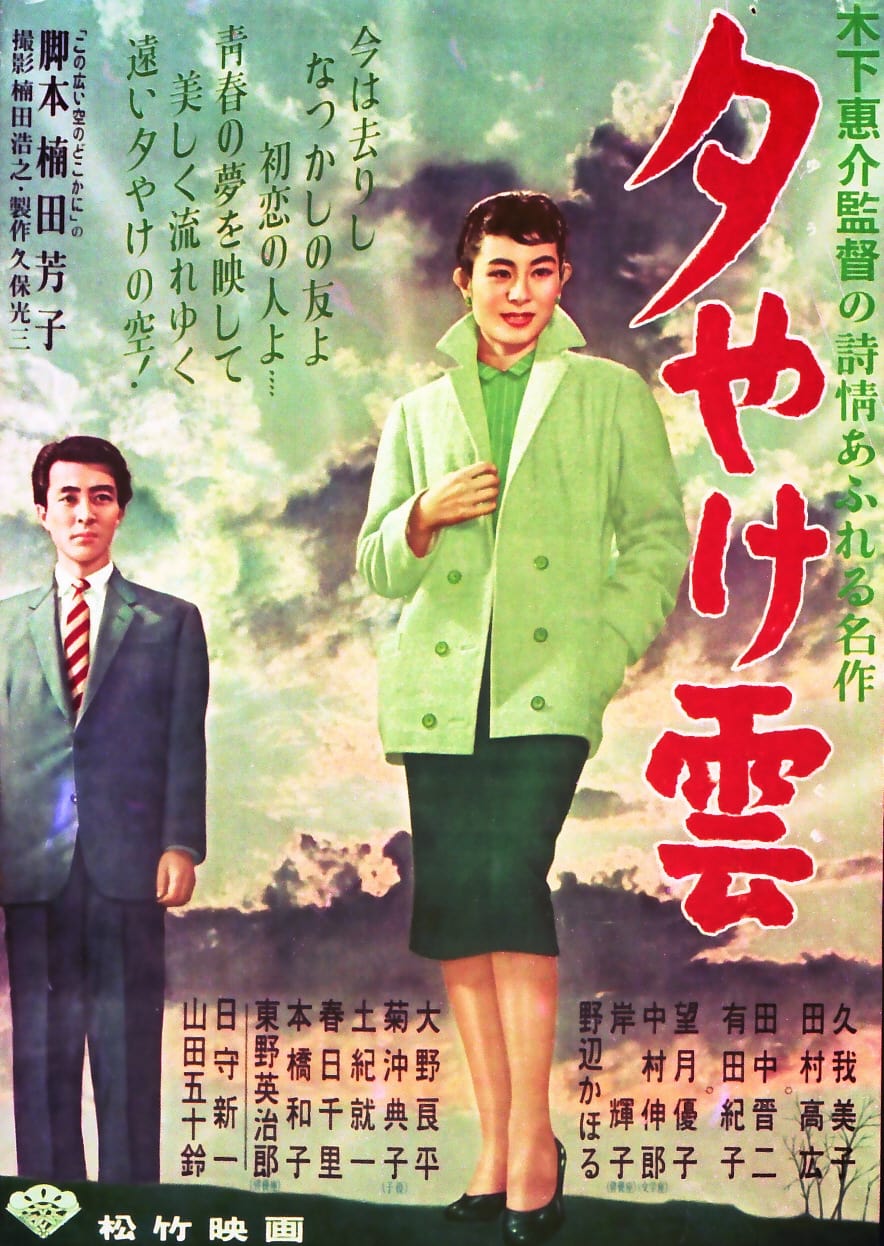
A coming-of-age story portrayed as the loss of all youthful illusions. Sixteen-year-old Yoichi dreams of becoming a sailor. His parents are fishmongers, and Yoichi lives together with them and his four siblings in cramped living conditions. His beloved younger sister is given to a wealthy, childless uncle; his best friend moves away; the girl he fell in love with from afar is with someone else: little by little, Yoichi loses all the people that are important to him.
Part two of Shimizu's major silent Seven Seas, a family drama of the intertwining fates of the rich, decadent Yagibashis and the far less prosperous Sone family.
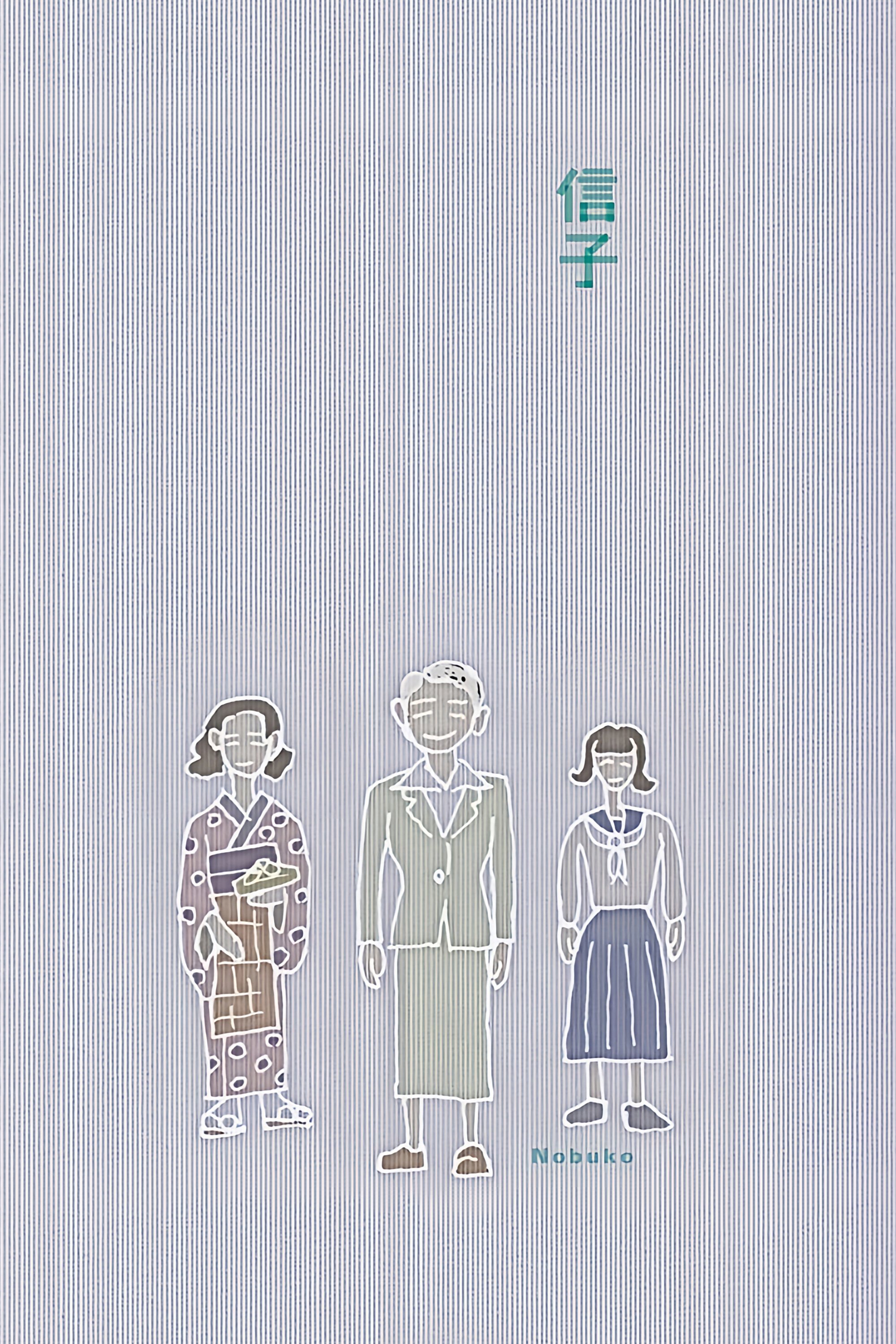
A spirited young teacher challenges the conservative school employing her with liberal thinking and teaching methods.
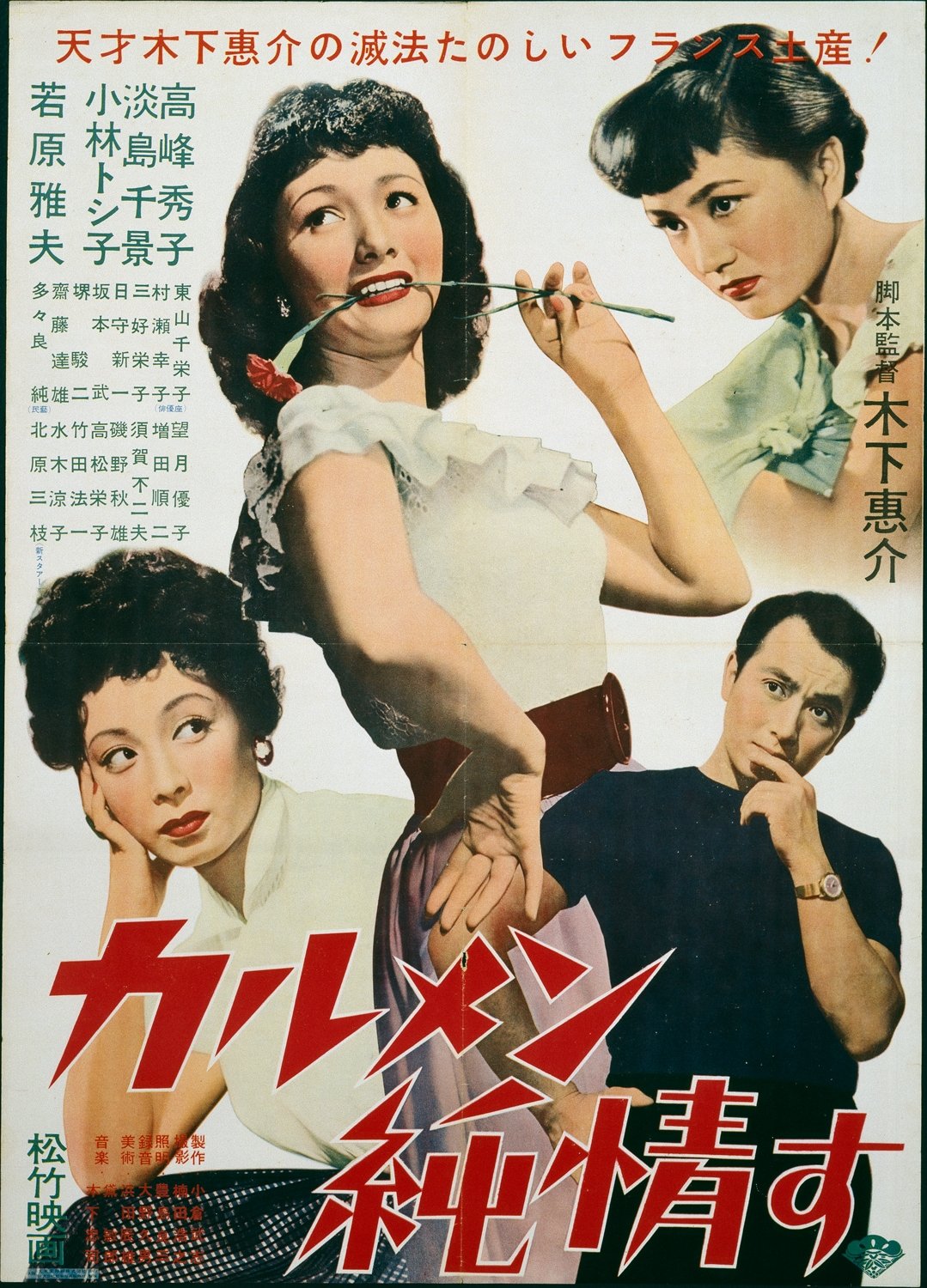
Strip dancer Carmen falls in love with Hajime, who is engaged to the daughter of a right-wing politician.
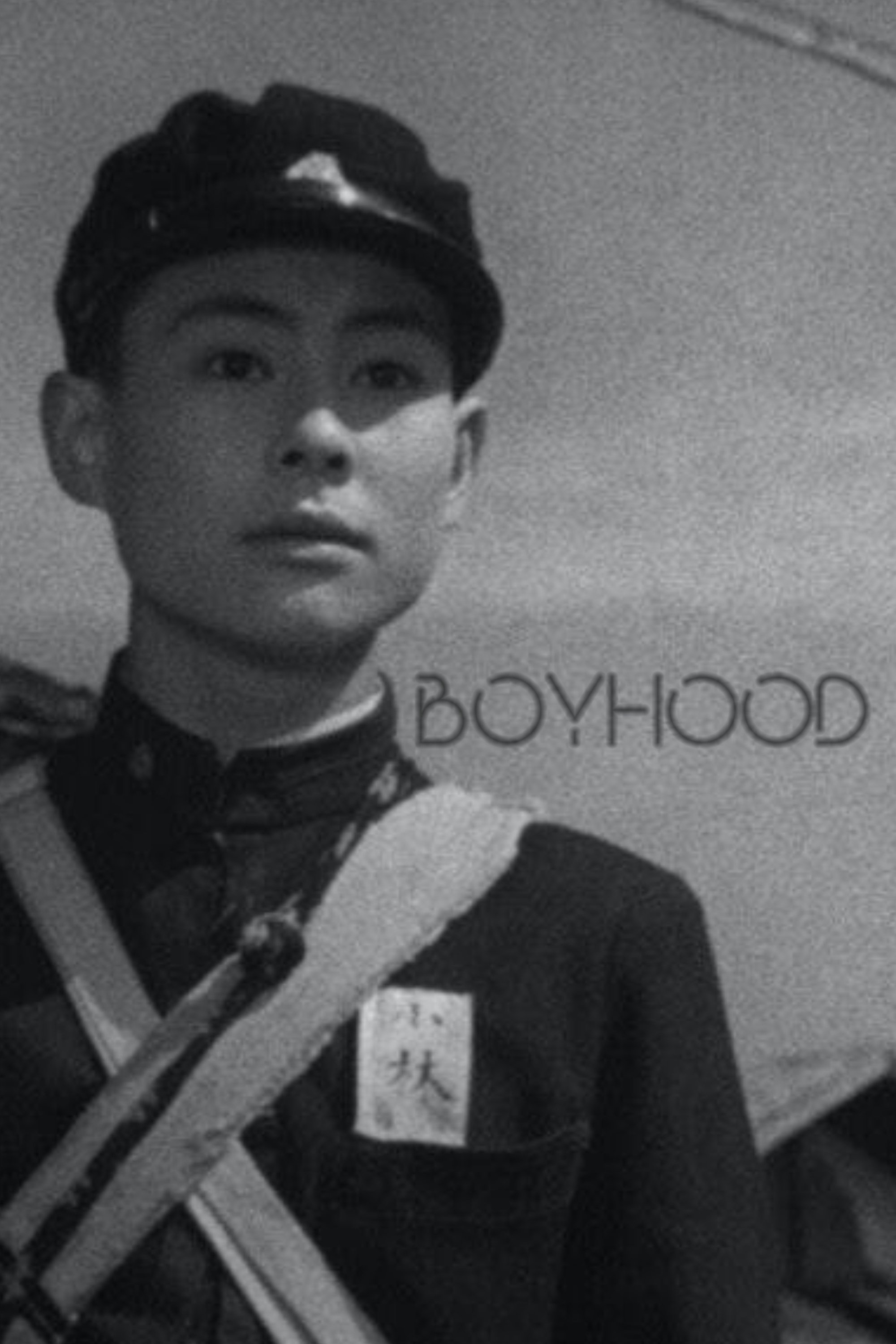
When a family has to relocate due to the war, they are ostracized by their new community.
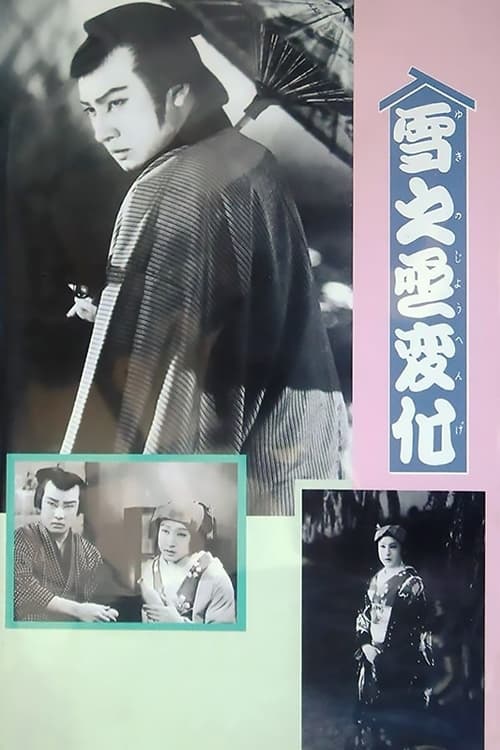
An onnagata (female impersonator) of a Kabuki troupe avenges his parents' deaths. Remade in 1963 as Yukinojô Henge.
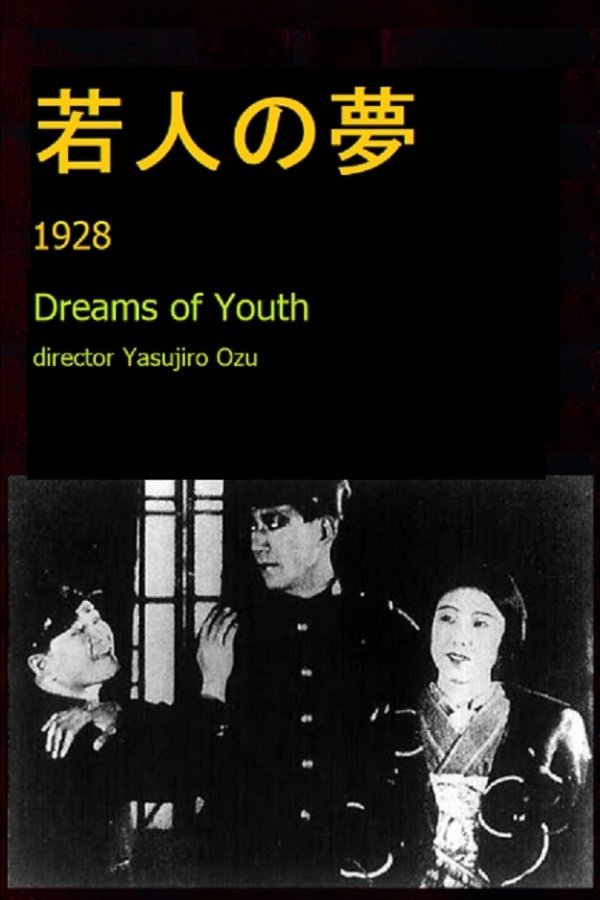
Lost silent film
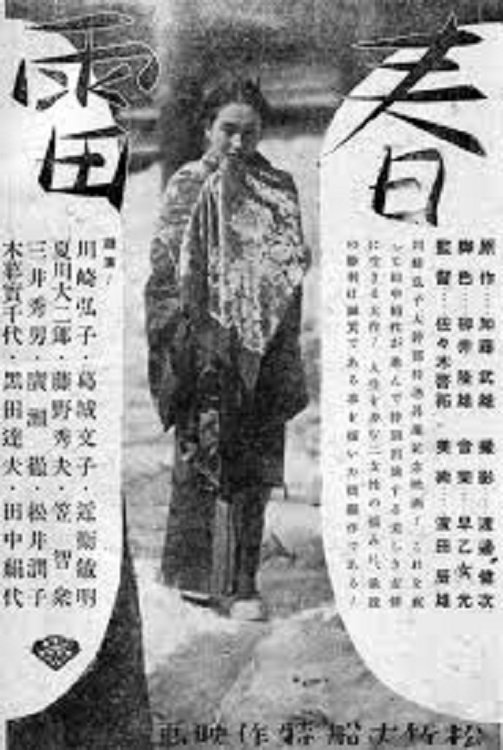
Eiko is an innocent young lady born into a wealthy family with nothing to offer. She was good at singing, and lived her life playing around with her cronies, organizing music concerts and so on. However, things change when her father's business fails and she was suddenly thrown out into the world without any foundation. Eiko has no one to support her after she loses her social status, and her only tutor, Shinnosuke (Natsukawa Daijiro) was the only one who was sincere. Eiko is a stickler for using everything she can get her hands on, and she quickly moves into Shinnosuke's house.
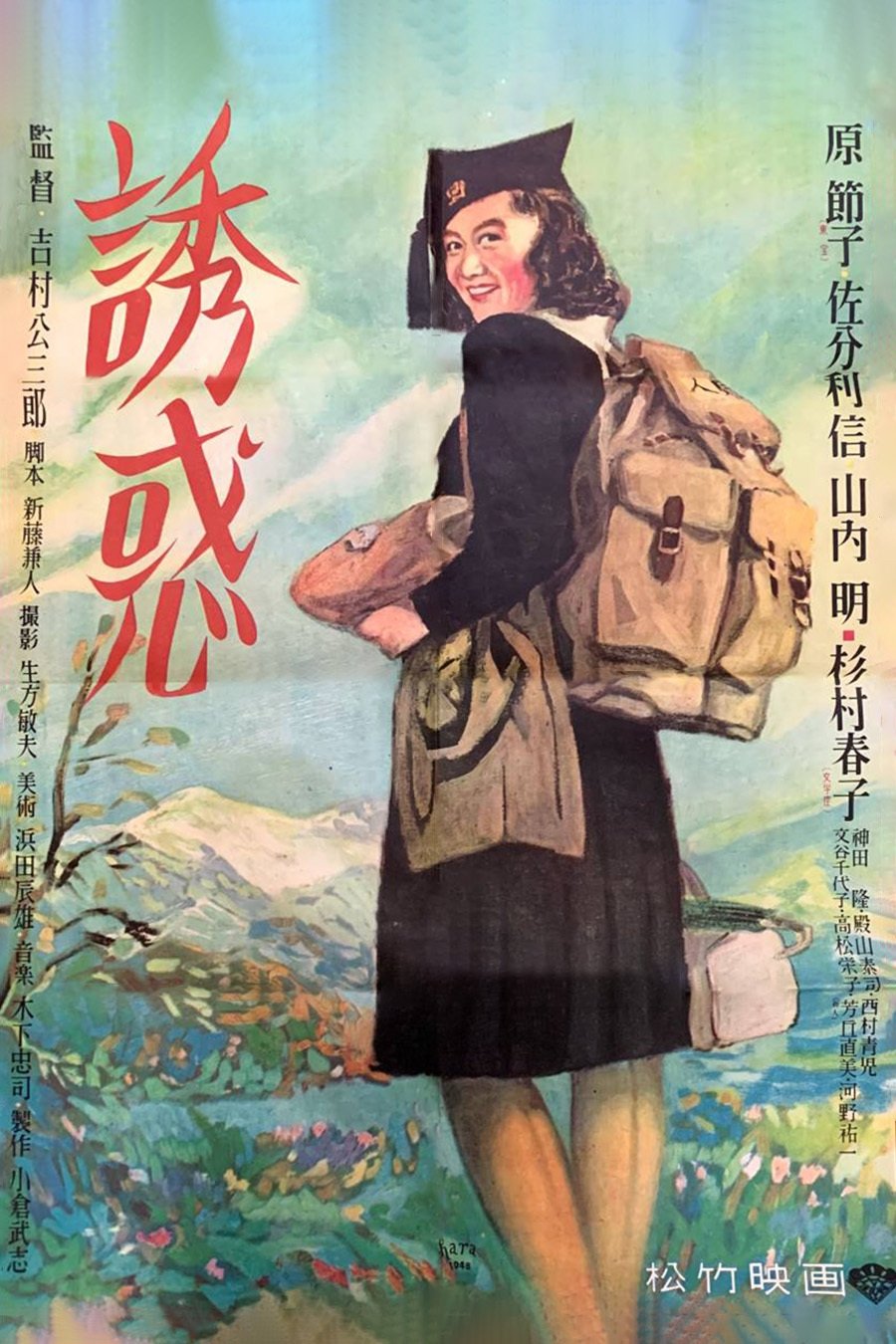
A young lawyer falls in love with the daughter of his former professor, whom he's hired to tutor his children.
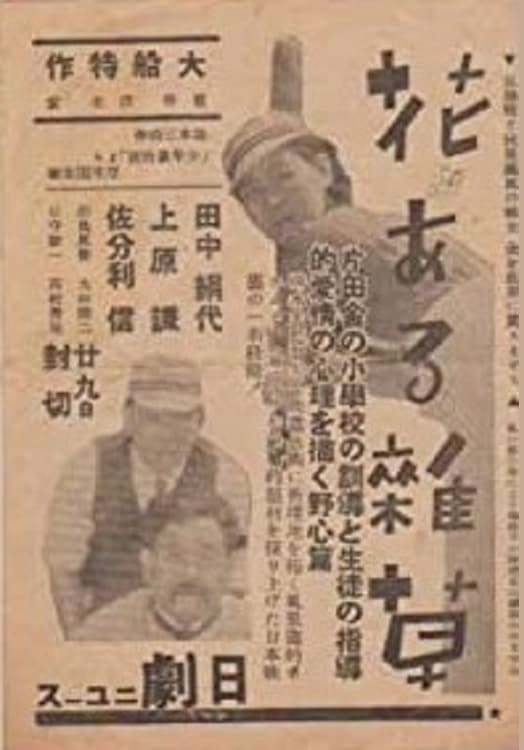
Weed with Flowers
Heinosuke Gosho evokes in this film the family conflicts engendered by the eternal problem of a father who projects his professional desires on the life of his son. The sister Machiko is the essential link that will allow everyone to apologize to each other and achieve reconciliation.
A man who seemed to have found happiness with a wife and child loses his wife and his daughter gets married... A man's life, full of joy and sorrow, is vividly depicted to the tune of "Moonlit Desert" in this humanistic drama full of pathos, starring Hisaya Morishige.

The movie follows a young woman (Kinuyo Tanaka), a daughter of a high-ranking businessman and his neglected mistress, as she struggles to ease her mother's loneliness, while also having an affair with her father's subordinate.
Japanese war movie.
Japanese silent film from 1926. (Obo-chan meaning "Young Master.") Written by Ayame Mizushima, the first female screenwriter in Japan.
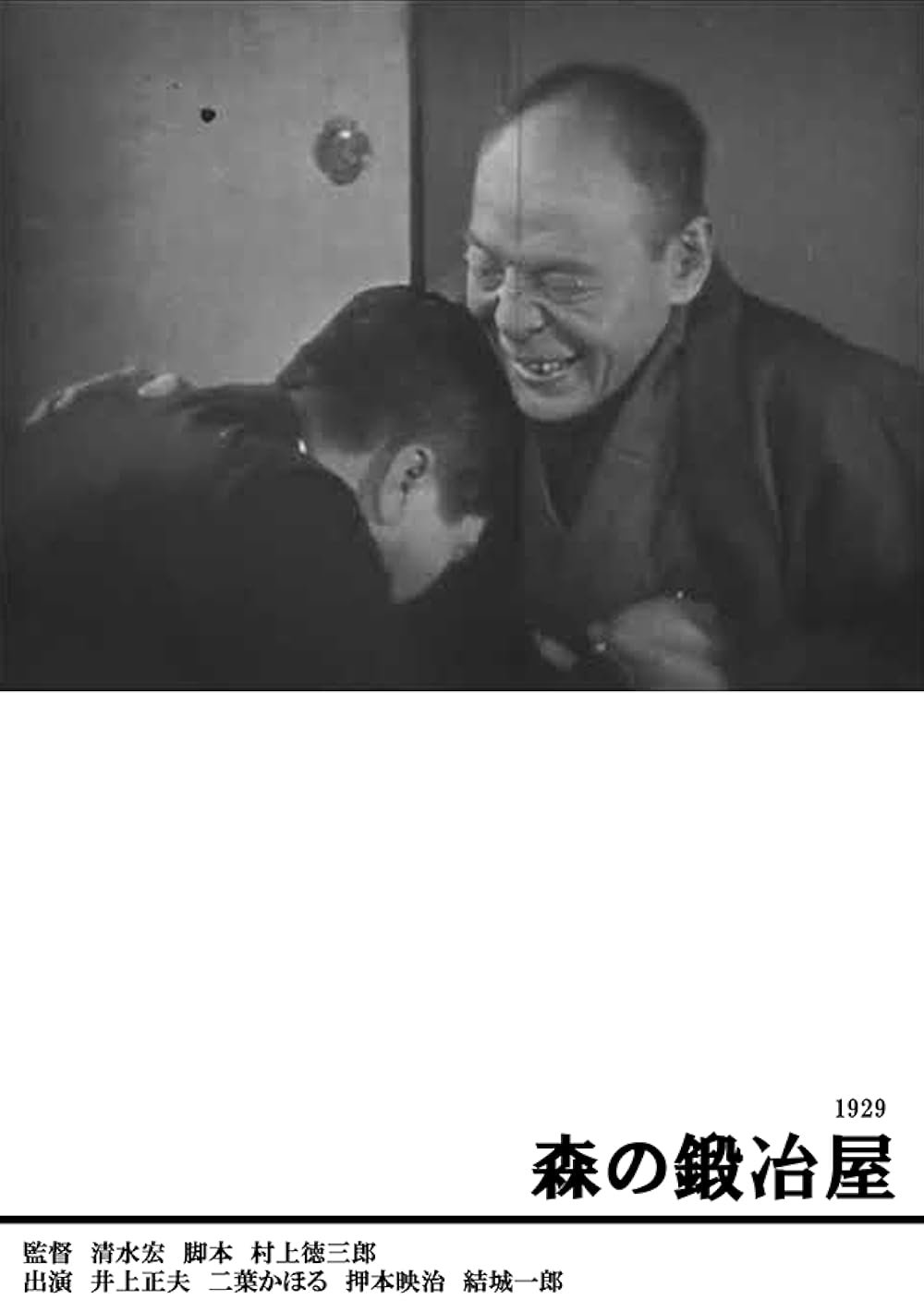
A blacksmith is chased out of the village by the sinister village chief and forced to move to the forest with his wife and two sons. The blacksmith's younger son is disabled, and the other children in the village tease him. The older son aspires to become a doctor in order to fix his brother's leg. The film depicts the bond between a father and his sons. Only 18 minutes survive.
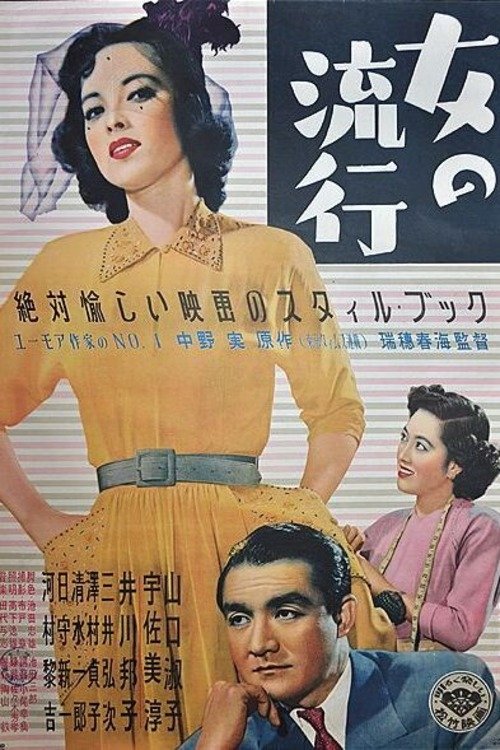
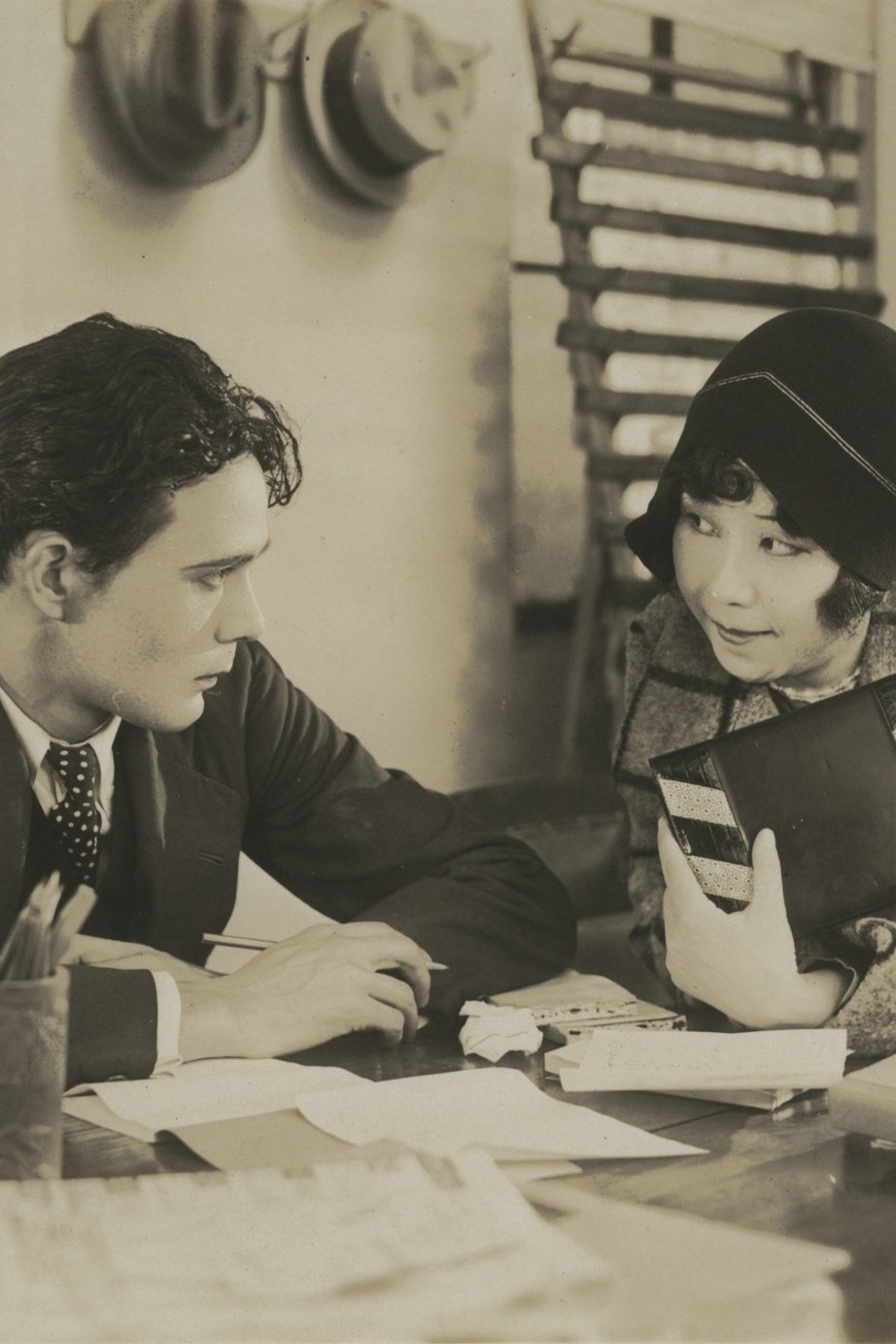
A modern girl suddenly intrudes into a widower's family home.
Kan’ichi Hazama and Omiya Shigisawa are engaged to be married, but Omiya breaks the engagement to marry a wealthy banker’s son. Heartbroken, Kan’ichi becomes a moneylender, and years later their paths cross again under changed circumstances. Adapted from a popular serialized novel of the same name.
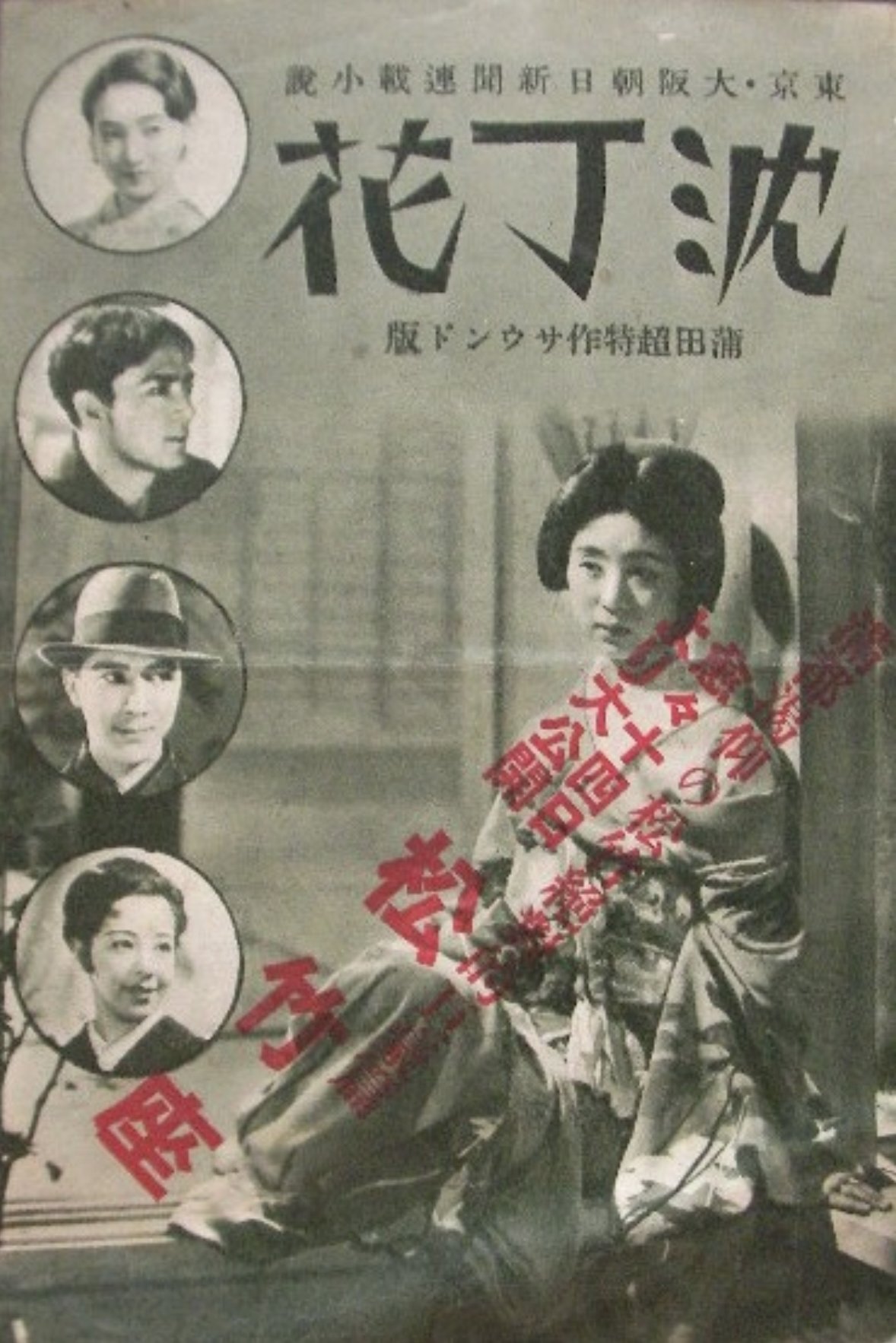
Japanese film from 1933, adapted from Masao Kume's serialized newspaper novel.
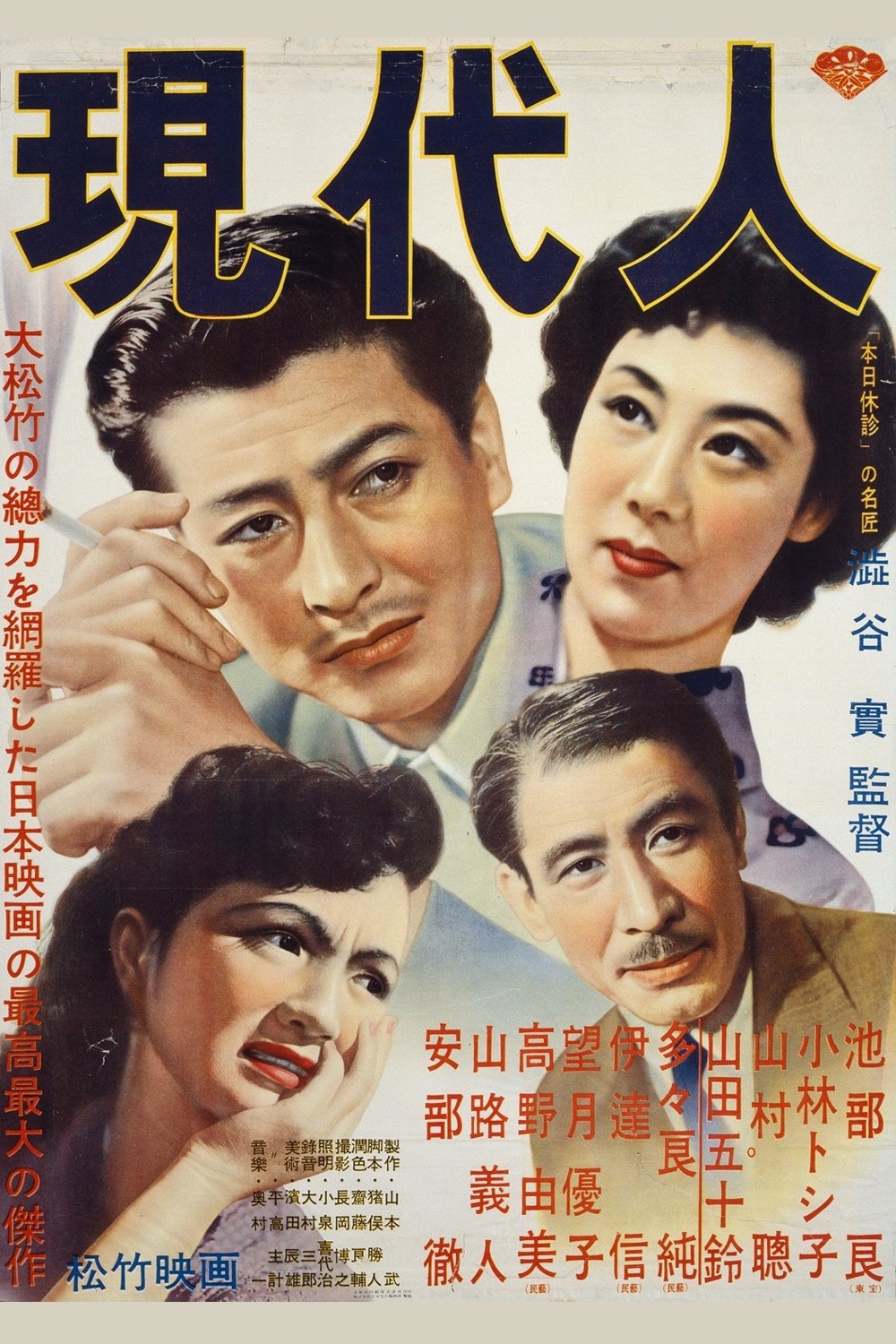
A section chief at the Bureau of Construction is in a shady relationship with a construction company. Then a new, young and honest subordinate is assigned to work under the section chief. Once he learns about the shady relationship, however, the new subordinate skillfully conceals the corruption and joins the corrupt, shady relationship.