
The eighteen-year-old young man will one day make a living as a shoemaker, but his greatest love is hang gliding, for which he is willing to sacrifice anything.
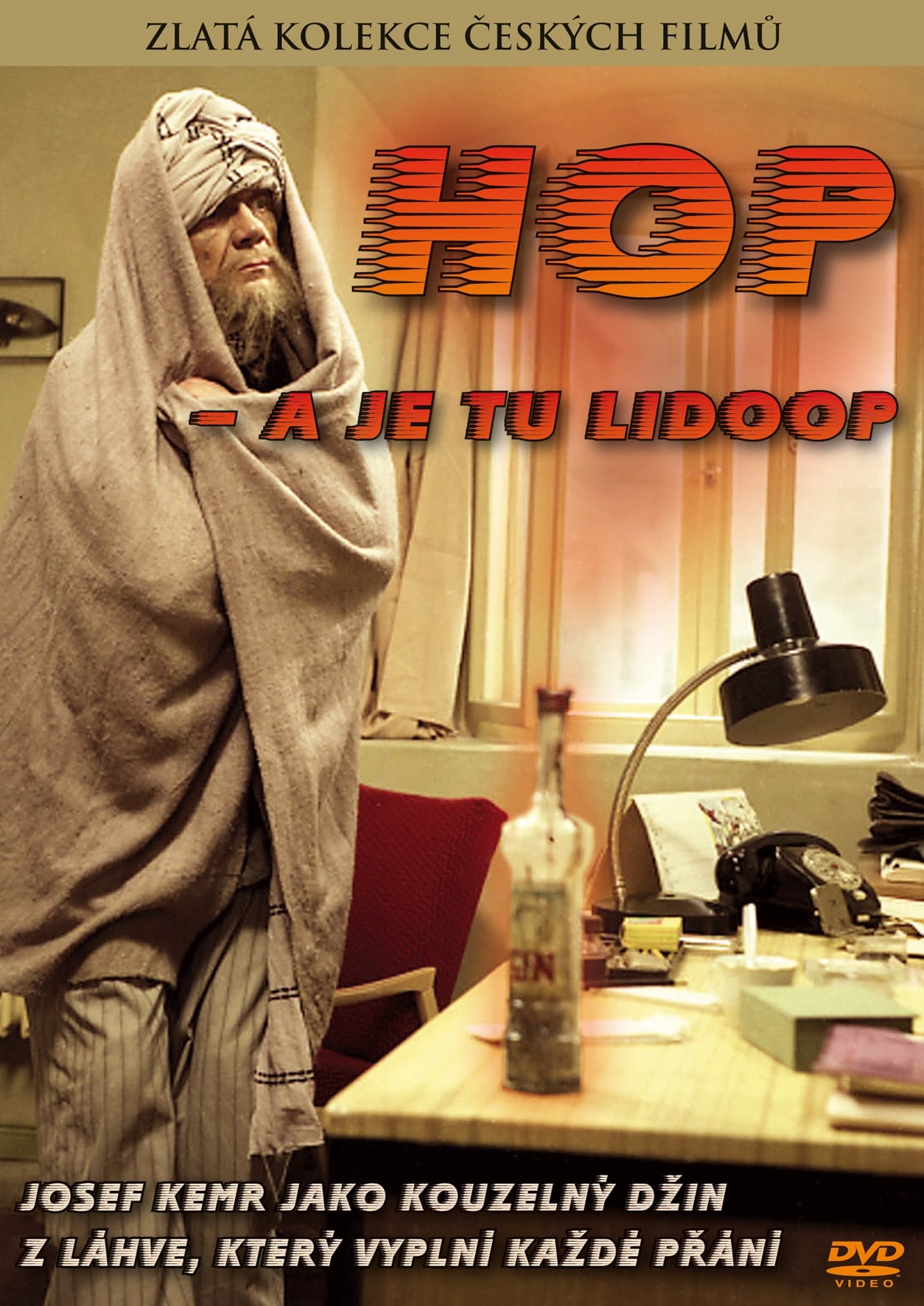
The fisherman Fuksa fishes in the creek an old bottle and he sells it to innkeeper Merta. When Merta opens it, a genie appears, who can fulfill all his wishes.
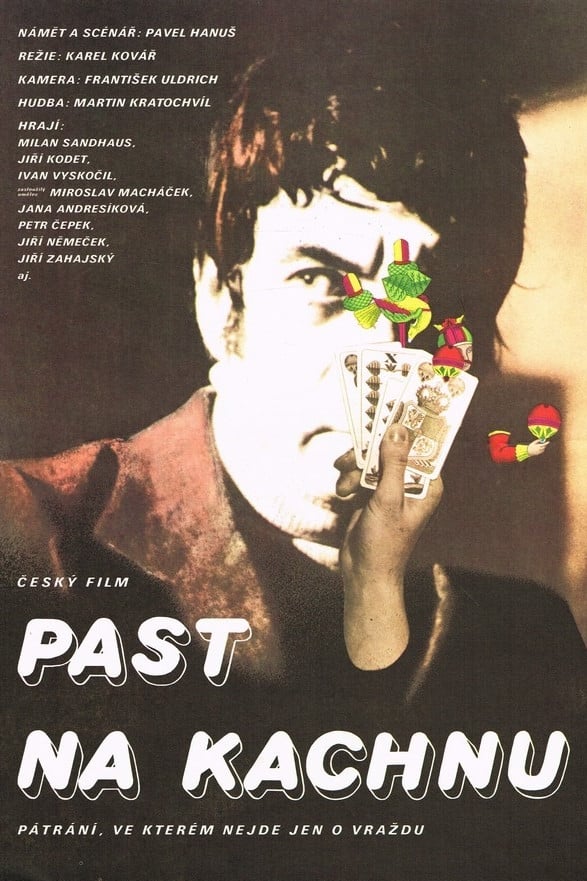
Taxi driver Koukal (Miroslav Machácek) is stopped by the police for a routine traffic check. In the boot of his car the police find the body of a naked man. Koukal is arrested even though he claims he knows nothing about it. The case is assigned to Major Mlynár (Milan Sandhaus). The police identify the corpse as that of an Austrian citizen called Mitrik. Koukal has been regularly driving people interested in gambling to a secret gaming den. The police are put onto the gambling den by another taxi driver, who admits that he drove Mitrik there. Mlynár and officer cadet Pecka (Ivan Vyskocil) feign interest in gambling and visit the gaming den incognito.
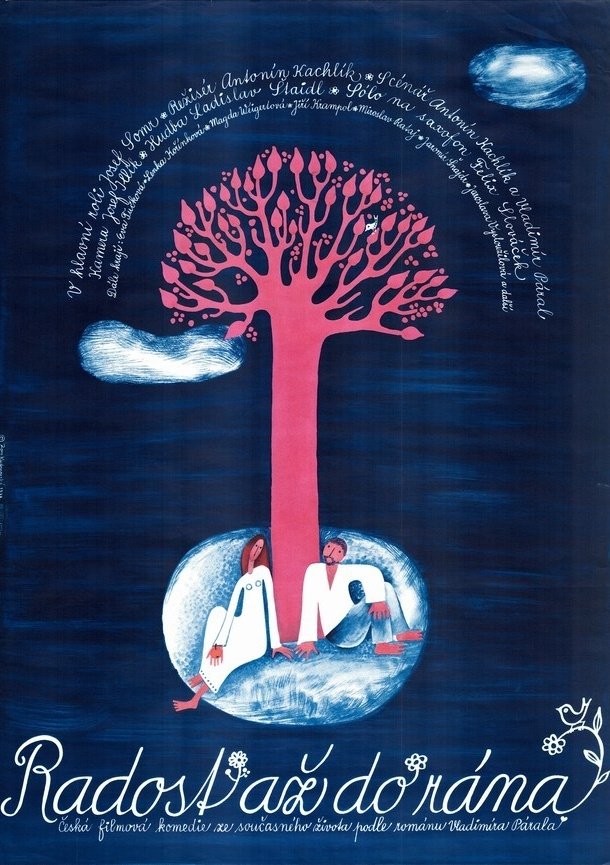
A psychological story about dissatisfied individuals who despise the stereotypes of others, but create their own. Kazan, a vagabond through life, and Viola, who always settles for the ideal, form a disparate pair who eventually find the one.
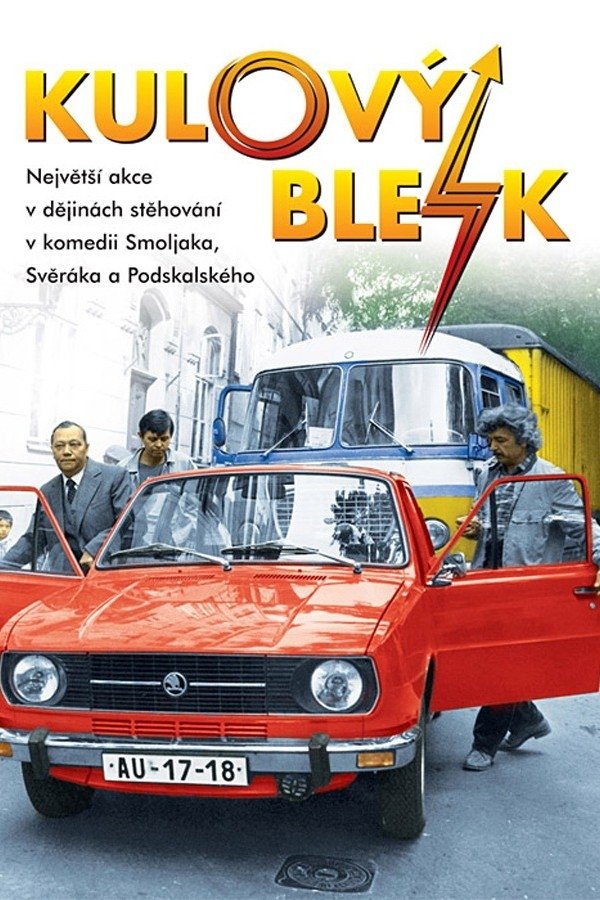
A comedy about exchange of 12 apartments , which, its organizer, lawyer Radosta, rightly called Action Ball Lightning. To prepare, organize and execute the exchange of twelve apartments is a work worthy champions. Radosta, who was excellently played by Rudolf Hrušínský, solved all sudden difficulties and complications on the fly and with grace. To be sure that the on the D-day everything goes well he prepares a little rehearsal, which reveals many minor issues caused for example by wedding ordered to inappropriate term or hesitation of some participants. Last but not least a night exercise announced by drunk psychologist Knotků, creates a lot of confusion that nearly sabotaged the whole operation.
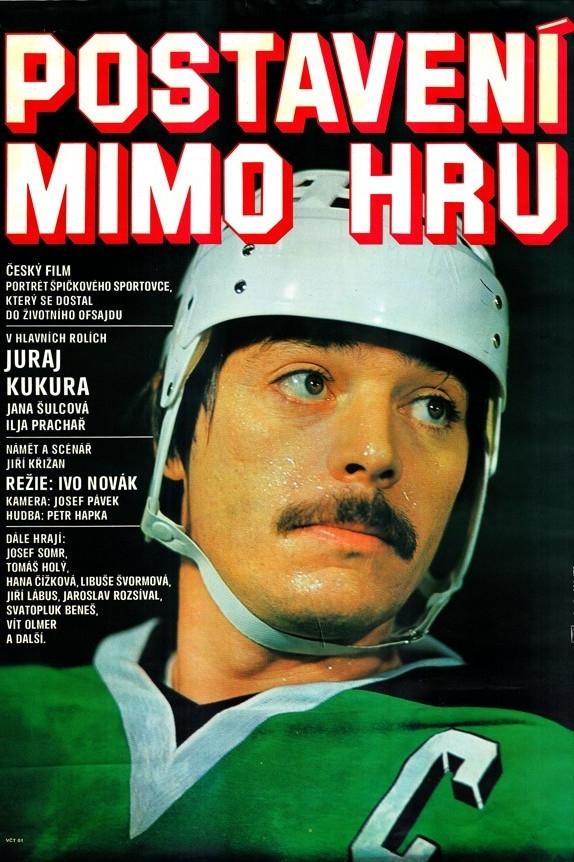
The psychological story of a young top athlete - hockey player, showing the downside of the all-round care that top athletes enjoy. On the one hand, there are the exceptionally favourable living conditions, but on the other, human envy, the fickleness of the public's favour, gossip, bribery and other vices that can negatively affect a less solid character...
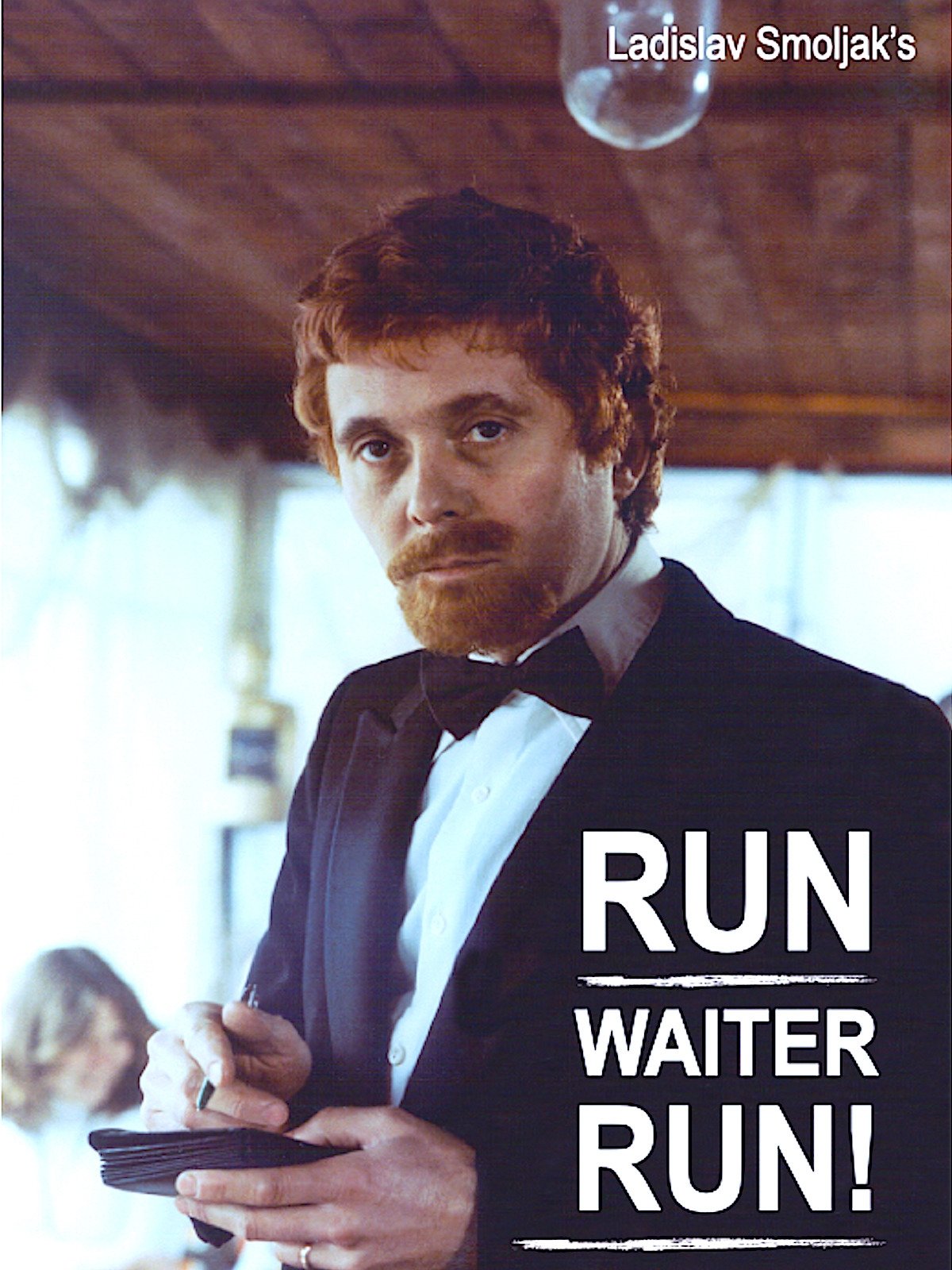
A comedy concerning a down on his luck bookshop owner with a penchant for women who decides to make some money by pretending to be a waiter and collecting cash from unsuspecting diners.
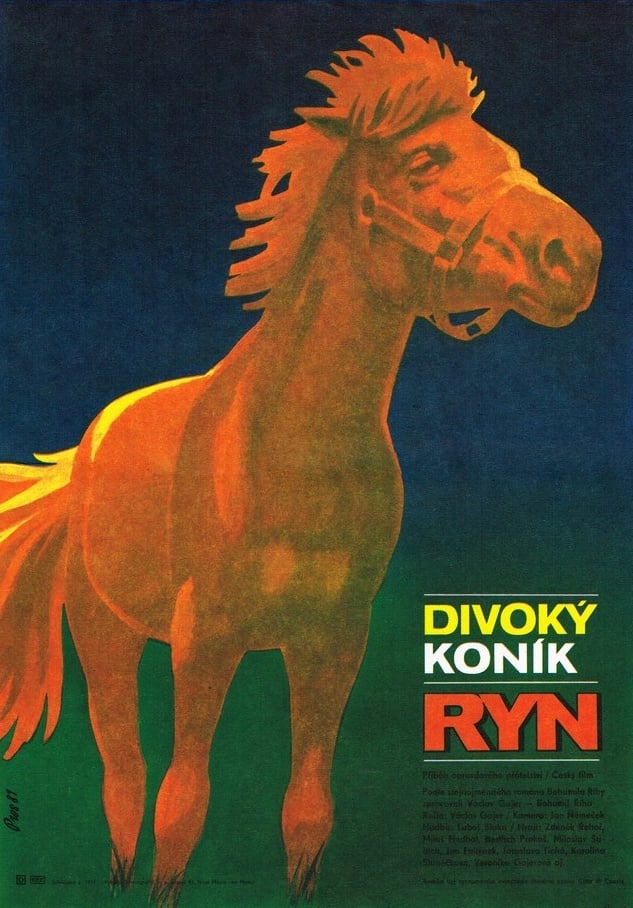
Several of the works of writer Bohumil Říha have been filmed. This novel by the pro-regime writer also inspired a children’s film, which was directed in 1981 by the experienced family filmmaker Václav Gajer. The story takes place in 1947 and it is based on the popular model of the relationship between a human hero and an indomitable animal protagonist. The tale of the freedom necessary for life, is, of course, beholden to the standards of the time: the Hucul horse that heals an old villager, has remained in the small village in Šumava after the Soviet soldiers have left. This is a pleasing movie that engages with the acting performance of Zdeněk Řehoř and the depiction of the indisputable beauty of the Šumava landscape as shot by cameraman Jan Němeček.
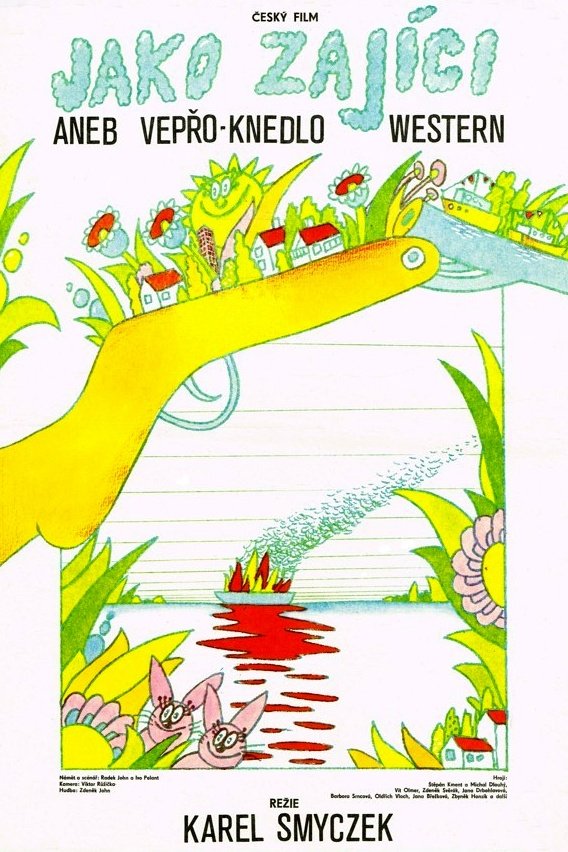
A story of two boys who during the summer at a recreation area become best friends despite being enemies at first.
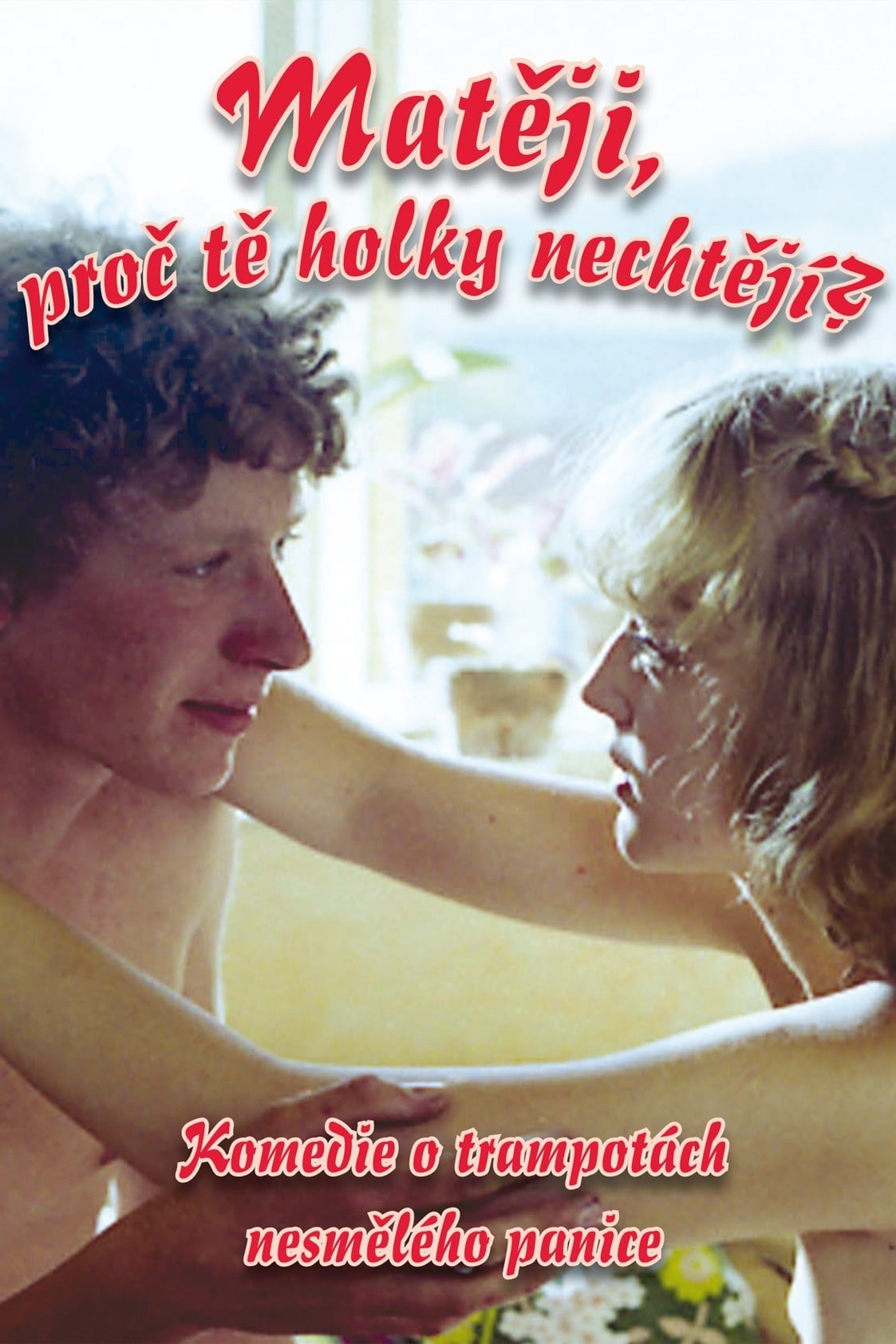
Matěj Hůrka, a teenage bricklayer's apprentice, a young man who is delicate in matters of love, lives with his grandmother in a country cottage. He struggles with love problems, but waits in vain for some advice as his vivacious grandmother remarries an equally vivacious pensioner. The enterprising eldest generation thus contrasts to some extent with the youth, which is embarrassed.

A doctor is shocked when his beloved colleague Mima signs a contract with foreign car manufacturer Ferat, in order to work for them as a rally-driver. A scientist convinces him that human blood is being used as fuel for Mima's ever winning car, but does that really work?
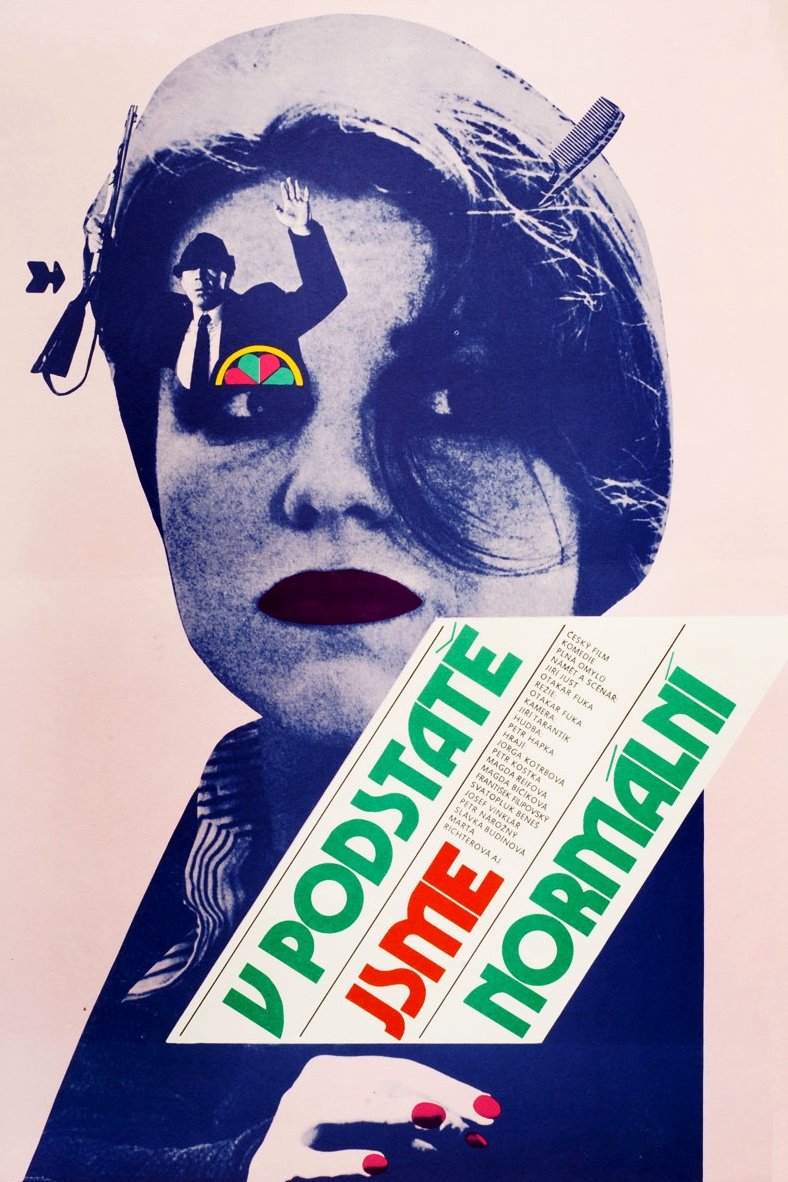
The film follows Karel Novák, who is appointed as the head of a research institute's new department. His ambitious wife, Eva, sees this as an opportunity for social advancement. She quits her job, turns their apartment into a hair salon, and begins networking with influential people. However, her efforts entangle Karel in a web of shady business dealings, including a dubious connection with a foreign company, Djungarden. As misunderstandings and comedic mishaps unfold, Karel finds himself in trouble with the police, while Eva struggles to maintain control over their chaotic rise in society.
Emigrants rarely do well abroad, which is why they often return to their homeland. At least, that's what the film The Poachers claims. But the long years of separation and different experiences create alienation, and the returnees lose touch with their loved ones. This is exactly what happens to the main character, who cannot understand the changes that the Czech village has undergone. Neither with his son nor with his wife can he find common ground. Although the director Hynek Bočan relies on expressive portrayal, the basic problem of the story remains its lifelessness.
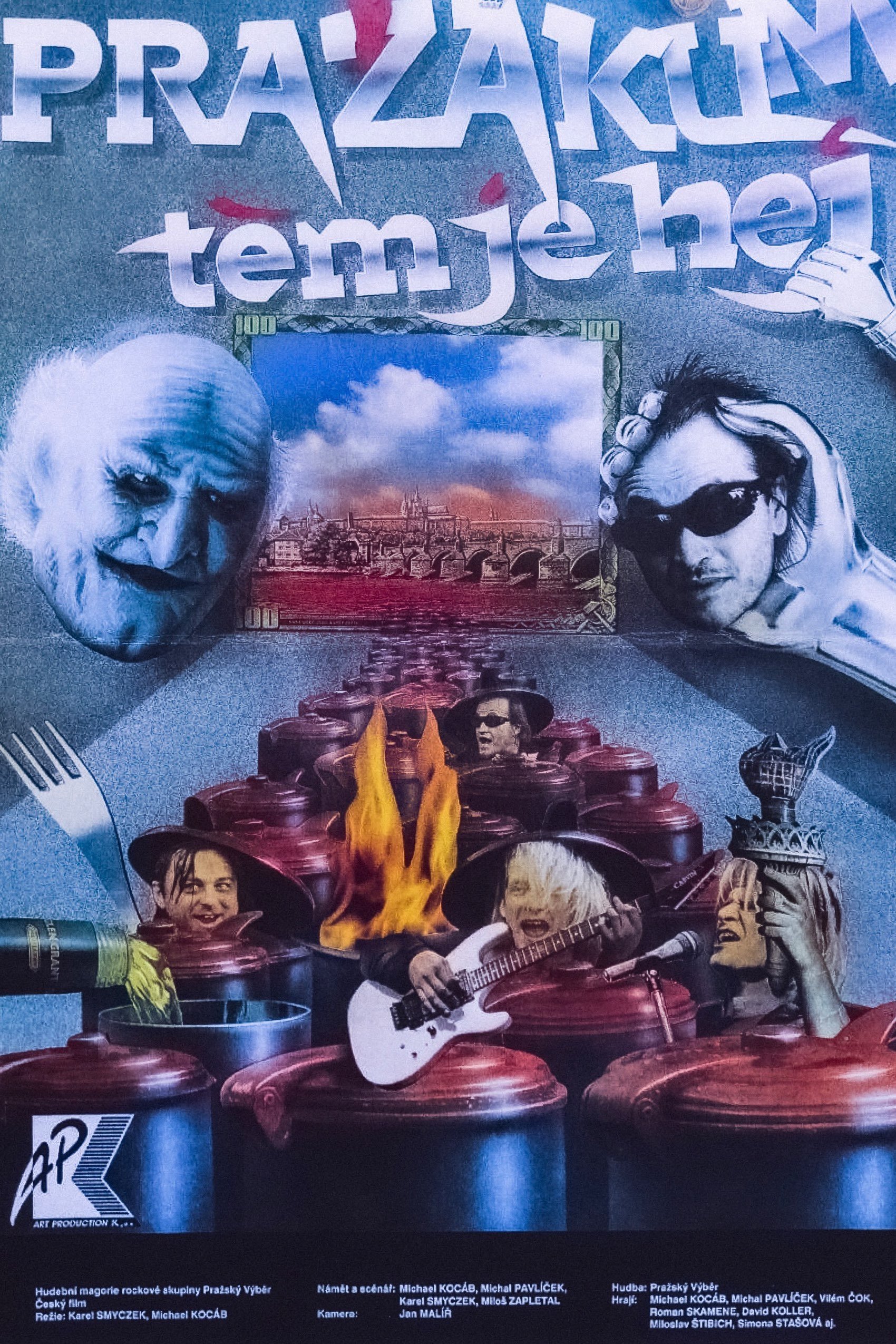
The story begins in 1984 in Prague, Czechoslovakia, few years before the end of Communist era. The band Pražský výběr (Prague's selection) has just received the news thier 5-year ban has expired and they are alowed to perform once again. This half fantasy half document about the band would draw the atmosphere of middle european late Communist era and the eufory of it's end.
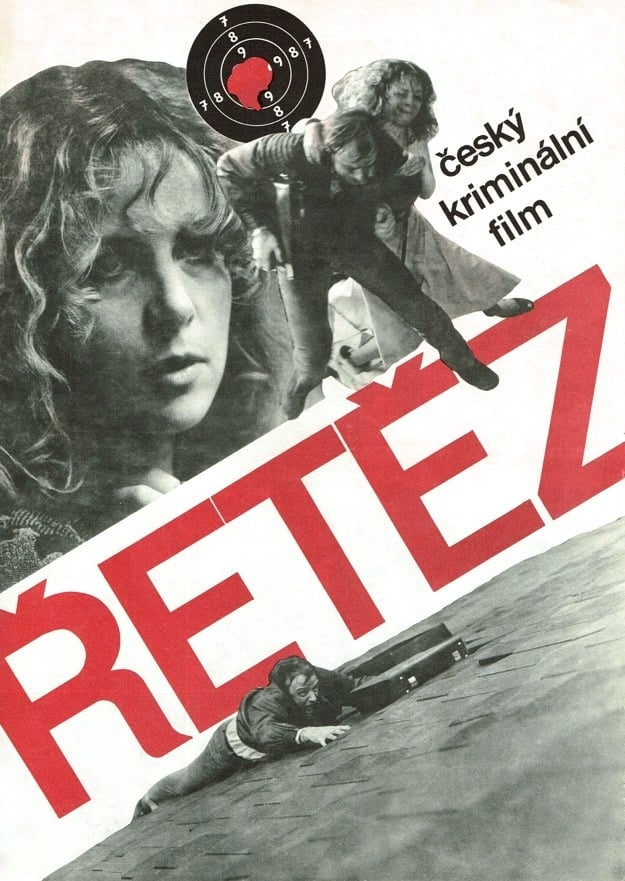
Carefree young nurse Marta learns upon her husband's death that he was involved in all manner of criminal activity, which puts her life in danger.
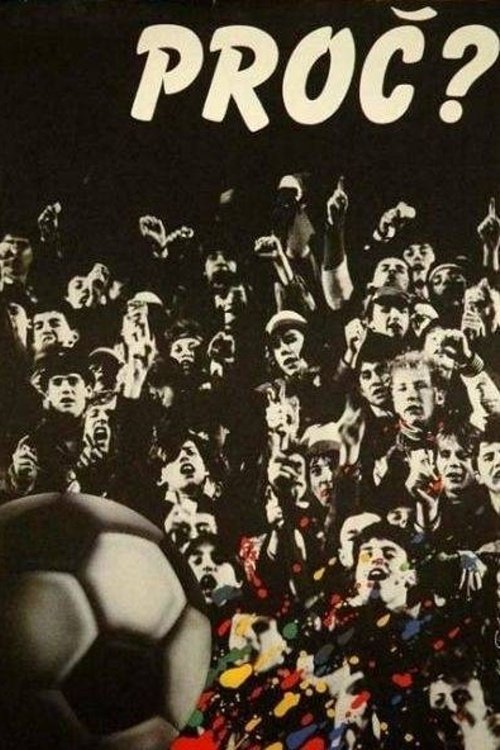
Why? (Czech: Proč?) is a 1987 Czechoslovak drama film directed by Karel Smyczek. It was screened in the Un Certain Regard section at the 1988 Cannes Film Festival. The film deals with the hooliganism in Czechoslovakia, particularly with the fans of football club Sparta from Prague, whose supporters were the pioneers of the football fan riots in Czechoslovakia, starting with hooligan actions already in the 1960s, like breaking the trains in which they travelled when they went on Sparta's away games. The film deals with one of such episodes
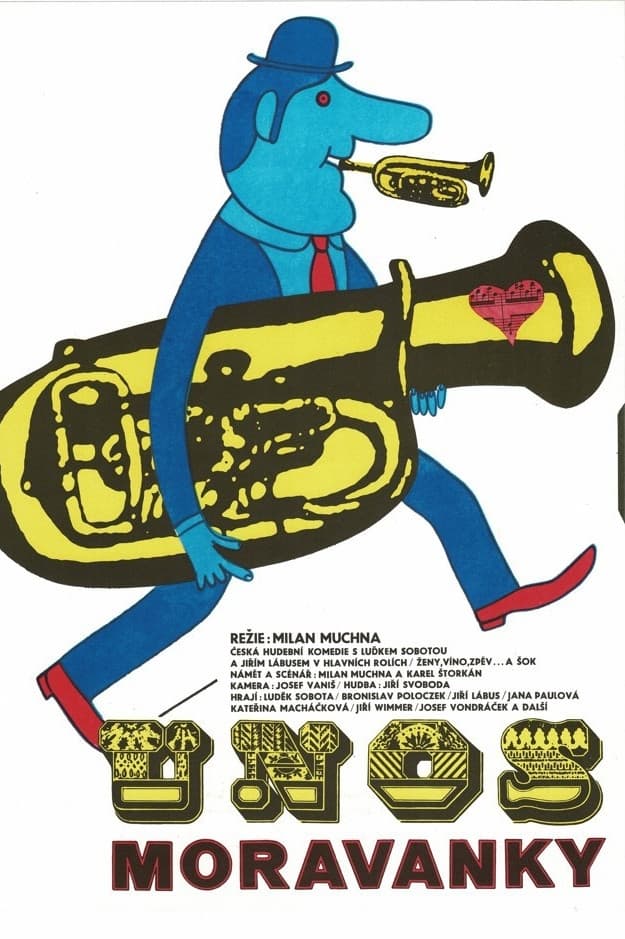
The popular Moravanka brass band performs at the fair. Vasek Pivoňka, the bandleader of the local brass band Kulatěnky, which broke up, decides to put the band back together. The village musicians are sceptical at first, but later they start rehearsing with vigour. Standa, a Prague resident who is working in a pig farm to cure his nerves, helps them to organise the concert. He really likes Evica Kocourková, but her father keeps an eye on her. Young Šišák tries to charm the teacher Olina. Before the performance can begin, the band must succeed before the cultural committee. However, they fail to do so. The disappointed musicians play for themselves at the station and suddenly they are successful. Standa comes up with an idea how to push Kulatěnka through without the permission of the commission. A concert of Moravanka is being prepared in nearby Nechvalin.
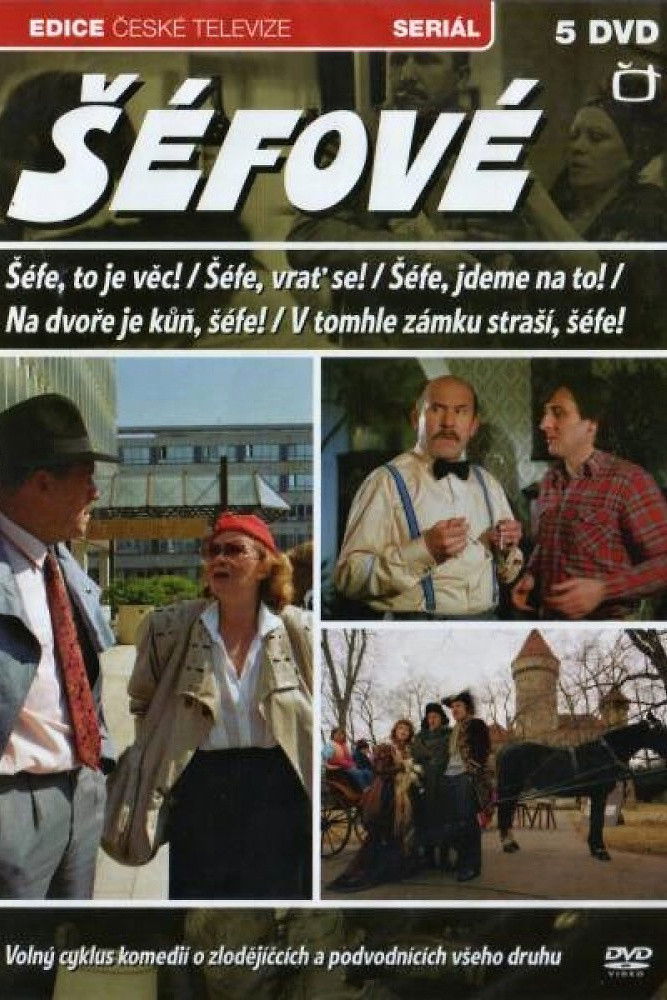
Criminal comedy, a first movie from the "Chief" series.
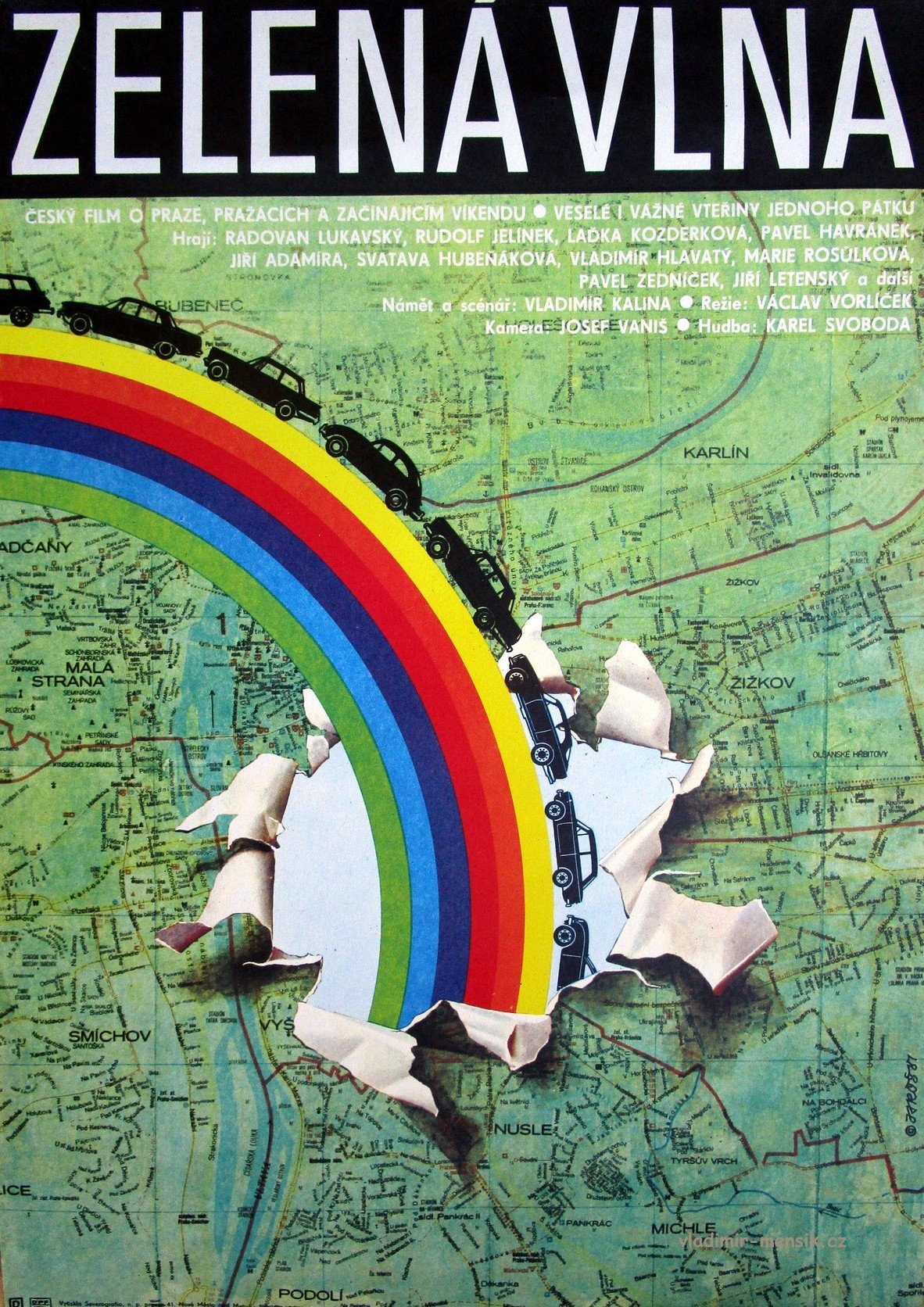
A short film about Prague, Prague residents, and the beginning of the weekend.
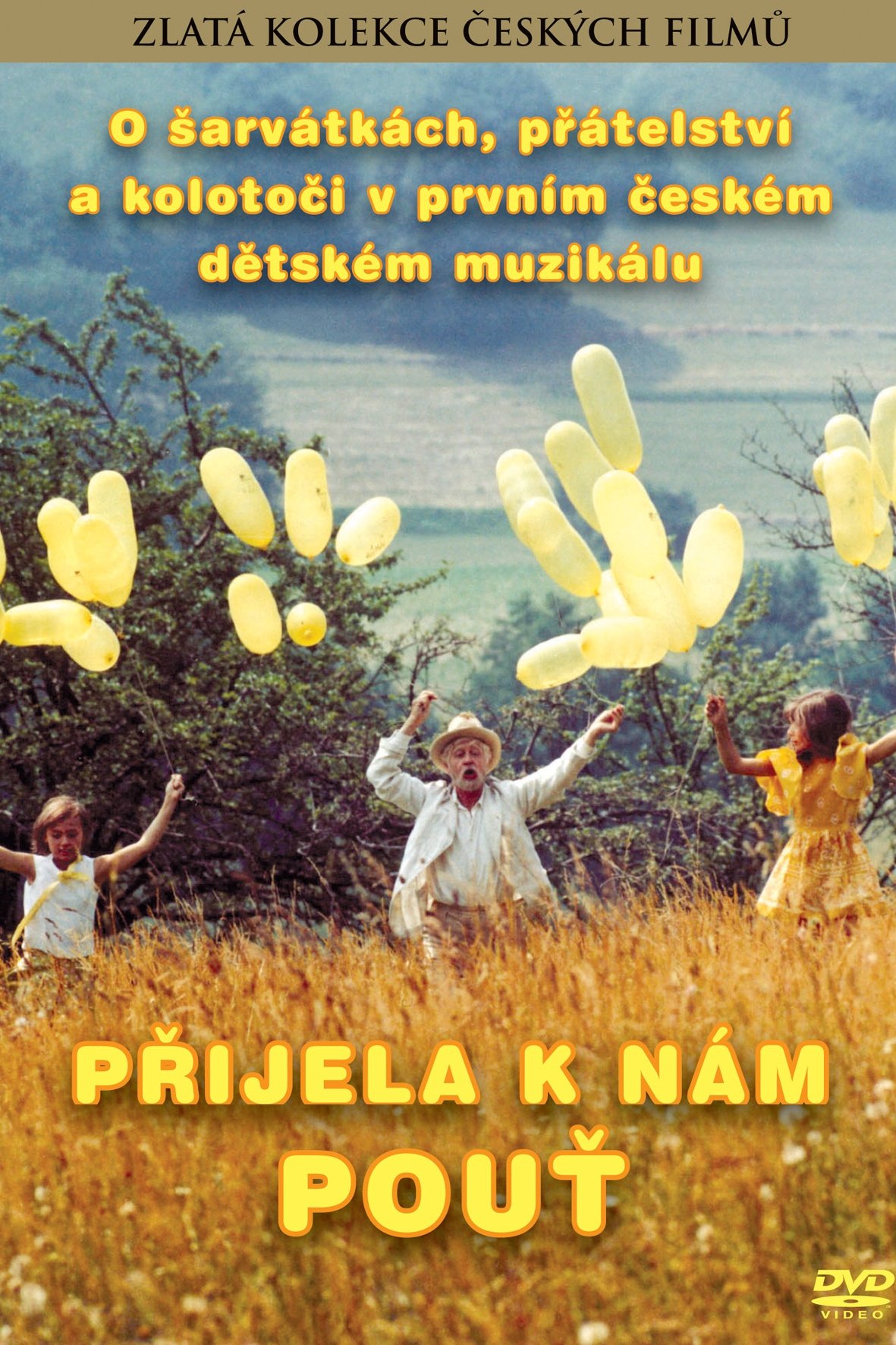
Children from the village Bystrá are awaiting a nice and thrilling weekend. On Saturday they will play the championship football match with the nonresident boys from the village Skuhrov, on Sunday there will be the funfair with merry-go-round, swings and stalls with dainties. The members of the family of the merry-go-round man are brother and sister Janek and Zaneta Mareks whom the children have known since the last year. At that time Zaneta made friends with girls and Janek, an excellent football player, has been a welcome support of the football club.
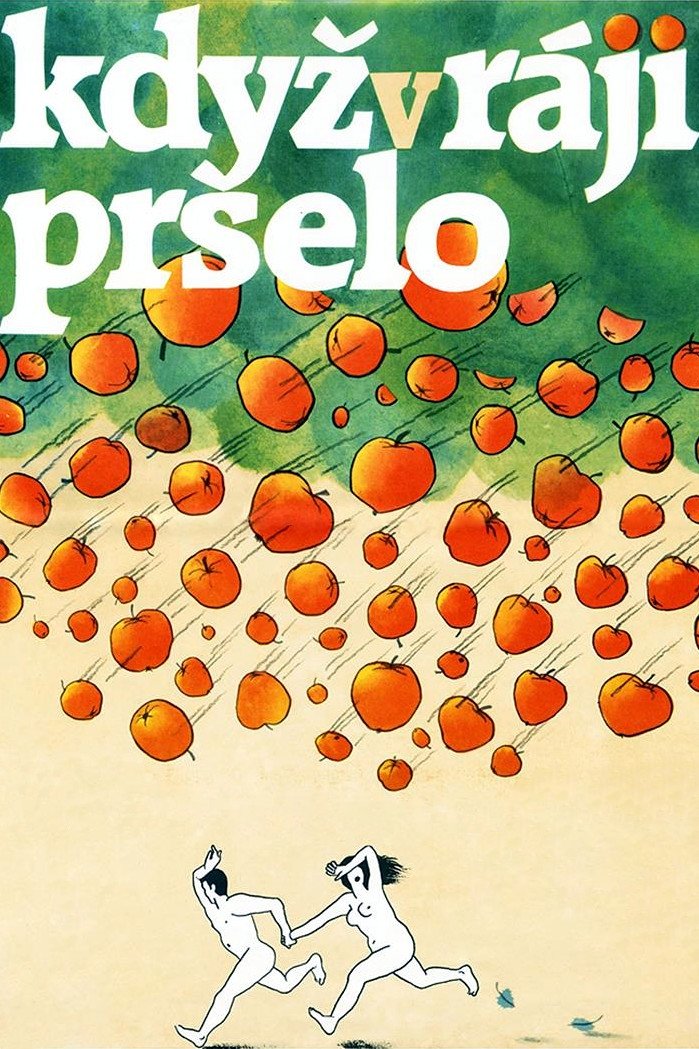
Petr and Lída Kadlec are moving to a dilapidated mill in the Bohemian Forest, which they plan to convert into a restaurant. Unsuspected obstacles from the locals get in the way of their dreams and ideas.
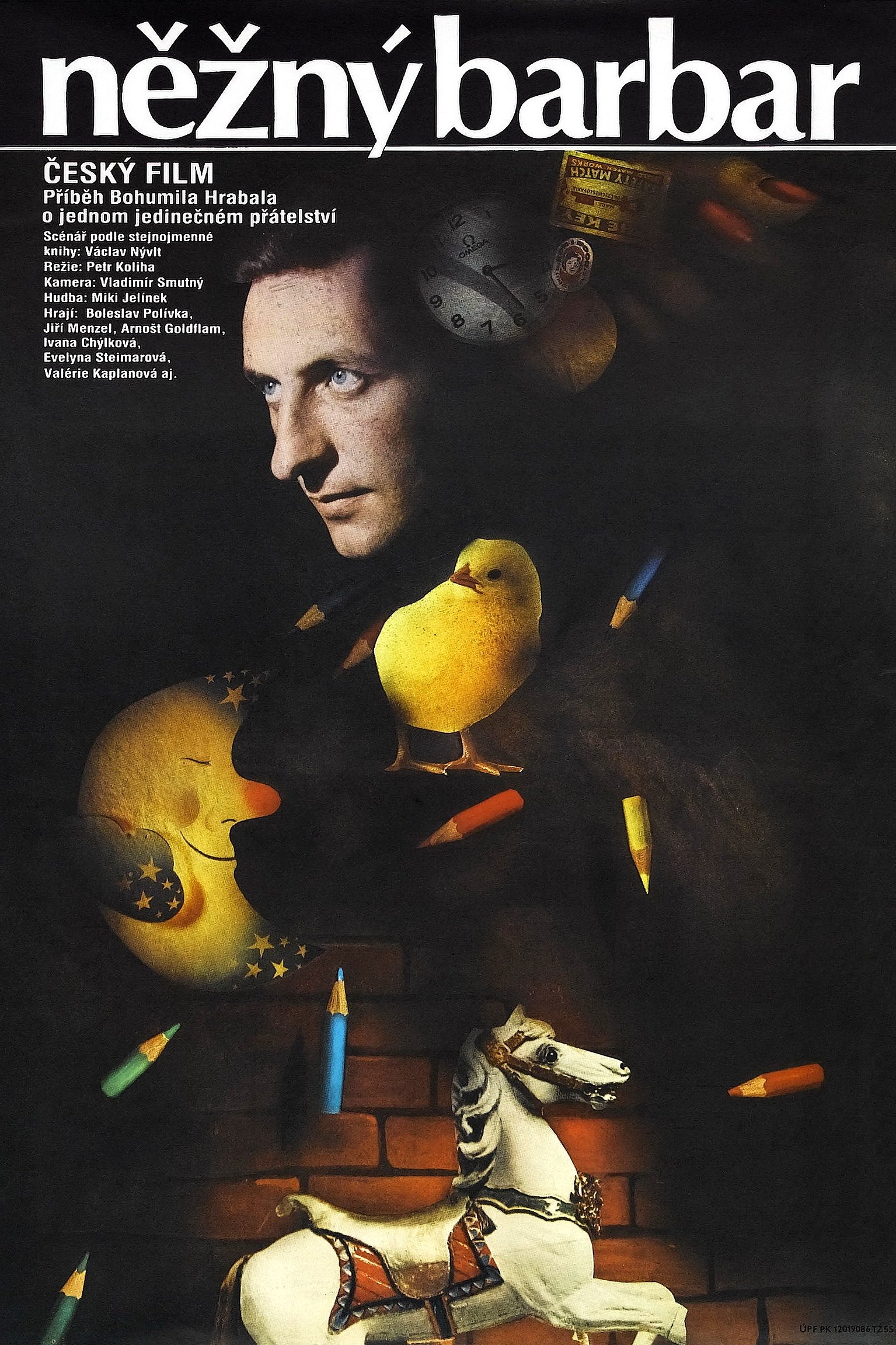
A commemorative and essayistic meditative piece on the Prague quarter Libeň during the 1950s.
A little boy, who has no time for his busy parents, solves his loneliness by befriending a dashing old man whose shed holds many surprising secrets and unseen things.
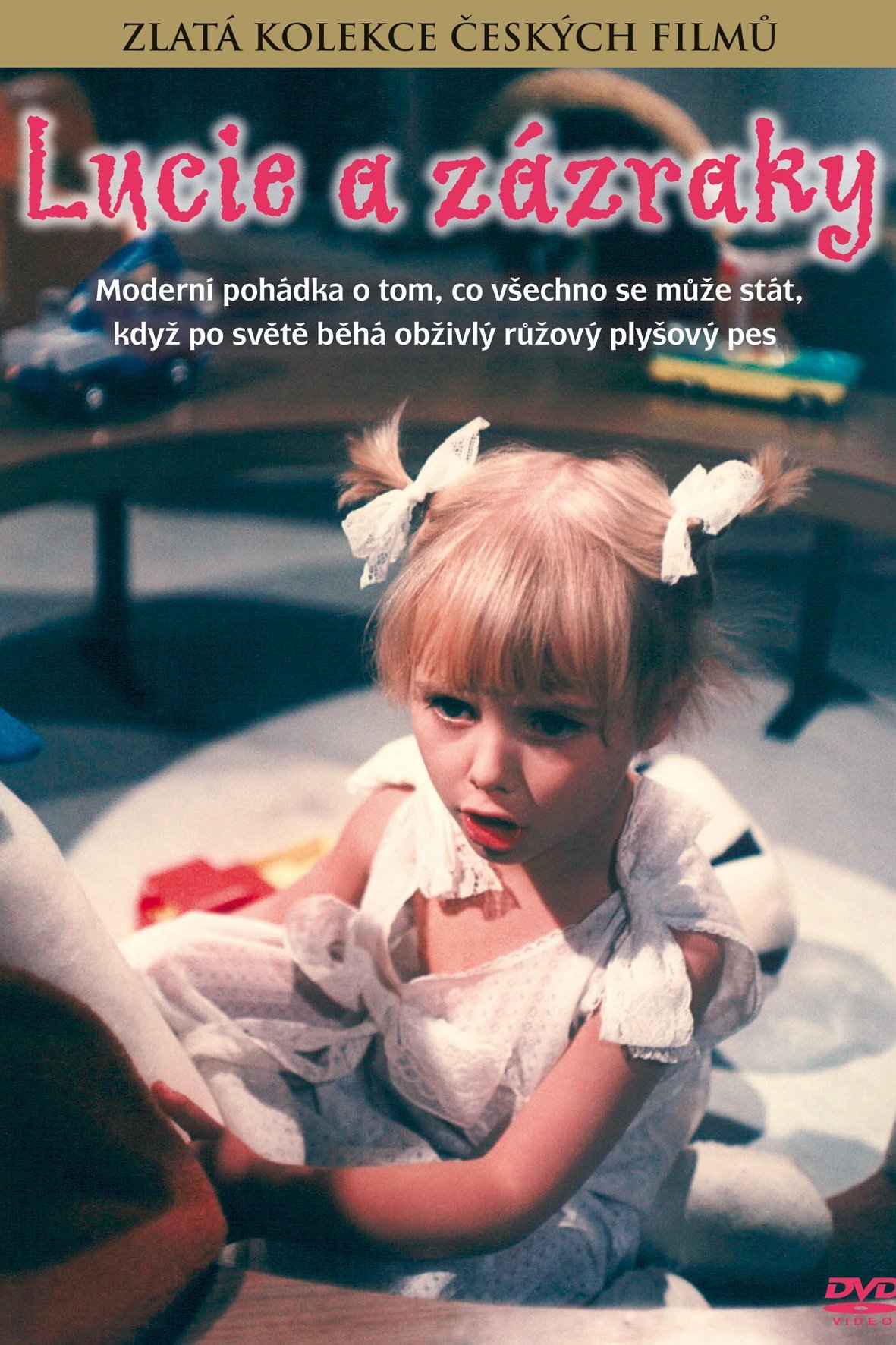
The harsh reality of a home for abandoned children blends with episodes of youthful fantasy and slapstick comedy in this story of an orphan girl. Lucy's fondest wish is to find new parents and leave an orphanage. She befriends a man who can create doors from paint. He gives her a stuffed dog that magically comes alive when placed on the ground, and he and his wife end up adopting the little girl. After finding parents of her own, Lucy sets out through fantasy to find parents for her orphan friends. All of the people Lucy meet during her remarkable make believe wanderings end up taking children home.
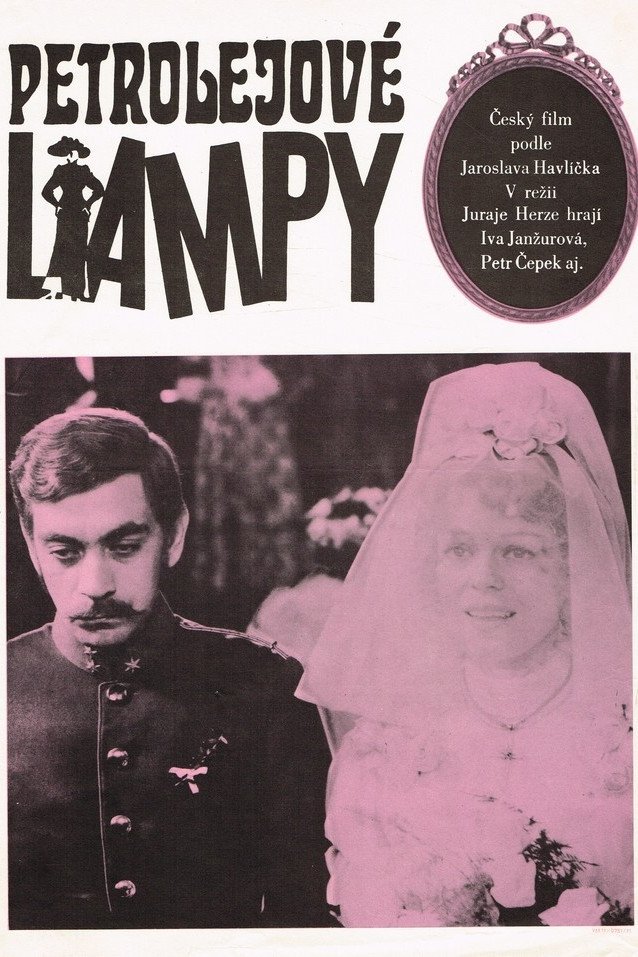
In 1900, Stepha, the vivacious 30 year old daughter of a wealthy couple, agrees to marry her cousin Paul, who has accumulated large debts as an Austrian army officer. Paul refuses to work or to consummate the marriage, and then his health steadily declines.
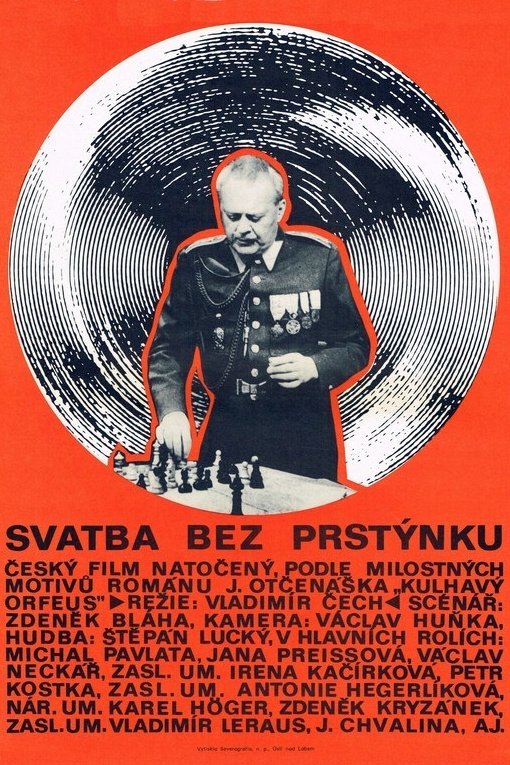
At the end of the occupation, Vojta, a young worker, marries the daughter of a rich builder to protect her from being deployed to the German Reich. Vojta agrees because he secretly loves Alena. But when the newlywed's family learns that Vojta is suspected of anti-German actions in the foundry, the marriage is over...

The movie's main storyline follows the life of Otík, a young man, in a tight-knit village community. The sweet-tempered Otík works as an assistant truck driver with Mr. Pávek, his older colleague and practical-minded neighbor. Pávek's family takes care of Otík, whose parents are dead. However, the two coworkers become at odds over Otík's inability to perform even the simplest tasks. Pávek demands that Otík be transferred to assist another driver, who happens to be a choleric and suspicious man named Turek (Turk in Czech). Rather than work with Turek, Otík decides to accept an offer of employment in Prague, but finds he does not fit in to the city life. After discovering that the transfer of Otík to Prague was a trick by a crooked politician to get a deal on Otík's large inherited house, Pávek agrees to give Otík a second chance and retrieves him from the city to resume their work together.
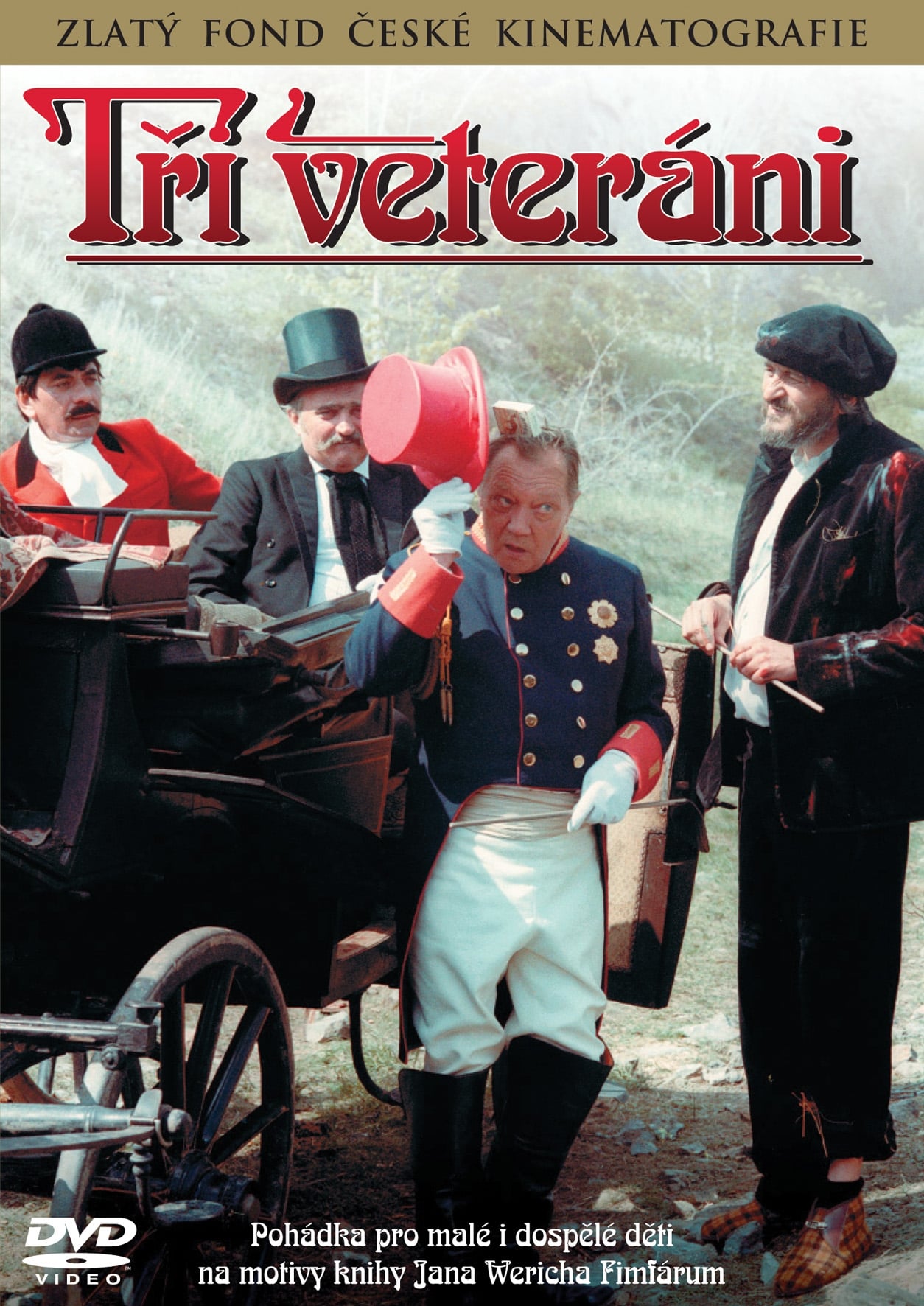
It is a story of three veterans released from the army. During one night spent camping in the country they one by one wake up and meet three elvish brothers. Each of the veterans is given a magic item - one gets magic harp that provides him with servants by wish, other one endless pouch of gold and the last one owns magic hat that can create all the staff excluding money and people.
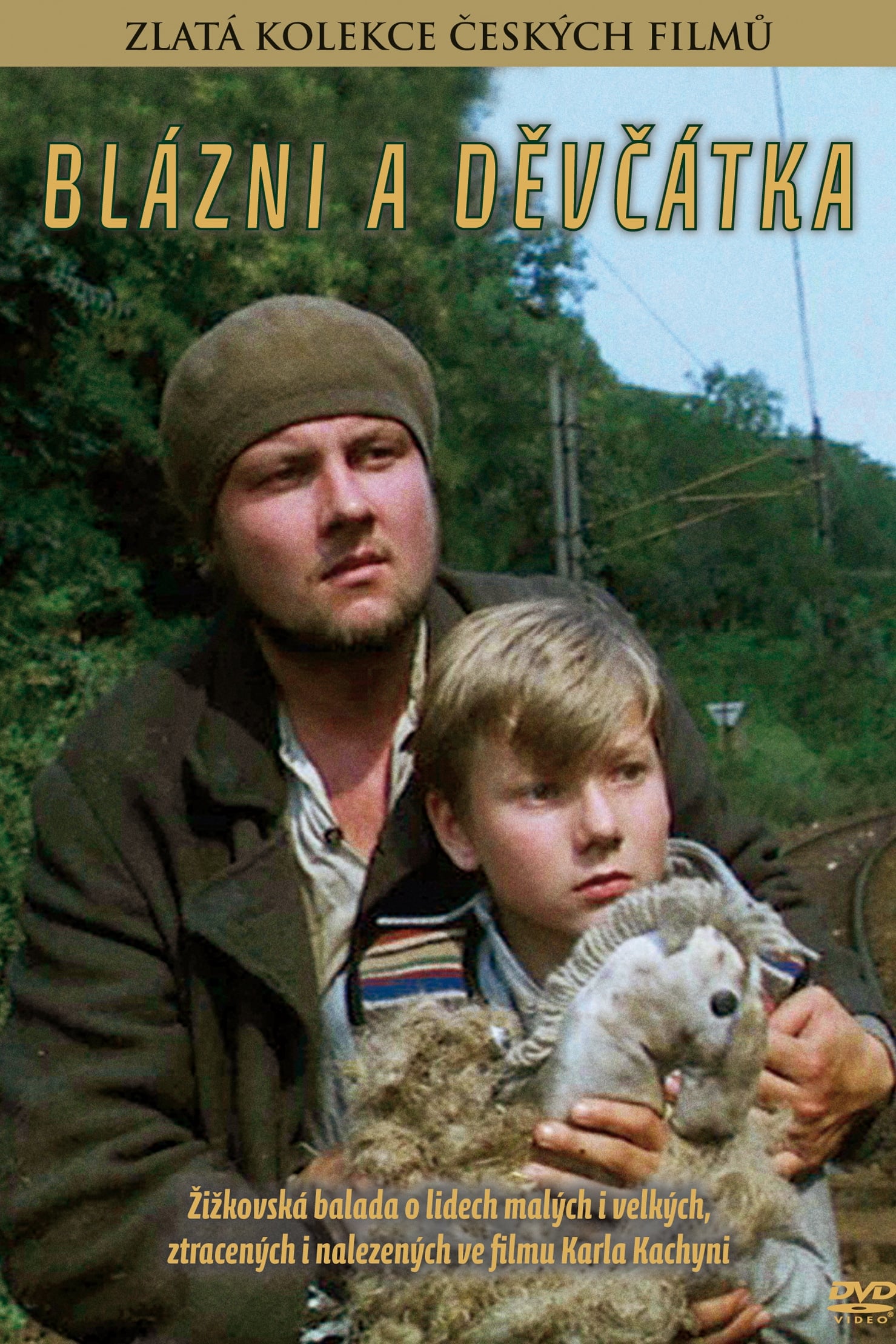
A coming of age drama about a young boy Jirka who lives in Prague.
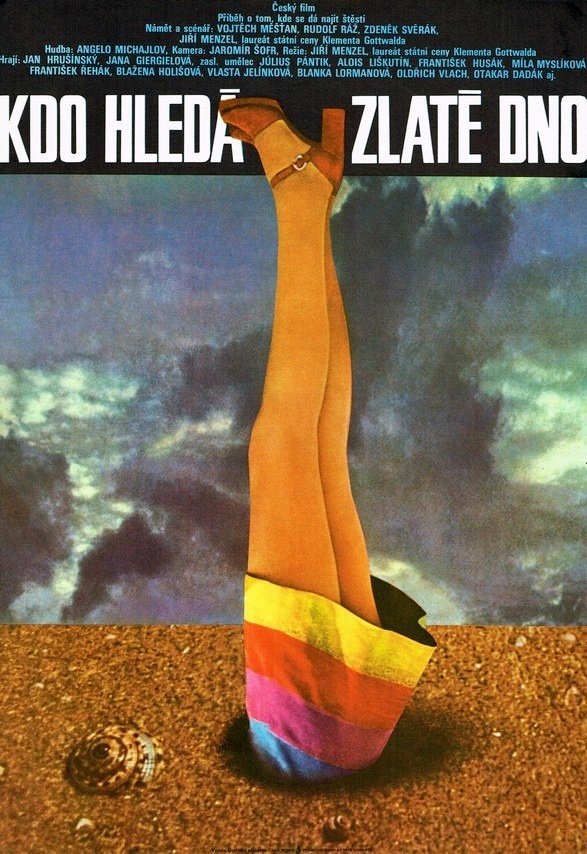
When he returns to Prague from a stint in the Army, Lada does not seem to fit in anywhere, and he cannot get the hang of the system of deliberately underperforming on the job. His girlfriend tries to keep him in the city with a variety of stratagems, but he eventually takes a job as a truck driver on a dam-building project. He uses the truck to visit his girl on weekends. Ingenuous, he is unaware that the truck is being used for black-market smuggling, and that his girlfriend two-times on him when he cannot arrange to leave on time for his weekend.
Three intertwined stories about Serbian truck driver who is involved into drug trafficking without knowing, Czech family who live by the road which makes them a lot of troubles since many cars crash into their house, and a bus full of Swedish grannies who go on a Trans-European package holiday.
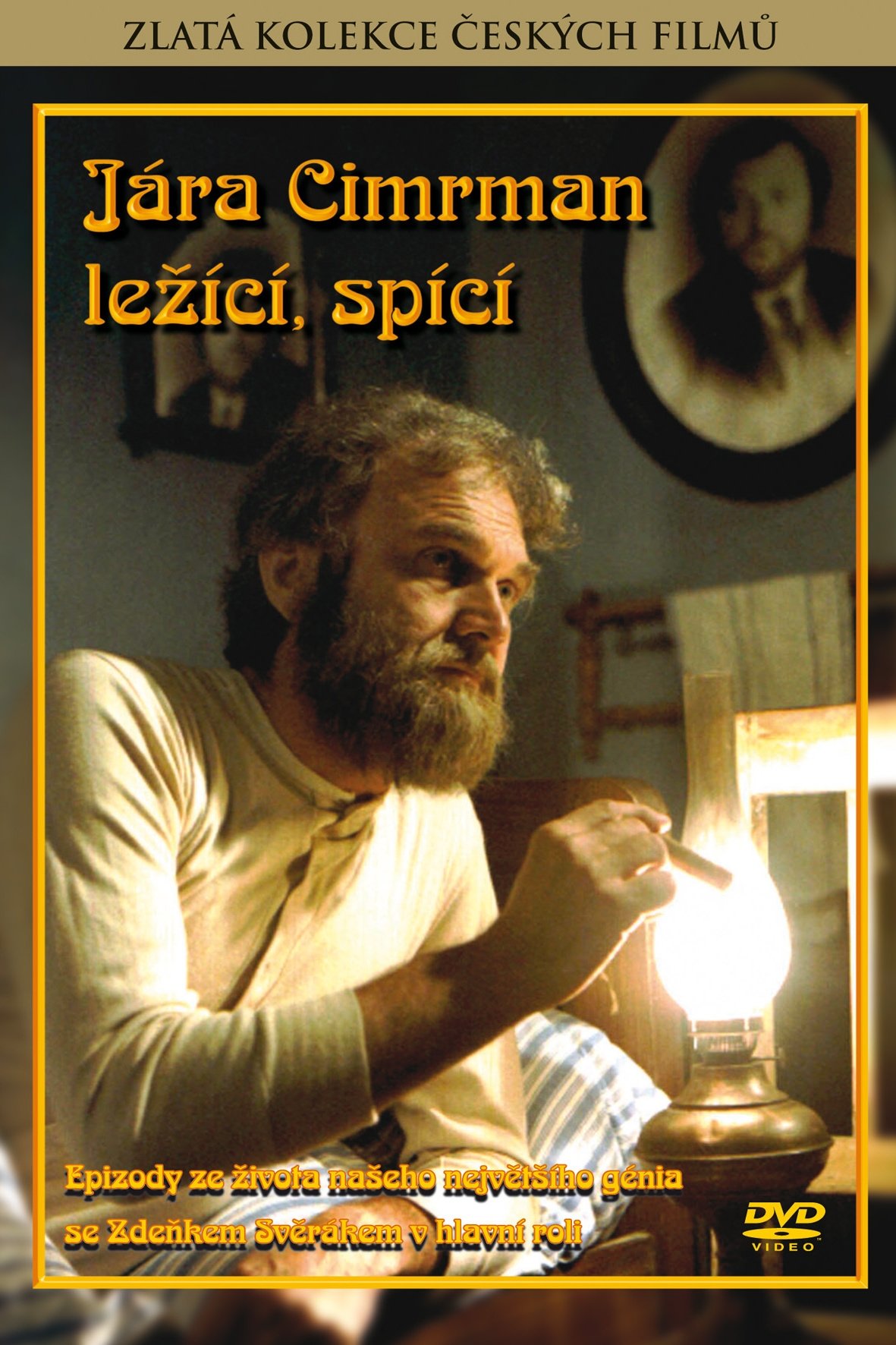
Czechoslovak comedy film directed by Ladislav Smoljak, about the fictional national hero Jára Cimrman (universal genius, inventor, sportsman, criminalist, poet, writer and philosopher).
The fantastic world of little Thomas, who conjured up beauty and happiness.
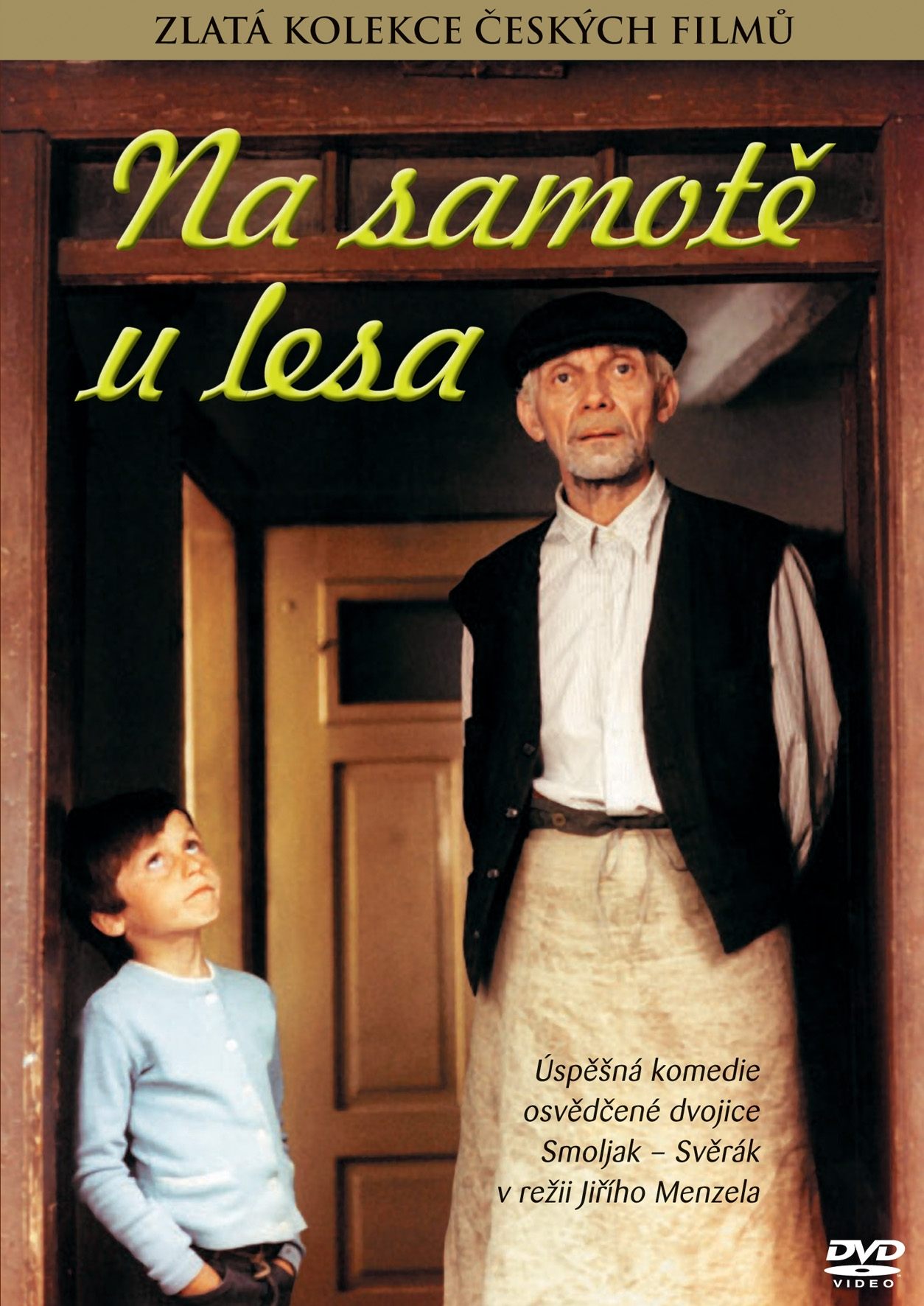
The Lavicka's, a Czech family from the city, rents a house in the country with the option to buy. However, old Mr Komarek seems reluctant to sell the house as they agreed.
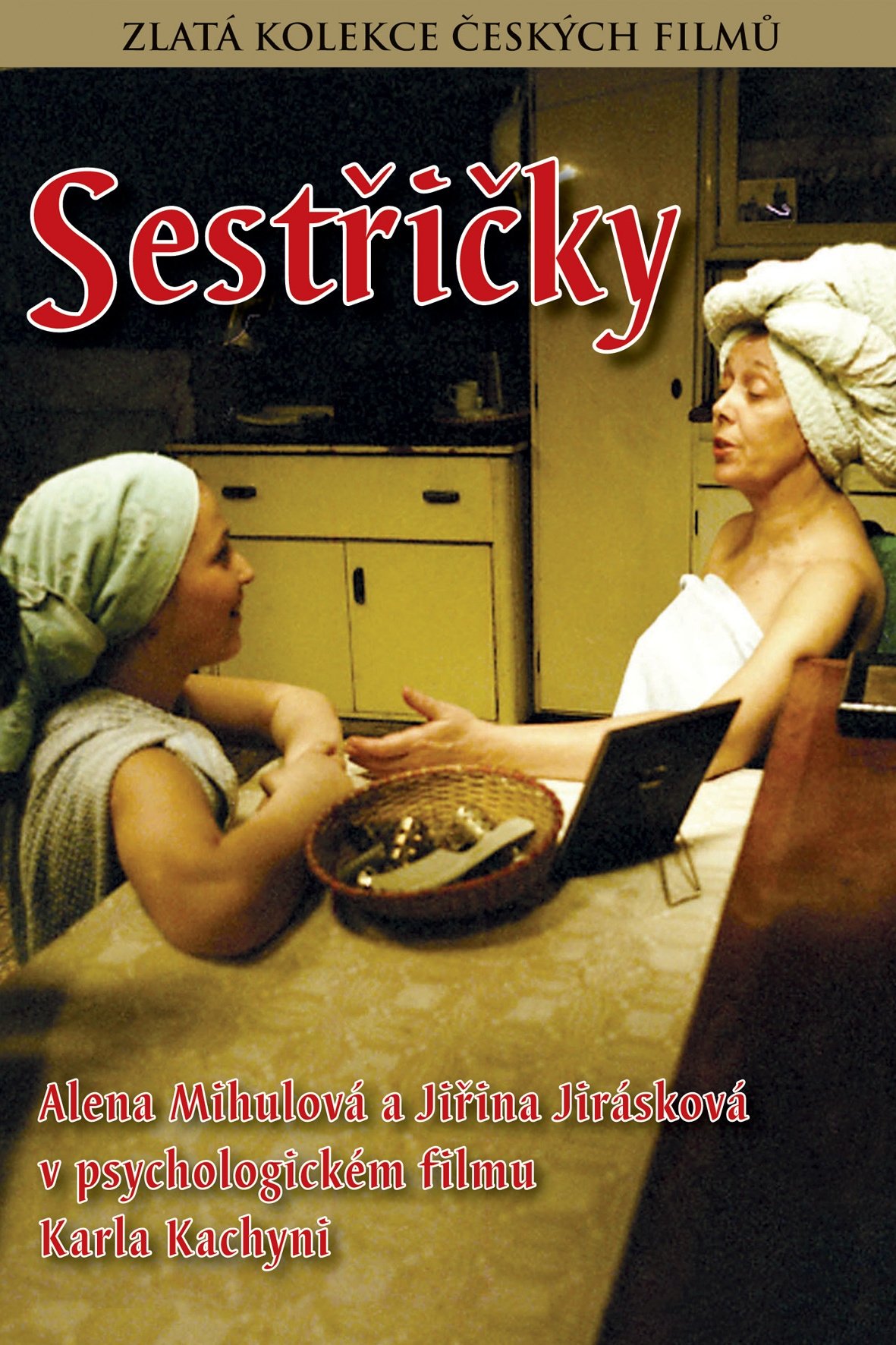
A Czech psychological film about the school of life, its sorrows and beauties. The main character is a young aspiring nurse Marie Sahulová, who, after a trouble in the hospital - she secretly brought a boy to her boarding school - is transferred to a rural health centre, where together with an old doctor and a peculiar nurse she has to travel around twenty-five villages and a number of solitudes in the harsh environment of the neglected villages of the 1950s. The nurse, a wise and experienced woman whom no one calls anything other than "babi", becomes her guide, who introduces her to the practice and the pitfalls of private life in a distinctive way. In the mosaic of everyday worries and more or less serious medical interventions, Marie matures and finds the meaning of her work and life.
Loosely inspired by a real criminal court case. It took place in Prague and the Tatra Mountains between 1926 and 1928 and was later described as one of the biggest, if not the biggest, cases the pre-Munich Republic had ever seen. Nevertheless, the police and judiciary at the time failed to clarify and close the case in such a way that it would not raise legitimate questions long after the trial had ended. Even though the court handed down its verdicts, the case remained open in a way, and this is also reflected in the script, which remained faithful to the facts in its basic outline," says screenwriter Václav Šašek, author of the two-part television production The Trial of the Martyn Murderers...
A tragicomic story from a tragicomic time - this is how one could characterize Jiří Hubac's play, which premiered in May 1991. The drama of two friends who fought in England as Czech airmen during the war and had to live through the well-known martyrdom after returning home is a story about the power of friendship, the courage to transcend oneself in the face of violence and the right to preserve human memory. The television film by director Jaroslav Dudek, who cast Jiří Bartoska and Josef Dvořák in the lead roles, was honoured with the prestigious Prix Europe international award in Reykjavik.
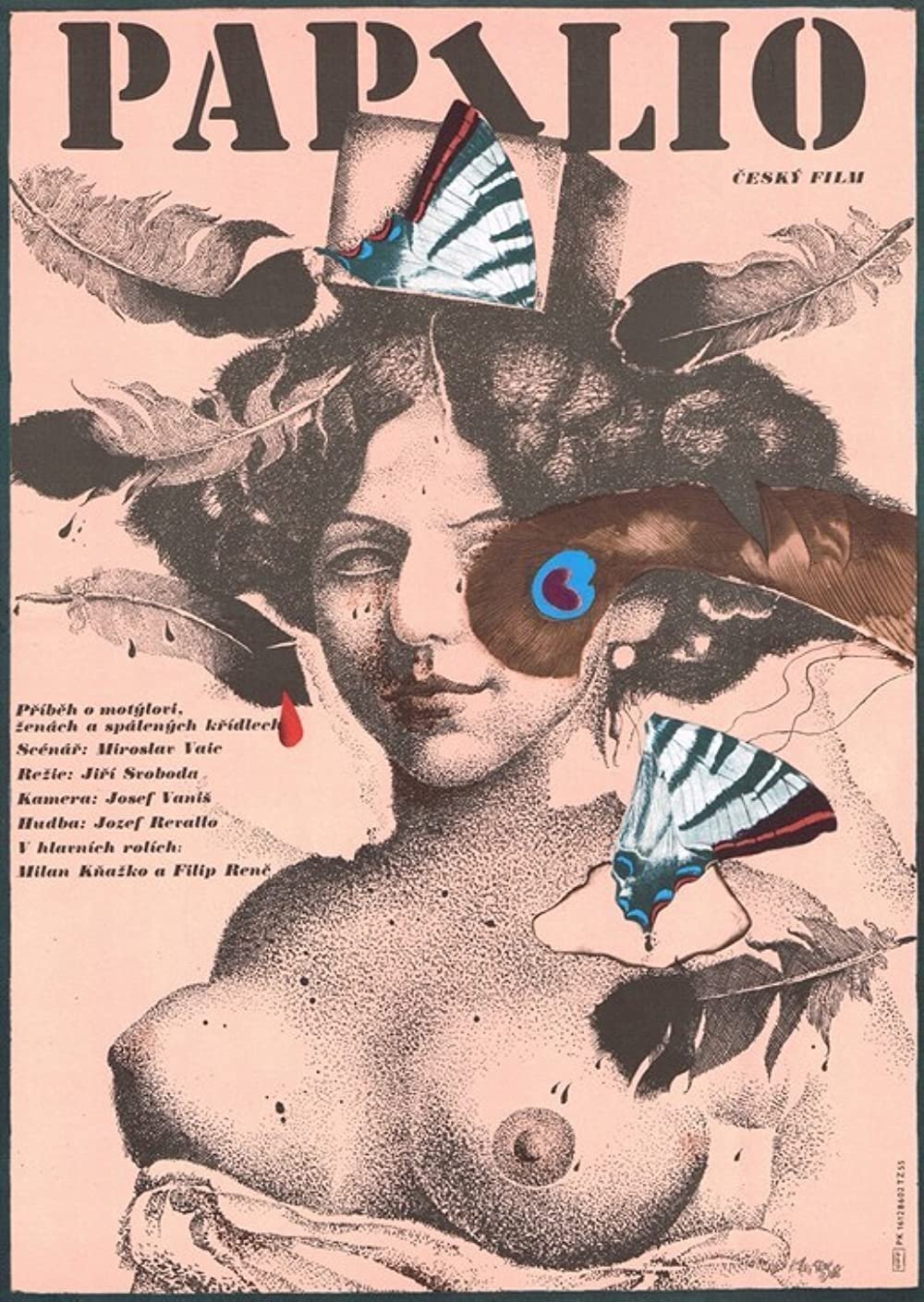
František Cepl is a young man from a simple family. He graduated from a real school and was going to study technology. When the occupation came, he had to work as a factory assistant. There he meets an older man named Telec, whom everyone knows as Hrabě. He impresses František with his ostentatious disdain for work and his shameless flirtation with women. František, whom the Count calls Papilio (butterfly butterfly), is filled with youthful ideals, while the Count, on the other hand, is an extract of the crudest individualism. He has worked his way up from a student at a business academy and a theatre actor to a member of a pre-war gallery. He blackmails, steals, drinks, abuses women and, in a way, Papilio himself.
The story of father and son detectives takes place mostly in the dignified surroundings of a concert hall. Who prepared the assassination, timed exactly according to the score of a piece by Joseph Haydn, what fate will befall the famous conductor Castellani, what surprising methods will the pair of detectives use?
How to marry off two daughters and a maid, especially when the father has no idea that it's high time? Father Ubaldo has worries; his two daughters are constantly complaining about their health. And he would also like to find them husbands. He has no idea that the girls and their young maid have already found their sweethearts themselves. Not only that, but they would actually like to get married as soon as possible. And so they persistently reject other suitors, refuse medical examinations, and instead welcome their favorites disguised as doctors. The playful banter, gags, disguises, physical comedy, and verbal humor of this unrestrained performance in the style of Italian commedia dell'arte entertained audiences at the Drama Club for several years.
Criminal comedy, a third movie from the "Chief" series.
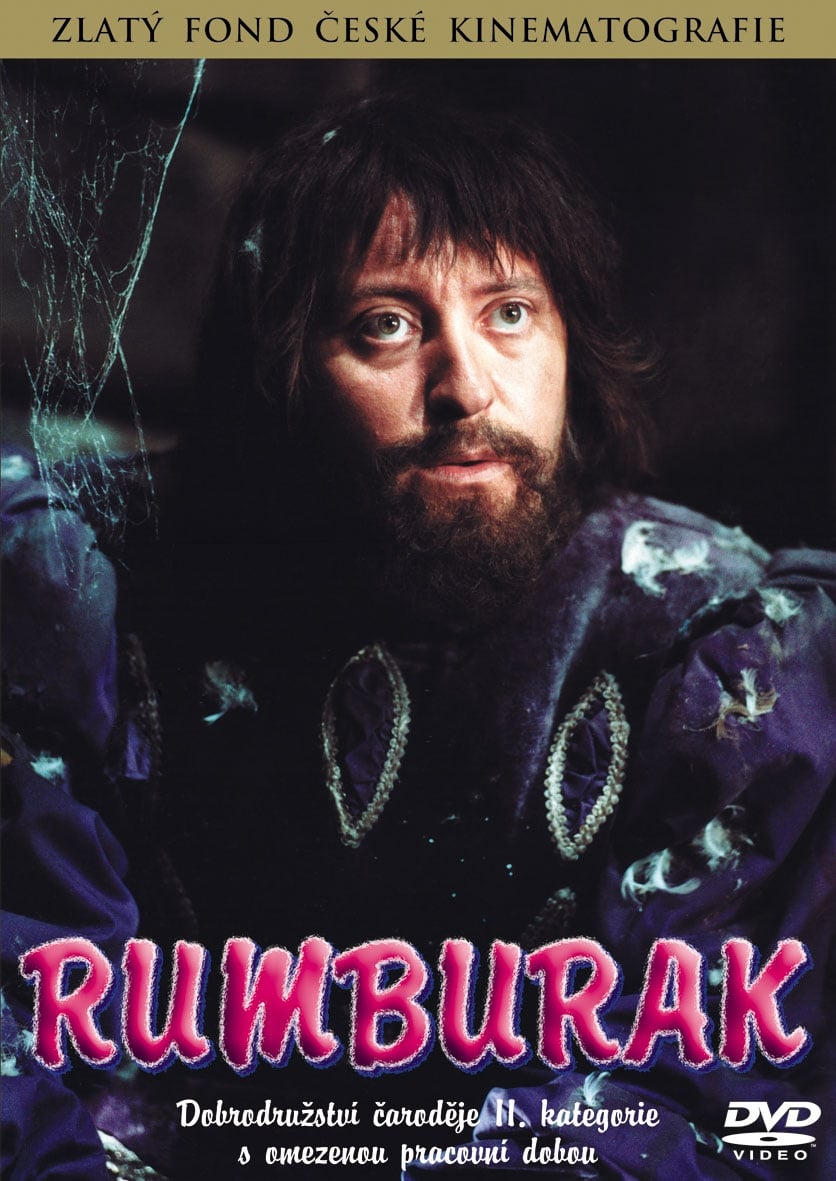
In this fairy-tale comedy, a clumsy second-rate wizard, Rumburak, gets stuck in the world of humans. He has forgotten the spell that allows him to return to his home fairyland. His only joy is watching the figure skater Helen, whom he would like to woo. His hopes of returning to fairyland dawn when he discovers a computer in a research institute that could generate the lost spell.
Children join folklore groups at an early age, but their relationship to them is formed only gradually, there are more than enough external stimuli that affect them. However, the prospect of performing abroad changes their relationship to folk songs and dances and disrupts their previously strong friendships. Although the film deals with child protagonists and is also aimed at a child audience, it can undoubtedly appeal to adults as well, as it tackles issues affecting parents.
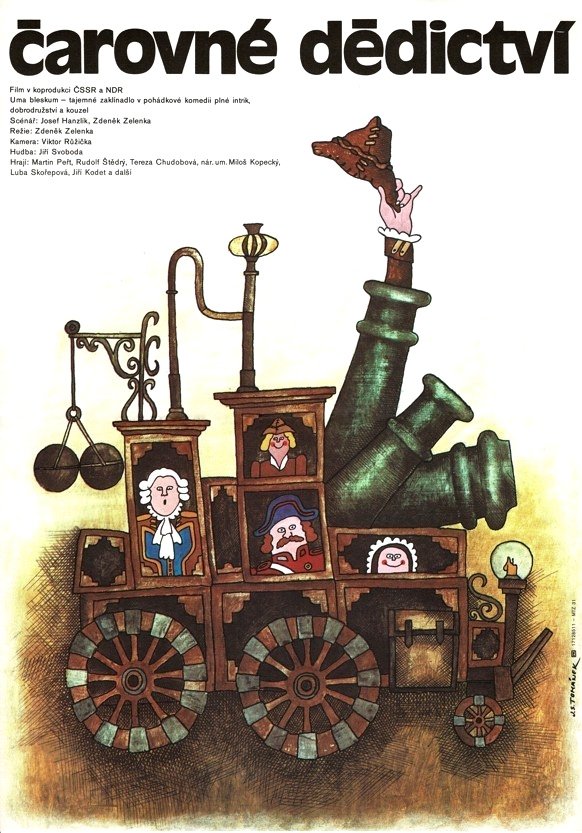
In 18th century Bohemia, the mercenary troops of a cruel duke roam the countryside. A cap maker who defends himself against injustice is thrown into prison. His ten-year-old son tries to free his father with the help of his friends of the same age and a magic cap, but the duke's henchmen are soon after the magic cap.

Life in communist Czechoslovakia in the early 1950s and the punishments for going against the state.
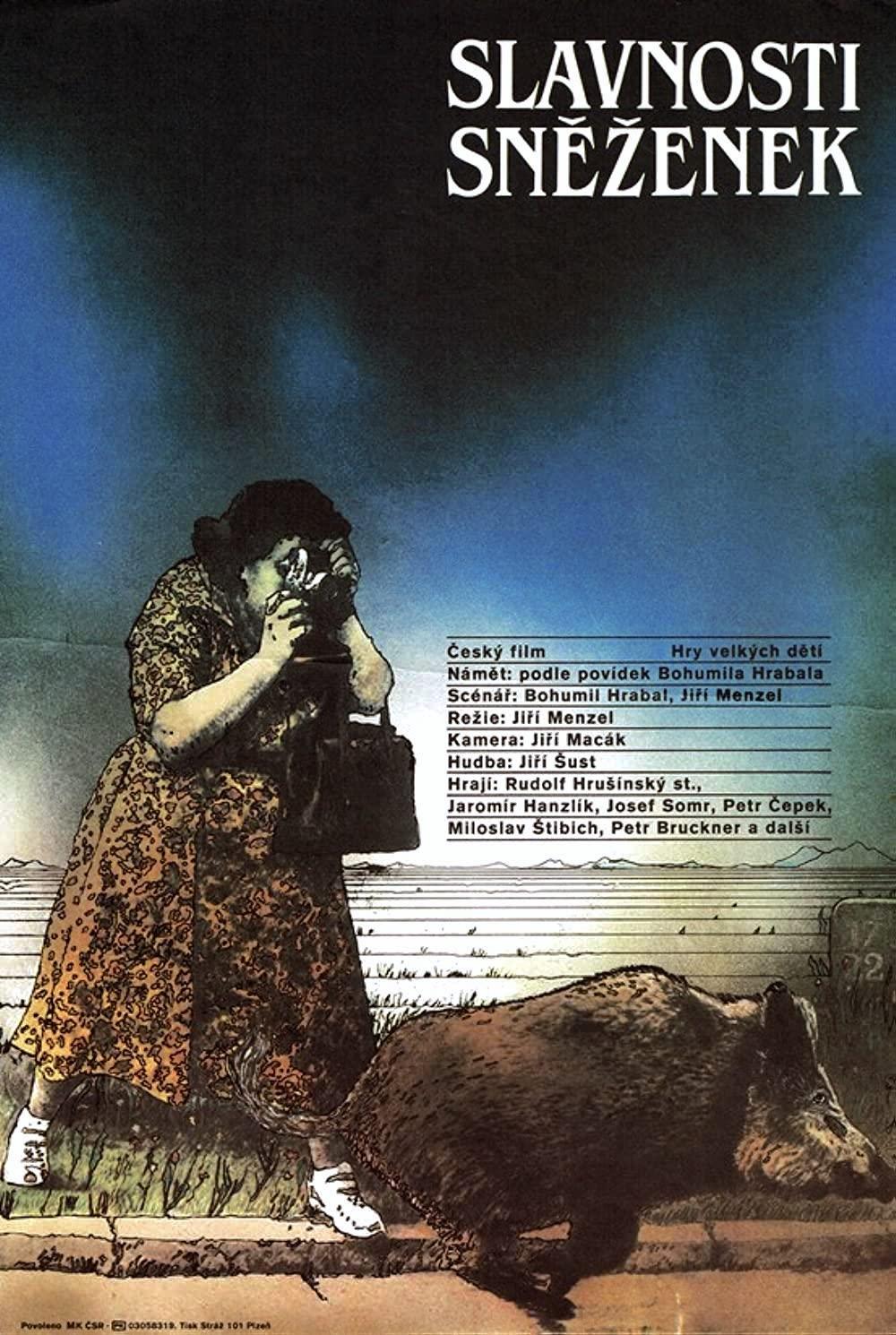
This movie is based on texts of Bohumil Hrabal, world-known Czech prosaic. It's a story (in a form of a mosaic of short episodes and pictures) about the sadness and happiness of inhabitants of Kersko (Kersko is a small woody area full of cottages and roods). These people are both simple and sensitive, they have their own pleasures (e.g. Leli is a collector of cheap, but inutile things) and the greatest delight of all of them is a hunting. Crude poetics of amateur hunting is screened by dreamy pictures of this area. Menzel mixes sentimental lyricism and rough (but not vulgar!) humor and the outcome is the never-ending landscape of continuous life in the proximate nearness of nature. The performances of actors are brilliant. Both Rudolf Hrusinsky as a Franz and Jaromír Hanzlik as a Leli have nonrecurring charm bottomed on a pain and inebriation. Only the music is not perfect: Jiri Sust usually assembled his film music from his older works and in this movie there is many quotations.

The opera lady singer Ema Destinnová is in all her splendor at the American stages. But in Europe there rages war and she decides to return home to Bohemia.
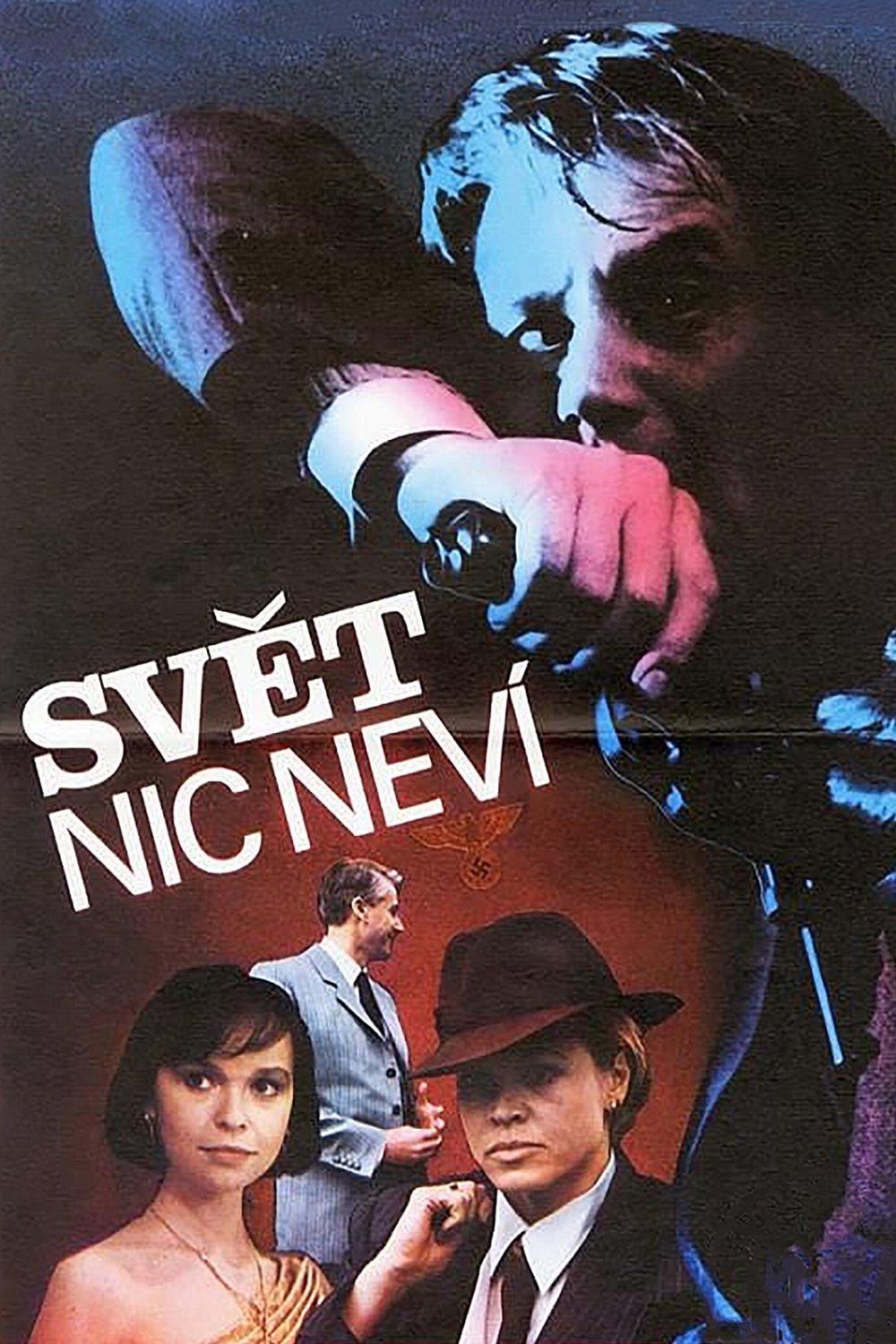
The story takes place in the Czech-German border region in 1938. The hero Tomás Jakl marries but the marriage is not very lucky and falls apart. His German friend forced him to enter the Nazi party.
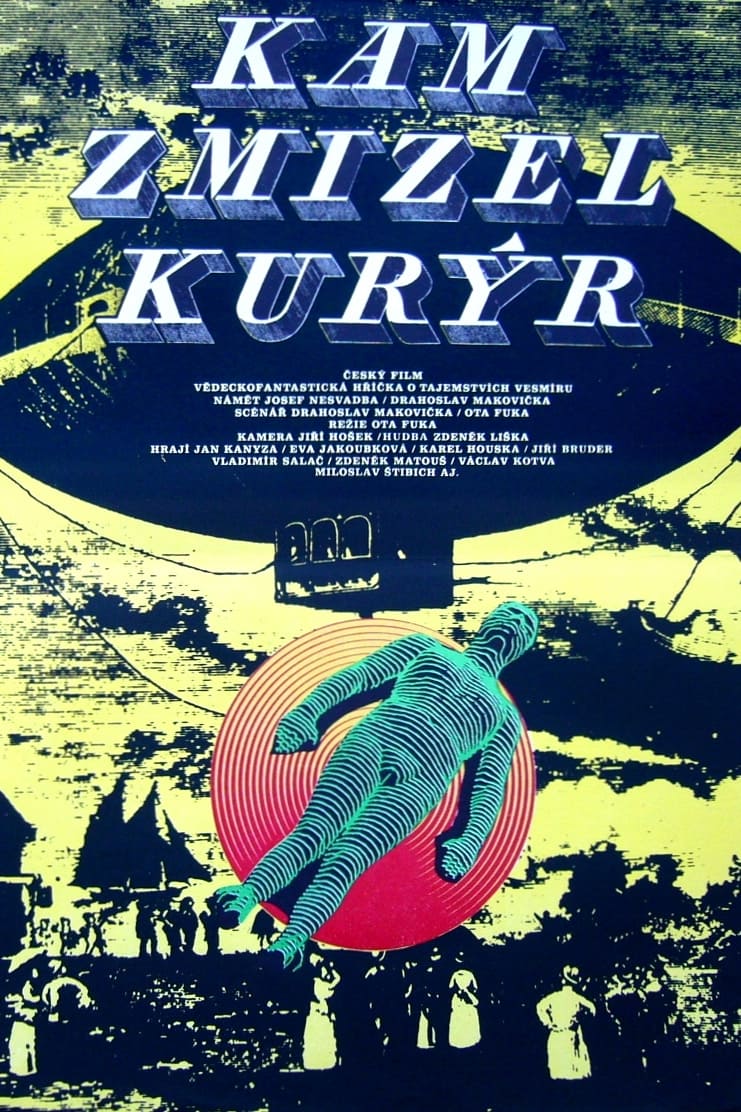
A mysterious man named Michael Allan Jones arrives in Prague to search for his ancestors. Specifically, he is interested in the year 1611, when a meteorite allegedly crashed near Dobruška. The search for him is helped by nice writer Marcela, who writes a short story about this topic. He thinks it wasn't a meteorite, but a UFO. With her, Michael visits several Czech locations with a mysterious past.
A professional card player and swindler, Icharev, arrives in a small town with a plan to rip off some local jackdaw if possible. However, a trio of local, experienced swindlers have the same plan. They want to play cards with Icharev, but they immediately recognize each other's personalities. The fun continues, but the group regrets that they have no one to play with. There is a local landowner, Glov, but he avoids cards like the devil. And yet he is waiting for two hundred thousand rubles from the bank for the sold piece of land. Of course, the gentlemen will not miss their chance... A recording of a theatrical production by the Drama Club in Prague.
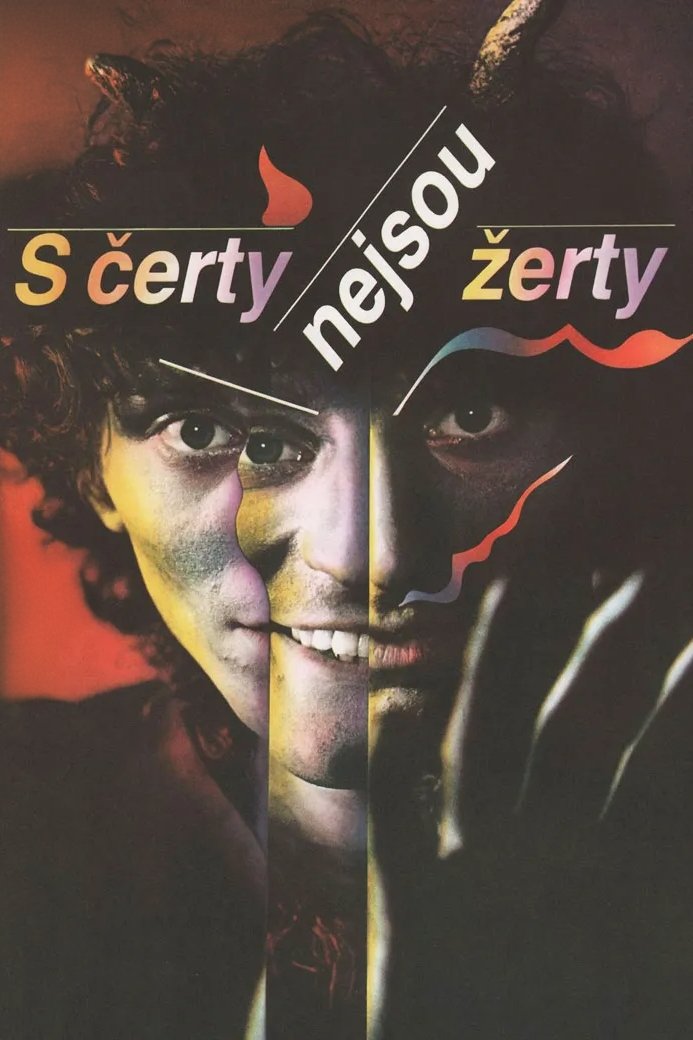
Dorota, a bad woman married the miller, out of sheer greed drives him to death. She then took the mill away from his son Peter and threw him out of the hime. Lucifer, who is known to rule in hell, sends out the devil Janek. He is supposed to fetch Dorota because the measure of her earthly sins is overflowing. But the devil himself can not handle this evil woman and flees to the military. There he meets Peter. By joining forces, they finally succeed in transporting the wicked Dorota to hell. Since then hell is hell. But for Peter, who is suddenly in possession of a magic mantle, begins a nice time, because strangely, the prince shows great interest in him.
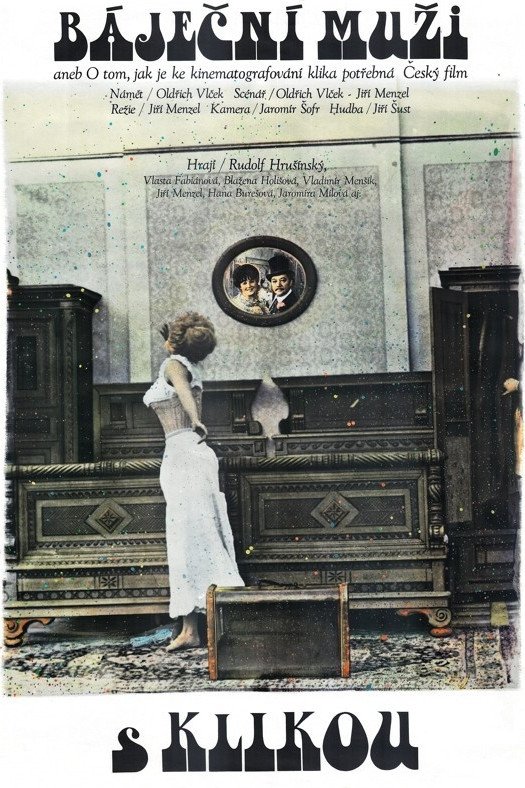
Returning home to Prague, the magician Pasparte, an owner of a circus caravan, meets his dying colleague who entrusts his beautiful daughter Aloisie to his care. In Prague they all take up their lodgings at the house At Blue Fish in which they intend to arrange the programs. The firm is owned by widow Evzenie with whom Pasparte shares flat and bed. Evzenie is jealous of Aloisie therefore Pasparte sends Aloisie as a housewife to the single man Jakub Kolenatý who earns his living by photographing and wants to record the revived pictures of Prague. Pasparte wants to found in Prague the first permanent Czech movie theatre in which there would be projected also the original Czech films.
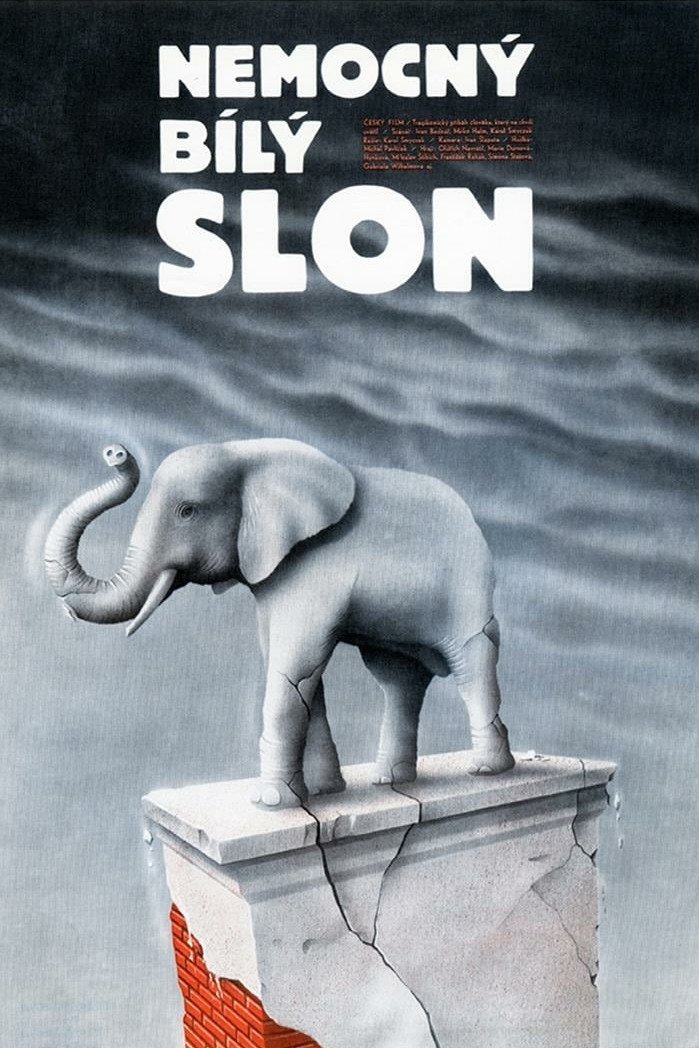
The fate of an unlucky director of a dismantled cultural house who temporarily believes in the meaningfulness of his actions, exposed to the pressure of many different difficulties.

Jan Zika is the legendary hero of the communist resistance movement during World War II and leading functionary of the second underground Central Committee of the Communist Party of Czechoslovakia.
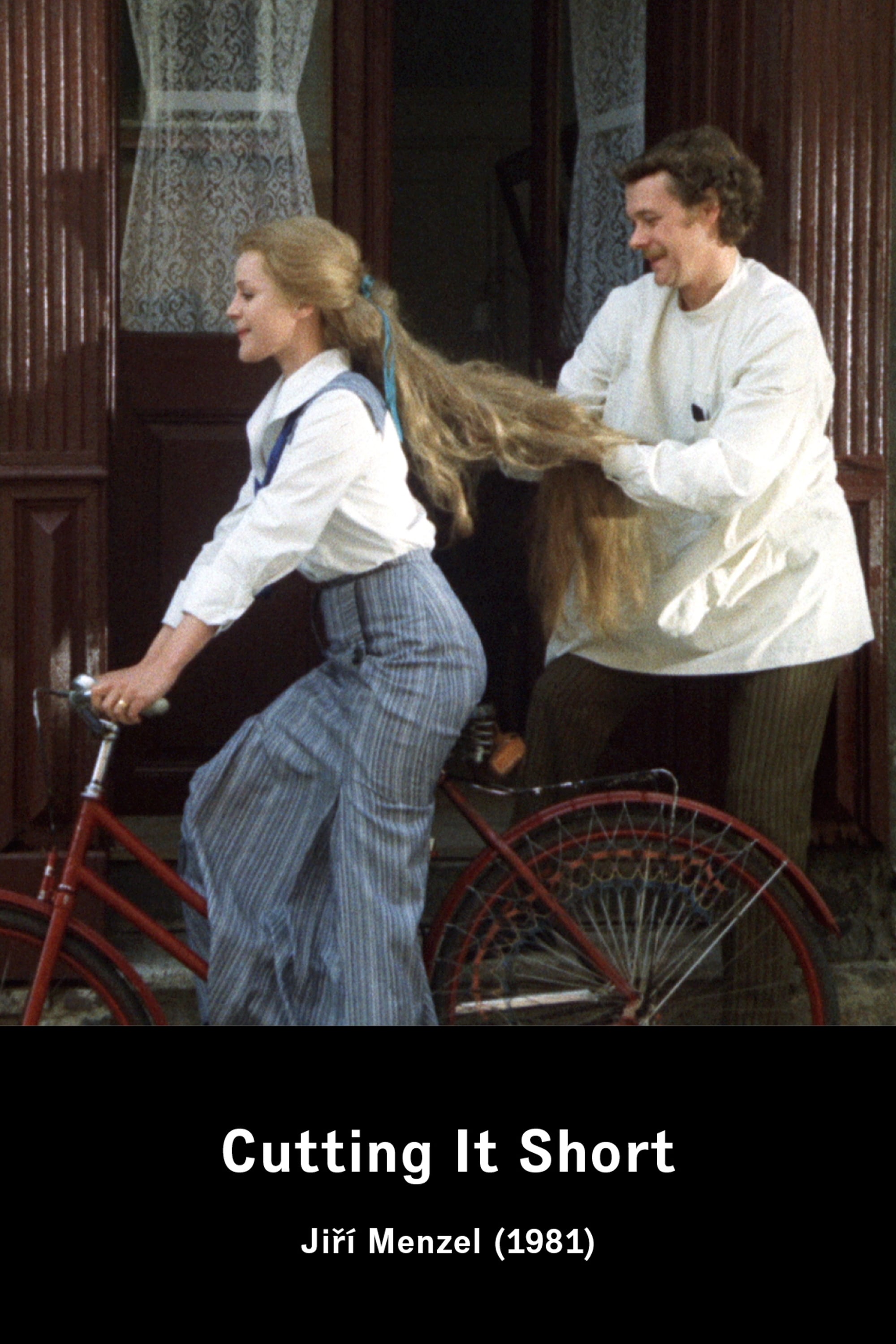
Francin, manager of a small-town brewery, has a charming wife whose abundant blonde locks are an adornment to the town. Maryska looks ethereal but loves meat and beer, while Francin is an ascetic. The strict members of the brewery board of directors come to audit the accounts, but are diverted from concentrating on Francin's detailed reports by Maryska, who has organized a pig-killing feast and is ably assisting the butcher. When she invites the old curmudgeons on the board to enjoy the fresh pork, they are too happy to agree. Francin doesn't know whether he is going to get a permanent contract. To make things worse his brother Pepin - eccentric, noisy and garrulous - turns up on an indefinite visit.
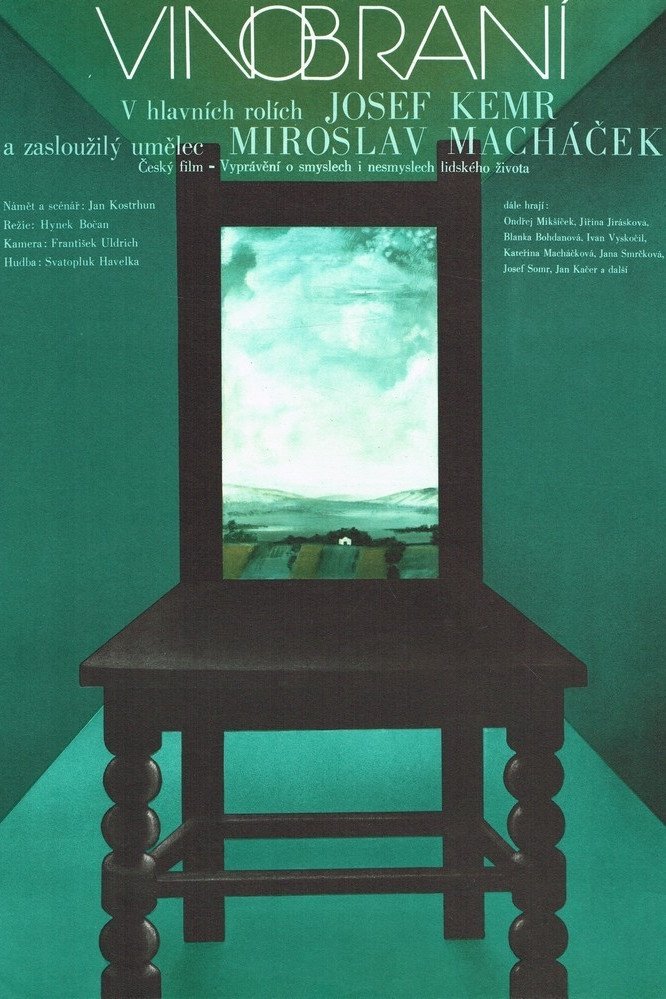
In a South Moravian wine-growing village in the early 1970s lives an old man who cannot accept the attitude of the younger generation towards nature and agriculture. Director Hynek Bočan made a number of films based on Jan Kostrhun's drafts, mostly set in the South Moravian environment (including The Face Behind the Glass), but the portraits were very flat. Relationships between people were often depicted in predictable schemes. The hero this time is an old villager who is struggling to cope with the changes in his attitude to nature and to agricultural work in general. He sees his only hope in his grandson, to whom he tries to pass on his life experience.
The theatre director encounters the disinterest and irresponsibility of the acting troupe, whose members are scheming and looking for side income. The tired and sick artist wants to finish his work at any cost.
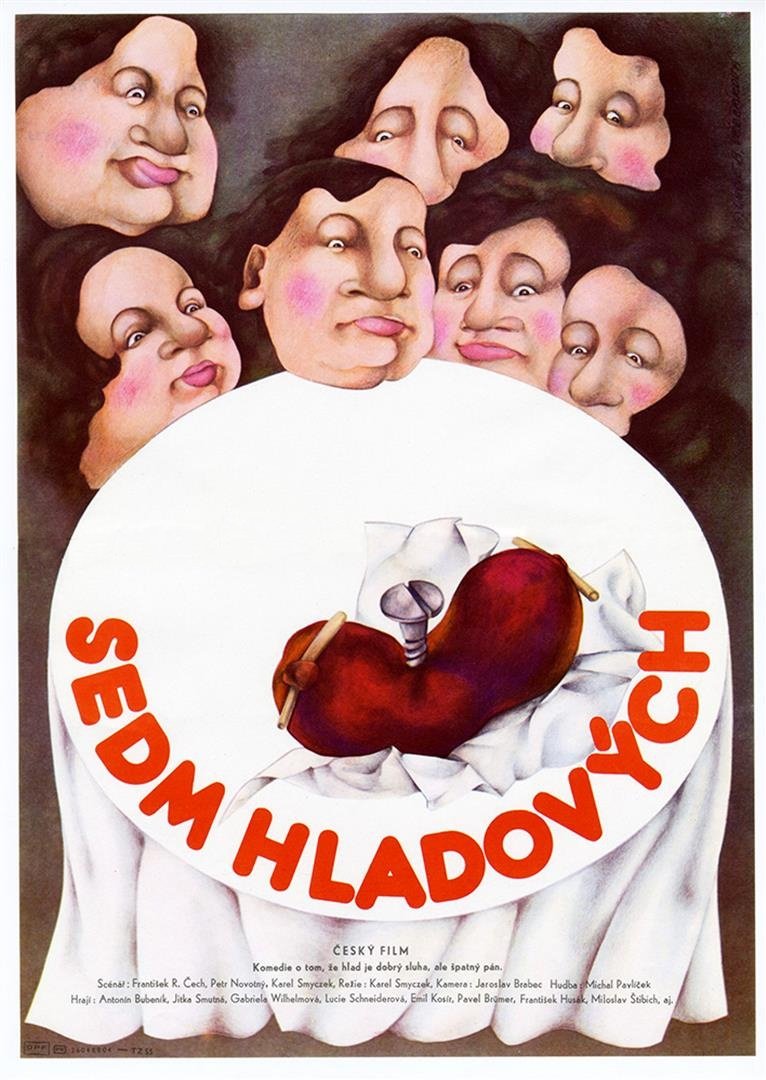
People can be addicted to things, like high-calorie food. But the struggle against overweight and overeating is often futile, so the unfortunates have no choice but to lose weight under the guidance of experts - and they don't mind that the conditions in the sanatorium in question are quite oppressive and humiliating. Although, with a lot of good will, one could detect some metaphorical elements, the bitter comedy, reveling in naive stylisation, ultimately wants to be nothing more than an entertaining piece of work.
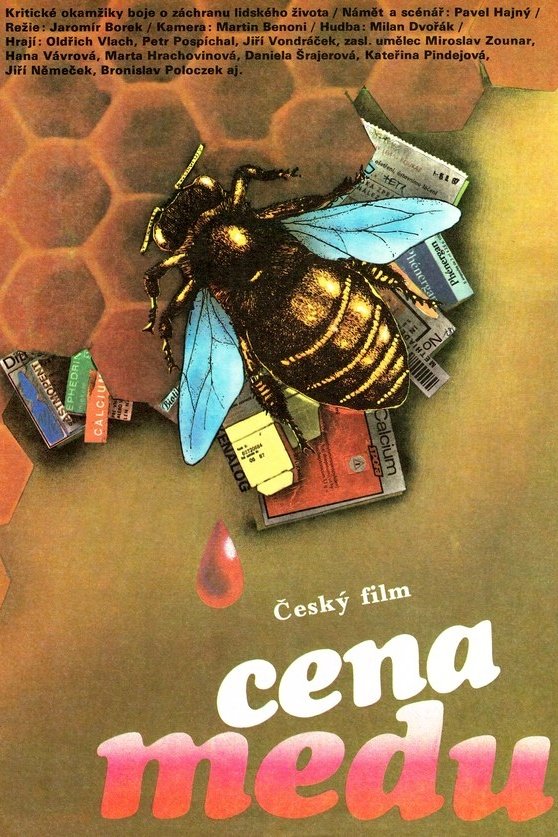
Little Péťa visits his grandfather in the Krkonoše Mountains, where a swarm of bees settles on a tree. When Péťa disturbs it, the entire swarm attacks him, leaving him in a deep coma. Ordinary treatments fail, so Dr. Vrba insists on a beekeeper’s blood transfusion. Grandpa’s blood type doesn’t match, prompting a frantic search—ambulances, authorities, even foreign donors—to find a suitable beekeeper. After multiple transfusions from various volunteers, Péťa shows signs of recovery. With dawn breaking, hope returns as he awakens.
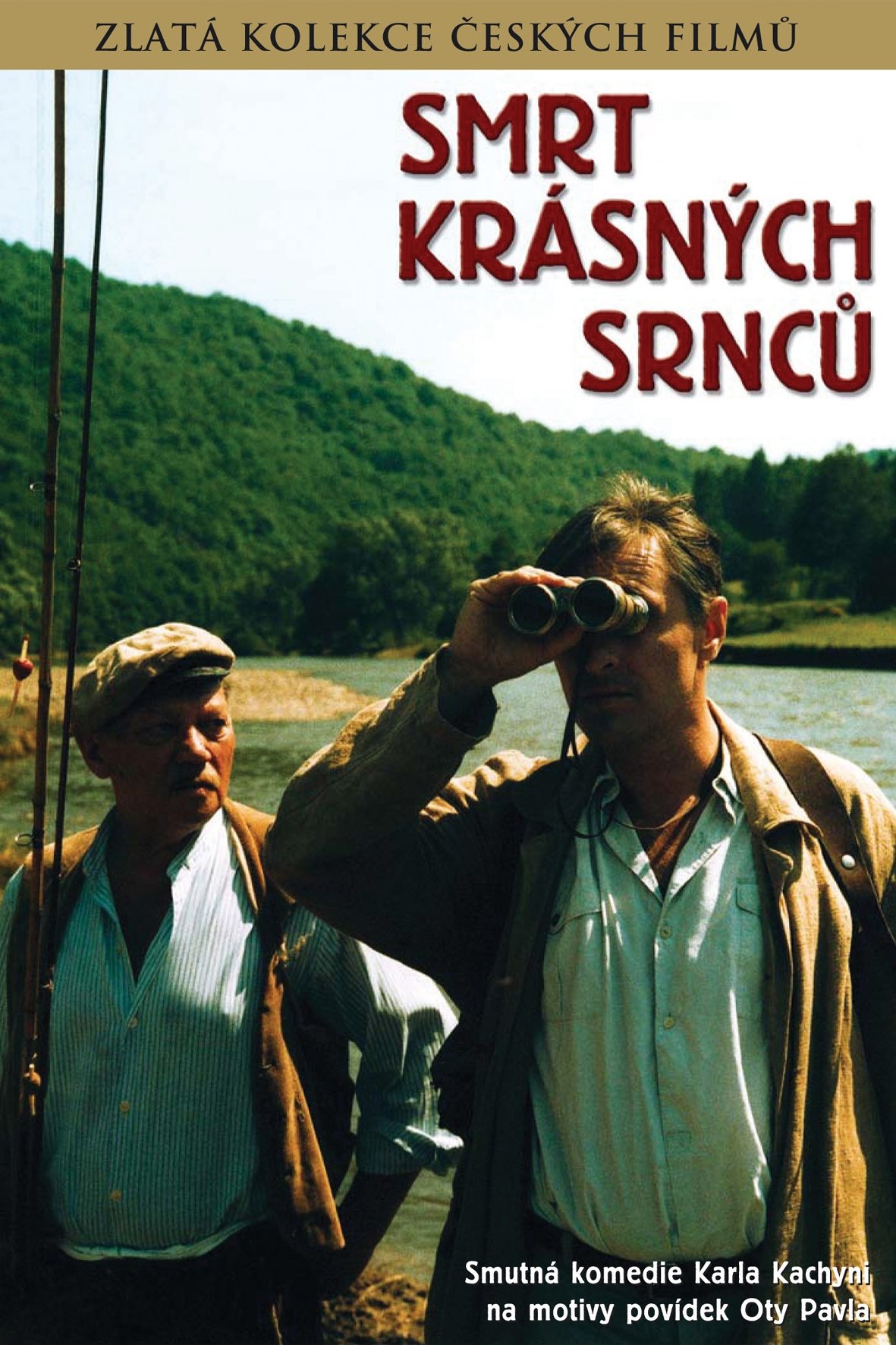
Leo Popper is a happy family man living in rural Bohemia in the years preceding the Nazi invasion. Out of economic necessity he moves with his family to the big city and becomes an enterprising vacuum cleaner salesman. There he embarks on a series of adulterous adventures, has encounters with boxing pros and famous portrait artists, and schemes to purchase the perfect pond to fulfill his passion for fishing. When the Nazis gain control, the comedy turns sour - he loses his lake, his job, and finally, his family.
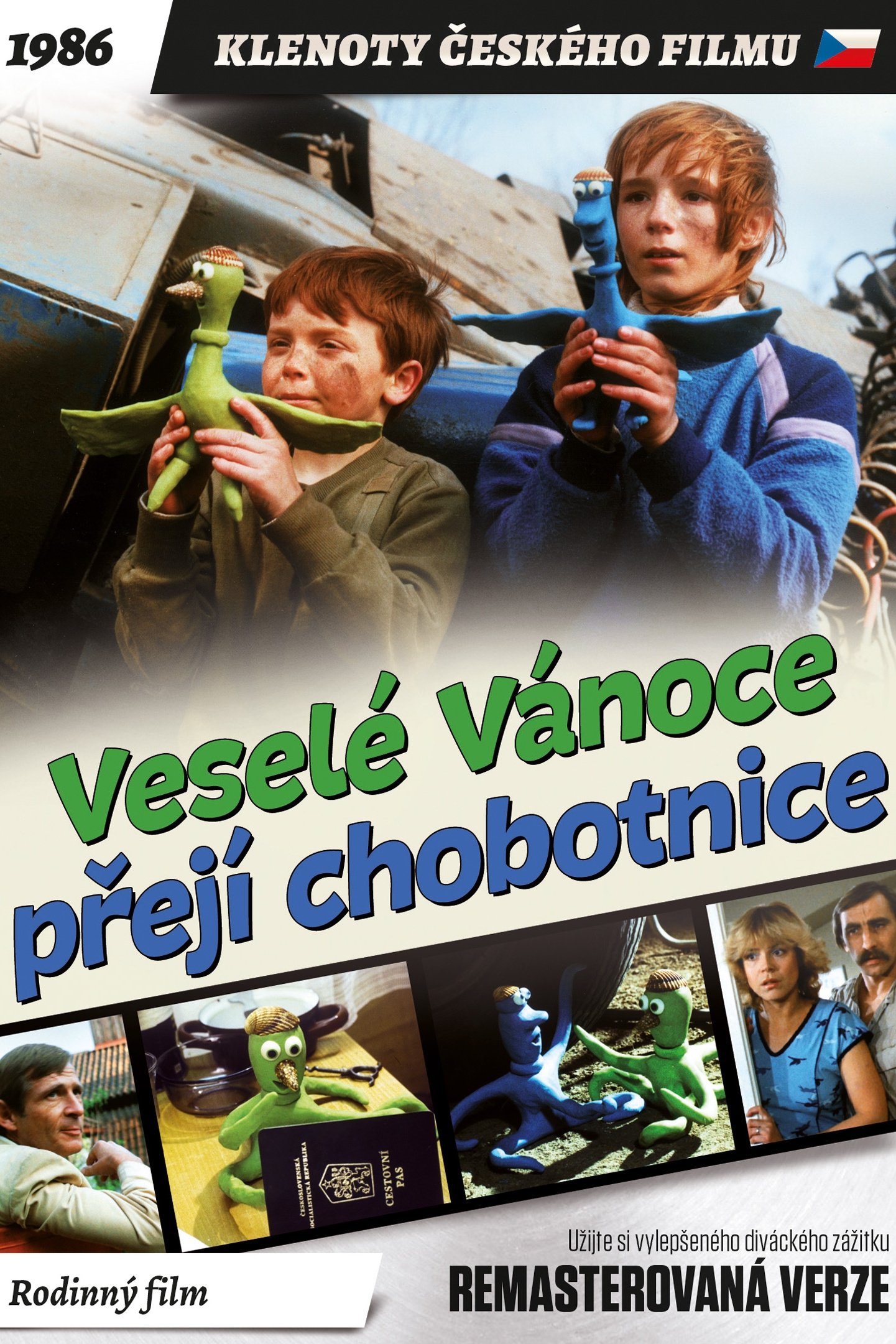
Eva and her younger brother Johnny own two sentient octopuses made out of strange matter. Will their parents divorce and ruin Christmas? Will a scientist find a way to use their pets as fuel? Live action film with stop-motion octopuses.

While Kendy returns to his hometown as an assistant director to film a thirteen-part series with a television crew, Štěpán Šafránek, equipped with his mother's advice after graduation, takes up his first position - as an intern at the local hospital. However, his inadaptability to local conditions and his sense of ethics in his chosen profession do not suit his other established colleagues. While they are amused by his zeal and responsibility, Štěpán has increasing problems with his superiors, until he is finally transferred to the position of rural district doctor, which everyone rejects. In Bezdíkov, however, he meets a new, perhaps permanent and reciprocated love, with whom he eventually decides to live and work in northern Bohemia.
In the film, the creative forces of personalities from three spheres of art collide. The subtitle "The Game of Love and Hate" refers to the motivation of an old Czech medieval satire, the theme belongs to Antonín Přidal, an expert on this subject. His collaboration with Juraj Herz created a collage of past and present, an updated, sharp satire and a parable about the clash of human qualities that could not but end up in the vault. The music of the Prague Selection - Michael Kocáb and Michal Pavlíček - also contributed to the film's offensive provocativeness - the film was one of the reasons for their complete move to the underground. The dancing chorus of medieval citizens resembles more of a jumble of long-haired maniacs, the edge of a contemporary dump intrudes into the space of a medieval marketplace, and the characters oscillate between the past and the present, whether in their appearance, symbolism or behaviour.
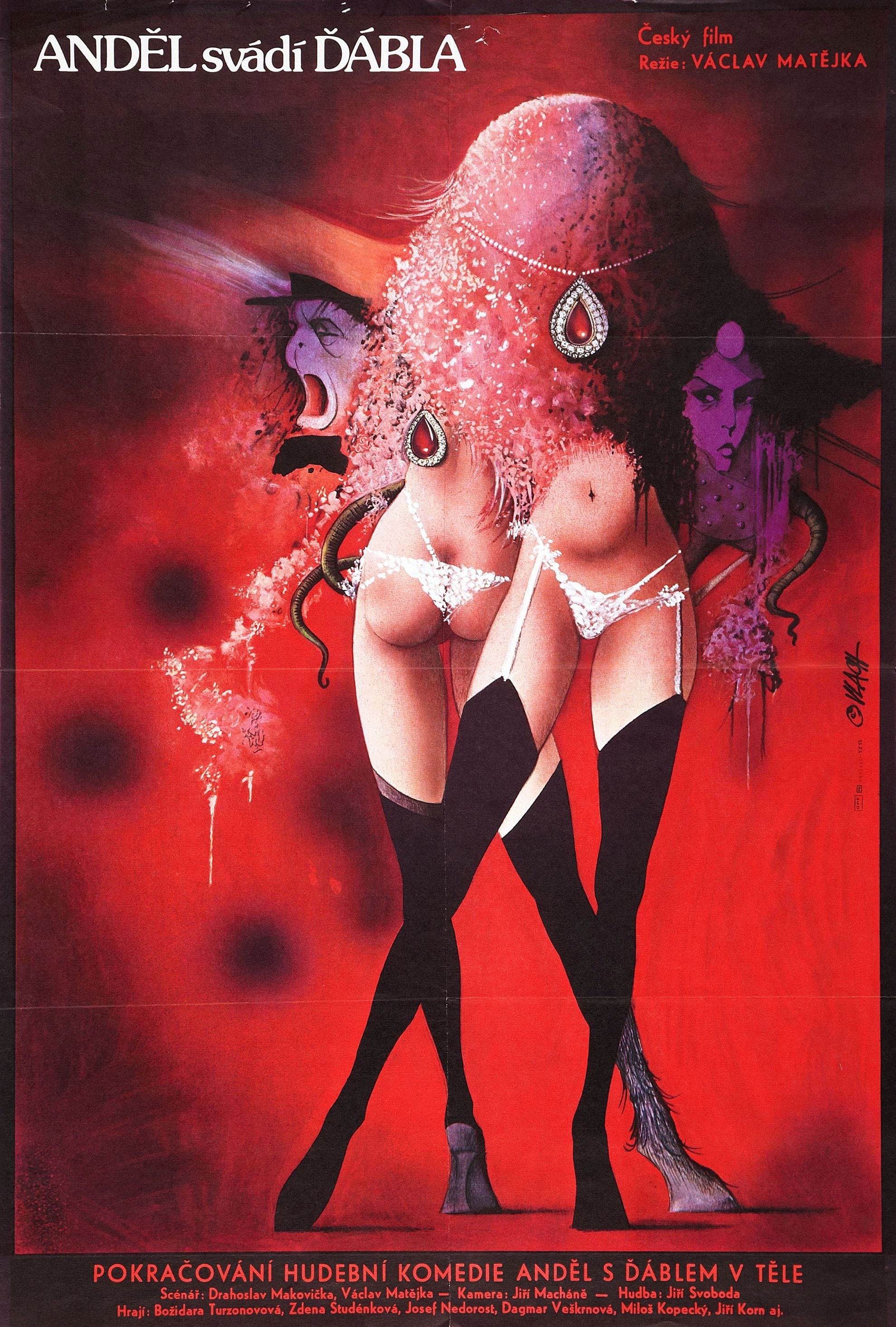
Once again, you can take a look behind the scenes of the Riviera Chateau on the Prague periphery, where a brothel for the socialites is hidden under the guise of an exclusive nightclub. The story takes place in 1930 and although several years have passed since the events of the first volume, the passions unleashed by the intrigues of the time have not cooled down. Once again you meet Renata, called Angel, formerly a prostitute, now the wife of the banker Justice and owner of the Riviera. The elegant Madame, who owned the business before and now works there as a mere manager, is plotting new schemes to get back everything she has...
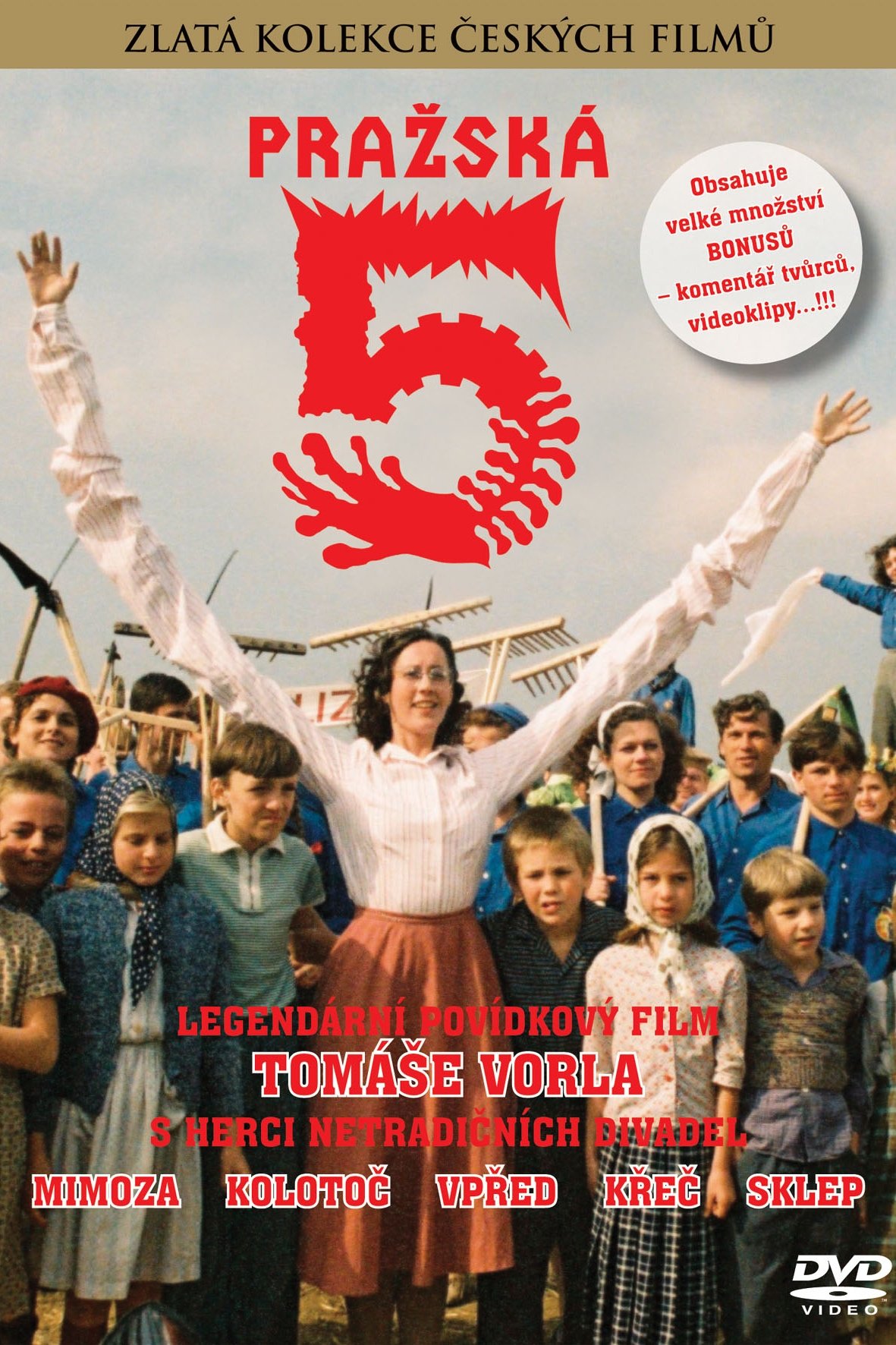
Director Tomáš Vorel created his experimental feature debut with members of renowned Prague non-traditional auteur theaters. The ensembles presented their own poetics and style through five "short stories" connected by satirical commentary by the "expert" Dr. Milan Šteindler, CSc.
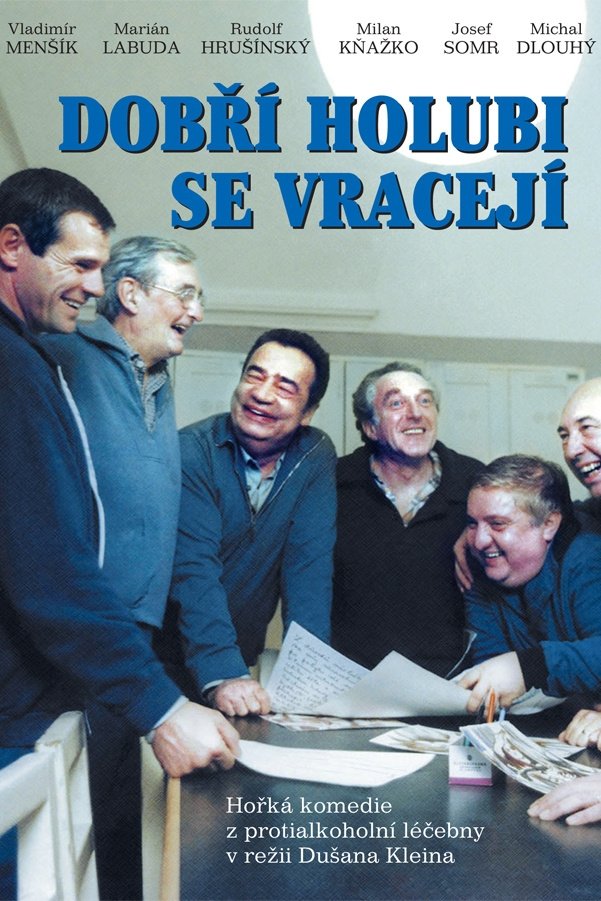
The film is a concert of well-known actors from an alcohol rehab where a middle-aged man has taken refuge to get rid of his addiction. In the rehab, cruelty is personified by the attendant who, with sadistic satisfaction, hands out demerit points for the slightest sign of displeasure or rebellion.
The common theme of the short story film is the famous duels between two important historical figures: Pushkin and Casanova. Pushkin's tragic duel, which ended his life prematurely, is portrayed in connection with the creation of his short story "The Dirty Shot", while Casanova's story is conceived in a rather ironic and humorous way. The point is that the famous seducer never actually seduced, on the contrary, all his life he was in a constant battle with female seductions.
The parents decided to send two twins, Honza, and Martin, on vacation to their grandfather.

Czechoslovakia 1918. The newly formed National Assembly has made Stoklasa the administrator of the Kratochvile Castle. Although with no aristocratic background, he is a man of fortune and is trying to buy the castle. To impress his neighbors and the local politicians he invites them to a great hunting party. Uninvited comes a man who claims to be Duke Alexej. Stoklasa believes him to be a hustler. This hustler, however, manages to charm all the women before he leaves.
A 16-year-old young man, a budding rock enthusiast, spots a beautiful guitar but soon finds he doesn't have enough money. In vain, he asks his parents to help him. Eventually he tries to raise the necessary funds on his own. This is a not very believable normalisation morality tale, which was supposed to guide teenagers towards desirable patterns of behaviour.

A tribe of survivors take possession of a large but rundown building, killing all who put up resistance - but they don't know that the building is cursed by some demon god and haunted by a girl in white that seems to know a dark secret.
The hero of the story is a forty-something intellectual, a sensitive composer of classical music. His exclusive profession, his work, which is actually incomprehensible to those around him, and his deep inner passion set him apart from the conformist milieu. Therefore, he tries to search for the "lark's silence" - a new strength, purity, truth, essence and roots of Czechism. However, on his return from the oppressive, alienated big city to his native village, to his former home, to nature, a deep disillusionment awaits him: he discovers that the once idyllic village has lost not only its face, but also any manifestation of spiritual life in its foolish attempt to resemble the city.
During the change of functions in the Fortuna medical ceramics company, Bohouš Fisher, an independent clerk, became deputy director of the company against his will. As a result, he is forced to make even greater compromises than before. He takes part in unnecessary meetings for which he has to raise money from company funds because of his position, or he jocularly solves a "work" accident of two employees who were engaged in love games instead of work. It's not much better in his private life. He would like to do some meaningful work, like building a stove.

The juxtaposition of animals locked in cages in a zoo and people shackled by the confinement of the city has not lost its impact to this day. The amorous enchantment, passing and bonding of the two protagonists, a young conservationist and a paleontologist, takes place against a backdrop of subtly affected period realities. The debuting filmmakers, screenwriter Jaroslav Vanča and director Václav Křístek, have attempted to spice up the story with the character of a mysterious man who turns out to be the writer of the events just narrated.
Luděk Krejza, a tile-layer, returns from prison after serving time for manslaughter. In a retrospective, the viewer is introduced to his story. It is a not very well-known film, which with the passage of time has completely disappeared from the awareness of even the more deeply informed interested in domestic cinema. The song "Dudes, you're on" is sung by the Yo Yo Band.
A modern fairy tale that combines fairy tale elements with contemporary realities and is also a film about film. The story takes place in a Barrandov studio. Nine-year-old Marushka reads a term paper at school about how she went on a field trip to the film studios with her class and how she met a "real" black priest, who was, however, terribly forgetful. She and her friend Honzik got their hands on his magic sphere, which made all sorts of incredible things happen...
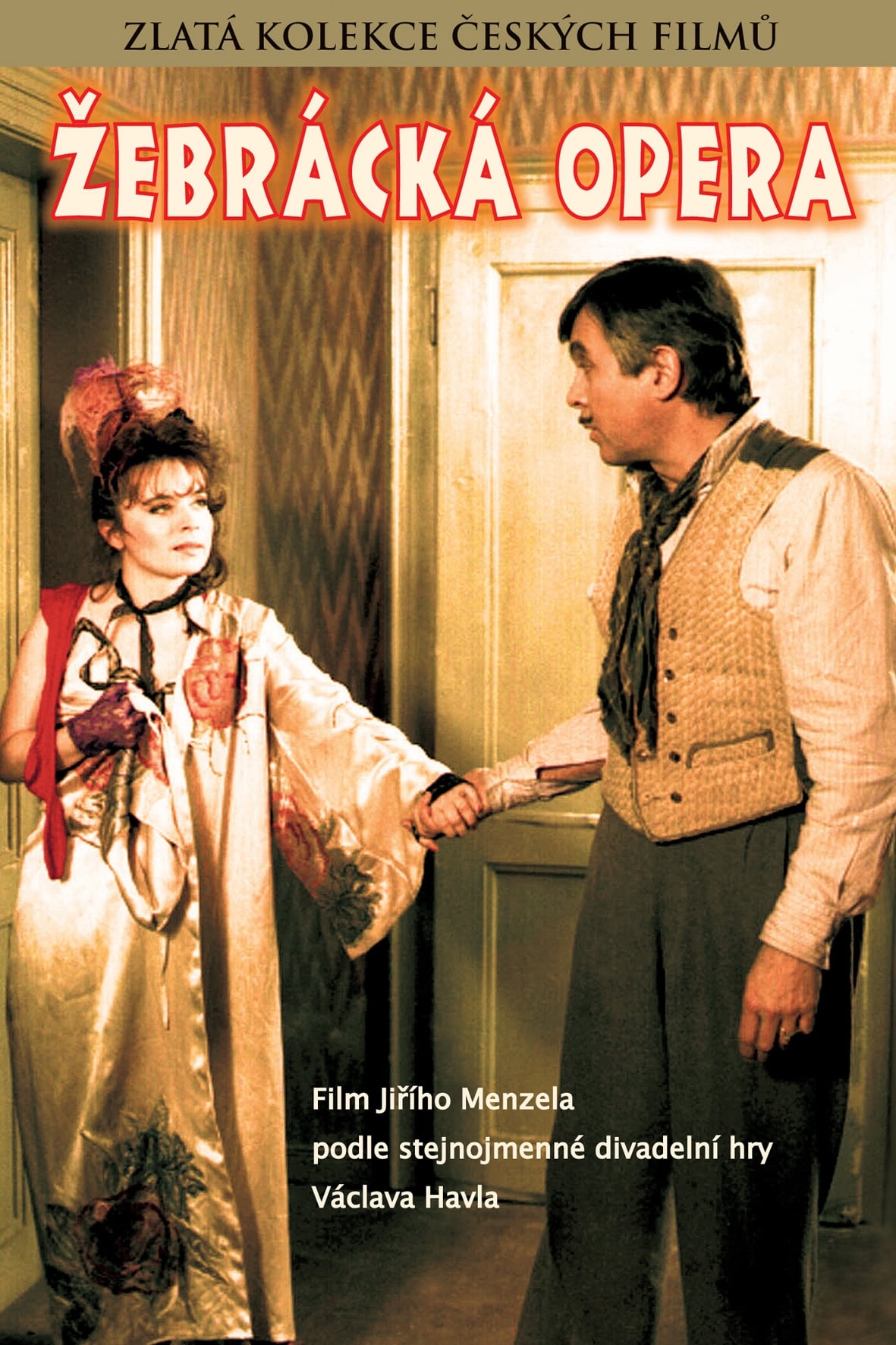
Unlike any other opera, the so-called Beggar's Opera is not just one composition, but a lineage of adapted compositions, beginning with the original hugely successful 1728 political satire written by Englishman John Gay. Composers and writers have penned variations on it ever since. The most famous of these was A Threepenny Opera by Bertholt Brecht and Kurt Weill. Some things these compositions share in common is their setting among the poor and criminal classes, and the roguish character Macheath. This production is based on an adaptation of Gay's original by Vaclav Havel the freedom-fighter, writer and philosopher who became the first (and only) president of the united post-communist country of Czechoslovakia, and it retains many traces of its theatrical origins. Film reviewers were not too tolerant of what they called "slavish adherence" to the noted Czech writer's stage production, but theater, philosophy and history buffs may feel otherwise.
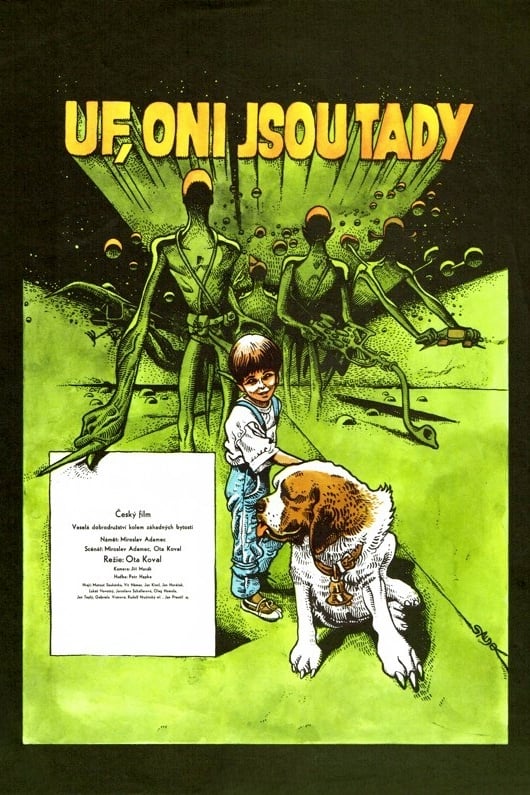
Little boy considers to have discovered traces of the aliens but in fact comes across the activity of small thieves.
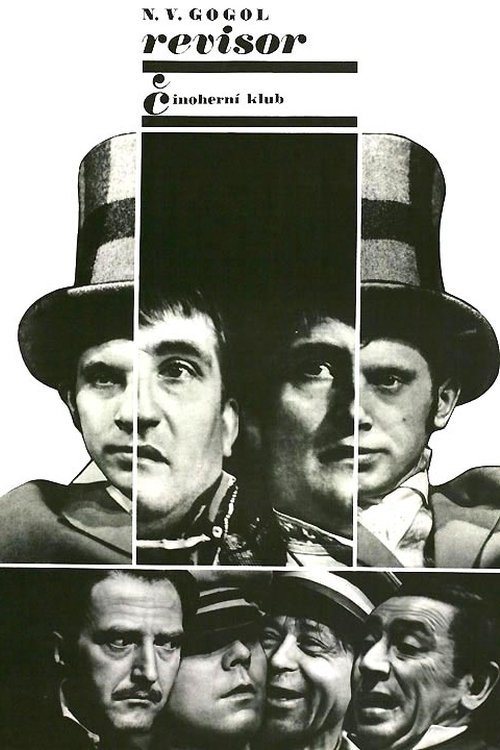
A recording of a theatre production directed by Jan Kačer from 1967.