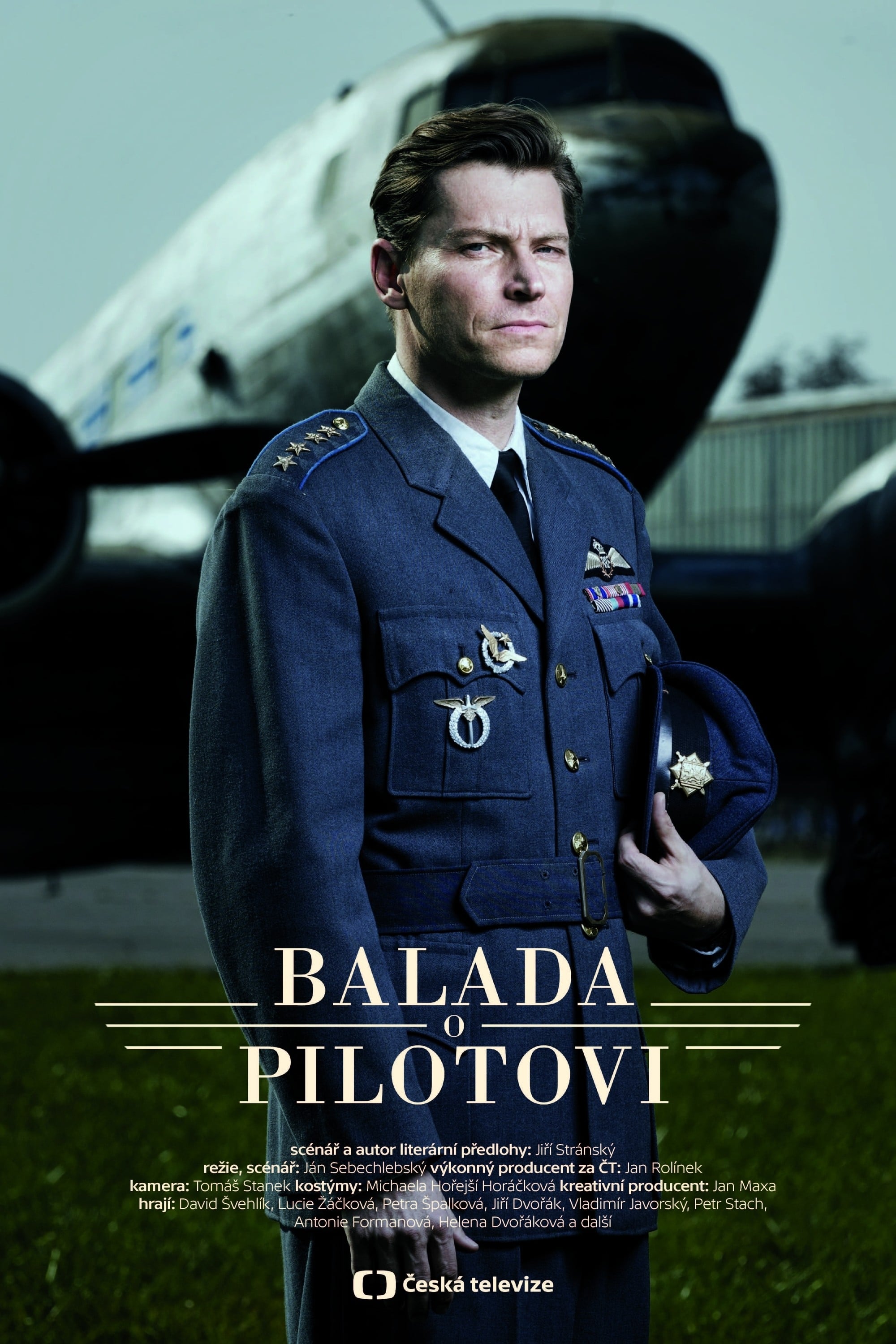
They returned home to Czechoslovakia, believing that the long-awaited peace would come. However, history decided otherwise. Over two and a half thousand pilots served in the uniforms of the British Royal Air Force. Heroes to the British, who helped decide the outcome of the war, they were tried for treason in our country after the war... The Ballad of a Pilot takes place in late summer 1945 and early 1946, a time of euphoria over the newly acquired peace, when the network of interpersonal relationships, shattered by the war, began to reform. At first, it was thought that the First Republic democracy would take over the government, but the fate of Czechoslovakia turned out differently.

This almost detective-like fairy tale tells the story of an overly anxious nanny who, fearing the wrath of the lady of the castle, searches so relentlessly for a missing trinket that she finds herself in real danger. Armed with advice from the sorceress Faustina, she plucks up her courage and sets off in search of the lost golden toy. This leads her to the lair of the terrifying Grey Mžour. The grumpy Mžour loves gold so much that he is willing to do anything for its glitter. But we wouldn't be in a fairy tale if there weren't a brave savior...
A film about the lives of three people. Marek lives out in the mountains with his father who is a person with a certain disability. Apart from his father Marek never interacts with any other people. The pair survive by poaching animals. Marek’s father trades the animals they poach in the nearest village for the things they need to survive in the wilderness. Marek is in hiding is because there is a war going on and he does not want to be recruited to the army. Marek wants to avoid this fate as there is no one else to take care of his father, who wouldn't survive on his own. The solitude of the pair is broken when one day when an unexpected catch awaits Marek in one of his traps...
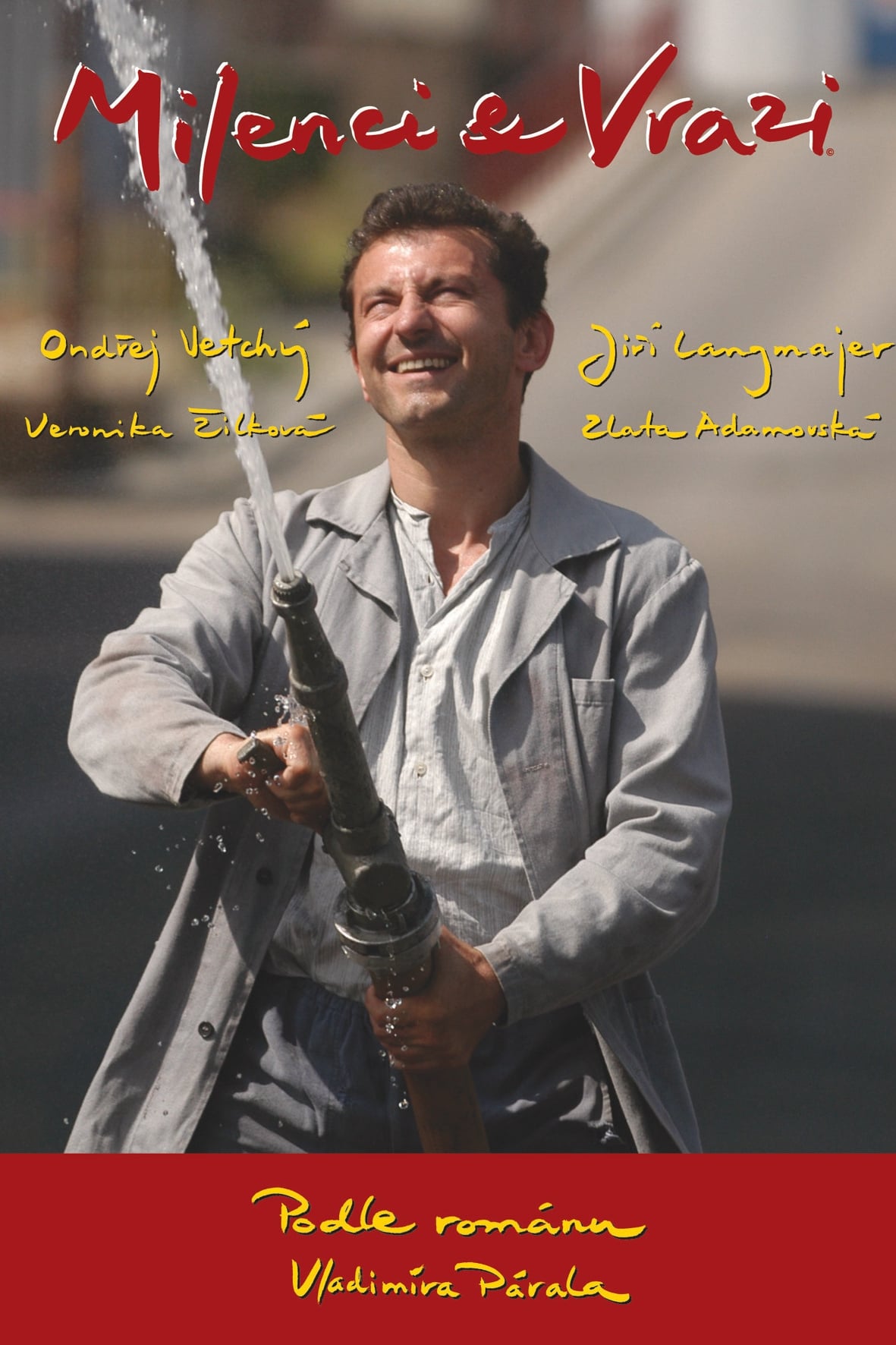
Lovers & Murderers is about the ongoing war between those who have and those who want to have what the others have. The have-nots see themselves as poor victims trying to get for themselves what is justly theirs. But when the have-nots become haves, they continue to see themselves as victims of the hordes baying for what is justly theirs, and they have neither the energy nor the security to enjoy what they have obtained. The movie takes place in the microcosm of a small apartment building. The principal goal of the young people who share rooms in the building is to move into their own room and, some day, a real apartment. They scheme to get what they're after: form short-lived alliances, petition, frighten, marry, become pregnant, anything that might work. Lovers & Murderers presents Páral's vision of mankind caught in a cyclical process in which ideology pales before the pettiness, cruelty, and self-justification of human nature.
Film about racial problems in the society, love, family, people and their relations.
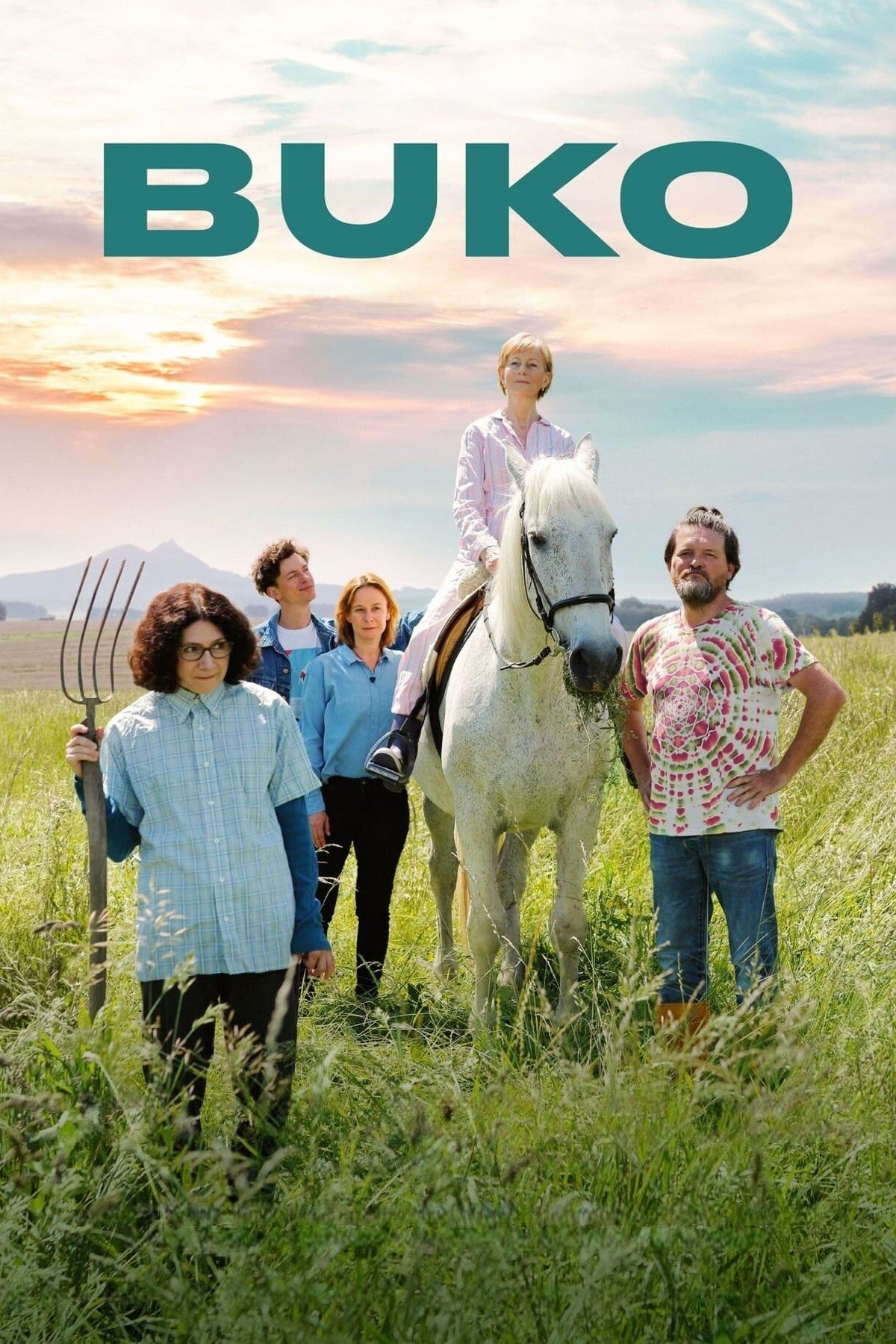
After losing her husband, Jarmila finds herself at a crossroads in her life, where she must decide whether to patiently "wait out" the rest of her life or rebel and throw herself into an adventure with an uncertain outcome. Despite the well-meaning advice of her adult children, she chooses the latter. This involves living in a cottage in the romantic wilderness of the Mácha region, which her husband particularly loved. In addition, he bequeathed her a retired circus horse named Buka in his will, which at first glance seems like a cruel joke, because Jarmila is afraid of horses. With the help of her neighbors, she decides to face the situation head-on and soon discovers that, although it didn't seem like it at first, it is precisely this horse that could bring happiness back into her life.
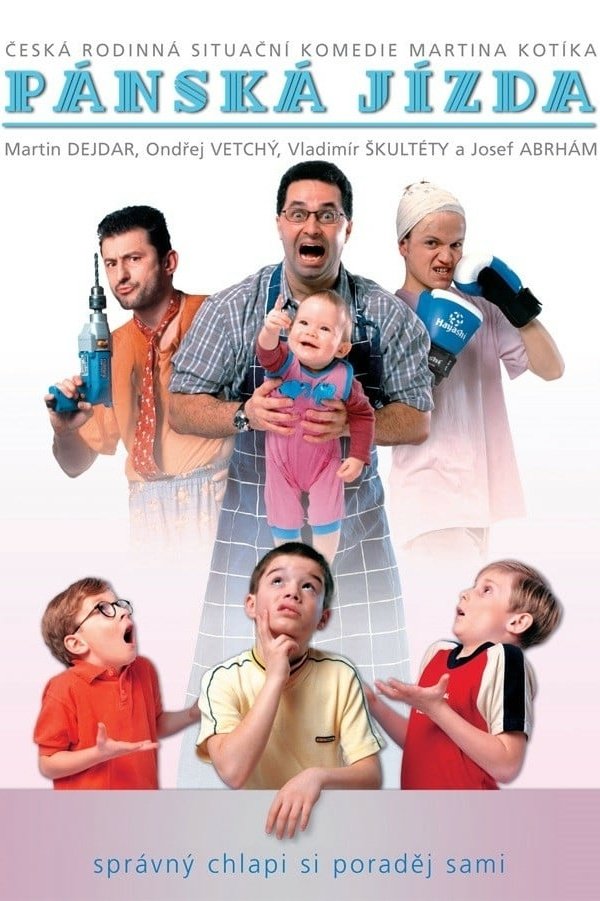
Father Viktor, highly capable and successful in his profession, and his son Petr, an equally successful and promising student, suddenly find themselves in an unexpected situation – after the death of their wife and mother, these two exemplary models of the perfect man and student must deal with such a mundane matter as taking care of the household. As capable, intelligent, and successful men, they naturally see no problem with this. Their experienced neighbor Lupínek, a distinguished grandfather with four grandchildren to look after, warns them in vain and offers his help. Male vanity and pride are stronger. As a result, they gradually find themselves in a whirlwind of embarrassments, problems, and disasters that gradually erode their self-confidence and destroy their firm belief in their own perfection. Fortunately, Uncle Artur comes to the rescue.
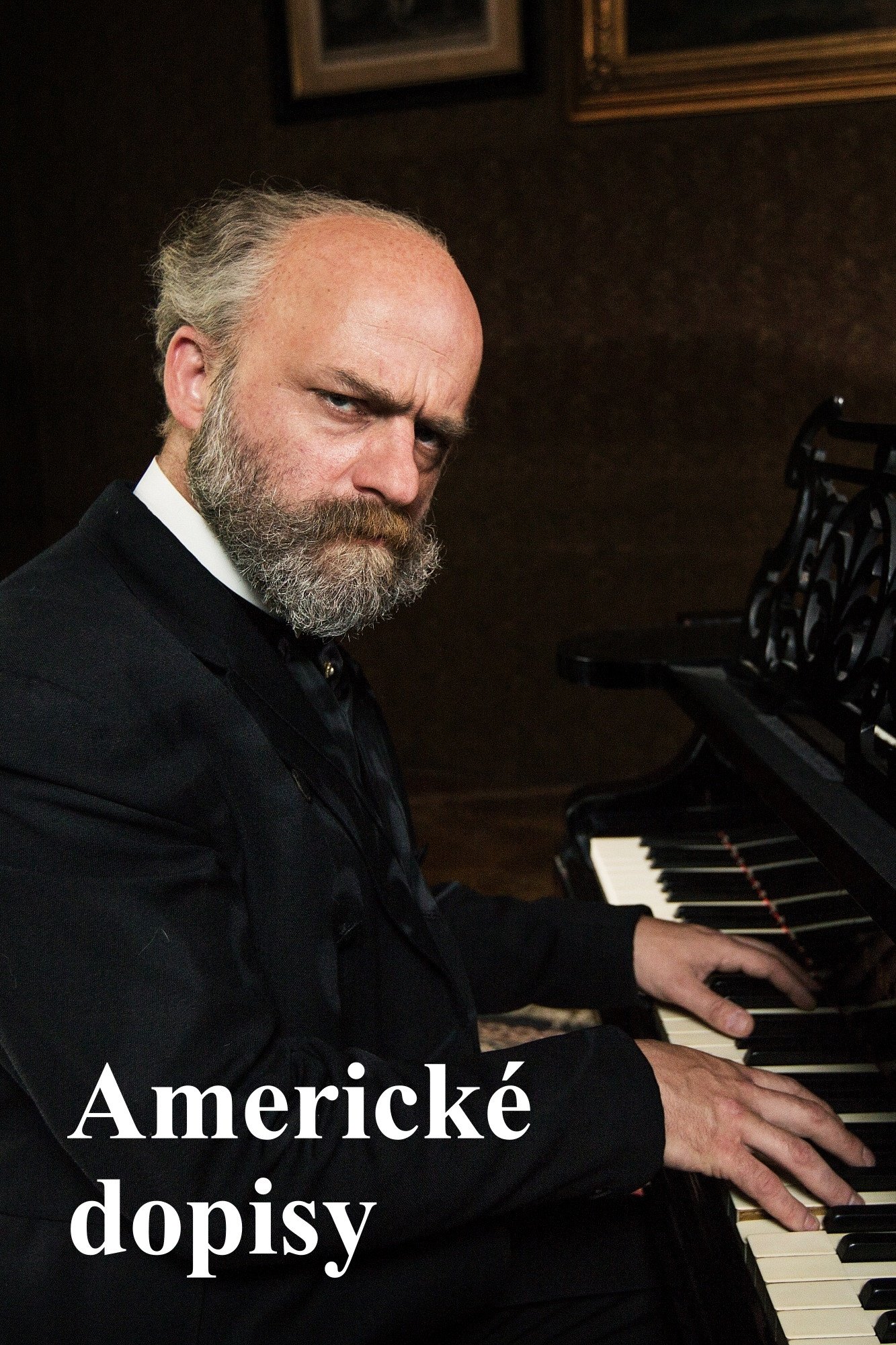
Bio-pic about Czech composer Antonin Dvoraák at the height of his career. Dvorák learns that his love and lifelong muse is ill and must return to her side.
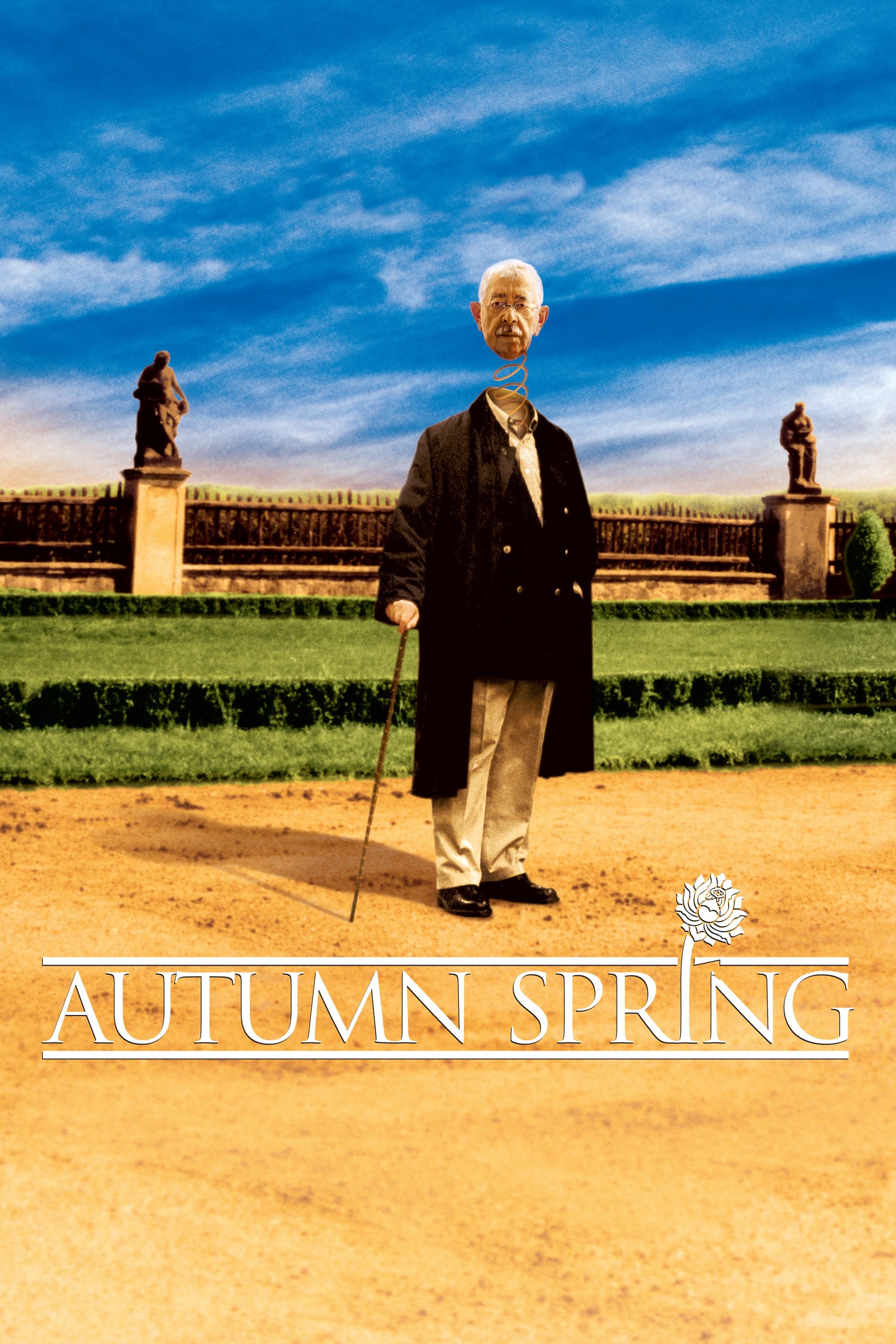
A bittersweet comedy starring the great Vlastimil Brodský as Fanda, an old man who refuses to grow up. Despite pleas from his exasperated wife who wants him to make serious decisions about the future, Fanda ignores the nagging and spends his days seeking amusement and adventure.
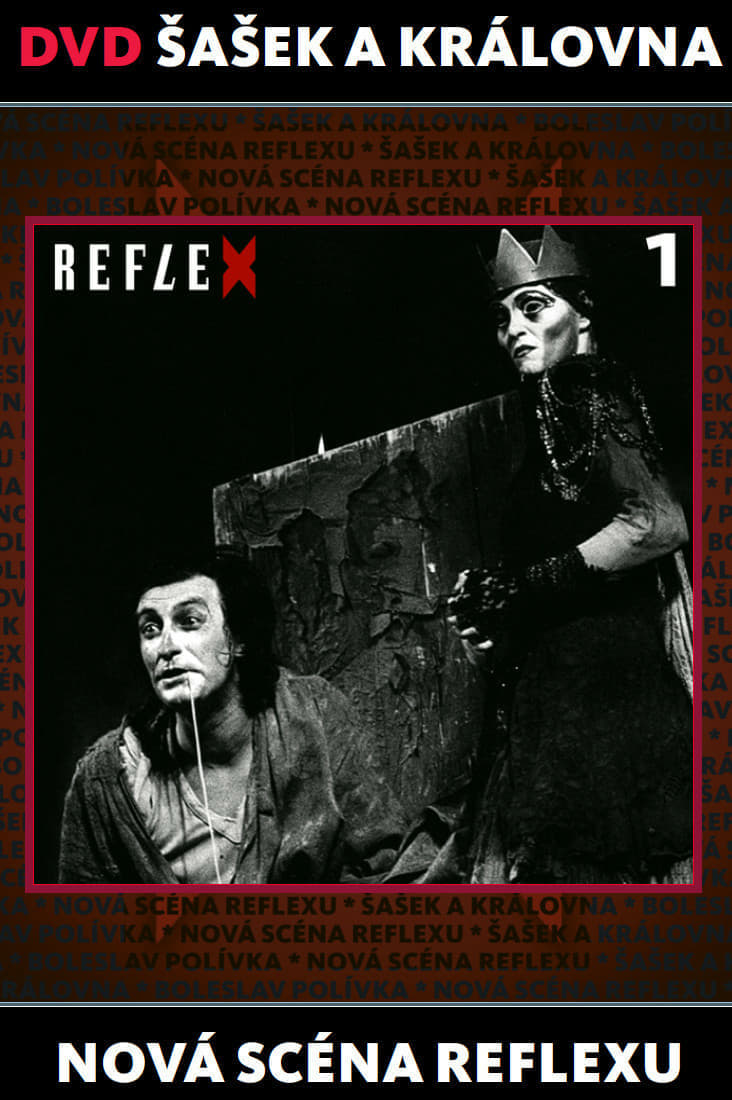
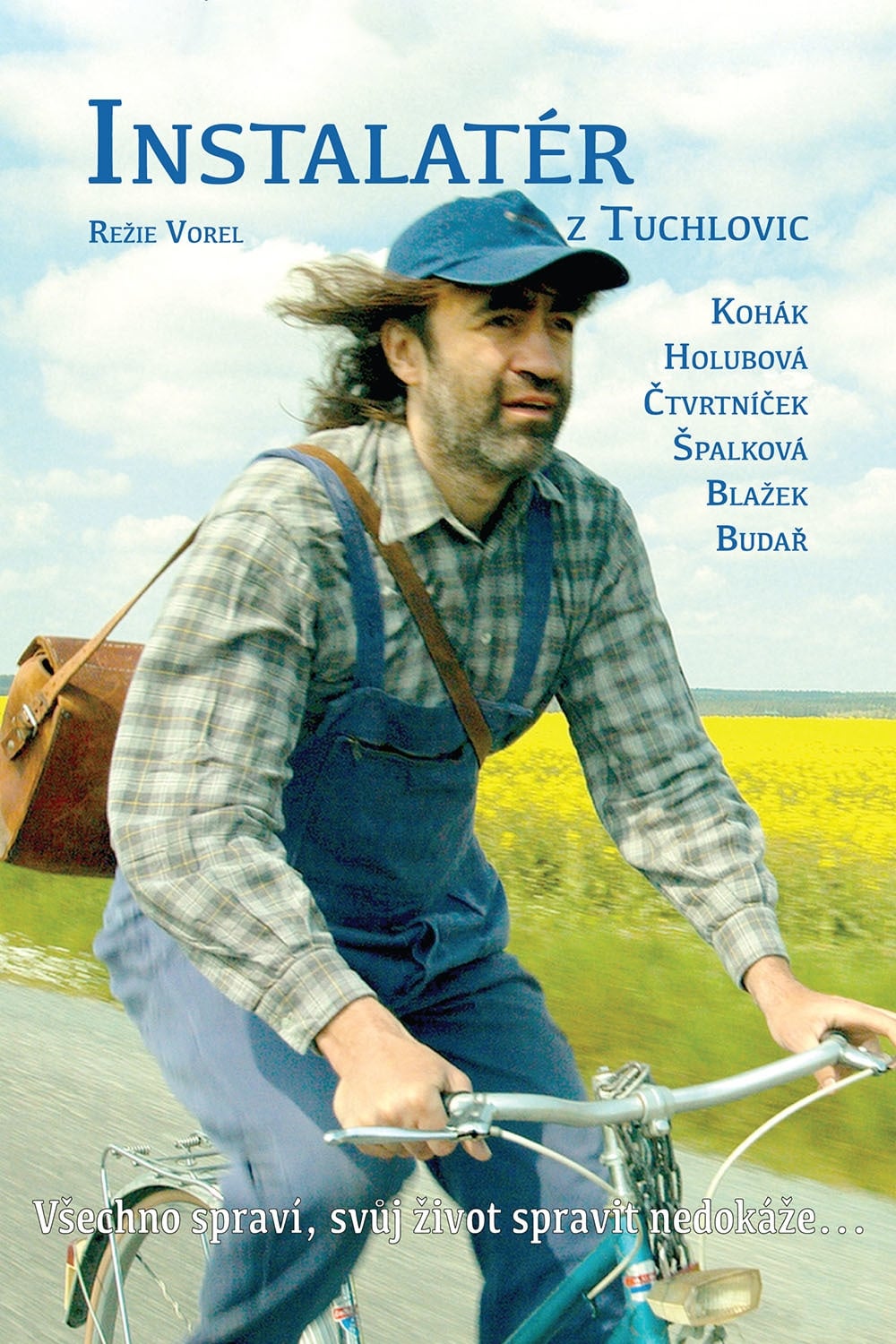
The story is about a plumber, who is called Good man from the bones. He is not afraid of any work, he manages all the work he gets. Wittily responds to every situation that befalls him.

After her husband's death, Hana lives on alone in the family villa. Her two sons visit her with their families, but these visits frequently end in quarrels. When Hana meets Brona, a hardy fellow, inured to winter swimming, a new world opens before her. Brona's team-mates absorb her into their team and Hana gradually learns to overcome her fear of icy water. Her relation with Brona grows into love.
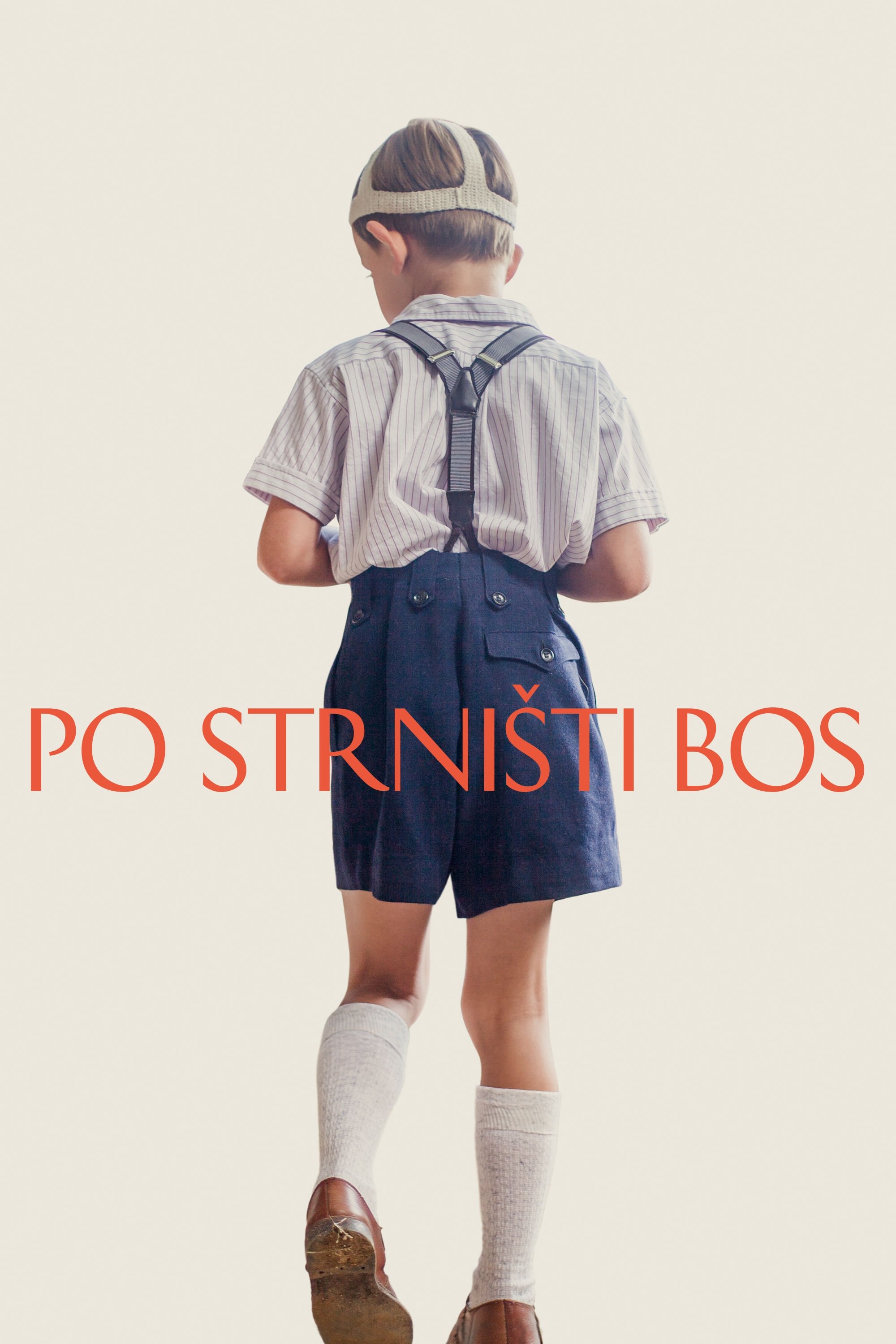
Story of a small boy is forced to move out of Prague during World War 2 to a small village of Slavonice where he meets the rest of his family. He needs to make new friends and get used to a new life which is immensely different from what this city boy was used to.
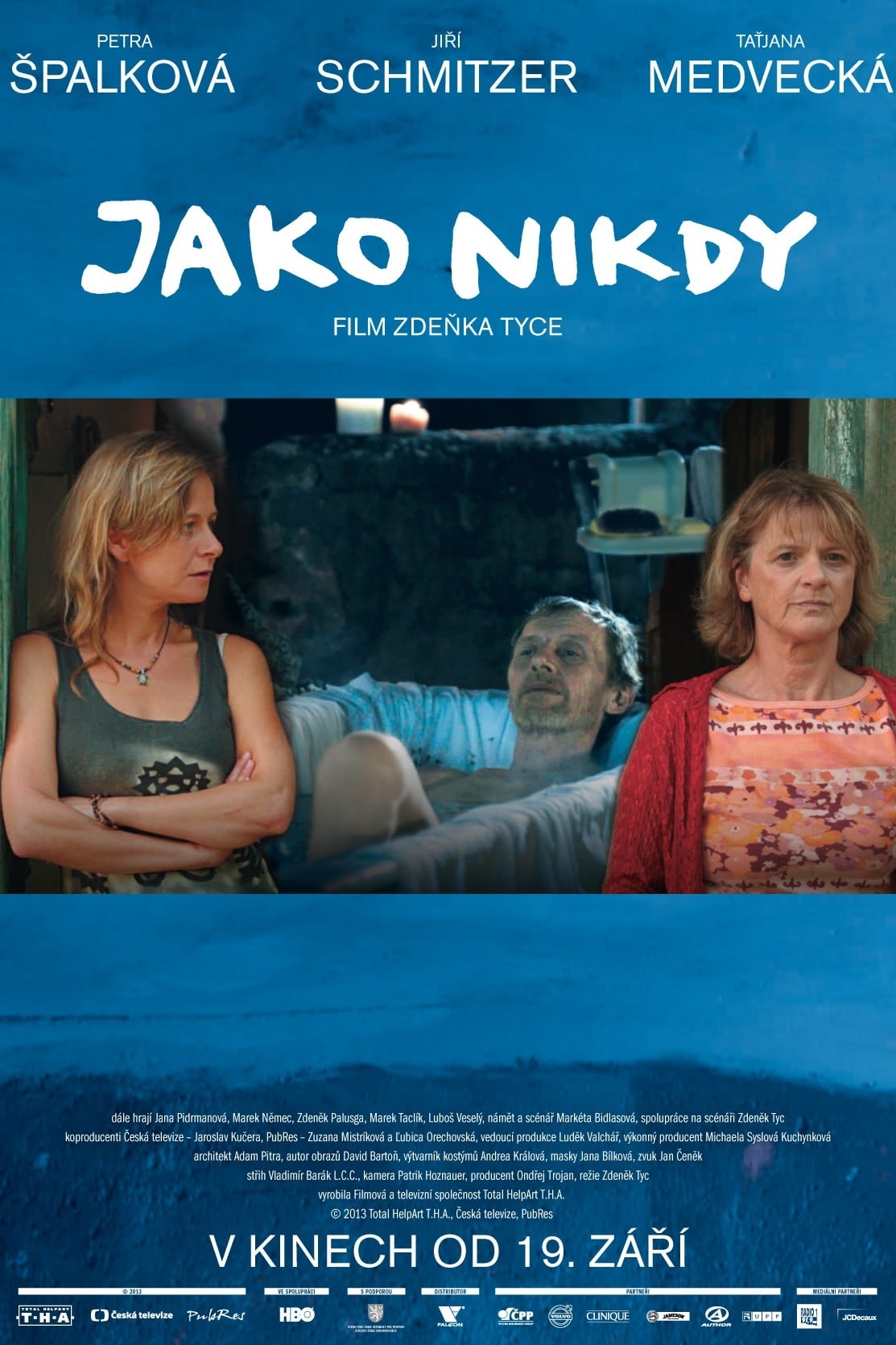
The end of summer in the film also means the end of life. Vladimír Holas dies. Who is Vladimír Holas? Painter, sculptor and teacher of district importance. He painted many beautiful pictures - but not as great as he wished. He wasn't in the party, he wasn't in the Union of Artists, he didn't sell out to the past regime. The house in the beautiful countryside is his last refuge, death is inevitable and he doesn't want to die in an estranged hospital. He wants to crouch standing up, the way he lived.

Johana navigates the ups and downs of teenage life alongside her tight-knit group of friends, each wrestling with their own first loves, family dramas, and identity crises, while her own world is turned upside down when she discovers an old letter hinting at a mysterious man who may be her real father.
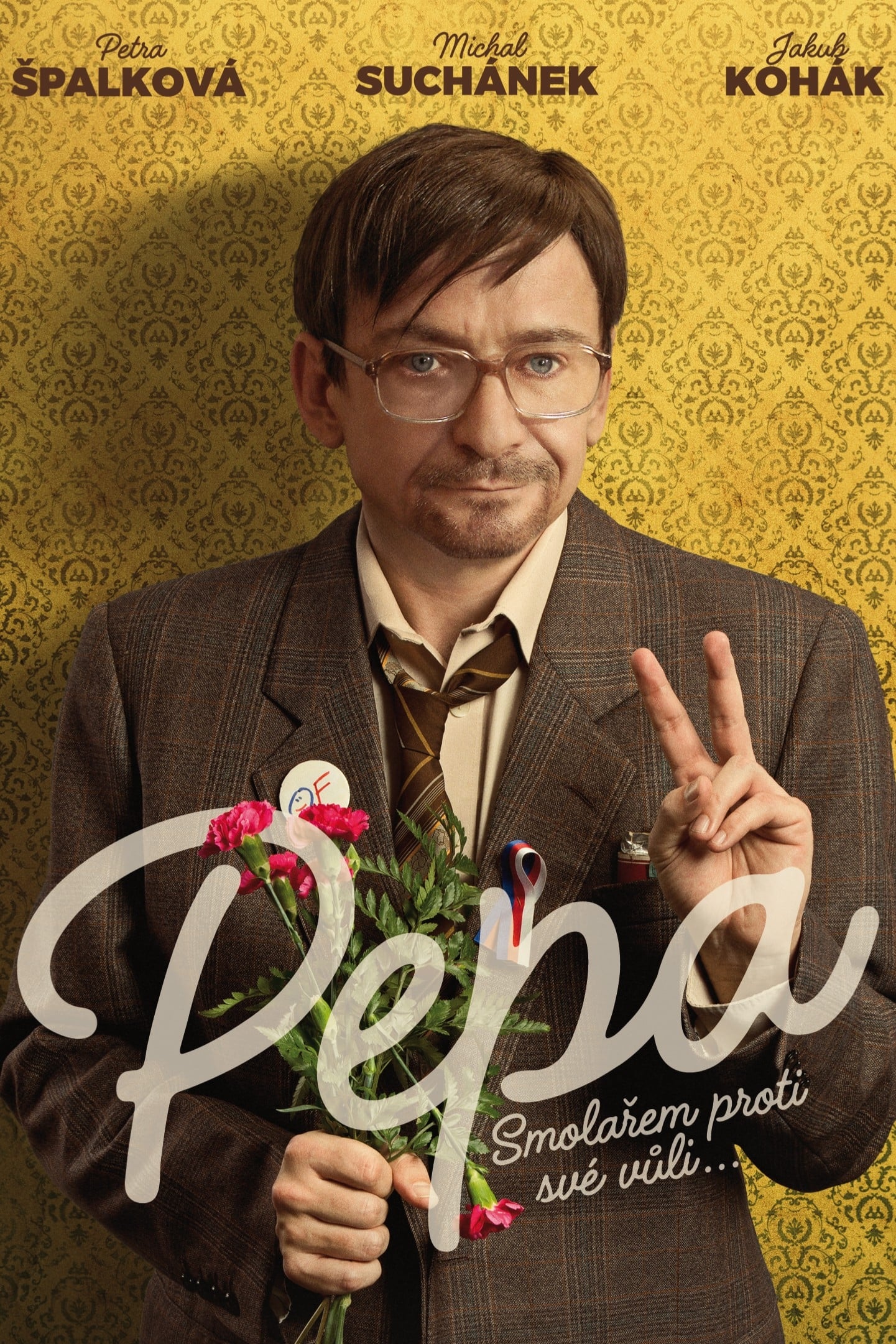
Pepa is a fifty-year-old civil servant living with his family in an ordinary district town. Pepa is somewhat henpecked, lacking respect even from his wife, let alone his daughter. Pepa knows that something has to change, and he even knows very well what that "something" is. But! The path to the goal is sometimes very thorny, and so we follow a series of more or less futile and tragicomic attempts by Pepa, the outsider hero, to finally start living his life. Will he manage to find answers to the questions "Why is he in the world? When does real life begin? After birth, after graduation, after first sex, after marriage or children? Or only after death?"

Charlatans or therapists offering alternative treatment? New Facts about Akvap's Prague Consultation and Therapy Institute in the current document by Šárka Maixnerová. (Česká televize)
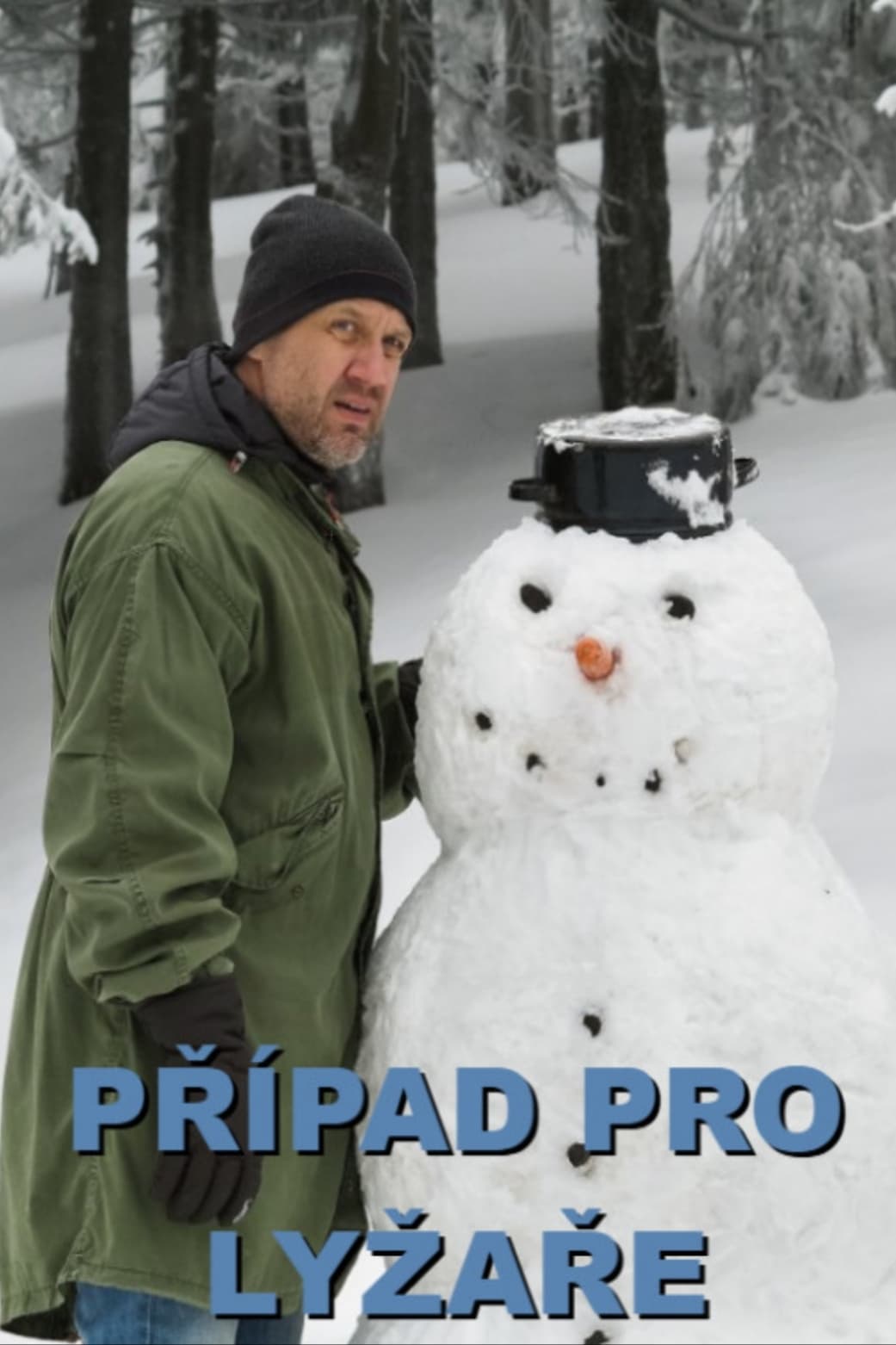
Commissioner Vašátko meets painter Horác while on vacation at a mountain cabin. A diverse group of guests has gathered here, ruled over by the aggressive and arrogant director Skorkovský, who humiliates and abuses his son with nonsensical orders. Horác takes this very badly, as do the others—but they are somehow indebted to the director. The tension in the cottage gradually increases, and the director is found dead. The police cannot get to the cottage because of a storm, so the experienced Commissioner Vašátko takes charge of the investigation. The cottage is full of people who have strong motives for murder...
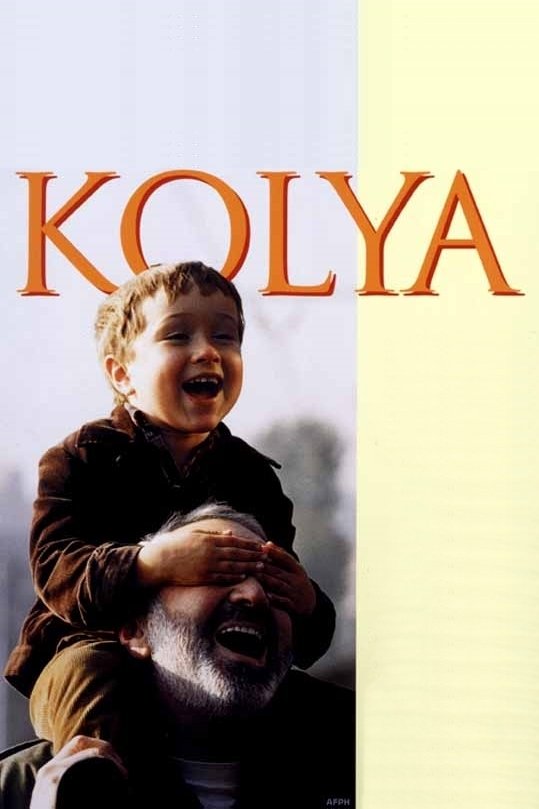
After a fictitious marriage with a Russian emigrant, Cellisten Louka, a Czech man, must suddenly take responsibility for her son. However, it’s not long before the communication barrier is broken between the two new family members.
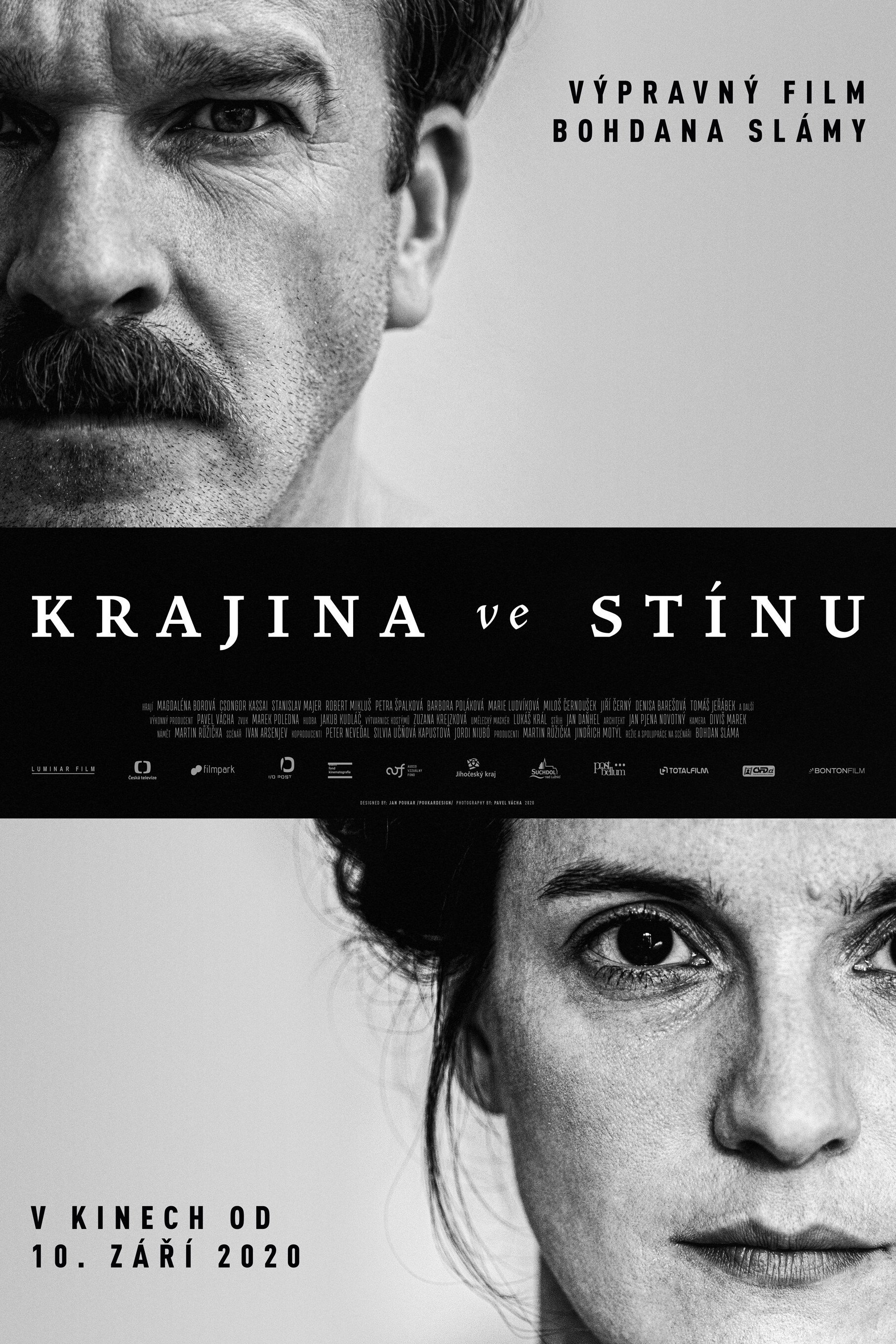
The film chronicles the events of a village on the Czech-Austrian border from the 1930s to 1950s, where genocide occurred due to fallout between German citizens and Czechs who collaborated with the Nazi regime during the war.
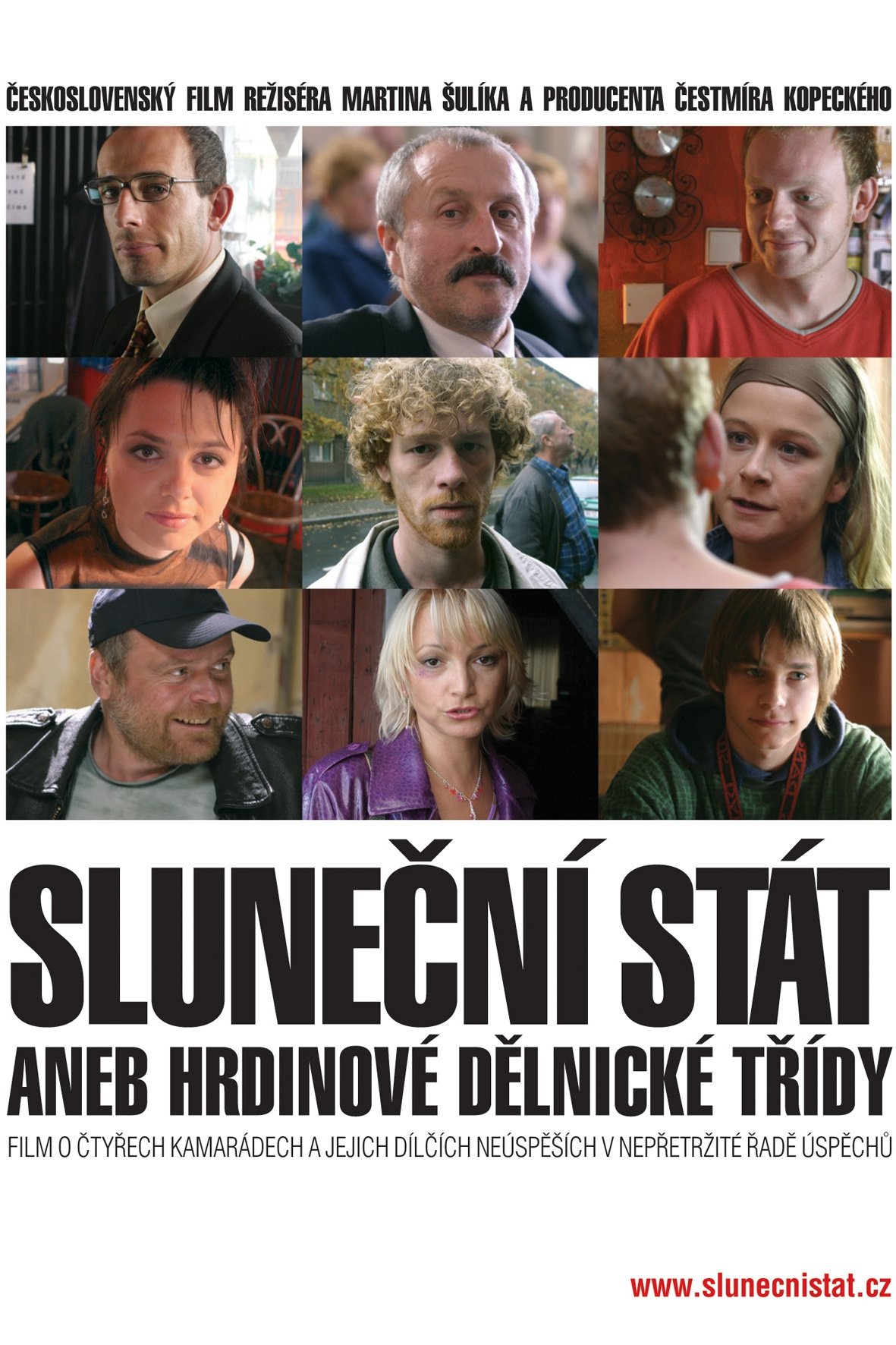
Four friends, Karel, Milan, Tomáš, and Vinco, lose their jobs in Ostrava’s working-class districts and, with their livelihoods gone, struggle to redefine themselves. They launch various business ventures but lack experience, leading to repeated failures. Pressure mounts on their friendships and private lives as tensions flare. Through setbacks and mutual support, they embark on a journey of self-discovery, learning resilience, solidarity, and the true meaning of identity and camaraderie in a changing world.
A sentimental story of a shy dreamer waiting in Prague at night for the girl of his dreams.
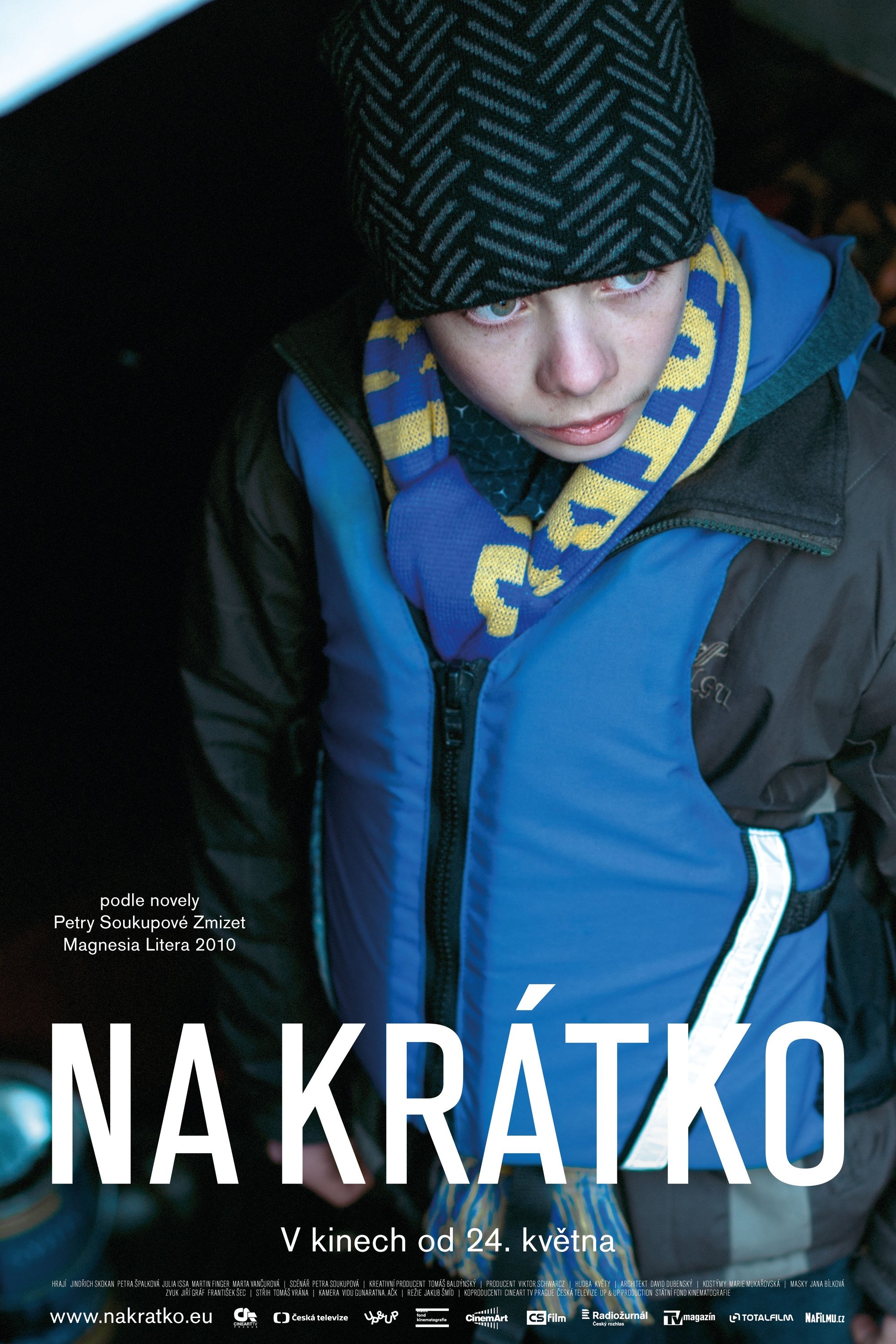
Eleven years old Jacob does not know his Father. His picture is portrayed and idealized by his Mother and his own phantasy. Jacob is an uncontrollable and slightly asocial guy, who is lacking a male role model. He grows up among females- Mother, stepsister Pauline and Grandmother. Grandmother arrives to their small panel block building apartment at beginning of the Story. Jacob's resentment (a runaway escape through foggy neighborhood of concrete block buildings) is his way to finding out what' going on. It is his first disappointment, but also a first step of growing up. tease him. Mother has her hands full with the household and barely makes it. She does not have time to care about her children 's feelings. Money is tight. Among his schoolmates Jacob is considered poor and that bothers him as well.
A bitter comedy about how difficult it can be to forgive parents for their concern, reproaches, or unfulfilled expectations was filmed in Ostrava by Czech Television director Lenka Wimmerová. We can guess what lies behind it this time too – is it the emptiness in their own lives after their children have left home, or disillusionment with their own failed marriages? The main character, Ivana, lives alone, without a husband and without her daughter, who is abroad. She suffers from insomnia and finds it difficult to detach herself from family injustices and her own life failures.
A smaller town has its own newspaper. The editor, Stanek, works there and is concerned with status and a comfortable life. His teenage son has his own problems and doesn't understand his father's attitude. Conventional morality without real critical passion.
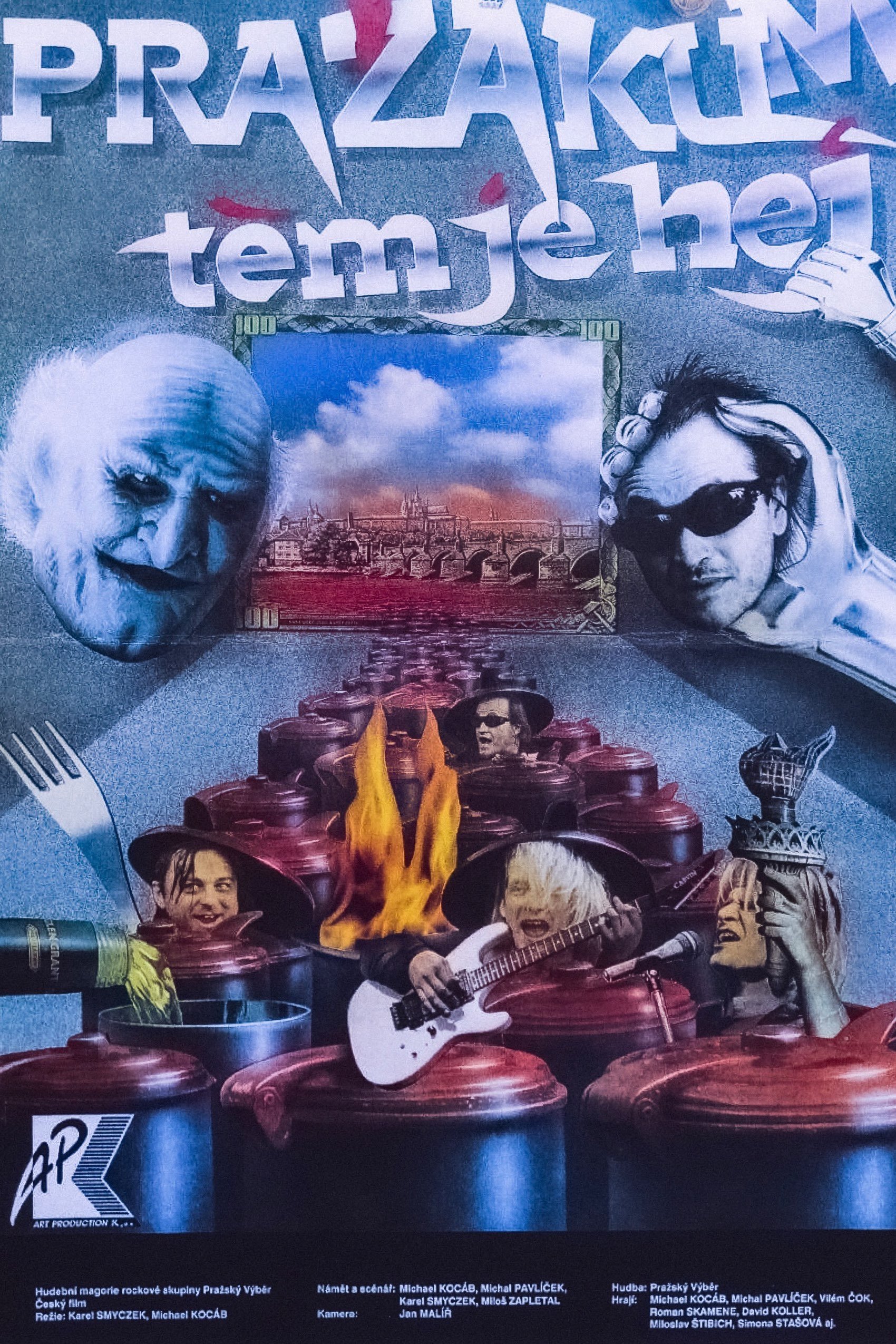
The story begins in 1984 in Prague, Czechoslovakia, few years before the end of Communist era. The band Pražský výběr (Prague's selection) has just received the news thier 5-year ban has expired and they are alowed to perform once again. This half fantasy half document about the band would draw the atmosphere of middle european late Communist era and the eufory of it's end.

A period musical comedy set in a quiet Prague quarter at the end of the fifties. Using the western plot device of the "man from nowhere" a generation gap story unfolds of changing social climate. The action is driven by the character of a young man named Baby who causes a local rebellion by bringing rock'n'roll to a Communist neighborhood raised on swing.
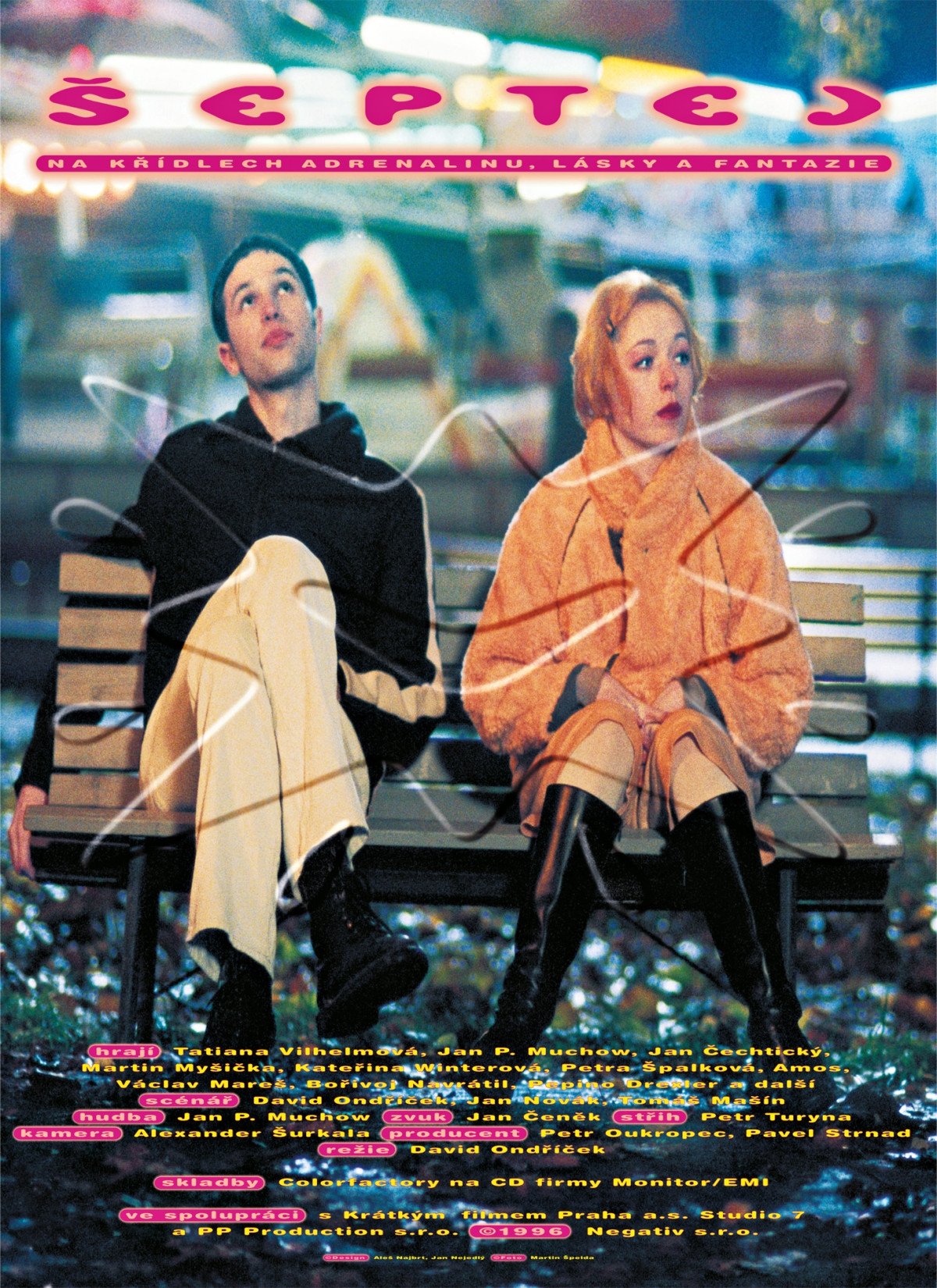
Anna, a 16 year-old girl from the sticks, trades her military education for life in the big city Running away to Prague opens a whole new world where she drinks her first cappuccino and meets the kind of people she has only seen in movies.