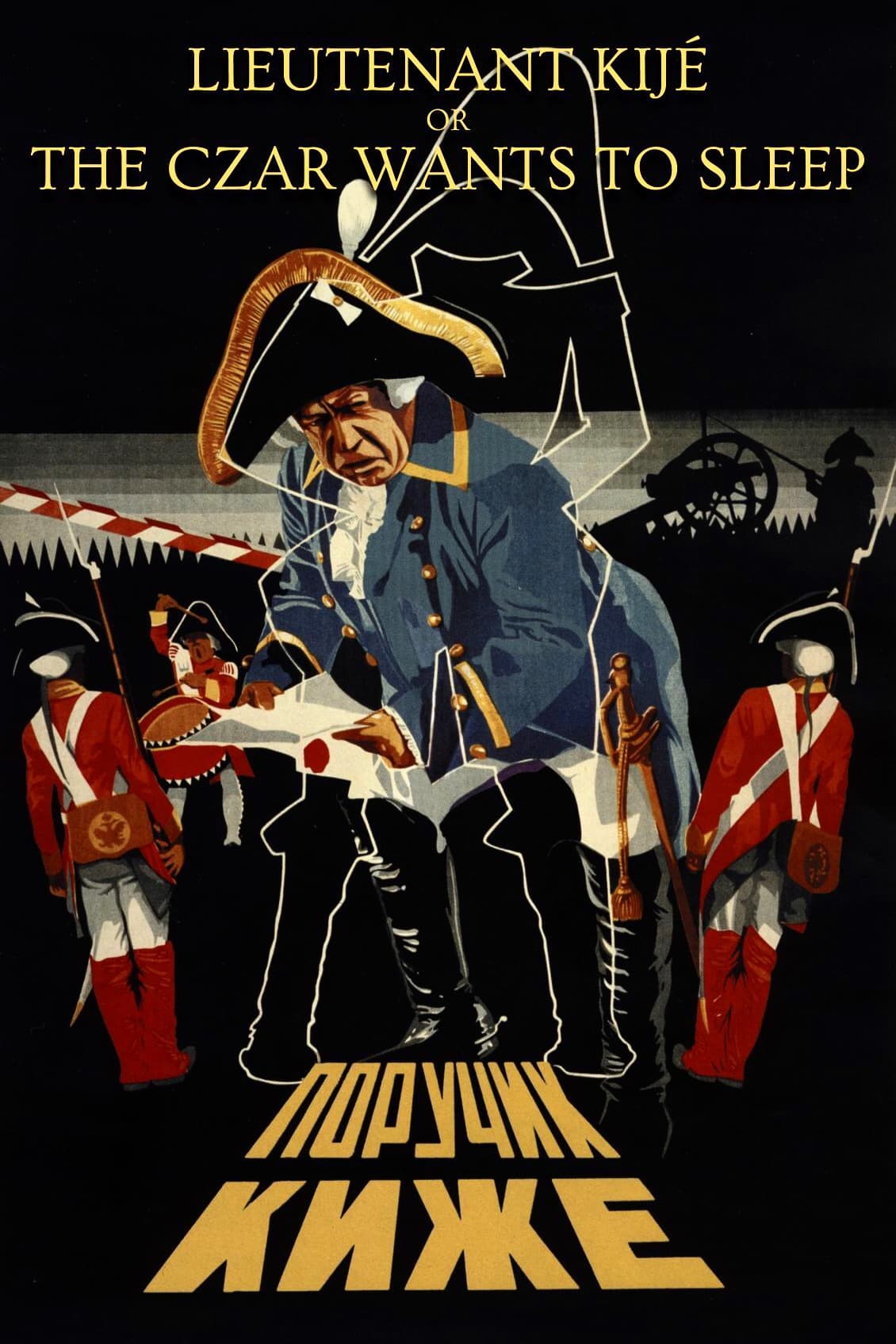
A copying error by a military scribe turns the Russian words "the lieutenants, however" into what looks like "lieutenant Kizhe". The Tsar reads the error, and wants to meet this (non-existent) lieutenant. The courtiers, eager to avoid the wrath of the temperamental Tsar, create a Kizhe to serve as their royal scapegoat.
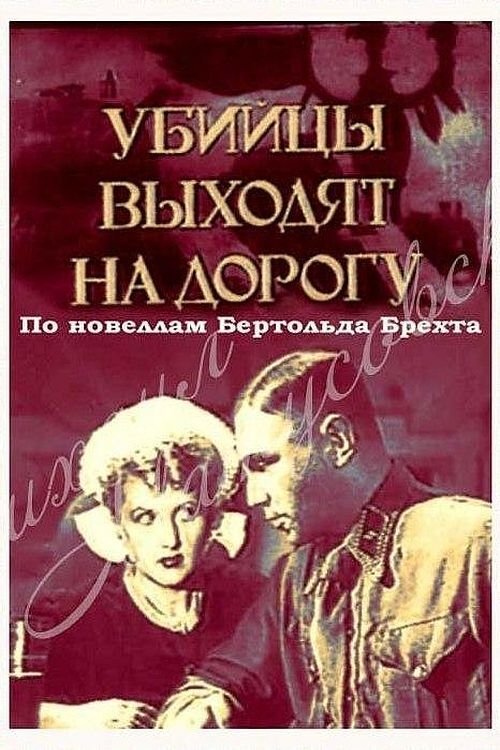
Brecht's play Fear and Misery of the Third Reich consists of a series of playlets, portraying National Socialist Germany of the 1930s as a land of poverty, violence, fear and pretence. Nazi antisemitism is depicted in several of the sketches, including "the Physicist", "Judicial Process", and "the Jewish Wife".
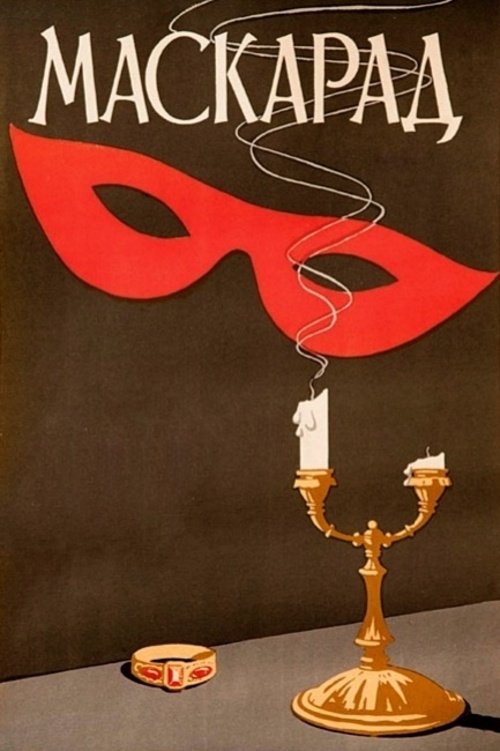
Taken from a Lermontov play, Sergei Gerasimov's Maskarad (1941) begins when beautiful Nina (Makarova) loses a bracelet during a masked ball. Another woman finds it and without revealing whose bracelet it belongs to, she gives it to an ardent Calvary officer admirer at the ball. This leads to deeper and deeper incisions upon the urbane social body of Tsarist Russia. A drama of pride, marital distrust, gambling, infidelity and humiliation twirls around the decaying corpse of a perverted social class.
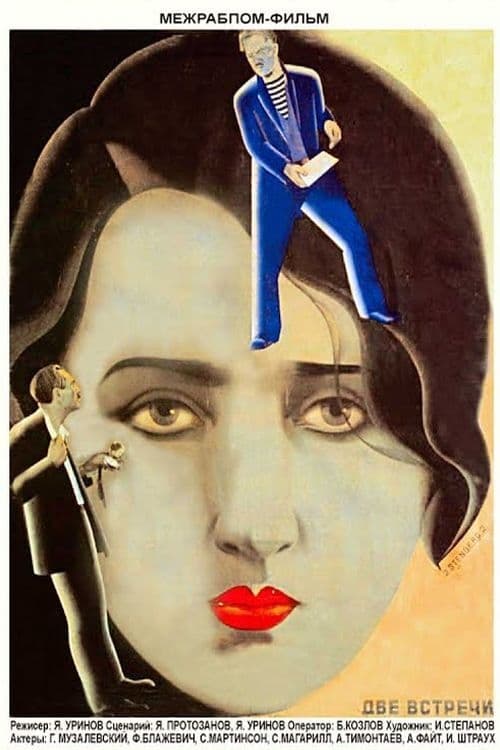
The secret police agent finds that factory director wife is counterrevolutionary but dies from the heart attack. The director reads the diary of an agent and turns his wife to police.
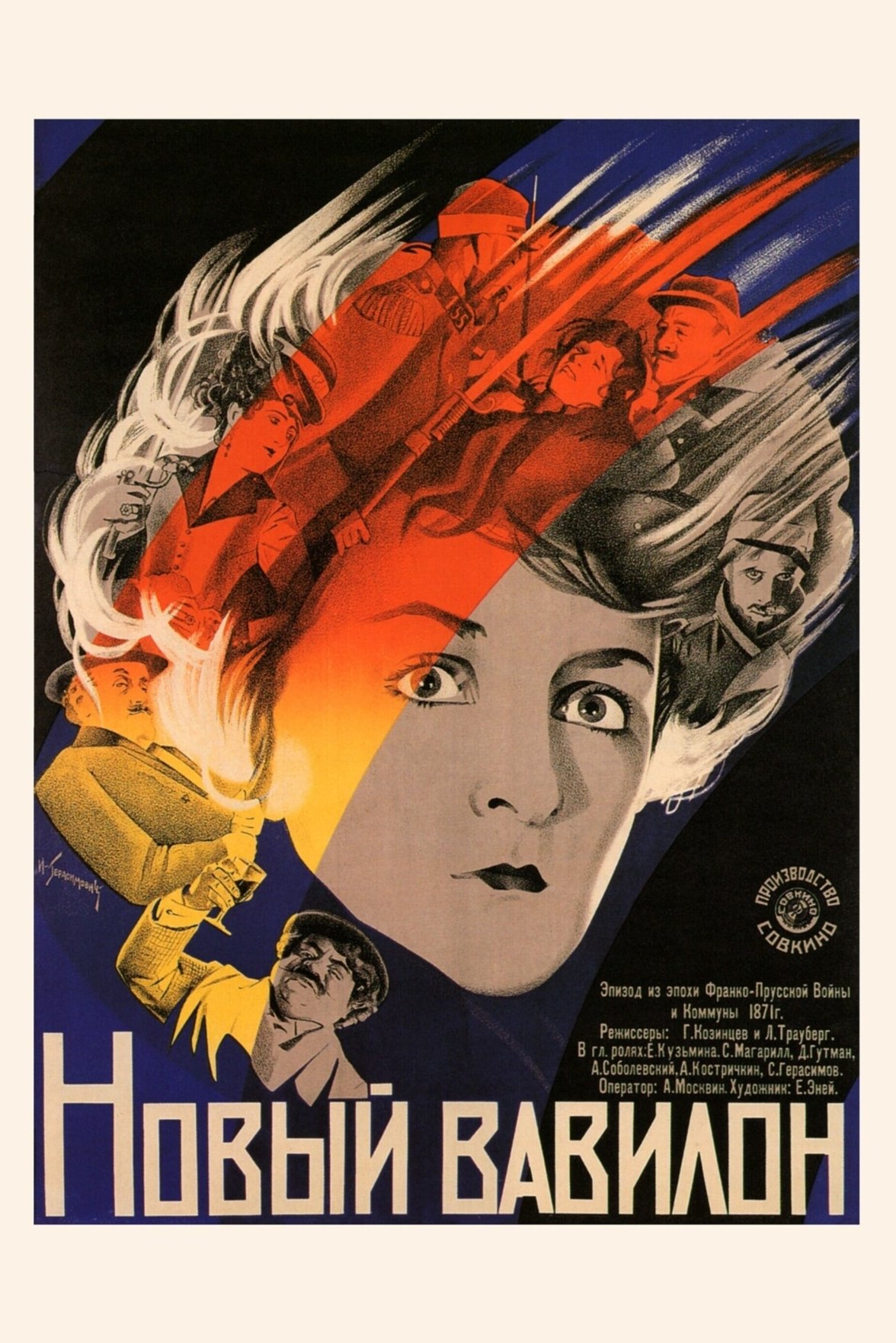
In the short-lived Commune of Paris, a conscripted soldier falls in love with a Communard saleswoman. As the army cracks down on the revolutionaries, the soldier is forced to fight against the Commune, and the pair's love is put to the test.
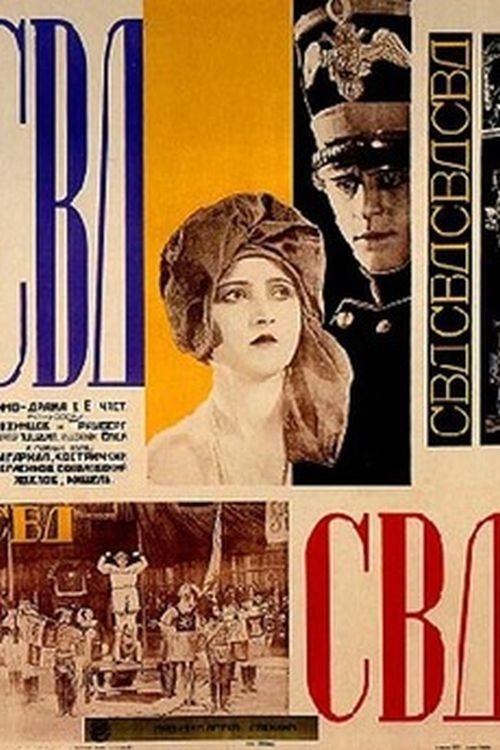
The film tells about the Decembrists’ revolt in the south of Russia. Right before the Decembrist Revolt 1825 a chevalier of fortune decides that it's time for a game. But on whom to make a bet? He asks the cards. But he's not the only one who makes the choice.
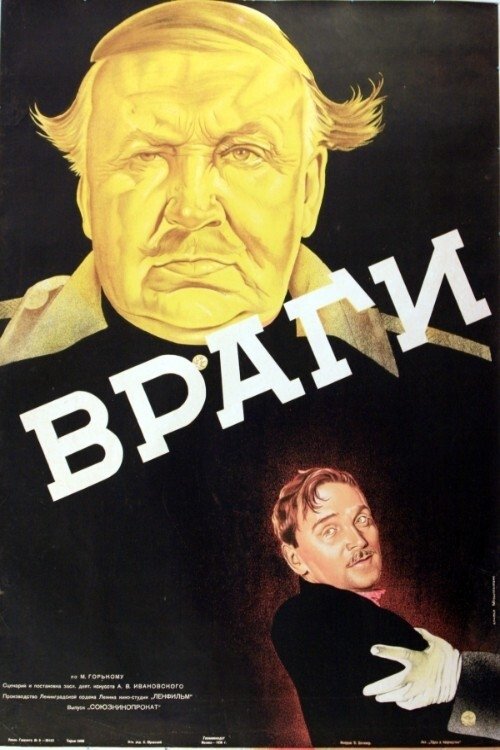
The eve of the 1905 Russian revolution was unquiet at the Skrobotova and Bardin factory. In response to the fair demand of the workers to dismiss the cruel and rude master, the masters close the factory and call in the troops. They shoot of one of the workers, who failed to restrain a rush of hatred towards the owners, ending Skrobotov's life. Gendarmes arrive at the factory. They succeed in uncovering the social democratic organization in the factory. The arrested workers oppose hysterical cruelty of gendarmes with calm, confident courage.
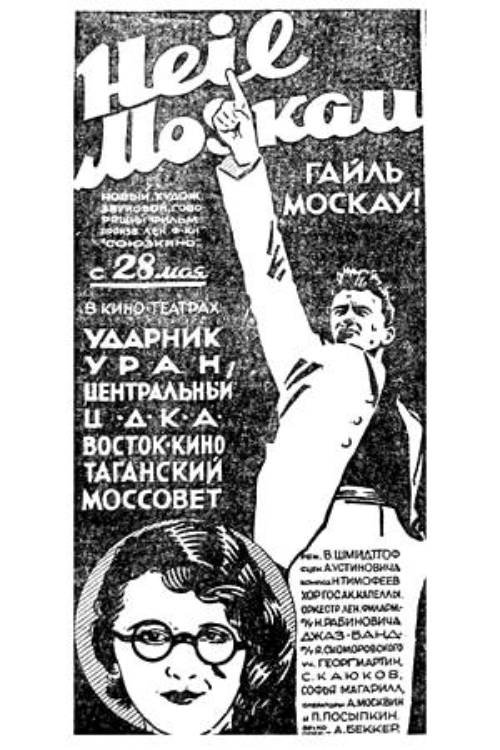
About the fraternal solidarity of Soviet sailors and foreign workers. The film considered lost
About how the antifascists of a Western European country in the 1930s disrupted the loading of weapons intended for the war with the Soviet Union. The film is considered lost.
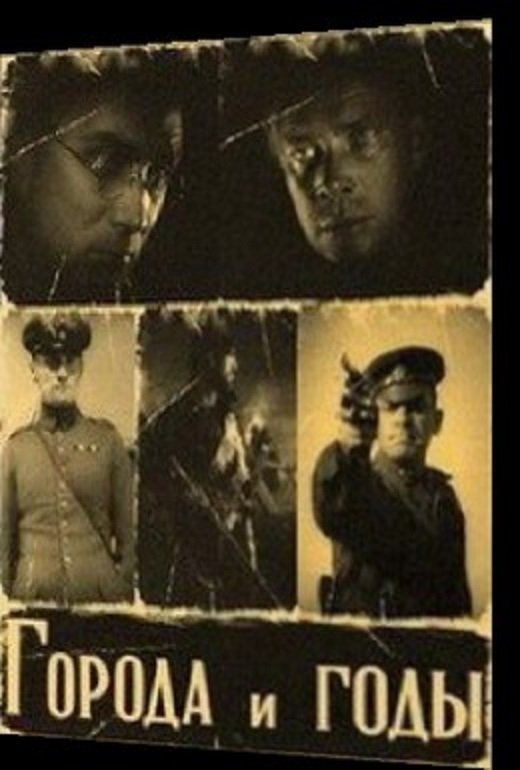
The last and only surviving silent film by director and actor Yevgeny Chervyakov. The film adaptation is distinguished by the accuracy of the psychological characteristics of the numerous characters (Chervyakov himself played the episodic role of an officer magnificently), the detail of everyday sketches of life in Germany and Russia, and the conveyance of the atmosphere of the events of the First World War and the Civil War. Parts 3 and 5 of the film have been lost.
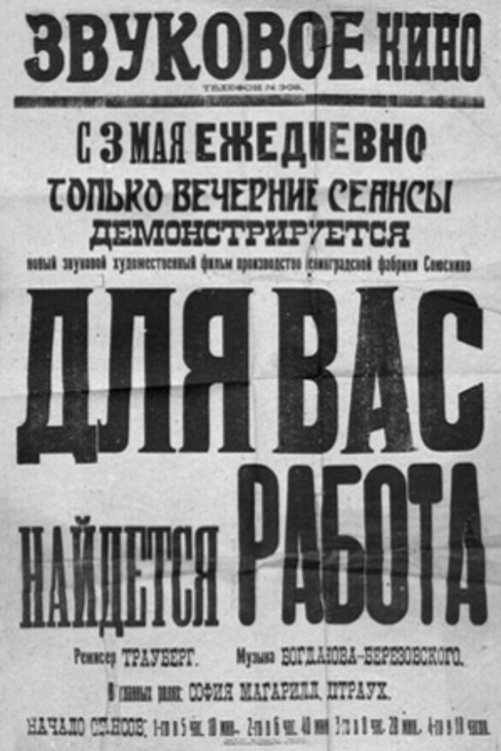
Franz Winner, a sausage factory worker from the small German town of Kleinsburg, finds himself unemployed during the industrial crisis. While accidentally visiting a Social Democratic club, Winner injures a police officer in self-defense during a police raid. He is sentenced to ten years in prison. In prison, far from politics, Winner meets political prisoners and becomes a staunch revolutionary. German communists fight hard for Winner's release. His fellow prisoners go on hunger strike. Finally, Winner is granted amnesty. On the eve of his release, he dies from the effects of the torture he endured.

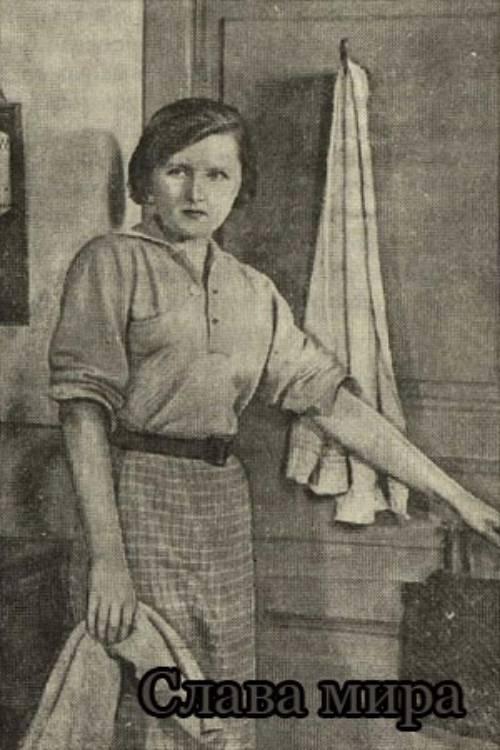
About a brigade of young female turners who win the respect of the factory team by their labor.
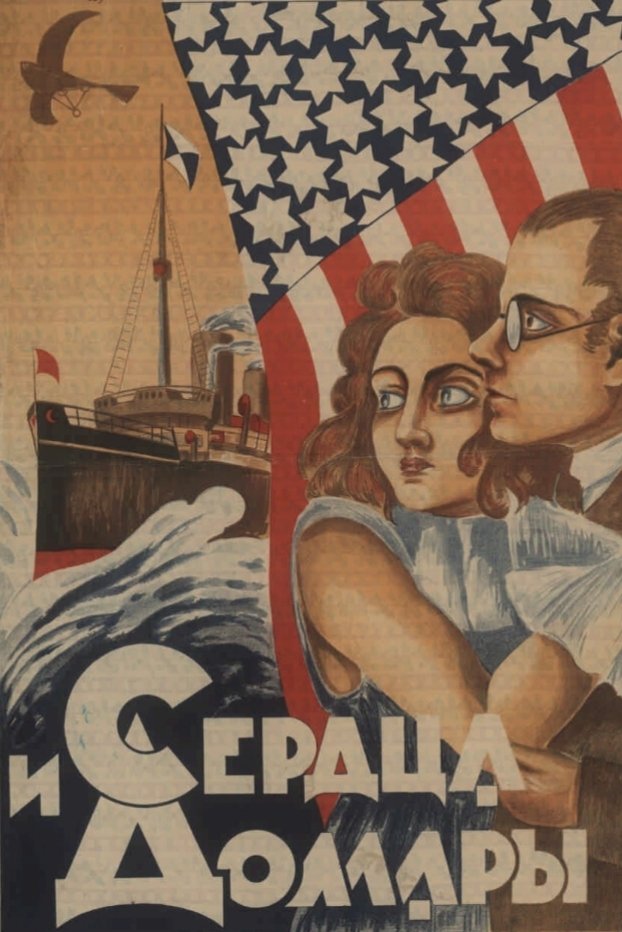
The NEP era. Two families with the same surname, Ivanov, live in Leningrad. They are visited by American relatives, who turn out to be confused. Ivanov the draughtsman's unsuccessful plan to rob the American is replaced by cooperation, as a result of which the American finds a job at Volkhovstroy and decides to stay in the USSR.
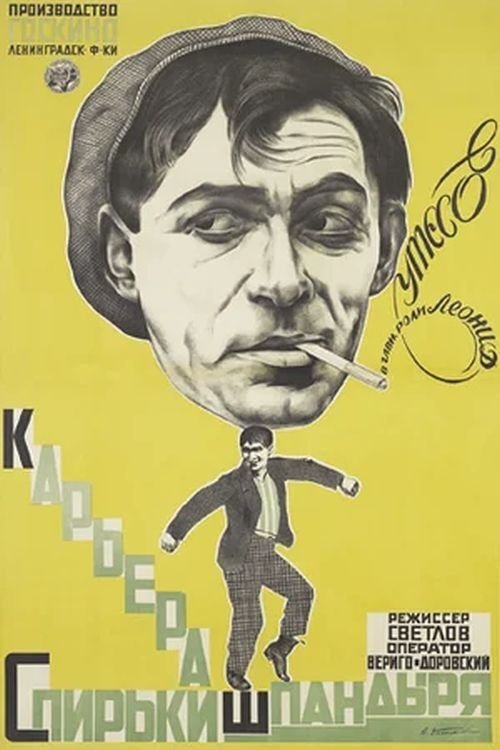
Spirka Spandyr, a petty crook and swindler, escapes from the Soviet Union after serving his sentence and soon becomes the pride of the White émigré community in Amsterdam — Baron Spirka von Spandyr.
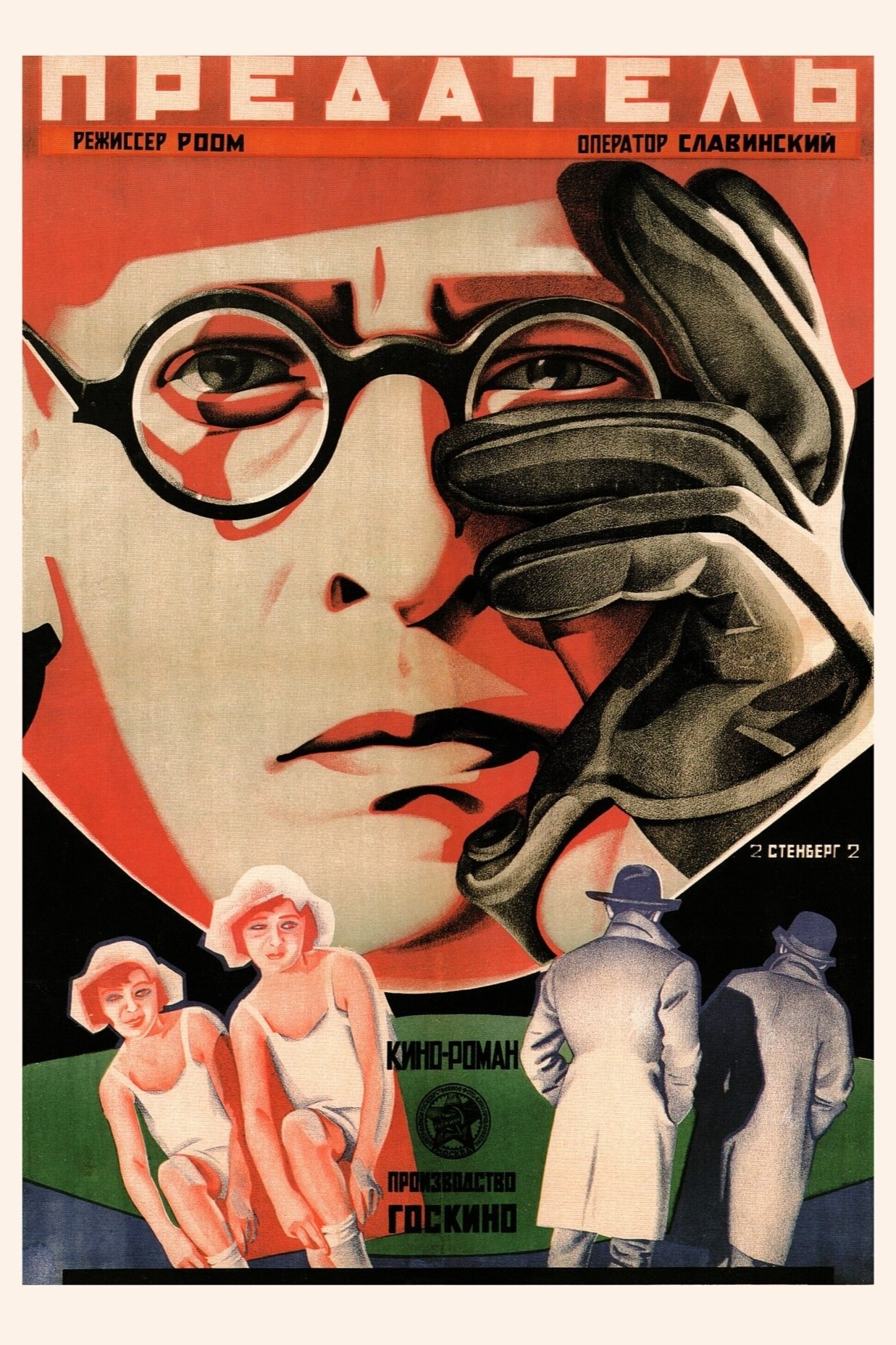
An agent working for the Tsar fools a group of Bolchevik sailors but is captured and punished after the revolution. Partially lost.