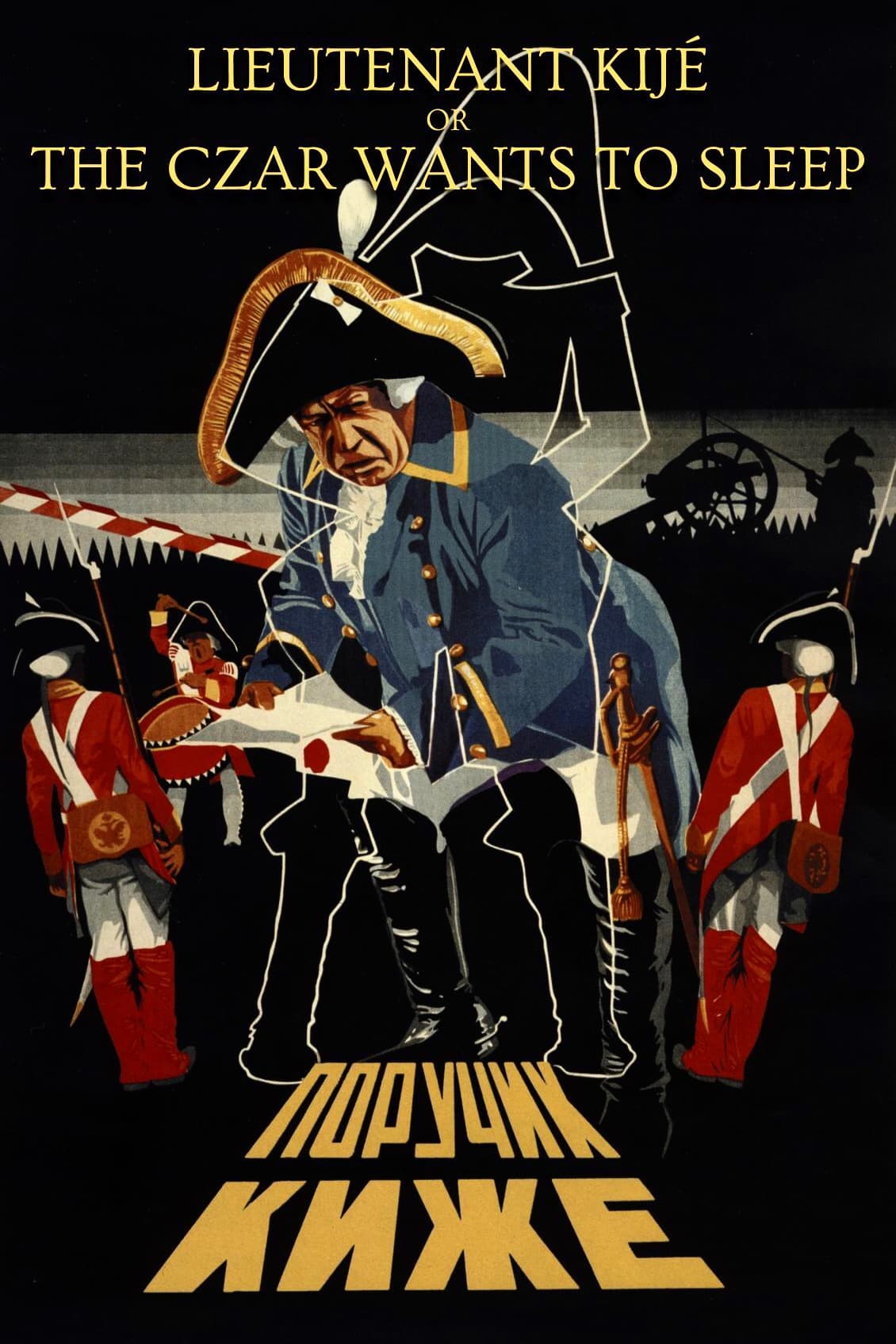
A copying error by a military scribe turns the Russian words "the lieutenants, however" into what looks like "lieutenant Kizhe". The Tsar reads the error, and wants to meet this (non-existent) lieutenant. The courtiers, eager to avoid the wrath of the temperamental Tsar, create a Kizhe to serve as their royal scapegoat.
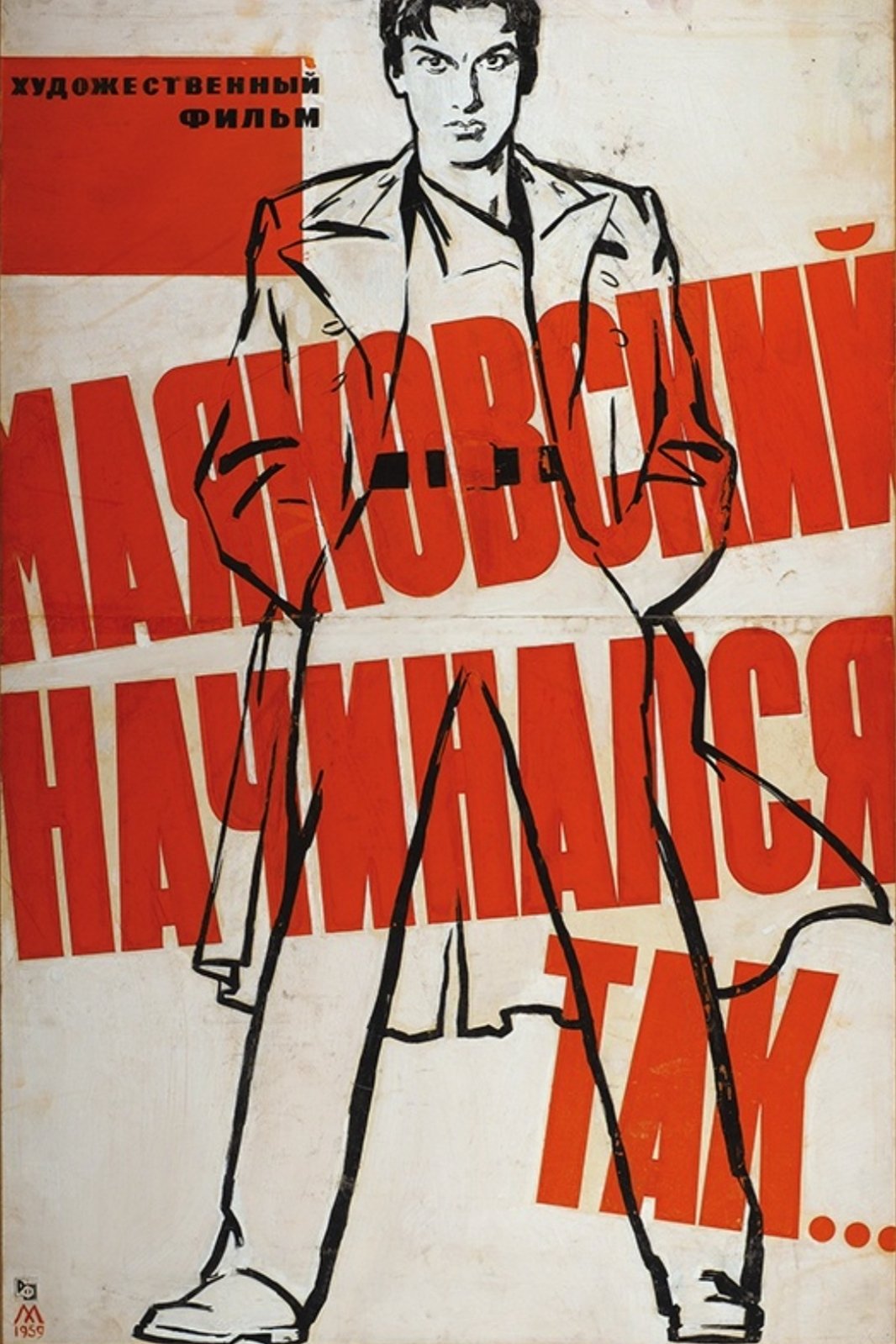
Based on the autobiographical book "Ya -sam" (I-myself) by Vladimir Mayakovsky the leading Russian Futurist poet of the beginning of the 20th century. He was born in 1893, into a Russian Cossack family in the Transcaucasian kingdom of Georgia, then part of Russian Empire. There he spent his childhood and boyhood attending a grammar school in Kutaisi. Mayakovsky moved to Moscow at the age of 14, after his father's death. He became a poet, an artist, an actor, a writer/director and public speaker.
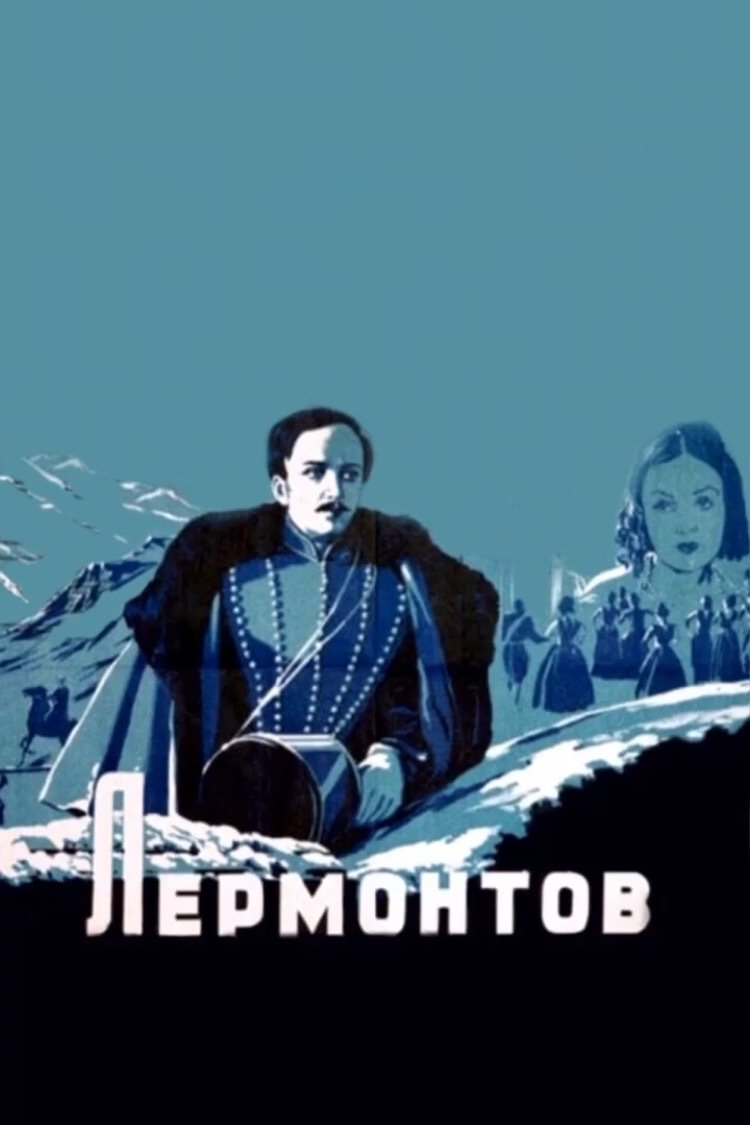
Chronicle of the life of Russian poet Michail Lermontov, from the final days of Alexandr Pushkin to the fatal destiny of the poet himself.
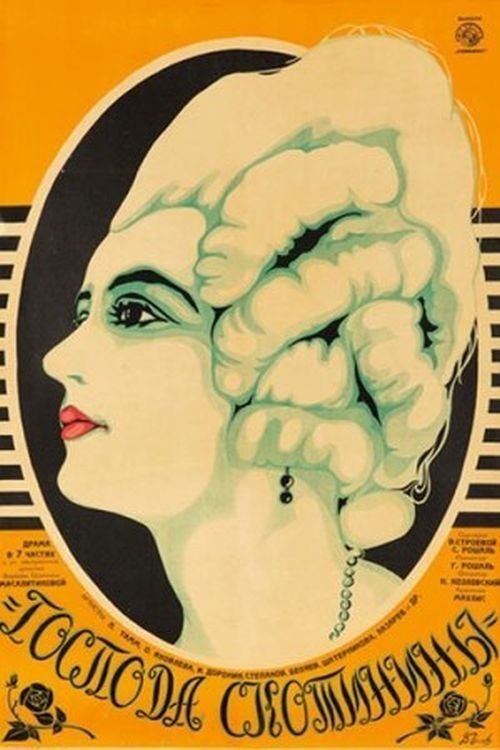
A comedy starring Nina Shaternikova, The Skotinins is loosely based on the 18th century play The Minor by Denis Fonvizin. In it, the upper class is shown as both depraved and stupid, engaging a variety of absurd, over-the-top follies.
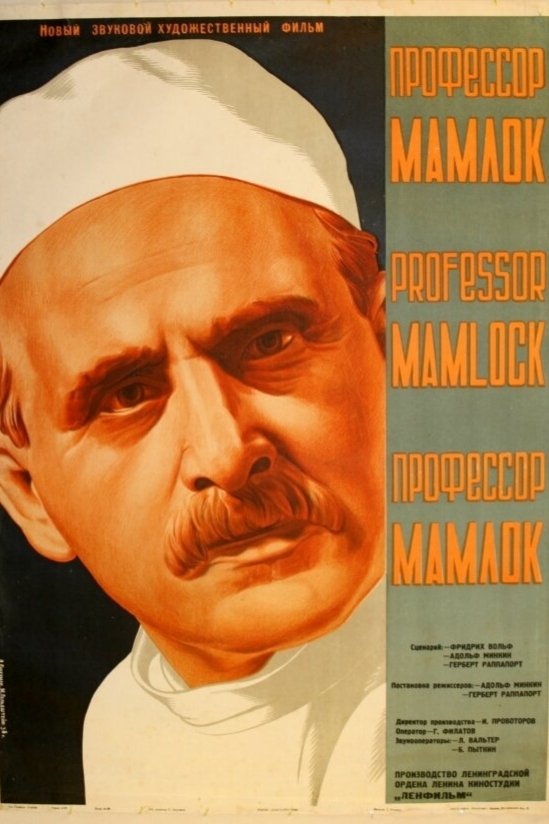
Made in Stalin’s Soviet Union, Professor Mamlock was one of the first films worldwide to tackle Nazi anti-Semitism openly. Based on a play by a German-Jewish exile in Moscow, Friedrich Wolf, and directed by an Austrian-Jewish exile in Moscow, Herbert Rappaport, the film tells with the story of an apolitical humanitarian Jewish doctor and his politically-aware, fascism-resisting son, an intern, as their lives become entangled with the Nazis’ rise to power in 1930s Germany, where they live and practice. Things come to a head when the Nazi organization takes control of their hospital, and place a rabid antisemitic physician in charge over Mamlock and his staff.
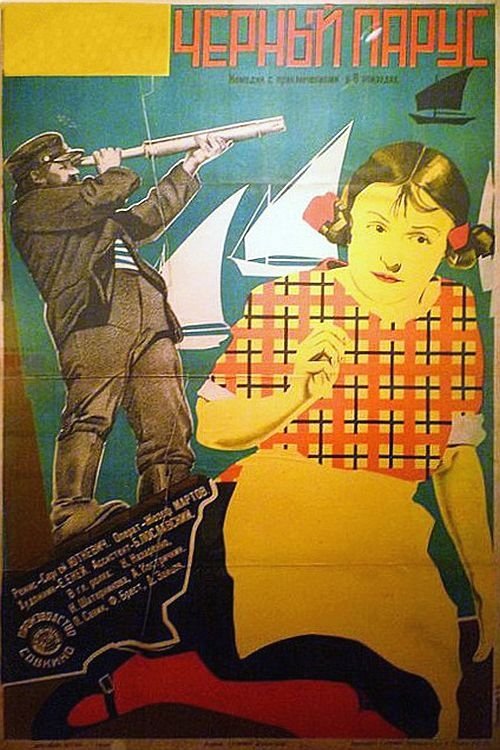
The struggle of the Komsomol members against private speculators for the surrender of fish to the state.
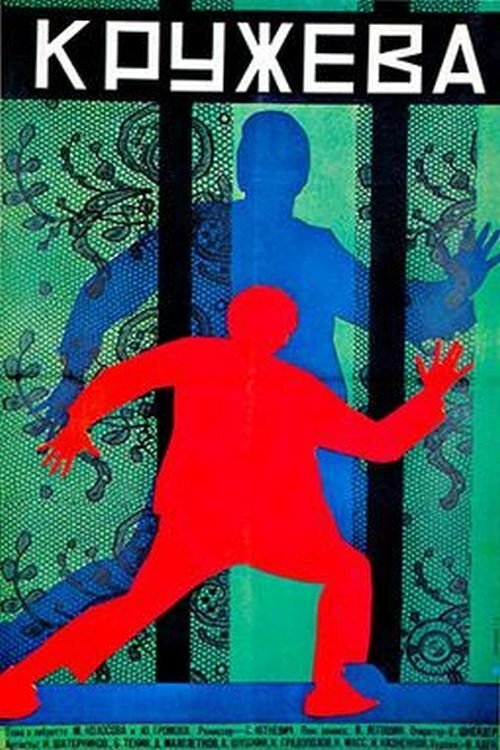
Since director Sergei Yutkevich was a longtime lover of American slapstick, his first films were imbued with a playfulness and cheeriness not typical of Russian cinema. And Kruzheva is a good example of that as he illustrates the friendly rivalries between the youths on village in both a very rough and clowning way.
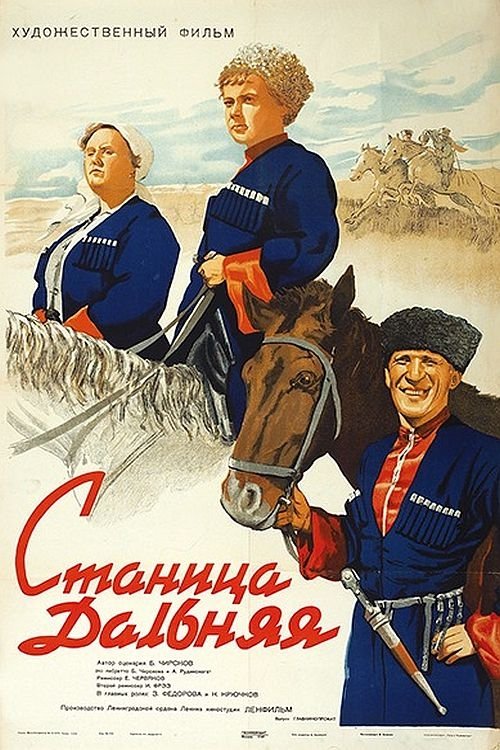
Military maneuvers are being conducted in the Kuban villages of Dalnyaya and Kochevskaya, with the participation of village Cossack detachments. The Kochevskaya reconnaissance unit is led by the dashing Cossack Mikhail, while his fiancée Dasha Gorkunova is a communications officer for the "enemy" unit. Dasha cleverly deceives her "enemy" and, having escaped from her pursuers, gives instructions to "her own."
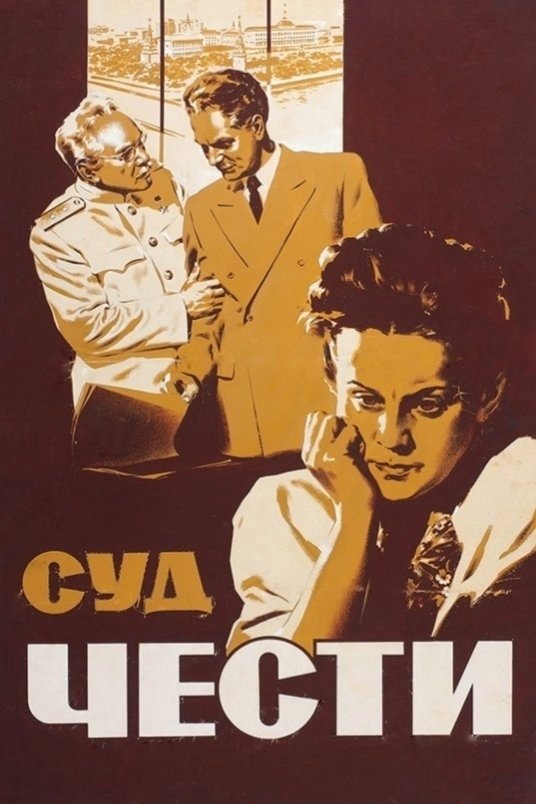
The movie tells about the life of Soviet scientists. Professor Dobrotvorsky, together with his colleague Losev, is on his way to completing a scientific work of great importance in medicine. Professor Dobrotvorsky's friend Academician Vereisky learns from a foreign journal that important data about this work has fallen into the hands of American businessmen.
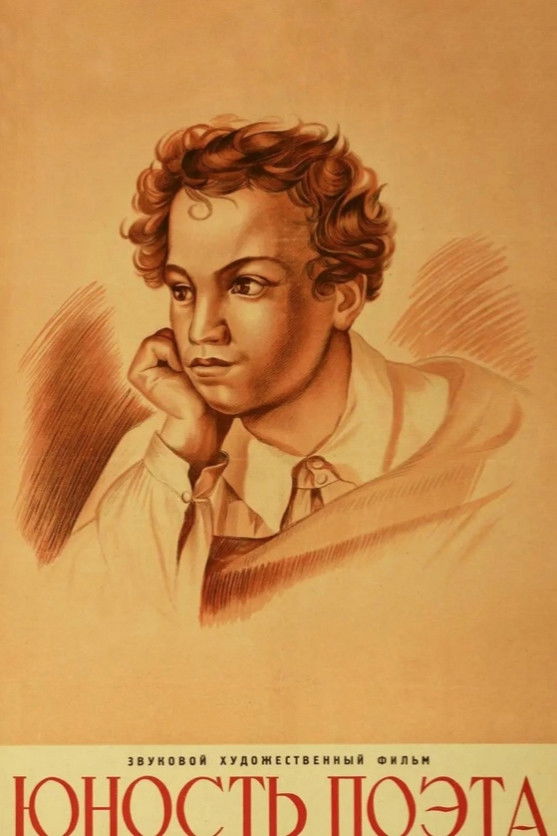
Biographical film "Youth of the poet", dedicated to Pushkin-Lyceum student. At the 1937 world exhibition in Paris, the film was awarded a gold medal. The Director managed to accurately recreate the historic era, to convey the atmosphere of the Tsarskoye Selo Lyceum in the years of the formation of the poetic genius of Pushkin.

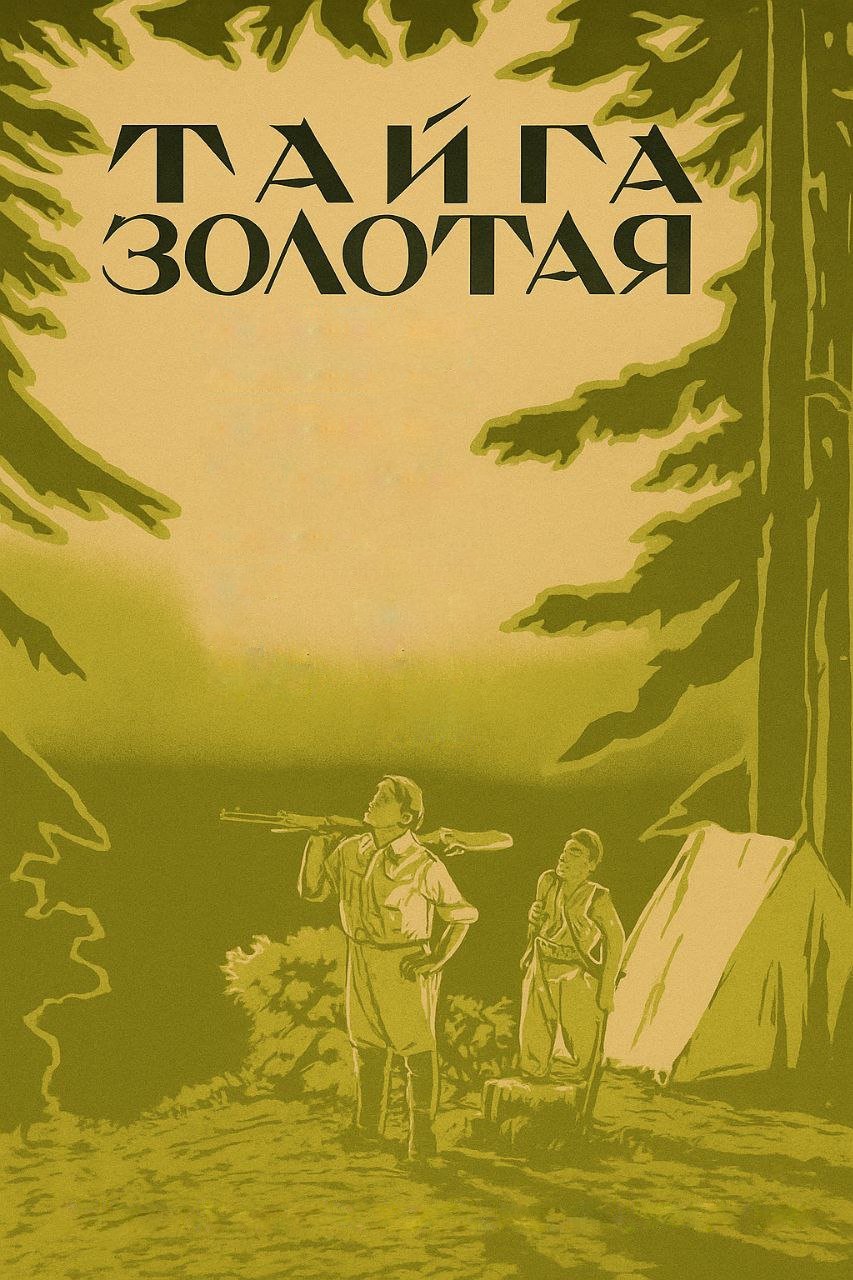
A comedy from the life of Soviet gold prospectors at a mining site.
A screen adaptation of excerpts from Jack London's dystopian novel of the same name describing the rise of the Oligarchy (the "Iron Heel") in the United States. The film was meant to be screened during theatre performances performed by the same actors.
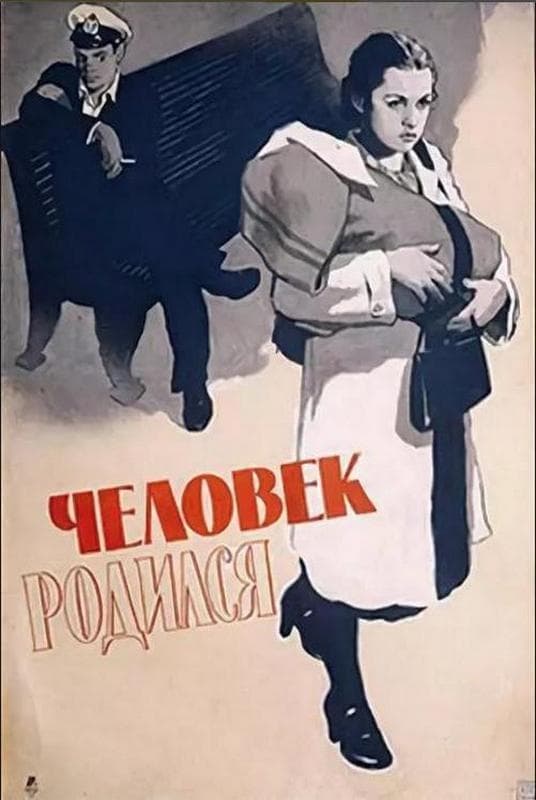
A story of a young girl going through the number of hard events in her life.
Partially lost.