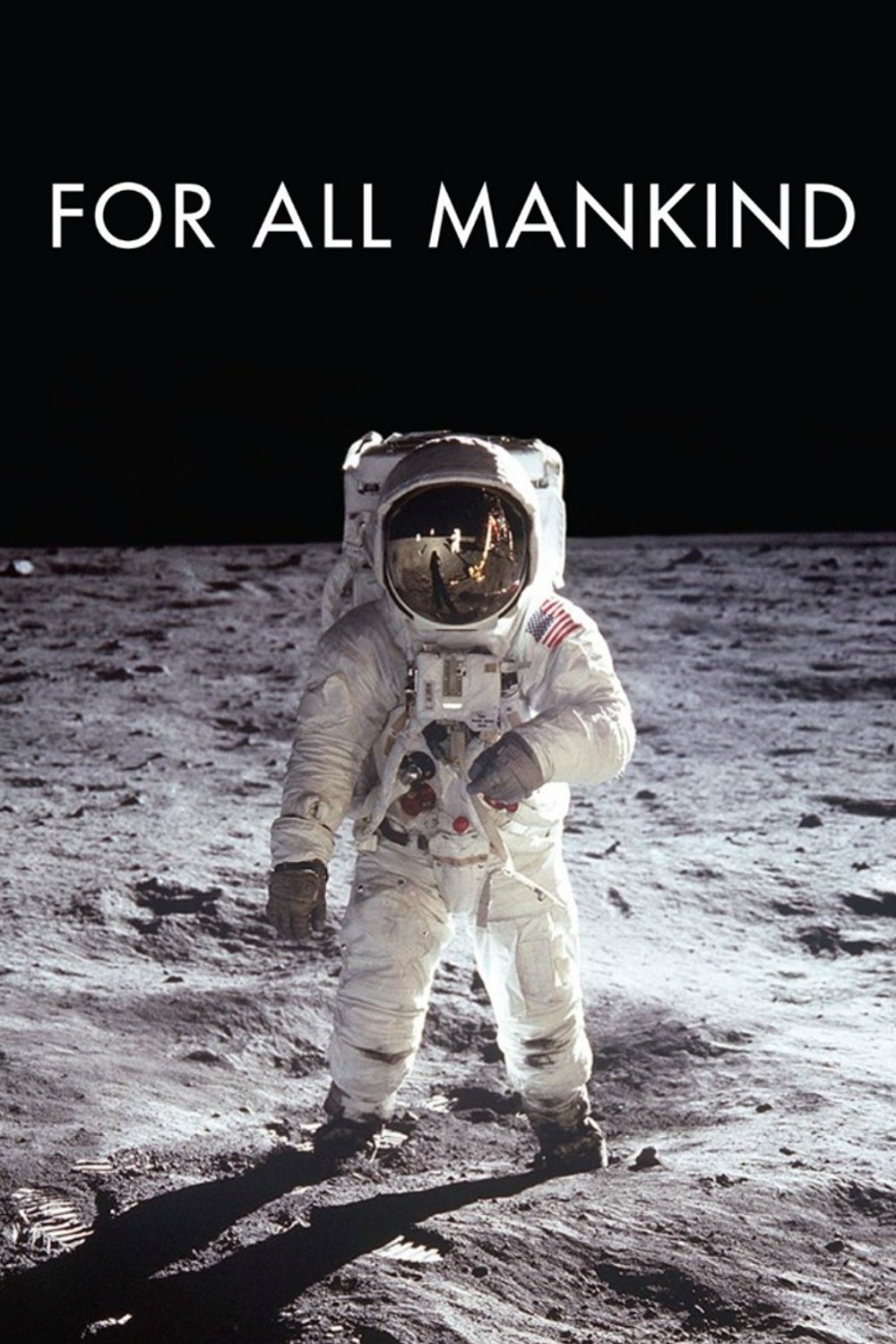
A testament to NASA's Apollo program of the 1960s and '70s. Composed of actual NASA footage of the missions and astronaut interviews, the documentary offers the viewpoint of the individuals who braved the remarkable journey to the moon and back.
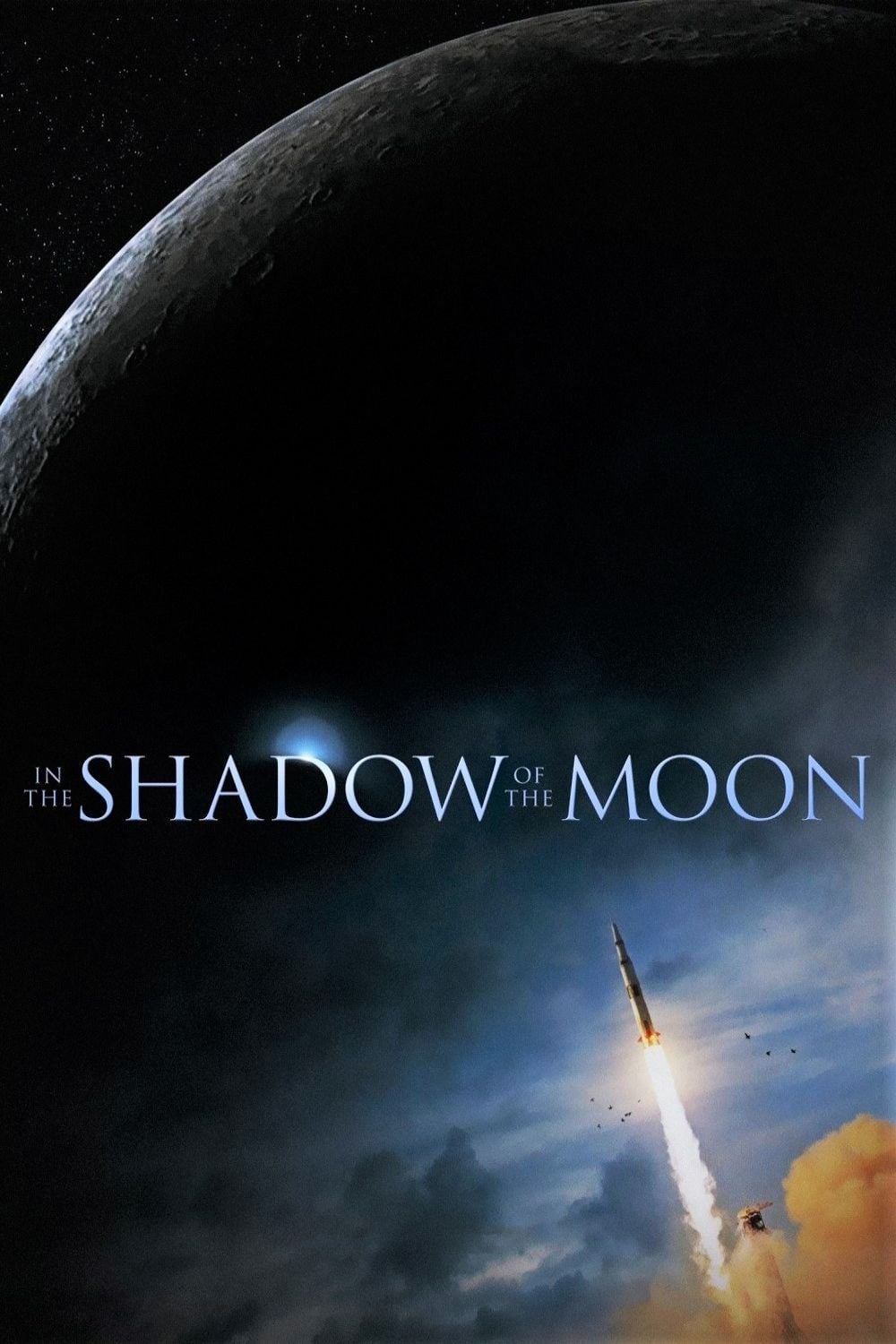
Archival material from the original NASA film footage – much of it seen for the first time – plus interviews with the surviving astronauts, including Jim Lovell, Dave Scott, John Young, Gene Cernan, Mike Collins, Buzz Aldrin, Alan Bean, Edgar Mitchell, Charlie Duke and Harrison Schmitt.
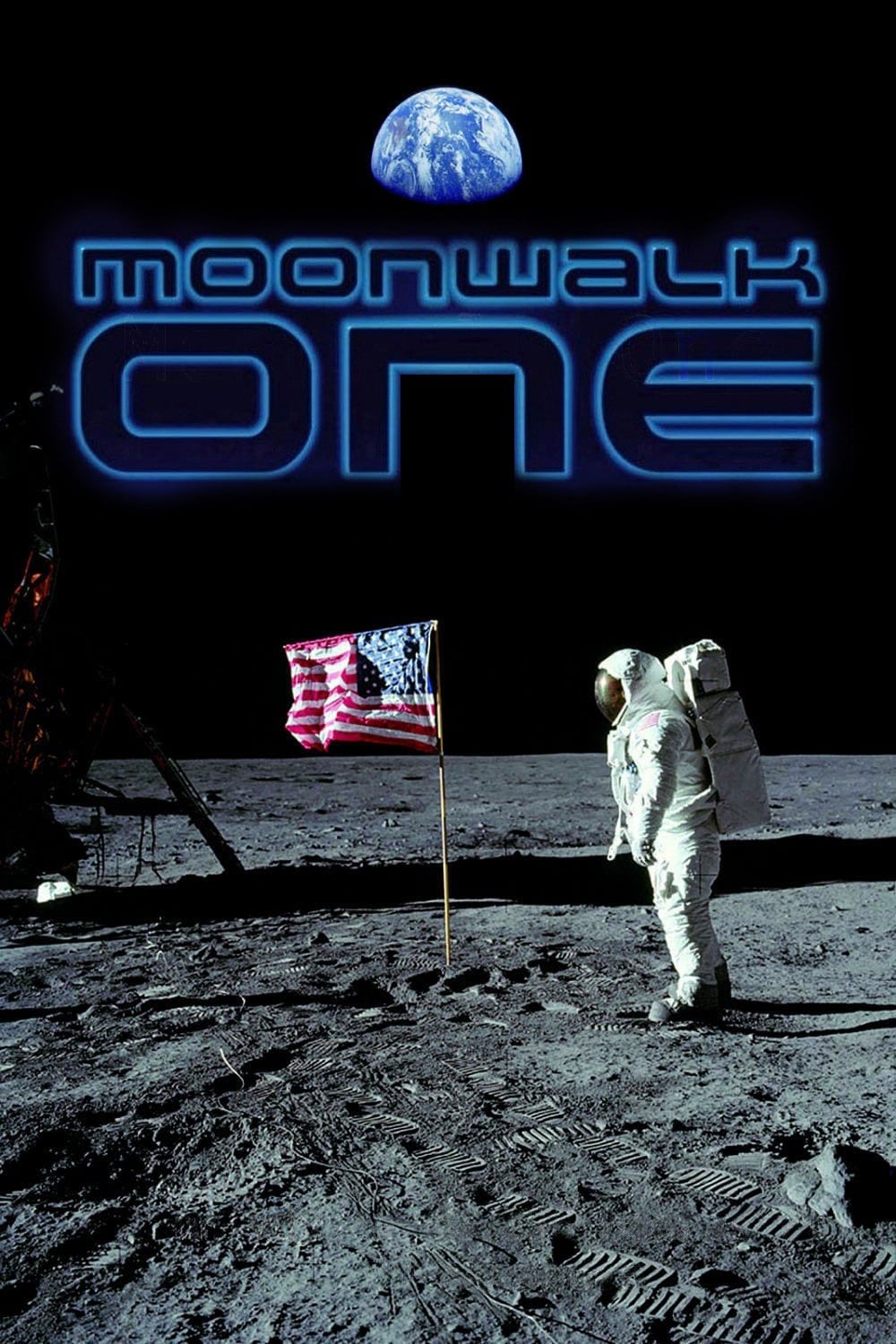
This documentary by Theo Kamecke from 1970 gives an in-depth and profound look at the Apollo 11 mission to the moon. NASA footage is interspersed with reactions to the mission around the world as the film captures the intensity as well of the philosophical significance of the event. Won special award at Cannes.
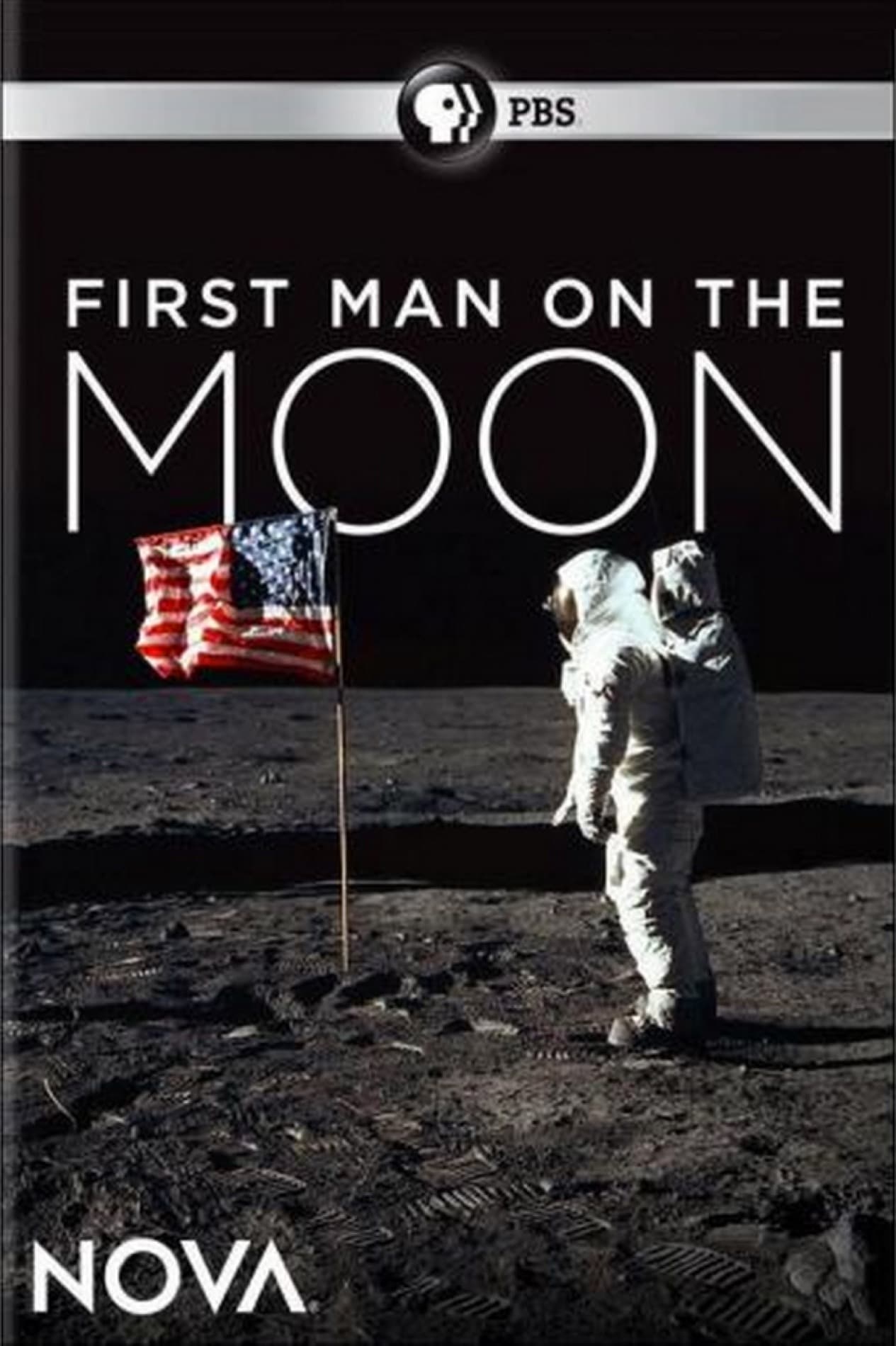
Neil Armstrong's family and friends, many of whom have never spoken publicly before, tell the story of the first man to set foot on the moon. Drawing heavily on unbroadcast archive footage and the unique perspectives of the contributors, this is an exclusive account of Neil Armstrong's extraordinary life story. From his childhood during America's Great Depression to the heady days of the space programme, his historic first step on the Moon and his famously private later life. Seen through the eyes of those who were with him, the film explores the man behind the myth, a man who was very much a product of his time. The film goes beyond his days as an astronaut and shows that his life after the flight of Apollo 11 was, in many ways equally challenging, as Armstrong came to terms with life outside NASA and the relentless demands of fame until his death in August 2012.
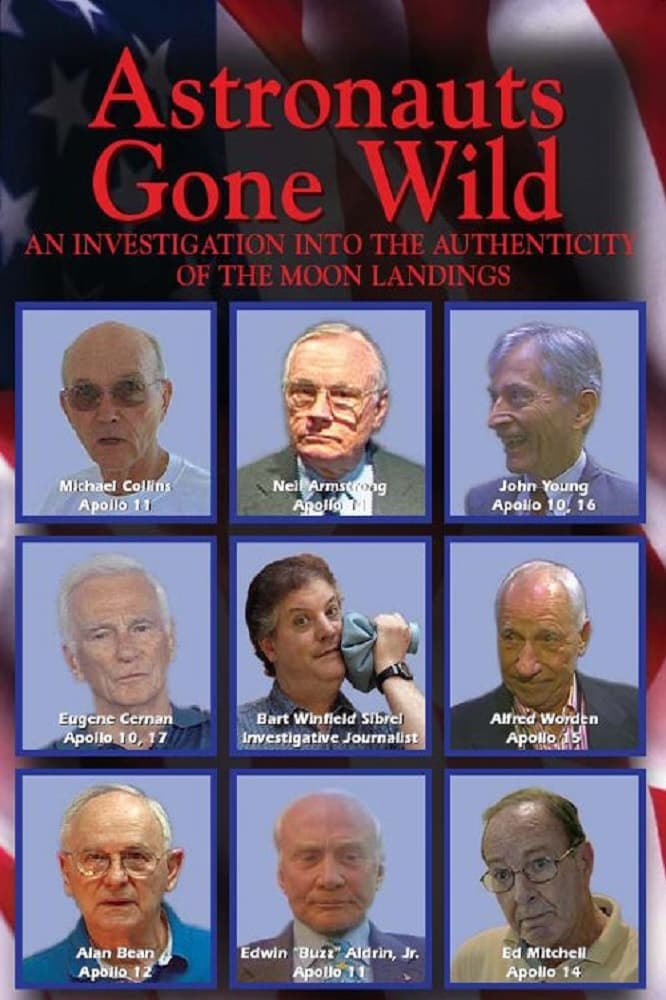
Astronauts Gone Wild: An Investigation Into the Authenticity of the Moon Landings is a 2004 documentary film produced and directed by Bart Winfield Sibrel, a Nashville, Tennessee-based filmmaker who charges that the six Apollo Moon landings in the 1960s and 1970s were elaborate hoaxes. Sibrel made this film as a follow-up to his 2001 video A Funny Thing Happened on the Way to the Moon, which accuses NASA of falsifying the Apollo 11 mission photography. The title of the film is a wordplay on the Girls Gone Wild video series.
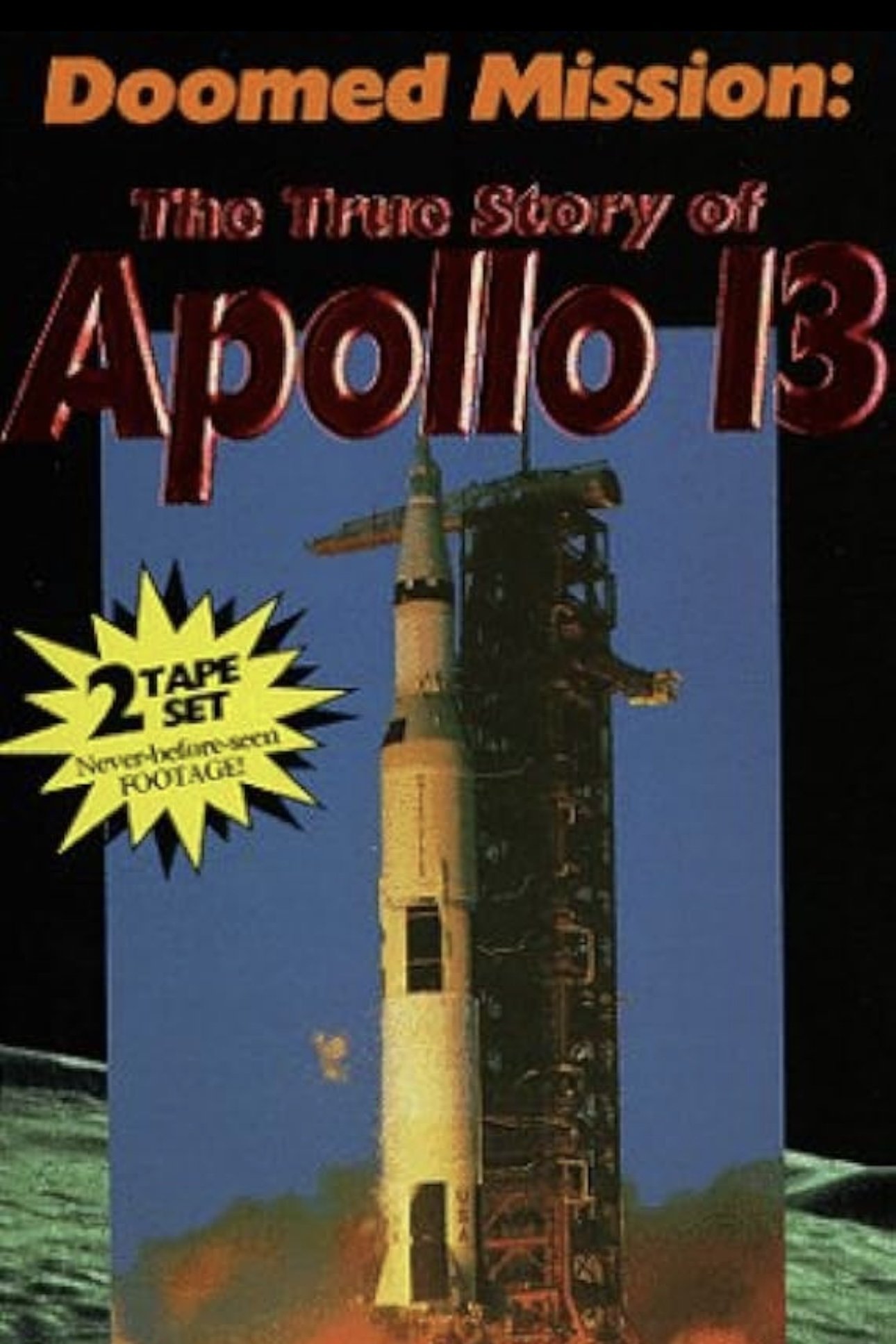
DOOMED MISSION: THE TRUE STORY OF APOLLO 13 is also the story of the highs and lows of the Apollo Space program. In man's quest to explore distant planets, many risks had to be taken. Some lives were lost in tragic accidents. On April 11, 1970, at 13:13 module after a military time the 13th Apollo 13 Mission was launched. On April 13th, at 9:07 p.m. oxygen tank two explodes. Minutes after the explosion, the crew evacuates the spacecraft and boards the lunar module. This tiny module has air for 2 men for 2 days. Now there are 3 men aboard and they are four days from home! Although the mission is a failure, the incredible rescue of the astronauts from certain death is one of the most exciting true stories ever told.

A unique documentary, profiling this historic mission through the eyes of all three astronauts and several top Nasa officials who participated in it.
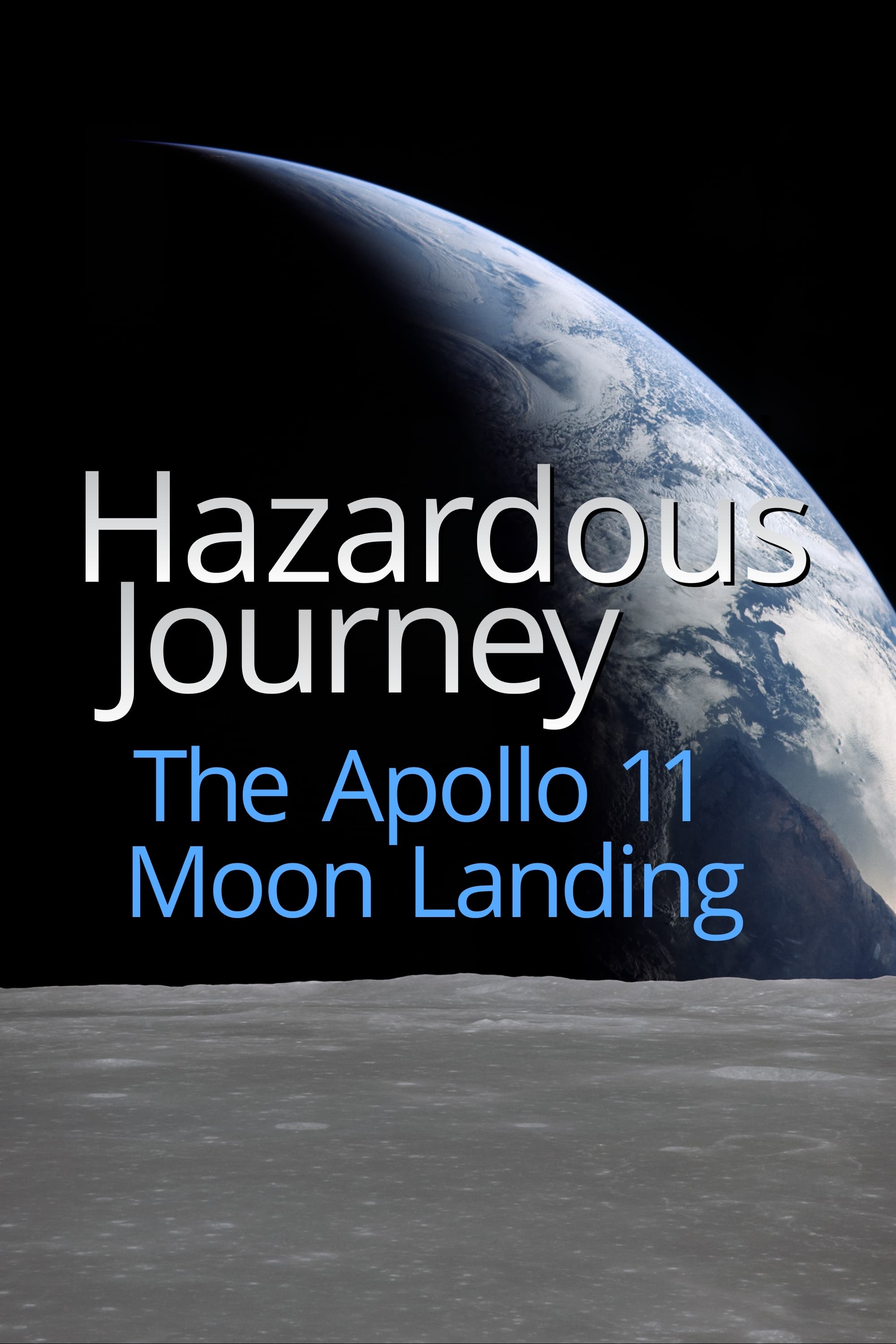
July 1969. Astronauts Neil Armstrong and Buzz Aldrin are 240,000 miles from earth facing the most hazardous venture in the history of space flight; the first human landing on another world. They'll succeed, abort, or die in the attempt.

Recently discovered footage reveals the secret history of NASA's first landing on the moon, and using this brand-new evidence, former astronauts and experts challenge everything known about the Apollo missions.
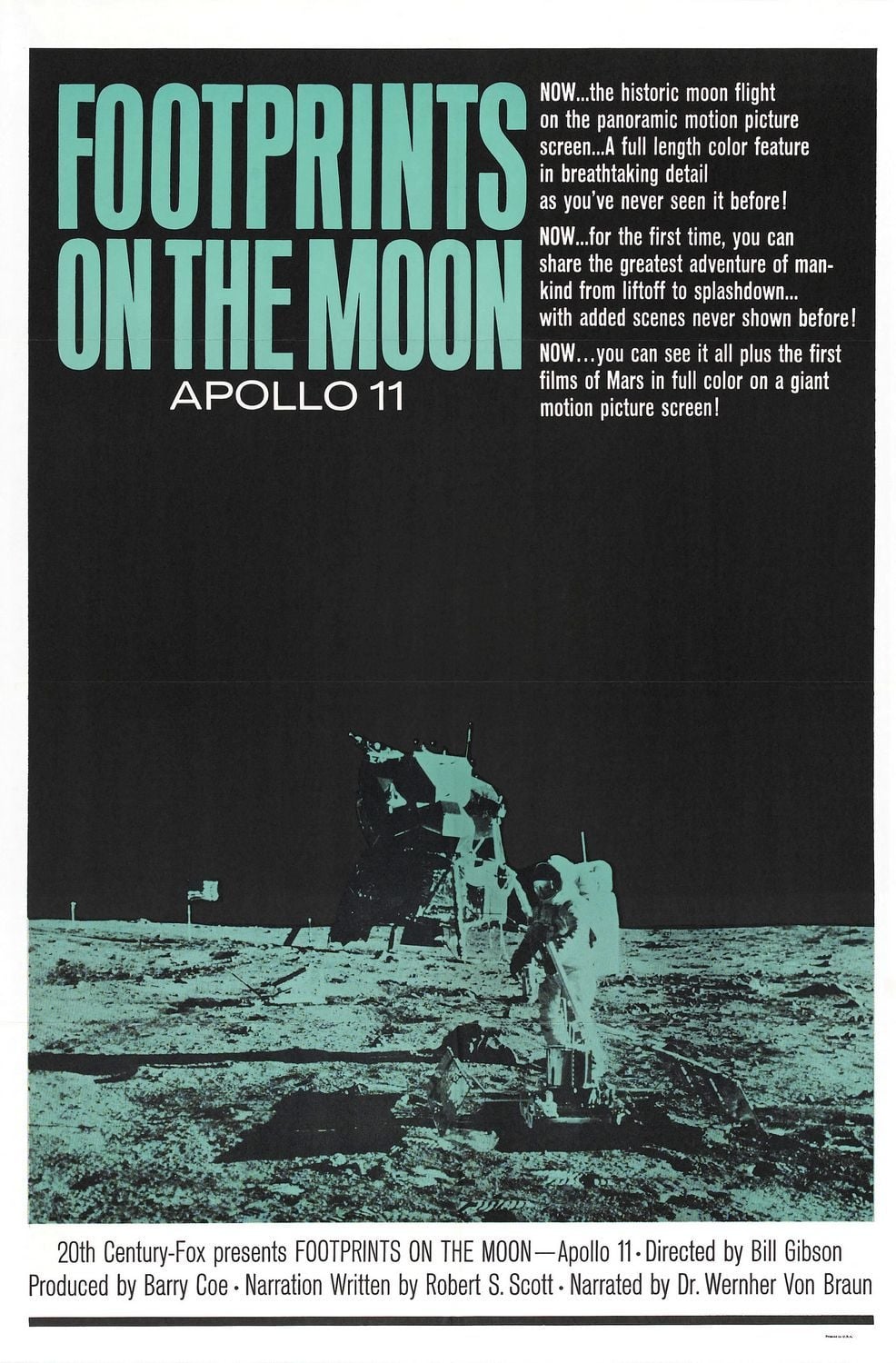
1969 documentary film covering the flight of Apollo 11 from vehicle rollout to splashdown and recovery.
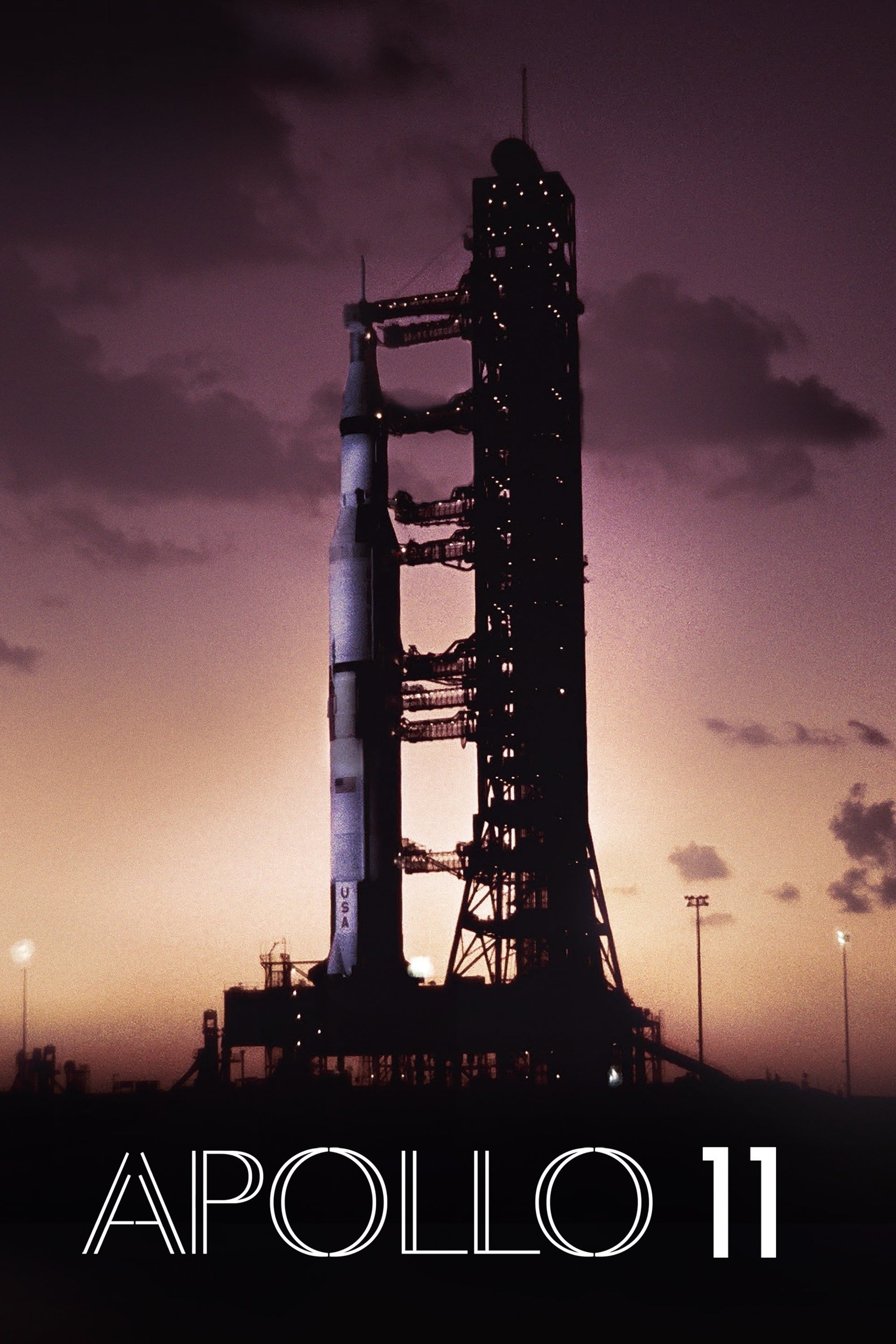
A look at the Apollo 11 mission to land on the moon led by commander Neil Armstrong and pilot Buzz Aldrin.
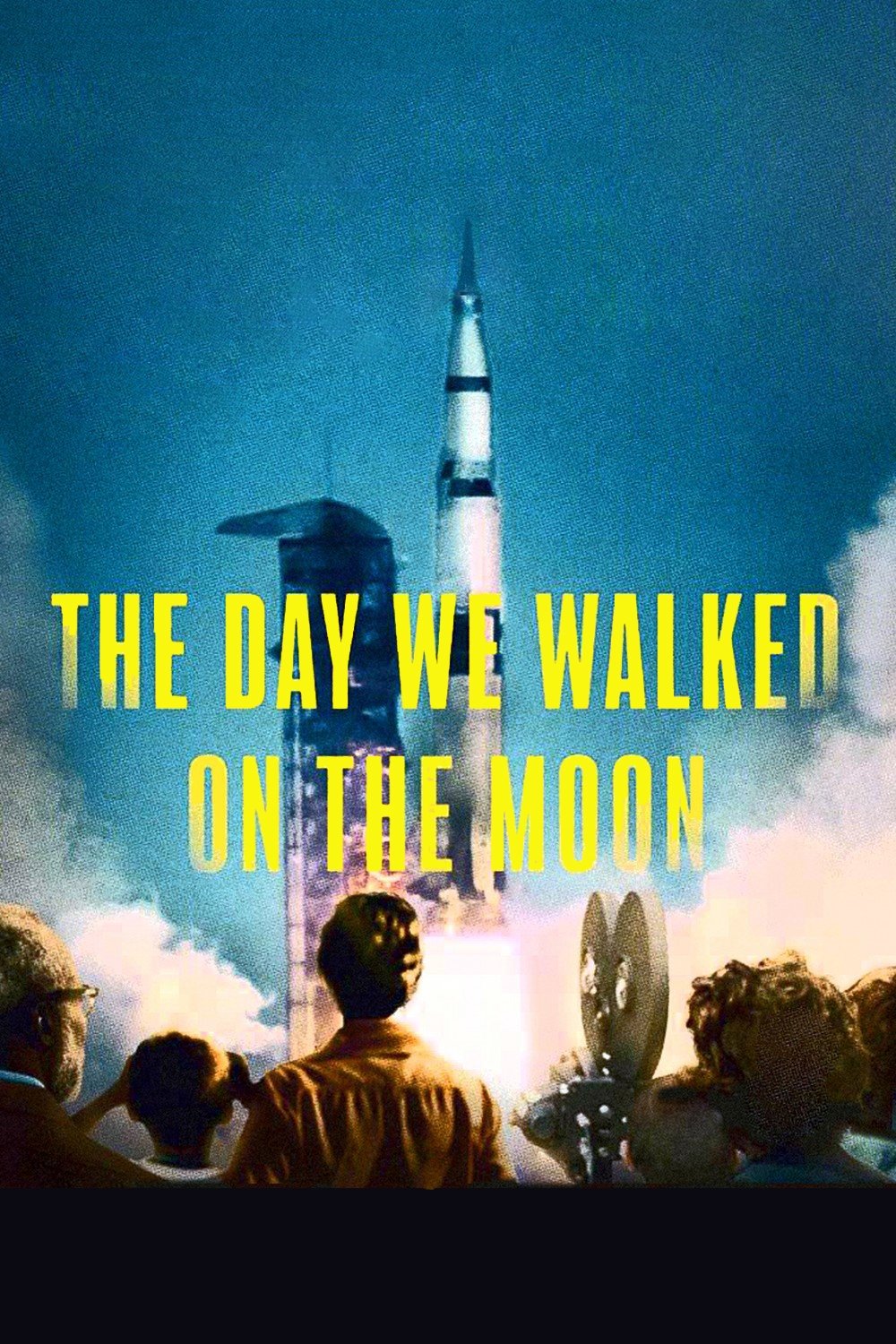
On July 16, 1969, hundreds of thousands of spectators and an army of reporters gathered at Cape Kennedy to witness one of the great spectacles of the century: the launch of Apollo 11. Over the next few days, the world watched on with wonder and rapture as humankind prepared for its "one giant leap" onto the moon--and into history. Witness this incredible day, presented through stunning, remastered footage and interviews that takes you behind-the-scenes and inside the spacecraft, Mission Control, and the homes of the astronaut's families.

As a fan of Albert Camus and Jean-Luc Godard, teenage Nick Twisp is definitely out of his element when his mother and her boyfriend move the family to a trailer park. When a pretty neighbor named Sheeni plays records by French crooners, it's love at first sight for frustrated and inexperienced Nick. Learning that she is dating someone, Nick launches a hilarious quest to find his way into Sheeni's heart -- and bed.
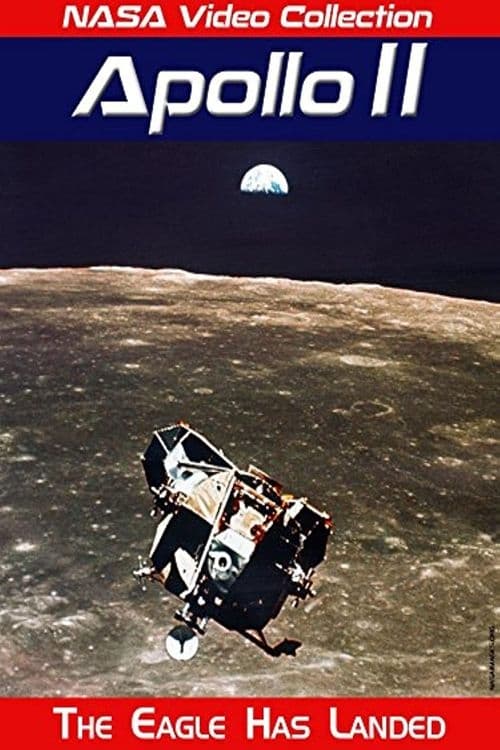
A 1969 documentary on the Apollo 11 mission to the Moon made by NASA, telling the story of the historic first landing of men on the Moon in July, 1969. It depicts the principal highlight events of the mission from launching through post-recovery activities of Astronauts Neil Armstrong, Edwin "Buzz" Aldrin, and Michael Collins. Through television, motion picture and still photography, the film provides an "eye-witness" perspective of the Apollo 11 mission.
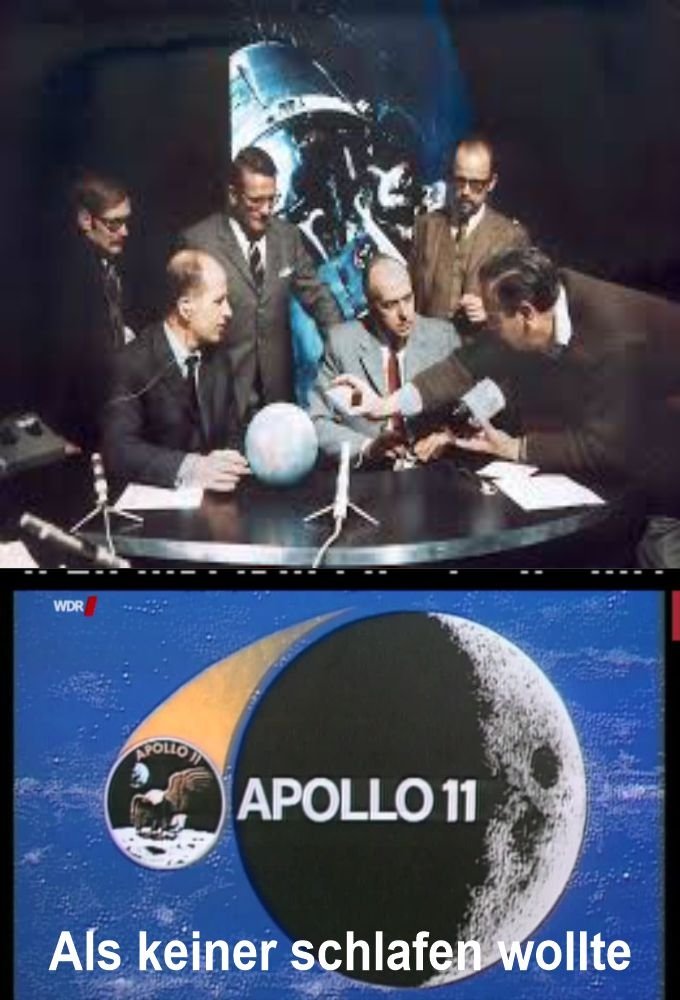
The Other Side of the Moon features eight Apollo astronauts who intimately share their experience of going to the moon, describing what happened to them while they were there, and how their lives have been shaped by the experience in the 20 years after.
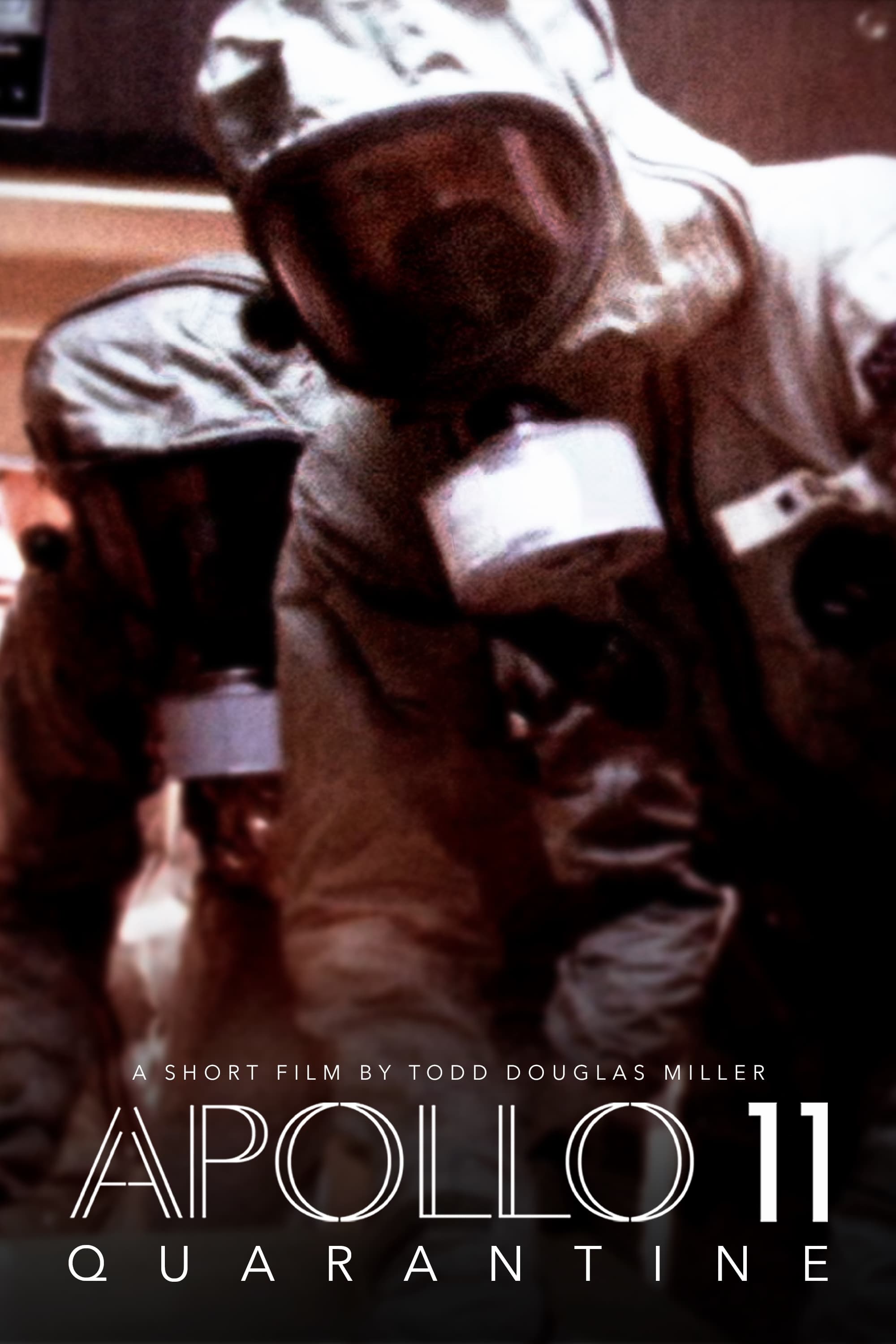
Summer 1969. The astronauts of Apollo 11 successfully land and walk on the moon. The crew will now quarantine for 21 days following contact with lunar material.
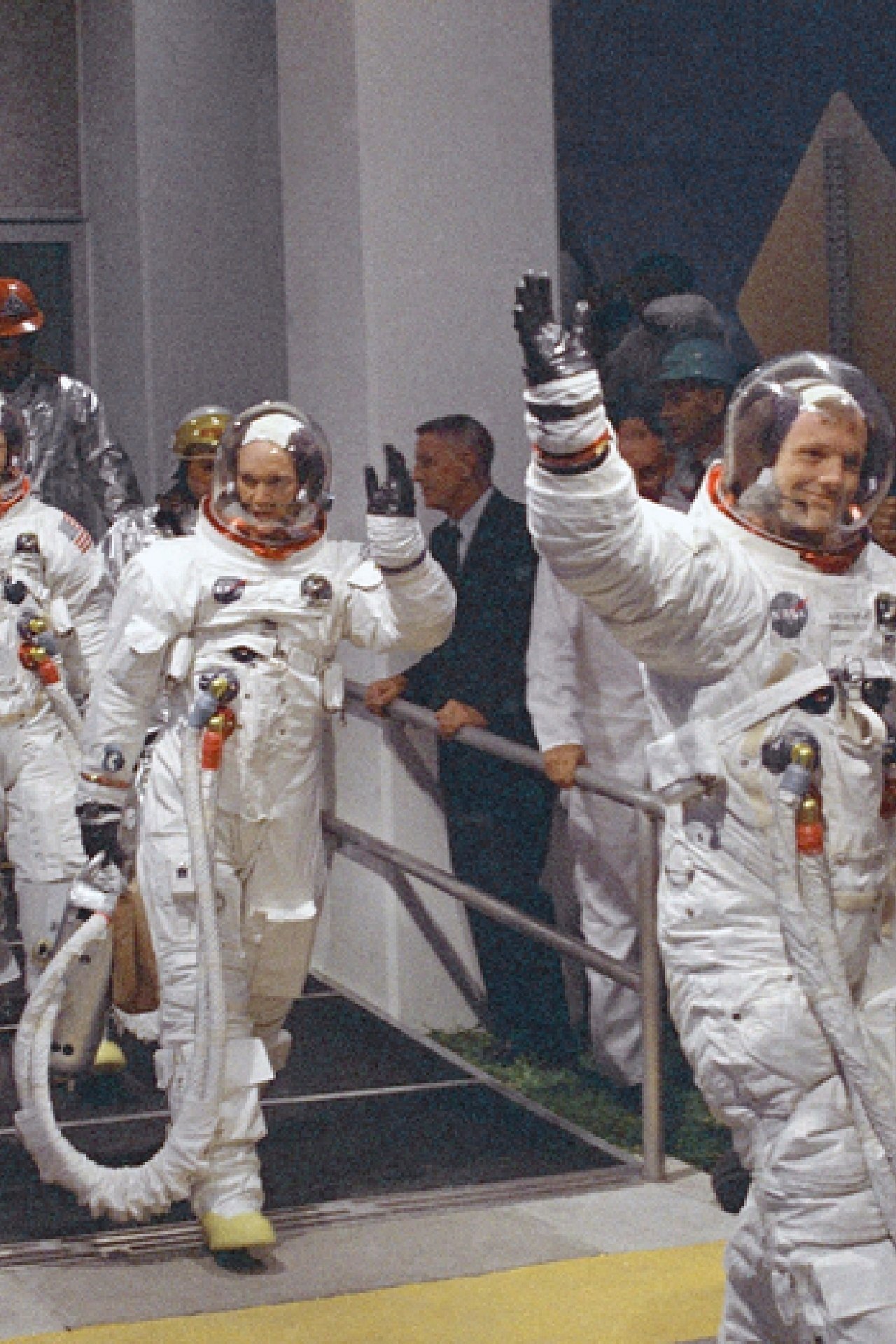
A collection of excerpted on-screen interviews with fifteen of the Apollo astronauts.
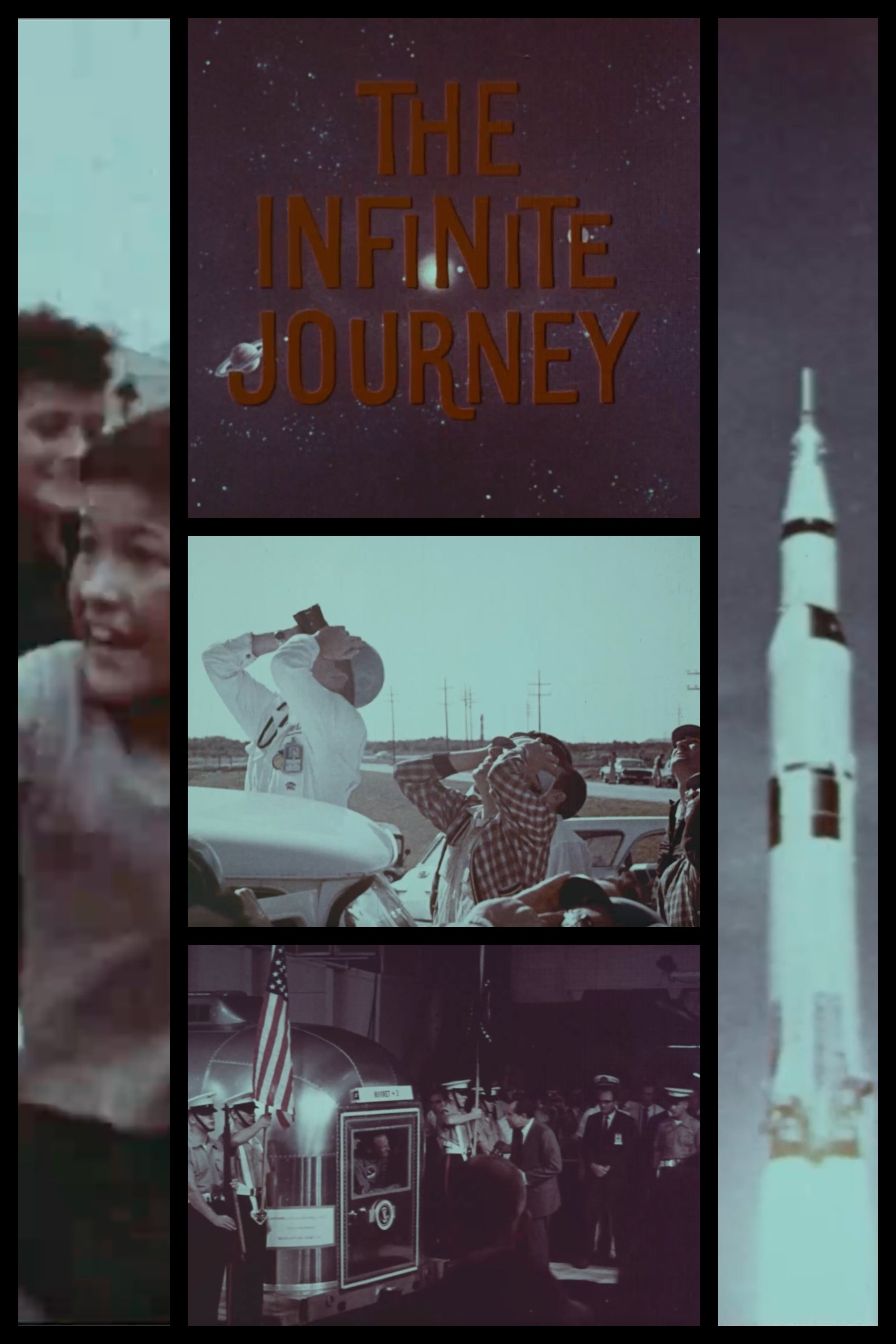
"This film traces the history of mankind's aspirations to reach the moon, giving credit to the many levels of scientific genius that made the Apollo 11 flight and moonwalks possible. The program documents the Apollo 11 mission, as well as earlier flights, post-flight appearances by astronauts in various countries, and the reactions of people throughout the world as they watched or read about the historic achievement" (US National Archives). The version that the National Archives currently holds is a shortened 60-minute cut, with the original being 92 minutes.