Three out of work actors breaks into a bank through the toilet of a railroad station.

The family Gyldenkål is actually called Iversen, but have changed their name, after numerous problems with the IRS, loan sharks and employers. Using clever scams, the family builds up a reputation as a wealthy and respectable part of society.
It all happens over two days and—naturally—and in particular—two nights. A perfectly ordinary girl gets herself into a lot of trouble because of her slightly too big heart, which exposes her to trials and temptations she cannot overcome without the help of little white lies and pretence. She manages to overcome almost all obstacles, but loses her heart.
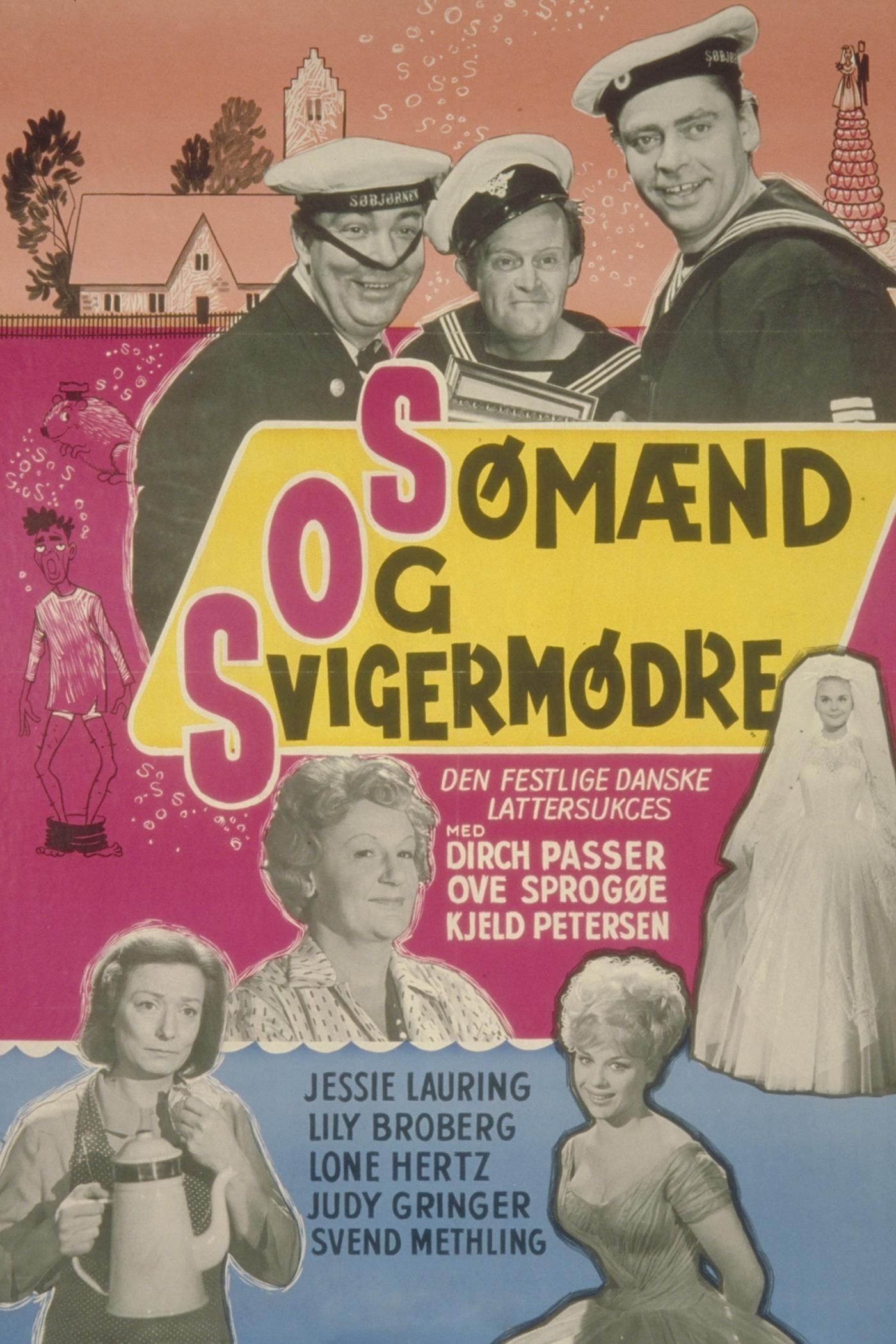
Peter arrives in Helsingør to marry Bitten. He is accompanied by Kanusti, who is to be his best man. However, upon arrival, his mother-in-law's dislike of Peter is immediately apparent. When Peter later finds out that Bitten wants them to live three houses away from her mother, Peter does not show up for the wedding. However, thanks to Kanusti's intervention, Bitten and Peter are reunited.

The protagonist is a jovial bus driver, well beloved by his passengers, essentially the whole community around him. The bus, however, is old, and needs to be replaced. The bus driver himself is also needed as a handyman for all the people around him, assisting with stray cattle, household machines, children's homework, errands of all kinds, and at one occasion, assisting birth. Progress is however leaving him behind, and the local county council plots on a solution, involving a new bus and driver. The community revolts, and the local midwife (married to the mayor) intervenes with all the locals to keep the bus driver, who ends up keeping his job in a new bus.

The four kids, Julian, Dick, Georgina and Anne plus the dog Tim go on a bike-trip without any grownups around, but they are soon followed by a another boy, Richard, who is pursued by kidnappers.
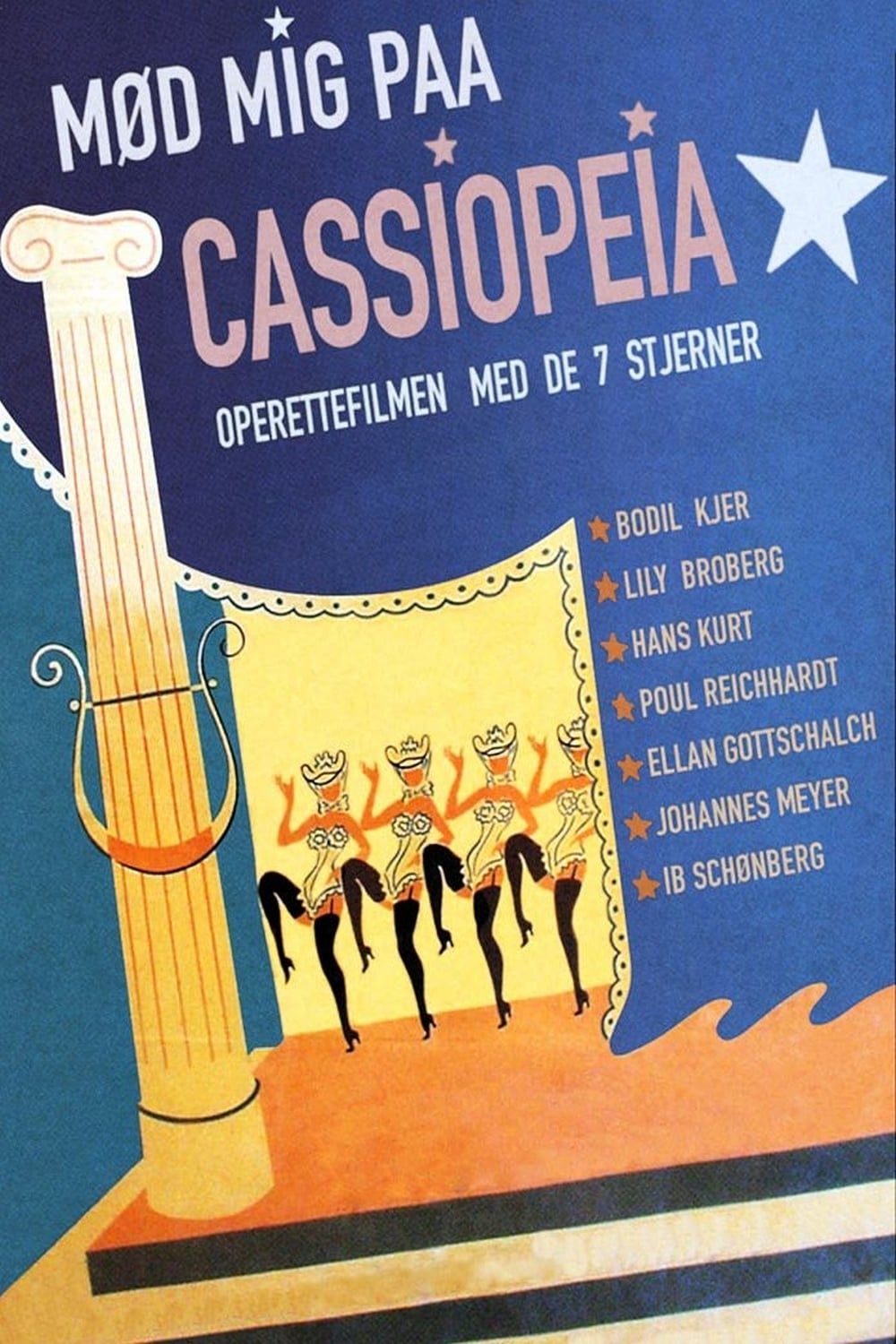
Composer John Berger is plagued by marital problems and struggling with a deadline for the music for an operetta. When he is visited by the muse of music, Polyhymnia, the melodies begin to flow, but she also causes a lot of complications in his earthly life. Like John's wife Irene, she falls in love with flight lieutenant Harry, while her father Zeus looks on disapprovingly and decides to intervene. Meanwhile, the premiere of the operetta is fast approaching.

The children Julian, Dick and Anne spends a summer holiday at the Kirrin Farm, where there cousin Georgina lives with her dog Tim, and her parents. The tomboyish Georgina is punished for her poor school performance, and her father hires a private teacher.
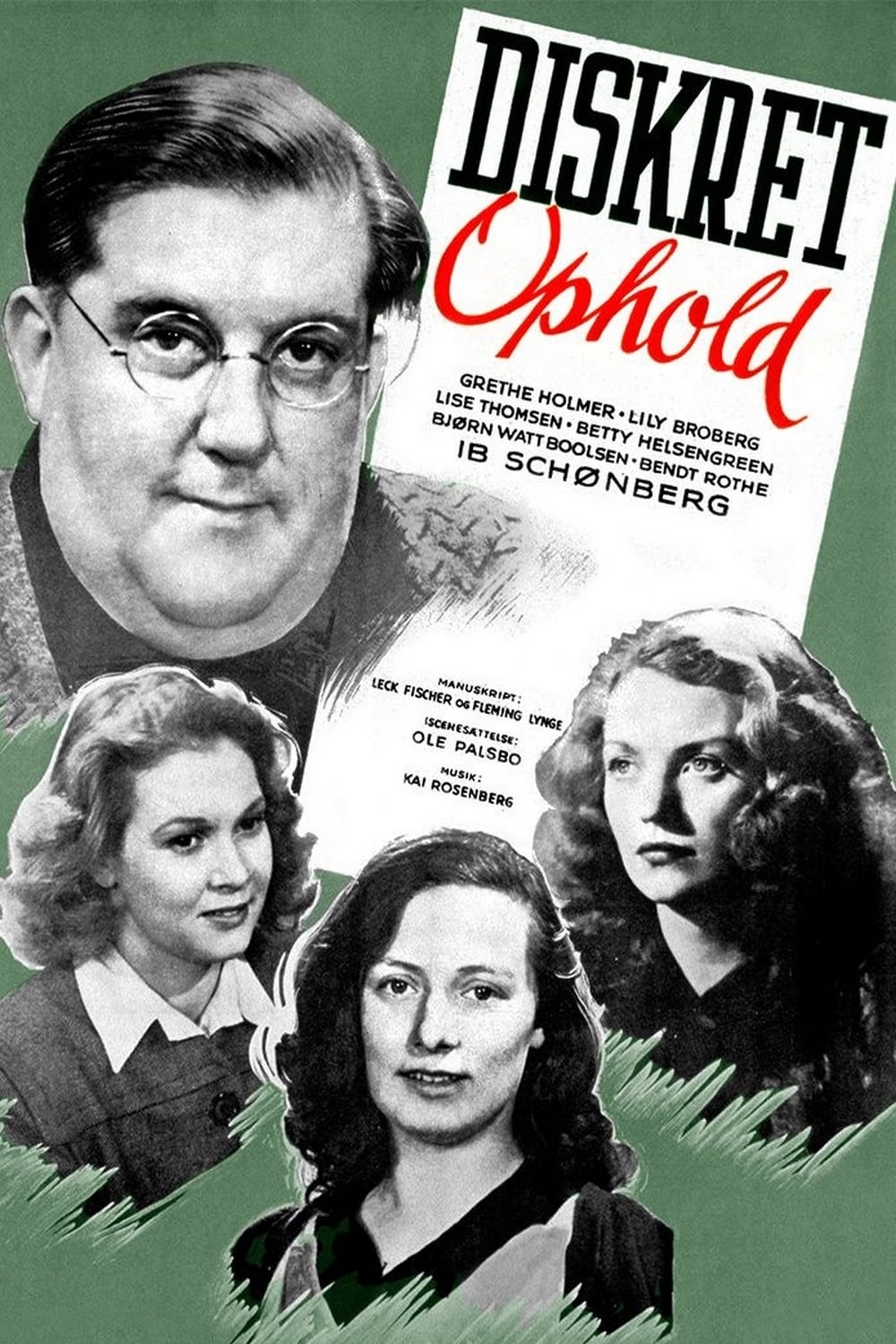
In order to supplement the family income, Marius Bastrup rents his unused rooms to young women looking for a "discreet stay." The drama in the film revolves around the young women and their circumstances, especially as it relates to one girl's abortion.
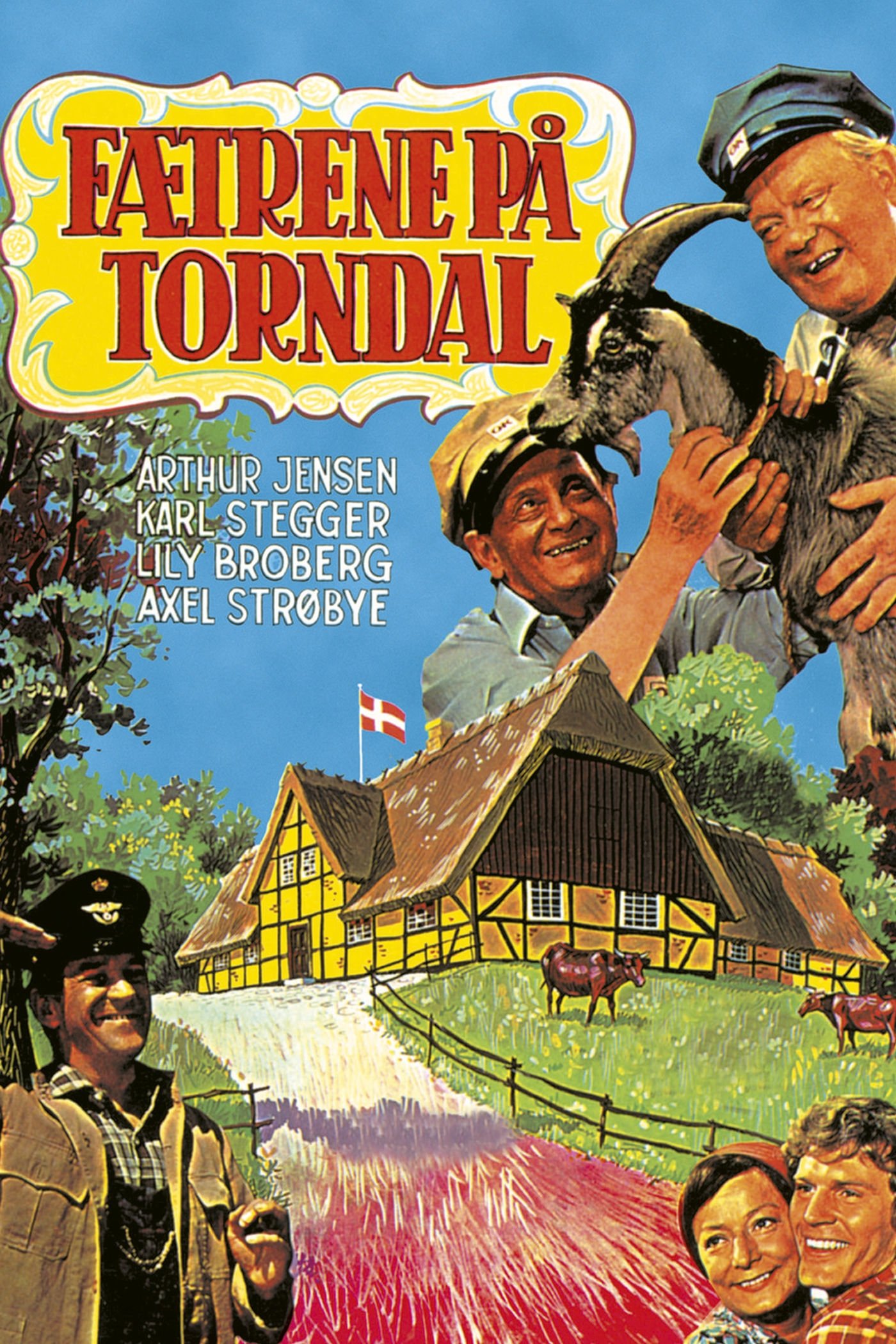
Werner (William Rosenberg) is an inspector for group of farmes called Digeskov. Left alone by Digeskovs owner, Werner is tricking small neighboring farmes out of there land. The owners doughter find out and stops Werner and she falls in love with a young poor farmer from a neighbor farm.
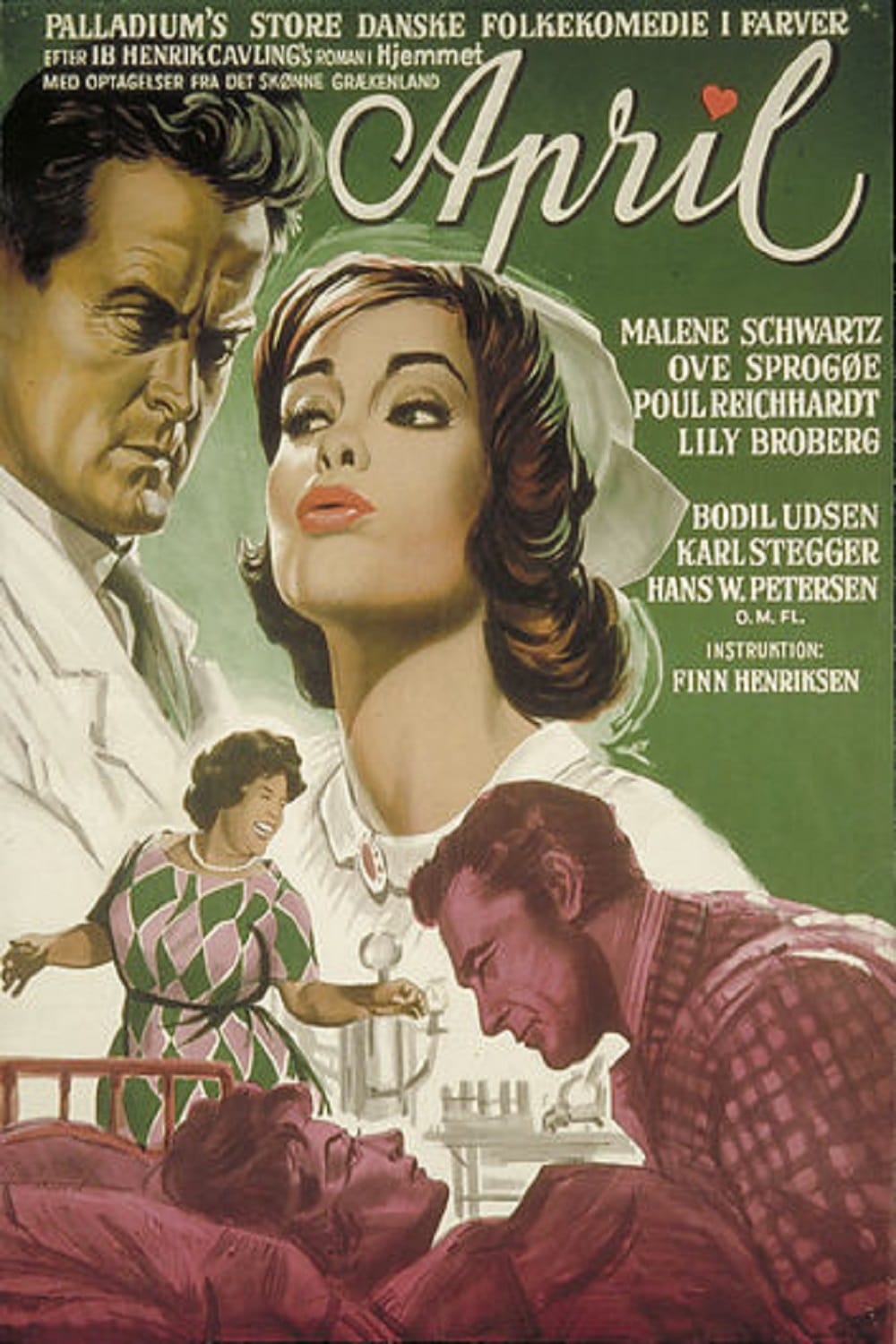
Miss April Bergen is a skilled nurse with a secret crush on Dr. Vagn Jochumsen. Unfortunately, he is not really interested in anything other than his career, where he has just discovered a new vaccine. But then he has to go to Greece to exchange experiences with his Greek colleagues. And April is going with him. While the doctor may be a little too distracted and detached when it comes to love, the same cannot be said of the Greek doctors. Now, perhaps, the doctor will wake up from his slumber. Follow Miss April's countless maneuvers in this sparklingly funny film adaptation. It is pure Danish folk comedy spiced with Greek folklore and sunny humor.
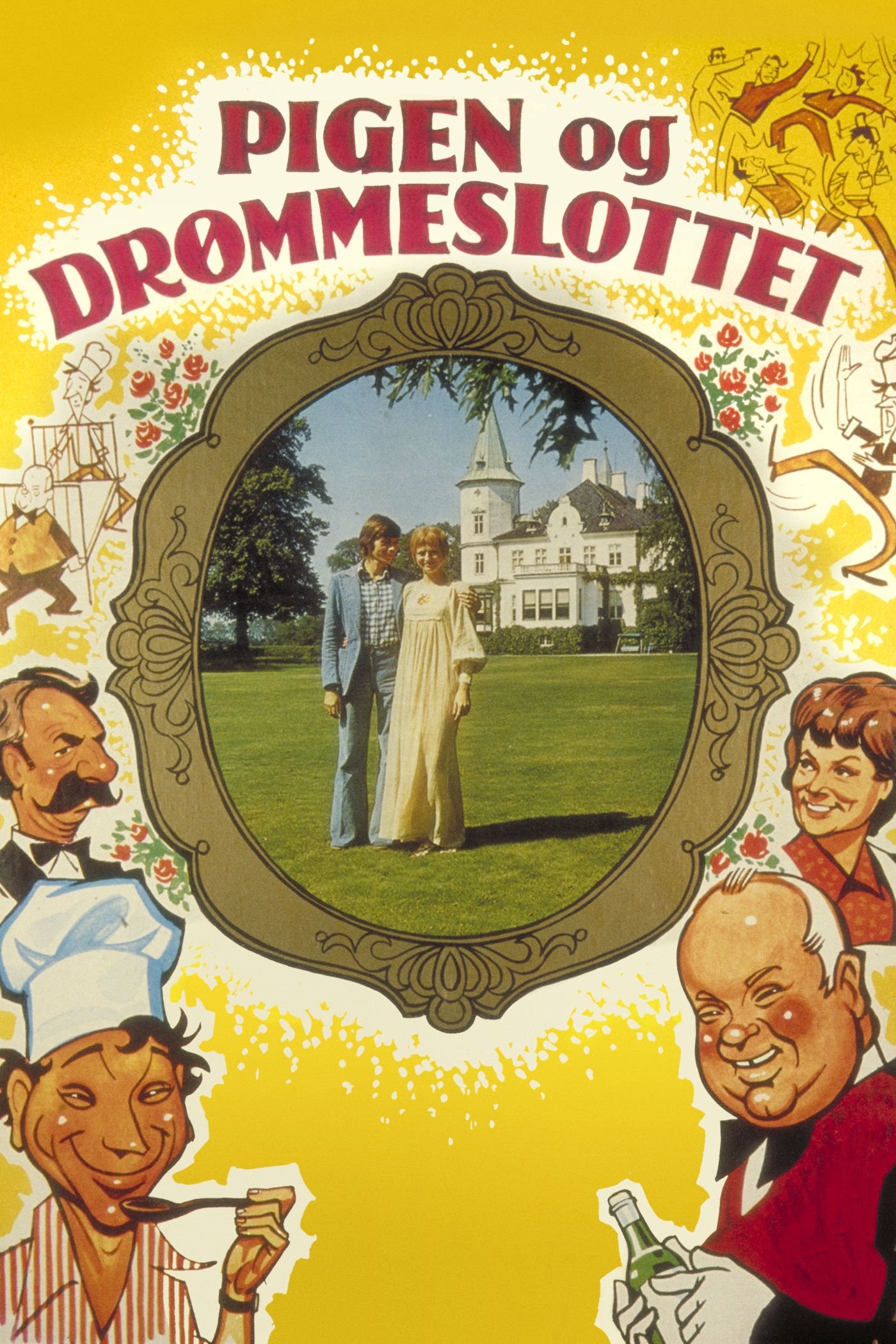
Tine is in love with the young owner of a beautiful castle, Karsten. She has been dreaming about the castle since she was a small child and visiting her auntie, who is a neighbor to the castle. But an evil plot has been made to take the castle from Karsten.
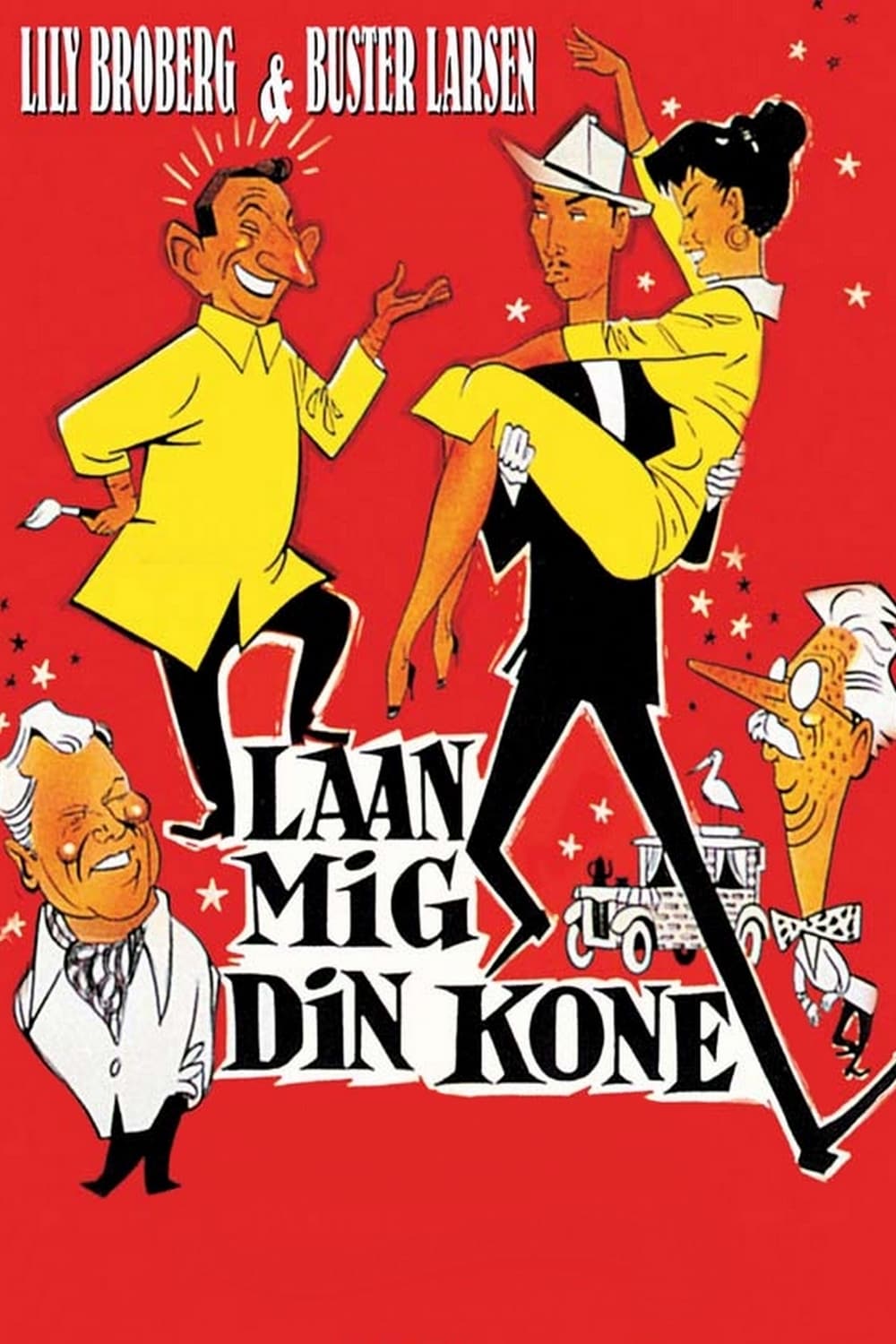
Sales manager Lund sees an opportunity to become deputy director at the baby equipment company where he works. Unfortunately, he has neither a wife nor a baby. These are qualifications that both his boss and a rival colleague consider essential. Lund therefore pretends that he has been married for a long time. However, this little white lie has unforeseeable consequences when his boss invites Lund and his wife to dinner. Lund has to find a wife to borrow, and the complications unfold at a furious pace.
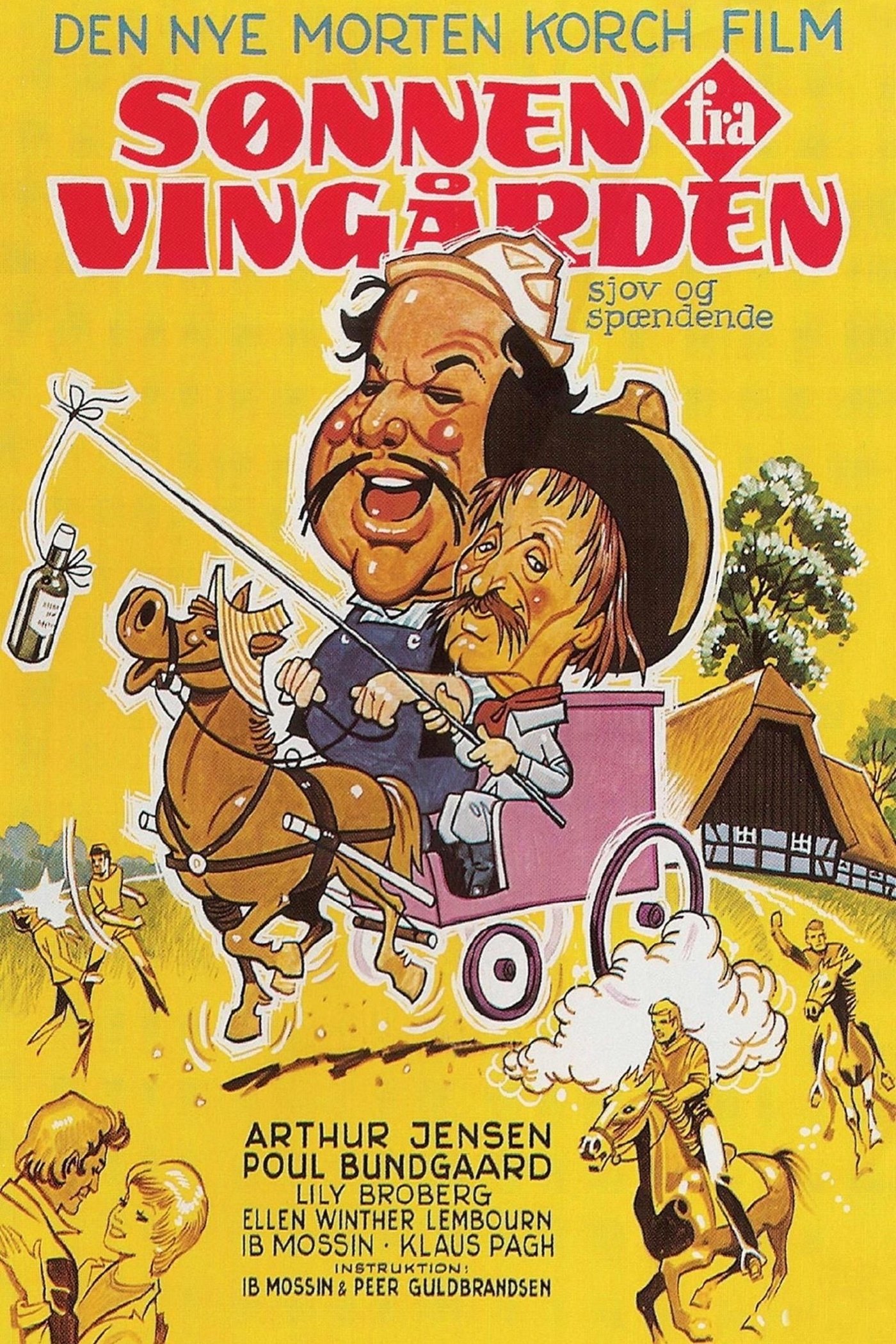
The vineyard is facing demolition. It has been 30 years since Uncle Olsen died, and after 30 years, the farm must be sold if no one in the Martin family wants to buy it. When a Danish-American arrives in the small town, Jacobsen sends Nicoline to investigate the stranger's room. Erik Hein, born Martin, tries to buy the vineyard but is prevented from doing so. Instead, he buys Sophienberg. Many years ago, Erik's father signed a confession of embezzlement against the vineyard. Erik believes in his father's innocence and gets help from some of the town's righteous residents to prove his father's innocence.
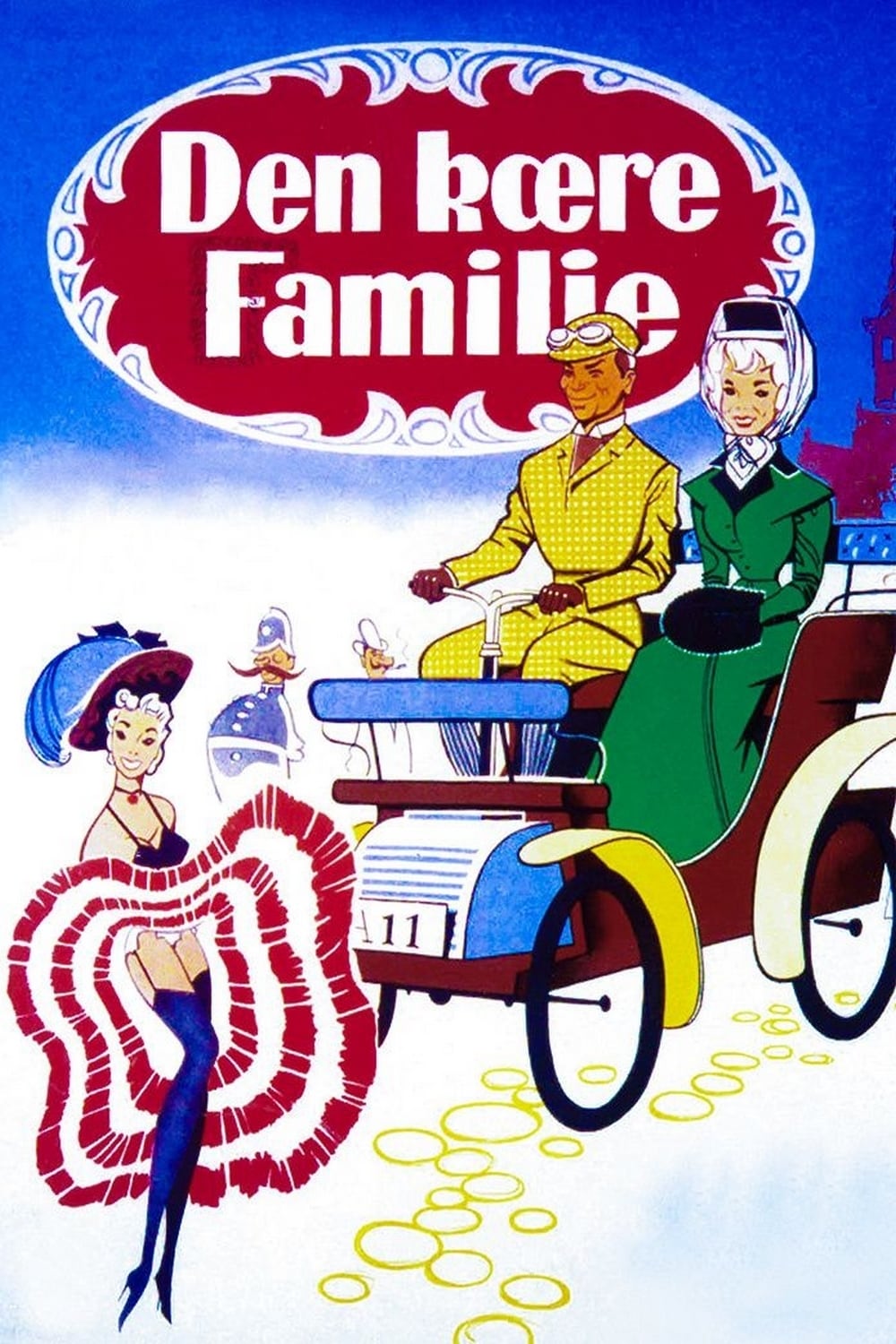
Copenhagen around the turn of the century - December 29th, 1899. Great merchant and shipowner Jacob Friis is one of Copenhagen's richest men. His home is the gathering place for family and friends. Since his wife's dead 10 years earlier, he shares sense of family and business acumen with his three daughters. Jacob wants to find a nobleman for his daughter Emily. Baron Claes is a very charming gentleman, but also a great womanizer...
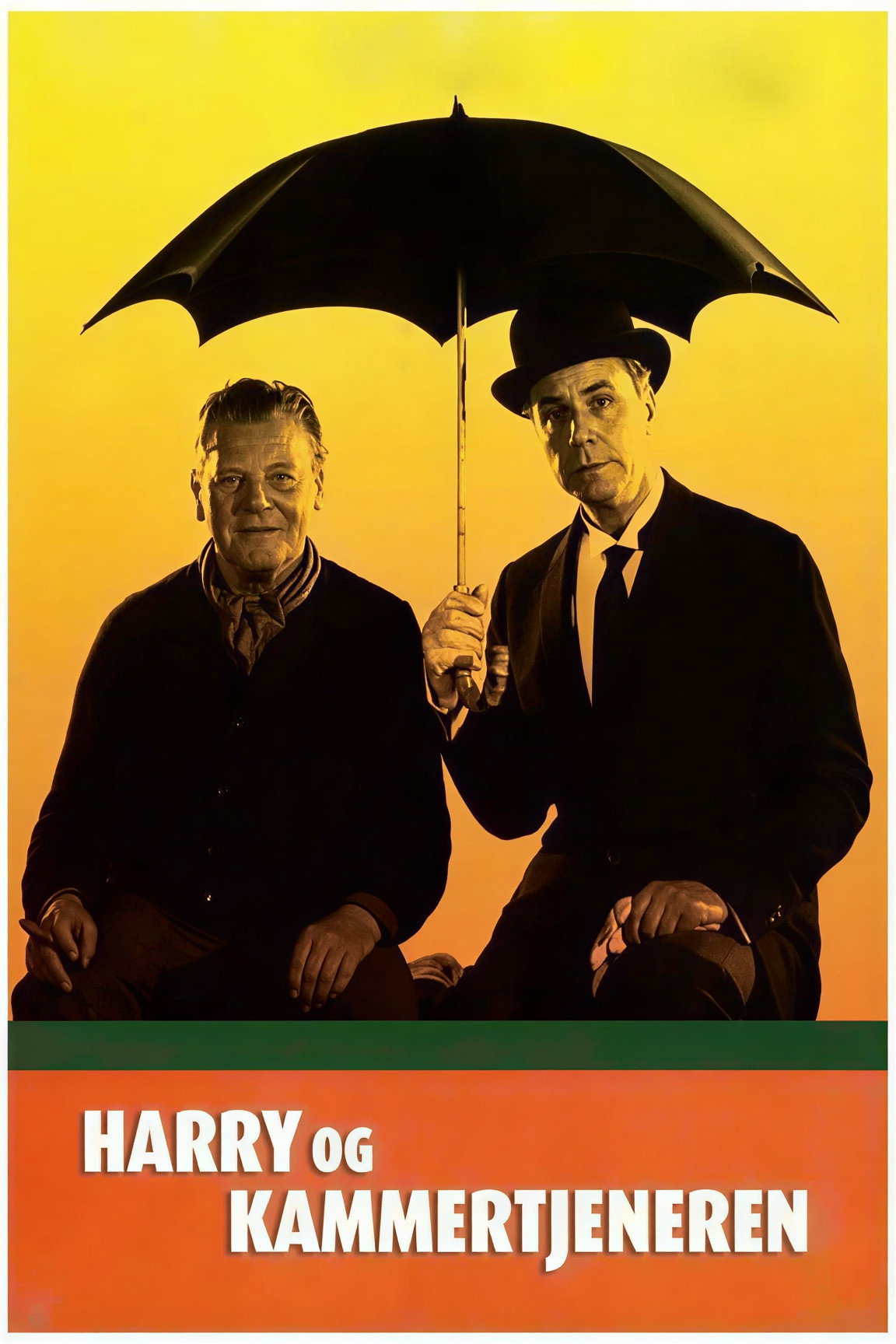
A gentle comedy offering the promise of easy social consensus. Harry (Helmuth) is a simple old-time shop porter offered a chance at self-realisation when he's bequeathed a sum by an unknown relative (via several levels of fiscal blood suckers). He decides to engage a butler to take good care of him for a time. This is a man of distinguished upper class service, but a generous nature which happily integrates with Harry's small but colourful world of drinking buddies and crackpot neighbourhood kids.
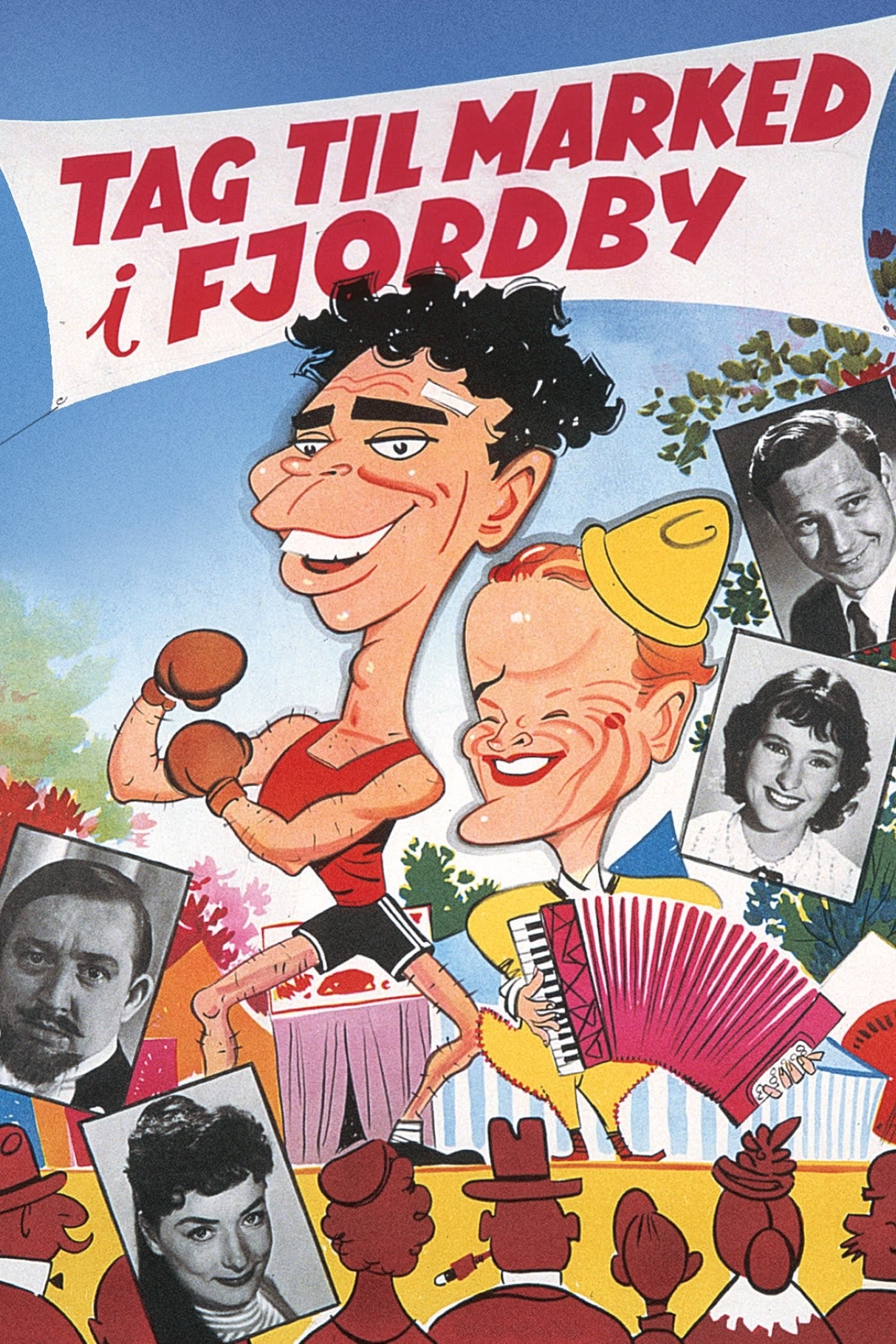
In the early 1940s, there were a couple of guys who traveled around the country from market to market with their tent. It contained only one thing: a boxing ring. The big, strong boxer challenged the local farmhands to a quick three-round boxing match and promised a large cash reward to anyone who could knock him out.

When a young woman falls in love with a gown in a shop window it leads to adventure and romance exceeding even her own vivid imagination.
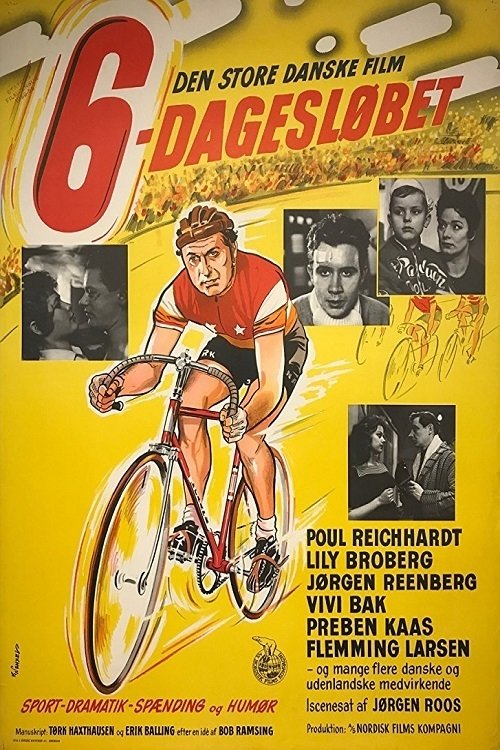
Semi documentary on a famous cycle race in Copenhagen. The story is about the competition between the riders as well as about their private and marital struggles.
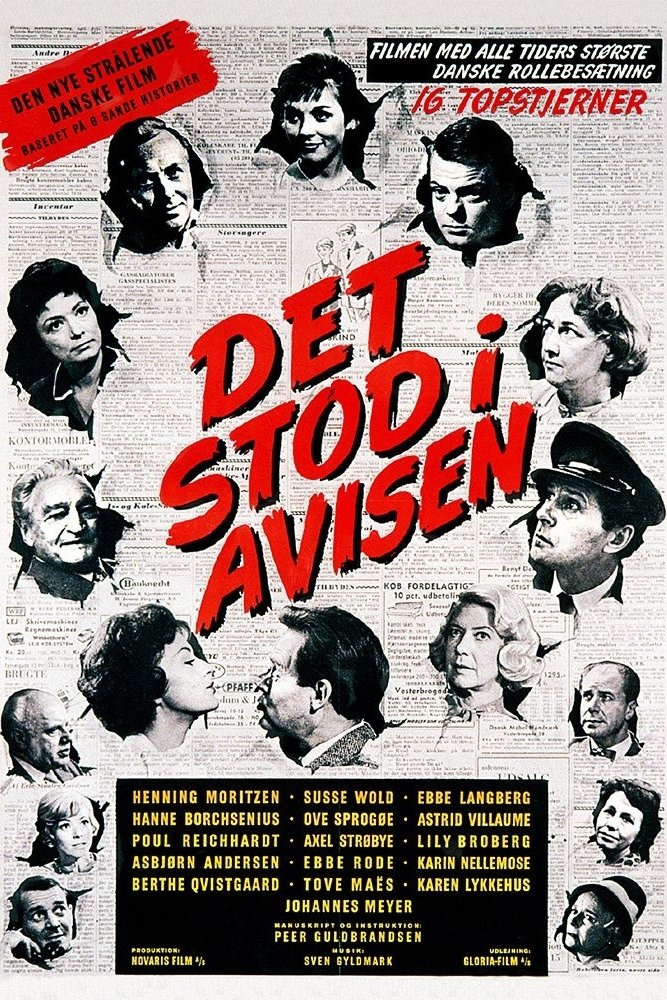
An episodic film with six different stories that are more or less interwoven. A married couple is celebrating their 19th wedding anniversary. The wife wants a chest of drawers. During a trip to the countryside, they pass by the place where the chest of drawers is sold. Dr. Gregersen's wife is pregnant. Meanwhile, the doctor has bought an expensive typewriter. The doctor advertises the typewriter for sale through his friend, and the buyer is none other than the doctor's wife. A couple wants a bigger apartment, they argue and break up. Later, we meet them again, where they have both found work through an advertisement with a rich man as a housekeeper and a driver. A woman wants to sell a pram because she is going to the hospital. Her little son is to be looked after by her sister. The couple who cannot have children have just adopted the little boy's sister and now come to buy the pram.
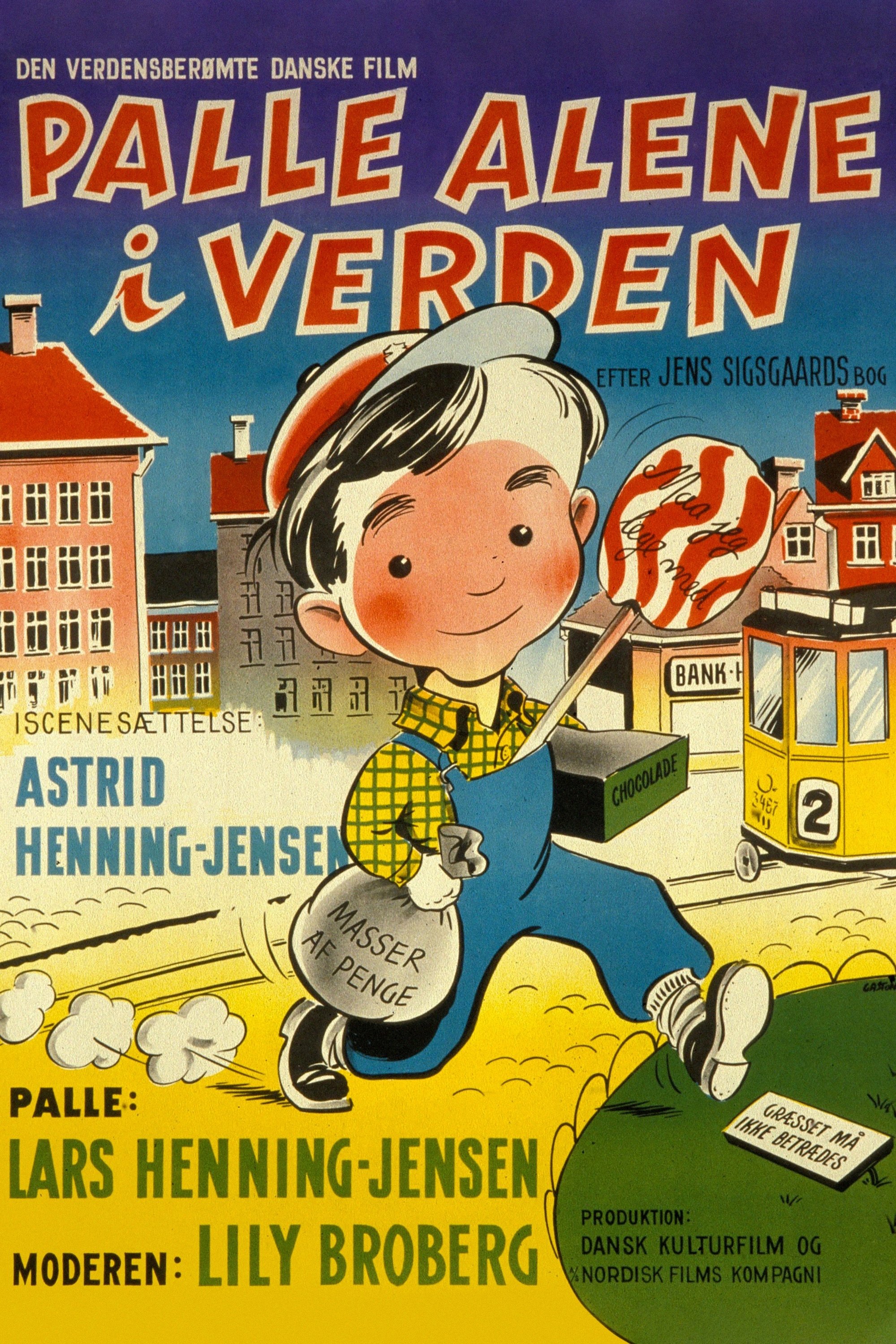
A young boy wakes up to find all other people have gone, leaving him free to do whatever he wants.

The revue is first and foremost Dirch Passer's. Here he is at the top of his game in his successful career as a revue artist. A genre he masters better than anyone else. Daimi is a worthy co-star, not least in their big song number "Who have you kissed in your doorway?" and Lily Broberg, Preben Kaas, and Klaus Pagh are also in their element.

An unsuccessful animal impersonator wants publicity and feeds an overly eager journalist a story. The impersonator says he is going to Africa to roar like a lion, and people believe him. The front-page sensation spreads to the foreign press, and in the end, the poor liar has to take out his savings and travel to Africa to prove that the lie was true enough.
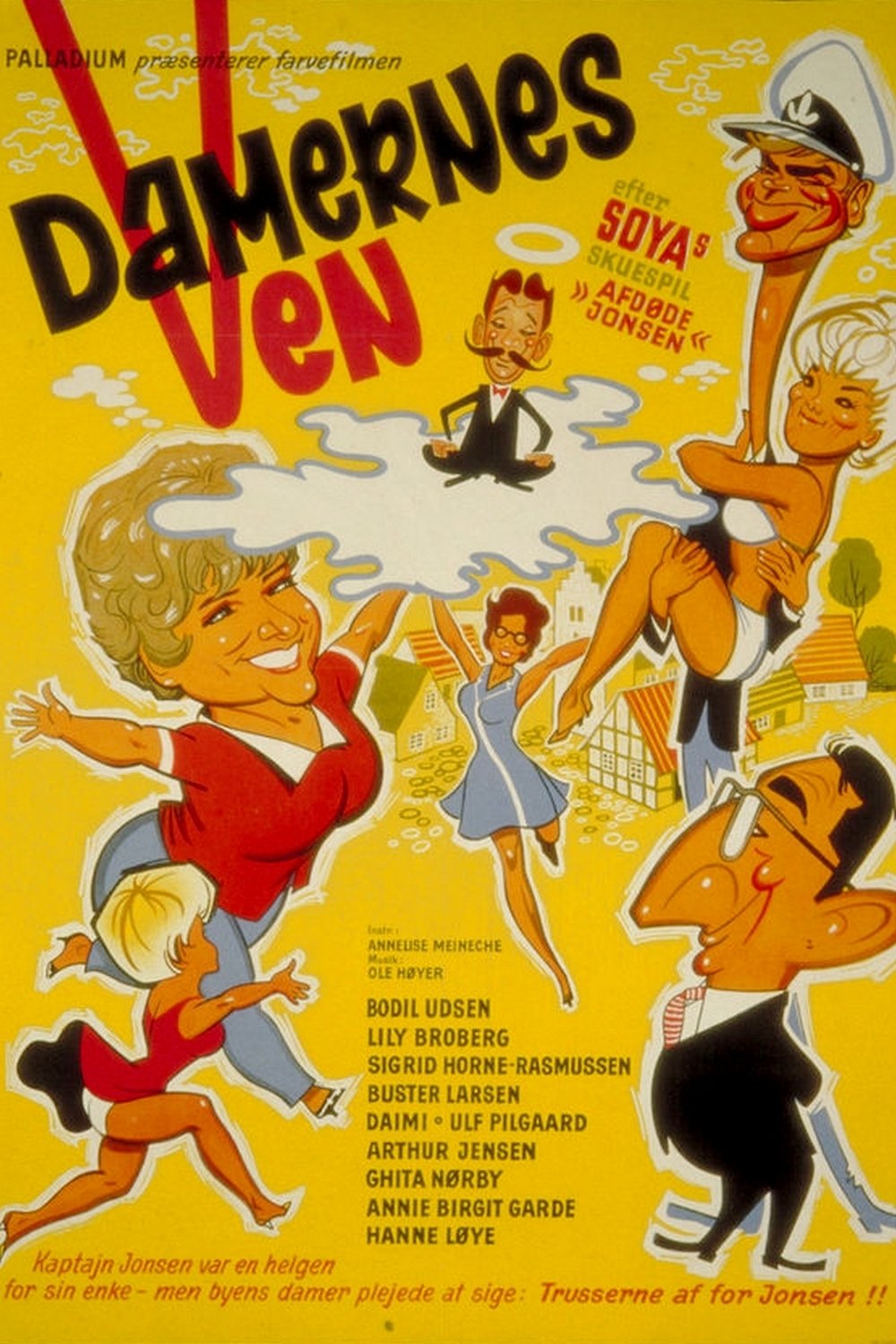
Mrs. Jonsen discovered after her husband's death, that he was not at all a paragon, she thought. Her sister and some diary notes reveal him as a man with numerous amourous adventures.
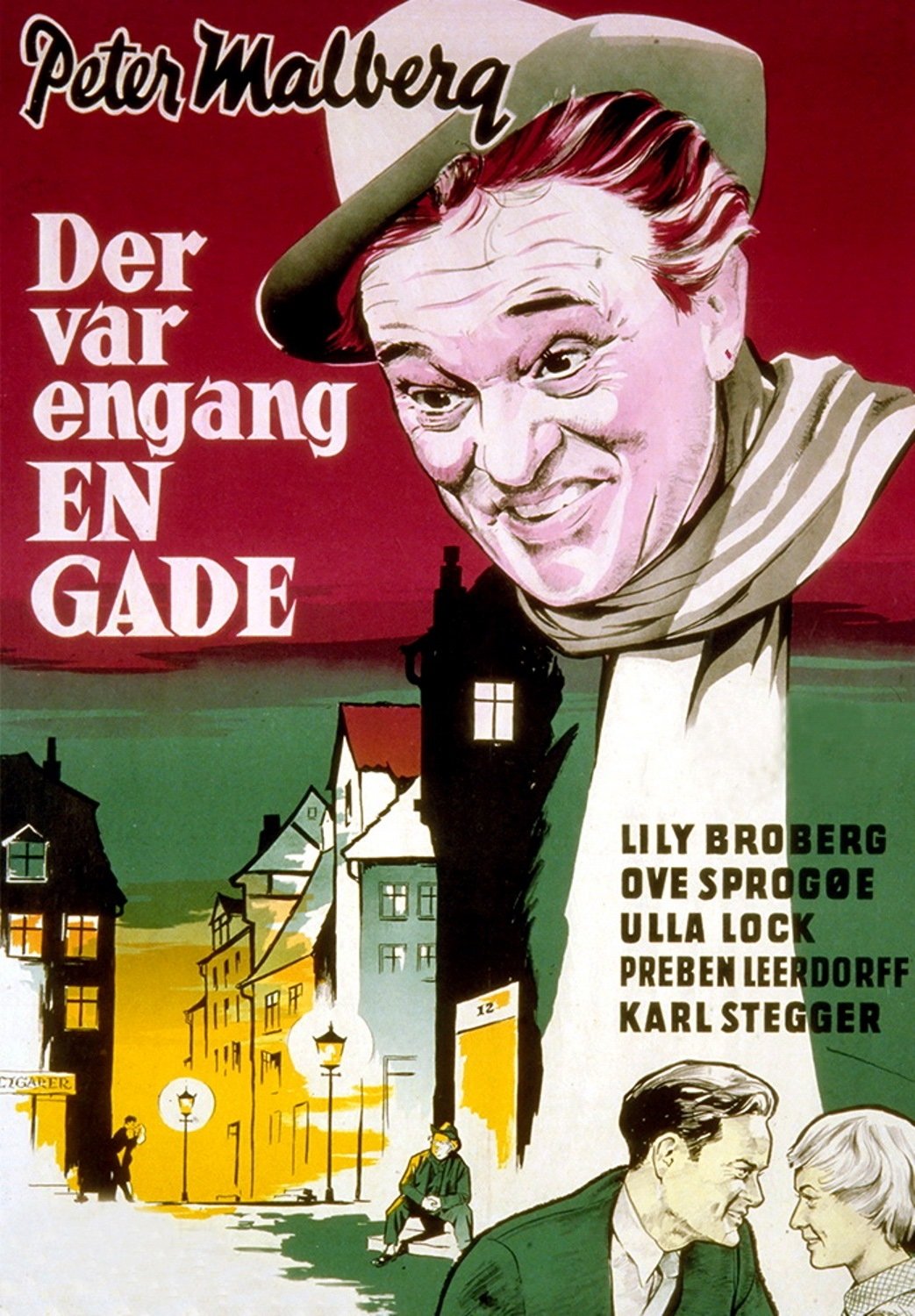
In the charming old Copenhagen neighborhood of Nyboder lives a group of quirky and distinctive characters. Among them is Albertine, who one day is visited by her young niece Ditte, who has run away from a strict upbringing at home. She has fallen in love with her dance teacher Johny, who, however, is not very keen on surrendering to the young woman's charms. Fortunately, circumstances bring the two closer together.
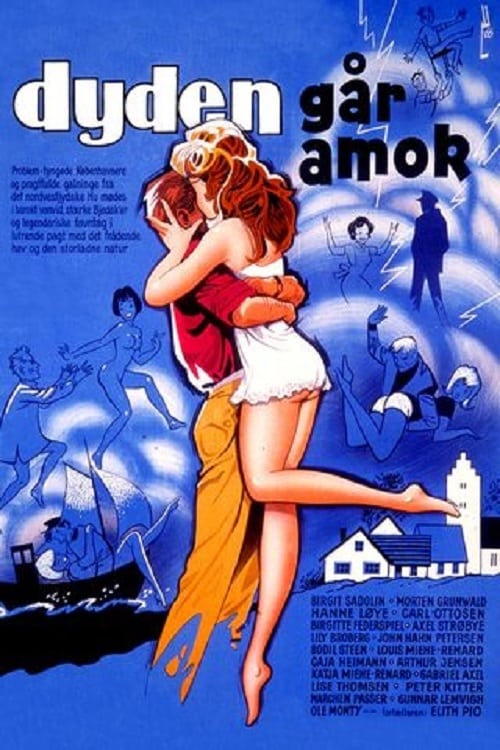
Hidden among the dunes on the west coast of Jutland lies HU, where fishermen struggle to earn a living. The hard and dangerous work combines HU's small population with a peculiar madness that gives free rein to emotions and intensity in all aspects of life. One day, three Copenhageners arrive in the windswept village and are both astonished and fascinated by the local free spirit.
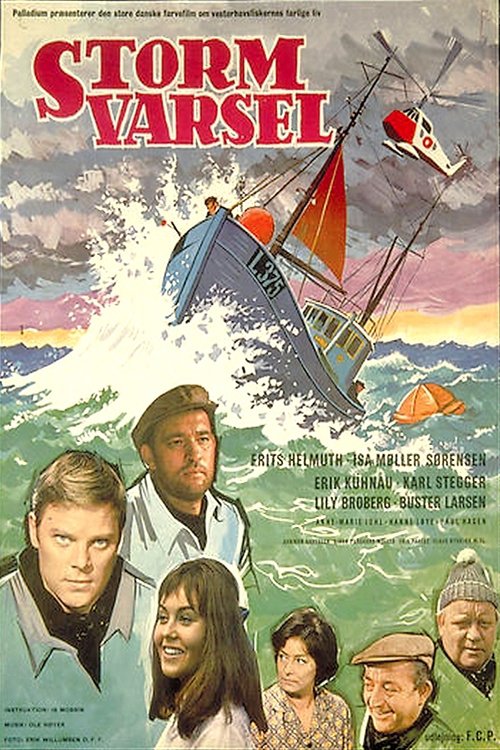
The young fisherman Kurt Vinderup returns home to the small fishing village of his childhood after completing his military service in the Royal Danish Navy. On the quay, he meets a young girl named Bitten. He and Bitten had been in the early stages of a relationship before he left for the capital. But in his absence, she has become engaged to his brother Jacob Vinderup.

He is very happy – and proud! For he believes that he is a great, great hunter who brings home his beautiful prey, Eva. But she knows better, and so do her three sisters, who show up for the wedding, for girls naturally know everything there is to know about women's wiles and love. With a totally confused but sympathetic smile for the three unhappy women he did not get, he flees with his young bride. In return, the three amuse themselves by telling each other the true story—how things really went with the young couple—and the winding paths he took to reach his wedding. For it has always been the prey that has hunted the hunter, and – without him ever suspecting it – he has been more of a plaything than a Don Juan. What the girls "confess" to each other is not boring—it is a comedy—which, admittedly, is not about "that's how women are"! At most, it is about how women are like that too!
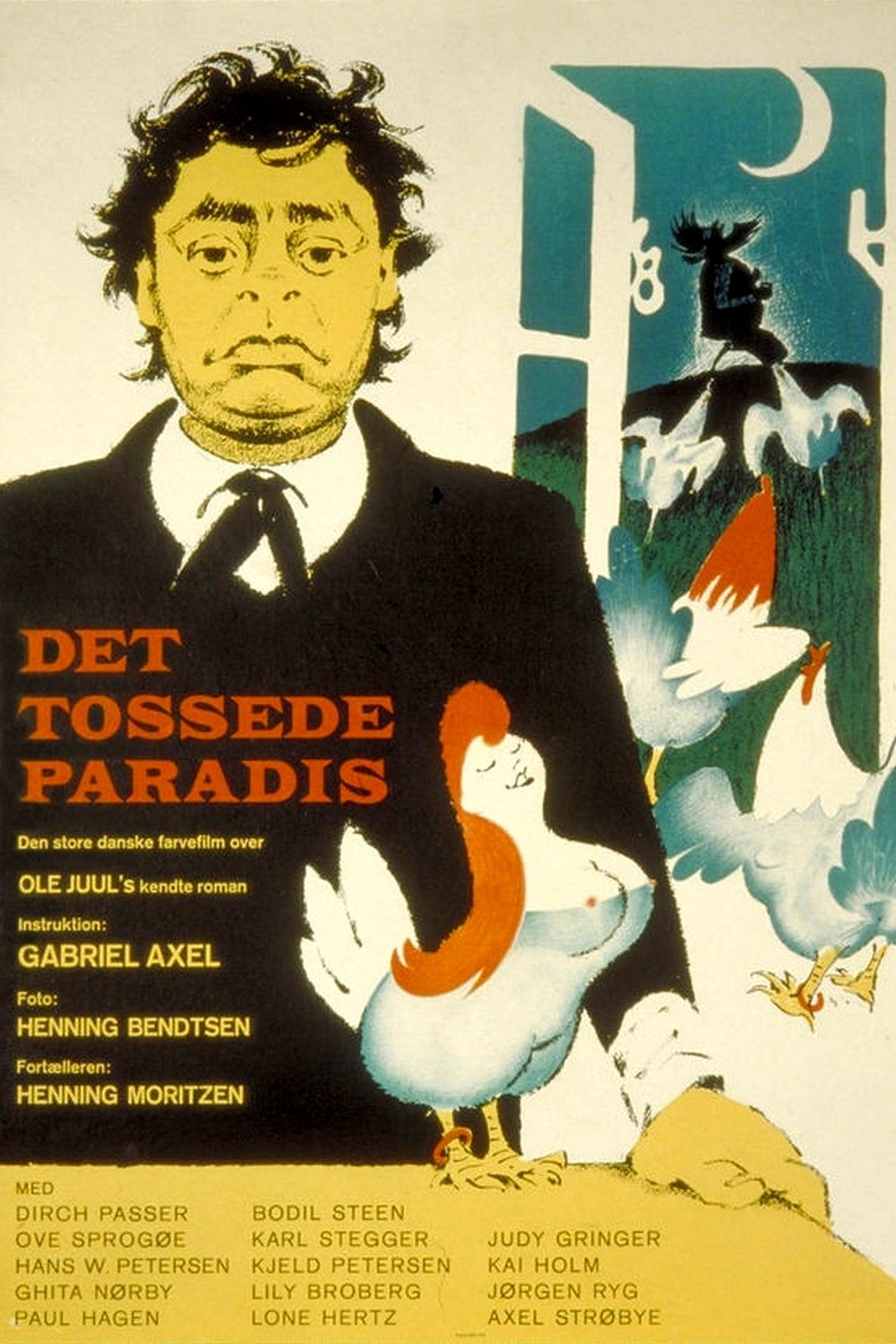
Romantic comedy, based on the discovery that eggs from a particular island provide men with great virility and make them irresistible.
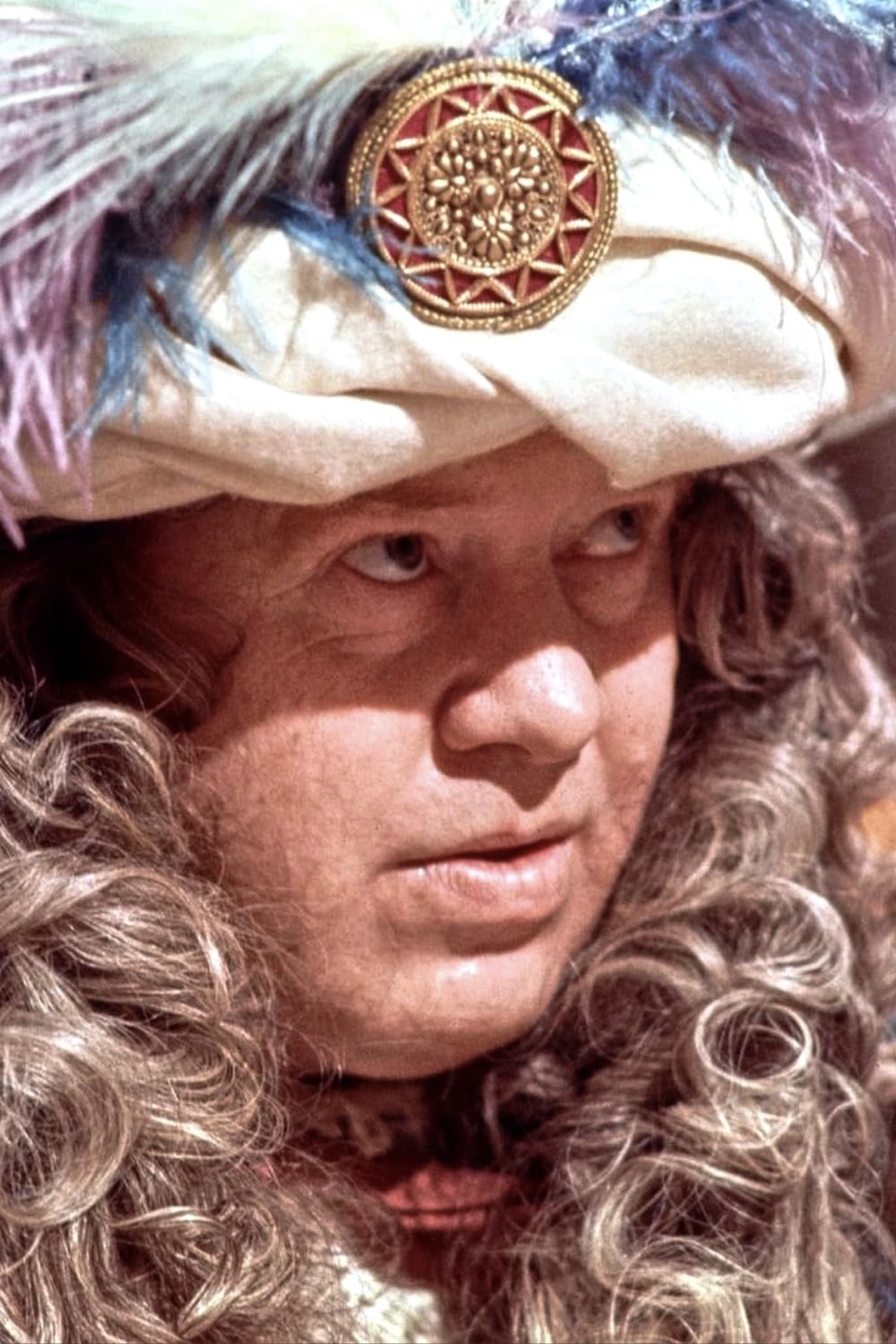
The newly rich Mr. Jourdain dreams of climbing the social ladder in 17th-century Paris. And he makes a fool of himself as he tries to become proficient in philosophy, dance, music, and fencing.
Old Corfitz and his young wife are plagued by all the visitors who fill their house to wish them luck. But the worst thing for Corfitz is the uncertainty: Is he the father of the child? TV version of Ludvig Holberg's comedy from 1723.

Two Danish poets meet by chance at Mrs. Lind's guesthouse in Haderslev. Herman Bang and Holger Drachmann. They both throw themselves into the personal problems of the maid Karen. Or are they more interested in their own?


The old renowned Landboskole is spreading a new team of Agricultural Candidates after completing the Course.
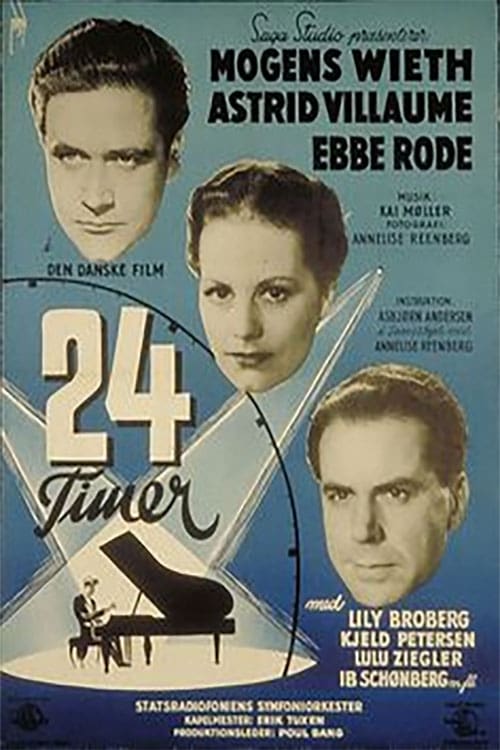
Many people are preparing their lives for a lifetime, to make it safe and secure. And then the fate's game of 24 hours can overturn everything.
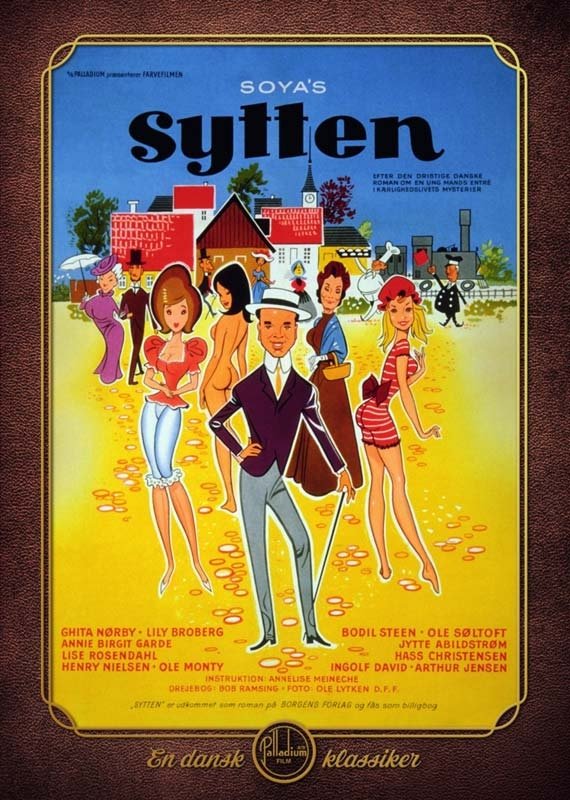
In the summer of 1913, 17-year-old Jacob, a Danish high school student, lives in the frustrating limbo between boyhood and manhood. He worries about his excessive focus on masturbation and, although he is aware of the sexual overtures by the housemaid Sophie, Jacob doesn't know how to respond to her.

Behind the red gates lies Dyrehaven with the green beeches and the famous zoo hill - the motley world of clowns. Professor Labardi is behind the popular singer pavilion, where his young daughter, Gulnare, performs. After a rainy summer, there is an economic low tide on Bakken, and the family is tempted to seek help from Gulnare's enterprising suitor, Carlo Petersen. But Professor Labardi carries a secret: the clown family has family ties to the fine legal world outside the gates. There is conflict, money transactions, love, hypocrisy and villainous streaks when the fine world and the hill folk meet. Behind the Red Gates is a terrific folk comedy that takes us behind the attractions at the traditional amusement park in Klampenborg.
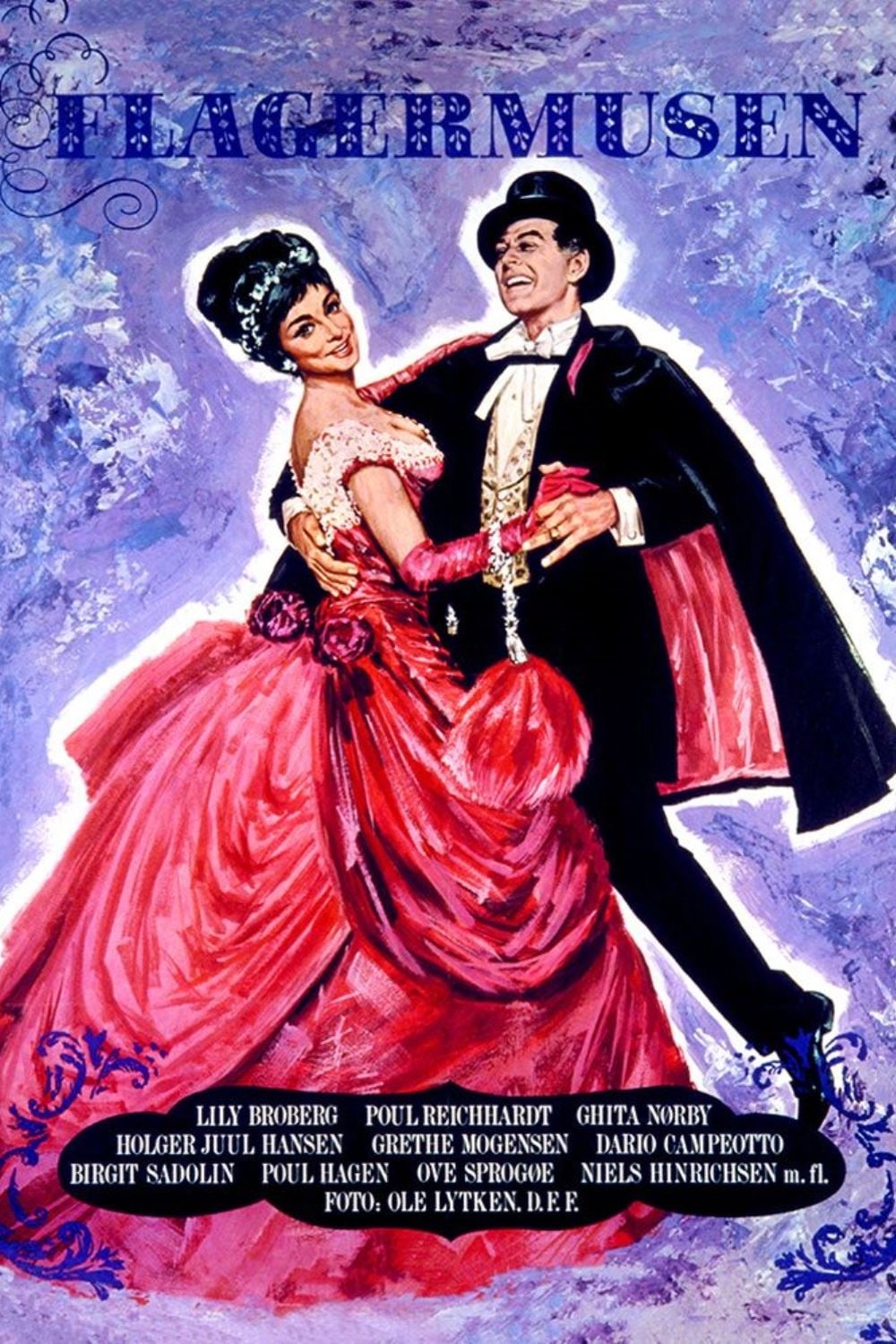
Doctor Falke takes revenge on Gabriel von Eisenstein because, after a carnival, he left him lying in a park, disguised as a bat, so that he would be ridiculed by respectable citizens the next morning. Falke seizes the opportunity for revenge when Eisenstein gets himself into trouble by being sentenced to ten days in prison for disrespectfully mentioning a princely person. The wealthy Russian Prince Orloffsky has asked Doctor Falke to arrange the entertainment for his grand party – and in this lavish setting, Falke carries out his revenge.
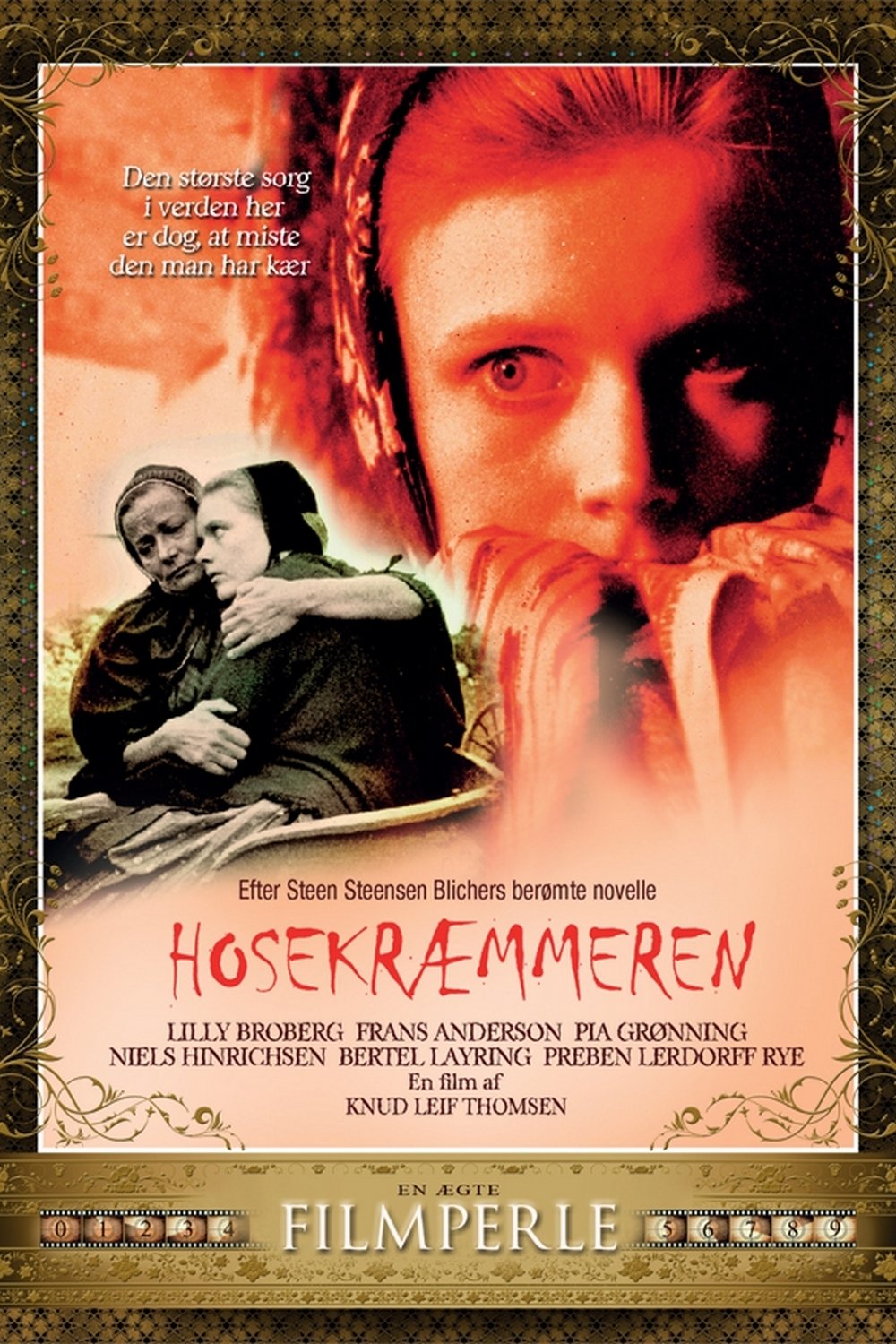
Sometime in the 1700s, Mikkel, a farmer from Jutland, wants to marry off his daughter Cecil to the wealthy Mads Egelund, but she is in love with the haberdasher Esben. Mads proposes, but does not receive a definitive answer. Shortly afterwards, Esben leaves for Holsten on business, and Cecil vows to wait for him. A couple of years pass. After an attempt to force Cecil to marry Mads, she is now in a state of insanity. Esben returns home happy and prosperous, but Cecil does not recognize him and, in a fit of madness, she cuts his throat during the night. Some time passes and Cecil regains her sanity. She does not know what she has done and is still waiting for Esben. Mads comes to visit, and after Cecil has rejected yet another marriage proposal, he reveals the truth to her, and with a wild scream she falls back into insanity.
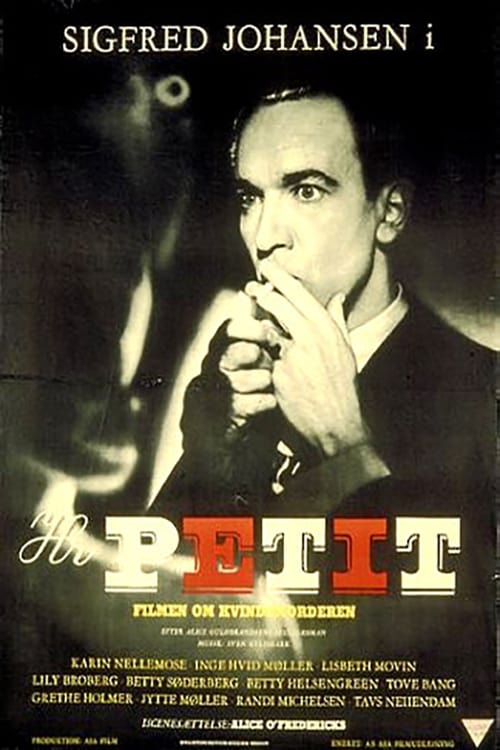
The story about Mr. Petit - a French charming marriage trickster and murderer of women.
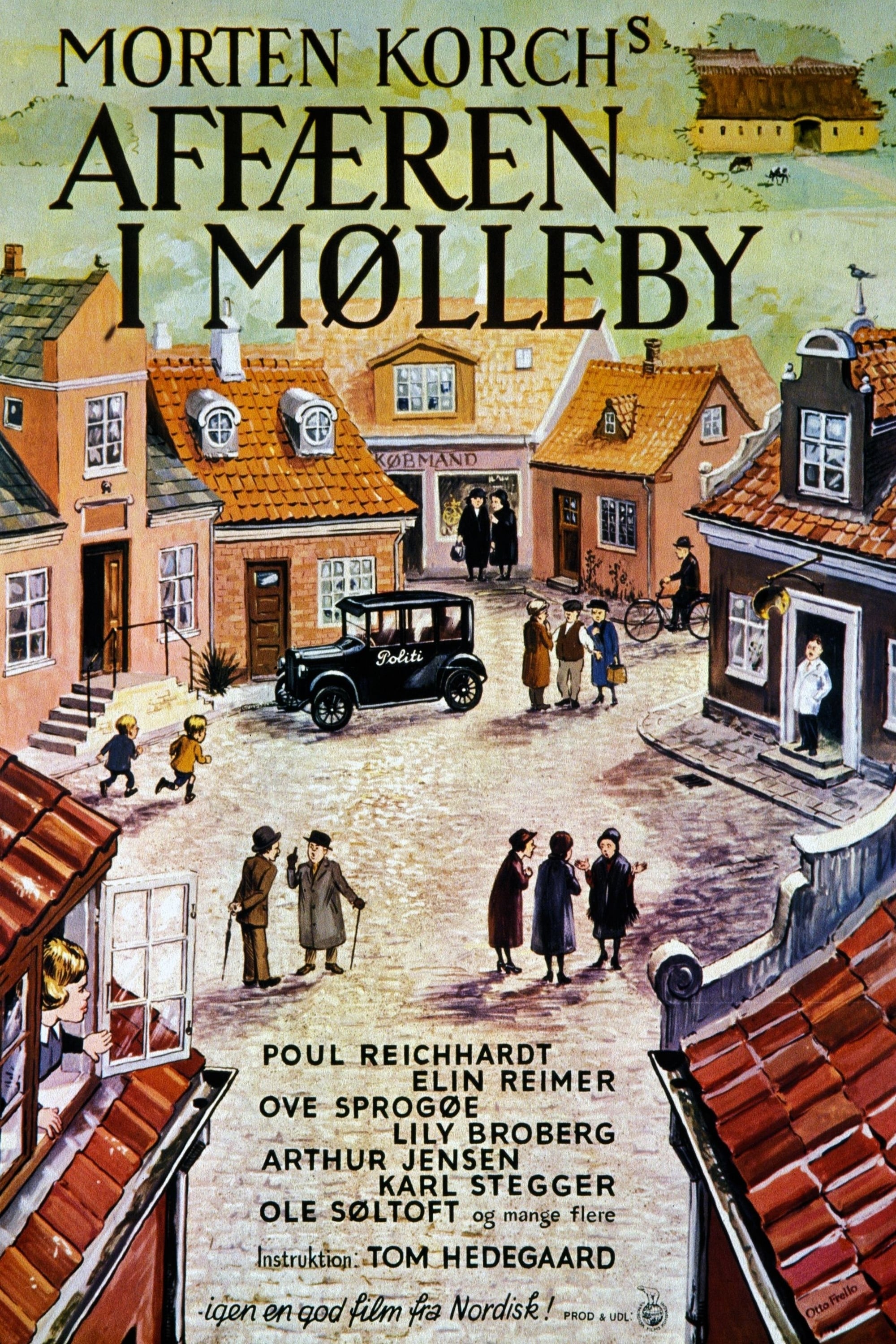
Mølleby is a small, cozy market town. The year is 1924, and the sight of a Rolls Royce from Copenhagen is a sensation. But all is not as idyllic as it seems. The town's new mayor is trying to build a new brickworks to ensure the town's growth and future, but the previous mayor is doing everything he can to thwart these ambitious plans...
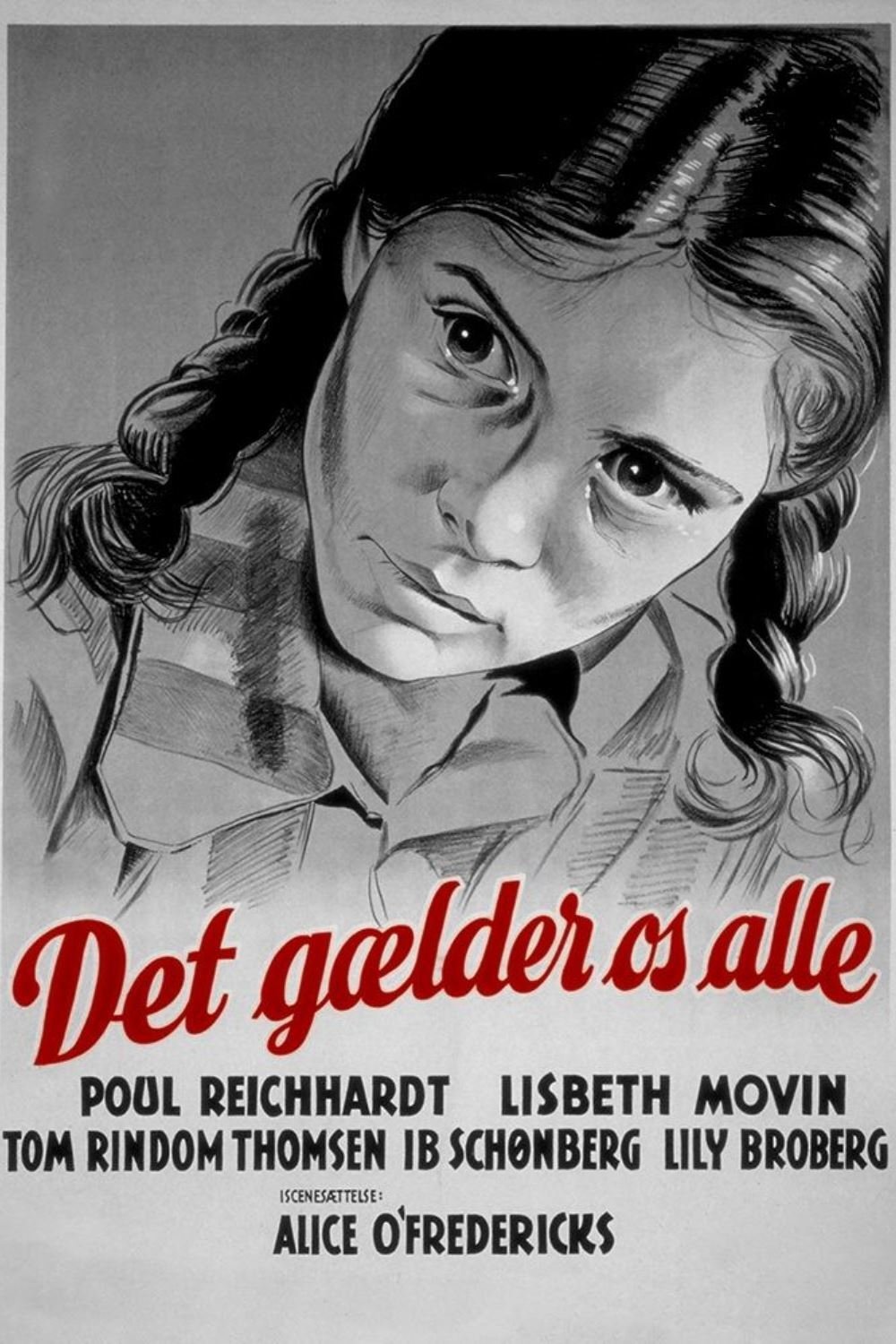
After World War II, Europe lies in ruins and help is desperately needed everywhere. One person trying to make a difference is Dr. Jørgen Vedel, who travels with the Red Cross to Vienna to vaccinate children. There he meets Leni, a girl who has been to Auschwitz, where she lost her mother. Jørgen arranges for Leni to come to Denmark, where she can start a whole new life.
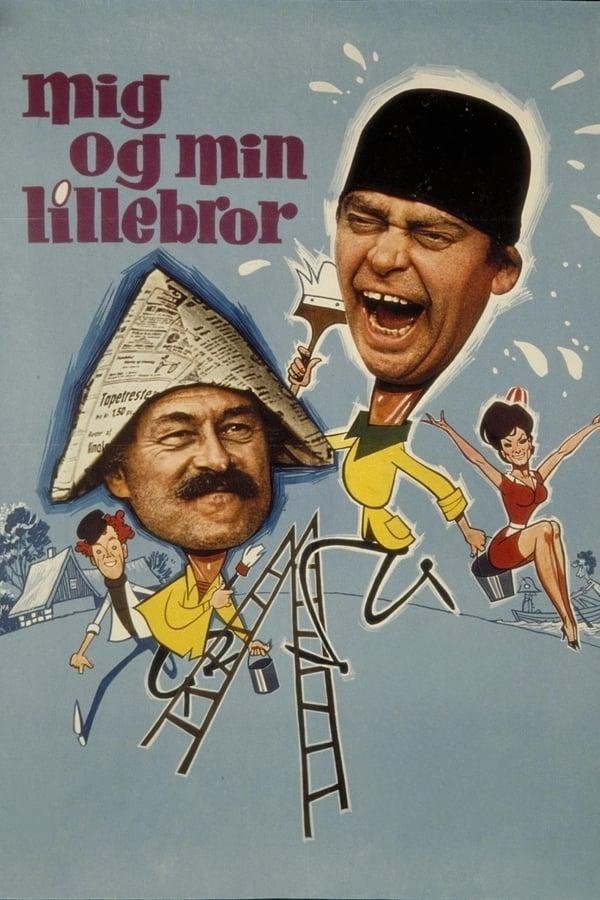
The entire population of Bomø has gathered for the big day. Finally, after 56 years, the bridge connecting Bomø to the mainland has been completed. With the parish council chairman at the helm and the minister cutting the ribbon to make it official, everything should be in perfect order. However, the county governor is absent, as he has a financial dispute with the ferrymen, brothers Søren and Peter Severinsen.
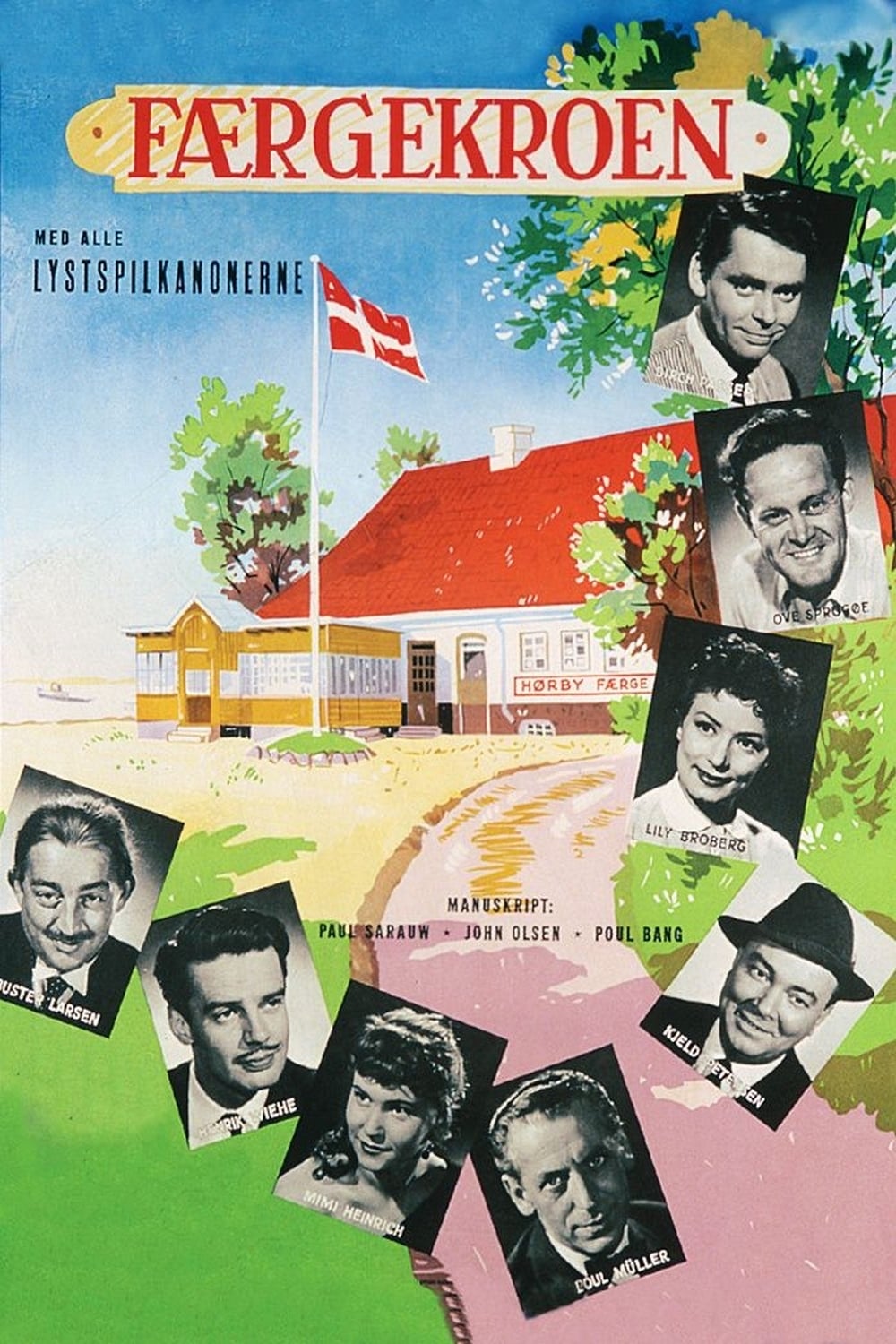
The Royal privileged ferry inn in Hørby is owned and operated by the two good friends Erik Hansen and Lars Tofte. In addition to the inn they own the small ferry, which keeps them in touch with the mainland.
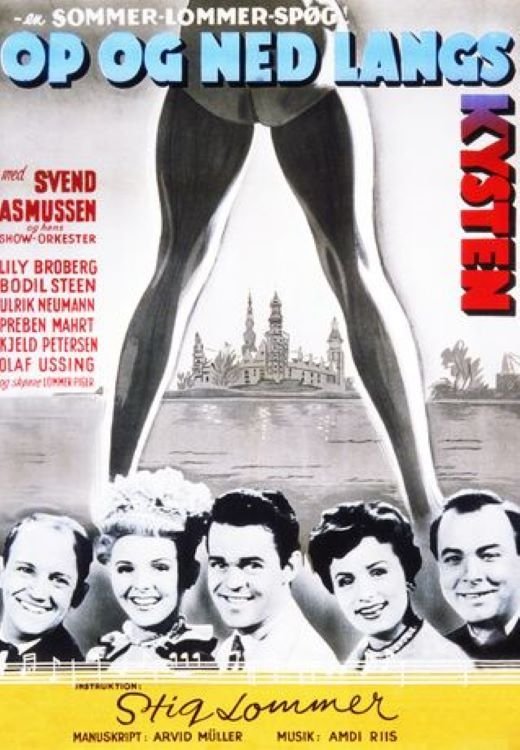
Once upon a time, large, beautiful seaside hotels adorned the coast of Øresund – from Bellevue Strandhotel in the south to Hornbæk Badehotel in the north. While the film's director, Stig Lommer, was director of the Hornbæk revues, he was a frequent guest at the bars in these hotels. He loved the glamorous life in this setting and asked Arvid Müller to write a light-hearted "Sommer-Lommer-Spøg" (Summer Joke) about the "deeds of the night" at a seaside hotel. The now defunct Beaulieu (north of Taarbæk) and Marienlyst (in Helsingør) form the backdrop for bandleader Hans Herbert and his pursuit of summer guest Mrs. Winter. This drives the exchange broker to a spontaneous suicide attempt in the middle of a mannequin show. However, he is saved by Mrs. Holgersen, who believes it is for her sake, so she blossoms completely. So much so that she is completely unrecognizable to the manufacturer when he arrives at the hotel.

One summer evening, two young people meet at the strait. He is Poul and she is Anna. They try to find their rhythm, but it doesn't really work out. In the middle of their experiment, a man appears, Karl. He is suffering from unhappy love and wants to drown himself. Anna and Poul part on bad terms. Poul prevents Karl from carrying out his plan and suggests he try the harbor next time. His unhappy love is named Lykke. She is a dancer at the "Go Go Happy Night" disco, owned by the tough Steffensen.

Søren is looking forward to a relaxing camping holiday with his wife, Marianne. But nothing goes as planned, when his two daughters and mother-in-law join them.
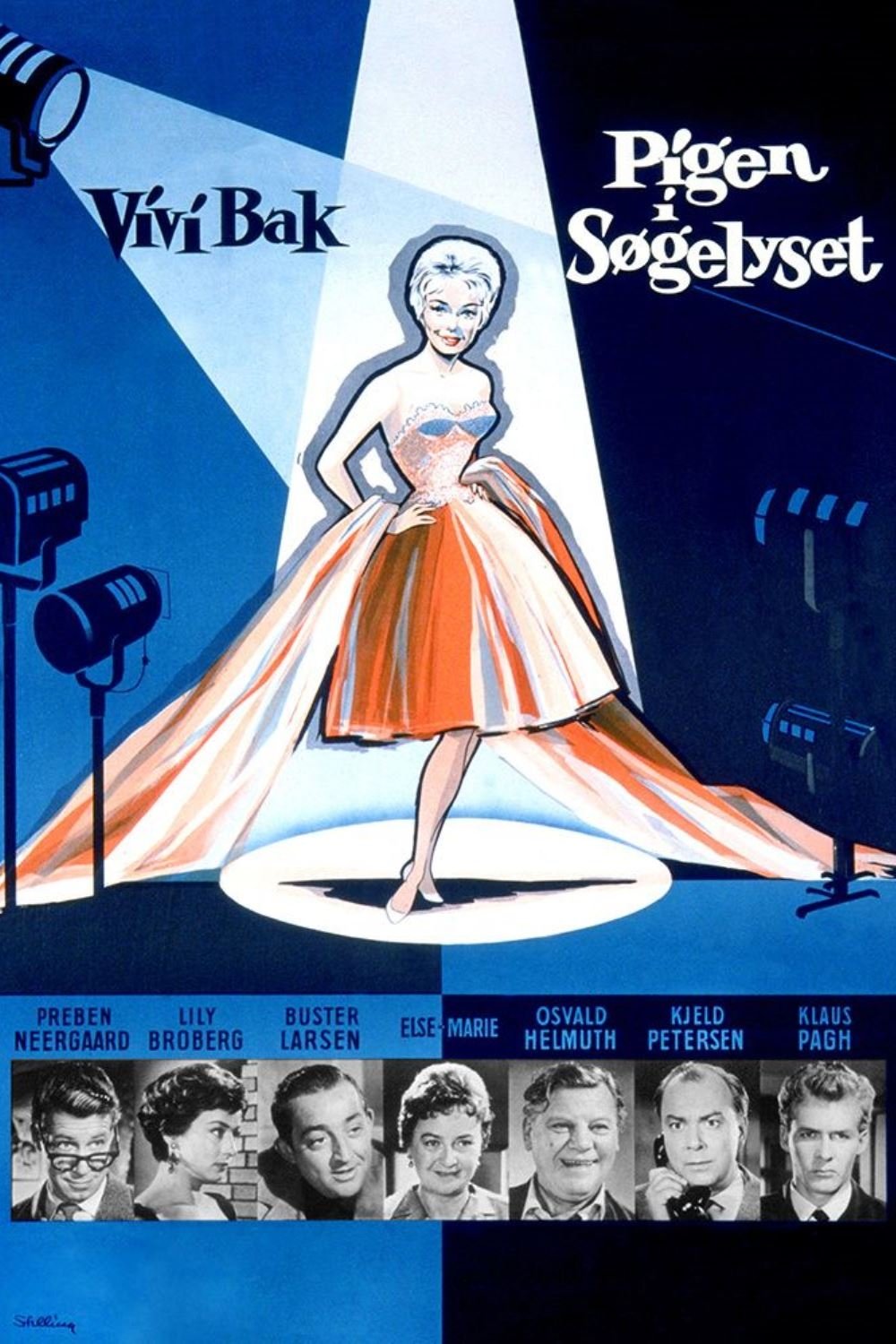
A beauty contest, in which the young Jonna, who works as a sales assistant in a dress shop, participates almost by chance, results in her being suddenly swept into the world of film and show business, because a film producer in attendance finds her type interesting and wants to try to launch her as a new name.

A different kind of Danish film about Denmark, the Danes, and everyday life in Denmark. An episodic film consisting of different storylines, which are linked together by several smaller scenes.
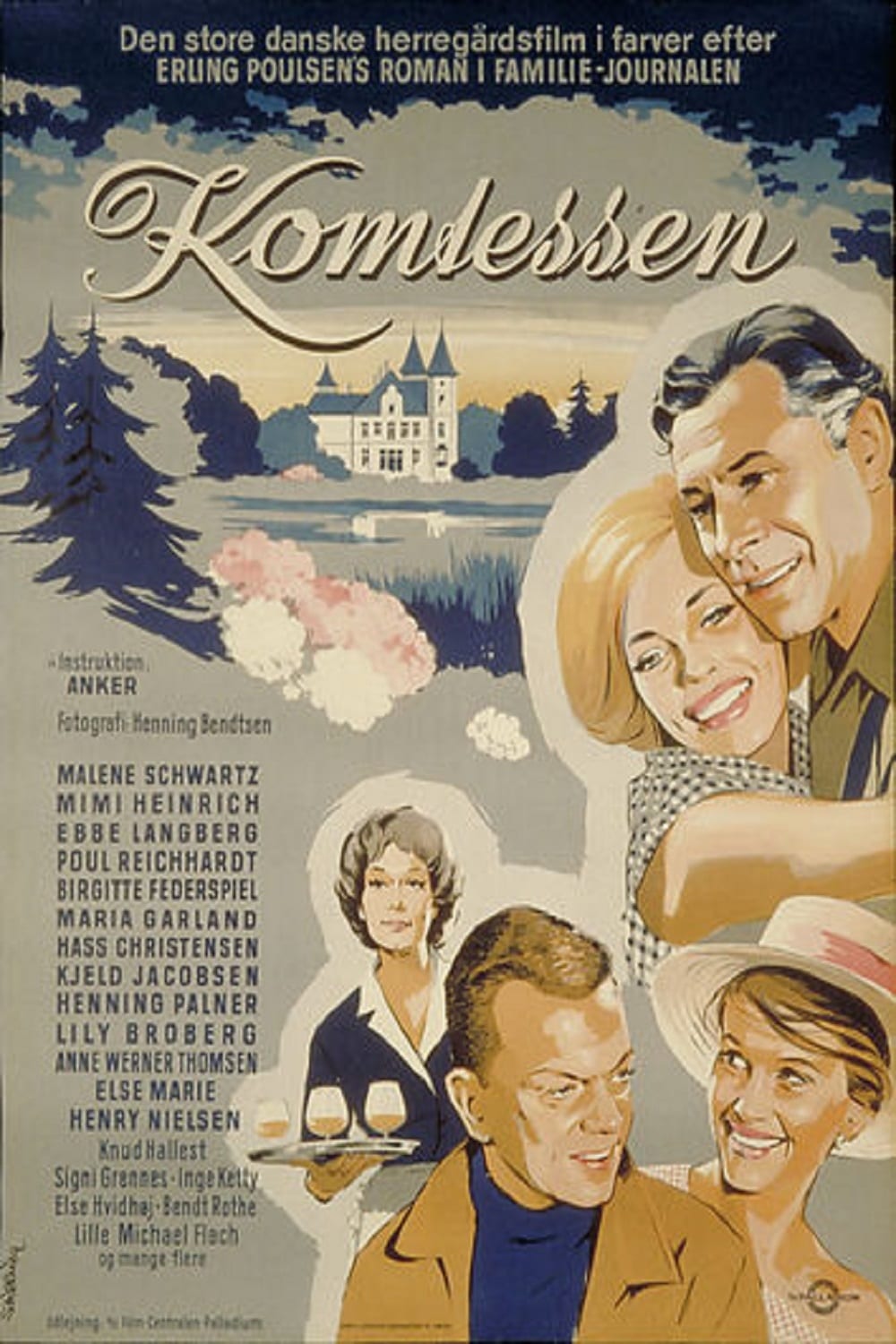
In the village Karrild, the Countess Sonia Hardenborg and a young unmarried woman, Marta, give birth to a daughter on the same day. Marta dies after birth, so Marta's daughter, Betina, come under the care of the countess. 17 years later, Betina and Countess Sonia's daughter, Maria, meet, as Betina is living in a home for orphaned girls, which is adjacent to the Hardenborg estate. The two girls become friends, and Maria invites Betina to visit her at Hardenborg, to greet her parents Sonia and Otto Hardenborg and her brother Count Flemming. Meanwhile, Betina's father, Frank Jensen, starts working in the estate's woods, and when the two girls come to visit him, he is shocked by the resemblance between the young countess and Betina's mother Marta.
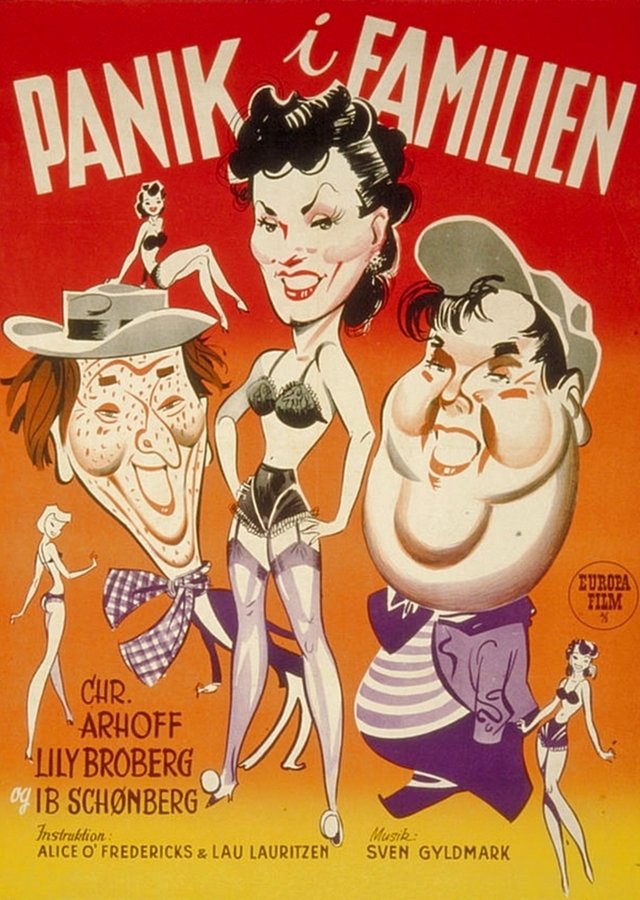
1905. A couple of cheerful traveling salesmen, Hansen and Larsen, are on their last round of visits to customers before settling down in the big city to open their own business selling women's underwear. They hold a farewell dinner for one of their old customers in Lilleby. There is a ball at the hotel, and a couple of young ladies make the acquaintance of the two friends, which will have consequences in more ways than one.
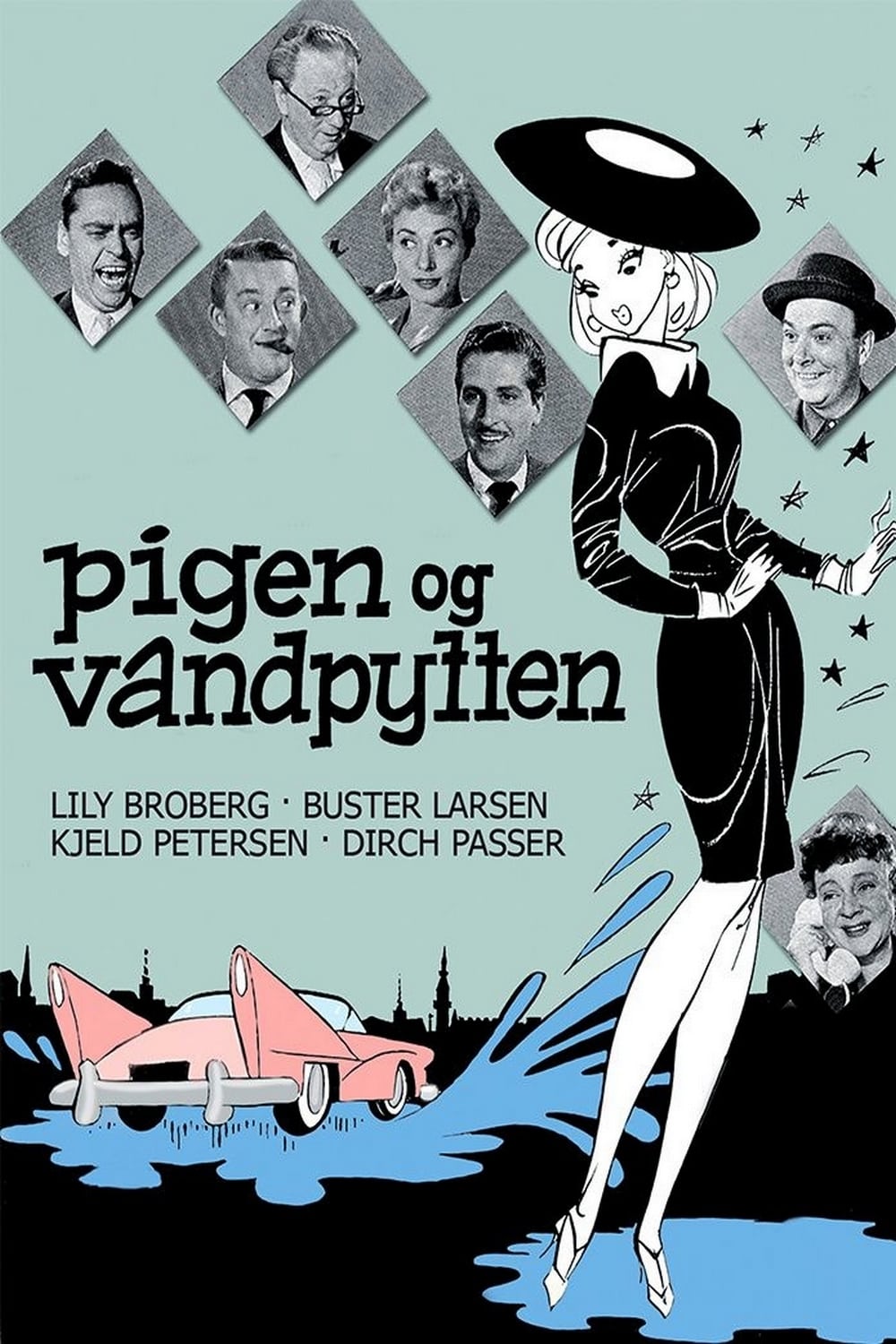
A just-fired chorus girl gets a ride from a rich shipowner's driver. By the time the gossip reaches the cash-strapped theater director, she's engaged to the shipowner. The girl gets promoted to the lead. Other misunderstandings follow.
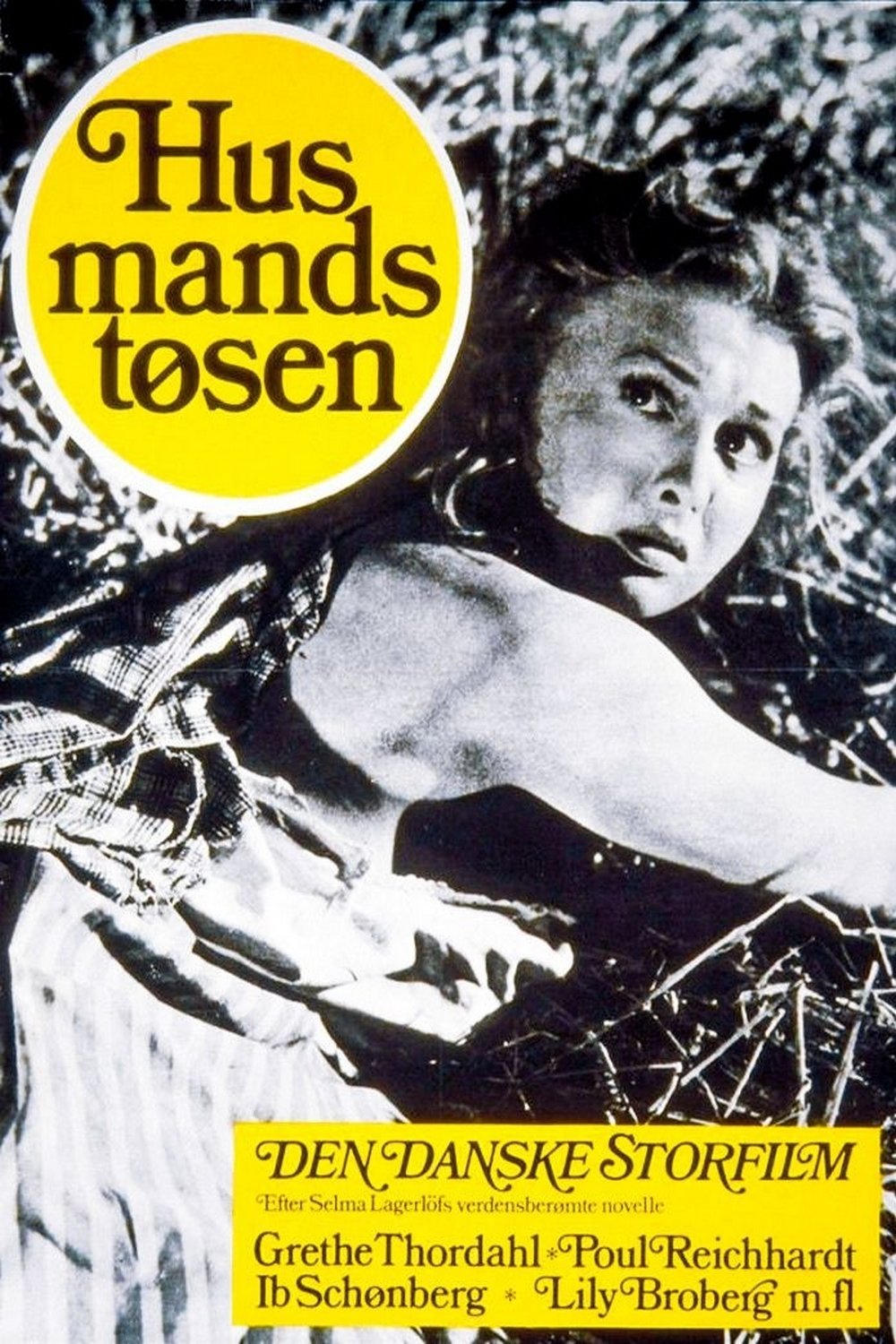
Helga is on a farm, where she is seduced by her husband, Per Mortensen. As it turns out she is with child, she gets a tough time among local residents. They consider it the greatest shame that can befall a young, unmarried girl. Per refuses bargain to be the father of the child. Her parents can not afford to keep the baby, so she tries to go to court - without result. Fortunately, she gets a new duty station at Torpegaarden where she thrives. In particular, she has a good eye to his son on the farm, Gudmund. He also liked the young girl
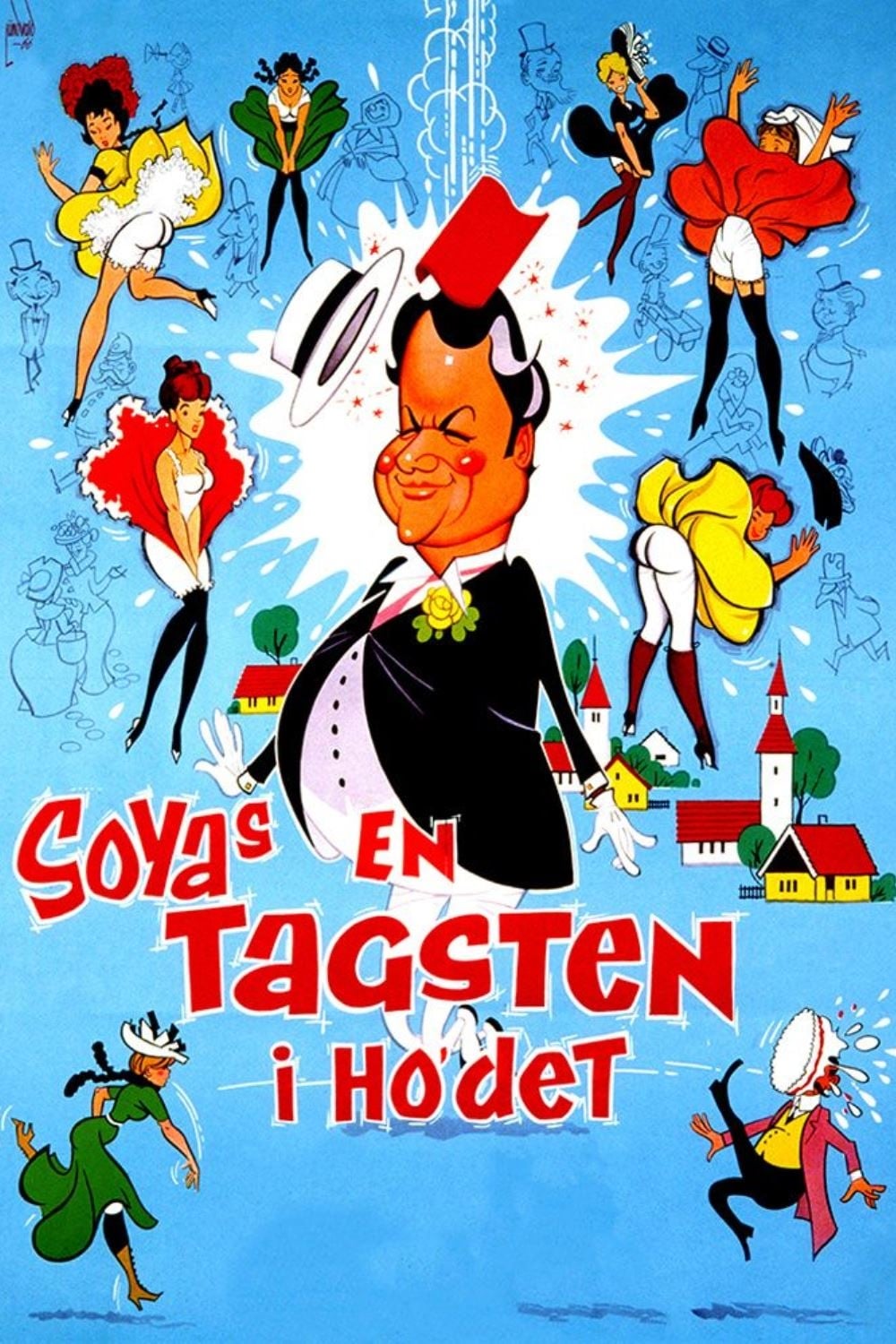
Sigfred dioecious is an acidic man. Teacher and can not really hate children. When he one day a tile in the head, change his behavior, however, significant. He is cheerful and have a huge appetite for life. Sigfred wife's first unhappy that he is so happy girl, but when she gets him made normal again, she will be disappointed. She wants her new husband back ...
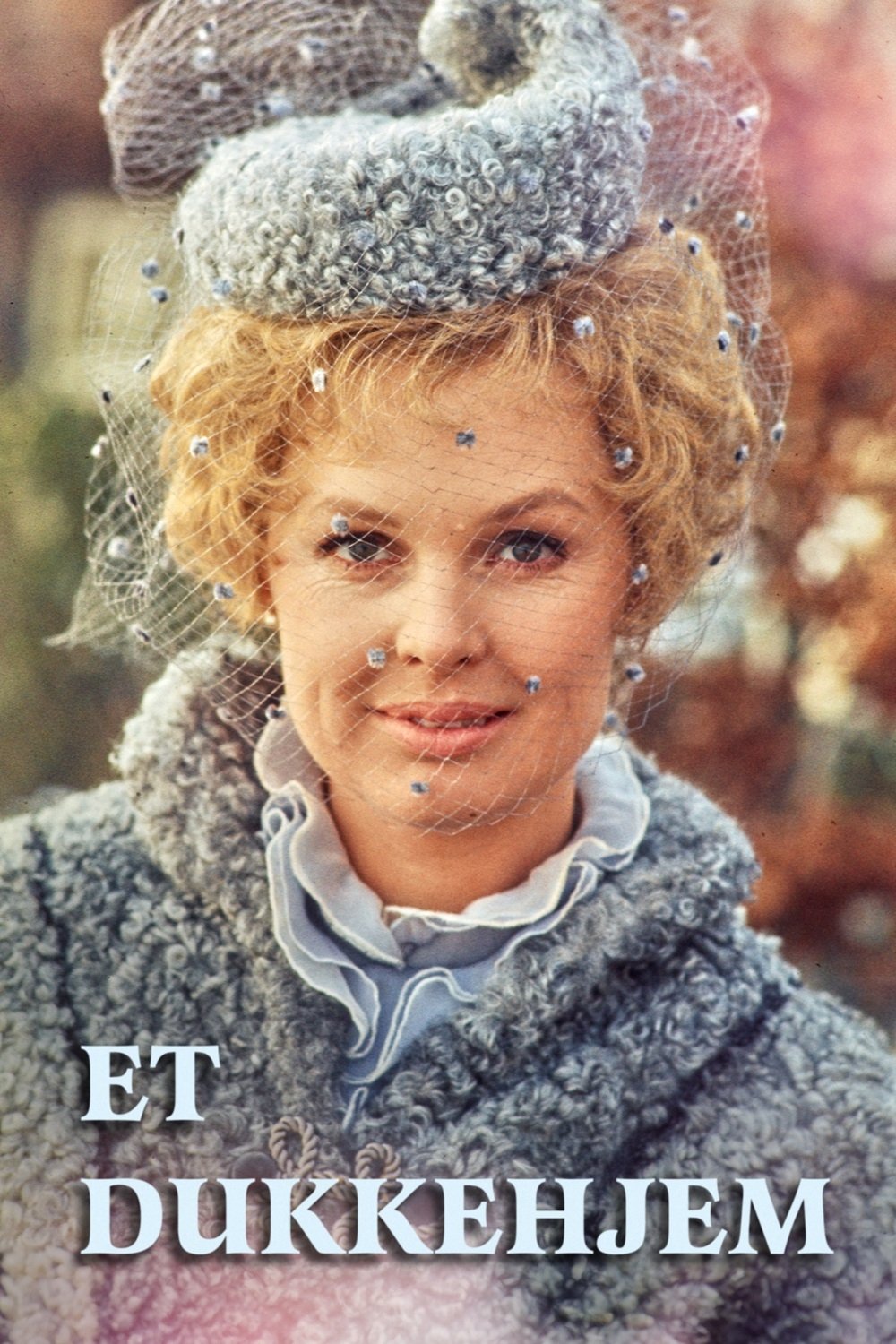
In her husband's opinion, Nora spends too much money. When Nora receives a visit from Mrs. Linde, she confides a secret to her. Nora has borrowed money so that the family can go on vacation. However, her husband must not find out. Helmer has become the director of the bank where Krogstad works. Krogstad now threatens Nora to reveal her secret. Nora goes through a lot of anguish.
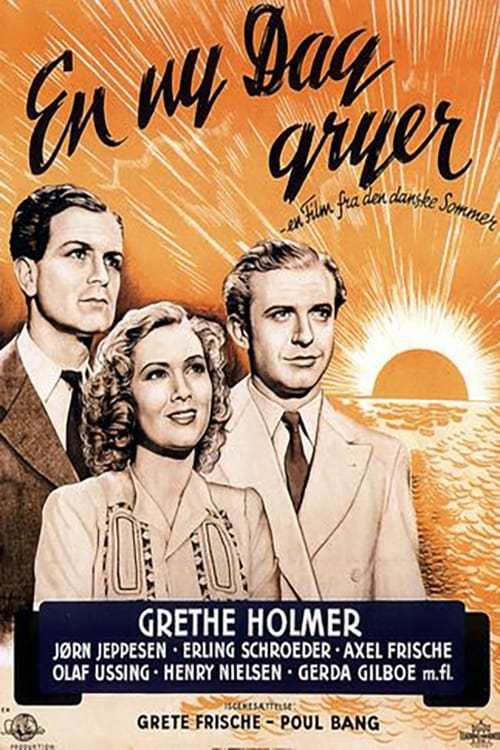
Honor, morality and the "right" outlook on life are paramount. And these concepts were by no means something to be made fun of, which can be somewhat annoying when you remember that this film is based on the English play "Bank Holiday", which took a good English fart on virtues and morality. Inger Holst is a nursing student who, at a party, meets the unreal Jørgen Frandsen, who invites her to a "festive night" one weekend at a hotel in Tisvilde. However, a tragic incident occurs at the hospital where she works. The incident involves the young widower, engineer Berg, whom she has come to know as a fine, real and sympathetic person. Inger's compassion makes her offer to give up her weekend trip and stay with him.
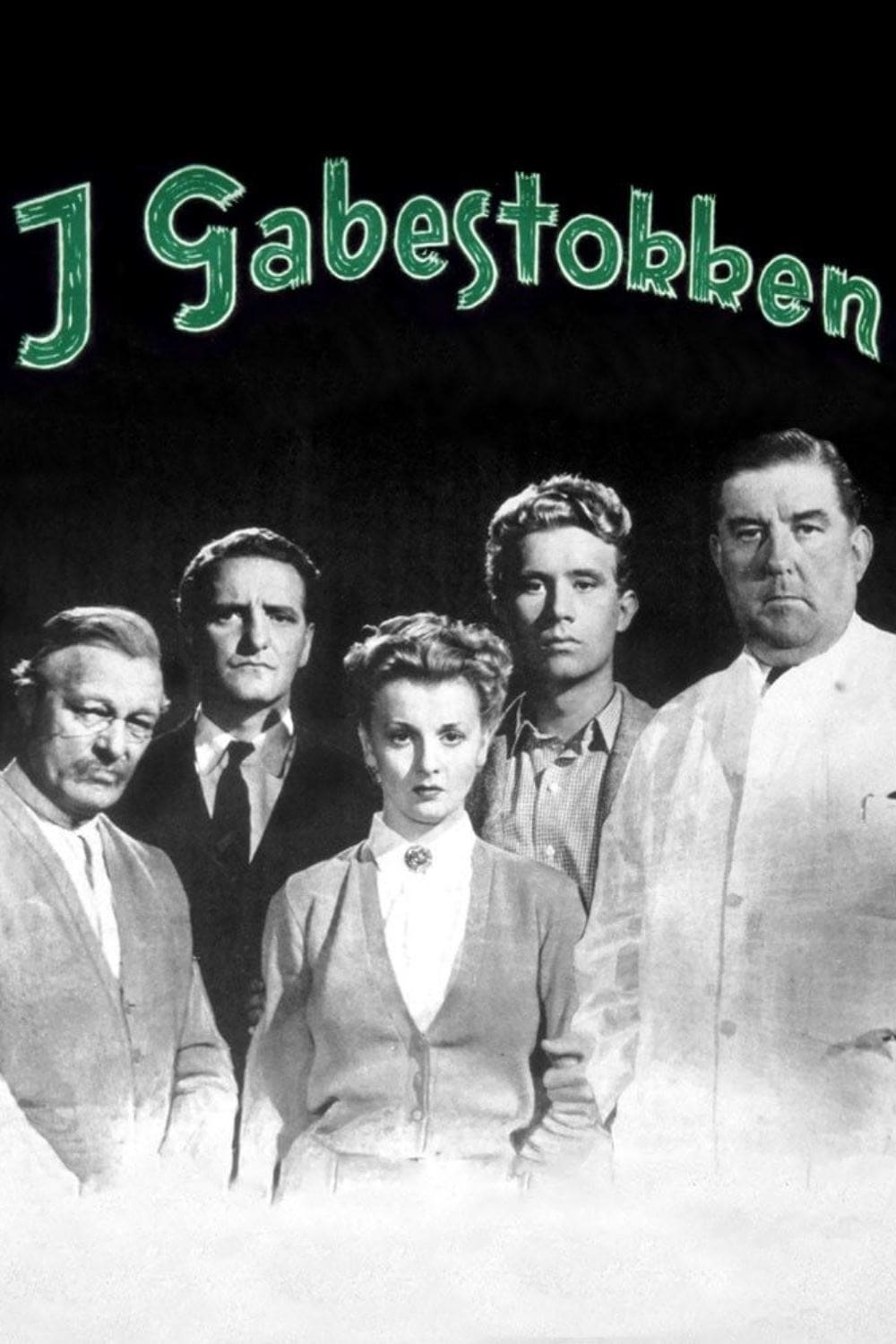
The film deals with a problem that affects us all. Whether you are rich or poor, old or young, you can be attacked by tuberculosis. In many, many cases, you can also be cured and leave the hospital or sanatorium with a certificate stating that you are free of infection and that, provided you attend your check-ups, you pose no danger to other people. This is what happens to Bente, a young office worker.
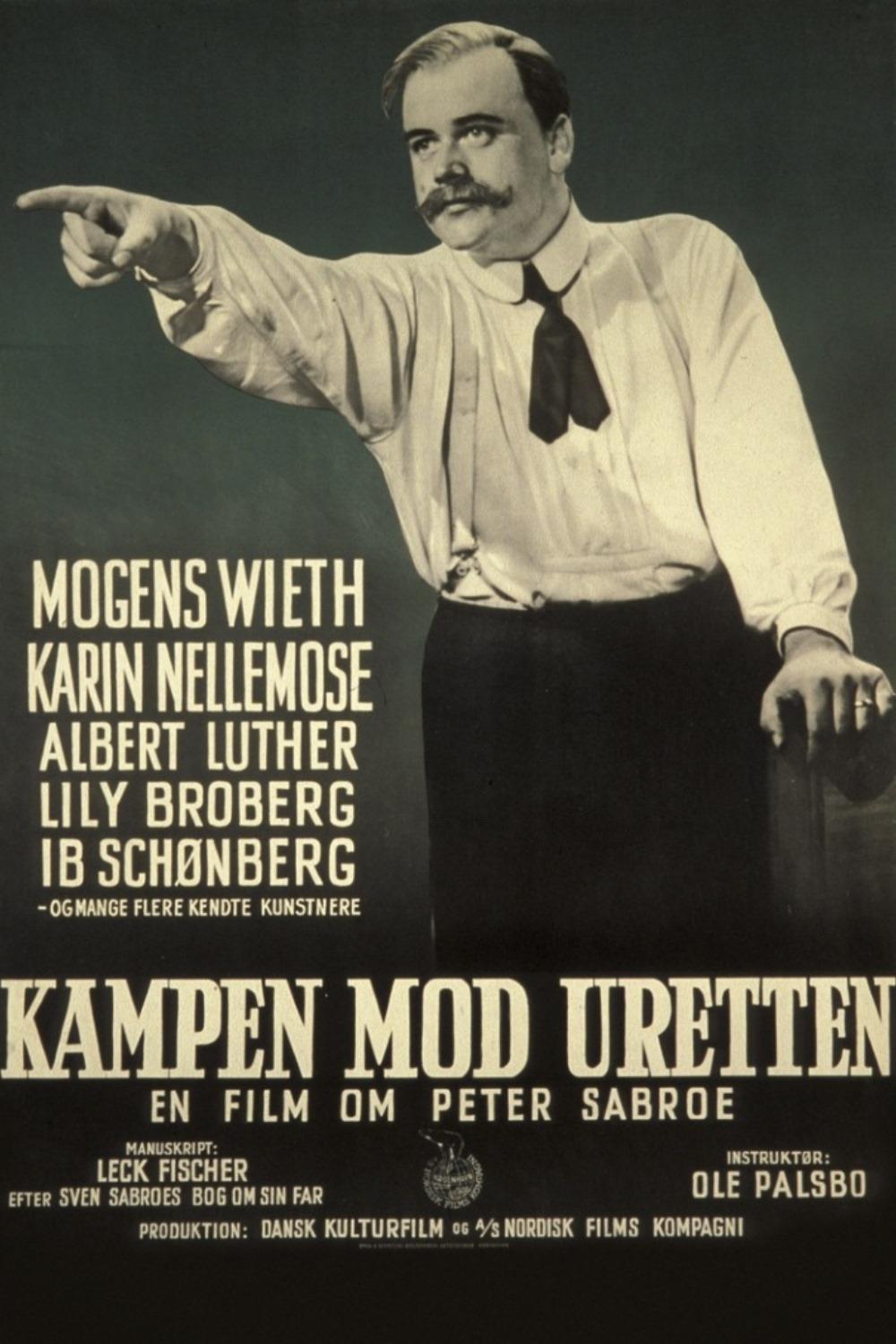
Depiction of the social democratic activist and politician Peter Sabroe, who in the time around the turn of the century went to fight for the oppressed, oppressed and abused existences.
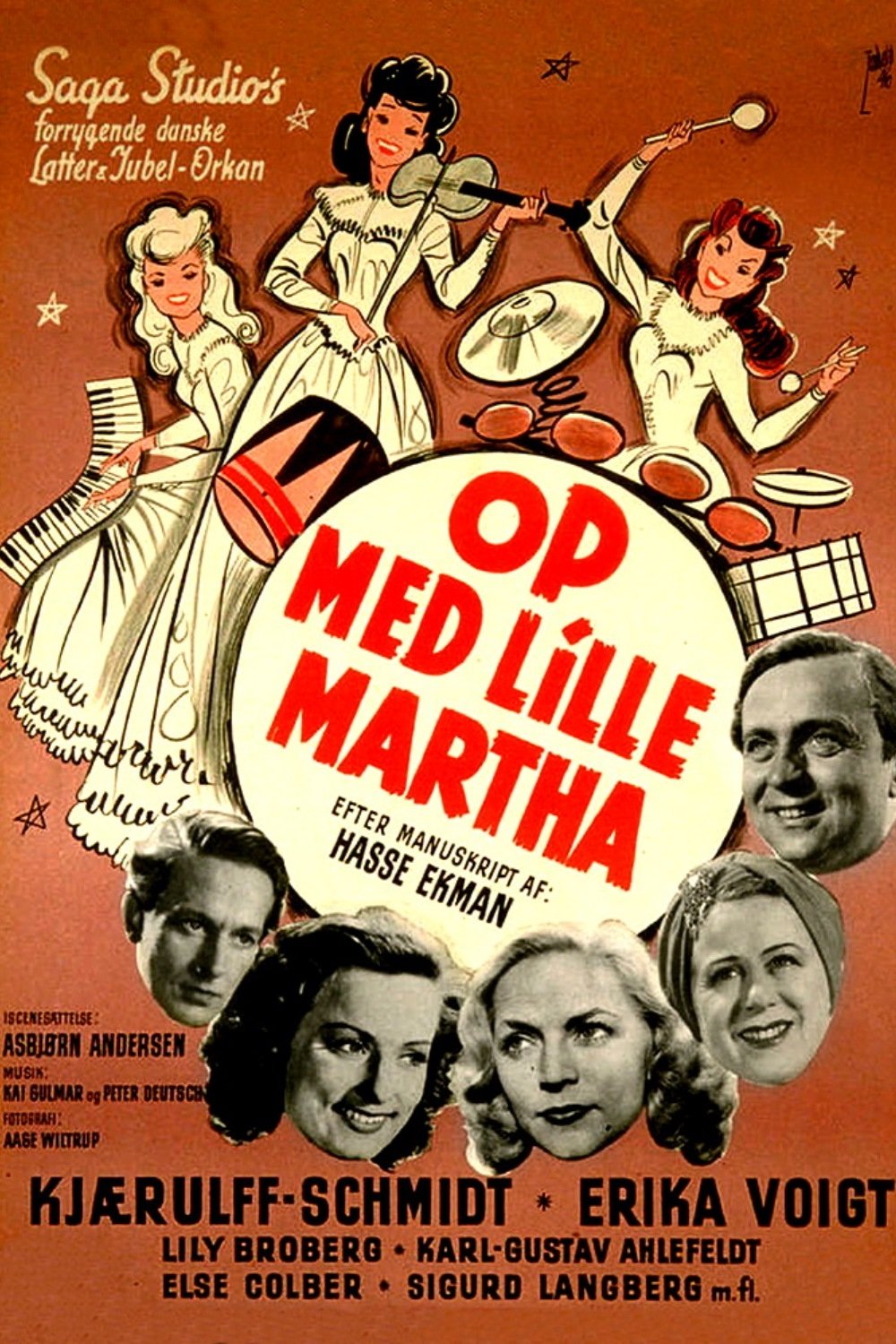
To get a job in a female trio, Per Fagernæs dresses up in women's clothing and calls himself Martha. Together with his "boyfriend" Poul, the four of them travel to the countryside. Martha immediately gets an admirer, which she is not particularly happy about. Martha is drawn into the women's movement by the mayor's wife, and at a women's rights meeting she is nominated as a candidate for parliament. Later, she is elected, beating the mayor of the town by one vote. Meanwhile, both Martha and Poul are having problems with love, as they have both fallen in love with two real women from the trio. But how do you declare your love when you are engaged to Martha, and how do you get rid of Martha?

When a boring collage professor is mistaken for his cousin, he gets into all kinds of trouble, with hilarious results.

Grete Hansen is looking for work at "Morgenbladet". Here she meets the womanizer Vilmer, who wants Grete to meet him on her first night out on the town, and Bob, a young man who plays private detective. When Bob reads that there are a number of counterfeit 100 kroner notes in circulation, Bob and Grete decide to catch the thief. First they break into the home of a policeman whom they suspect of being a counterfeiter. Later they play servants at the home of another suspect. Then Grete discovers something suspicious about Vilmer - she follows him to a spooky house.
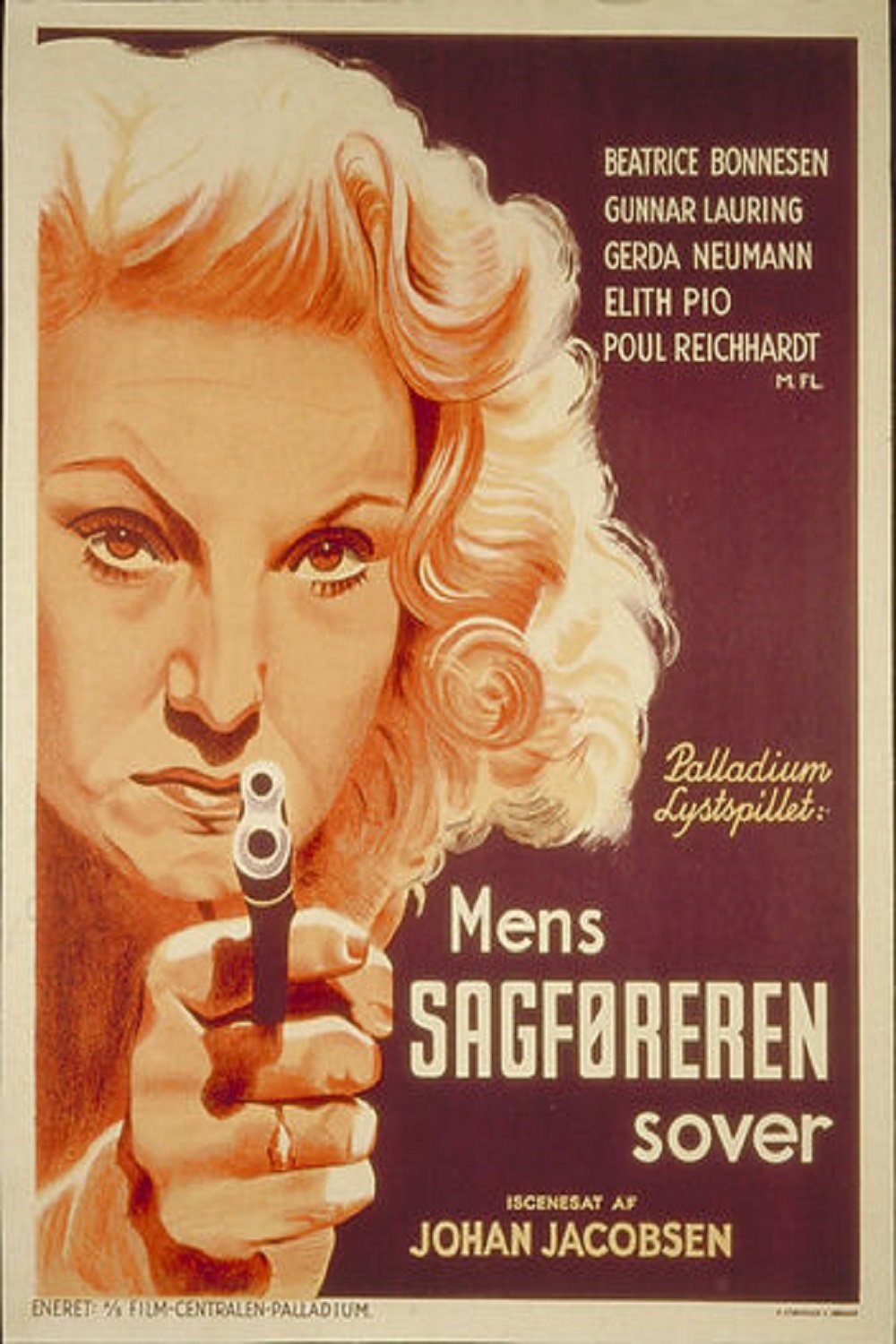
Four Danish-Americans who, thanks to their exploits across the Atlantic, should have been behind bars, have taken up residence in a Copenhagen hotel. It is not longing for their homeland that has driven them home, but the hope of making "the big deal," more specifically, securing the crown jewels at Rosenborg Castle in a daring coup. At the hotel, the four "gentlemen" impatiently await their boss's orders to move out.
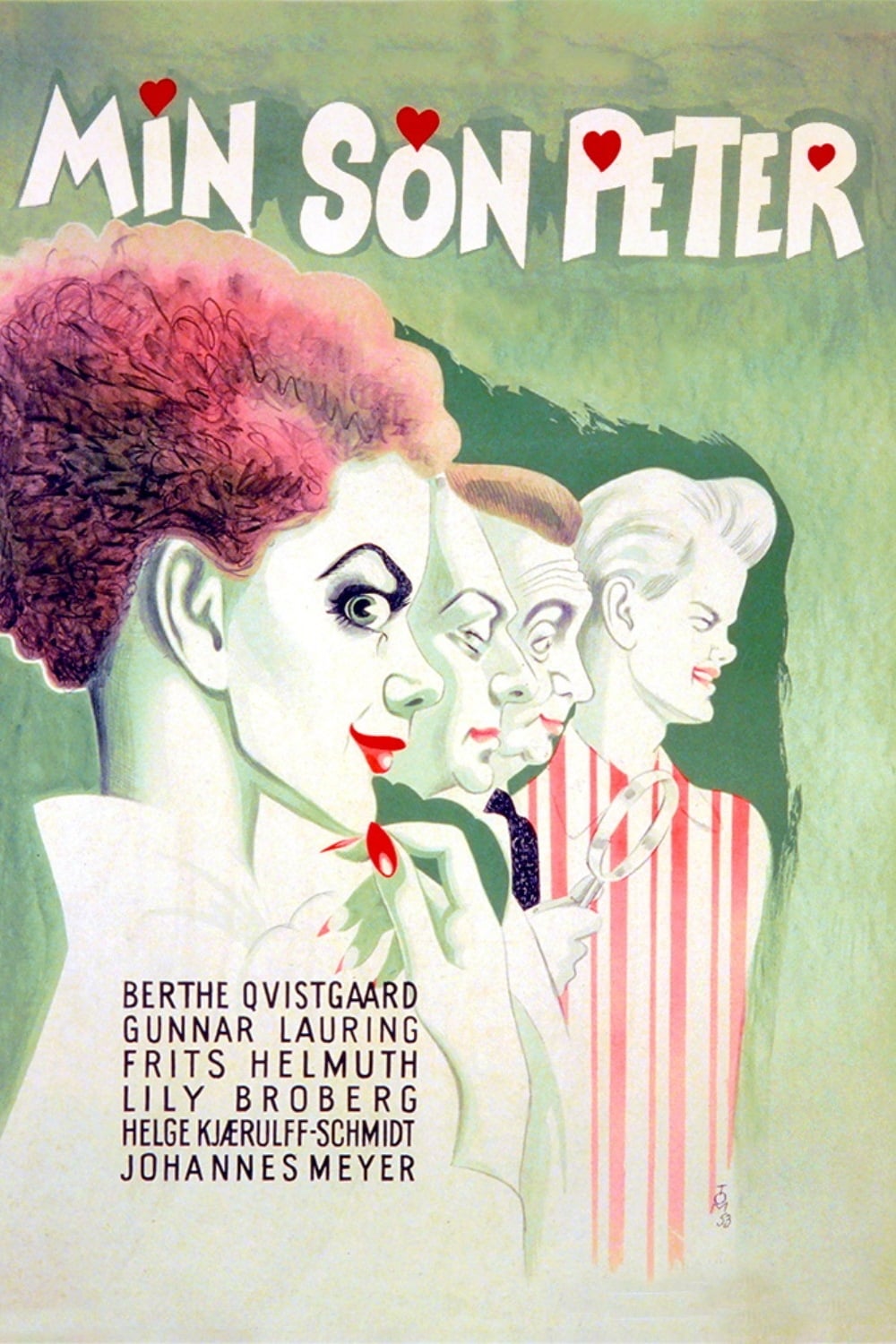
Once upon a time, there was a family consisting of the artist Michael, his wife Lydia, and their son Peter. But the couple divorced, and Lydia, who later married a wealthy businessman who left her so much money when he died that she is now financially independent, now lives in a charming country house, where her old, faithful factotum, Josse, rules the roost.

A group of young actors, ambitious and naive, dream of their big breakthrough, criticize the theater school, want to revolutionize theater, and never compromise, but are very uncertain about the future and their own identity.

After a long and arduous life, where she is tyrannized by her husband, the nice old lady becomes a widow. And she inherits a fortune. Now she takes revenge and spends money - much to the outrage of the whole family. They desperately try to have her disenfranchised. The family's attempts to stop the old lady's play with the money give rise to lots of baroque and very comical situations. The laugh muscles are frequently appealed to - and the ending is very surprising...
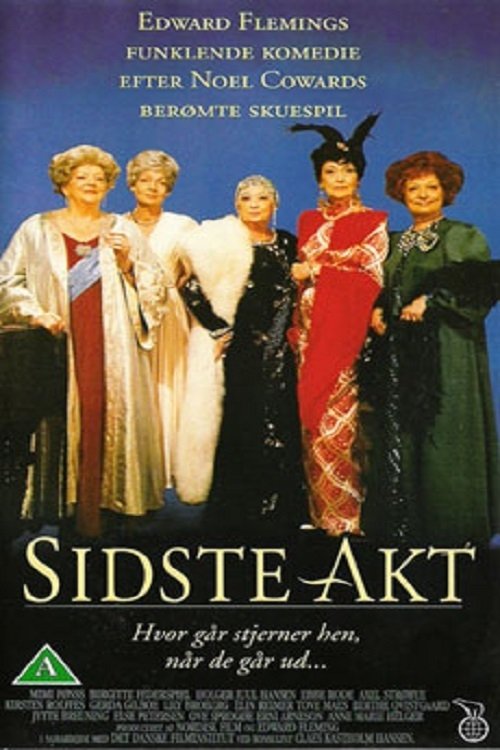
FINAL ACT is based on Noel Coward's play "Waiting in the Wings". Even the smallest events turn into mind-blowing dramas at The Set, a retirement home for former actresses in England. Jealousy and madness flare into a firework display of toxicity when ex-primadonna Lotta Henderson (Birgitte Federspiel) moves in. A slap in the face of The Set's leading star in her own eyes, May Davenport (Mime Fønss), who has had a lifelong rivalry with Lotta both on stage and off. The daily dramas reach dizzying heights when a scandalous journalist (Anne Marie Helger) gains access like a wolf in sheep's clothing. A stunt that has a not-so-clever connection to the ladies' burning desire to be granted a veranda. The matter is raised to the highest level of the home's tough board of directors, and The Set's secretary Perry (Holger Juul Hansen) comes under justified suspicion of skulduggery. But this is where May Davenport's diva talent comes in as a sure trump card...
Denmark's first television broadcast ever. Actress Lily Broberg presents "the television" and shows a clip from film about the school ship "Danmark".
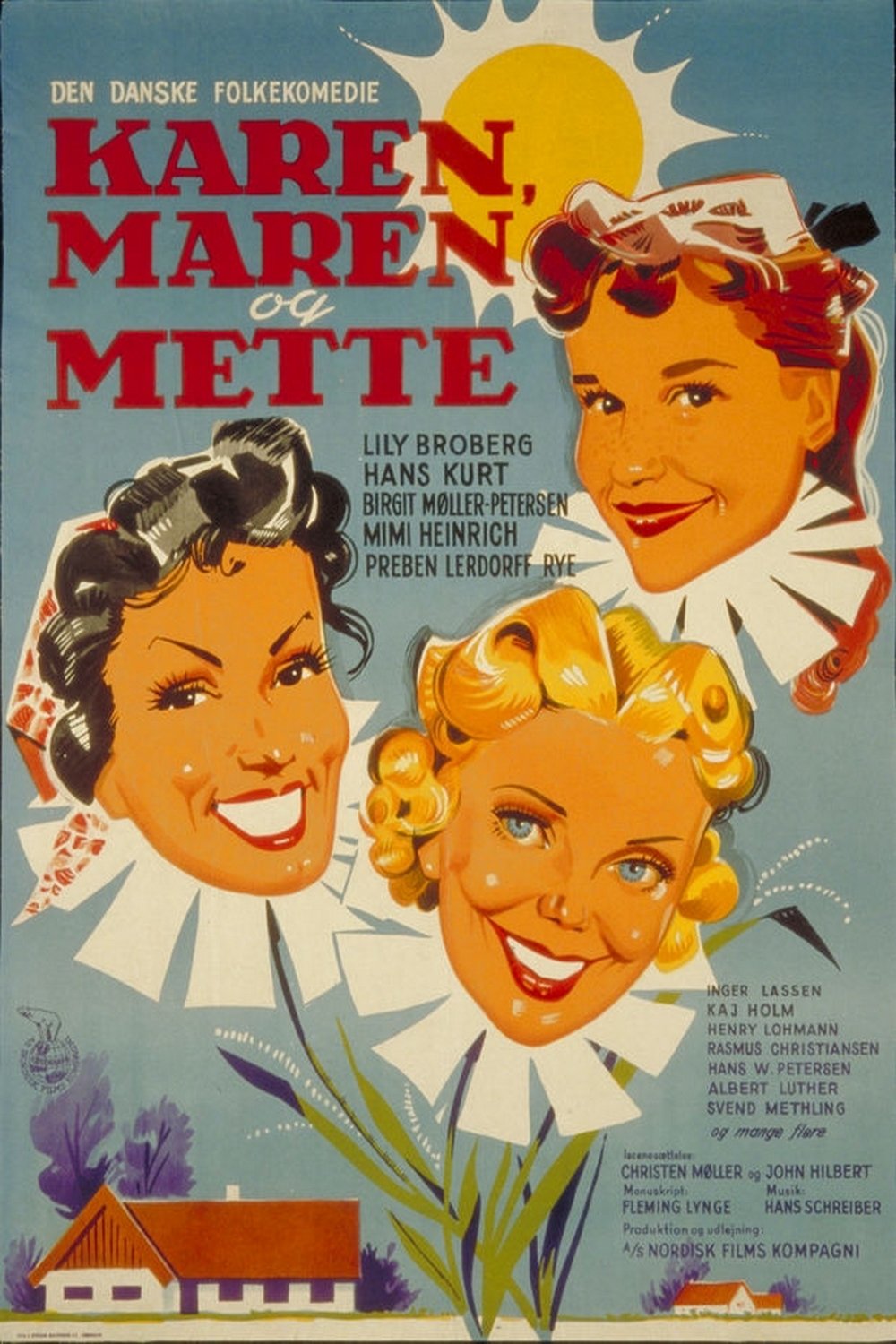
Among the many guests at the Rebild festival is Andreas Andersen, a man in his early 30s. But he has not come to Denmark to attend the big festival. Seventeen years ago, he was a poor farmhand at "Hovgården," but he fled the country because the farmer's wife, the authoritative Martha Larsen, accused him of a theft that was actually committed by her son, Henrik. Andreas came to America and led a turbulent life here before becoming a farmer and earning a lot of money.

Danish social democratic propaganda film. During the Occupation, the young freedom fighter Søren had a good working relationship with a comrade in the resistance movement, despite the fact that Søren was a social democrat and his comrade a communist. After the liberation in May 1945, the differences that had been less important during the war begin to stand in Søren's way. Both his friendship with his comrade and his relationship with the wealthy Inger fall apart in the summer of liberation. But through his work in the Social Democratic Party, Søren experiences a renewed enthusiasm and resumes his relationship with Inger. Together, they actively engage in the party's work and both see it as an extension of the struggle for freedom during the occupation. Denmark's entry into NATO is particularly important.
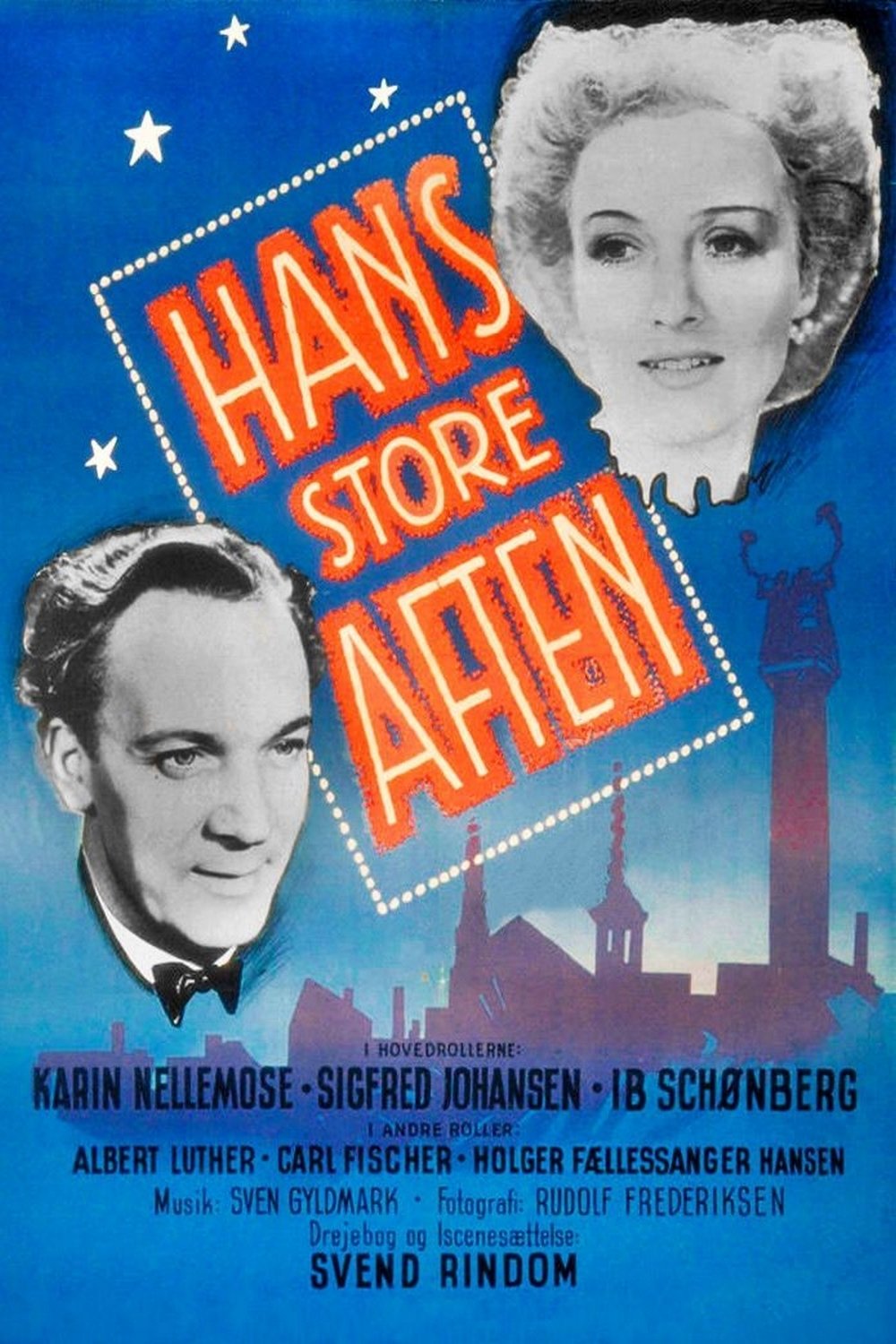
Young Jonas Tofte is a waiter in the theater café, but he is more than that; he is also a poet and has written a comedy that is about to premiere. With this, both he and his sweet little wife, Else, hope to be out of all the difficulties they have come to know so well. Once the premiere is over, all the bills will be paid, and Jonas can stop serving. But many difficulties still lie ahead for Jonas before the premiere is over.
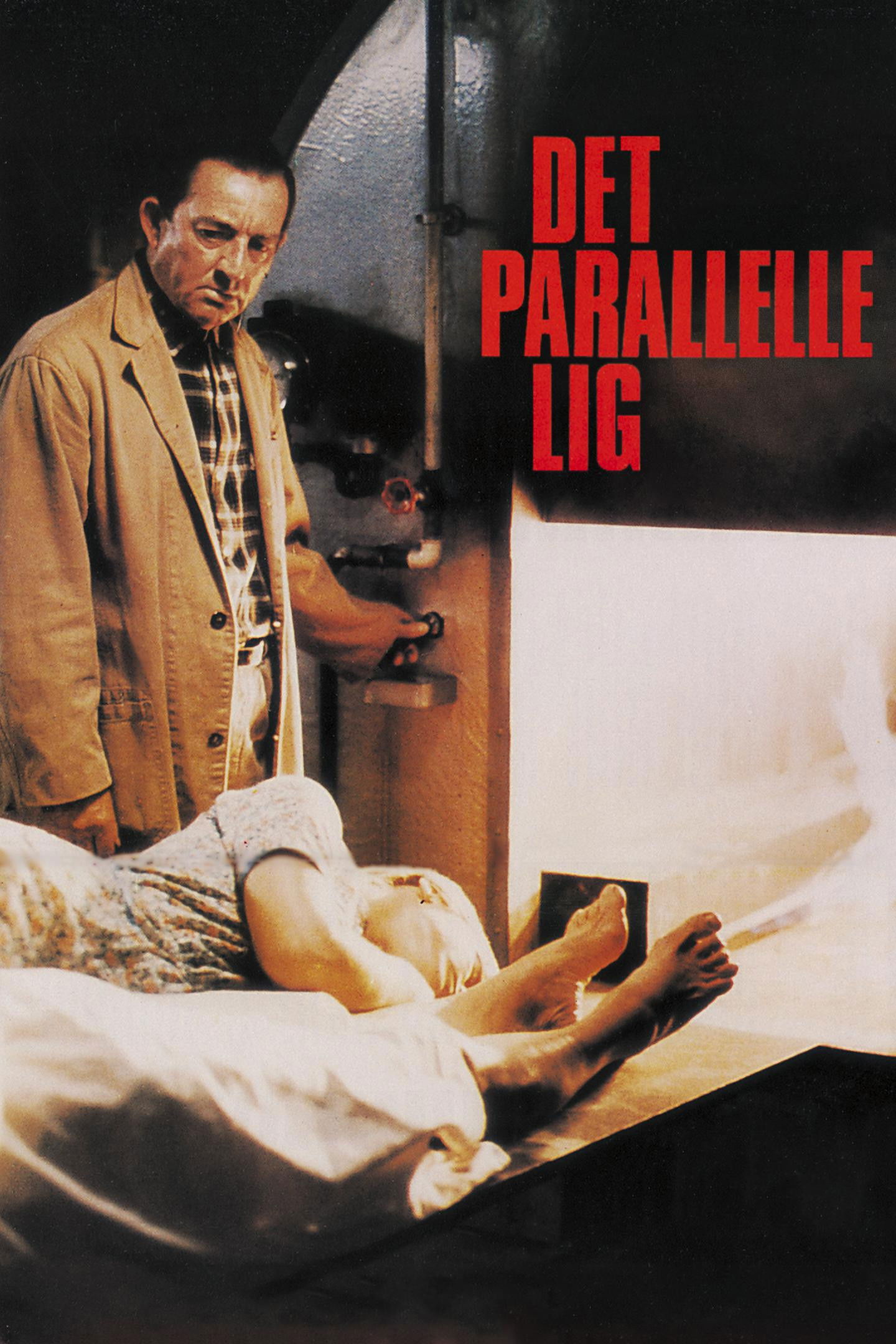
About a businessman who murders his stepdaughter after having an affair with her. A crematorium worker who secretly sells coffins to an undertaker discovers two bodies in one of the coffins one day. He suspects what has happened and tries to blackmail the murderer for money.
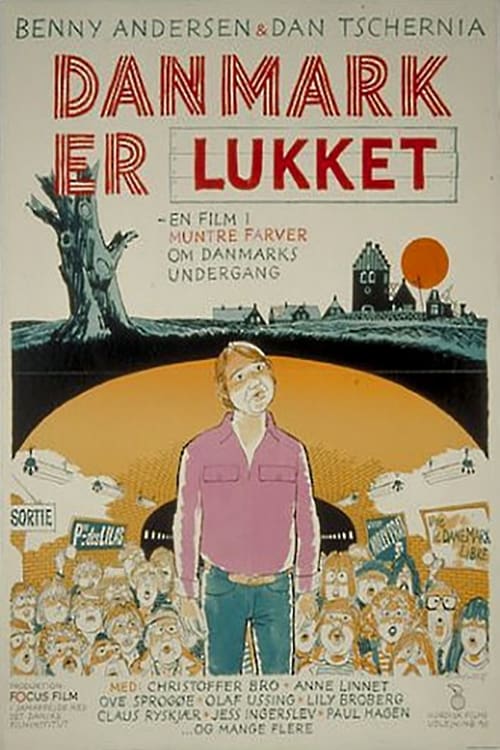
In the future, Denmark has been made a nuclear waste dump and the Danish language is banned.
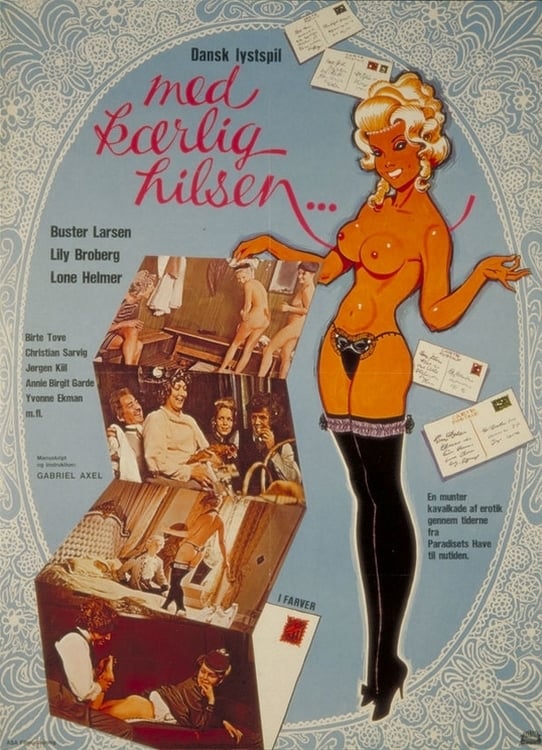
A spicy comedy in episode form. We follow a young couple's problems with eroticism at different times and in different environments. The episodes: On Vesterbrogade. In Tivoli. At a castle in 1740. Around a balloon in 1820. On the train in 1890. At the bathhouse in 1900. At a hotel in 1910. In an apartment in 1925. At a tavern in 1932.
The wife is unhappy that her husband has not registered with the Home Guard like the other men.