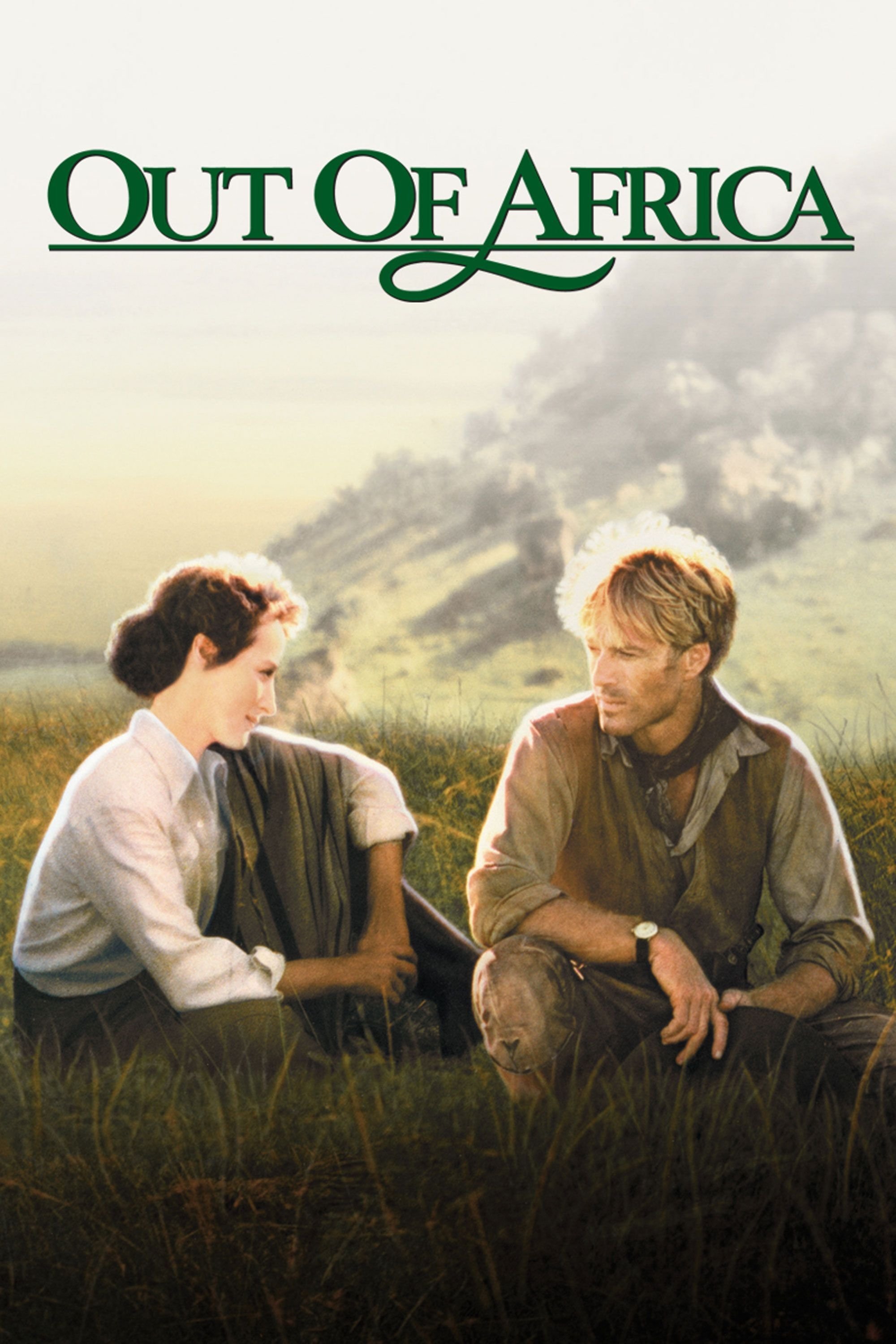
Tells the life story of Danish author Karen Blixen, who at the beginning of the 20th century moved to Africa to build a new life for herself. The film is based on her 1937 autobiographical novel.

Barley Scott Blair, a Lisbon-based editor of Russian literature who unexpectedly begins working for British intelligence, is commissioned to investigate the purposes of Dante, a dissident scientist trapped in the decaying Soviet Union that is crumbling under the new open-minded policies.

A history of the French Revolution beginning from the decision of the king to convene the Etats-Generaux in 1789 in order to deal with France's debt problem. Part one spans the event until August 10, 1792 (when the King Louis XVI lost all authority and was imprisoned). Part two carries the story through the end of the terror in 1794.

This historical and analytical documentary draws attention to the background of the roots of "New Austrian Cinema" and presents Austria as a film country to be taken seriously. The audience gets to see rare early works by well-known filmmakers as well as shots of landscapes that served as a source of inspiration and locations that have produced important Austrian films since the end of the 19th century.
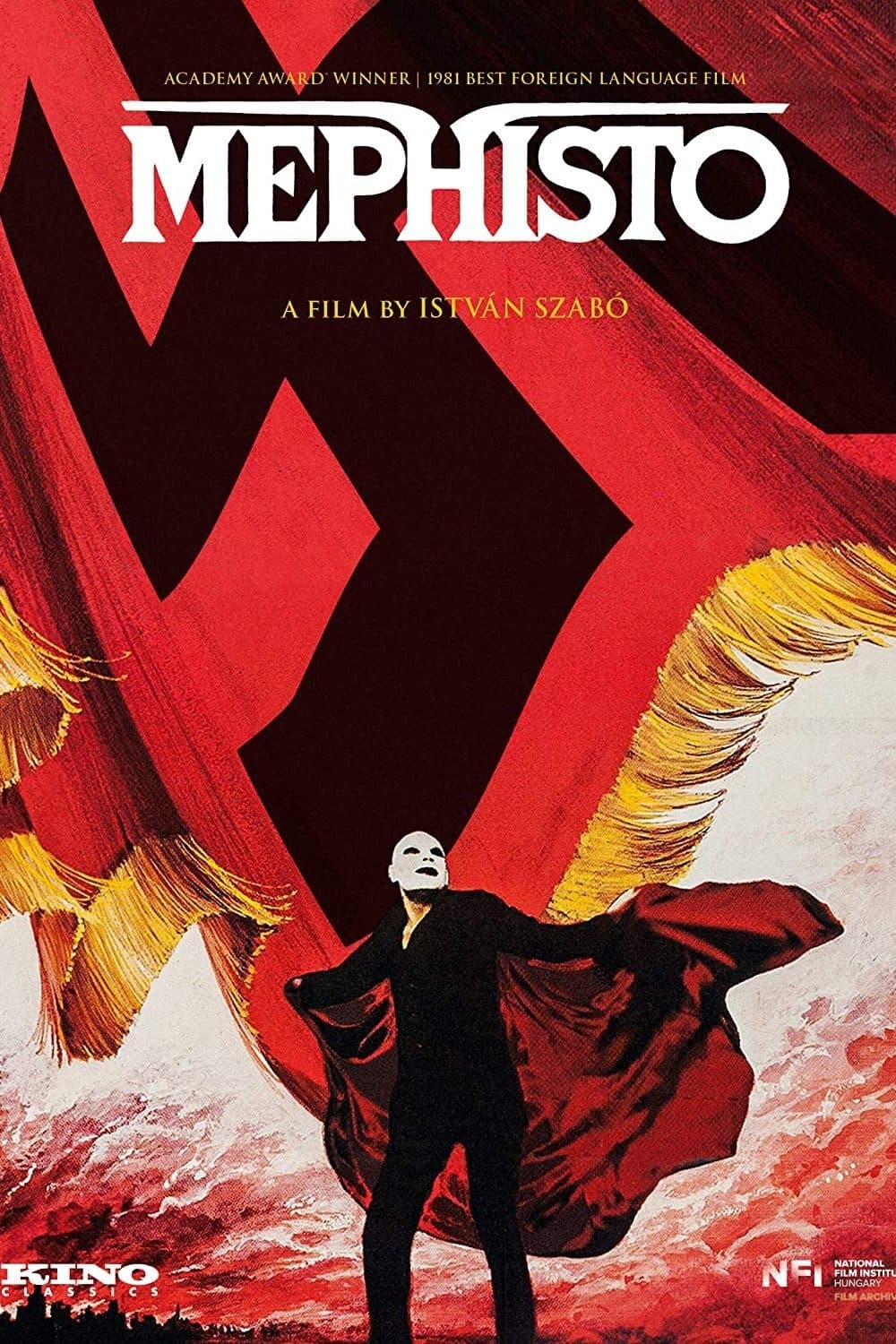
A German stage actor finds unexpected success and mixed blessings in the popularity of his performance in a Faustian play as the Nazis take power in pre-WWII Germany. As his associates and friends flee or are ground under by the Nazi terror, the popularity of his character supercedes his own existence until he finds that his best performance is keeping up appearances for his Nazi patrons.

In Buenos Aires, 17-year-old Bennie seeks out his estranged brother Tetro, a once-promising writer haunted by their family’s past. As Bennie uncovers Tetro’s hidden manuscript, old secrets and rivalries resurface, forcing both men to confront the truth about their father and the tangled legacy that tore their family apart.
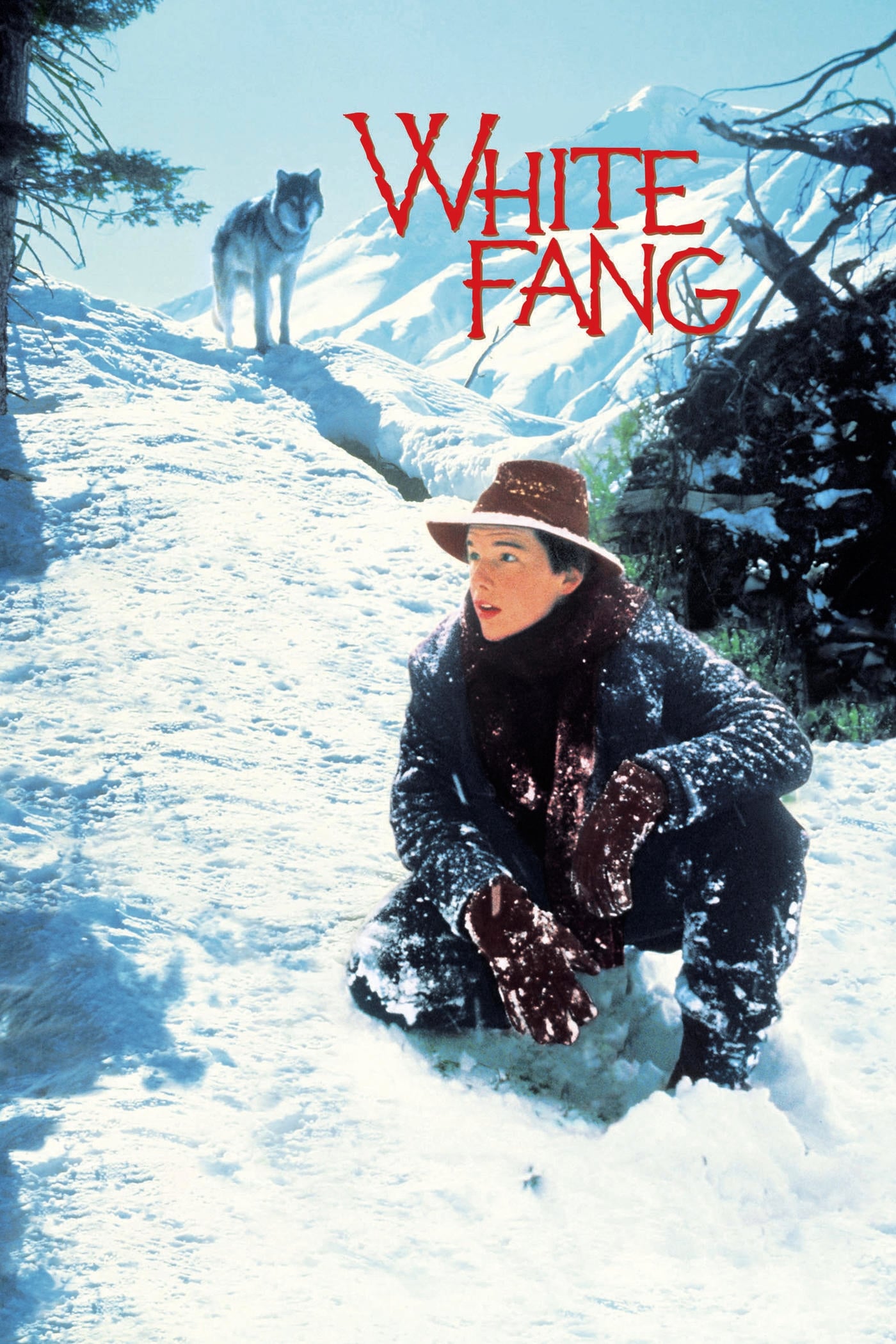
Jack London's classic adventure story about the friendship developed between a Yukon gold hunter and the mixed dog-wolf he rescues from the hands of a man who mistreats him.

A domestic house cat named Francis investigates the grisly feline murders taking place in his new neighborhood.

The young Jeremiah grows up in a priest's family in the village of Anathoth, near Jerusalem. God appears to Jeremiah in different human guises on several occasions, and makes it clear that he has been selected to announce God's message to the people of Jerusalem.
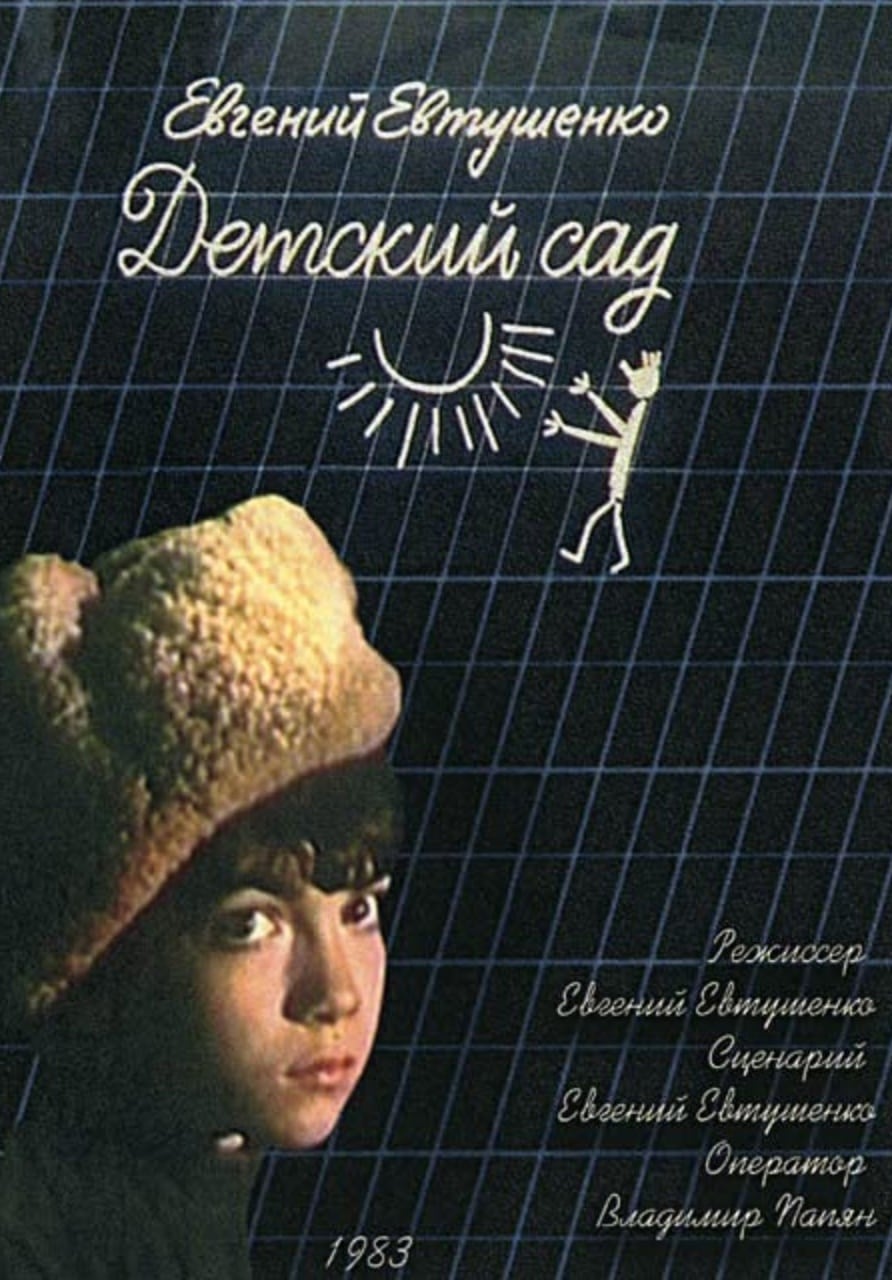
The movie reminiscence of the Soviet poet Yevgeny Yevtushenko about the military childhood when he one reached the Siberian Winter station where he was waited by the grandmother. The way was unusually long, cold, hungry and angry.
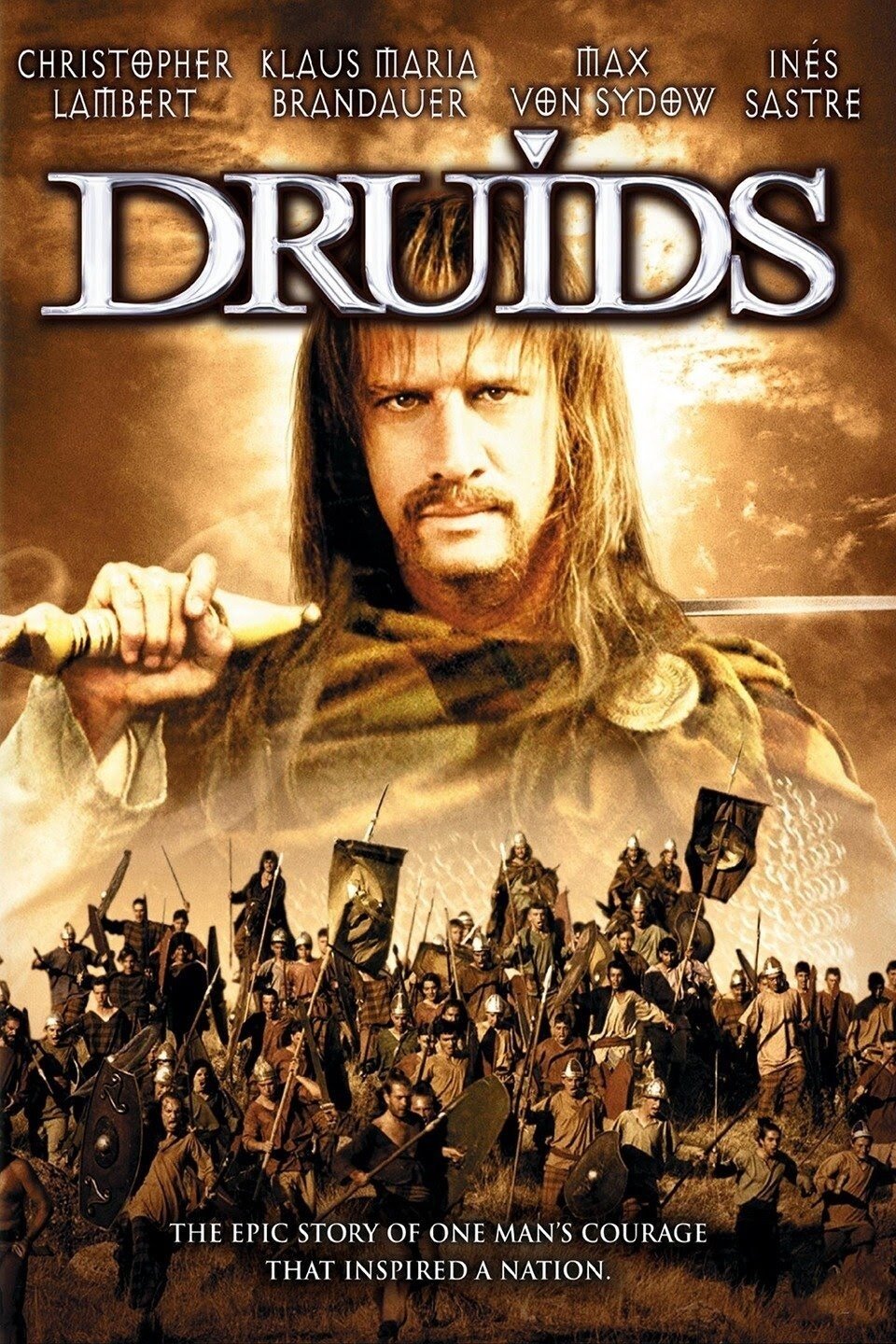
In the year 60 B.C. a group of Druids, including the arch-druid Guttuart (Max von Sydow), witness the passing of a comet and interpret it as the sign of the coming of a king for their country Gaul, which has not had a king for a long time. Guttuart goes to Gergovia, the capital of the Arvenes tribe, to attend a meeting of Gallic tribal chieftains. The young boy Vercingetorix, along with his friend the young girl Eponia, sneak into a large cavern where Celtill, Vercingetorix's father and chieftain of the Arvenes, hosts the meeting of chieftains with the intention of proclaiming himself king of all Gauls. When Celtill shows off the crown once worn by the old kings of Gaul, an arrow from two Roman spies (dressed as Gauls) hits Celtill in the back.

Set during the fading glory of the Austro-Hungarian empire, the film tells of the rise and fall of Alfred Redl, an ambitious young officer who proceeds up the ladder to become head of the Secret Police only to become ensnared in political deception.

James Bond returns as the secret agent 007 to battle the evil organization SPECTRE. Bond must defeat Largo, who has stolen two atomic warheads for nuclear blackmail. But Bond has an ally in Largo's girlfriend, the willowy Domino, who falls for Bond and seeks revenge.
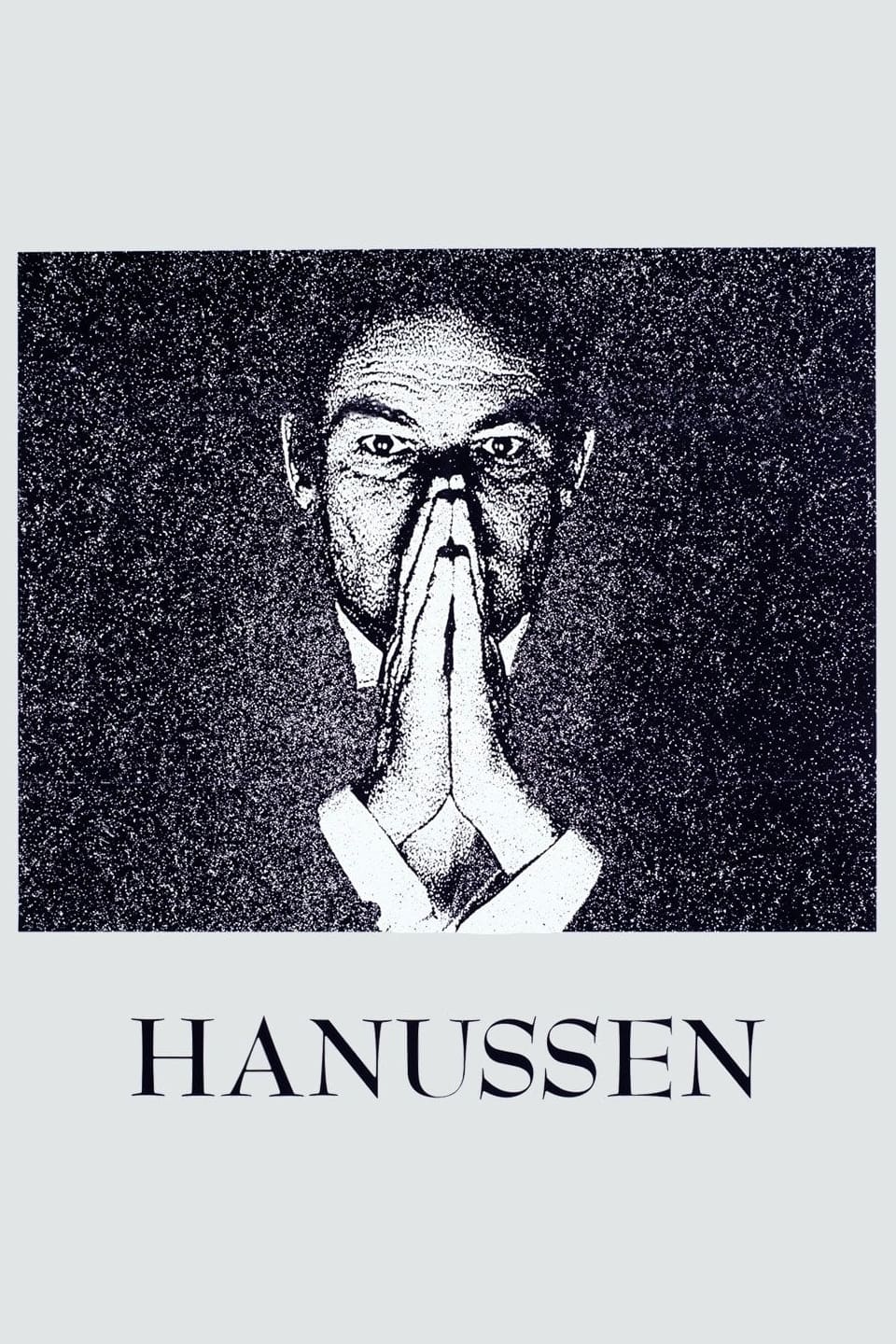
A man's story parallels Hitler's rise. Austrian Klaus Schneider, wounded in World War I, recovers in the care of Dr. Emil Bettleheim. Bettleheim discovers that Schneider possesses powers of empathy and of clairvoyance, such that could aid suicidal patients. After the war, with one friend as his manager and another as his lover, Schneider changes his name to Eric Jan Hanussen and goes to Berlin, as a hypnotist and clairvoyant performing in halls and theaters. He always speaks the truth, which brings him to the attention of powerful Nazis. He predicts their rise (good propaganda for them) and their violence (not so good). He's in pain and at risk. What is Hanussen's future?

Alek is an immigrant from the Soviet Union who was a talented boxer in his day, but he was not allowed on the Soviet national team because he was a Jew. Depressed and discouraged, he meets two young amateur boxers. As their coach, he trains them for glory.
Three women confront their pasts which changes their futures.
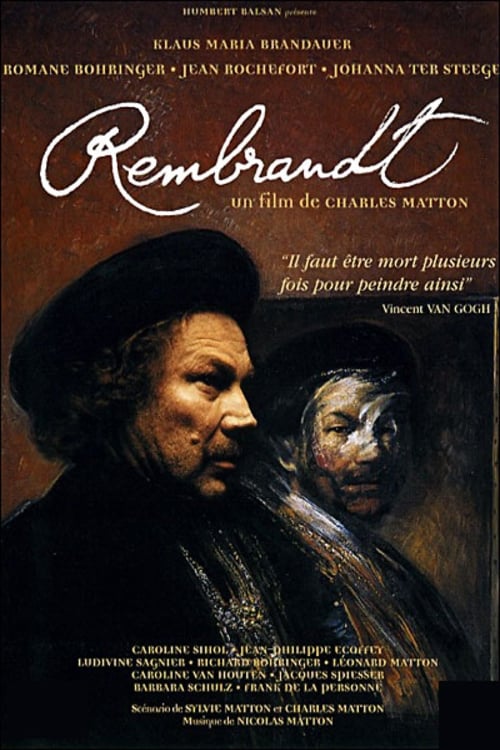
This French-German-Dutch biopic on the life of 17th century Dutch master Rembrandt van Rijn is told in flashbacks from the point-of-view of the aged artist. Soon after establishing his career as a painter in Amsterdam, he marries the radiant Saskia. As he makes a name for himself, he can soon afford to buy a large house by teaching wealthy aristocrats how to paint. However, the couple's happiness is short-lived; Saskia dies soon after bearing their son, Titus. Crushed, van Rijn seeks comfort first in the arms of his maid Geertje and then with his second wife, Hendrickje, who gives birth to a daughter. In spite of his genius, van Rijn's determinedly eccentric behavior alienates the very members of the elite who were paying his bills. At one point, the artist's home and belongings, including many of his paintings, are seized and sold for humiliatingly low prices in a rigged auction.
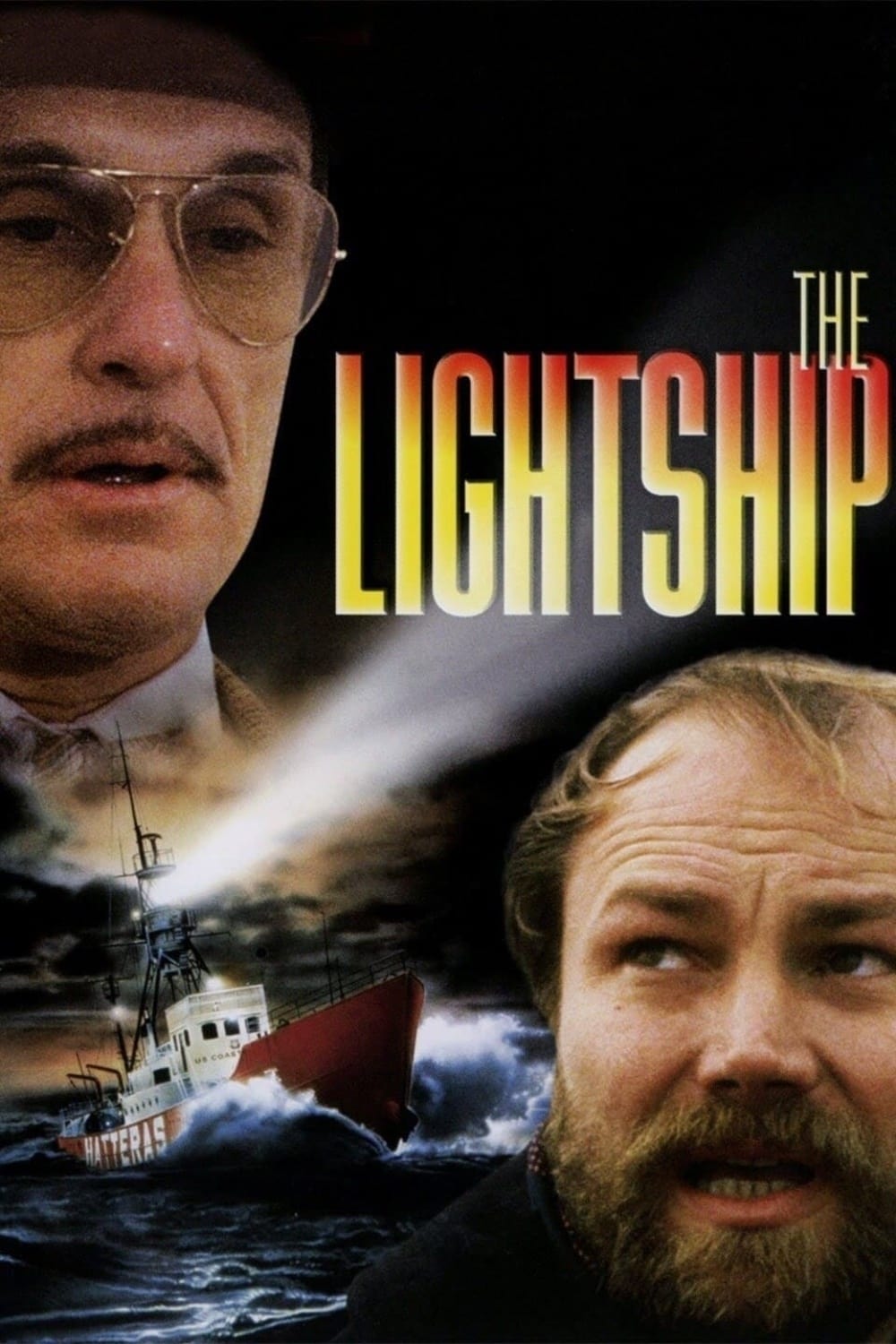
A trio of robbers, two brothers and their twisted genius leader, invade a lightship, but don't reckon on the crew fighting back.

About the love of Lenin and the Finnish girl Mariot, from whom he had a child, who subsequently disappeared without a trace.

An acclaimed stage performer, Dorothy still struggled with the challenge of her color, in a time that wouldn't let some stars in by the front door. Yet against the odds she beat out many more famous rivals for the role of "Carmen Jones", becoming the first black woman ever nominated for a Best Actress Academy Award. Marriages and affairs would break her heart, but her heart was strong. Seductive and easily seduced, she was born to be a star - with all the glory and all the pain of being loved, abused, cheated, glorified, undermined and undefeated. Here was a woman who wouldn't wait in the wings. Halle Berry stars as Dorothy Dandrige.
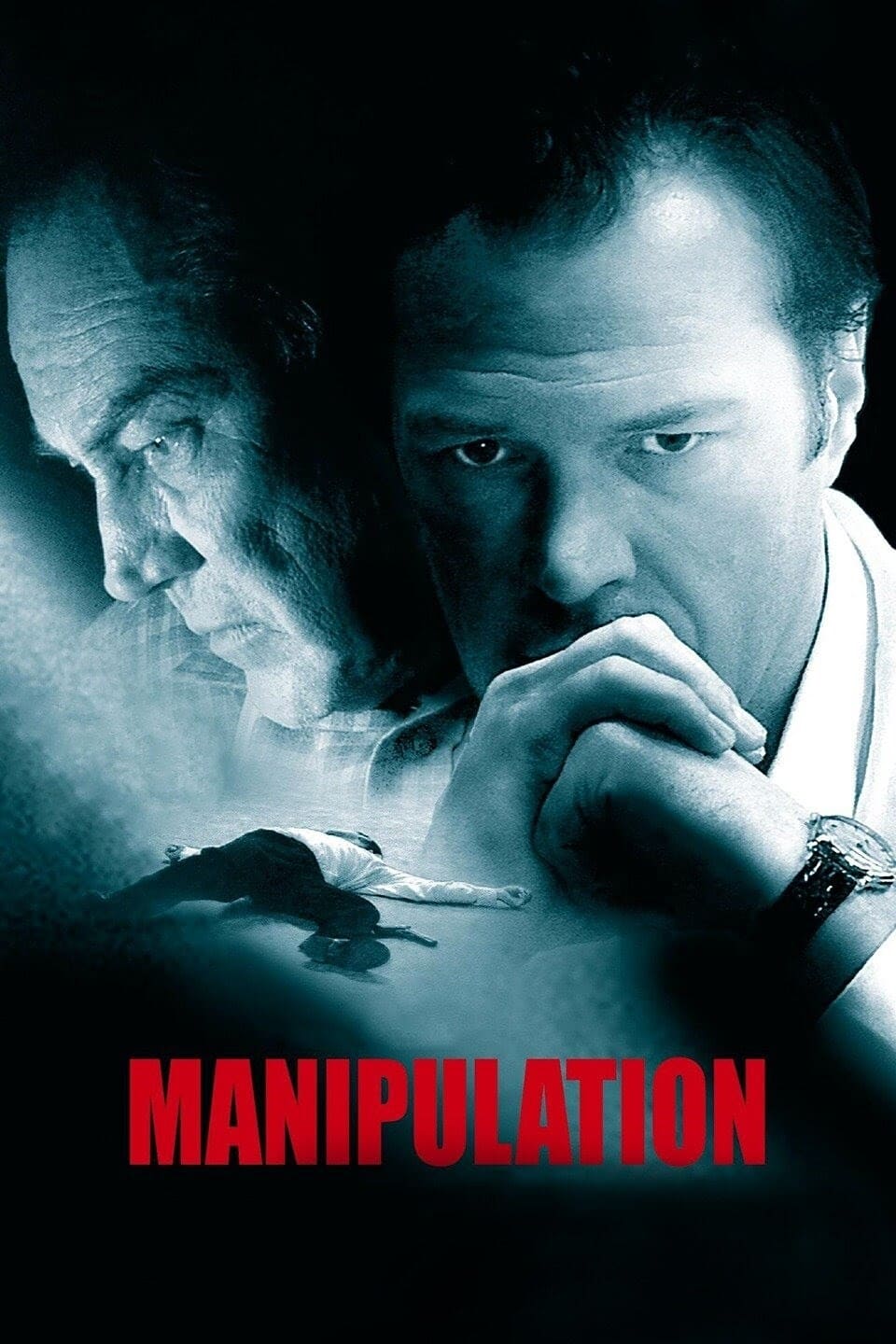
Set in Zurich in the 1950s, a special agent who is near retirement receives a major assignment: Bring down Harry Wind, a top PR manager who has been accused of spying.
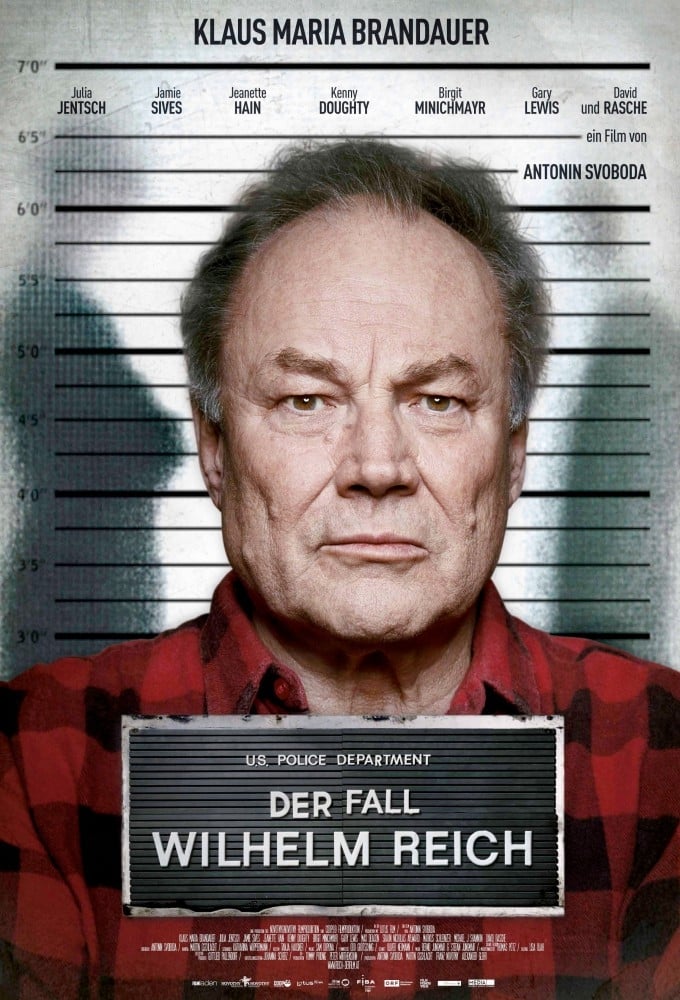
At the end of his life, Wilhelm Reich - psychiatrist and experimental scientist searching for the fundamentals of life - finds himself on trial, charged with deception. His dream of liberating human individuality makes him a dangerous opponent of an American system that is striving after 1945 for global hegemony, using all available means. Was it madness to believe in man's liberty or was Reich simply in the wrong place at the wrong time, and, being a holistic global thinker, accurately observing far-reaching socio-political linkages? Ten years after his mysterious death, his writings, once burnt by the US FDA, become an important source of inspiration for a '68 generation in revolt. Written by Novotny & Novotny
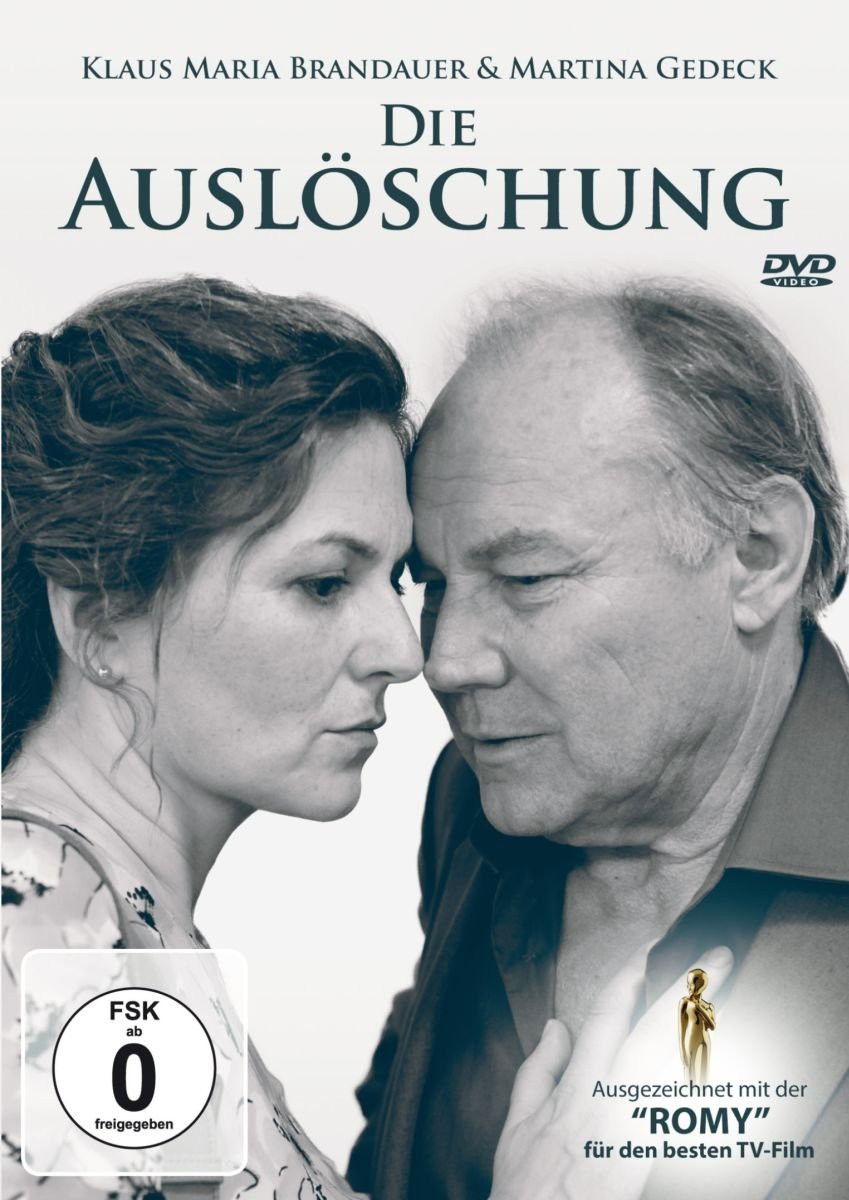
An aging renowned art history researcher falls in love with a younger woman who struggles and tries to cover his ongoing Alzheimer's's.
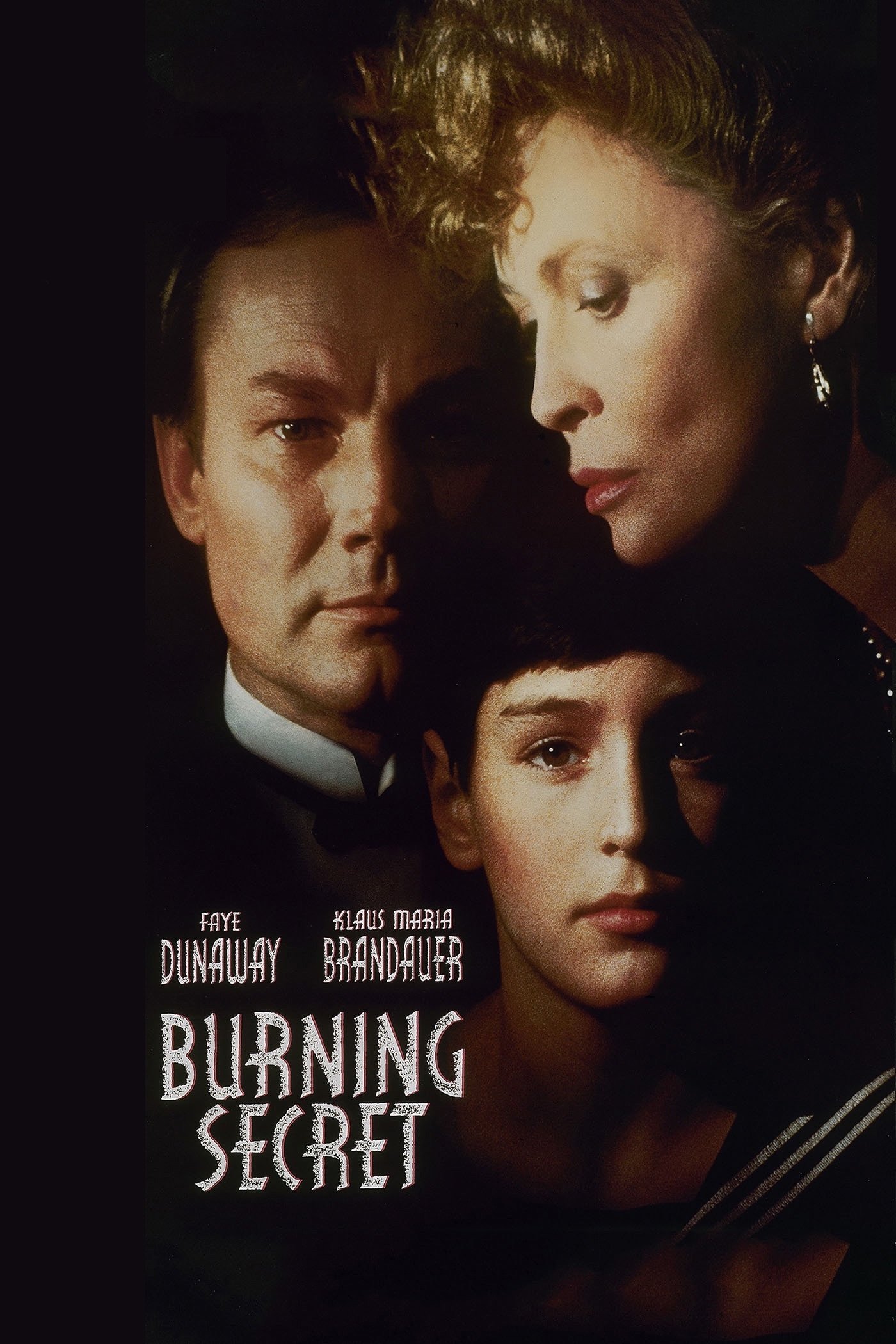
While recuperating in a sanatorium in the mountains, a young boy becomes very close friends with an older baron. But the baron is only using the boy to get to know his mother, the wife of an older diplomat. When the boy realises the baron’s intentions, he becomes jealous, moody and depressed.
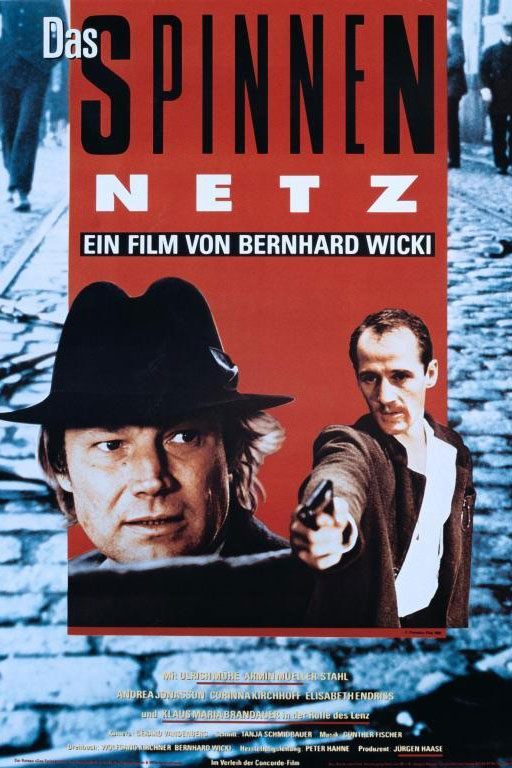
Ulrich Mühe plays a German businessman who was born completely without scruples. This makes him an eminently suitable candidate for success in the chaotic years after World War I. The shameless man's story is contrasted with that of his polar opposite, a Jewish anarchist.
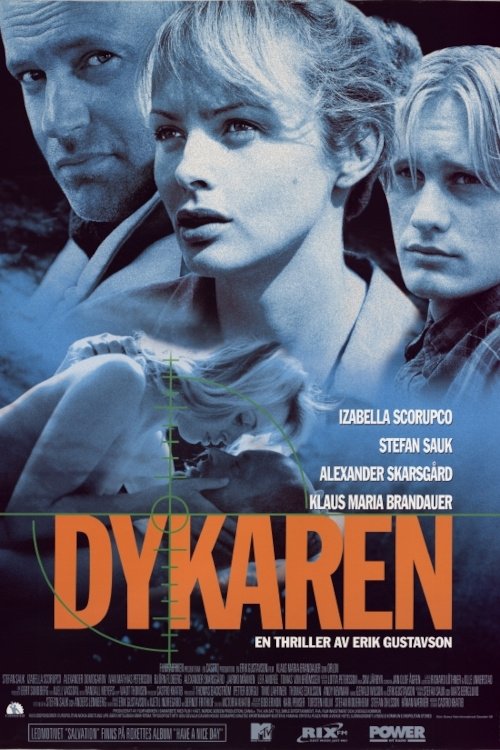
A thriller about deceit and the struggle for power within Eastern European mafia gangs living in exile in Sweden. Swedish fisherman Arne rescues a young Polish woman, Irena, after a mysterious incident at sea. Two people, both with a past, both determined never to fall in love again, are slowly drawn to each other. Irena has to learn to distinguish friend from foe. Arne must confront his nightmares to save the woman he loves.
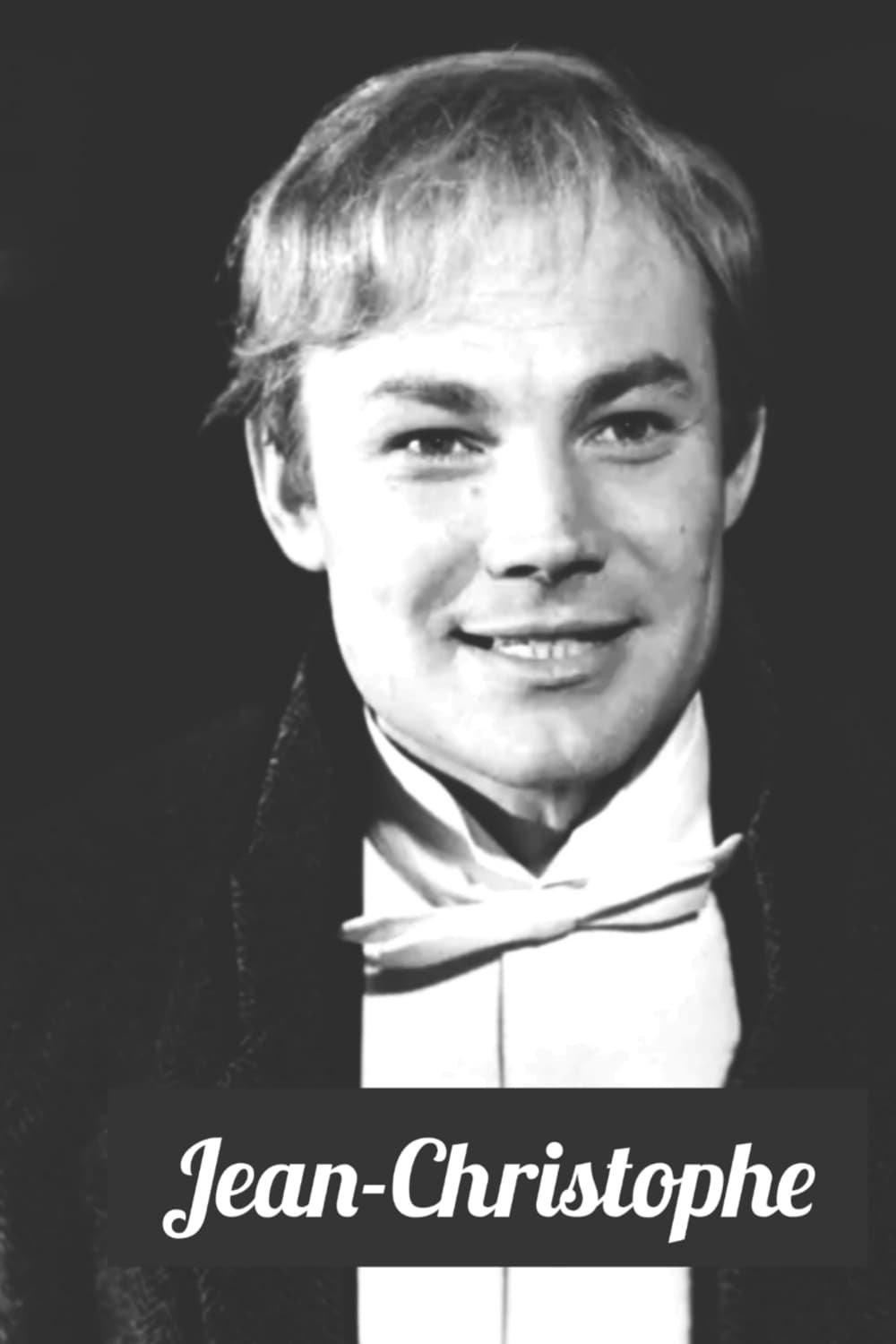
The central character, Jean-Christophe Krafft, is a German musician of Belgian extraction, a composer of genius whose life is depicted from cradle to grave. He undergoes great hardships and spiritual struggles, balancing his pride in his own talents with the necessity of earning a living and taking care of those around him. -- Wikipedia

French writer recalls her start as the country wife of a Paris publisher who called her erotic work his own.
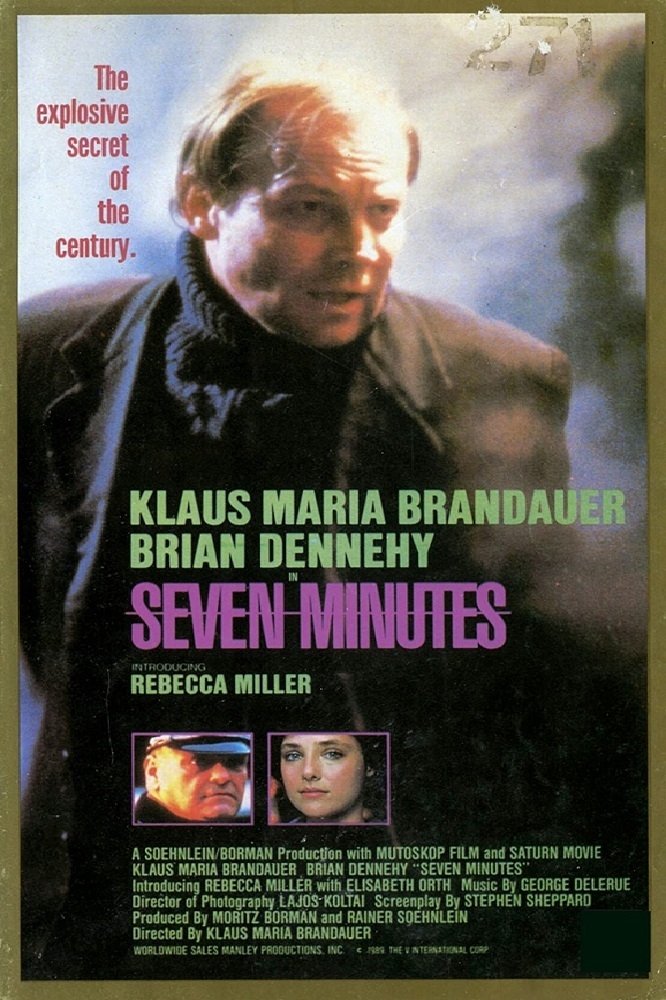
A true story about Johann Georg Elser, a quiet carpenter who tried to assassinate Hitler with an explosive device in 1939.
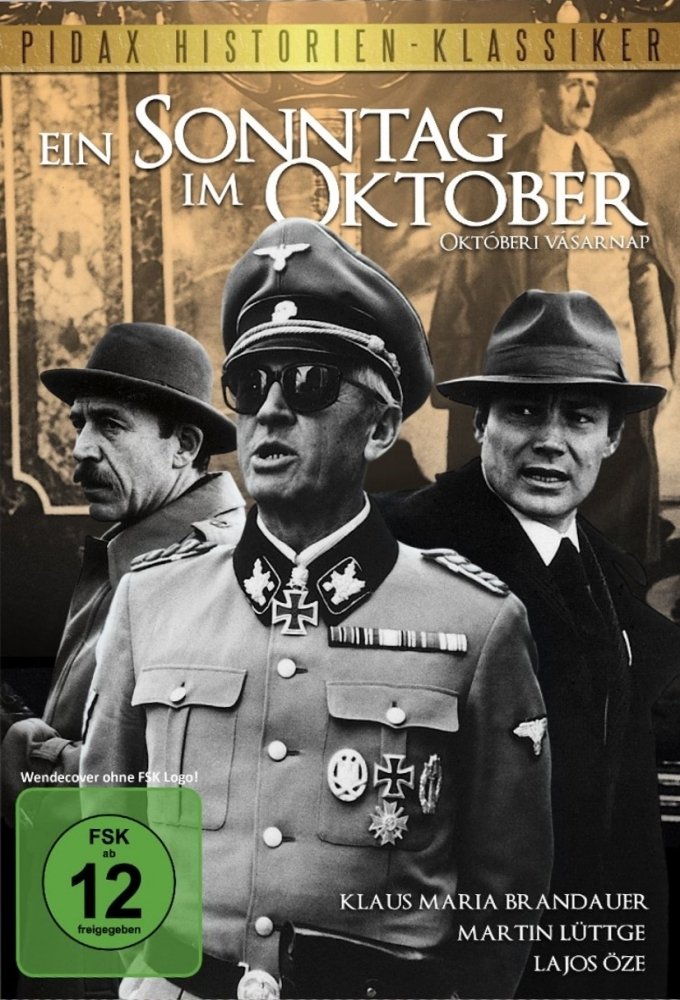
The film is a true account of the drama of "non-action" on 14th and 15th of October, 1944. The Nazis, having a straightforward program, occupy Hungary with little or no difficulty, as the Hungarian political leadership had no unambiguous program for responding to possible steps of the Nazis. In spite of the secretly signed cease-fire agreement and proclamation, Horty gives up all plans of resistance at the news of the kidnapping of his son. The Nazis take over power and roll up the so-called conspiracy aimed at Hungary's breaking away from the German alliance.
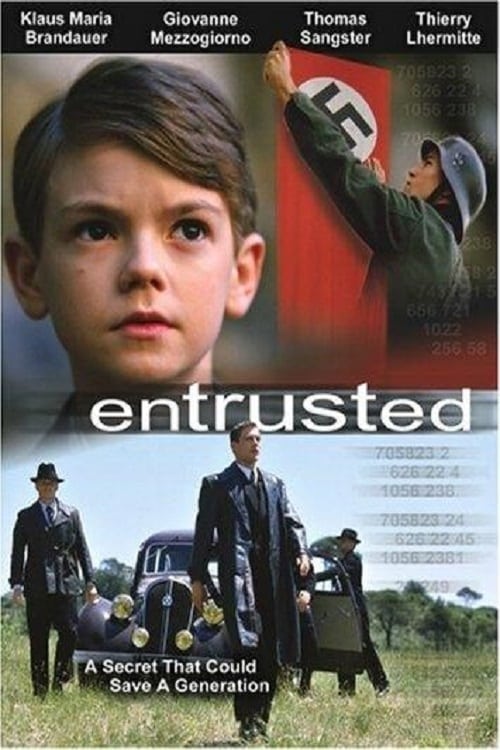
Hoping to entrap Maria von Gall, who runs a courageous underground railroad for Jews in France, the Nazis kidnap her son Thomas, a brilliant 11-year-old chess master. An exchange arrangement goes awry and he sees her die in a hail of bullets; but he is rescued by his American father, whom he has never met before, and who plans to flee with him to Spain. However, Queen Maria had solemnly entrusted her little pawn Thomas with a precious secret and a terrifying mission, and it was time for him to move. A pawn may become an important piece by slowly, quietly advancing all the way through the enemy's ranks. Or a pawn may die trying. Retreat is what a pawn can never do.
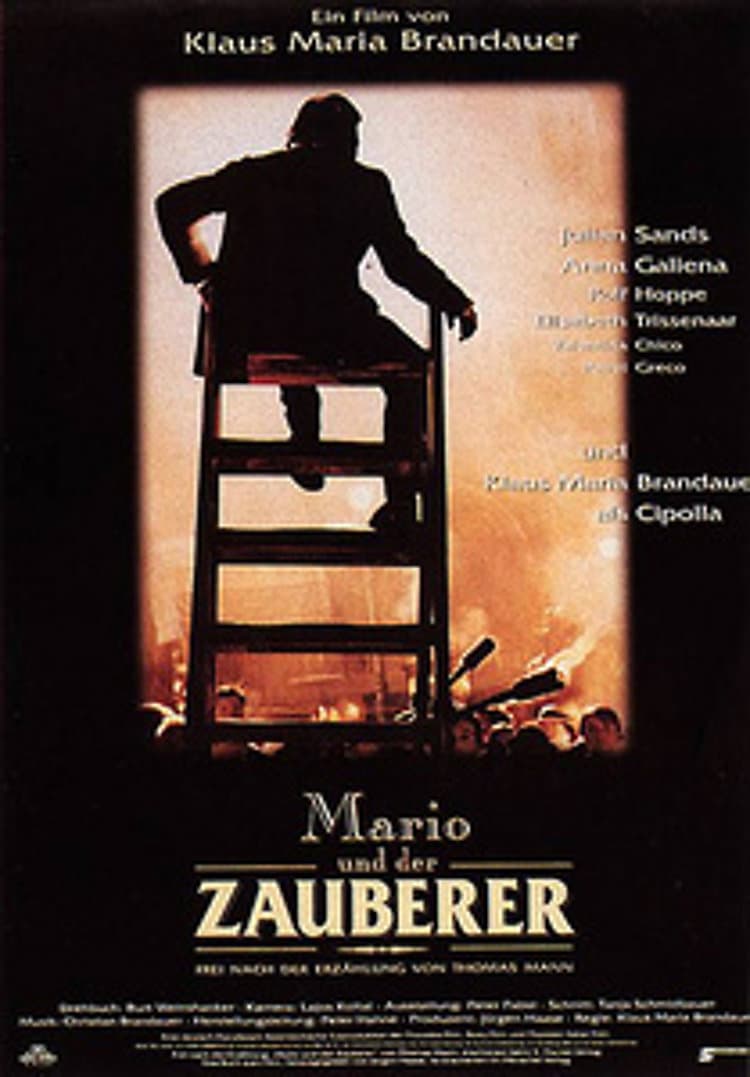
The Twenties: The German Fuhrmann family spend their holidays in Italy again. The country is full of mysteries in that time. The Fuhrmann's have to realize the upcoming and growing fascism and their children are fascinated by a magician visiting the town. Soon nothing is as usual. The times are changing ...
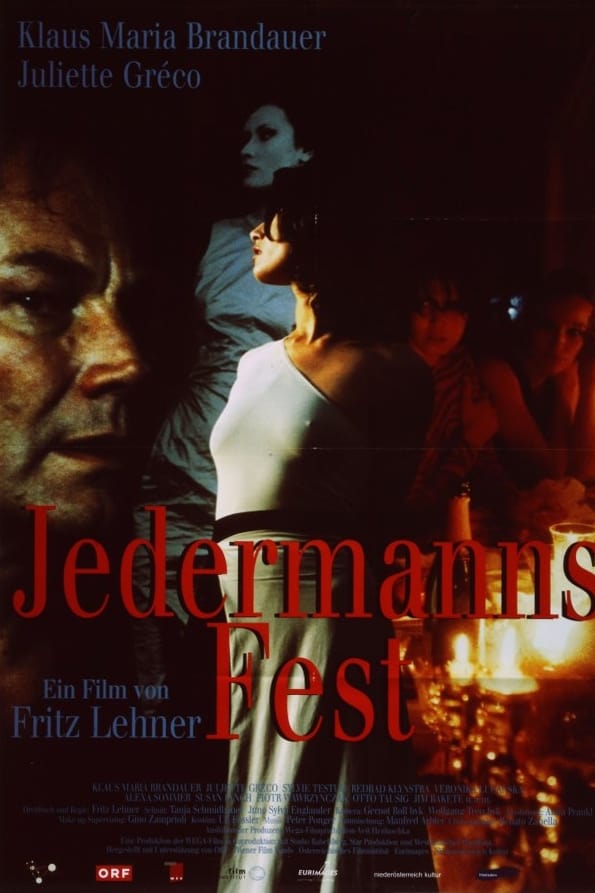
Austrian television director Fritz Lehner makes his feature debut with the big-budget drama Jedermann's Fest, based on the 1911 play by Hugo von Hofmannsthal, which in turn was based on a medieval tale. Originated in parts of England, the myth of Jan Jedermann ("John Everyman") deals with a rich man on his deathbed coming to terms with his life's failures. Not following much of a plot, the modernized version involves famous fashion designer Jedermann (Klaus Maria Brandauer) imagining his last big gala event while rendered unconscious as a result of a car accident in his Ferrari. He is a success in Vienna but not in fashionable Paris, so he wishes to impress French elder stateswoman Yvonne Becker (Juliette Greco).
Such a soul torments young composer Georg von Wergenthin, around whom the author creates a precise picture of the fin de siècle, its neuroses and its politics. Georg starts a relationship with a young singer, but does not confess to her in front of his friends, even when she becomes pregnant by him.

István Szabó and Klaus Maria Brandauer talk about cinema, the repercussions of World War II, art and their films Mephisto (1981) and Colonel Redl (1985). Included in the extras of the DVD version of Mephisto.
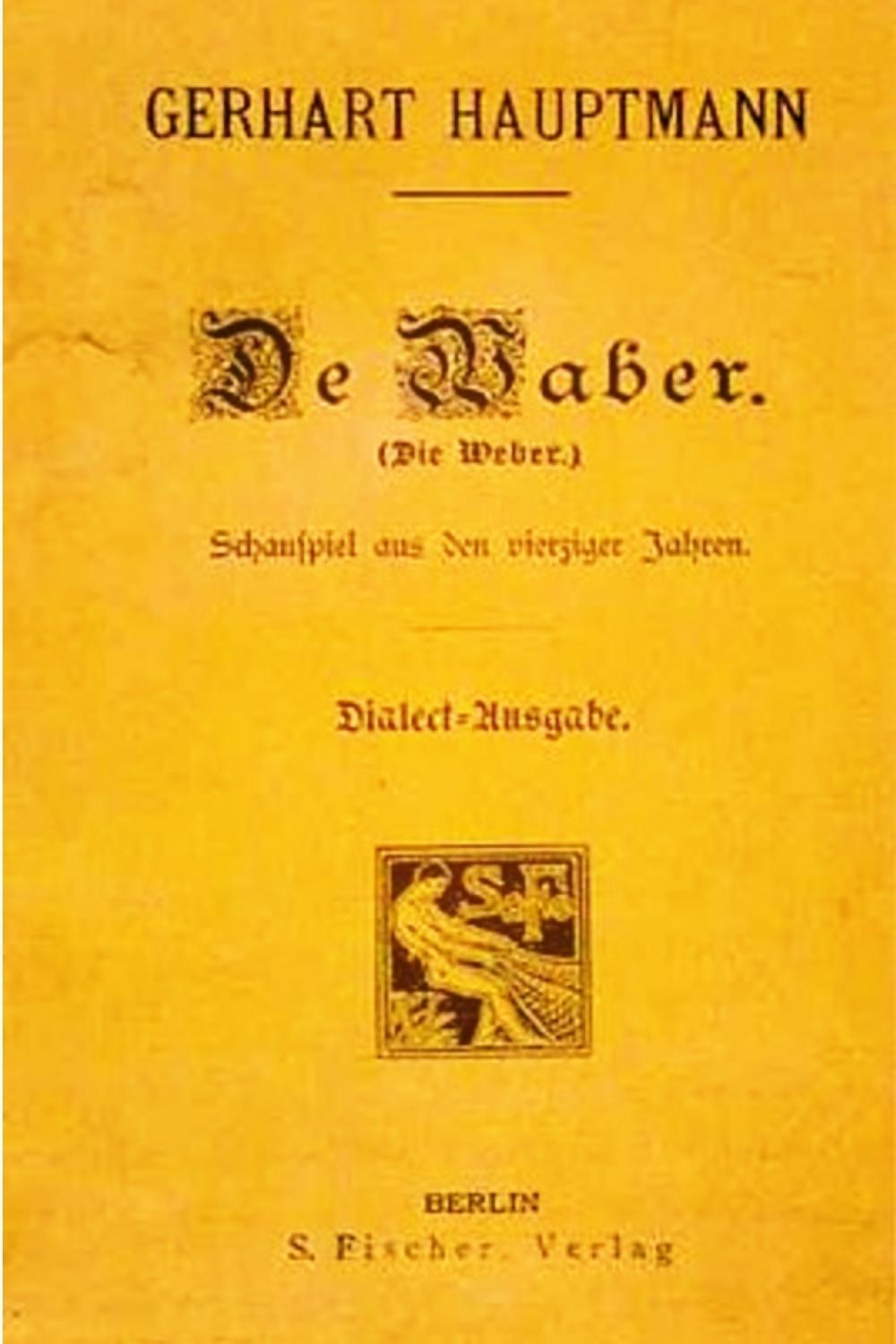
The film essentially uses the original text of the play. The weavers, who toil away at home, deliver their goods to the manufacturer Dreißiger and receive their meager wages. Led by the young weaver Bäcker and the former soldier Moritz Jäger, they form a resistance group and storm the manufacturer's villa, who barely manages to save himself and his family. As the revolt spreads, the king sends in the military to quell the uprising. The old weaver Hilse, who refuses to participate in the uprising for religious reasons, is hit by a stray bullet while sitting at his loom and dies.
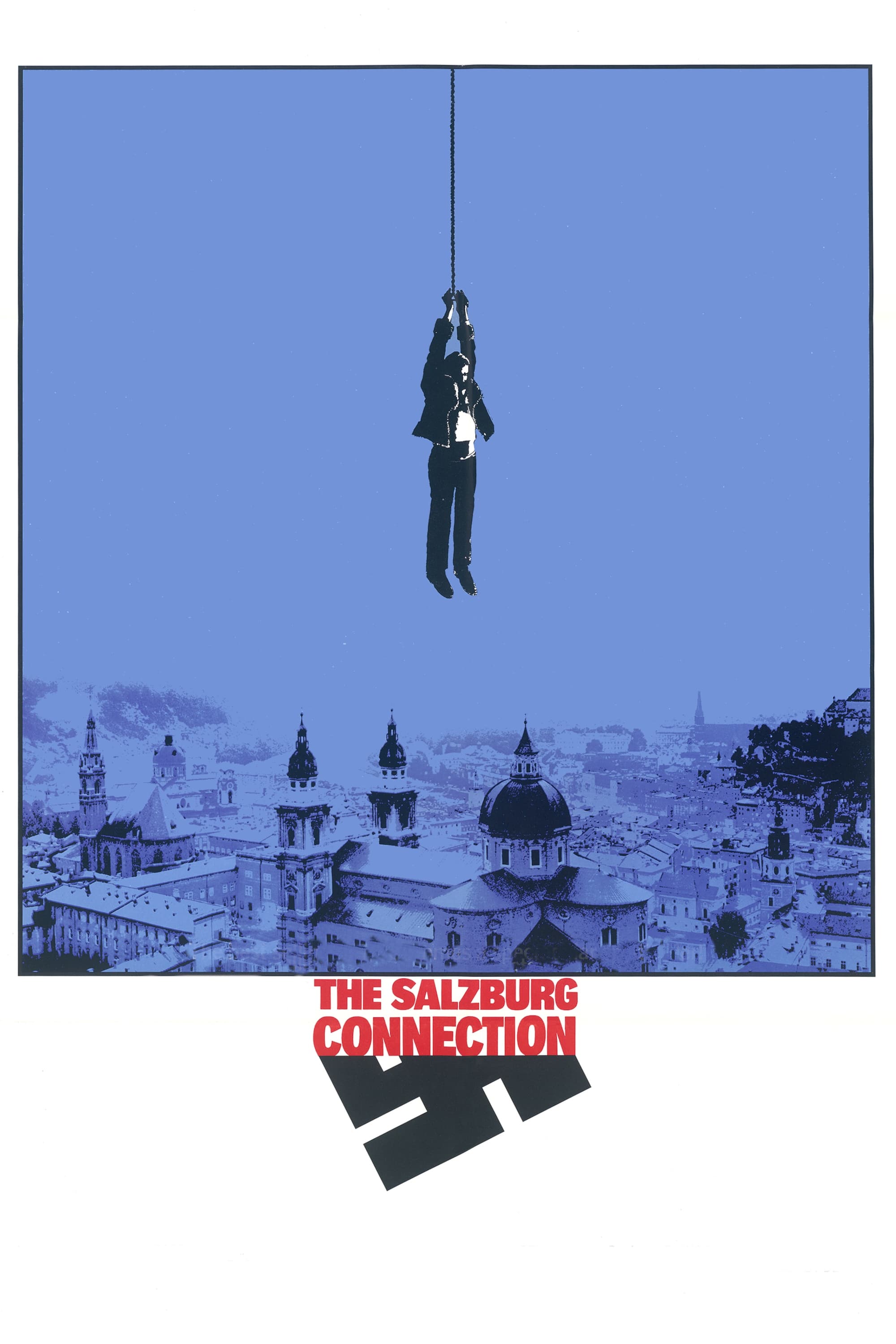
An American lawyer on vacation in Europe is asked by a book publisher to stop by the Austrian town of Salzburg to see a photographer who's taking pictures for a book on picturesque Austrian lakes. Upon his arrival he senses that something is wrong when the photographer seems to have vanished, leaving a near panic-stricken wife and a sinister, secretive brother. Before he knows it, the lawyer finds himself mixed up with spies, assassins, and the hunt for a list made up by the Nazis during World War II of people who collaborated with them.
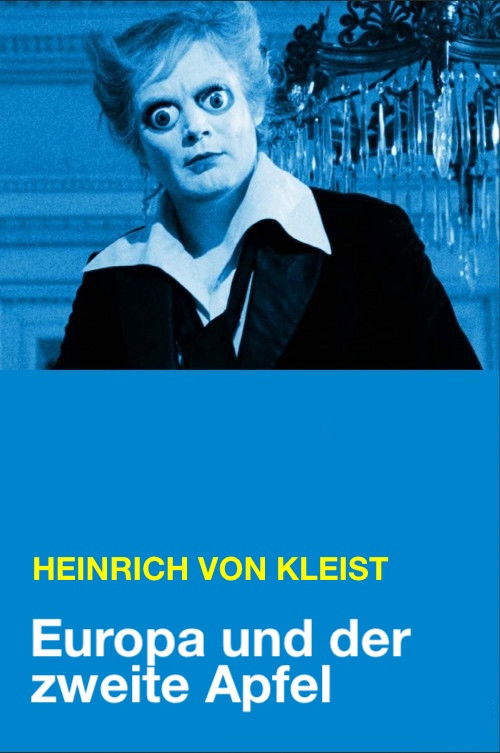
After the essay "On Marionette theatre" by Heinrich von Kleist. The film focuses on Kleist himself, torn apart, searching for knowledge, for identity, trapped in his loneliness and self-absorption, jumping over walls, making grimaces, cruelty, suffering.
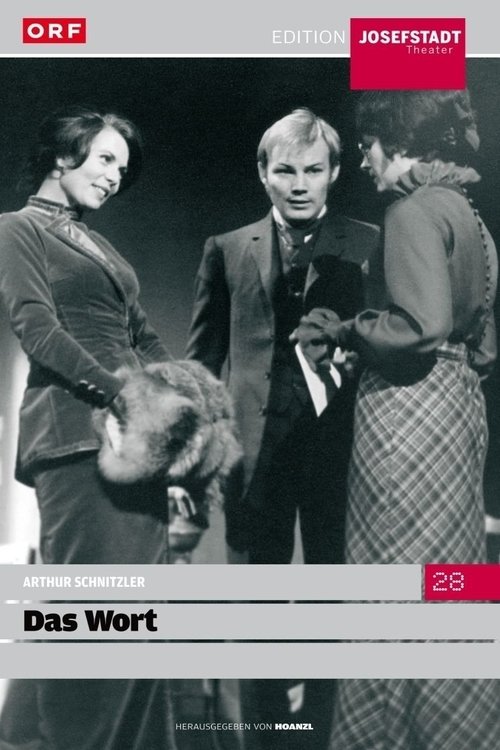
Arthur Schnitzler's key piece describes the liaisons of his artist colleagues from the Cafe Central, Vienna. Behind the character "Treuenhof" is Peter Alterberg recognized, "Winkler" = Arthur Schnitzler, "Flatterer" = Frida Uhl, "Rapp" = Stefan Großmann, "Willi" = Hans Lang, "Van Zack" = Adolf Loos, and "Lisa" = Lina Loos.
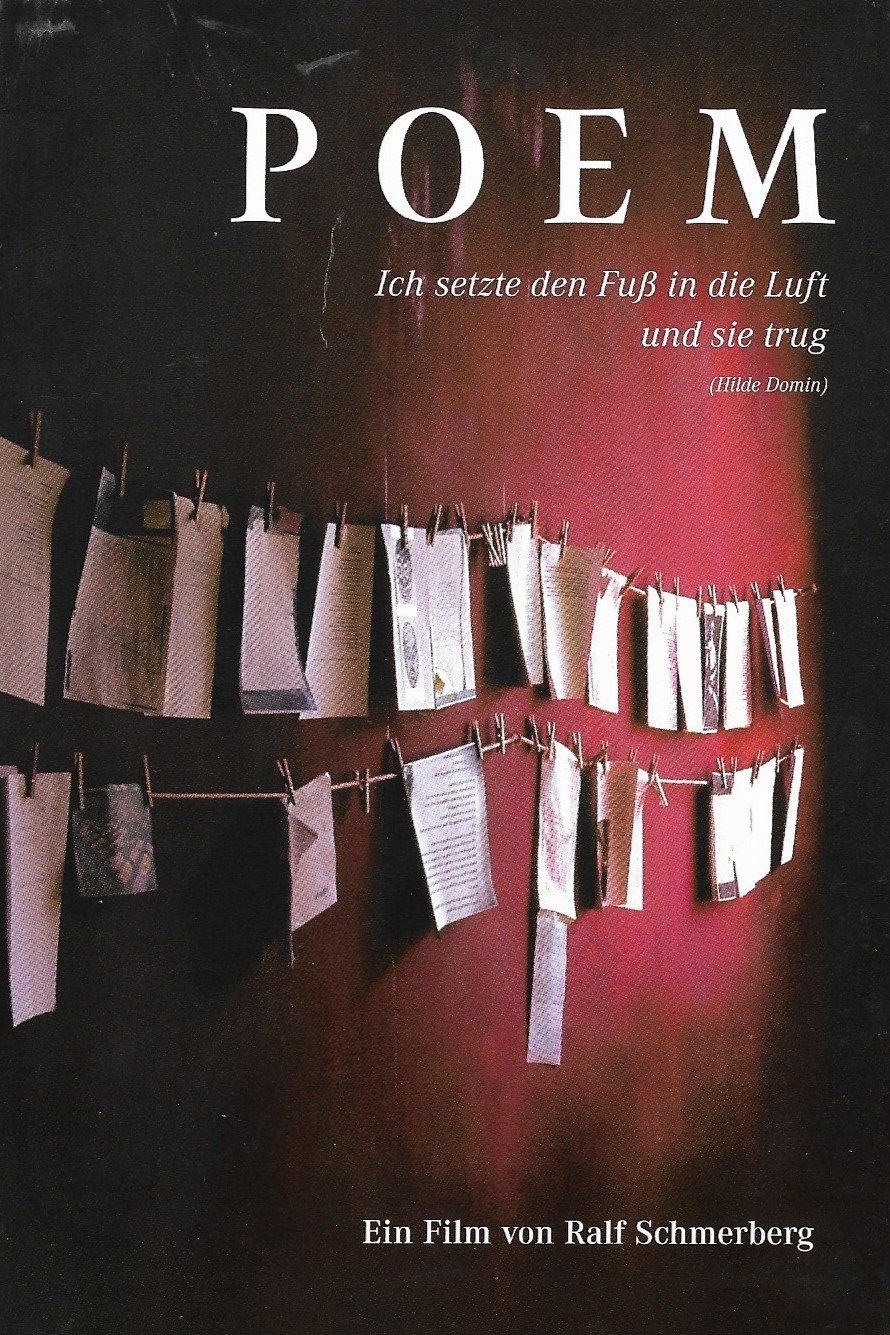
A series of poems.
Drama based on Hugo von Hofmannsthal‘s work.
Set against the backdrop of a 1960s jungle seaport in tropical Australia and the rich concert halls of wintry Vienna, talented eighteen year old pianist Paul Crabbe moves to an exotic outpost of far Northern Australia. There, he is forced to study under the only piano teacher his father can find – the eccentric, enigmatic Herr Keller, a Viennese refugee with a shadowed past. Living above a dilapidated hotel in the dripping heat of this seaport, Keller is known to the locals as 'Maestro', a broken, elegant drunkard. But who is he? Does he come from a lineage of great European pianists, or is he a fraud?
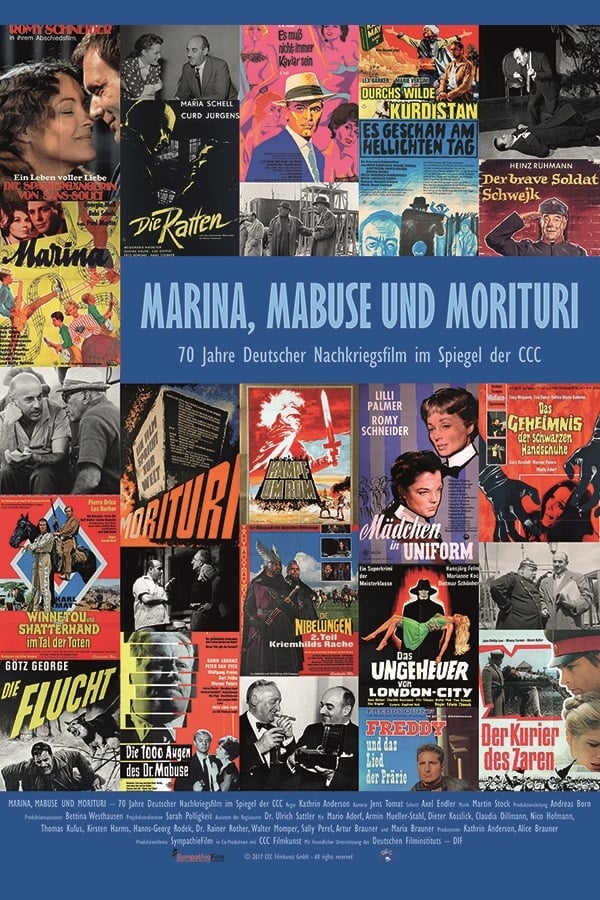
The history of Germany's oldest independent family-owned film studio, now run by Brauner's daughter, Dr. Alice Brauner. The film traces the life of Brauner, who was born in Poland, shaped by German history, survived the Holocaust as a Jew, and became the most important film producer of his time in the country of the perpetrators.
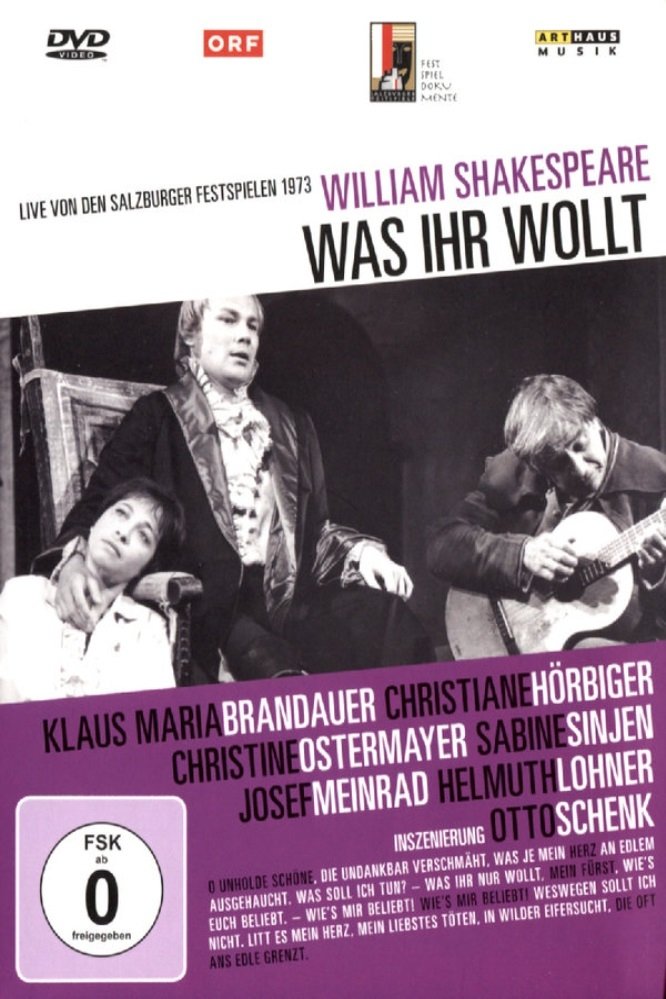
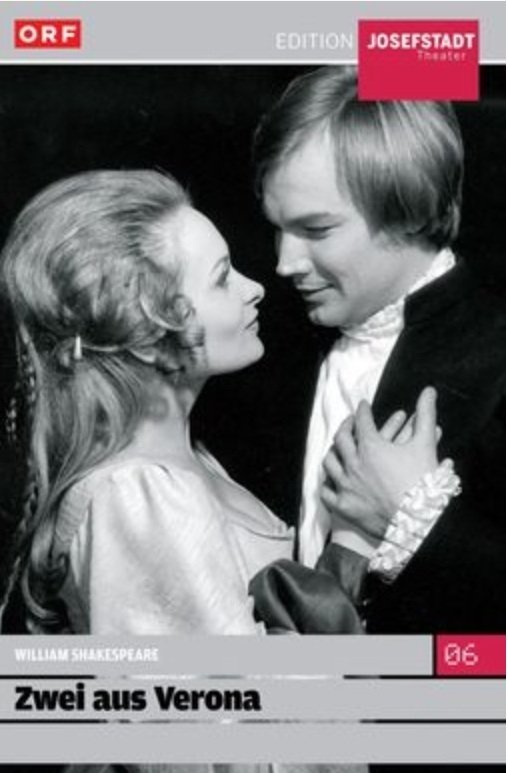
A filmed German performance of William Shakespeare's Twelfth Night, directed for the stage by Otto Schenk and performed at the Landestheater in 1973.
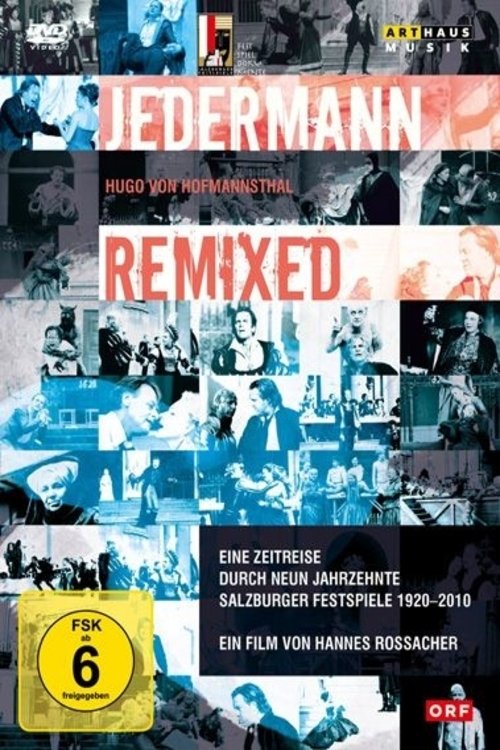
Based on archive holdings from nine decades, director Hannes Rossacher has created a complete Jedermann performance and thus a unique cultural-historical puzzle from Alexander Moissi to Nicholas Ofczarek. The success story of the phenomenon "Everyman" is told in an unprecedented way.

A magical opera, a Singspiel, a comedy with spectacular stage effects, a Masonic ritual intertwined with Egyptian mysteries, a heroic-comic opera? "The Magic Flute" has been heard, performed, discussed, scrutinised and questioned more often than almost any other work in the history of opera. But this time, they’ve really outdone themselves... .
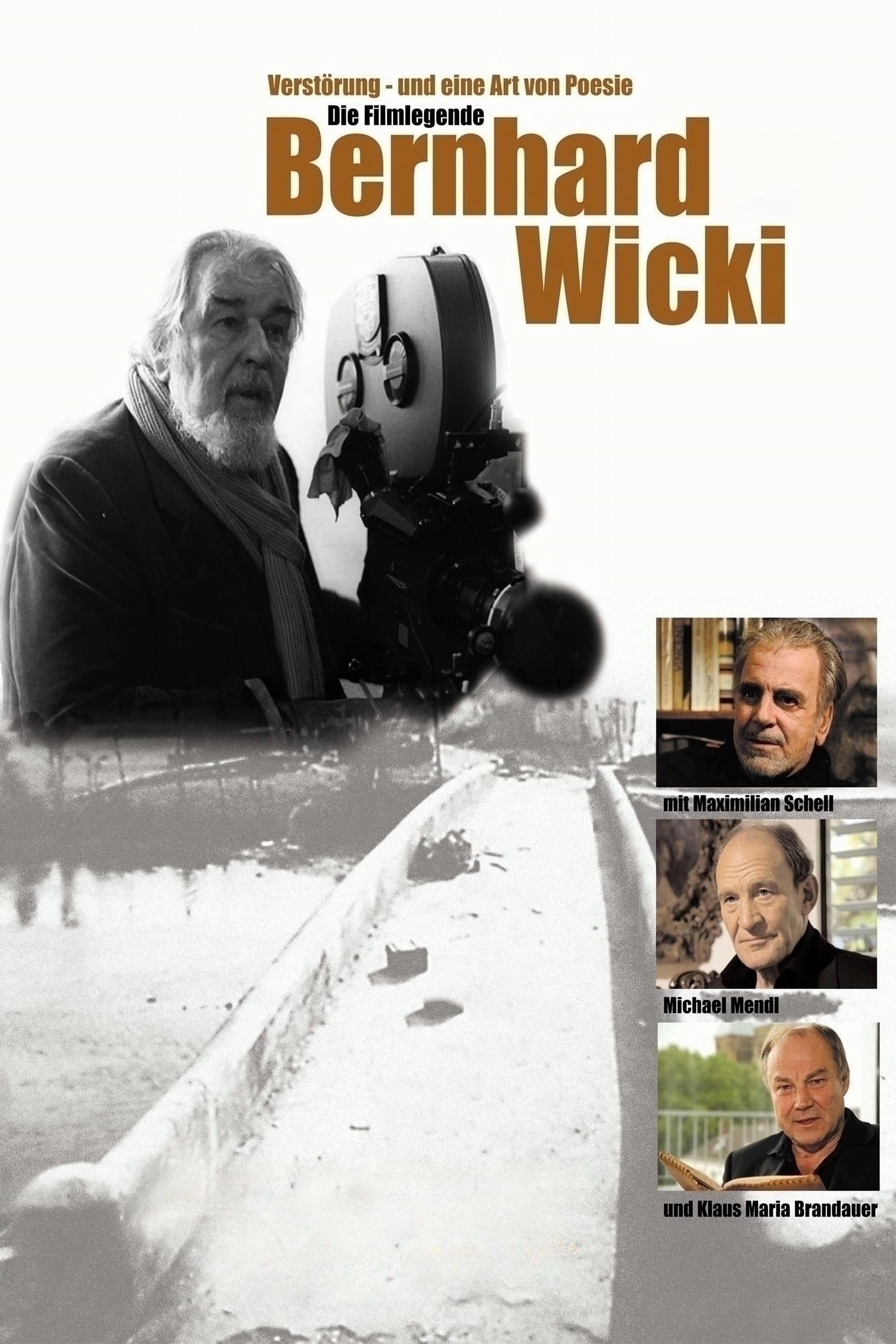
Documentary about film director and actor Bernhard Wicki.
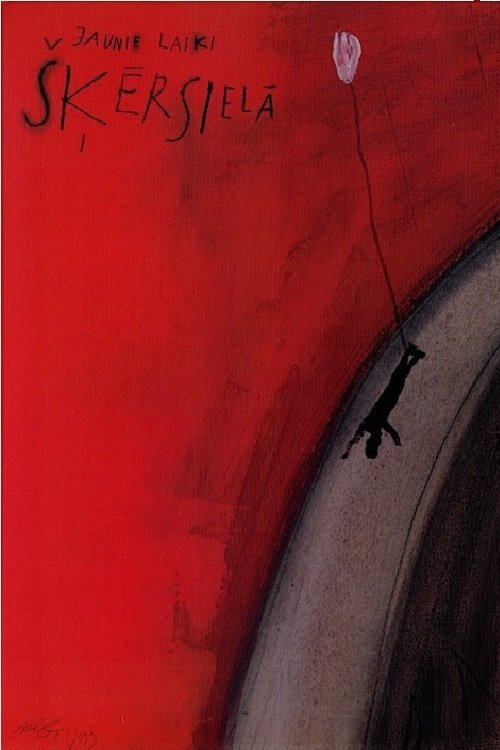
Ten years have passed since we made the film “Crossroad Street”, about a small street in the suburbs of the city of Riga. Now we’ve come back. Perhaps it was a sense of duty, perhaps nostalgia that brought us back – who knows? Perhaps it was both. Daiga, Aldis, Osis – they’re all our people. The first film had an impact on both the filmmakers and the residents of Crossroad Street. We found friends whom we want to meet again and again. Society has become more prosperous, several value systems coexist side-by-side. People often live in these systems as though they were in different worlds that never meet. We felt that the world inhabited by our people is sinking into oblivion, and so we wanted to show that it still has its own turbulence, that Crossroad Street resembles Latvia’s palm – the place where a fortune teller can see the lines of its destiny.
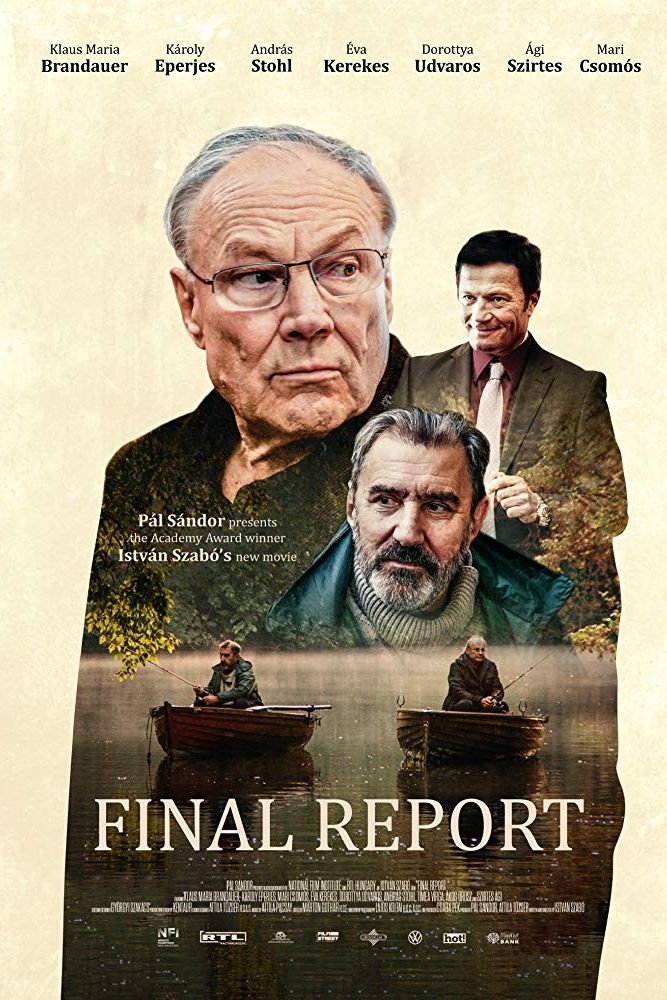
A cardiologist is sent into retirement, but he feels at loss without his work. He returns to his home village to work as a general practitioner. This is the start of his ordeal: he's confronted with raw reality, which finally brings him to his knees. But music has the last word.
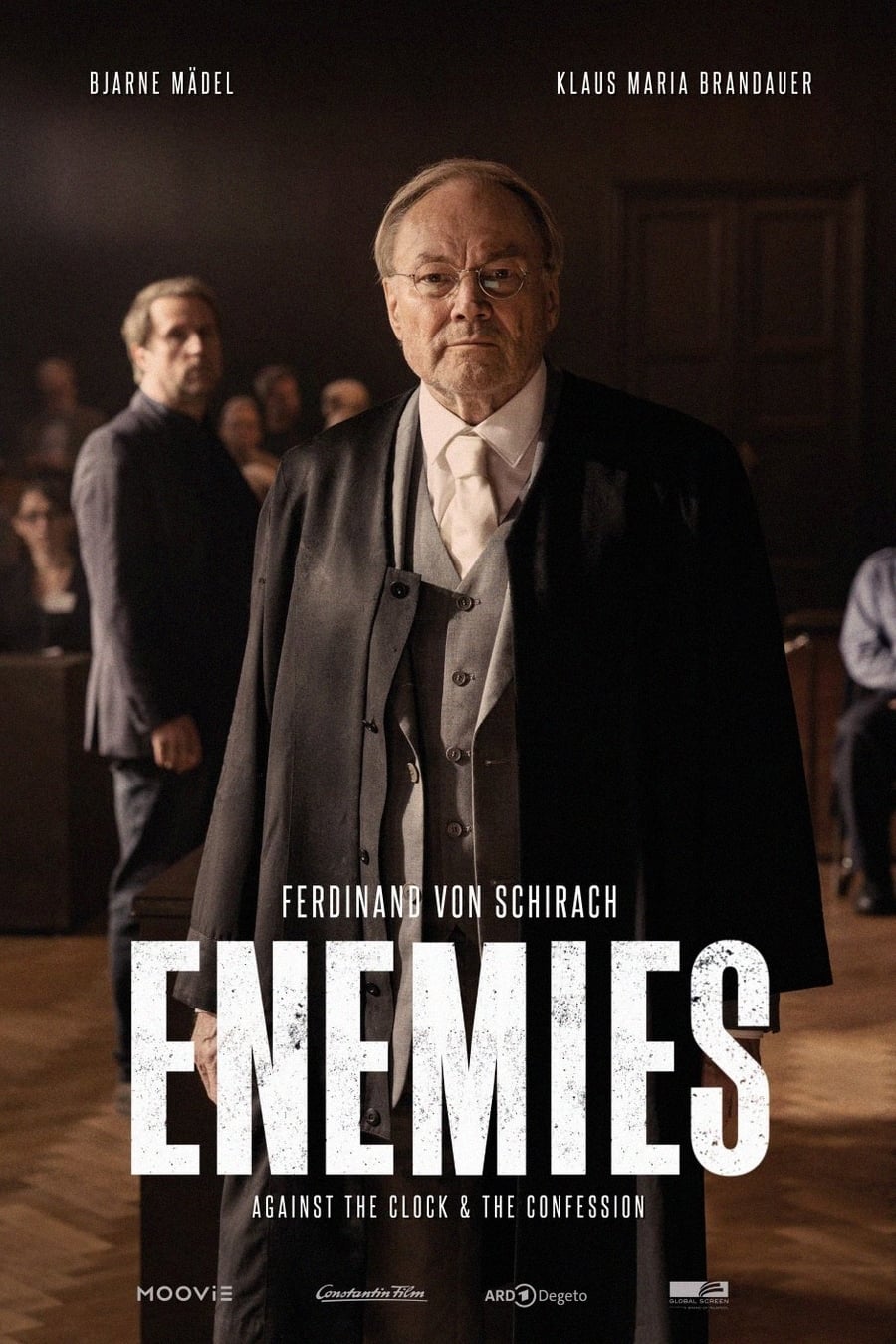
When a young girl is kidnapped, ruthless police inspector Peter Nadler embarks on a race against time to rescue her.
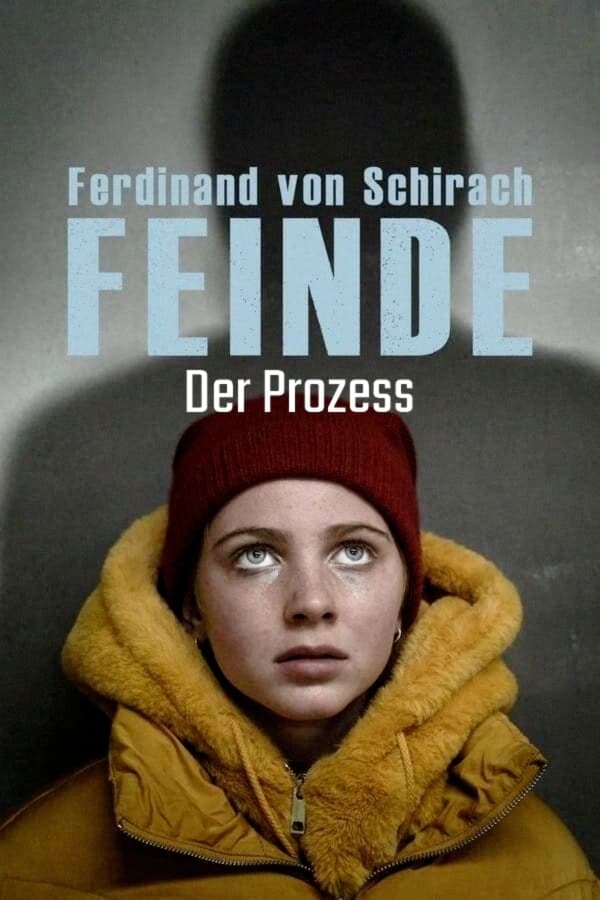
Veteran defense attorney Konrad Biegler and tenacious police inspector Peter Nadler face off in the trial of a man accused of kidnapping a young girl. (Abridged version of Enemies: Against the Clock and Enemies: The Confession, focusing on the ins and outs of the judicial process.)
Veteran defense attorney Konrad Biegler accepts the defense of a man accused of kidnapping a young girl. At the trial he must face the tenacious police inspector Peter Nadler.
An oily careerist for whom becoming the highest earner is not enough: now he also wants a title of nobility.

The annual New Year’s Eve Concert is one of the highlights in the calendar of every classical music fan in Berlin and beyond. On New Year‘s Eve, the Berliner Philharmoniker invite an exceptional soloist for a festive gala. Together, the musicians bid farewell to the old year and welcome the new. The 1999 concert was conducted by Claudio Abbado and featured Klaus Maria Brandauer, Rias Kammerchor, and Rundfunkchor Berlin. On the programme: Ludwig van Beethoven: Symphony No. 7 in A major, op. 92, Allegro con brio, Antonín Dvořák: Symphony No. 8 in G major, op. 88, Allegro ma non troppo, Gustav Mahler: Symphony No. 5, Rondo, Finale, Igor Stravinsky: Firebird (parts), Maurice Ravel: Daphnis et Chloé, Danse générale, Sergei Prokofiev: Alexander Nevsky, op. 78, Alexander's entry into Pskov, Arnold Schönberg: Gurre-Lieder (Excerpts), Paul Lincke: Folies Bergères, March, Paul Lincke: Brandbrief-Galopp, Otto Nicolai: The Merry Wives Of Windsor Overture, Walter Kollo: Solang noch unter'n Linden.
A tale of torn loyalty and love between SS officer Nikolaus Fuhrich and his first love, Jewish violinist Elisabeth Soloviechik. From two befriended Austrian families, one Jewish, one "Germanic," the fates of these two young characters intersect and intertwine prior to the First and after the Second World War.
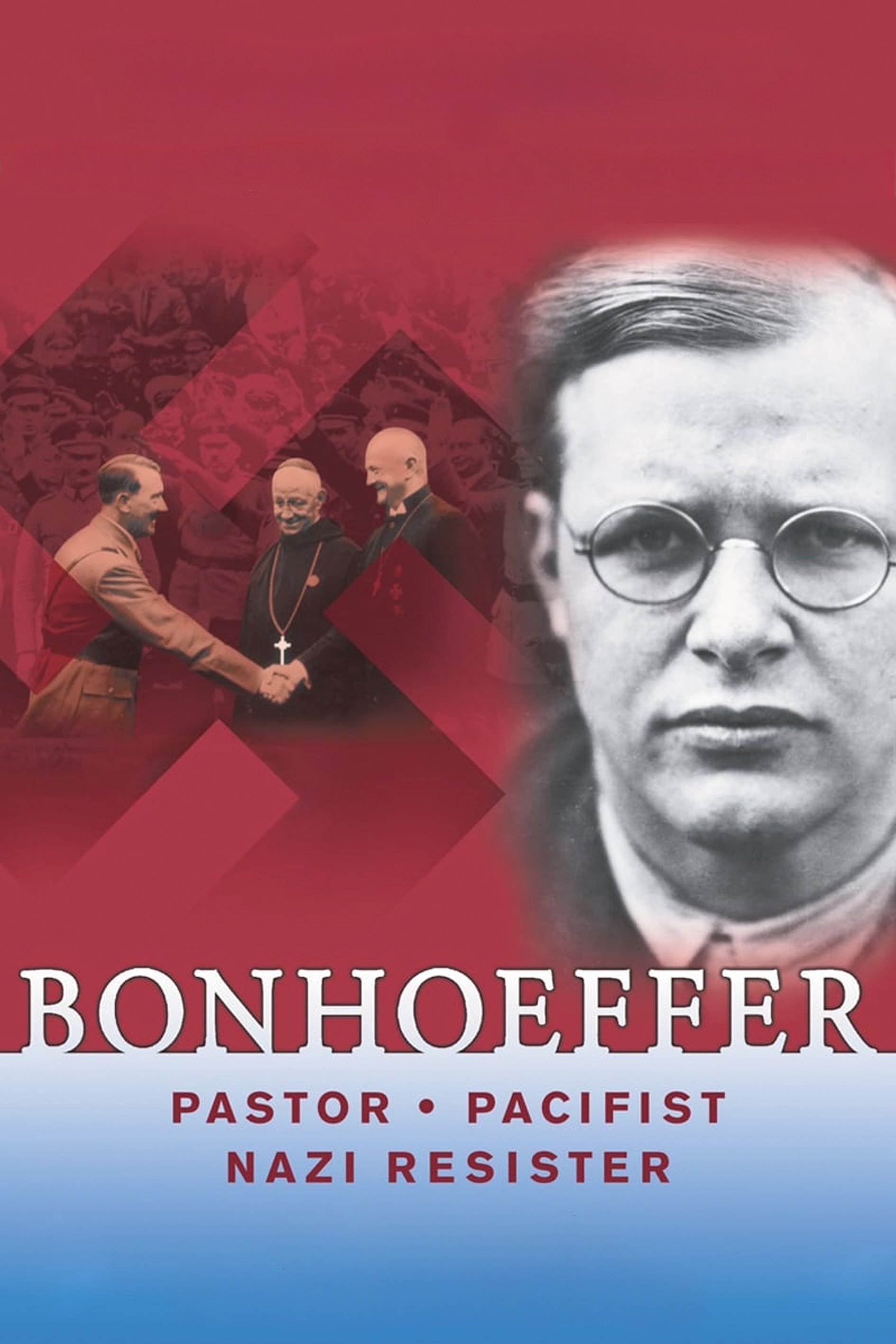
Dramatic documentary about the young German pacifist and theologian Dietrich Bonhoeffer who resisted the Nazi regime and was hanged two weeks before World War II was over.

Semi-documentation about acting with 12 different actors from 3 countries. Under the supervision of Klaus Maria Brandauer.
Portrait of Austrian theater and film actor and director Klaus Maria Brandauer.
Unreleased film based on the book Ostrvo Balkan by Vidosav Stevanovic about the Bosnian War and the ethnic nationalism which led to it.