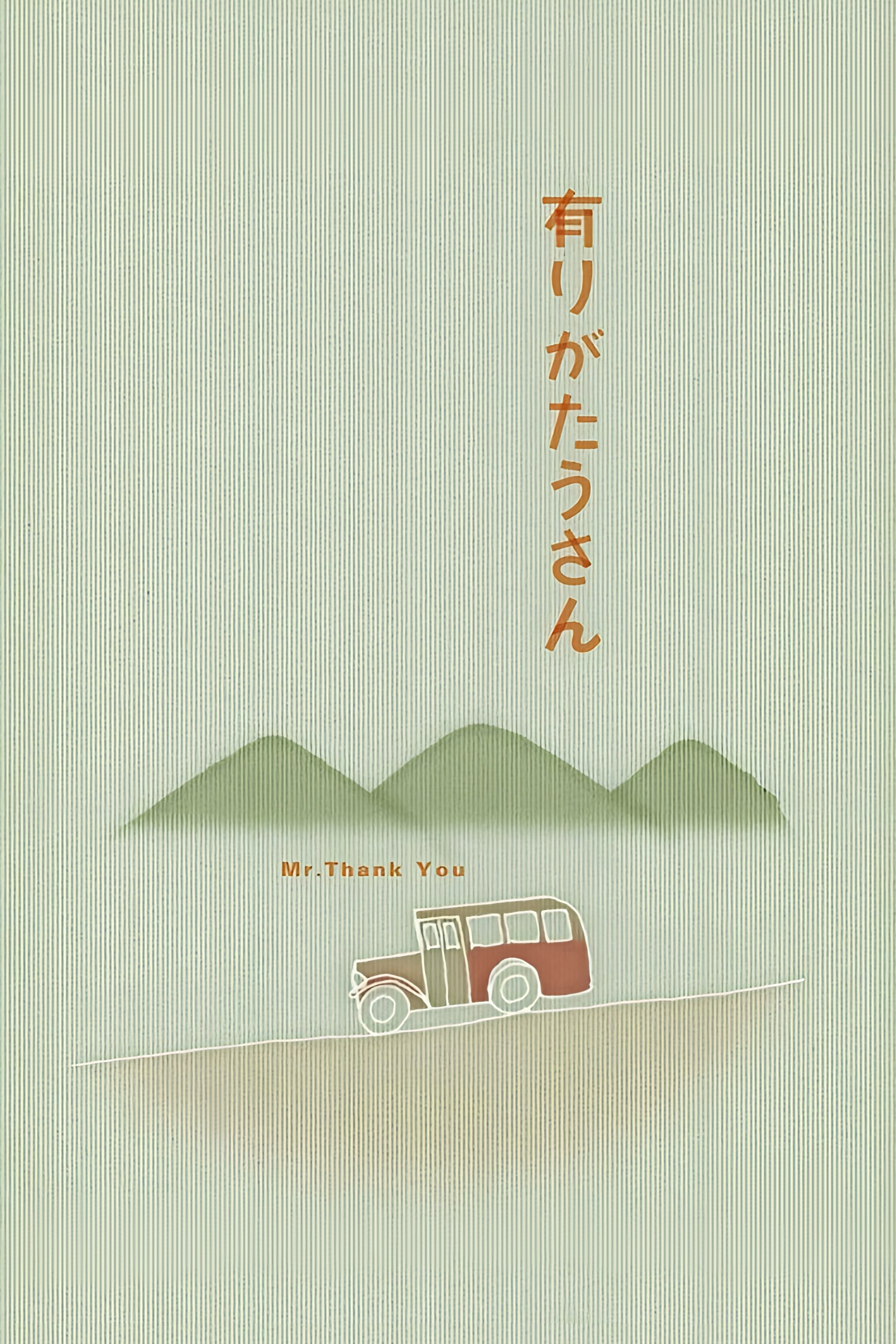
In Depression-era Japan, a courteous bus driver carries an eclectic group of passengers from the mountainous Izu to Tokyo.
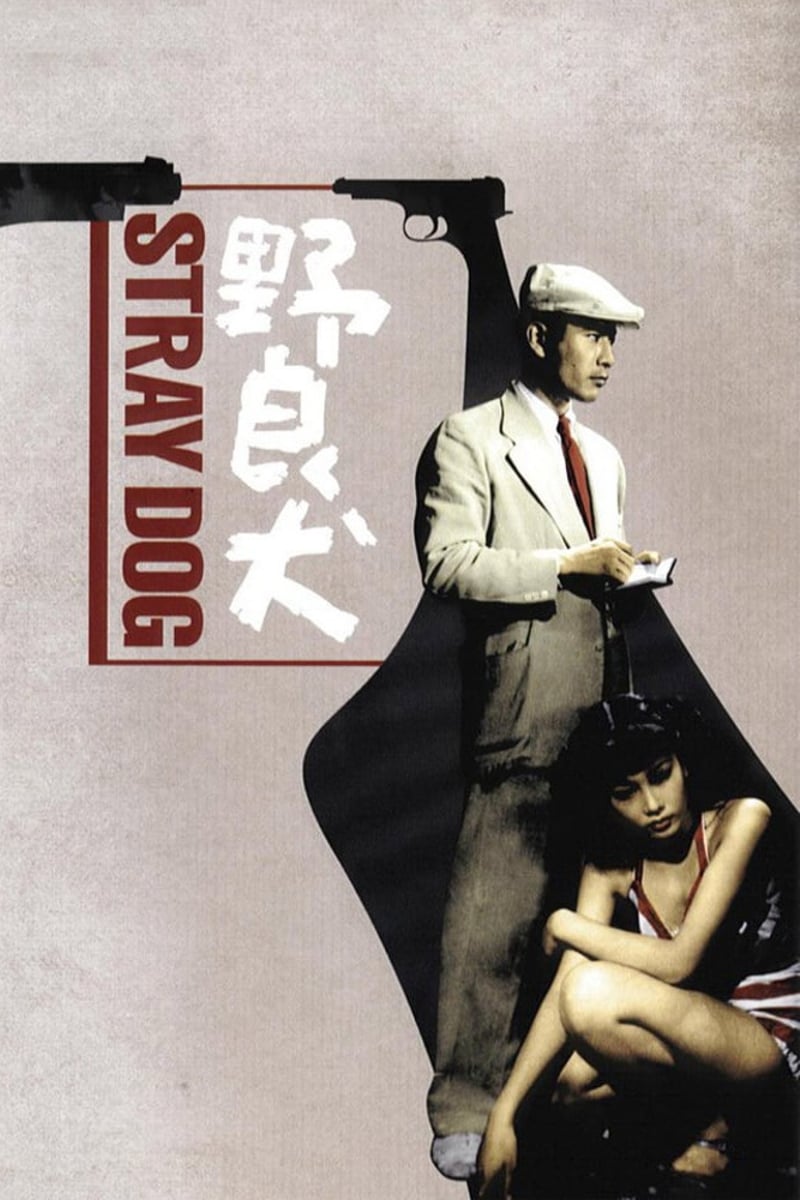
A bad day gets worse for young detective Murakami when a pickpocket steals his gun on a hot, crowded bus. Desperate to right the wrong, he goes undercover, scavenging Tokyo’s sweltering streets for the stray dog whose desperation has led him to a life of crime. With each step, cop and criminal’s lives become more intertwined and the investigation becomes an examination of Murakami’s own dark side.
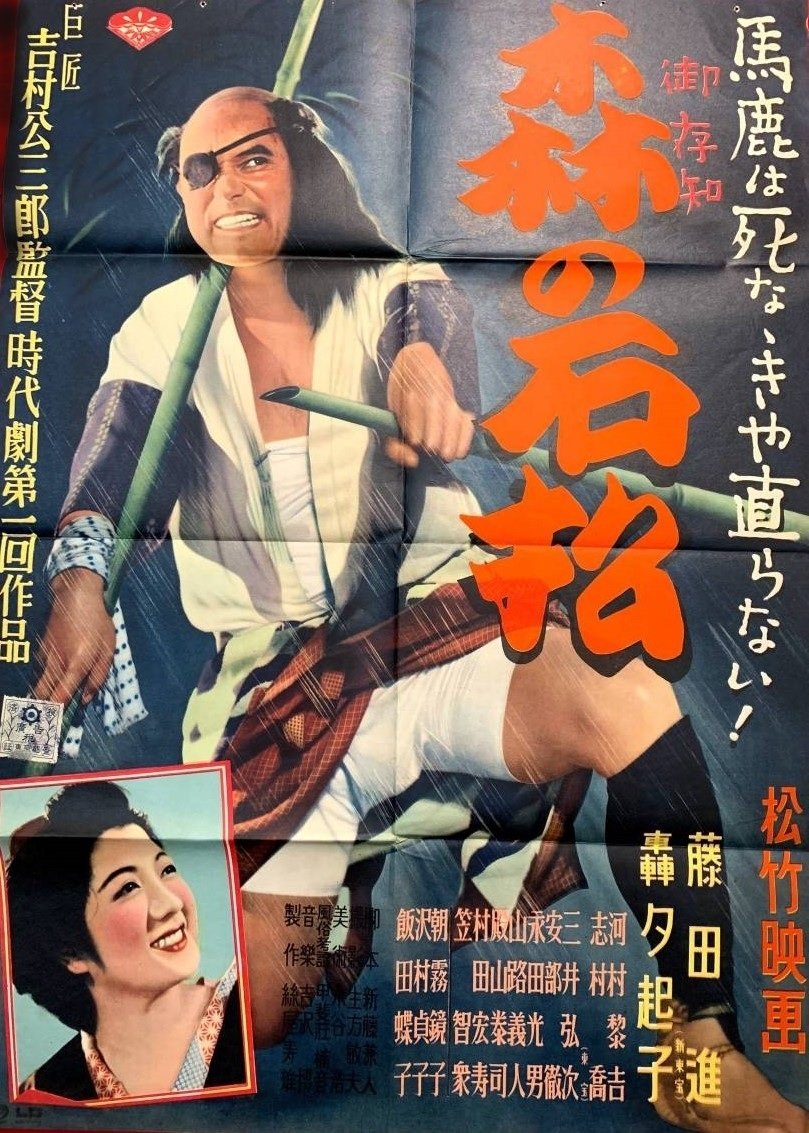
The tale of a feudal swordsman who cynically takes no responsibility for anything, relegating it to others, and then taking the credit.
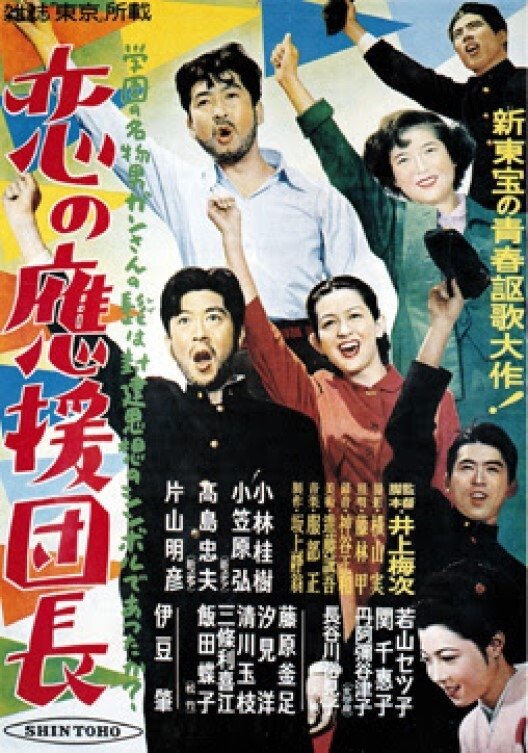
Directorial debut by Umetsugu Inoue, the famous director of Musicals
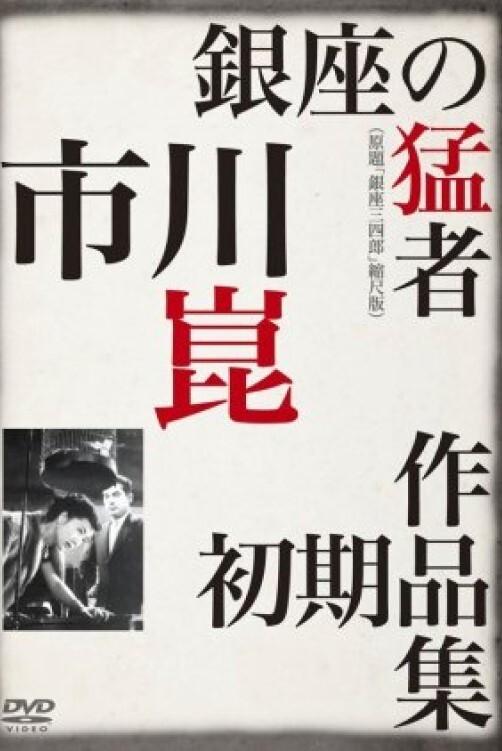
An early film by Kon Ichikawa
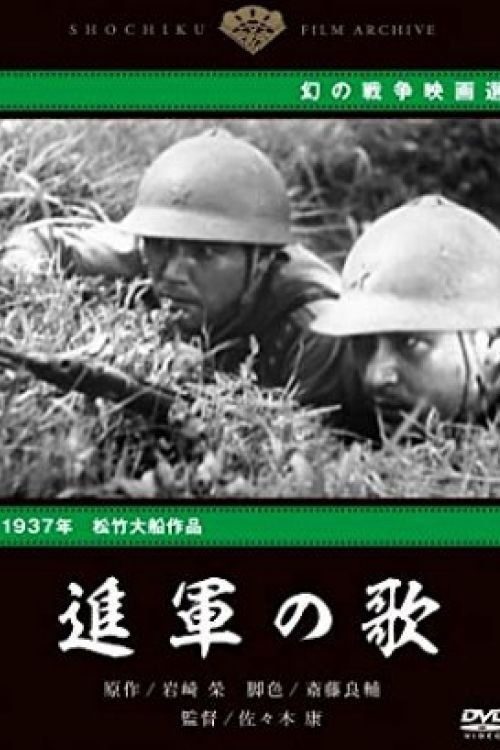
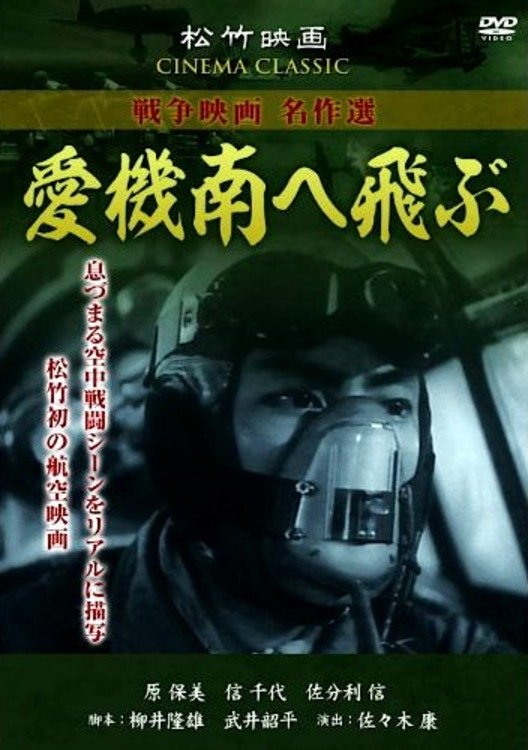
A Japanese wartime film directed by Yasushi Sasaki.

The story of a boy who befriends a lonely middle-aged man.
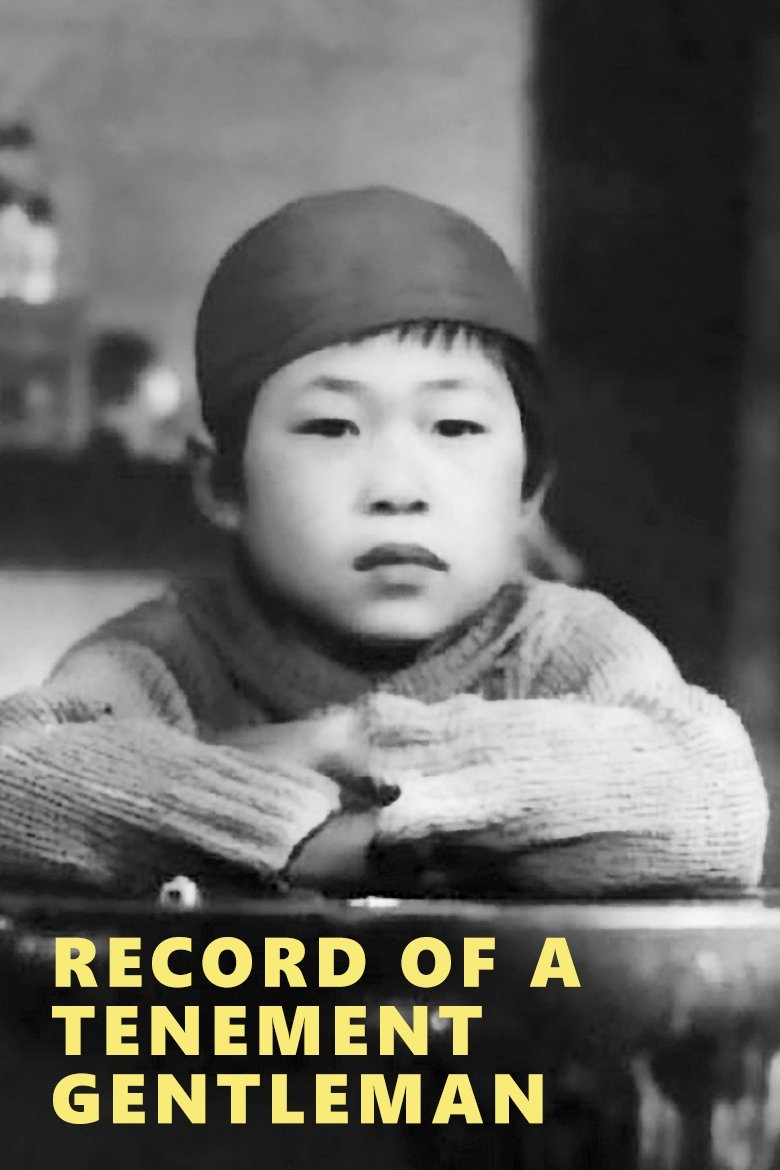
A hard-hearted old woman in a bombed-out Tokyo neighborhood reluctantly takes in an abandoned boy, leading to a heartwarming bond between them.
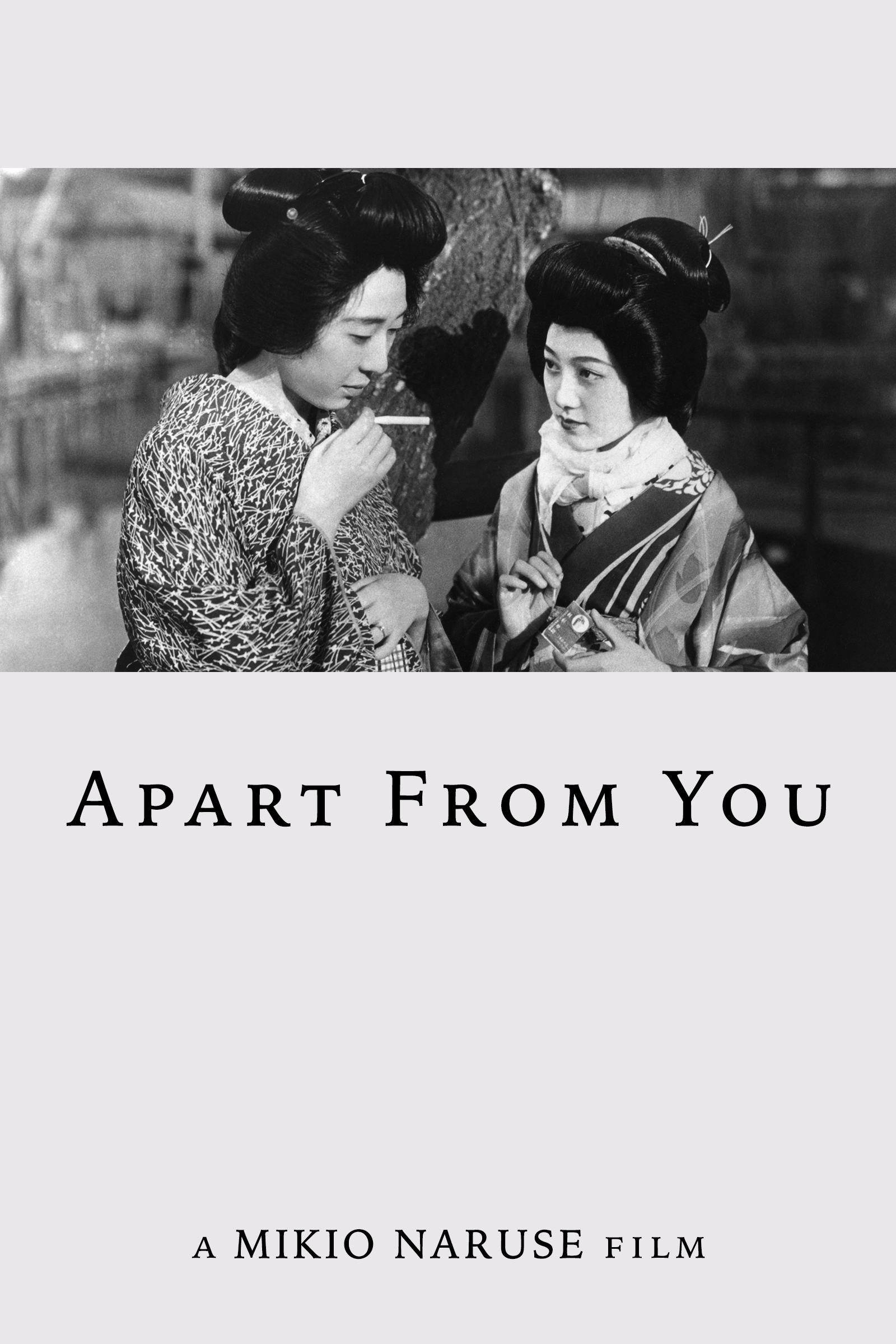
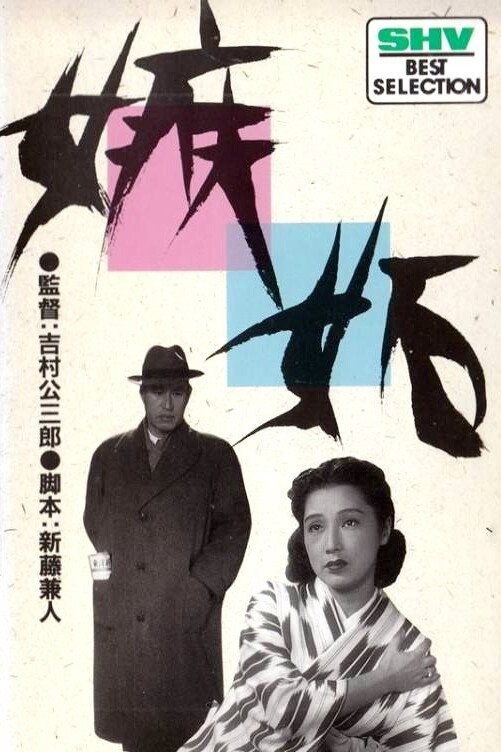
An aging geisha, whose angry teenage son is ashamed of her profession, works alongside a young geisha, resentful of her family for forcing her into a life of ignominy.
1939 Japanese movie
1950s Japanese comedy.
A lost film by Masahiro Makino
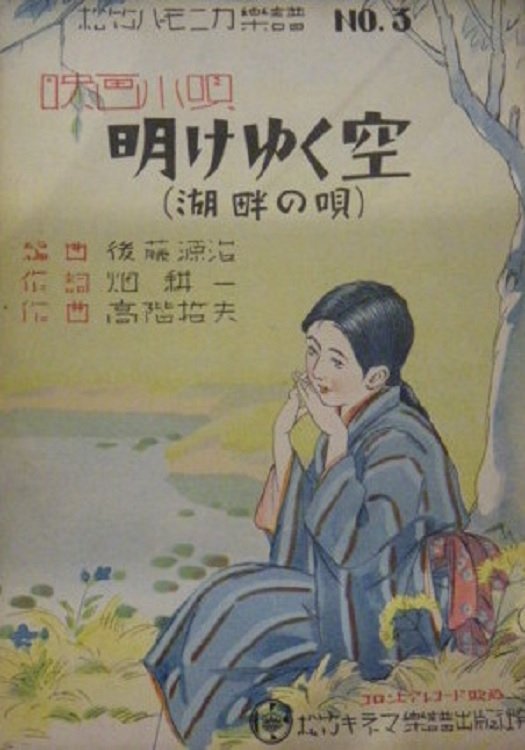
A melodrama about an orphan and her mother who are separated and lose contact, but are later reunited.
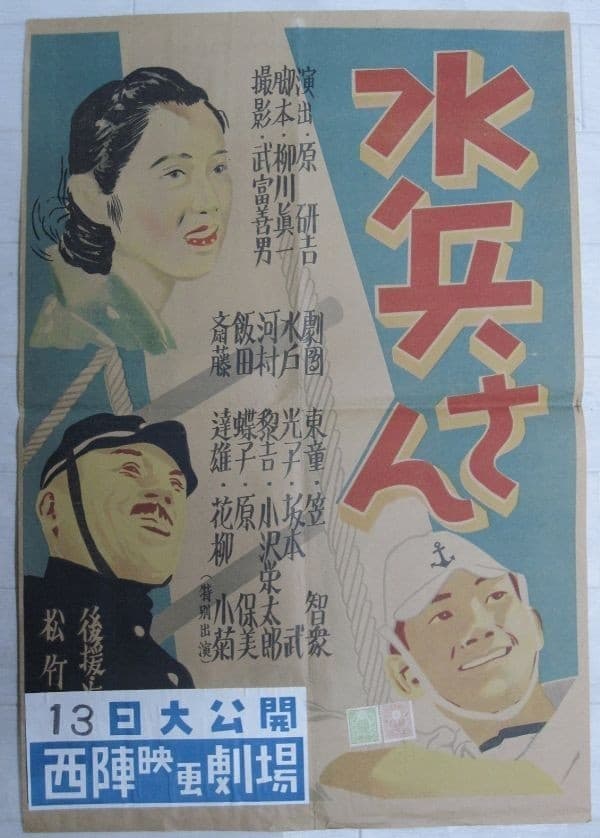
Shinpachi Morimura, who was born in a fusuma craftsman's house, wants to join the Japanese navy. However, his father wants him to continue in the family business and refuses to accept it.
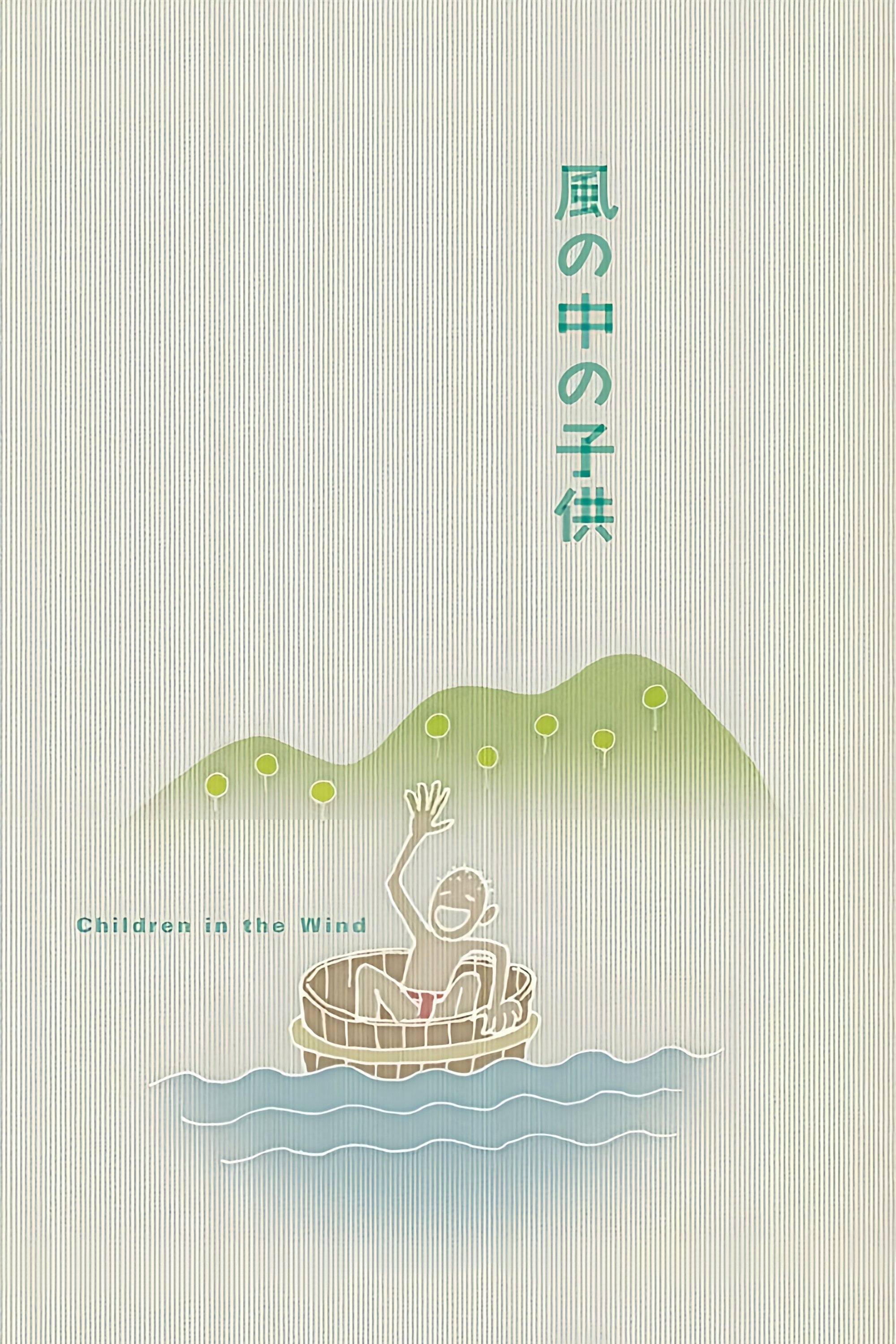
On vacation's eve, a boy is sent to the countryside to live with his uncle after his father is imprisoned and accused of embezzlement.
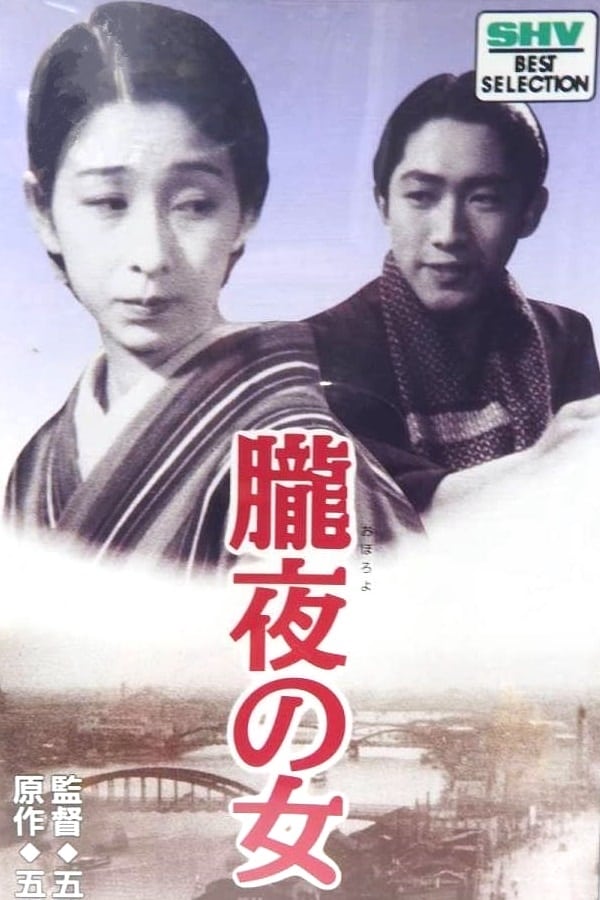
Otoku asks her brother Bunkichi to speak with her son Seiichi, a young man for whom sacrificed everything but who now seems to be headed for a wastrel life. Bunkichi admonishes the boy to study harder, but it seems his uncle's advice may already be too late.
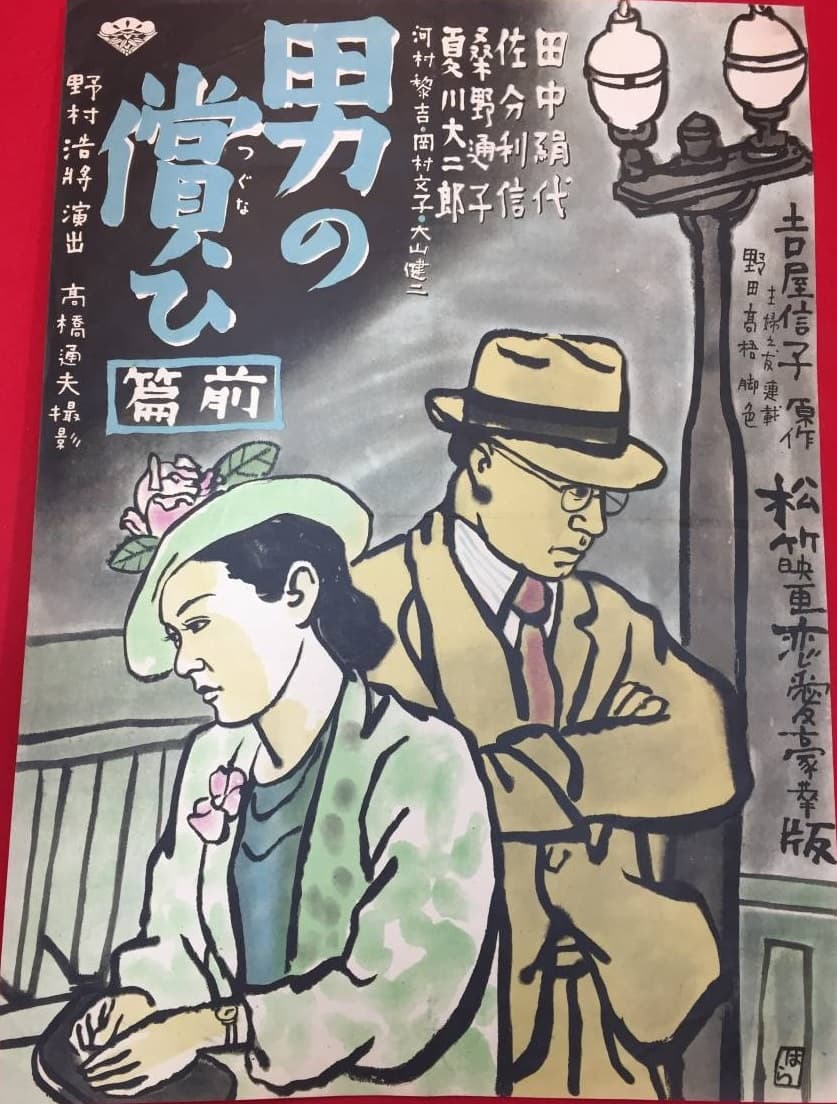
Sabu Toshinobu is an archaeologist who has taken a liking to Kinuyo Tanaka, the daughter of an archaeologist at an inn in Izu, where he is visiting to conduct an excavation. Sabun gets along well with his childhood friend Michiko Kuwano, but his mother (Fumiko Okamura) is against her, so he gives up easily and ends up being married to Kinuyo Tanaka.
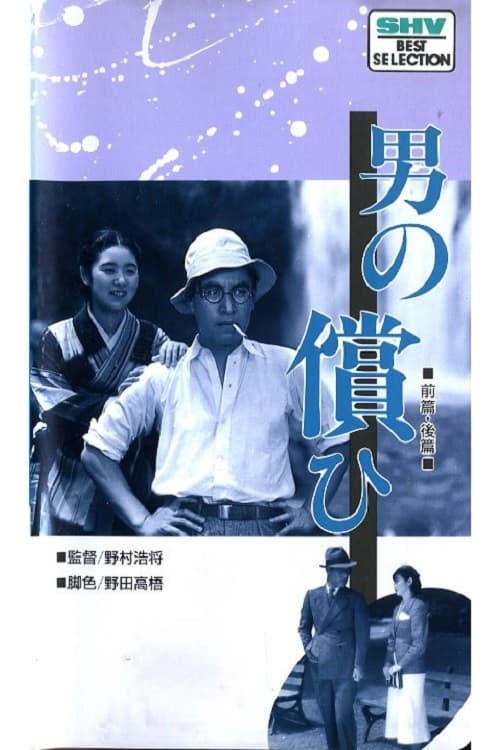
Sabu Toshinobu is an archaeologist who has taken a liking to Kinuyo Tanaka, the daughter of an archaeologist at an inn in Izu, where he is visiting to conduct an excavation. Sabun gets along well with his childhood friend Michiko Kuwano, but his mother (Fumiko Okamura) is against her, so he gives up easily and ends up being married to Kinuyo Tanaka.
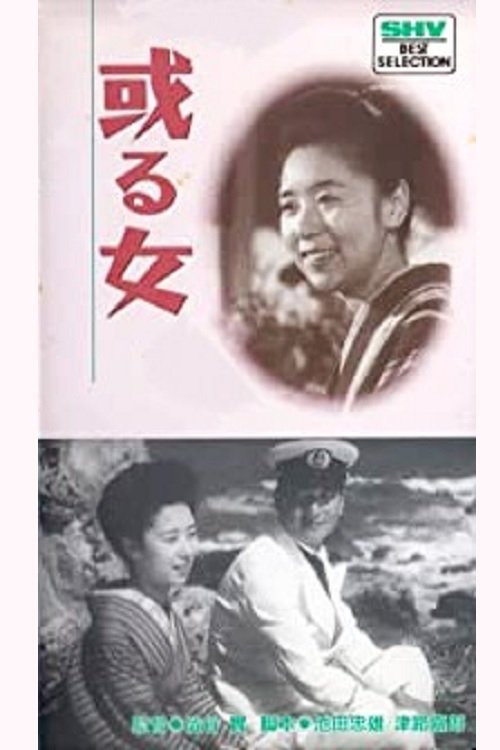
Pretty Oshige is deceived by her first love. After this, she lives a hard lifestyle, working at a number of jobs. Her only pleasure is her nephew, who eventually becomes a merchant marine. When Oshige meets her old love ten years later, she is able to forgive him and even thank him for the path her life has taken.
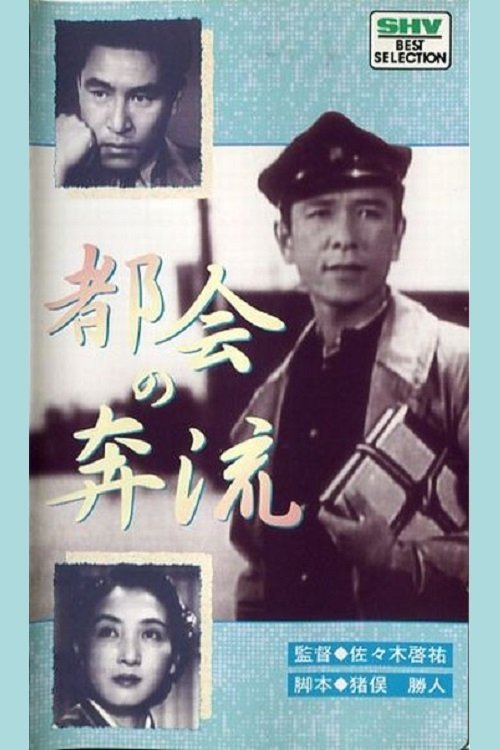
A young yakuza student is led back to the straight and narrow path by his uncle.
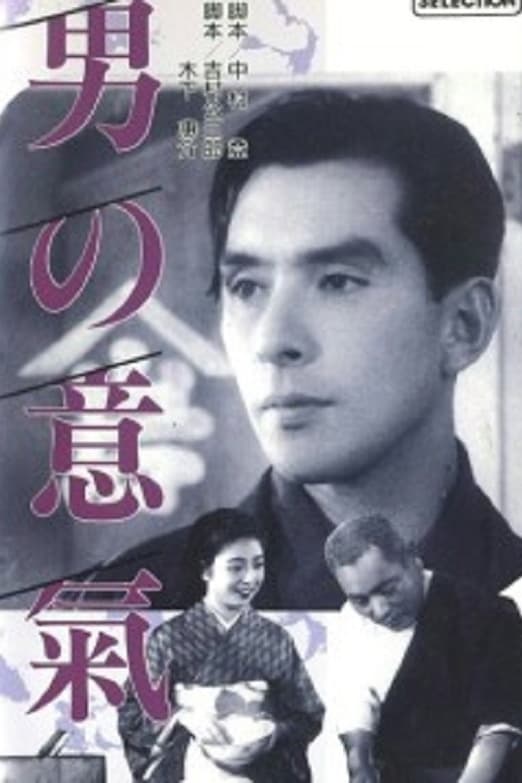
This was 1942, so it was a national policy film, no matter what you call it. But when the war was still on the winning side, there wasn't even a little bit of sadness in the film (as the war was getting worse and worse, the burdens on our backs were increasing day by day, and we had to keep forming a line for tomorrow with nowhere to go (Akira Kurosawa's "The Most Beautiful", Admiral Nomura's "Enemy Air Raid", etc.) (Song of Annihilation, directed by Sasaki Yasushi). The film closes with the hope of the blue cloud that is bubbling up in the air. Or it may be the last time that a Japanese film talks about war and looks at the end of the war with an unconcerned eye.
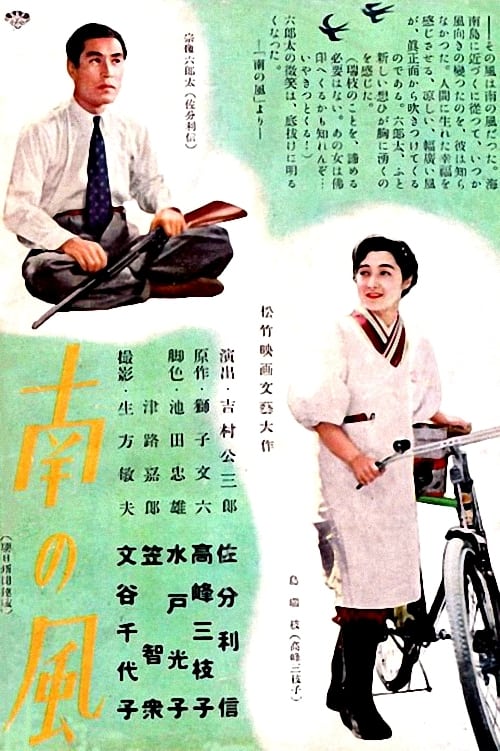
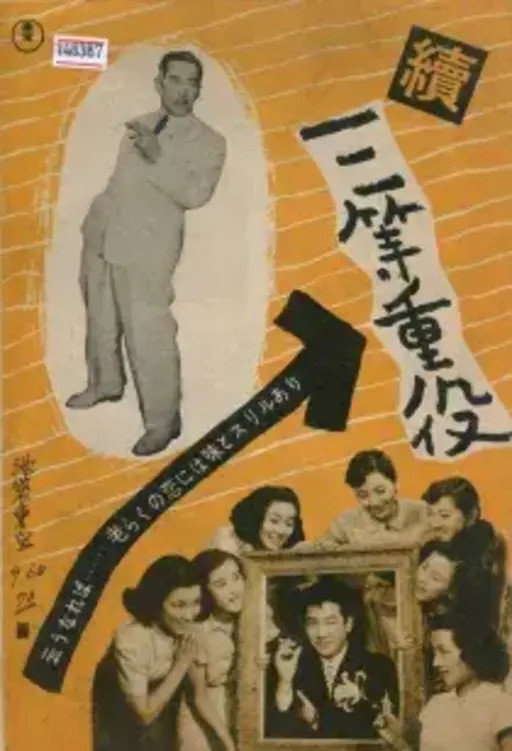
Amusing masterpiece from director Yoshimura Kazusabu divided in two parts taken from the newspaper serial novel of Shishiko Shishi. Like in "Warm Current", Shin Saburi, Mieko Takamine and Mitsuko Mito are appearing, but this is a fresh comedy very unusual for wartime.
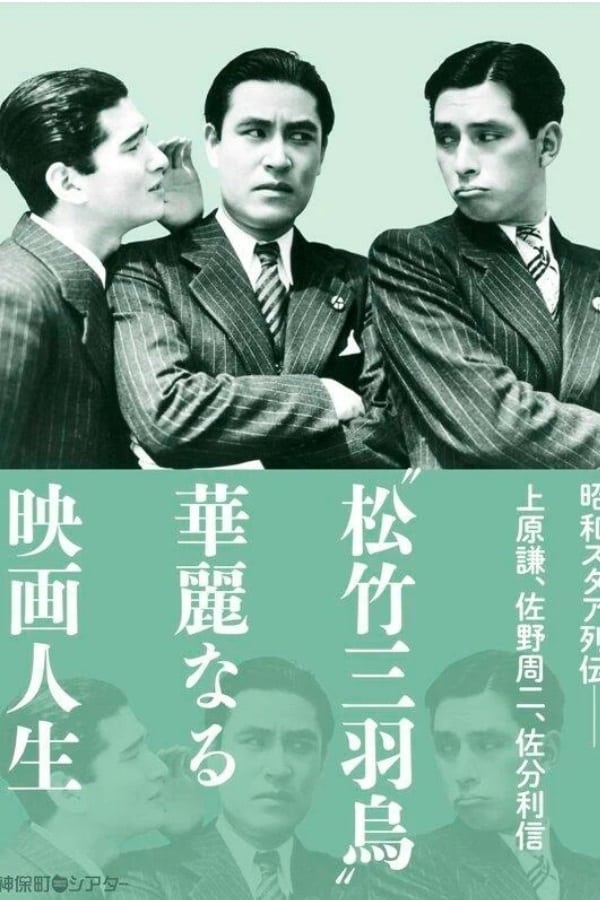
Three men vying for the same job end up chasing the same girl in this comedy-drama from noted Japanese director Yasujiro Shimazu.
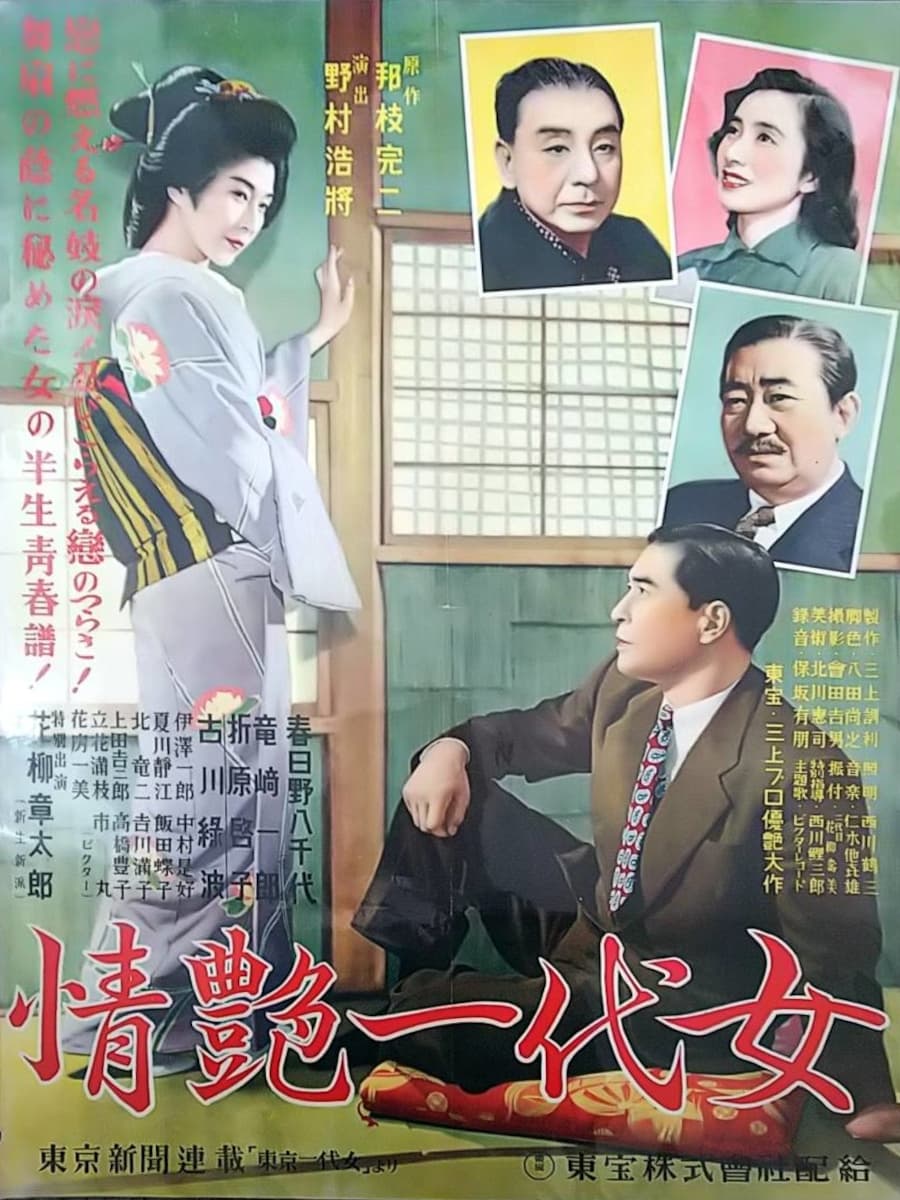
Based on the serialized story "東京一代女" which appeared in Tokyo Shinbun. A geisha known for her dancing begins training with the Onnagata Kikugoro VI as a dancer. She leaves her geisha life to pursue this new path, but falls in love with a naval officer who is the younger brother of Kikugoro and who saves her from a stalker monk. Kikugoro hears of this and becomes enraged. The naval officer dies in the Second Sino-Japanese War, causing the lead to go back home to her mother where she meets, and falls in love with, a poet who resembles her now-deceased fiancé. This poet leaves her in order to force her to dedicate her entire life to dancing, which he sees as her true pursuit.
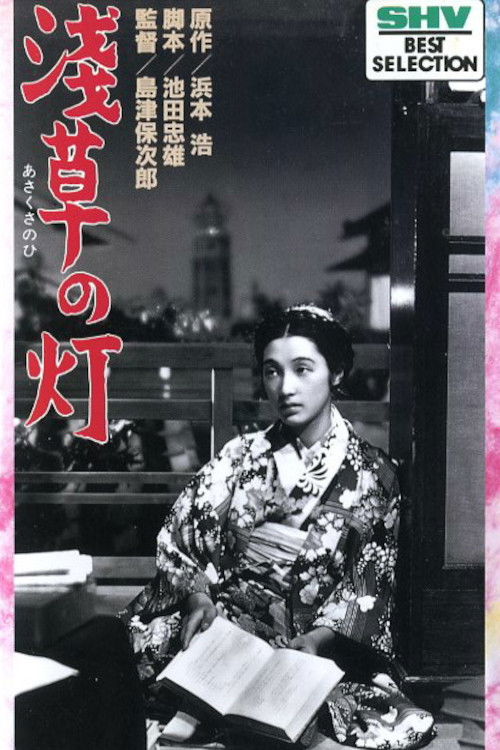
Pre-war Asakusa was a riotous district of cabarets, dance-halls and brothels - a striking backdrop for Shimazu's story of innocence and experience. Pretty, young Reiko is the new dancer in an infamous theatre troupe, and her fellow performers try to protect her virtue in a land of vice. Meanwhile, an ageing actor wants to be a hero off stage as well as on, and the troupe matriarch Marie has to keep them all together.
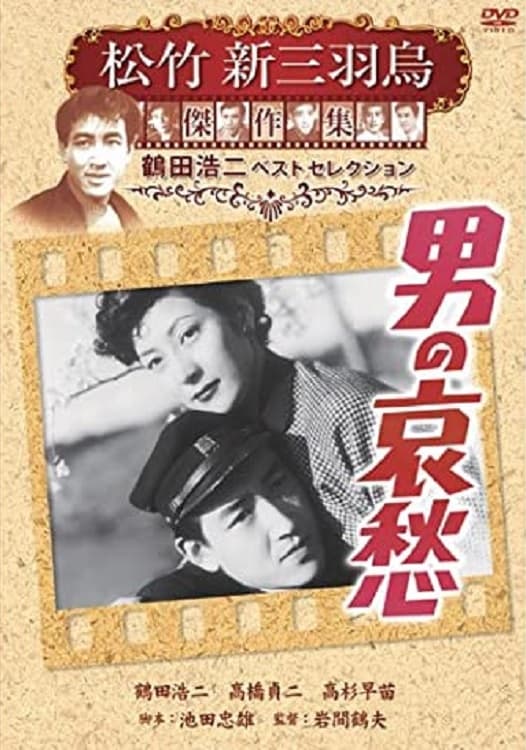
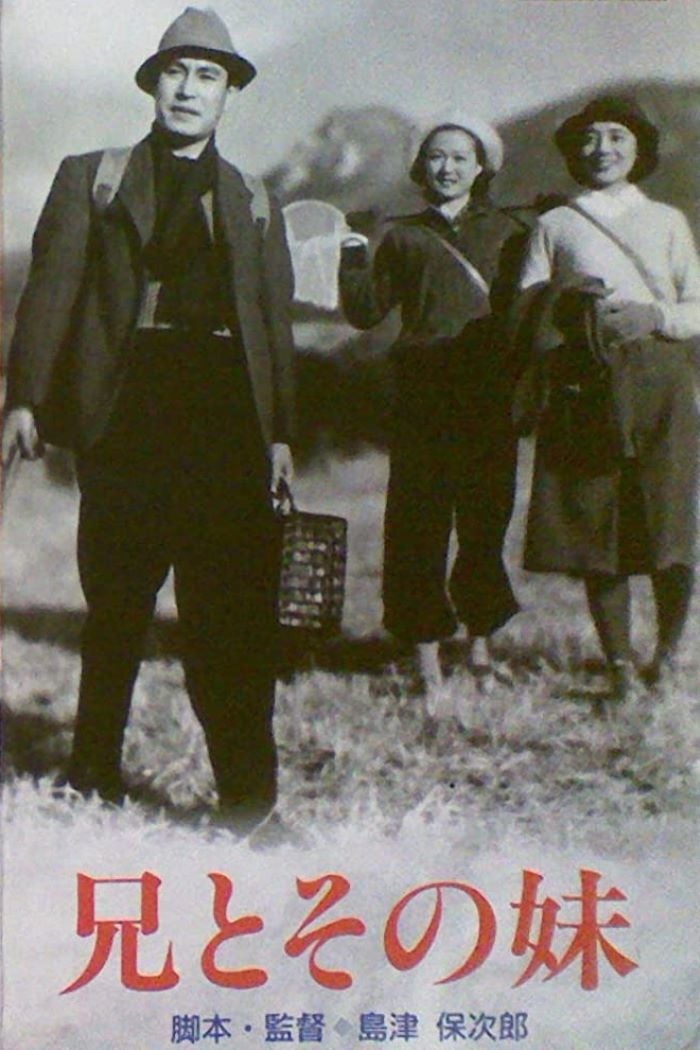
A man who works late hours at a deadening job lives together with his wife and his younger sister. The younger sister's a modern girl who's starting to receive romantic attention from one of her co-workers.
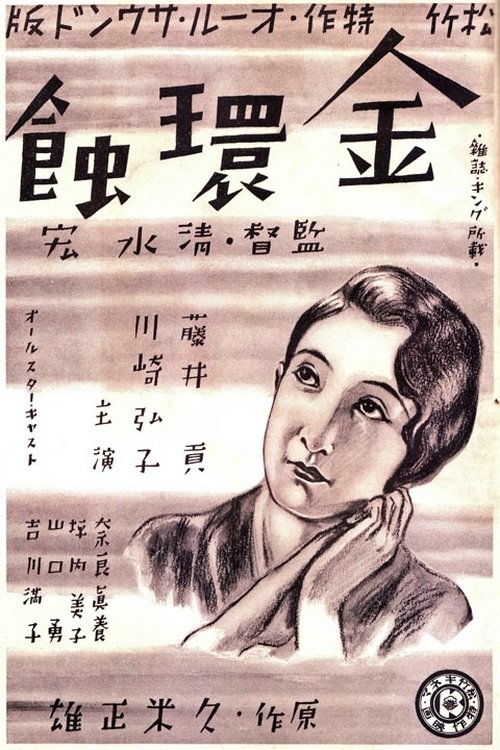
The story is centered around the devastating experiences of two villagers, Osaki Shuichi, and his cousin, Nishimiura Kinue, when they leave their hometown for the metropolis of Tokyo. They are in love with each other, but Kinue is expected to marry the lawyer Kanda Seiji. In consequence, Shukichi leaves for Tokyo, where he becomes tutor to the son of the rich Iwaki family. The heartbroken Kinue also makes her way to the capital, where she becomes a bar hostess.
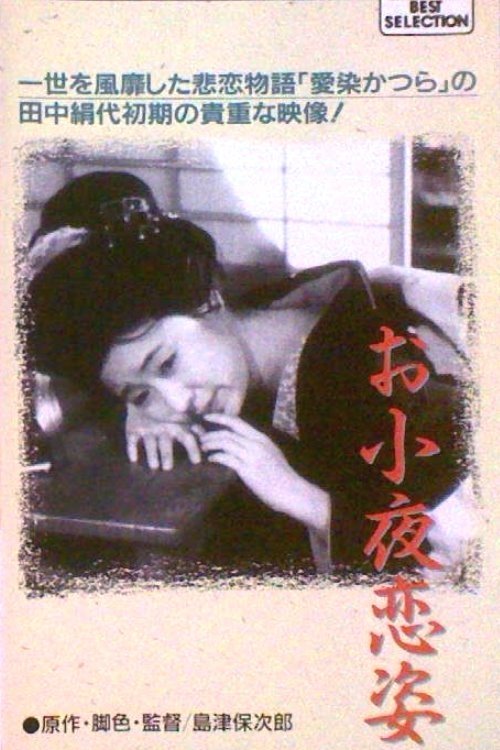
The poor novelist Yamamoto is writing his novel, determined and with a headband around his head. With him, the novelist who is always in trouble paying his bills, is the girl Saya who becomes the model for his novel. Saya however is in love with a young driver. When he is forced to move into a spa town as the result of the jealousy of another man Saya is terribly sad. But with the help of Yamamoto the driver's rival can be revealed and Saya can finally be with her beloved.
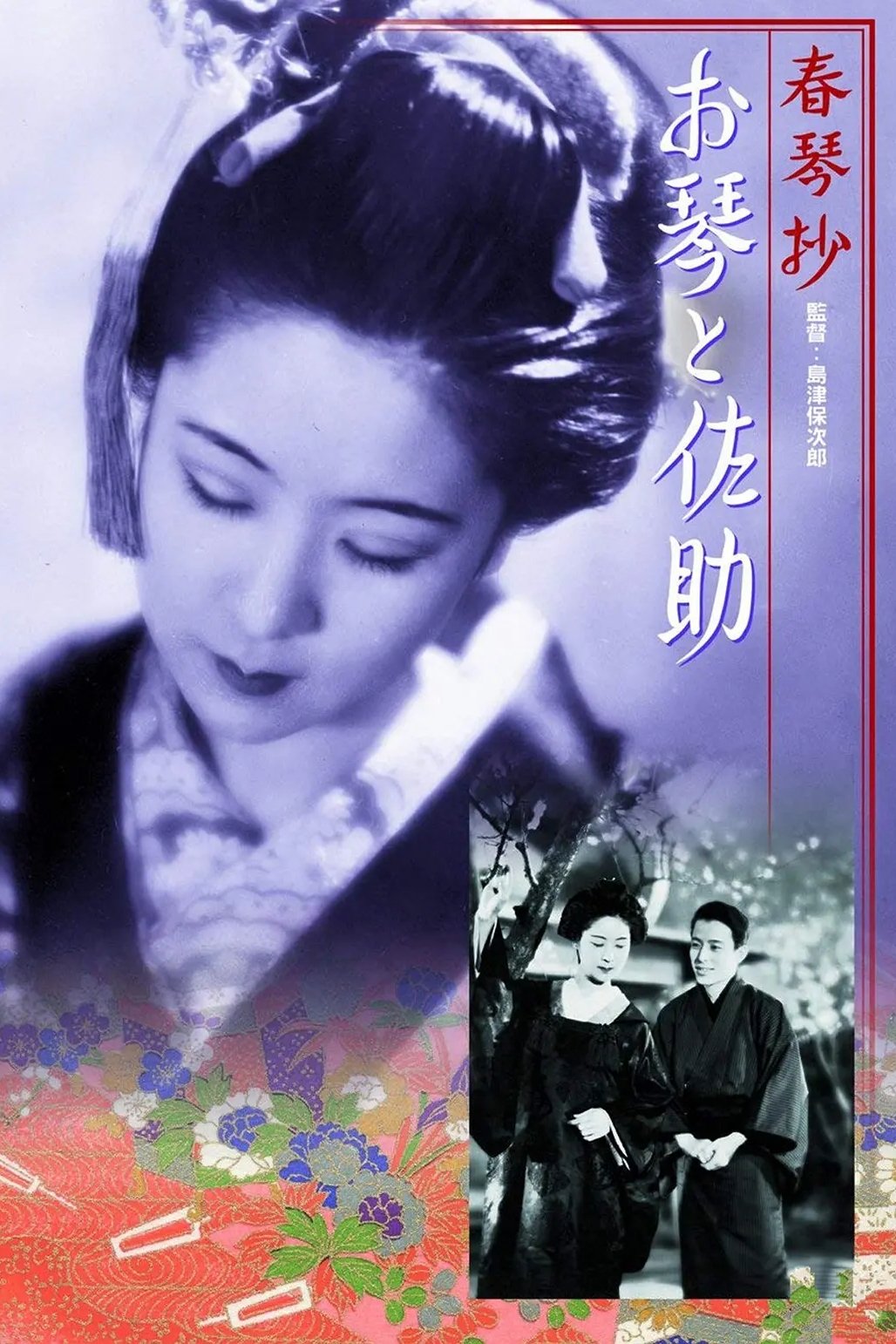
A period piece about the love of a wealthy blind woman, a teacher of koto and shamisen, and her devoted manservant. Based on a novella by Tanizaki Junichiro.
A period piece about the love of a wealthy blind woman, a teacher of koto and shamisen, and her devoted manservant. Based on a novella by Tanizaki Junichiro.
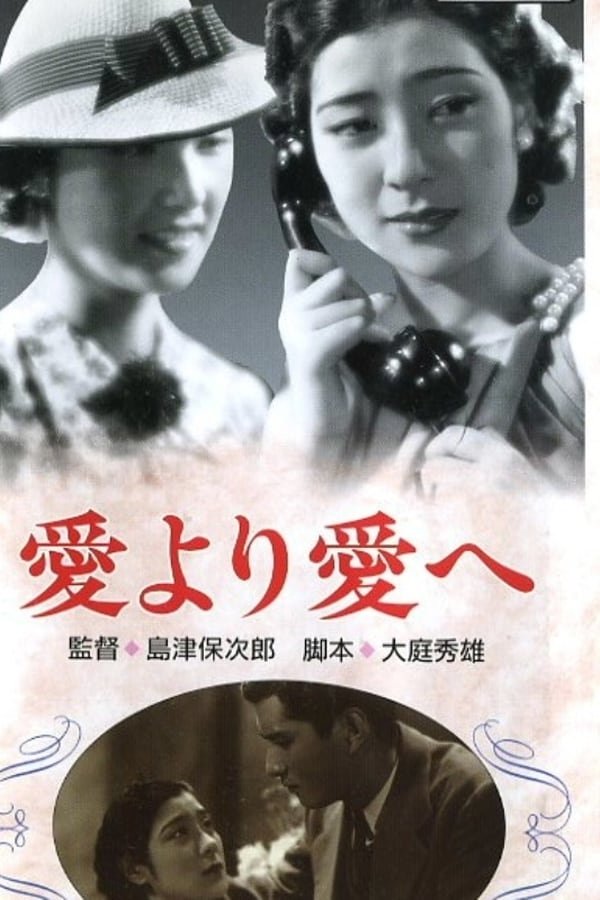
Shigeo is an aspiring writer living with his girl friend Minako and hoping for success and a better tomorrow every day. Both live on what Minako earns from working in a café. Shigeo is not happy with the situation and neither is his family who do not approve of Minako. Especially his uncle tries to convince him to leave Minako, even using his influence behind the scenes. Things start to change when Shigeo's sister pays the young couple a visit, being the first member of Shigeo's family to actually get to know Minako in person.
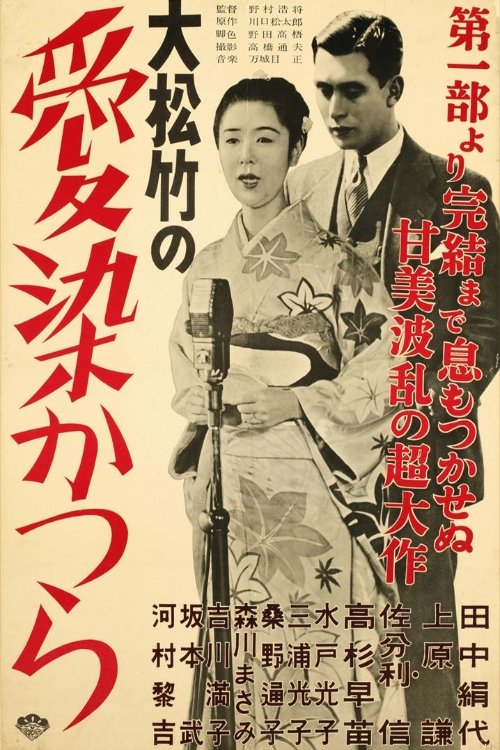
A young doctor, Kozo Tsumura, falls for young nurse Katsue Takaishi. But she's got a secret: she's a widow with a son. Kozo and Katsue decide to run away to Kyoto, but her child suddenly became sick and she just missed the train and Kozo. She makes it to Kyoto finally, but is unable to meet him. Plus she isn't accepted into Kyoto society. She goes back to her hometown and tries to forget him. She quits the hospital to concentrate on her singing. She makes her professional debut with the hit "Aizen Katsura". Kozo is in the audience.
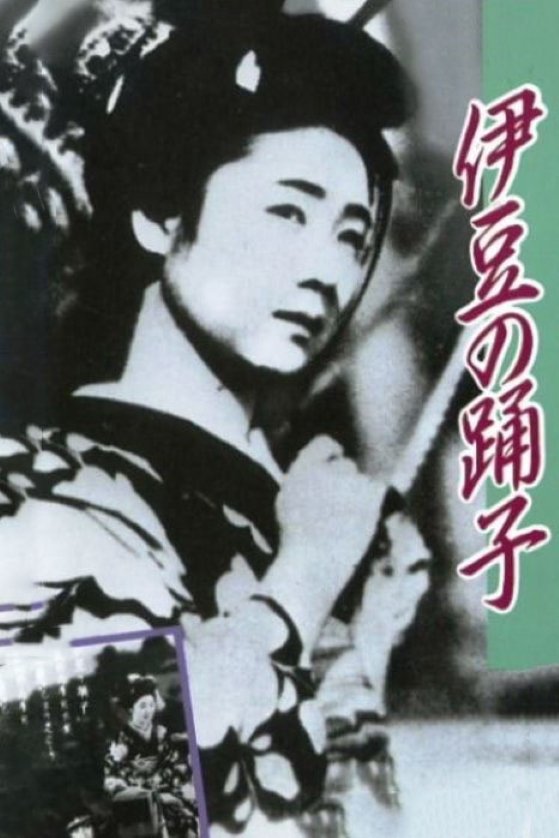
"The Dancing Girl of Izu" tells of the story between a young male student who is touring the Izu Peninsula and a family of traveling dancers he meets there, including their youngest girl. The student finds the naïve girl attractive even though he eventually has to part with the family after spending memorable time together.
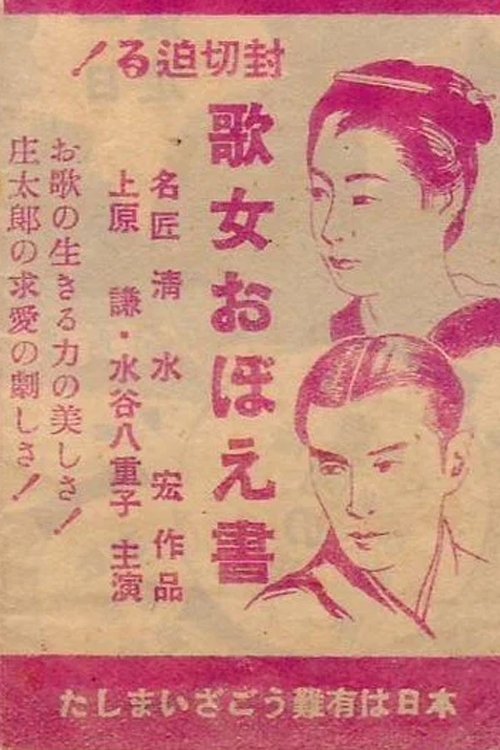
Uta’s mother died when she was six years old; her father she never met. She was forced to adopt a traveller’s life when her grandmother died, and now she is a dancer and part of a family of actors who travel from town to town, setting up street performances. A way of escape from this marginal existence arises when she gets the chance to move to tea merchant Hiramatsu’s place, where she is asked to teach his daughter to dance.
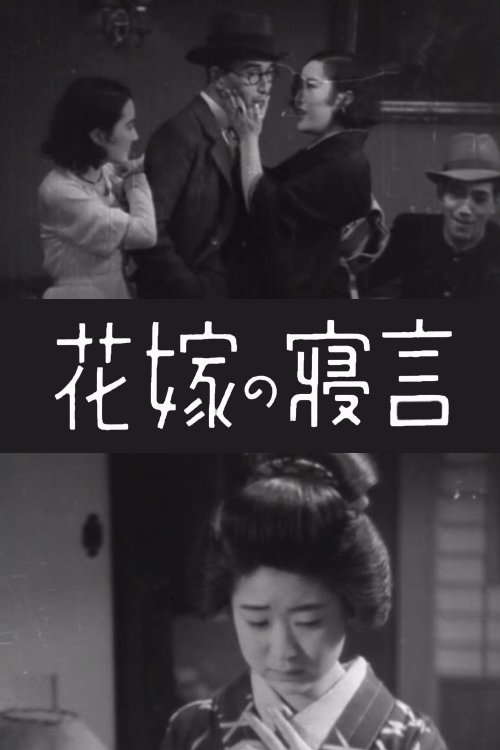
This pair of gentle yet witty and inventive comedies from the director of The Neighbour's Wife and Mine typify both the formal experimentation of early Japanese sound cinema and the social milieux that Shochiku tended to depict. 'Virtually plotless, and feeling more like comic sketches than fully developed stories,' writes Arthur Nolletti, Jr, 'these light comedies, or farces, take a wholly trivial matter (often a socially embarrassing situation) and use it as a springboard for a succession of gags.' Much of the films' distinction comes from the wit of Gosho's direction, the imaginative use of the new sound technology and the charm of the acting, particularly of the heroines (Kinuyo Tanaka in Bride; Hiroko Kawasaki in Groom). Yet in both films, Gosho finds room for some shrewd observation of character and environment, subtly exploring the values and assumptions of the suburban petit bourgeoisie.
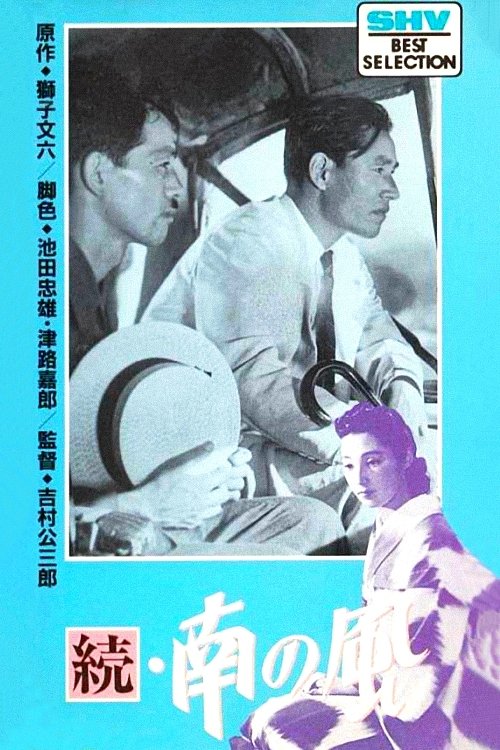
In this comic sequel to Yoshimura Kozaburo's original, Minami no Kaze, ex-baron (Saburi Shin) is in Singapore where he meets an old friend who proposes a scam to make some quick cash. It involved inventing the story that Saigo Takamori didn't actually die in the Satsuma Rebellion but escaped to Southeast Asia to start a new religion and in the process fathered a son who is now the founder. But when they bring the supposed heir and his aide to Japan, chaos ensues...
Shochiku melodrama about the loves of the humble people living in the poor tenement called the Ryuheiso.
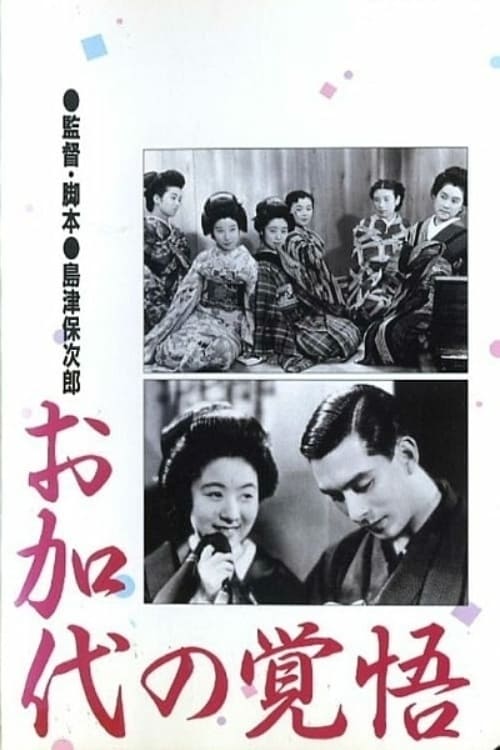
A young student of traditional dance falls in love with a handsome young man who visits the dance school in order to take photographs.
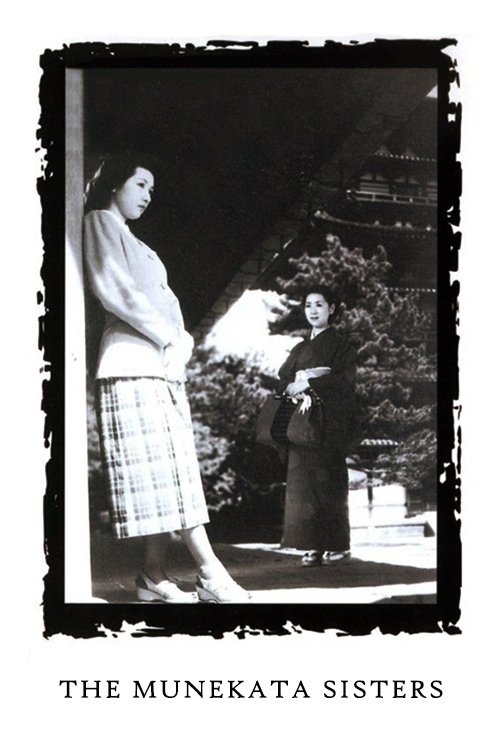
Setsuko is in an unhappy marriage to Mimura, an unemployed, alcoholic engineer. She had always been in love with Hiroshi but both failed to propose when Hiroshi left for France a few years ago. But now he's back and Mariko tries to reunite them, although she too is secretly in love with Hiroshi.
Adaptation of a novel by Yojiro Ishizaka, originally released in two parts.
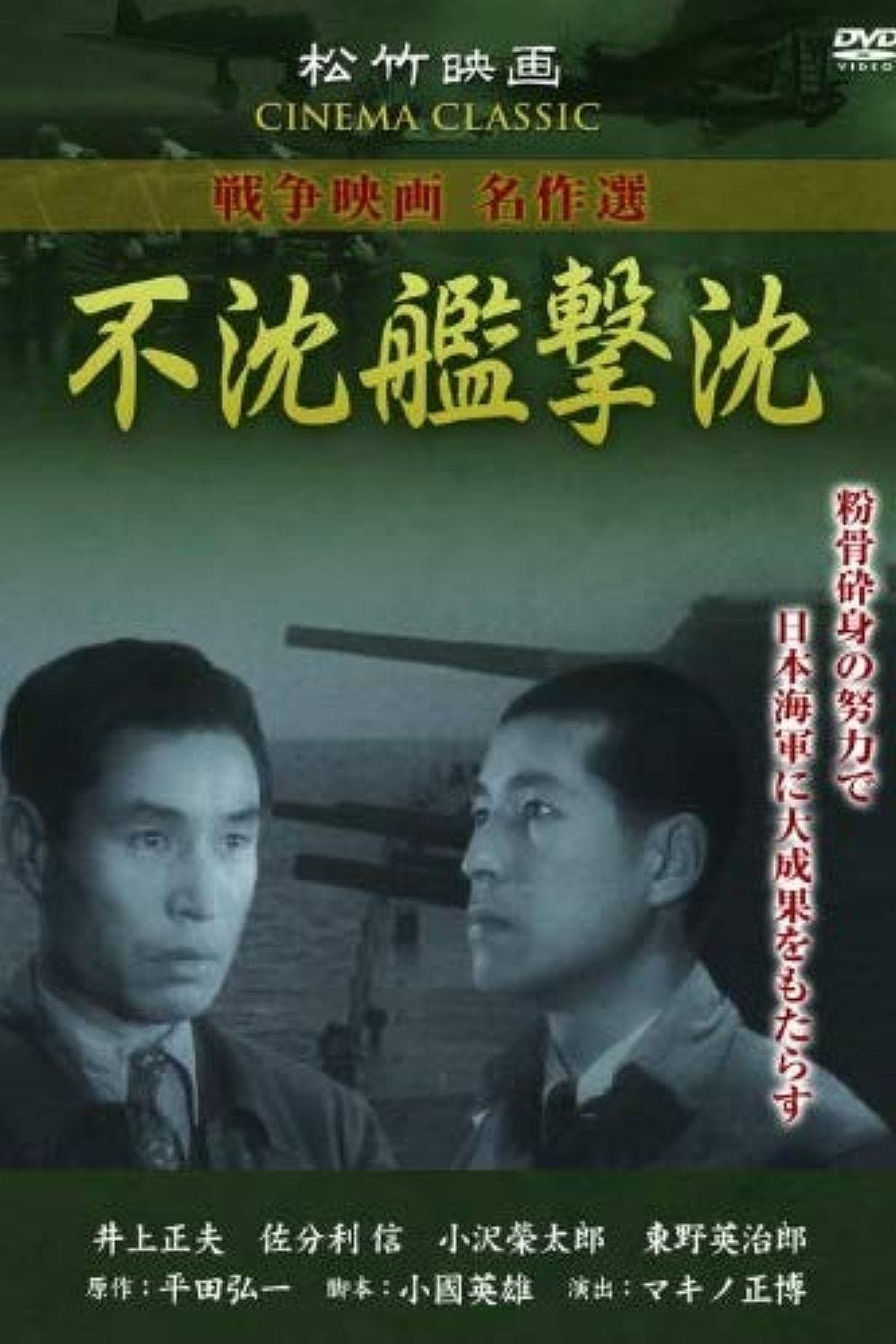
Japanese Warmovie
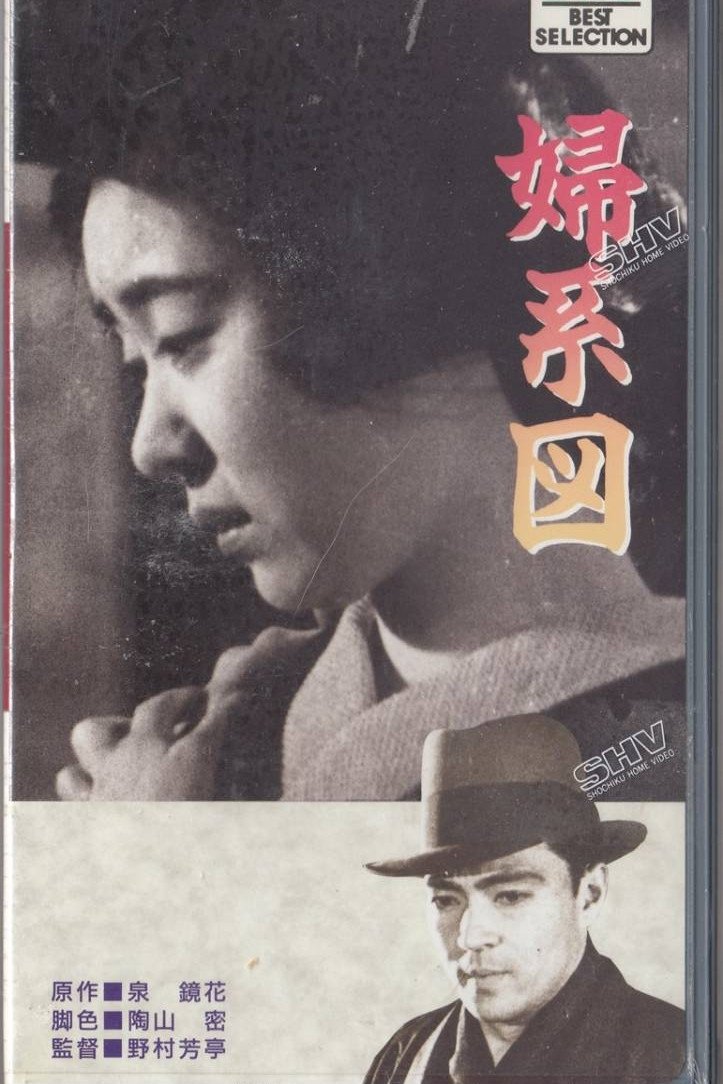
A melodrama by noted auteur and father of director Yoshitaro Nomura, Hotei Nomura. This is apparently the first adaptation of Izumi Kyoka's The Romance of Yushima.
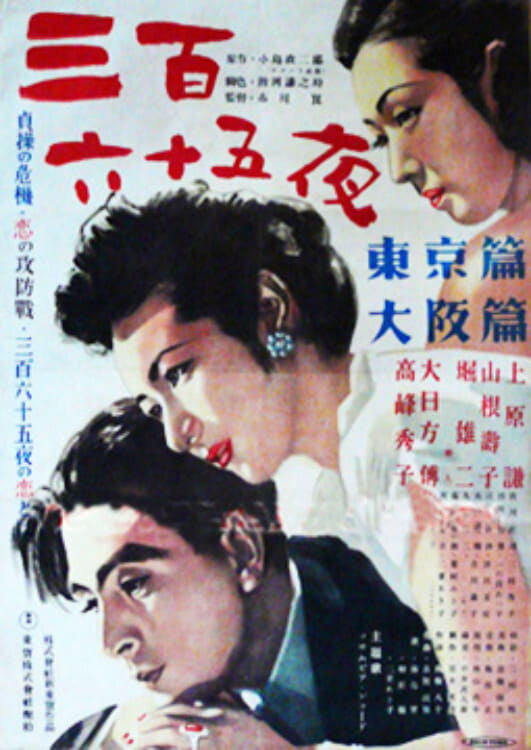
A young man rents an apartment in Tokyo and discover it was built by his father. He falls in love with the daughter of the mistress of the house and decides to marry her. Only to discover that his father is is in debt and wants him to marry Ranko so that she may help his company by granting 1.5 million yen. Teruko decides to borrow money from a greedy bar owner who lends her money on certain conditions and photographs her without her consent. A love traingle forms between Koroku, Ranko, and Teruko. Things complicate when Koroku marries Teruko and Tsugawa threatens them for the money causing many twists and turns.
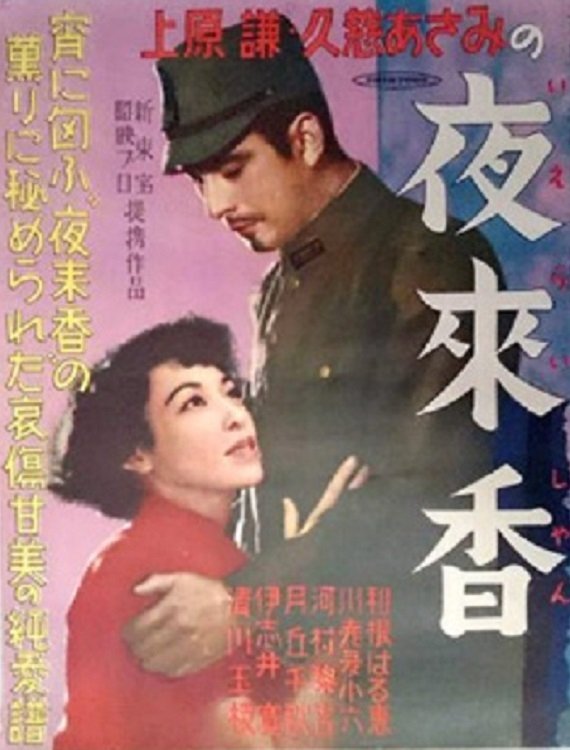
Japanese "kayo" film based on the song "Ieraishan" by Yoshiko Yamaguchi.
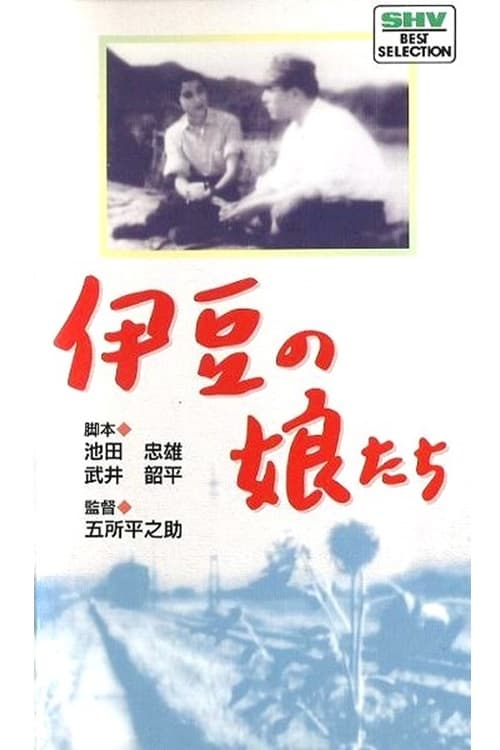
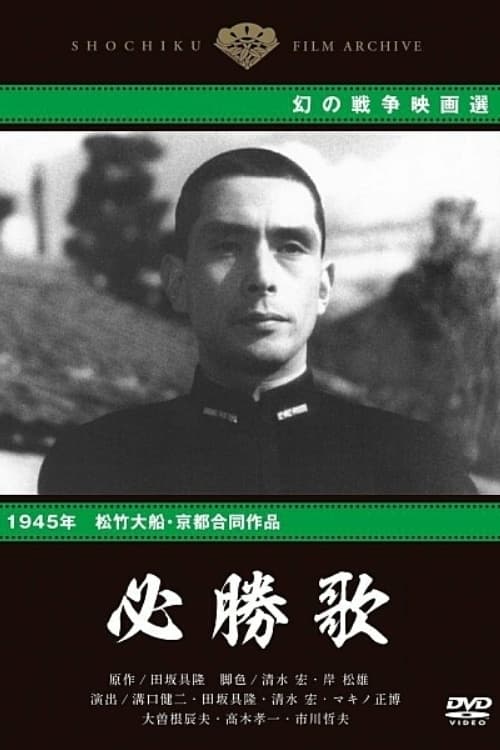
An anthology of thirteen patriotic stories about Japanese citizens contributing to the war effort.
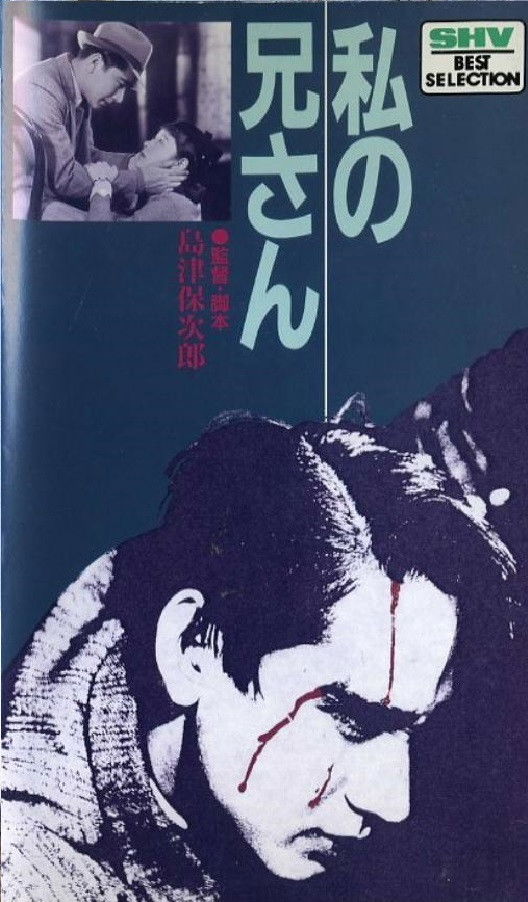
Jyuta, an honest owner of a taxi company, has a younger half-brother who is involved in the yakuza world and doesn’t get along well with his mother. Jyuta tries to correct him…
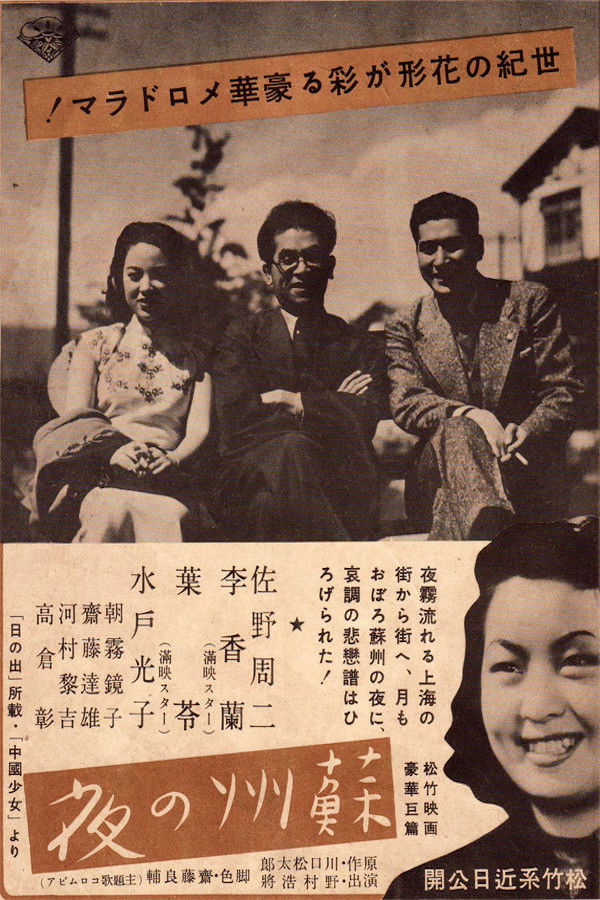
A hostile Chinese nurse (Yamaguchi) who works in an orphanage is won over by the care and commitment of the Japanese doctor (Sano) who treats her wards. Disease outbreaks and family obligations, however, threaten to torpedo their budding romance.
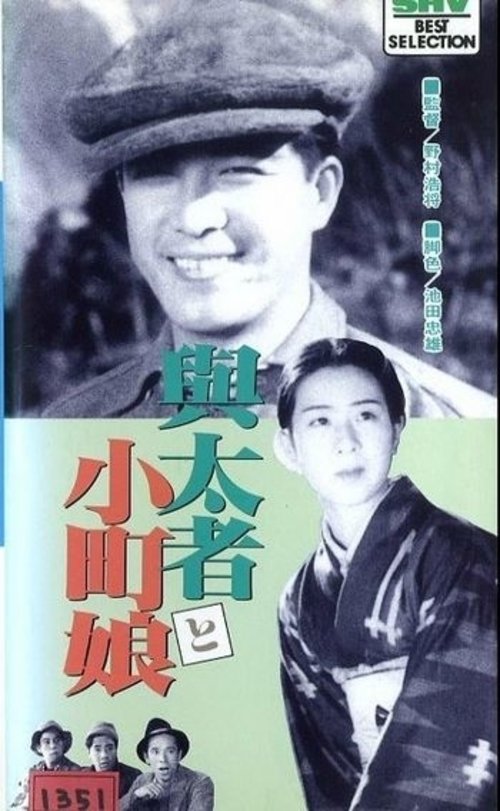
A Japanese comedy from the end of the silent era (it has music) from a popular series. A feud, a practical joke and romance are the set up for some great comedy and drama from a team of distinctive appearance who are exploiting their silent cinema styles to the full.
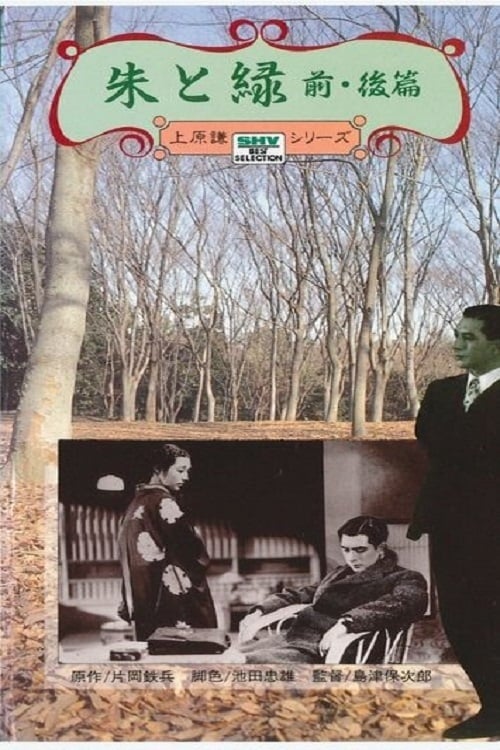
A businessman’s daughter falls in love with one of her father’s employees.
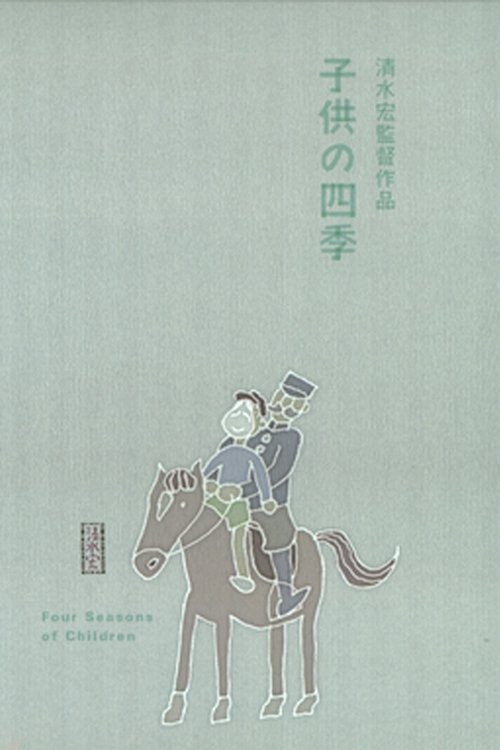
The brothers of Children In The Wind deal with declining family fortunes: they must work when the father becomes sick, and eventually live with their grandfather, which means making new friends and struggling with a different environment.
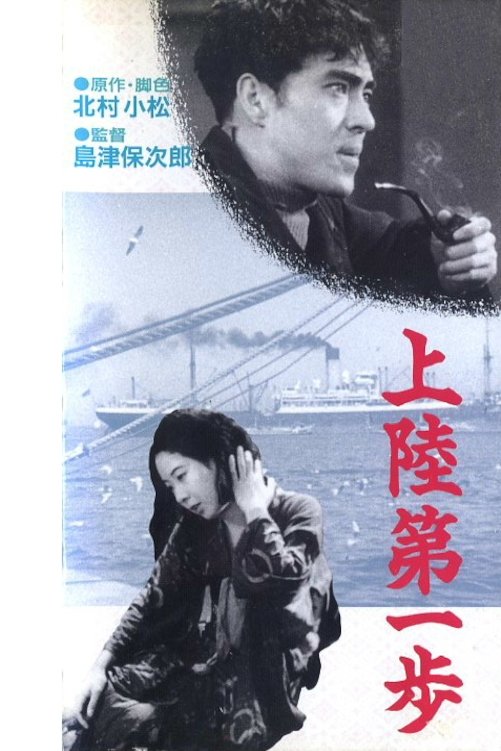
The story of a sailor who begins a love affair with a woman he saves from suicide.
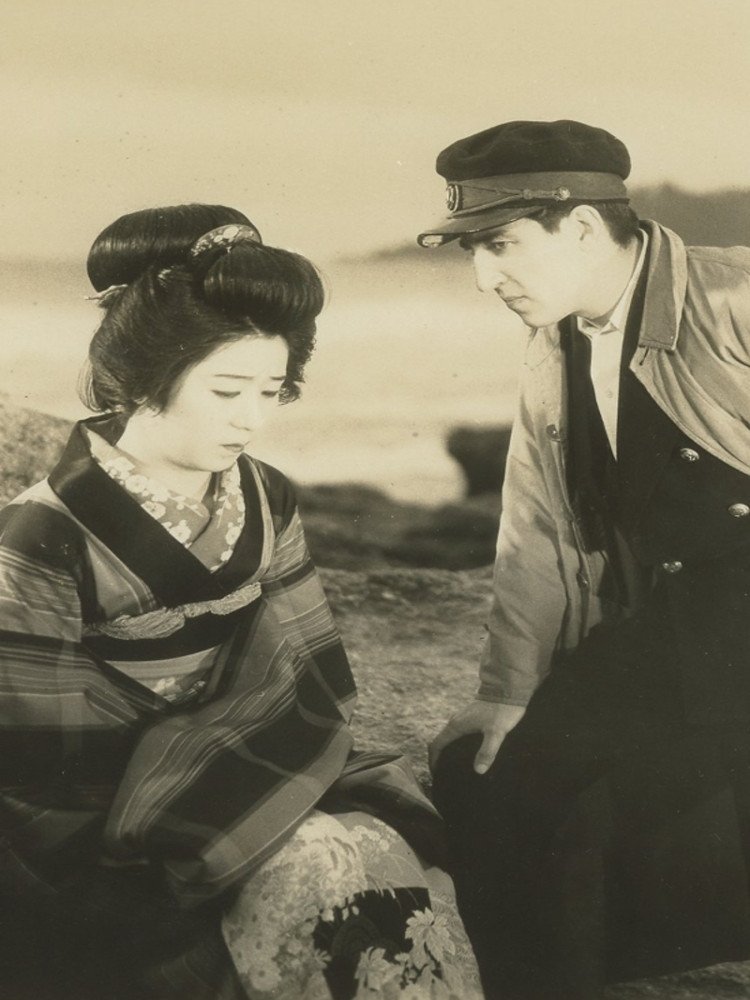
Japanese silent film.
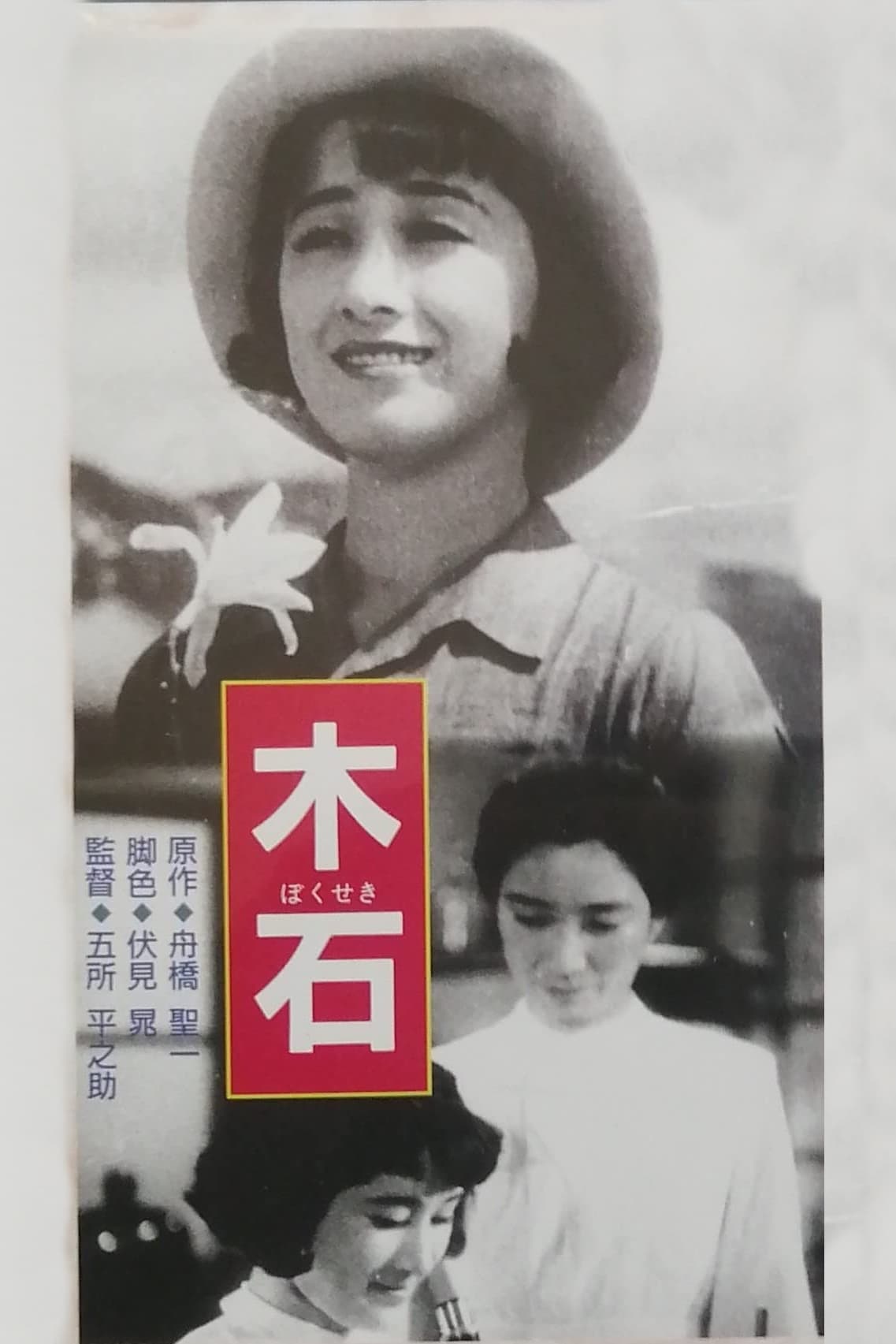
Movie about a devoted and single woman and her daughter. The mother's nickname is "Bokuseki" (wooden head) because of his supposed stubbornness. No.10 in the list of "The 10 best films of 1940" by Kinema Junpo.
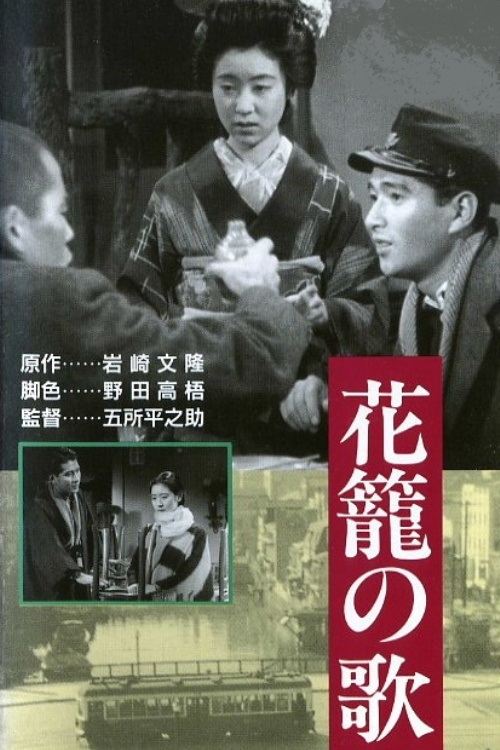
Three men fall in love with the same young girl who works in a tonkatsu restaurant in the Shitamachi district of Tokyo.
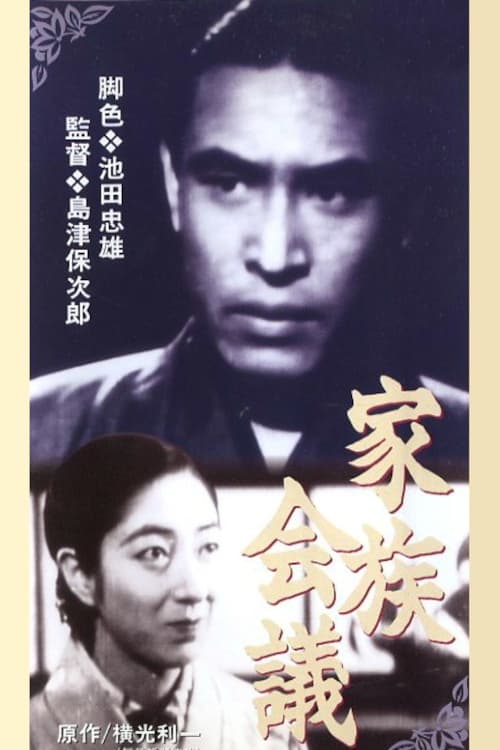
A melodrama about a businessman's relations with the three women in his life.
The 1929 Japanese film "Mother" which helped child actress Hideko Takamine become a star.
Episode in the life of a composer of a popular Japanese song.
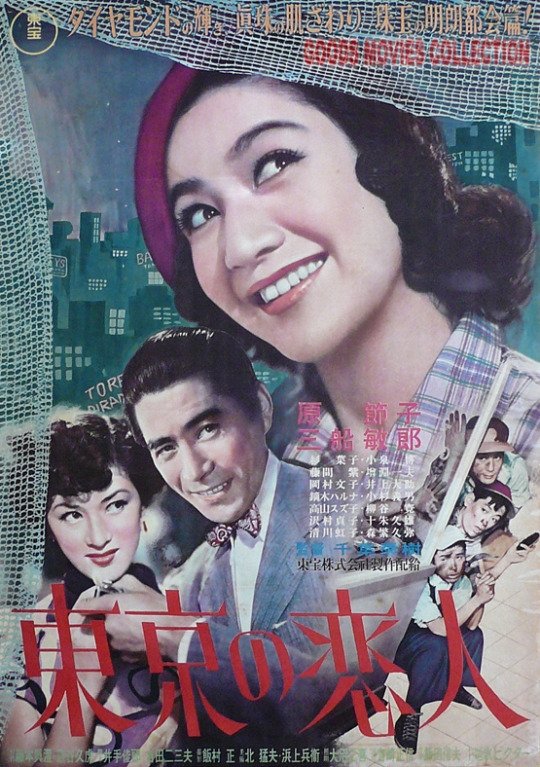
Following the Second World War, the lives of various people in a poverty-stricken area of Tokyo are entertwined. Pachinko parlor girls, shoeshine boys, a maker of costume jewelry, and a streetcorner artist all struggle to make their livings and to find happiness in difficult surroundings.
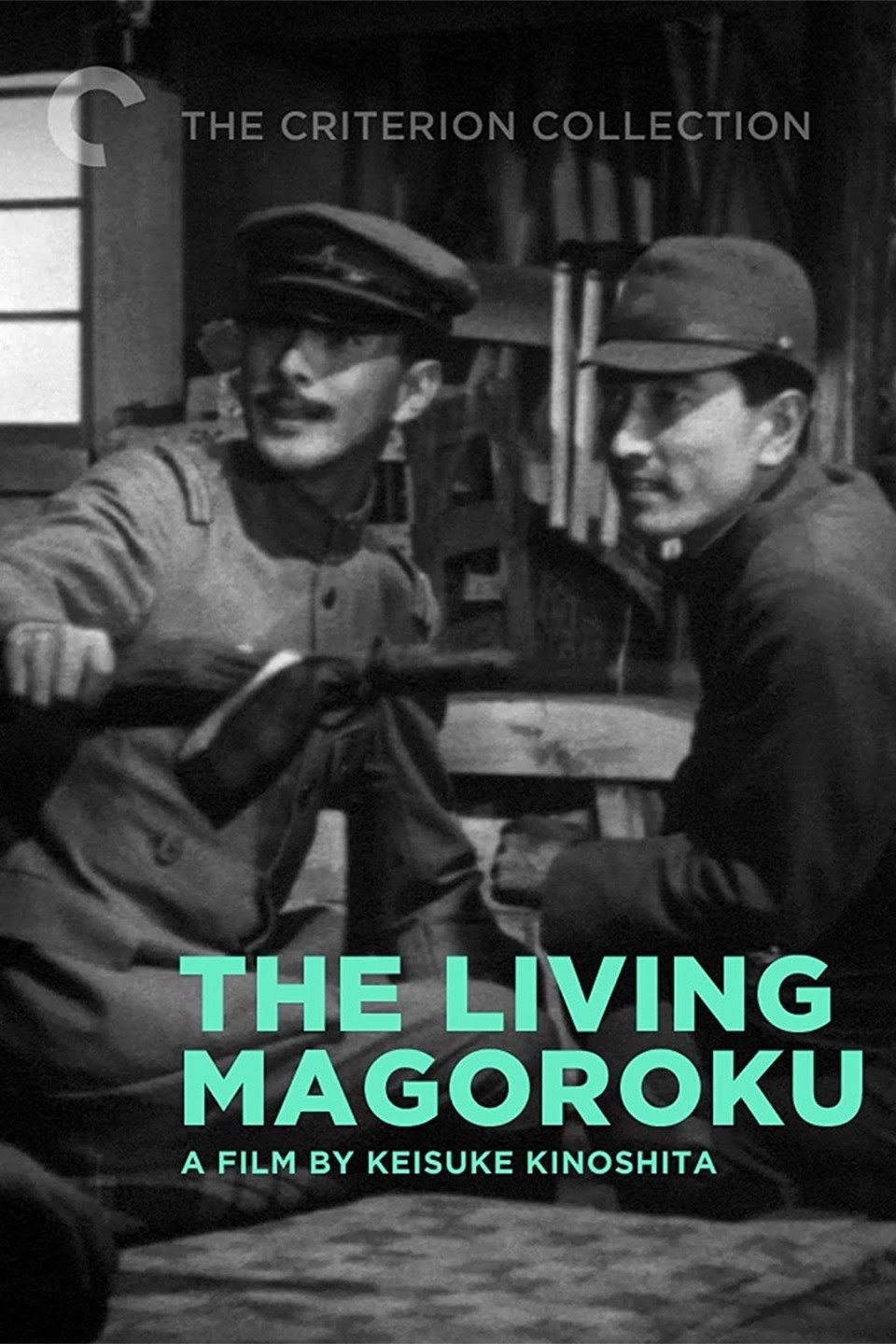
A wealthy family will not allow the military to grow crops on their fields due to their superstitious beliefs about their son's illness.
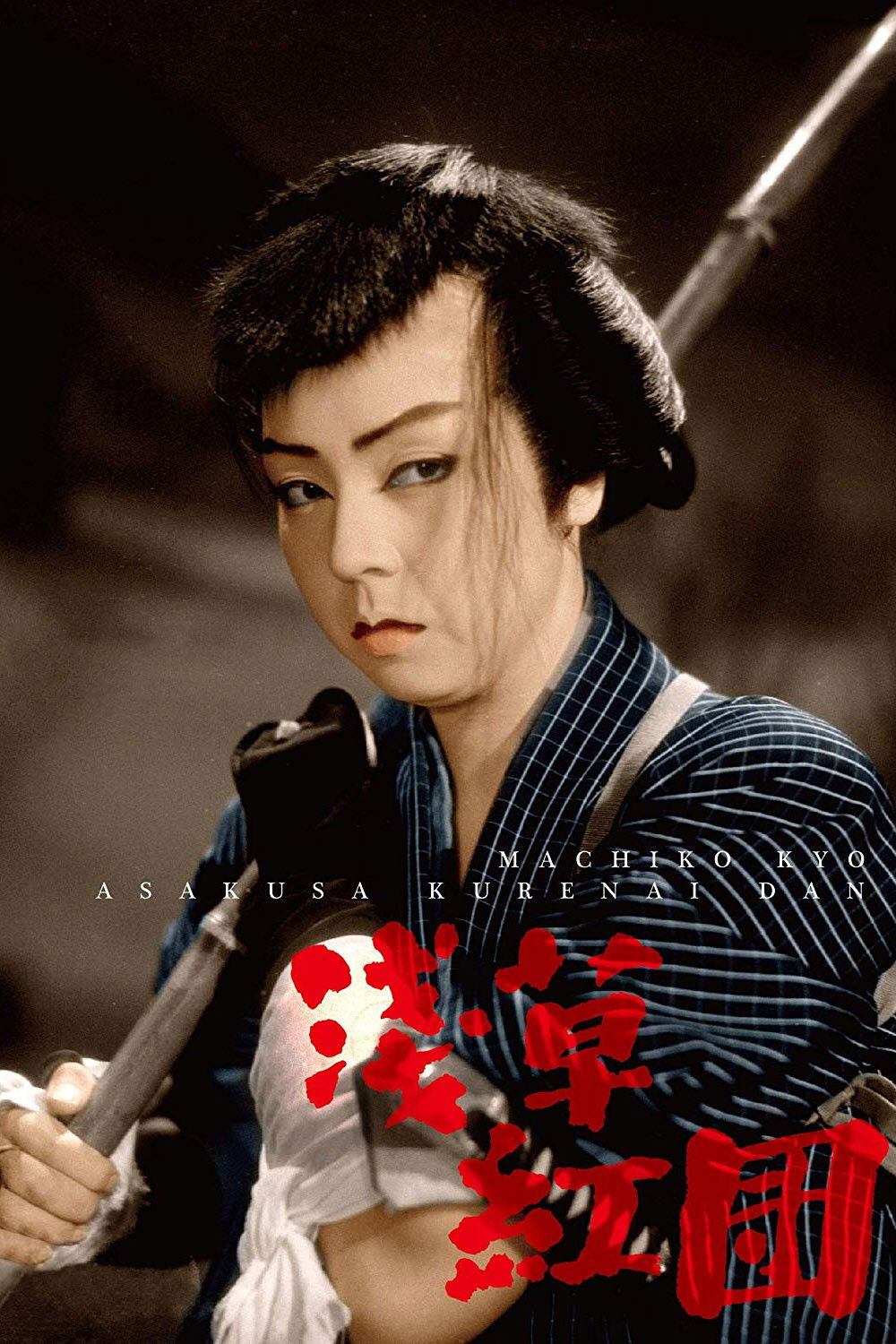
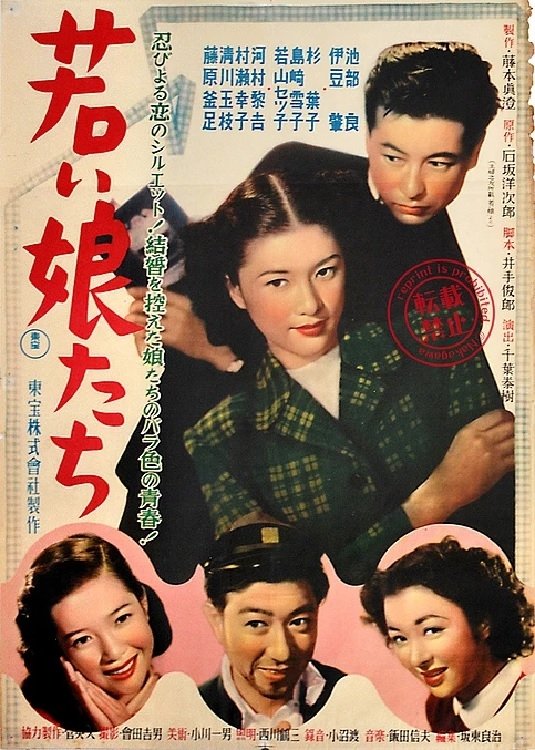
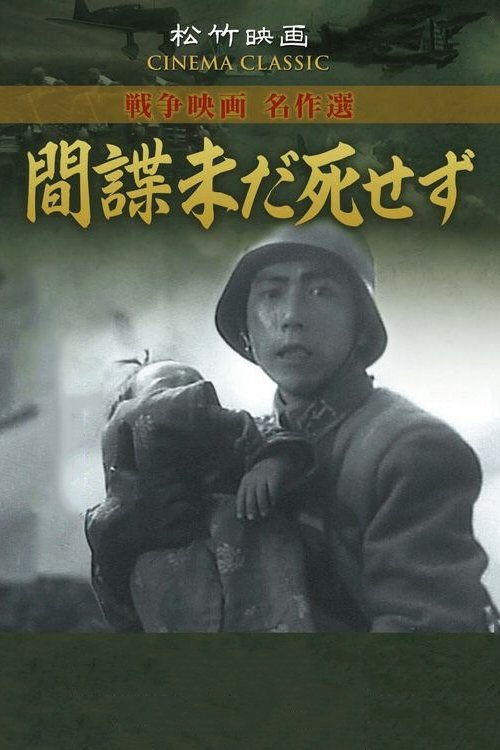
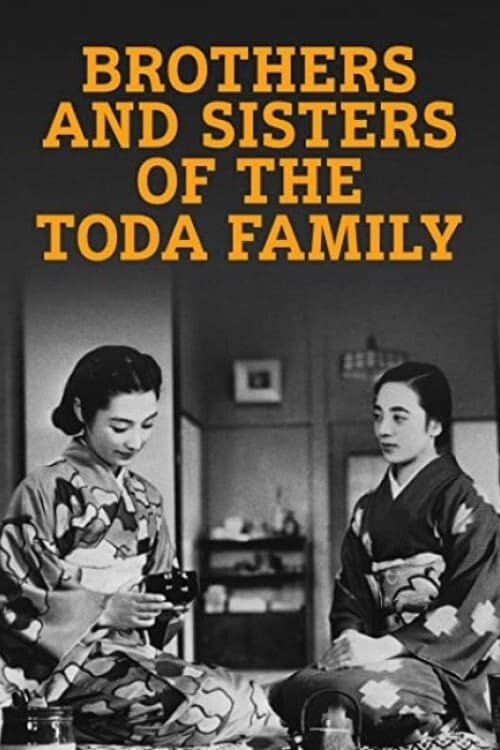
After the death of her husband, an elderly woman and her youngest, unmarried daughter are forced to sell their house to cover his debts and decide to move in with one of the former's children, each of whom is scarcely happy to accommodate.
The tale of a feudal swordsman who cynically takes no responsibility for anything, relegating it to others, and then taking the credit.
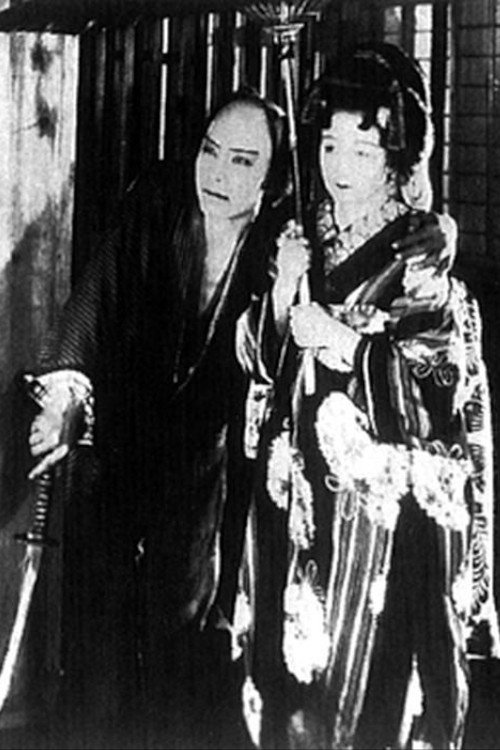
Two criminal brothers try to go straight but face opposition from one of their criminal cohorts. Considered to be a lost film.
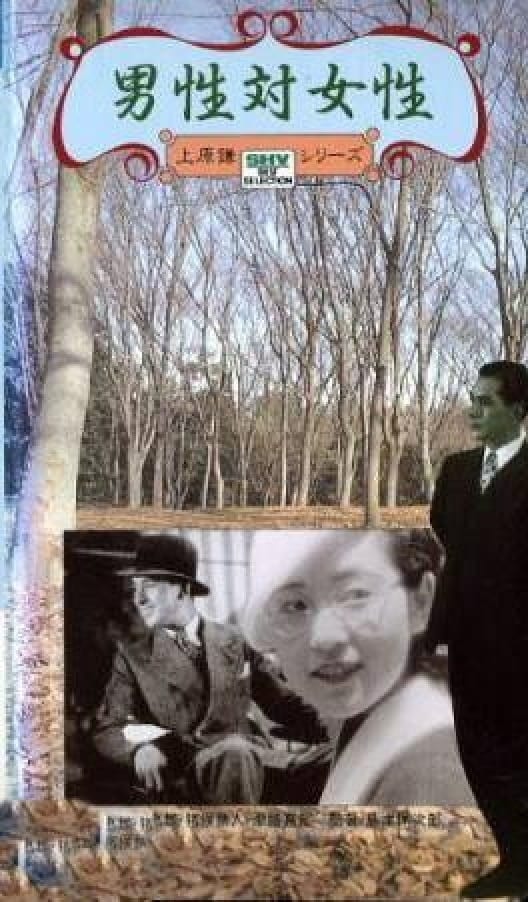
A musical film made for the inauguration of Shochiku's Ofuna Studio, with an all-star cast of the era.
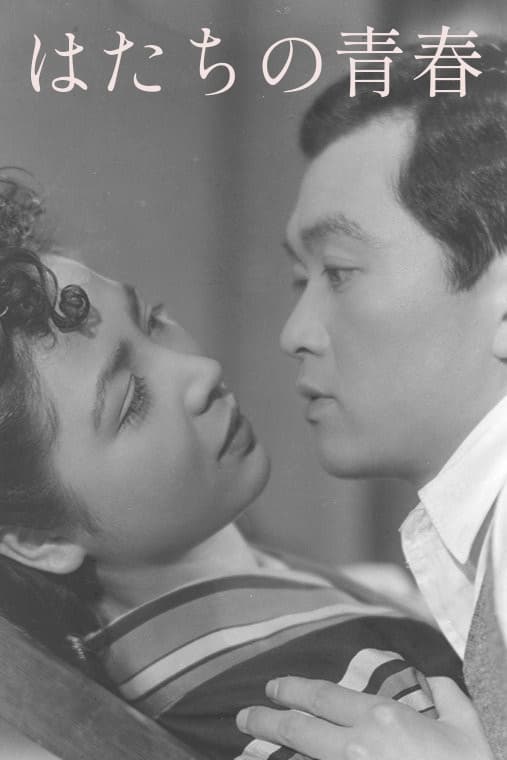
The film features the first scene with kissing in a Japanese film. Kiss scenes were encouraged by the American occupiers of Japan following World War II as it encouraged westernization and contrasted with the traditional bow prevalent in that country.
The love of an older sister who worked as a geisha but decided to open a bar under the auspices of a millionaire
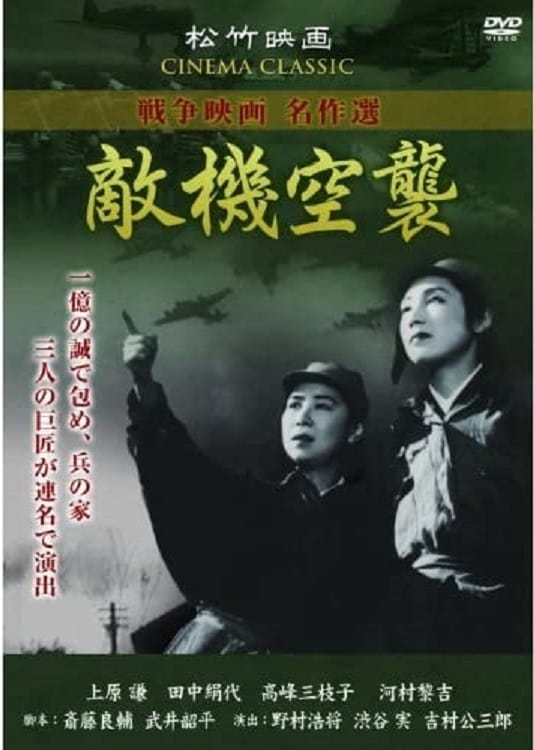
Japanese war movie.
A family story in the year of 1943 during the war. The director is Shunkai Mizuho, who worked on "Hibari no Circus Sad Kobato" starring Hibari Misora after the war. Previously, there is only a 6-minute short version in the National Film Archive, therefore, the full version is this movie is very valuable. This is considered a masterpiece that depicts a happy family of 7 (a father, a mother, 3 sons and 2 daughters).They care about each other, and also trust each other. Father started to ask all the children "what do you want to be in the future?" since an early age. Boys said they want to go to college, they want to be painters, and when it comes to the girls, although they wanted to be generals, their answer was "become a bride, a wife, and a good mother." Brothers and sisters get along well and occasionally fight, but they all discuss the cause, and would apologize to each other. The story was so gentle that it is hard to believe it was during the war.

The movie follows a young woman (Kinuyo Tanaka), a daughter of a high-ranking businessman and his neglected mistress, as she struggles to ease her mother's loneliness, while also having an affair with her father's subordinate.
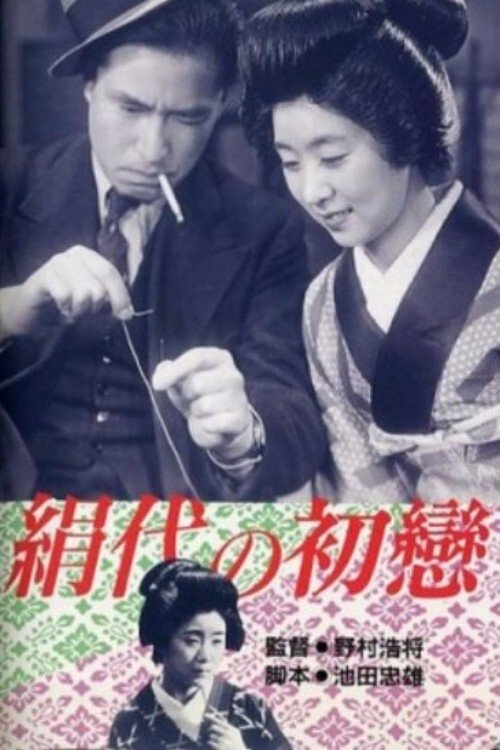
Kinuyo is a daughter of rice cracker shop in downtown. She fell in love with her sister's boyfriend. It is a story whose theme is warm human relationships in a town of customs and manners.
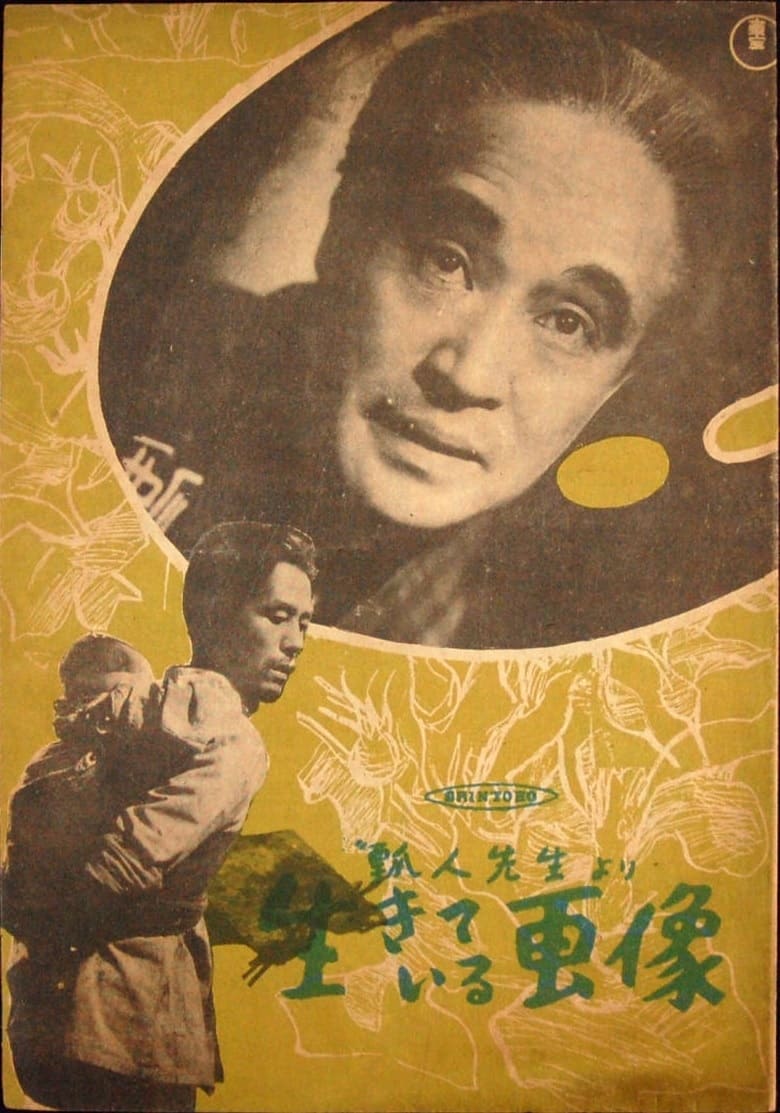
A film dealing with the comings and goings of individuals in the immediate postwar period.
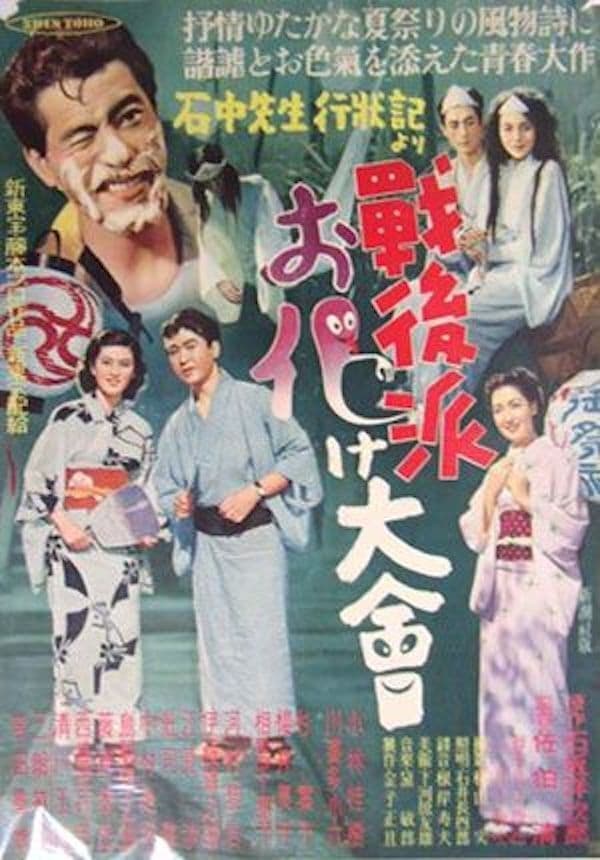
In a small town, according to the homecoming of Professor Ishinaka, the youth culture group was overwhelmed to make a presentation for the summer festival, but because of lack of funds, she works part-time at the spectacle of a tour, a haunted house Especially. The ghost was a struggle amongst the people, it was a great success in filling the crowd, but in the circus hut next to it, Kenji who was supposed to have disappeared was pitiful.
Heinosuke Gosho evokes in this film the family conflicts engendered by the eternal problem of a father who projects his professional desires on the life of his son. The sister Machiko is the essential link that will allow everyone to apologize to each other and achieve reconciliation.
Hiromasa Nomura World War II era film
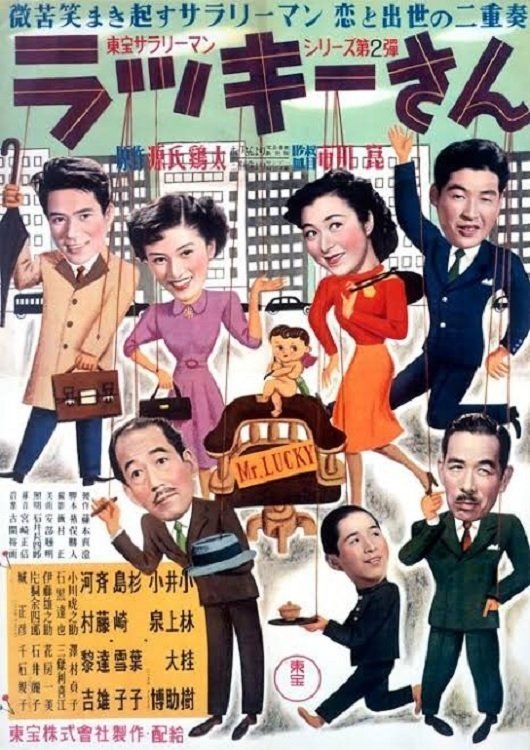
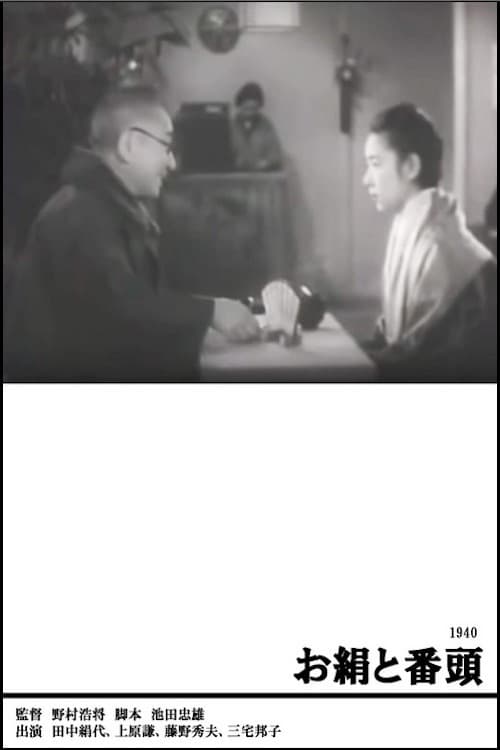
A story of a store that makes Tabi socks.
A 1937 Japanese film.
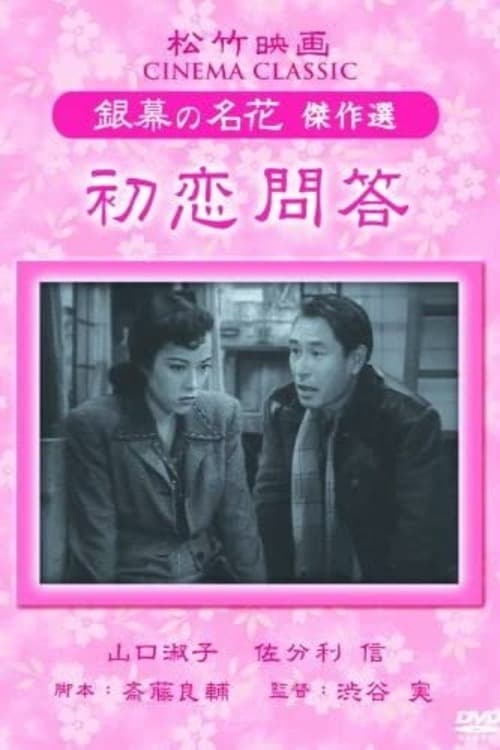
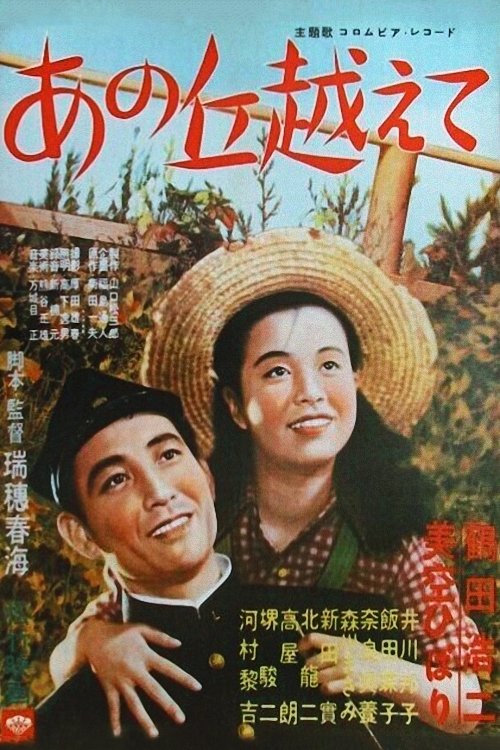
Mariko is an innocent girl who grew up in the highlands of Shinshu. She moves to Tokyo to live with her father who has successfully returned to Japan. Mariko is simply confused by the life in Tokyo, which is different from her own. Only her private tutor Daisuke was an advisor she could tolerate. Mariko develops slight feelings for Daisuke and finally realizes that he is her first love...
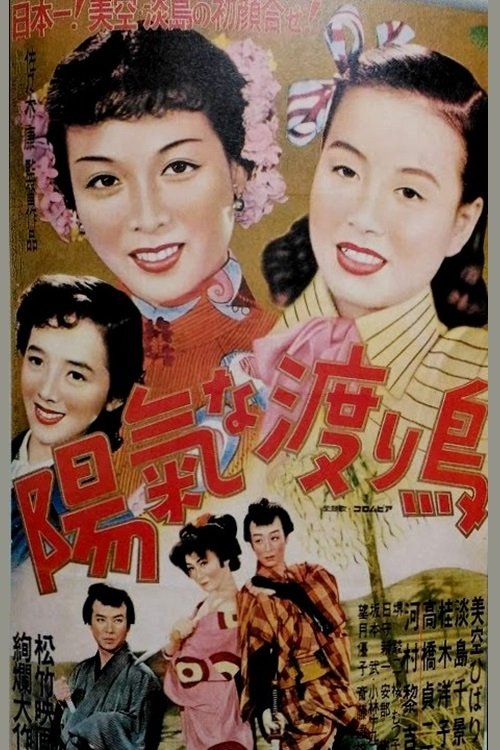
Midori (Misora), the adopted daughter of Kinnosuke (Kawamura), a ship carpenter in a port town, was born a good singer. Her mother is dead, her father has been missing since he left for war, and the orphan Midori is given to Kinnosuke and his wife, who soon have a baby together, so she is treated as an obstacle. When a female sword-play troupe comes to town, she cannot forget the kindness shown to her by female magician Katsutamusai Harue (Awashima), so she follows the troupe on their tours. Midori became a popular singer and was loved by the troupe, but only Yoshizawa (Abe), the leader of the troupe, had eyes for Midori and bullied her.
Japanese film from 1924.
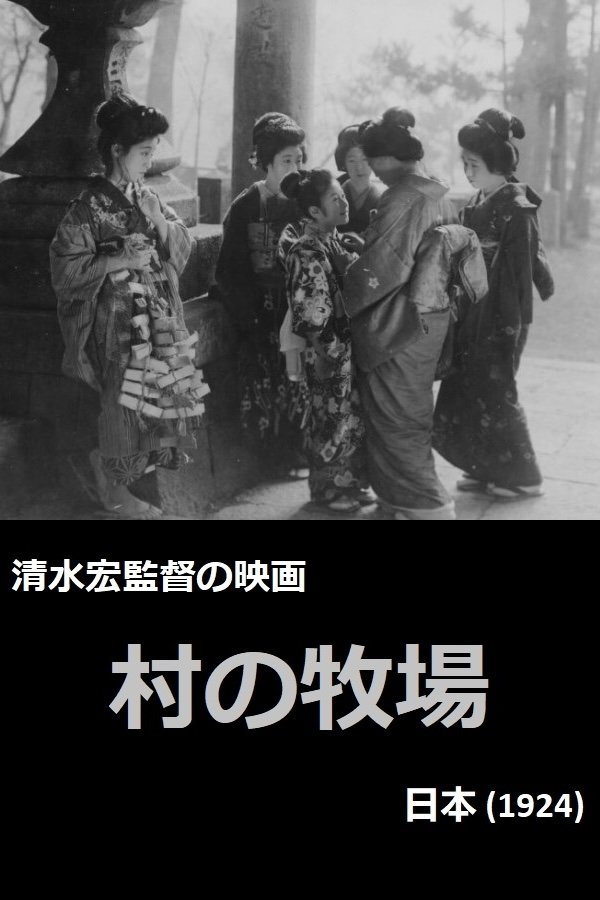
Japanese film from 1924.
Japanese film from 1925.
Japanese silent film from 1925.
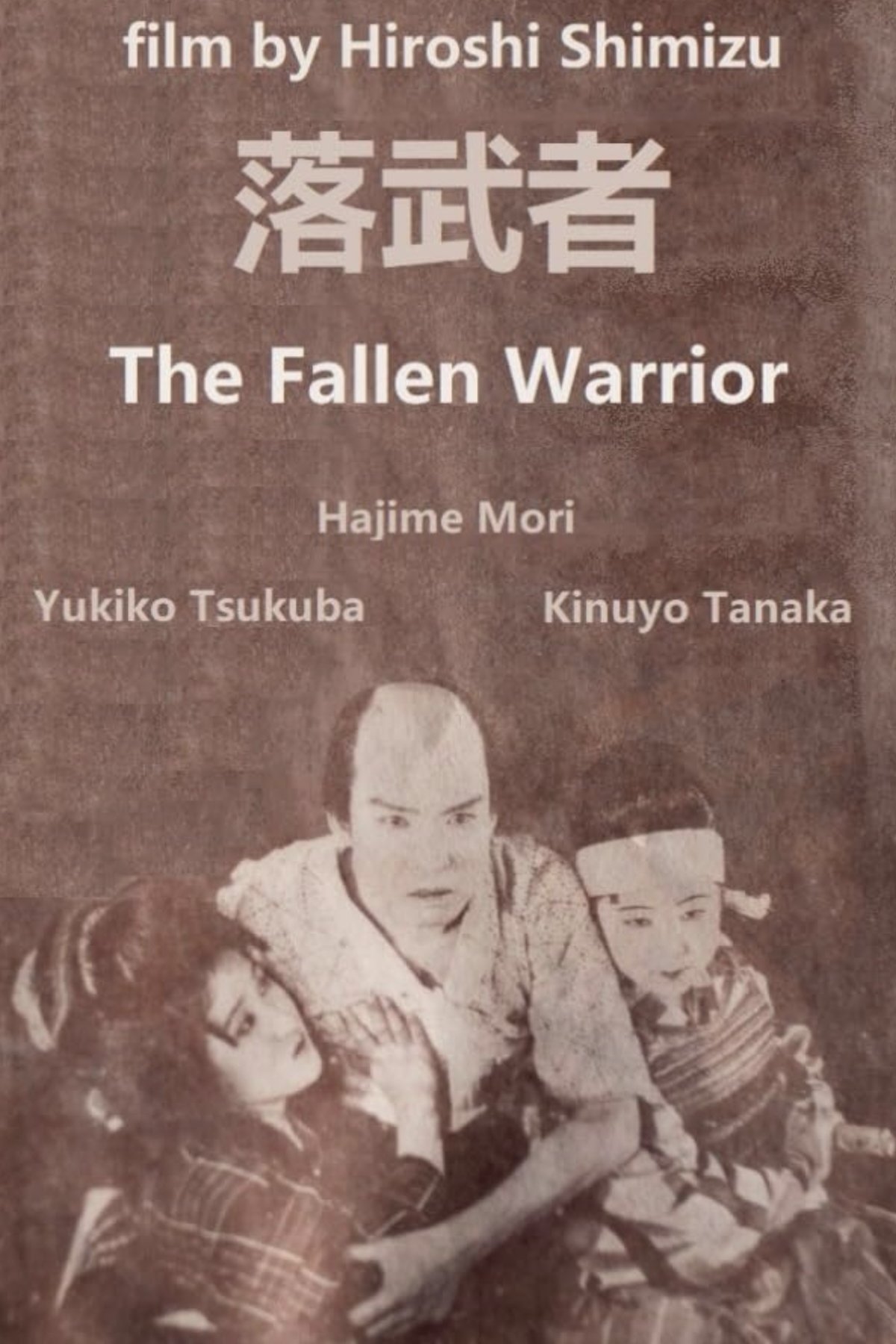
A period drama about samurai who survived a loss in battle. An early jidaegeki by Hiroshi Shimizu.
Early Japanese silent film by Hiroshi Shimizu.
A dramatized chapter in the life of Shimizu Jirocho, a famous yakuza boss, gambler, and folk hero of the 1800s.
Japanese silent film from 1927.
Japanese silent jidaigeki from 1927.
Japanese silent film from 1928.
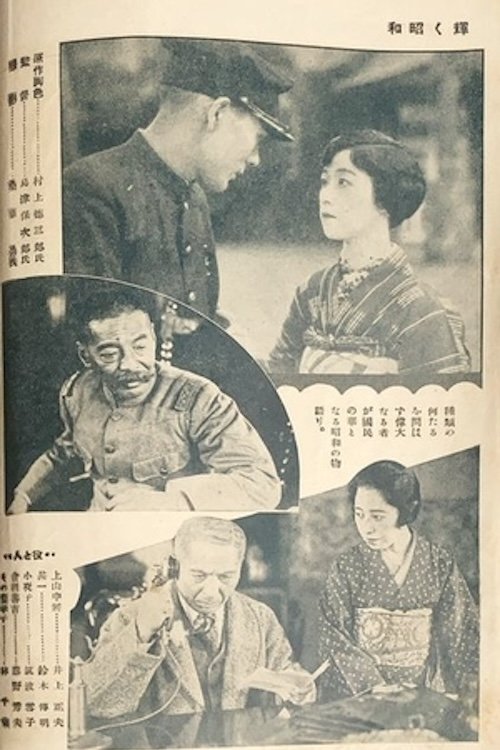
Japanese silent film from 1928.
Japanese silent film from 1929.
Japanese silent comedy from 1930. The directorial debut of Hiromasa Nomura.
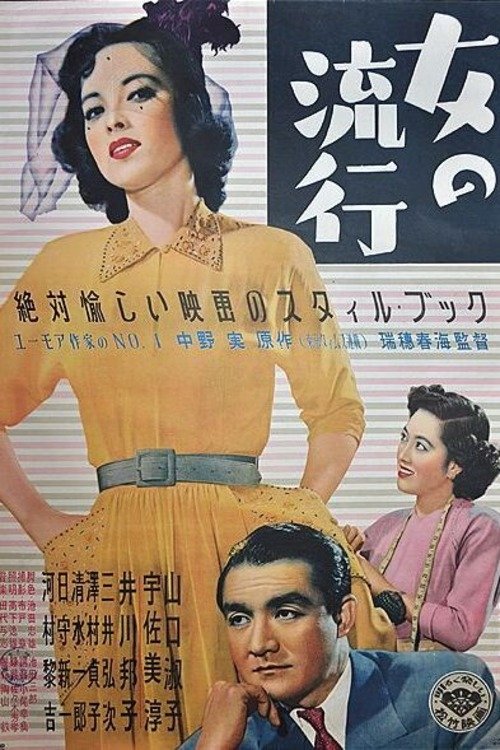
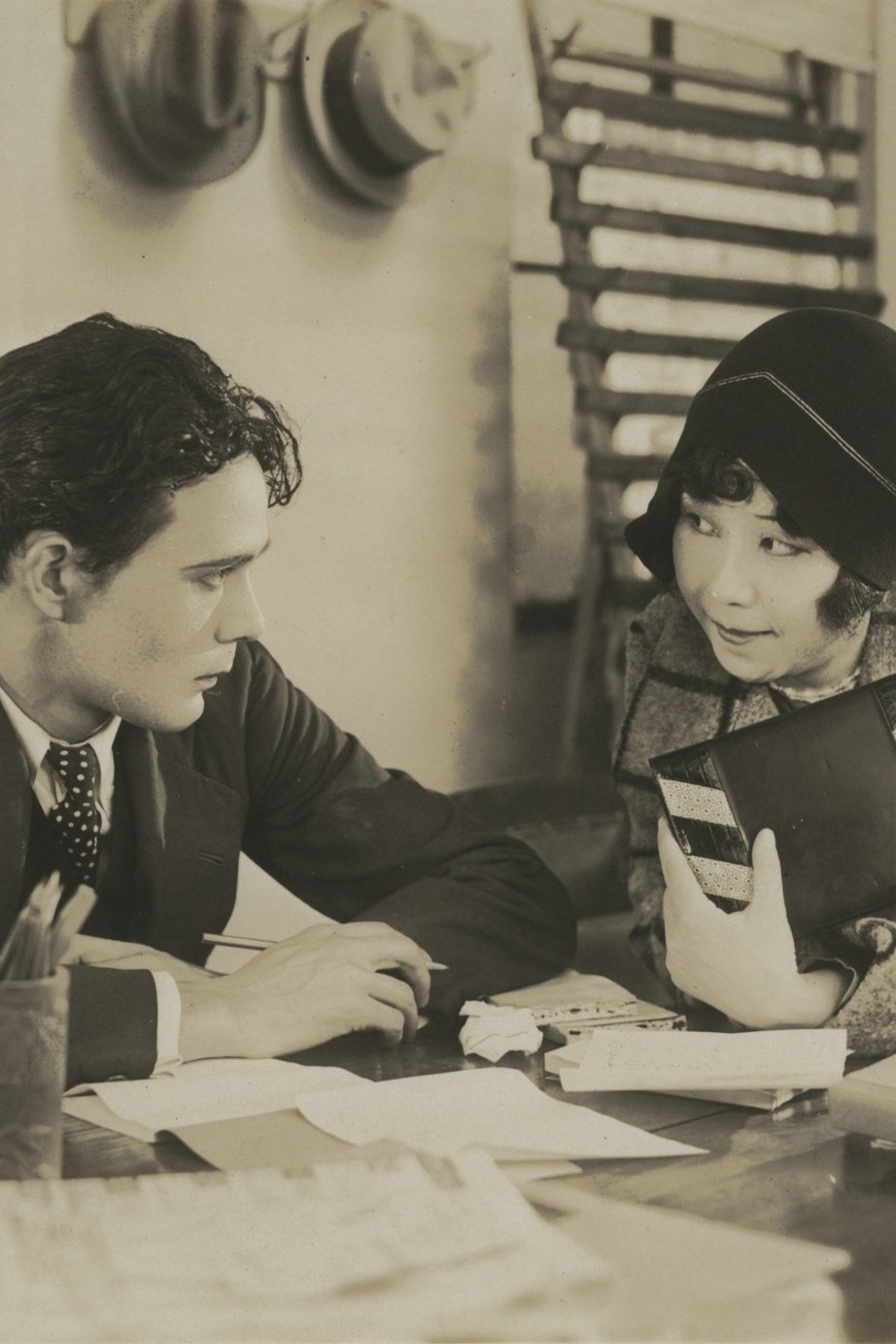
A modern girl suddenly intrudes into a widower's family home.
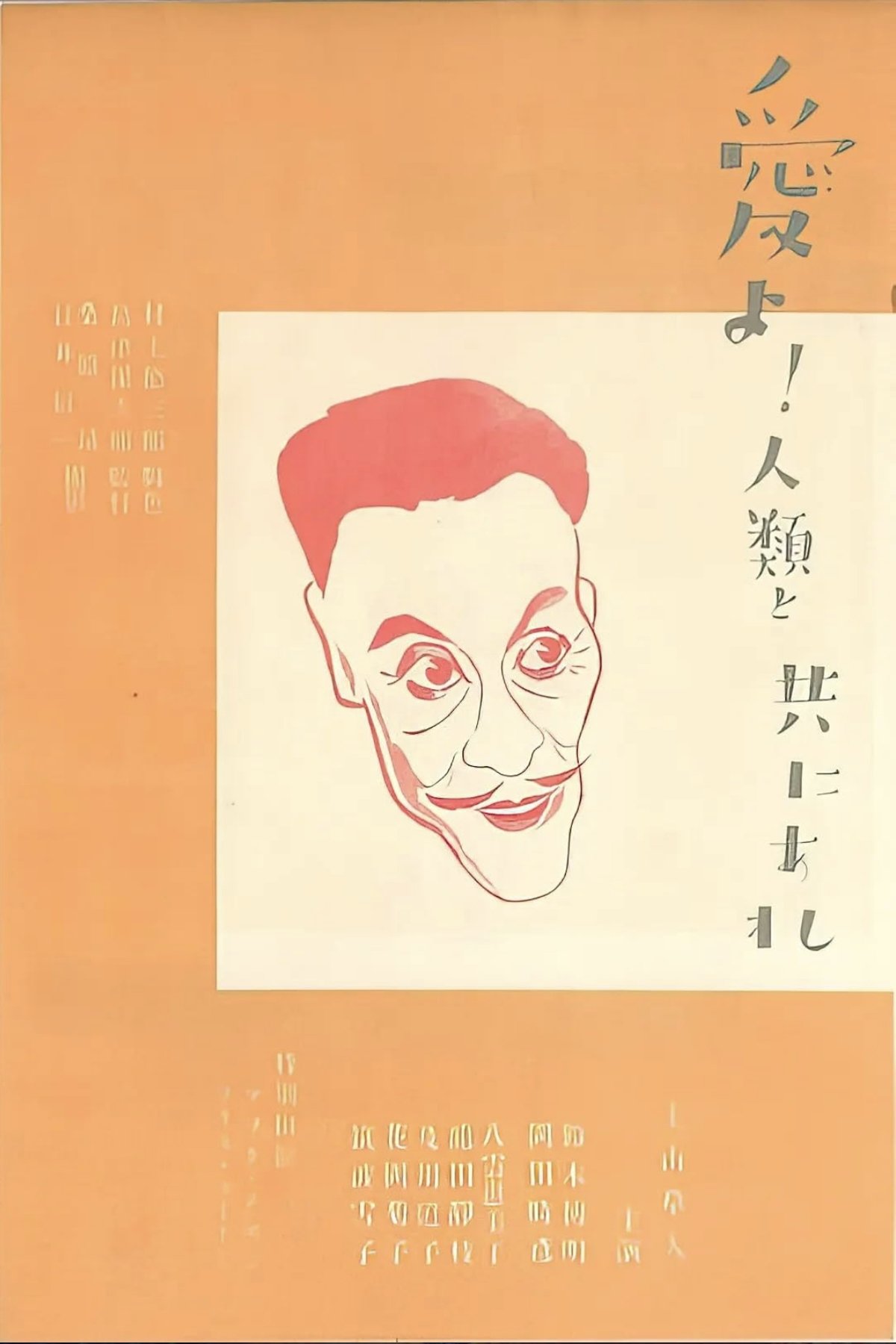
The three-hour Ai yo jinrui to tomo ni are / Love, Be with Humanity (1931) starts as a satire of alienation in the world of money, develops into a lumberland epic with a forest fire on Sakhalin Island, turns into a tragedy of King Lear dimensions, and manages to amaze the blasé audience with a happy end in the Wild West.
The three-hour Ai yo jinrui to tomo ni are / Love, Be with Humanity (1931) starts as a satire of alienation in the world of money, develops into a lumberland epic with a forest fire on Sakhalin Island, turns into a tragedy of King Lear dimensions, and manages to amaze the blasé audience with a happy end in the Wild West.
Kan’ichi Hazama and Omiya Shigisawa are engaged to be married, but Omiya breaks the engagement to marry a wealthy banker’s son. Heartbroken, Kan’ichi becomes a moneylender, and years later their paths cross again under changed circumstances. Adapted from a popular serialized novel of the same name.
The Japanese debut film of silent-era star Sessue Hayakawa, in which he not only starred but directed.