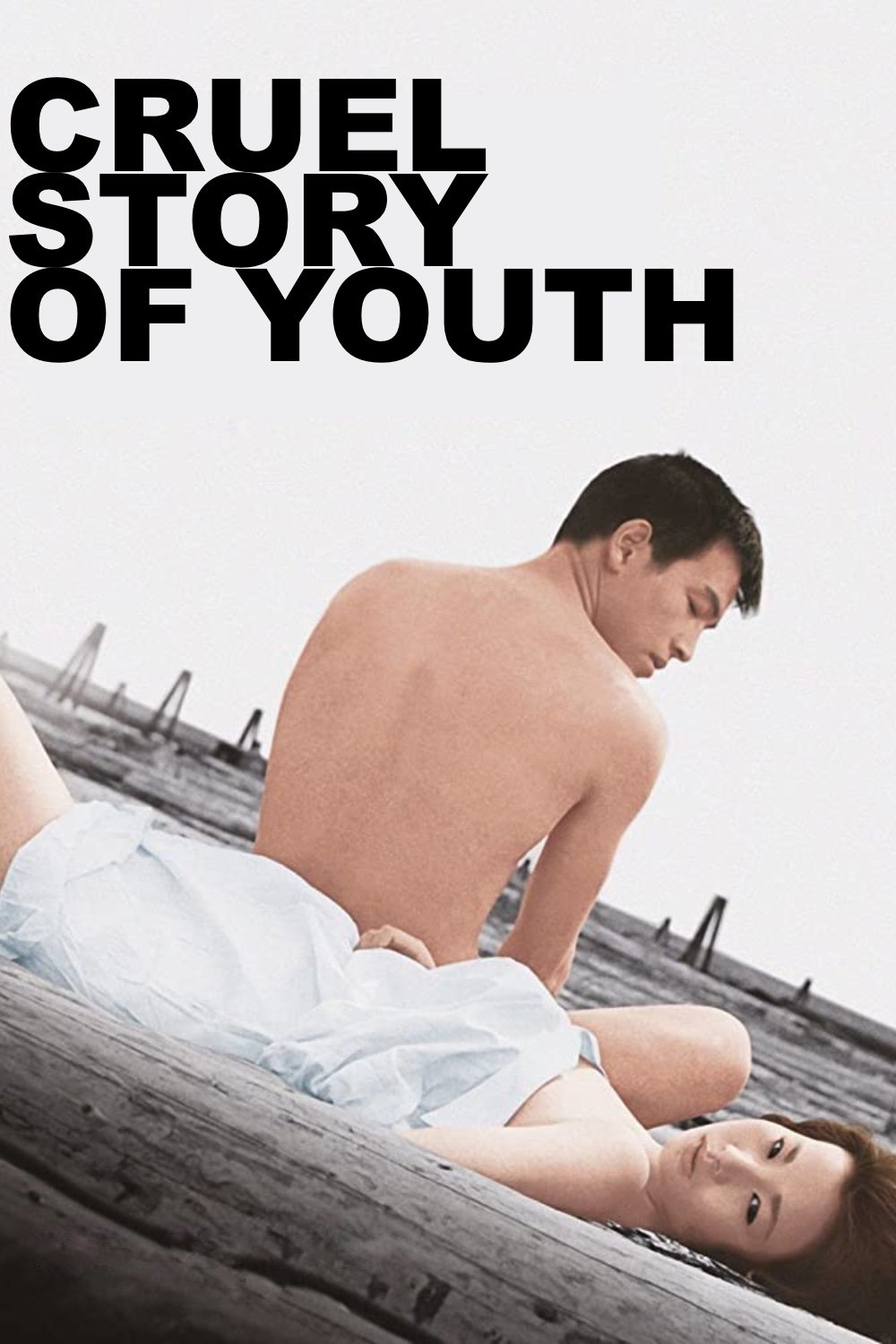
A harsh young man seduces a freeloading young woman and eventually takes advantage of her knack for hitchhiking to rob middle-class men.
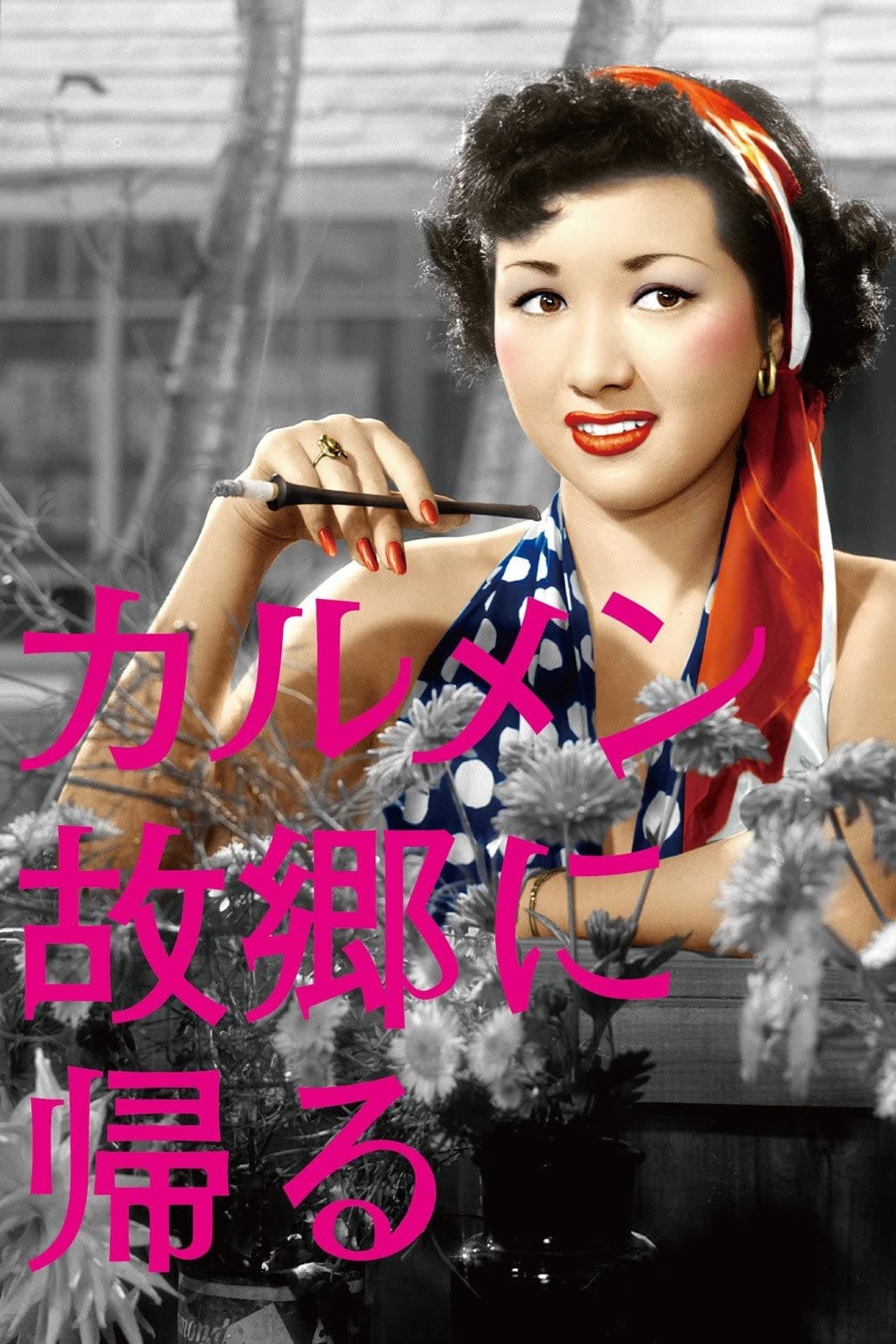
A rural village elder plans an event on the return of a farmer's daughter from the city, unaware that she has become a Westernized burlesque artist.
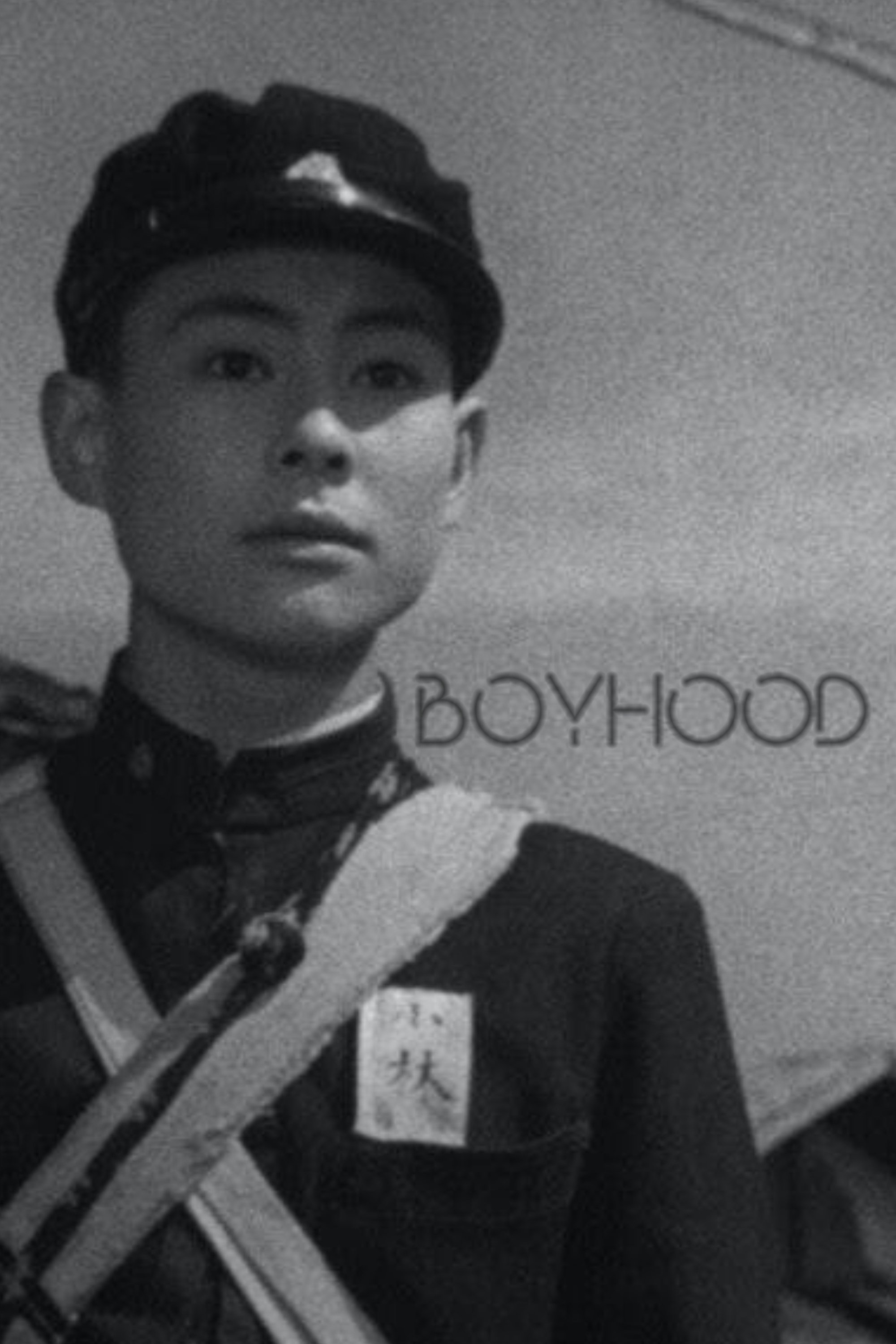
When a family has to relocate due to the war, they are ostracized by their new community.

A group of rank-and-file Japanese soldiers are jailed for crimes against humanity, themselves victims of a nation refusing to bear its burdens as a whole.

Masaki Kobayashi directs this romantic drama concerning a family of florists.
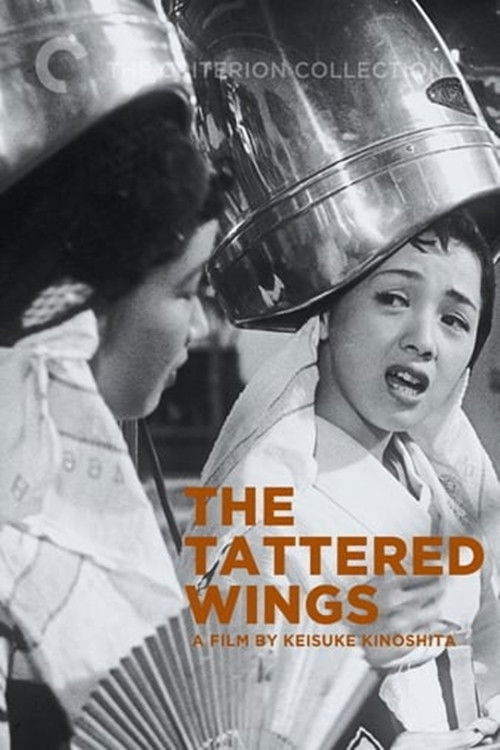
A young widow, made world weary by her abusive, neglectful husband, finds herself in a minor scandal when she's seen with her intense, no-nonsense childhood sweetheart.
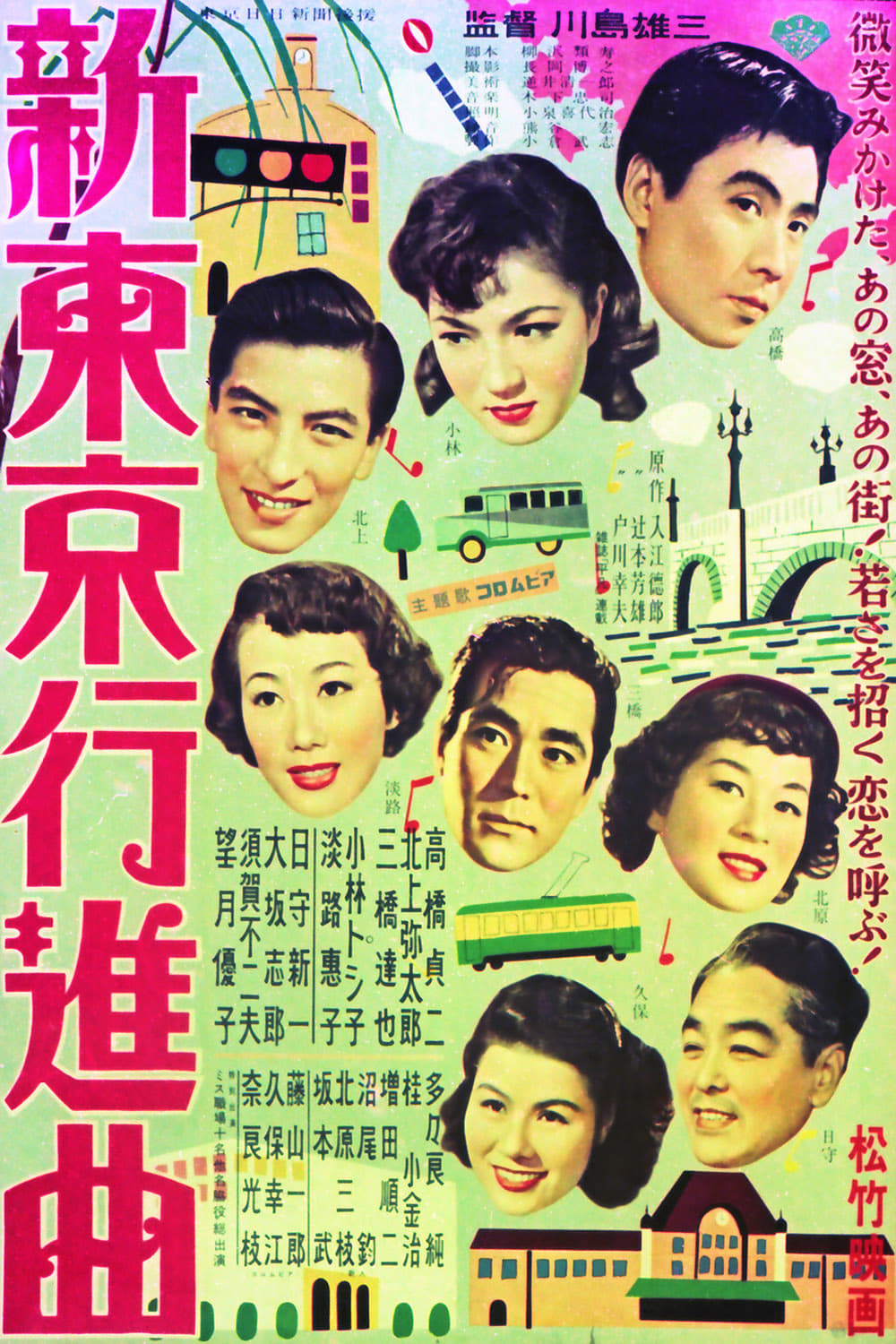
Follows six male friends from elementary school whose career paths diverge—newspaper reporter, engineer, boxer, sushi restaurant owner—but whose romantic lives intersect. (MoMA)
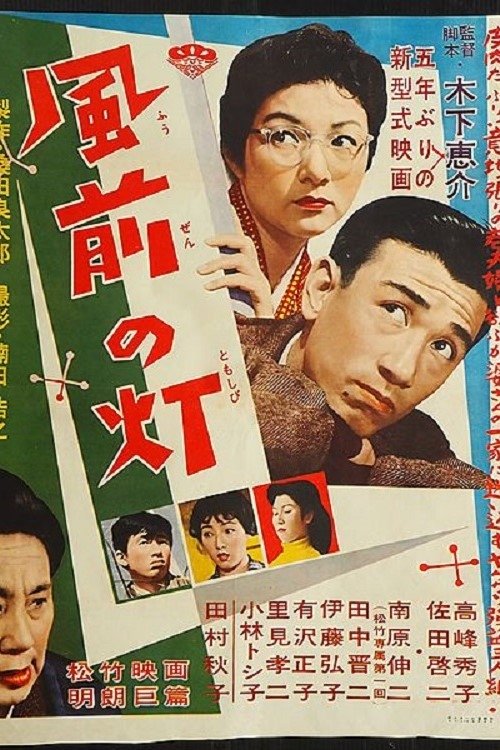
The plans of a trio of burglars are continually thwarted by the arrival of visitors to the house they plan to rob.
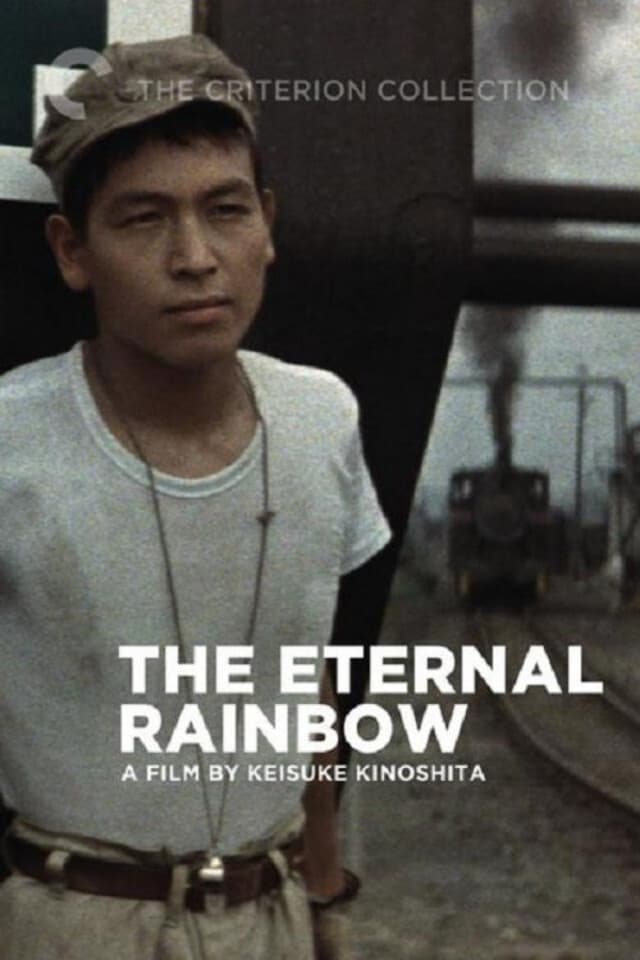
Two men at an ironworks encounter roadblocks: the first does not have the grades to get a job, while the other finds himself falling for a co-worker.
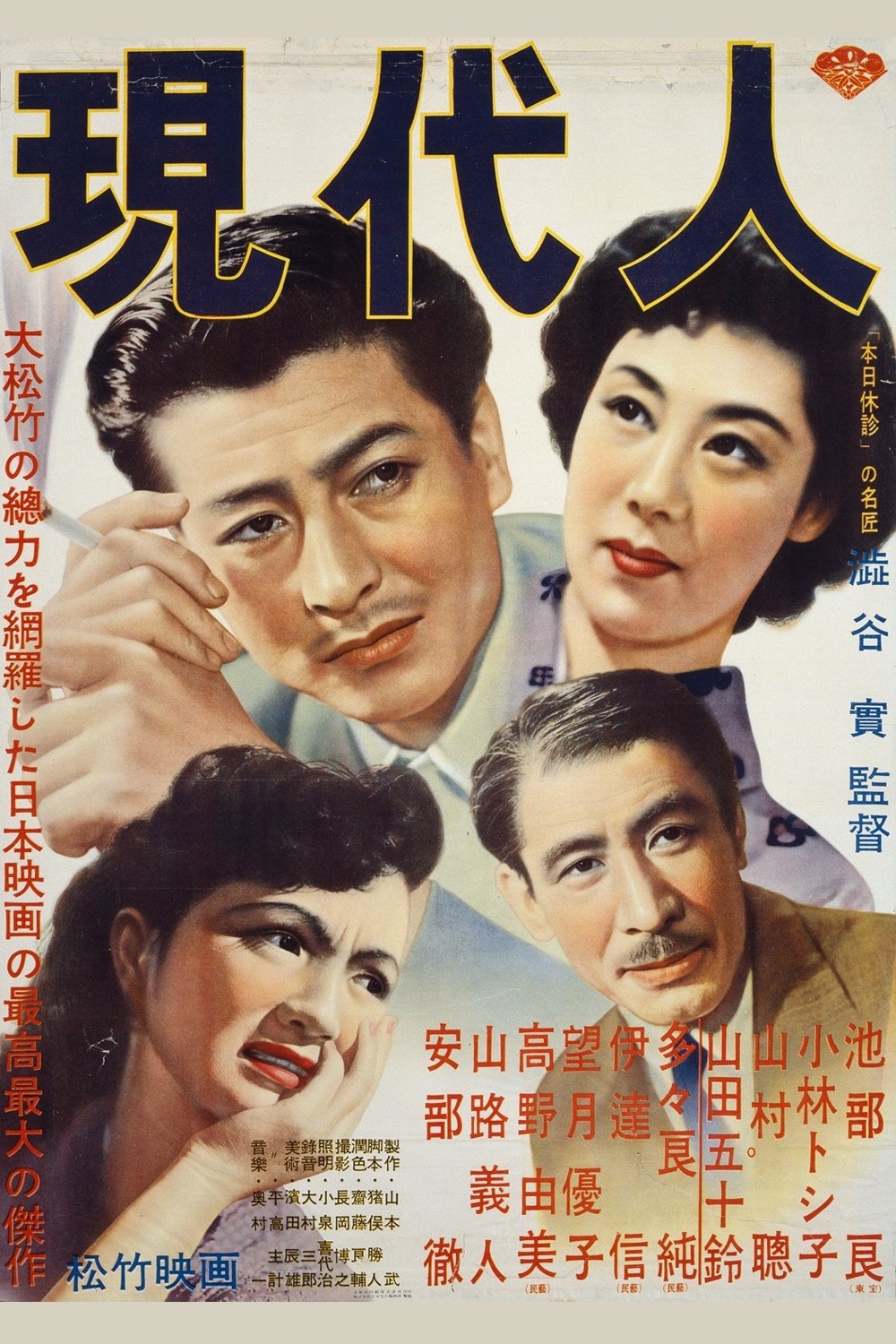
A section chief at the Bureau of Construction is in a shady relationship with a construction company. Then a new, young and honest subordinate is assigned to work under the section chief. Once he learns about the shady relationship, however, the new subordinate skillfully conceals the corruption and joins the corrupt, shady relationship.
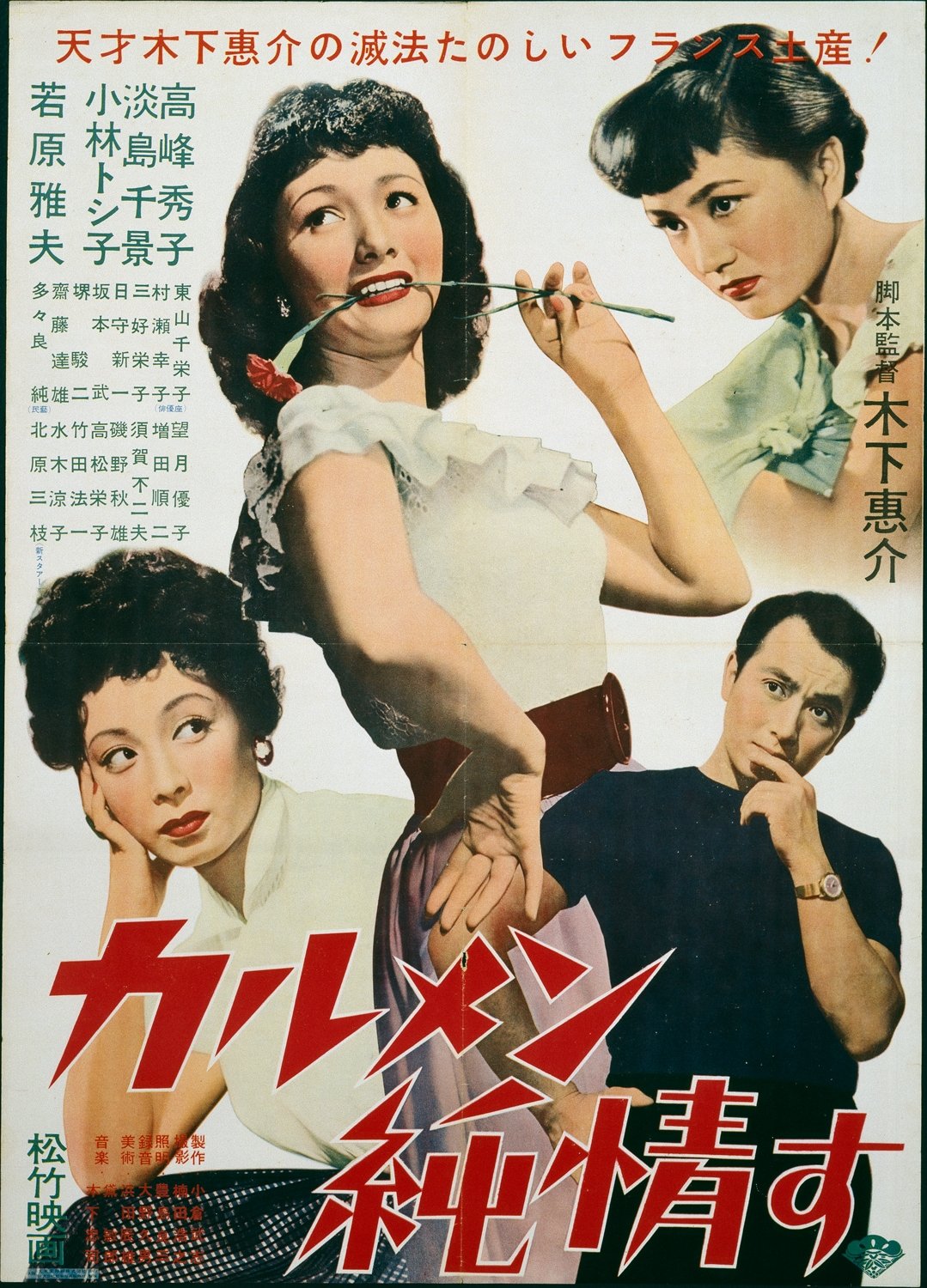
Strip dancer Carmen falls in love with Hajime, who is engaged to the daughter of a right-wing politician.
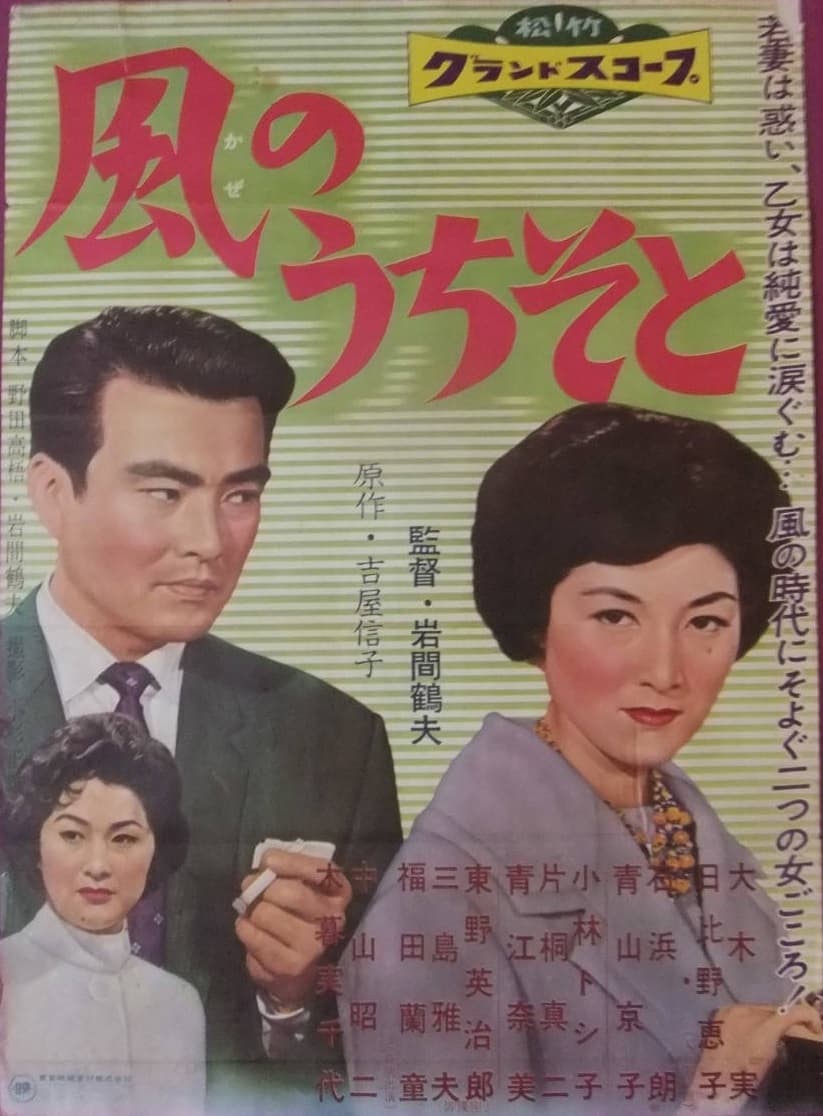
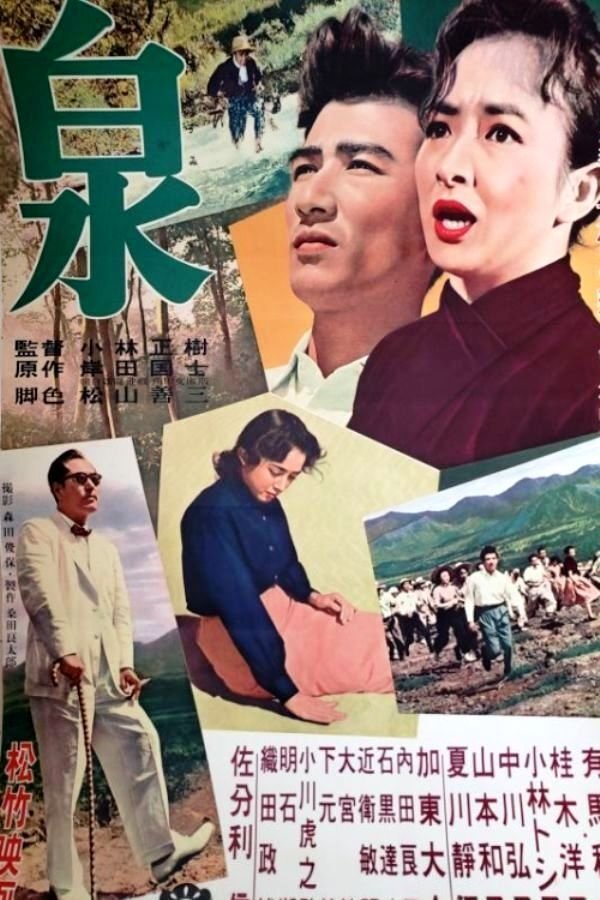
A botanist woos the secretary of an industrialist whose company threatens the local water supply.

After handing in a report on the treatment of Chinese colonial labor, Kaji is offered the post of labor chief at a large mining operation in Manchuria, which also grants him exemption from military service. He accepts, and moves to Manchuria with his newly-wed wife Michiko, but when he tries to put his ideas of more humane treatment into practice, he finds himself at odds with scheming officials, cruel foremen, and the military police.

This drama of middle-class life in postwar Japan tells the story lower-middle-class workers in the city of Kawasaki, and their troubles and travails.
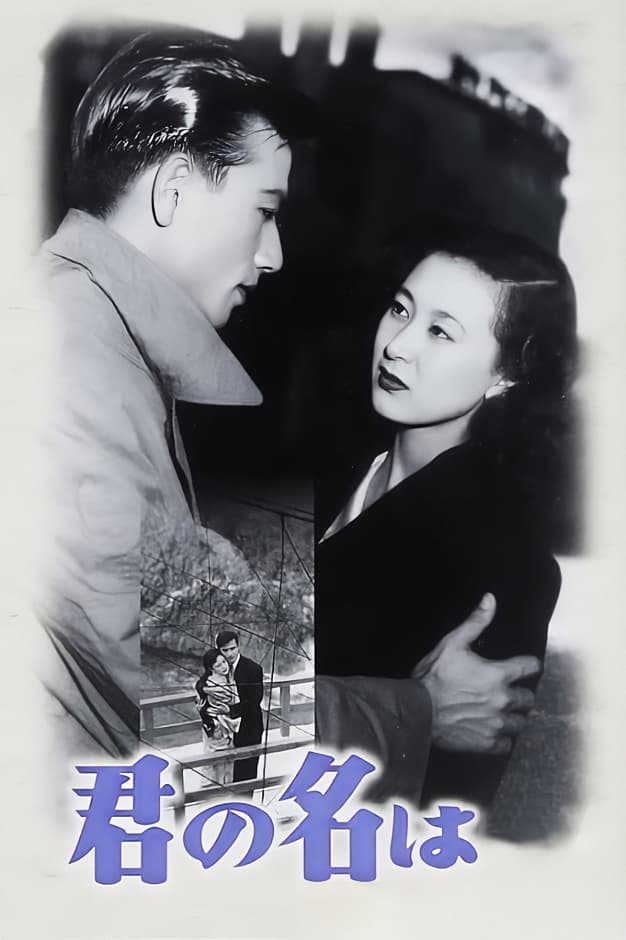
Machiko Ujiie and Haruki Atomiya first meet and fall in love on Ginza’s Sukiyabashi Bridge during the Great Tokyo Air Raid in March 1945. Machiko and Haruki pledge to meet again at the bridge in six months but part without asking each other’s names.
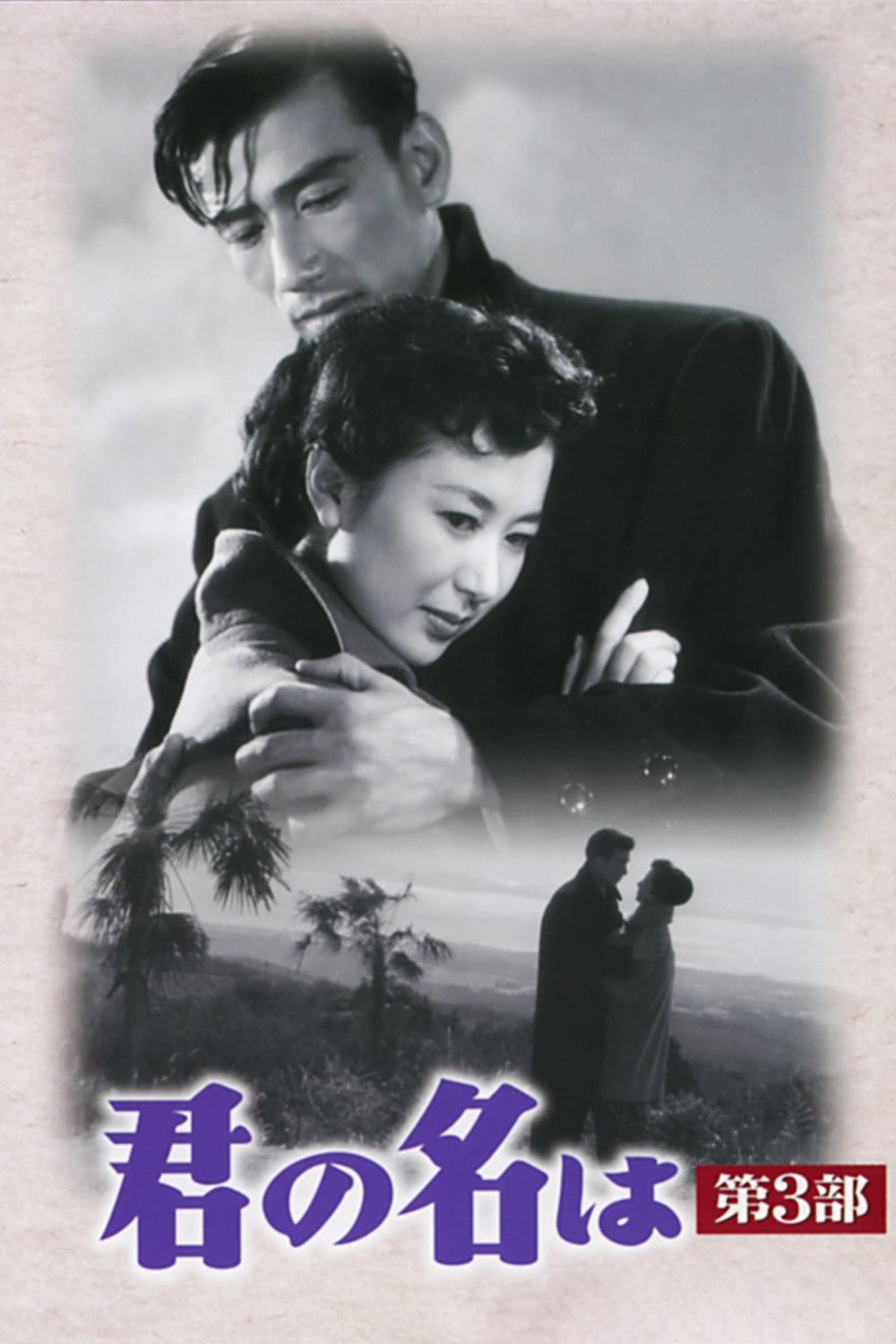
Machiko and Haruki’s drama continues. Machiko is not allowed to see Haruki. They finally meet again, but Haruki departs to Europe.
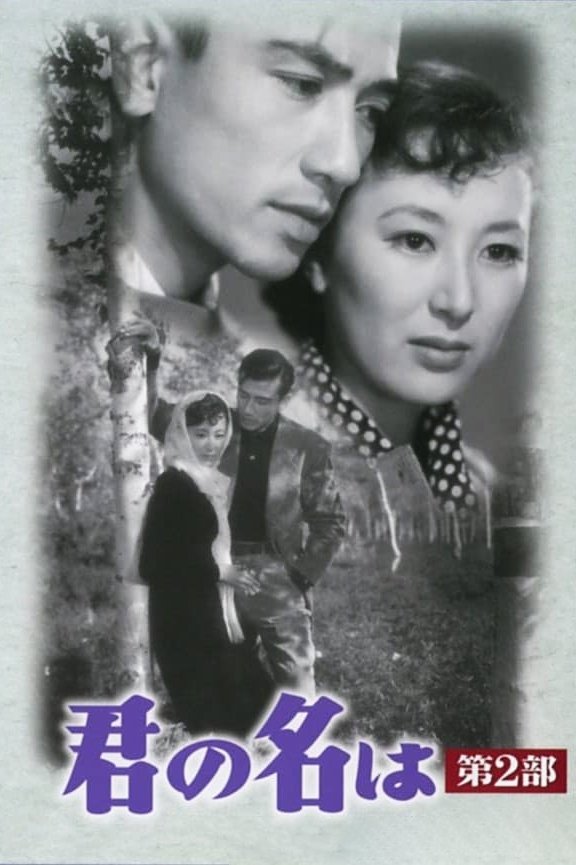
Machiko and Haruki’s drama continues. Two meet again in Hokkaido only to be separated again.
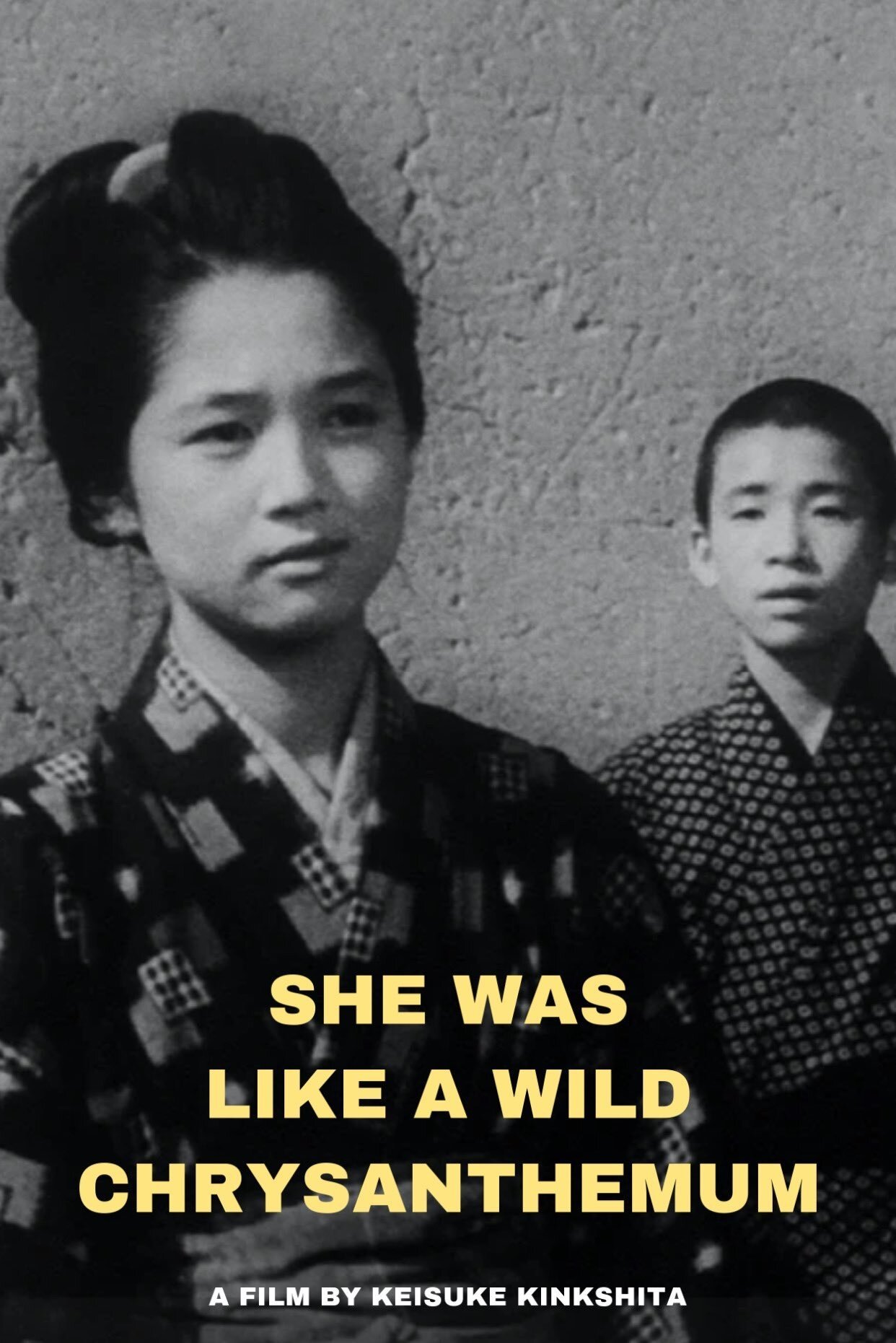
On the way back to his childhood home, a septuagenarian man recalls his childhood and adolescence, in particular his love for a young woman.
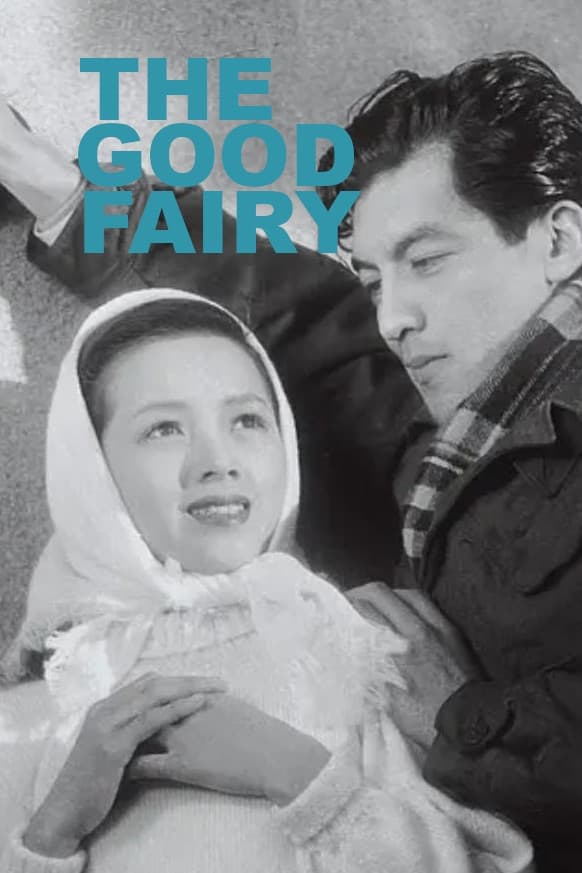
The wife of an elite government official left her husband, and a young journalist is sent to investigate the case. But his boss has a hidden agenda.
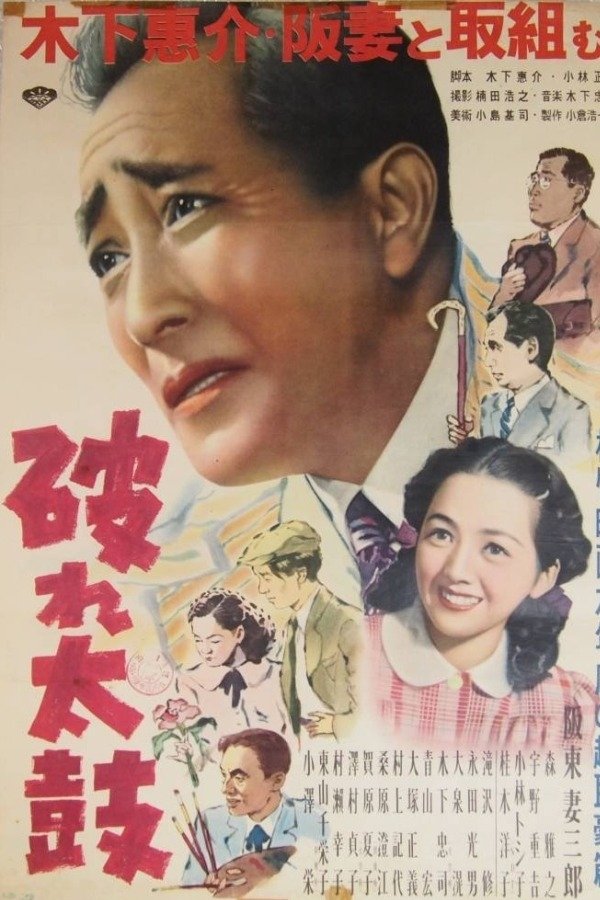
When the future of his construction company falls into danger, a controlling father pushes his children into unsatisfying marriages and careers in order to regain financial stability.
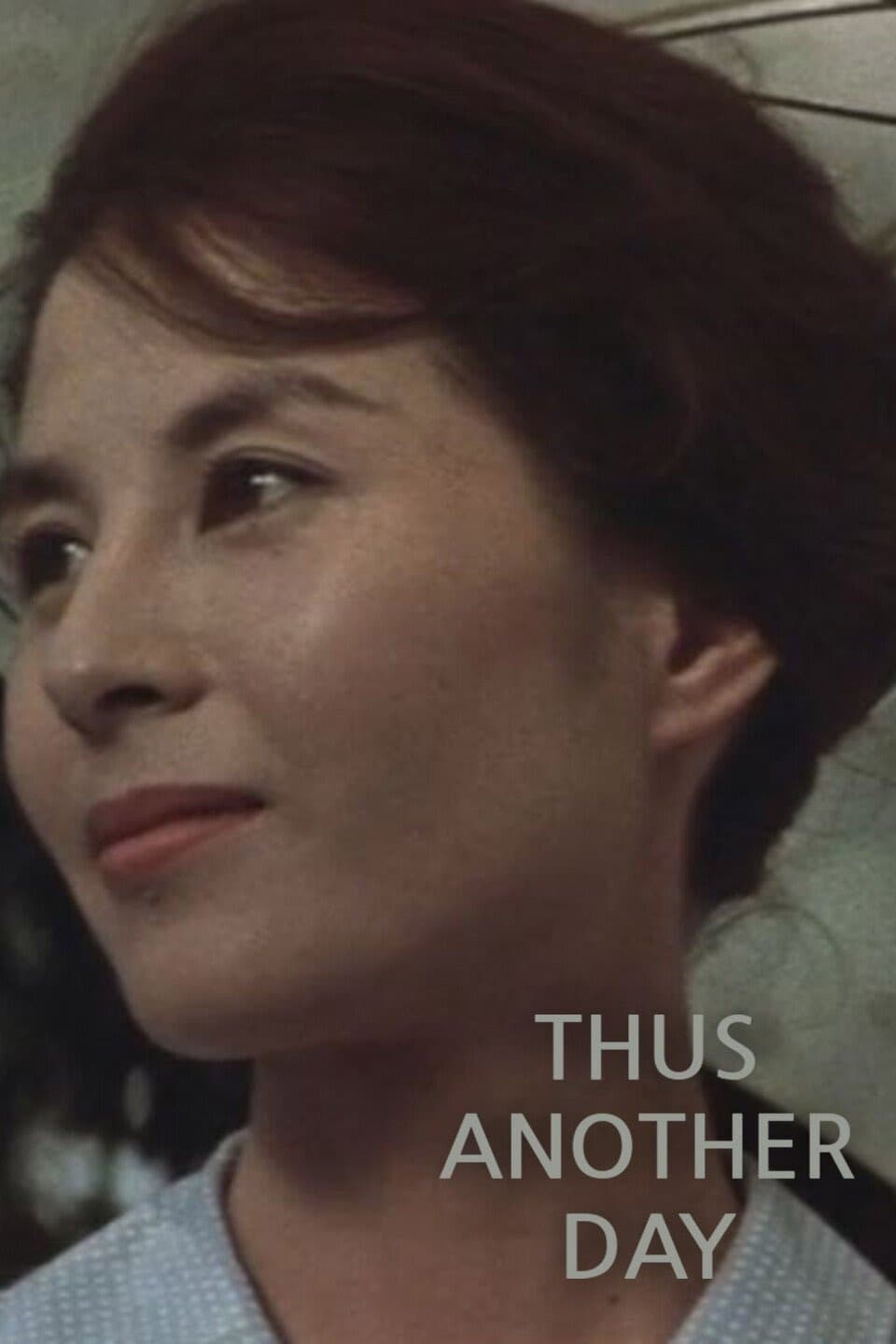
A father curries favor with his bosses to further his career, but his wife has lost faith in him. She returns to her family home while they rent out their house during the summer to pay off their mortgage, and there she meets a lonely old man...

Wakae is a 15 year old girl who lived under the same roof with her alcoholic father and stepmom. Her mother had died years ago. She spends her nights at a rundown bar, sharing drinks and cigarettes with the lowlife drunks. She has nowhere to turn and no one to talk to, until she is reunited with her childhood friend, Saburo, who brings warmth to her heart.
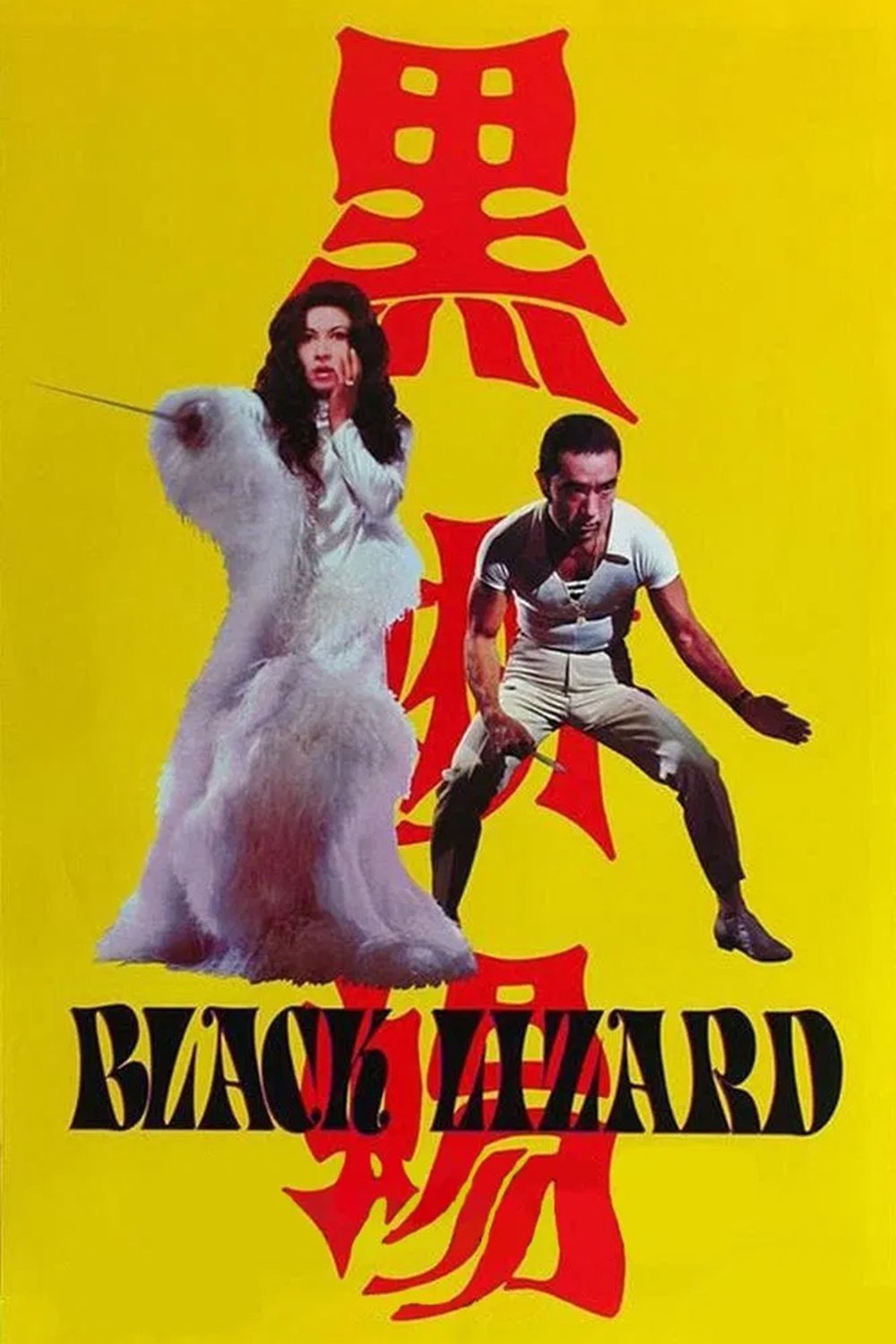
A detective tries to outwit a jewel thief who has kidnapped the daughter of a jeweler to get to an exquisite diamond.
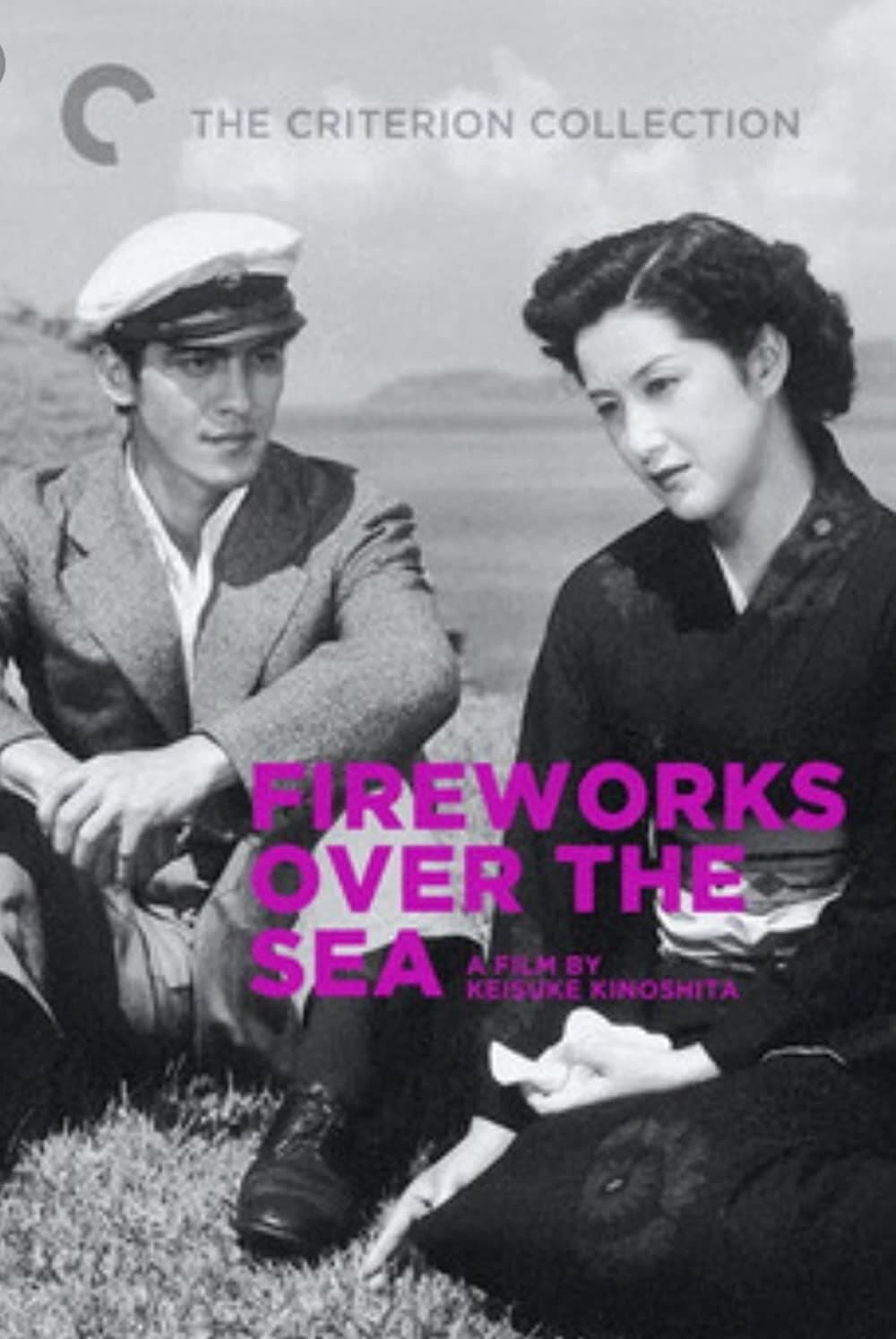
A fishing union depends on two brothers to make up the losses caused by the dishonest captains they replaced.
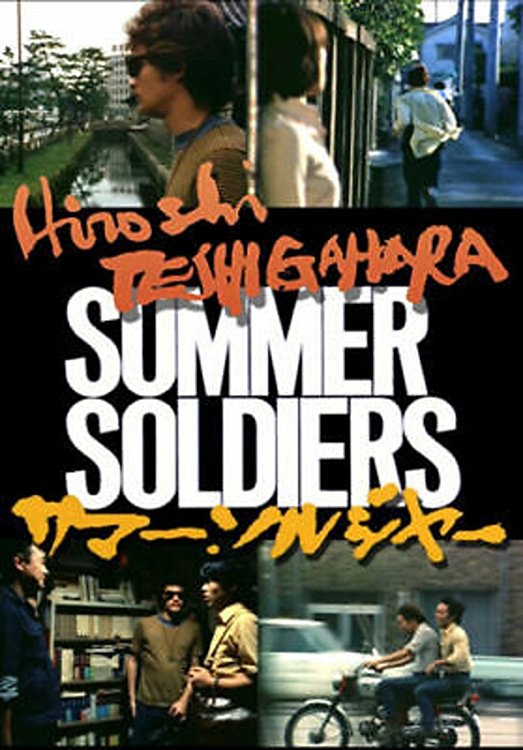
During the Vietnam War, an American G.I. deserts his base in Japan and escapes to Tokyo with the help of his Japanese bar hostess girlfriend. In the capital he gets involved with an anti-war organization while dodging the military police.
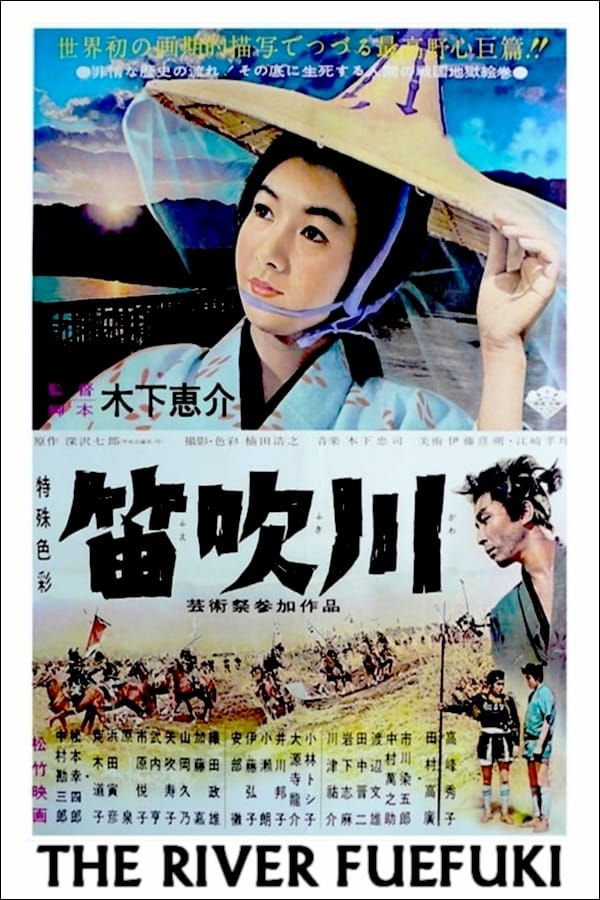
In a time of continuous civil wars ravaging the fields of feudal Japan, the eldest son of a very poor peasant family, living alongside the bridge over the Fuefuki river, decides to serve a warlord to escape his miserable condition, being soon followed by his younger brothers. Although not all the men of the family take this tragic path of death, women of the family will be doomed to endure the pain of loss during the next five generations.
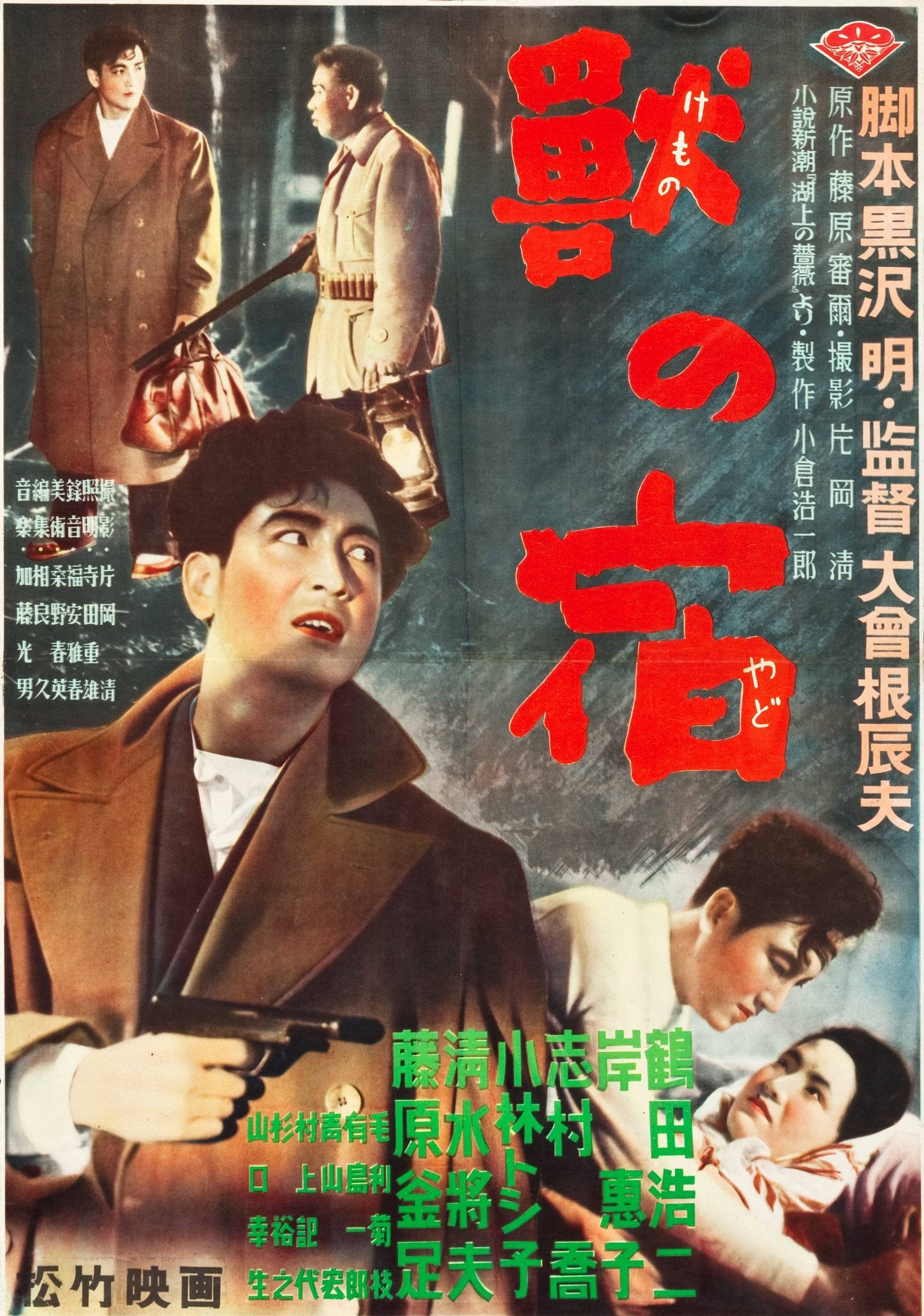
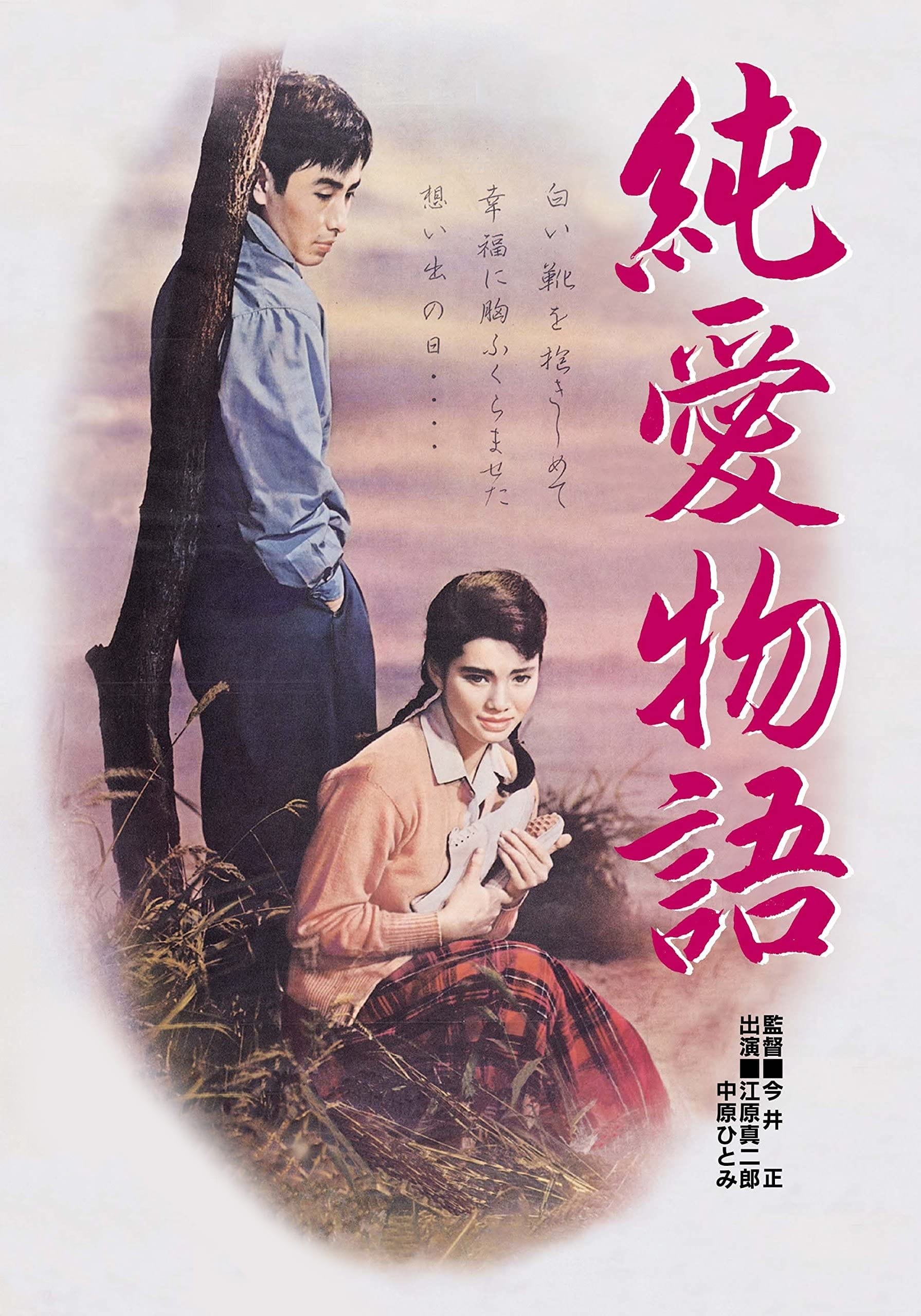
Junai Monogatari AKA Story of Pure Love is about two poor youths, Mitsuko and Kando, rebelling against society in various ways, who are desperately trying to be together despite tortuous circumstances. The film depicts their lives as thieves, menial laborers who can get little pay, society outcasts, and of course, lovers. Junai Monogatari depicts, mostly, their struggles within the Japanese reformatory system and Mitsuko's worsening sickness.
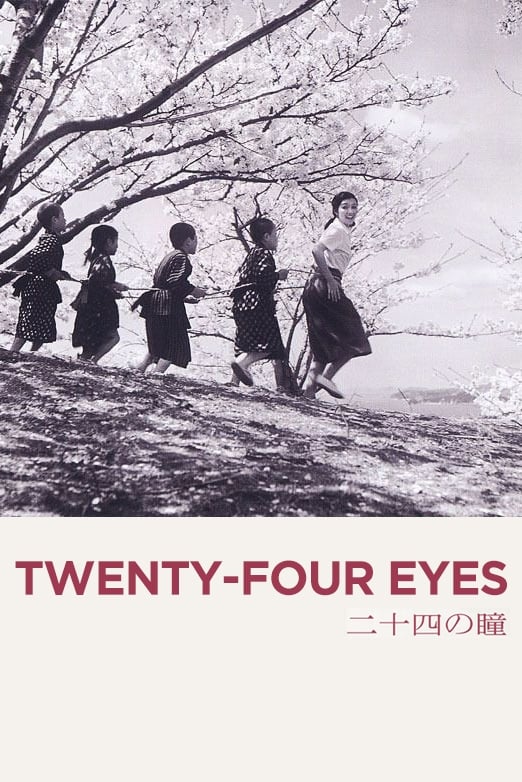
From 1928 to 1946, the lives of 12 young people and their school teacher in a poor Japanese village are profoundly affected by historical events and personal circumstances.
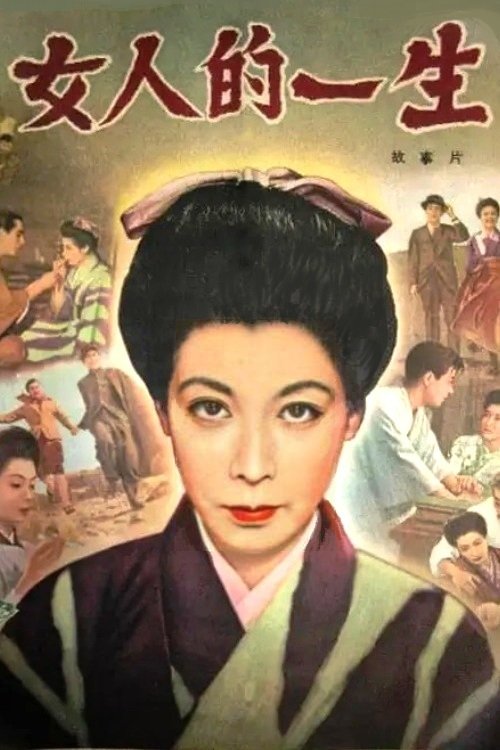
The film adaptation of Yuzo Yamamoto's novel tells the story of the difficult fate of a single mother in pre-war Japan.
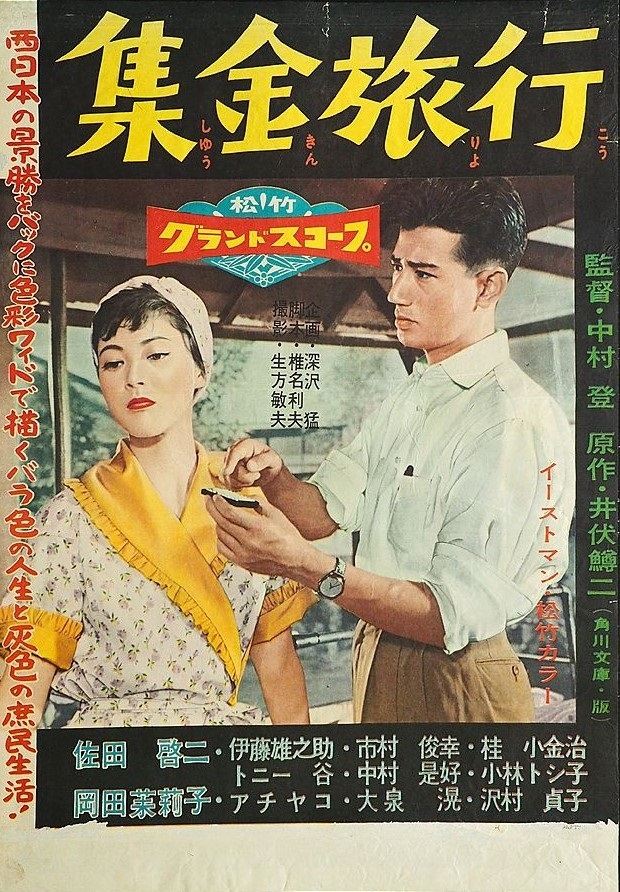
1956 Japanese movie
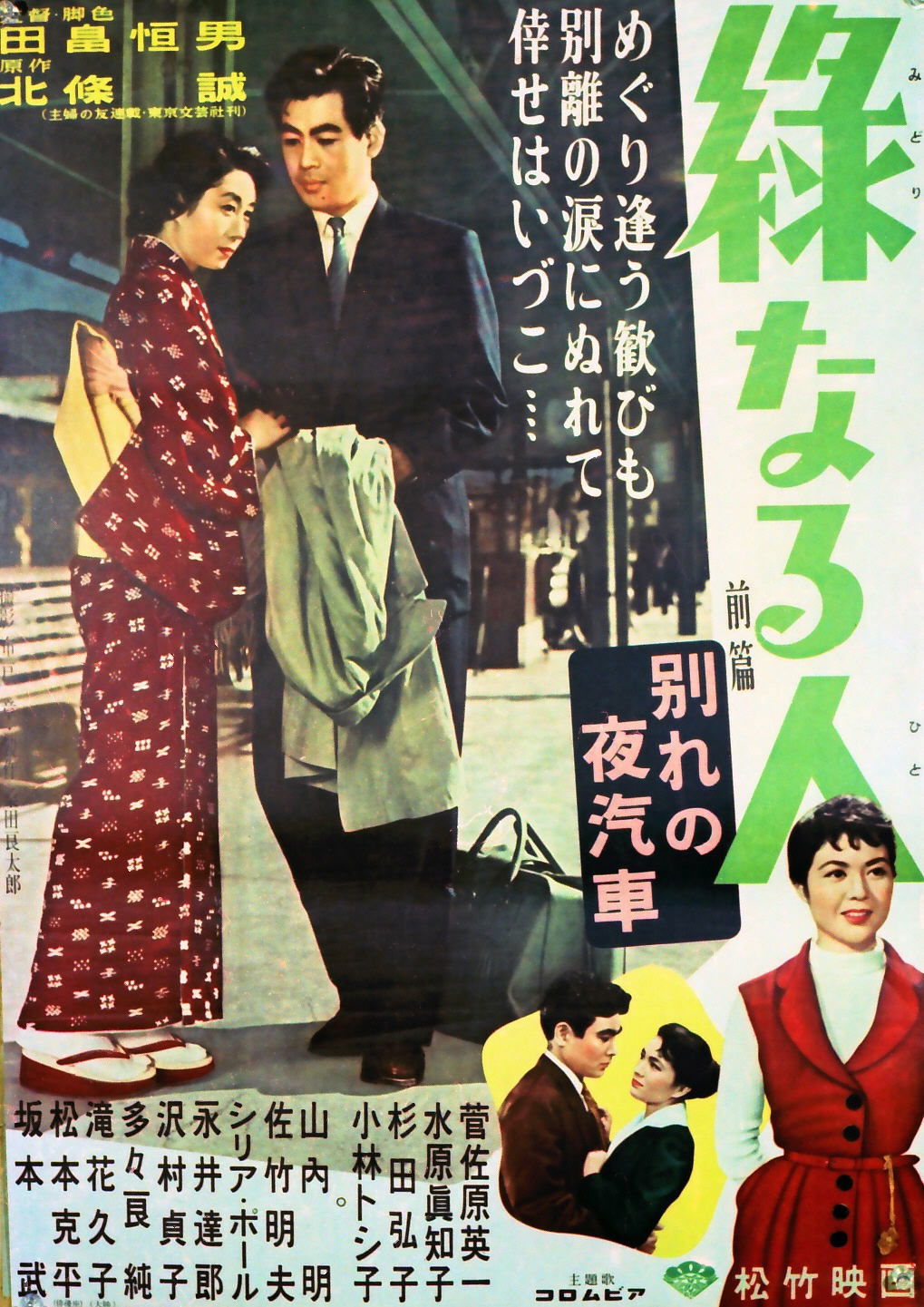
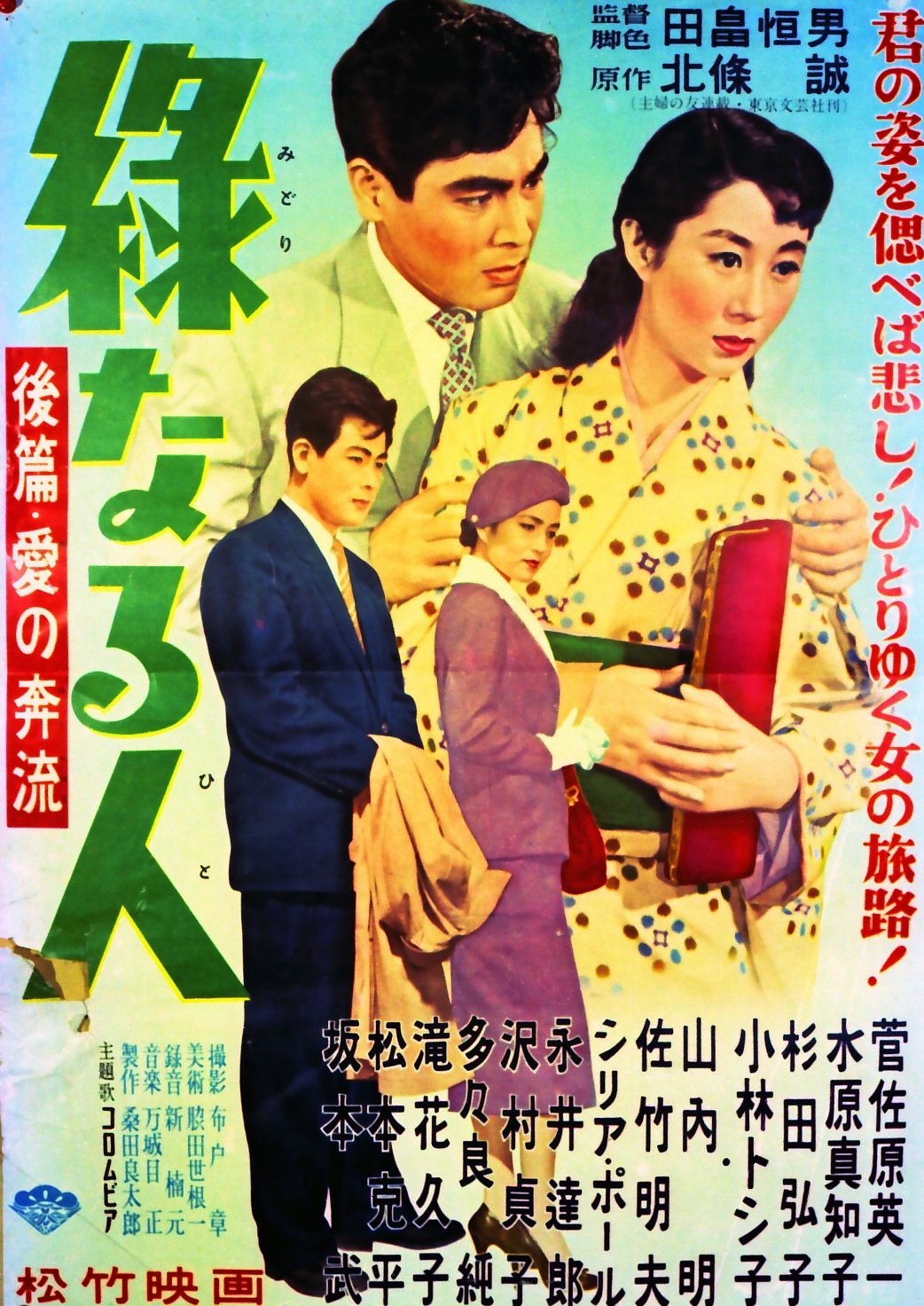
1956 Japanese movie
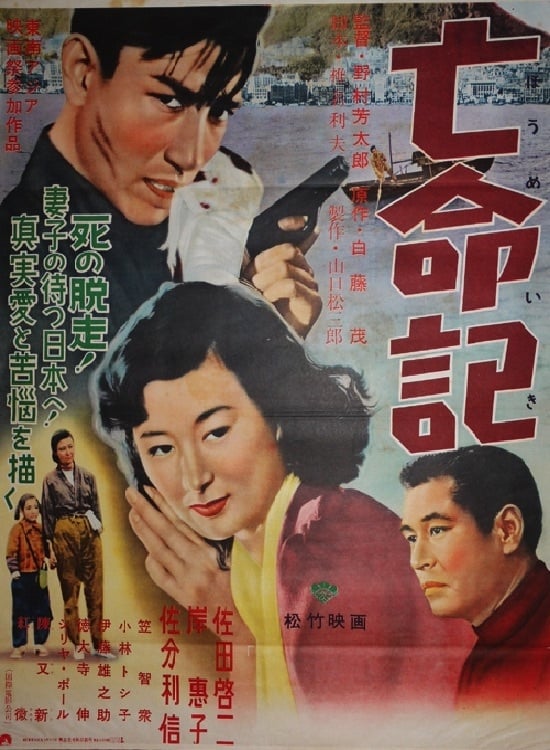
A Chinese medical student named Gan Shosho finds himself cut off from his homeland as he is studying in Japan during the outbreak of the war. Despite his difficult circumstances, he finds love in the form of Sachiko and the two marry. They later travel to Nanjing to live a new life together where Sachiko and Shaochang cooperate with the Japanese-backed government. Their ultimate hope is to secure peace but their idealism is not enough to keep them together through brutal times and with the end of the war the two find themselves facing a divorce... --Osaka Asian Film Festival
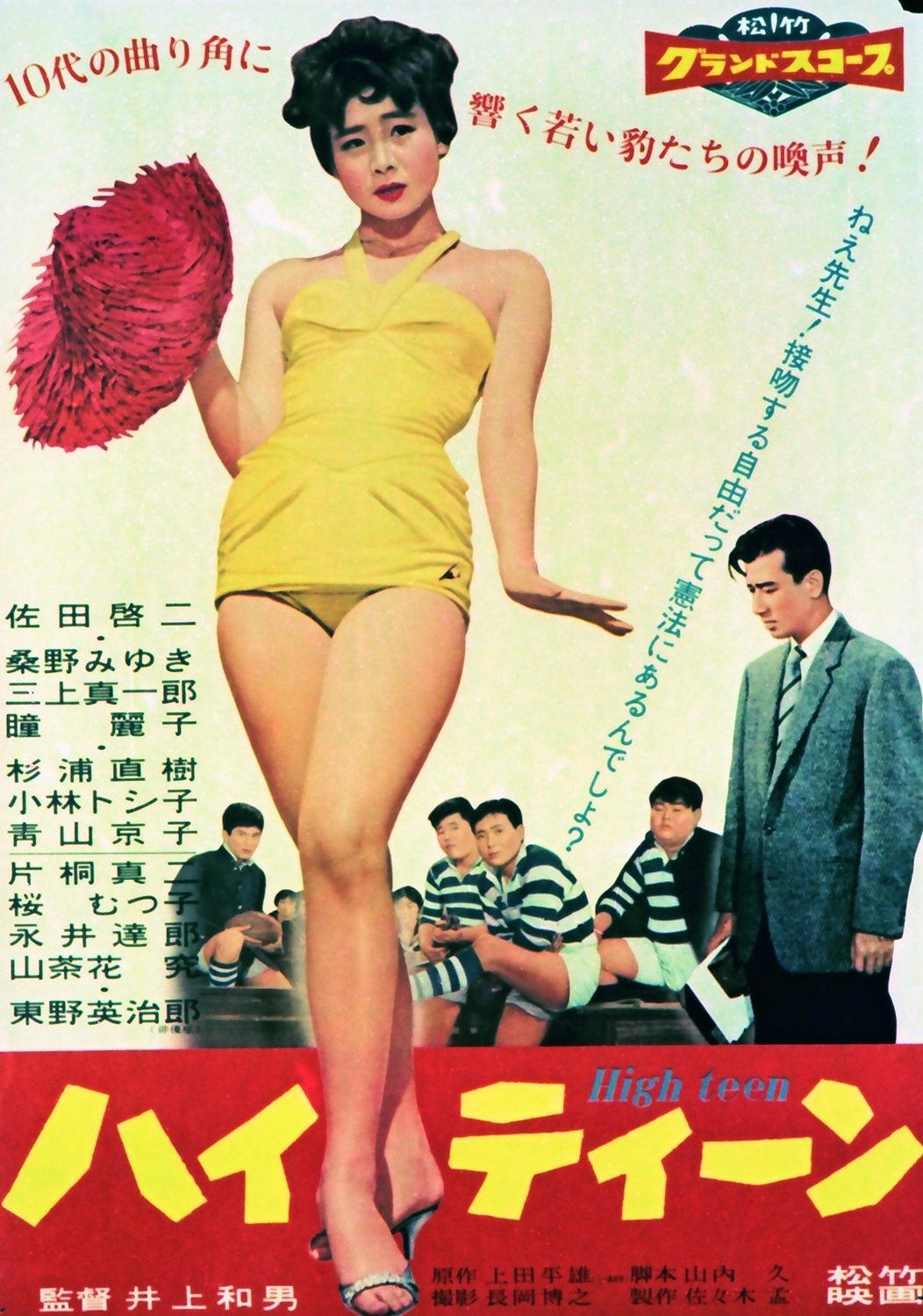
Terasaki, the new history teacher at the Senior High School, finds encouragement in the words of his Principal. "There are no bad children in this world. Some may be hard to handle but a teacher should never lose courage … never give up." But when put in charge of the third year class C, reputed to be the most incorrigible in the whole school, he is faced with surly opposition from the start. However, Terasaki perseveres. His greatest headaches are three students ... Sanae, who develops a "crush" on him, Nakanishi, who seeks to forget his unhappy home life in rugby, and Nire his pal.
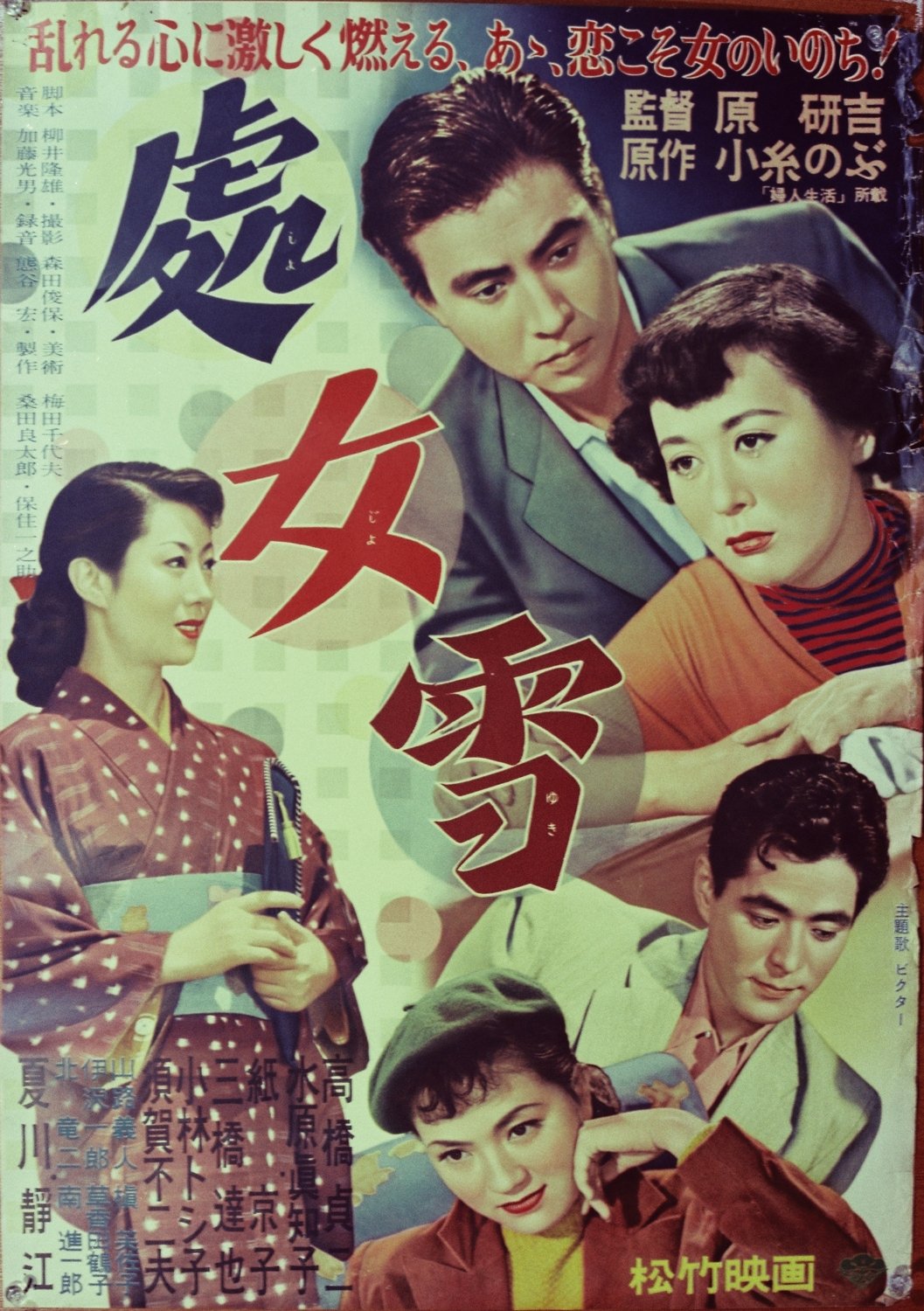
Minako, Sadae, and Momoyo were all in love with their filial art teacher, Sasaki Shinya, but when Momoyo realized that Shinya loved Minako, she gave up and devoted herself to painting, and Sadae was so frustrated that she even staged a fake suicide. As a result, Minako's parents misunderstood Shinya, and in anger, he went to Tokyo, where he worked as an illustrator for his friend Sunaga's publishing company, and was introduced to the artist Hotta, and coincidentally, it was at one of these meetings that he met Sadae, who had become a waitress at a bar.
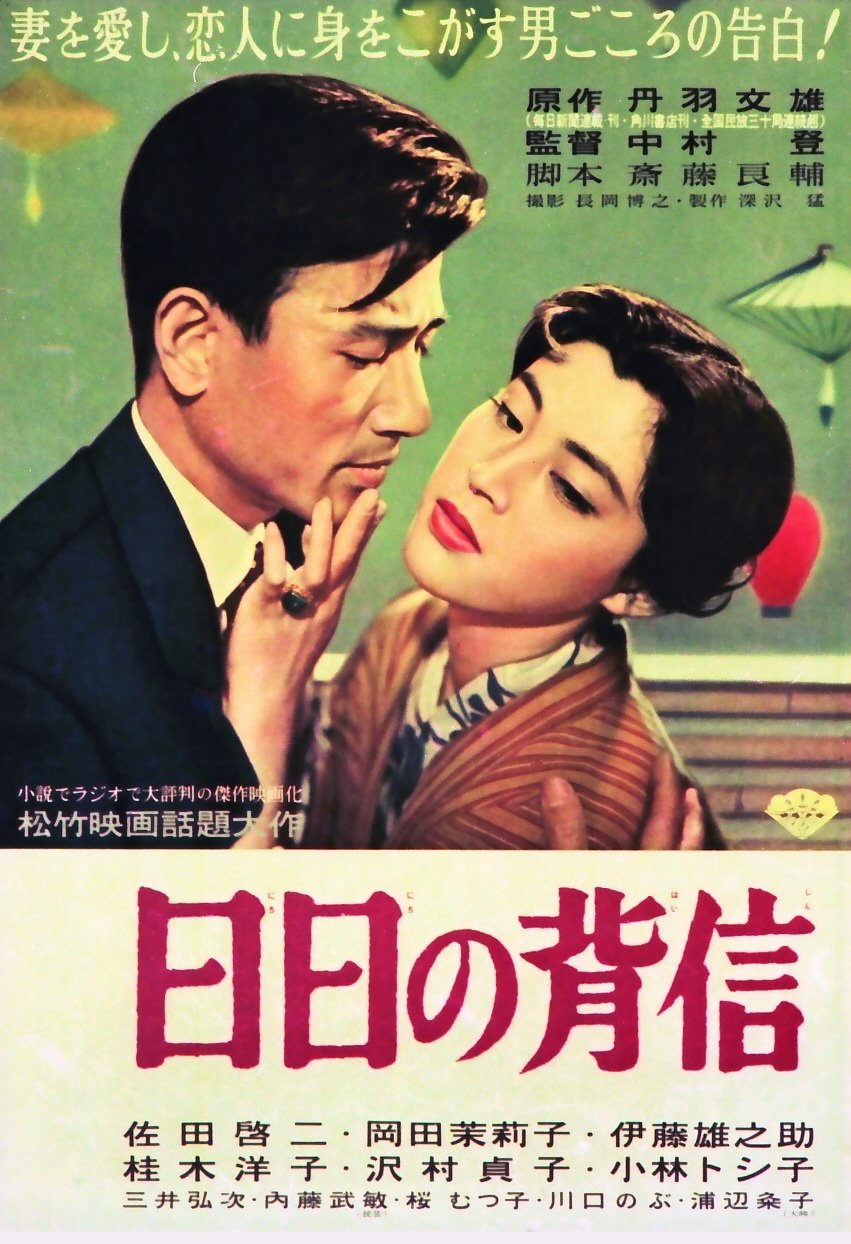
Hiroyuki, a married executive, falls madly in love with Ikuko, the mistress of a ruthless jeweler. The two arrange to meet at a hot spring, but Hiroyuki becomes torn between his love for Ikuko and his duty towards his sick wife.
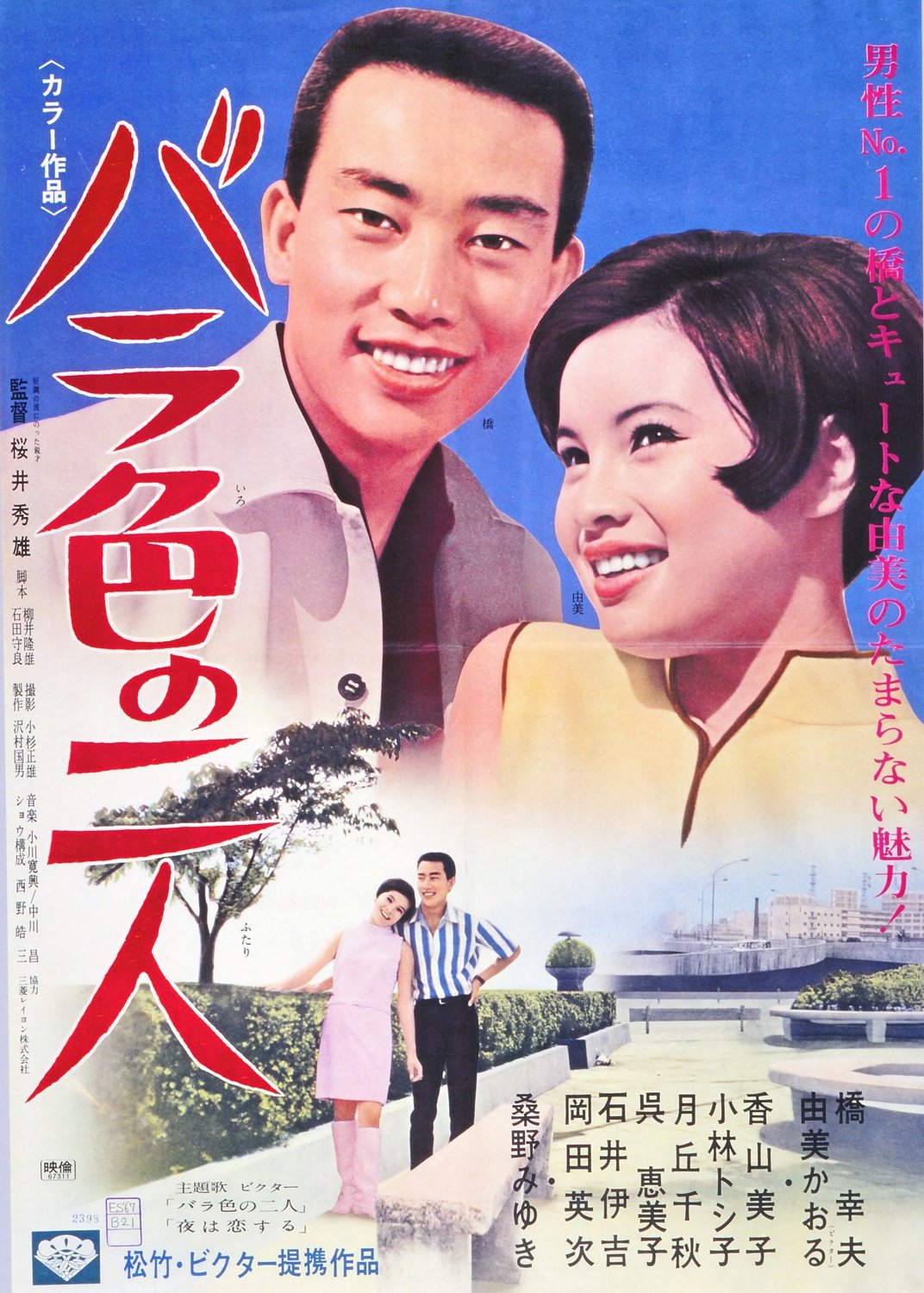
The film is based on the theme song of the same name sung by Hashi Yukio.
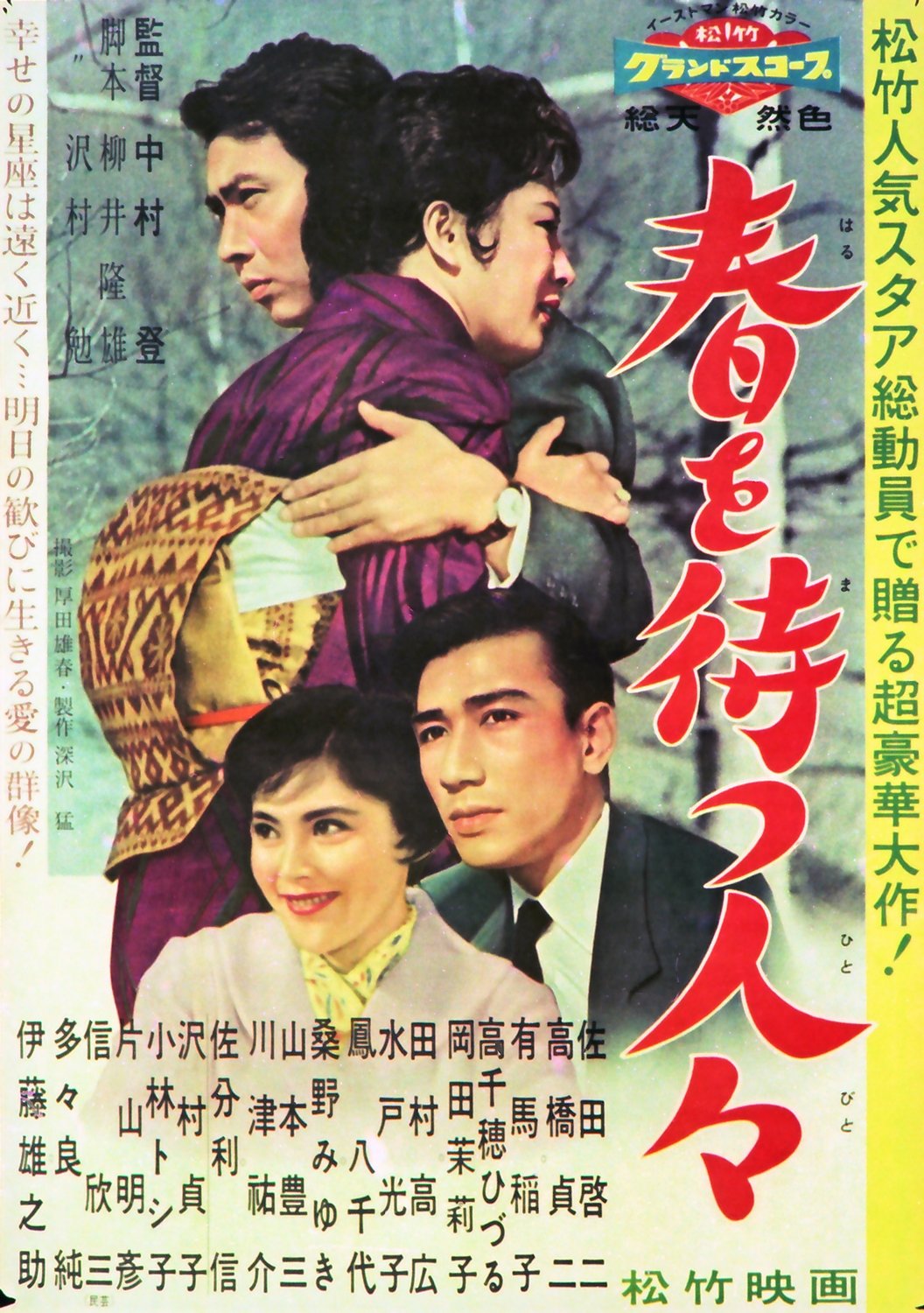
This drama centers on an elderly politician and depicts how humans can return to their true selves when they are freed from selfish desires and self-interest.
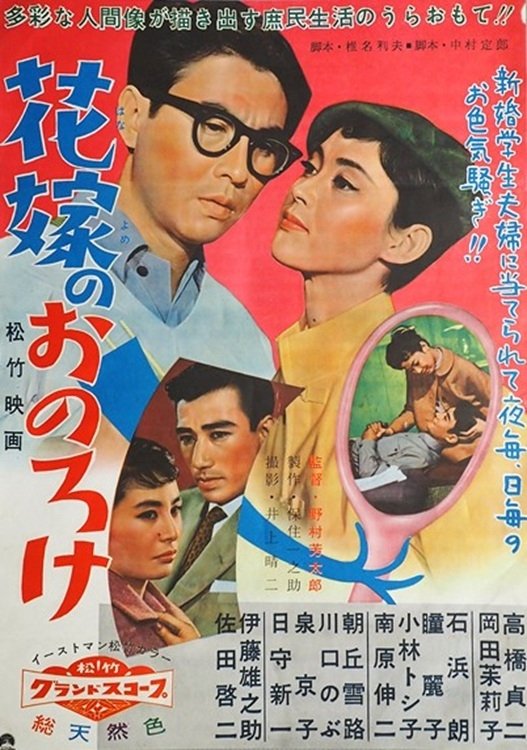
A multifaced portrayal of ordinary life, revealing its hidden aspects! The second film in the "Bride Series" following "The Embraced Bride" is an Ofuna-style comedy.

The Matsukawa family lived modestly as a close-knit trio of mother and daughters, relying on the income from the younger daughter, Motoko, who worked at a Western-style clothing store in Ginza, and their meager savings. This film was adapted from Nakano Minoru's original work "Otohime-sama Gojouiki" (The Landing of Princess Otohime), serialized in Lucky magazine.
In a corner of Tokyo, an old apartment housed the couple Sakaguchi Koyasu, a construction engineer, and Midori. According to Midori, Koyasu was a bland, insipid presence in this neurotic age, like a plain roll. Based on Nakano Minoru's original work, which humorously depicts the daily life of a low-paid salaryman.