
Al and Roscoe, employees at a gas station, are rivals for Alice. When Buster delivers a wedding gown for Alice and begins modeling it, he is mistaken for Alice and is kidnapped by Al.
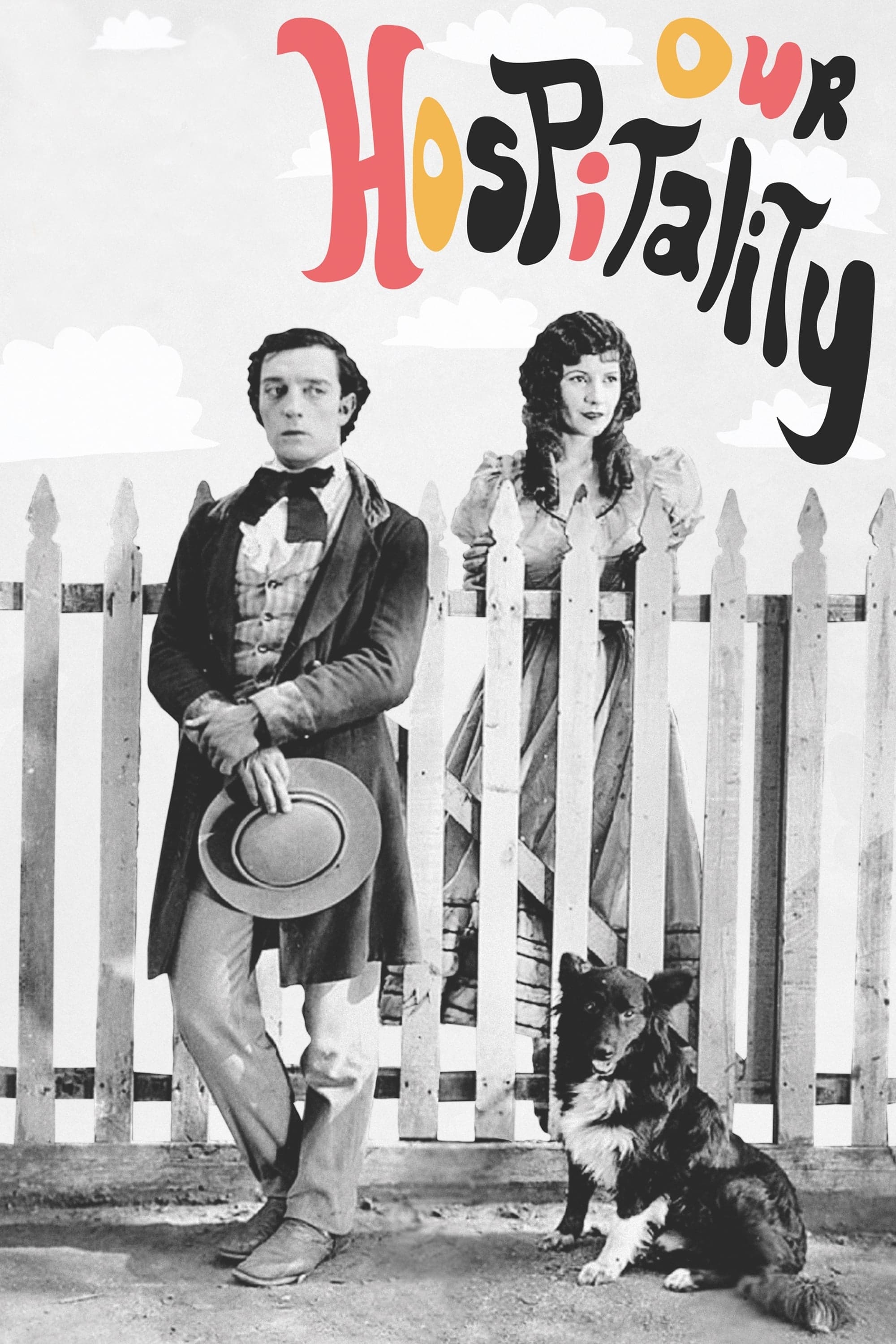
A young man falls for a young woman on his trip home; unbeknownst to him, her family has vowed to kill every member of his family.
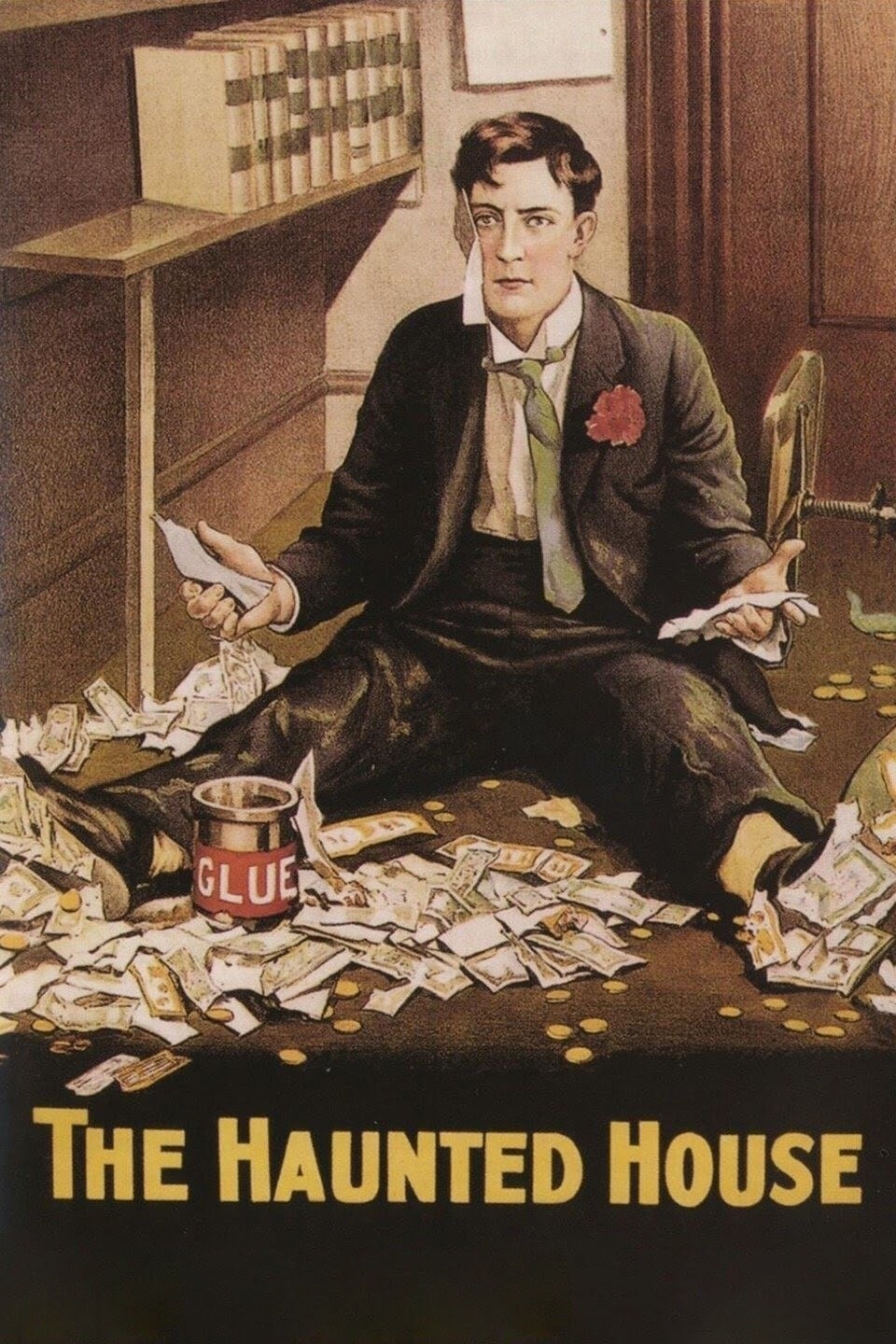
A bank teller becomes involved with a hold-up, counterfeiters and a theatrical troupe posing as spooks in a haunted house.
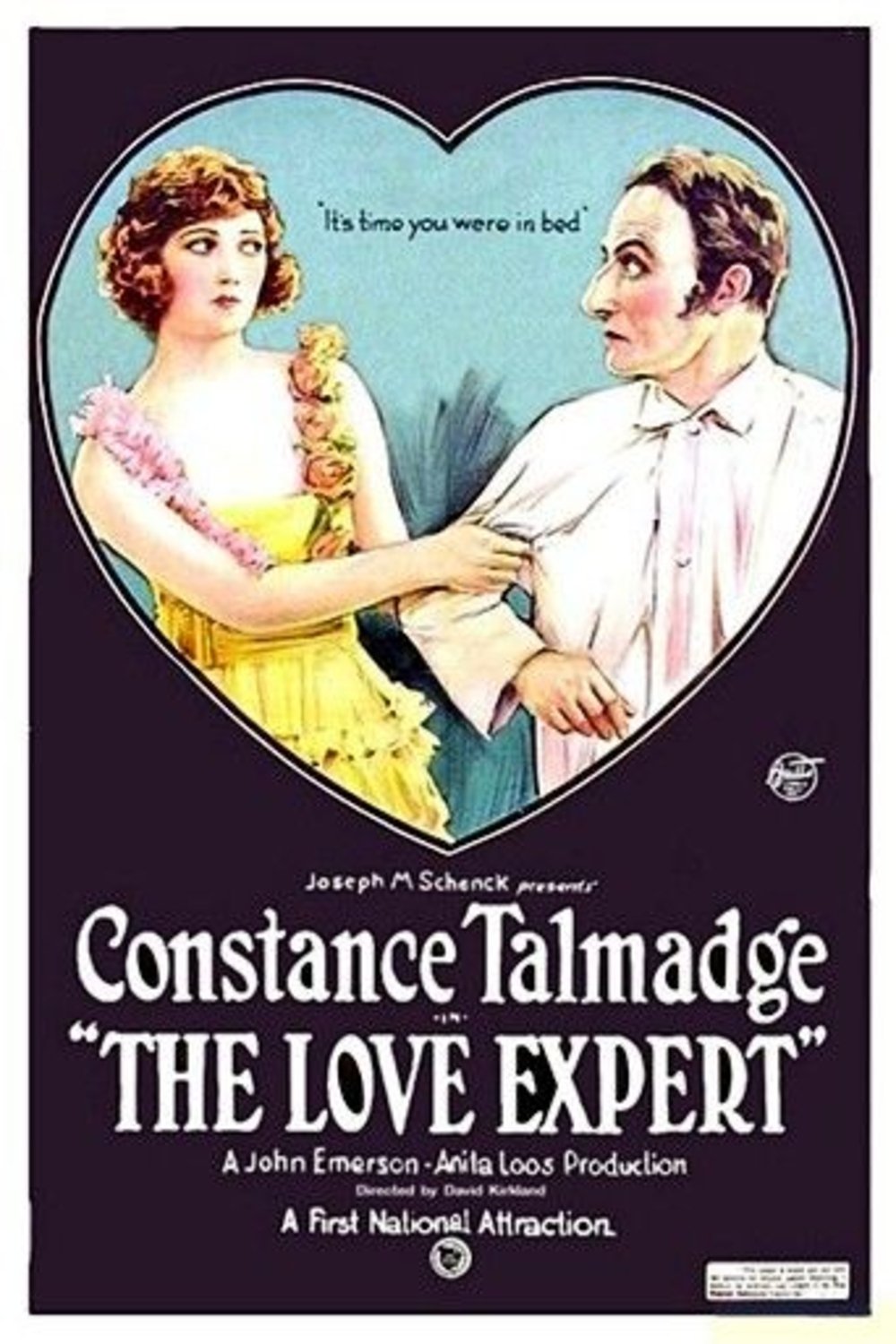
After neglecting her studies in favor of romantic experiments, Babs Hardcastle is thrown out of boarding school. In hopes of ceasing her romance studies, Babs’s father sends her to Boston to stay with her aunt. Boston, however, proves to be the perfect place for Babs’s matchmaking. When Babs falls in love with Jim Winthrop, she learns that he must find suitable men for his two sisters, Dorcas and Matilda, and his elderly aunt Cornelia, before he can marry. Babs, determined to marry Jim, takes it upon herself to find them all husbands.
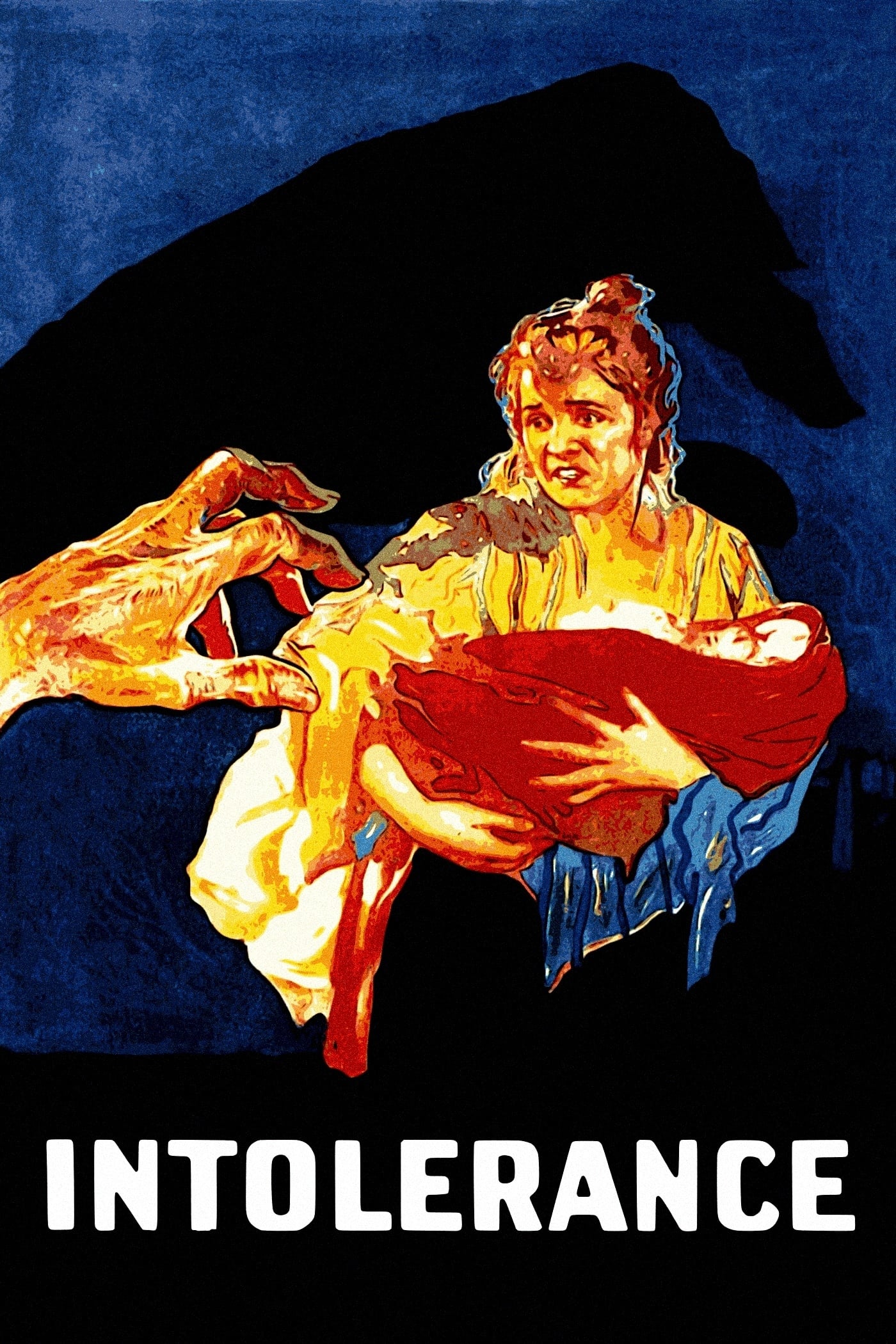
The story of a poor young woman, separated by prejudice from her husband and baby, is interwoven with tales of intolerance from throughout history.
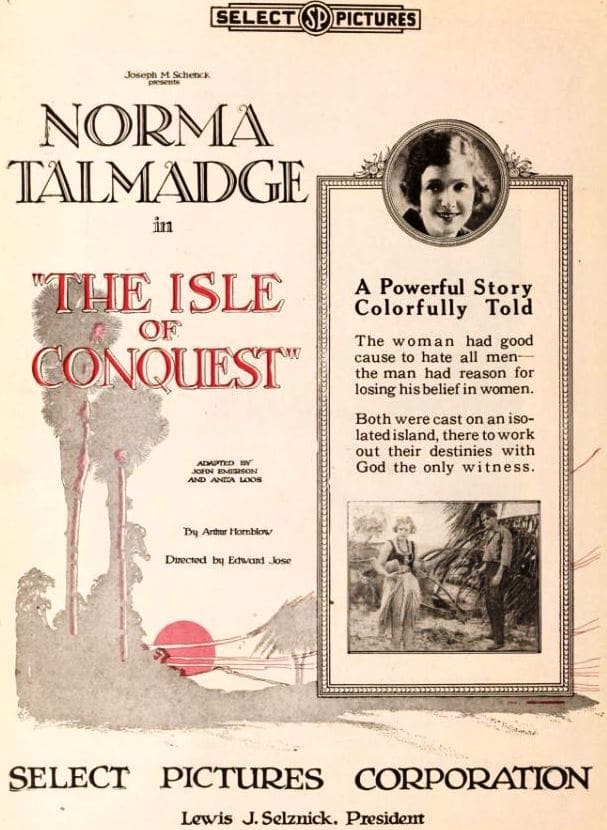
A 1919 film directed by Edward José.
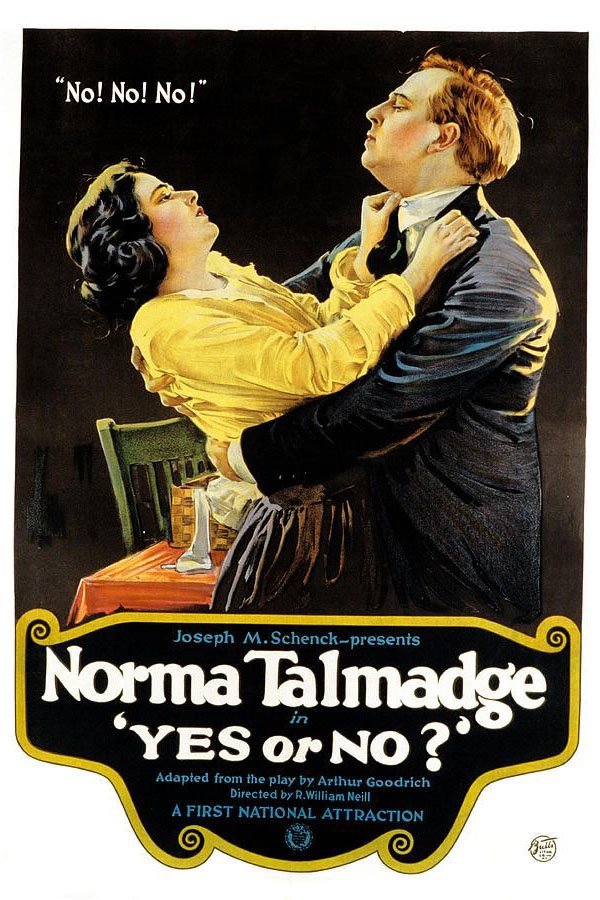
Two wives, one rich, one poor, each find themselves tempted by romantic seducers, and each faces the dilemma of remaining true to the husband who neglects her or of falling into the arms of another.
Fatty plays a village blacksmith in “Jazzville,” an imaginary rural village. There is a rivalry between Fatty and Cy Klone, the garage owner, over the affections of a pretty schoolteacher. A city chap unites the two rivals when he tries to steal the girl. An annual village ball features amateur talent in vaudeville stunts with Keaton as a wriggling Fatima who charms a long black stocking from a cigar box like a snake. The film is presumed lost.

A 1921 film directed by Herbert Brenon.
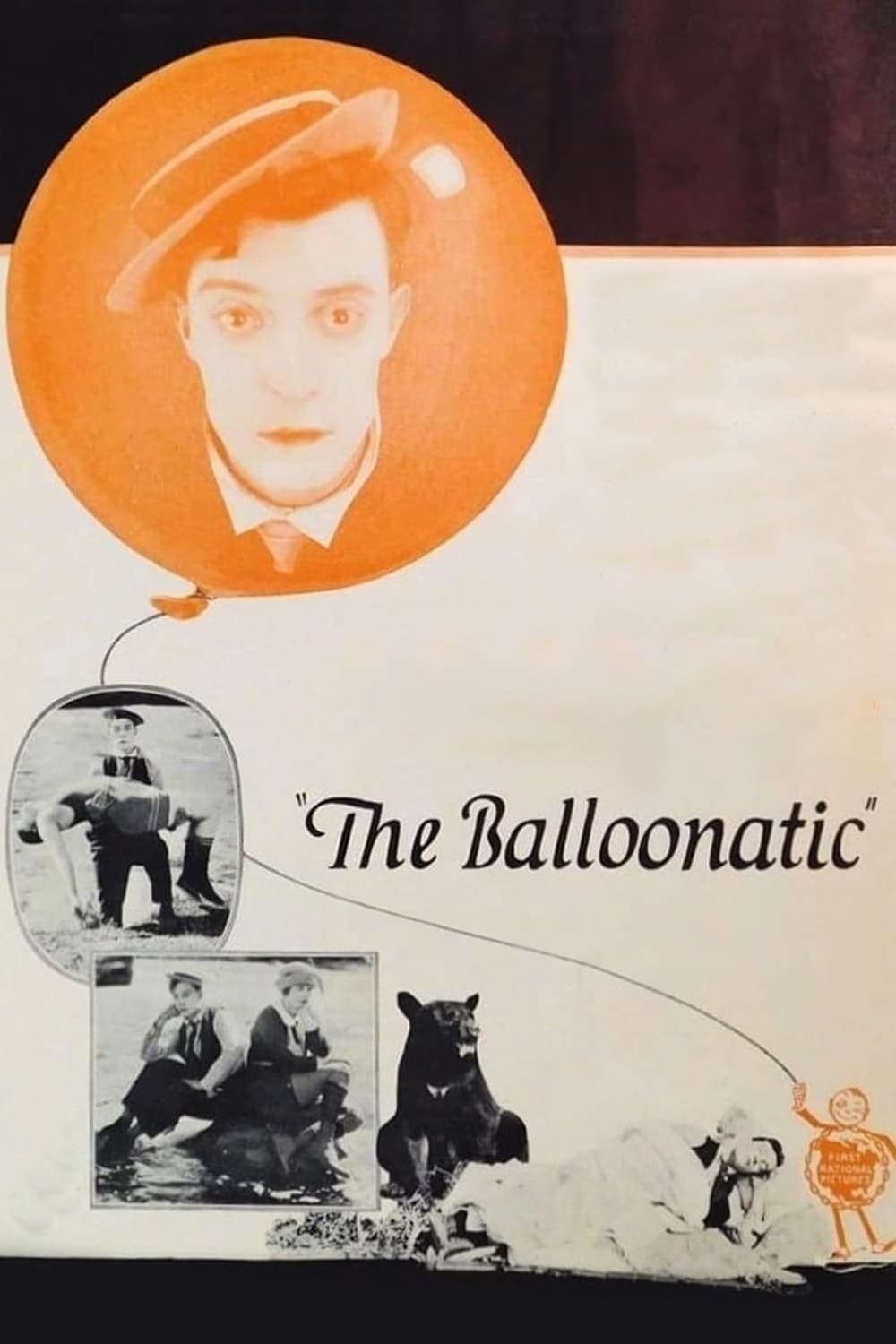
Buster and Phyllis endure a number of outdoor adventures trying to prove to each other their survival skills. The balloon, which lands Buster in the wilderness, later proves useful as their canoe is about go over a waterfall.
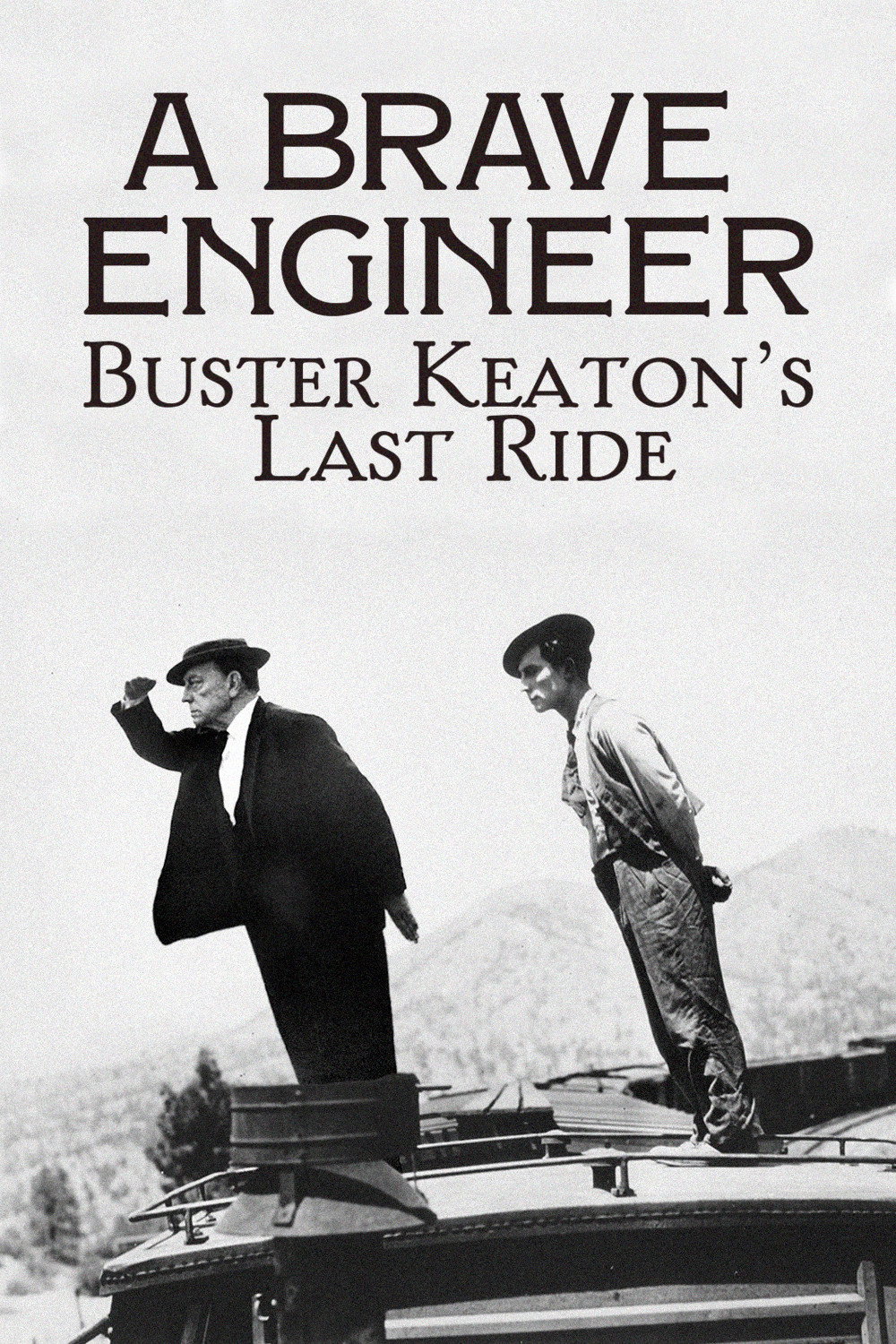
From 1920 to 1965, the great Buster Keaton made spectacular use of locomotives in his films. This video essay charts the course of his iconic cinematic career across the many tracks he rode along on screen: as a young man in the surge of his silent movie ascent in Our Hospitality, while making his masterpiece The General, and traversing the width of Canada on a railway speeder car as an old man in The Railrodder.