
Fiction and documentary mingle in a freewheeling portrait of Susan Superstar, a New York celebrity on a drug-fueled downward slide that mirrors Edie Sedgwick’s own self-destructive spiral.
In a hypercompetitive world, drugs like Adderall offer students, athletes, coders and others a way to do more -- faster and better. But at what cost?
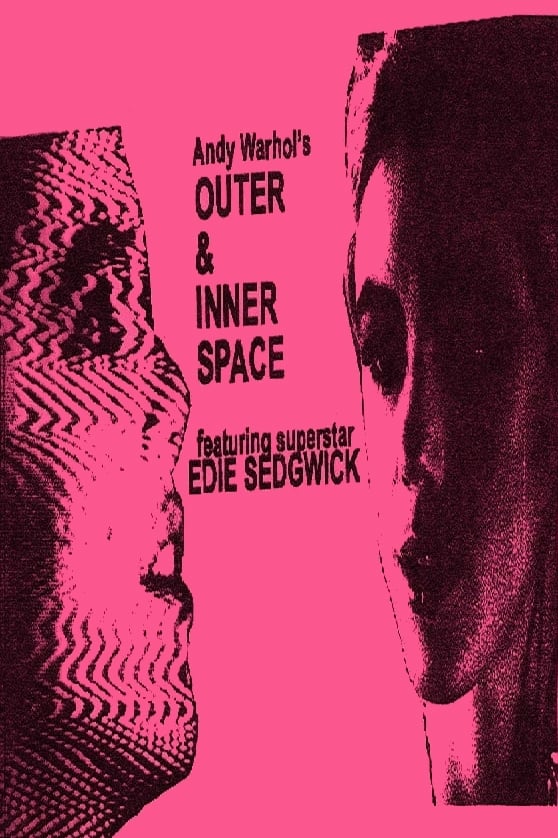
A 16mm Warhol film of Edie Sedgwick sitting in front of a television monitor on which is playing a prerecorded videotape of herself. On the videotape, Edie is positioned on the left side of the frame, facing right; she is talking to an unseen person off-screen to our right. In the film, the “real” or “live” Edie Sedgwick is seated on the right side of the film frame, with her video image behind her, and she is talking to an unseen person off-screen to our left. The effect of this setup is that it sometimes creates the rather strange illusion that we are watching Edie in conversation with her own video image.
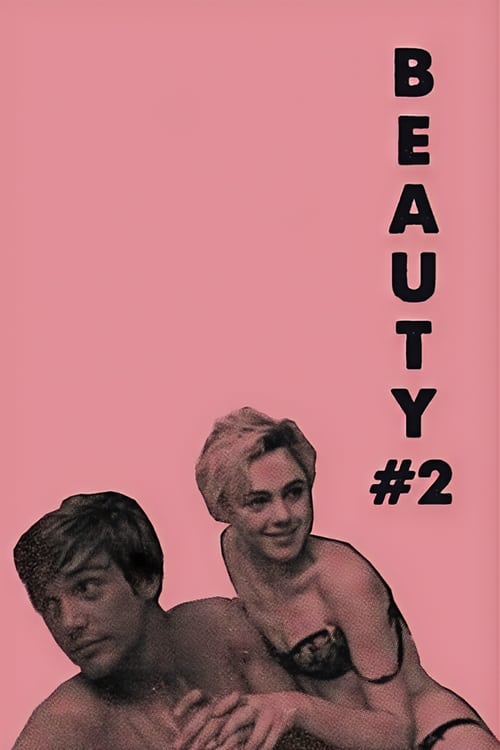
The movie has a fixed point of view showing a bed with two characters on it, Sedgwick and Piserchio. Chuck Wein is heard speaking but is just out of view. Sedgwick is wearing a lace bra and panties, and Piserchio, wearing only jockey shorts, engage in flirting and light kissing. Wein asks Sedgwick questions seemingly designed to harass and annoy her. Piserchio is more or less a bystander not interacting with Wein. The dialogue seems created adlib and no conclusions are reached in the film. The only conceivable climax is when Sedgwick finally becomes so mad, she throws a glass ashtray at Wein, breaking it.
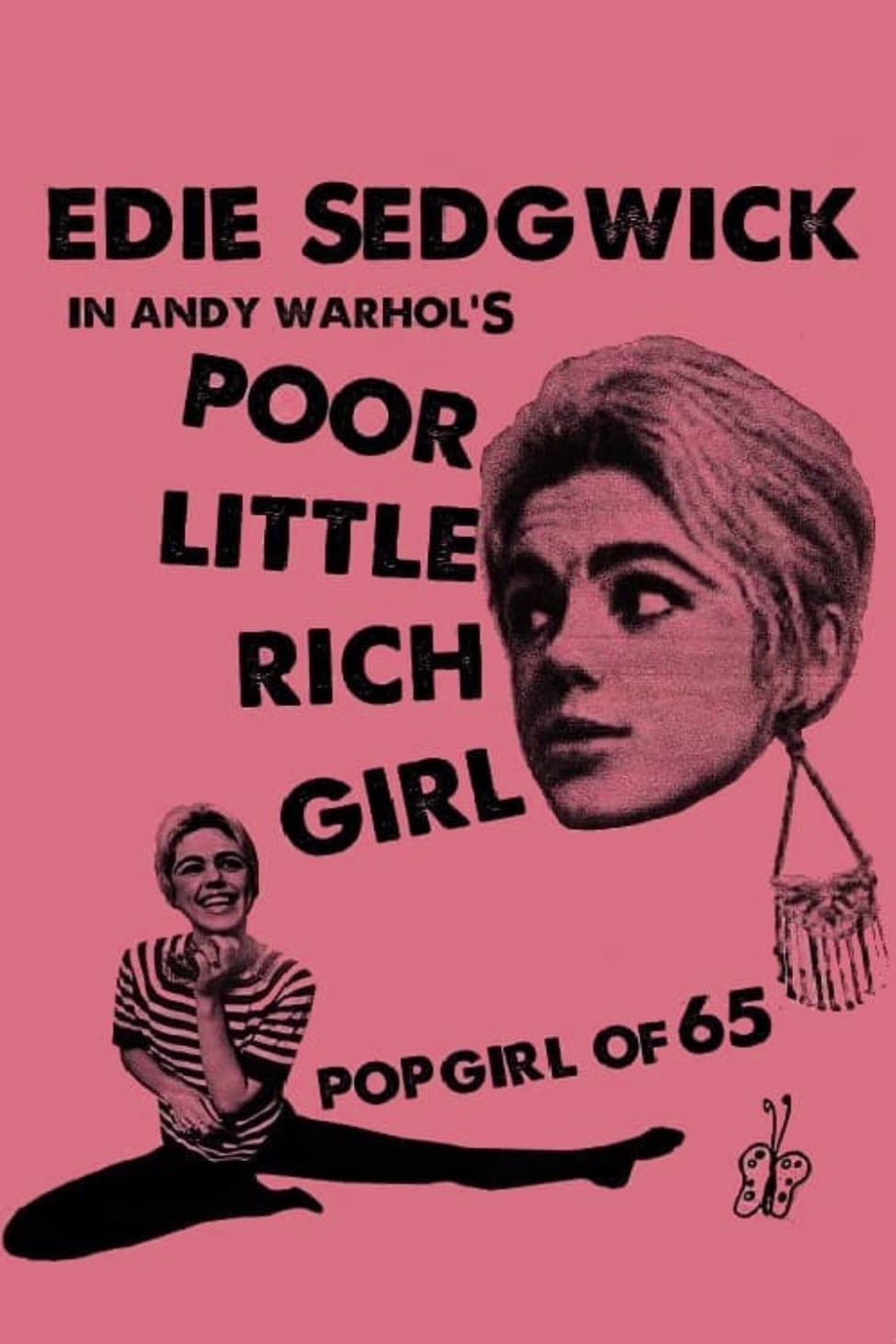
A young, jobless woman stays in bed, reads, talks on the phone, smokes cigarettes, makes fresh coffee, and tries on some clothes from a large wardrobe.

Andy Warhol’s screen adaptation of Burgess's "A Clockwork Orange”.
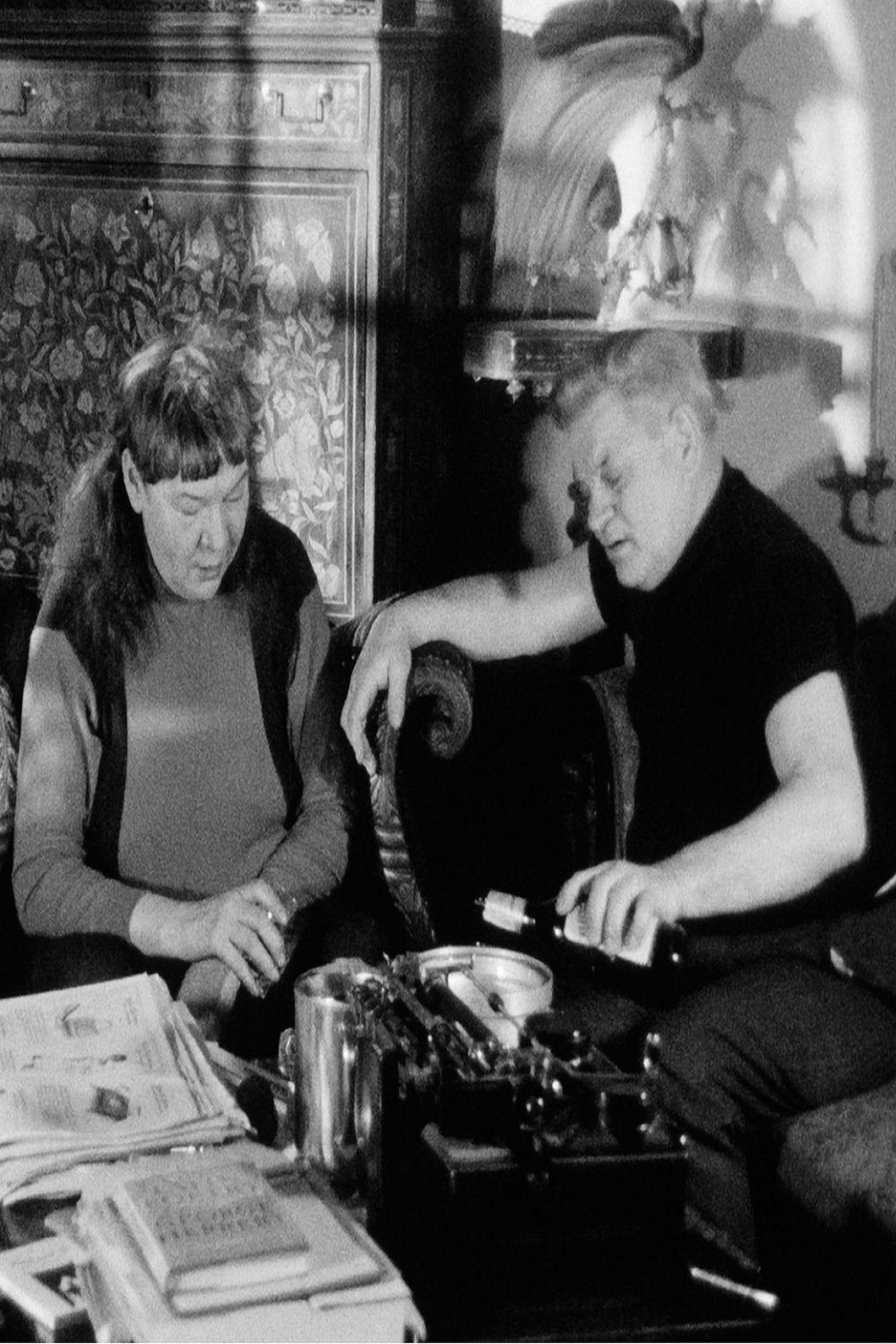
“Andy Warhol called Marie Menken and Willard Maas ‘the last of the great bohemians,’ and, in 1965, made Bitch, his real-life parody of Edward Albee’s play Who’s Afraid of Virginia Woolf?, with Willard and Marie sitting on the couch in their living room, drunk and arguing on a Sunday afternoon. Unscripted, shot with a stationary camera in his signature home-movie documentary style, Warhol’s Bitch has never before been seen by the public—until now…” (Philip Gefter).
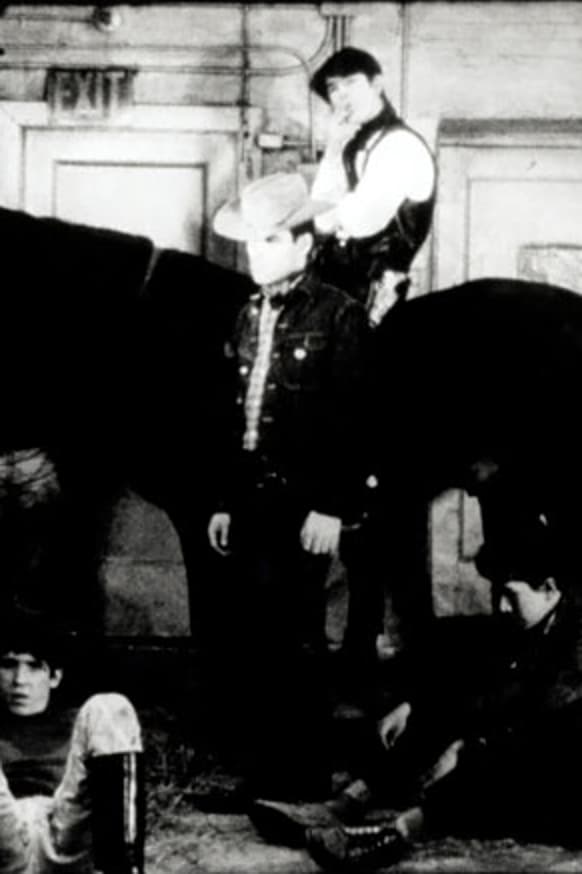
Warhol plunked a horse named Mighty Byrd in the middle of the Factory for this dark, homoerotic take on the classic oater that later anticipates his later western epic Lonesome Cowboys.
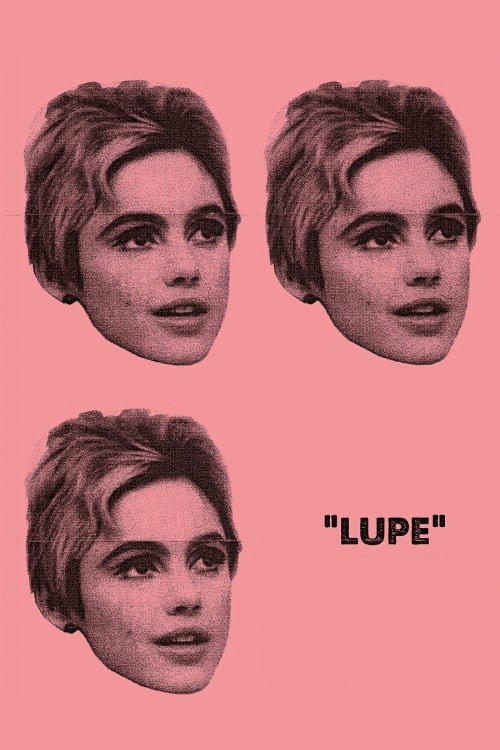
Mexican actress Lupe Vélez's final hours as she overdoses on Seconal.
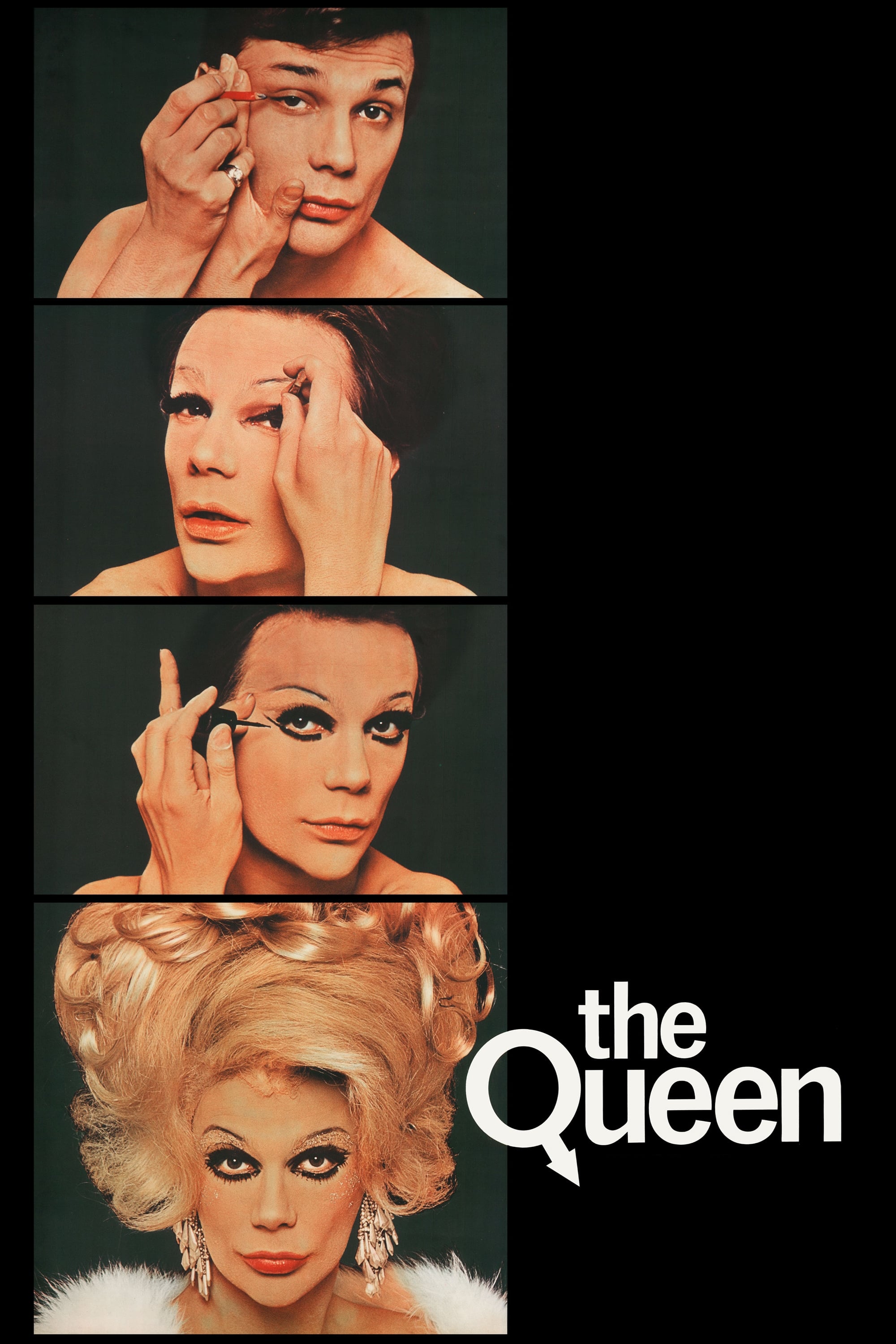
In 1967, New York City is host to the Miss All-American Camp Beauty Pageant. This documentary takes a look behind the scenes, transporting the viewer into rehearsals and dressing rooms as the drag queen subculture prepares for this big national beauty contest. Jack/Sabrina is the mistress of ceremonies, and their protégé, Miss Harlow, is in the competition. But, as the pageant approaches, the glamorous contestants veer from camaraderie to tension.
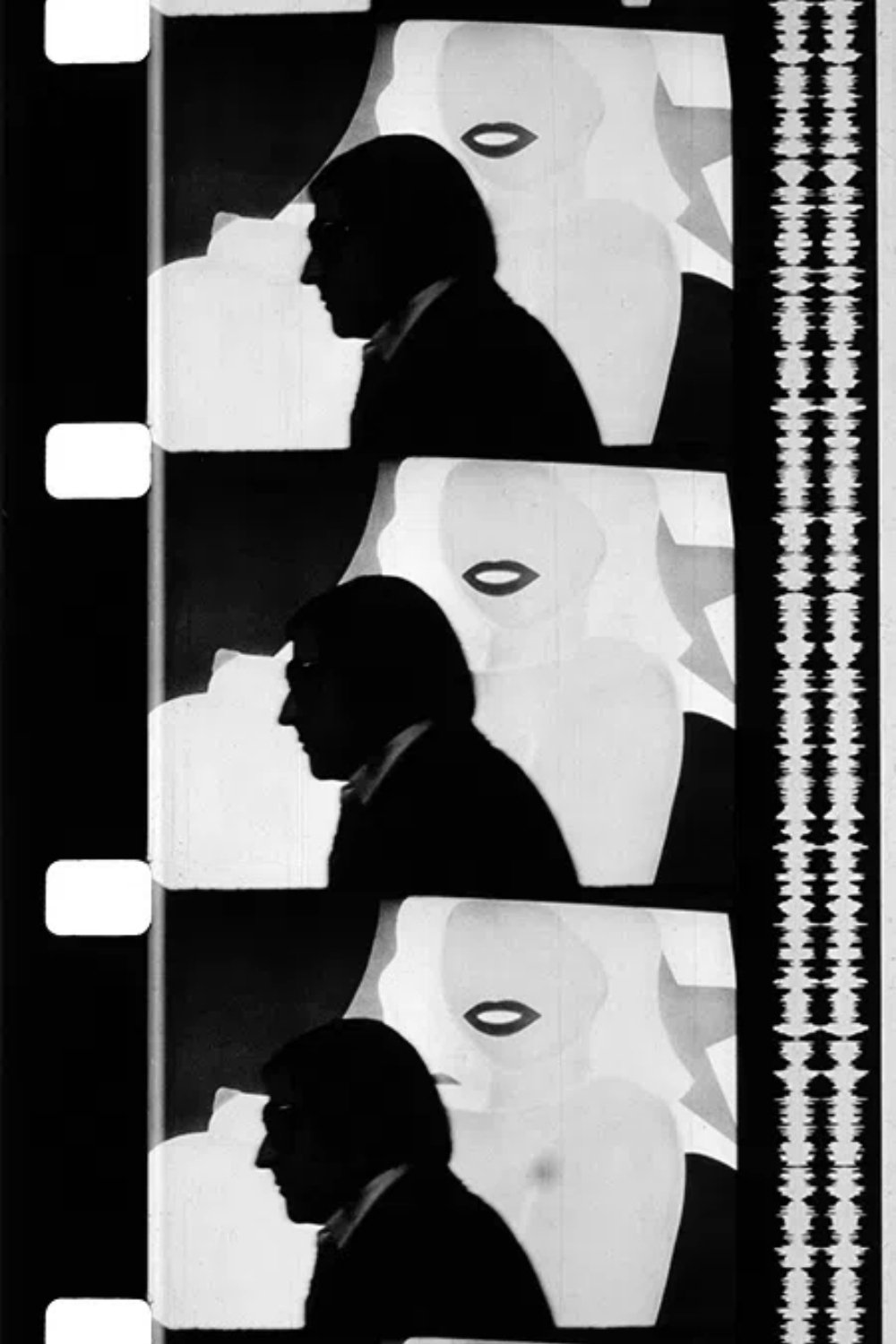
Made when I was a bit depressed which is nothing new,. Bob Cowan happened to be depressed as well and so we had a wonderful time working together. One of the actresses was separated from her husband at this time and the movie solidifies into concrete the repressed desires of everyone.
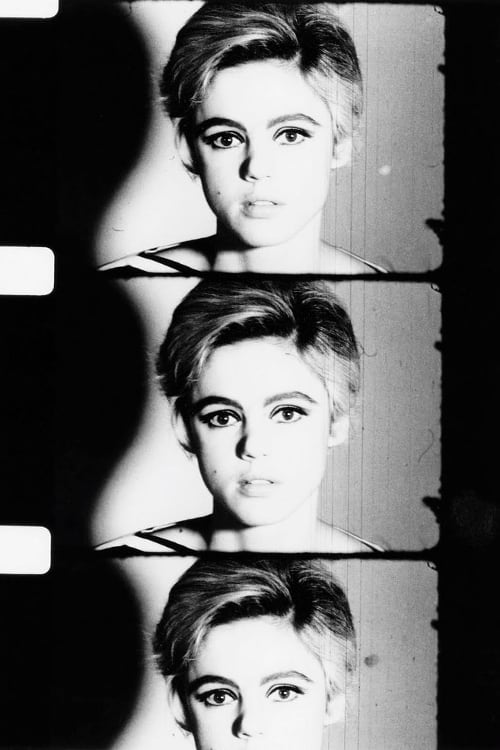
Andy directs Edie for a screen test.
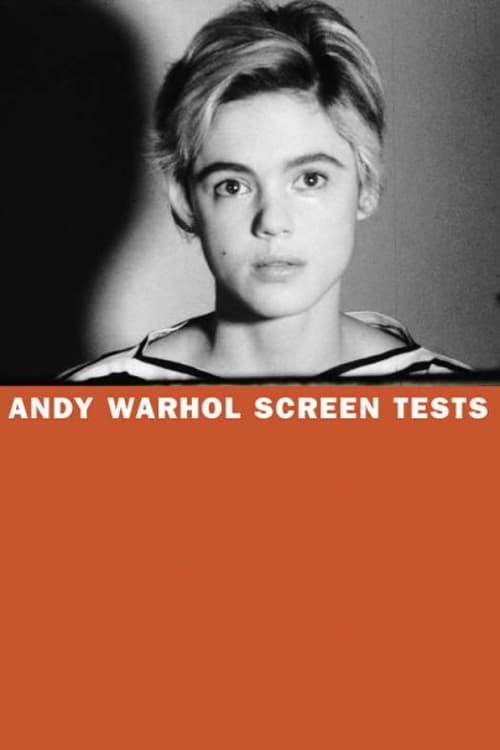
The films were made between 1964 and 1966 at Warhol's Factory studio in New York City. Subjects were captured in stark relief by a strong key light, and filmed by Warhol with his stationary 16mm Bolex camera on silent, black and white, 100-foot rolls of film at 24 frames per second. The resulting two-and-a-half-minute film reels were then screened in 'slow motion' at 16 frames per second.

The film begins with a close-up of a table in a restaurant covered with a checkered cloth, in a composition that strongly suggests a still life. It lingers there for a long time before beginning a slow outward zoom. All the while we overhear poorly recorded snippets of conversation. We see hands move in and out of the frame, lifting glasses and tapping cigarettes. We recognise Edie Sedgwick by her signature dancer's tights and jewellery. The group discuss a recent trip to Tangier; the conversation returns frequently to past and upcoming travel. At one point, a whole, uncut pineapple is delivered to their table, despite the fact that they are in an Italian restaurant: it is not meant to be eaten, but to evoke the possibility of adventure in exotic, semi-imaginary lands.
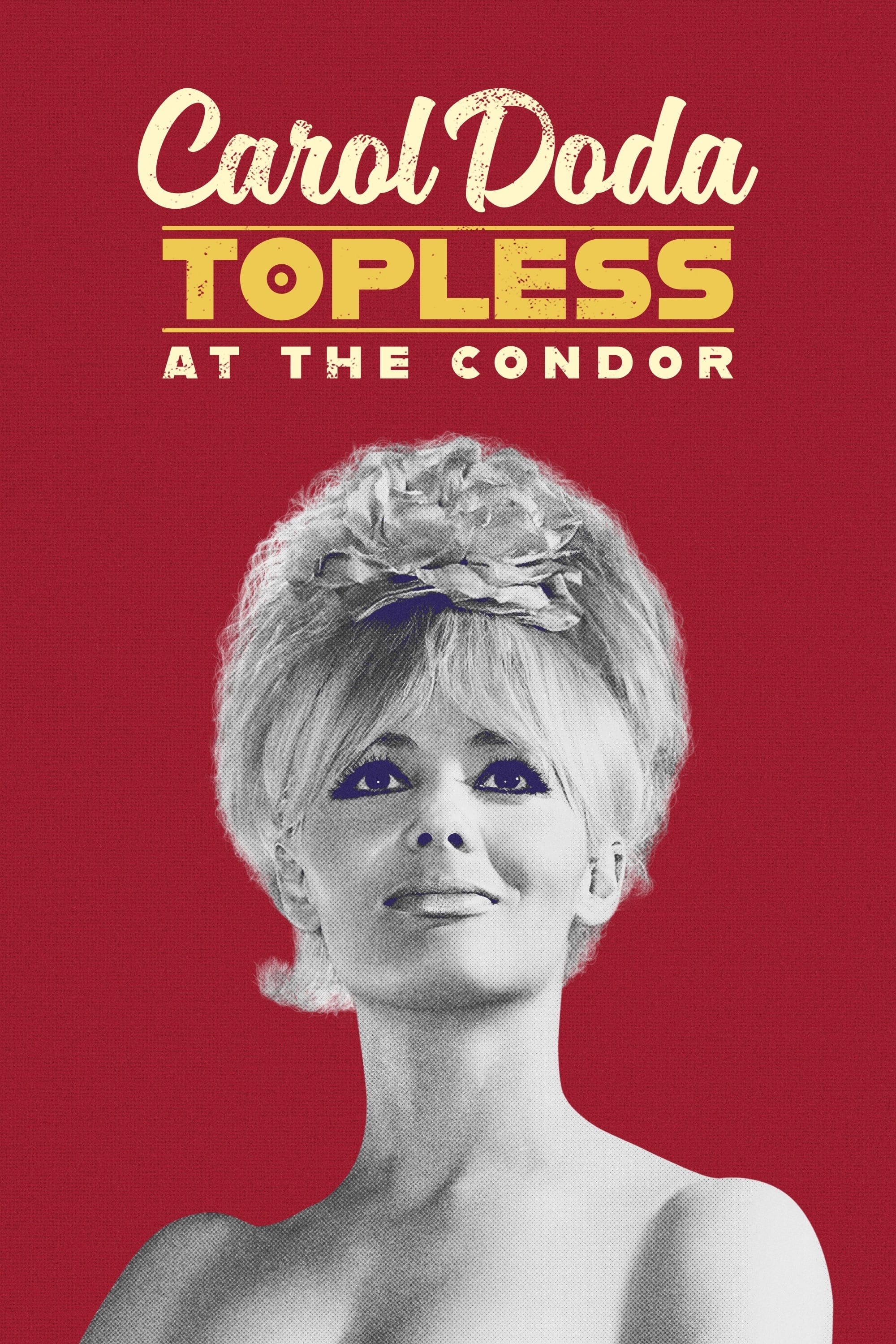
On a fateful San Francisco night in the early '60s, Condor nightclub performer Carol Doda was lowered to the stage on a floating piano, topless. Word spread quickly, setting off a wave of controversy and delight, with raids soon to follow. There was even a trial for the new celebrity. Doda's dry wit and charisma made her an instant sensation of the night club scene: an empowered woman in full control. Or so it seemed.
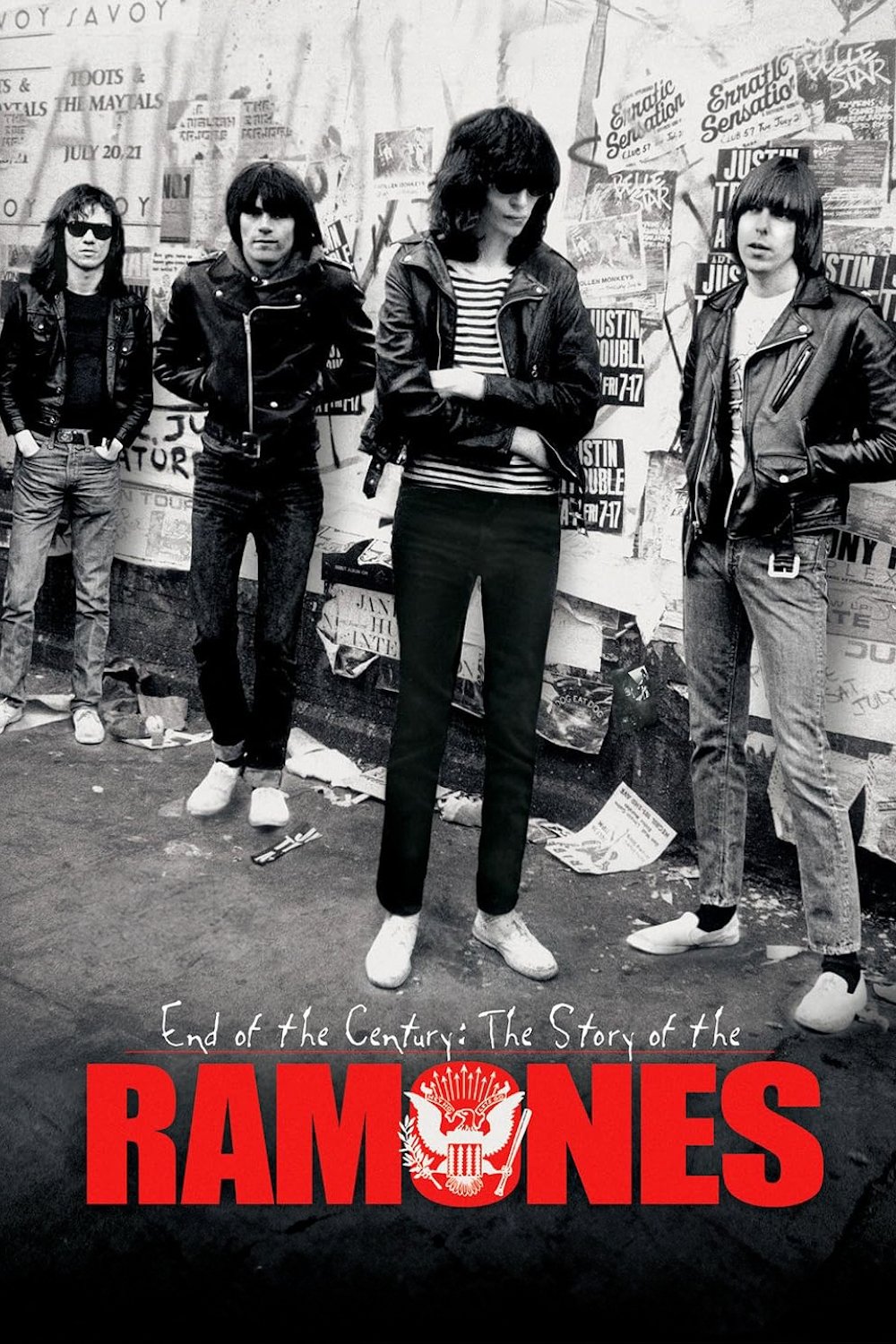
A years-in-the-making documentary on the legendary punk band the Ramones. Through a mixture of archival footage, archival and new interviews with all members of the band's various lineups, and new interviews with a number of their contemporaries, the film traces the peaks and valleys the band experienced over the course of its 20-plus year career before disbanding in 1995.

A melange of casual talking, food fights, and folk singing. The film includes Eric Andersen with his guitar, singing his lines, and leading Edie Sedgwick and her friends in unscripted sing-alongs of popular songs including "Puff the Magic Dragon" and "The Battle Hymn of the Republic".

Between 1964 and 1966, Andy Warhol shot nearly 500 Screen Tests, beautiful and revealing portraits of hundreds of different individuals, from Warhol superstars and celebrities to friends or anyone he thought had "star potential". All visitors to his studio, the Factory. Subjects were captured in stark relief by a strong keylight, and filmed by Warhol with his stationary 16mm Bolex camera on silent, black and white, 100-foot rolls of film. The resulting two-and-a-half-minute film reels were then screened in slow motion, resulting in a fascinating collection of four-minute masterpieces that startle and entrance, mesmerizing in the purest sense of the word. Songwriters Dean Wareham and Britta Phillips, formerly of the band Luna and currently recording as Dean & Britta, incorporated original compositions as well as cover songs to create new soundtracks for the 13 films.
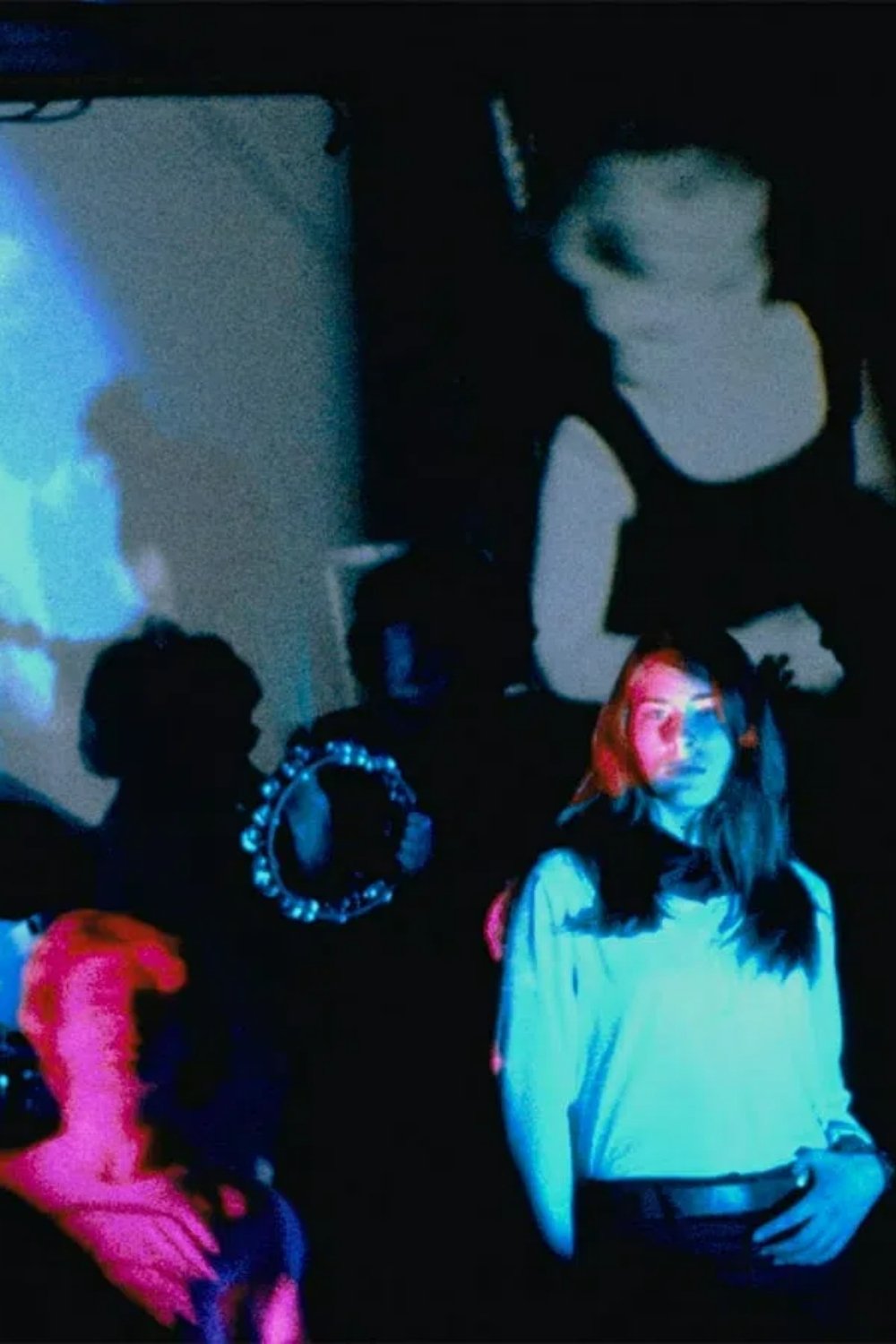
Velvet Underground's first public appearance.
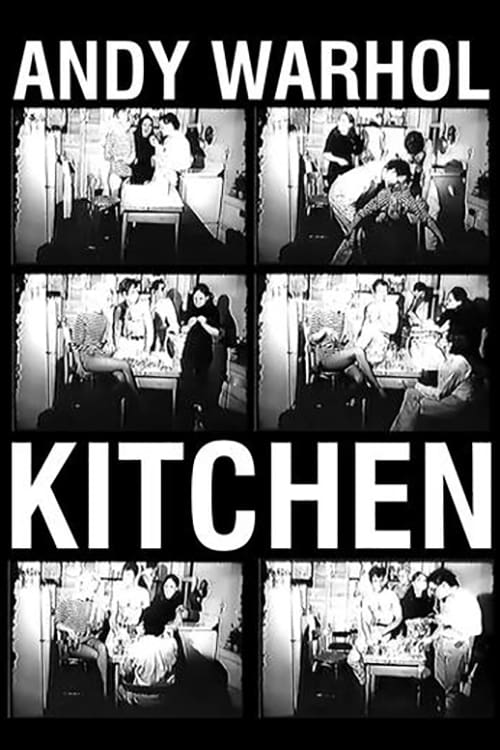
Instructed by Warhol to write a vehicle for Edie Sedgwick in a “completely white” setting, scenarist Ronald Tavel created one of Warhol’s most iconic films. Here a group of performers of all stripes – the sink and litter basket receive equal billing to the human actors – are forced into Warhol and Tavel’s cruelly comical theatre of the absurd. Inside this cramped domestic space, boredom, confusion and a sense of existential dread hang heavy in the air. Warhol and Tavel transform the modern 1960s kitchen – replete with the latest gadgets and conveniences – into a chaotic laboratory for self-creation and interpersonal conflict.
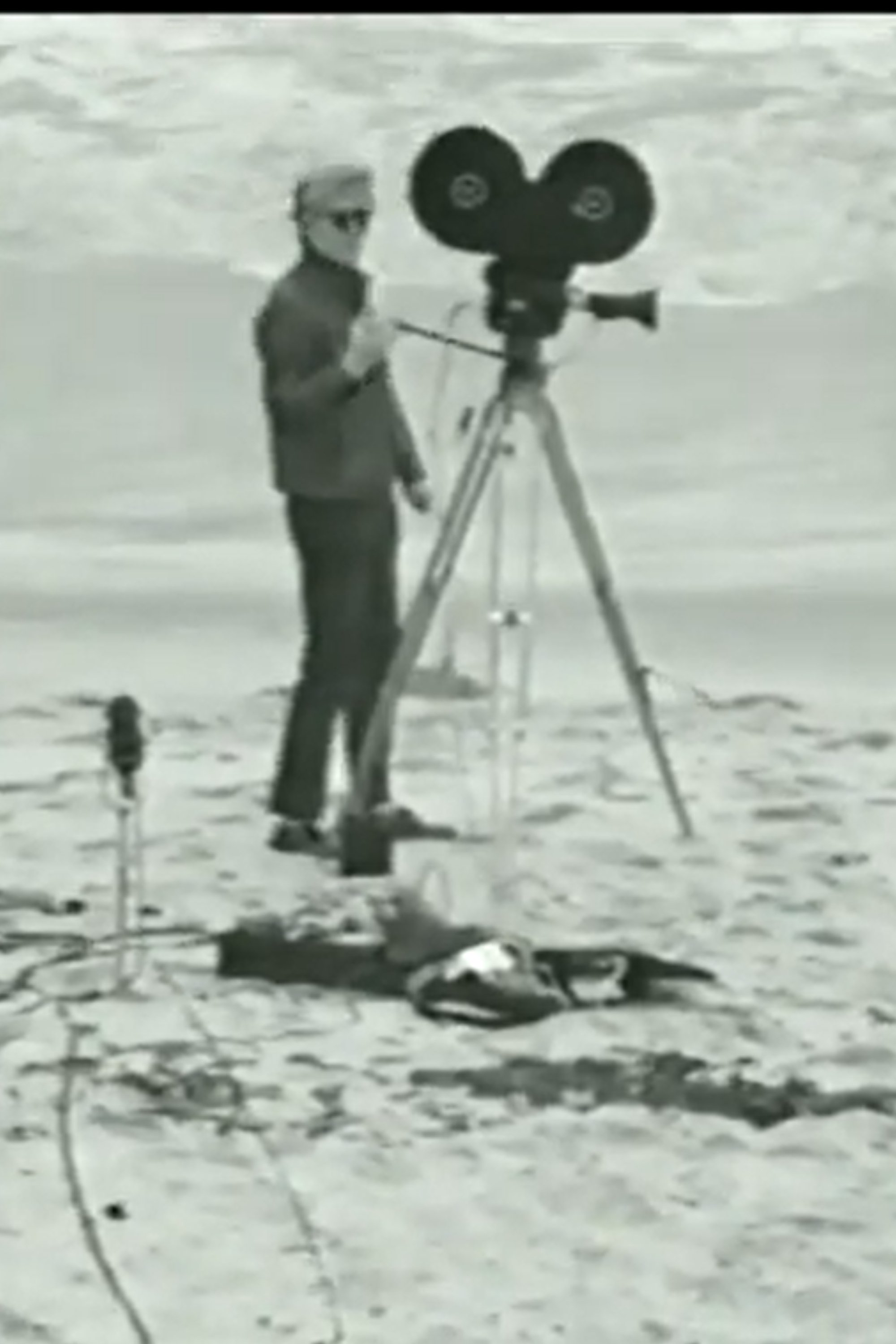
This pop movie about Warhol includes appearances by Henry Geldzahler, Edie Sedgwick and The Velvet Underground.
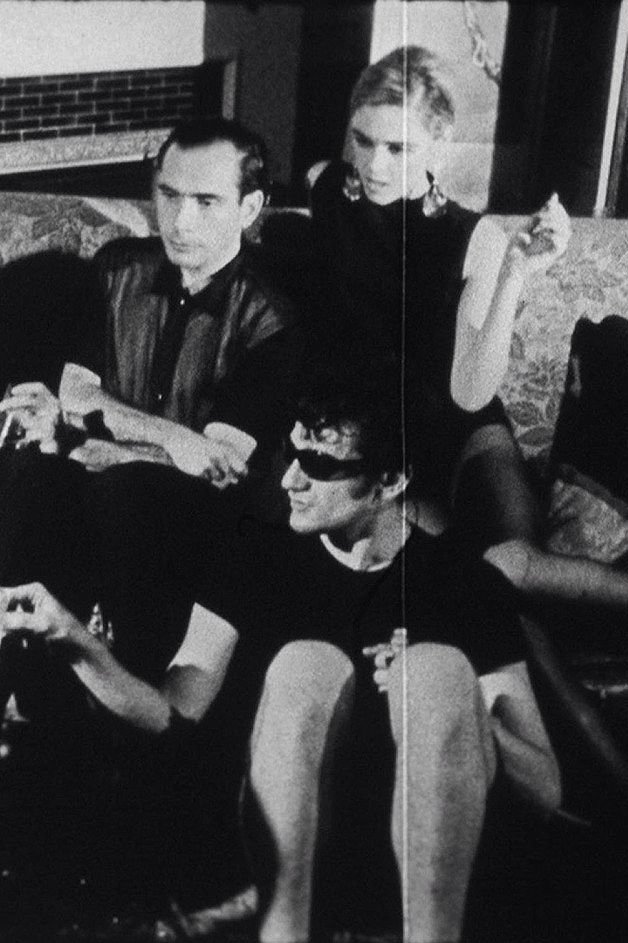
Edie Sedgwick hanging out at her apartment with Ondine and others in an alcohol and amphetamine–fueled talkfest.
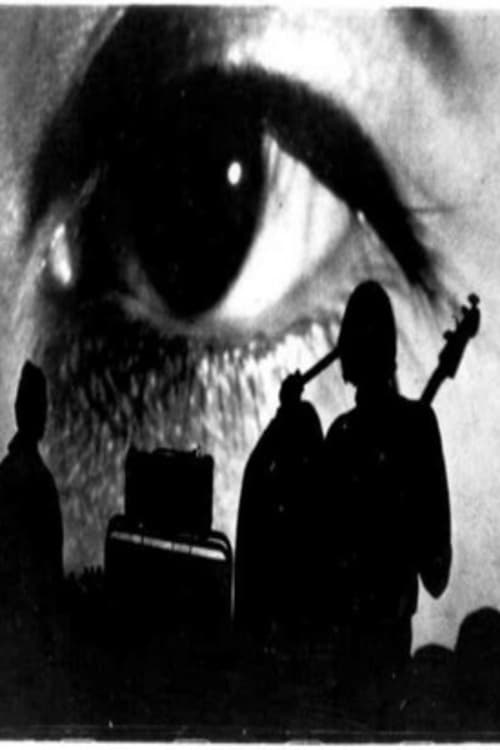
The Velvet Underground's first public appearance, filmed in Super 8 at a Psychiatrist's Convention, at the Delmonico Hotel, New York, January 14, 1966. Andy Warhol was invited to speak at the annual banquet of the New York Society for Clinical Psychiatry. He brought along the Velvets and other factory regulars.
Documentary on Andy Warhol's cinema of the sixties, made for Channel 4 in association with The Factory, MOMA and the Whitney Museum of Art and in collaboration with Simon Field.
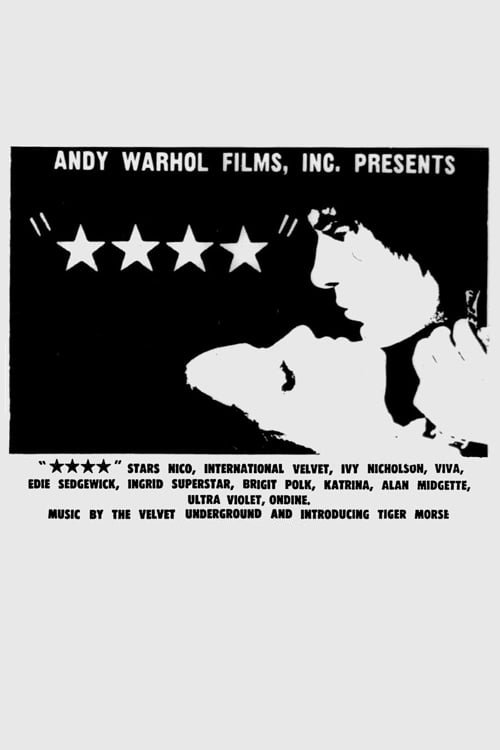
Photographed entirely in color, Four Stars was projected in its complete length of nearly 25 hours (allowing for projection overlap of the 35-minute reels) only once, at the Film-Makers' Cinematheque in New York City. The imagery in the film is dense, wearying and beautiful, but ultimately hard to decipher, for, in contrast to his earlier, and more famous film Chelsea Girls, made in 1966, Warhol insisted that two reels be screened simultaneously on top of each other on a single screen, rather than side-by-side. The film's title is a pun on the rating system used by critics to rank films, with "four stars" being the highest rating. From Wikipedia.
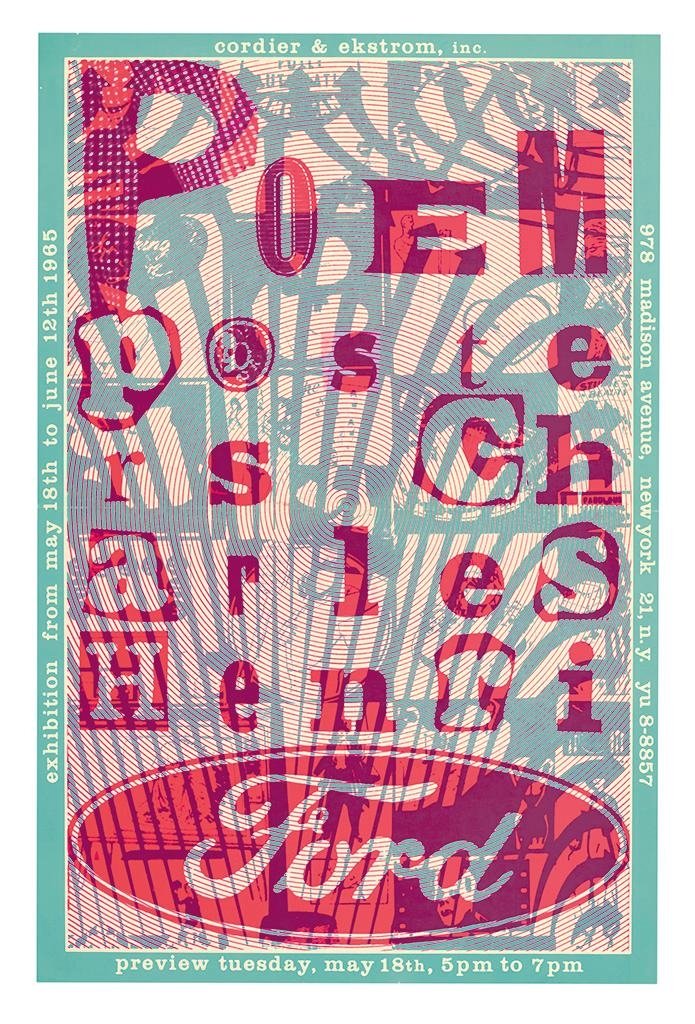
... with real-life portraits of Jayne Mansfield, Frak O'Hara, Ruth Ford, Ned Rorem, Virgil Thomson, Claes Oldenburg, Roy Lichtenstein, William Burroughs, Andy Warhol, Rudy Gernreich, Jonas Mekas and others.
Documentarians Juan Drago and Bruce Torbet follow a surprisingly relaxed and open Andy Warhol, at the peak of his powers in 1965 and 1966, around his bustling original "Factory" in midtown Manhattan. Warhol experiments with an early videotape machine, recording a beautiful, laughing Edie Sedgwick - his "superstar" of the moment - for the video portion of "Outer and Inner Space," his filmed record of the "live" Sedgwick juxtaposed against her video image on an adjacent monitor. Also captured is a Warhol show at the Leo Castelli gallery, including the famous Mylar "Clouds," as various unnamed art dealers and critics muse in voiceover about the meaning and significance of Warhol's work.
Two nuns take a bath, then meet a sailor on the Staten Island Ferry.
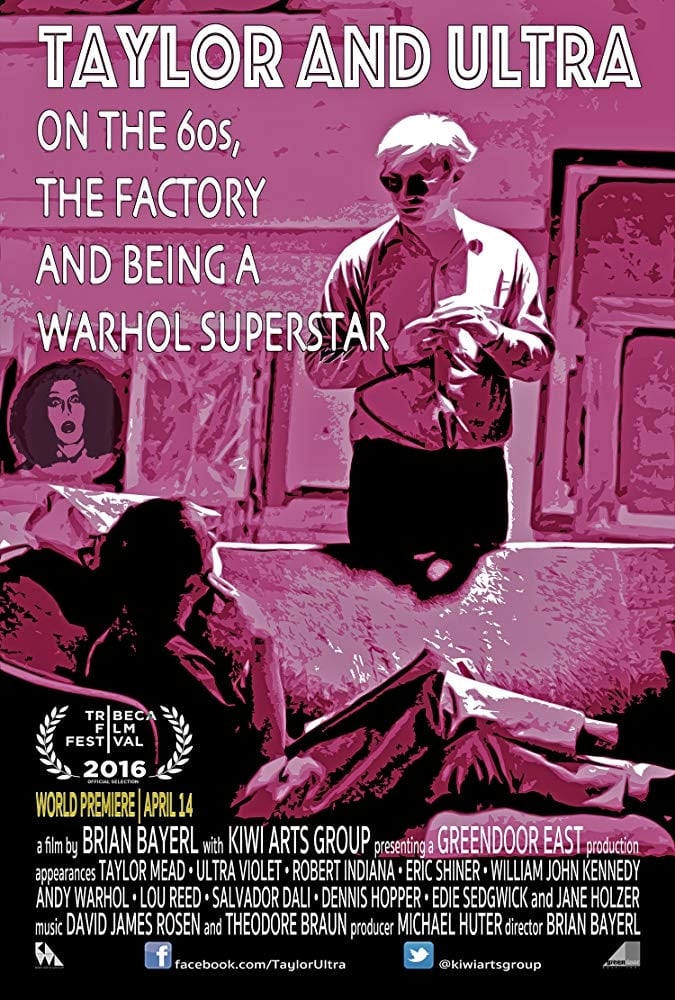
Warhol Superstar Ultra Violet (Isabelle Colin Dufresne) and Lower East Side Icon Taylor Mead (Poet/Actor/Artist) share their stories of Manhattan in the 1960s.
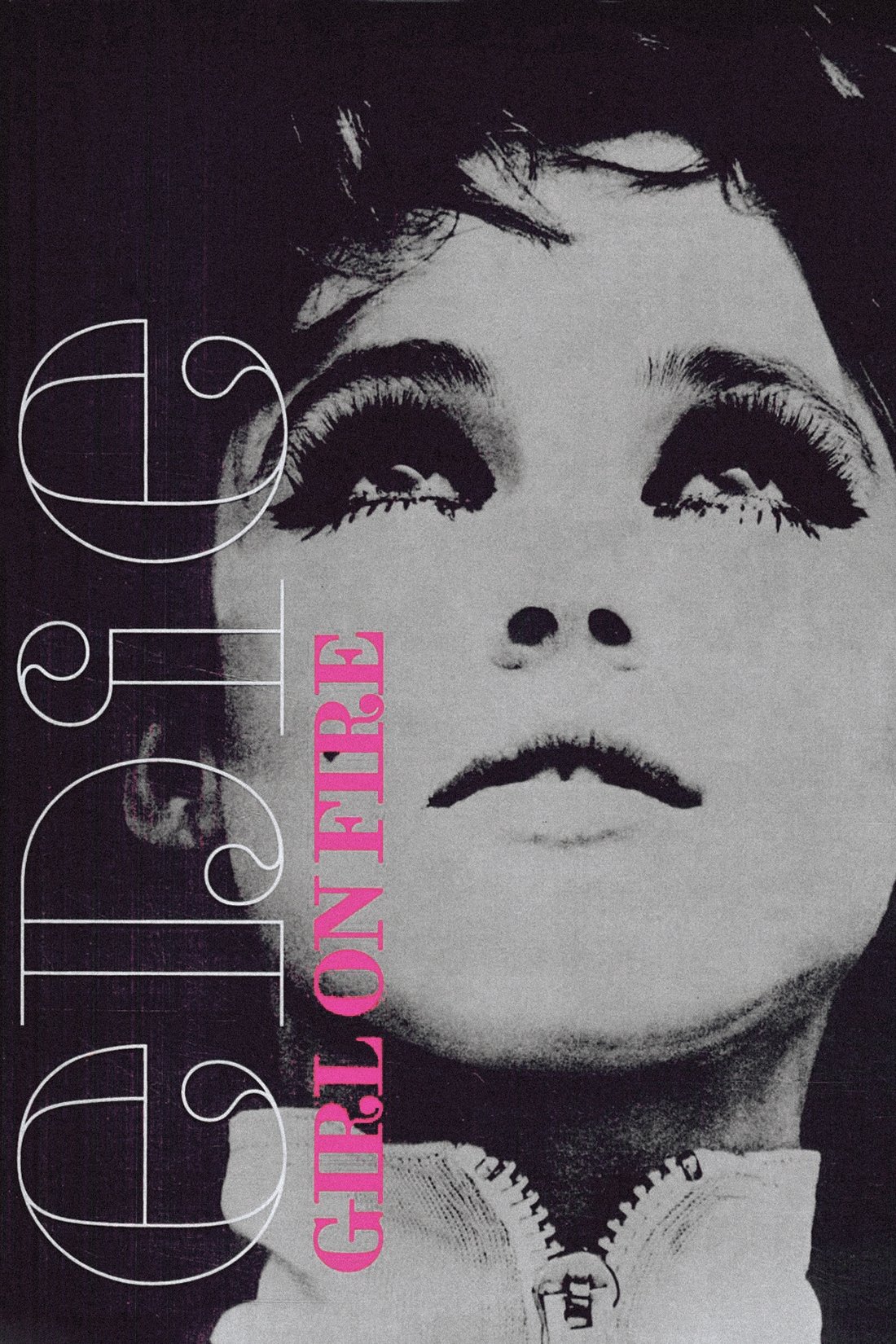
Model, film star, muse, socialite, icon. Edie Sedgwick was the very first "it" girl of the Andy Warhol Factory scene. The arc of her life traced the rise and fall of the 1960s recklessness. After being the toasted by the whole of New York City, Edie died alone of a drug overdose in California at the age of 28. She was both the harbinger of celebrity culture and someone who stood entirely outside of it, an artist who painted life, bravely and spontaneously, with her own hand.
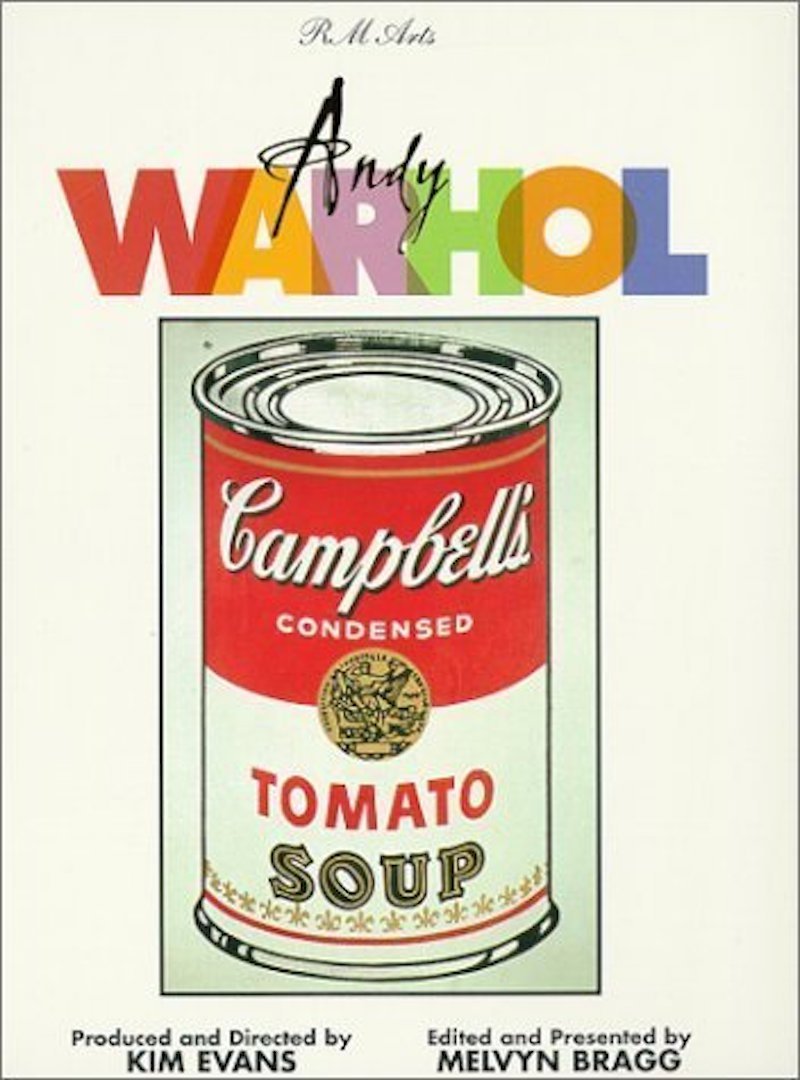
The first major profile of the American Pop Art cult leader after his death in 1987 covers the whole of his life and work through interviews, clips from his films, and conversations with his family and superstar friends. Andy Warhol, the son of poor Czech immigrants, grew up in the industrial slums of Pittsburgh while dreaming of Hollywood stars. He went on to become a star himself.
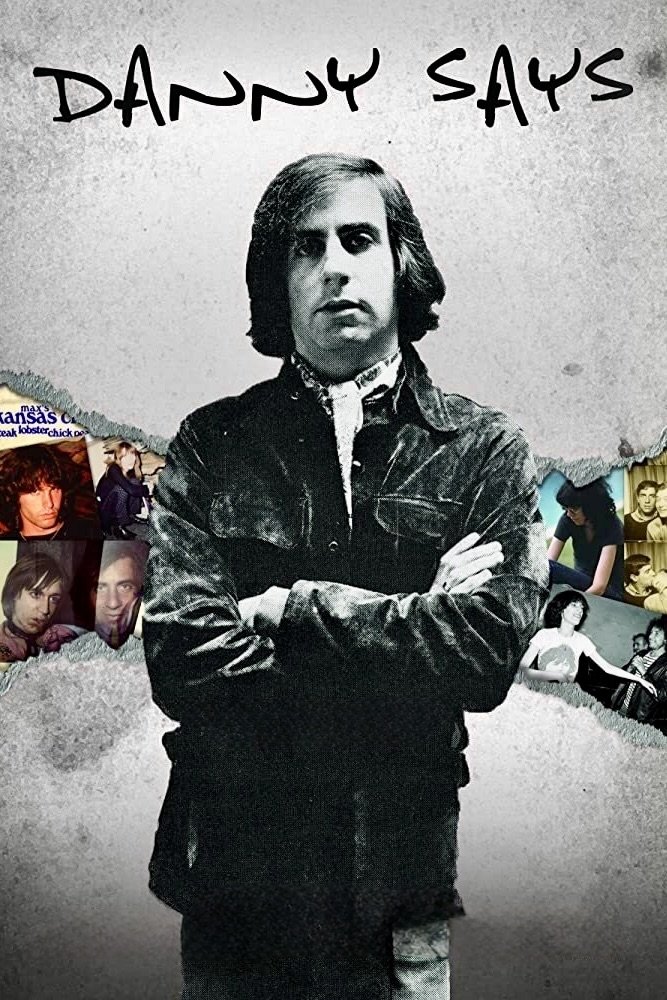
DANNY SAYS is a documentary unveiling the amazing journey of Danny Fields. Fields has played a pivotal role in music and culture with seminal acts including: the Doors, the Velvet Underground, the Stooges, MC5, Nico, the Ramones and beyond.
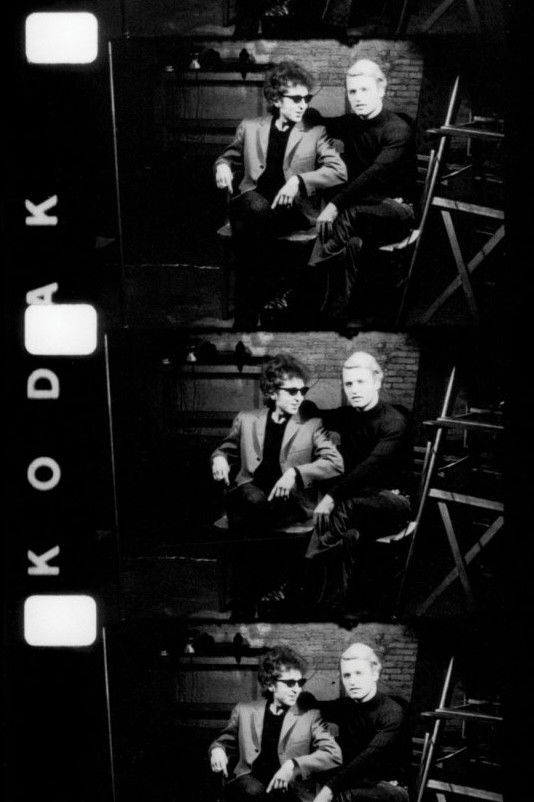
This compilation of Gerard Malanga's short films consists of a collection of extremely rare footage and film portraits providing candid and interesting glimpses of Bob Dylan, Salvador Dalí, Jane Fonda and The Velvet Underground among other 1960s icons and featuring original music by Angus MacLise, who was the first drummer to perform with The Velvet Underground.
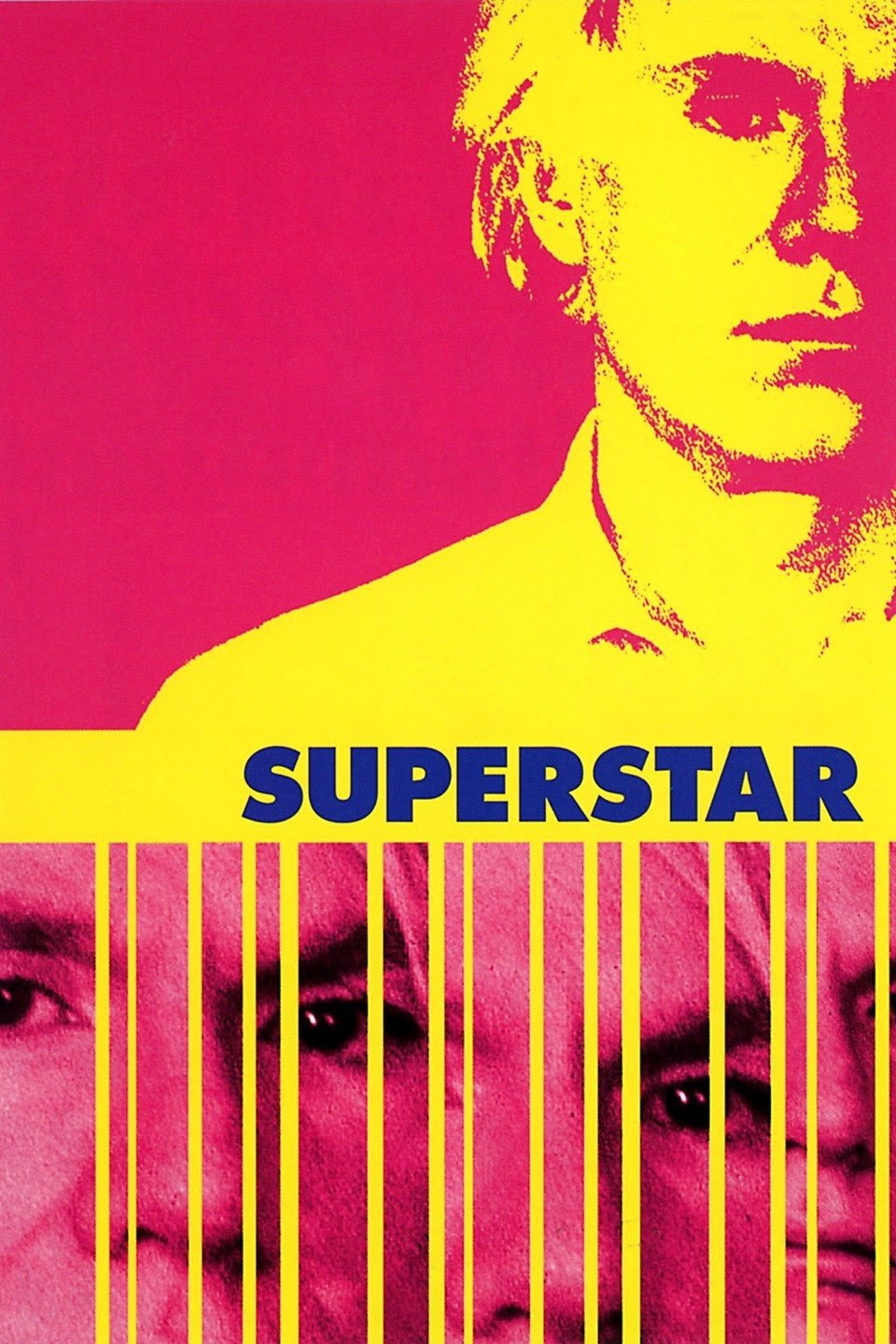
Iconic American artist and filmmaker Andy Warhol is the subject of this documentary, which looks at both his life and his influence on pop culture. The film provides details about Warhol's upbringing in Pittsburgh and follows his move to New York City, where he found massive success turning pop imagery into art and eventually founded "The Factory," his famed studio and party venue. Among the many notables interviewed are Dennis Hopper, David Hockney, and Roy Lichtenstein.
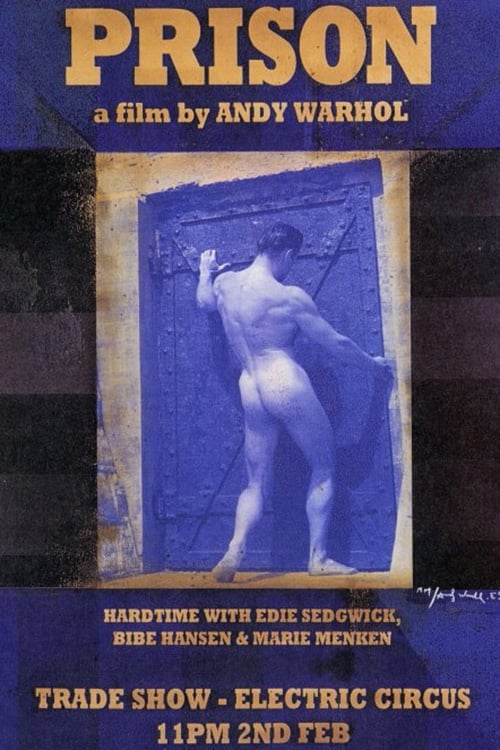
Inspired by Bibbe Hansen's experiences in a juvenile detention center.
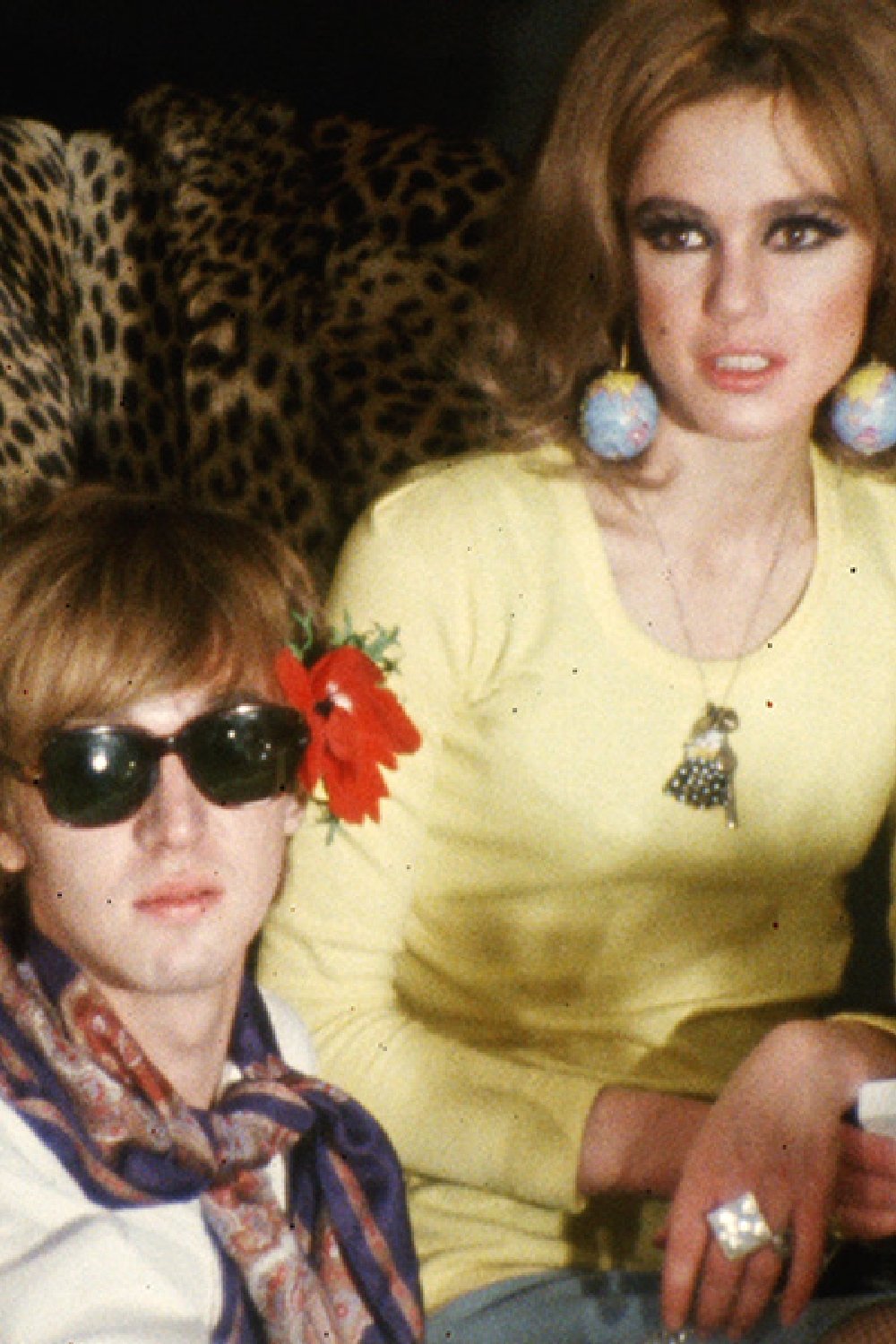
Andy Warhol (Rene Ricard) invites a friend (Edie Sedgwick) over to his apartment one evening to discuss his career. As they talk, the truth about how Warhol uses and then throws people away comes out. The woman begins to come undone and reveals to Warhol how he ruined her life with drugs and false promises of fame.
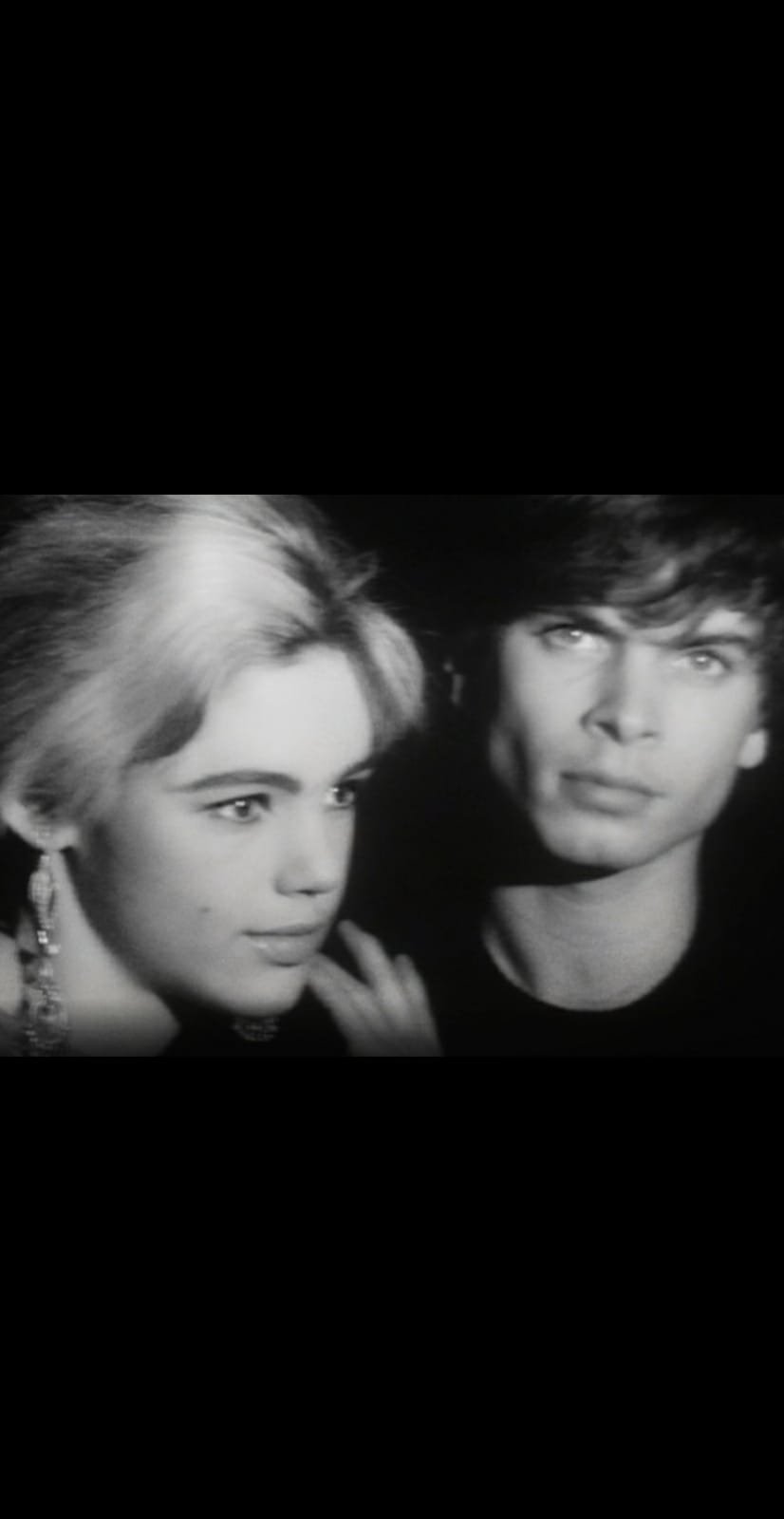
Screen Test of Edie Sedgwick and Kipp Stagg (aka Bima Stagg).
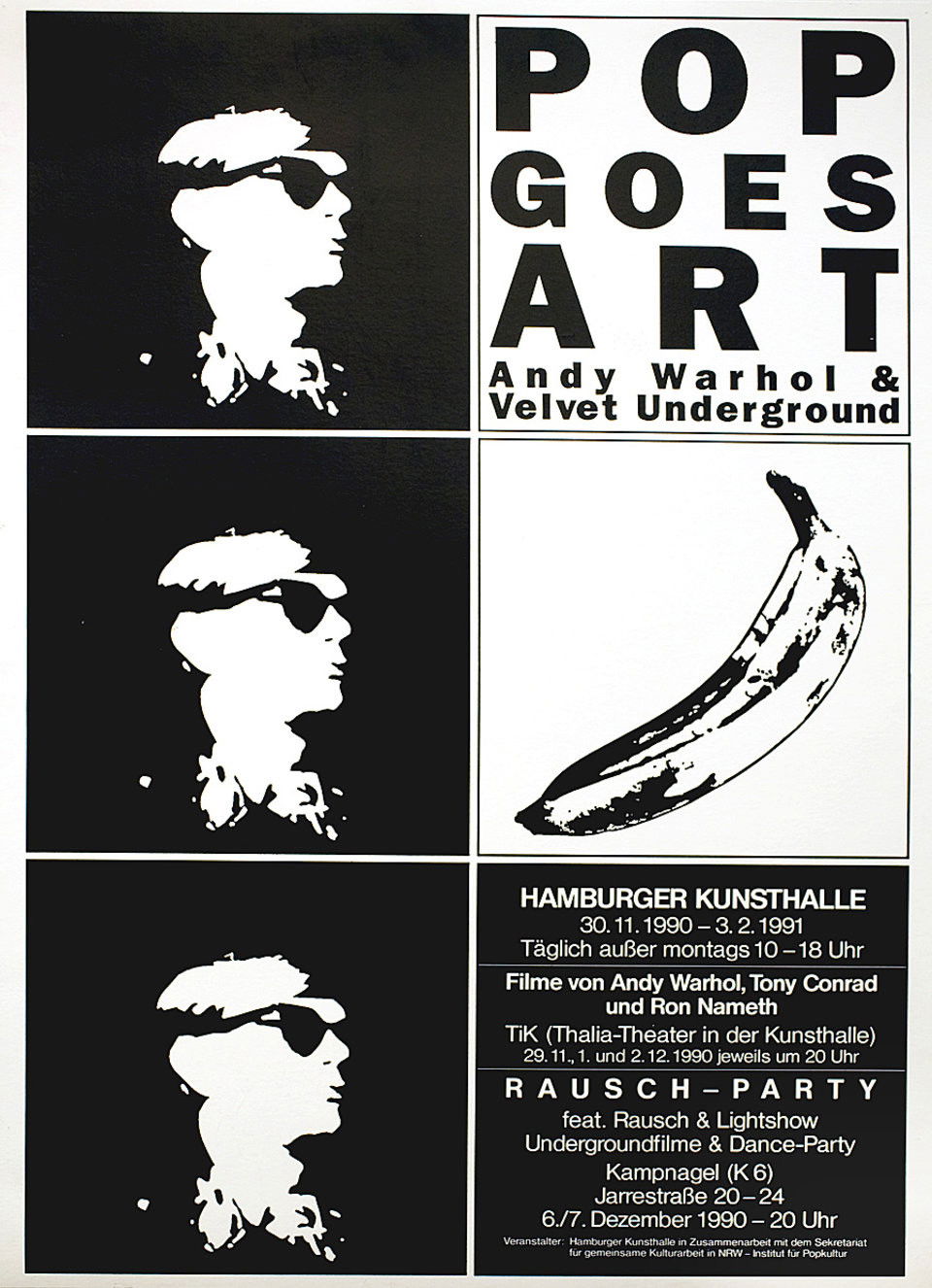
This program profiles Andy Warhol and Roy Lichtenstein, two of pop art's greatest icons. Back-to-back interviews highlight their differences. The voluble Lichtenstein, interviewed in his studio, discusses his methods and the use of familiar objects in his art. The reticent Warhol baits the interviewer, who attempts to extract concrete statements from the elusive artist. The Warhol segment is supplemented by footage of his band, the Velvet Underground; a clip of one of his short films, "Nancy Worthington Fish"; and brief comments from Edie Sedgwick, one of Warhol's proteges.
Also known as Walden, Jonas Mekas’s first diary film is a six-reel chronicle of his life in 1960s New York, interweaving moments with family, friends, lovers, and artistic idols. Blending everyday encounters with portraits of the avant-garde art scene, it forms an epic, personal meditation on community, creativity, and the passage of time.
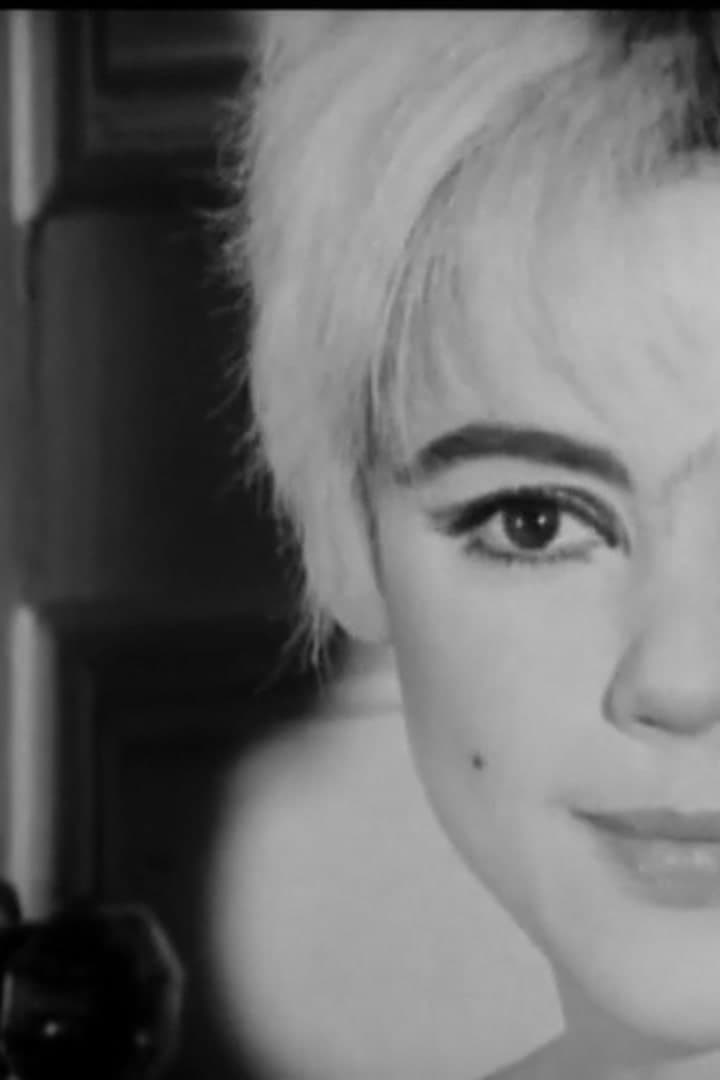
An hour-long close-up of Edie singing along to rock songs, making herself up, and talking.
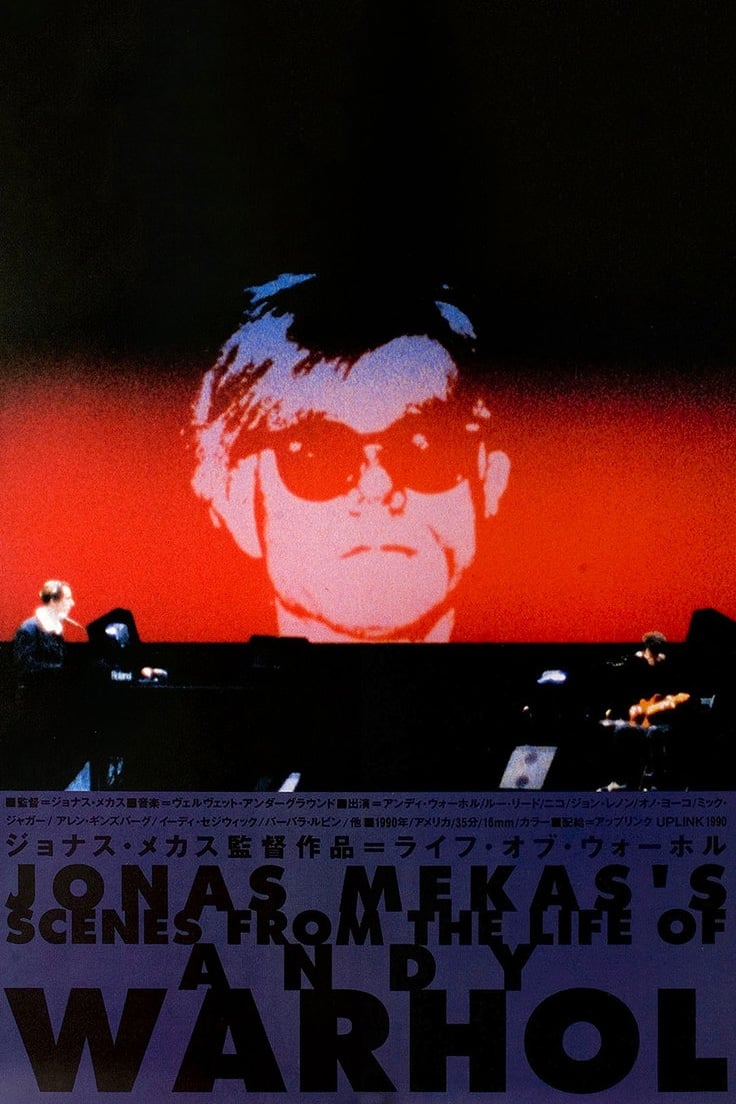
Jonas Mekas’s intimate diary film spans 1963 to 1990, capturing Andy Warhol alongside friends and collaborators from the New York avant-garde. Featuring figures such as Allen Ginsberg, John Lennon, Yoko Ono, and George Maciunas—as well as rare footage of the Velvet Underground’s first performance—it offers a personal portrait of Warhol’s world and his intersections with art, music, and counterculture.
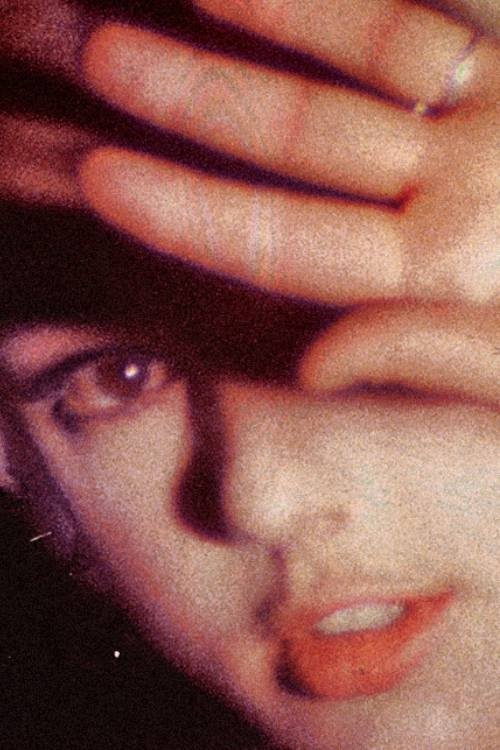
Begins with a close-up of Edie Sedgwick powdering her face with a powder puff. She is wearing two different earrings and has been lit harshly from the right. She holds her hand up against the light, laughs, and says something to the camera. The camera then zooms out, showing her seated on a stool.
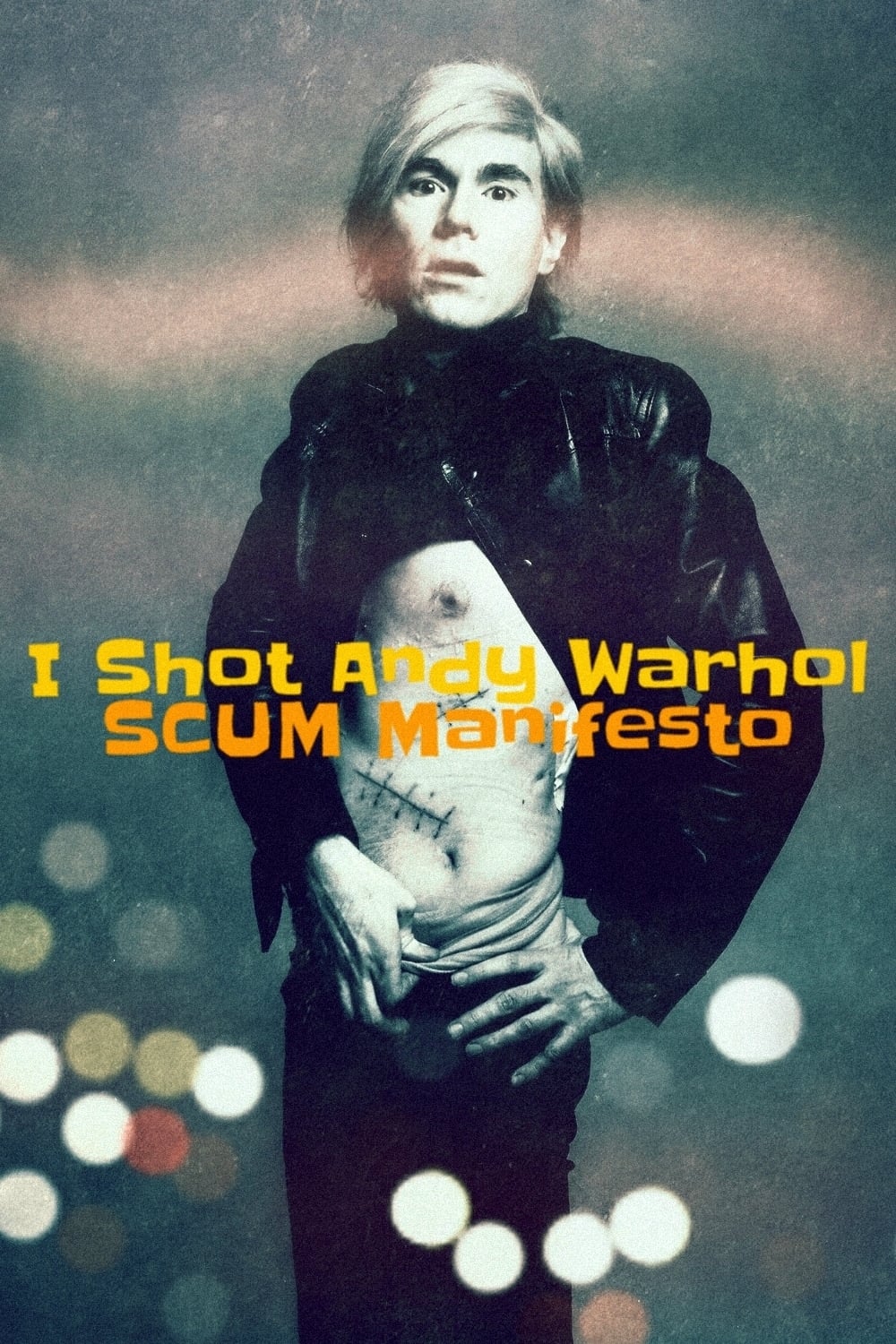
New York, June 3, 1968. Valerie Solanas enters the Factory, Andy Warhol's studio, and fires three shots at him, who miraculously survives, but is seriously wounded. What led this woman to try to kill the famous pop artist, as well as to write a manifesto calling for the eradication of men?
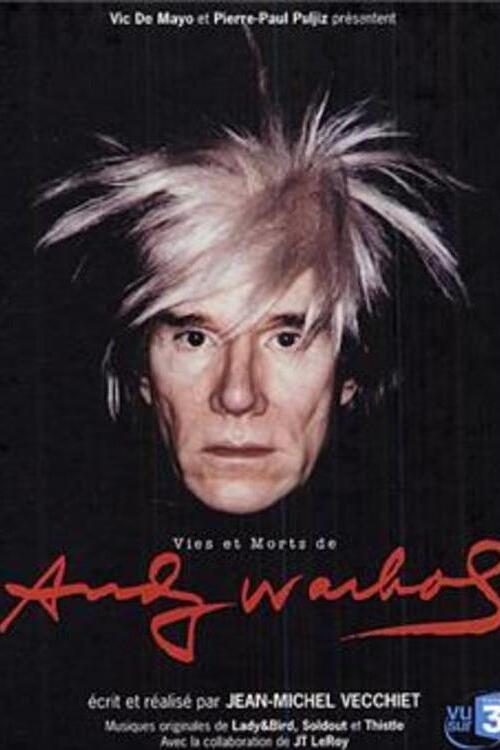
Icon of pop art, Andy Warhol has marked the 20th century. This film pays tribute to him with the exceptional participation of Ultraviolet, never-before-seen images of the "private" Warhol and archival documents from the Velvet Underground, Mick Jagger, David Bowie, Truman Capote.
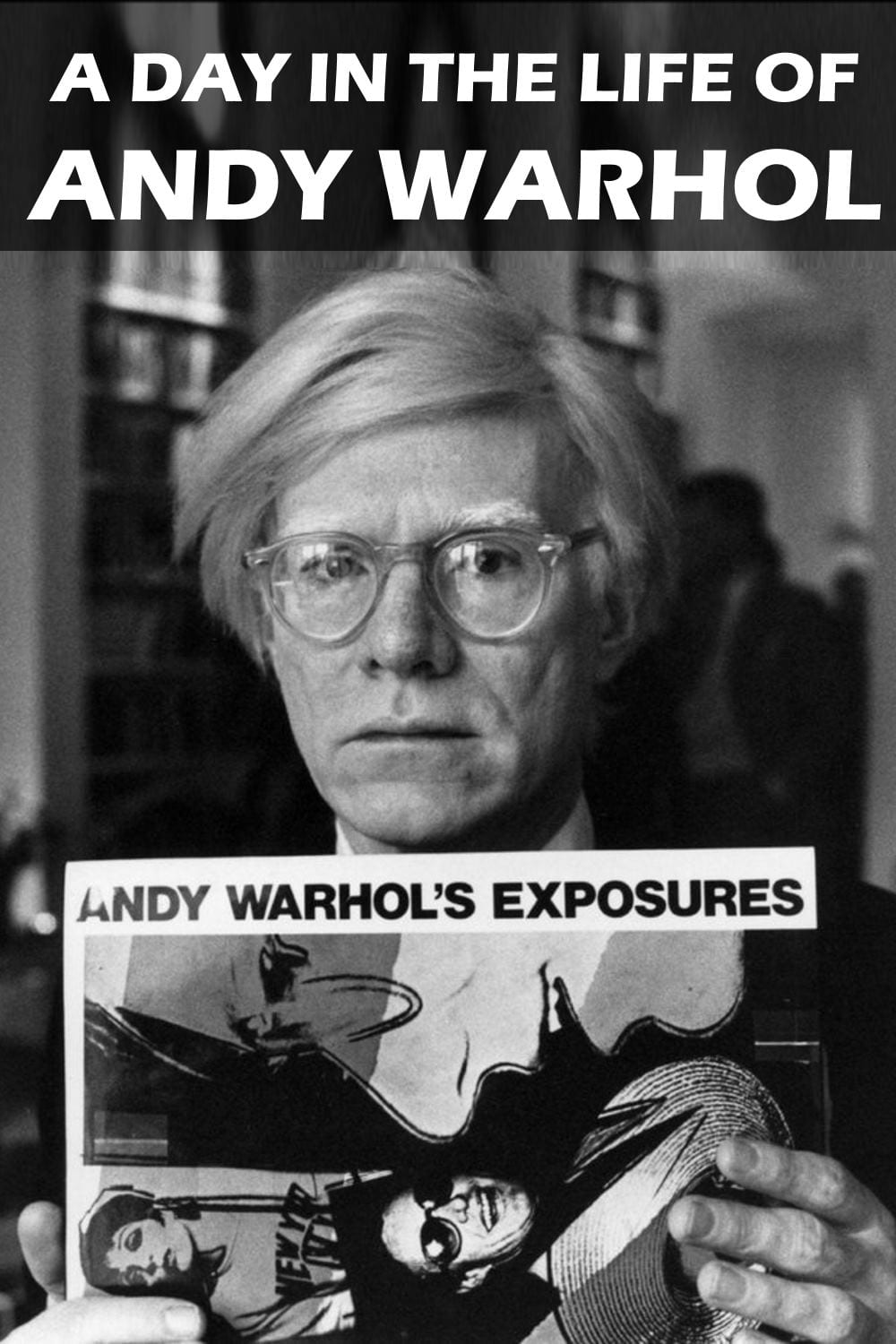
Stephen Smith sets out to discover the real Andy Warhol - in the hour-by-hour detail of his daily life.
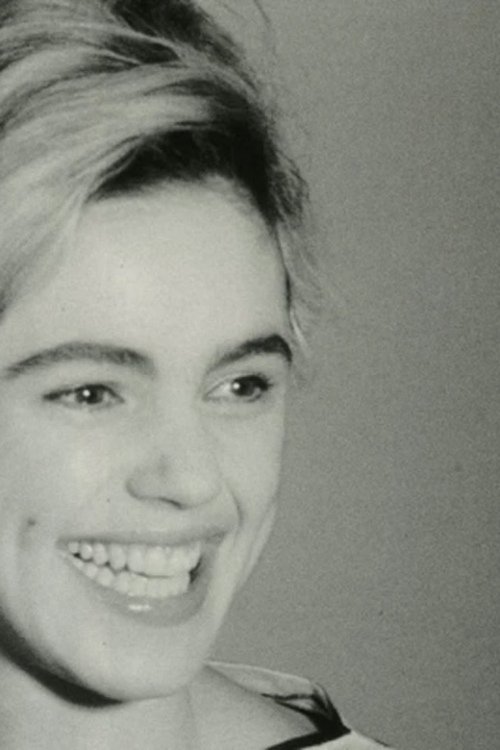
Edie Sedgwick, wearing no make up, her eyes wet and swollen as if she had been crying, looks sad for a while, then she laughs briefly, talks to people off-screen, and seems to cheer up, flashing a huge smile at someone off to her right.
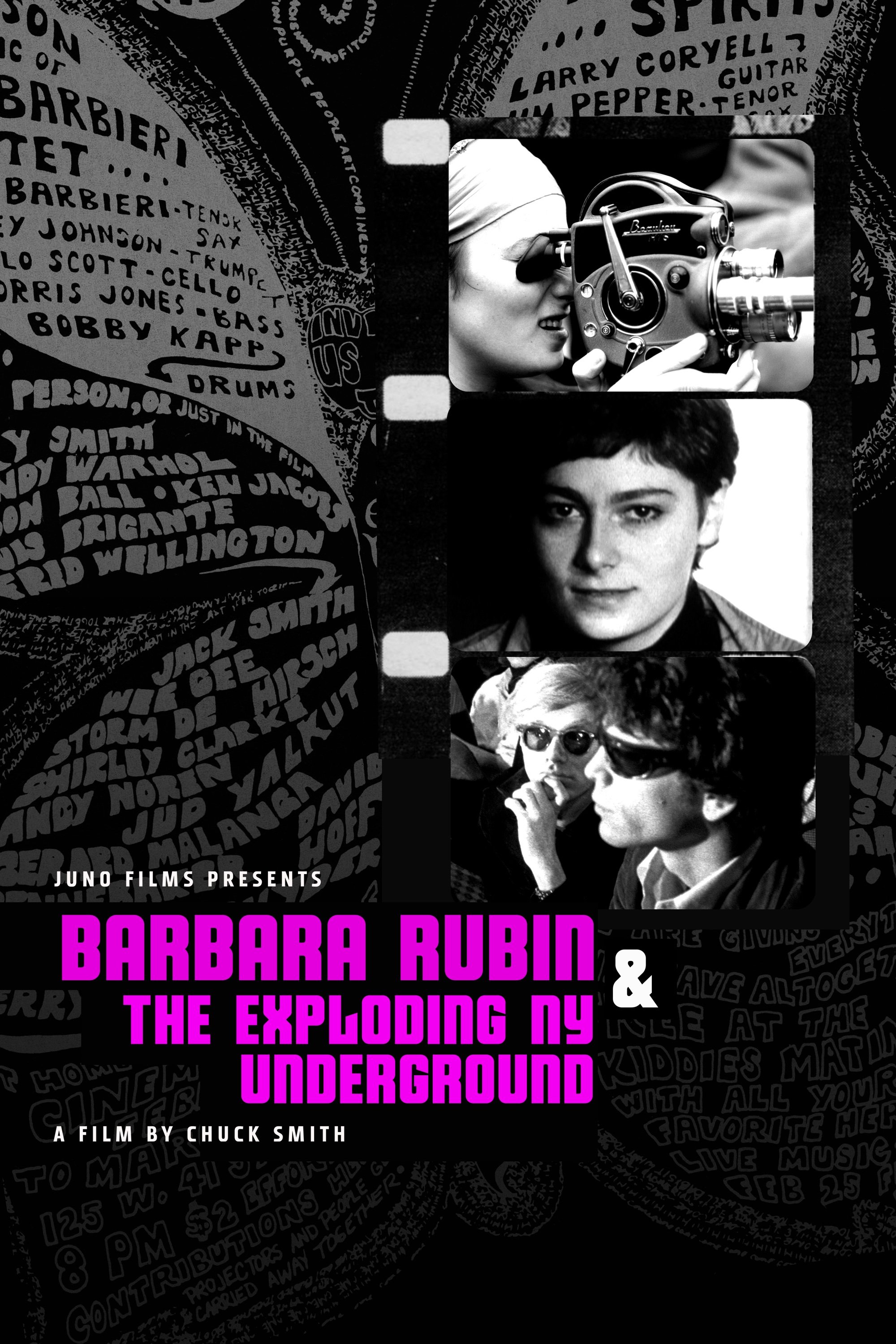
The 29-minute experimental film Christmas on Earth caused a sensation when it first screened in New York City in 1964. Its orgy scenes, double projections and overlapping images shattered artistic conventions and announced a powerful new voice in the city's underground film scene. All the more remarkable, that vision belonged to a teenager, 18-year-old Barbara Rubin. A Zelig of the '60s, she introduced Andy Warhol to the Velvet Underground, Bob Dylan to Kabbalah and bewitched Allen Ginsberg. The same unbridled creativity that inspired her to make films when women simply didn't, saw her breach yet another male domain, Orthodox Judaism, before her mysterious death at 35. Lifelong friend Jonas Mekas saved all her letters, creating a rich archive that filmmaker Chuck Smith carefully sculpts into this fascinating portrait of a nearly forgotten artist. An avante-garde maverick, a rebel in a man's world, Barbara Rubin regains her rightful place in film history.

Takes an in-depth look at the lives and times of the people who hung out with Andy Warhol and "worked" at the Silver Factory during the Sixties, making it all click as a new counter-culture arose and began to exert its influence throughout the arts.
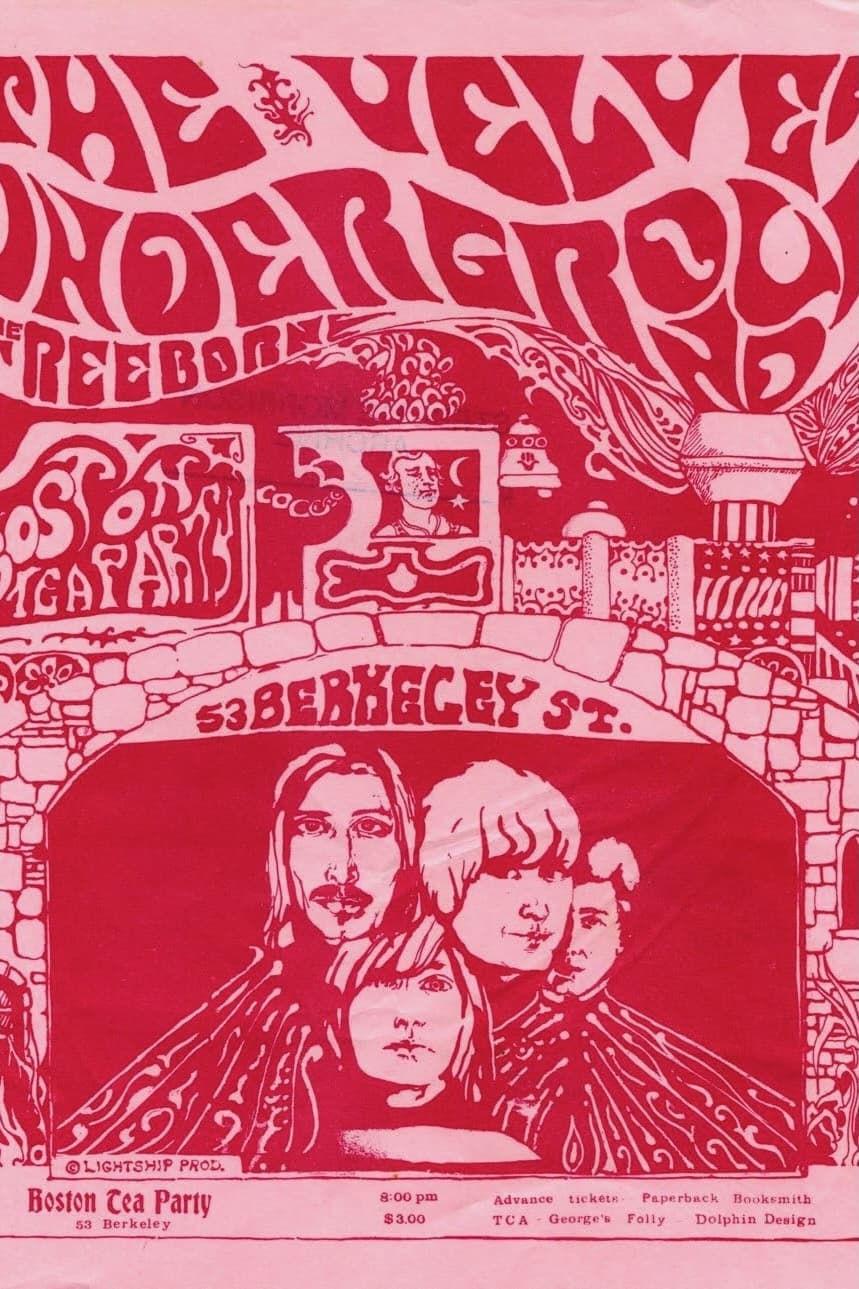
This newly unearthed film, which Warhol shot during a concert at the Boston Tea Party, features a variety of filmmaking techniques. Sudden in-and-out zooms, sweeping panning shots, in-camera edits that create single frame images and bursts of light like paparazzi flash bulbs going off mirror the kinesthetic experience of the Exploding Plastic Inevitable, with its strobe lights, whip dancers, colorful slide shows, multi-screen projections, liberal use of amphetamines, and overpowering sound. It is a significant find indeed for fans of the Velvets, being one of only two known films with synchronous sound of the band performing live, and this the only one in color.
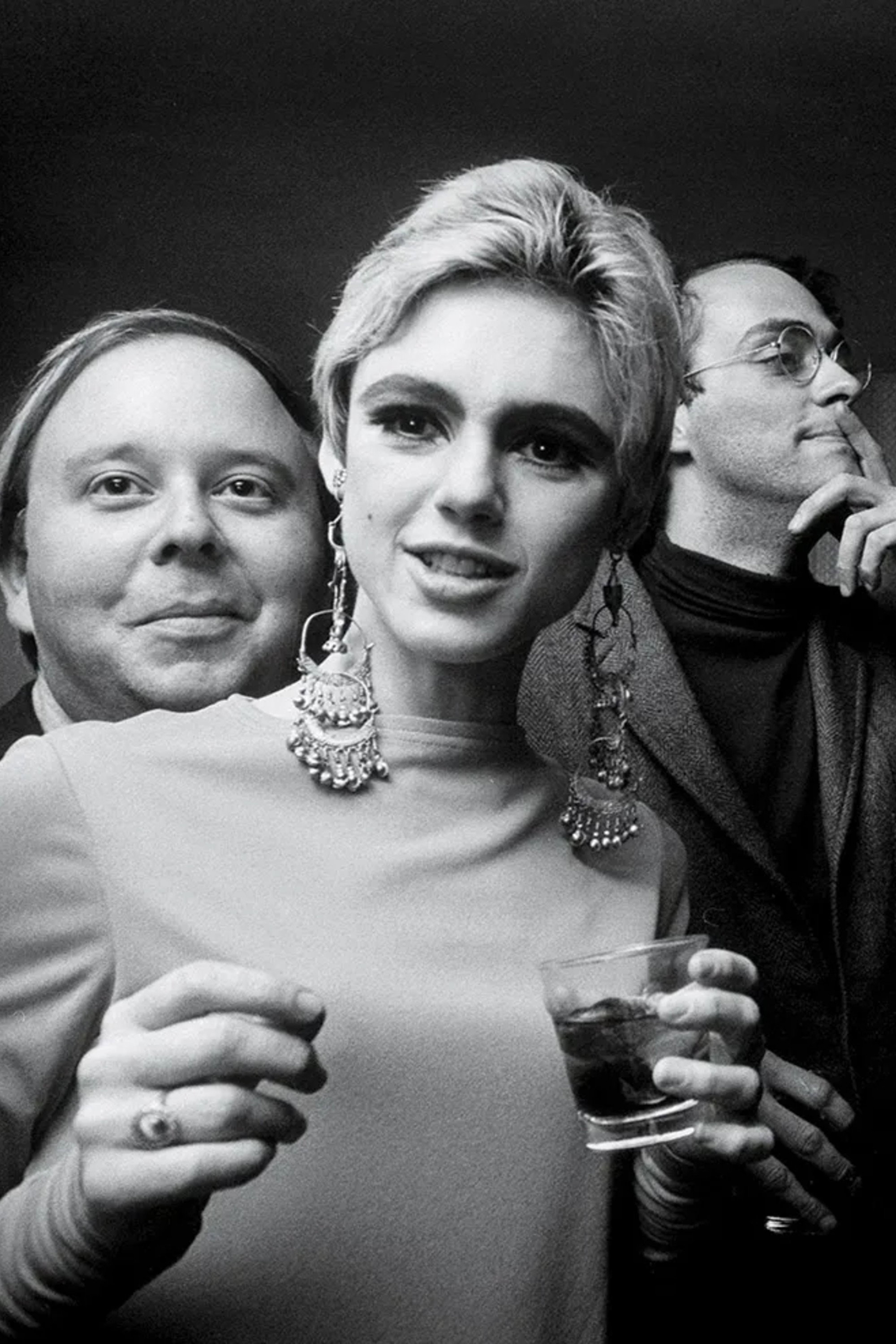
Documents various excursions and gatherings at the Warhol Factory: night-time footage of New Jersey highways, a friend’s wild party complete with live band and some very drunken young men, Warhol and his Silver Cloud sculptures, and a train trip.
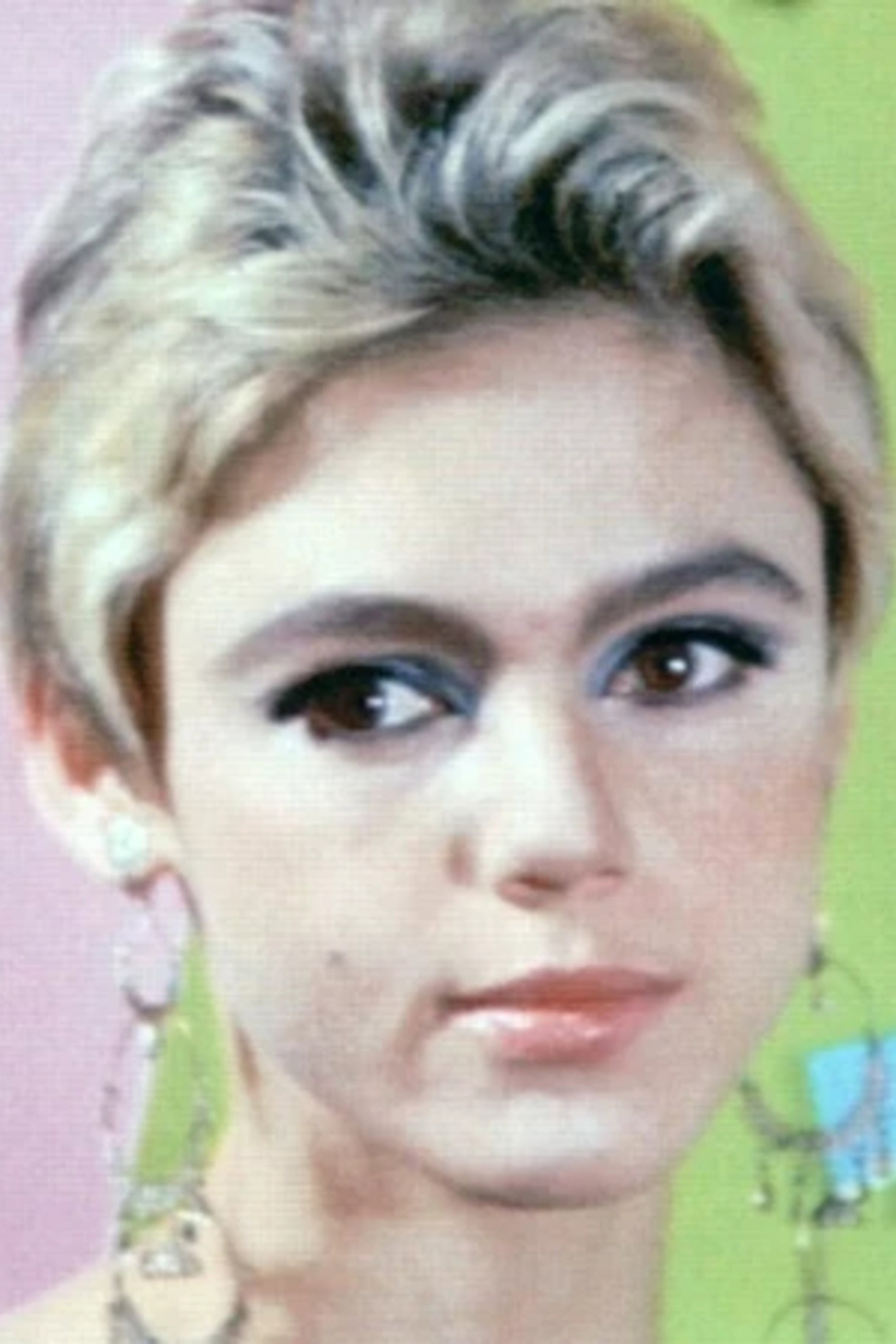
The film is an exposure test, with a poorly focused image of Edie Sedgwick getting darker and darker at regular intervals.
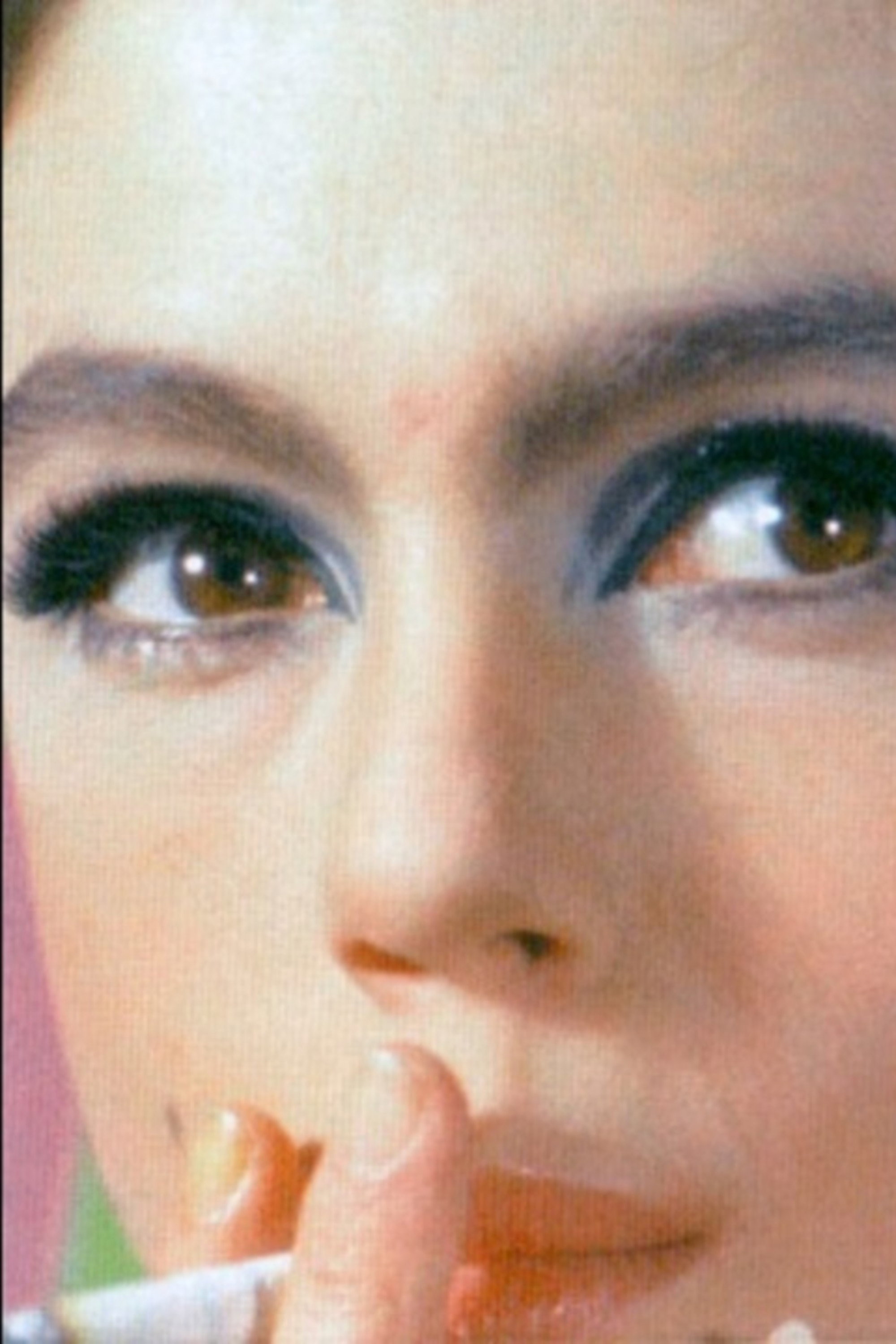
Edie Sedgwick, in an extremely tight close-up of her face, takes a drag from her cigarette. After one minute, there is an in-camera edit to a medium close-up of her head. Later there is another in-camera edit to a medium shot reveals that she is seated in front of a coloured backdrop.

Shot at The Scene, located at 301 West 46th Street in New York, the film is a frenetically edited look at people dancing in the subterranean space of the midtown club. Showcasing the outrageous moves of several anonymous performers as well as some Factory regulars.