
Paul Mills is a miserable, lonely man leading a meaningless existence in a nameless city and has visions of the Spirit of Death waiting to collect him while having encounters with various people while seeking solace for his short life knowing it will end soon. Shadows in the City was the last major work of New York’s 1980s No Wave film scene. Shot over seven years in Manhattan, Brooklyn, and Queens, painter-performer Ari Roussimoff’s only fiction feature captures the urban desolation of the city in the decade before gentrification.
A man investigates the grisly crimes that occurred in a former insane asylum, unsettling the locals who all seem to have something to hide.
Home movies shot on Super 8mm by W+B Hein over 10 years.
Features underground film makers and stars Jack Smith, Charles Ludlum, and Bill Vehr. A satirical film, comprising a collection of vignettes of the entertainment personalities who were famous during the "Roaring Twenties". Included is a take-off of the Ziegfeld Follies girl-parade, which features Ava-Graph's own pretty girls. Original music of the twenties. In stunning color
Andy Warhol film.
Egotistical faded star Hedy Lamarr visits a plastic surgeon to be transformed into the "14-year-old girl" she believes herself to be. She is then caught shoplifting by Mary Woronov and is put on trial, with Tavel as the judge and her five ex-husbands the jury. Hedy remains self-centered and detached throughout, posing and primping and bursting out renditions of "I Feel Pretty" and "Young at Heart."
16mm, color, silent
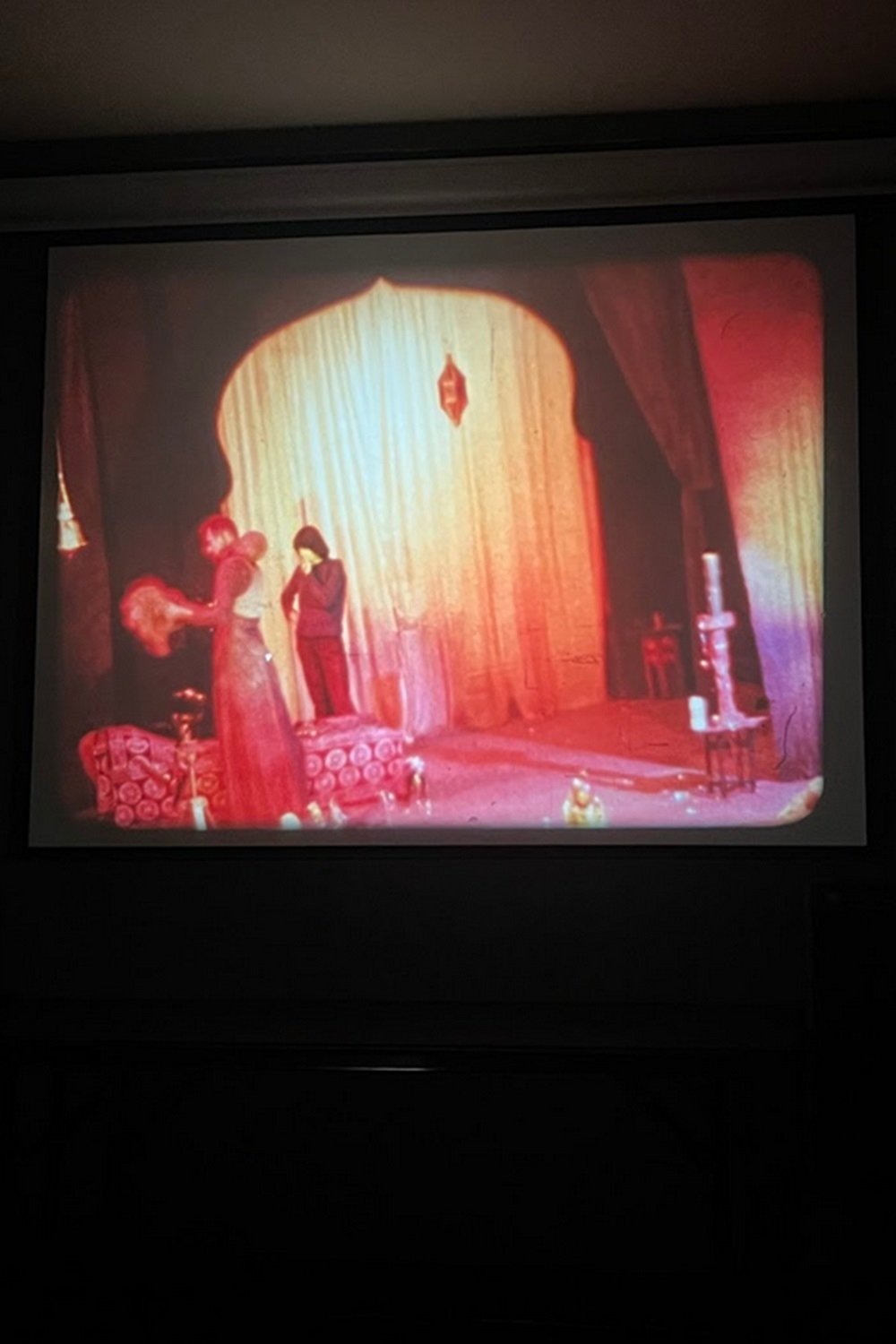
Presents Jack Smith in a perfomance entitled Rented Island, an adaptation of Henrik Ibsen's Ghosts.
First film by interdisciplinary filmmaker Ela Troyano, featuring filmmaker Jack Smith.
Prometheus, on an Odyssean journey, crosses the Brooklyn Bridge in search of the characters of his imagination. After meeting the Muse, he proceeds to the "forest." There, under an apple tree, he communes with his selves, represented by celebrated personages from the New York "underground scene" who appear as modern correlatives to the figures of Greek mythology. The filmmaker, who narrates the situations with a translation of Aeschylus' Prometheus Bound, finds the personalities of his characters to have a timeless universality.
Love Thing captures the emerging multicultural spirit and personal freedom of the late 1970s with an outrageous attitude and experimental style. A work in progress now finally completed it's the last American musical comedy from that era which can be viewed today as a prophetic satire. Through its provocative, entertaining storyline highlighted by song and dance, the movie answers the burning question of our time, "What happens after the marriage?
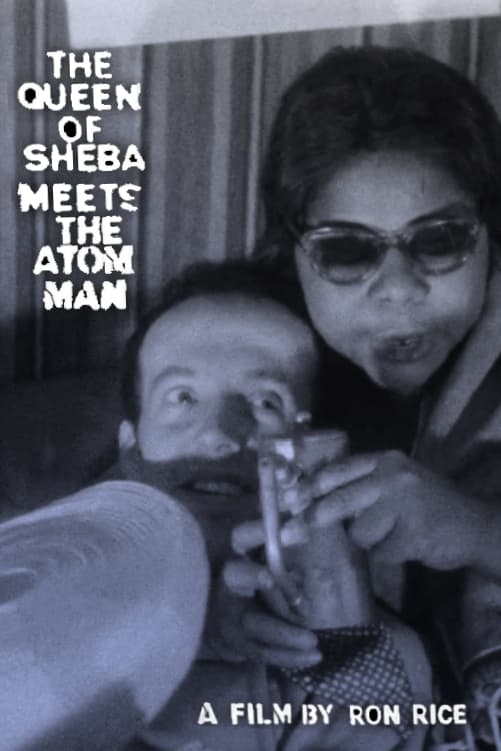
“New York plays itself, as Taylor Mead and Winifred Bryan regale in pas de deux among the trashcans and the towers. The Studiedly Goofy and the Monumentally Grand are joined in masterly pas de don’t [...] The awed couple do battle with the status quo and teach the world to dance on the head of a bin. Rice detects real dignity in Bryan and amazing grace in Mead as they essay solitary promenades through the parks, subways and streets of a wintery New York landscape. Photographed and directed by Ron Rice, edited and scored by Taylor Mead.” –Edward Leffingwell
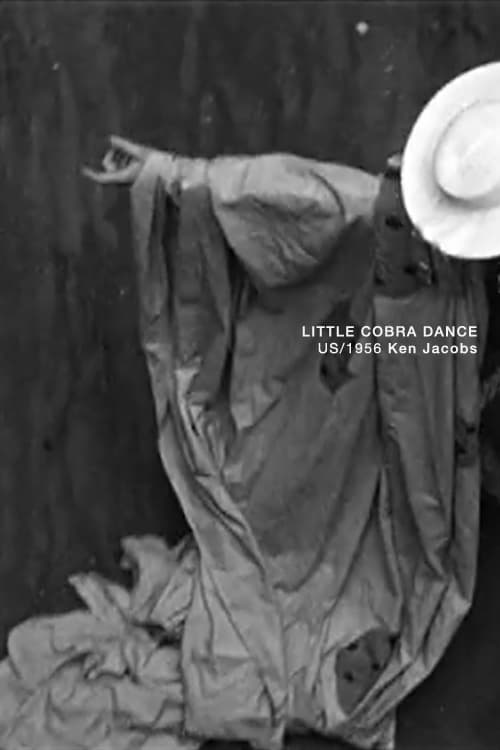
Jack Smith descends a fire escape in a makeshift "Arabian" costume and improvises increasingly frenetic choreography.
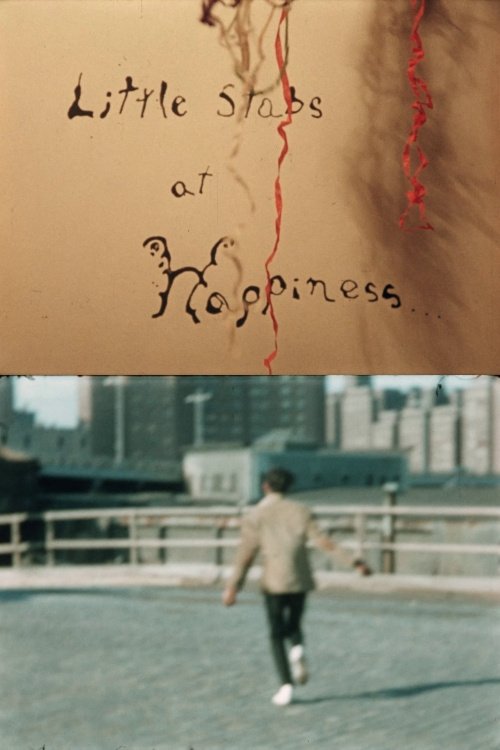
Little Stabs at Happiness is a collection of silent shorts Jacobs shot from the period of 1959-1963. Jaunty tunes (and a somber reflection) accompany the footage.
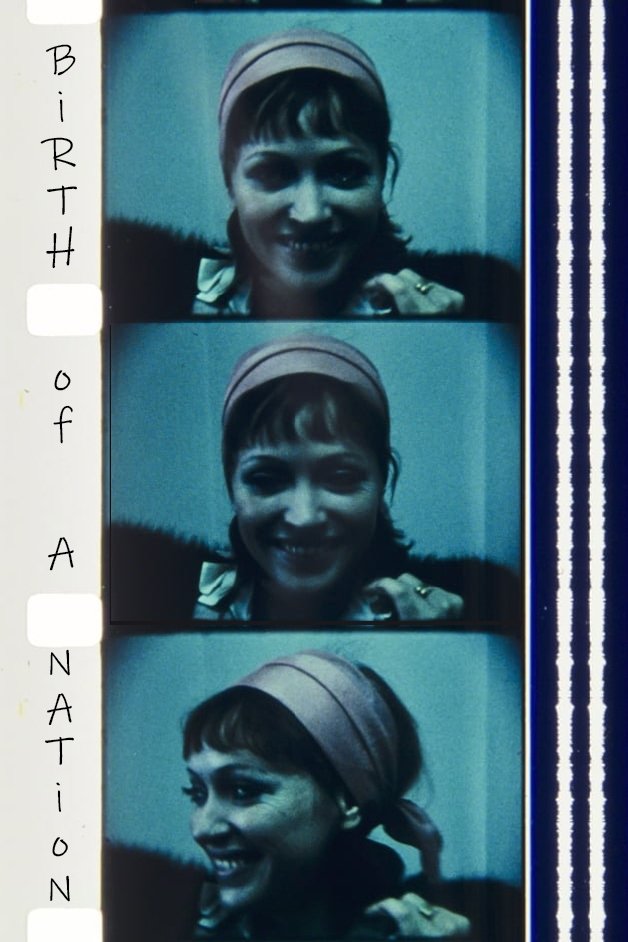
Jonas Mekas assembles 160 portraits, appearances, and fleeting sketches of underground and independent filmmakers captured between 1955 and 1996. Fast-paced and archival in spirit, the film celebrates the avant-garde as its own “nation of cinema,” a vital community existing outside the dominance of commercial film.
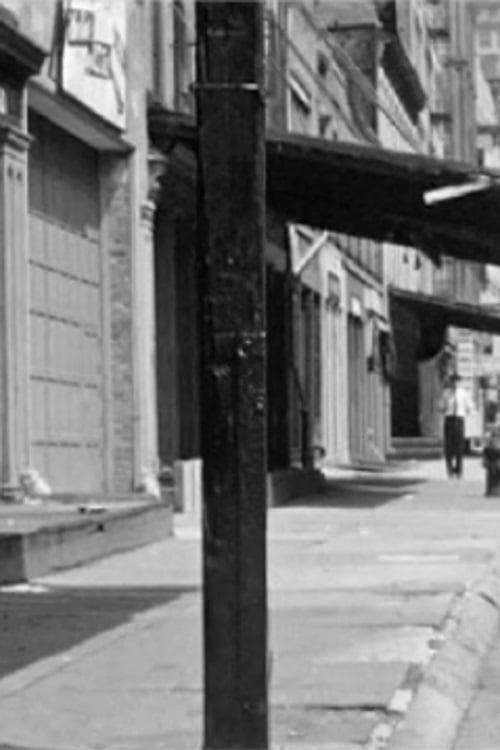
Short film with Jack Smith as the mysterious leader of an even-more-mysterious cult, garbed in pseudo-papal regalia and adorned with jewelry and makeup. His followers do his bidding by abducting and cross-dressing an unsuspecting mailman. Smith launches a processional and is soon joined by real neighborhood children in the streets of Lower Manhattan. Eventually, the police came along and shooting ends, but Ken Jacobs gets an overhead shot of Smith trying to explain himself to the cops.
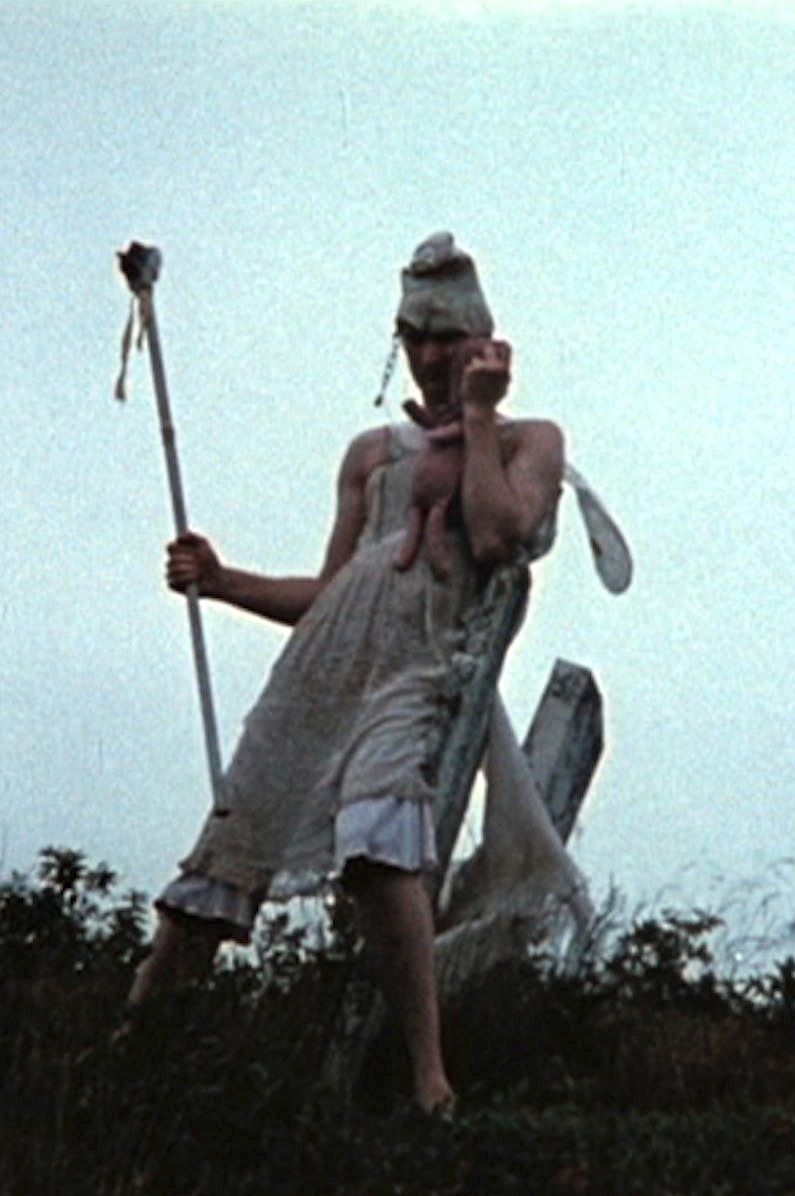
Shot in Provincetown in the summer of '61 with the goal of funding a larger project, the film was never completed due to a violent argument between actor Jack Smith and director Ken Jacobs shortly after the shooting began. A title card explains that Smith 'would've starred as the Fairy Vampire.'
Made in response to the death of his friends Bob Fleischner and Jack Smith, who died within one week of each other in 1989, this feature includes footage from Jacobs’s Star Spangled to Death showing Smith perambulating through downtown Manhattan, as well as views of Fleischner from Jacobs’s 1961 short The Whirled.
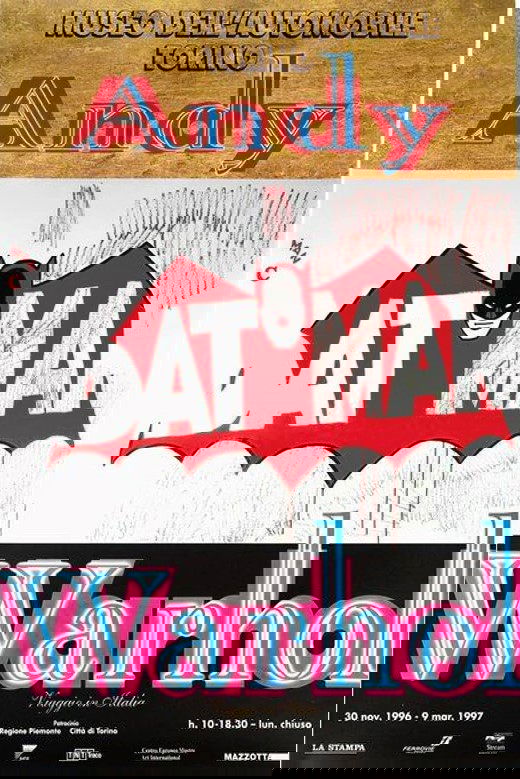
Batman Dracula is a 1964 black and white American film produced and directed by Andy Warhol, without the permission of DC Comics. The film was screened only at Warhol's art exhibits. A fan of the Batman series, Warhol made the movie as a homage. Batman Dracula is considered to be the first film featuring a blatantly campy Batman. The film was thought to have been lost until scenes from it were shown at some length in the documentary Jack Smith and the Destruction of Atlantis.
A man fondles objects, looks at himself in the mirror, poses in different clothes, smiles and makes faces at the camera while his voice on the soundtrack speaks of his despair, makes impressionistic statements and little songs, quotes Greta Garbo and Maria Montez, tells the story of a lonely little boy and tells the story of a woman named Madame Nescience who dreams of herself as the Mother Superior of a convent of sexual perversion.
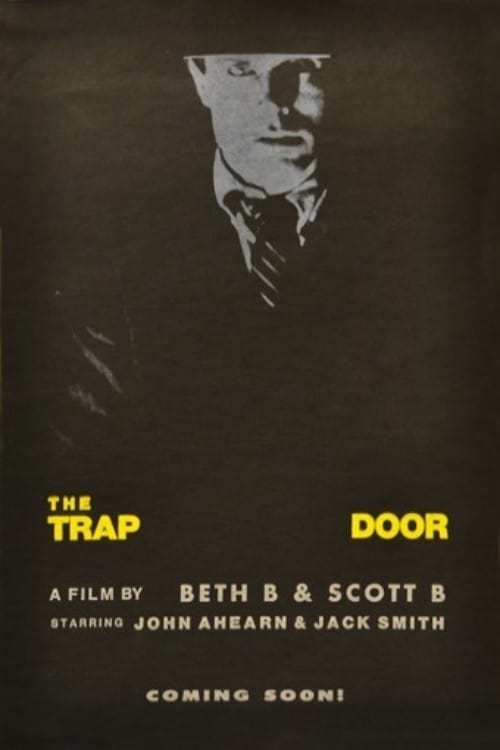
A Nietzschian parable on the fate of innocence, THE TRAP DOOR follows the mishaps of Jeremy (John Ahearn) as he is fired by his boss (Jenny Holzer), gets laughed out of court by Judge Gary Indiana, loses his girlfriend to sleazy Richard Prince, is hustled by prospective employer (Bill Rice) and mauled by predatory bird-women. Finally, he seeks the help of a shrink (the legendary Jack Smith) who turns out to be the most demented of all.
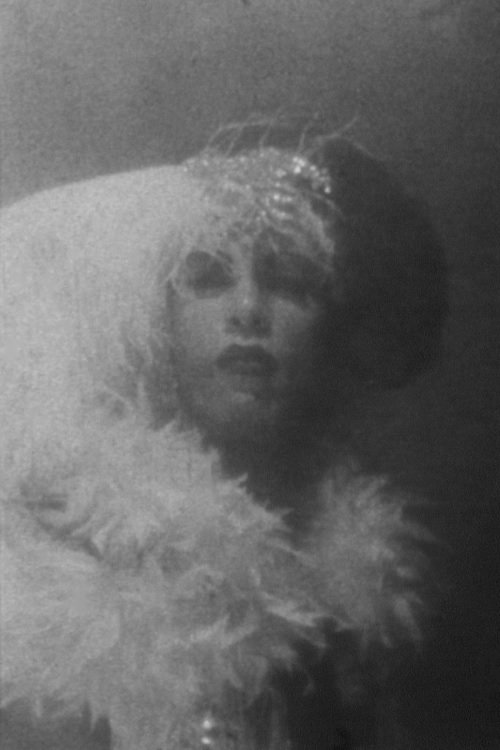
This is one of several films and slide shows that feature Smith as a mock celebrity. It opens with the excerpt from No President originally called "Marsh Gas of Flatulandia" - several minutes of black and white footage of steam escaping from manholes segues to an interior scene of various creatures emerging from dry ice vapors - then shifts to show the filmmaker, clad in a leopard skin jump suit, attended by a nurse as he sits amidst the detritus of his duplex loft. A fan presents him with a black-and-white glamour shot to autograph as Ondine, dressed entirely in black leather, snaps his picture. Violence erupts as the nurse takes out a whip to discipline the star's fans. When a female creature pulls out the same dagger depicted in the glamour shot, Smith jumps up and shakes the weapon from her hand. The action is post-scripted with footage of a steam shovel patrolling the rubble where the Broadway Central Hotel once stood.

Iimura creates a short self-portrait as well as brief portraits of five of his peers: Brakhage, Vanderbeek, Smith, Mekas and Warhol. In each portrait, Iimura attempts to copy the styles and traits of each artist (Vanderbeek's constantly moving camera; Mekas' experiments with film speed; Warhol's use of flashes of white against a black background), while briefly commenting on the images being shown. The film serves effectively as an introduction to the film styles of these artists.
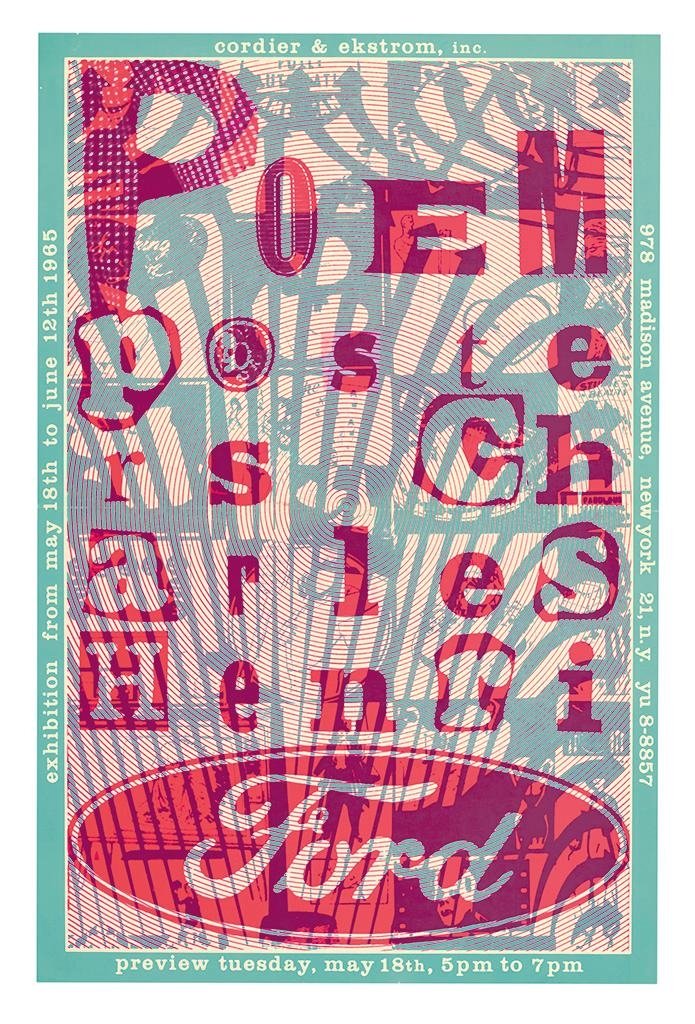
... with real-life portraits of Jayne Mansfield, Frak O'Hara, Ruth Ford, Ned Rorem, Virgil Thomson, Claes Oldenburg, Roy Lichtenstein, William Burroughs, Andy Warhol, Rudy Gernreich, Jonas Mekas and others.
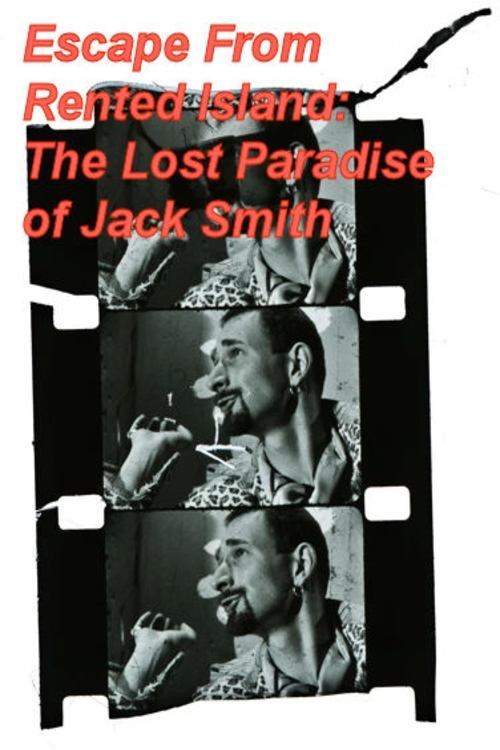
In his essay film, Jerry Tartaglia, longtime archivist and restorer of the film estate of queer New York underground, experimental film, and performance legend Jack Smith, deals less with Smith’s life than with his work, analyzing Smith’s aesthetic idiosyncrasies in 21 thematic chapters. It's a film essay about the artist’s work, rather than a documentary about his life. An unmediated vision of Jack Smith, an invitation to join him in his lost paradise.
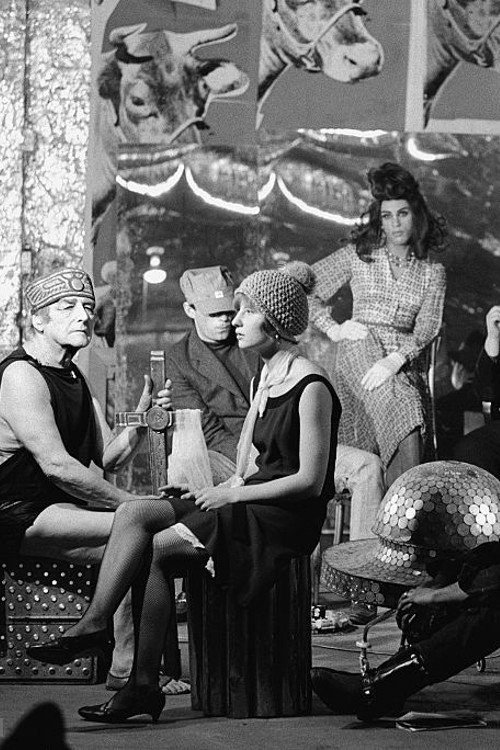
Shot at Warhol's Silver Factory, Camp features a group of Superstars putting on a "summer camp" talent show complete with singing, dancing, jokes, poetry, and Gerard Malanga as master of ceremonies.
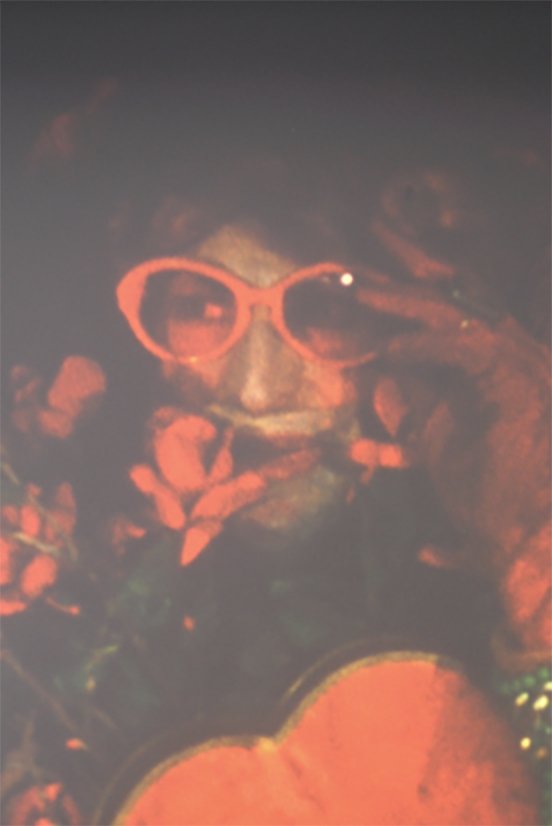
During its 1969 showings at the Elgin Theater, No President was preceded by the color short filmed according to Smith’s direction by photographer Don Snyder (who also shot slides during the same session). Smith appeared as his red-wigged, plastic-jawed, alter ego Rose Courtyard, seated in a wheelchair amid the detritus of the Plaster Foundation. The film was accompanied by two rounds of Kate Smith singing “God Bless America”. Dressed in a red satin gown, clutching a bouquet of dead roses, Rose is finally moved to stand up and salute. The film was found in a can labeled “Song for Rent”, title of a 1971 mixed media production in which Smith appeared. (J. Hoberman)
Two nuns take a bath, then meet a sailor on the Staten Island Ferry.
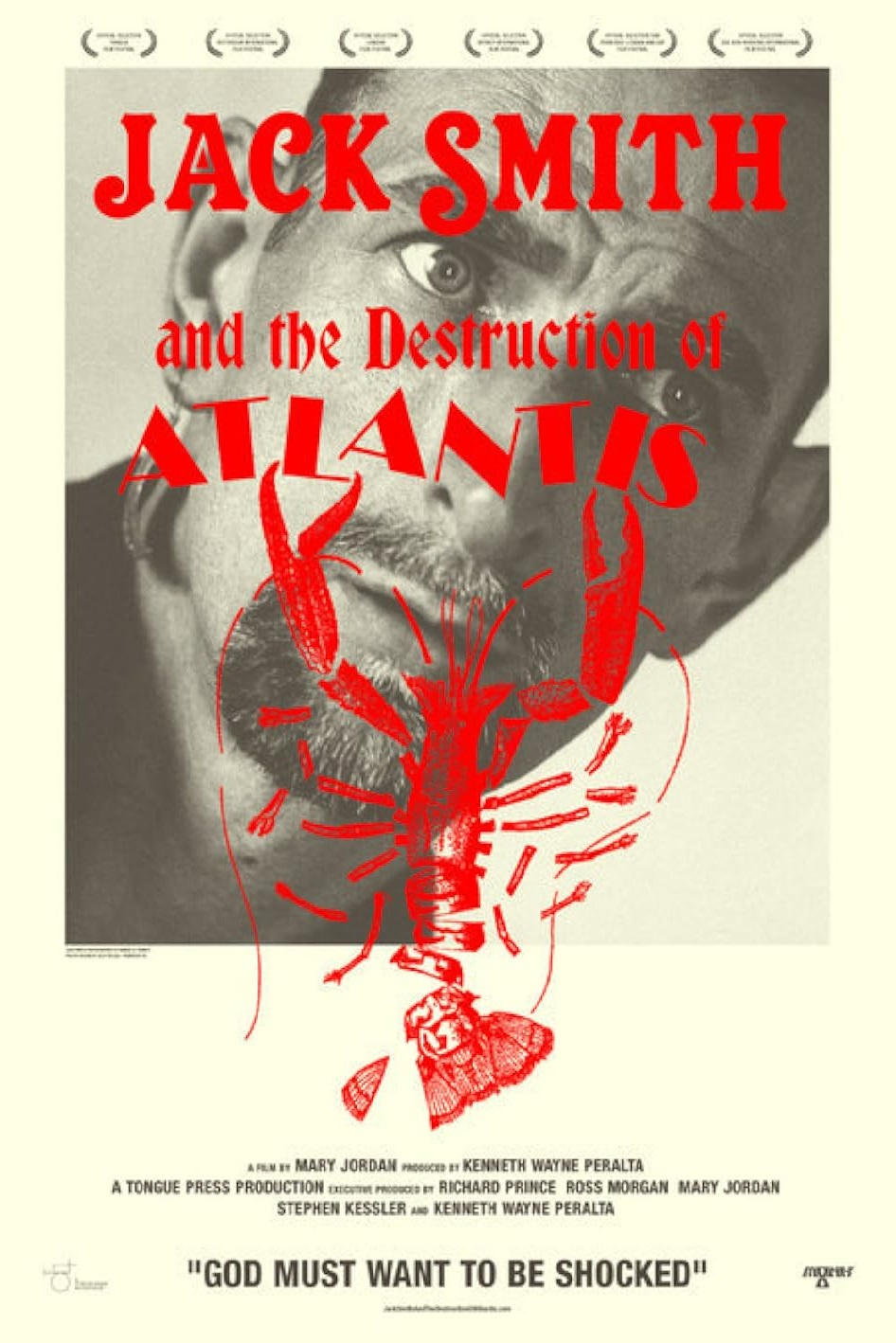
In this entrancing documentary on performance artist, photographer and underground filmmaker Jack Smith, photographs and rare clips of Smith's performances and films punctuate interviews with artists, critics, friends and foes to create an engaging portrait of the artist. Widely known for his banned queer erotica film Flaming Creatures, Smith was an innovator and firebrand who influenced artists such as Andy Warhol and John Waters.
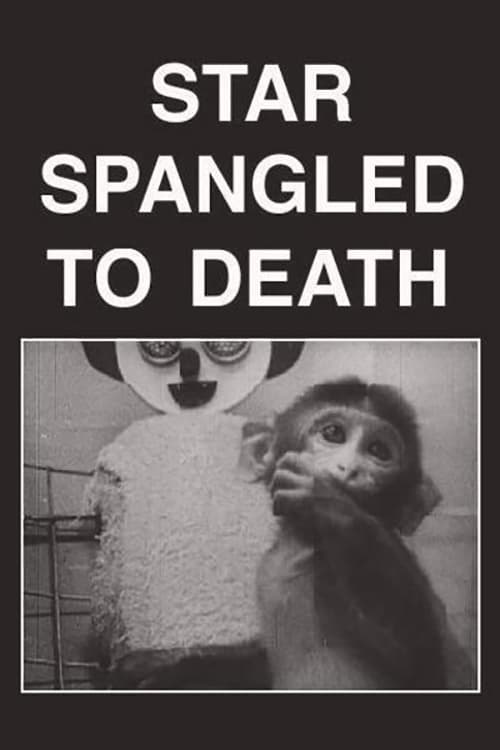
An examination of the history of the U.S. through archival footage and contrasting views of society, incorporating audiovisual material ranging from political campaign films to animated cartoons to children’s phonograph records, featuring Al Jolson, Mickey Mouse, the young Jack Smith, and a half-dozen American presidents.
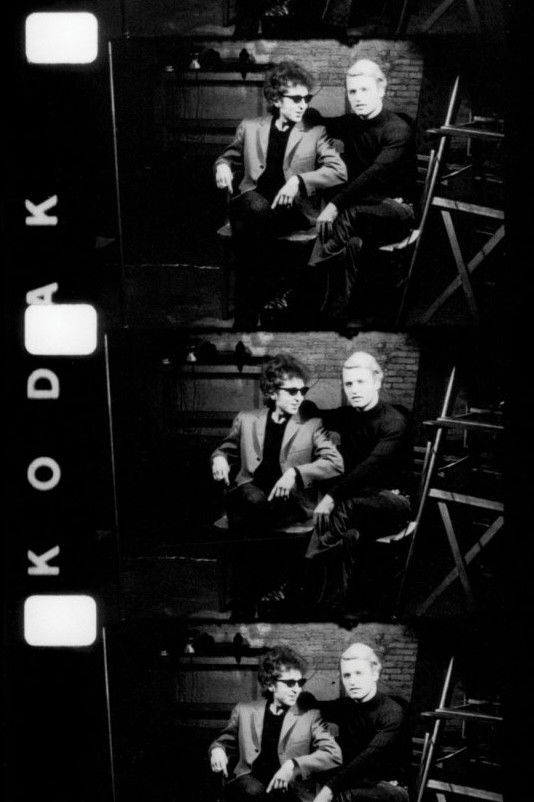
This compilation of Gerard Malanga's short films consists of a collection of extremely rare footage and film portraits providing candid and interesting glimpses of Bob Dylan, Salvador Dalí, Jane Fonda and The Velvet Underground among other 1960s icons and featuring original music by Angus MacLise, who was the first drummer to perform with The Velvet Underground.
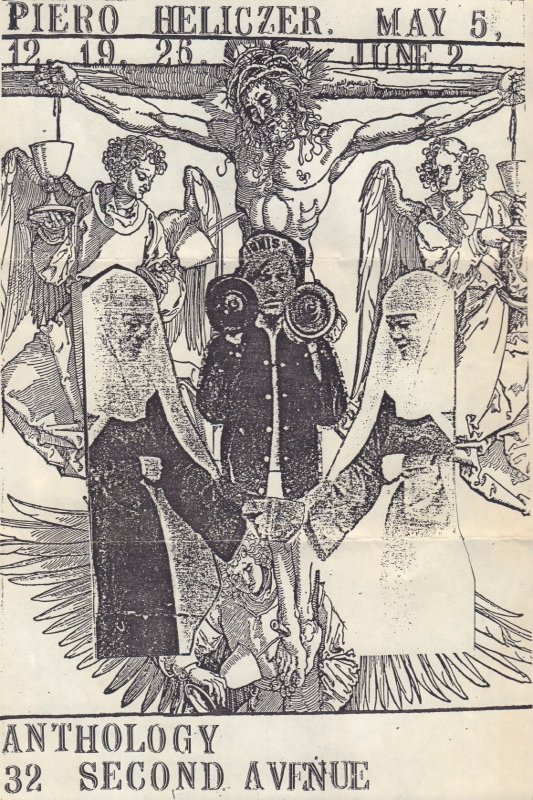
The story of Joan of Arc as applied to the present revolution in arts and more. The Gothic is applied to the War in Vietnam. The film is experimental in the sense that in it the visual becomes tactile.
A documentary on the beginnings of the cultural revolution on the Lower East Side, New York.
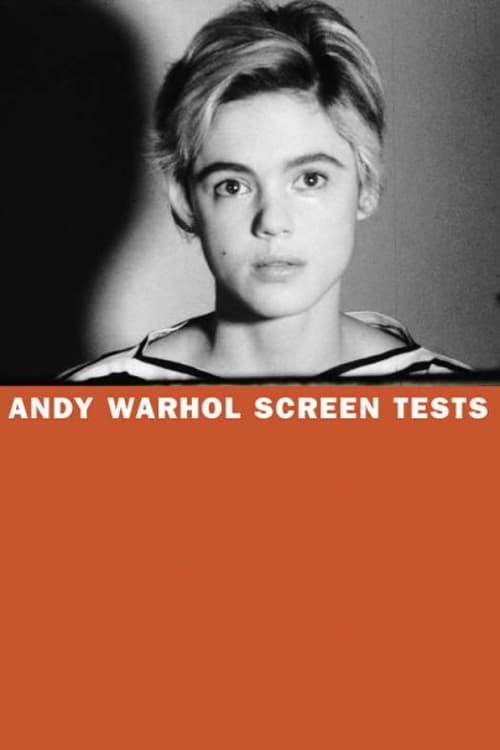
The films were made between 1964 and 1966 at Warhol's Factory studio in New York City. Subjects were captured in stark relief by a strong key light, and filmed by Warhol with his stationary 16mm Bolex camera on silent, black and white, 100-foot rolls of film at 24 frames per second. The resulting two-and-a-half-minute film reels were then screened in 'slow motion' at 16 frames per second.
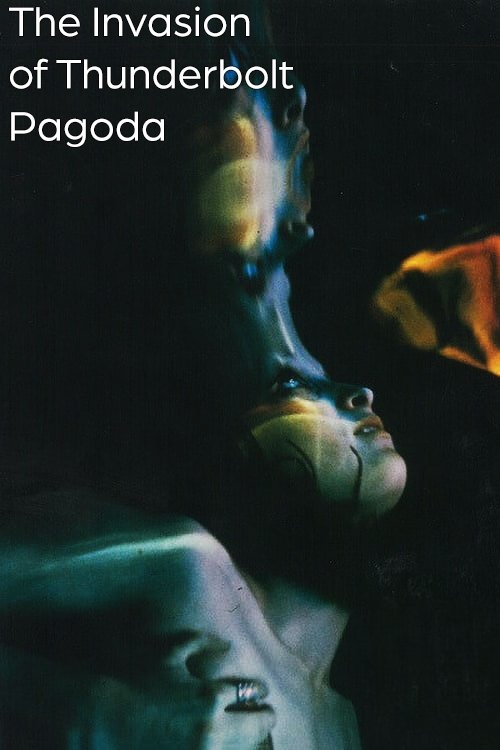
At the court of the Yellow Emperor, the Majoon Traveler & Lady Firefly appear in the Hall of Unconscious Magnetism.
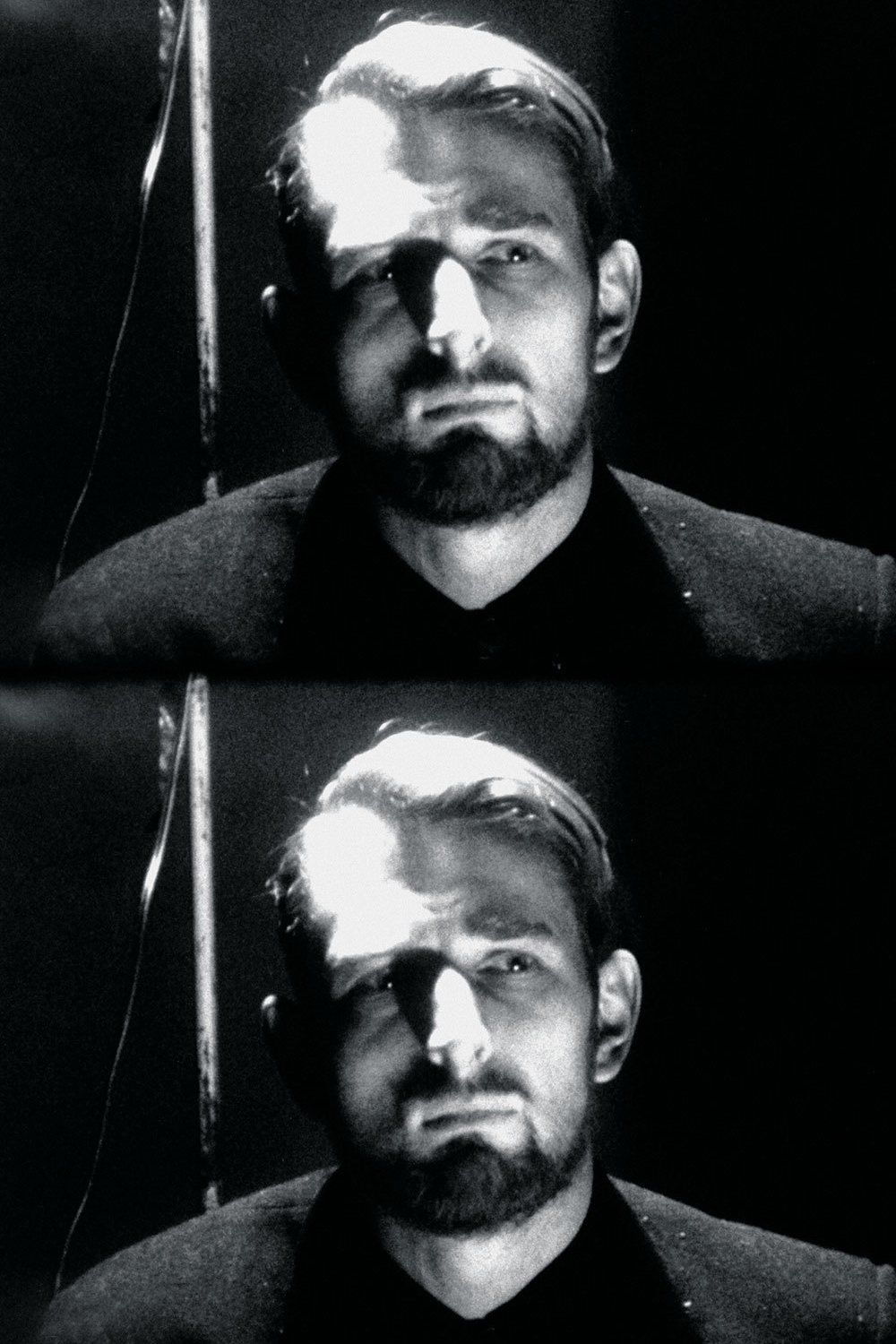
Part of Andy Warhol's Screen Tests series. Filmmaker and performance artist Jack Smith.
A phantasmagoric exploration into the violence we house within ourselves.
Also known as Walden, Jonas Mekas’s first diary film is a six-reel chronicle of his life in 1960s New York, interweaving moments with family, friends, lovers, and artistic idols. Blending everyday encounters with portraits of the avant-garde art scene, it forms an epic, personal meditation on community, creativity, and the passage of time.
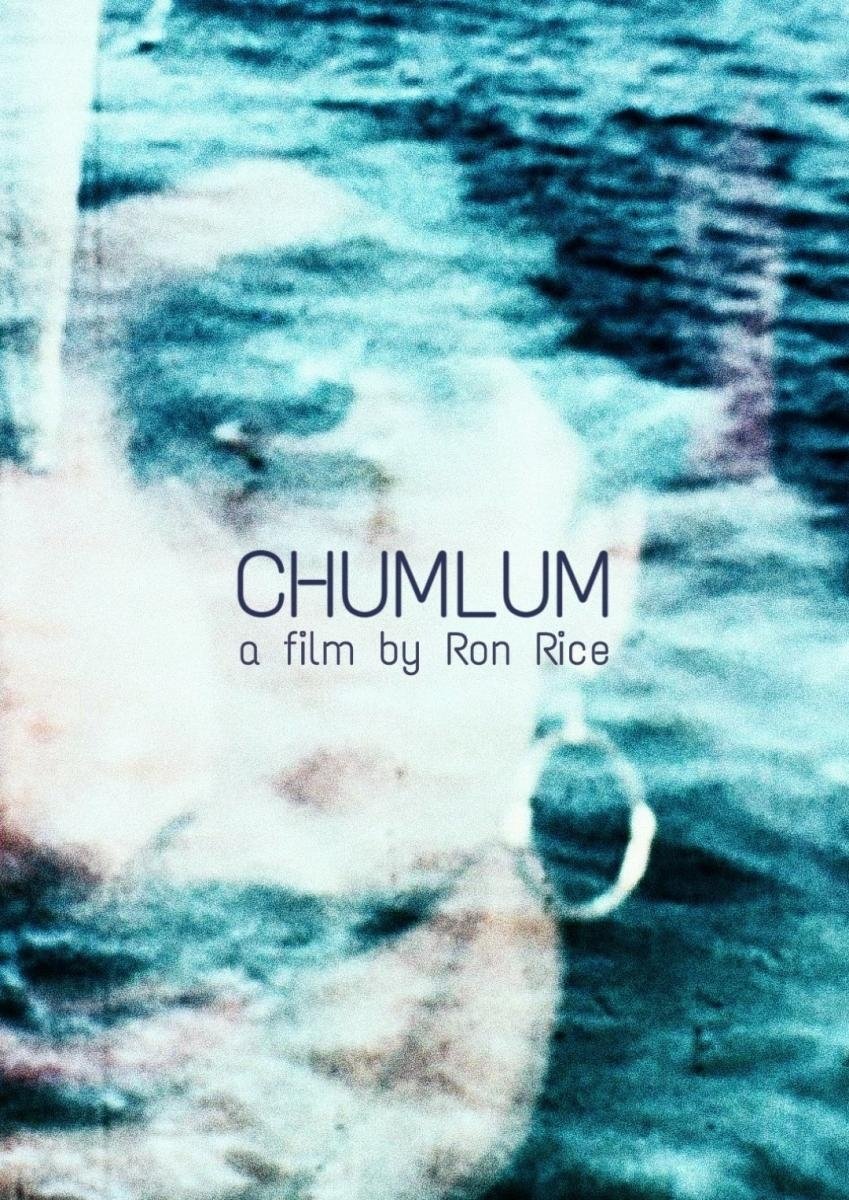
Ron Rice's Chumlum is one of those films in which the conditions of its construction are integral to the experience of watching it. It is a record of a cadre of creative people having fun on camera, playing dress-up, dancing, flirting, lazing around.
Part of the Dirt Trilogy
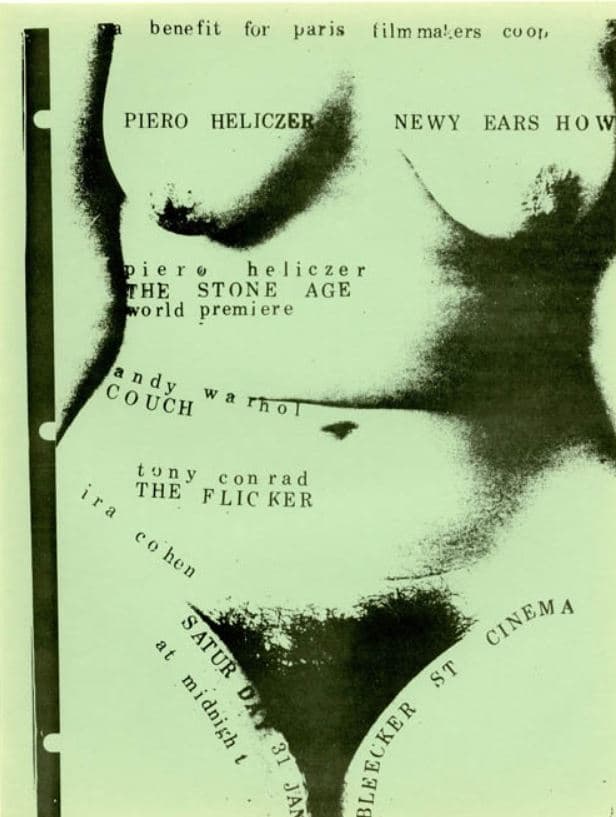
"The question is, it is either going to be a stoned age or a new Stone Age" - Louis Brigante
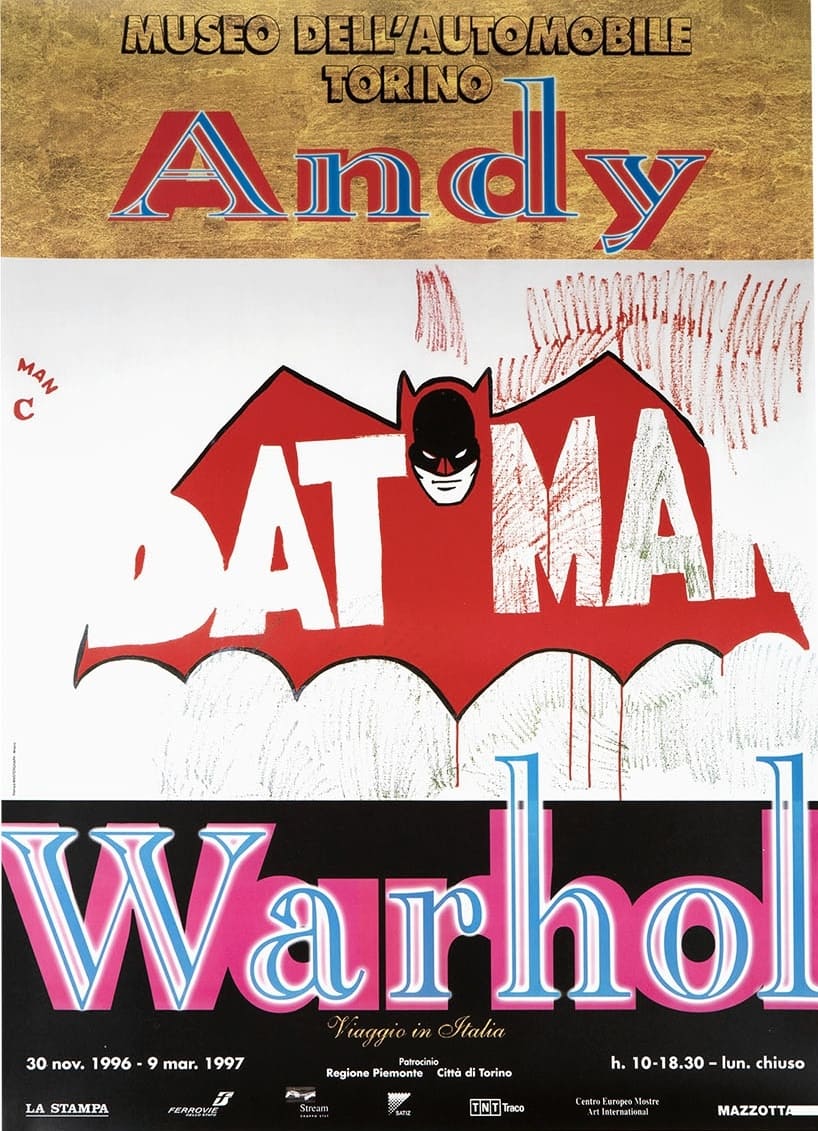
One of four finished Batman Dracula shorts shown publicly by Warhol.
One of four finished Batman Dracula shorts shown publicly by Warhol.
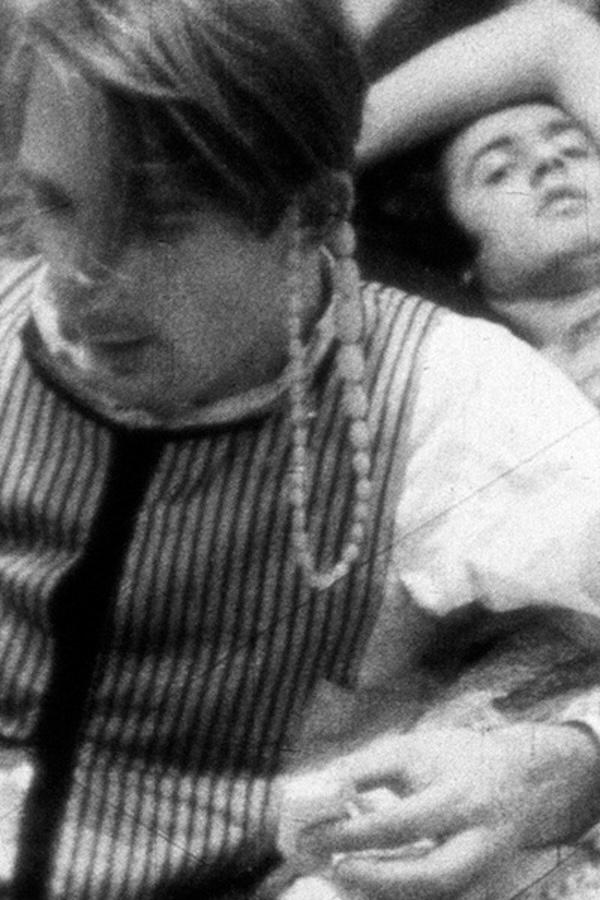
A rapid montage collage featuring Jack Smith and a Warholian kiss.