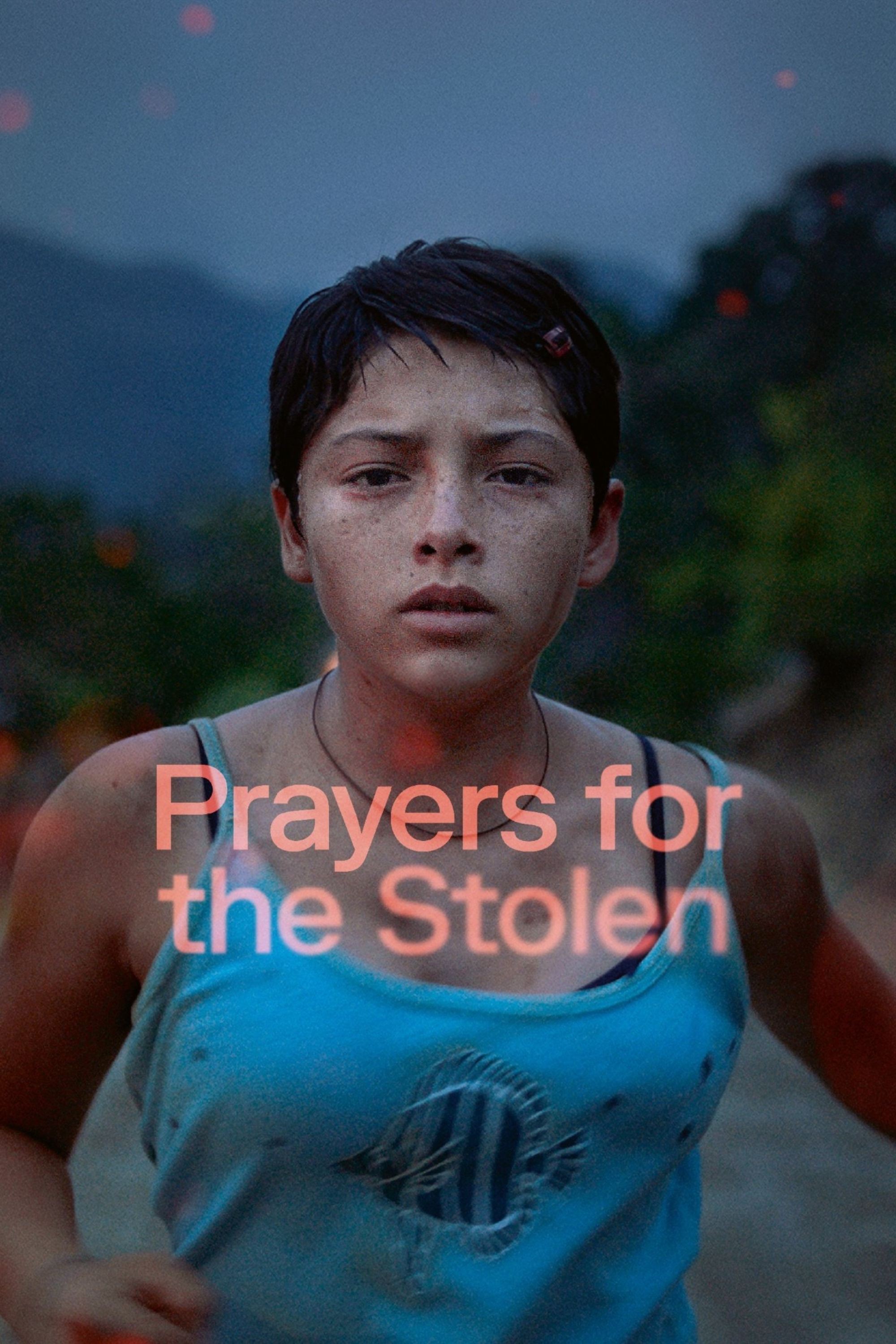
Ana and her two best friends, Maria and Paula, navigate life in their oppressive countryside village. Whilst their families struggle in the poppy fields harvesting opium, the girls try to grow alongside the creeping terror of their cartel oppressors.
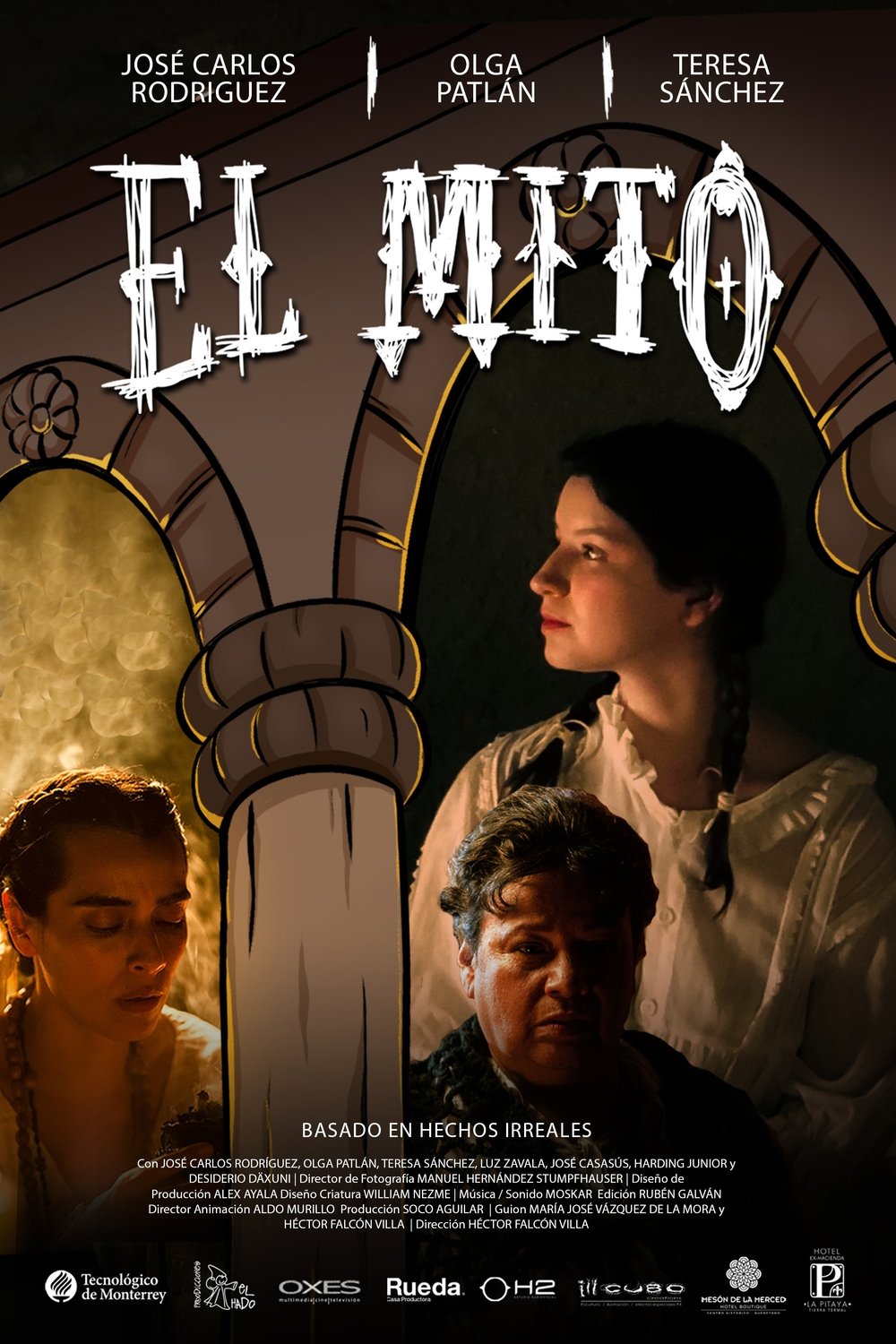
In Querétaro at the end of the 17th century, a spanish maiden has given birth to a creature.
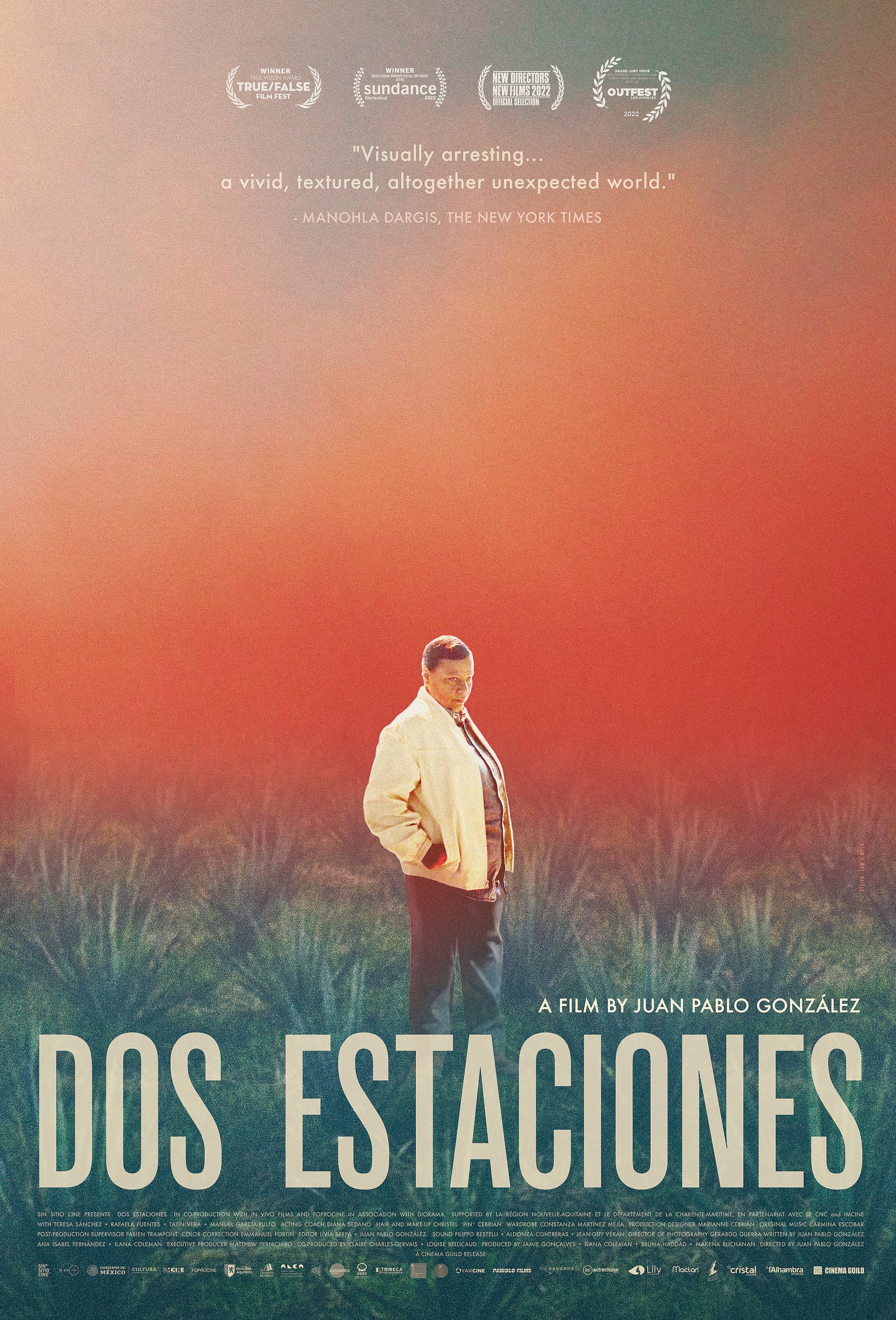
Fifty-year-old Maria Garcia is the owner of the Dos Estaciones, a once-majestic tequila factory struggling to stay afloat, and the final hold-over from generations of Mexican-owned tequila plants in the highlands of Jalisco; the rest have folded to foreign corporations. Once one of the wealthiest people in town, Maria knows her current financial situation is untenable. When a persistent plague and an unexpected flood cause irreversible damage, she is forced to do everything she can to save her community's main source of economy and pride.
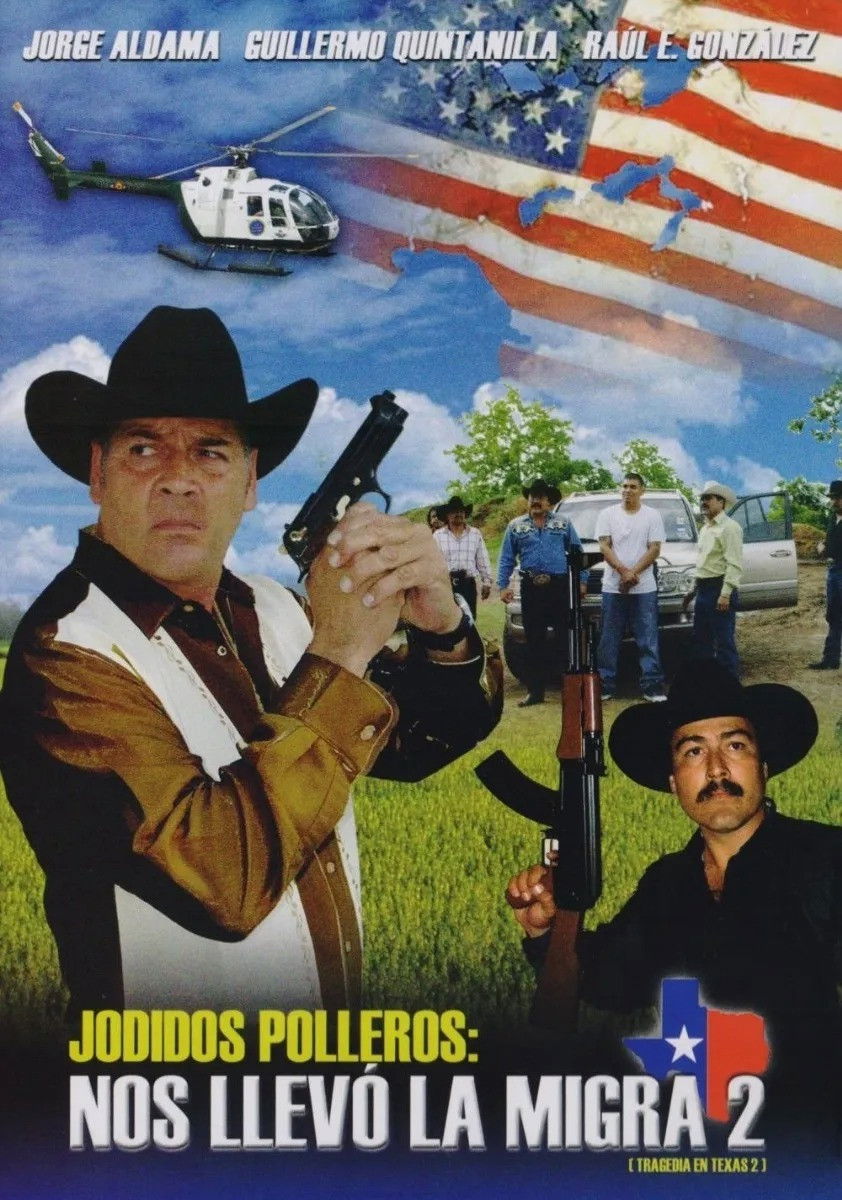
Antonio and Jorge compete in the transportation of undocumented Mexican migrants to Texas, the new El Dorado. Their gangs are heavenly armed, and do not fear the police. Gilberto is determined and courageous, and wants to arrest them.
Patricia and her partner Andrea have an argument over their life together, leaving their relationship in limbo. When Patricia leaves for a work trip, Andrea makes a decision to which might change their lives forever.
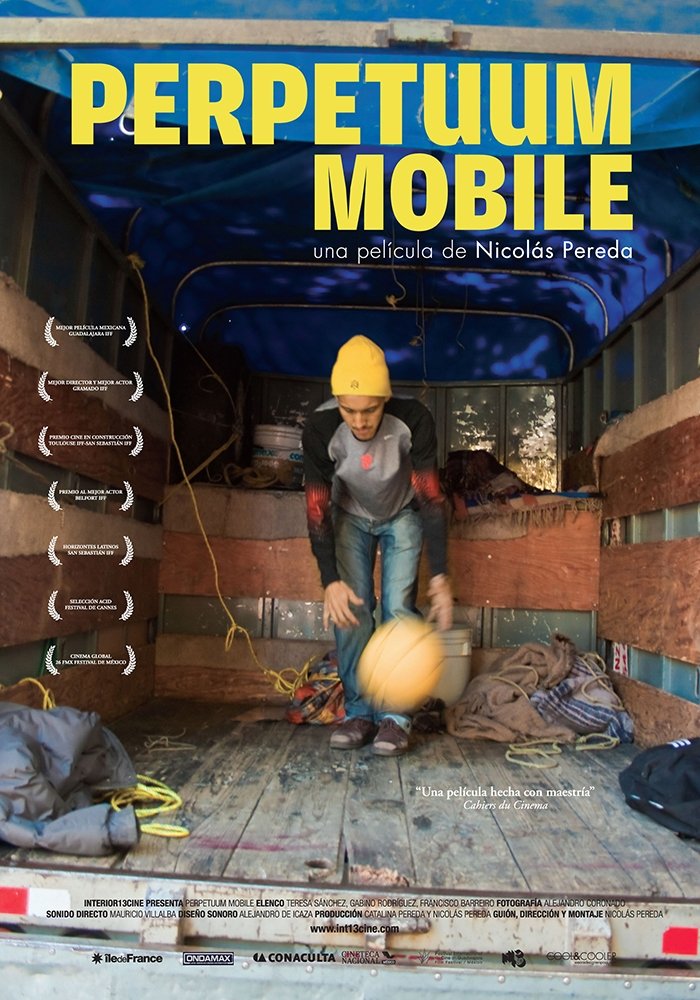
An itinerant mover works from the streets of Mexico City with his partner and lives with his beleaguered mother. A heightened tension within the home – by the absent older brother and unmentioned father. Gabino's casual pursuit of a career is interrupted by a series of intense and almost satirically telenovela-esque domestic vignettes.
When Gabino's father returns home after a long absence, the two men awkwardly attempt to re-establish a relationship; but Gabino and his mother quickly tire of this man who has become a stranger to them and decide to kick him out, before realizing that he has already left. Gabino eventually tracks his father down and spends time with him in his rundown apartment, trying to figure out if there is any possibility for the two of them to ever truly communicate. Though Greatest Hits continues Pereda's exploration of his perennial themes of absence, masculinity and the difficulty of maintaining a family, it opens up a whole new set of aesthetic questions through a bold formal gambit: halfway through, the entire narrative reboots and starts from scratch with another actor playing one of the key characters, leading to different iterations of events already witnessed.
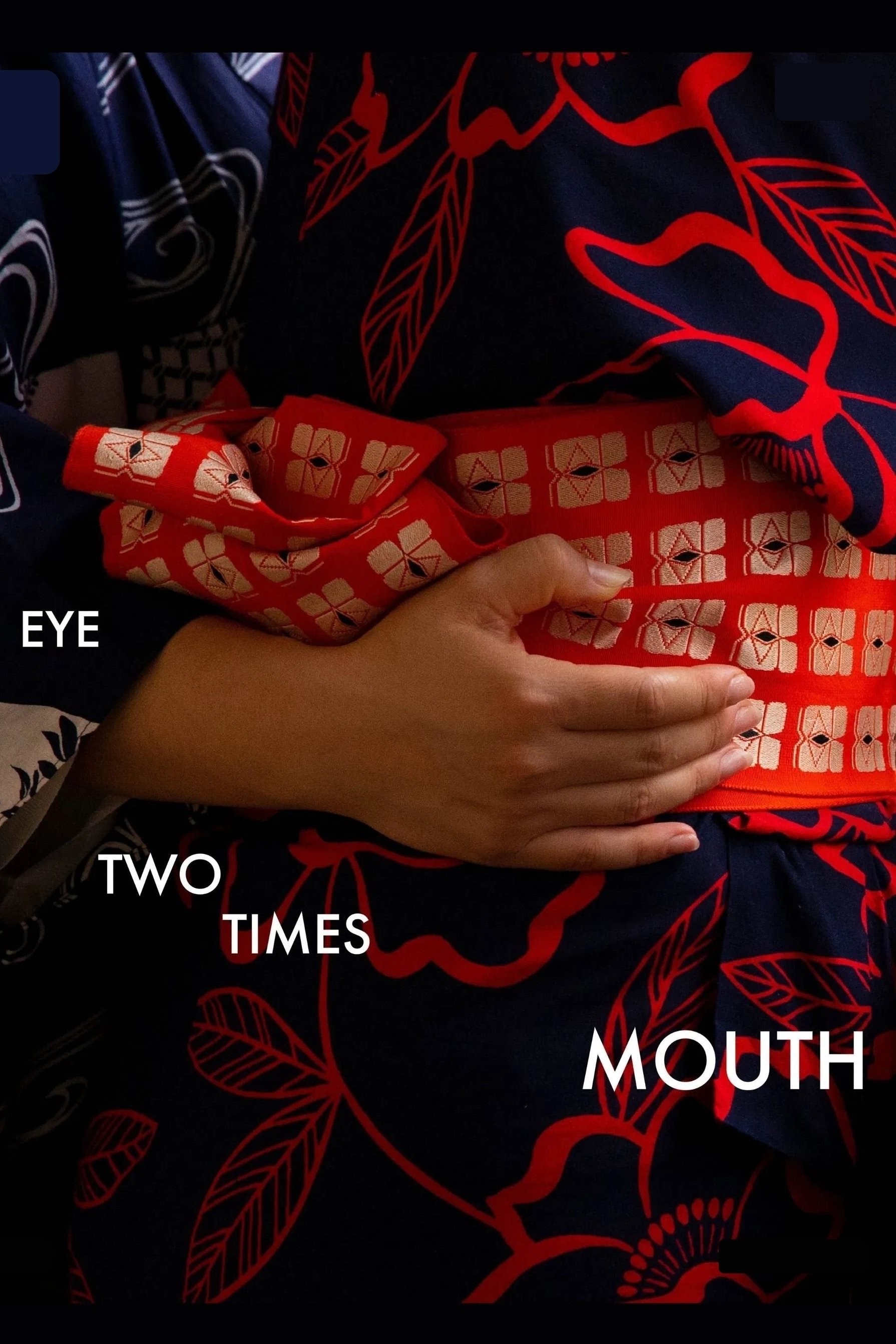
Luz works at a gallery but her real passion and purpose in life is as an opera singer. She’s been invited to audition for Madame Butterfly at one of the principal theatres in Mexico City. Luz must practice. Her friends Lycian and Chío instruct her. How to make her voice and hands dance. She’s told “Your mouth is twice the size of your eye,” and this is all part of a divine geometry that governs the world. The 25th commission from Miu Miu Women’s Tales.

In a bustling Mexican household, seven-year-old Sol is swept up in a whirlwind of preparations for the birthday party for her father, Tona, led by her mother, aunts, and other relatives. As the day goes on, building to an event both anticipated and dreaded, Sol begins to understand the gravity of the celebration this year and watches as her family does the same.
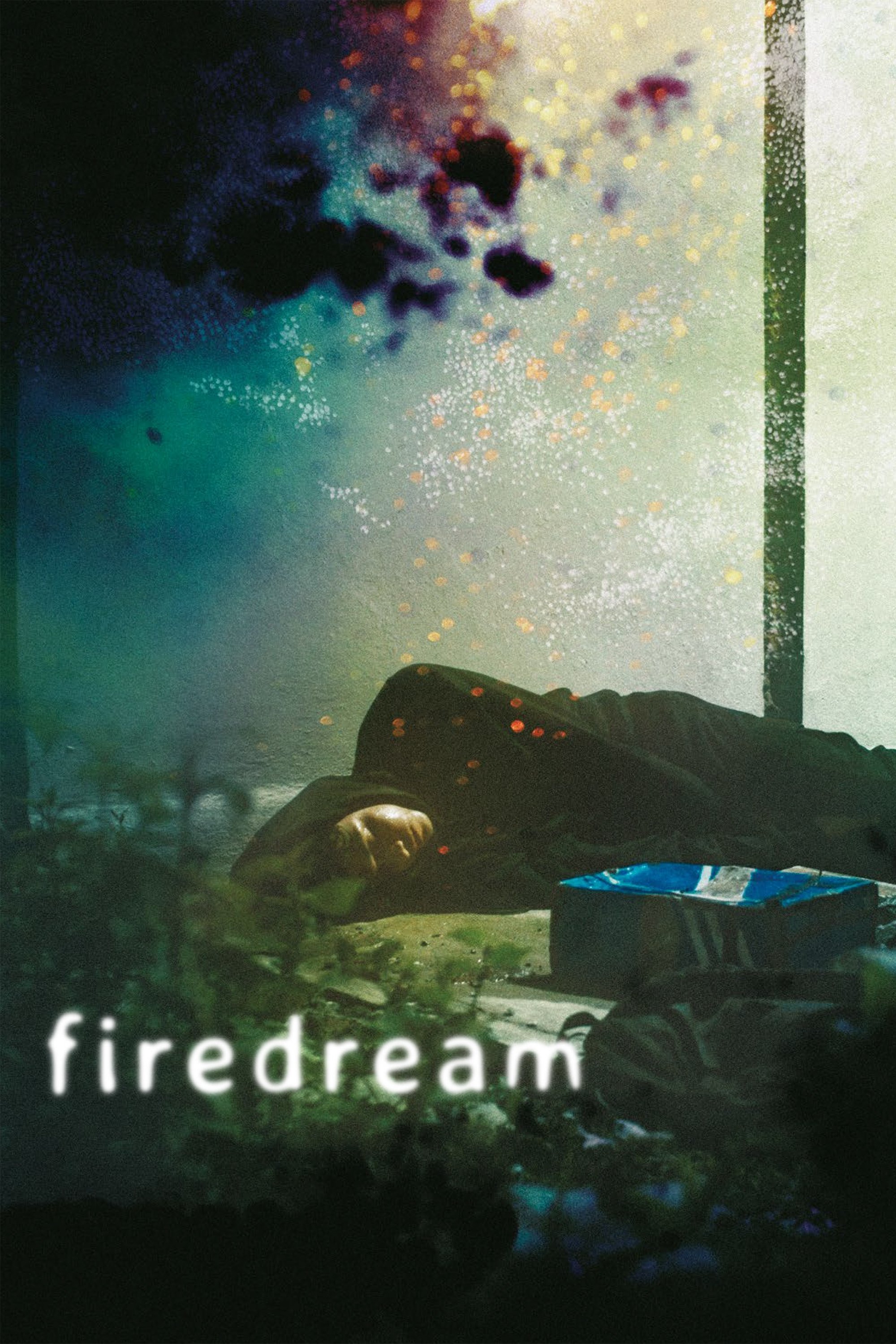
A Mexican teen Lucas in a gray industrial town befriends co-worker Oscar. Oscar leaves, entrusting Lucas with treasures. Through photography, Lucas captures observed light, finding connection and solace.
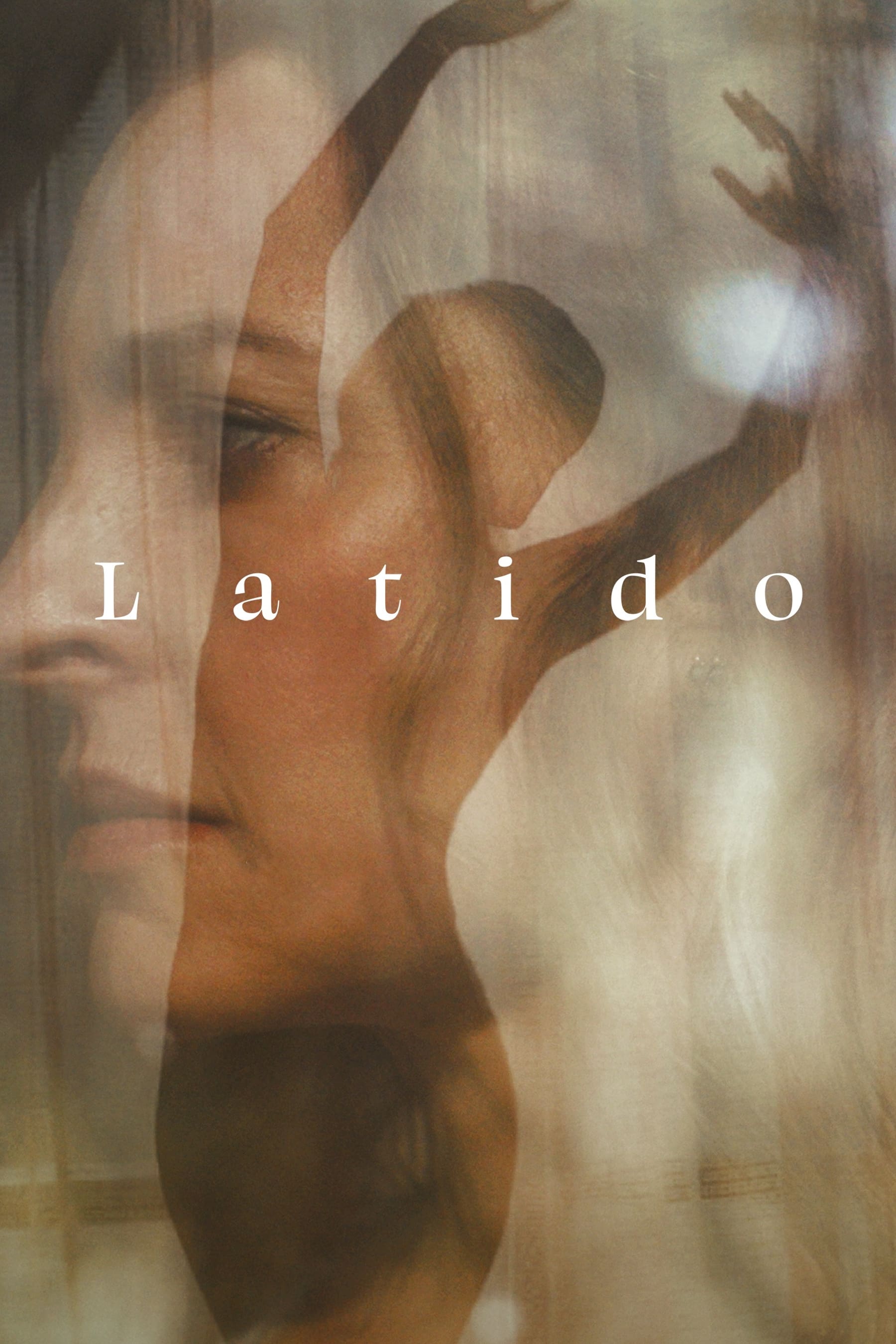
The newly separated Leonor comes from the monied class, while sixteen year old aspiring ballerina Emilia does not. They begin a tense pas de deux waiting out Emilia’s pregnancy in a remote country home, isolated from the world and each other.
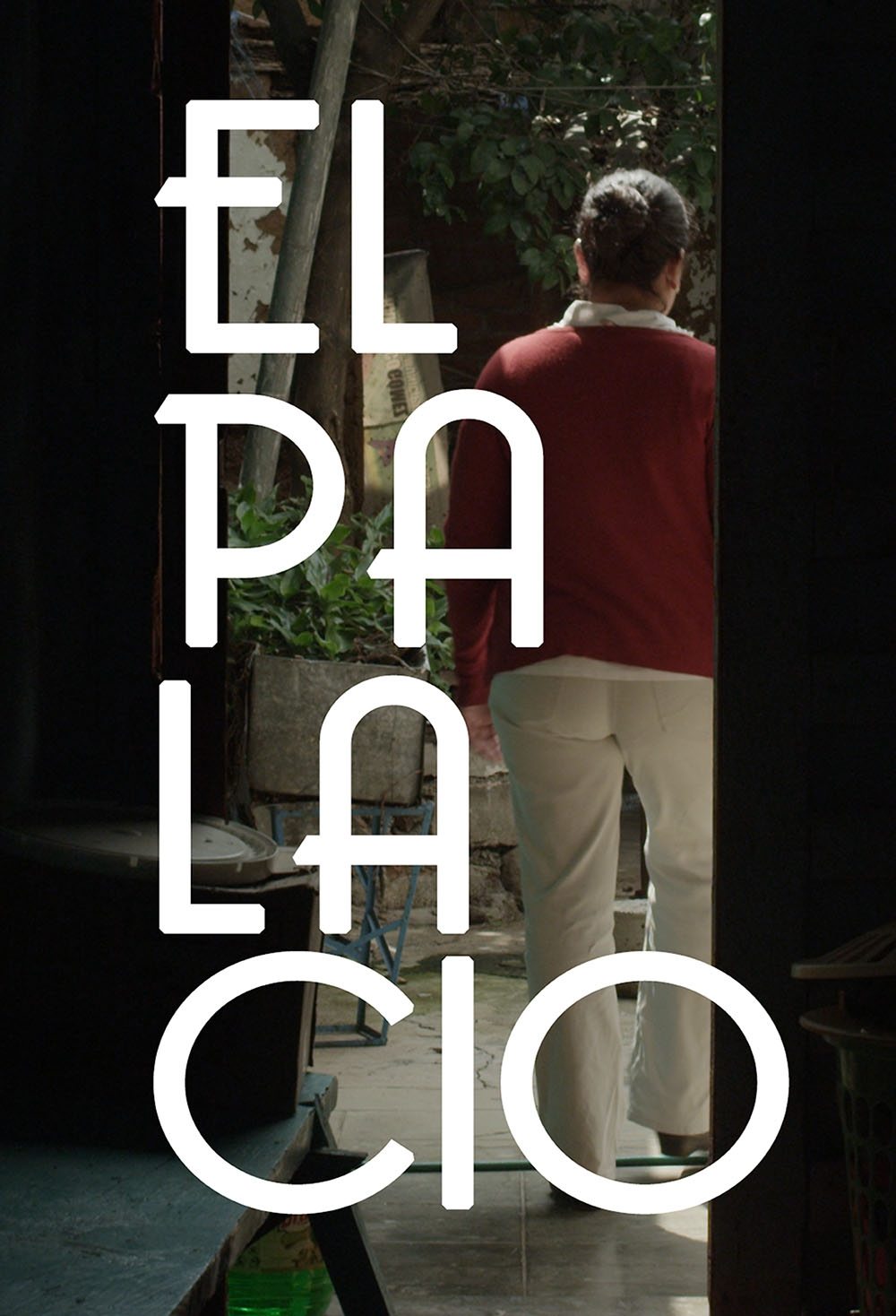
The Palace is a documentary that follows the everyday life of seventeen women who live together, sharing a large house for emotional and financial reasons. They help each other to train for various jobs. Most become nannies, domestic workers and private nurses for elderly patients.
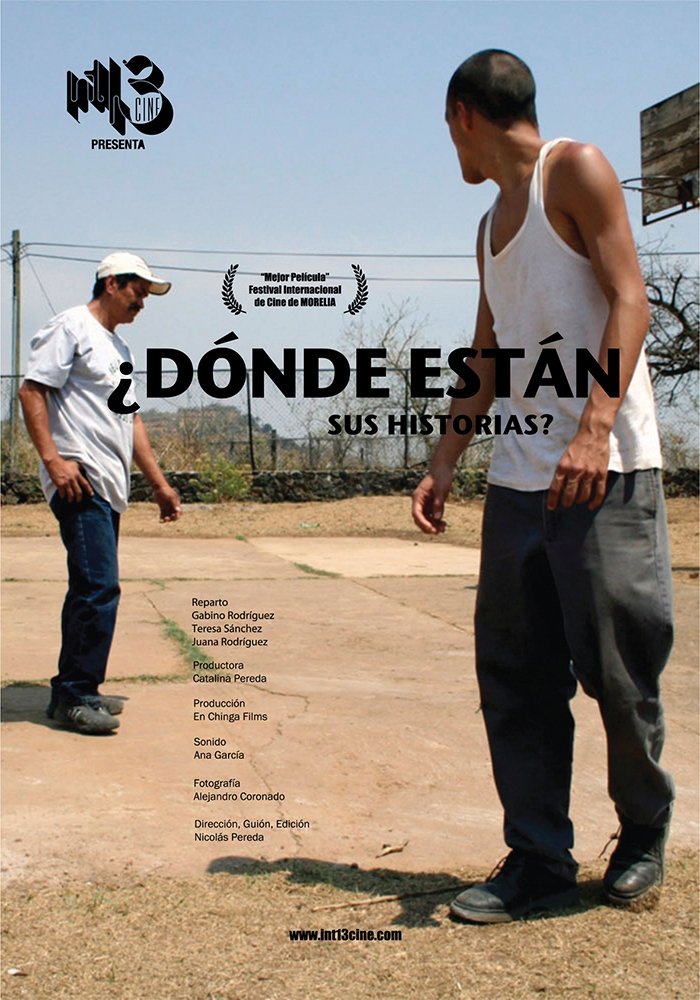
Vicente (Gabino Rodríguez) is a young farmer in a rural village who scrapes by while taking care of his ill grandmother. Several of Vicente’s uncles intend to their ailing mother’s land without her knowledge. Vicente seeks help from the municipal president who, between shooting hoops on a desolate court, tells him that if he wants justice, he must head to the capital to meet with government officials. Although he hasn’t seen her since he was a child, Vicente sets off in search of his mother, who works as a maid in maze-like Mexico City. With the help of his mother’s employer, a sophisticated middle-aged woman, he finds the government offices where he presents his case. His situation isn’t easily resolved, especially since he does not have the deed to his grandmother’s plot of land, and Vicente finds the complexities of the legal system to be completely overwhelming.
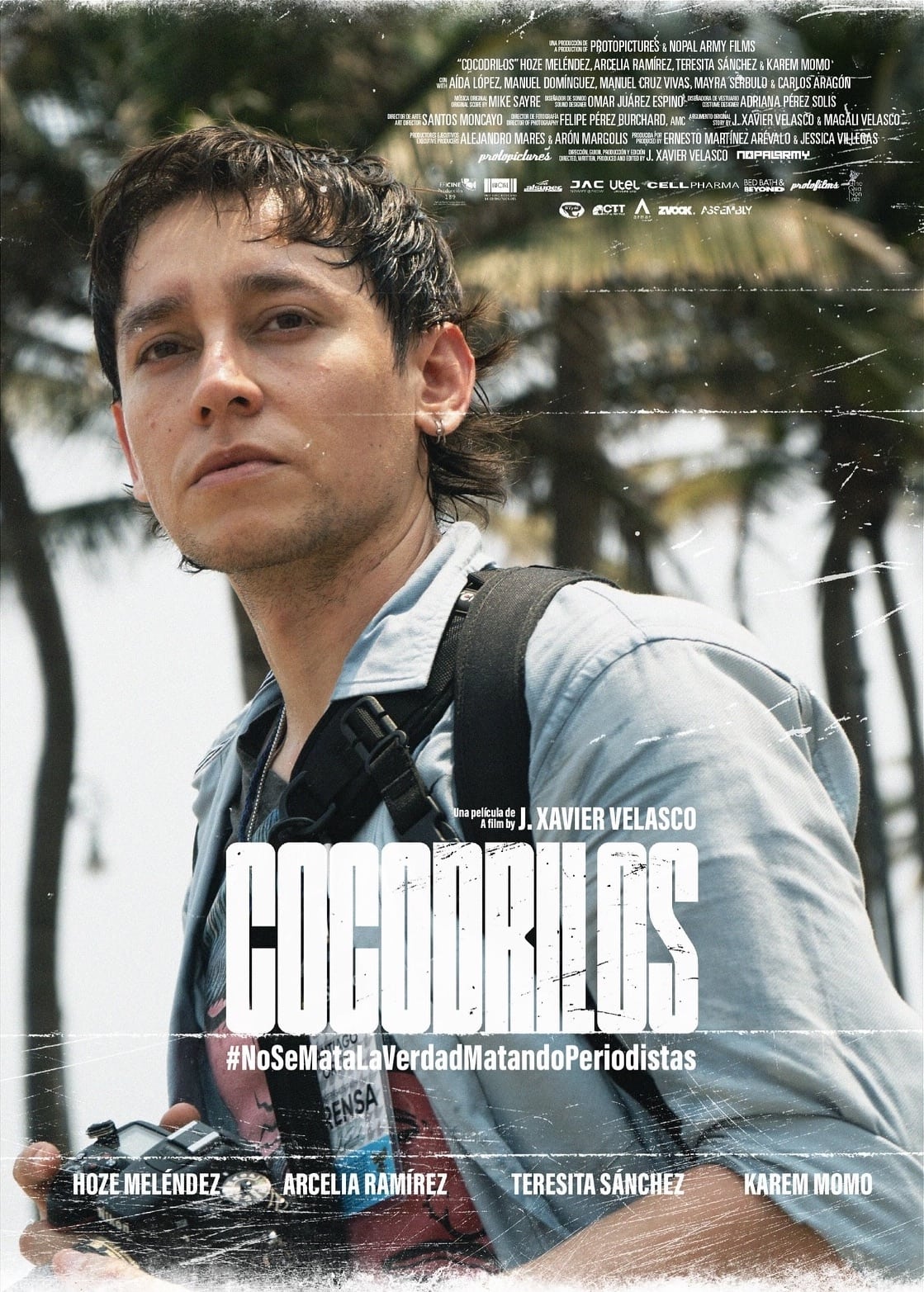
A young photojournalist in the city of Veracruz, Mexico, will risk his life to dig up a shocking truth after picking up the investigation that his journalist friend and mentor left unfinished when getting killed by the organized crime.
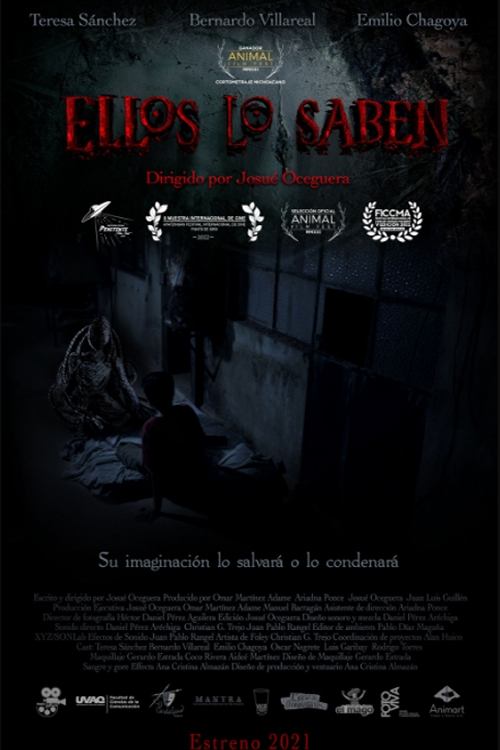

Ramiro has been diagnosed with autism. He loves order, his music, his sheets, the rhythm of the day, and the color of his room. His mother, Aurora, who has cared for him for years, will not reveal the reason why she has decided to move her son to her best friend Elsa’s house. Ramiro’s life as he knows it is destined to fall apart.

This outrageous comedy stages a soap opera of epic proportions, as one corrupt property developer faces trial for Mexico's violent history. The fourth feature from Santiago Mohar Volkow, Una historia de amor y guerra centres on real estate baron Pepe Sánchez-Campo, whose mega-mall development brings him into conflict with local guerrillas. For once, bribery and a call to Daddy might not be enough to save Pepe – a character more grotesque than the telenovela unfolding around him. Trying to sabotage Pepe's marriage to Constanza, her cousin and lover Teo records Pepe cheating. The resulting chaos precipitates in a burlesque bloodbath involving treachery, talking animals, colonial history and bartering in the afterlife.
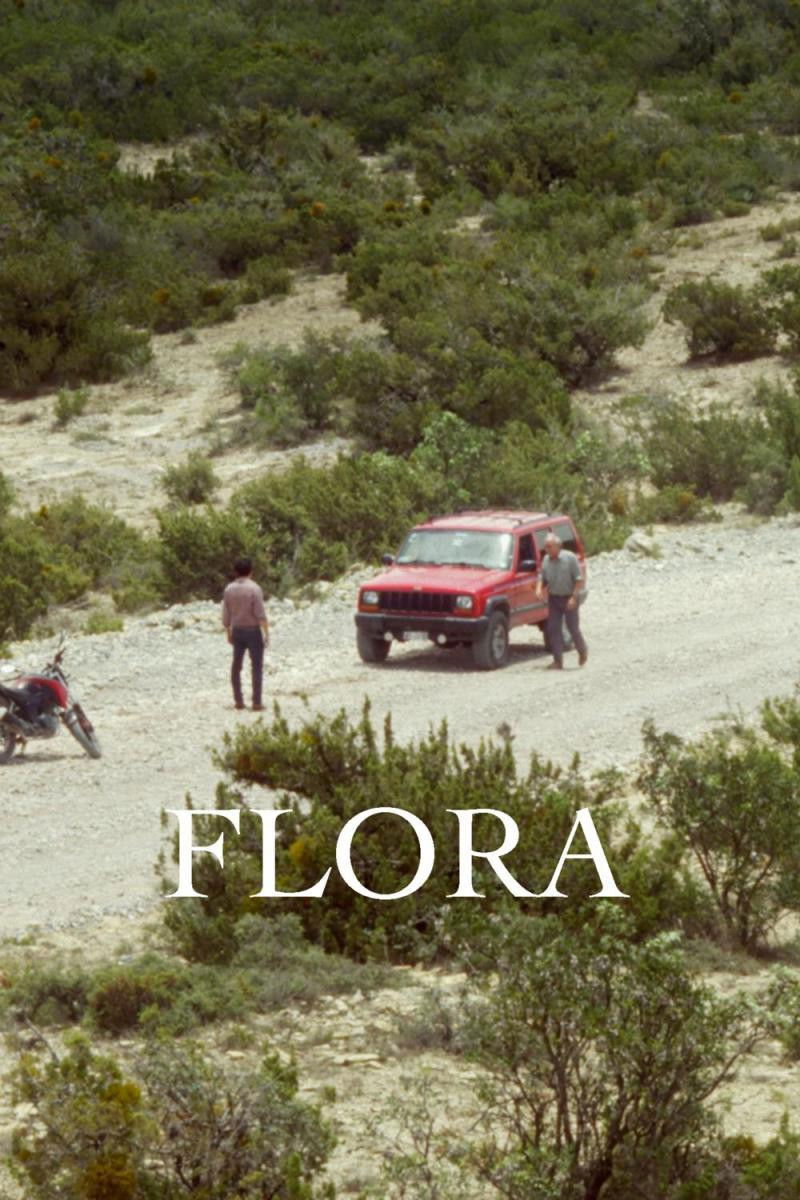
A metacinematic reflection on the nature of representation and the ongoing drug war in Mexico, Nicolás Pereda’s Flora revisits locations and scenes from the mainstream 2010 narco-comedy El Infierno, exploring the paradoxes of depicting narco-trafficking on film—its tendency both to romanticize and to obscure. To screen is both to project and to conceal.
Three friends – a trio in love – get together after an audition. Their prosaic exchanges take a different turn when they remember how they met.
Alma, a middle-aged woman, really wants to attend dance classes. However, her busy daily routine of caring for her sick mother Gladys and the lack of cooperation from her brother Rubén prevent her from doing so.
Rogelio (8) wants to unravel the mystery of death. When his parents send him off to Yucatán, he meets the Xibalba Monster, an old hermit who is sick but has made a deal with the Lords of the Underworld to remain amongst the living.

Eve, a young chambermaid at a luxurious Mexico City hotel, confronts the monotony of long workdays with quiet examinations of forgotten belongings and budding friendships that nourish her newfound and determined dream for a better life.
Minotaur takes place in a home of books, of readers, of artists. It’s also a home of soft light, of eternal afternoons, of sleepiness, of dreams. The home is impermeable to the world. Mexico is on fire, but the characters of Minotaur sleep soundly.

Summer of Goliath is a documentary/fiction hybrid that narrates various stories of the people of the town of Huilotepec in rural Mexico. Teresa's husband has disappeared and she believes he has left her for another woman. Gabino, her son, is a soldier who searches cars at the side of a country road, where very few cars pass by. He hopes one day him and Alberto, his soldier partner, will get machine guns to further intimidate the people driving by. Amalio, Nico, and Oscar are three brothers whose stories we learn through a series of interviews and reenactments. Their father left them many years ago, and their mother can barely support them. Oscar has gained the nickname Goliath after the mysterious death of his girlfriend.
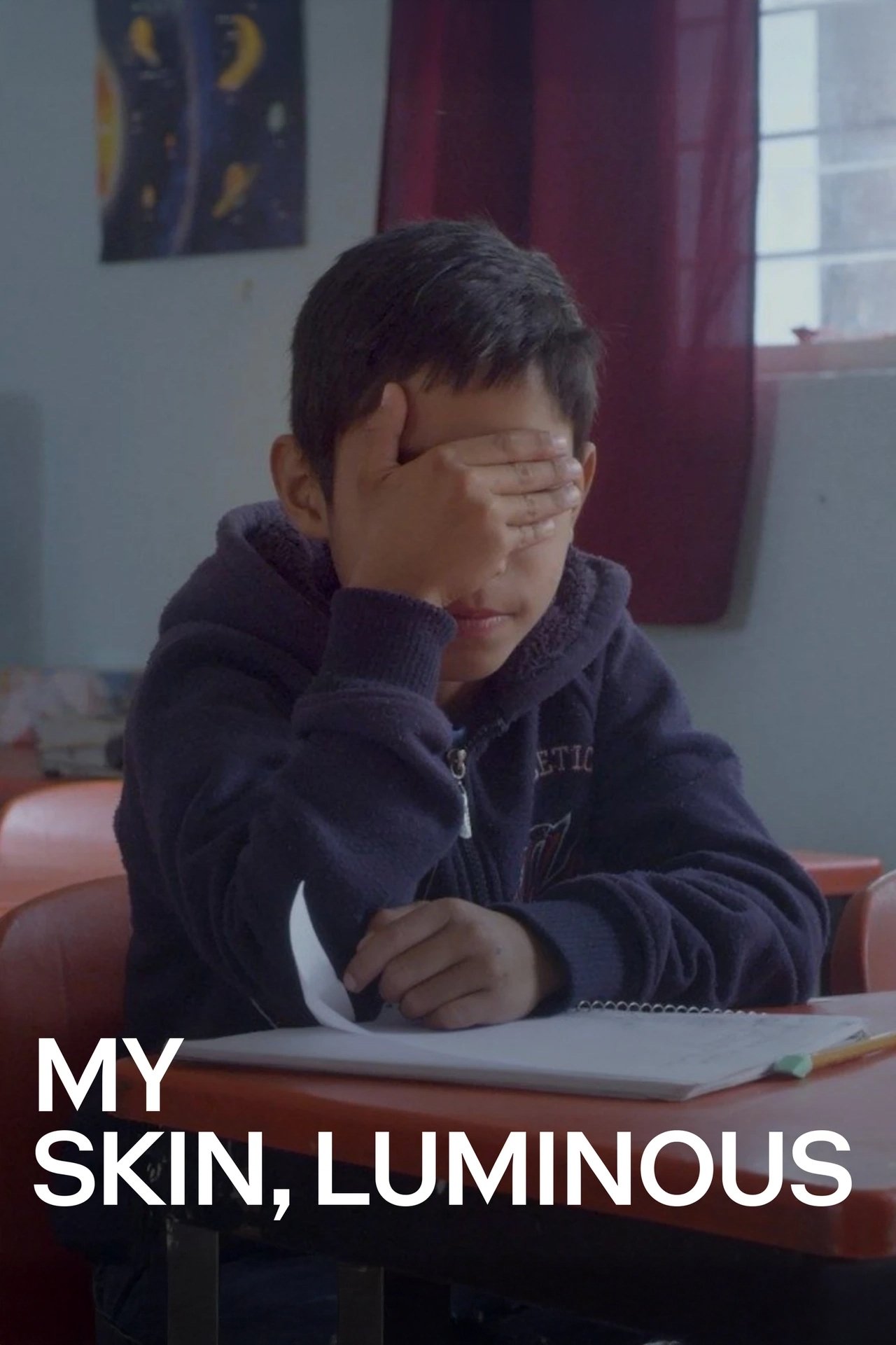
Enigmatic and deceptively playful in tone, this film from Gabino Rodríguez, in collaboration with Nicolás Pereda, boldly transforms mundane, realist observations at a rural Mexican schoolhouse into fantasy and a sly comment on childhood, rituals, and race.
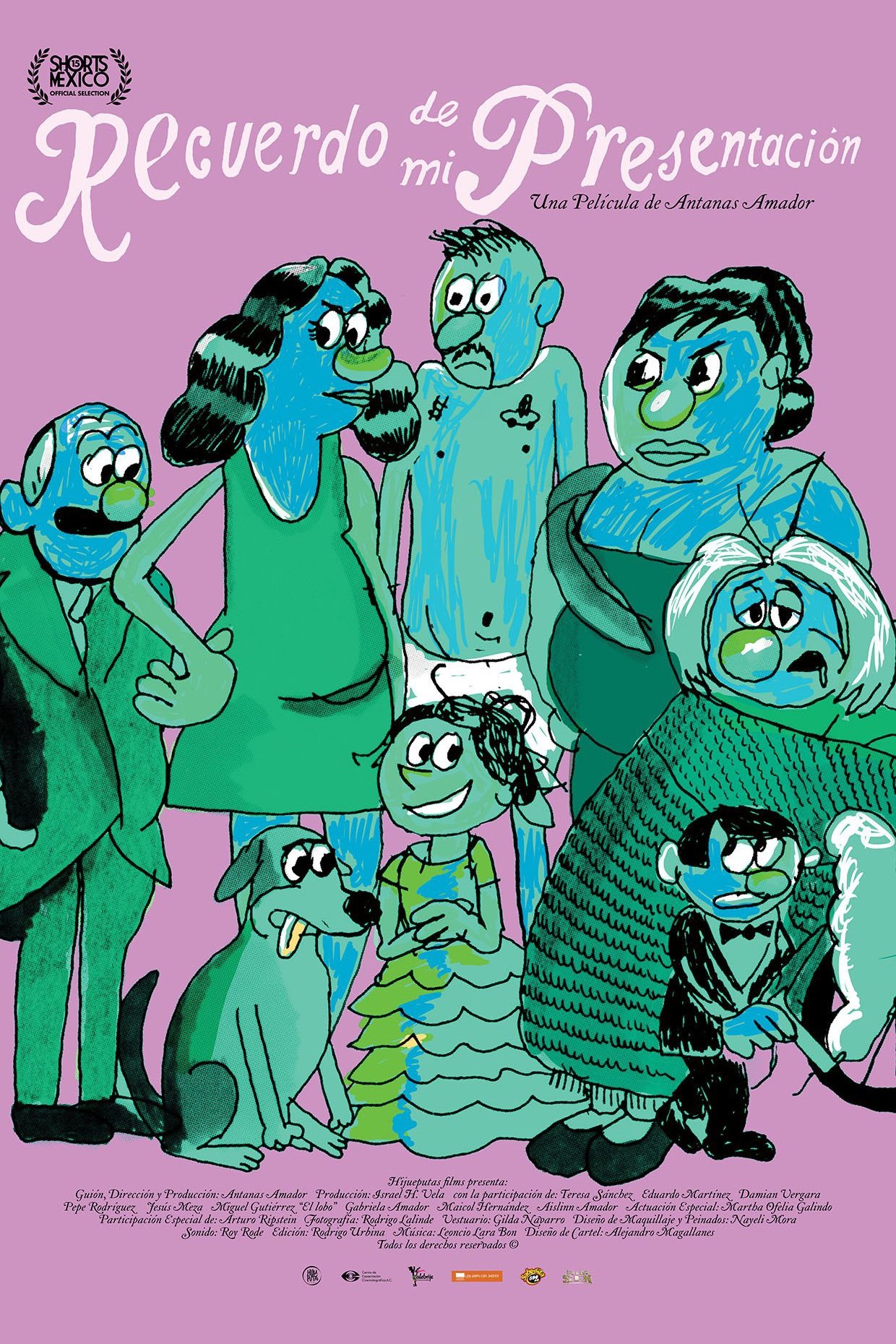

A former elementary school teacher emerges badly bruised on the shore of a lake. After a lengthy trek through the hot Mexican sun, she lands at the primary school where she once worked.
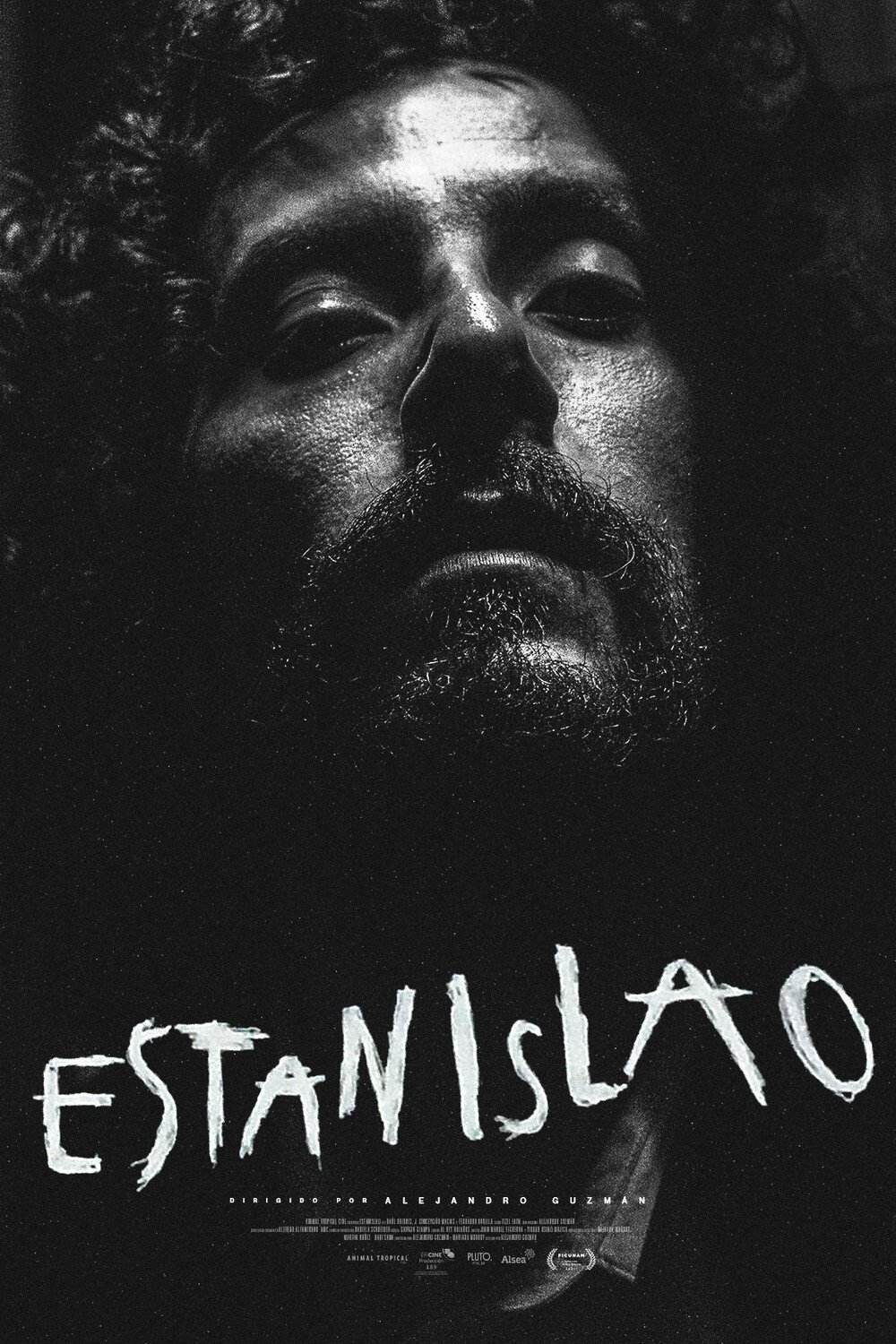
After 15 years, Mateo returns to the old textile factory to say goodbye to his recently deceased mother. Incidentally, he will have to spend time with his alcoholic father, whom he can't stand.
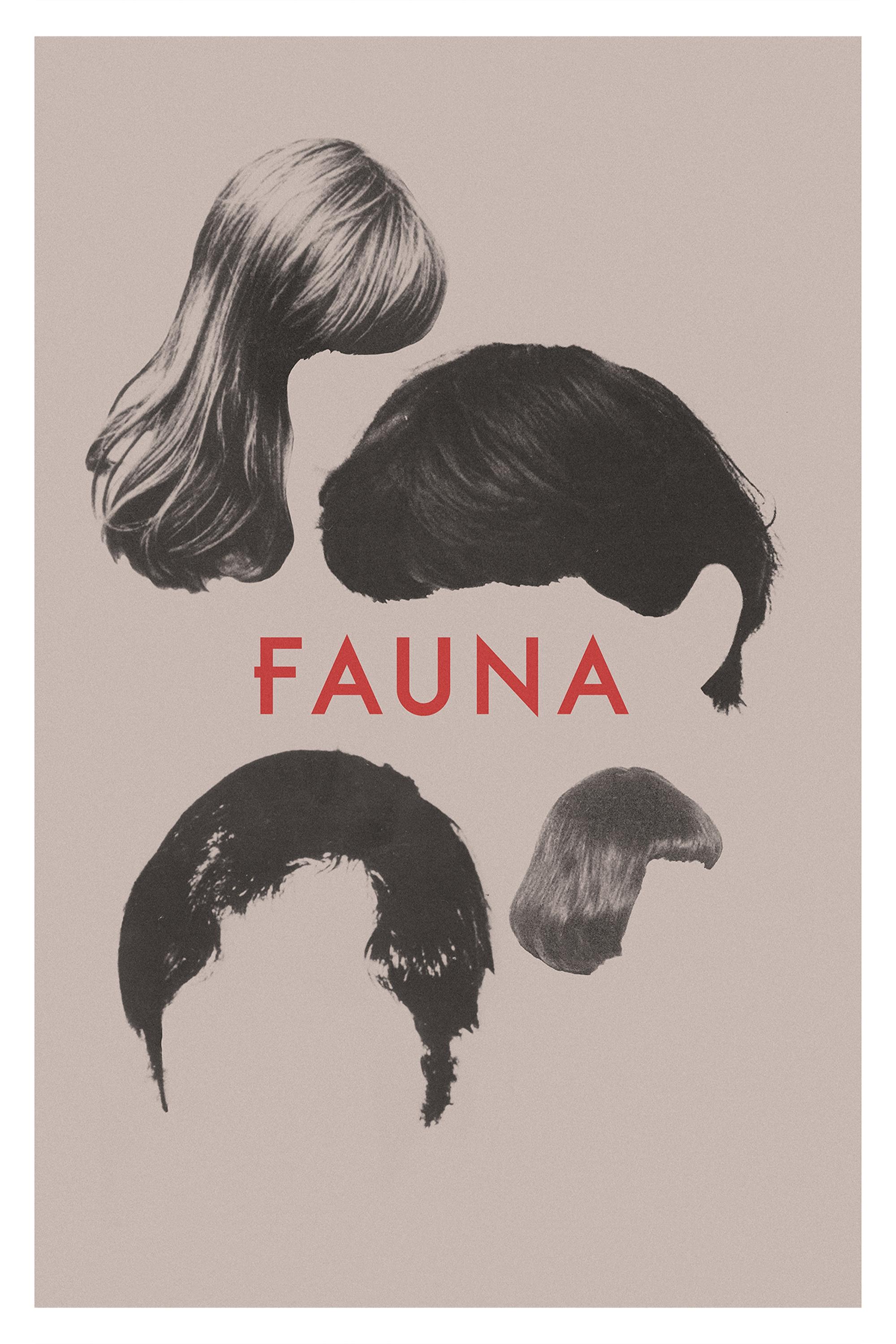
Luisa and Gabino visit their parents in a mining town in the north of Mexico. Their father’s only interest in them is sparked by Luisa’s actor boyfriend when he acts out the role of a narco kingpin. To cope with family tensions, Gabino imagines a parallel reality of detectives and organized crime.
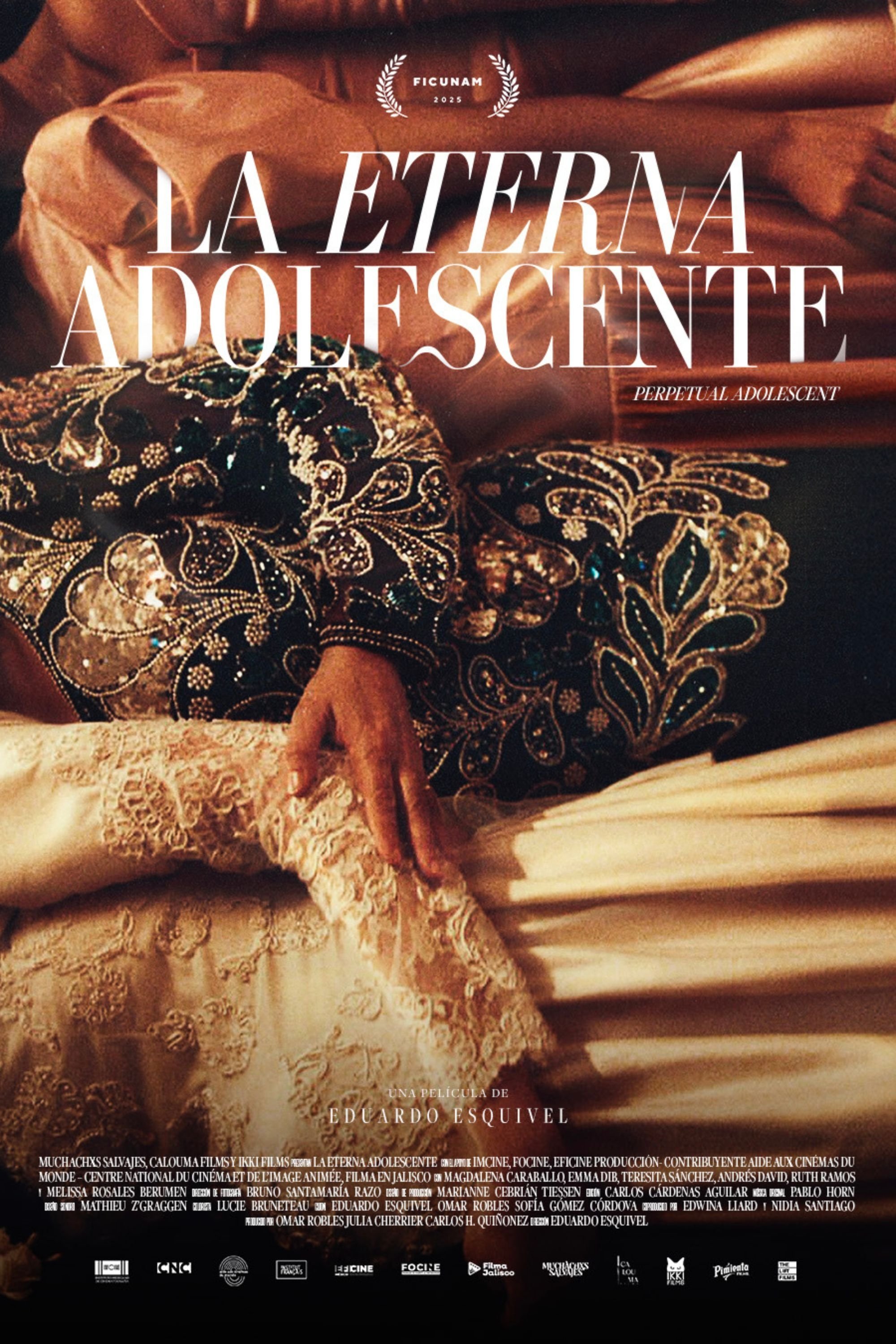
Gema’s suicide attempt brings her three children together after many years, on the eve of an unusually cold Christmas in Guadalajara. Cristina, stubborn and deeply Catholic, sees herself as their mother’s caretaker; Sony, a psychic on the local Latino TV channel, fled as far as she could over twenty years ago and never came back; and Brunito, the much younger one, a frustrated biologist and forty-something gay man still dreaming of finding the love of his life. A cold front moves in and traps them inside the house, threatening to bring back the family’s most painful memory—and place it right on the table.

On the outskirts of an isolated mining town, Lázaro discovers a dead body. He thinks he has a respiratory illness and doesn’t want to go back to the mine. Rumours, suspicion and desire surround him.

Chucho is taken care of by his mother Alma for a few days, during which they will grow closer.

13-year-old Laura feels adrift in her newly stitched-together family. Just as the forests and endless palm plantations begin to feel like home, she uncovers a lurking secret that threatens the women she holds close.

Six women share a common 'friend': madness. It visits us all, pushes us to decide reality, to make daring decisions and to transform our lives.
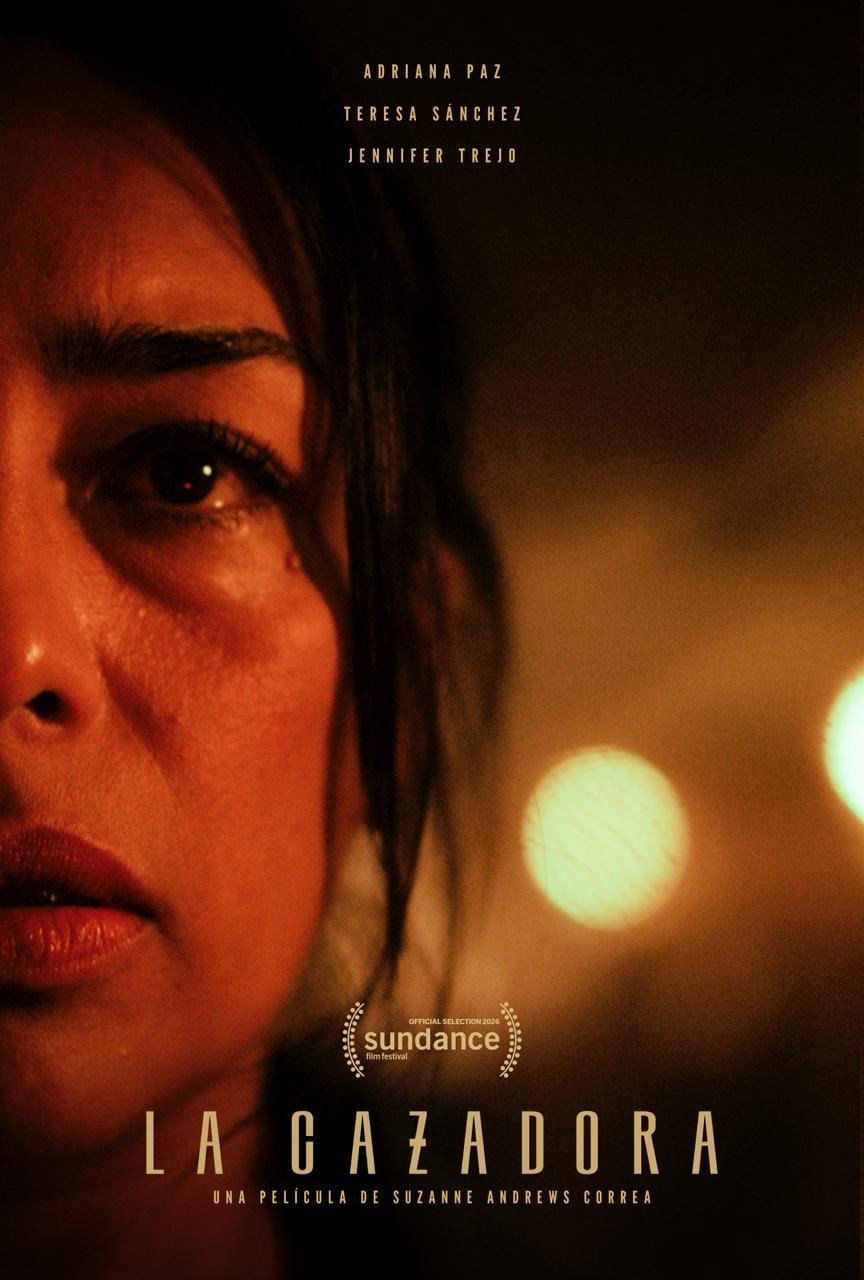
In the border city of Juárez, México, where violence against women is perpetrated with impunity, an unlikely defender emerges with a desperate call for change. Inspired by true events.
17-year-old Joel, a recently recruited night guard, watches over a compound marked by cartel violence. When the darkness begins to whisper, he realizes some secrets never die.

In the 1920s, Mexico was still in a state of near-chaos. Rebellions and revolutions had followed one after the other for decades. Though things were beginning to settle down some, it was still a time when one had the feeling that anything could happen.
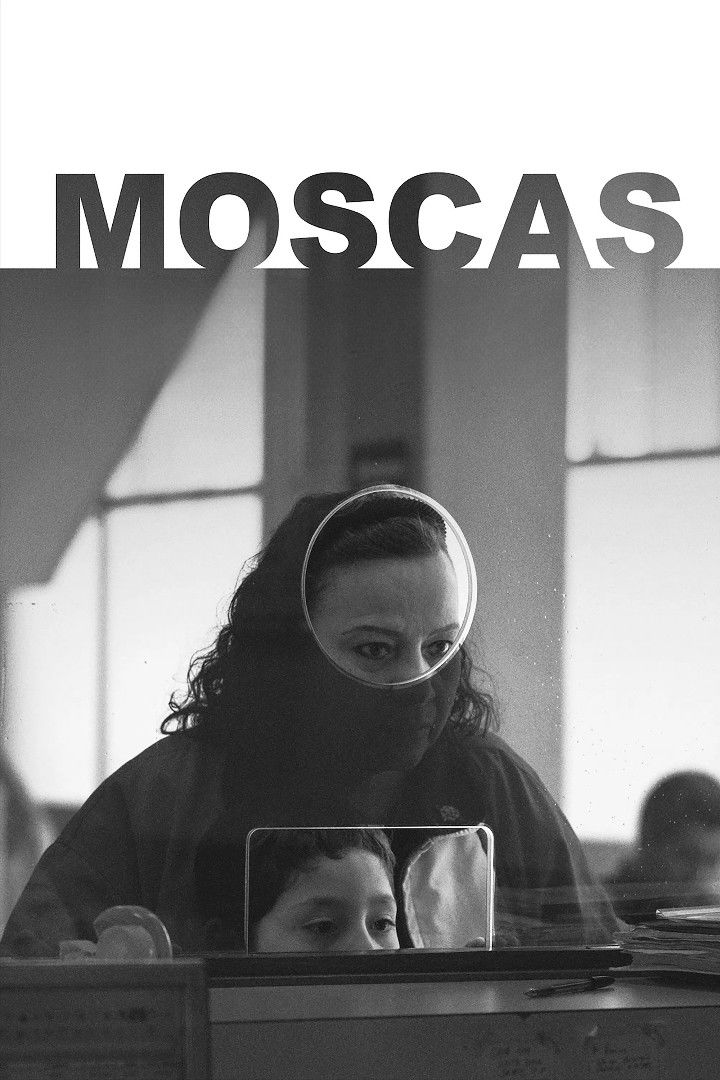
Olga lives a strictly regulated life without attachments in a vast apartment block. When out of financial necessity she rents a room in her apartment to a man who also sneaks-in his nine-year-old son, an unlikely bond forms. Her carefully controlled world begins to shift, and their lives become intertwined against her will.
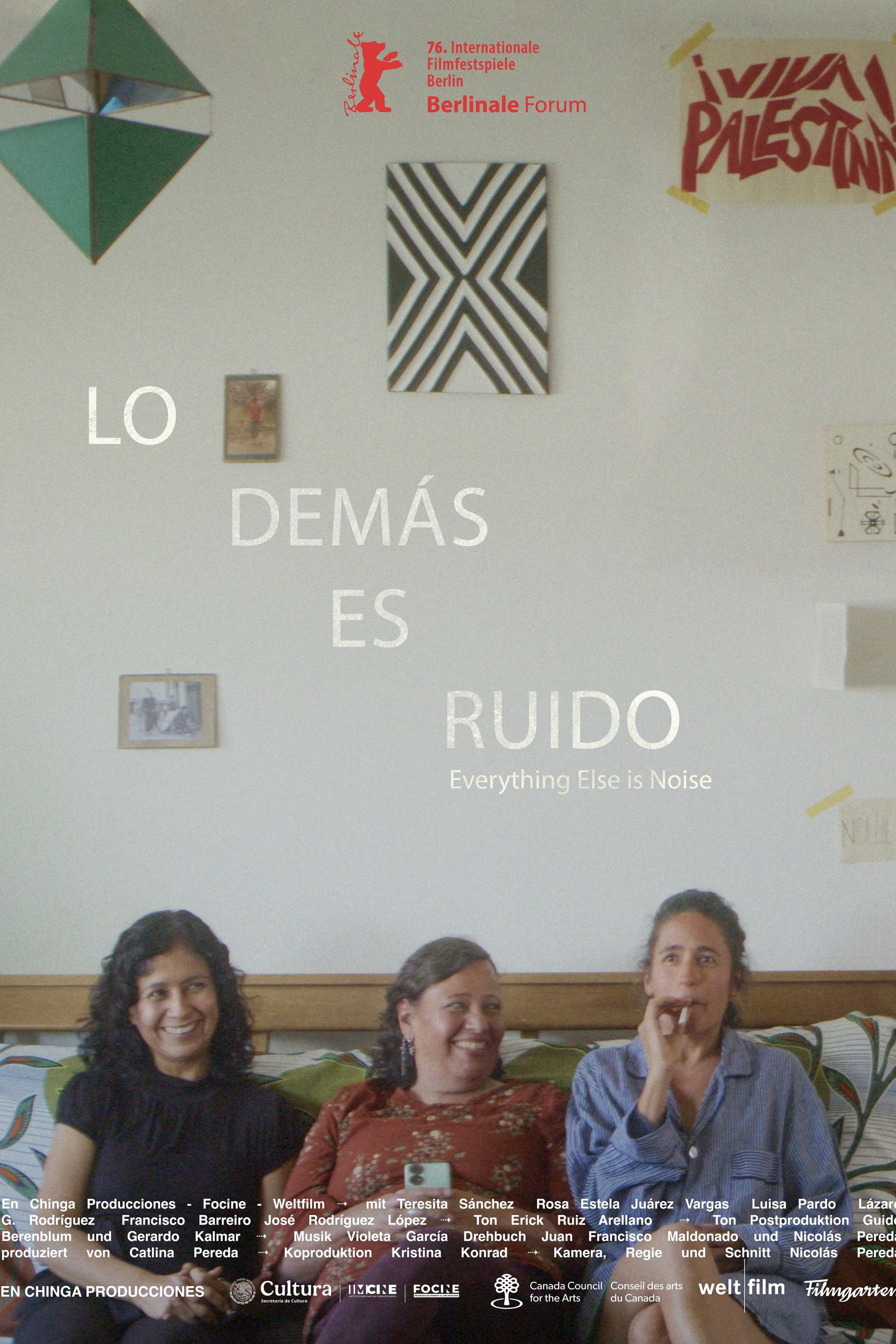
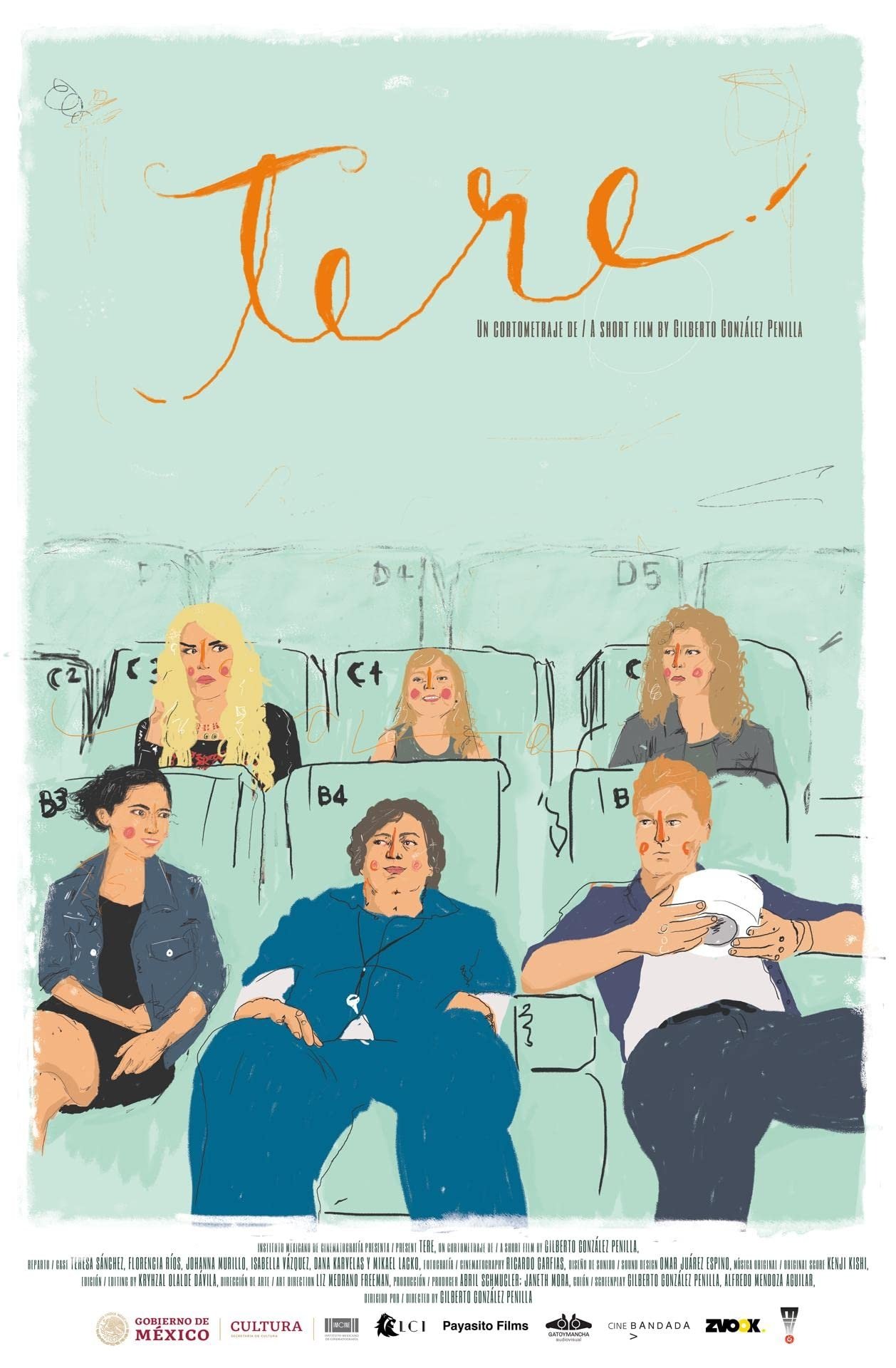
Rosa, a contemporary music composer, agrees to give her first television interview at her colleague Tere’s apartment to keep it secret from her husband. What begins as a simple professional conversation turns into an absurd and comic portrait of rivalries and affections among three women—Rosa, Tere, and Tere’s daughter Luisa—interrupted by power outages, a constantly barking dog, and the visit of a famous composer. As the interview unravels, family and artistic tensions surface, revealing, with humor, both the fragility of prestige and the strength of complicity.
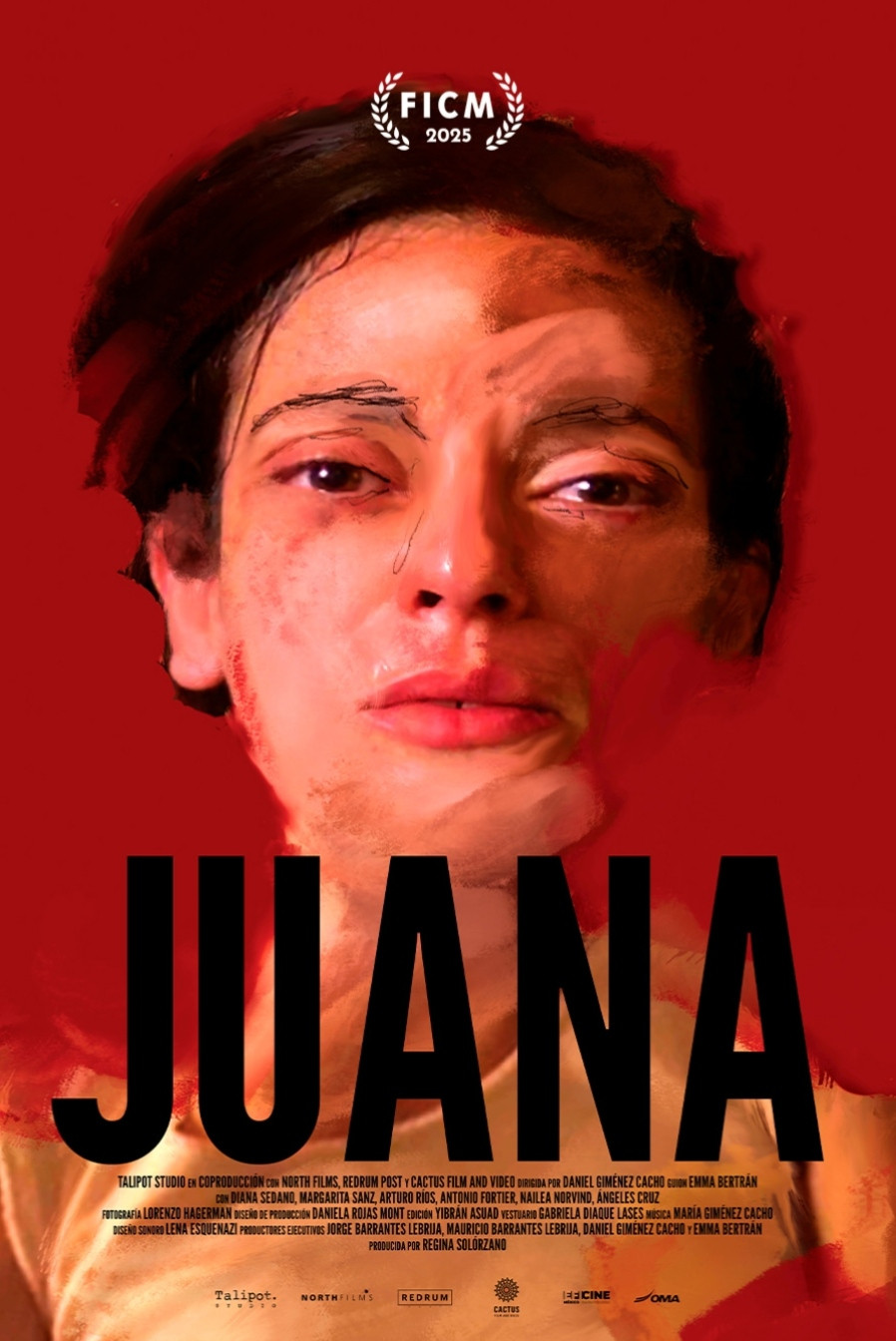
Juana is a woman driven by an unshakable sense of duty who delves into infamous crimes against women, giving herself entirely to the pursuit of truth. Each revelation carries weight and each step forward increases the tension, drawing the viewer into a world where obsession, courage, and vulnerability collide.

Mexico City, early 90s. The day Bruno turns 11, his growing feelings for his best friend Vladimir clash with the sudden announcement that his father has HIV. Like in salsa songs, his family tries to sing and dance their pain away. Thirty years later, Bruno films and reimagine the memory of what he could not quite perceive as a child.