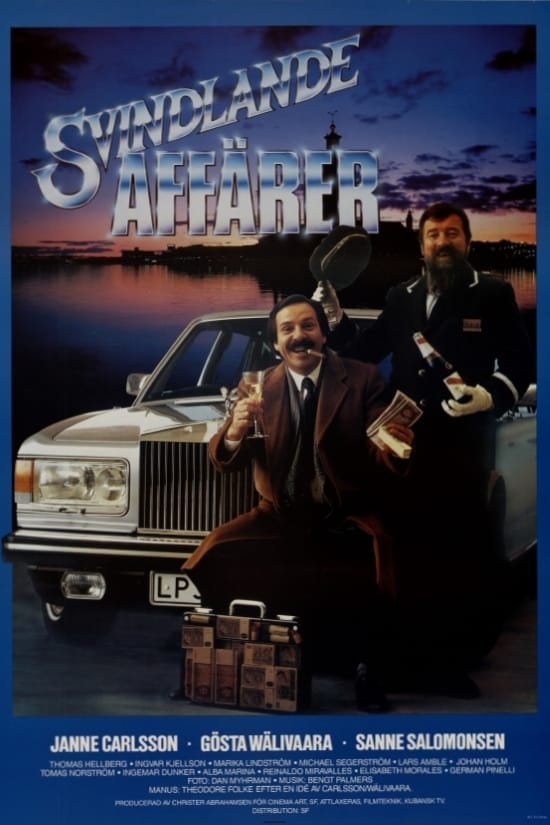
Gösta Eriksson, a hairdresser, buys a car from used-car dealer Bertil Planåker. But Gösta soon discovers that the car is a wreck. Planåker won't give him his money back, in fact he denies ever having seen Gösta. Gösta's brother Rolle is released from prison and promises to help him. They form an investment company, Parabola, and convinces Planåker to invest a lot of money in it. Planåker has a lot of shady business colleagues who also invest their money. Gösta's and Rolle's scam becomes much bigger than they had bargained for.
A film about the Cuban Revolution told from three different perspectives.
Engineer Mario Camargo, originally from Argentina, arrives in Cuba to work on the construction of a new industrial complex. He came from France, where he had lived most of his life. Mario had never thought about what homeland meant to him. He had always lived wherever he felt comfortable. In Cuba, Mario meets architect Marta Alea, a passionate patriot who devotes all her energy and abilities to building a new life. Seeing the enthusiasm of Marta and her friends, their devotion to the ideas of the revolution, Mario realizes that in our days, when the face of the world is changing, one cannot be a man without a homeland.
When her country is taken over by socialist revolutionaries, a wealthy woman can't bear to give up all of her wealth and possessions to the new government, so she hides all of her treasures in the 12 chairs of a dining-room set. After her death her nephew finds out what she had done and, since the chairs had been "nationalized" and are now in the possession of a dozen different people, he sets out to track them down and get the treasures he believes rightfully belong to him.
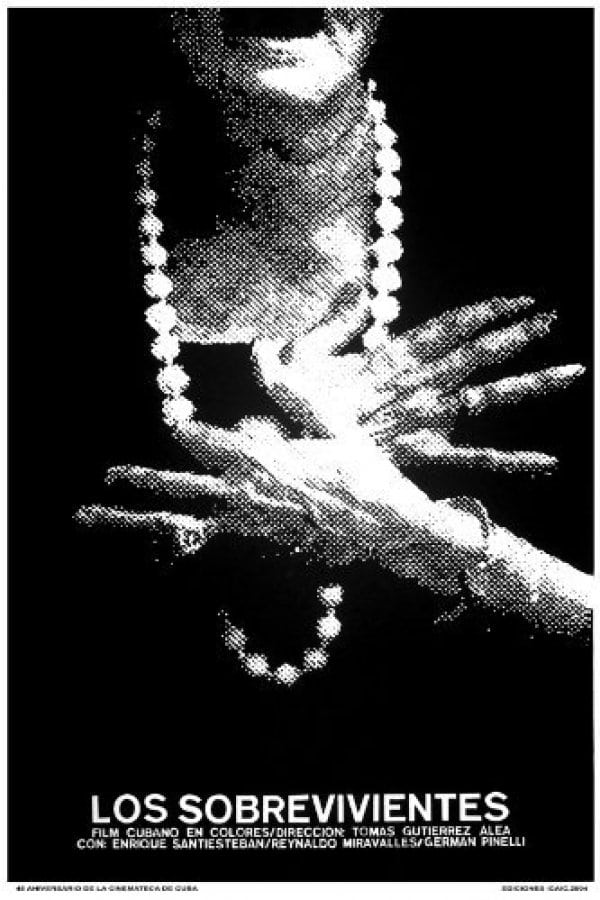
A bourgeois Cuban family of aristocratic origin locks itself into its mansion when the Cuban Revolution comes to power, waiting for the new regime to be overthrown. As time passes, they regress to older and older systems of political order, from capitalism to feudalism to "primitive savagery."
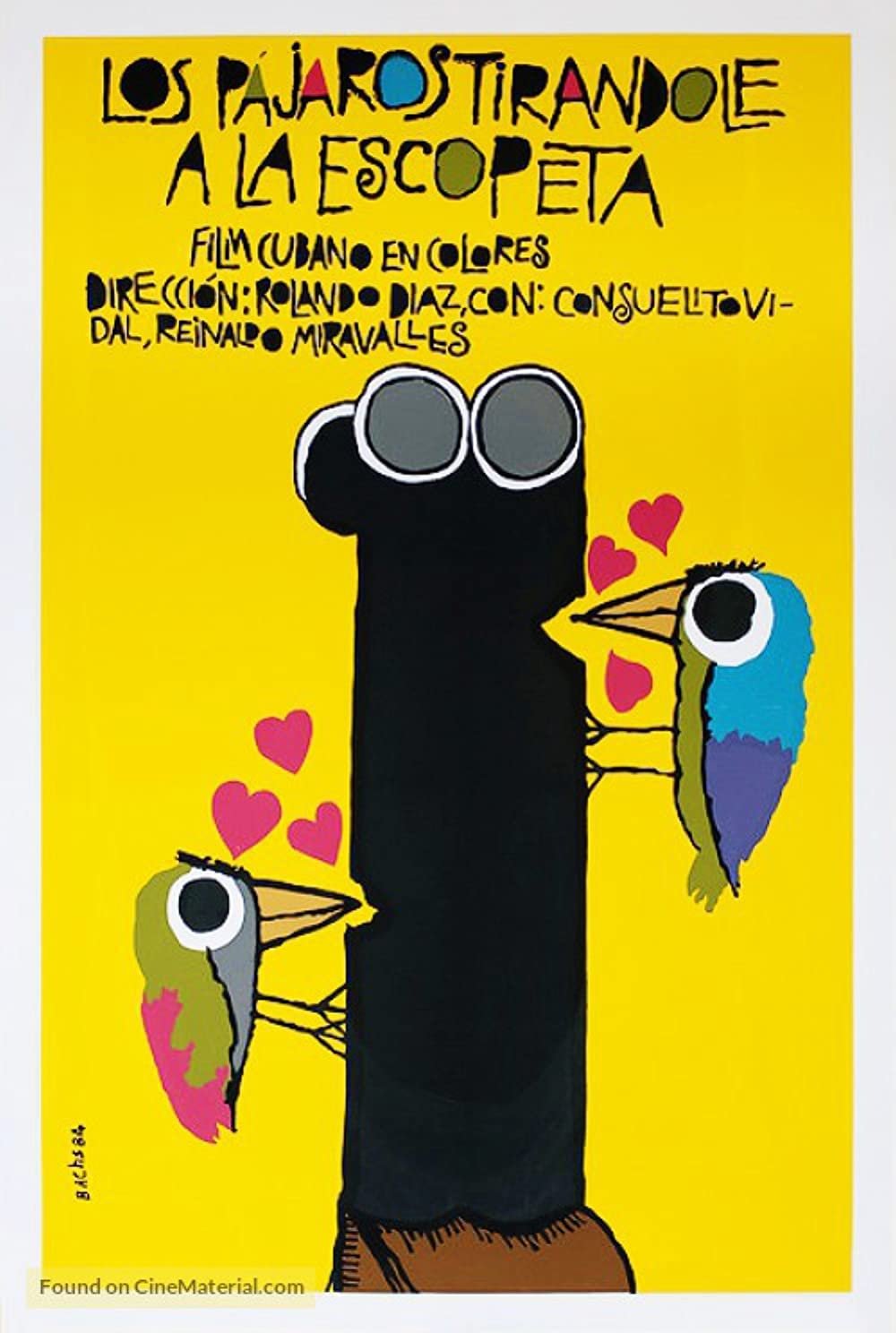
A young couple find out that their parents (her father and his mother) are having a romance. A series of problems arise because the young couple can't accept that relationship.
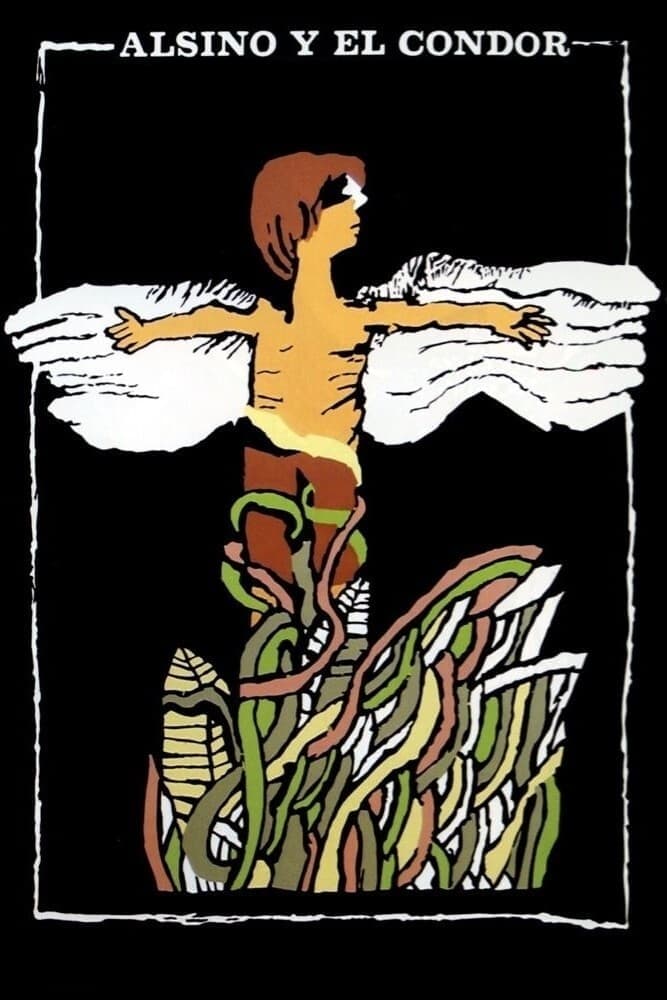
Alsino, a boy of 10 or 12, lives with his grandmother in a remote area of Nicaragua. He's engulfed in the war between rebels and government troops when a US advisor orders the army to open a staging area by the boy's hamlet. Alsino tries to be a child, climbing trees with a girl, looking through his grandfather's trunk of mementos and trying to fly; he goes to town to sell a saddle, has his first drink and is taken to a brothel. But the war surrounds him. The US advisor takes Alsino on a chopper flight, but he's unimpressed. The soldiers' cruelties awake rebel sympathies in Alsino, and after an army assault backfires, the lad is fully baptized into the conflict.
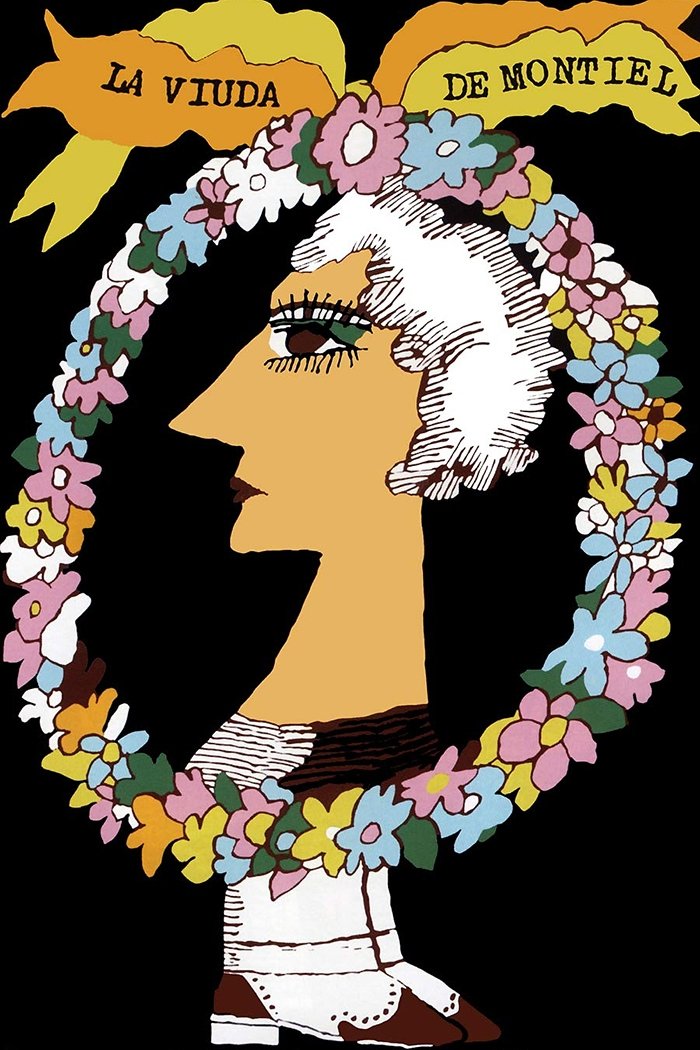
Mexican drama film directed by Miguel Littín. It is based on a short story of the same name by Gabriel García Marquez. It was entered into the 30th Berlin International Film Festival
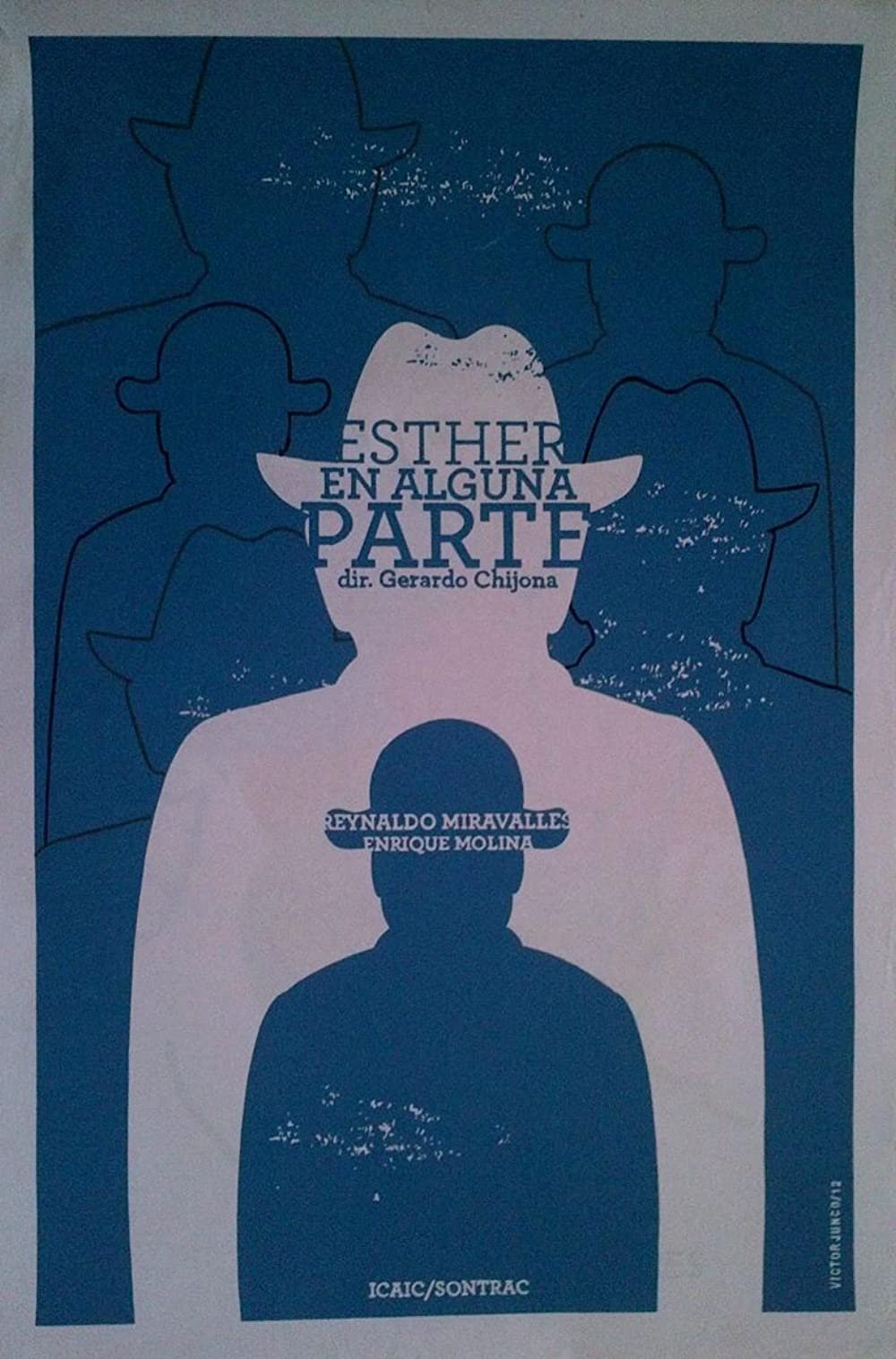
A widower is surprised to learn that his late wife lead a double life.

The unveilings and frustrations of a mother with little income, who insists on lavishly celebrating her daughter's fifteenth birthday.
Three crooks in Havanna plan the bankrobbery of a lifetime
Adaptation of the famous novel, impassioned denunciation of the Guatemalan dictator Manuel Estrada Cabrera.
1964, in the Escambray mountains: the area is infested with counter- revolutionary bands which are trying to spread terror among the population and re-establish contact with the US, CIA. The murder of a man led to a reprisal to wipe out the bandits.
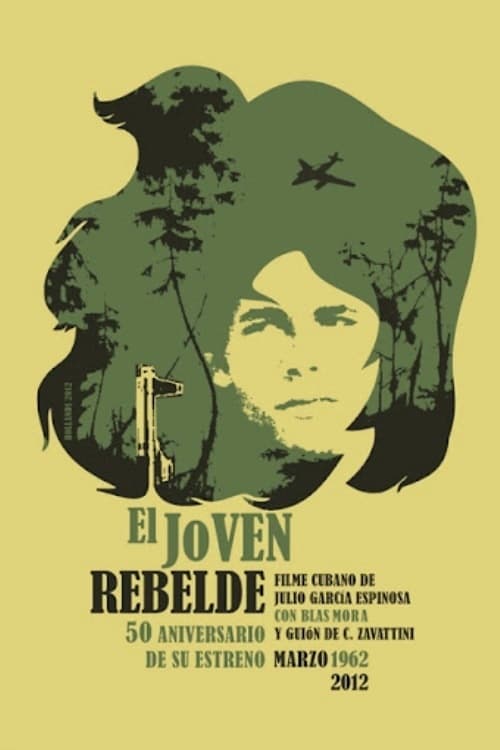
Pedro is a young peasant who leaves home to join the Rebel Army, based in Sierra Maestra.
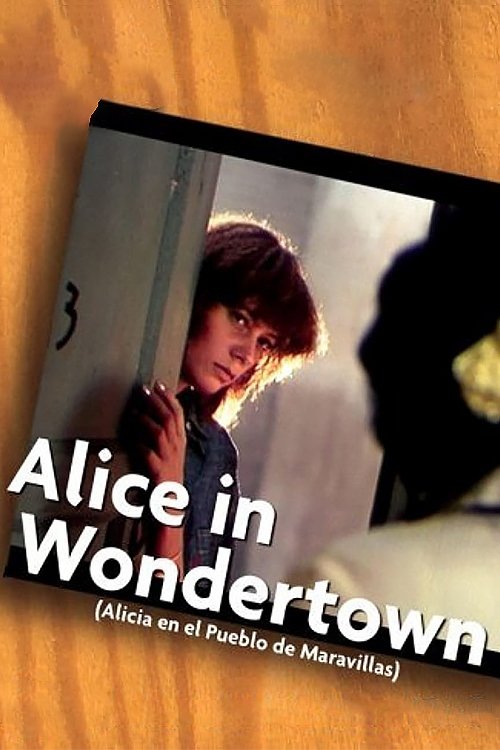
A biting satire about life in contemporary Cuba. Alicia, a young drama instructor, is sent to the small town of Maravillas de Noveras, which is itself an exaggerated, but very ingenious reflection of the real Cuba. Her adventures there are almost as surreal as the ones experienced by Lewis Carroll's character, reflecting patterns of indoctrination, coercion, absolutism, and many other everyday problems in Cuban society.
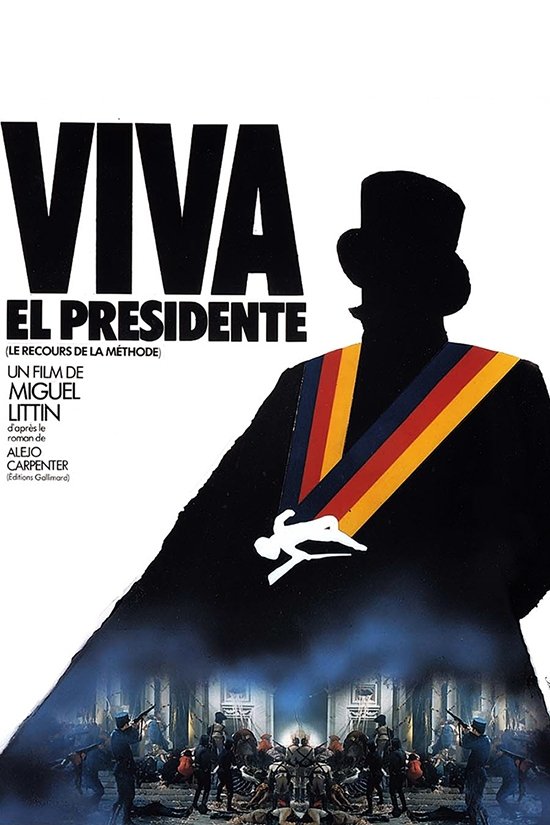
Set in the early 1900s, this film charts the rule of a Latin American dictator as he moves from being a charming despot to a tyrannical ruler before he is finally ousted, only to die in obscurity in Paris. Early in his regime, the resources and agricultural products his country sells command high prices, and he is a reasonably confident, even gentle, ruler who likes to take long vacations with his daughter in Paris. After World War I, with falling prices and a number of coup attempts behind him, his rule becomes quite cruel.
A look at the life and work of Cuban filmmaker Tomas Gutierrez Alea.
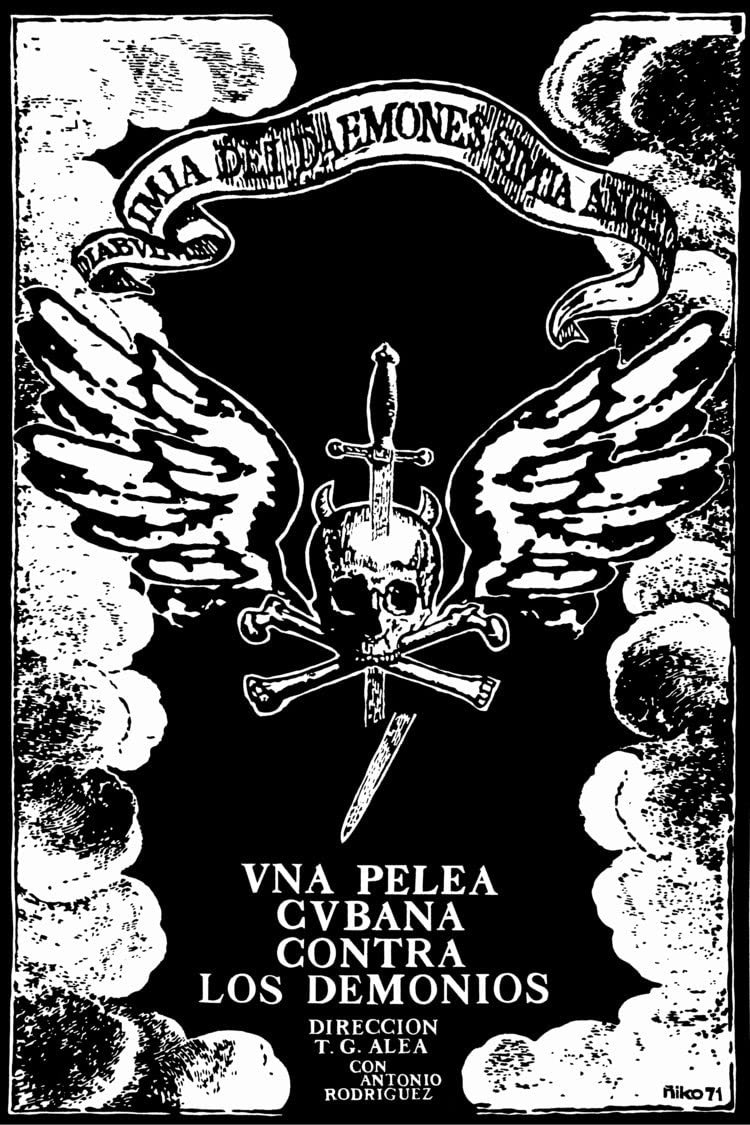
In 1672 Cuban revolutionaries launch an uprising against the Spanish who are occupying the country. Preserved by the Academy Film Archive in 2017.
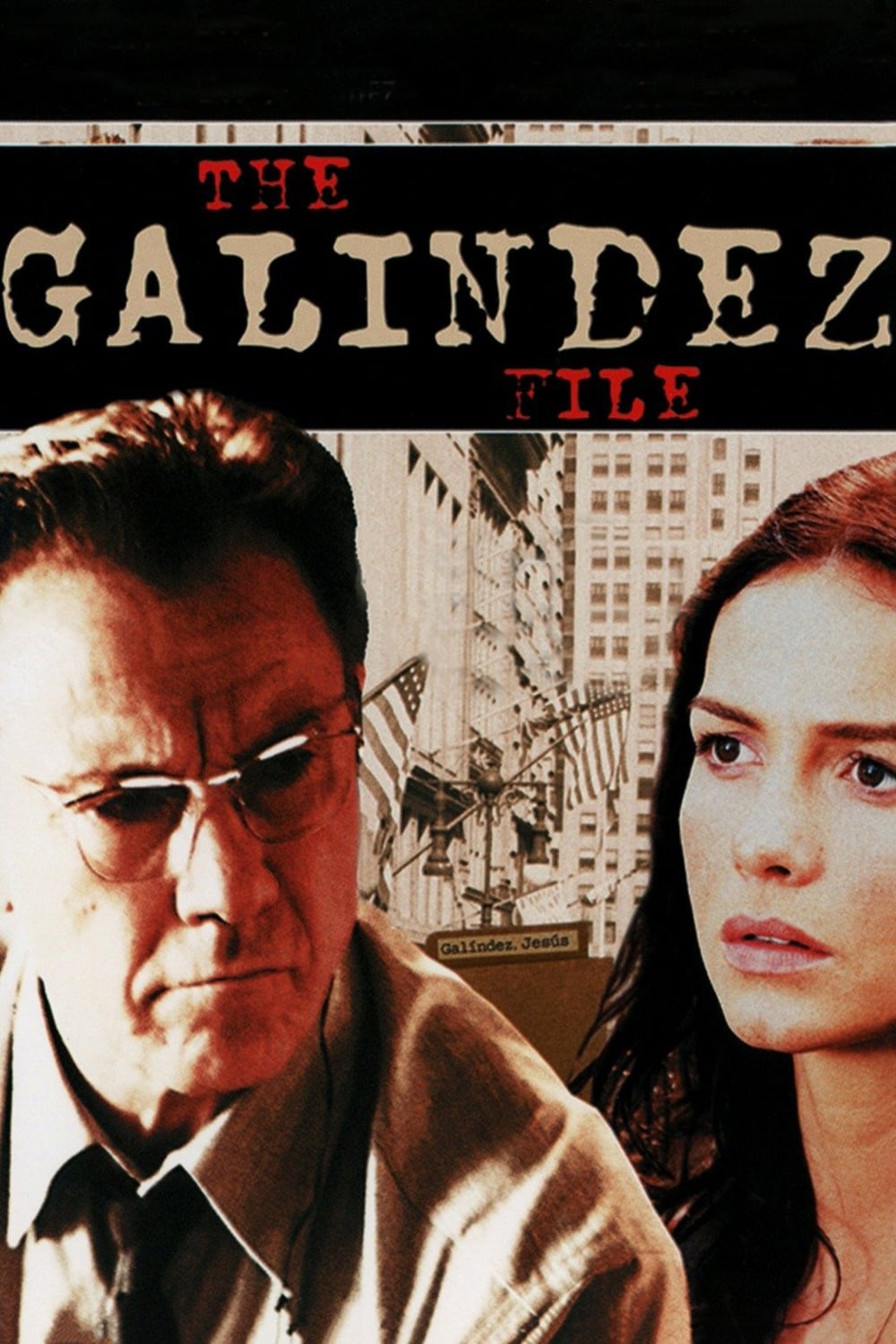
On March 12, 1956, Basque Nationalist Jesús de Galíndez Suarez disappears from his apartment in New York, never heard from again. He had been working with the FBI and was about to publish a book critical of Dominican strongman, Trujillo. In 1988, a graduate student, Muriel Colber, wants to make Galíndez the subject of her dissertation. She's in Spain doing research; finding little, she goes to Santo Domingo. At every turn, the CIA, in the person of agent Robards, tries to thwart her; and, at each turn, as she considers abandoning the project, someone offers new information, often contradictory. She wants the truth behind the Galíndez mystery; will she find it?
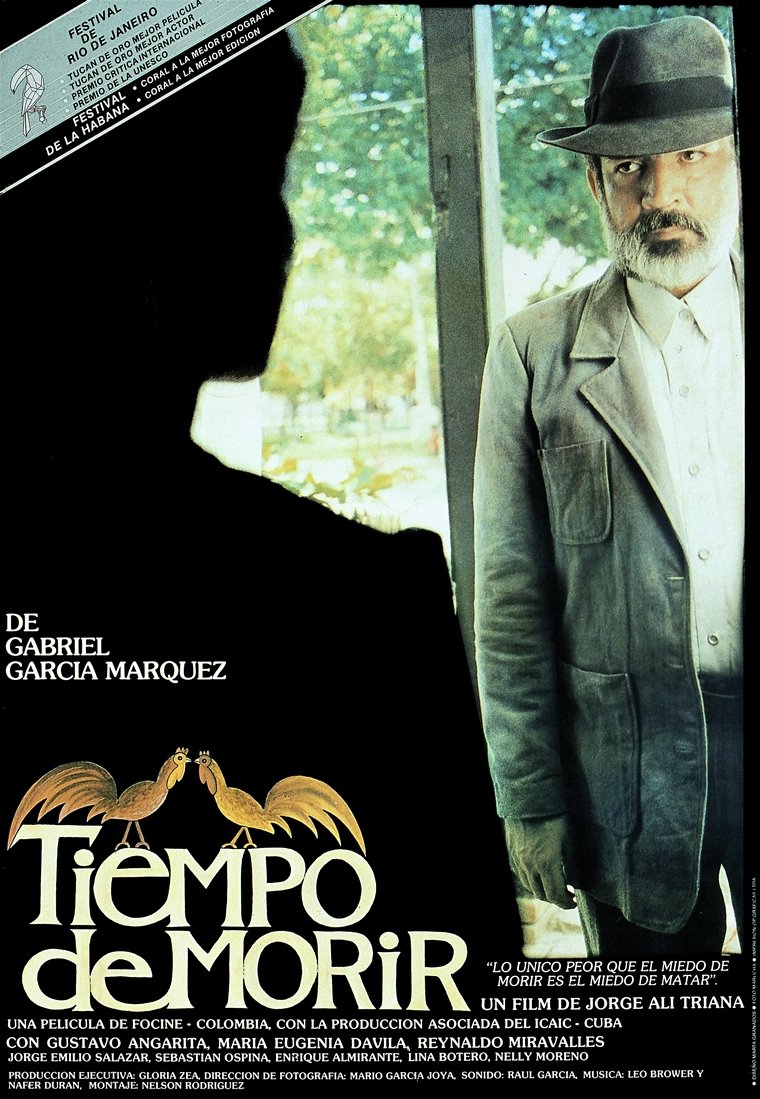
A man is released from prison, and after 18 years, returns to his village. But in this village, time, in many ways, has stood still. The time served by Juan complied with the court's justice, but not with some villagers. There are some who still seek true justice.
The rivalry between two peasants who compete in raising cattle, fosters a comedy of mistakes when the children of each other fall in love.
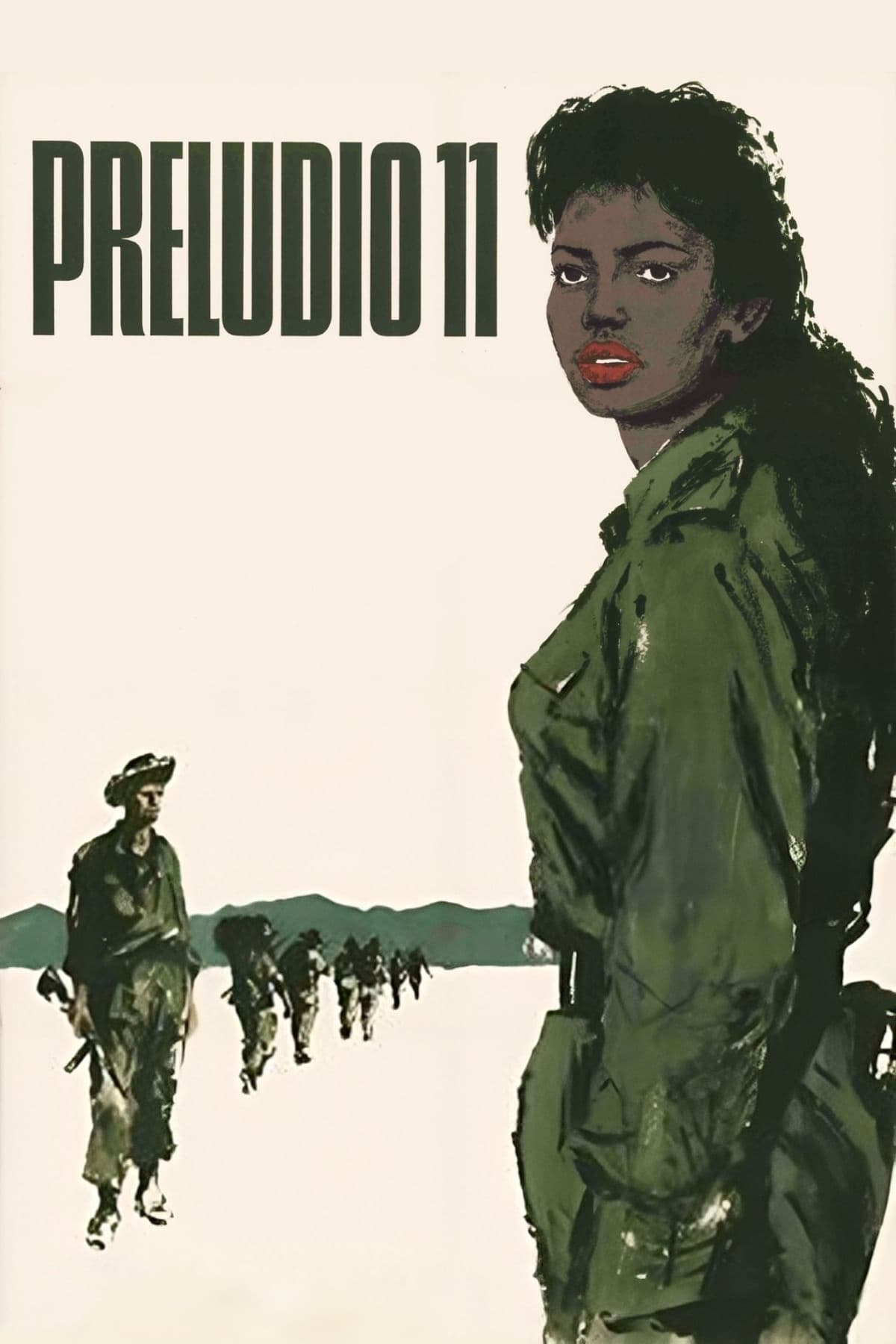
Daniela – a single mother, whose boyfriend left for the US – believes wholeheartedly in Cuba's revolutionary new order. Meanwhile, in Florida, a plot is afoot. Under the command of an American officer, four Cubans ex-patriots and a Guatemalan land on the Cuban coast to prepare a US invasion of the island. Daniela's superior, the corrupt Cuban officer Palomino, is secretly helping the invaders and the young woman becomes entangled in the intrigue.

Based on the novel by Venezuelan writer Enrique Bernardo Núñez, the film tells the story of engineer Leiziaga discovering his historical doubles in the context of the colonization of the island of Cubagua in Venezuela. In this way, two stories are intertwined: one that takes place in the 16th century and another in the 20th century. The first story focuses on the life of the Spanish settlers who arrived in Cubagua and the exploitation of the indigenous peoples for pearl extraction; the second story, set in the 1920s, tells of Leiziaga's archaeological expedition, financed by a multinational oil company, in which he visits the island to study the ruins of the Spanish settlement, which leads him to reflect on the passage of time and the destruction caused by human exploitation, and through a game of mirrors, to realize the relationships between the past, present and future.

Aquilino, better known as "Lepe", is a circus clown who returns to Caracas after several years of absence with his assistant Lepino to discover the whereabouts of his granddaughter Geraldine, the result of a relationship his daughter had with the young millionaire Juan Bértola, who died in a plane crash when Geraldine was just a baby.