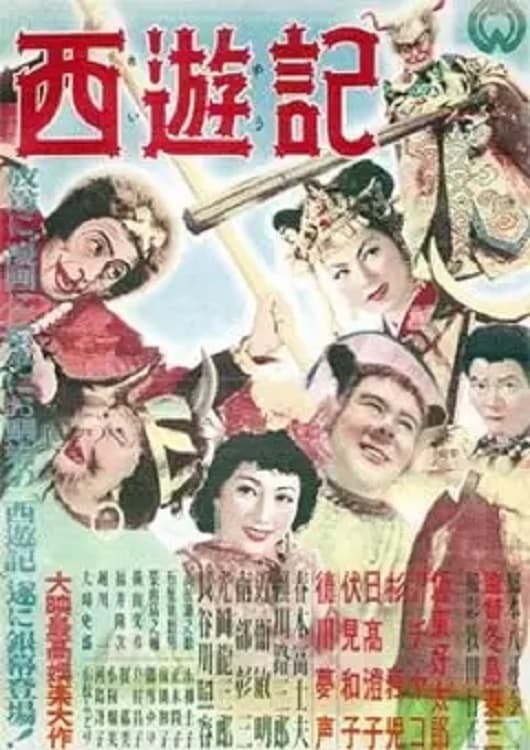
An adaptation of the famous 16th century novel, Journey to the West.
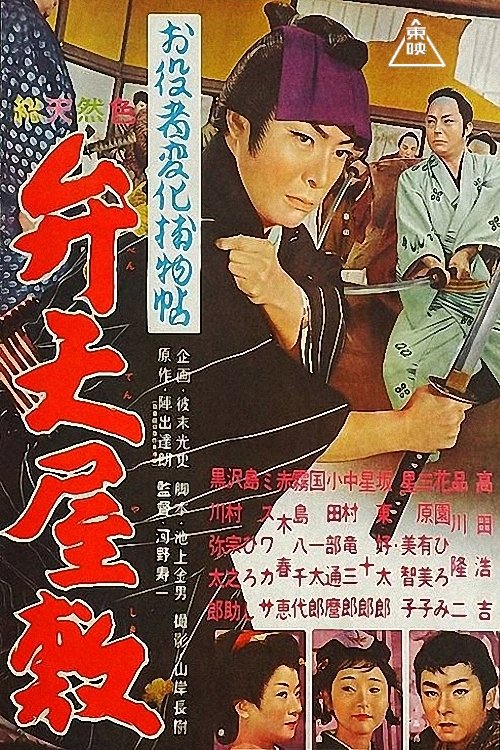
The first work in the series "Cases of An Actor in Disguise" starring Kokichi Takada, based on the original work of Tatsuro Jinde. Kasumi Ippei is a popular ronin actor, and when he is not on stage he is investigating intricate crimes, in this film Ippei will solve the abduction of seven beautiful young girls.
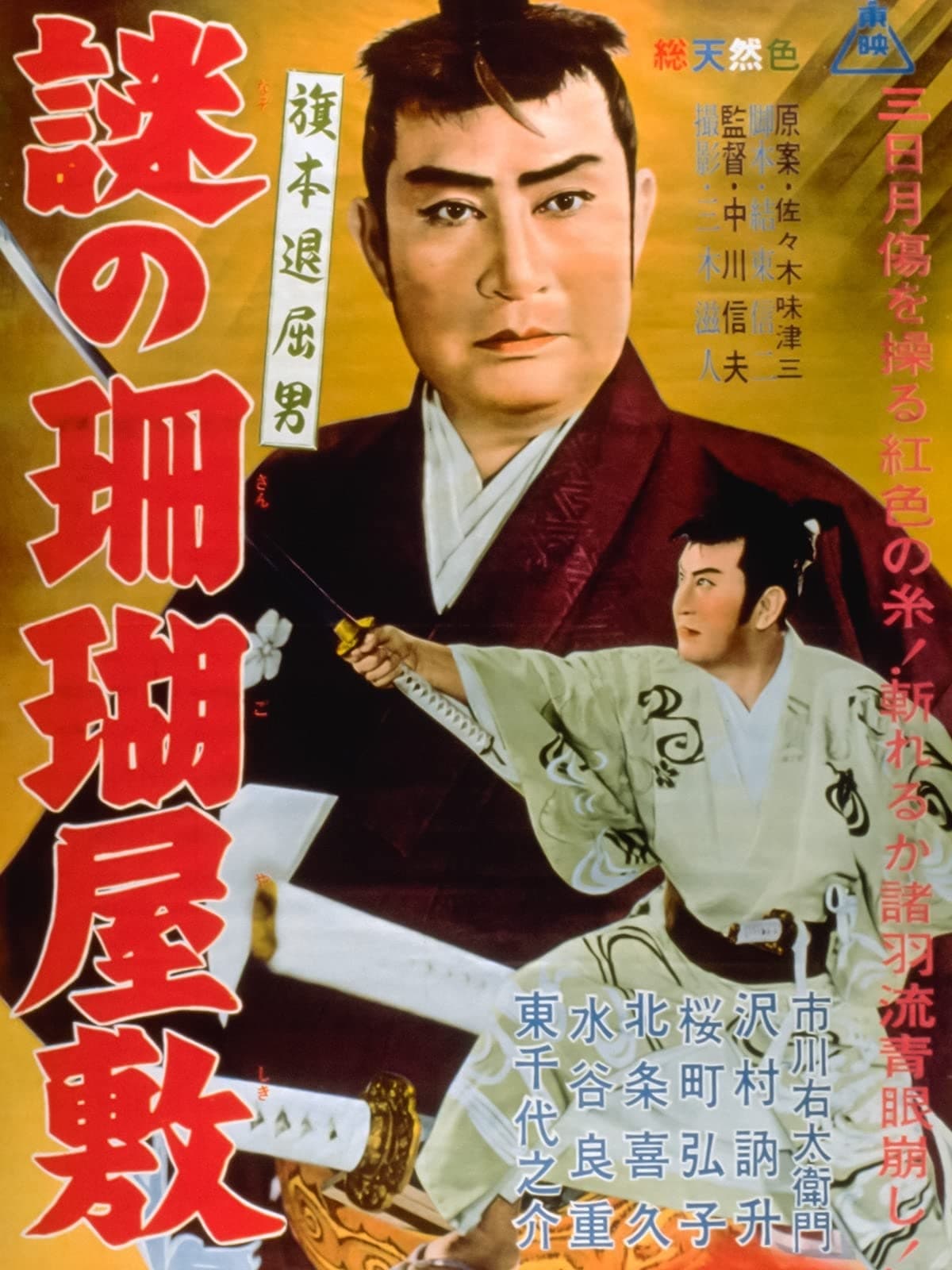
Bored Hatamoto movie #29
1962 Japanese movie
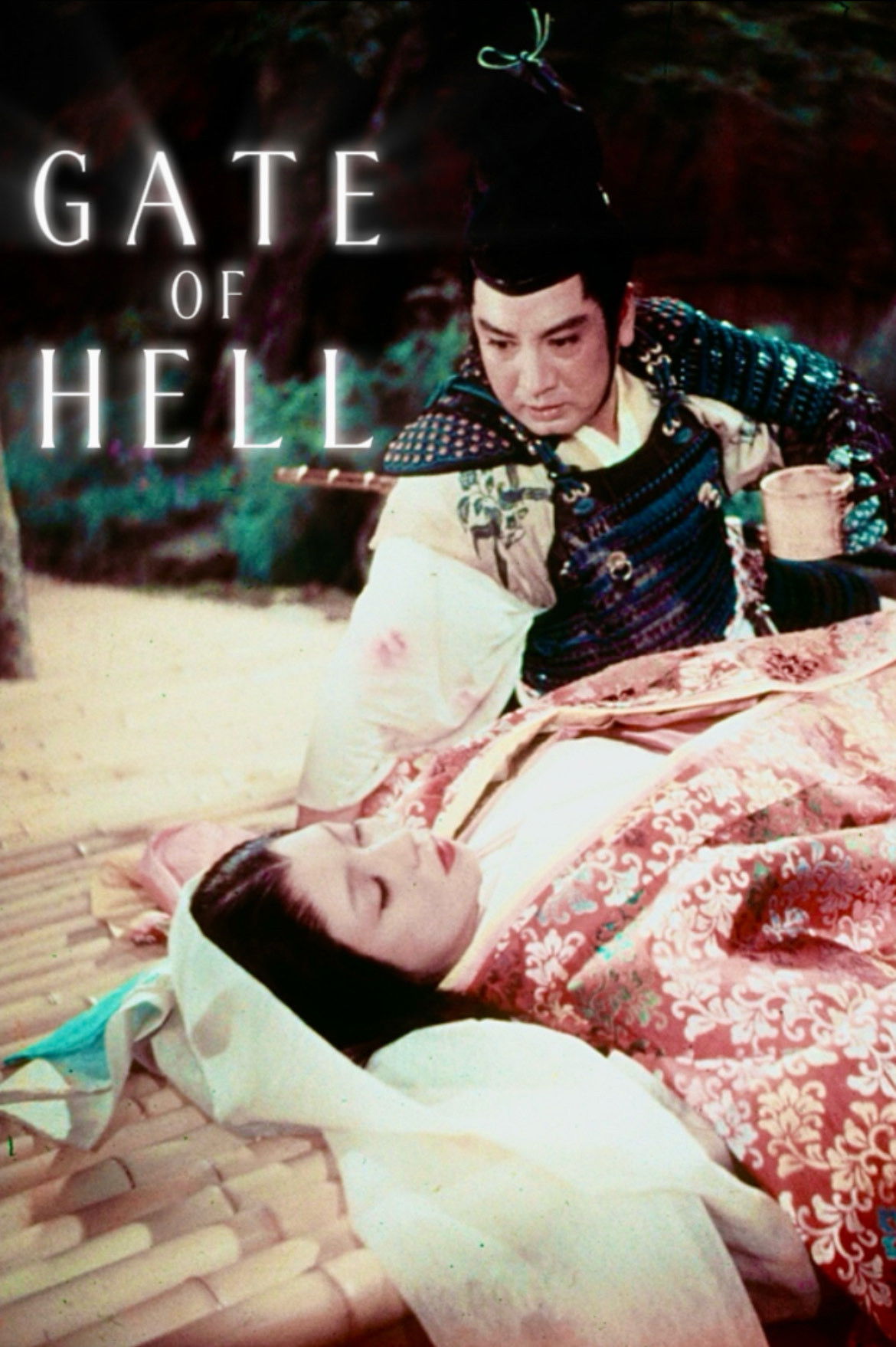
Japan, 1159. Moritō, a brave samurai, performs a heroic act by rescuing the lovely Kesa during a violent uprising. Moritō falls in love with her, but becomes distraught when he finds out that she is married.
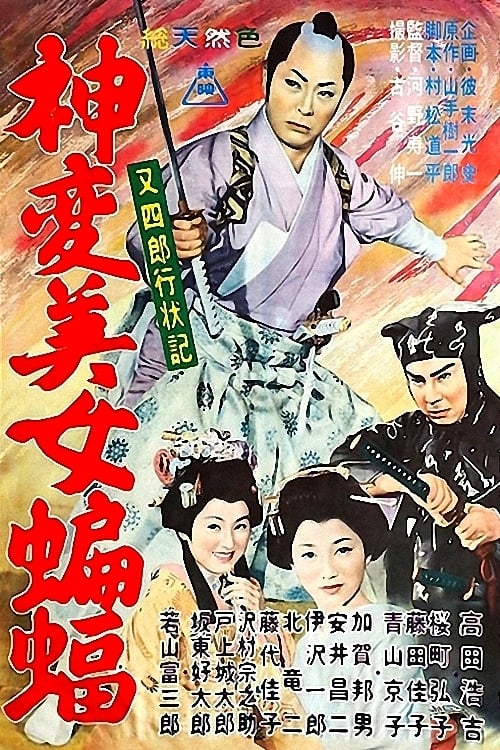
Rampant ronin Matashiro Sasai, finds himself embroiled in serious unrest after he rescues a geisha who is being kidnapped by a group of ronin.
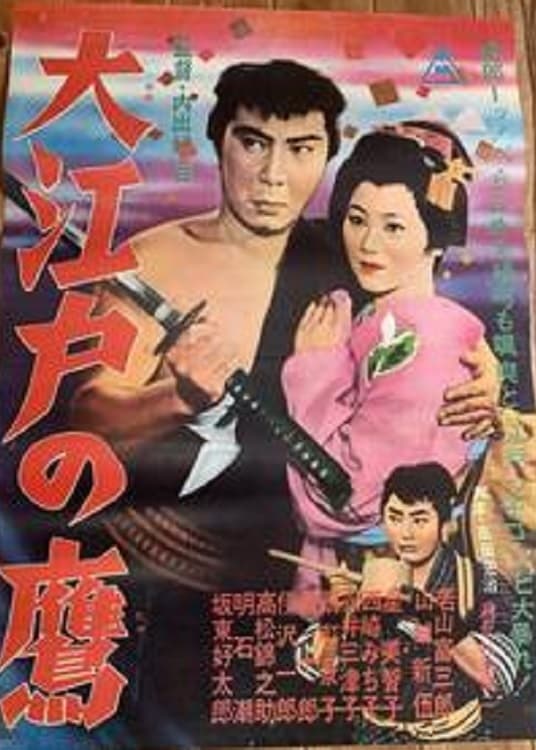
1962 Japanese movie
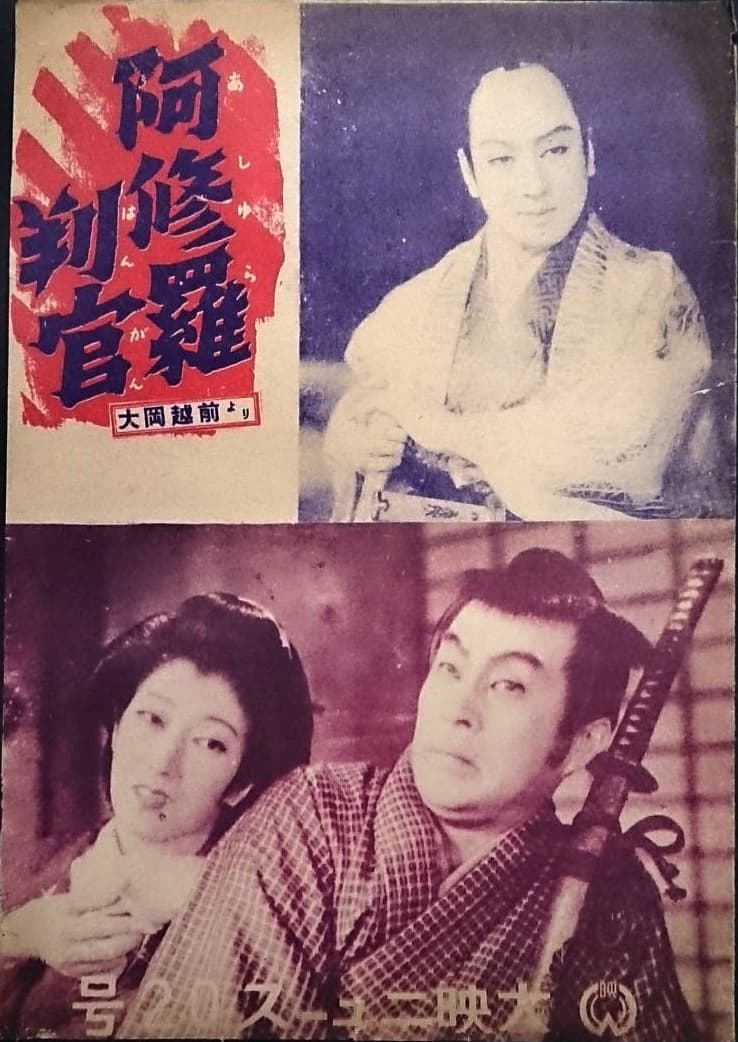
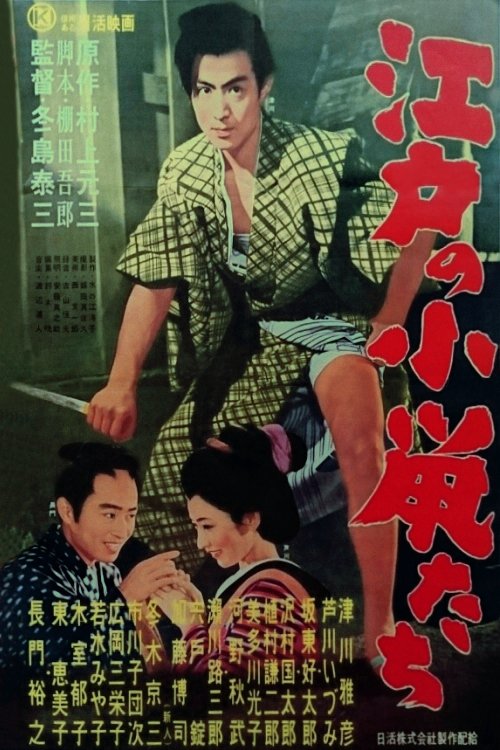
The action of this historical drama takes place against the background of poverty and hunger in the city of Edo and depicts young people rebelling against the contradictions of feudal society.
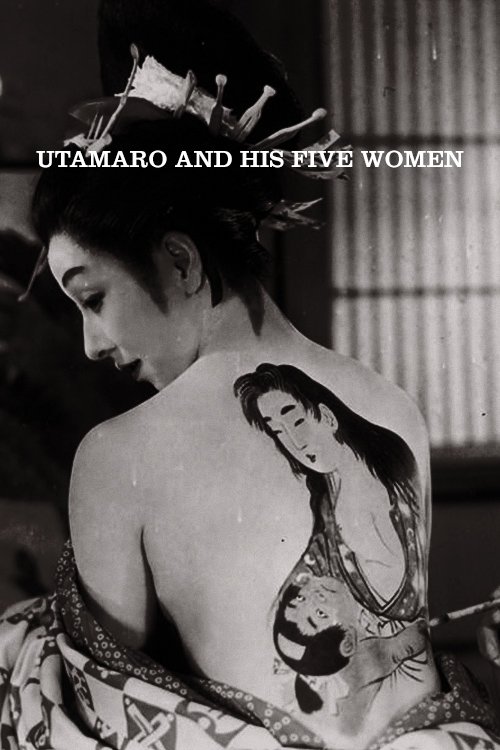
Utamaro, a great artist, lives to create portraits of beautiful women, and the Tokyo brothels provide his models. A world of passion swirls around him, as the women vie for lovers, and, occasionally, his art gets him into trouble.
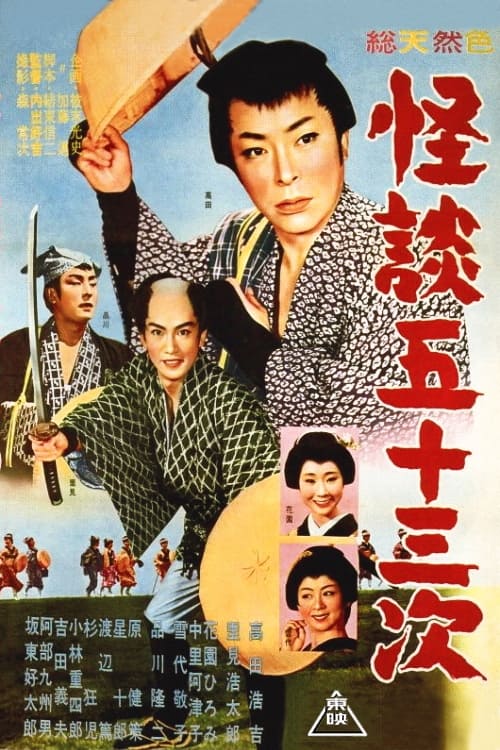
Kota and Kosuke, from the Hikyaku-ya shop in Edo, went to Kyoto. Contrary to their carefree appearance, they carry a secret letter concerning the Aoba clan from Kyoto. A samurai who calls himself Okuma Danemon joins them on their journey, and soon people begin to appear one after another, seeking to get a secret letter...
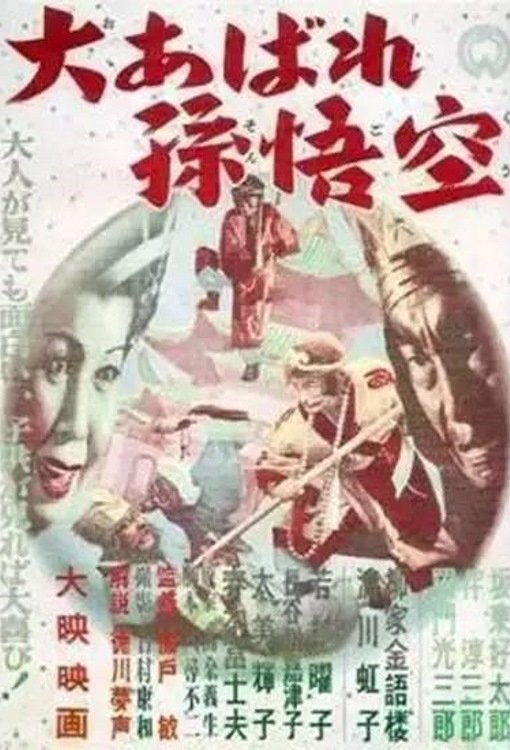
Sequel to "Saiyuki" (1952)
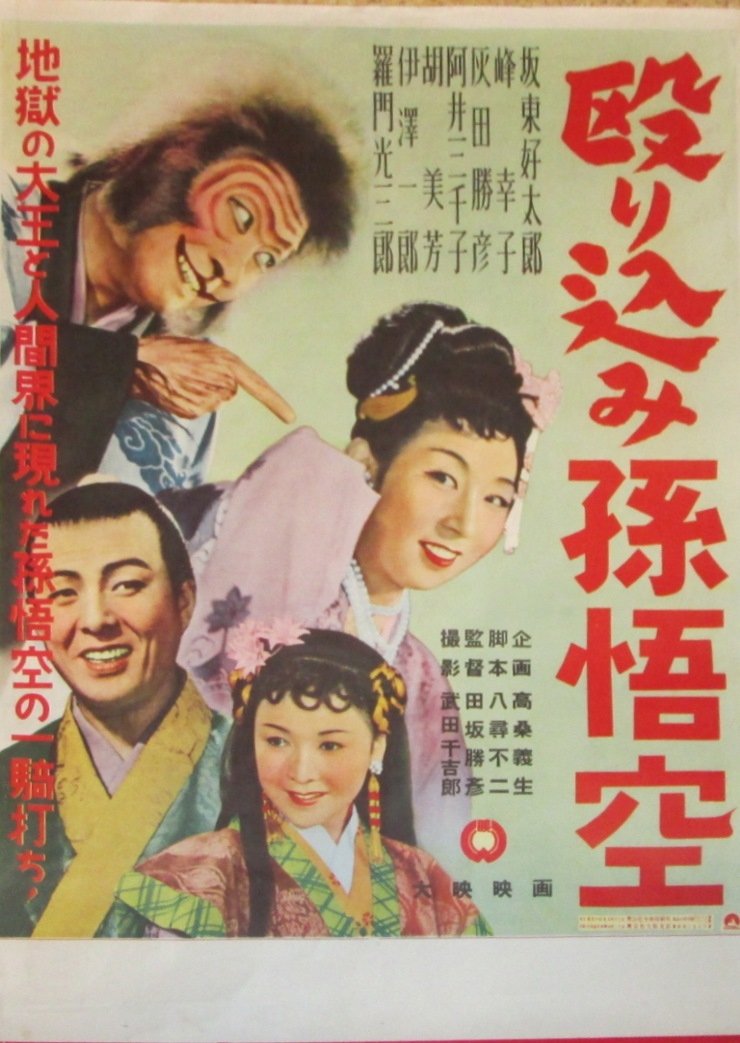
Second sequel to Saiyuki (1952)
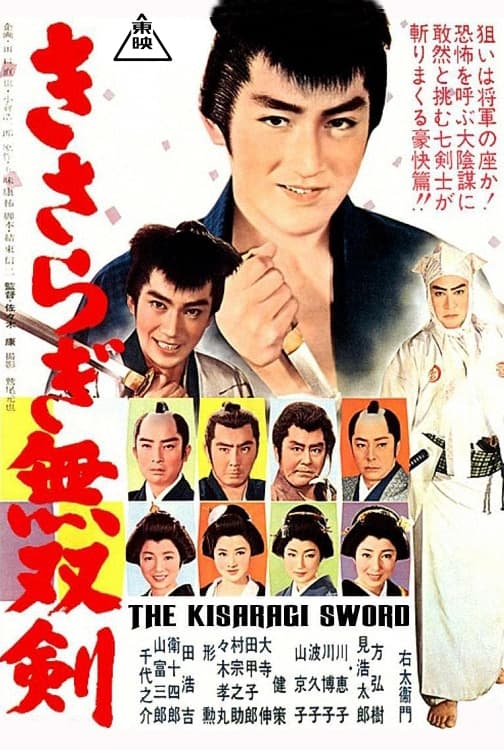
The story concerns the efforts of seven master swordsman who join together to protect the new inexperienced Shogun Tokugawa Yoshimune from the evil plans of the Owari Clan's corrupt Lord. It's a colorful bunch, a drunk samurai, a master thief, a sword instructor and a Lord who is disguised as a ronin since it is an executable offense for a lord to wander outside of their domain without permission. As the Chief Magistrate becomes suspicious of the Owari plot to send men to Kodenmacho Prison to start a riot he begins to investigate the rumors. He soon calls upon the Lord of Mikazuki Castle and the Shogun's best friend to help thwart the evil ambitions and battle the rouge swordsman hired by the Owari Clan.
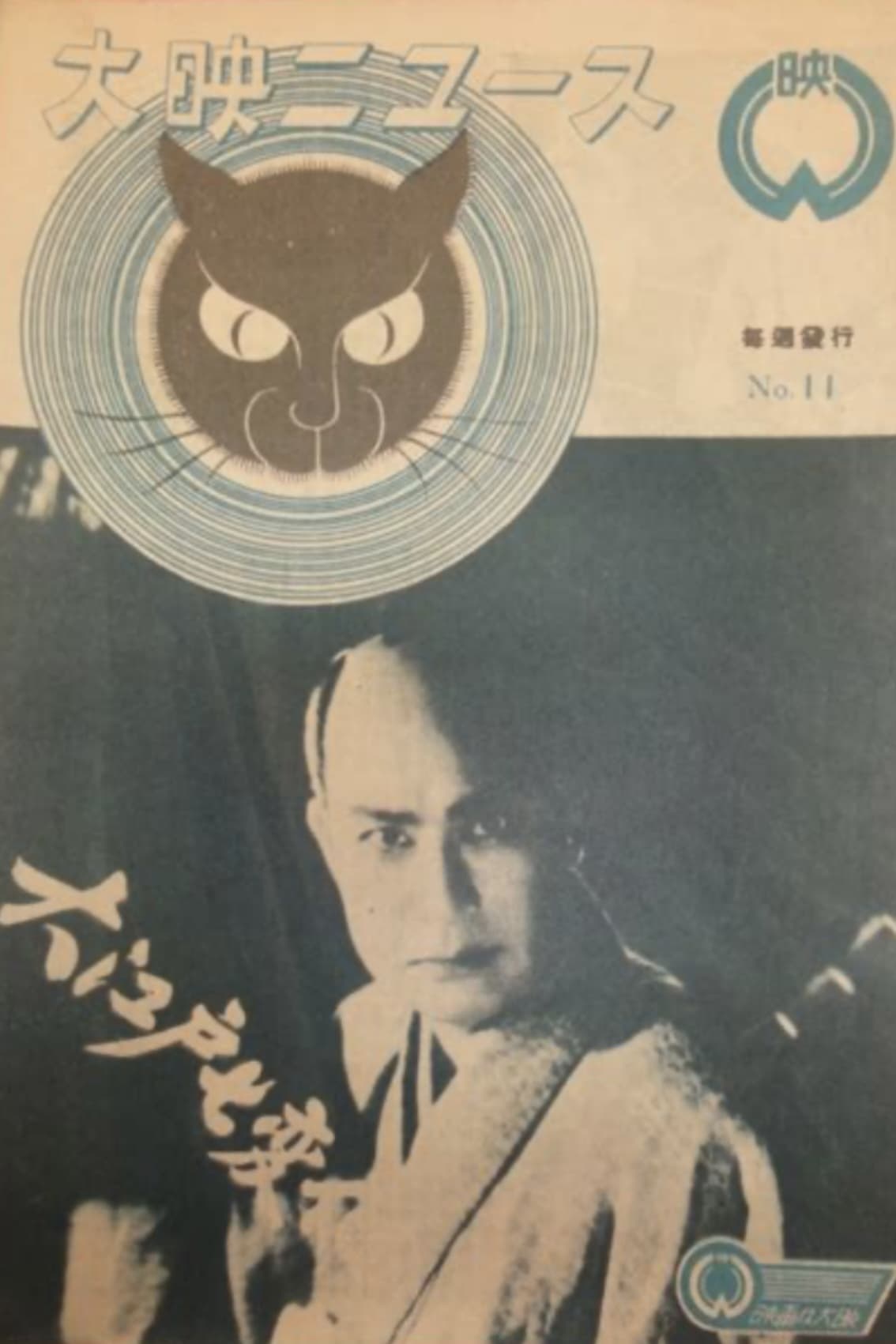
Film about Ghost-Cat.
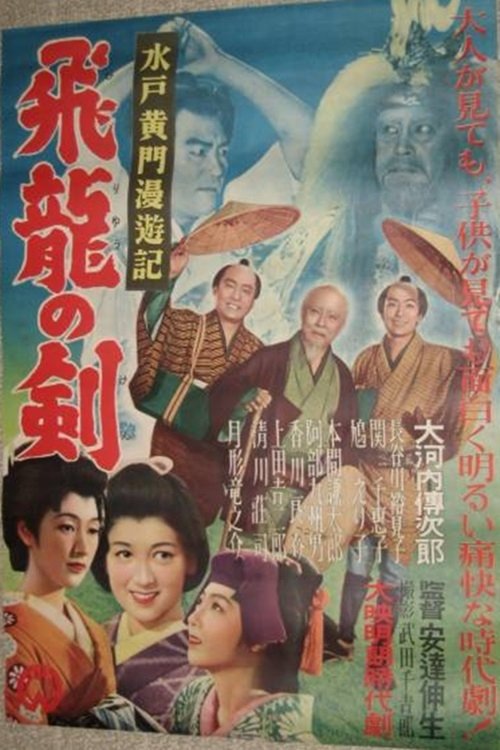
Adaptation of Mito Kōmon.
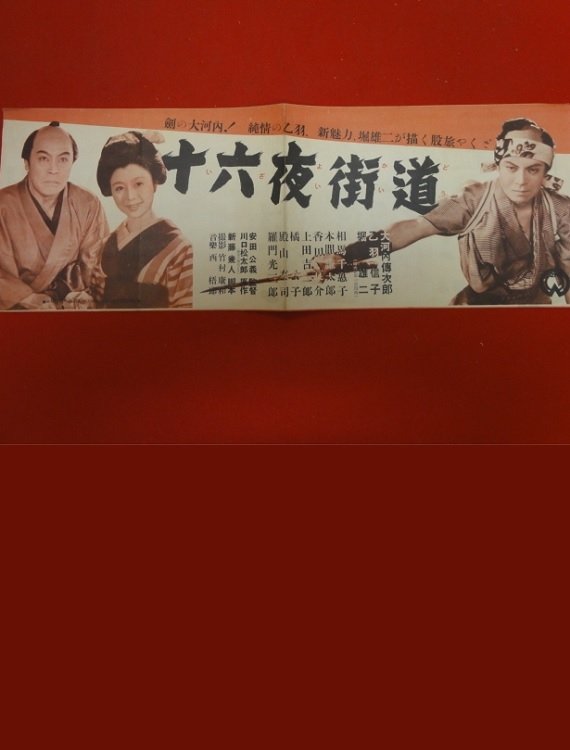
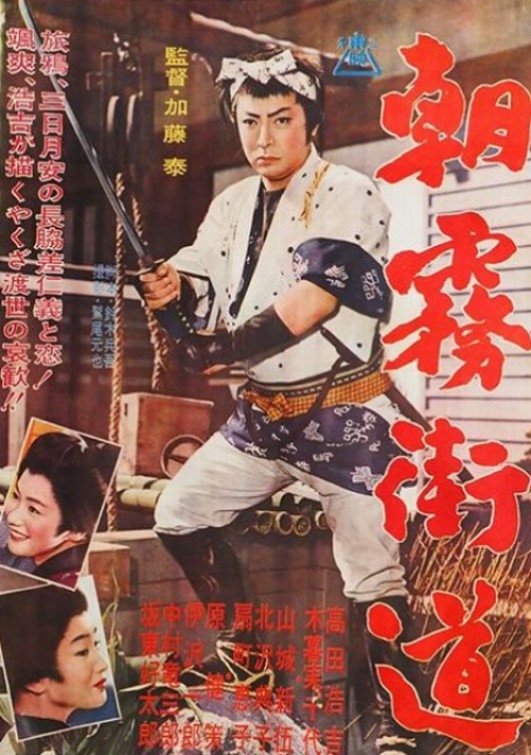
Jidaigeki by Tai Kato
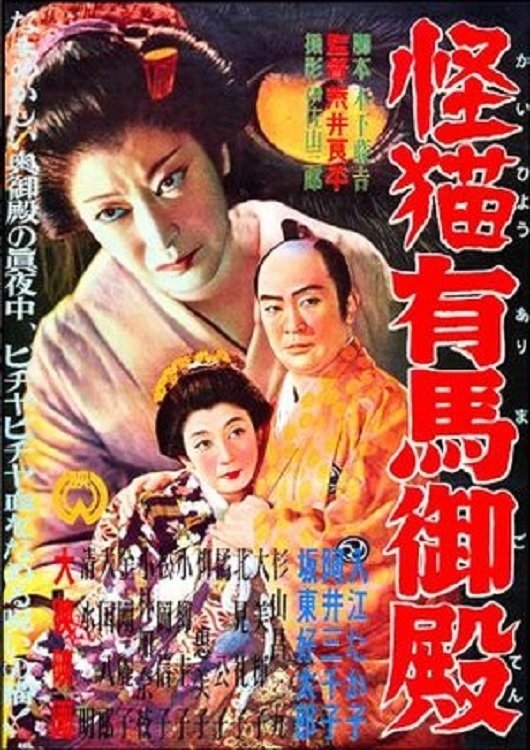
Okoyo, the mistress of Lord Arima, fears that she is being replaced by a younger woman named Otaki. In a fit of jealousy, she kills the younger girl. The dead woman's cat licks her blood and becomes a demon, seeking revenge on Okoyo
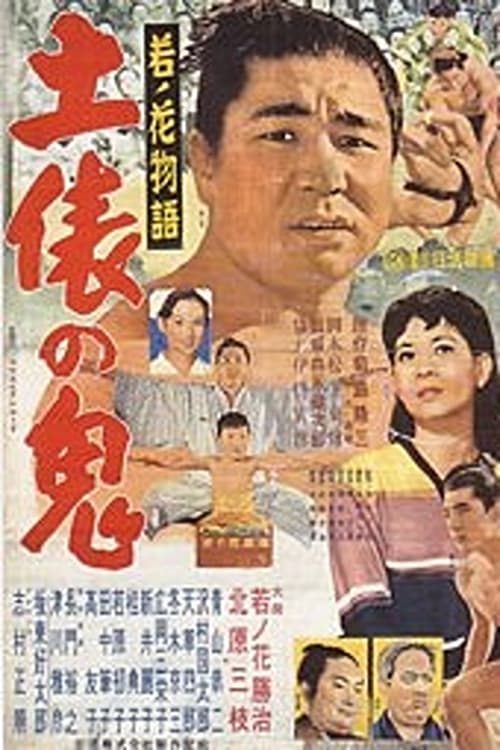
A film about sumo wrestler Wakanohana Kanji I. He was nicknamed "Devil of the dohyo" due to his excellent fighting spirit and endurance.
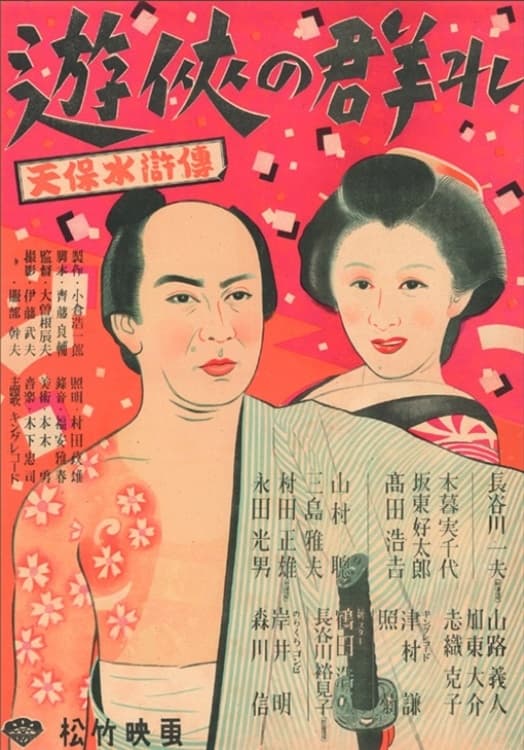
1948 Japanese movie
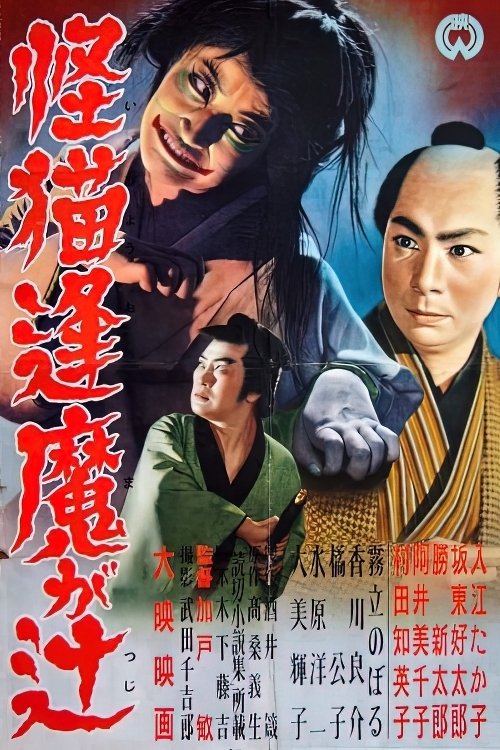
A kabuki actress is murdered. Her pet cat laps its mistress's blood and becomes a demon possessed by the vengeful murder victim.
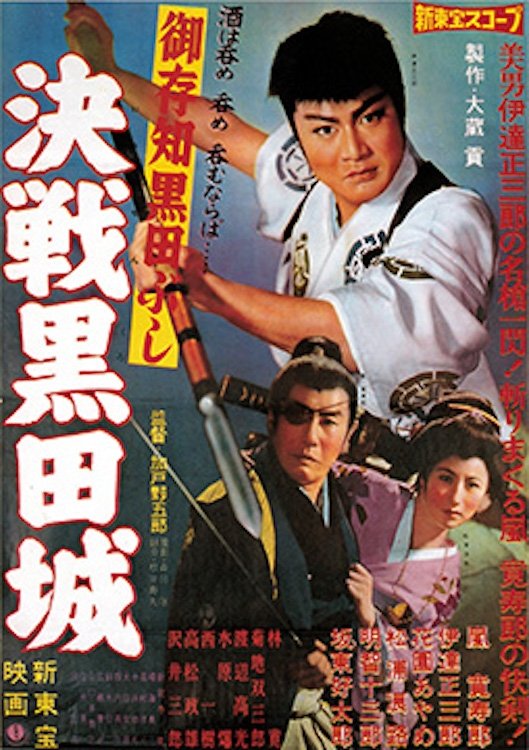
After the massacre of Christians at Shimabara, followers of Amakusa Shiro band together in a plot to overthrow the shogunate in order to exact revenge on the Tokugawa. At the same time there is a succession dispute in the Kuroda clan, as one faction tried to usurp the rightful heir and take over the honored clan. Before his untimely death, the lord of the Kuroda bestowed “Nihongo”, a magnificent spear, on his finest warrior, which ultimately brings him into contact with two of Japan’s most famous historical figures, Yagyu Jubei and Miyamoto Musashi. Can the three masters of martial art join forces to defeat their enemies and save the nation?
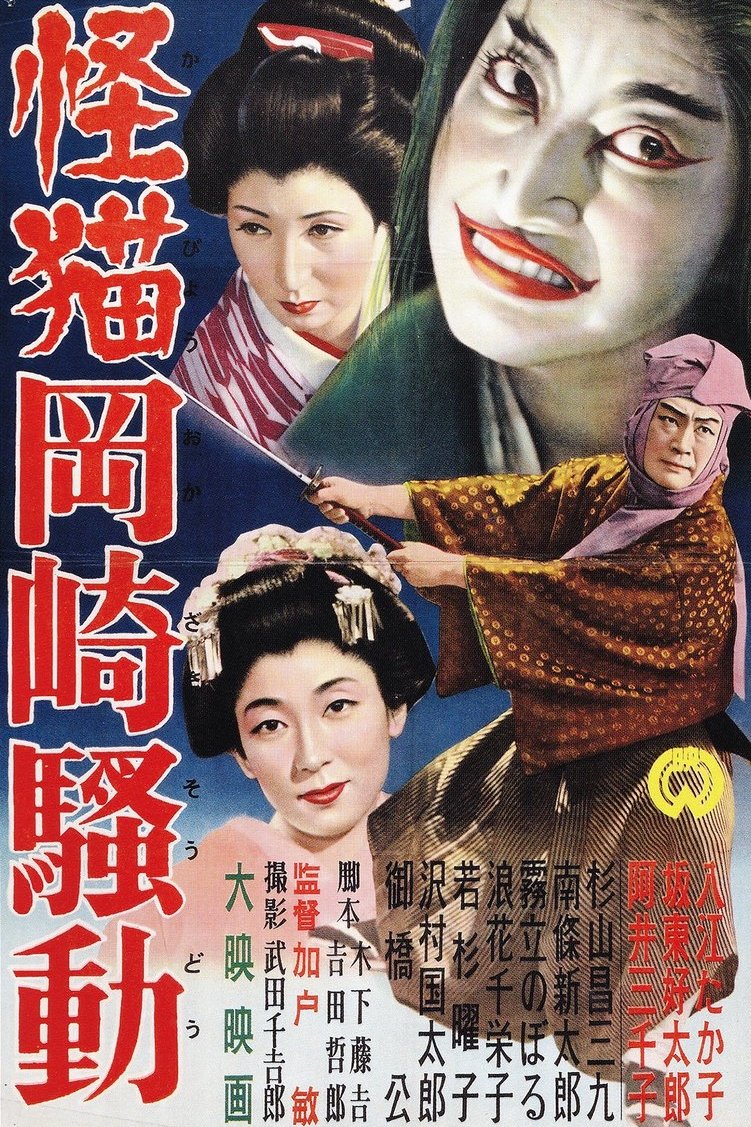
The Lord of Okazaki is killed by his brother-in-law. Although the Lord's widow bears a child, she is also killed. Then, a ghost cat begins stalking in the castle.

1956 Japanese film, originally released in three parts.
Japanese film, originally released in two parts.
1959 Shintoho adaptation of Kyoka Izumi's novel "A Woman's Pedigree".
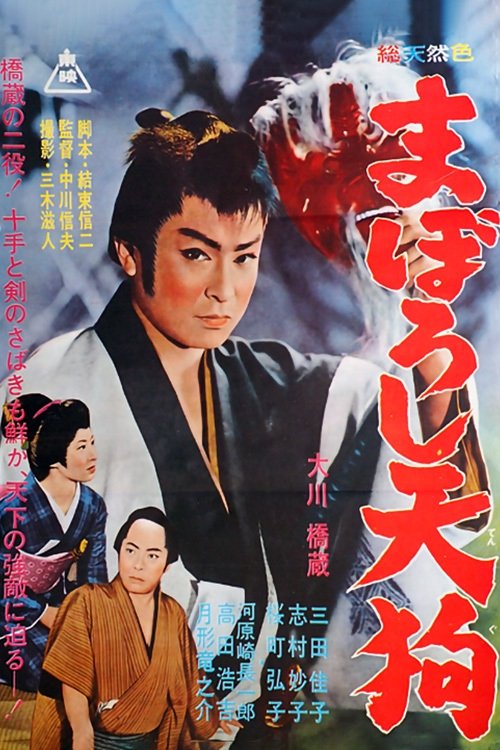
An injured Edo official is rescued by a vassal whose appearance is exactly like himself, and swears to sweep out the criminals from the town on his behalf.
1959 Japanese film.
Japanese drama film, originally released in two parts.
Japanese "kayo" film centered around the song "Wakai omawari-san" by Shiro Sone.
Japanese comedy film.
Japanese film.
1959 Japanese film, originally released in two parts.
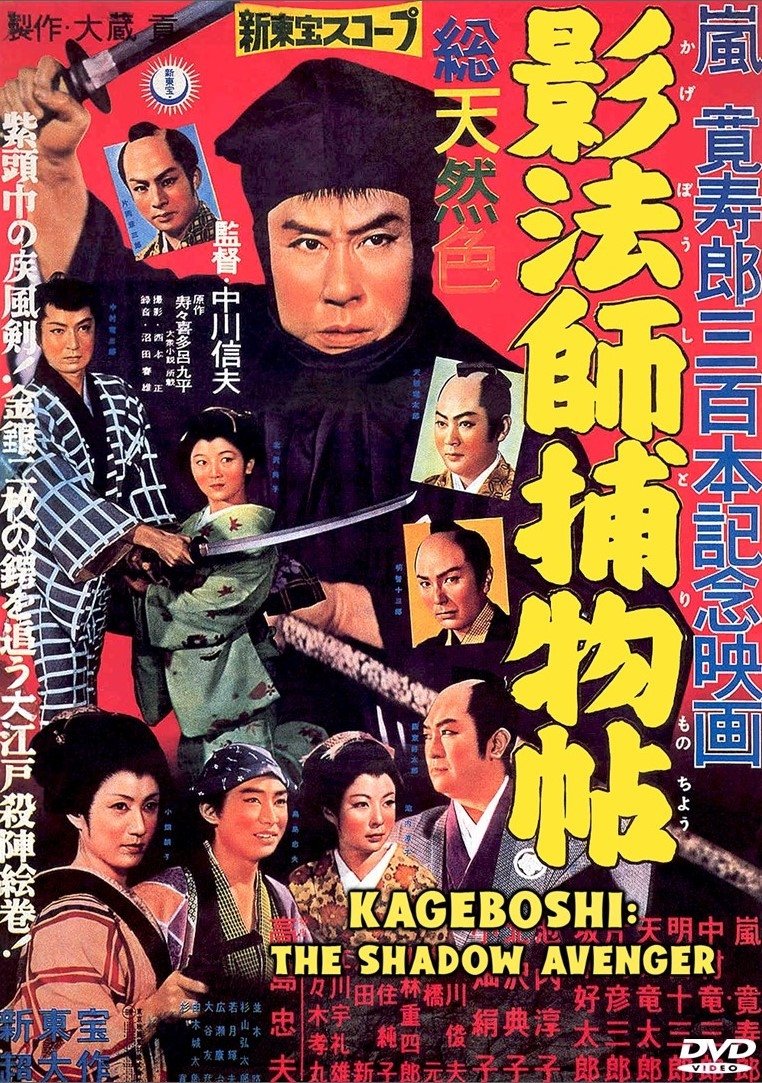
For the poor, Edo is Hell on Earth, starving under the rule of Tanuma Okitsugi, corrupt councilor to the shogun. But the courageous vagabond called “Kageboshi” (Shadow Avenger), will fight for the common folk, robbing the rich so the people will have rice. Tanuma’s henchmen will hire an evil swordsman to pose as Kageboshi, starting a wave of murder, kidnapping and robbery, searching for two antique sword-guards that will reveal the hiding place of a fortune in buried gold. But who will claim the gold? The poor of Edo, or the conniving Tanuma? Only Kageboshi’s flashing sword, tearing through Tanuma’s bloodthirsty minions, can forestall his wicked schemes.
At the beginning of the Meiji era, three brothers of a samurai family each stand up to the times.
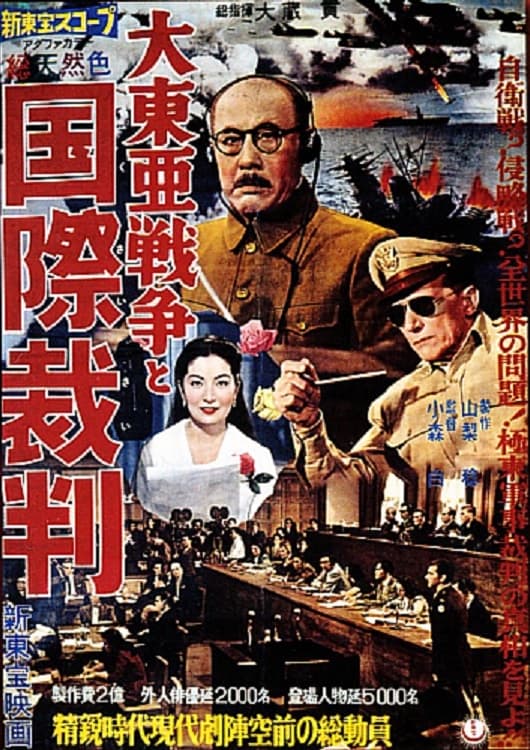
In 1941, overpopulated Japan faces an economic boycott and its armed forces push further to the south. And despite negotiations between Japan and the U. S. A. war is declared with the attack on Pearl Harbour. Victories follow for Japan on land and sea and her forces push forward to the borders of India. But gradually the tide turns in favour of the Allies and after the atom bombings of Hiroshima and Nagasaki, Japan is compelled to accept the Potsdam Declaration and by the order of the Emperor agrees to unconditional surrender. Under the supervision of the occupation forces the International Military Tribunal opens in Tokyo to try the Japanese war leaders. Established in the cause of justice, and to prevent future aggressive wars the trials drag on for two and a half years. And on December 23, 1948, General Tojo and six other war leaders mount the thirteen steps to the gallows at Tokyo's Sugamo prison.
Japanese drama film.
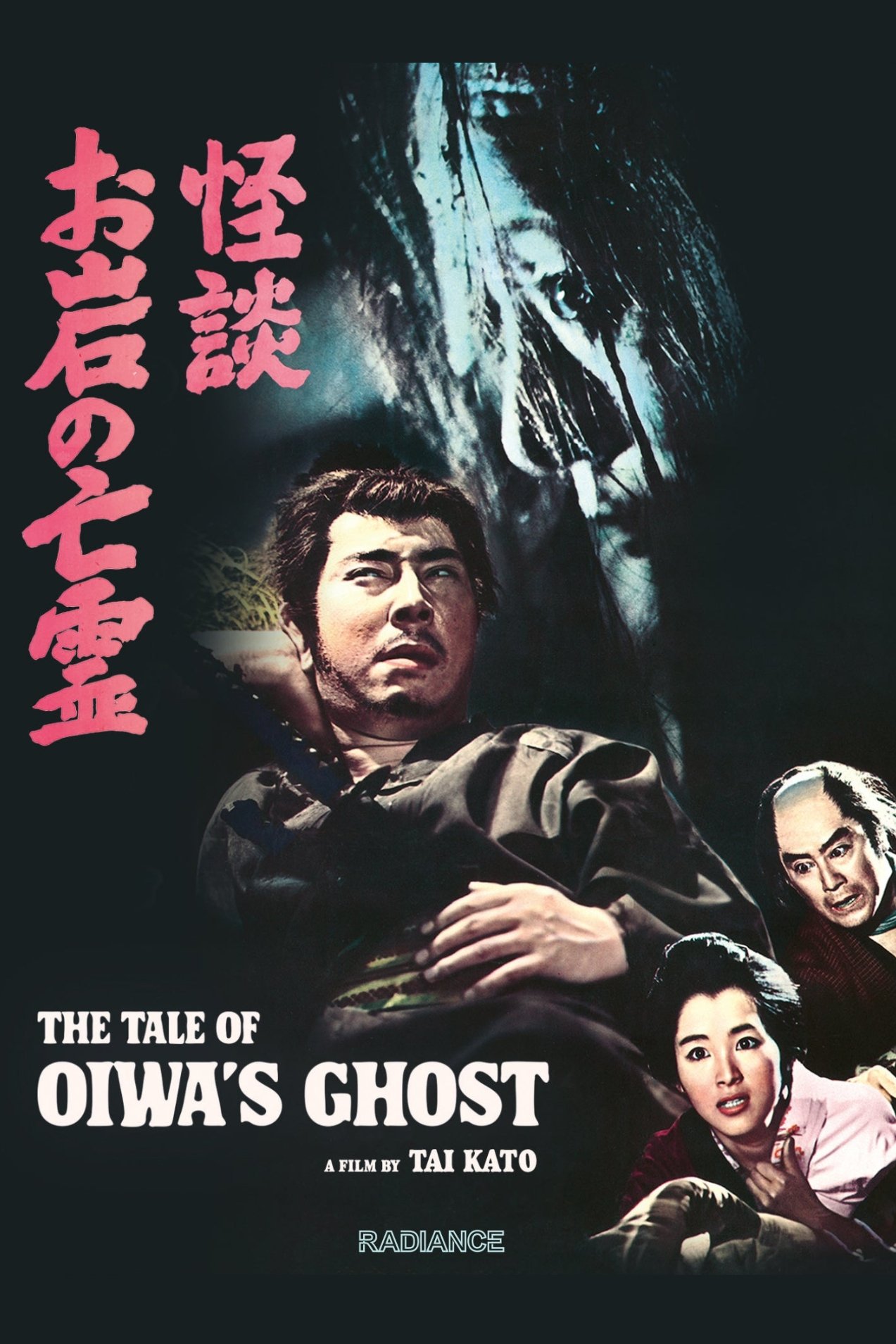
A samurai plots to reclaim his estranged wife after she leaves him over a murder scandal. When her sister falls victim to a scheme, he and his friend manipulate events, but their plans lead to supernatural vengeance.
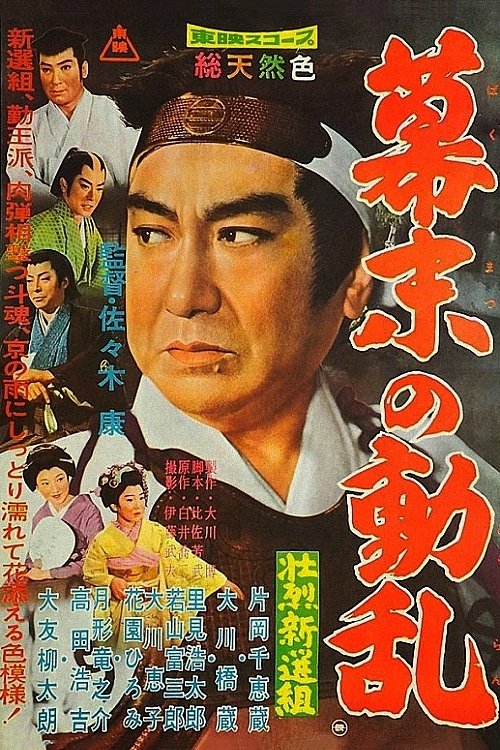
The stormy tale of the Shinsengumi is told from its birth by master filmmaker Sasaki Yasushi, with an all-star cast based on the original story by Shirai Kyoji. The battles between the royalists and Shogunate supporters come to a fever pitch during the Gion Festival as the exclusionists plot to burn Kyoto and kidnap the Emperor. From its earliest beginnings as a group of ronin brought from Edo to protect the Shogun when he is in Kyoto to see His Imperial Highness, the group had to face difficulties both from within and without. Commander Serizawa Kamo's corrupt practices threaten the group's very existence, as they try to recover from the bad reputation he left them with. Their redemption comes when they learn of Katsura Kogoro plans to gather men at Kyoto's Ikedaya Inn for his attack on the city. Along with Hijikata Toshizo and Okita Soji, Kondo leads the group in an attempt to save Japan from the rebels.
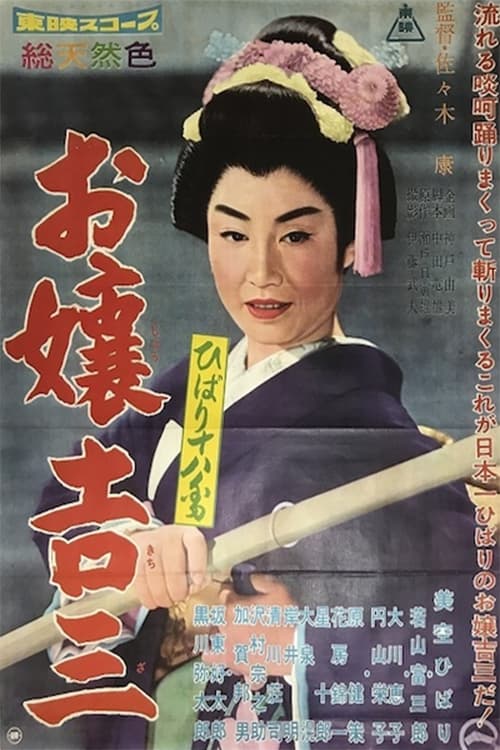
Young girl Kichiza searches for her missing brother and the person responsible for the death of her parents.
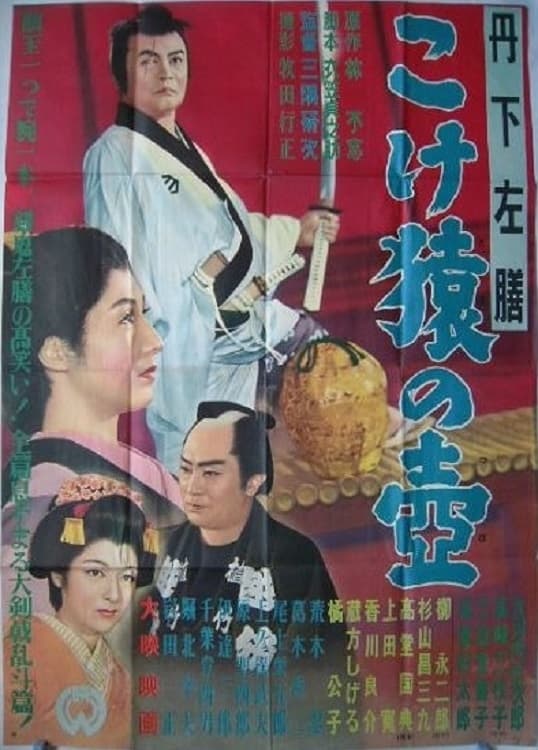
A Japanese drama featuring the one-eyed, one-armed swordsman
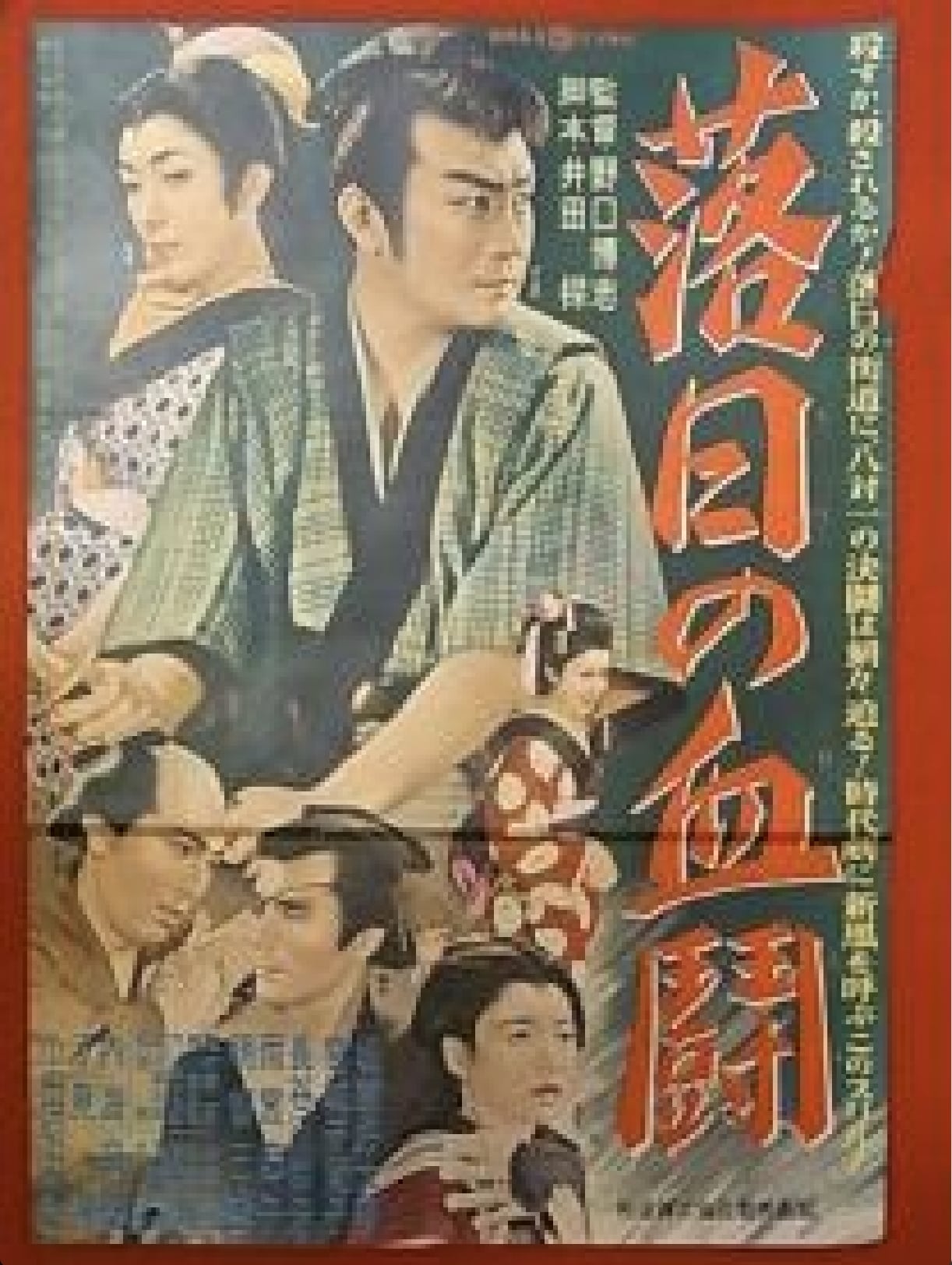
A remake of High Noon (1952) as a Japanese jidai-geki sword-fighting movie.
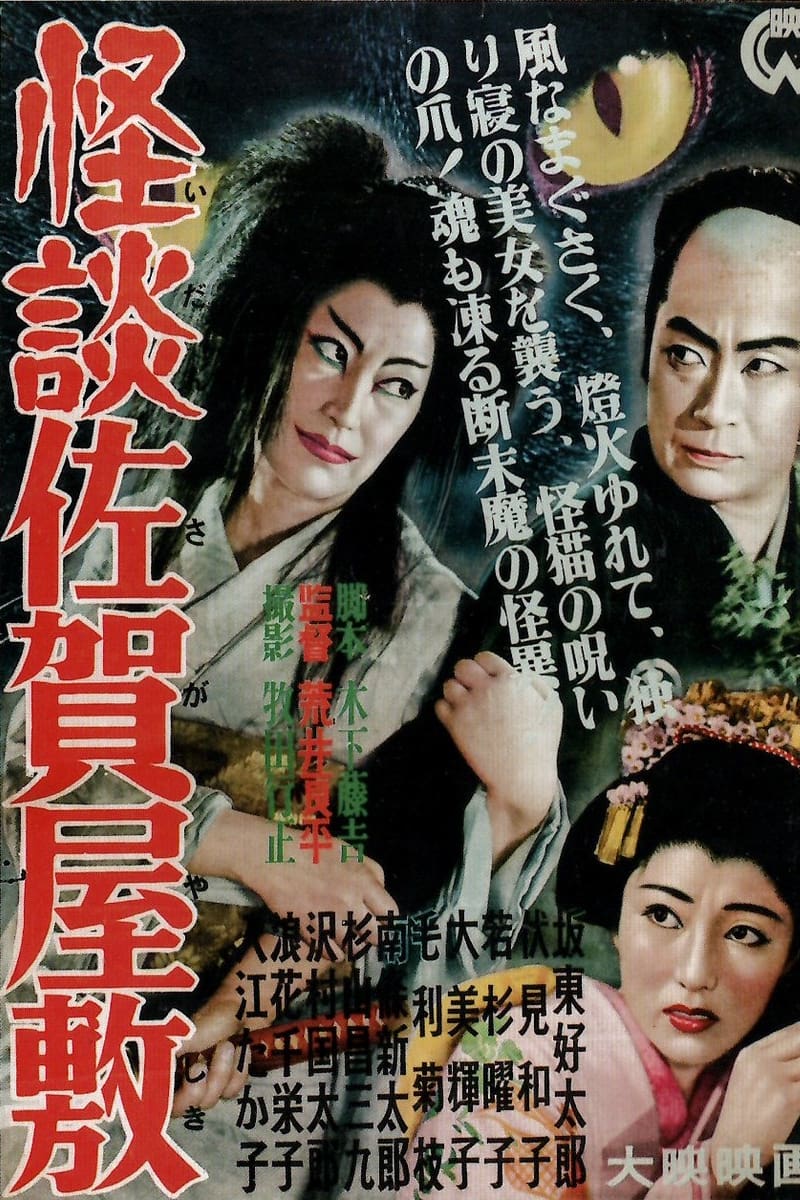
A woman loses her son through an evil conspiracy and commits suicide. Shortly afterwards a ghost cat begins haunting the conspirators. This is Takako Irie's first bakeneko (ghost cat) movie; it started a Daiei cycle which was very popular at the time in Japan.
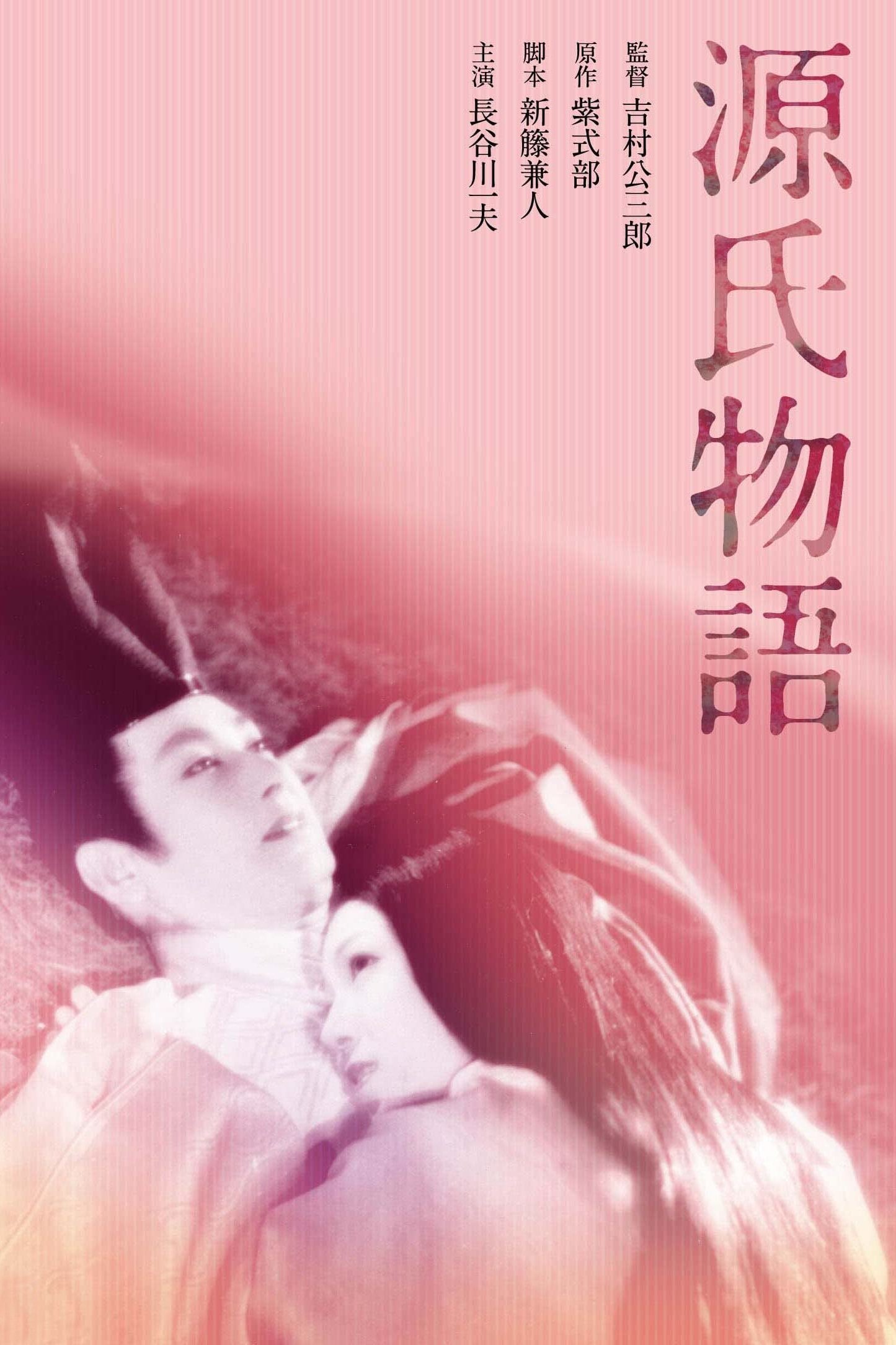
Genji, the illegitimate offspring of a Japanese potentate, goes by the philosophy of "love 'em and leave 'em" as a matter of course. Only when his heart is broken by Awaji does Genji realizes how much pain he himself has caused.
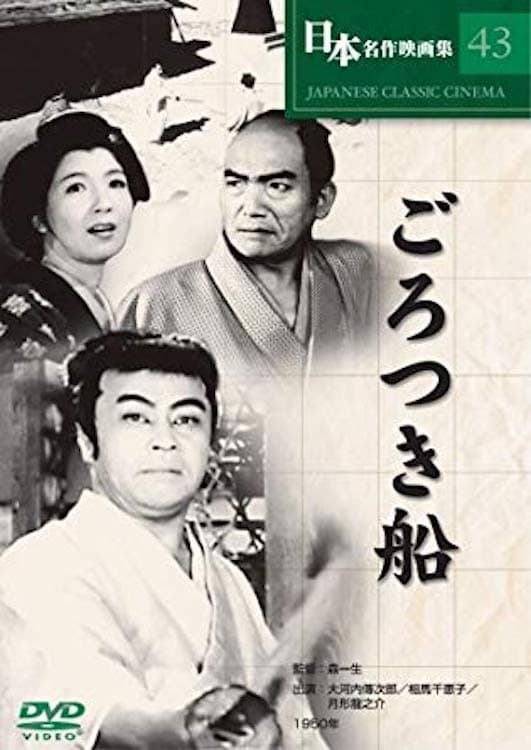
Set in the Edo-era, a smuggling vessel runs into conflict between the Matsumae clan and the Ainu in Hokkaido.
The Opium War is a 1943 black-and-white Japanese film directed by Masahiro Makino. "Ahen senso" in Japan refers to the First Opium War. The story of the film concerns this war.
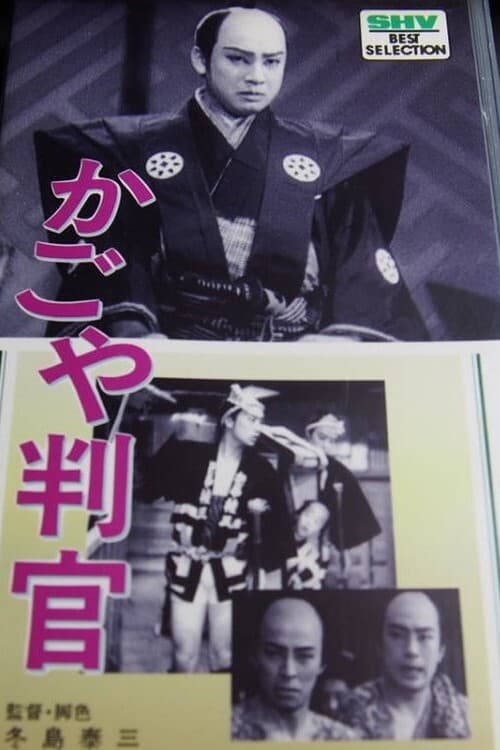
Two cowardly palanquin carriers know the culprit of a murder, but are too scared to report it to the police. In the meantime, an innocent man is arrested as the murderer and chaos ensues.
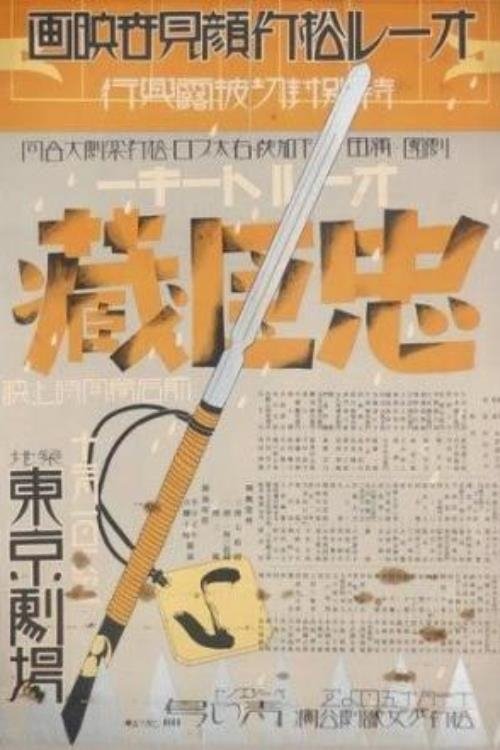
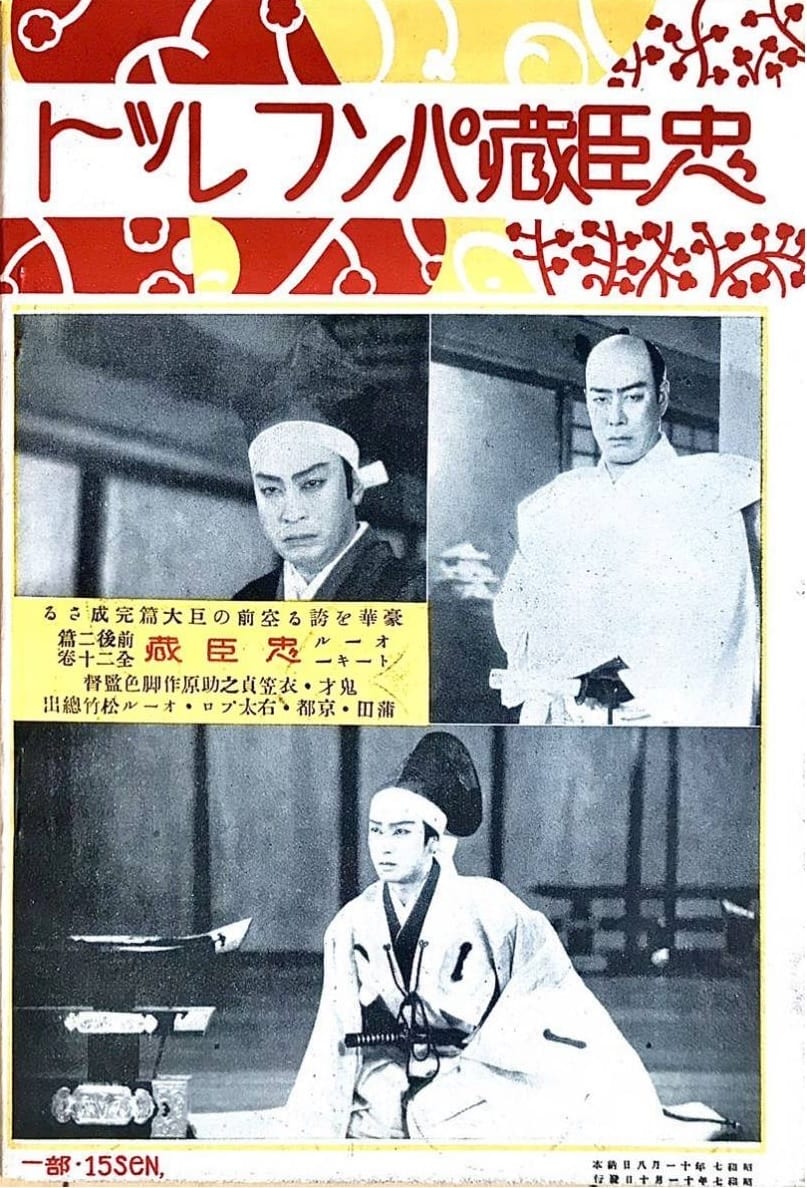
This 1932 adaptation is the earliest sound version of the ever-popular and much-filmed Chushingura story of the loyal 47 retainers who avenged their feudal lord after he was obliged to commit hara-kiri due to the machinations of a villainous courtier. As the first sound version of the classic narrative, the film was something of an event, and employed a stellar cast, who give a roster of memorable performances. Director Teinosuke Kinugasa was primarily a specialist in jidai-geki (period films), such as the internationally celebrated Gate of Hell (Jigokumon, 1953), and although he is now most famous as the maker of the avant-garde silent films A Page of Madness (Kurutta ichipeji, 1926) and Crossroads (Jujiro, 1928), Chushingura is in fact more typical of his output than those experimental works. The film ranked third in that year’s Kinema Junpo critics’ poll, and Joseph Anderson and Donald Richie noted that 'not only the sound but the quick cutting was admired by many critics.
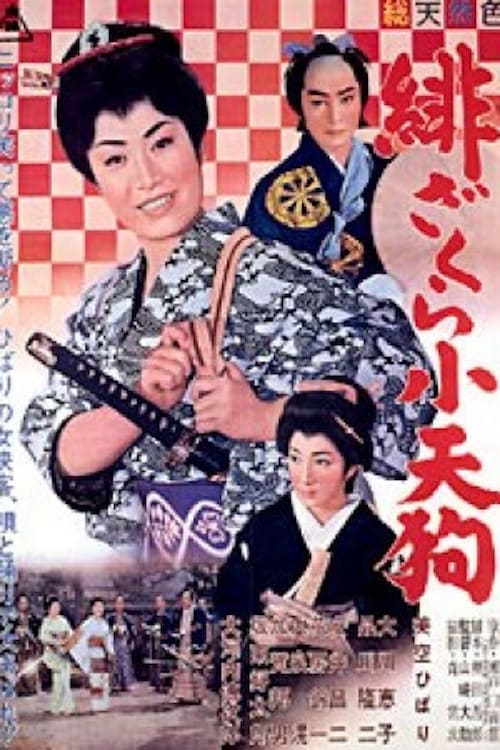
A story about a tomboy, Otoshi, who is good at singing, dancing and fencing.
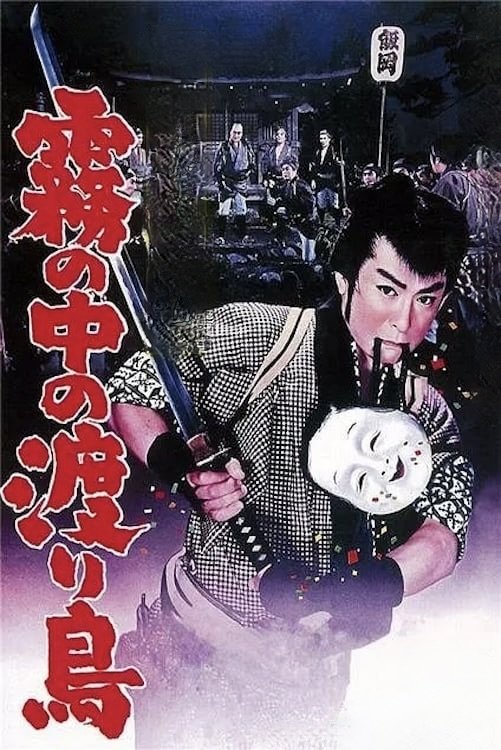
A kindhearted wandering gambler named Hajiro gets involved in a crisis of a village as he passes through and decides to lend a sword in hopes to rescue them.
A family is brutally murdered in their own home and the official government's sake dealer is framed as a rebel by a corrupt member of the Shogun's Council of Elders. Young Lord decides to take on the Shogun's vile chief attendant.
The film depicts how the work to build the Great Buddha overcame a number of obstacles as proponents and opponents clashed over the construction of the Buddha. This work is based on a play by Hideo Osada, which was performed by the Shin Kyodo Theater Company in 1940.
A dashing edition with fights , love, and laughter, in which the sorrows and joys of the guiltless world are colored by the guiltless travel crow, Ayame 's Gantaro, with the turbulent and exciting Wakizashi Hitoshi .
When wealthy Ochika marries desolute Danpei, she devotes herself completely to him and takes over her business, to the point of sowing dissensions within the Jōruri troupe in which her husband plays.
Hiromasa Nomura World War II era film
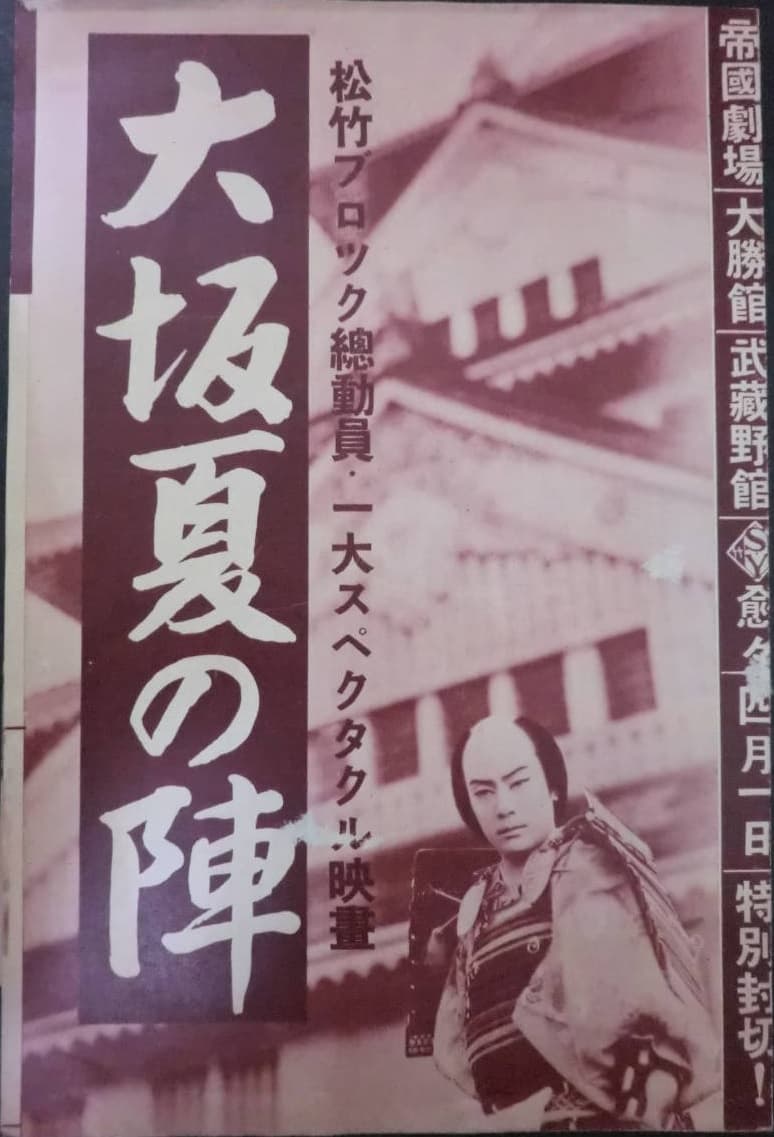
The Siege of Osaka
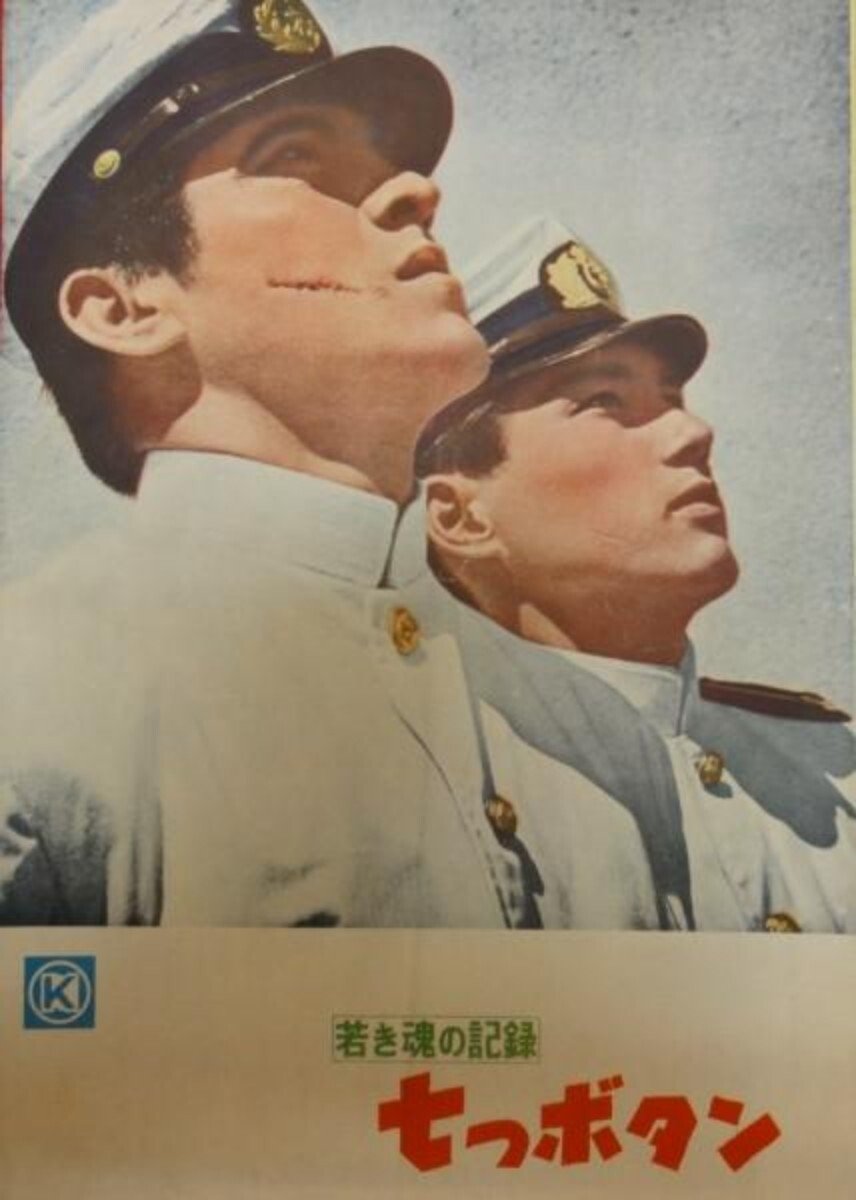
In the first group of Yoshitake Ichi and Taketatsu Sada Preparatory Training, the team leader was Sou Adachi, a veteran warrior with strict training. Yoshitake's father was called, and his mother lived in the house where he used to work, but Midori, a female student at that house, secretly loved Yoshitake.
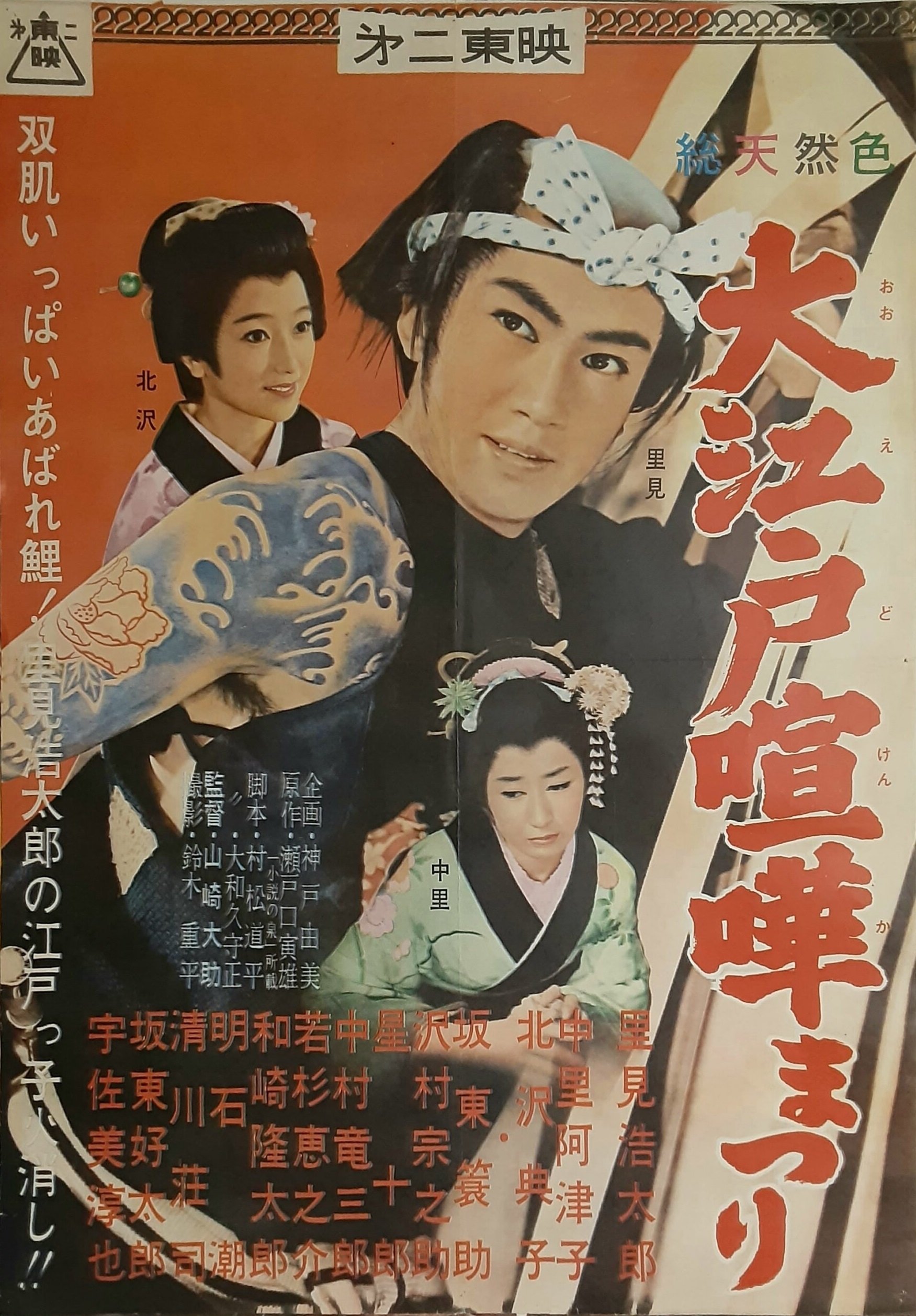
1961 Japanese movie
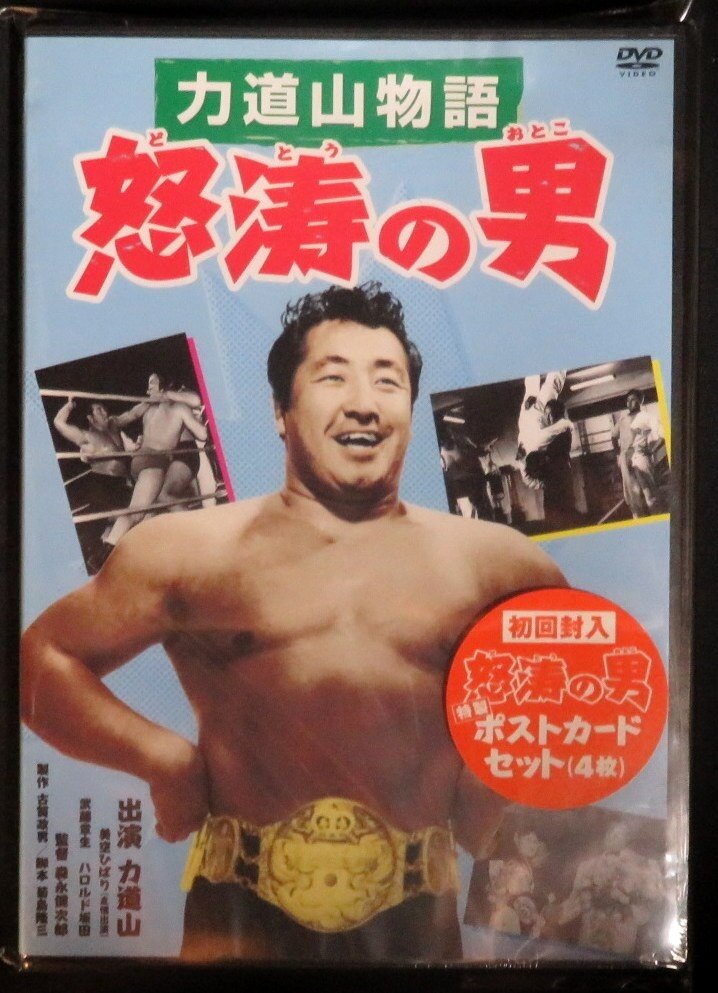
The story of legendary Korean-Japanese wrestler Rikidozan.
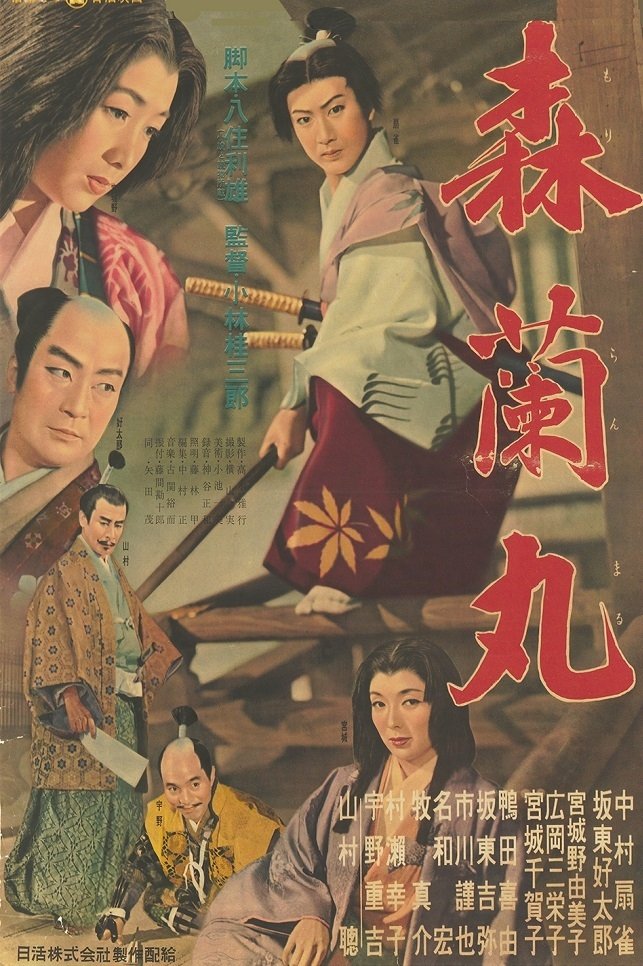
A jidaigeki movie about the strange fate of Ranmaru Mori.
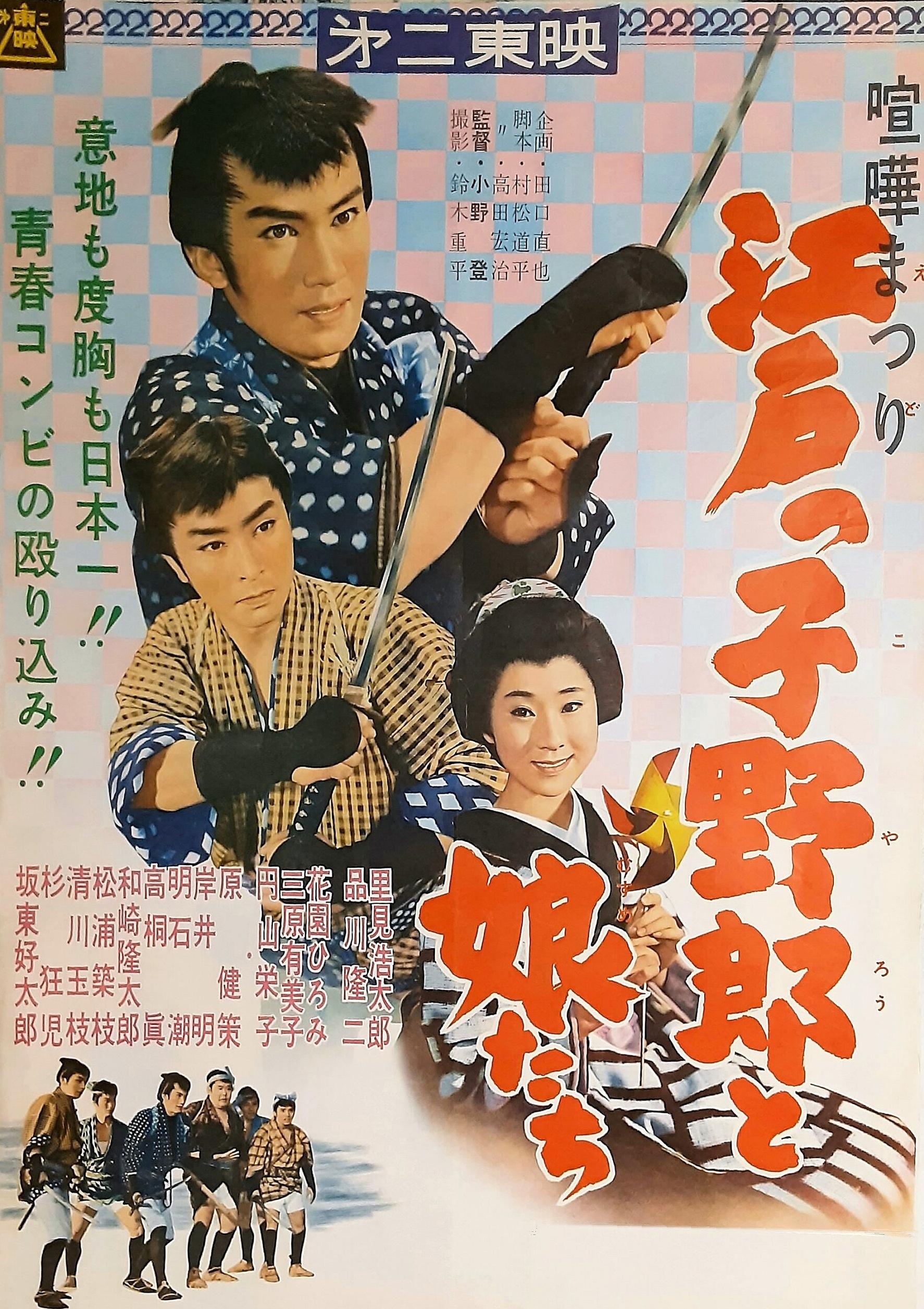
1960 Toei film
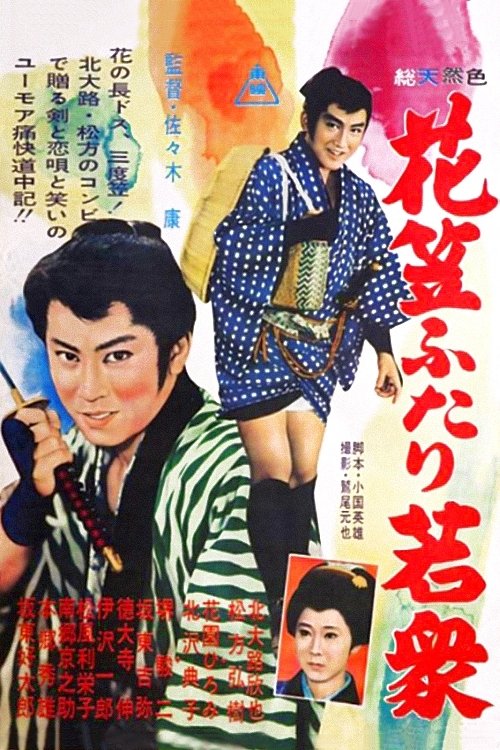
At the crowded Komatsuya in Kawadome, travellers are holding a secret art contest to relieve boredom. However, a thief goes around. During the sudden commotion, a young man called Gentaro begins to perform magic tricks. This magic trick brings out the lost wallets of the travellers one after another. Even the thief himself, Shinzo, is surprised by this trick. Gentaro hears that Okinu, daughter of Kutsukake Jinbei, is looking for Eijiro, the young boss of Omaeda. Gentaro arrives and introduces himself as Eijiro Omaeda. He moves to Kichibei's family in Sakamoto-juku where he meets Okinu's father who needs help.
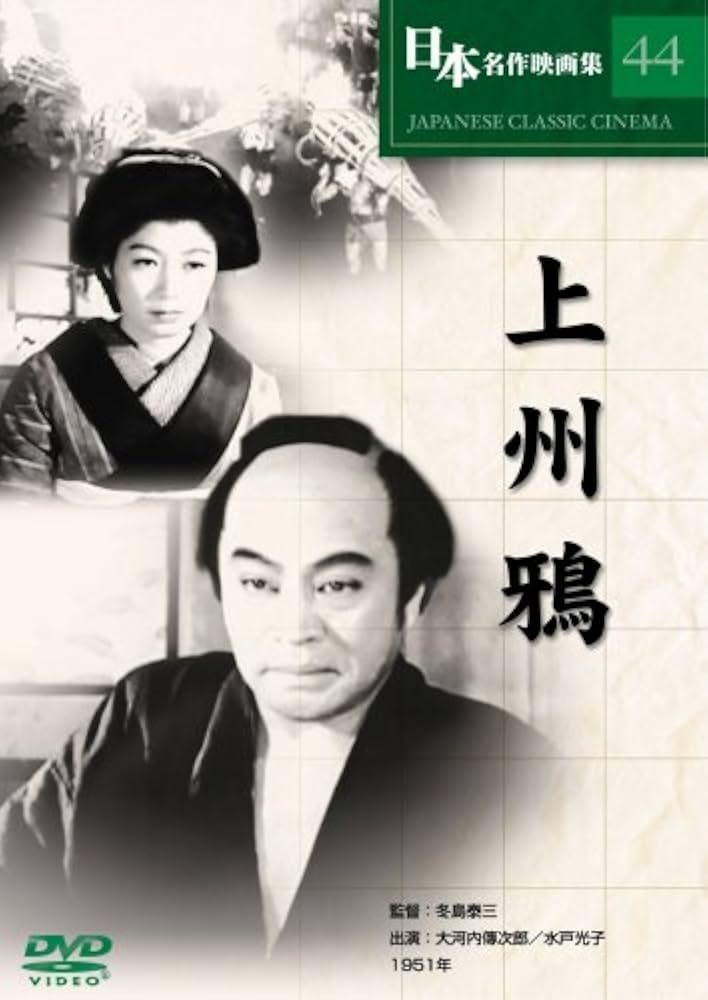
This happened at a post station on the Shinshu road. Takizo Hoshigoe, a wanted man who has been missing since breaking through the Oto checkpoint, came to this post station longing for his hometown and stayed at Shinanoya. A farmer named Sakubei, who was struggling to pay his taxes, came to sell his daughter Omitsu.
Japanese comedy film released to commemorate the 10th anniversary of Shintoho's founding.
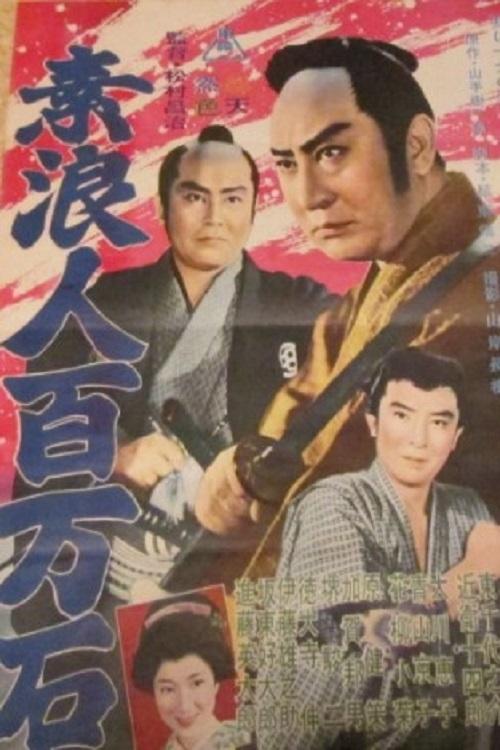
At a tavern in Shimoda, Ronin Tadakazu Yamakawa saved a samurai girl named Mino from the clutches of the Benten family. When Mino's father, Kyohei Tsuchihashi, is murdered by unknown assailants, Tadakazu is summoned to Akane-ya, the landlord of this area. He promises to ensure the safety of Mino for three days, during which the Benten family must not harm her...
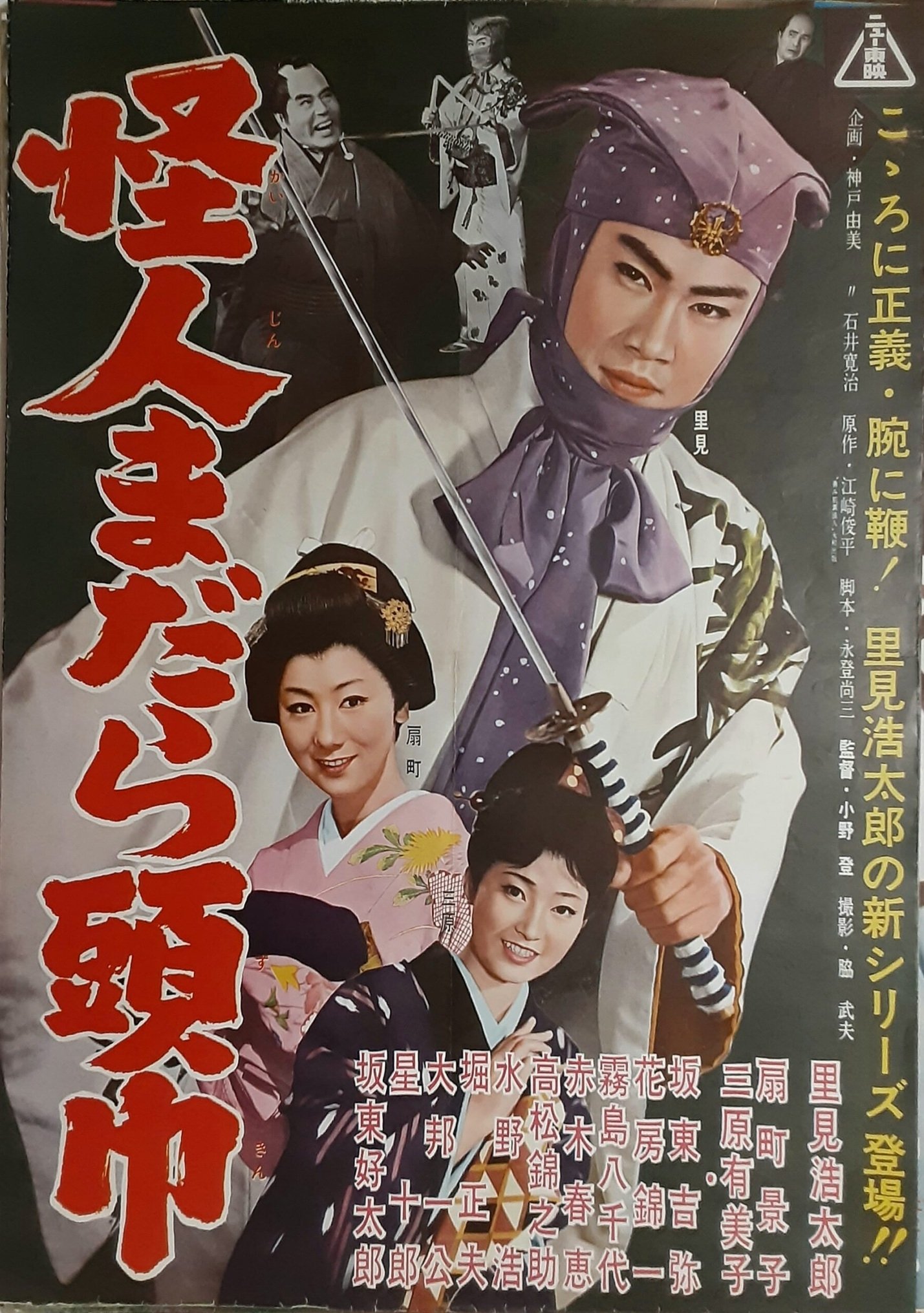
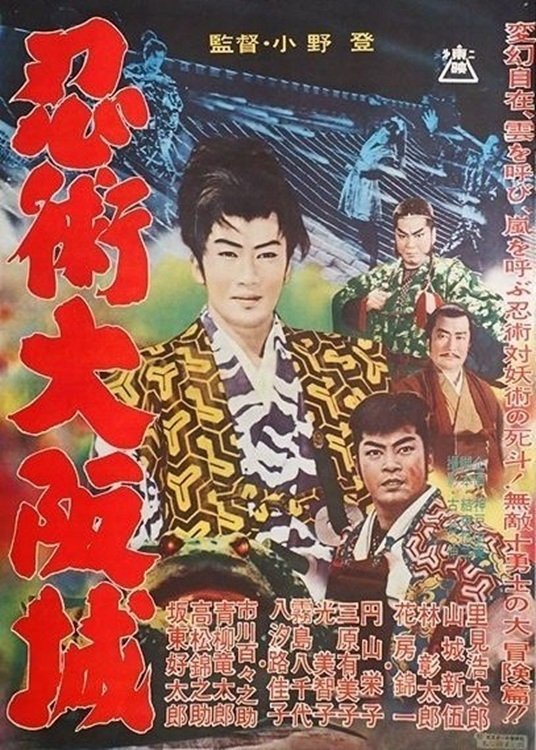
1961 Japanese movie
Sakura Ondo was a sound adaptation based on a popular 1934 song, produced at the Shochiku Kamata Studio as part of a five-studio competition to create a film based on the same tune.
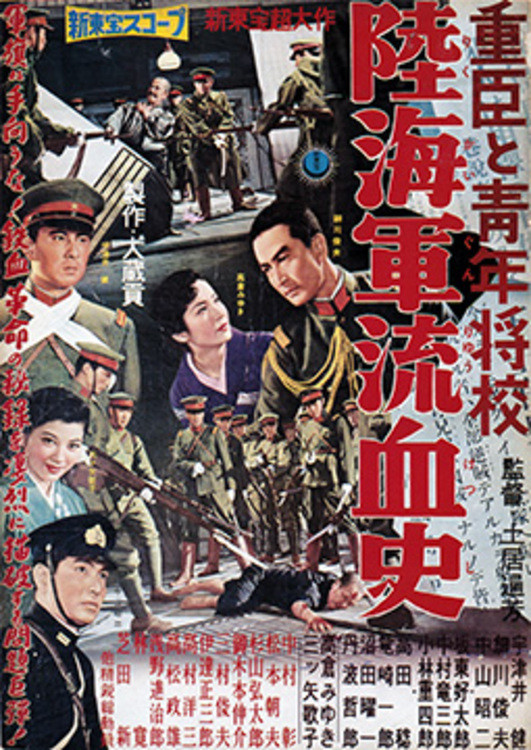
A historical film that portrays the fervent and violent actions of young Army and Navy officers, such as the February 26 and May 15 incidents, in a semi-documentary style.