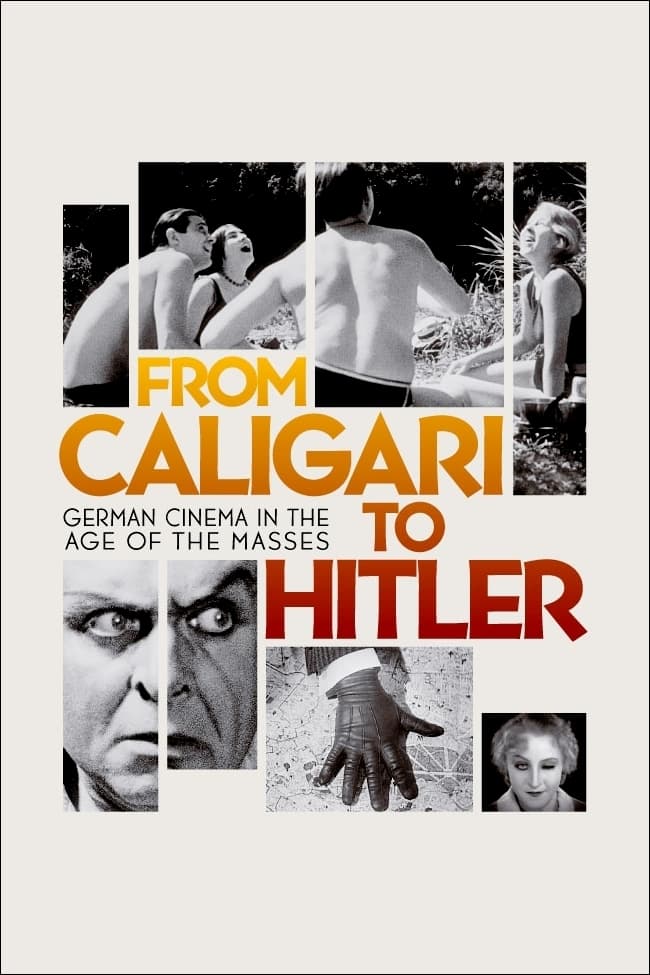
Film journalist and critic Rüdiger Suchsland examines German cinema from 1919, when the Republic of Weimar is born, to 1933, when the Nazis come into power. (Followed by Hitler's Hollywood, 2017.)
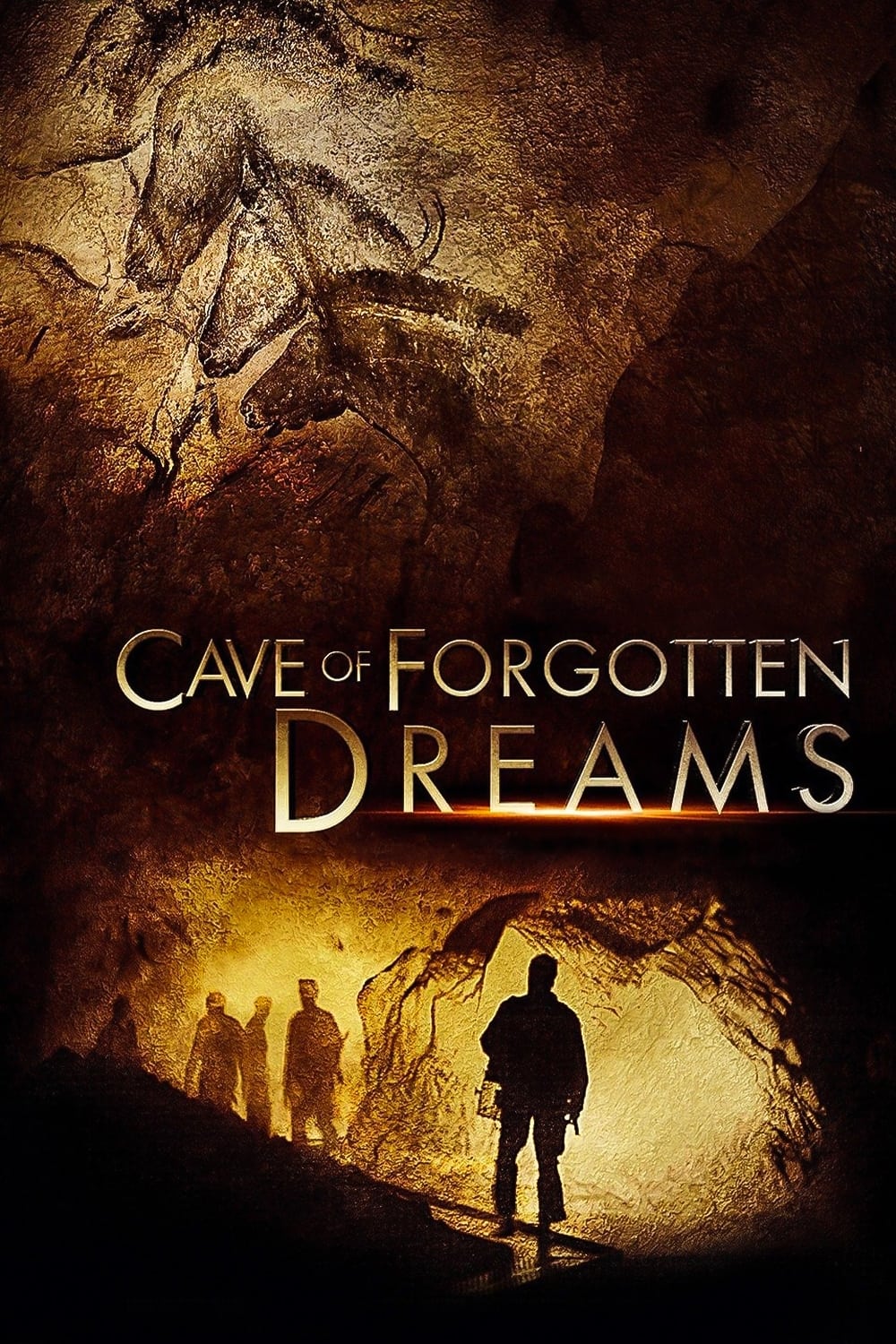
Werner Herzog gains exclusive access to film inside the Chauvet caves of Southern France, capturing the oldest known pictorial creations of humankind in their astonishing natural setting.
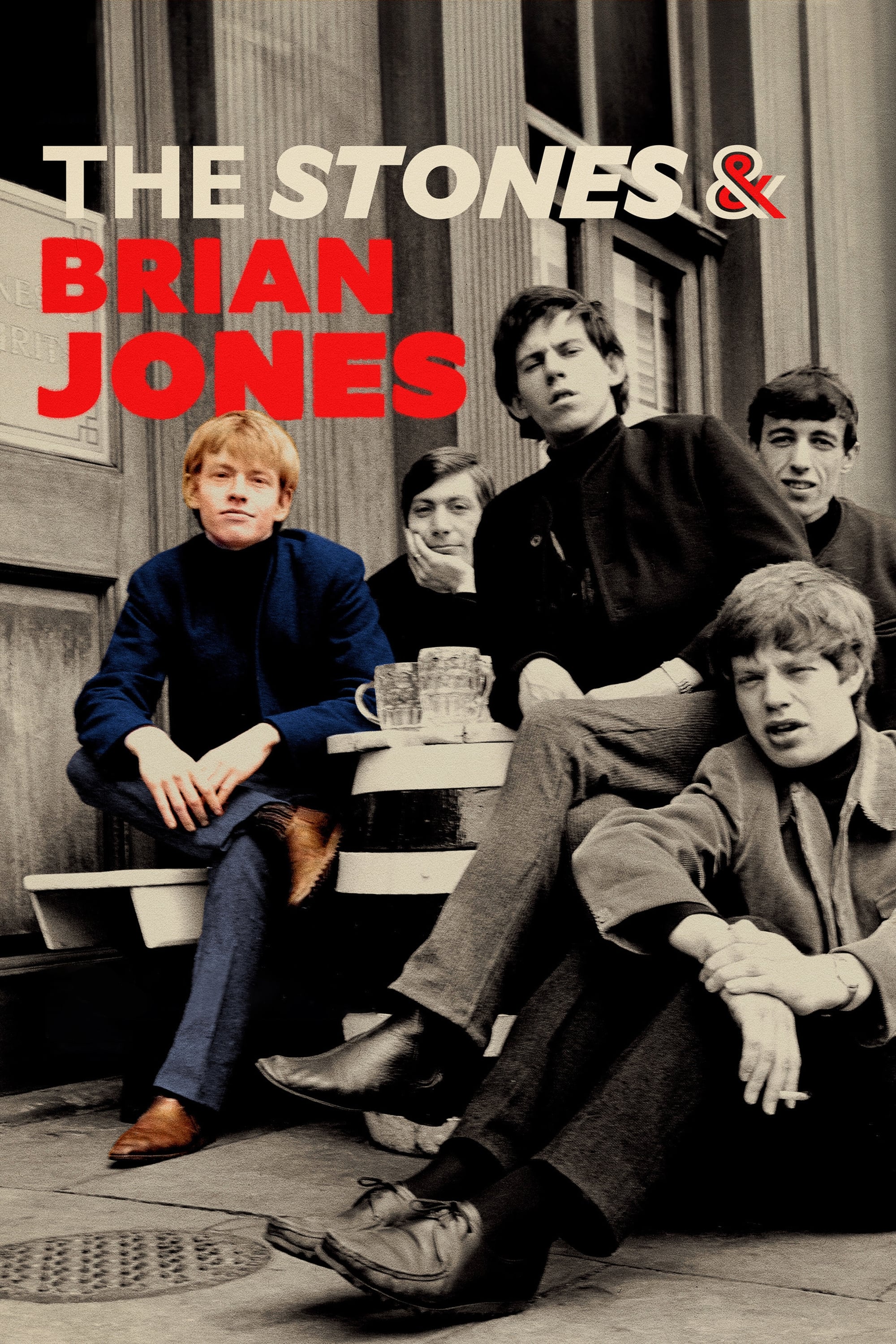
A look at the relationships and rivalries within The Rolling Stones in their formative years, as well as the creative musical genius of Brian Jones, key to the success of the band.
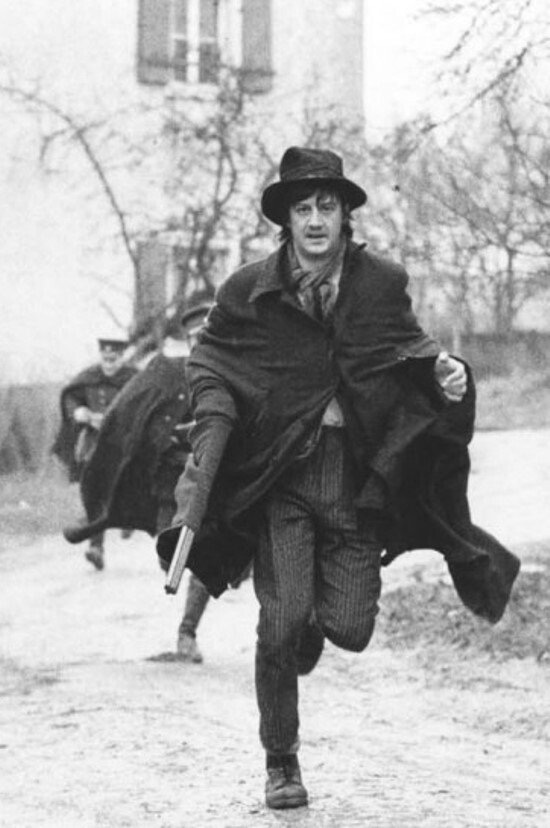
Inspired by the real-life events of Mathias Kneißl, a marginal man, son of poor farmers from Bavaria, in the late XIX century. Mathias stole from the rich to give to the poor, becoming a hero for the rural people and a popular social rebel. He was chased by the police until his unfortunate sentence.

A documentary about the life and work of director Rainer Werner Fassbinder.
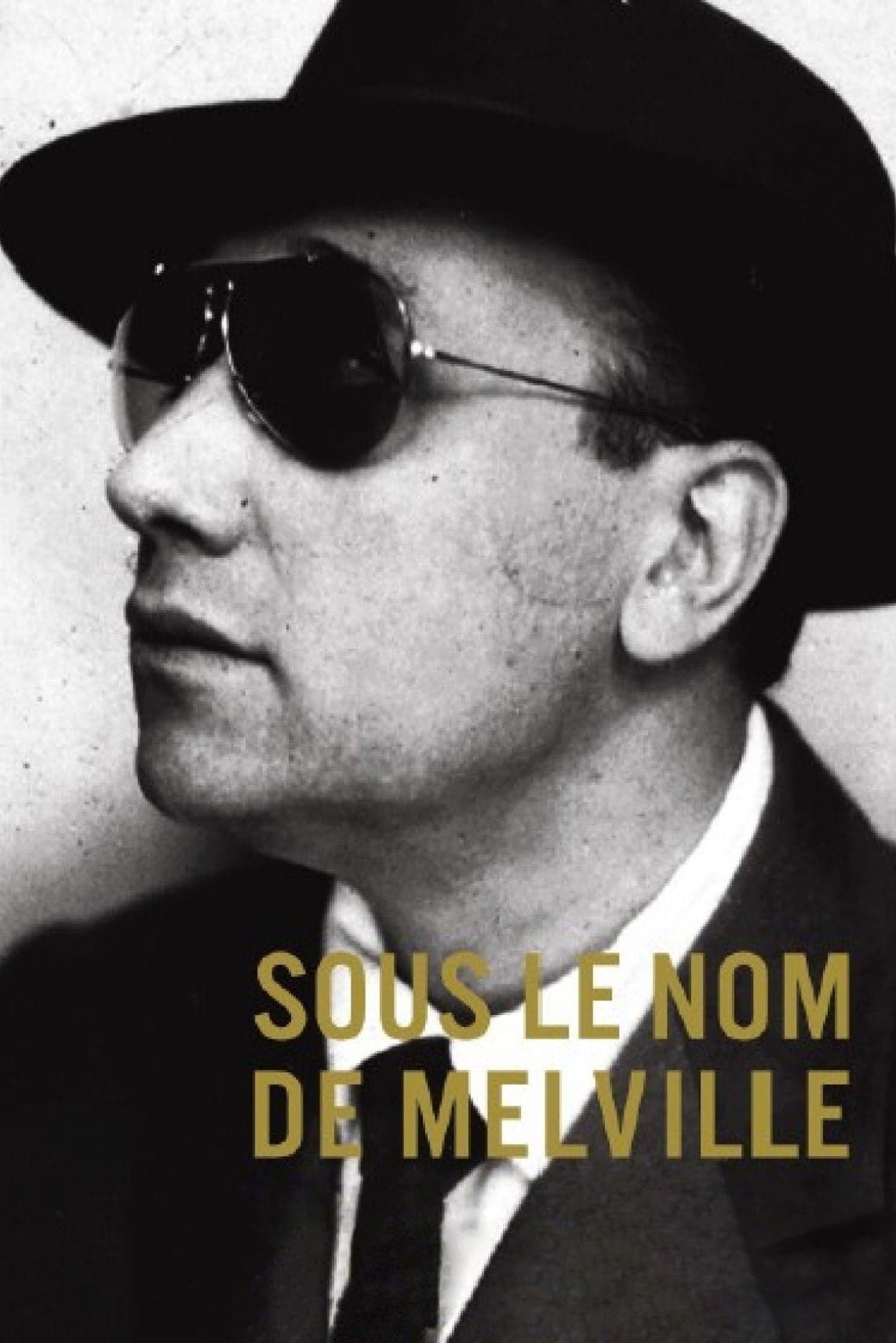
Mixing interviews, rare archival footage and film extracts, the film shows how Melville's works were impacted by what he experienced in his youth during WWII, and how it structured his whole approach to cinema, not only in its thematic but also in its aesthetics.

Horst Wendlandt tells the story of his cinematic work since the sixties. The dialogue between the "old and the young filmmaker" creates a fascinating spectrum of German film of the recent past.
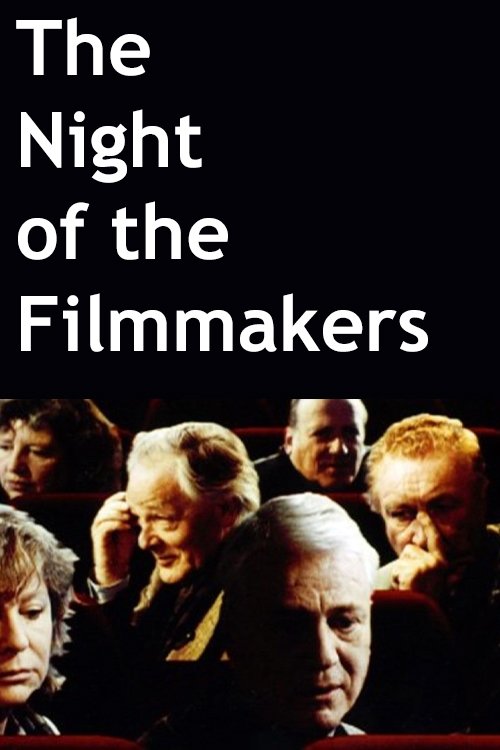
A meditation on the first 100 years of German cinema, featuring an assembly of German filmmakers.
A documentary by Hans Günther Pflaum and Peter H. Schröder.
The history of a family, in the film business now for three generations, behind and in front of the camera. The film is not only a foray through the history of this remarkable family, but also through the history of German film and contemporary history as well.
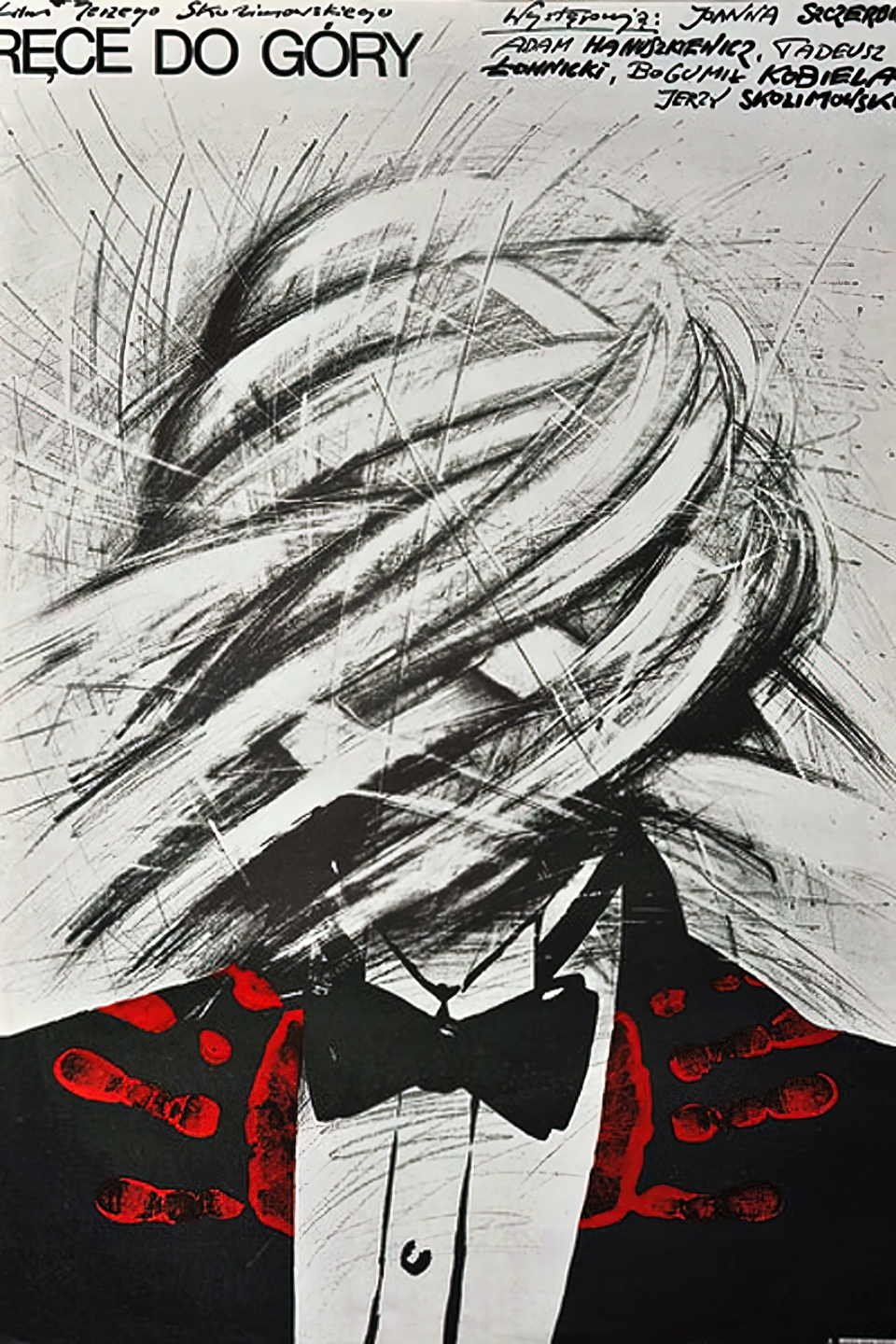
The reunion of a group of former medical students results in a flood of bitter memories.
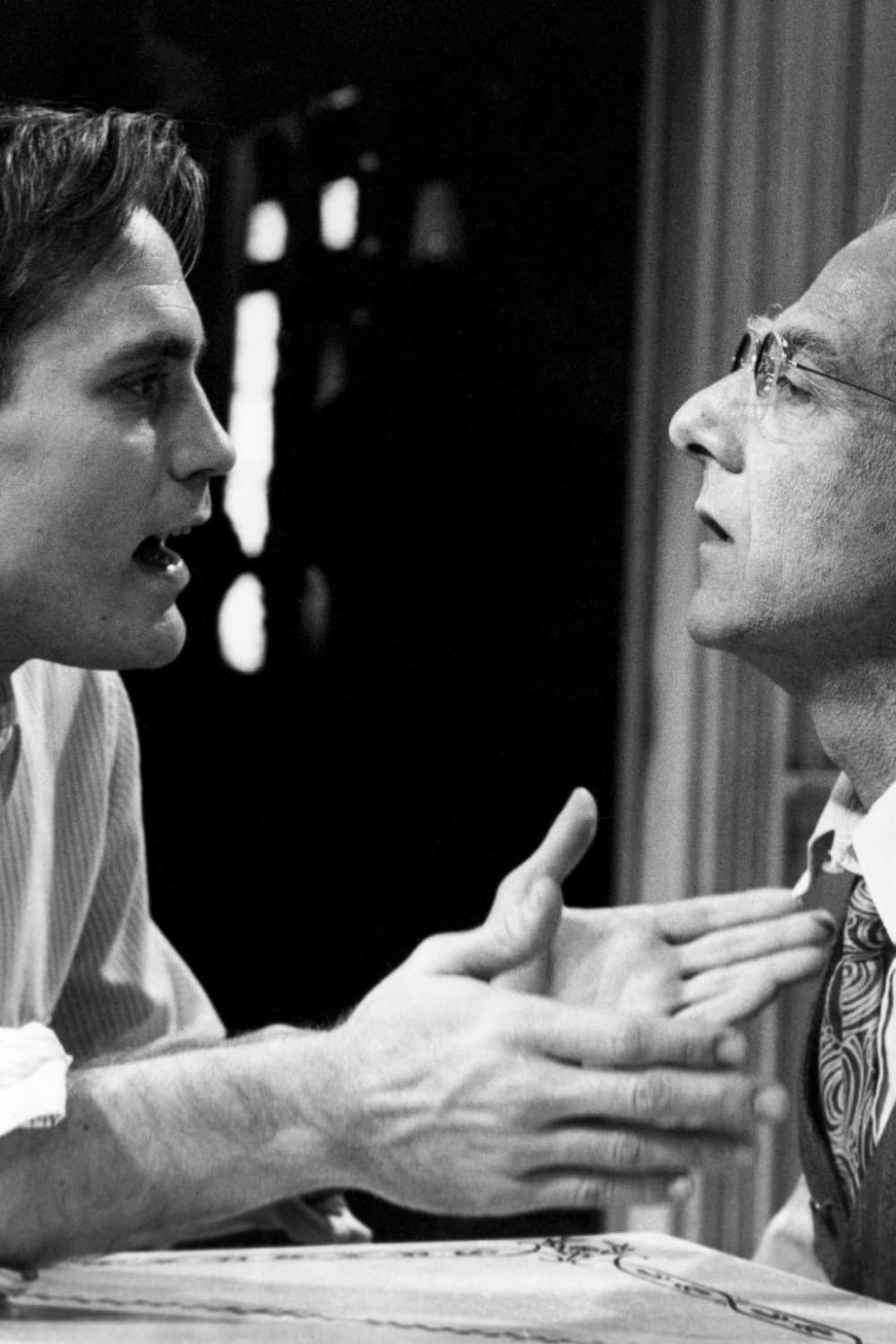
Playwright Arthur Miller, director Volker Schlöndorff and actor Dustin Hoffman are seen creating the Roxbury Productions and Punch Productions teleplay Death of a Salesman (1985).
Only the chosen few know this woman who started working as a secretary for the German Film and Television Academy (DFFB) on 13 February, 1966. The path of Helen’s career is paved with famous names – including that of Wolfgang Petersen, Holger Meins (who later became a member of the Red Army Faction) as well as directors Wolfgang Becker, Detlev Buck and Christian Petzold. All have fond memories of forgetting their troubles after having poured their hearts out over a cup of coffee in Helene’s office – for Helene was both friend and advisor to countless film students.
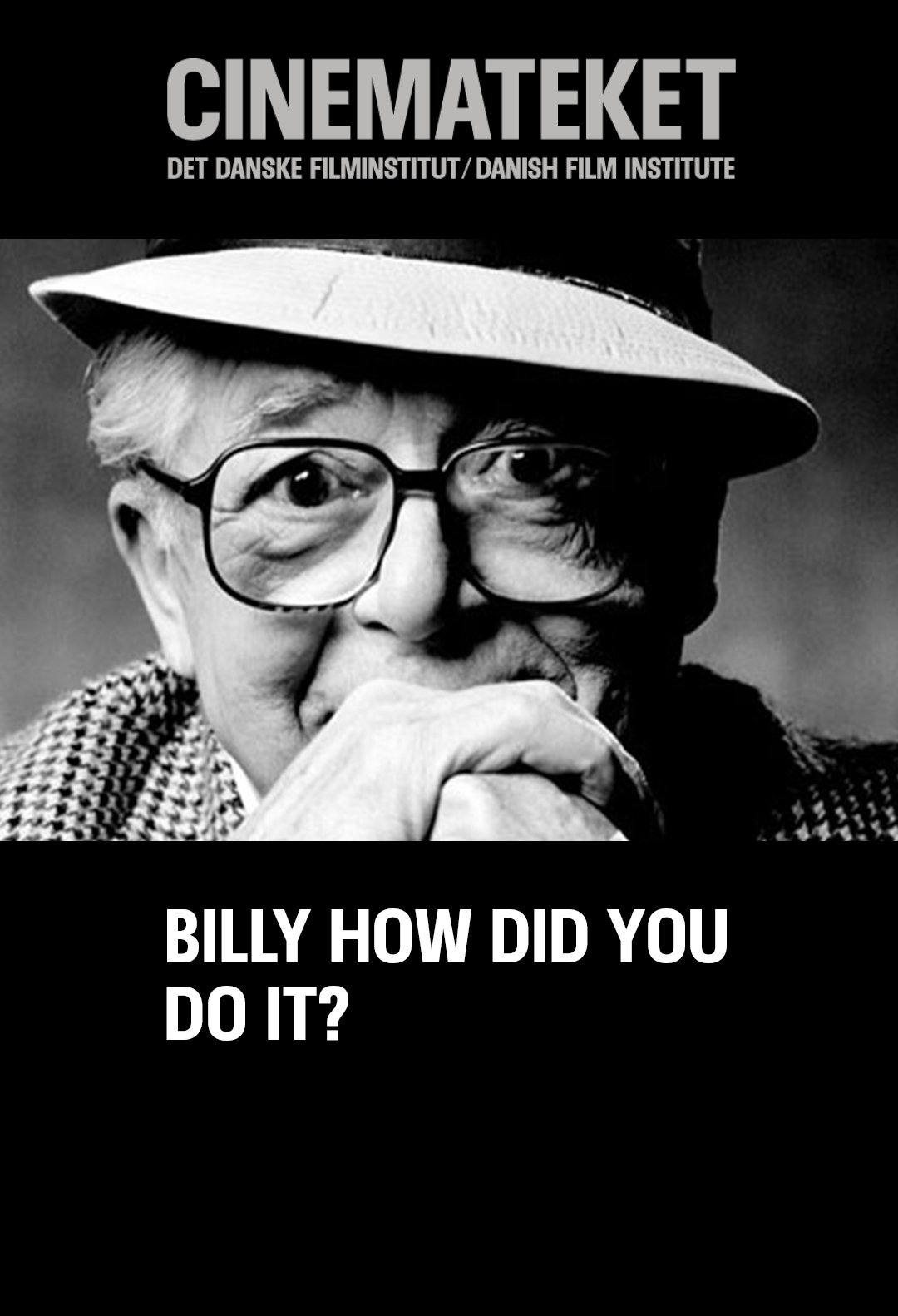
An interview between Volker Schlöndorff and Billy Wilder.
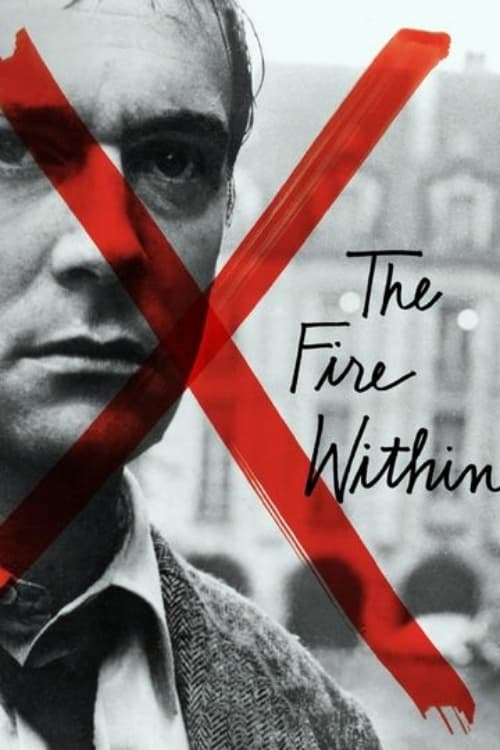
In these interviews, conducted in 2008, actor Alexandra Stewart and filmmakers Philippe Collin and Volker Schlöndorff discuss the making of The Fire Within.
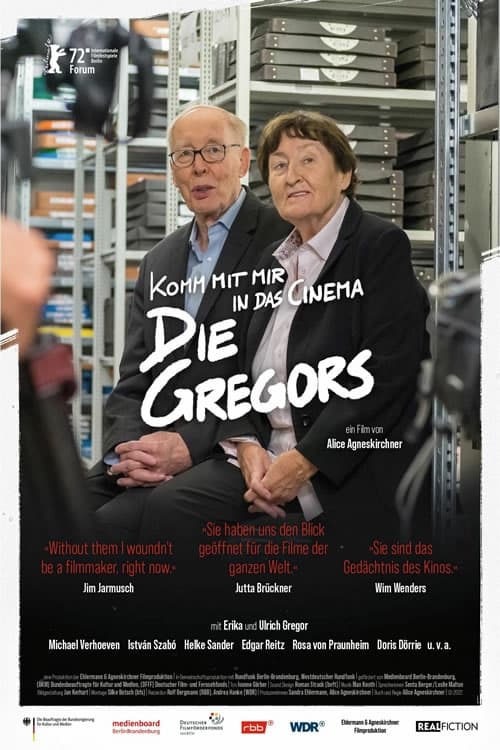
From the 1950s onwards, Erika and Ulrich Gregor brought countless film historical milestones to Berlin and shaped cinema discourse in post-war Germany. A look at the life and work of the couple without whom Arsenal and the Forum wouldn’t exist.
A documentary about the film Last Year at Marienbad
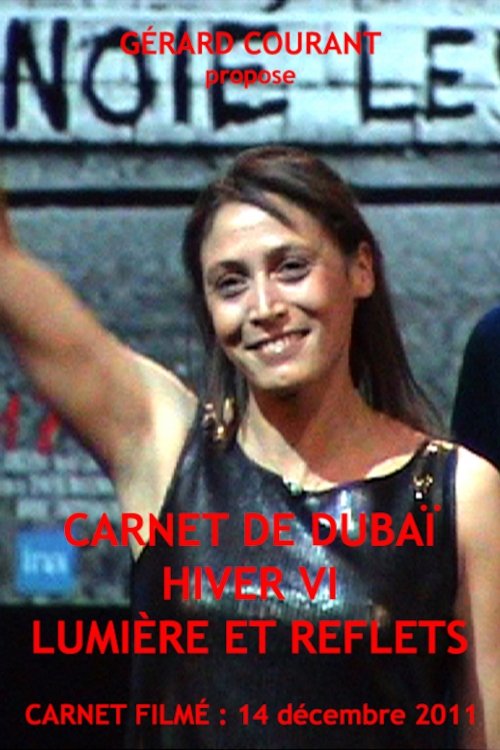
Gérard Courant's "Filmed Diary" of December 14, 2011, produced in Dubai (United Arab Emirates). Between December 7 and 15, 2011, Gérard Courant was invited by the Dubai International Film Festival, in the United Arab Emirates. It was an opportunity for him to film many "Cinematons" of personalities from the Arab world and to continue his "Film Notebooks" from which he brought back 7 episodes.
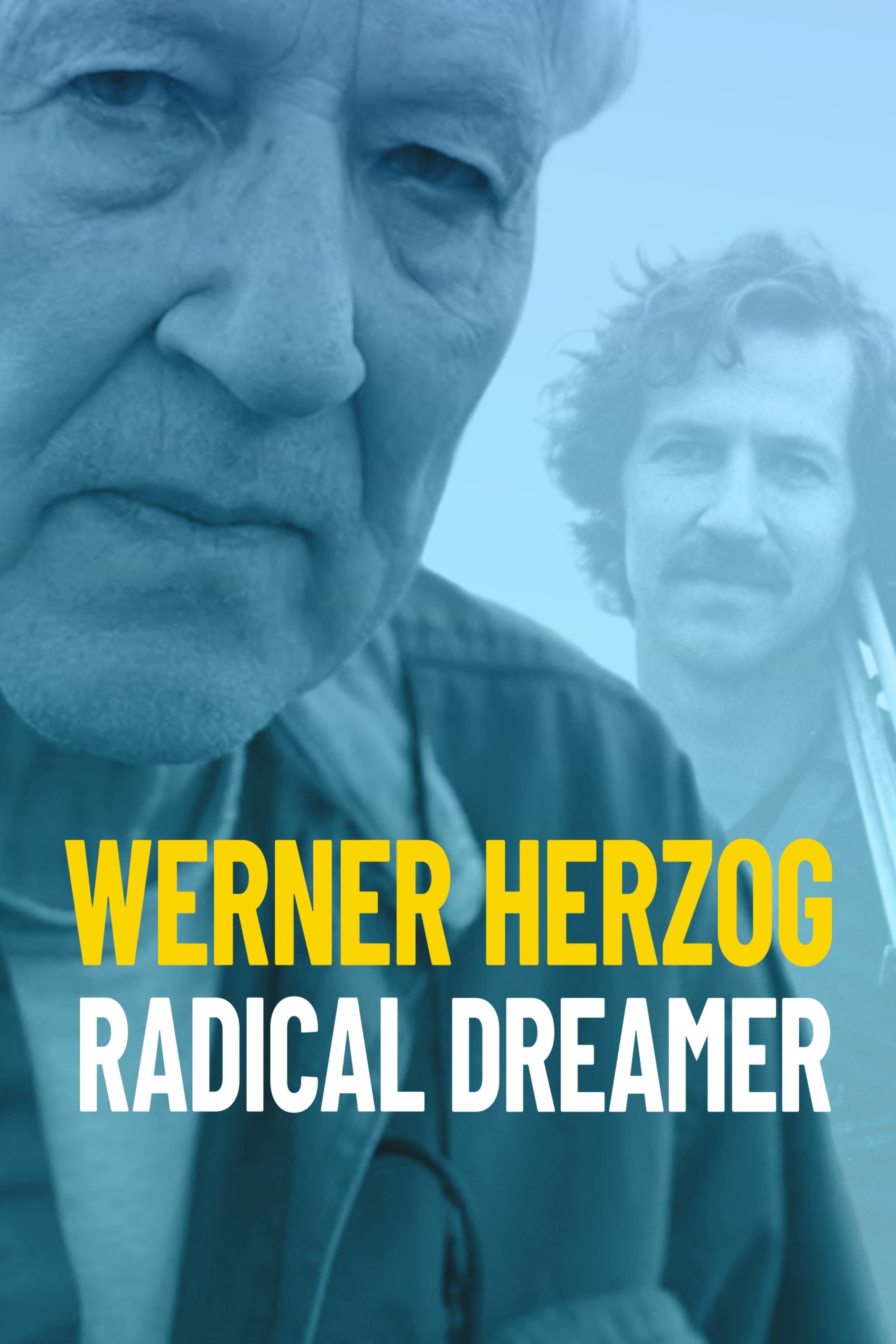
With exclusive behind-the-scenes access into Herzog’s everyday life, rare archive material and in-depth interviews with celebrated collaborators – including Christian Bale, Nicole Kidman, and Robert Pattinson, we are given an exciting glimpse into the work and personal life of the iconic artist.
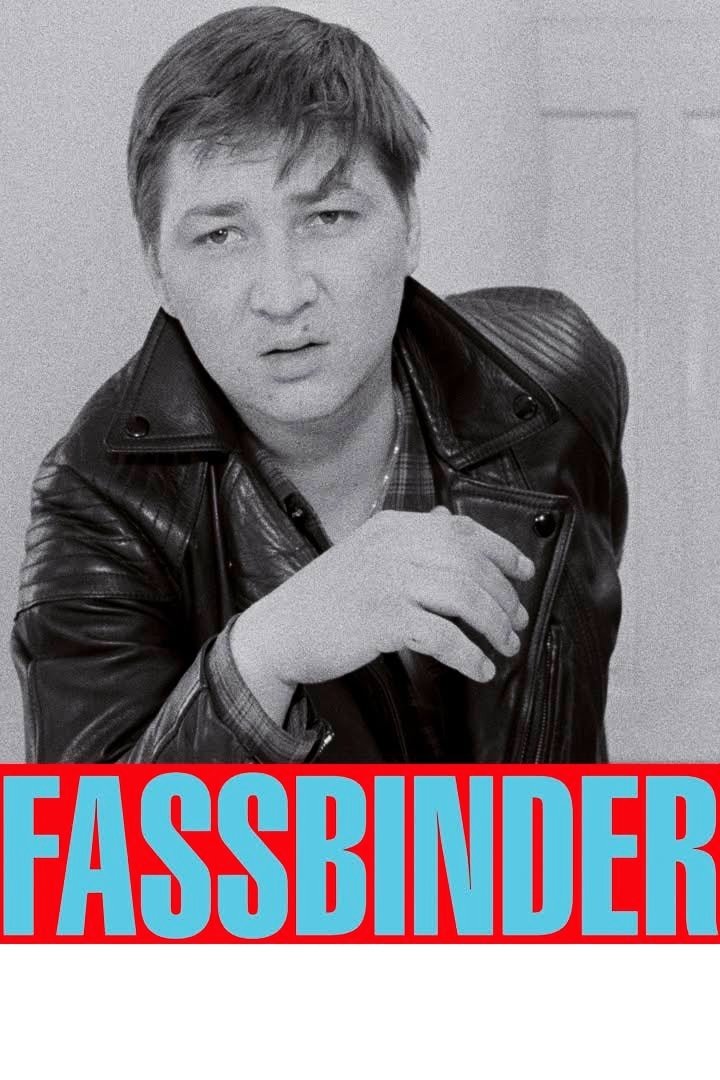
A film portrait of the influential Bavarian actor, director, and screenwriter who publicly confessed his homosexuality, which chronologically covers all the important stages from Action-Theater to the director's early death, supplemented with anecdotes.
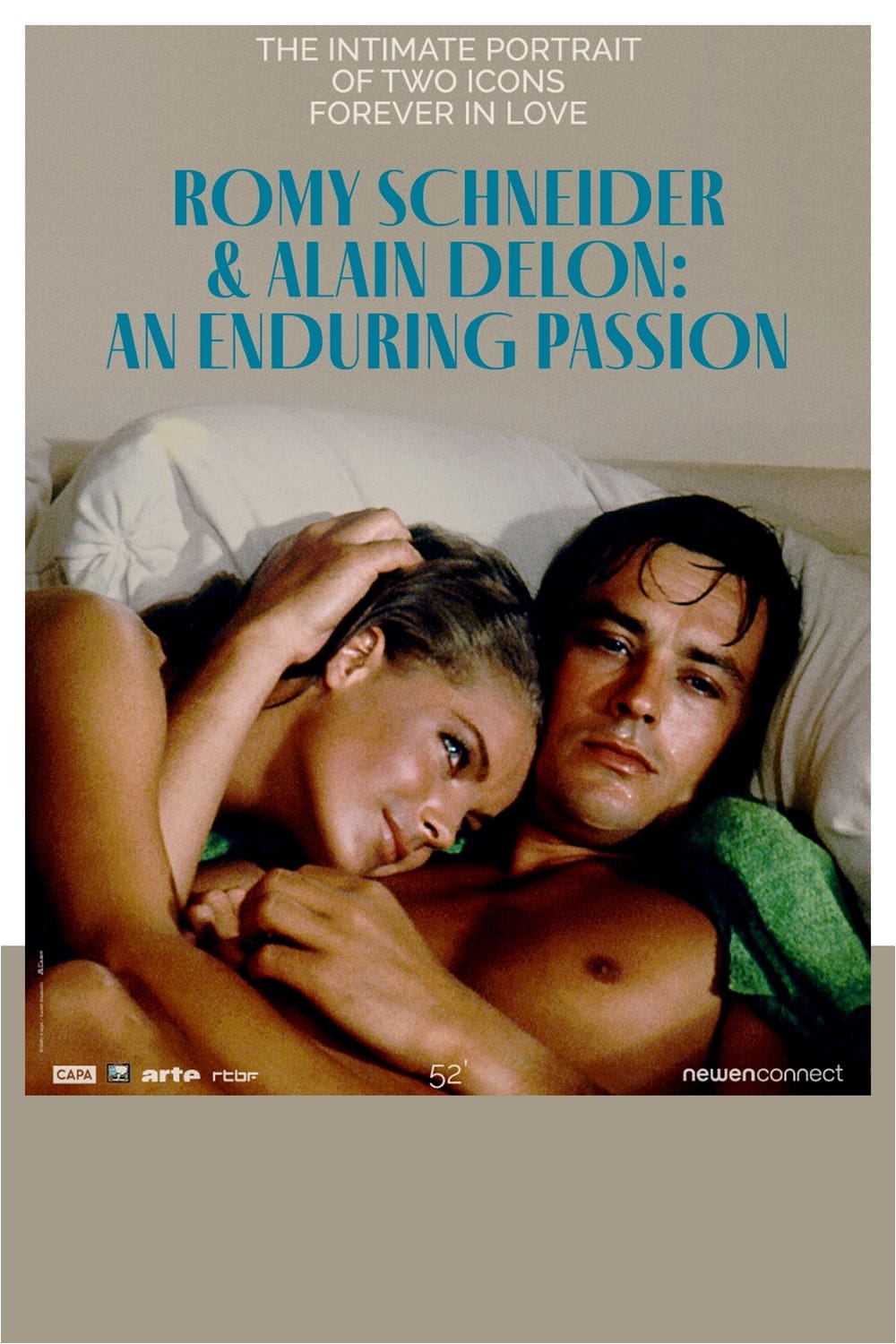
Austrian actress Romy Schneider (1938) and French actor Alain Delon (1935), once fervent lovers in the early sixties, maintained a close friendship and a certain working relationship after their breakup until her death in 1984: a universal and eternal love.
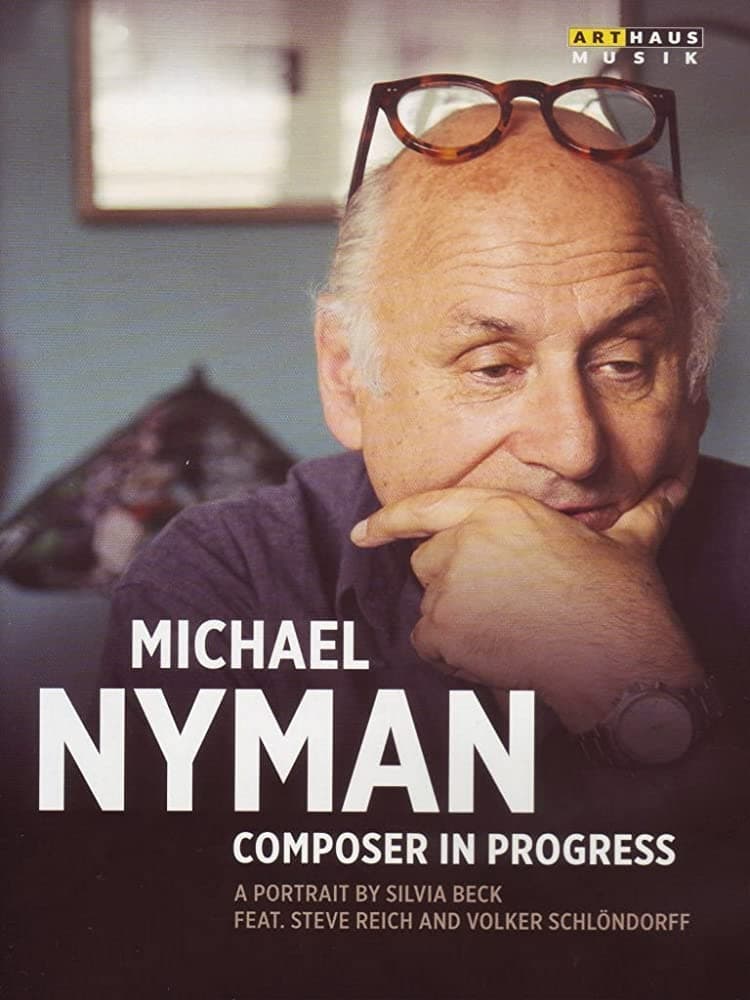
Featuring unprecedented access to Michael Nyman's working life, this film shows one of the great composers of our time in all his diversity and endless energy. From London to Berlin, Mexico, Poland, the Netherlands, and Portugal the film is also a journey through the musical world today. It shows Michael Nyman, the musician, in his concerts with The Michael Nyman Band and live collaborations with other internationally known musicians and orchestras. But throughout his journeys, this film discovers Nyman's increasing passion for filming and photography.

Four sketches revolving around the themes of luck and love.
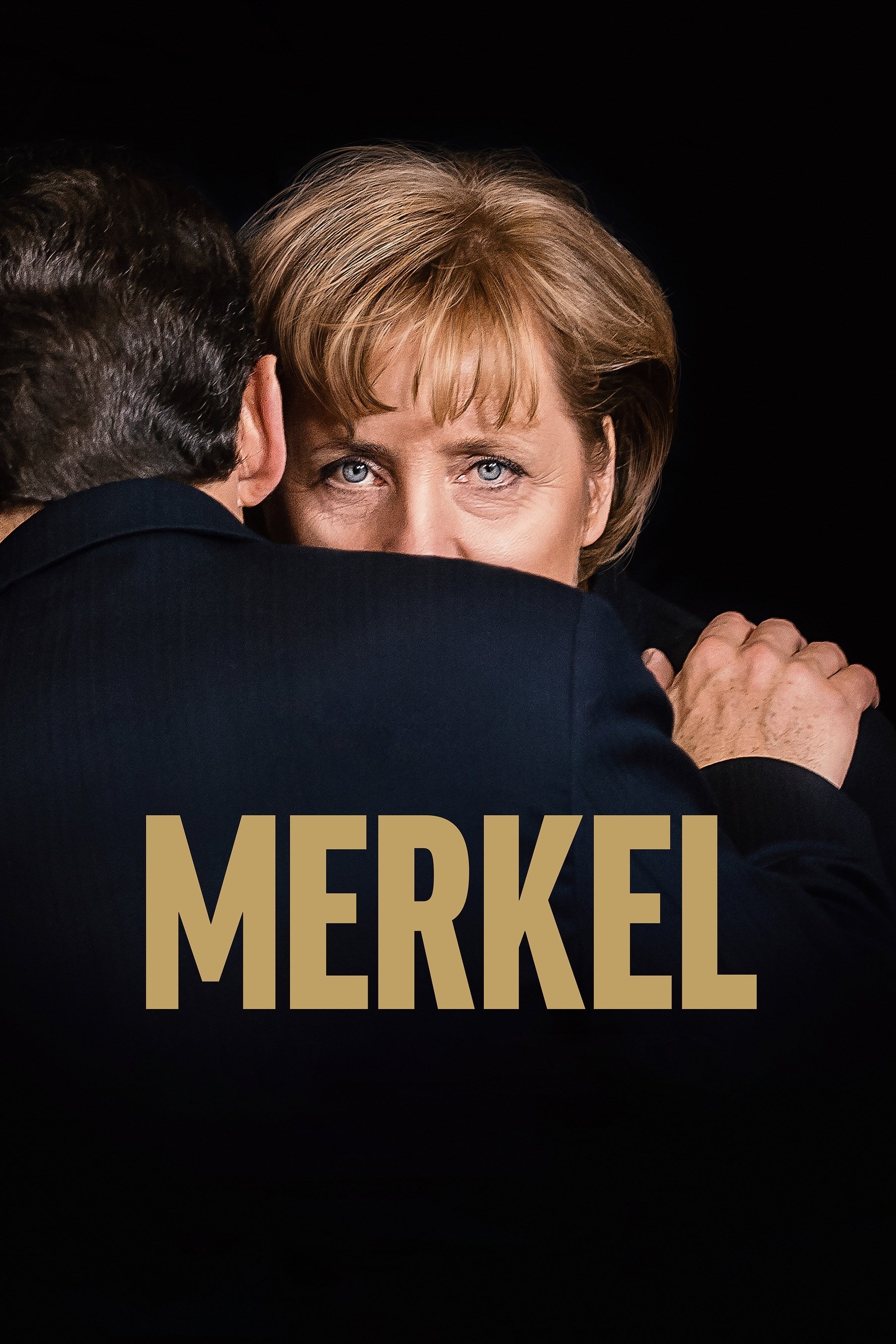
Driven by extensive archive material and interviews with those who know her, this is the astonishing story of how a triple outsider – a woman, a scientist, and an East German – became the de facto leader of the “Free World”, told for the first time for an international audience.
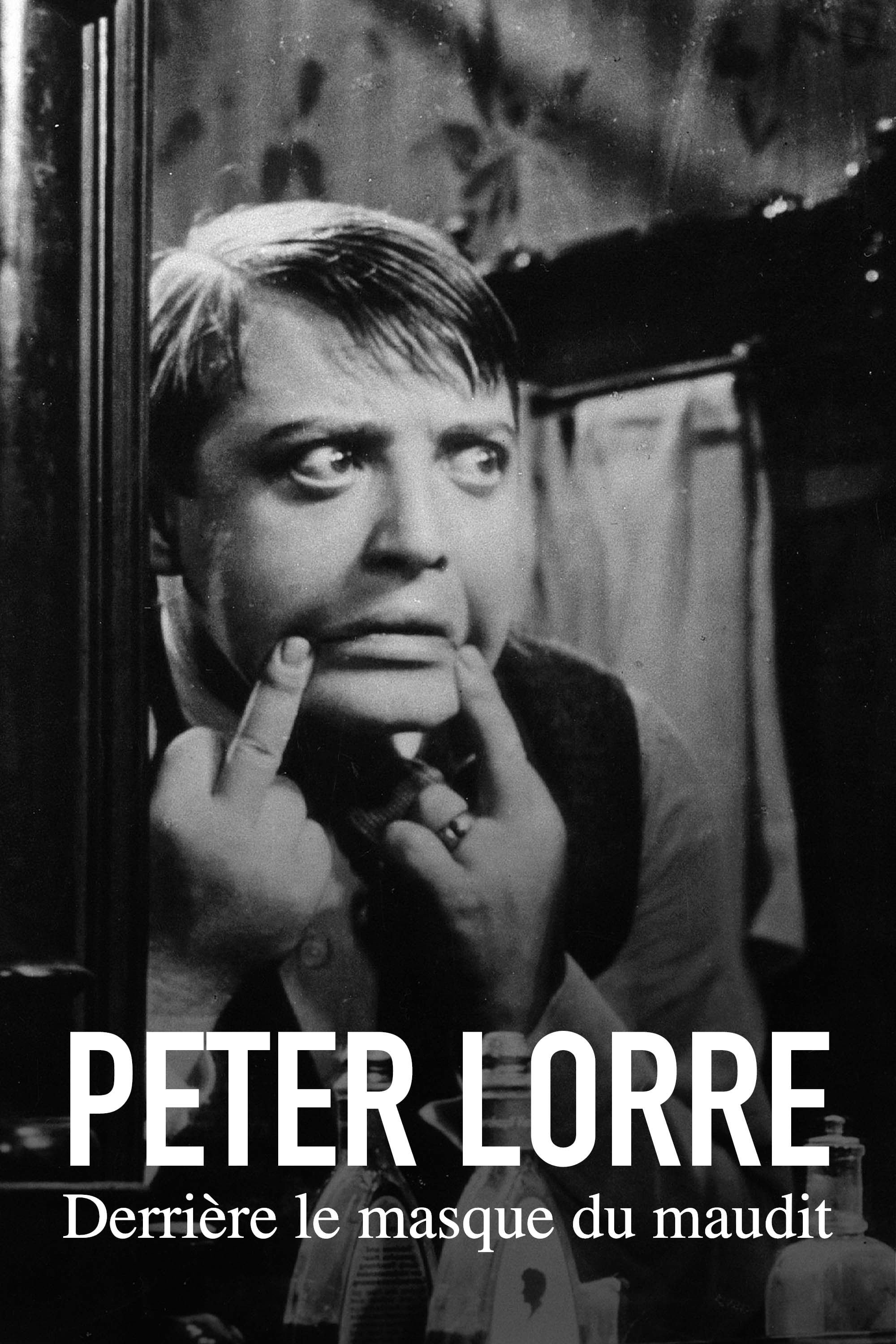
He is the despicable child killer in Fritz Lang's M. Drawing on testimonies and archives, this portrait sheds light on Peter Lorre's turbulent career and complex personality, unable to escape the monster that made him famous.
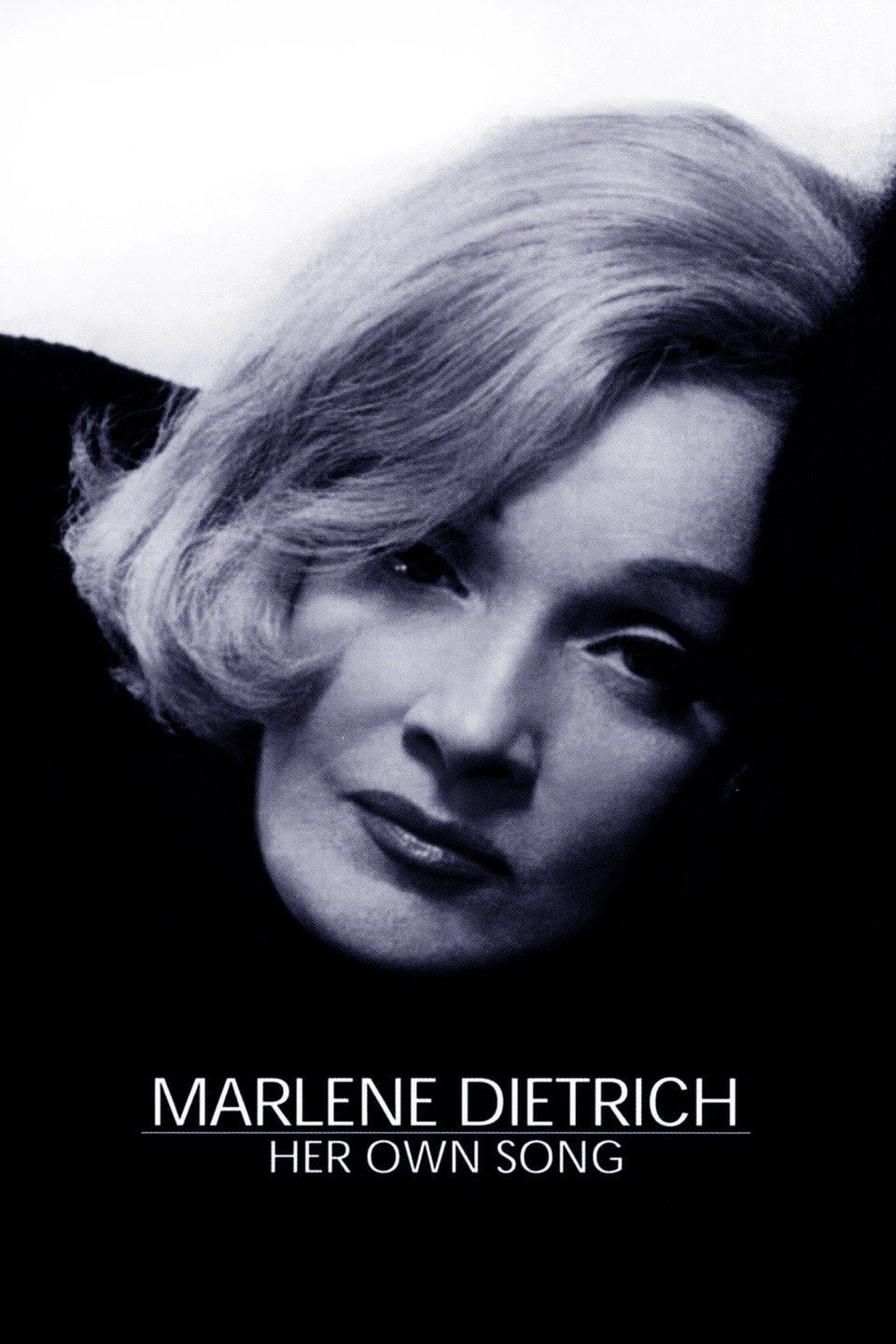
The films, affairs and struggles of the iconic star of The Blue Angel as told by Rosemary Clooney, Roger Corman, Deanna Durbin and many more.
A documentary about the making of Jean-Pierre Melville's 1949 film "Le silence de la mer"
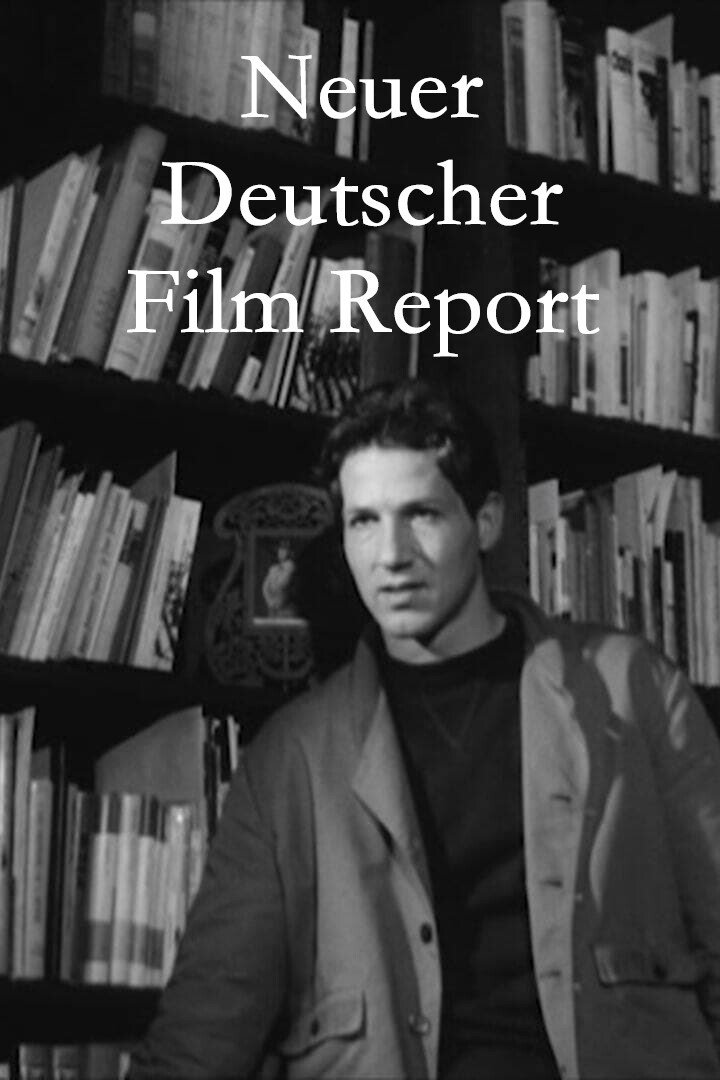
Interview film with the protagonists of the New German Cinema in 1966.

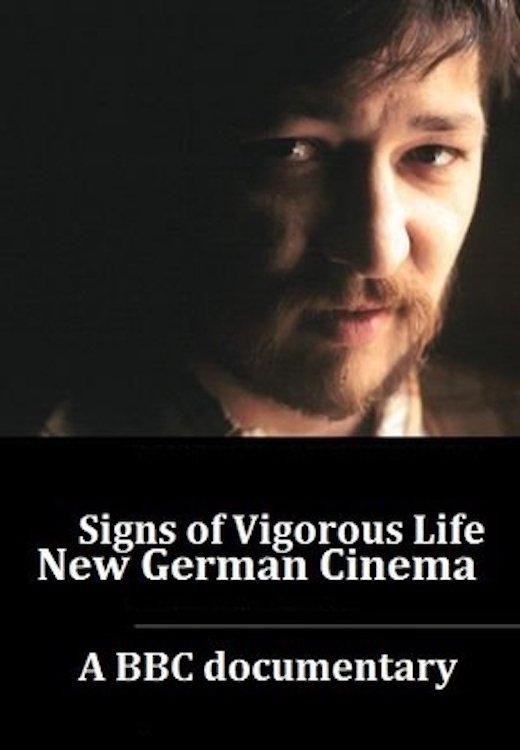
BBC documentary about the rise of the New German Cinema and several of its most important figures.
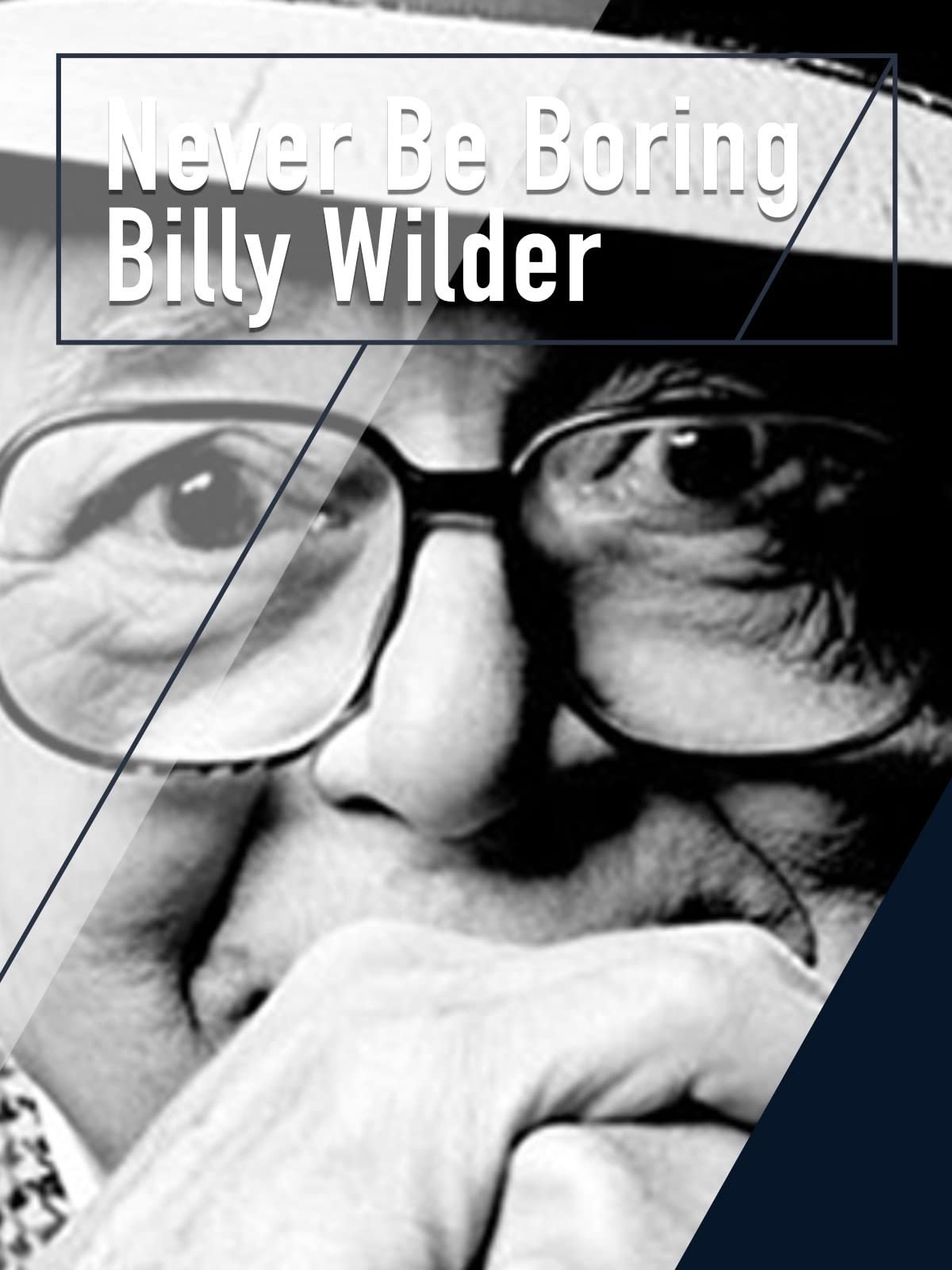
A funny walk through the life story of Billy Wilder (1906-2002), a cinematic genius; a portrait of a filmmaker who never was a boring man, a superb mind who had ten commandments, of which the first nine were: “Thou shalt not bore.”
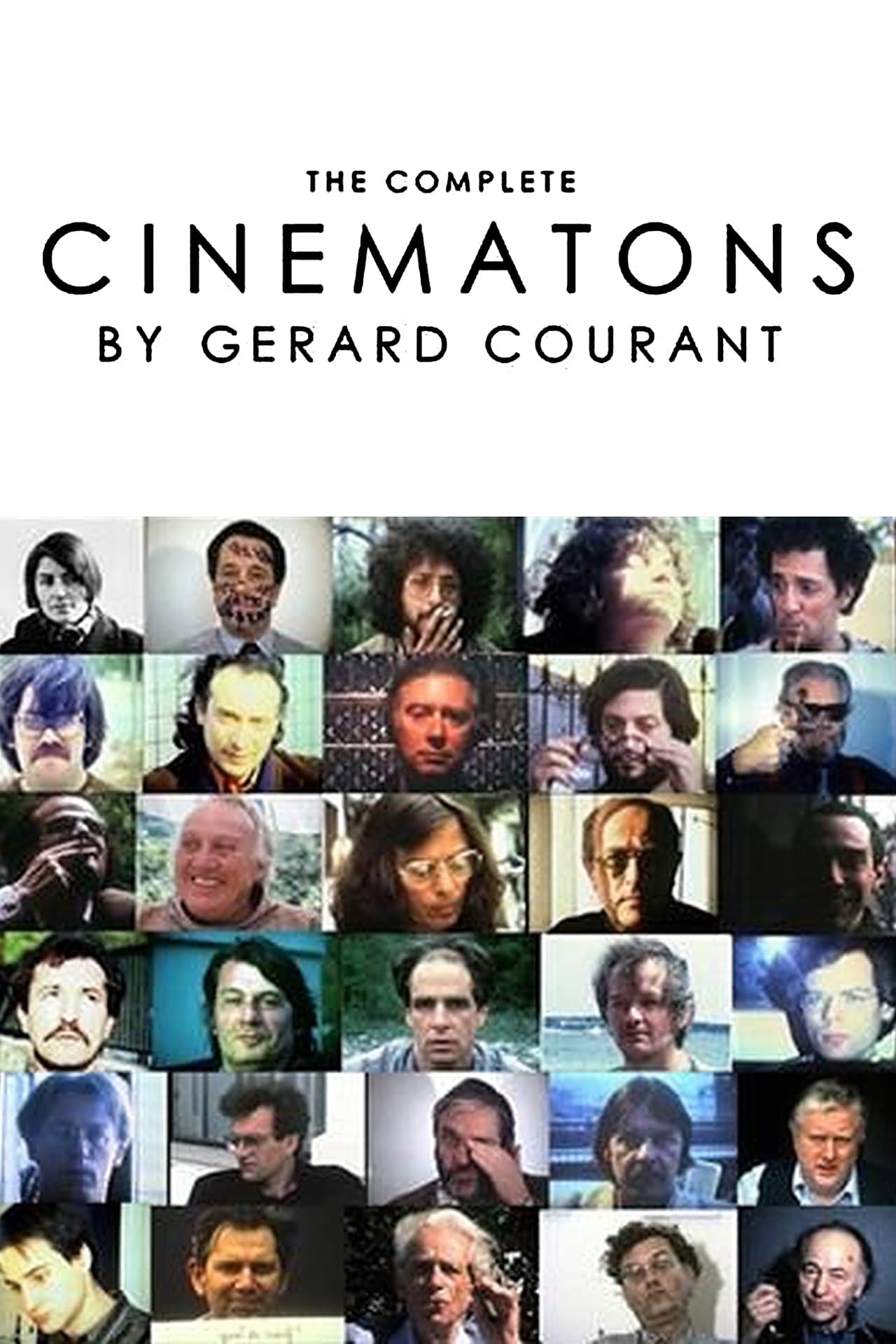
Cinématon is a 156-hour long experimental film by French director Gérard Courant. It was the longest film ever released until 2011. Composed over 36 years from 1978 until 2006, it consists of a series of over 2,821 silent vignettes (cinématons), each 3 minutes and 25 seconds long, of various celebrities, artists, journalists and friends of the director, each doing whatever they want for the allotted time. Subjects of the film include directors Barbet Schroeder, Nagisa Oshima, Volker Schlöndorff, Ken Loach, Benjamin Cuq, Youssef Chahine, Wim Wenders, Joseph Losey, Jean-Luc Godard, Samuel Fuller and Terry Gilliam, chess grandmaster Joël Lautier, and actors Roberto Benigni, Stéphane Audran, Julie Delpy and Lesley Chatterley. Gilliam is featured eating a 100-franc note, while Fuller smokes a cigar. Courant's favourite subject was a 7-month-old baby. The film was screened in its then-entirety in Avignon in November 2009 and was screened in Redondo Beach, CA on April 9, 2010.
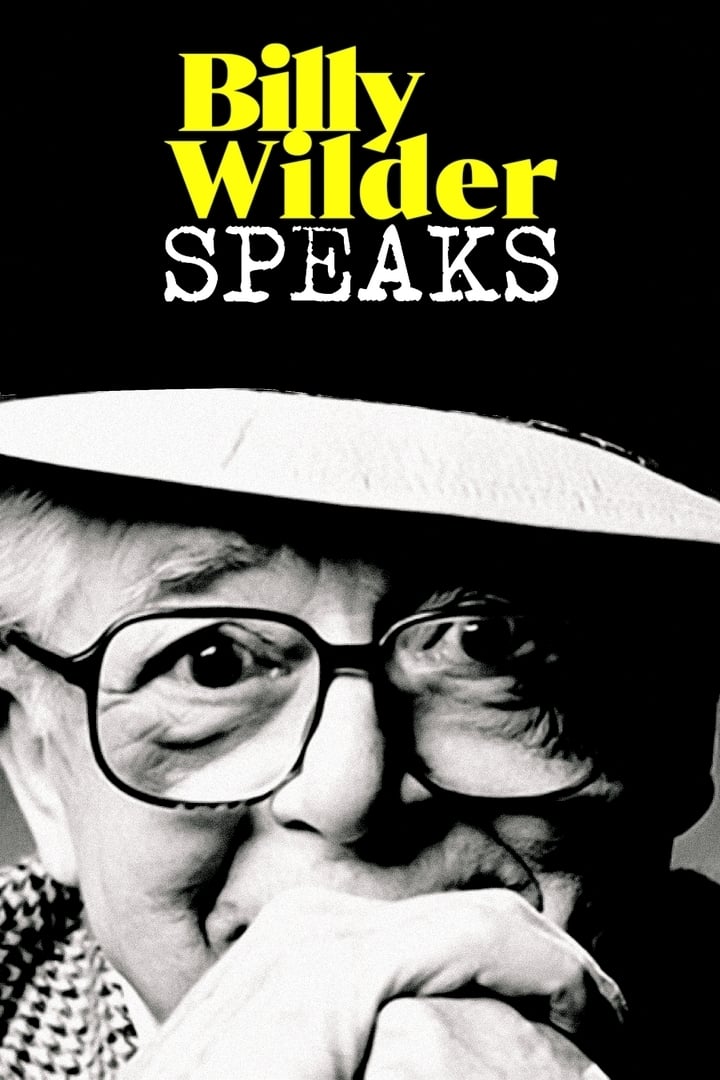
In 1988, German filmmaker Volker Schlöndorff sat down with legendary director Billy Wilder (1906-2002) at his office in Beverly Hills, California, and turned on his camera for a series of filmed interviews. (A recut of the 1992 TV miniseries Billy, How Did You Do It?)
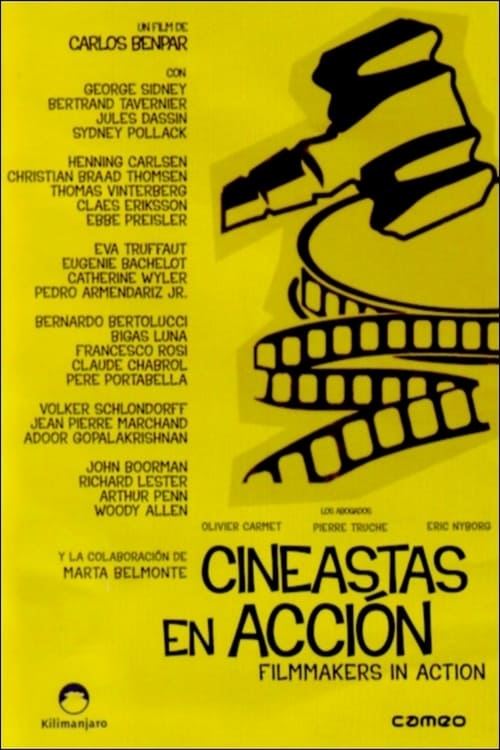
What is the state of cinema and what being a filmmaker means? What are the measures taken to protect authors' copyright? What is their legal status in different countries? (Sequel to “Filmmakers vs. Tycoons.”)
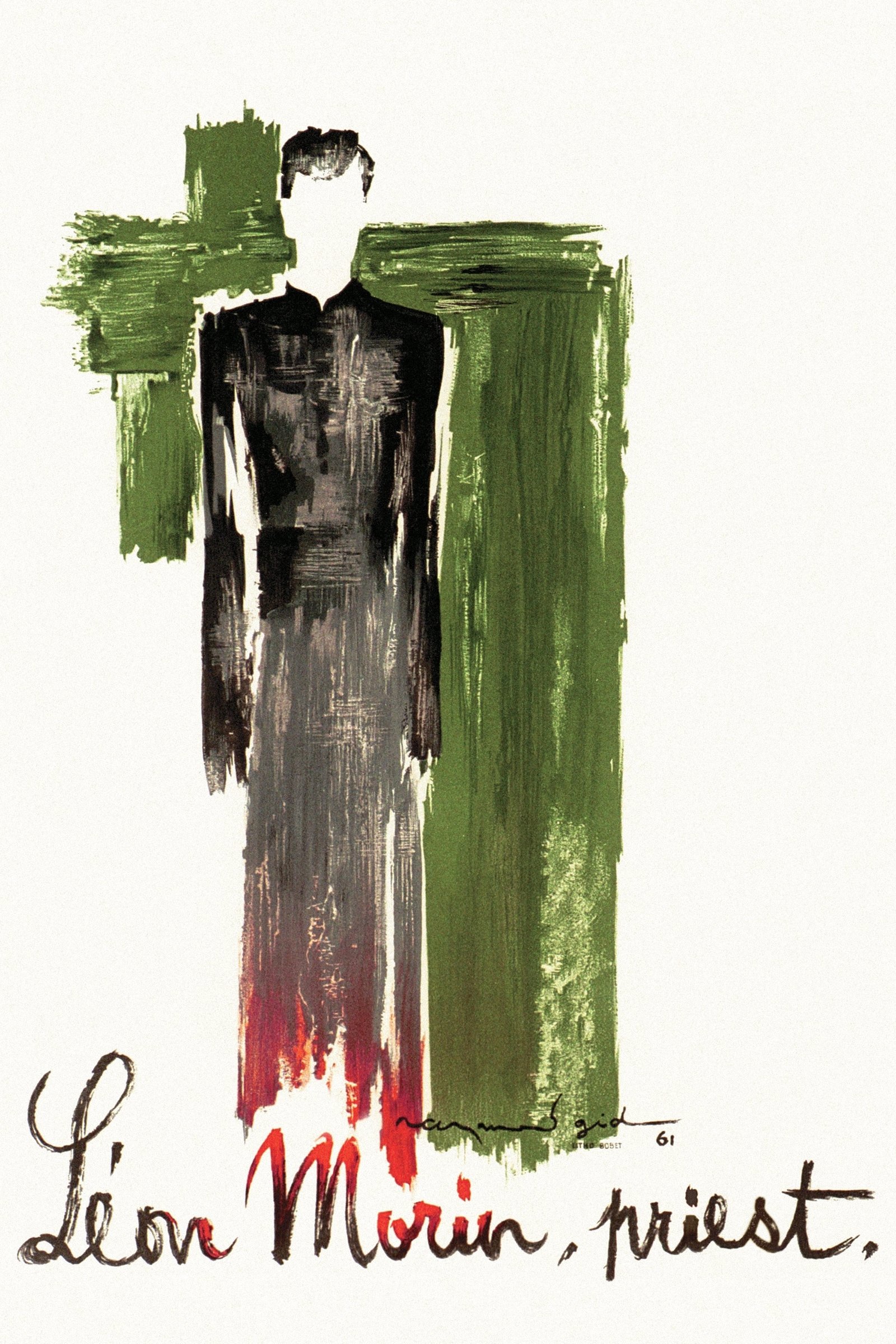
Barny, although a Marxist, is intrigued by the mysteries of religion. In confession, she teases a priest, Léon Morin, but he is a young and intelligent man and ready to discuss anything.

An unparalleled portrait of Arthur Miller (1915-2005), a major writer who left an indelible mark on the world. Miller's life is intimately connected with the great themes that marked the 20th century. Glamour, fame, social criticism and Marilyn Monroe.
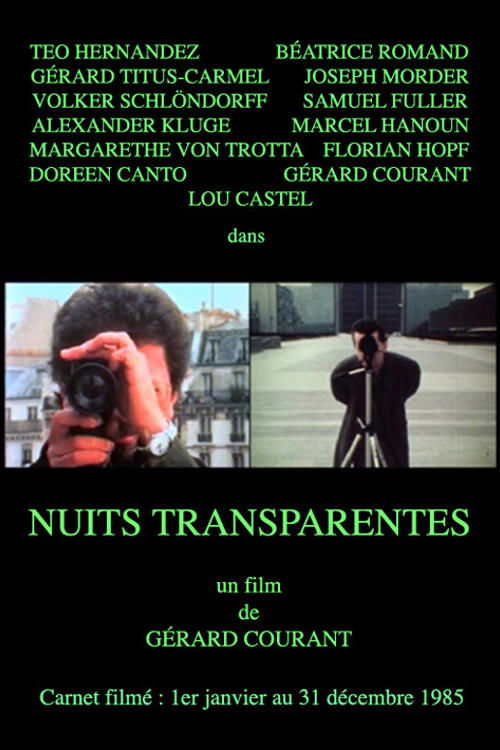
Strolling through France (Roanne, Nice and Carcassonne) with some excursions abroad (Munich, Montreal, New York).
In this feature-length interview, conducted by Robert Fischer in February 2015, Volker Schlöndorff talks about the making of his film BAAL (1969), based on the first play ever written by Bertolt Brecht. He describes his working relationship with Rainer Werner Fassbinder and his group of actors and how the Brecht family hated the film when it first came out, resulting in BAAL’s inavailability for over 40 years.
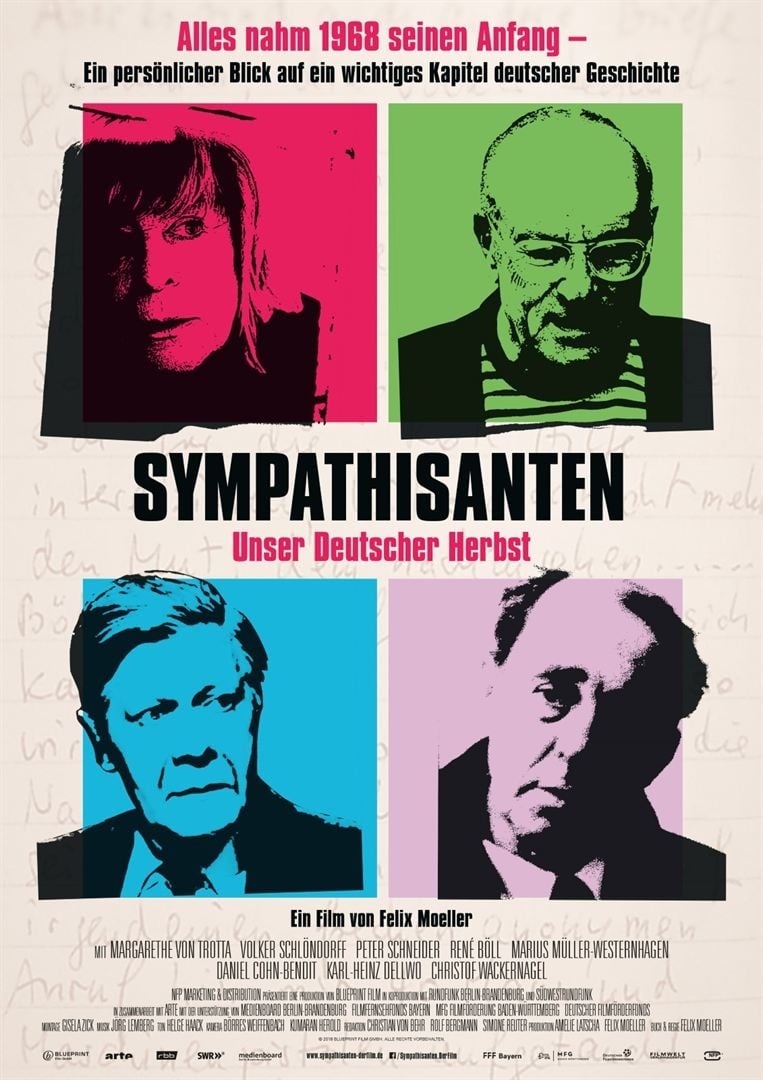
West Germany in the 1970s. Many artists, journalists and intellectuals were branded as sympathizers of Baader-Meinhof's left-wing terrorism. The parents of the director, too: Margarethe von Trotta and his stepfather, Volker Schlöndorff. With extensive archive materials and film clips as well as Margarethe von Trotta's private diaries the film portrays one German family and the society of the time.
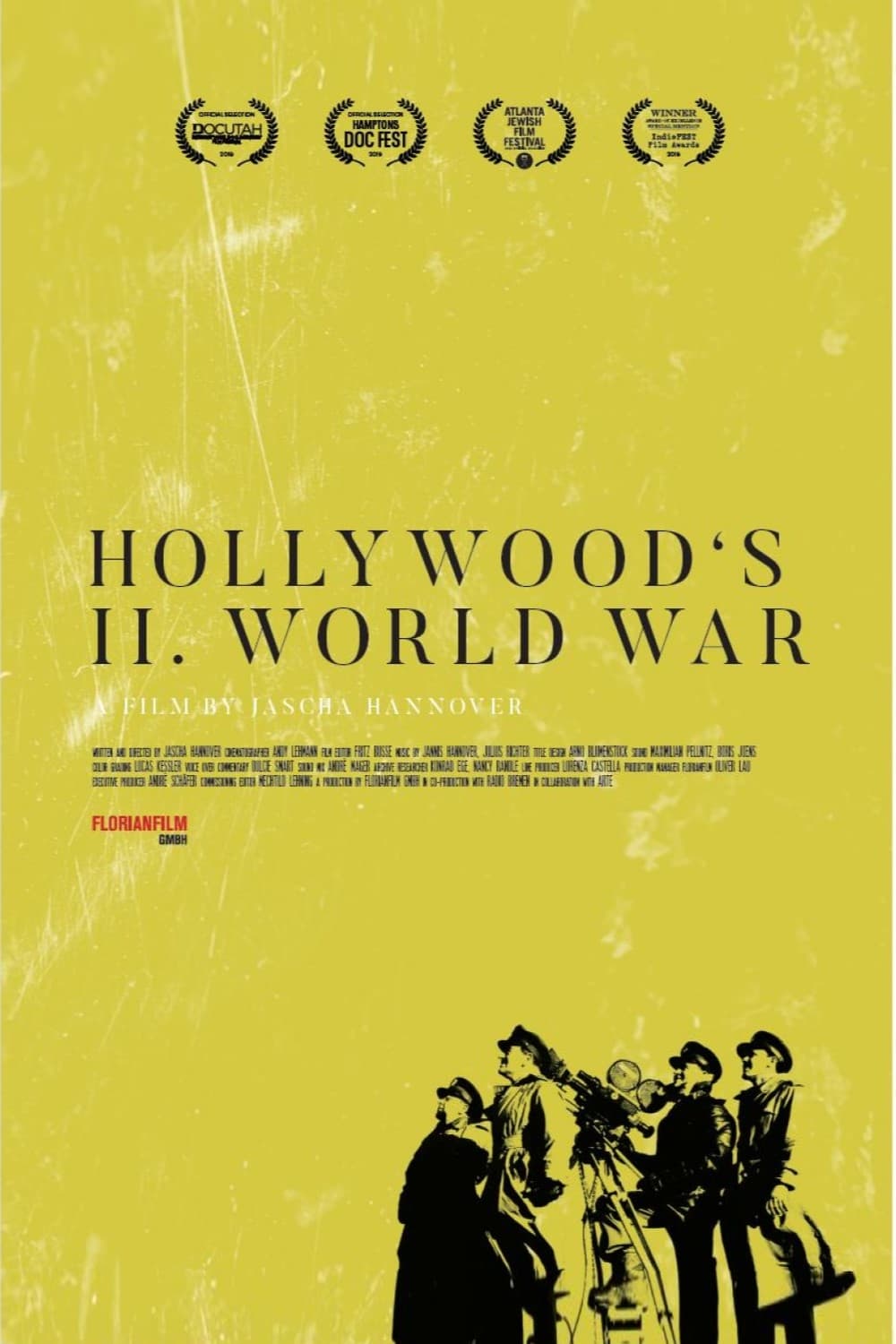
For the USA, World War 2 was an all-out war - to mobilize the masses, the US government launched a huge propaganda campaign and cinema, the medium of the masses, was quite simply their most important weapon. Government authorities monitored the production of feature films and the military itself produced documentaries aimed at rallying the American people to support the troops. This film tells the story of four Hollywood directors of European origin, who returned to the "Old World" during the Second World War to make propaganda documentaries for the US Army at the front: William Wyler from Alsace, Frank Capra from Italy, Anatole Litvak from Ukraine and - in post-war Germany - Billy Wilder from Austria.
A documentary-montage of sketches, photos, storyboards, and film excerpts that is accompanied by Volker Schlöndorff's thoughts about his 1979 film THE TIN DRUM.
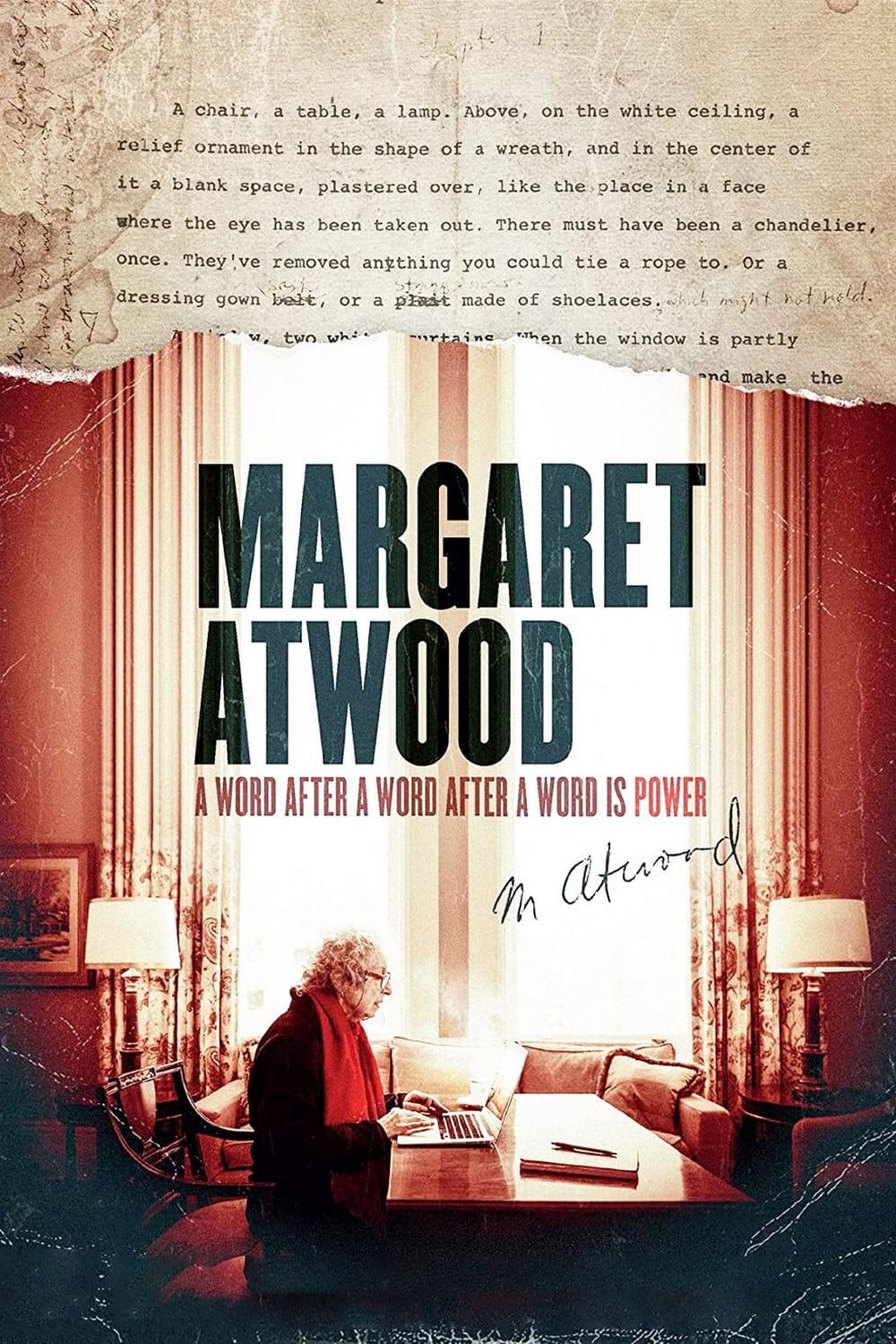
The views and thoughts of Canadian writer Margaret Atwood have never been more relevant than today. Readers turn to her work for answers as they confront the rise of authoritarian leaders, deal with increasingly intrusive technologies, and discuss climate change. Her books are useful as survival tools for hard times. But few know her private life. Who is the woman behind the stories? How does she always seem to know what is coming?
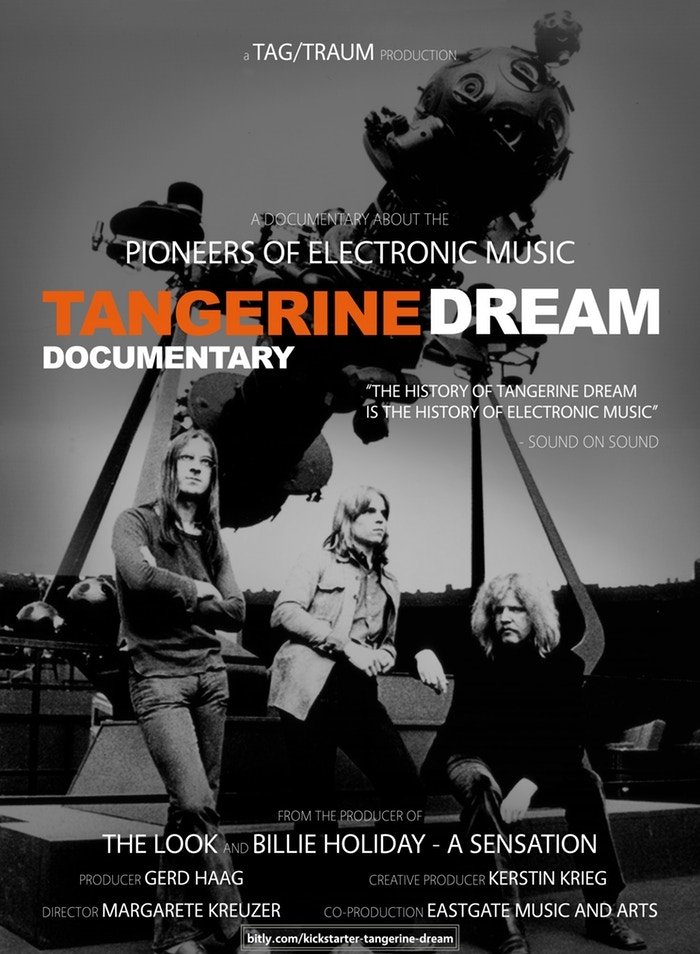
Documentary of German electronic musical group Tangerine Dream.
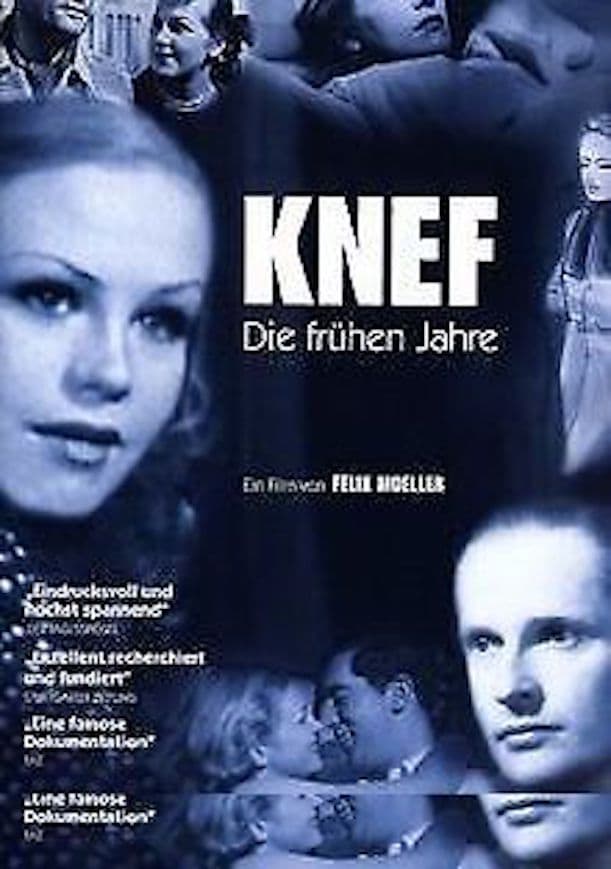
A documentary about the life of the actress Hildegard Knef.
Interviews with Alain Resnais' collaborators about the making of Last Year at Marienbad, including sketches and production photos.
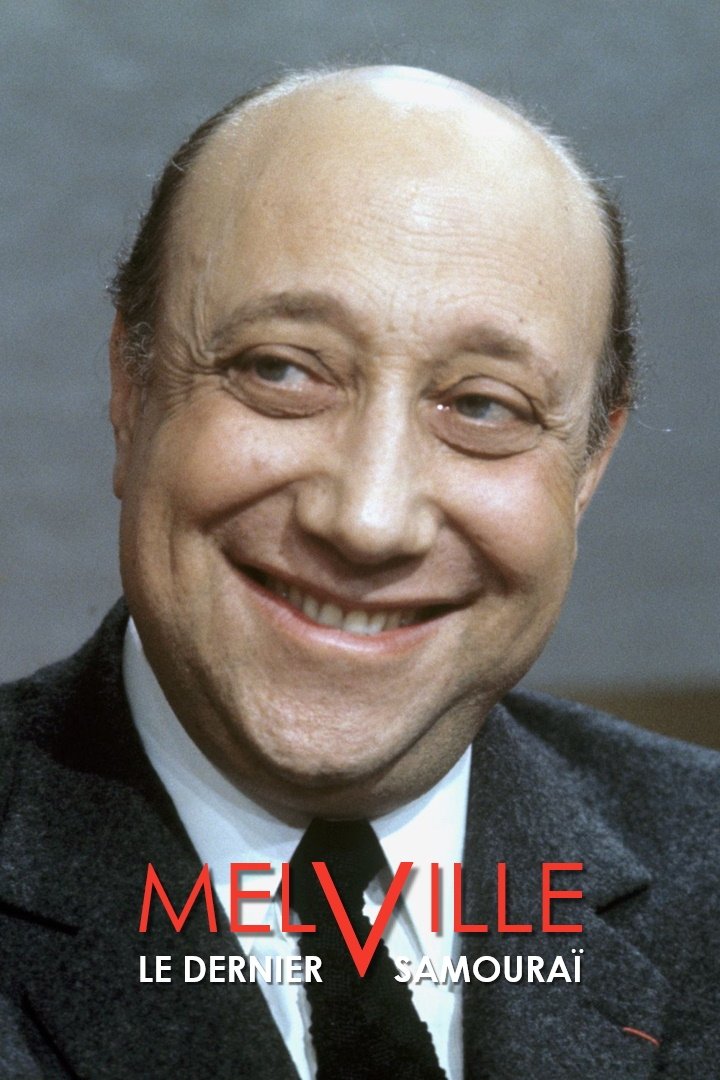
Like nobody else Jean-Pierre Melville influenced modern filmmaking. This documentary follows his creative process step by step, showing him becoming the father of the Nouvelle Vague and one of the most iconic directors of French cinema.

This documentary explores the creation of the Holocaust Memorial in Berlin as designed by architect Peter Eisenman. Reaction of the German public to the completed memorial is also shown.
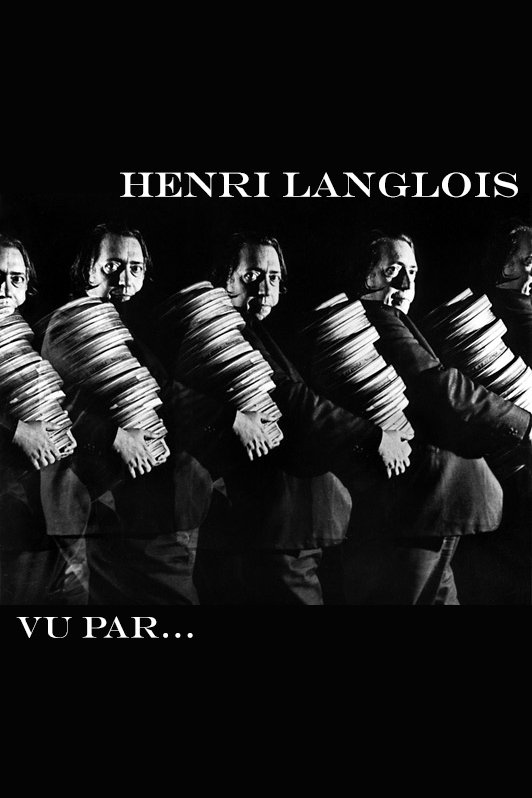
Thirteen filmmakers share personal reflections on Henri Langlois—the visionary founder of the Cinémathèque Française—recounting his influence on their lives, his role in preserving film history, and his enduring impact on world cinema.
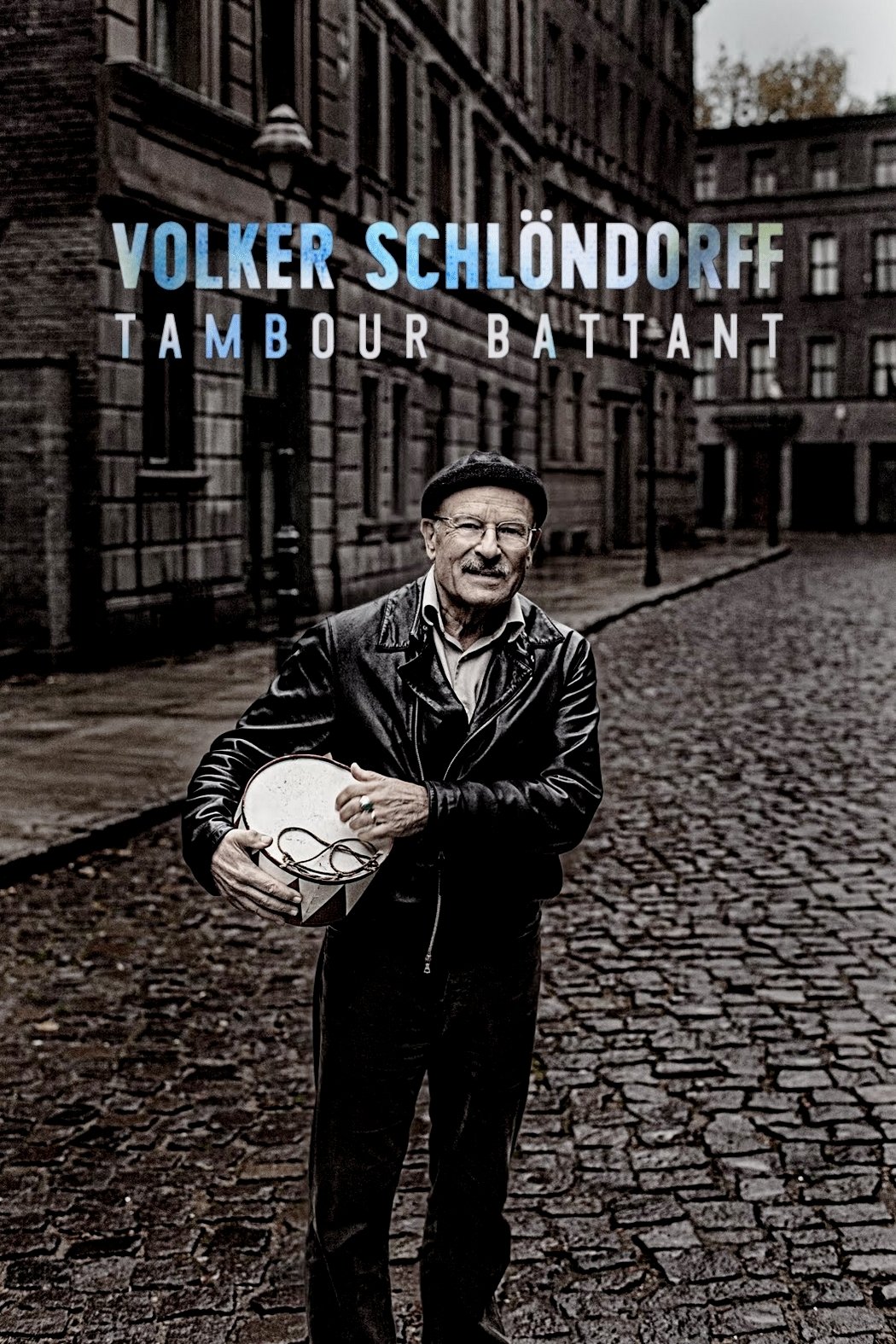
The life and work of the brilliant German filmmaker Volker Schlöndorff, a cross-border artist who, by leaving Germany and making the whole world his place of work, acquired the objective perspective necessary to portray his country's society better than anyone else while providing a unique and original point of view on the troubled history of the European continent.
Near Munich, in Bavaria, Germany, is the Schleißheim Palace, where French filmmaker Alain Resnais shot his film Last Year at Marienbad in 1960. Nearby is the Dachau concentration camp, where thousands of people were killed between 1933 and 1945. An essay about the present and the past, beauty and horror, life and death.
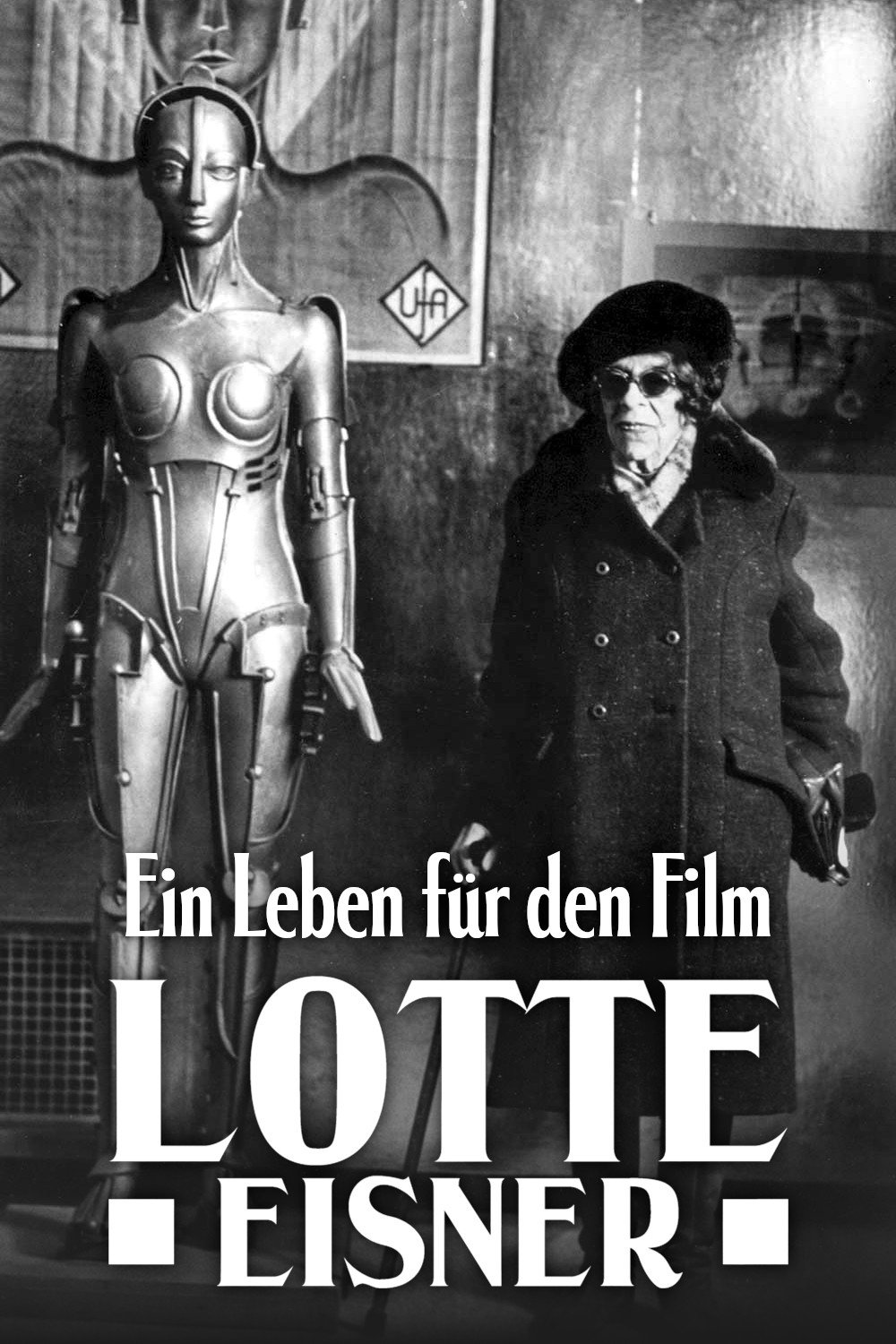
Born in Berlin in 1896, Lotte Eisner became famous for her passionate involvement in the world of both German and French cinema. In 1936, together with Henri Langlois, she founded the Cinémathèque Française with the goal of saving from destruction films, costumes, sets, posters, and other treasures of the 7th Art. A Jew exiled in Paris, she became a pillar of the capital's cultural scene, where she promoted German cinema.
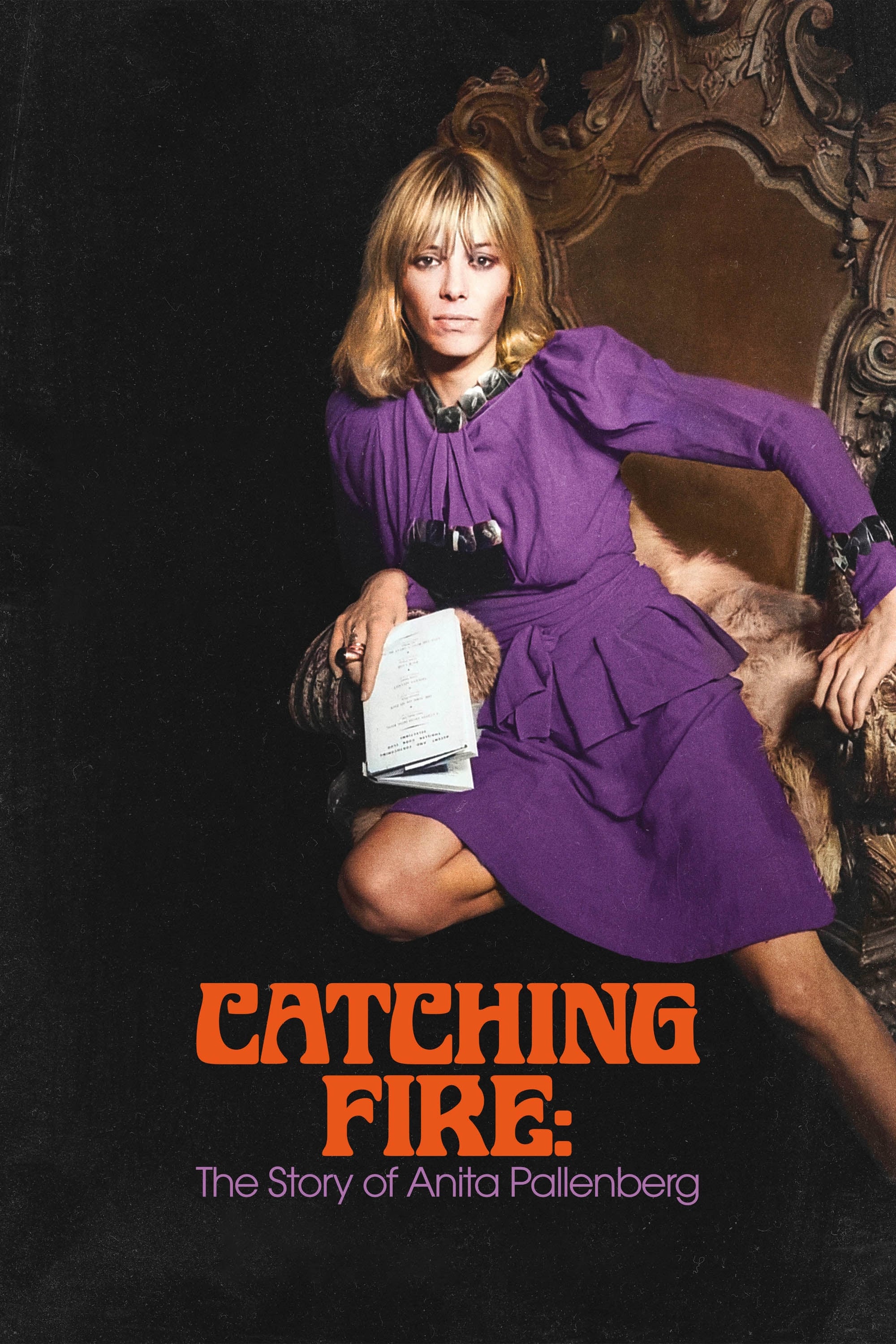
An exploration of the life of Anita Pallenberg, European actress and rock ’n’ roll muse. Told in Anita’s own words, from her unpublished memoir, and in the words of her family, this bittersweet film is a never-seen-before look at life with The Rolling Stones.
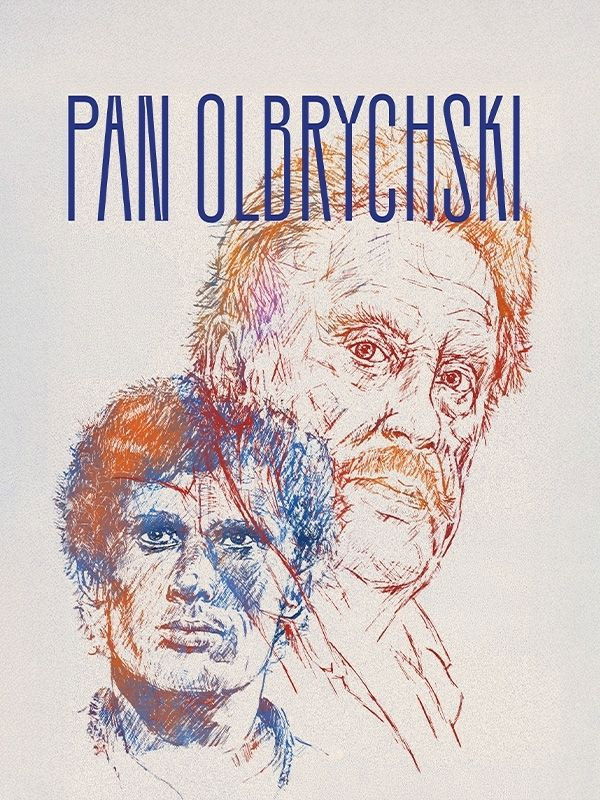
Biographical documentary film presenting the silhouette and artistic path of the outstanding actor Daniel Olbrychski. The narrative of the main character is confronted with his colleagues and friends, in contemporary interviews, including: with Krystyna Janda, Jerzy Hoffman, Krzysztof Zanussi, Volker Schlondorff and Adam Michnik. The archival materials will include statements and excerpts from the realization of scenes from Andrzej Wajda's films. The film roles of the main character are intertwined with his private life.
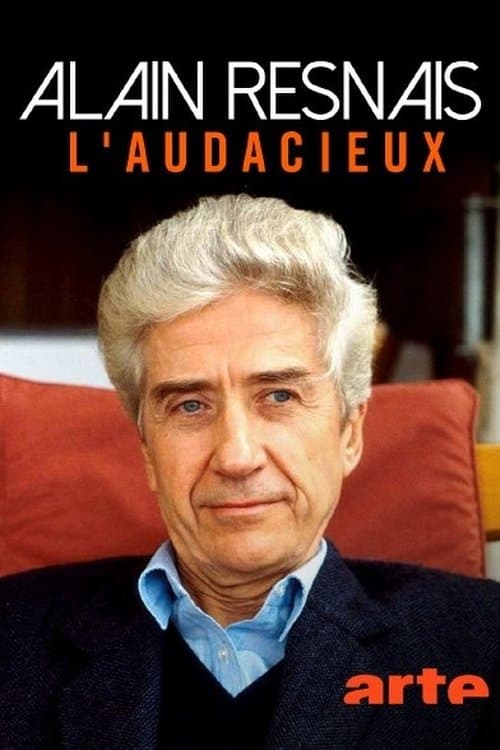
A genius inventor of forms, Alain Resnais is one of the fathers of cinematic modernity. This portrait, rich in archives, looks back on the career of a discreet non-conformist, in perpetual search of renewal to fight against anxiety.
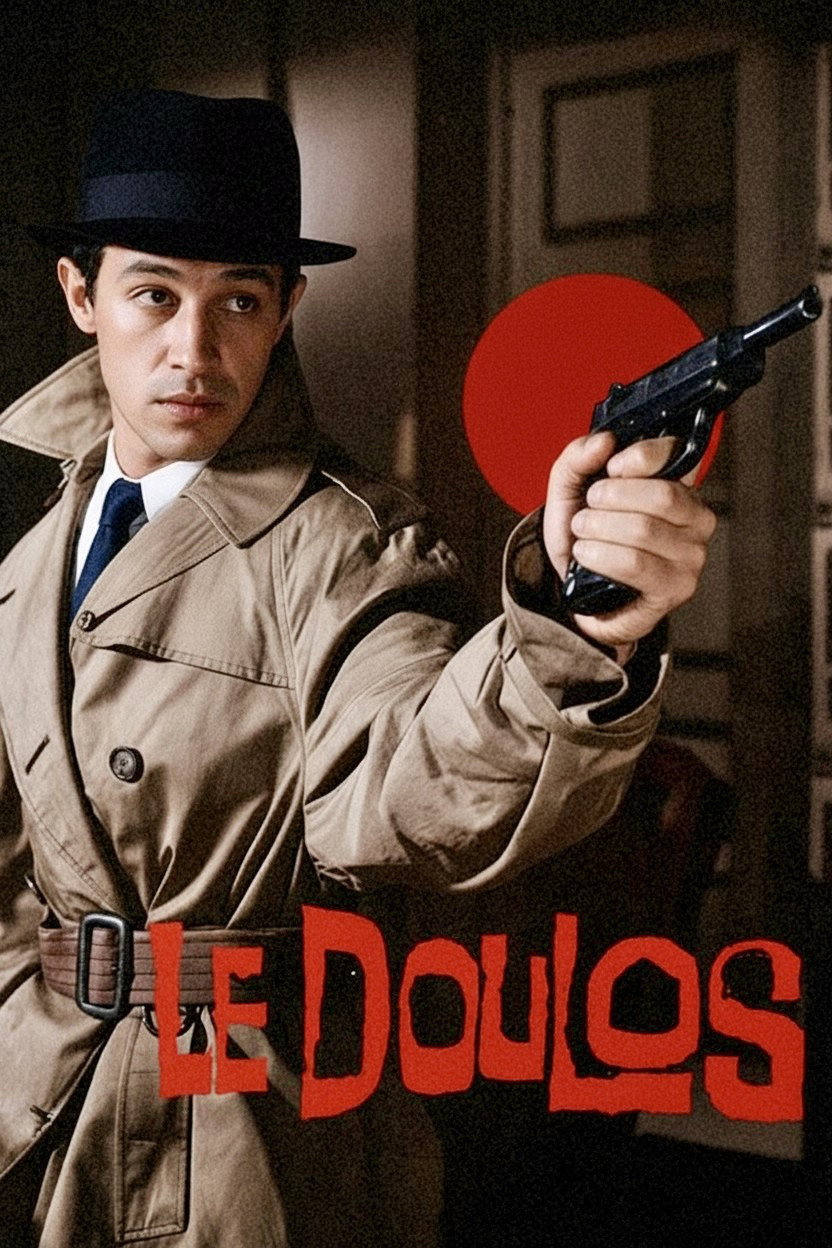
Enigmatic gangster Silien may or may not be responsible for informing on Faugel, who was just released from prison and is already involved in what should be a simple heist. By the end of this brutal, twisting, and multilayered policier, who will be left to trust?
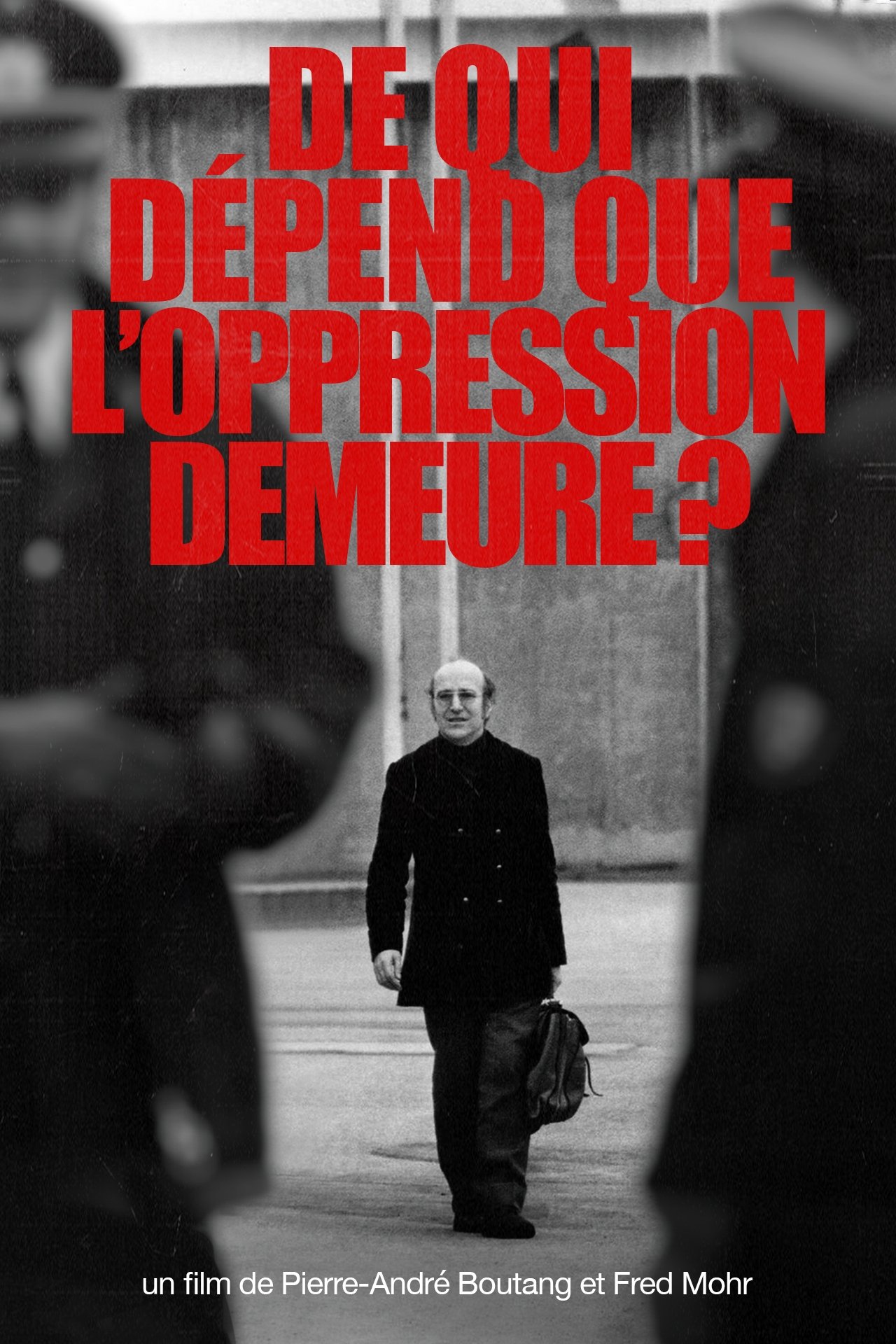
On May 21, 1975, the trial of the members of the Red Army Faction (also known as the Baader-Meinstein Gang) began. Four members appeared before the Stuttgart court to answer for the attacks that had been raging for five years in the young Federal Republic of Germany. The documentary, whose title is borrowed from Berthold Brecht's In Praise of Dialectics, recounts the conditions of the trials and detention of the Baader-Meinstein Gang members and the disqualification of Klaus Croissant as their lawyer.
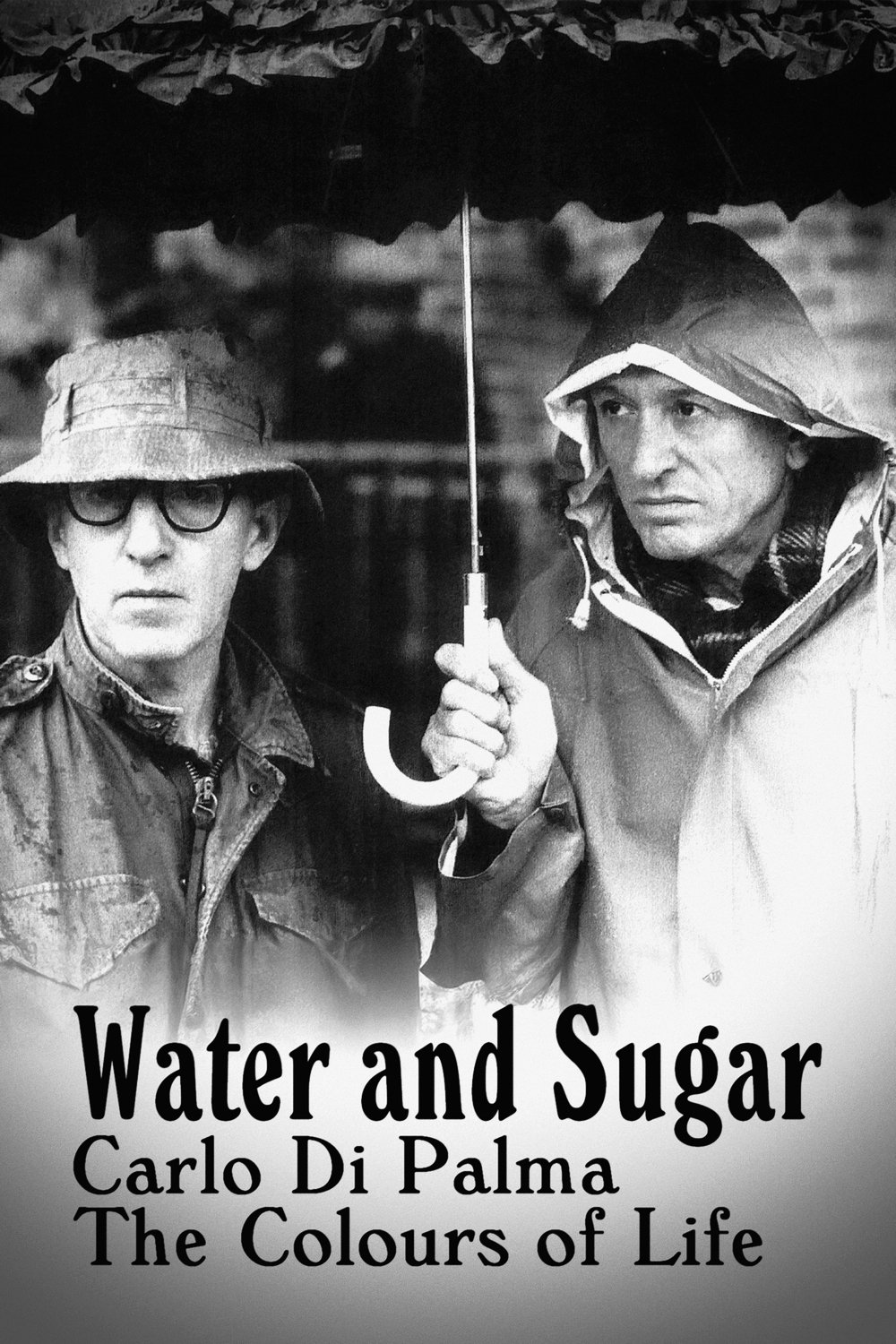
An account of the life and work of legendary cinematographer and director Carlo Di Palma (1925-2004) and an emotional journey through the great moments of cinema, from Italian neorealism to the masterpieces of Woody Allen.