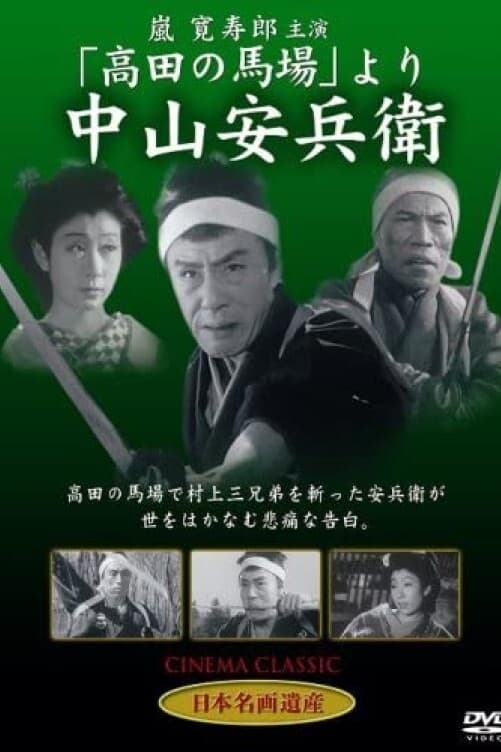
Jidai-geki about the life of Yasubei Nakayama, a famous ronin who did participate in the revenge against Lord Kira Yoshinaka as detailed in Japan's famous epic Chushingura
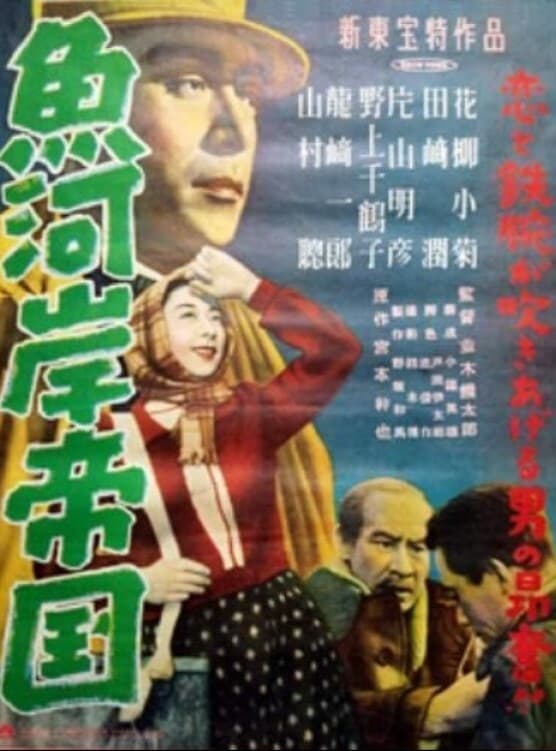
Obscure Japanese movie by director Kyotaro Namiki
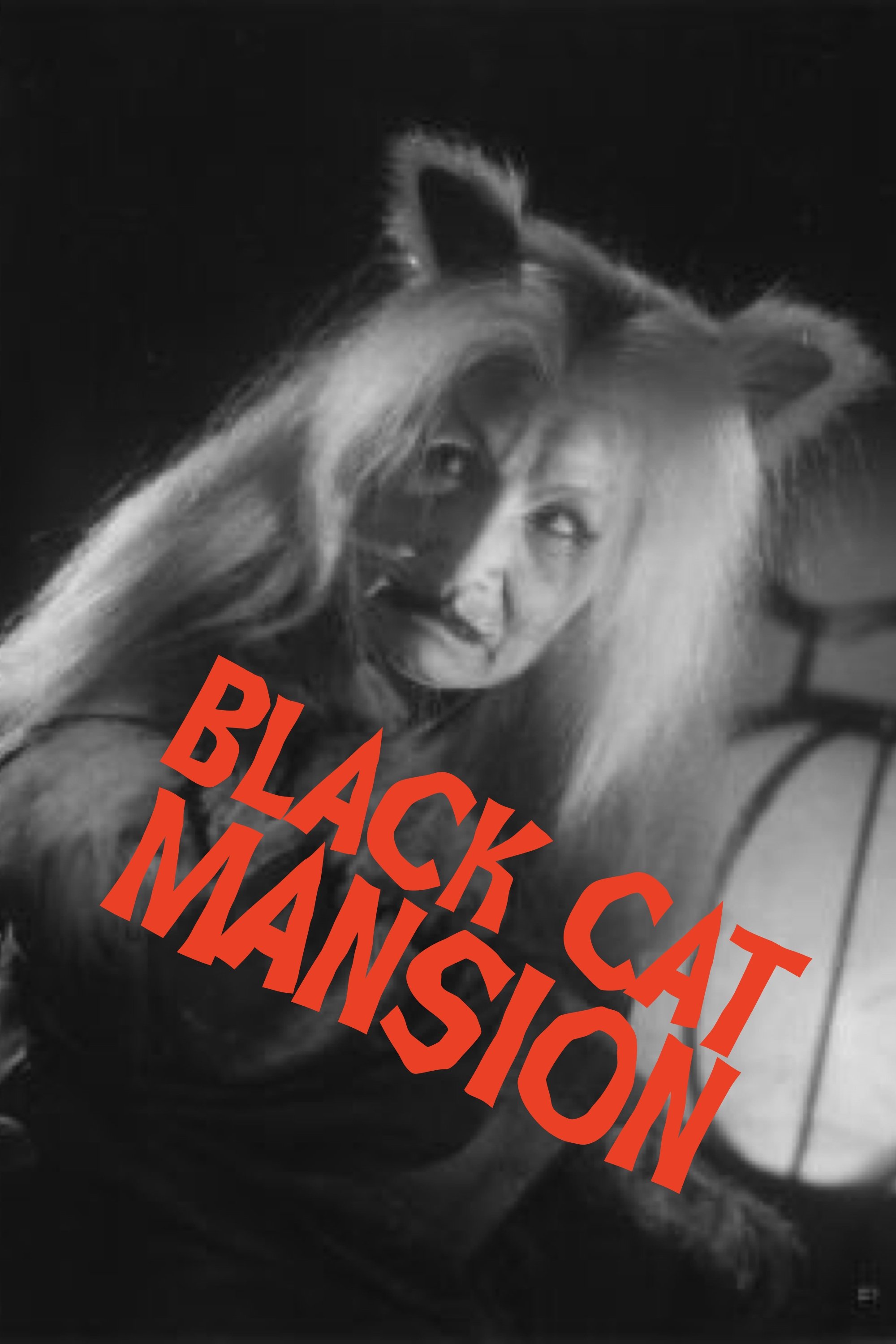
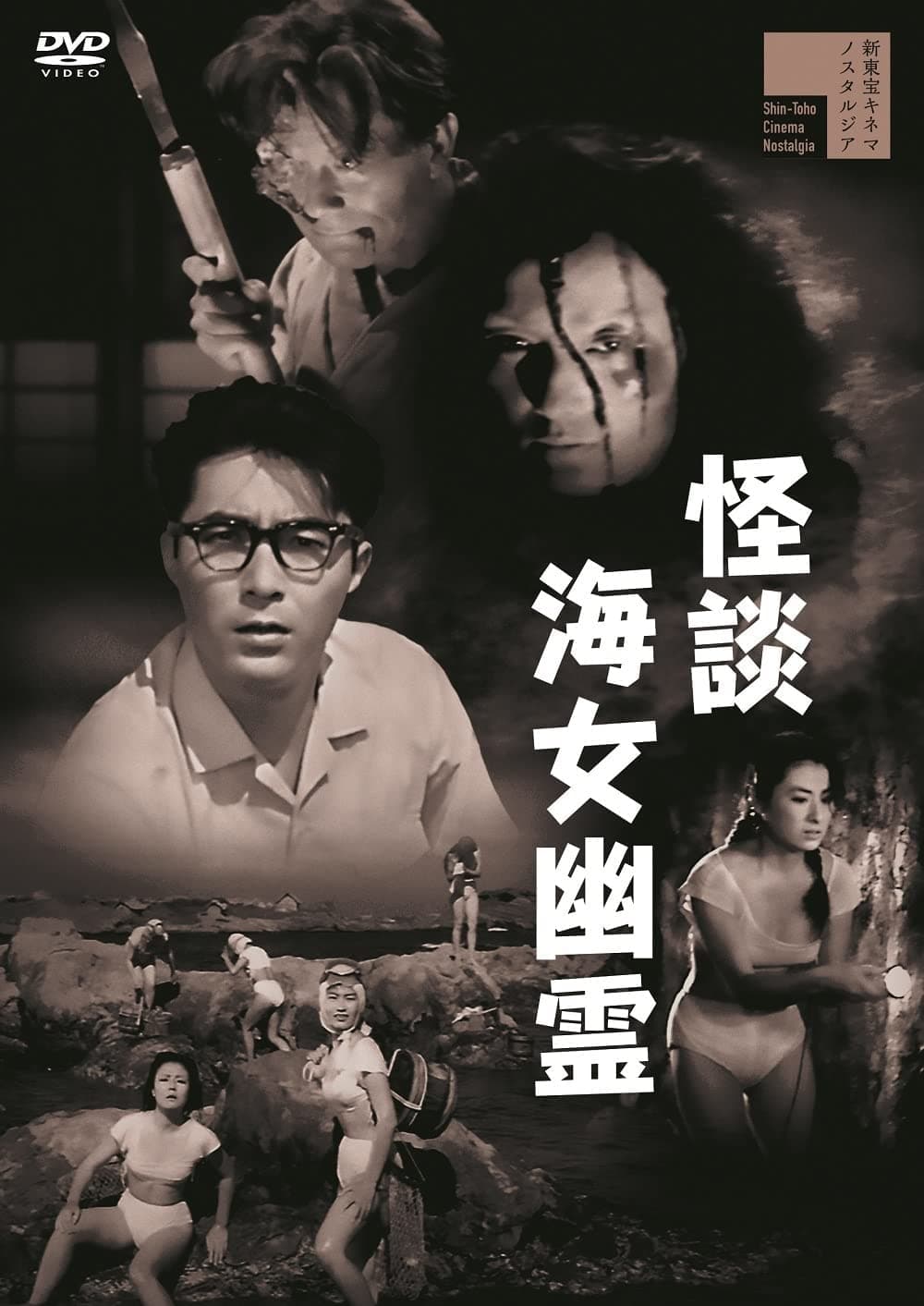
The descendant of the servant of a cruel and vicious samurai returns to the town where she was born, only to find that a cat who is possessed by the spirits of those murdered by the samurai is trying to kill her.

Set in a rural area of Shinshu, a drama in which a woman who graduated from a women's college in Tokyo with her brother's efforts opens up a new life in her hometown where she is tired of the city. The original is a stage play by Yobun Kaneko. Directed and written by Mansaku Itami.
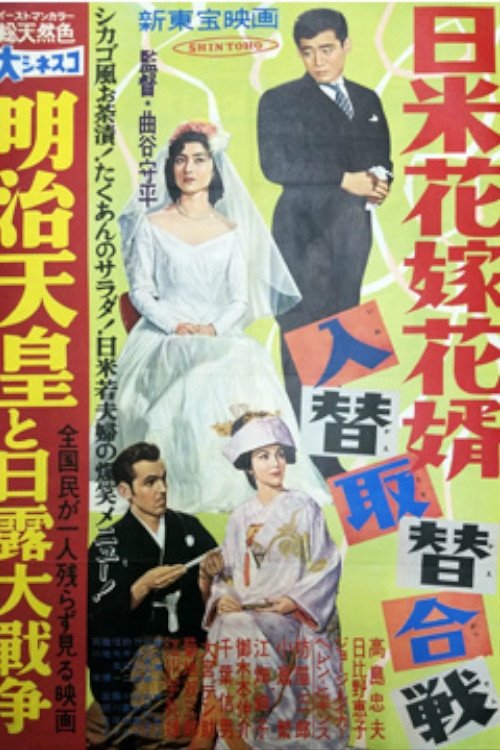
Japanese comedy film.
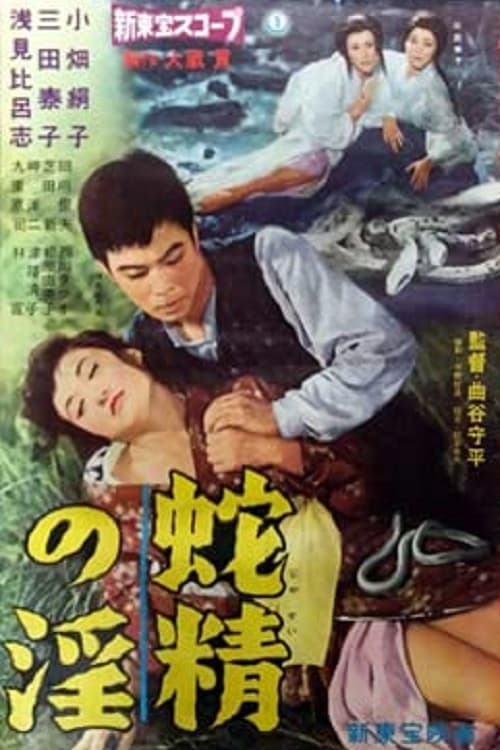
A work with the motif of a legend that remains in the mountain villages of Shinshu and Hida. A white snake helped by a young man transfers to a girl's body, longing for him and burning in an endless passion.
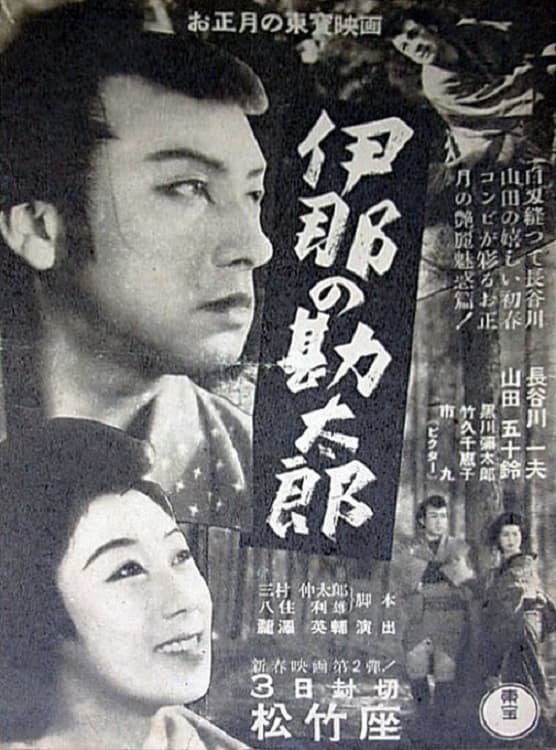
War-time jidaigeki by Eisuke Takizawa.
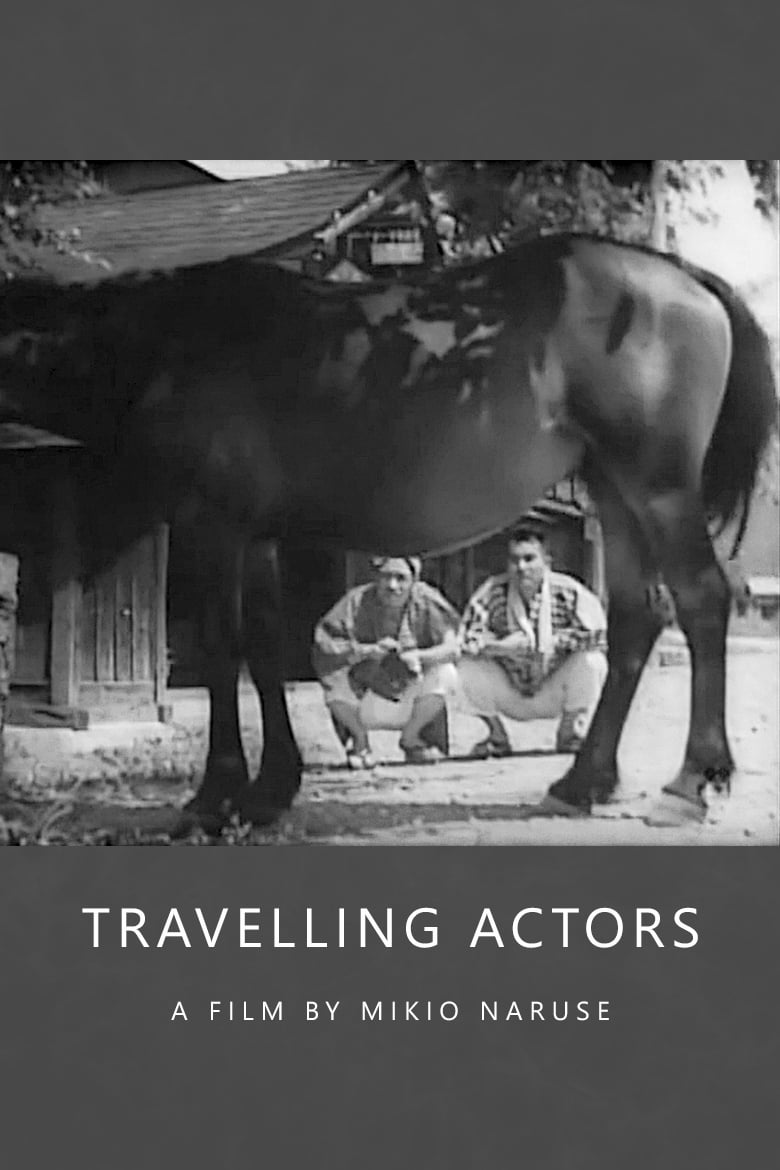
This film depicts a troupe of wandering kabuki players traveling through rural Japan.
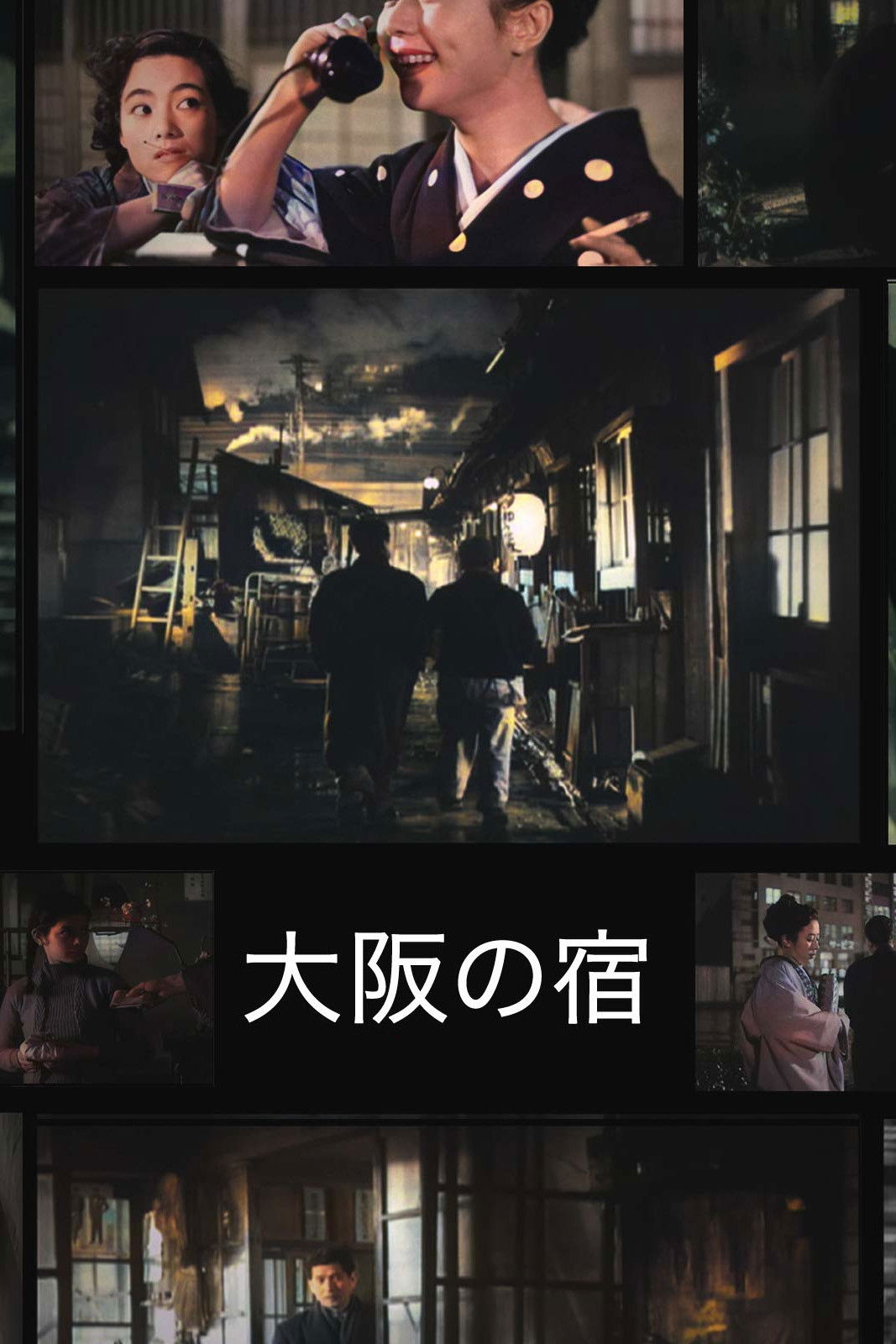
Follows the story of an insurance company executive from Tokyo, Mr. Mito, who is demoted to the Osaka office. He takes a room at a small inn and tries to rebuild his life.
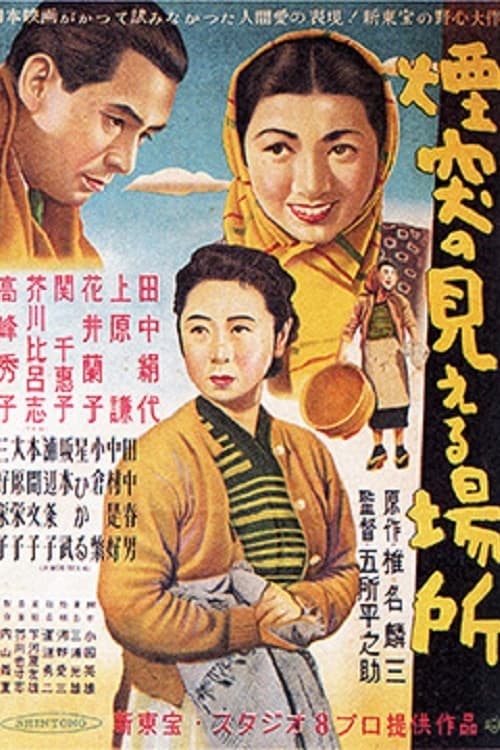
Where Chimneys Are Seen focuses primarily on the interconnected lives of two couples in a lower-middle-class neighborhood in Senju, a poor industrial section of Tokyo.
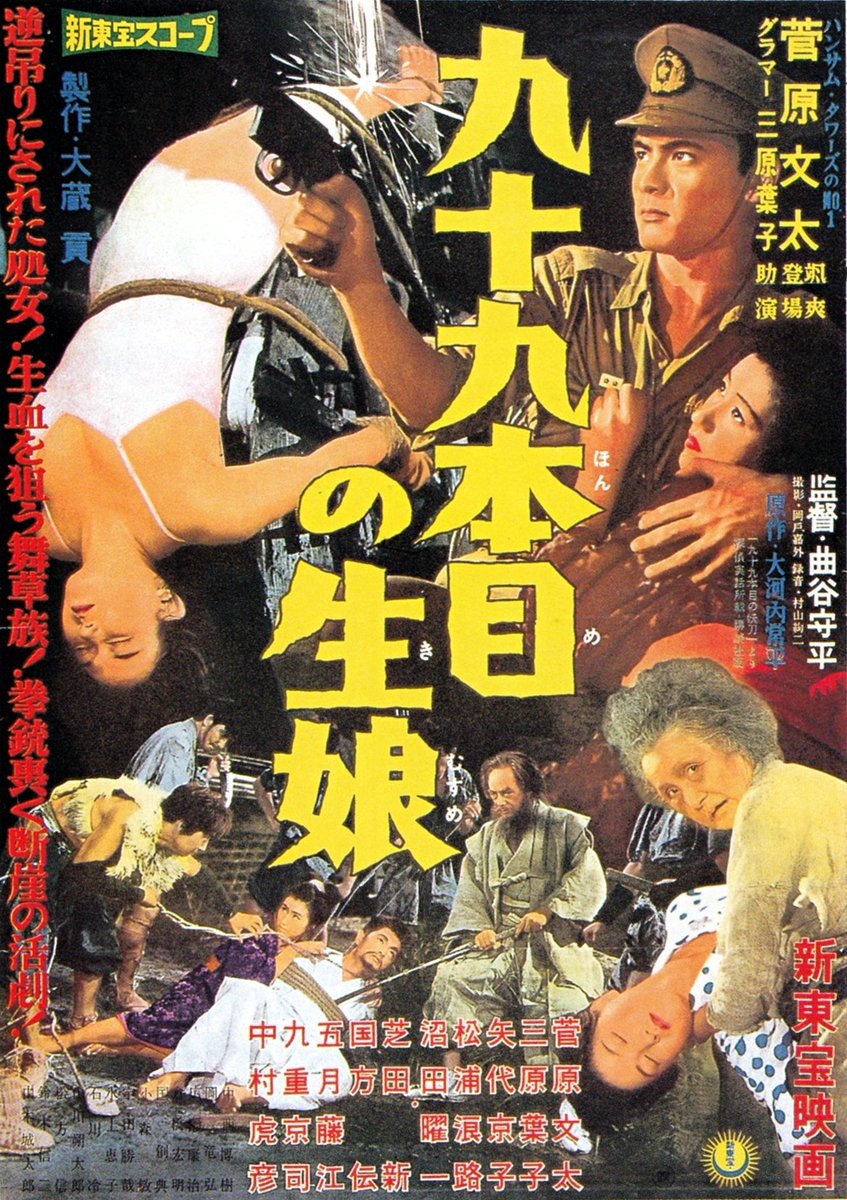
In the northern province, two waitresses Mieko and Hanako from Tokyo, are missing somewhere near the River Kitakami. At night, the villagers of Shirayama gather round a blazing fire, and utter incantations while an old headman tempers a sword...
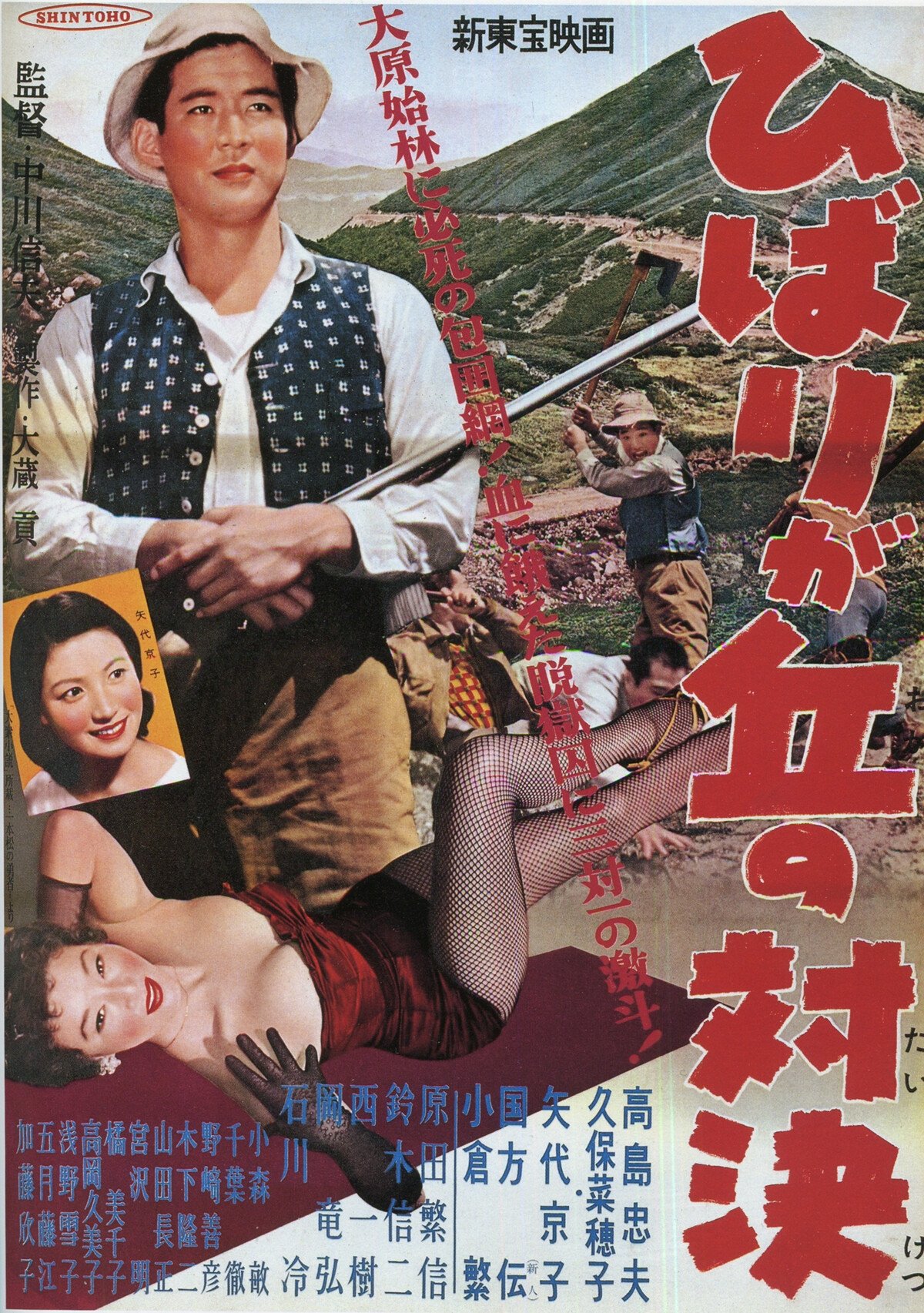
Kyôko Yashiro's film debut for Shintoho.
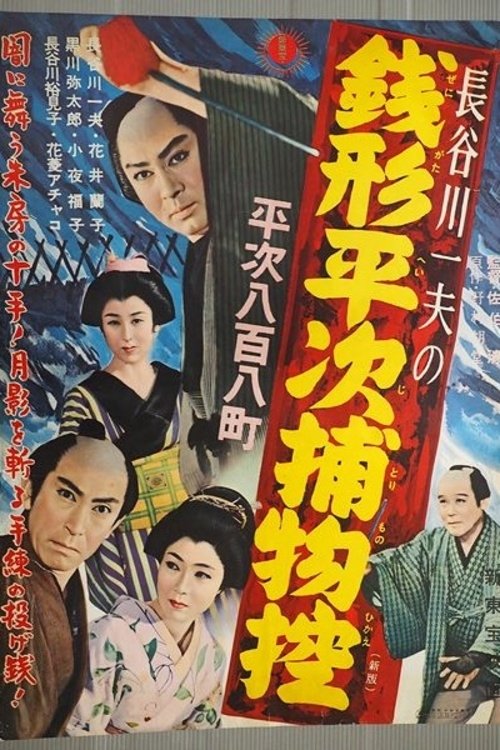
Police detective Heiji is assigned to catch the masked Maboroshi gang of robbers who have terrorized all of Edo leaving few clues as to who their leader is.
Japanese crime film.
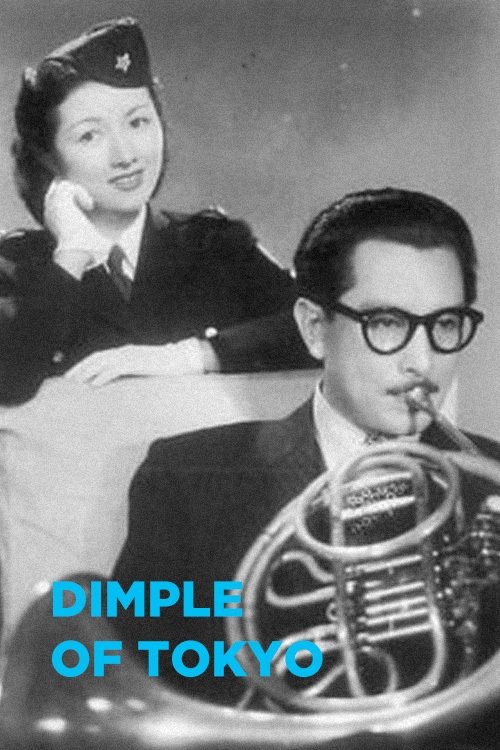
Buntaro, the president of a food trading company got tired of the day-to-day routine of life. The new secretary, Nobuko, suggested her "shacho-san" (the president) run away from the job. Nobuko took Buntaro to her home and introduced him to her own family as friend, "Sachio-san"...
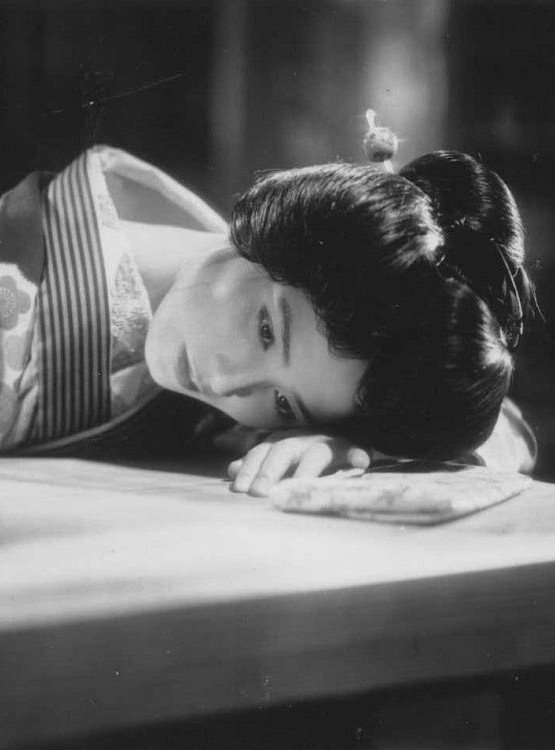
Okiyo runs a restaurant in Asakusa. She struggles with the times and the relationships around her.
On a Sunday morning, young dentist Toshio Ezaki wakes up with a hangover, on a bench in his office. He finds a poisoned woman in a green-striped Western-style outfit lying in his exam room. He must retrace his blurry steps of the night before, and navigate a web of embezzlement, murder, framings, and false identities in Tokyo's Ginza district, to discover the identity of the dead woman and why she is there—and hopefully prove his innocence, before his wedding in three days...
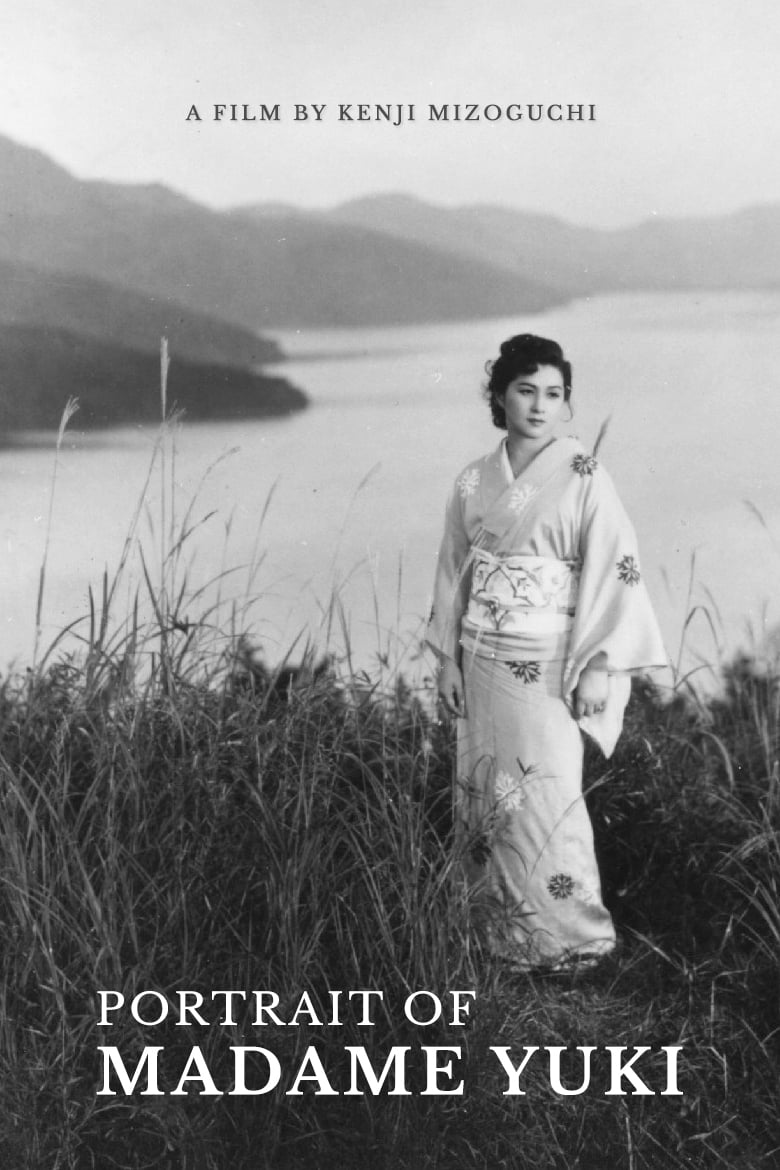
A young woman takes up her new job as the servant of a noblewoman and soon discovers that underneath her facade of luxury lies great unhappiness.

This epic depicts the battle between Uesugi Kenshin and Takeda Shingen. The focus of the story is the struggle by the unit leader in charge of the main supply wagons and the supply troops to transport materiel to the Uesugi army. To this are added episodes involving an itinerant woman.

A group of sinners involved in interconnected tales of murder, revenge, deceit and adultery all meet at the Gates of Hell.
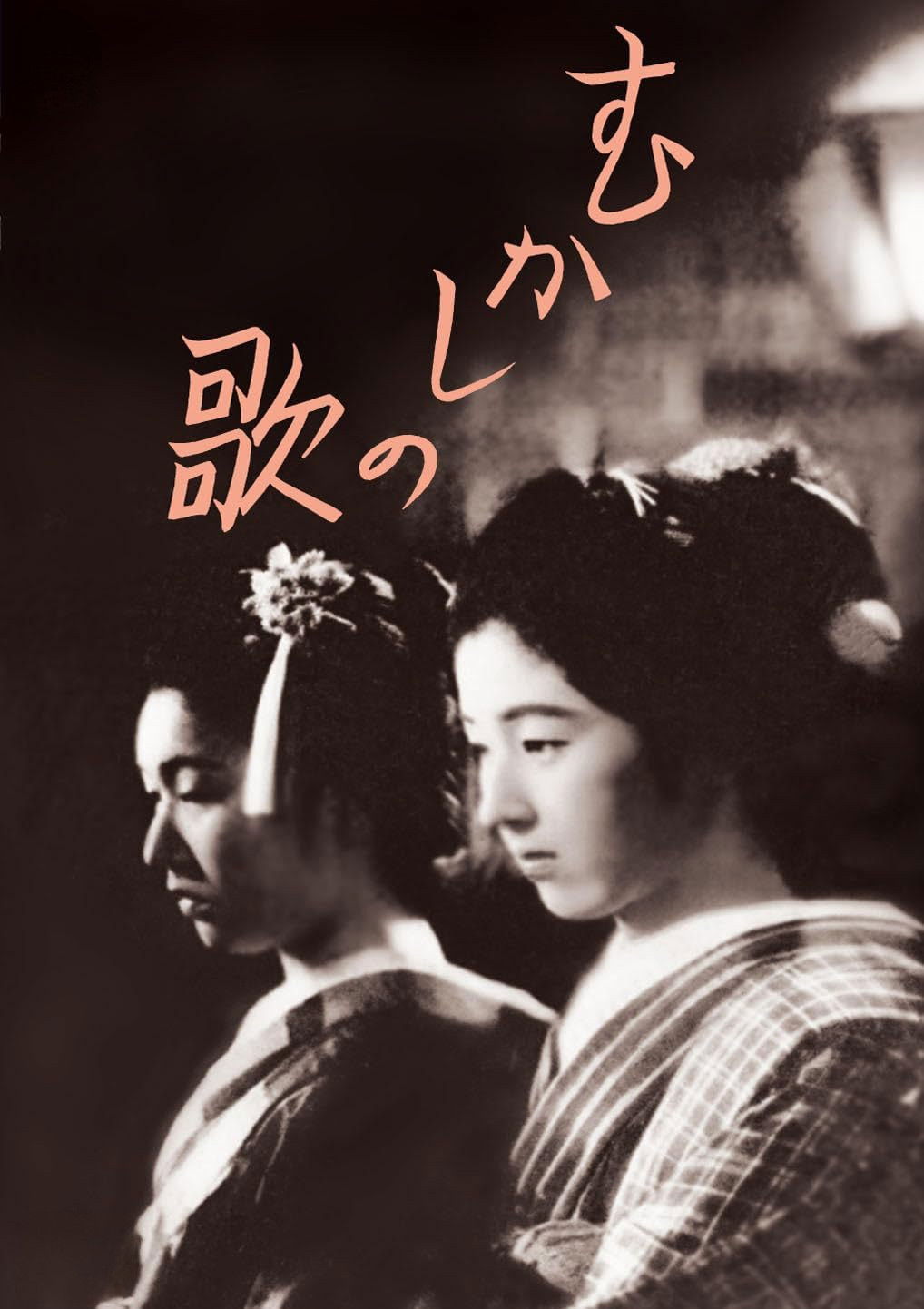
Set against the 1877 Satsuma Rebellion, two Osaka families navigate the radical social shifts of the early Meiji Era. As the merchant class ascends to economic prominence, the former samurai class faces a steady decline in status and traditional structure.
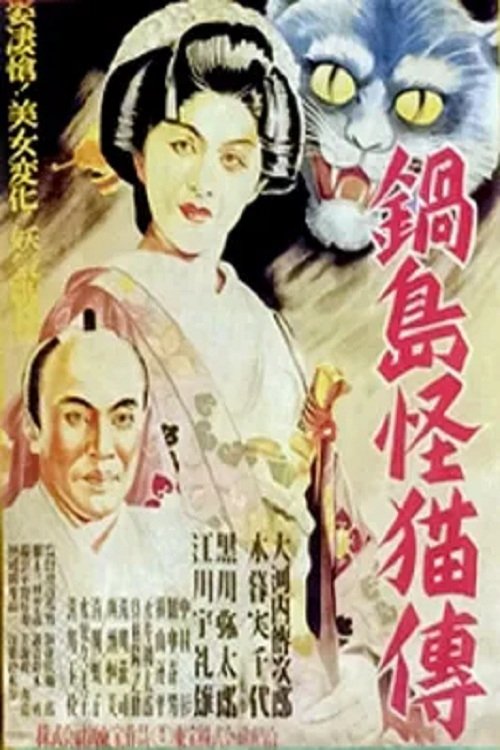
Tanuma Kandayuu is a high class samurai of the house of Nabeshima. He finds a lavish board of Go (a Chinese Board game) at Kinbei's store. He recommend Kinbei to offer it to his lord. Kinbei hesitates at first, since he knows the board has a mysterious legend surrounding it; it's believed that for every game played on the board, one death is required.
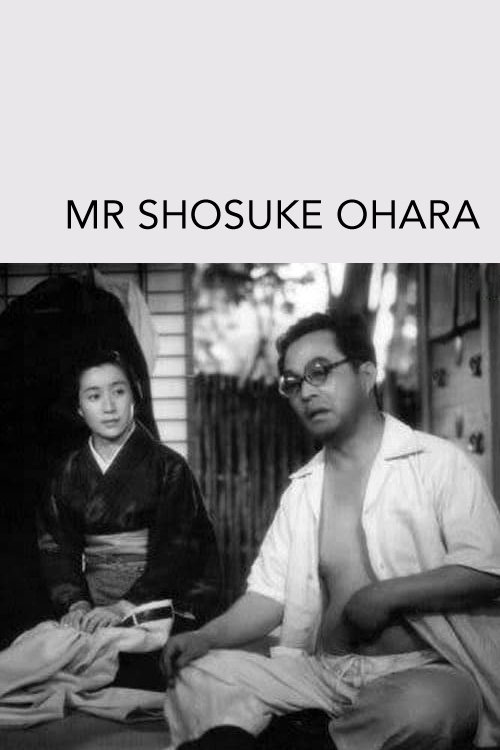
Saheita, the final heir of a once rich and respectable family, can't refuse the many villagers that come to him for favours and money, even though he is on the brink of bankruptcy. Around town he is better known by his nickname Mr. Shosuke Ohara.
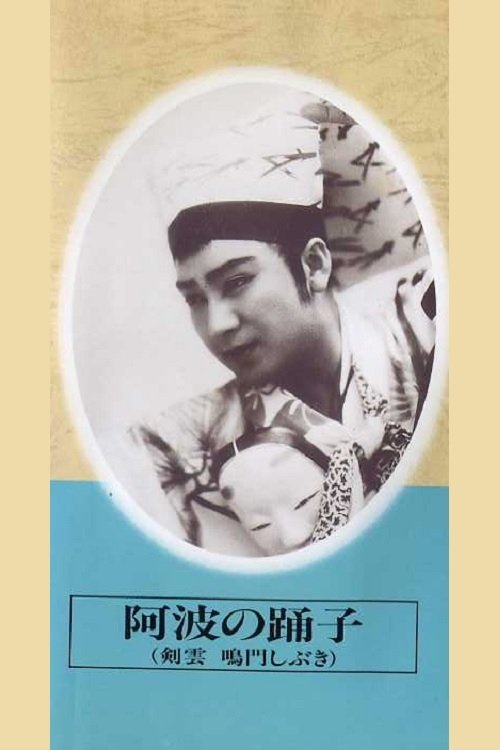
Jurobei, a kaisen tonya (wholesaler in port) in Awa, was wronged and killed on the day of the Dance Festival by the evil merchant & the chamberlin. His brother (Kazuo Hasegawa) vowed vengeance on the day of his brother's death. So every year the villains are worried during the Awa Dance Festival (which is part of the Obon festival), but nothing has ever happened, until seven years later...
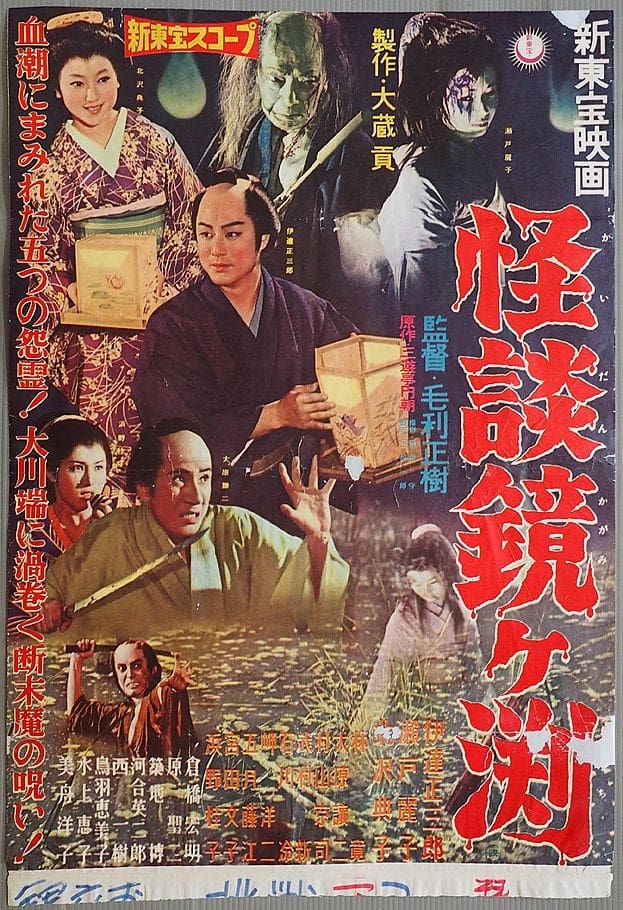
A store manager named Kinbei becomes enraged when the owners of the store decide to hand it down to an adopted son instead of him. He hatches a plot to murder them all, but as it turns out he has done this sort of thing before. As bodies pile up in the nearby Kagami Pond, a ghostly vengeance is about to be unleashed.
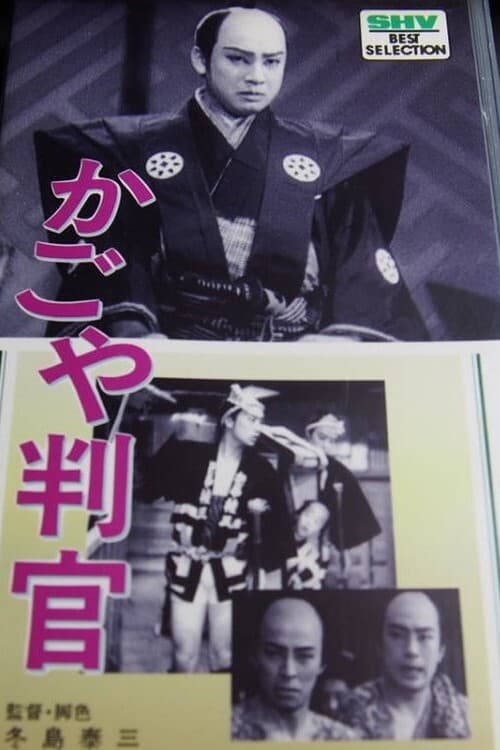
Two cowardly palanquin carriers know the culprit of a murder, but are too scared to report it to the police. In the meantime, an innocent man is arrested as the murderer and chaos ensues.
Japanese movie
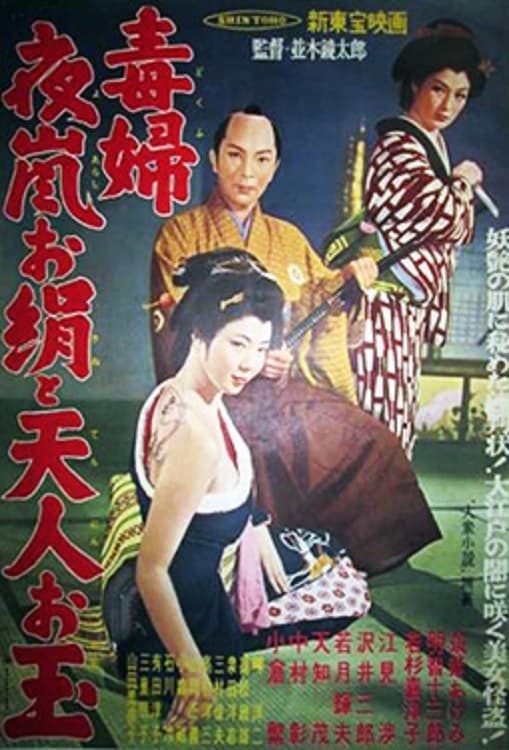
Fictionalized retelling of the life of a Geisha poisoner.
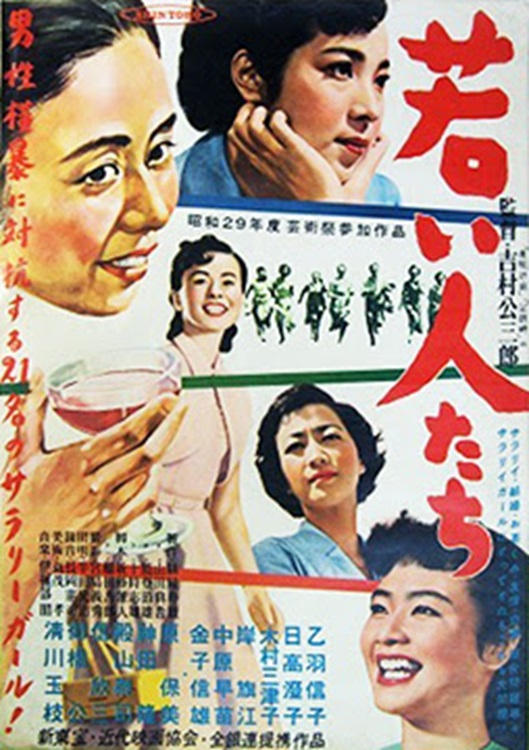
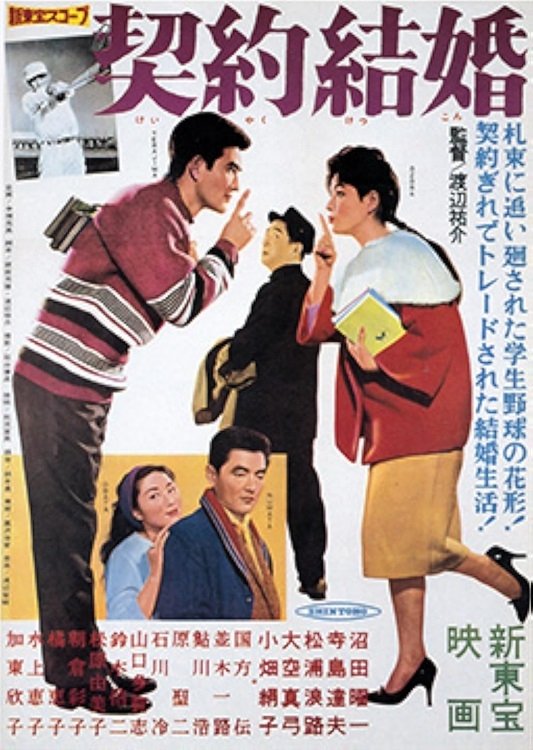
1961 Japanese movie
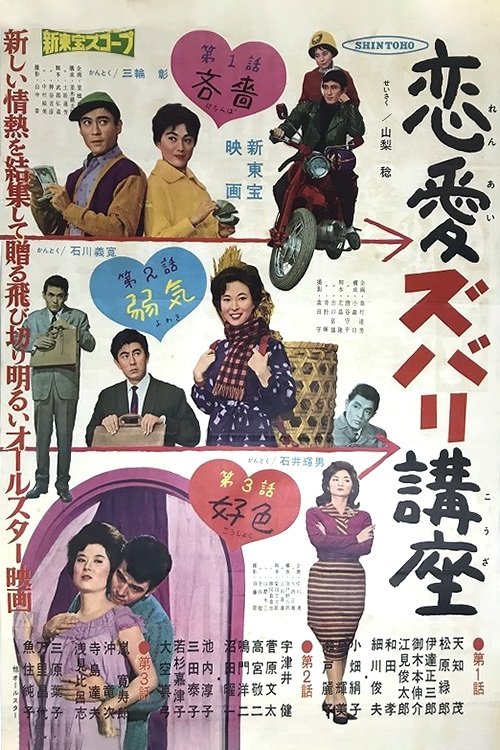
A omnibus movie consisting of the three parts: "Kechinbo", "Yowak" and "Kōshoku".
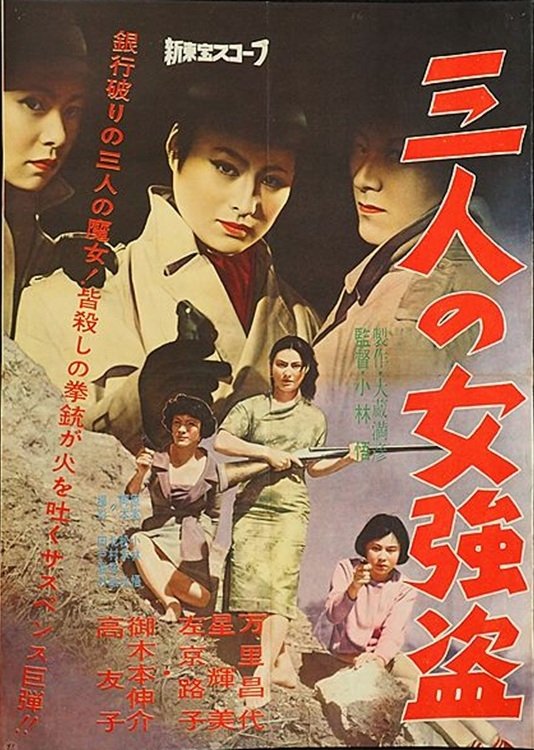
Film directed by Satoru Kobayashi.