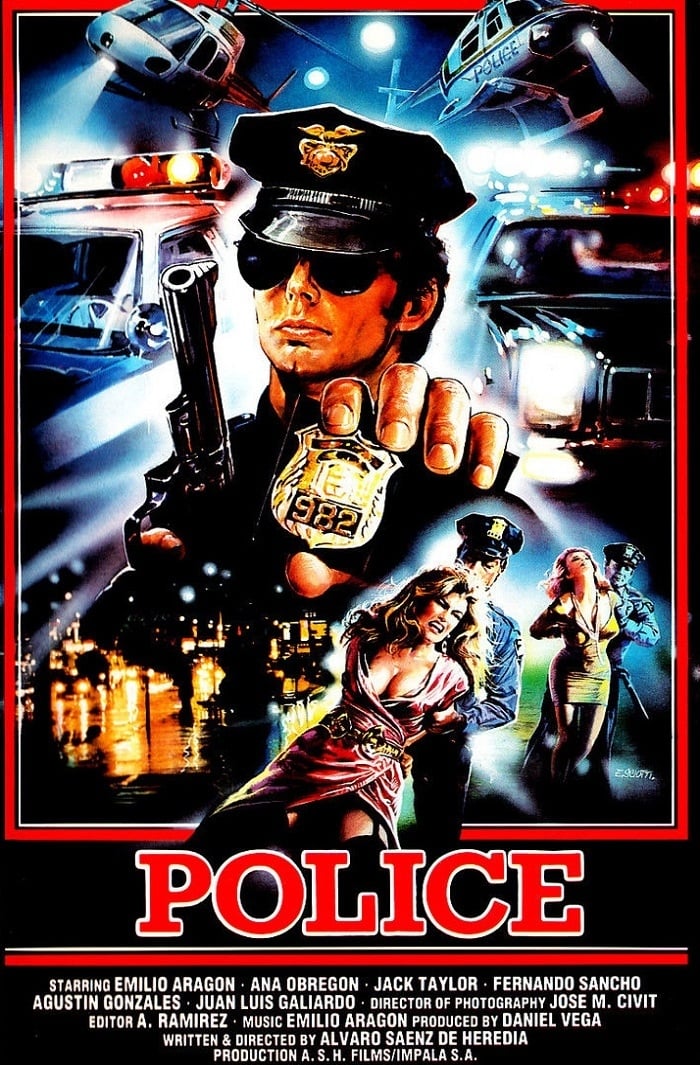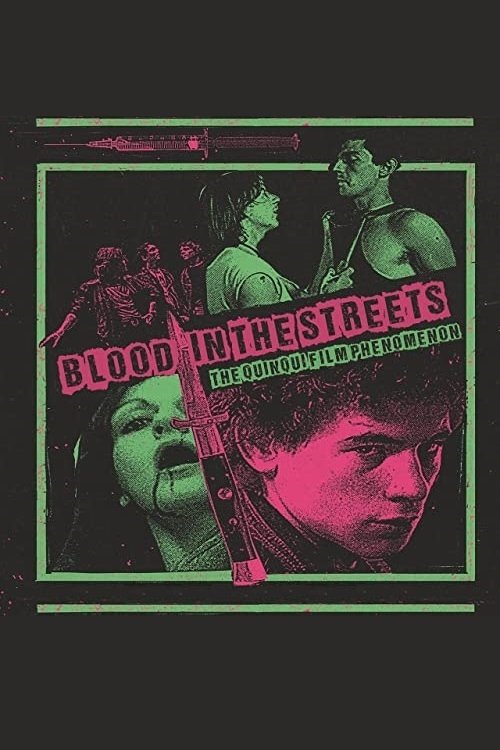
Quinqui cinema encompassed a series of Spanish crime films with a unique national sensibility, as they reflected the times of the Franco dictatorship transition. Guided by academics Mery Cuesta and Tom Whittaker, this featurette explores this explosive subgenre.
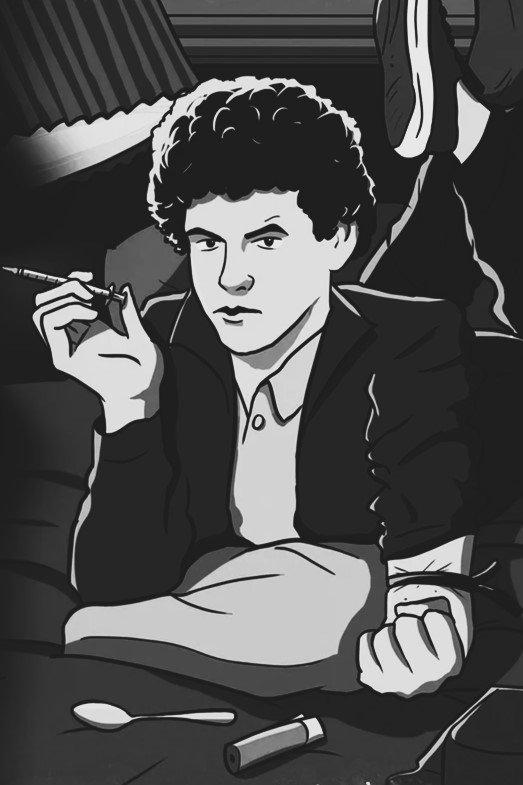
Paco, the teenage son of a Civil Guard commander in Basque Country, becomes addicted to heroin.
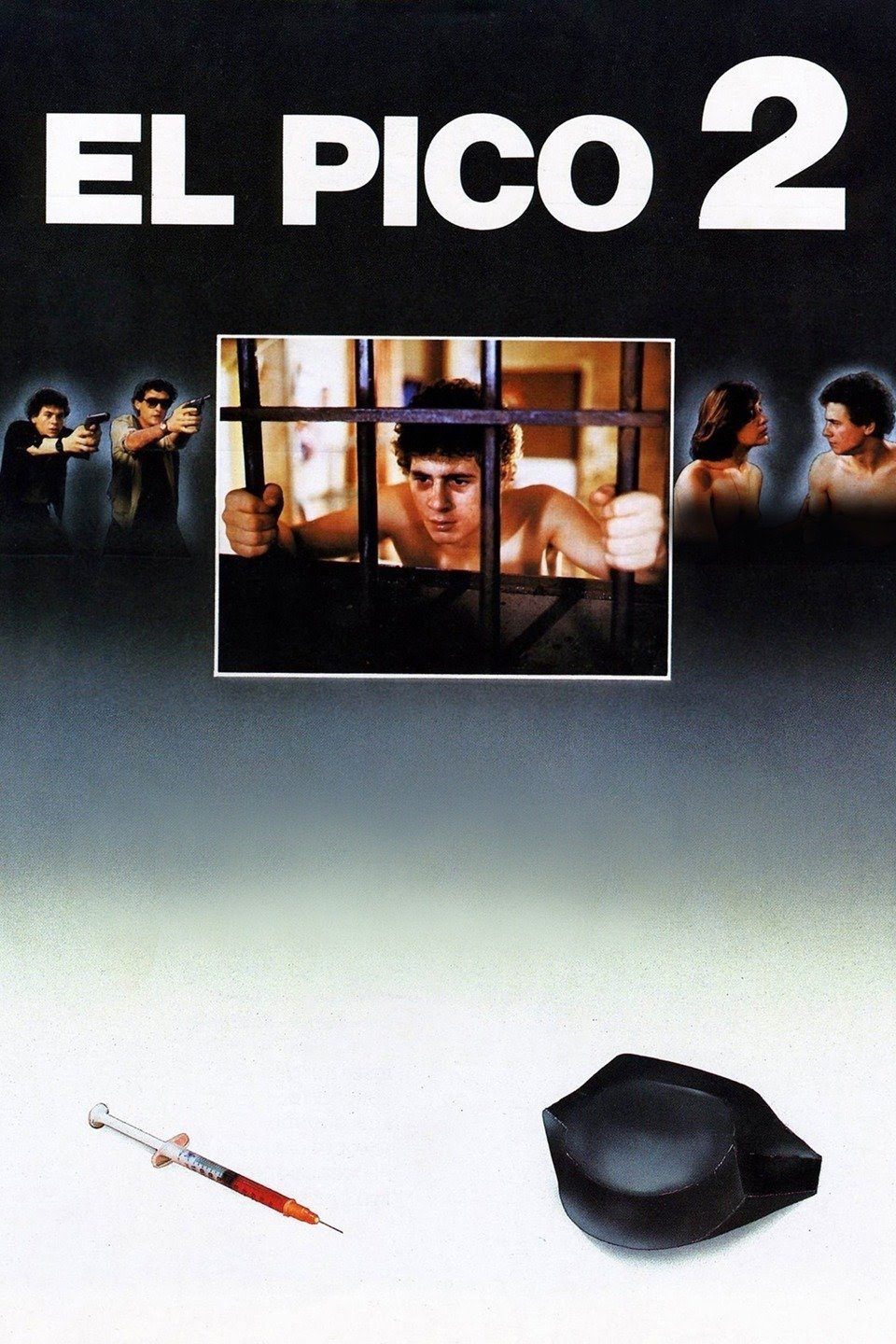
Following the events of El pico, the heroin-addicted Paco faces jail time due to his involvement in a double murder.
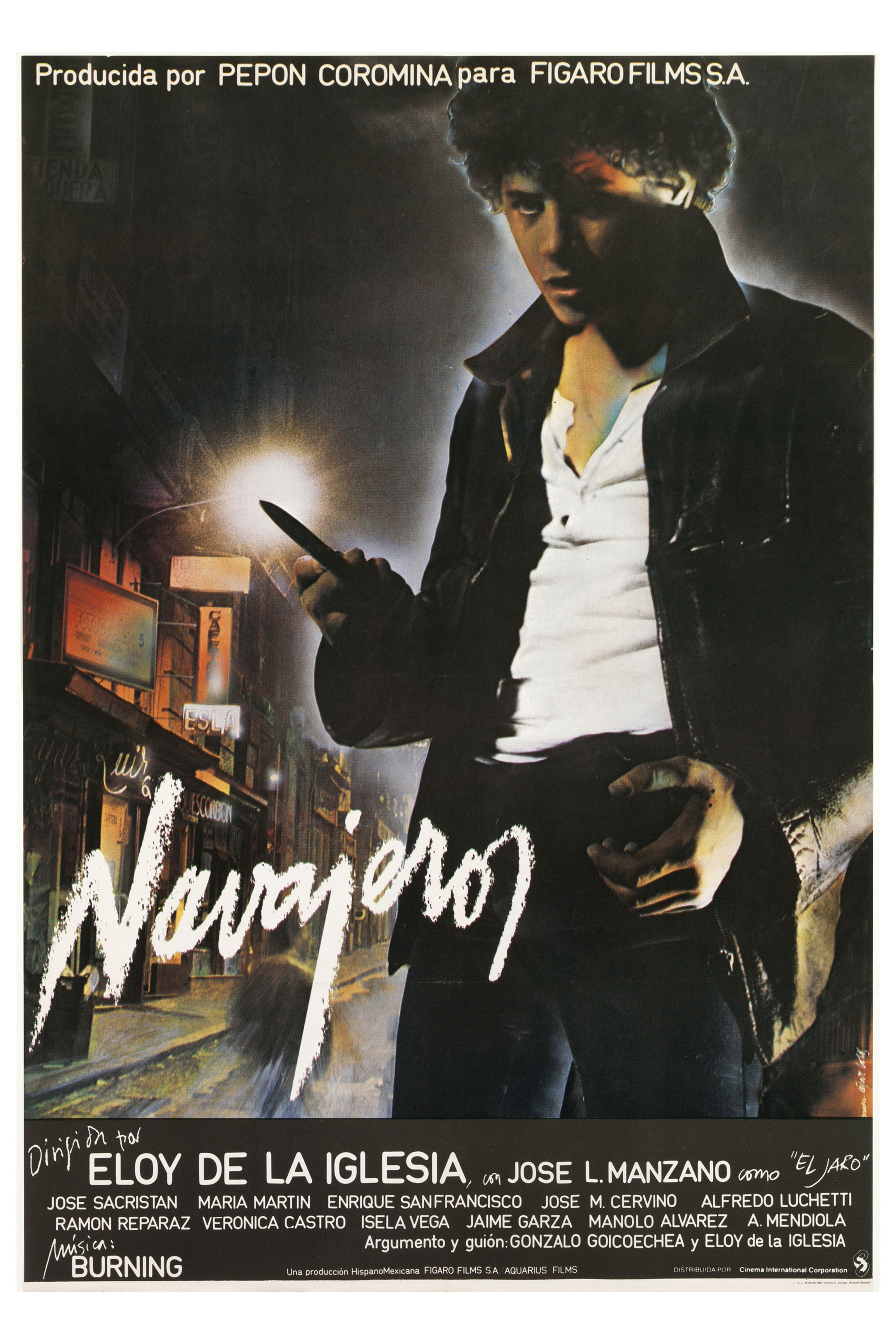
A chronicle of the life of Jaro, the leader of a juvenile delinquent gang, depicting his rise from street urchin to outlaw anti-hero on the way to his inevitable end.
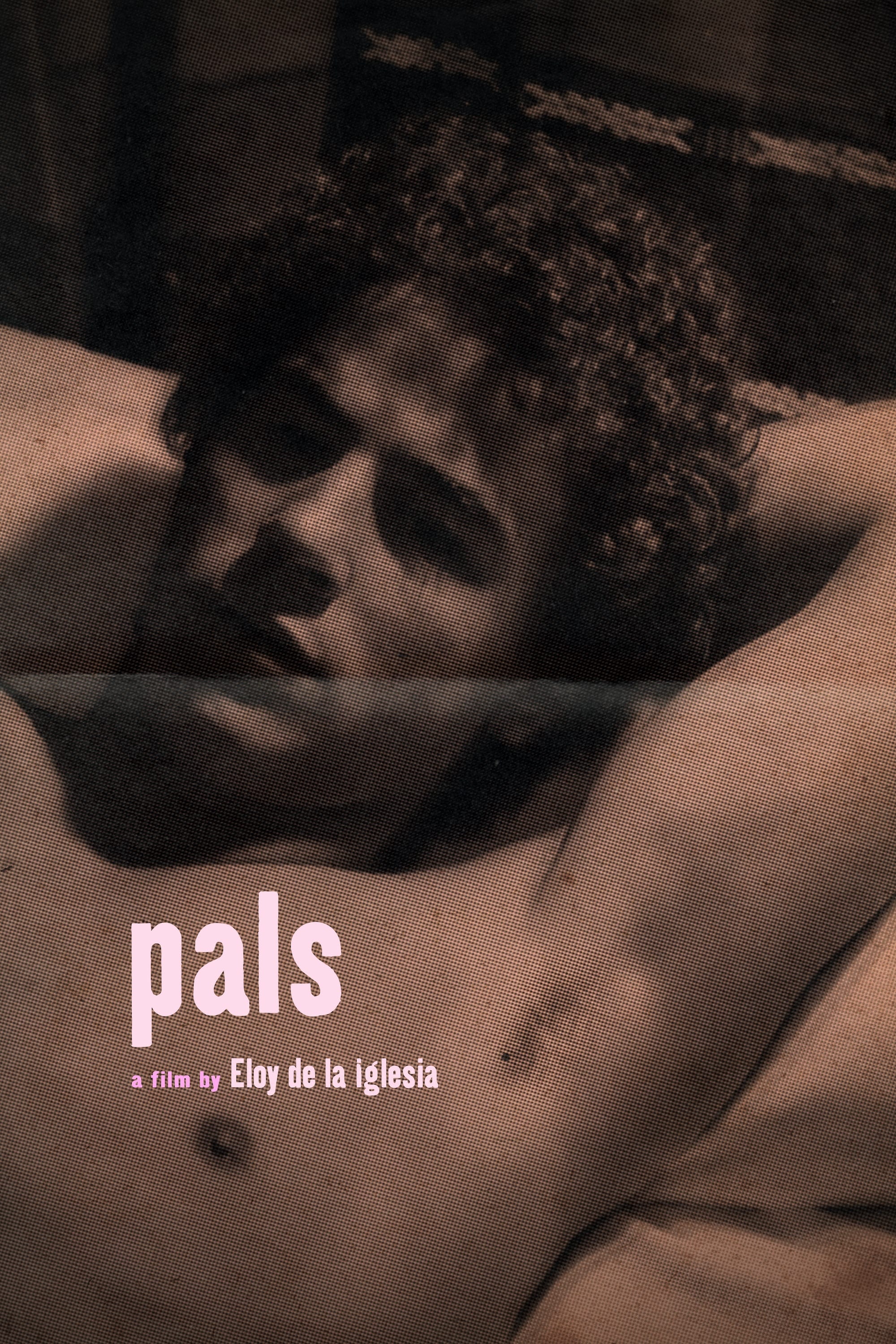
José is an unemployed 18-year-old living in a cramped apartment in the slums of Madrid. Marginalized by poverty, José spends his time with his friend Antonio. However, when Antonio gets his girlfriend, Rosario, pregnant, the two friends try anything to get the money to pay for her to have an abortion.
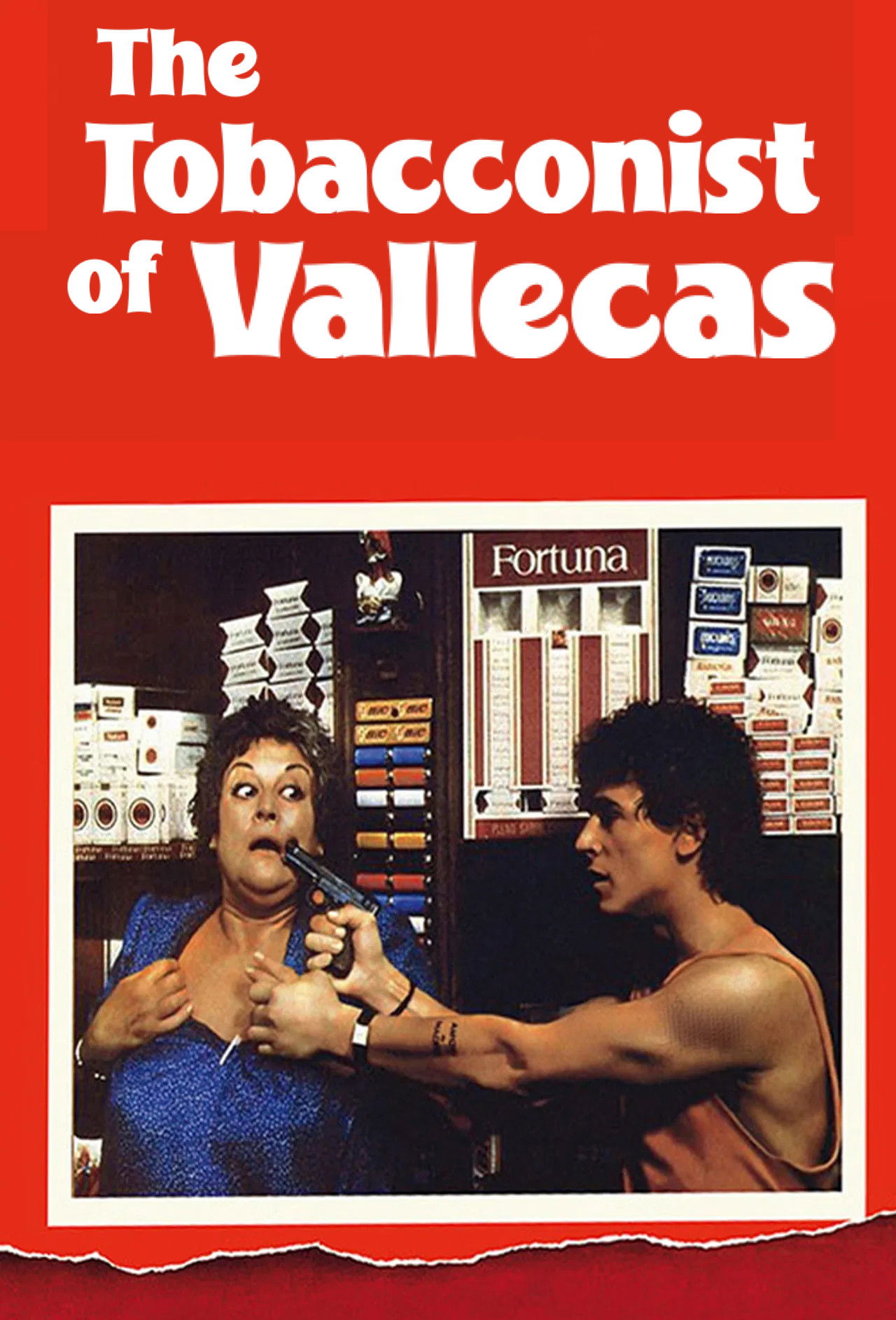
Leandro, an unemployed mason and his friend, Tocho, attempt to rob a tobacconist in the Vallecas district of Madrid, but Mrs. Justa, the tobacconist, impedes it alerting the neighbors who notify police. Inside the shop, the confrontation between the two friends and their 'hostages', the tobacconist and her niece Angeles, is relaxing, and a budding sympathy arises between them.
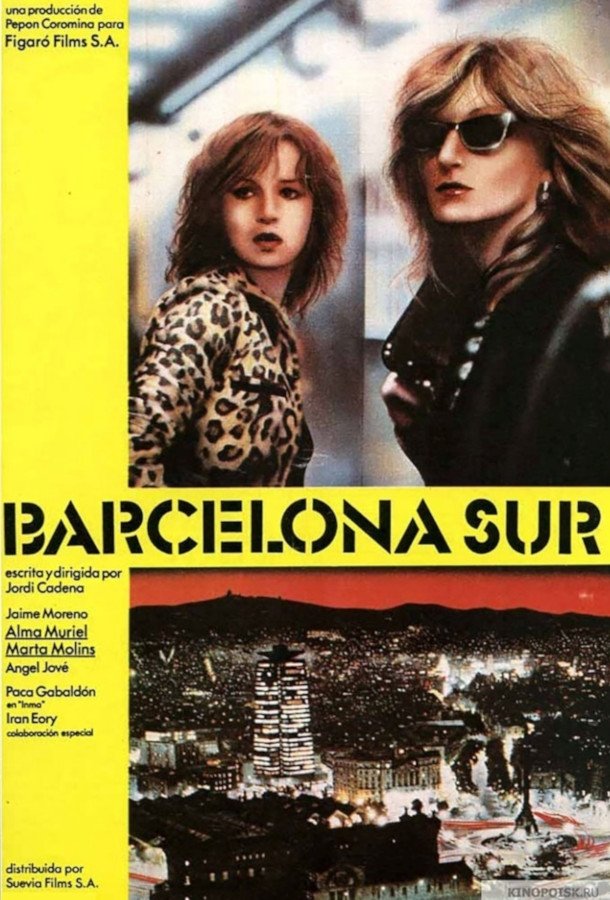
Obsessed with finding her old boyfriend, Gumer, a 25-year-old girl, is released from jail in Barcelona, one of Europe's most sought-after port cities for drug trafficking and prostitution. Charo, her best friend, tries to help her, although she is not free, since depends on her pimp "Toni". But Gumer will persuade Charo to abandon Toni and form, along with other friends, a band to start businesses on their own.
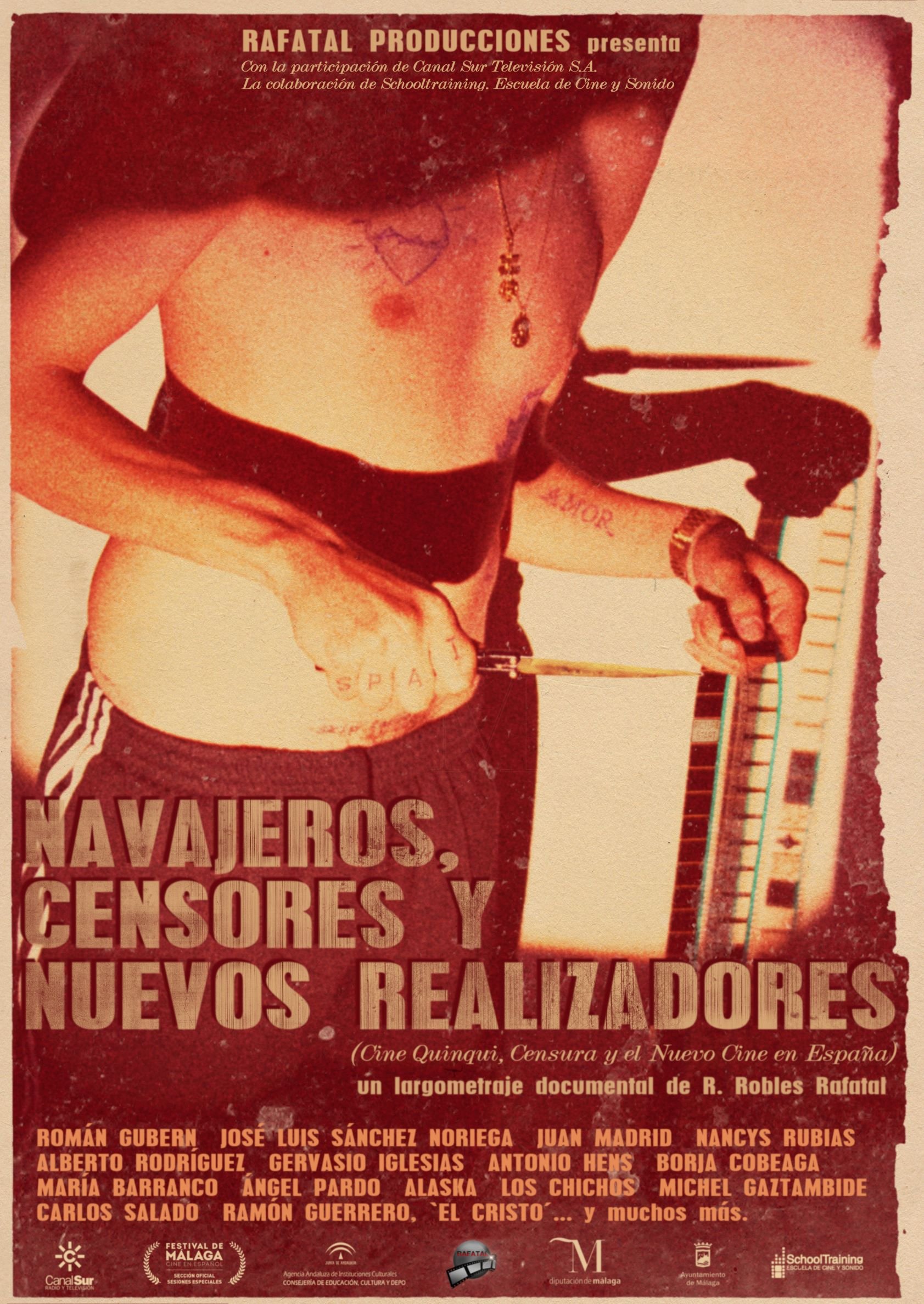
Spain. 1978. Year of the first democratic elections following the dictatorship, and of the birth cine quinqui (delinquent movies): films that rapidly became a big commercial success, showing things that were banned by the censorship not too long before.