
After having her second child, a German housewife suffers from postpartum depression before inexplicably falling into a continually misdiagnosed mental state, befuddling her relatives.
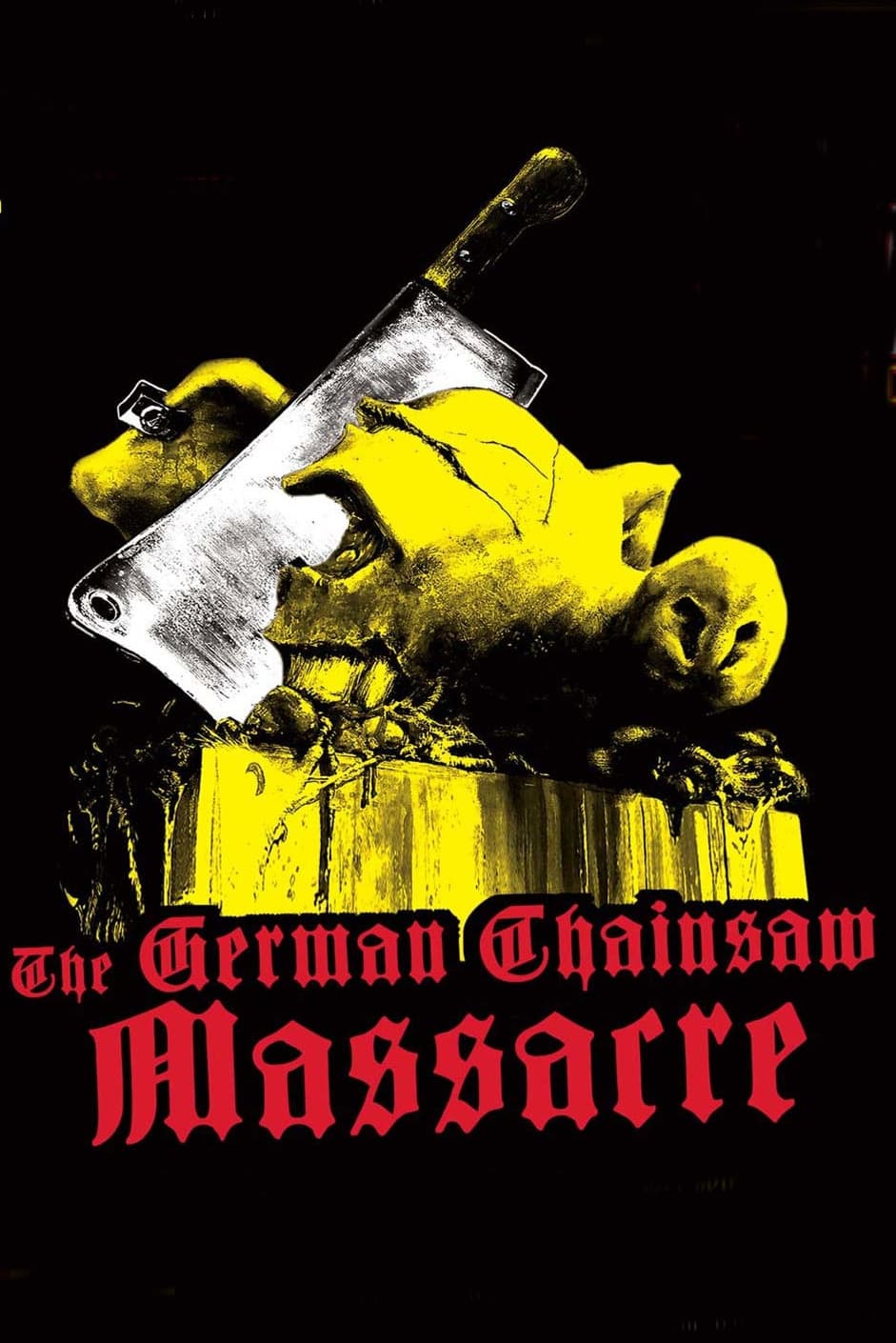
Taking place around the German reunification of 1990, a group of East Germans cross the border to visit West Germany and get slaughtered by a psychopathic cannibal family who want to turn them into sausages.
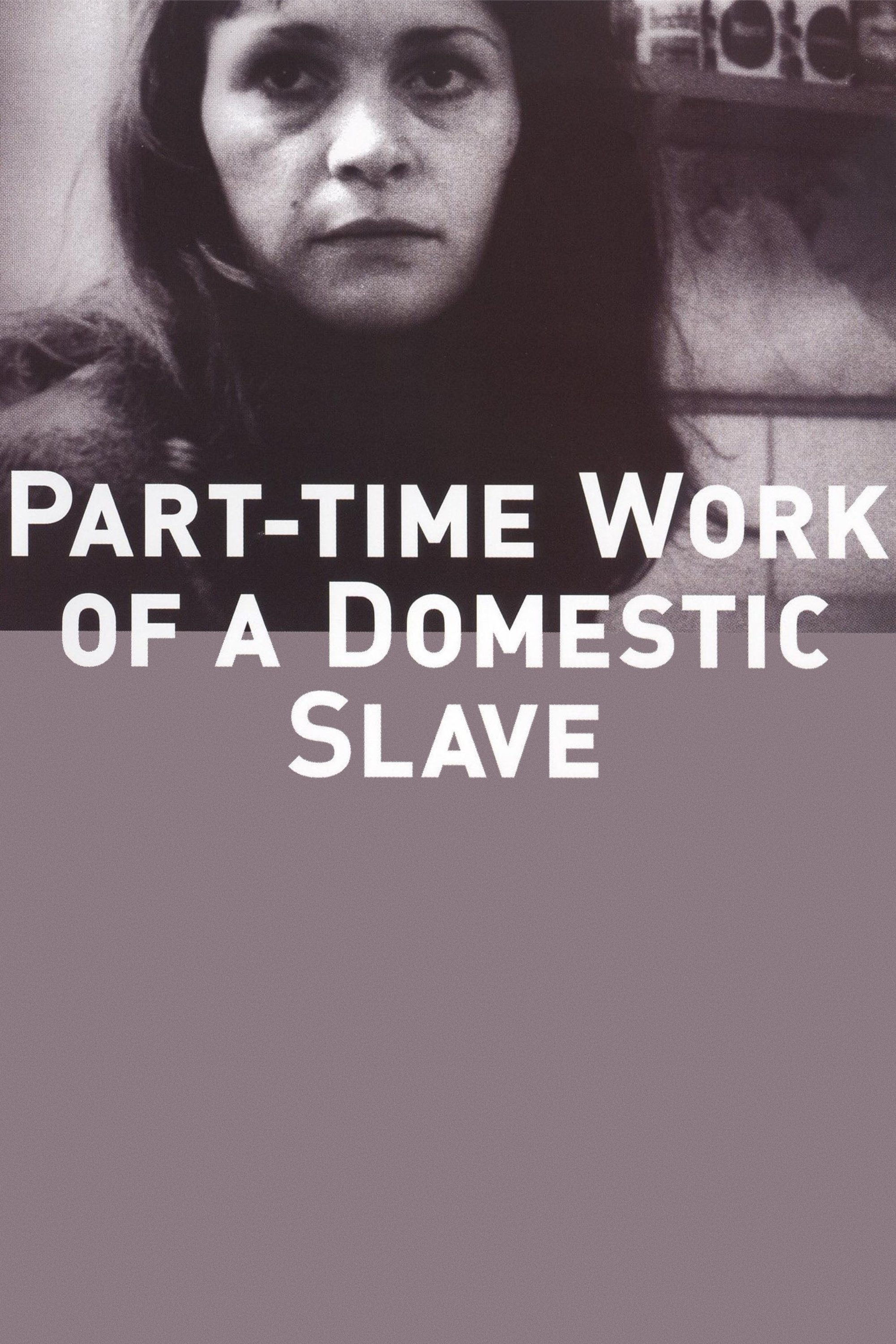
Roswitha runs an illegal abortion clinic in Frankfurt to support her student husband and children. When she is forced to close her practice she delves into political and social activism.
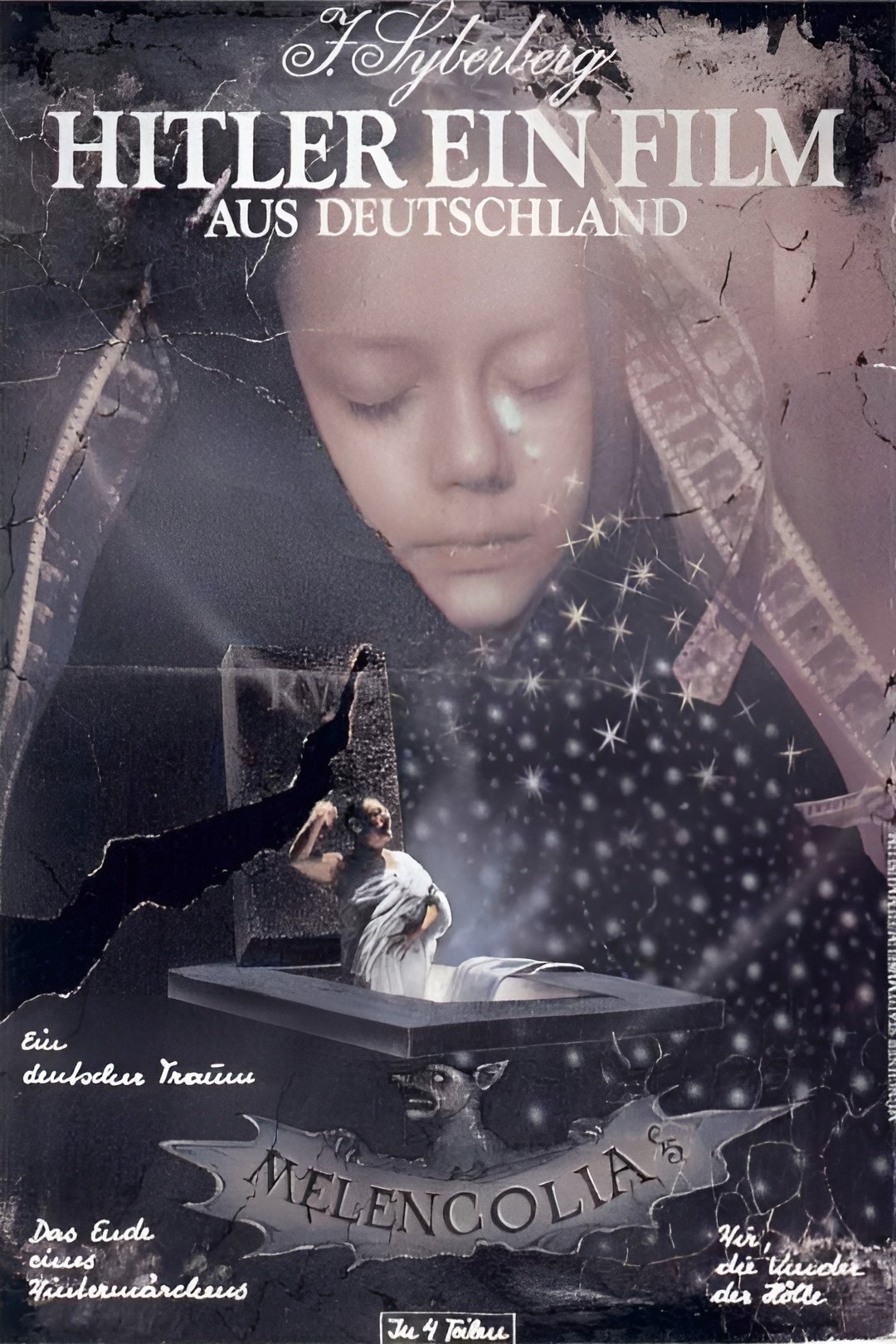
A structure-free, four-part examination of the rise and fall of the Third Reich. Each part explores a different topic, from Hitler's cult of personality in propaganda to how said propaganda was associated with pre-Nazi German cultural, spiritual, and national heritage to the Holocaust and the ideology behind it, particularly from Himmler's point of view.
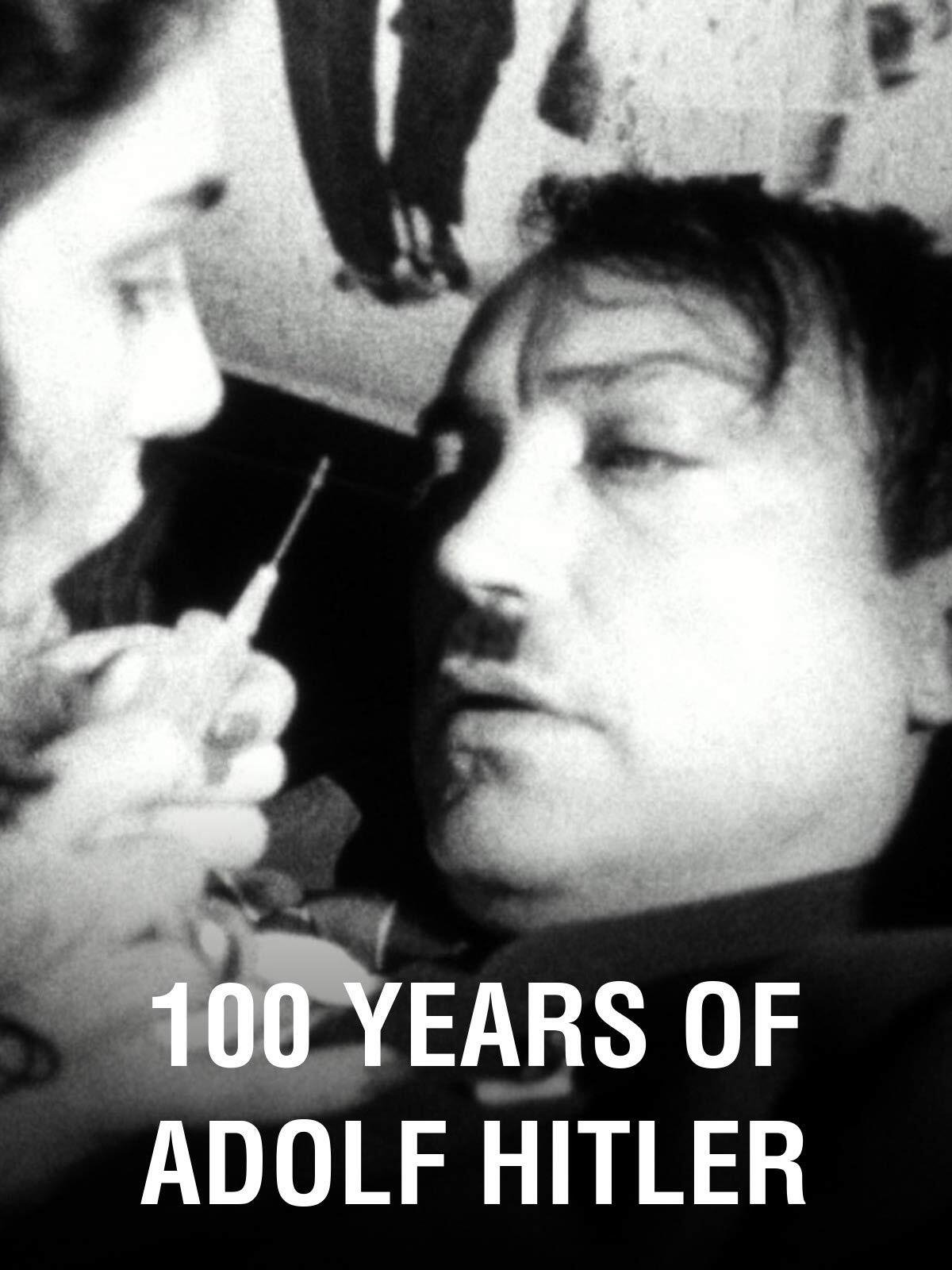
On 30 April 1945, dictator Adolf Hitler, his wife Eva Braun, and prominent members of the Third Reich live out their final hour in the Führerbunker.

A German-born director of an American television station travels through Bavaria with a folk music impresario to do research for a show to be broadcast directly to the United States. He comes into contact with all kinds of people and all kinds of different expressions of Bavarian folk music.

Germany, right after the re-unification. The people are out of control, blind hatred towards immigrants is common sense. In this time, a social-worker, with the mission to bring a Polish family to their destination (an immigration camp in a little provincial town called Rassau), gets kidnapped just as the family. Chief inspector Koern and his girl-friend start to investigate in this matter in Rassau, exploring a world of obsessive sex, mislead lust and an over-whelming irrational love to the German nation, infiltrating anyone's mind. Rascism doesn't start with shaved hair and boots but rather in the middle of society itself...

A young circus director ends up going into television after her father, a trapeze performer, dies in a circus accident.
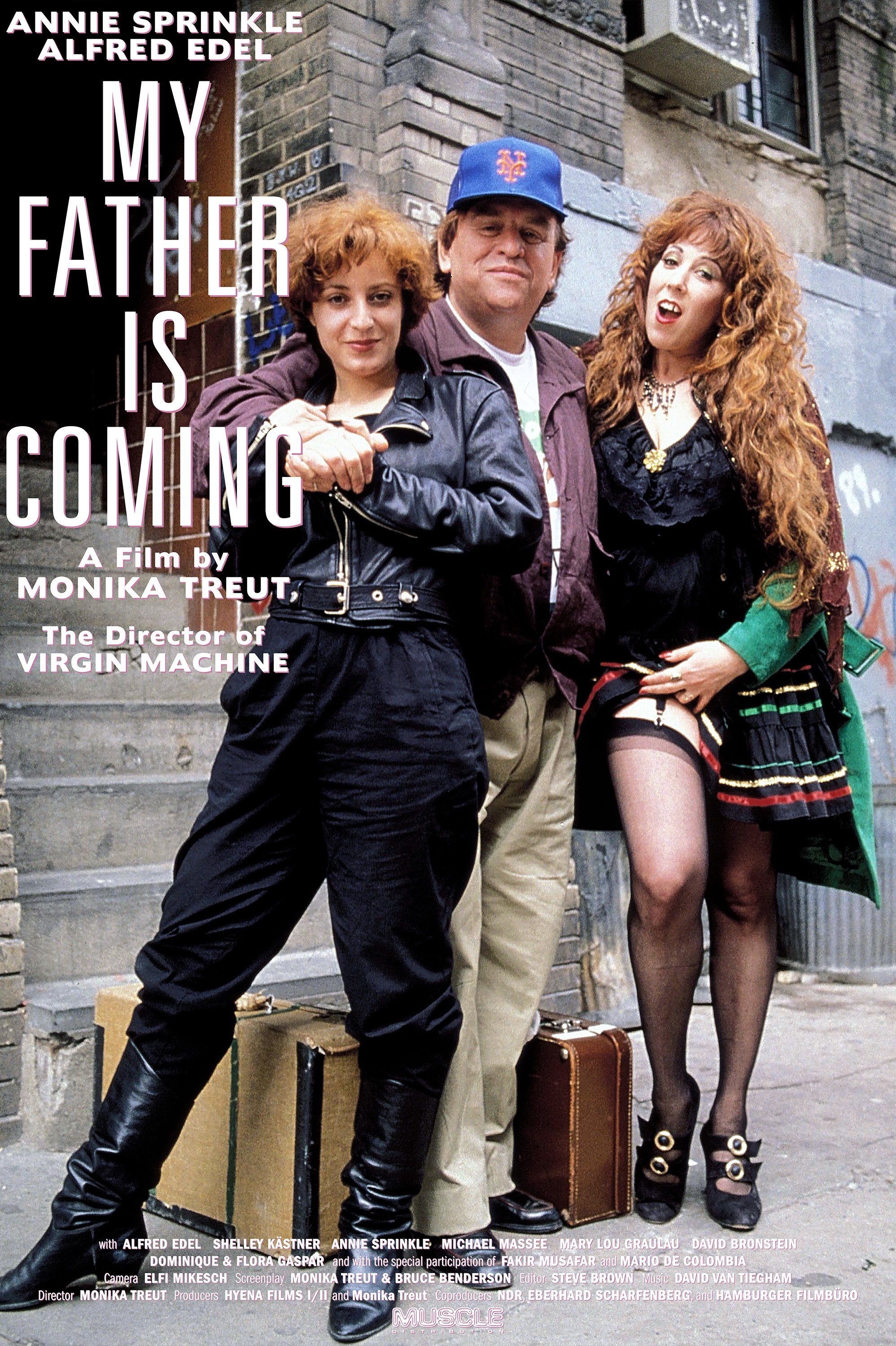
Vicky, an out-of-work actress, struggling waitress and lesbian has her whole life thrown into turmoil when her father comes from Germany to visit. The main problem is that Vicky has told him she is a successful actress and happily married. She enlists the help of a gay friend to play her husband. Using a large range of characters—gay, lesbian, straight, transsexuals—the film creates a funny and touching view of family dynamics and sexuality.
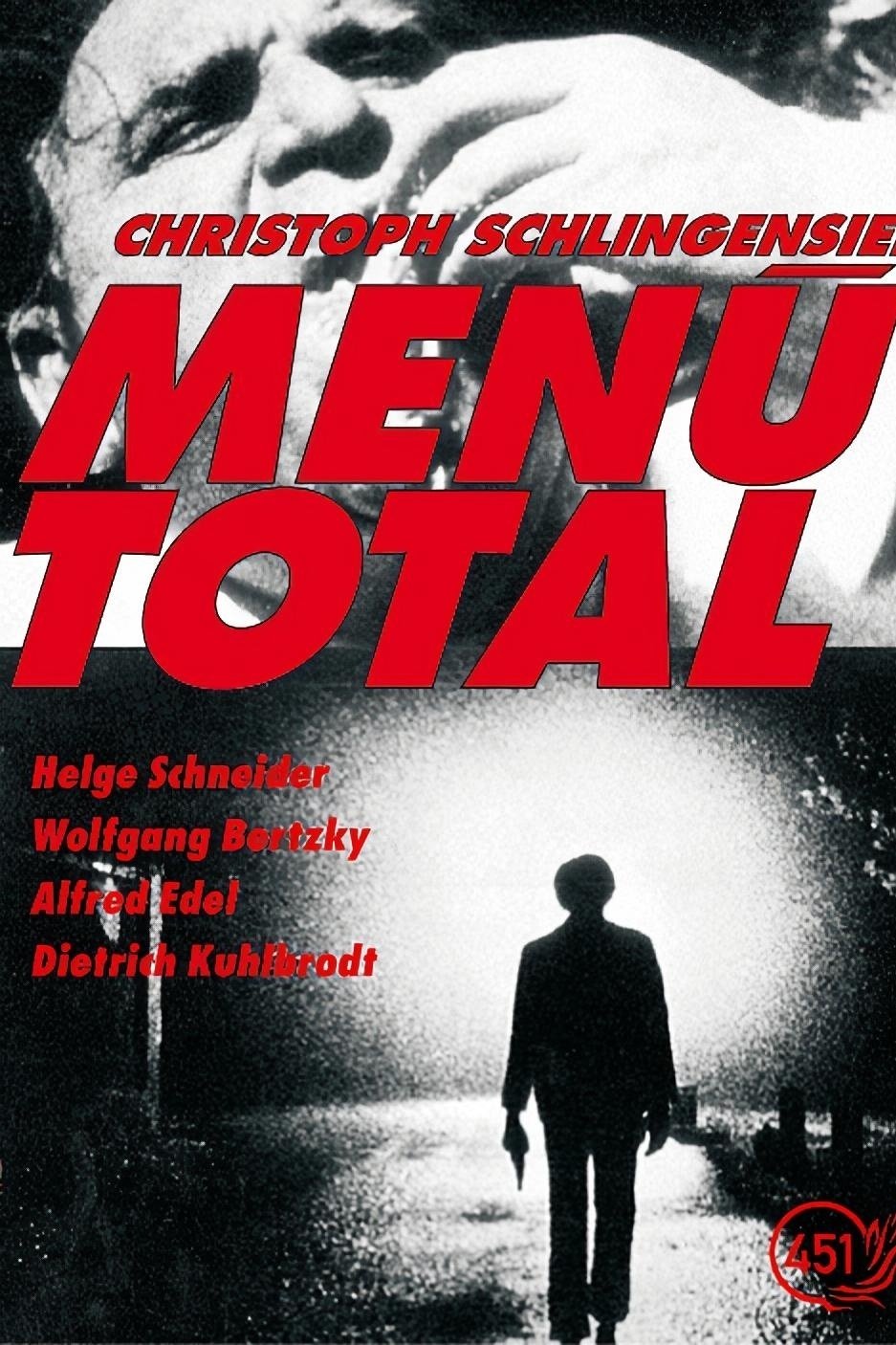
A traumatized young man, abused by his father, imagines himself as Adolf Hitler when dreaming of revenge. Schlingensief released this film, which follows no linear narrative structure, at a moment when right-leaning German intellectuals argued for a coming to terms of the country’s relation with its Nazi past. Schlingensief disagreed. (MoMA)
The filmmaker René Perraudin made five comedic short films with Otto Sander in the leading role and knits them into a feature film.
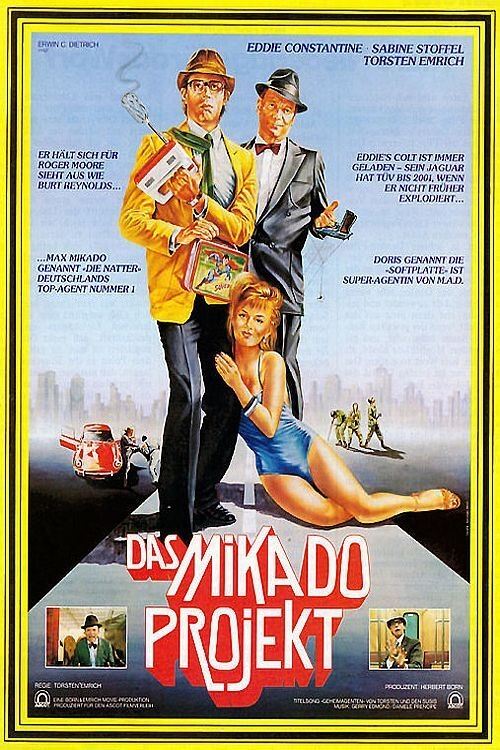
A thriller-comedy by Torsten Emrich.

A mockumentary - after suffering a tragic accident on a shoot in Tuscany, Udo Kier is about to die. Alfred Edel is sent in to film an obituary.

Willi endeavors to survive in a world where annihilistic galactic battles rage, by taking a job at the centre of power. But it's the wrong side that he takes in this civil war...
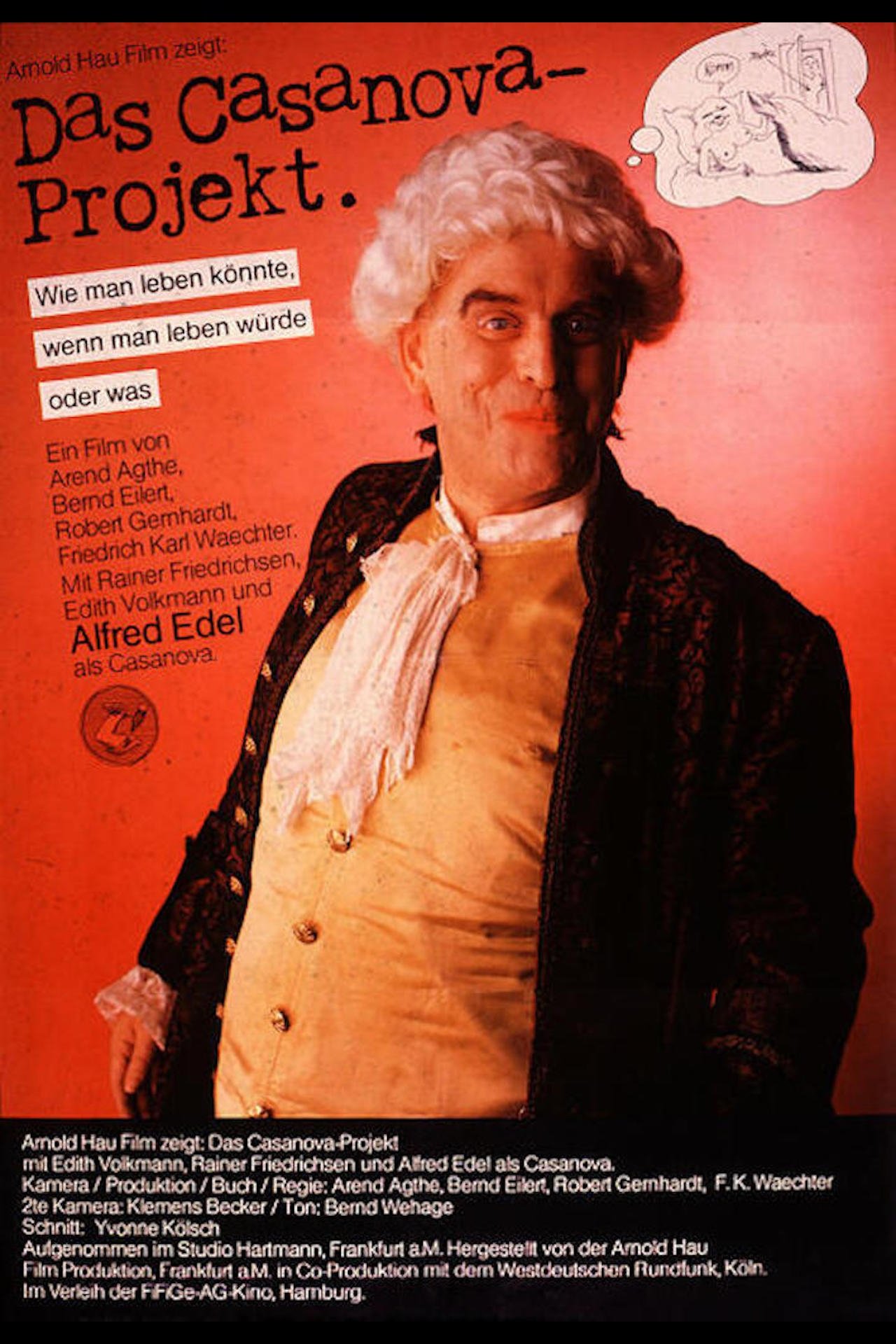
Hartmann, a first-time film director is trying to find an actor for the Role of Casanova. Wenn he meets Alfred Edel, the actor's colourful personality spoils Hartmann's vision of a glorious Casanova epic. In the end, the director realizes that all the time he wanted to make this movie to please his mother, so he decides instead to join Edel's way of having fun.
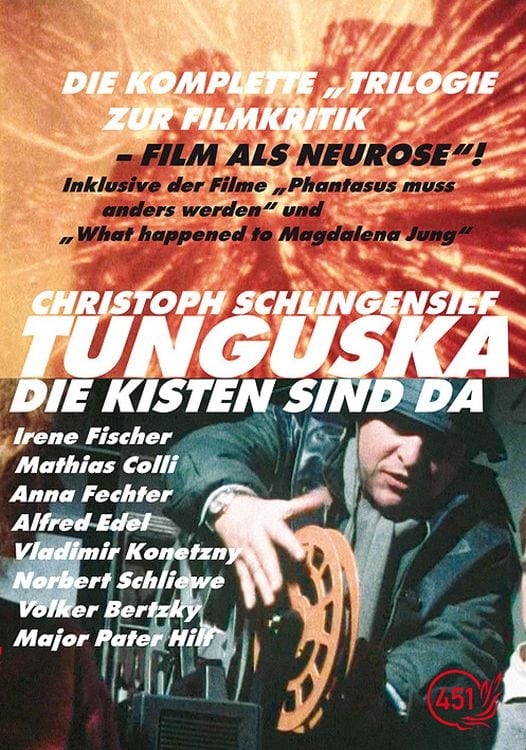
An early declaration of war on narrative cinema, using a barrage of visual and acoustic elements while at the same time juggling ironically - as he still does - with the term 'avant-garde'. A number of other preferences and obsessions were evident at an early stage, e.g. the mind-numbing habit of having his people stumbling and screaming around: life as a race track. His films likewise feature a lot of theatrical and cryptic outpourings. No wonder that they failed at the box office. No wonder either, however, that Schlingensief was attracted to theatre.
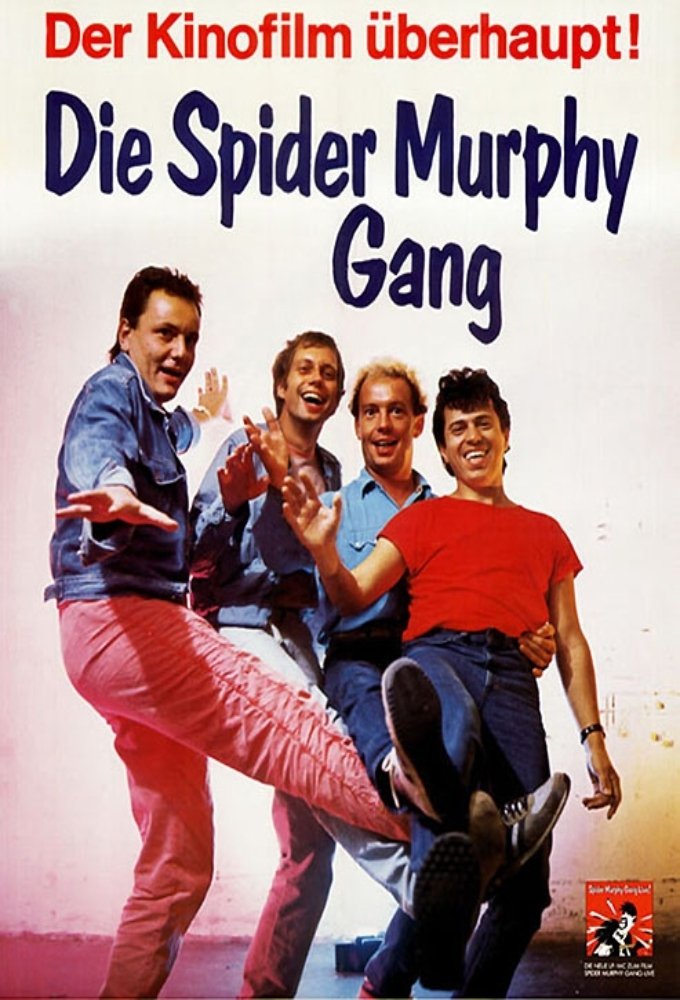
Günther, Michael, Barny and Franz, real Munich boys, want to make their own music: Rock 'n' Roll Bavarian-style. Will they go under or make it to the top?
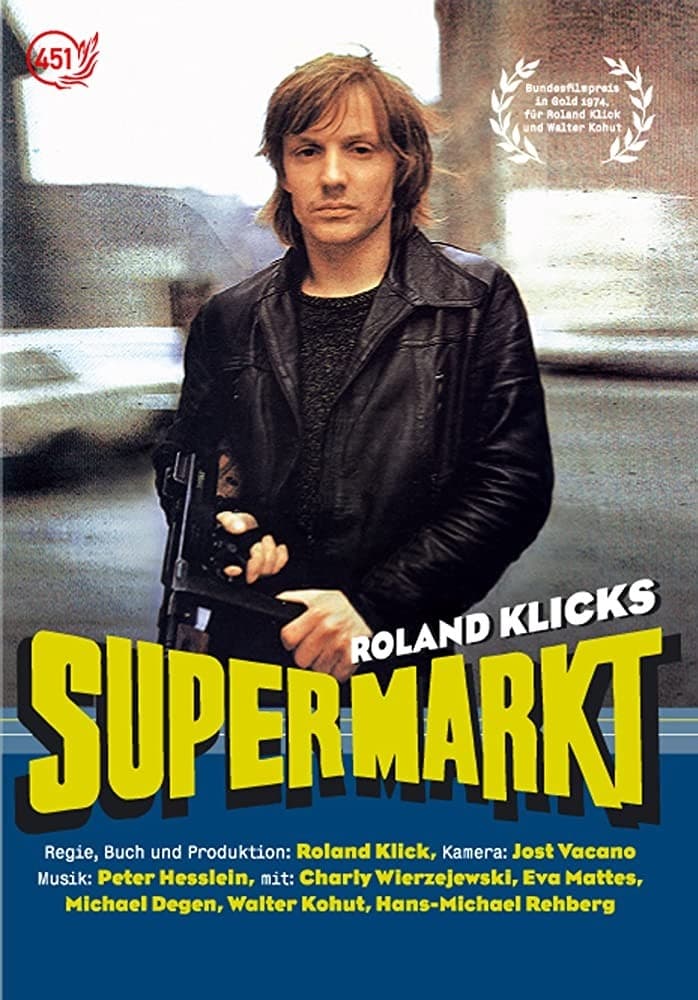
A drifting teen slips from petty crime into exploitation on the streets of Hamburg, courted by a self-serving journalist and a predatory pimp, before a doomed romance pushes him toward a desperate armed-robbery scheme he can’t outrun.
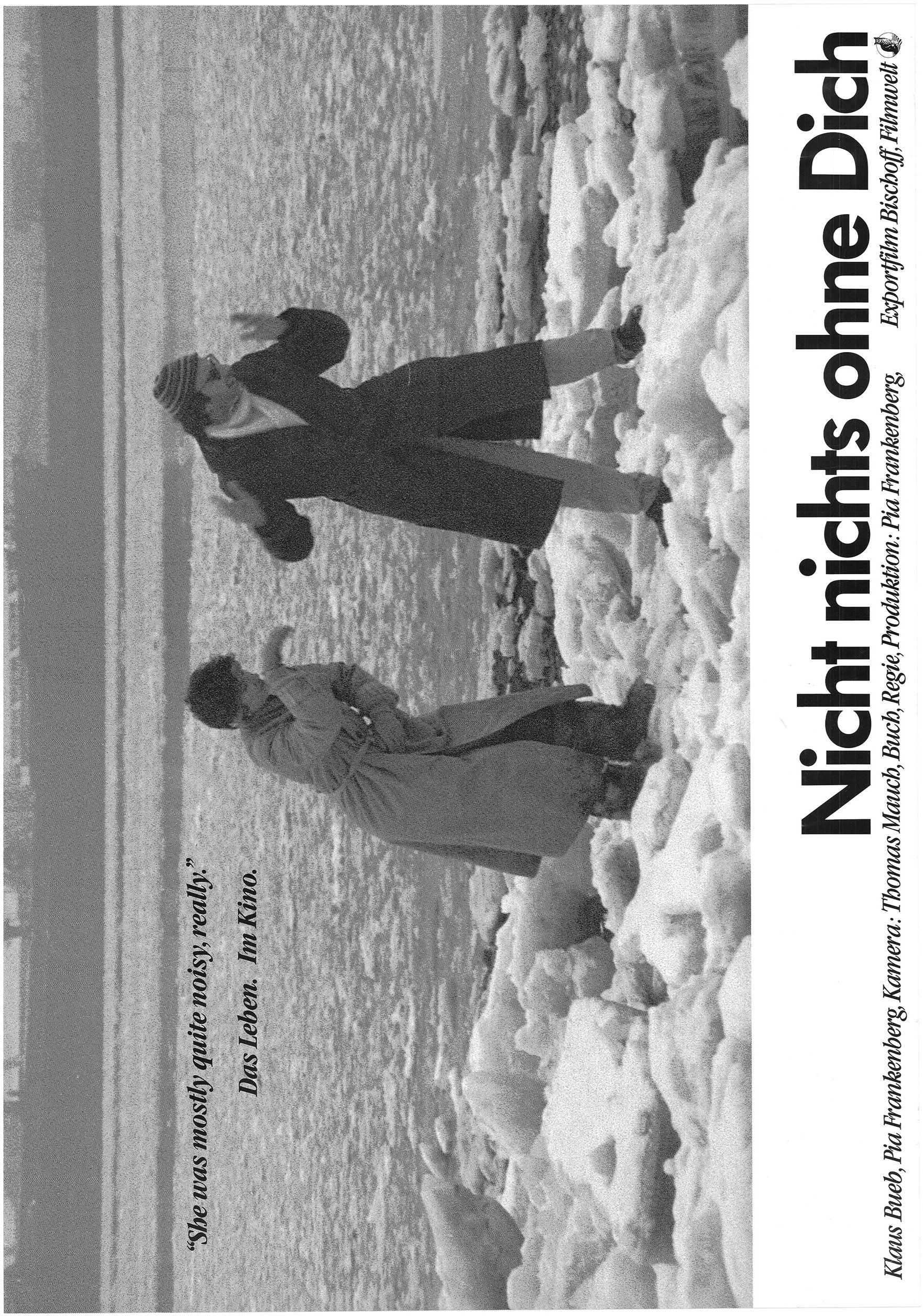
Martha lives in Hamburg with her young son and makes films with real passion. To stay close to the pulse of society, she has moved in with a Portuguese family. Teresa helps foreigners navigate bureaucracy, while Martha tries to build a romance with Alfred. Their shared everyday life reflects West German realities, captured spontaneously and with sarcastic wit.
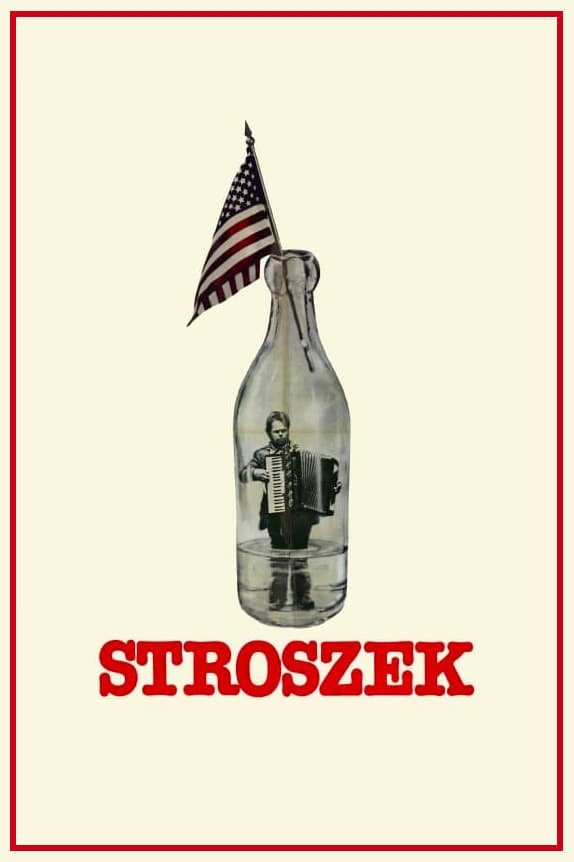
Bruno Stroszek is released from prison and warned to stop drinking. He has few skills and fewer expectations: with a glockenspiel and an accordion, he ekes out a living as a street musician. He befriends Eva, a prostitute down on her luck and they join his neighbor, Scheitz, an elderly eccentric, when he leaves Germany to live in Wisconsin.
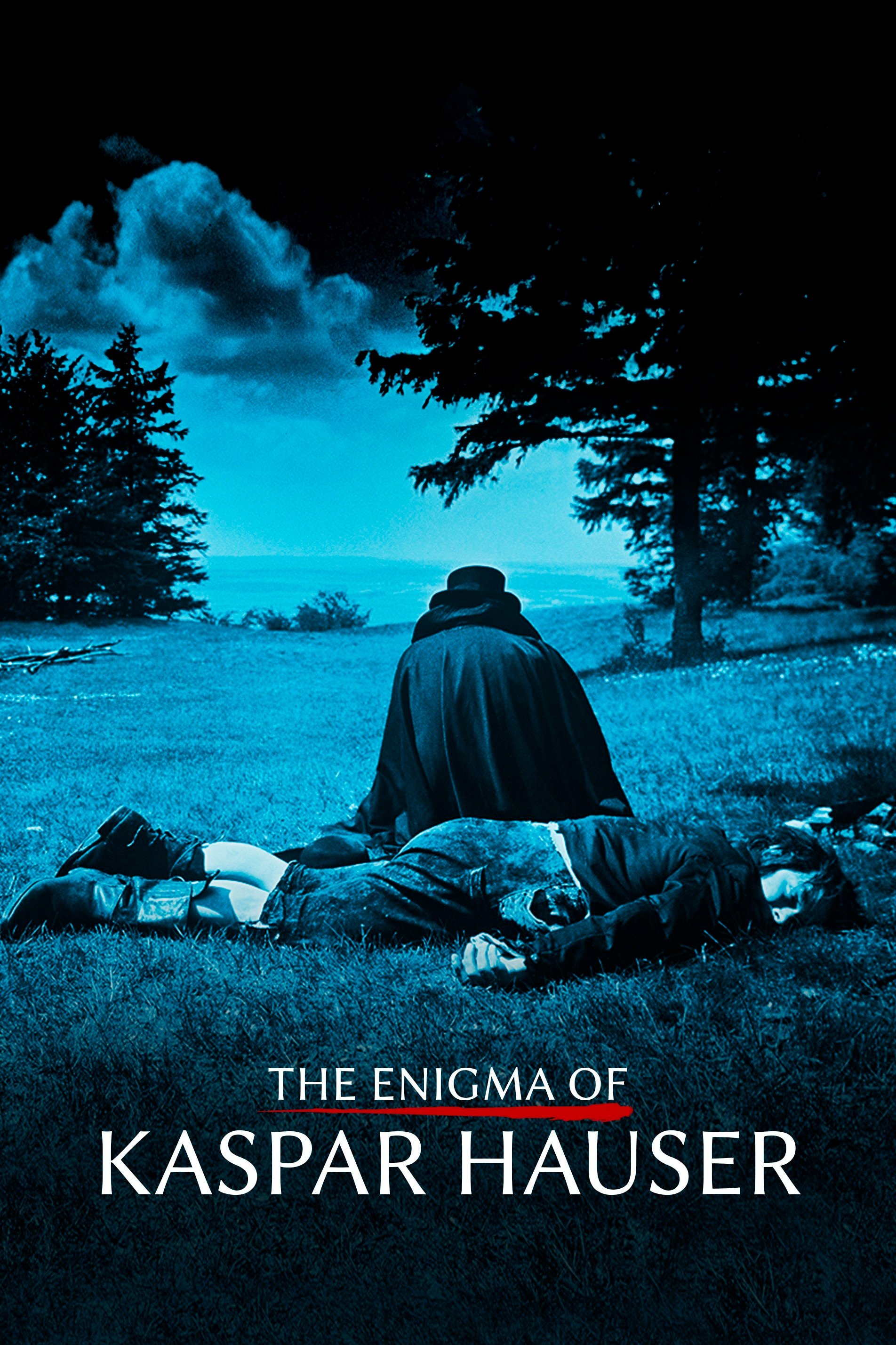
The film follows Kaspar Hauser, who lived the first seventeen years of his life chained in a tiny cellar with only a toy horse to occupy his time, devoid of all human contact except for a man who wears a black overcoat and top hat who feeds him.
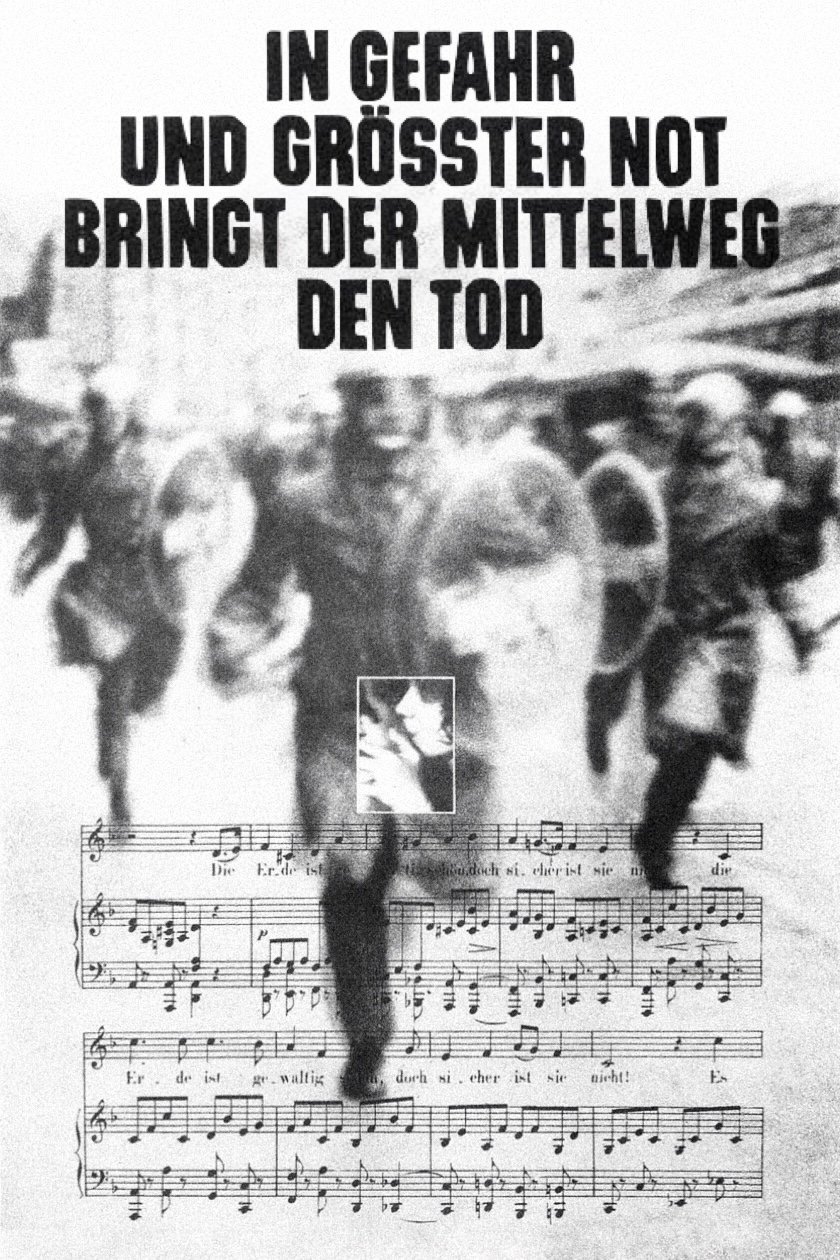
Combining fictional and documentary modes, the film takes a critical stance toward Frankfurt's public sphere and urban redevelopment. Despite the serious formal and political concerns of the film, Kluge's heightened sense of the absurd safeguards a reserve of utopian optimism.

A poignant film essay about 'superfluous people' facing up to a moment of crisis in their lives.
German TV-Film
Representative Diethard has given up. There is nothing left for the 40-year-old on the German marriage market. So he chooses an exotic woman from the catalog, has her flown in and marries her. But everyday life with Beanboat is disappointing...
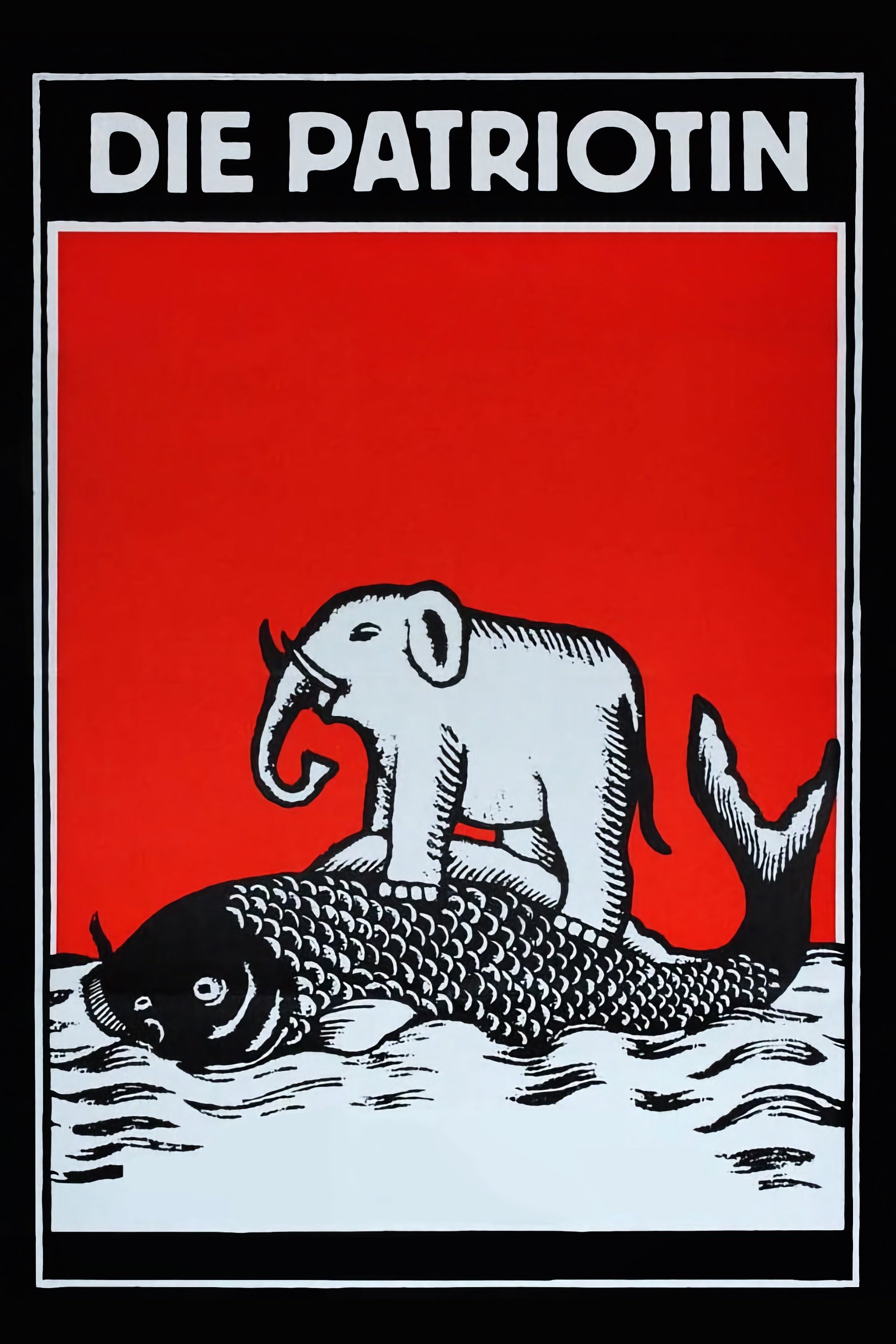
Gabi Teichert, a history teacher, is unhappy with the way history is portrayed in textbooks and is looking for an alternative, more practical approach to 'uncovering' the past, quite literally digging with the spade and dissecting books with hammers and drills.
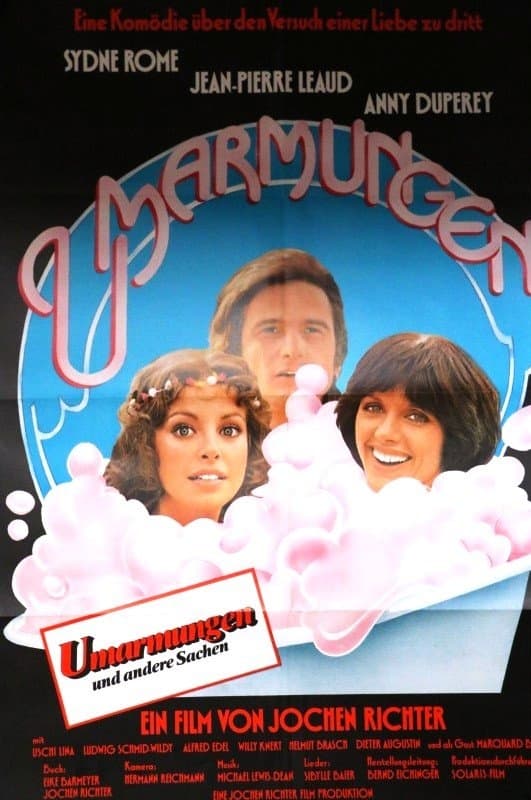
Jennifer, Tom and Maria like to have sex together and to rob banks when necessary. Action takes place in typical Bavaria.
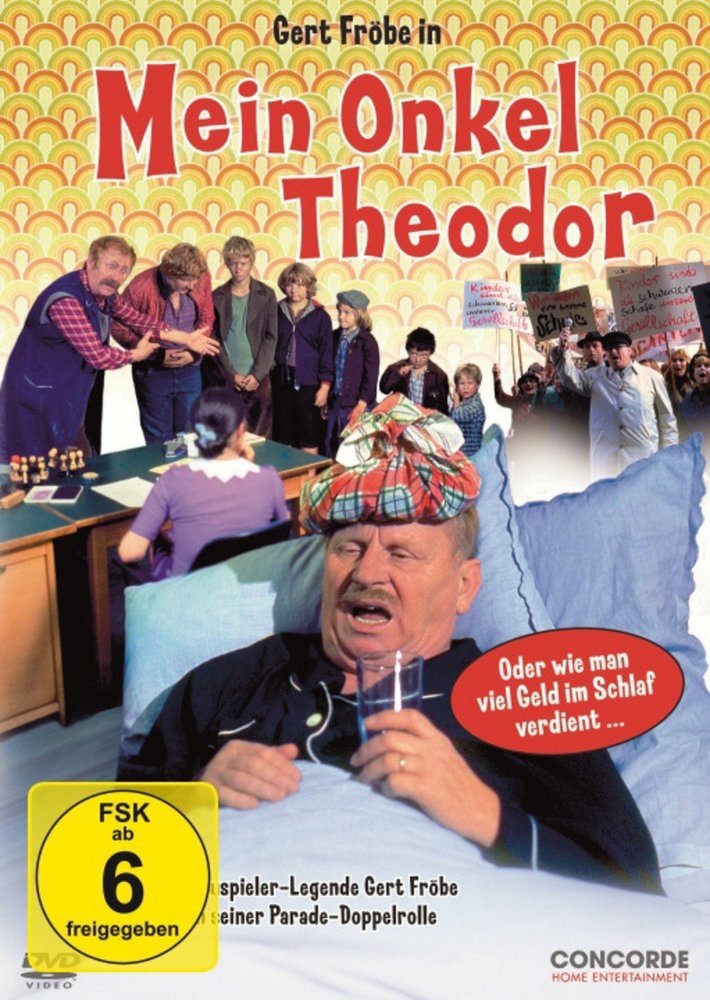
The somewhat indolent father Traugott Wurster looks after his six sons while his wife works in a butcher's shop. One day, when Traugott falls into a mysterious prolonged sleep, mother Wurster is forced to give the children to relatives. Markus is sent to the stuffy Uncle Theodor, who turns into a childhood friend under his influence. Mother Wurster also "rents" the sleeping Traugott to a furniture store, which uses him to advertise mattresses in the shop window.
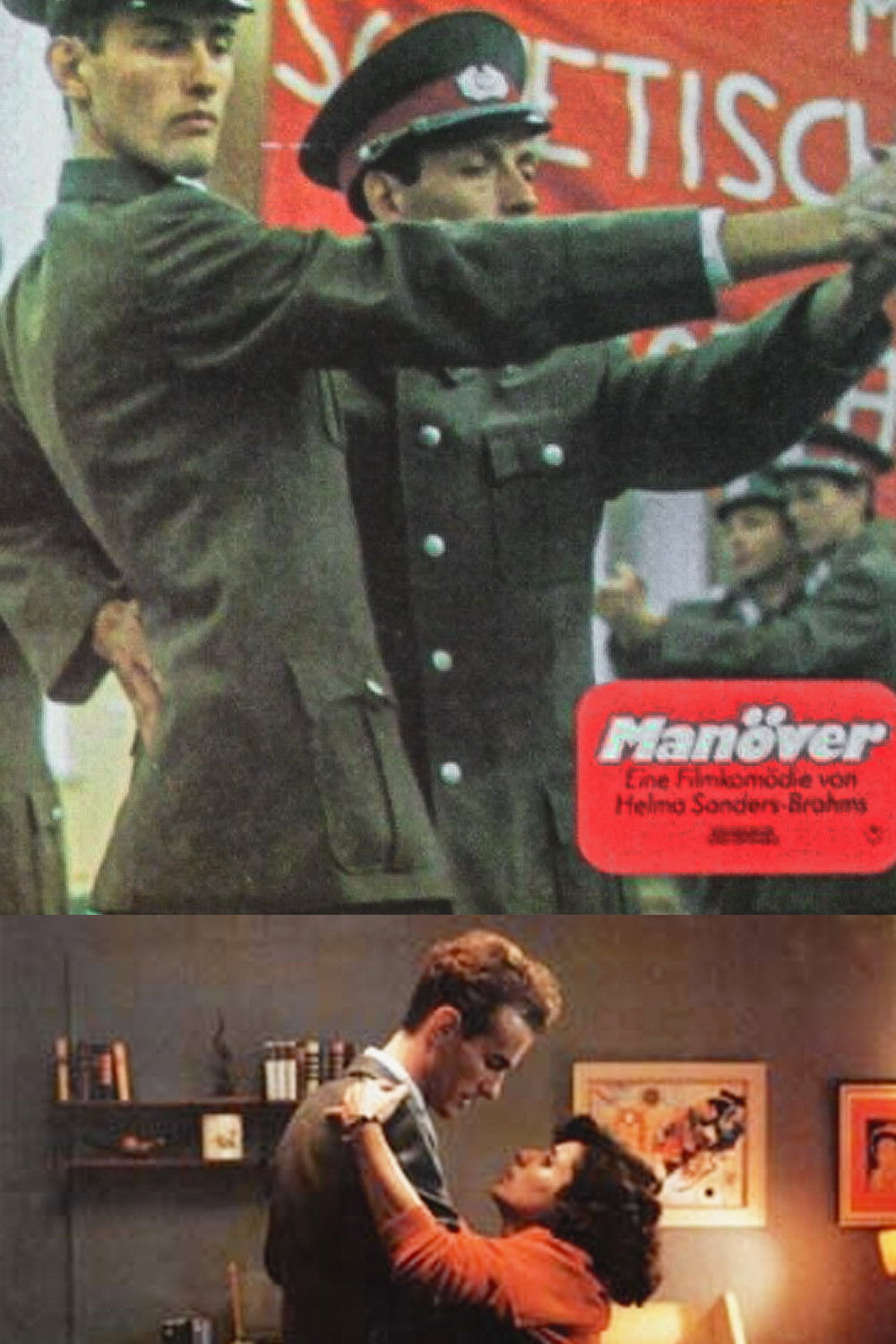
Germany in the 50ies: A love story between an eastern spy and a western secretary who detects him (and her love) ...
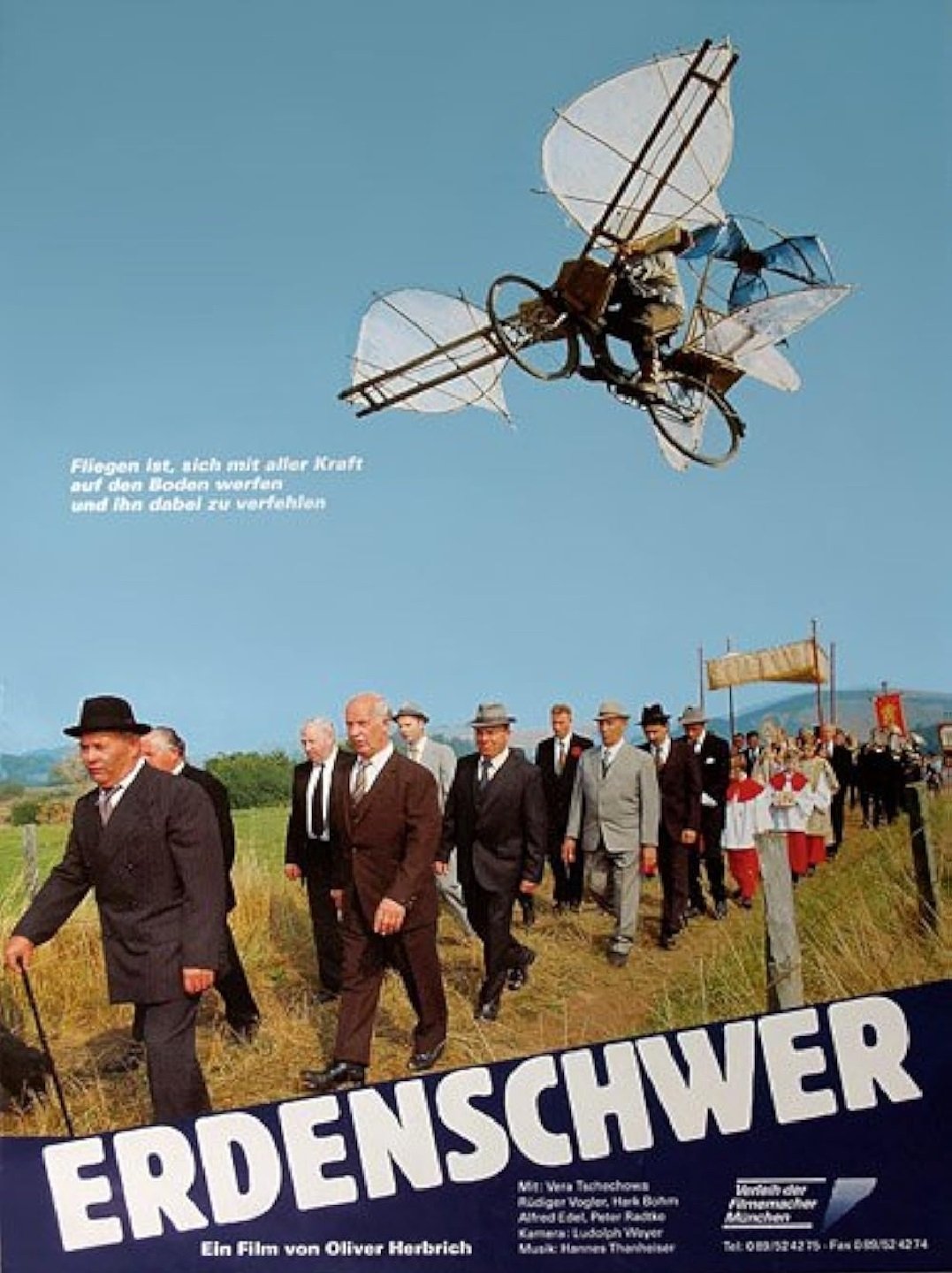
The movie "Earthbound" is based on an authentic story: Franz Seeliger, a 75 year old psychiatric patient wants to steer a self-built, muscle propelled flying machine. But he is kept in custody since the Thrid Reich.
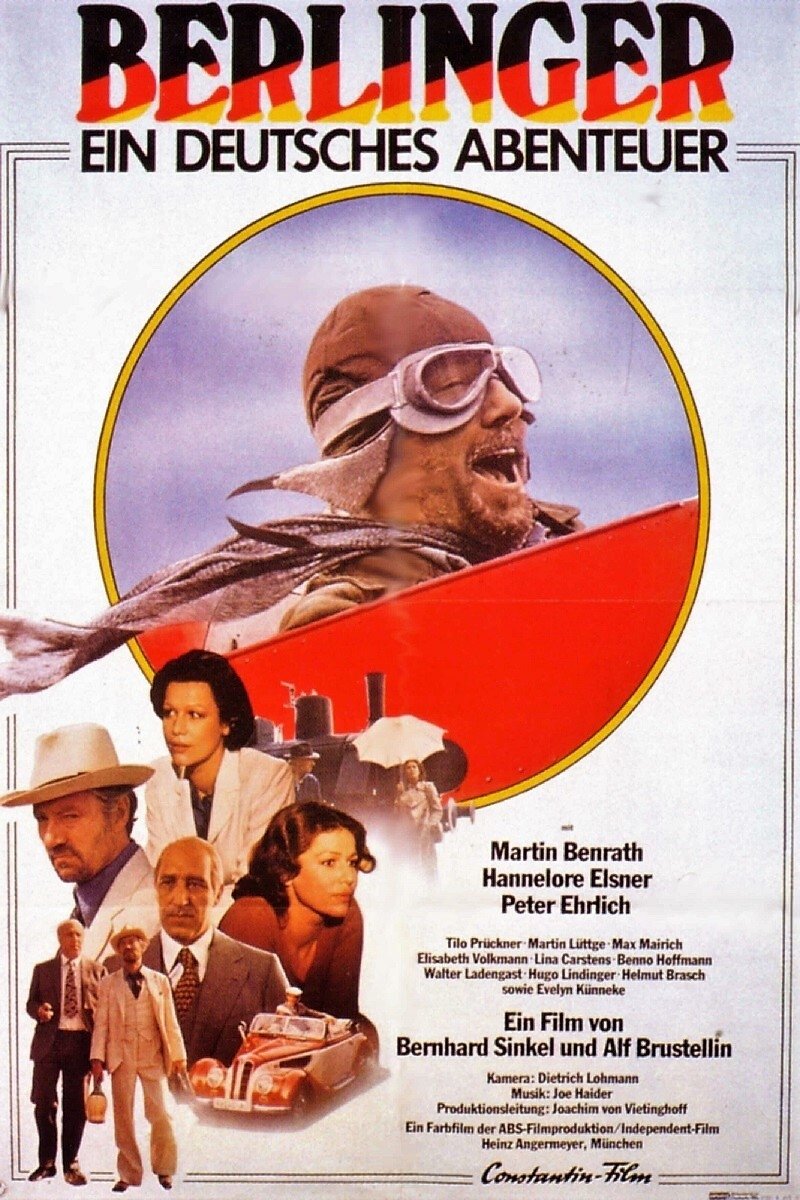
A fictional, non-chronological account of the life of the scientist, adventurer and industrialist Lukas Berlinger. The key dates and central events include Berlinger's birth in 1914, his friendship with Johannes Roeder, who was the same age, his marriage to Marlit in the early 1930s and Roeder's joining the NSDAP in 1936. As a chemist and "scientist important to the war effort", Berlinger was not required to go to the front during the Second World War, but it was slowly discovered that he was helping persecuted people to escape to Switzerland. Pressure from the Gestapo cost Marlit her life, and Berlinger fled to South America. It was not until 1968 that he returned to the western part of Germany. He meets Roeder again, who is now a senator and has become rich as a "building tycoon", and meets Maria, a teacher almost 30 years his junior, who looks strikingly similar to Marlit.

The story of the owner of the Mix Wix department store, who has successfully done business with underwear and socks and even has the largest selection of underwear. Since Mix Wix cannot improve further in this segment, it would like to expand its line to include tennis clothing. To do this, however, he needs additional commercial space, for which he must wait for the building permit. Mix Wix spends the time waiting on the rooftop of the bar, wondering if his current existence represents meaningful life.

A young man, recently arrived in New York from Europe, becomes swept up in a series of events that are beyond his knowledge or control.

Using unpublished and newly digitalised archive footage and film material, Bettina Böhler has brilliantly assembled this film about the life and work of the exceptional artist Christoph Schlingensief, who died in 2010.
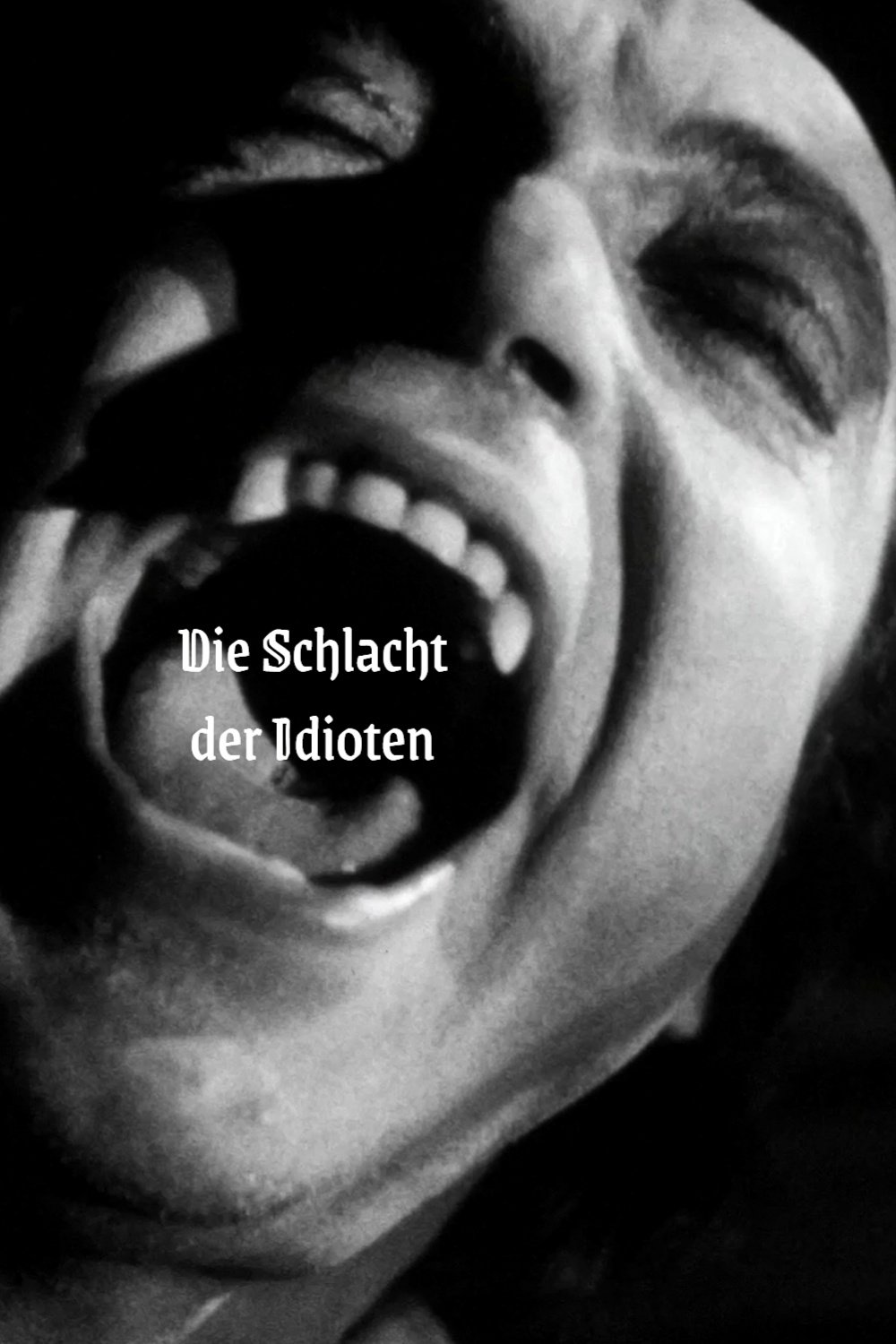
This black and white silent film with music by Helge Schneider, starring Udo Kier as a vampire and Alfred Edel as an Indian chief was commissioned by the Filmmuseum Düsseldorf to inaugurate their cinema organ. The look and feel of the film stems from the silent film era, but the camp style and over use of clichéd characters bears the trade mark of Schlingensief all over. “I love all things kitsch, like opera, and I feel inspired by music. I was interested in silent film but not a great deal”, said the director.
A short film by Alexander Kluge.
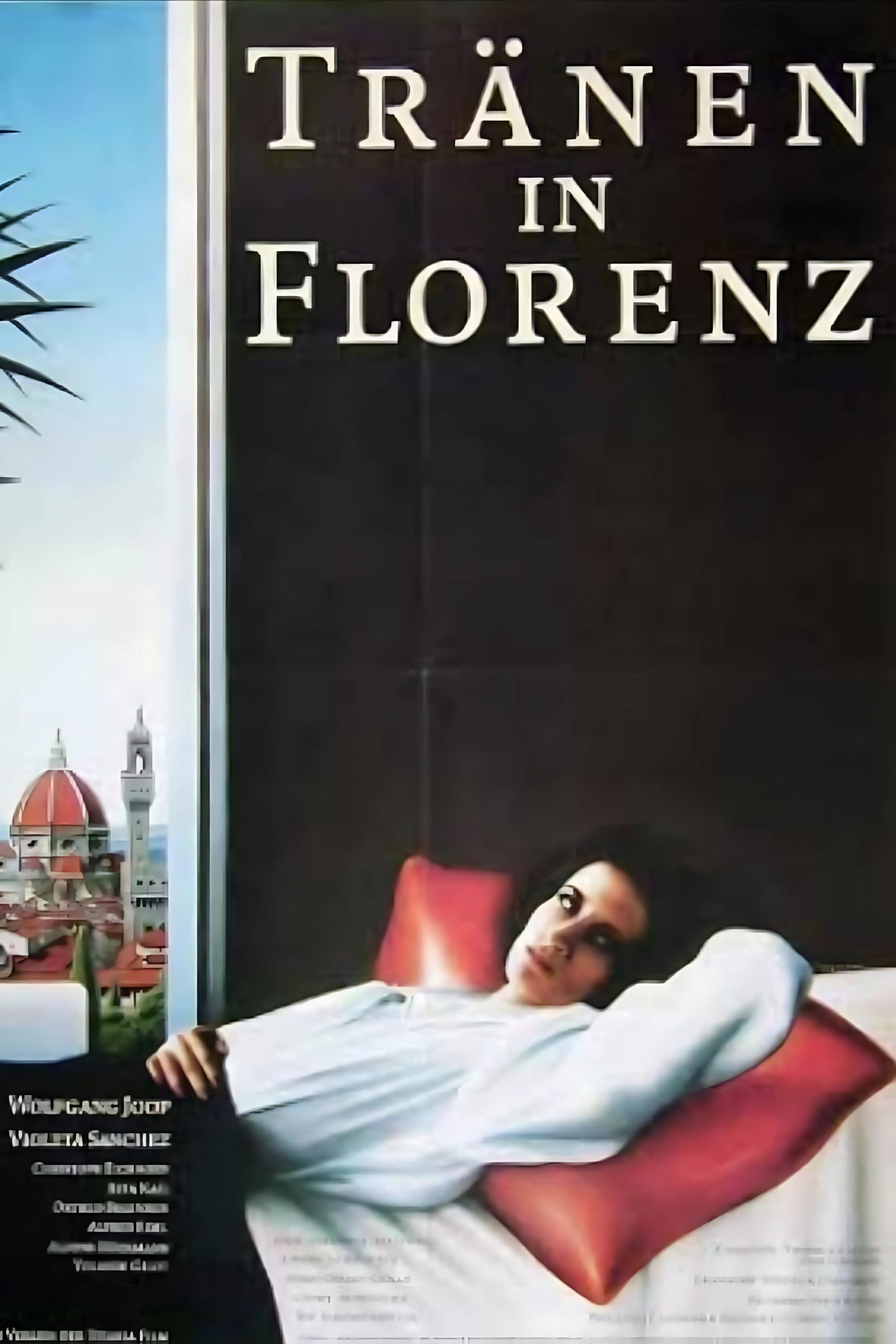
Fashion designer Rüdiger falls in love with Italian countess Vera, who was injured by him in a car accident. Just before their wedding they find out they are brother and sister. The wedding is cancelled, and Vera returns to Florence in a state of shock.
A 30-year-old returns to his hometown after several years away, where he is confronted with childhood memories, especially feelings of hatred towards his father.
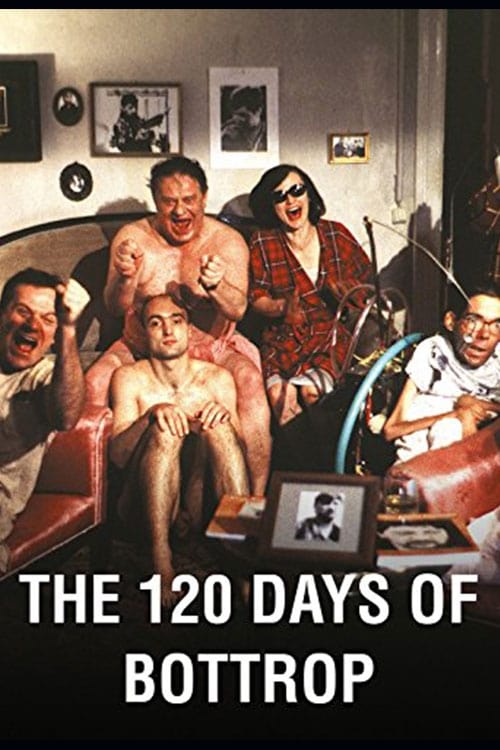
An eccentric homage to the Rainer Werner Fassbinder days of German filmmaking.
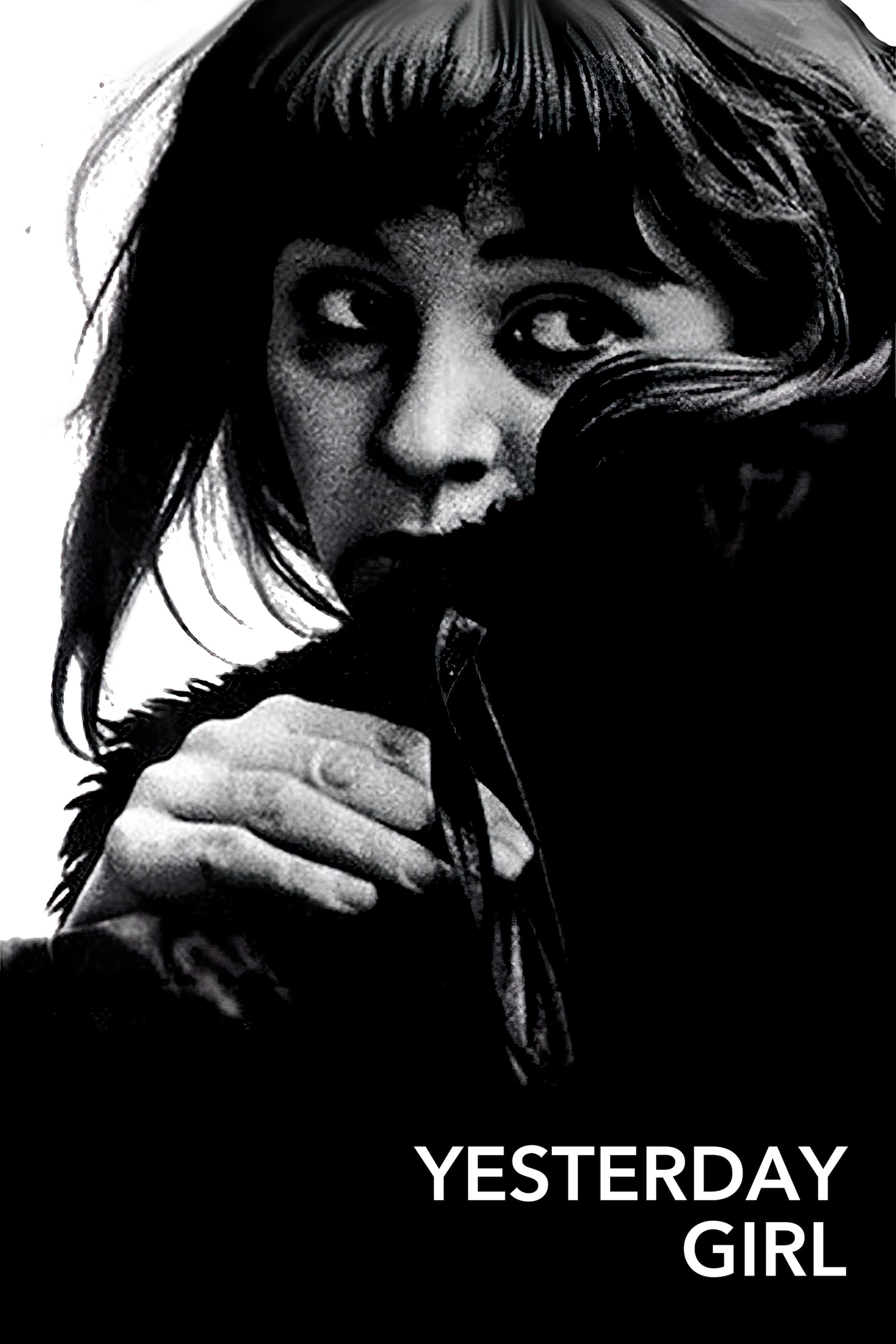
A young German woman searches for happiness, liberation, and independence in the illusive wake of a transformative national recovery.
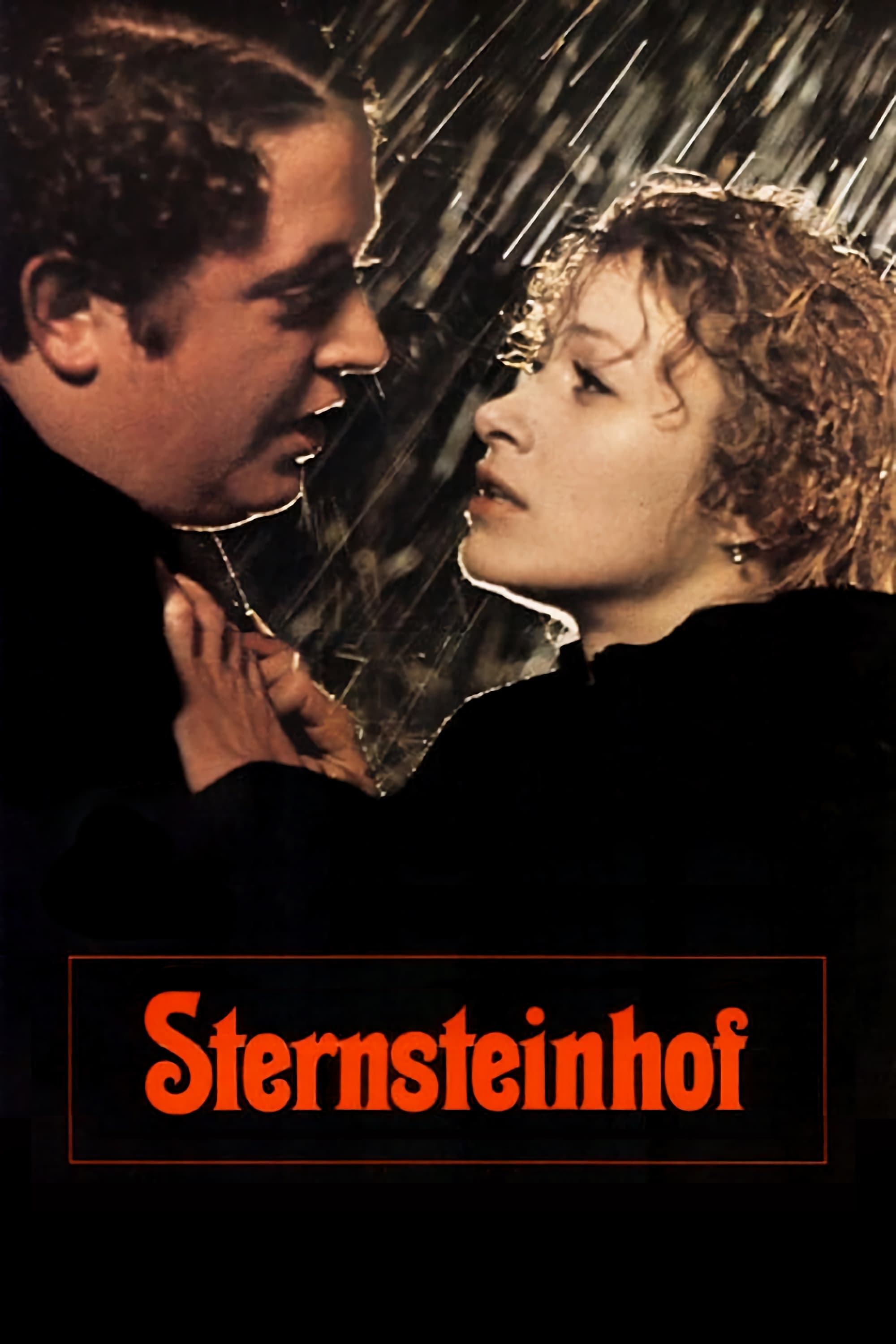
At the top of the mountain stands the beautiful Sternsteinhof farm. Leni, a girl from a poor background, admires this farm and wants to become a farmer's wife there one day to escape her poor circumstances. Toni, the rich owner's son, comes at just the right time. When he gives her a written promise of marriage, Toni's father intervenes. He wants his son to marry a wealthy farmer's daughter and sends him to the army for the next few years. Muckerl, a simple wood carver, seizes his chance and courts Leni's favor...