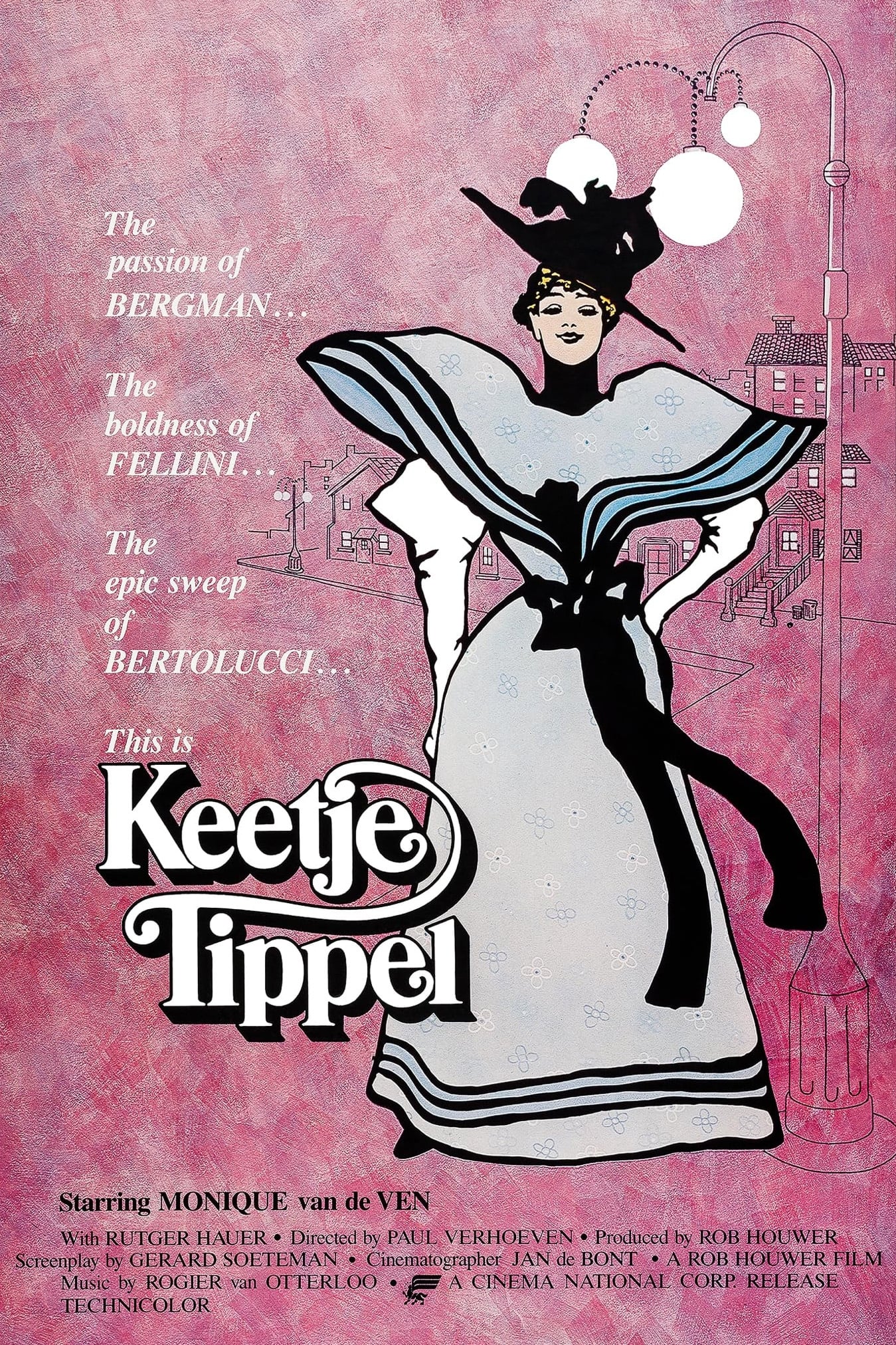
In the late 19th-century, the Tippel family moves to rural Stavoren in search of greener pastures. However, their dreams are quickly shattered, as teenage Katie is terrorized by a male-dominated society who only see her as an object. Her situation worsens when, following her father's sacking and her elder sister's descent into alcoholism, her mother decides that, rather than starving, Katie becomes a prostitute.
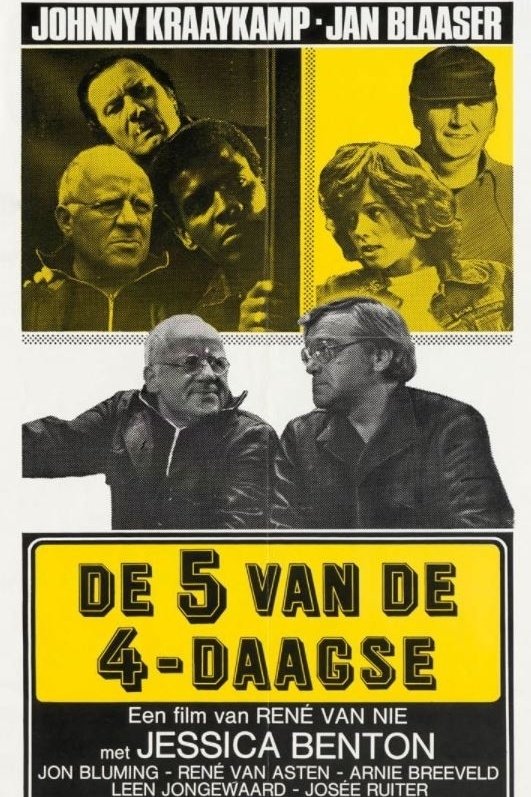
Four inmates are ordered to enter an annual four day walking tournament. When they get over their initial annoyment, each one of them finds a way to take advantage of their time out of jail.

In 1944 Leeuwarden, the Netherlands, a band of Dutch resistance fighters plot to covertly rescue dozens of compatriots from the local Nazi prison.
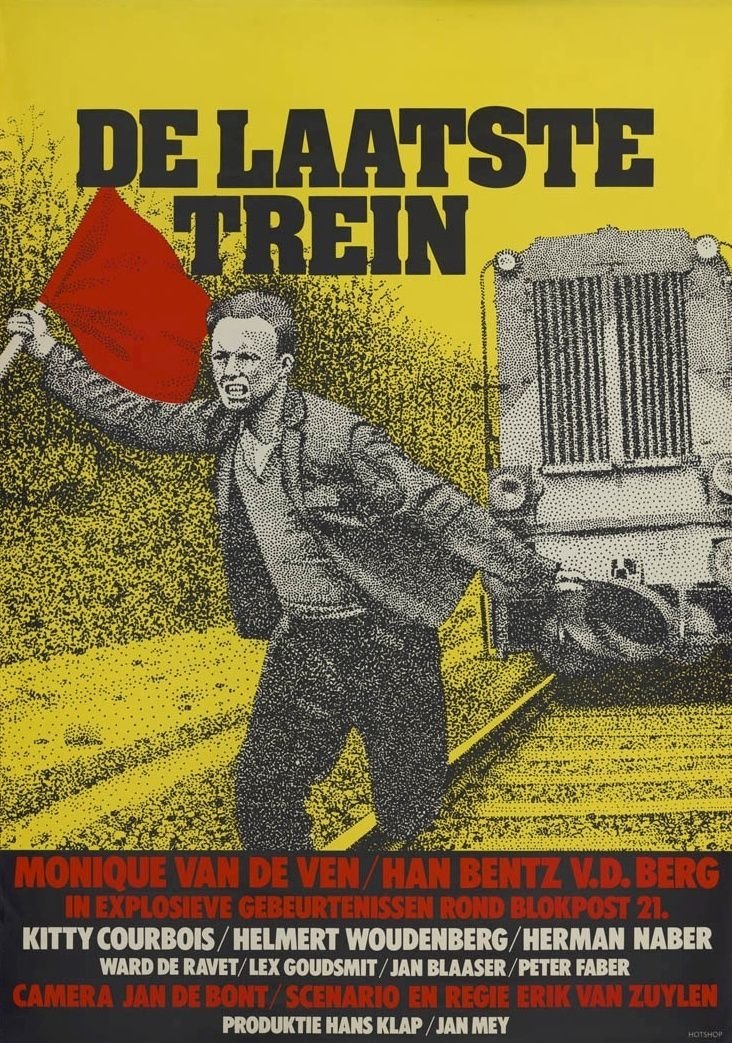
The film is set in a signalman's house during the German occupation. When it turns out that the mother has committed adultery with a German, things start to go downhill for the father. Germans take over his land, and his children fend for themselves.
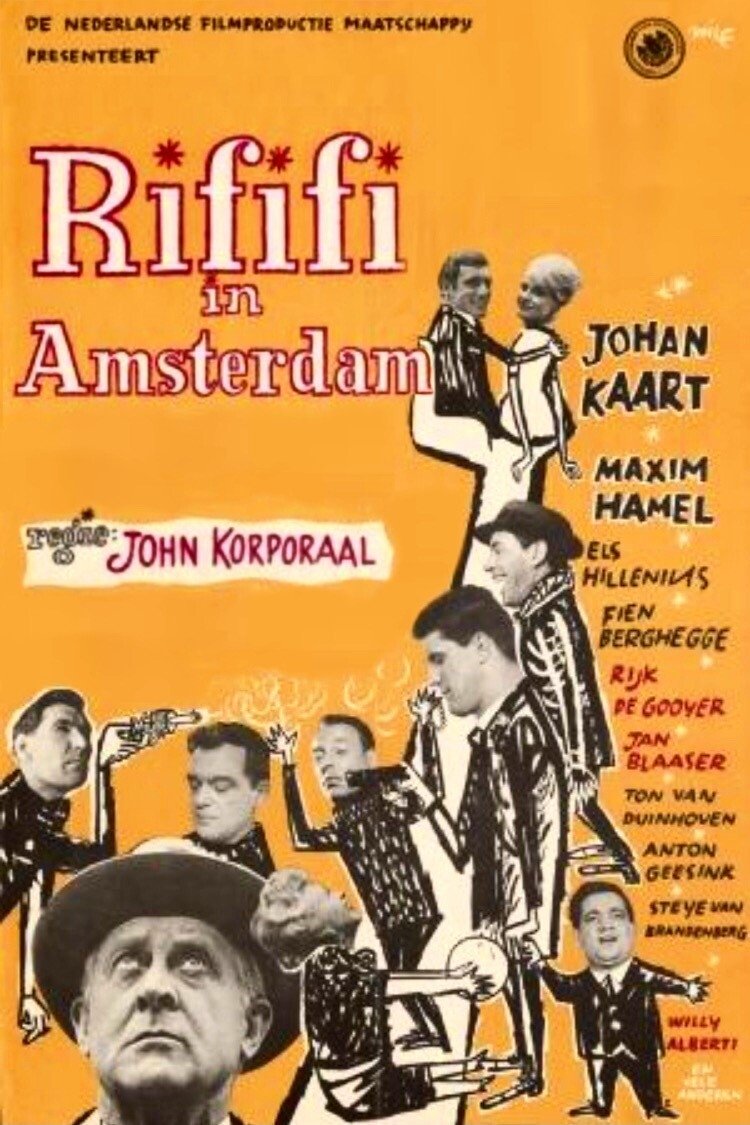
Petty criminal Bert Oliemans goes down for stealing jewellery from a former SS man. After his release he is constantly followed by police commissioner Van Houthem and a greedy gang leader, both out to get their hands on the stolen jewels.
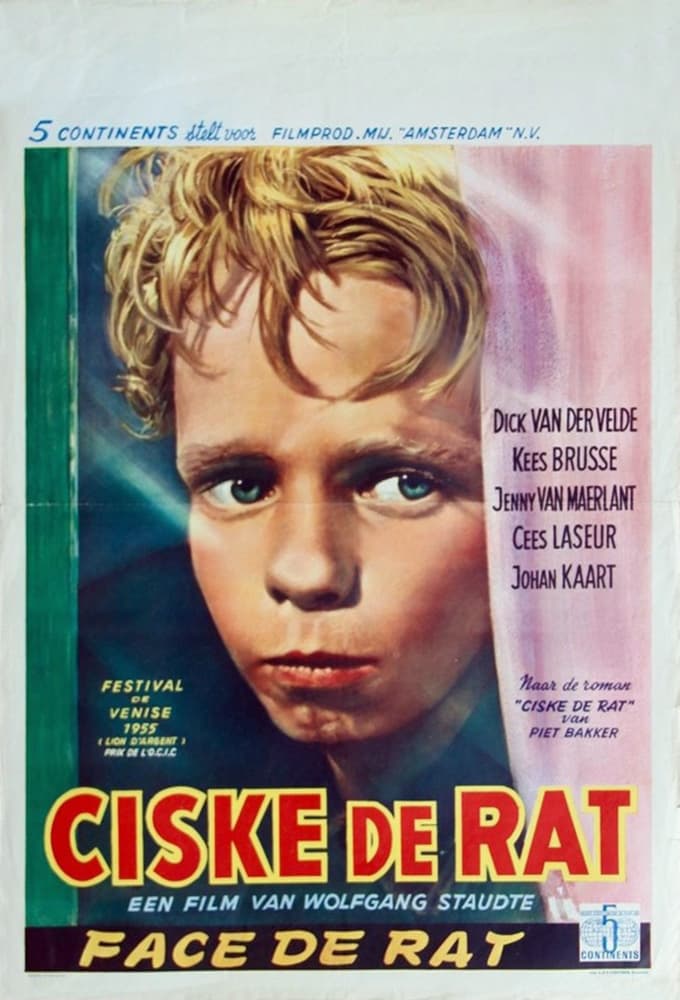
“Ciske de Rat” belongs to the Dickensean “little man’s hard life” model and tells a deceptively simple story about a boy in modern Netherlands. Persecution, loneliness, adults’ hostility, fear, mixture of obstinacy and tenderness, and even an imprisonment. Excellent camera movement and delicate portraying of Ciske’s fragile soul put this film out of merely historical context and ensure its place in the history of great cinema.