An emotional journey of a former school teacher, who writes letters for illiterate people, and a young boy, whose mother has just died, as they search for the father he never knew.
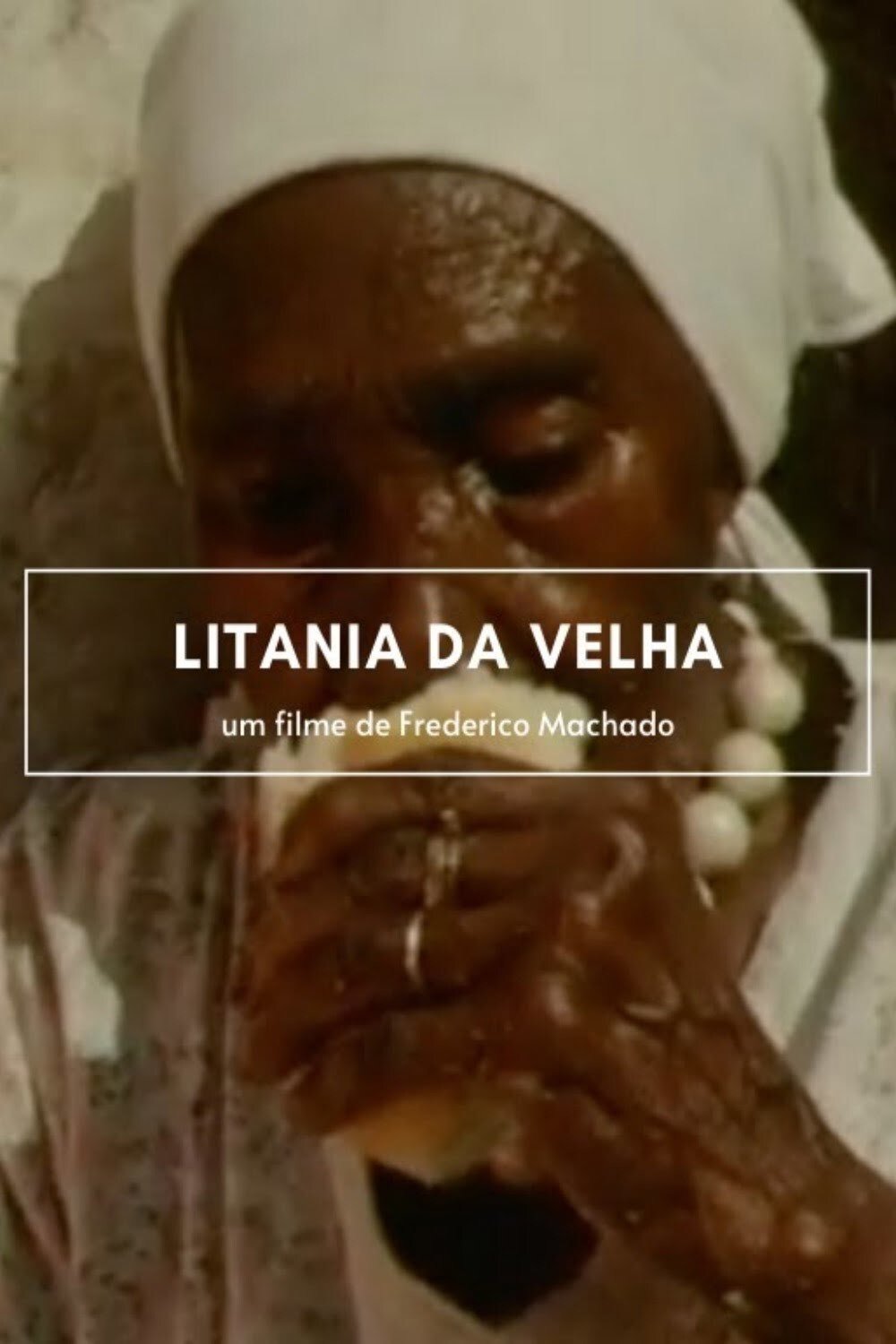
Last ride of an old beggar woman around the old São Luís city revealing the helplessness of both under the sign of an unjust time.

"Portraits and excerpts from Brazilian films from all times. Actors, directors and images that affirm cinema."
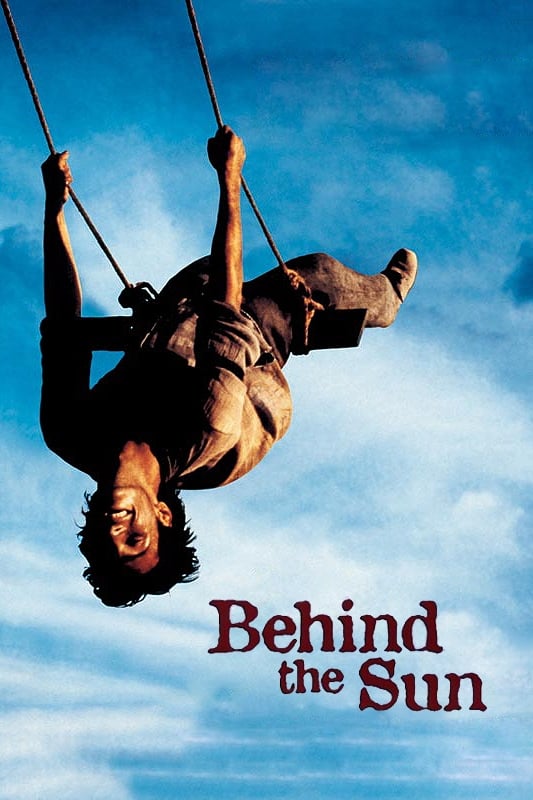
Brazilian badlands, April 1910. Tonho is ordered by his father to avenge the death of his older brother. The young man knows that if he commits this crime, his life will be divided in two: the twenty years he has already lived and the few days he has left to live, before the other family avenges their son's death. He is torn between fulfilling his ancestral duty and rebelling against it, urged by his younger brother Pacu. That's when a tiny travelling circus passes through the vast badlands where Tonho's family lives.

Colonel Furtado struggles to keep his lands, the Sobradinho Farm, and win the heart of his cousin Esmeraldina. In the process, he fights big beasts, experiences the taste of a bohemian life in town, fends usurers and thieves off, and uses all his cunning to get rid of haunting entities. His rival is the man he was brought up with, Pernambuco Nogueira, a werewolf.
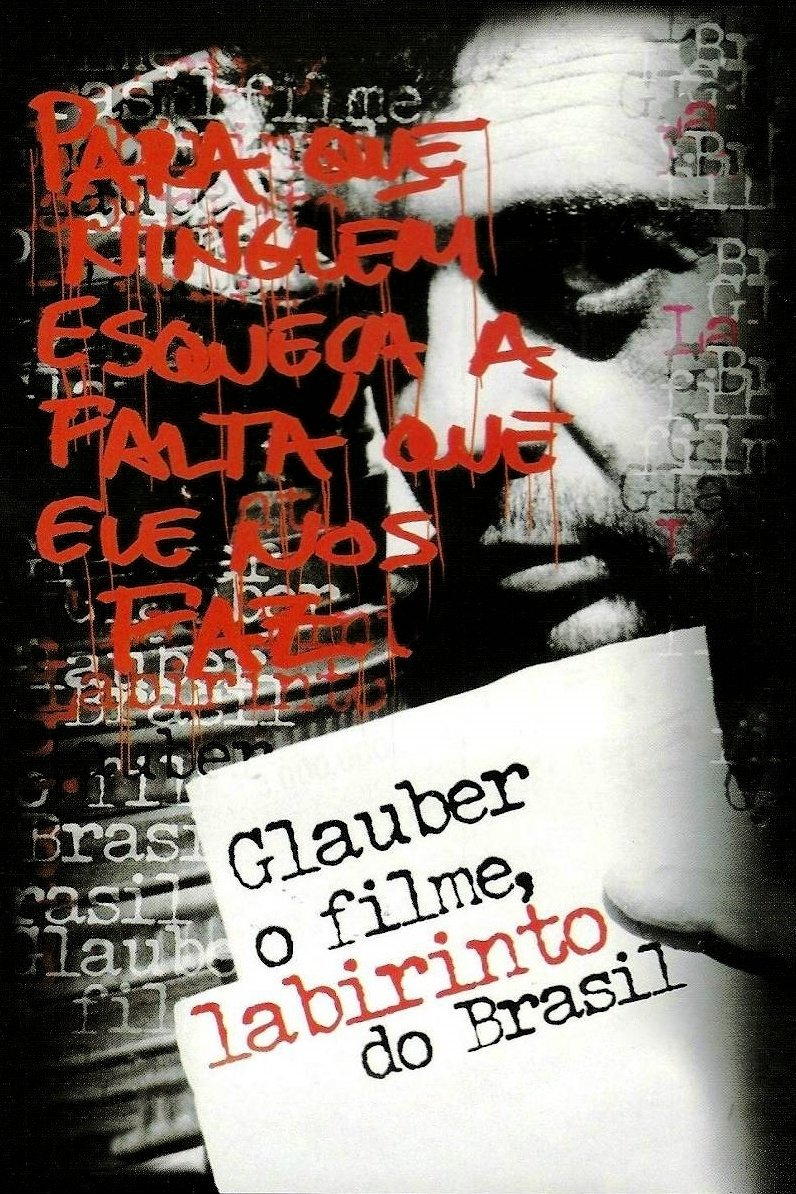
Documentary about Brazilian filmmaker Glauber Rocha, one of the most important names in the Cinema Novo, with interviews with some of his friends and colleagues.
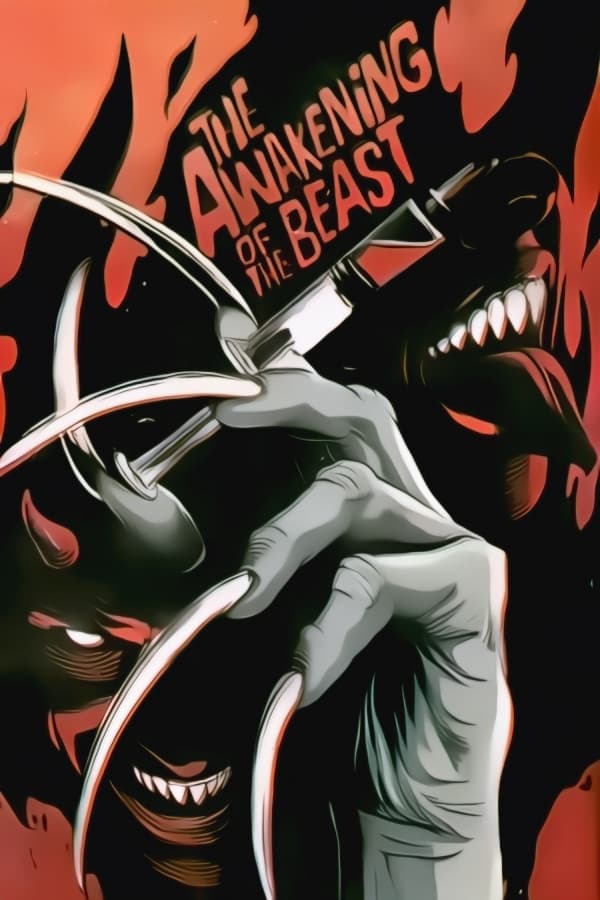
A psychiatrist experiments on four volunteers with LSD to examine '60s drug culture, soon unleashing an expert in depravity.
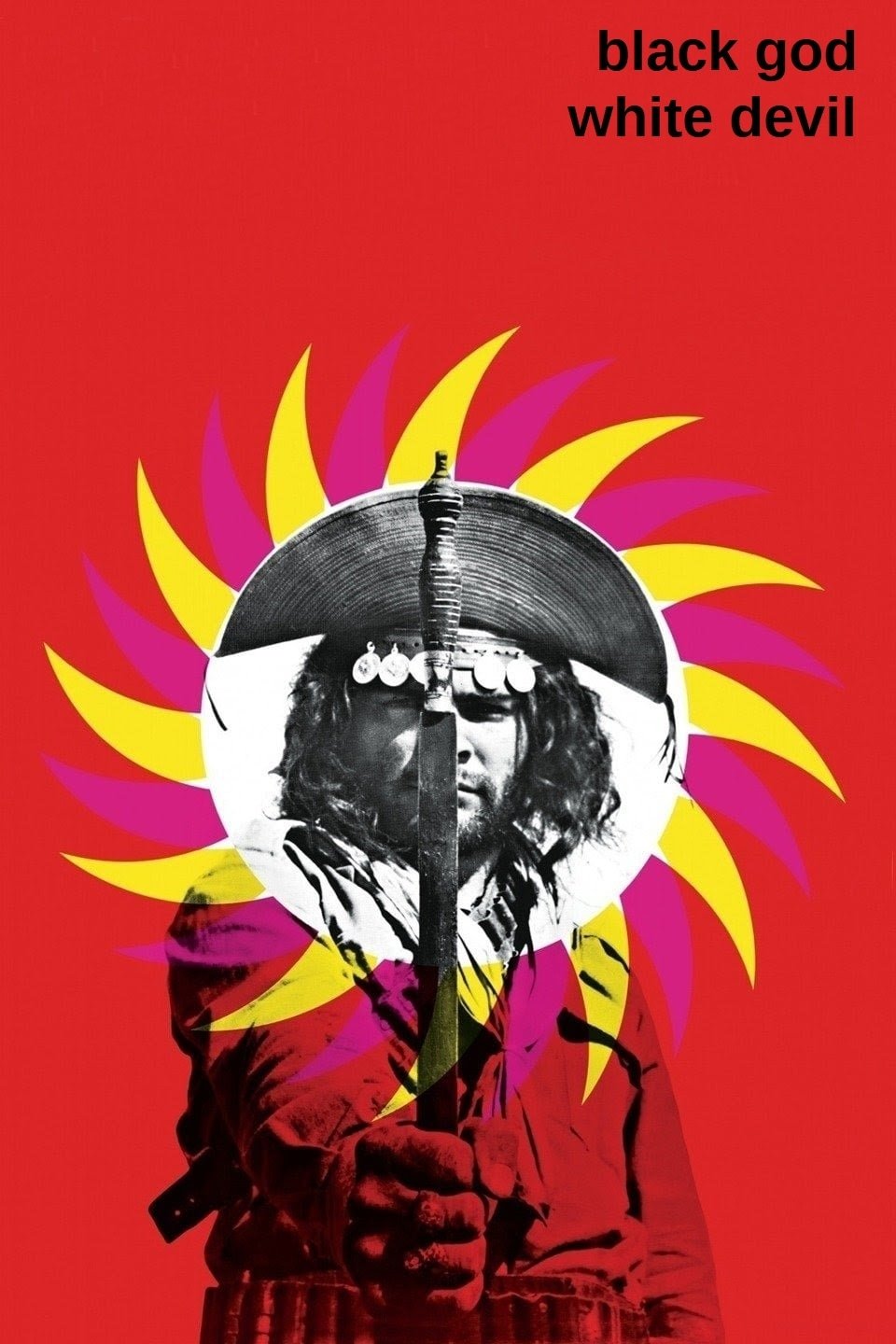
Wanted for killing his boss, Manuel flees with his wife Rosa to the sertão, the barren landscape of Northern Brazil. Thrust into a primordial violent region, Manuel and Rosa come under the influence and control of a series of frightening figures.

The principal character in Helvécio Ratton's delightful film has been adapted from a book and comic created by the Brazilian cartoonist Ziraldo, and tells the tale of a happy-go-lucky 10-year-old child growing up in a city in the 60s.

The selfish Dr. André Luiz dies and awakes in the limbo called "Umbral". After a painful period in the gruesome swamp, he is rescued and brought in a white light to "Nosso Lar" (meaning "Our Home"). He finds a place of harmony, where people live in peace awaiting

Neto is a middle class teenager living a normal life. After his father finds a marijuana cigarette on his pocket, he is sent to a mental institution, where he gets to know a completely absurd and inhumane reality in which people are devoured by a corrupt and cruel system.
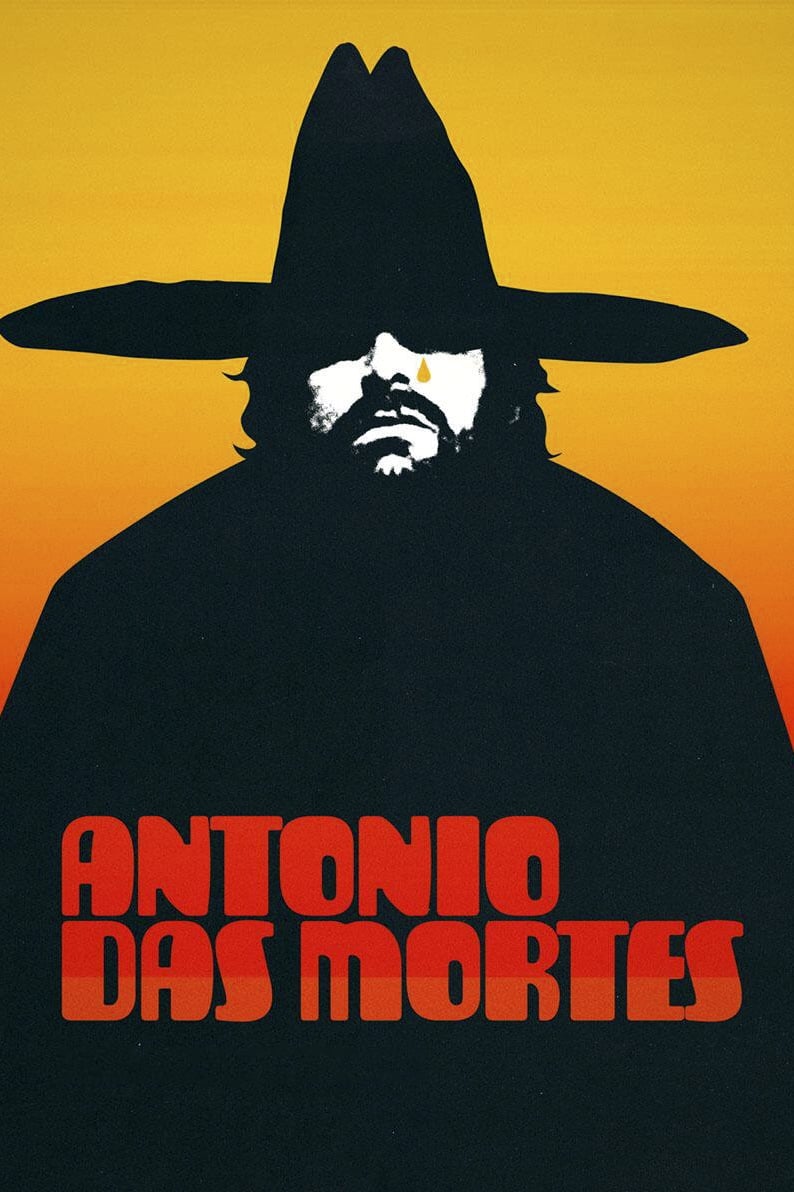
A new incarnation of Cangaceiro bandits, led by Coirana, has risen in the badlands. A blind landowner hires Antônio to wipe out his old nemesis. Yet after besting Coirana and accompanying the dying man to his mountain hideout, Antônio is moved by the plight of the Cangaceiro’s followers. The troubled hitman turns revolutionary, his gun and machete aimed towards his former masters.
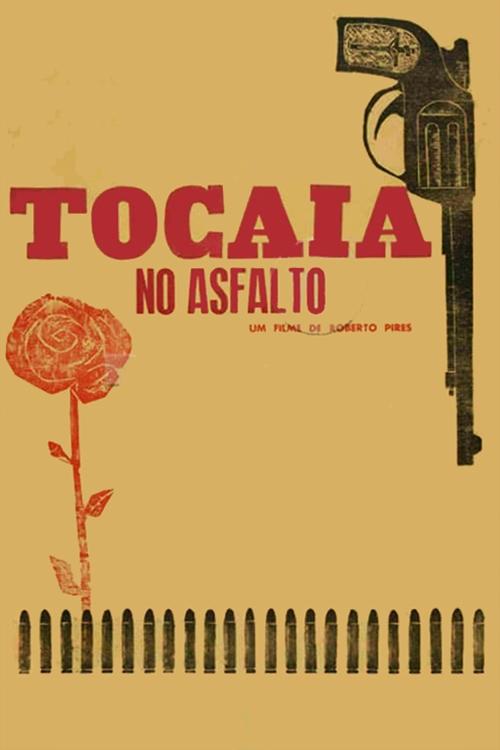
A gunman is hired to kill a corrupt politician. However, the agreement is canceled. Despite being a hired killer, the man takes his job seriously and prefers to go to the end.

Contemporary film critics regard the epic film I Am Cuba as a modern masterpiece. The 1964 Cuban/Soviet coproduction marked a watershed moment of cultural collaboration between two nations. Yet the film never found a mass audience, languishing for decades until its reintroduction as a "classic" in the 1990s. Vicente Ferraz explores the strange history of this cinematic tour de force, and the deeper meaning for those who participated in its creation.
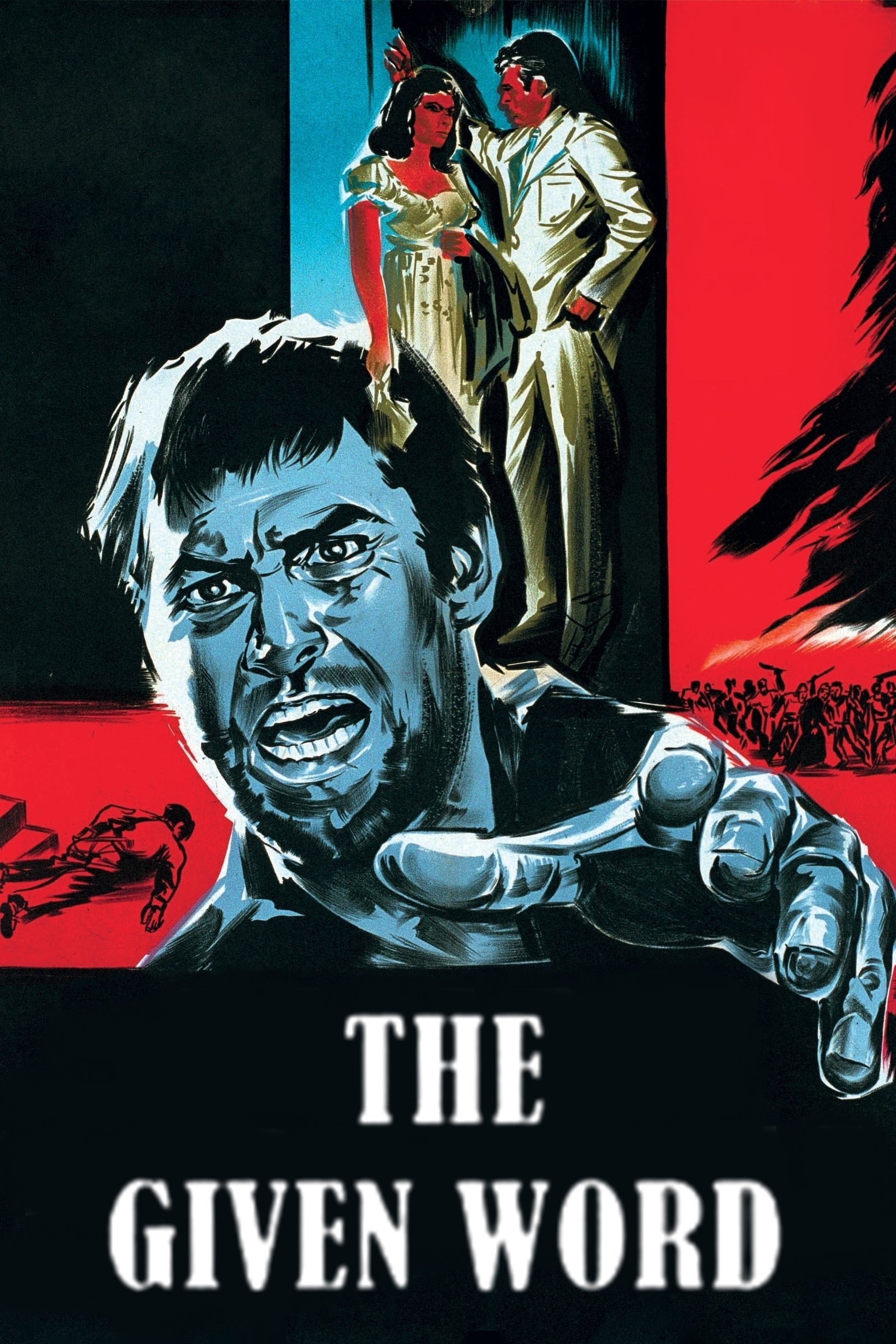
Zé is a very poor man whose most prized possession is his donkey. When his donkey falls terminally ill, Zé makes a promise to Saint Bárbara: If his donkey recovers, he will carry a cross - like Jesus - all the way from his city to Saint Bárbara's church, in the state capital. Upon the recovery of his donkey, Zé leaves on his journey. He makes it to the church, but the priest refuses to accept the cross once he discovers the context of Zé's promise.
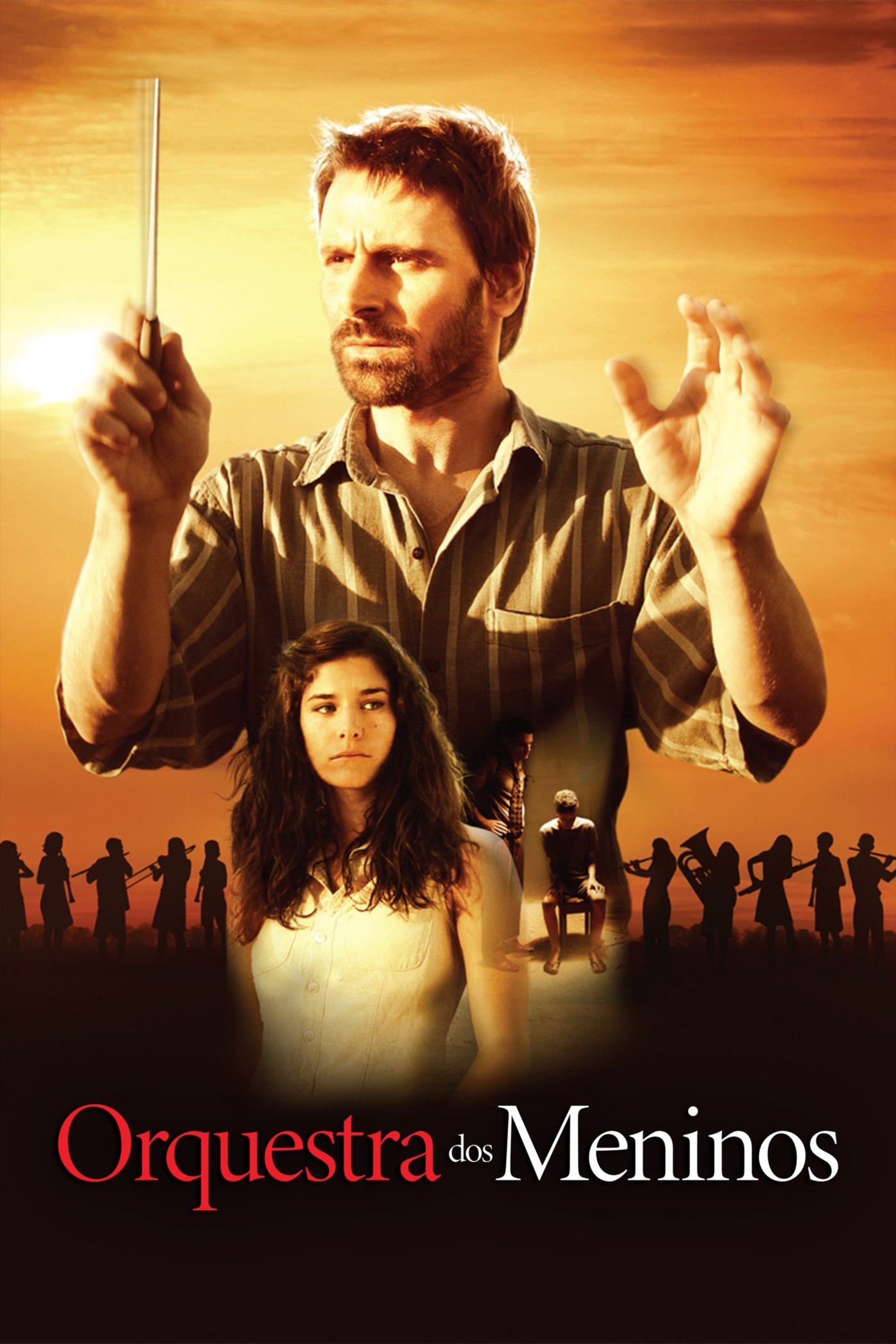
A young musician of 13 years, a member of the Symphonic Orchestra of Agreste of the small town of Sao Caetano, 150 km from Recife, is kidnapped. The police believe the culprit is the creator of the orchestra, conductor Mozart Vieira. With the charge the work done so far with the poor community of the city is in danger of disappearing.
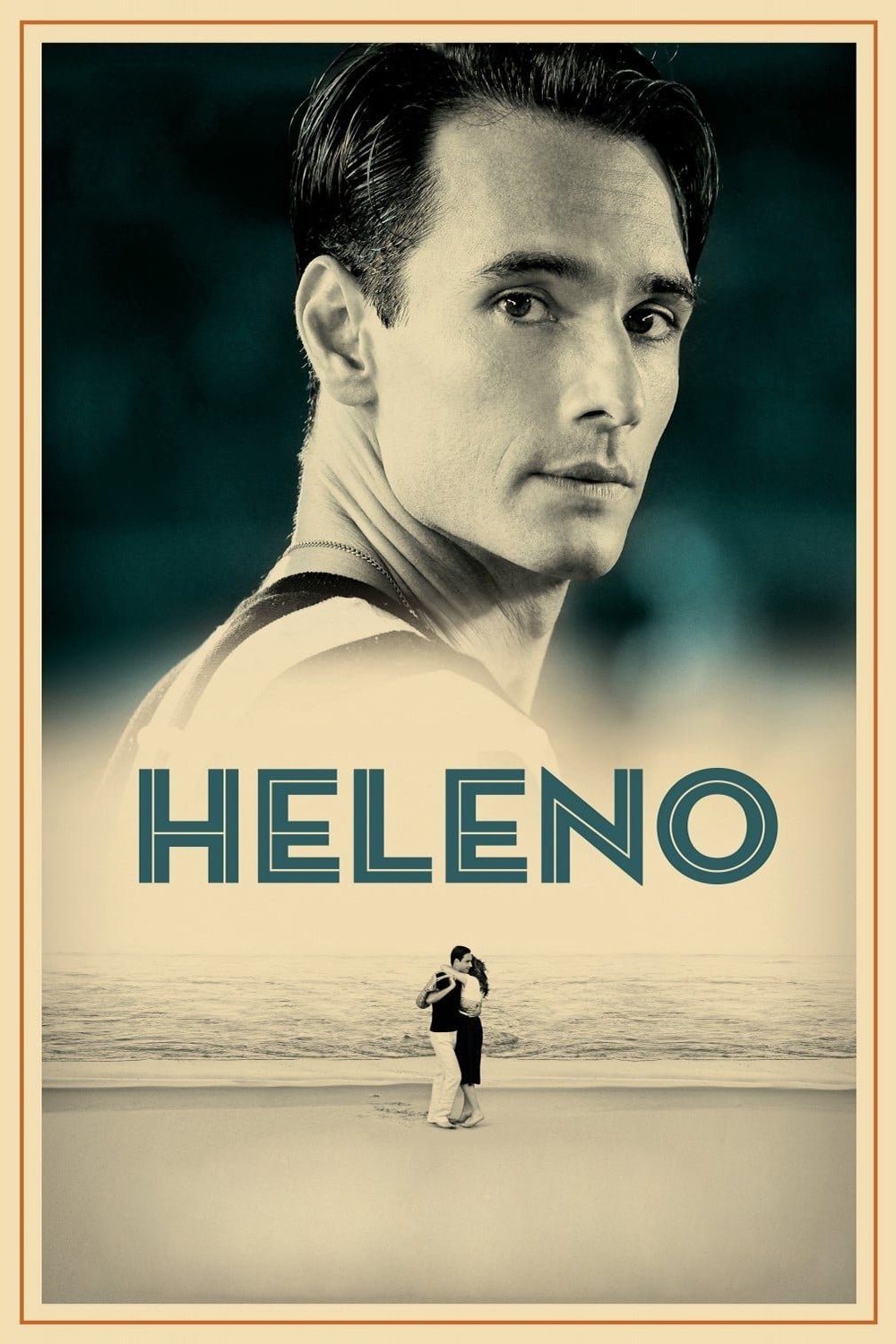
José Henrique Fonseca crafts an ambitious and long overdue homage to a central icon in Brazil’s 20th century history. Reminiscent of film noir classics, the biopic tells the glorious and tragic story of the legendary football striker Heleno de Freitas. The sumptuous black and white cinematography reflects the chic life of Rio de Janeiro in the 1940s as it fell under the spell of sports royalty. Heleno was no doubt one of the most popular players of his time for his bravura in the field and magnificent goal-scoring that lead the Botafogo team to the top and himself into a vicious downward spiral.
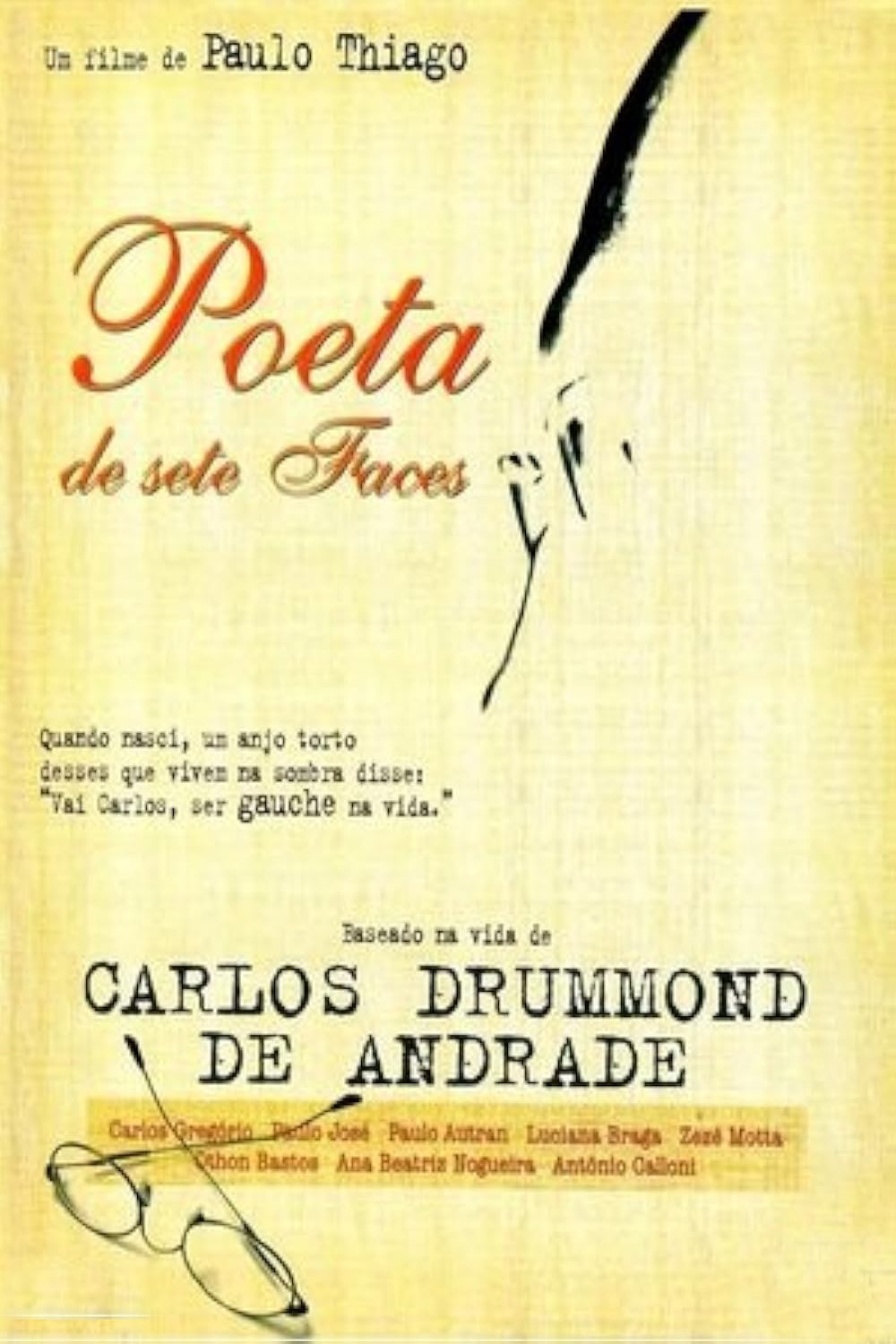
Documentary about Brazilian poet Carlos Drummond de Andrade, and the many facets of his work.

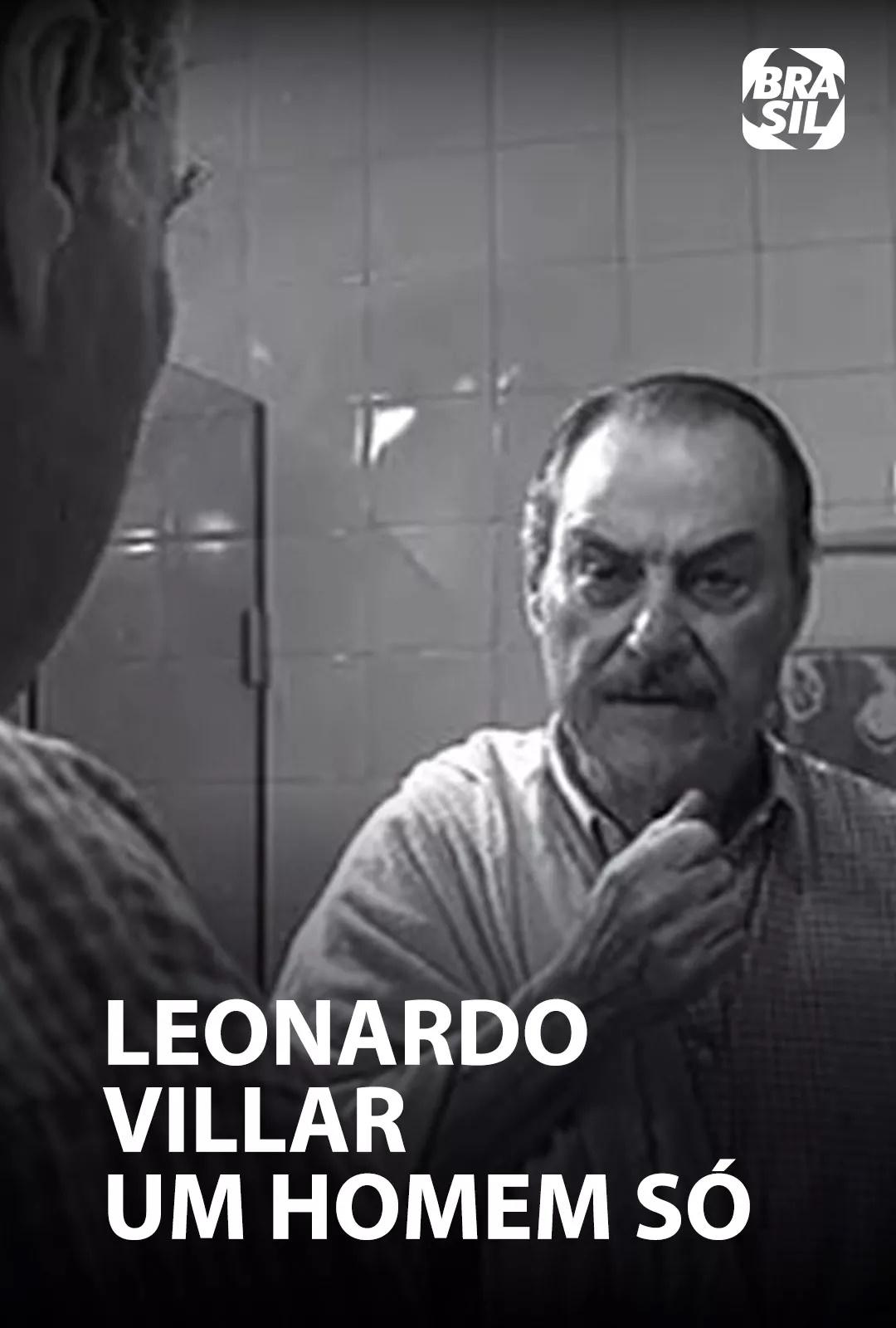
A tribute to the actor Leonardo Villar who, in his debut on the big screen, immortalized one of the most memorable characters in Brazilian cinema, Zé do Burro from the classic O Pagador de Promessas.
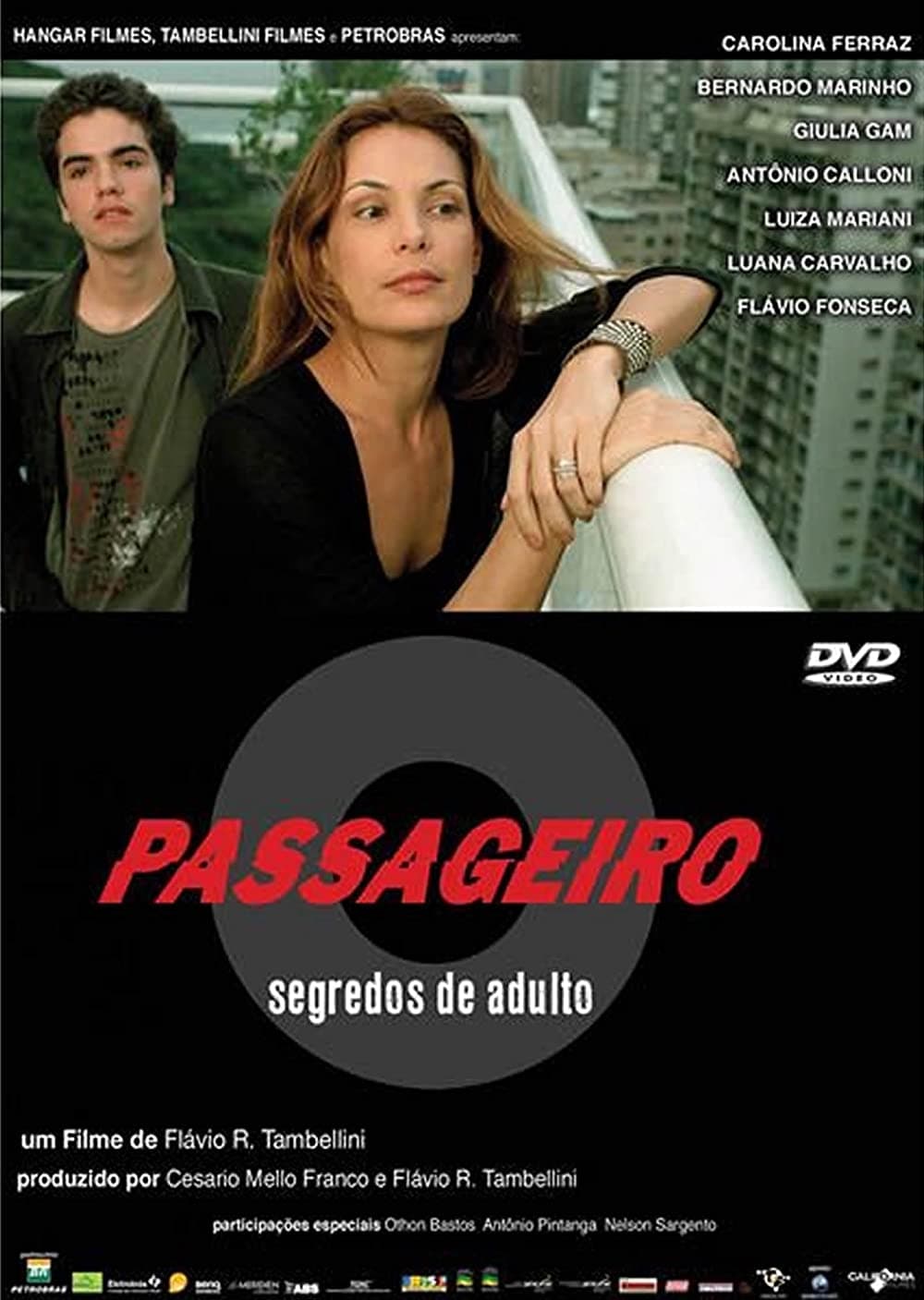
A coming of age story about a boy in RIo de Janeiro, Brazil who, after his father's death, finds out about his family and where he came from.
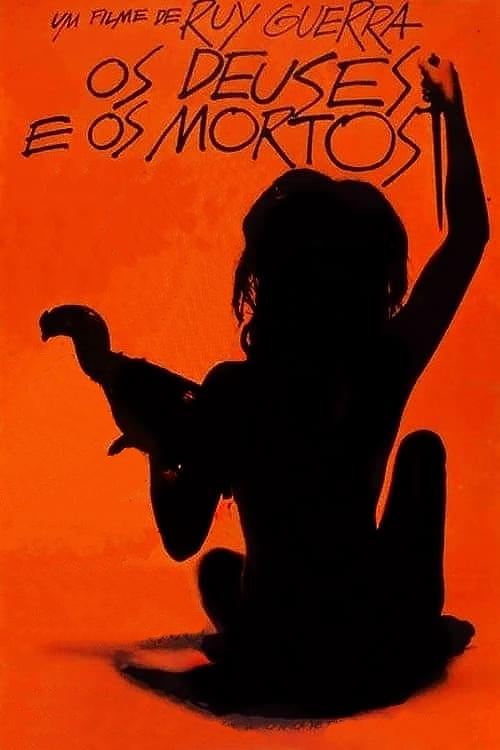
In the 1930s, in the South of State of Bahia, Brazil, an adventurer with no name or history, who has already been shot seven times, gets involved in the battle for land and cacao plantations. His plan is to take the place of "Colonel" Santana, taking his wife and money. He starts a bloody conflict, in which many simple people and landowners die.
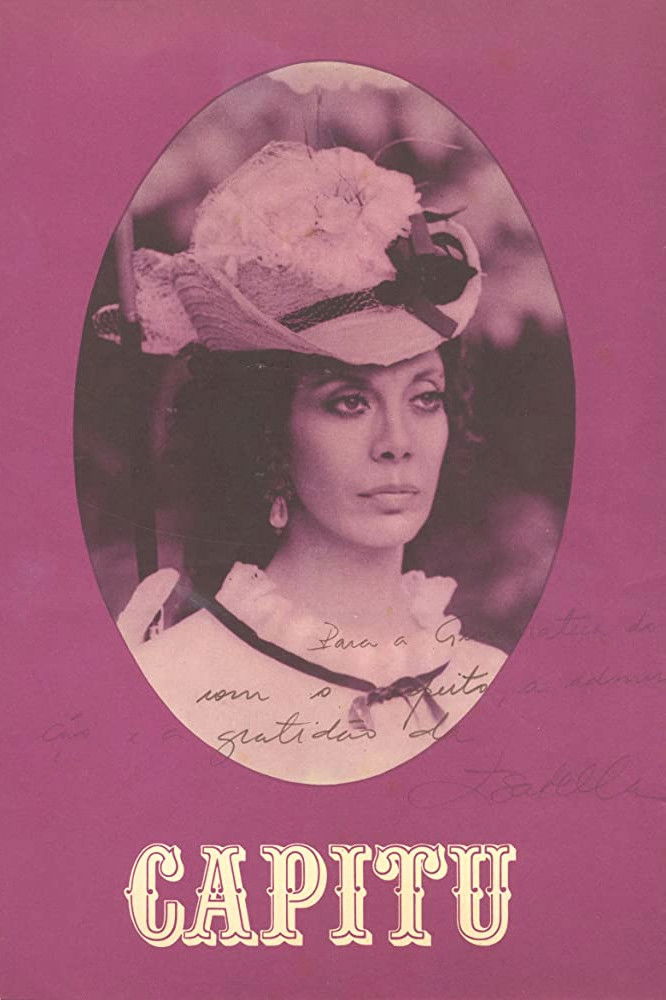
Adaptation of Machado de Assis’s classic novel “Dom Casmurro”. Bentinho and Capitu are friends since childhood and end up marrying. But Bentinho destroys his life when he starts suspecting Capitu has an affair with his best friend and that his son is not really his.

São Paulo, late 30's. Alberto is an intellectual and professor who announces to his friend and pupil Polidoro he won a scholarship to study in Paris. In Paris Polidoro receives a letter in which Alberto announces that he married Helena. Polidoro returns to Brazil in 1945, when there was a strong political agitation against the New State. Alberto invites Polidoro to spend a few days at his home in Campos do Jordão. After reaching the site he is told by Helena that Alberto was forced to travel urgently. She insists he should stay there until the return of her husband and, while waiting, she seduces him. Then, after several days of intense passion, she orders Polidoro to go away and never see her again.
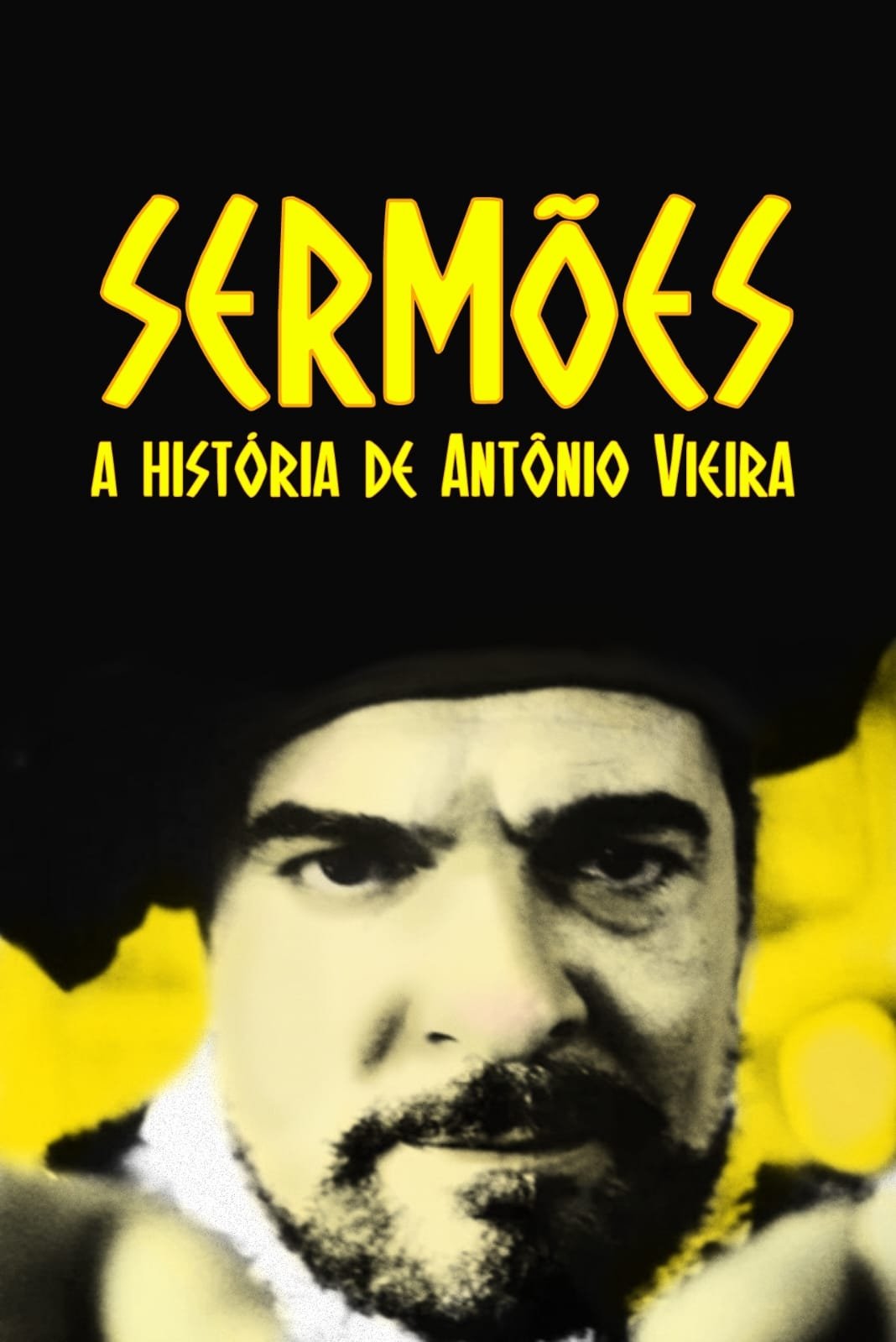
Based upon the life story of Father Antonio Vieira, born in Lisbon in 1608 and deceased in Salvador, Bahia, in 1697. He's considered the first Brazilian writer and one of the most important aesthete of linguistic and of the Portuguese language of all times, a master in the art of metaphor, of verbal relations and analogy. He was persecuted and condemned by the Portuguese Court of Inquisition due to his position against native slavery, against the intolerance to the Jewish people and to the colonial politics of exploration.
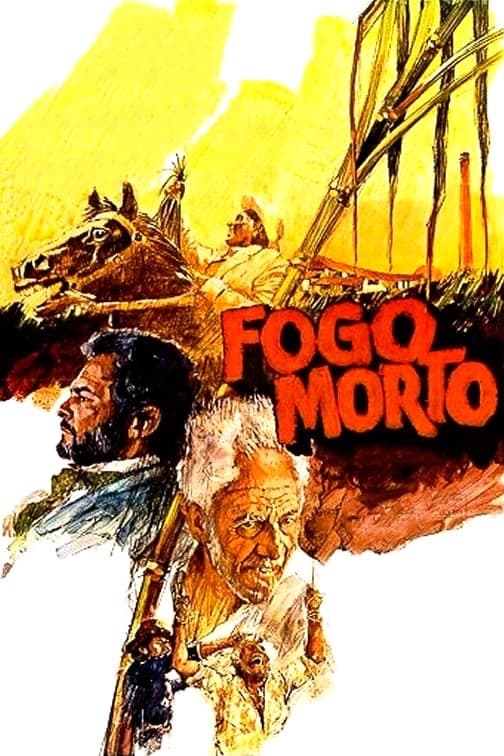
In 1910, in the State of Paraíba, Brazil, a man is expelled from his own land by the ruthless colonel who owns the sugar mill. He asks some outlaws to help him retrieve his land.
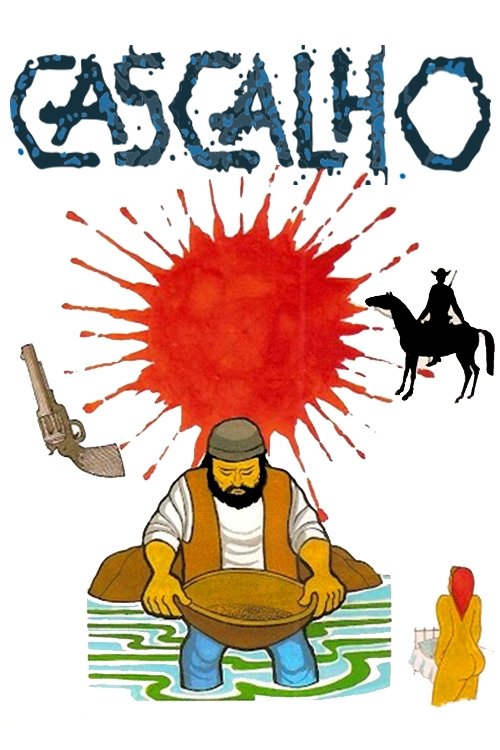
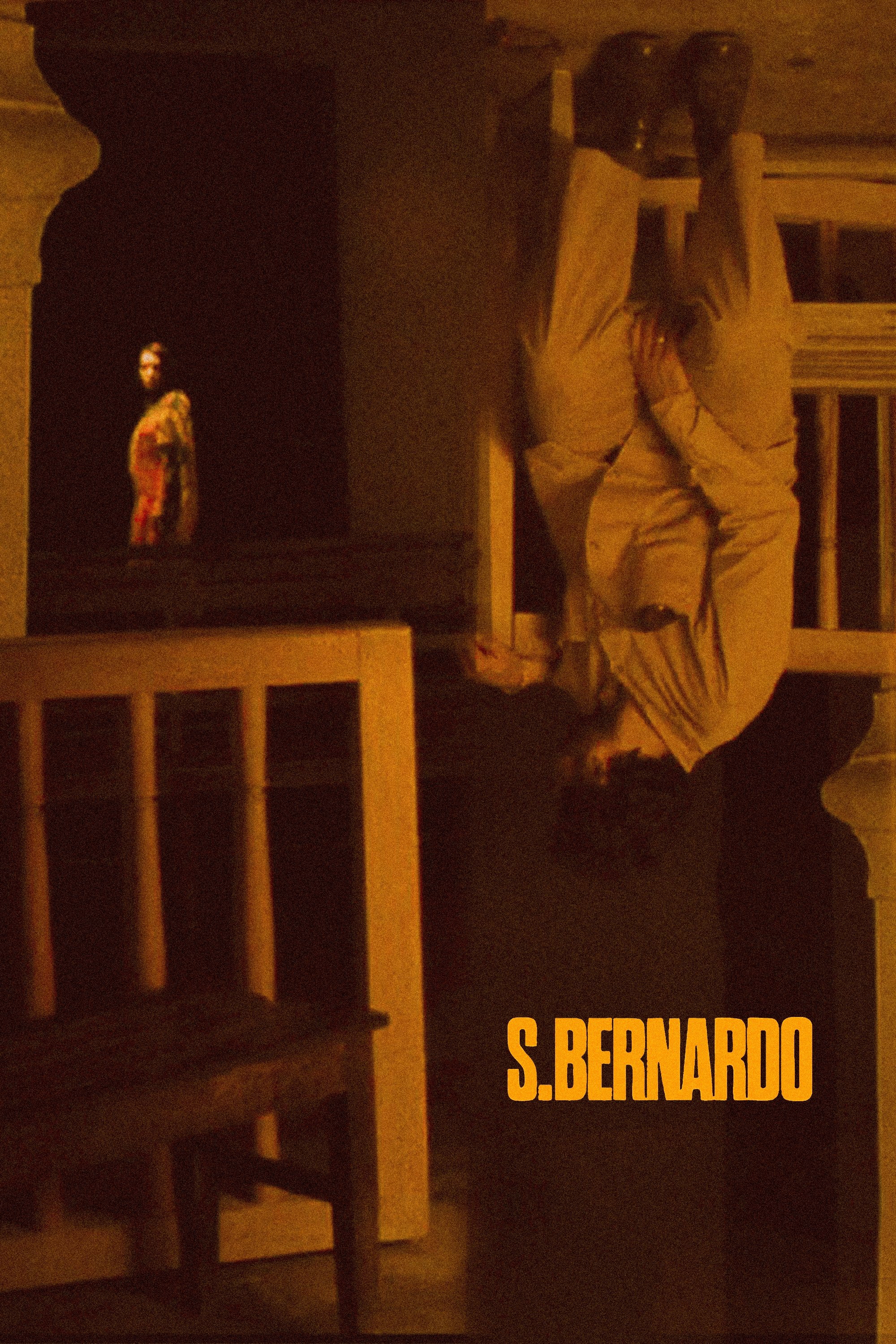
The story of Paulo Honório, a poor ploughman who becomes a rich farmer. Obsessed by his desire to get even richer, he doesn't pay much attention to his wife, Madalena, a teacher who reacts against his tyrannical ways.
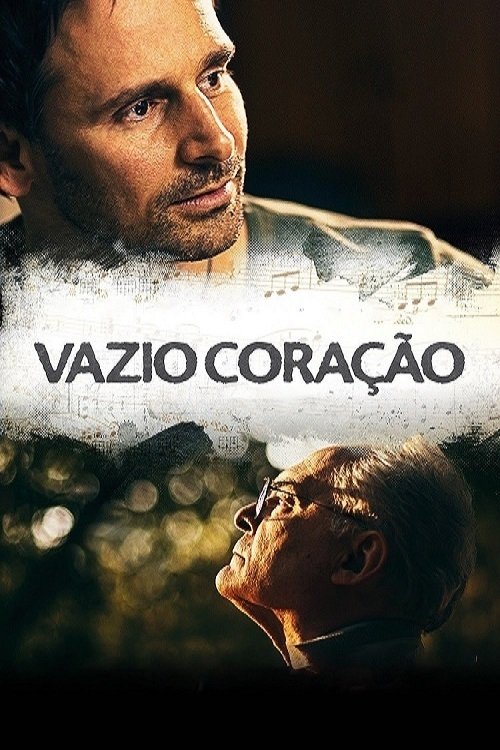
Hugo Kari is a famous singer who decides to take a break from his schedule to find his father, ambassador Mário Menezes. Together, they try to adjust a relationship shattered by time and conflict.
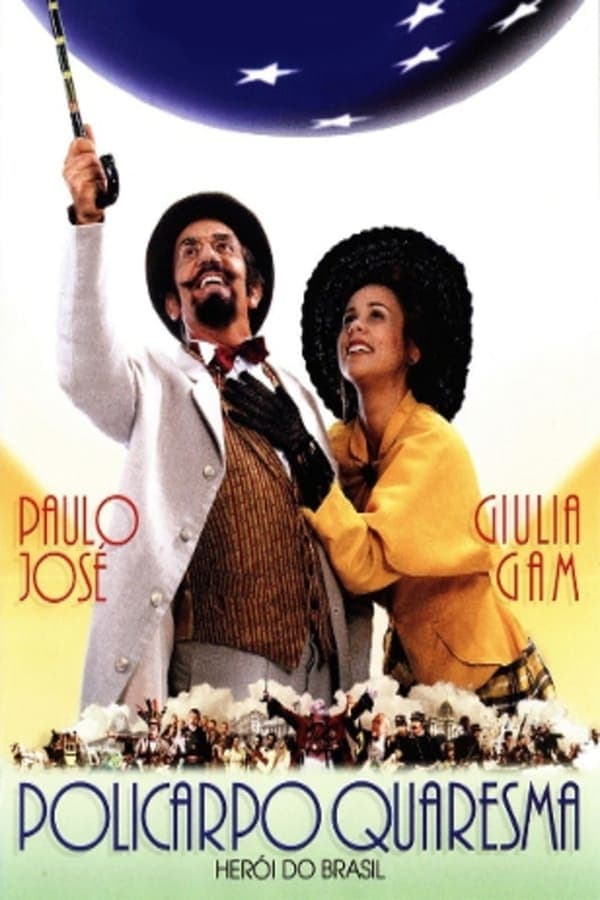
Policarpo is a chauvinistic patriot, a major who tries to find solutions for Brazilian problems using only the resources of his own country. His visionary and idealistic temperament is behind his strange ideas about how to build a great nation.
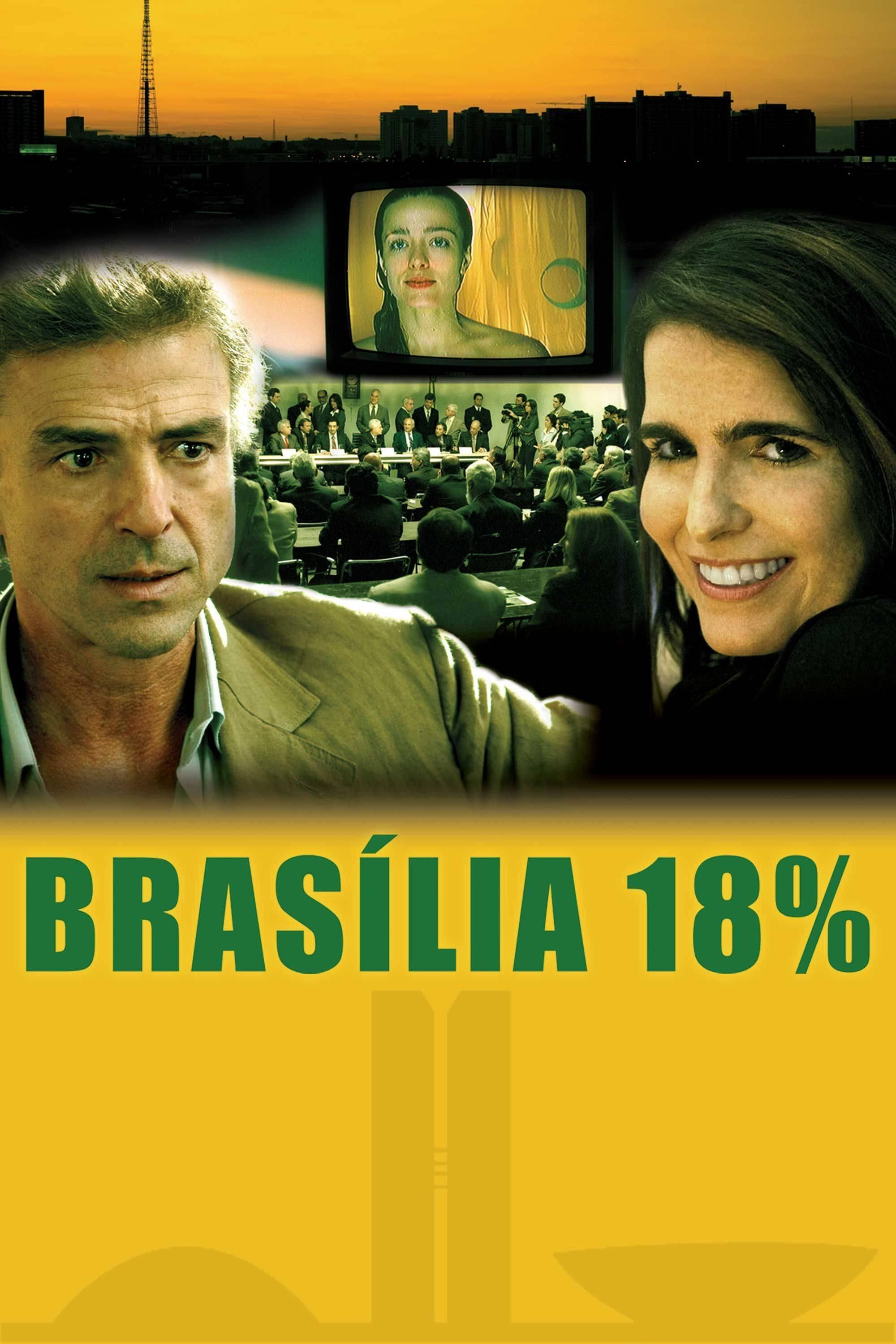
A star medical examiner is called to Brasília, the administrative capital of Brazil, to confirm the identity of a beautiful, young congressional aide's dead body. But his scientific rigor soon leads him to details of a multi-layered political scandal.
In this "fake documentary", a doctor returns to Brazil after his studies in Paris. Setting out to practice Medicine, he becomes an indigenous messiah and, in time, a cannibal.

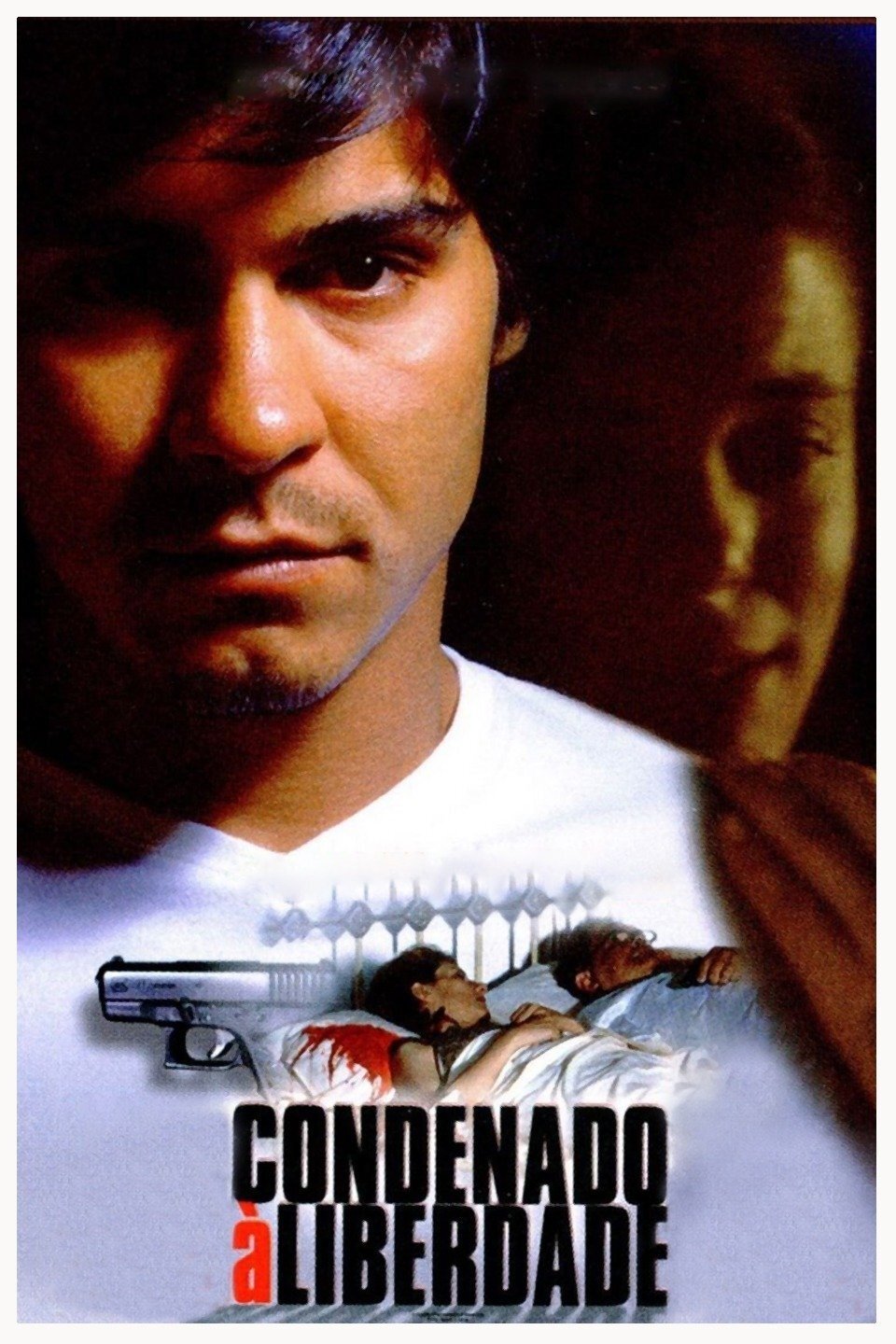
The murder of a wealthy couple shocks public opinion, with the eldest son accused of killing his parents. Condemned beforehand by the press, he needs to prove his innocence.
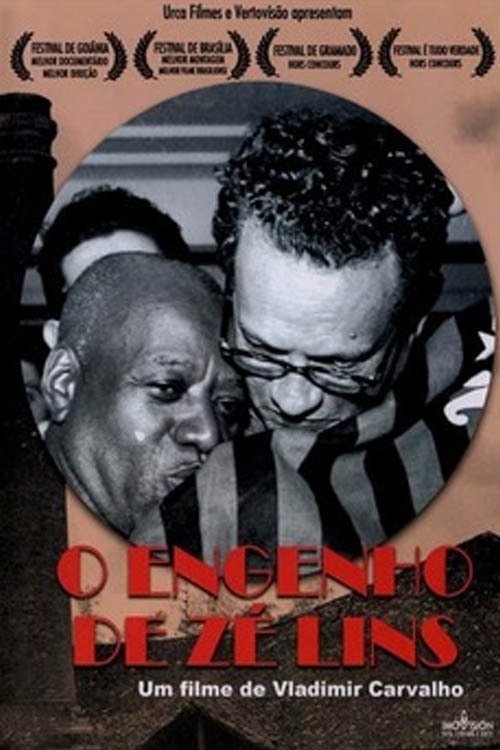
Documentary on the life and work of José Lins do Rego (1901-1957), one of Brazil's greatest 20th century literary authors, writer of celebrated novels "Menino de Engenho", "Fogo Morto", "Moleque Ricardo", "Riacho Doce" and many more.
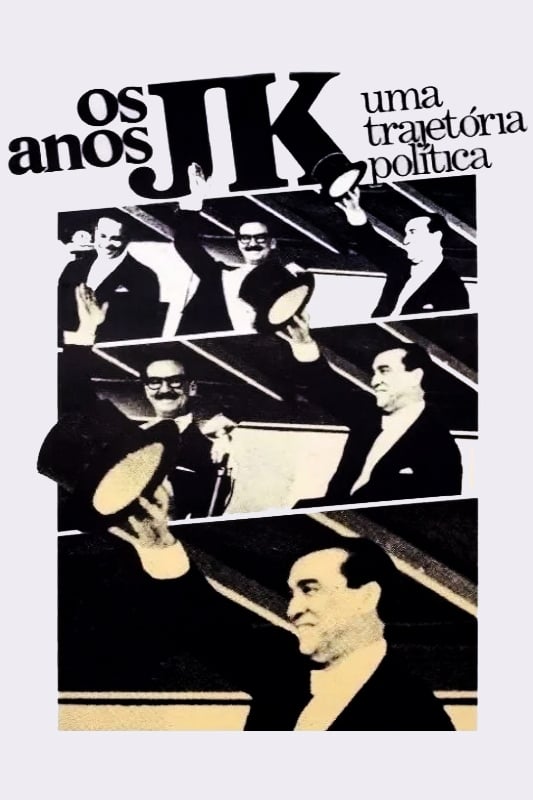
Documentary about Brazilian history, from 1945 until the 70s, focusing on president Juscelino Kubitschek, his political rise, his philosophy of economical development, his gigantic project ...

While waiting for a kidney transplant, a young pianist finds an unexpected connection with her doctor — and the courage to fulfill her musical dreams.

A TV reporter tries to find out who is killing prostitutes in a São Paulo neighbourhood.

The story of the University of Brasília, since it was only a project in Darcy Ribeiro's head until the fateful events in August 1968 when its campus was invaded by the police, during the military dictatorship, thus putting an end to its independence.
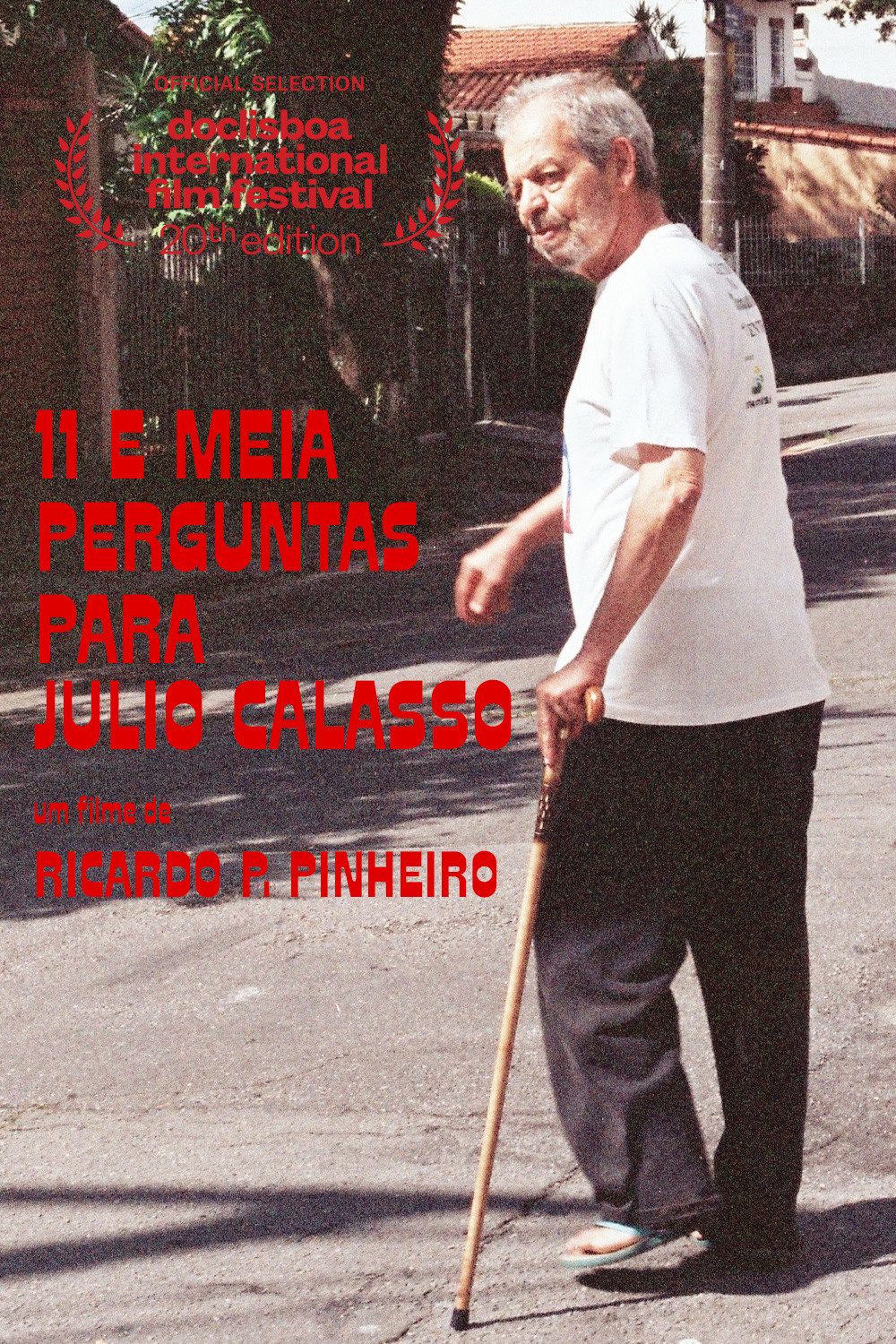
A final conversation with departed actor, director and musical producer Julio Calasso Jr., a key character in the Brazilian artistic scene. At his old house in Butantã, São Paulo, Julio talks about his experiences, frustrations, joys and tragedies.

Fantasy comedy about Brazilian writer Oswald de Andrade, one of the most important icons of Modernism in Brazil. In the film, Oswald is played by two actors: Ítala Nandi, as his feminine anima, and Flávio Galvão, as the masculine half.
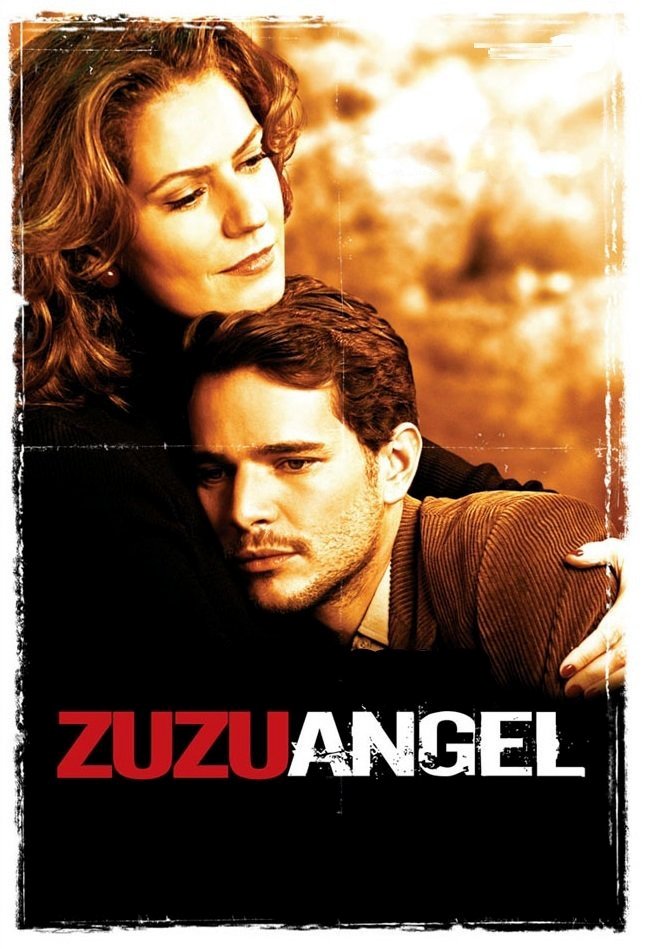
Covering the last years of the famous Brazilian fashion designer in her doomed quest for justice, Zuzu Angel follows the case of her activist son Stuart's arrest, torture, murder, and subsequent corpse disposal by the military forces in early 1970s Rio de Janeiro, during the darkest era of Brazilian military regime and media censorship.
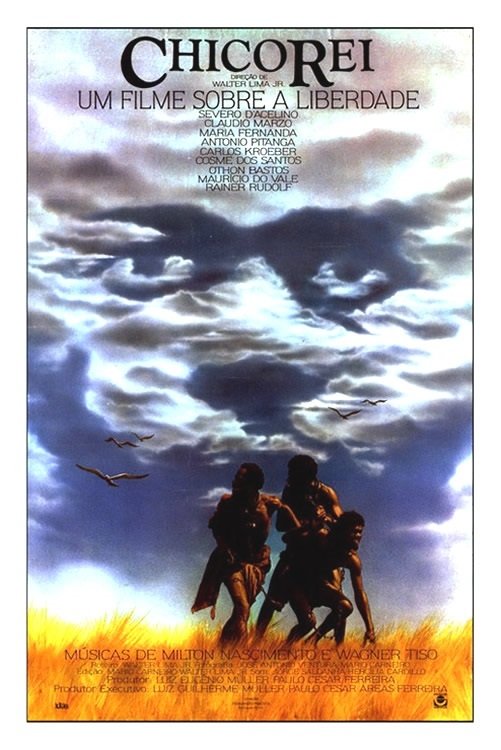
Galanga, king of Congo brought to Brazil as a slave, finds gold in Vila Rica, in the State of Minas Gerais, and buys his enfranchisement, the properties of his former owner, and his companions' freedom, becoming Chico Rei, the first black man to own lands in Brazil.
The life and work of deputy Ulysses Guimarães based on news reports, interviews and testimonies.

A group of messenger spirits led by Aniceto, including doctor André Luiz, are tasked with going to Earth to help rescue three proteges whose interconnected stories are about to fail.
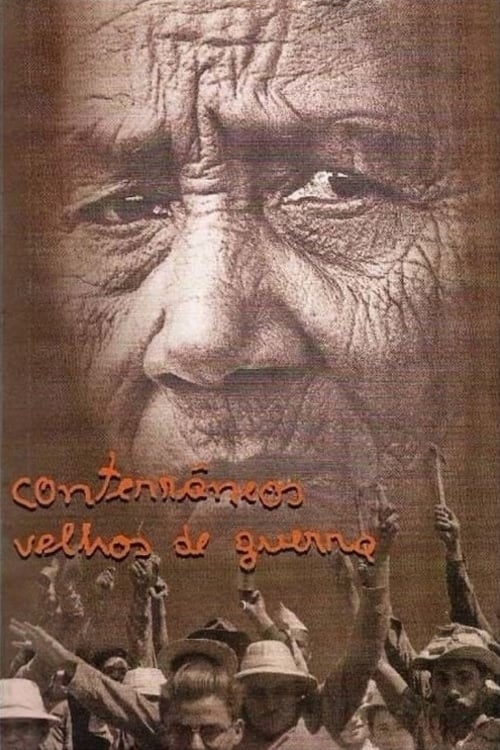
Documentary about the people who came from all over Brazil to work in the construction of the city of Brasilia, their stories, and the abuse and humiliation they suffered in the process.
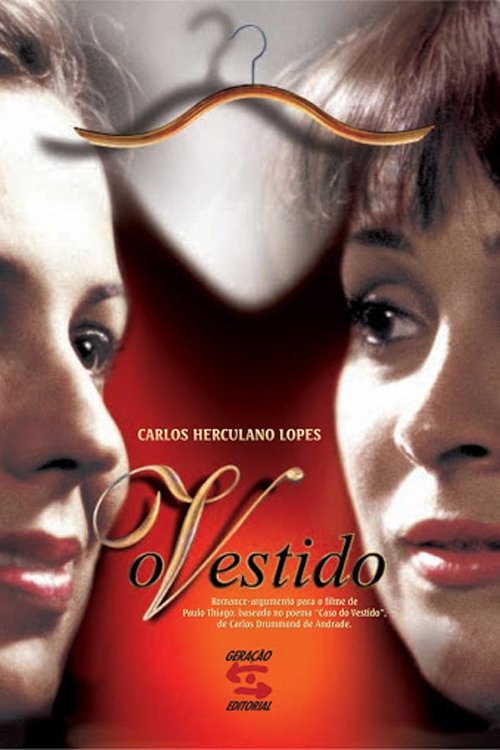
Ulisses has failed in his professional life, but leads a happy life with his wife Ângela and their two daughters. Until the day he is introduced to Bárbara, a very beautiful woman living in Rio de Janeiro. Ângela becomes her friend and gives her the dress Ulisses had given her. From then on, marital problems arise, and he becomes increasingly attracted to Bárbara.
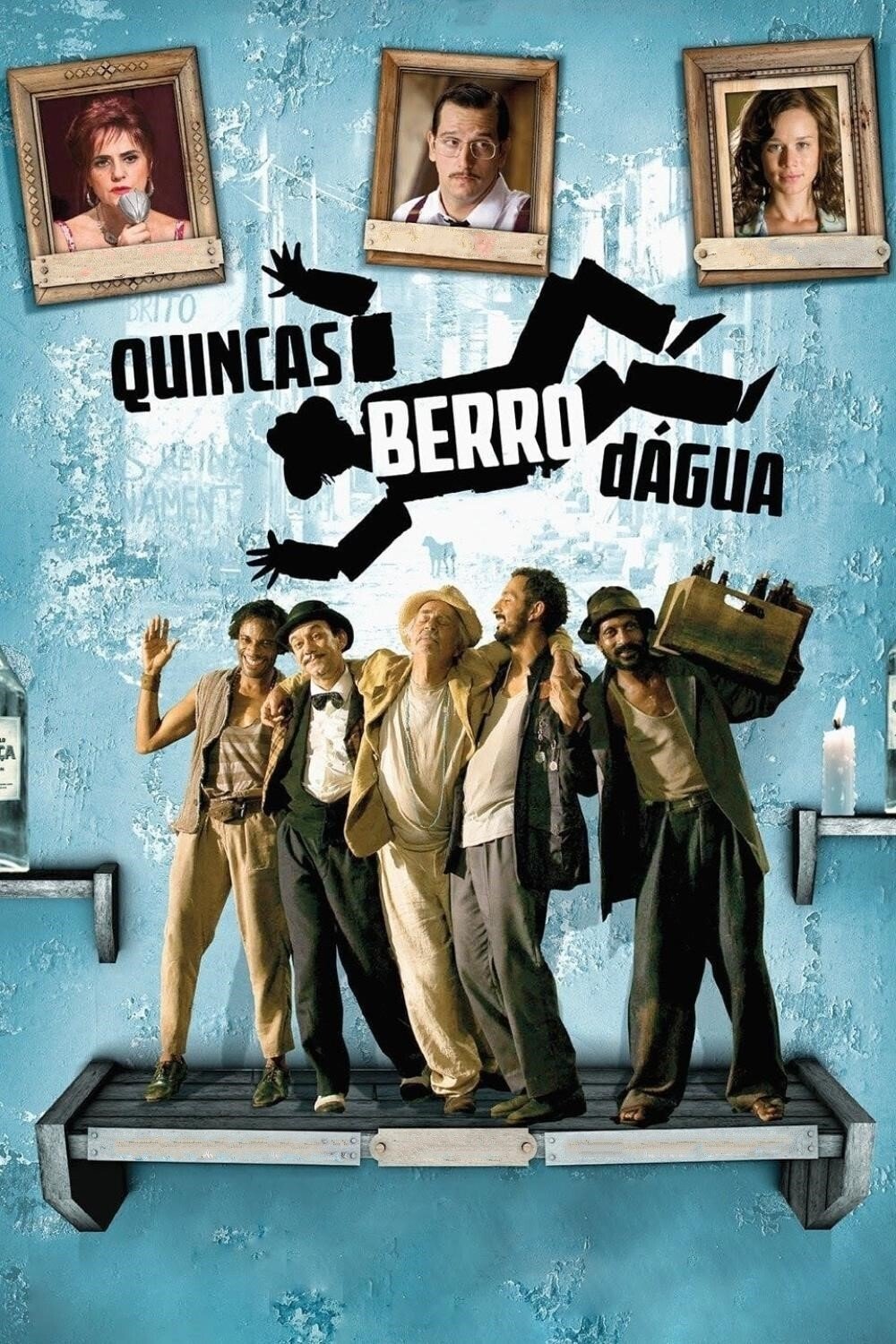
Friends of the recently deceased Quincas take their pal's body on one last tour of his favorite spots in Brazil's Bahia.
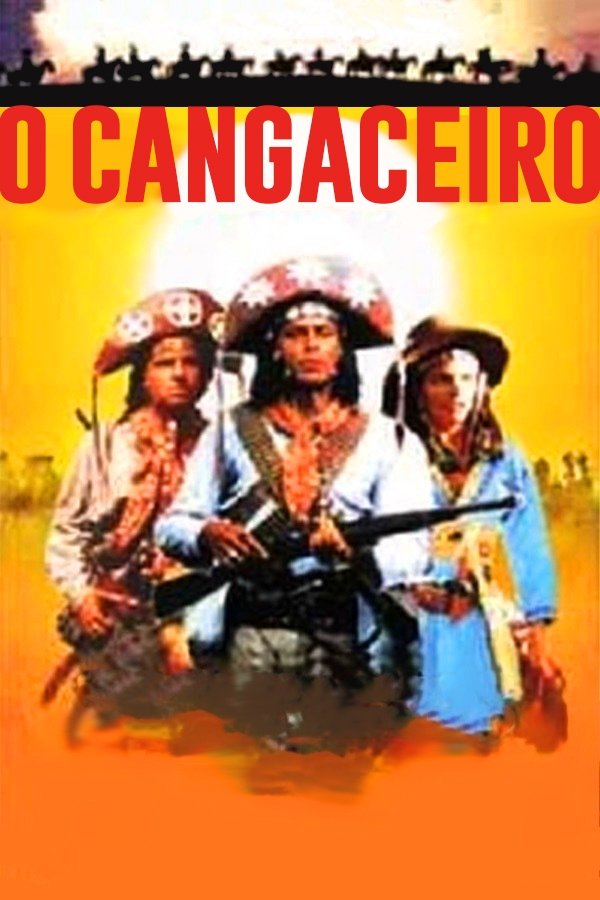
This is a remake of Brazil's first international success in the cinema world. Just as its same name predecessor was, this film is a fictional version of the story of the "cangaceiros." These were bandits who sacked towns and spread terror throughout Northeastern Brazil in the 1930s. This group of outlaws is led by Captain Galdino and his wife Maria Bonita.
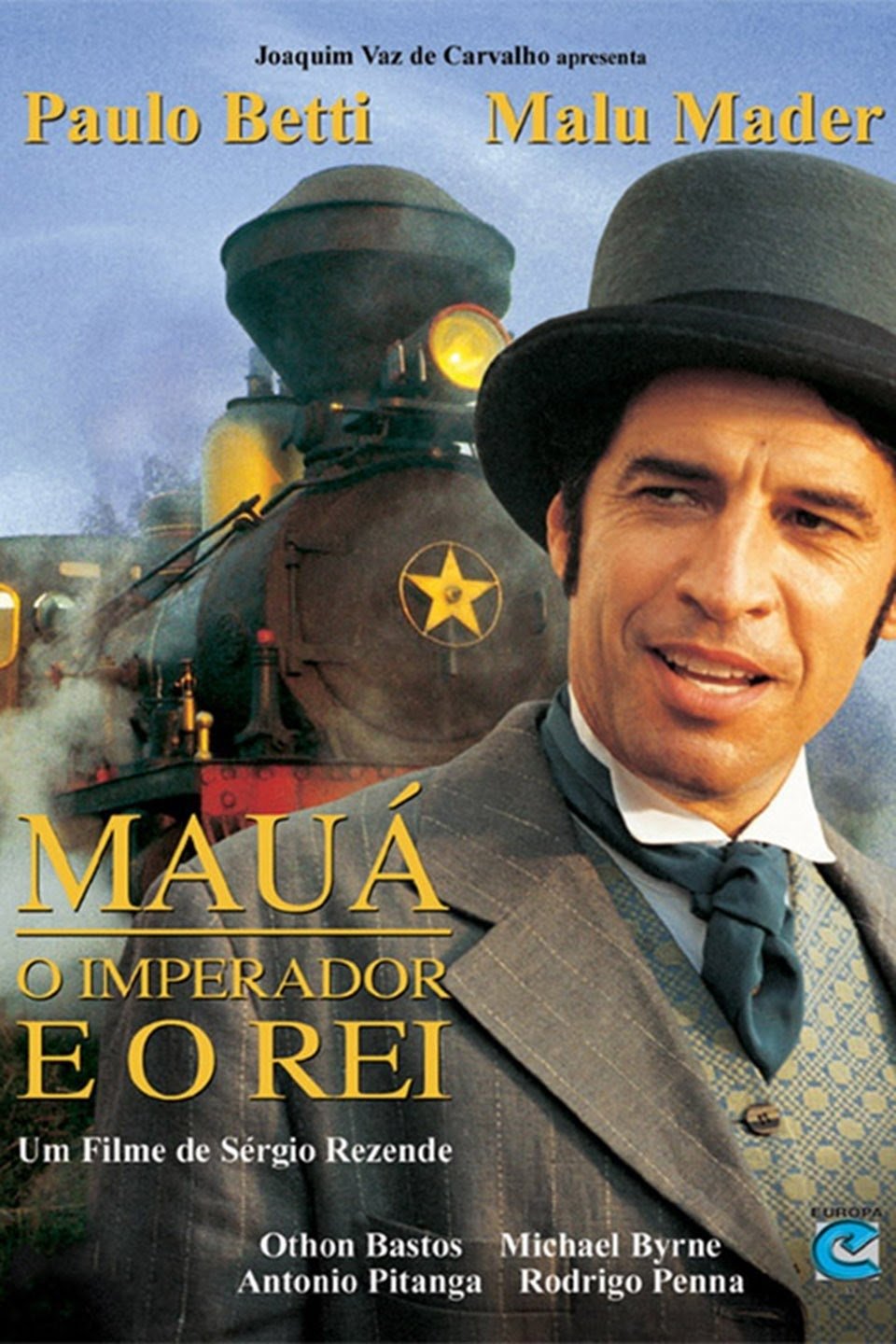
A movie about a Brazilian entrepreneur who rivalled American's richest man at his time, well-known Rockfeller. Irineu Evangelista de Souza in 1867 had $155.000 contos de reis, meanwhile the Brazilian Governement annual budget was 97.000 contos de reis. The movie shows his life from poverty to riches and back to poverty again, as is common in Brazil, rich people die poor.

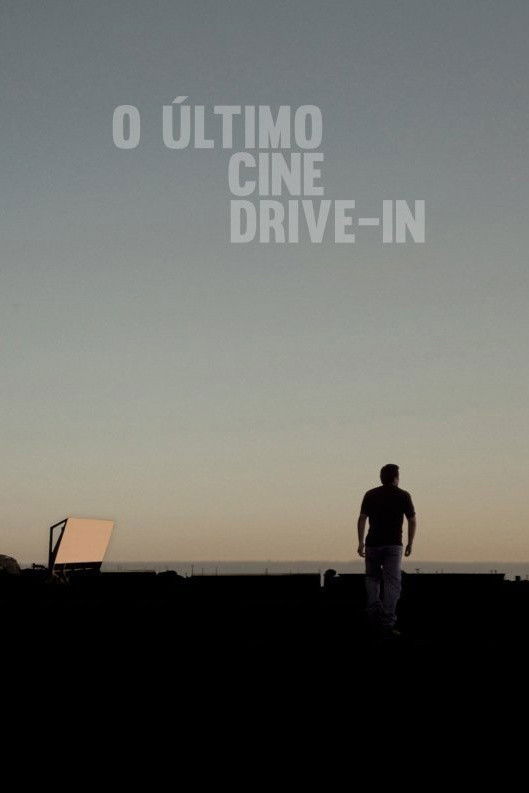
When returning to his hometown with his ill mother, Marlombrando meets again his father and the Drive-in cinema where he spent his childhood. Almeida keeps the cinema functioning with the assistance of only two employees: Paula, who takes care of the projection and the snack bar; Jose, an old friend of Almeida, who helps selling tickets at the cashier and cleaning up the place. The arrival of Marlombrando and the demolition threatening of the Drive-in will bring new directions to their lives.

70 years ago, a visionary management in education and culture as a political strategy for the dissemination and development of Bahia gave rise to an artistic vanguard that still impacts Brazilian culture today.
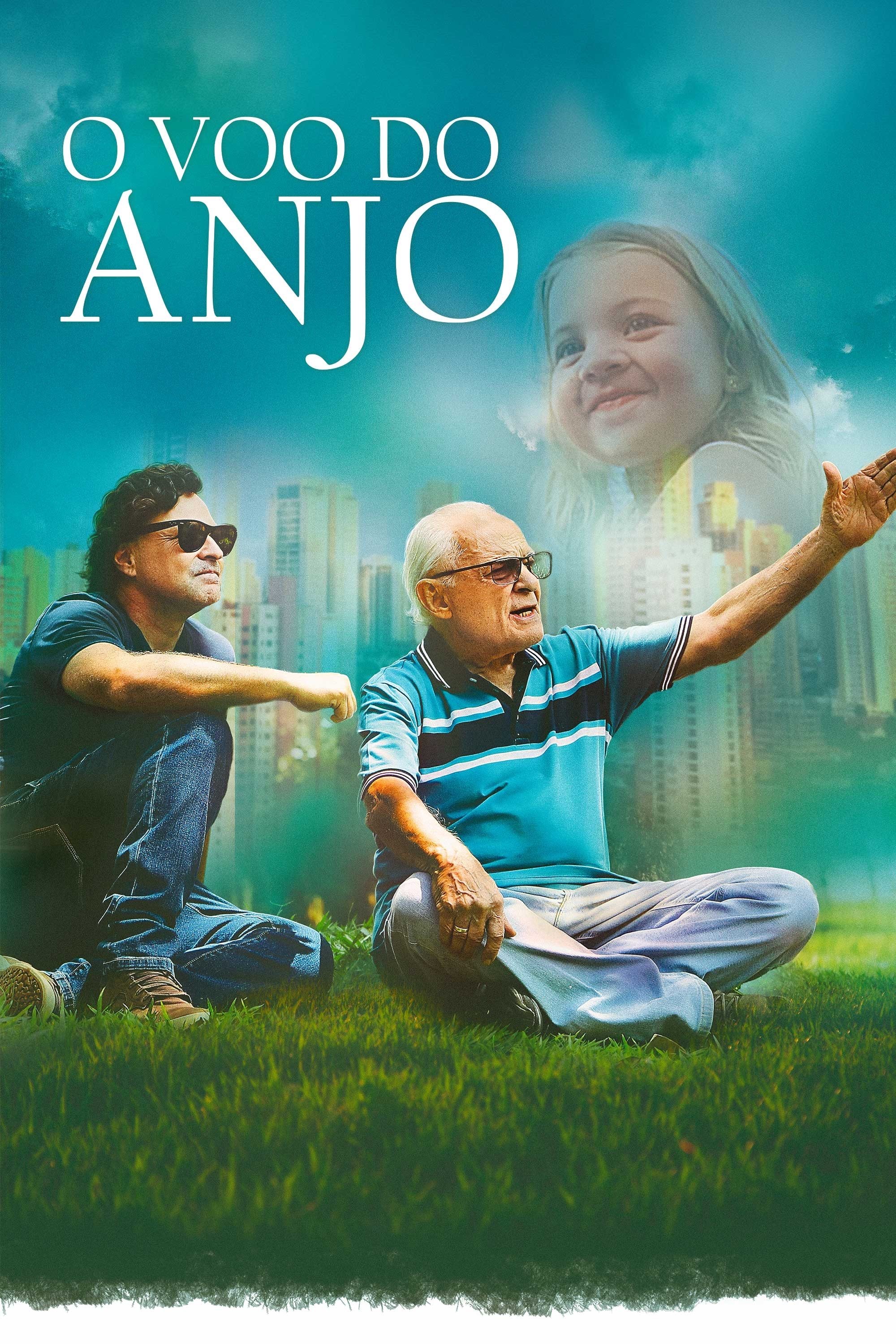
The film tells the story of a retired physics professor who meets a man who is thinking about ending his own life.
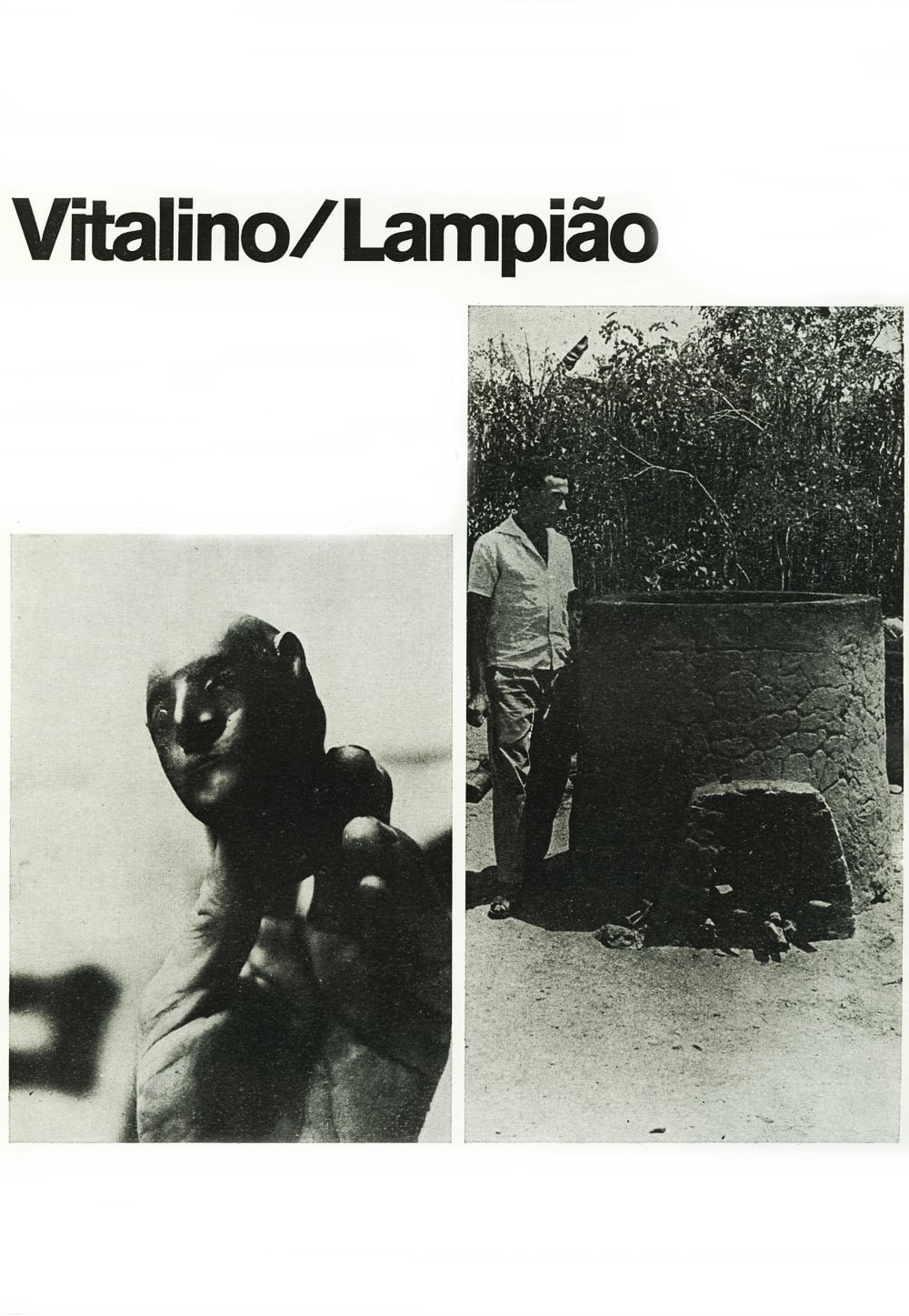
From the clay used to make tiles or clay clay, an image of Lampião, the king of Cangaço, begins to emerge through the work of ceramicist Manuel Vitalino dos Santos. According to the artist, son of Mestre Vitalino, the most famous clay artisan in the Northeast, it would be preferable to abandon the art rather than having to change his artisanal production method. Tradition and consumption are discussed when the art arrives to be sold at the Caruaru Fair in Pernambuco. The soundtrack is provided by the voice of singer Severino Pinto.

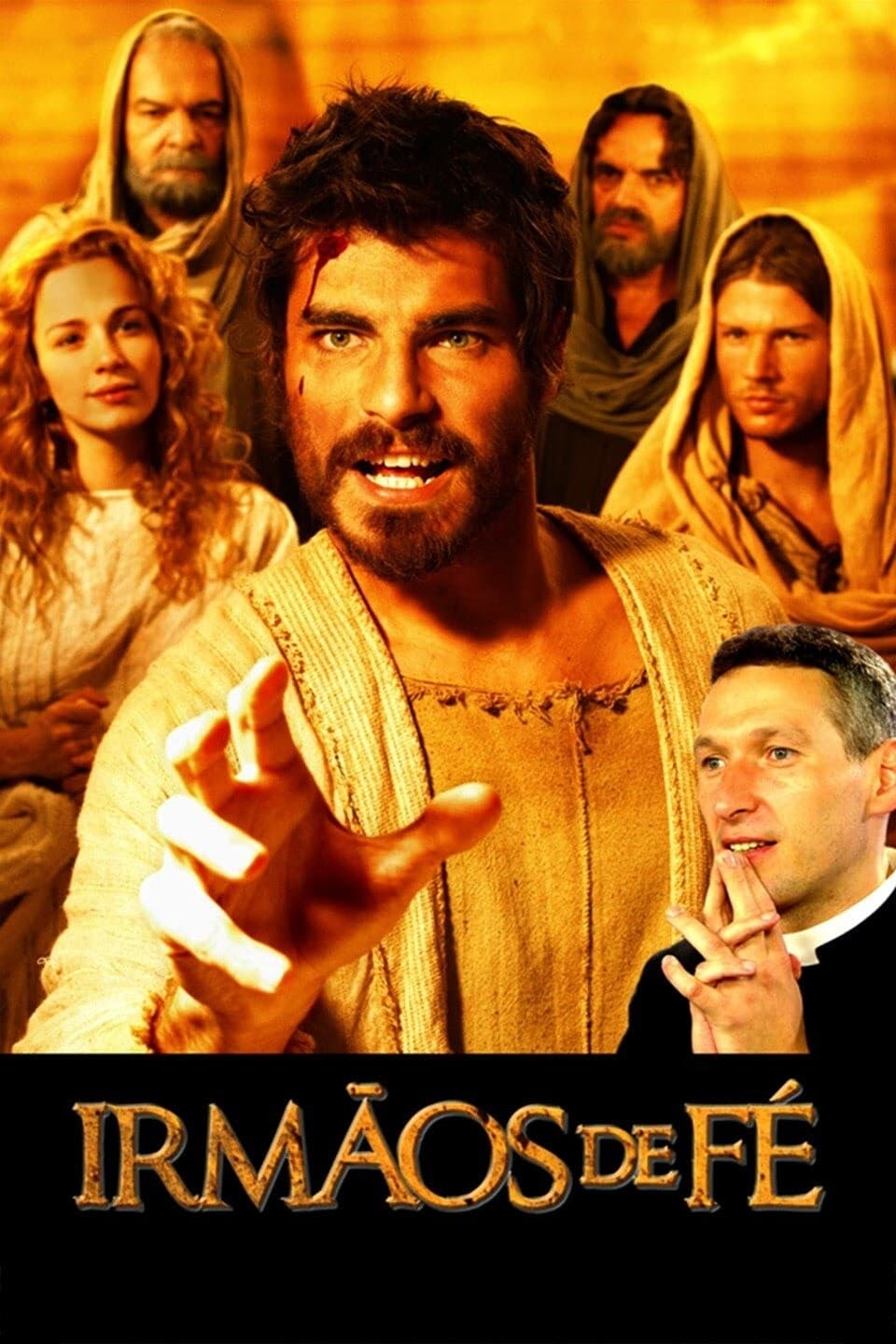
Priest Marcelo Rossi visits a juvenile correction center, and gives Paulo, one of the interns, a Bible. He starts reading the story of St. Paul.
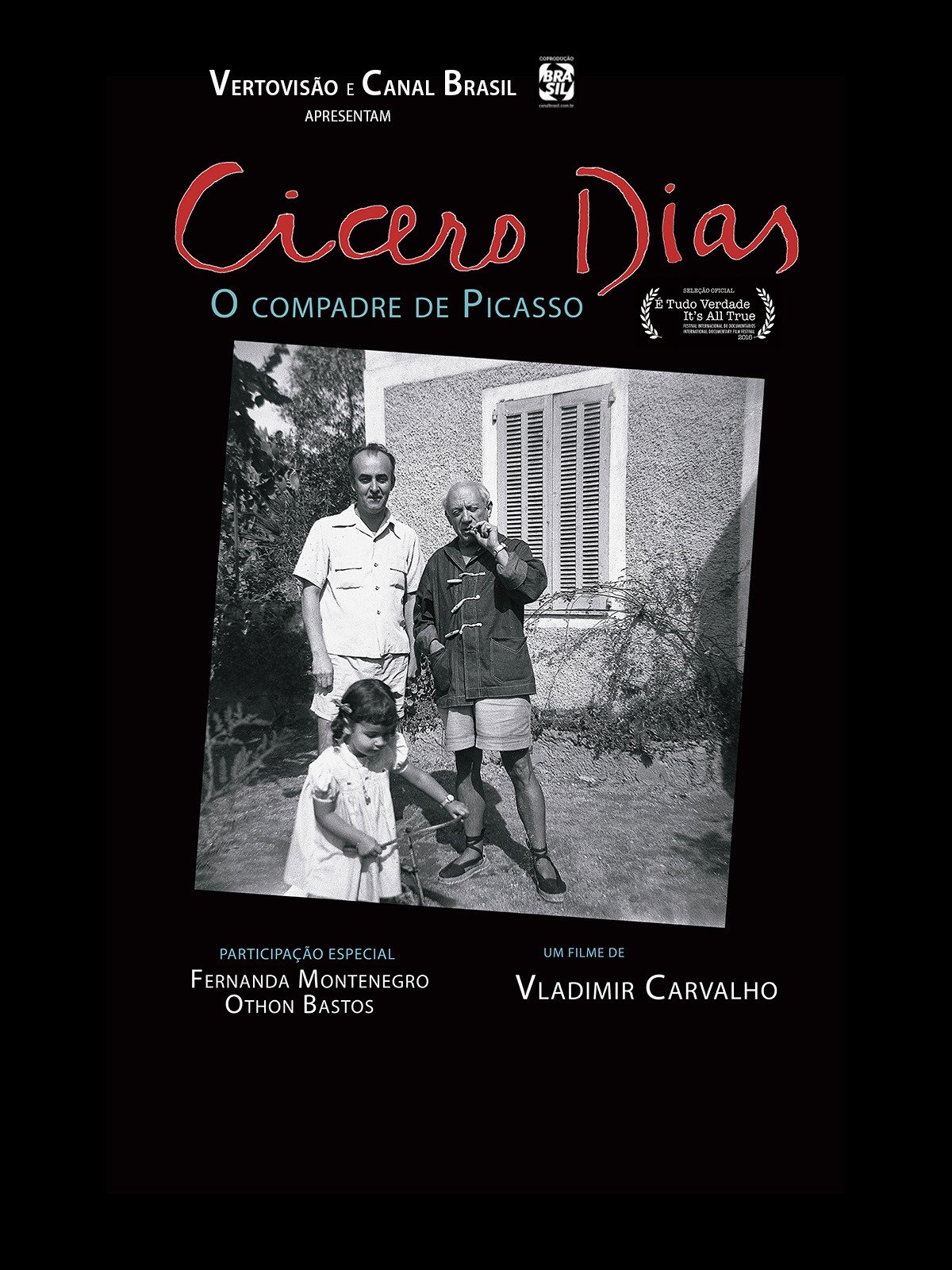
The Pernambuco painter Cicero Dias created an unparalleled art for the world. Close to a modernist and influenced by artists such as Pablo Picasso, Fernand Léger and Joan Miró, he marked the history of Brazilian art.

Giovanni Improtta is a criminal who wants to climb the social ladder and become a law-abiding citizen. To achieve it, he commits some more crimes He is betrayed, and ends up under the spotlight of the media and the radar of the police, falsely charged for murder.
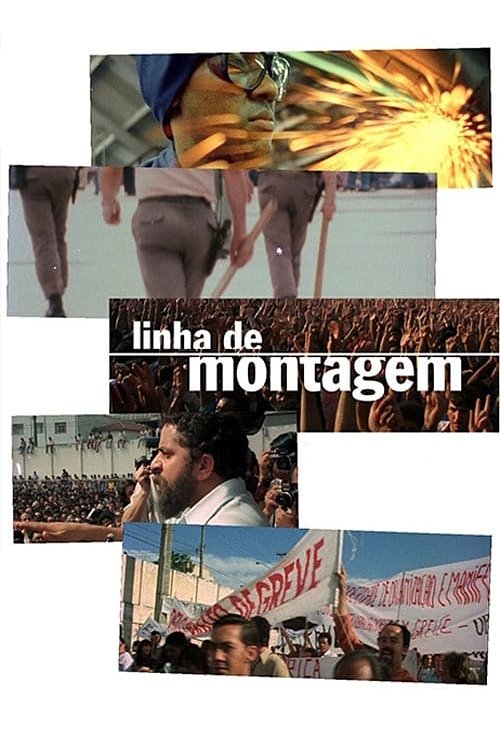
Documentary about the strikes that took place in São Bernardo do Campo, in the State of São Paulo, Brazil, circa 1979/1980. That moment was of utmost importance, since it revealed a Union leader, Luís Inácio "Lula" da Silva, who would later become President of Brazil. It was also the moment when PT, the Workers' Party, became a relevant political force in Brazil.
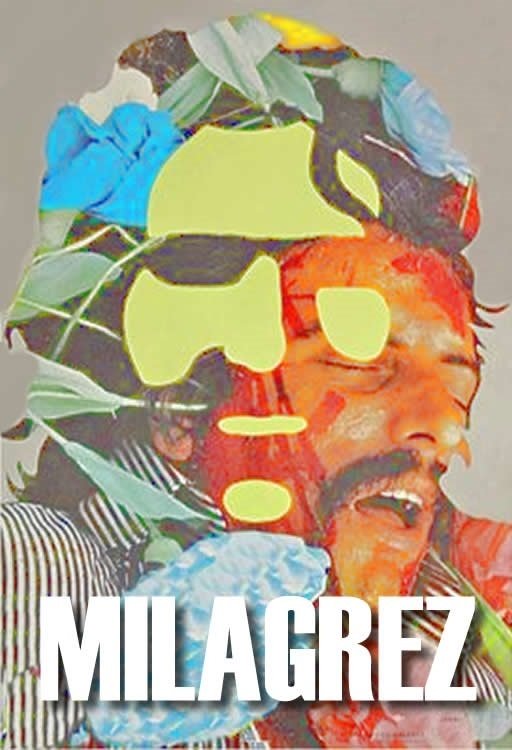
Documentary on "Antonio das Mortes", Glauber Rocha's 1969 film.
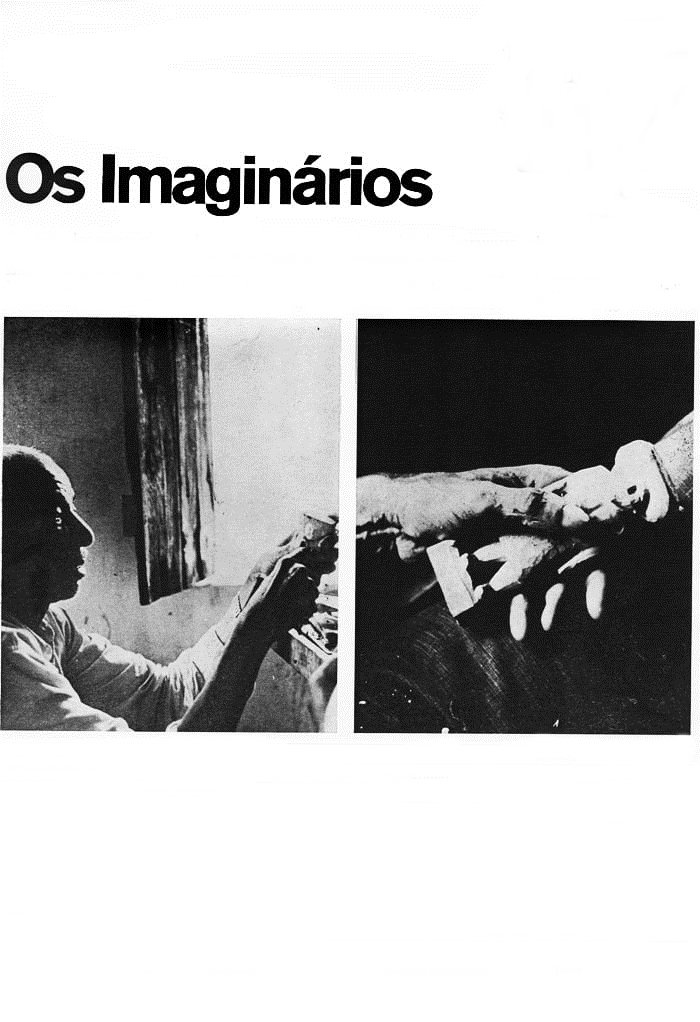
Pilgrims from the Northeast have the habit of buying images of characters in whom they identify exemplary behavior. By carving wood to shape these figures, the imaginary artists, artisans who make images of typical characters from the traditional Northeast, perpetuate a tradition that has changed over time. The ways of the traditional artist adapt to the demands of the tourism market and the dissociation between their conscience and the real meaning of the work to which they dedicate themselves.
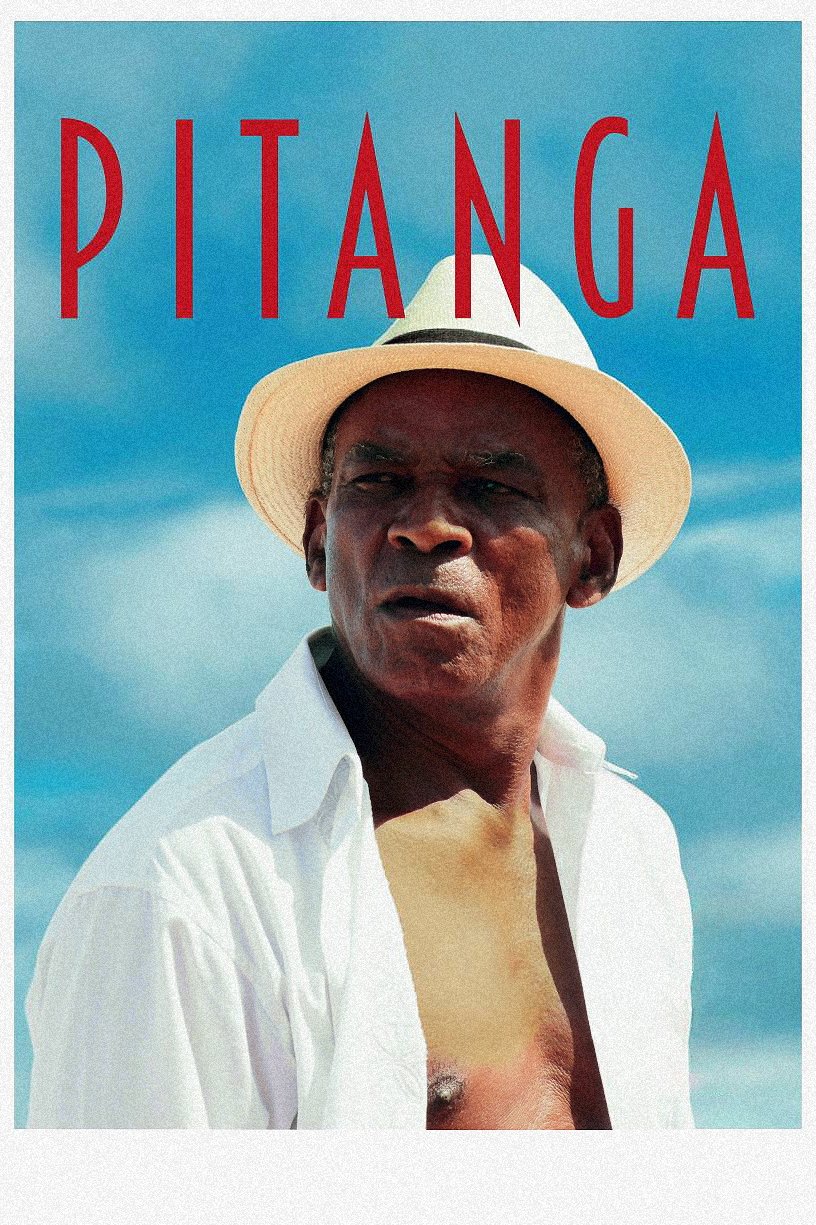
This documentary investigates the aesthetic, political and existential trajectory of emblematic Black Brazilian actor Antônio Pitanga. His career spans over five decades, and he has worked with iconic Brazilian filmmakers Glauber Rocha, Cacá Diegues and Walter Lima Jr. He was a prominent figurehead and outspoken activist during the Brazilian dictatorship, a period of unrest in Brazilian cinema. "Pitanga" deep dives into the world of Antônio and the history of Brazil. The documentary was directed by his daughter Camila Pitanga, one of widely recognised faces in Brazilian television and cinema right now. The film is also a poem, and a tender ode to fatherhood.
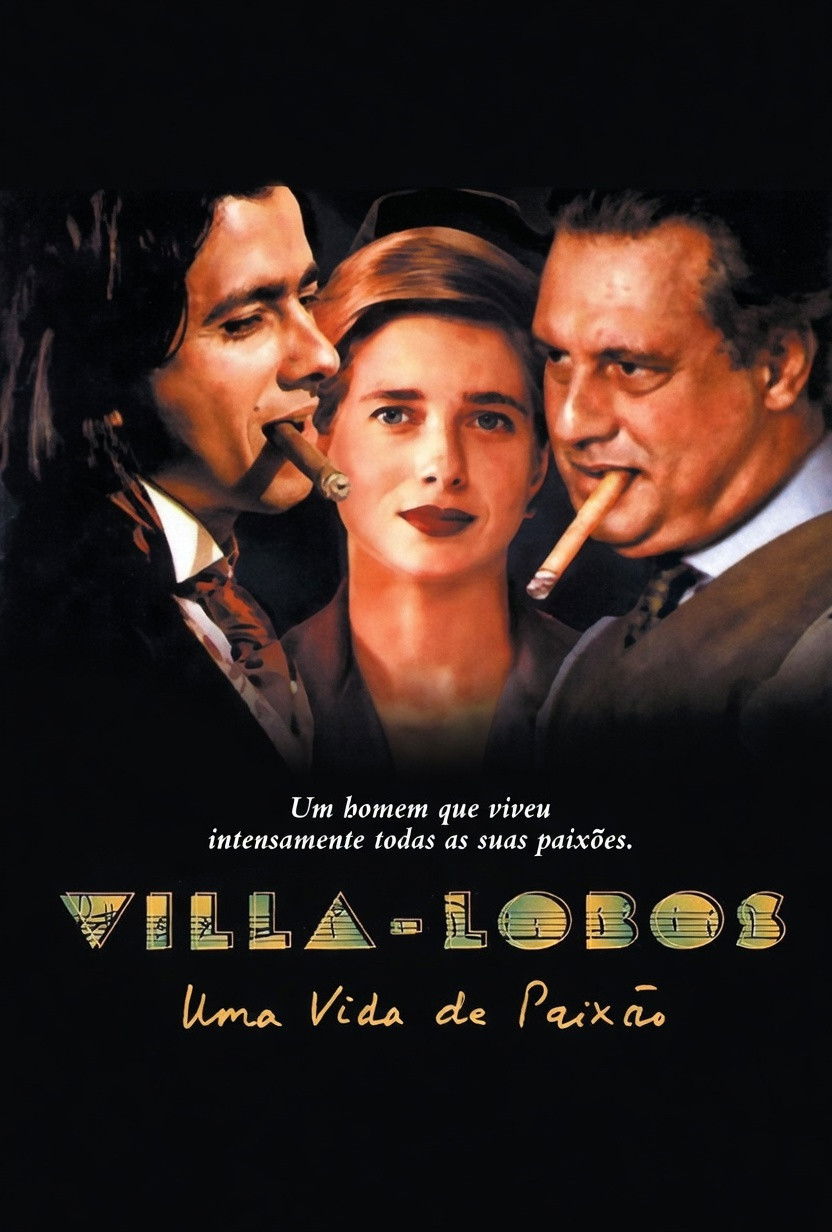
The film tells the story of an intuitive, adventurous man who loved his country and being Brazilian. This man fought to be loyal to himself. His music is a transparent portrait of his genius, intuition, freedom, adventure and passion for Brazil.
The life and death of Colonel Orestes, a decadent coffee farmer, spanning three generations between despair, hallucinations, and the help of three different wives. The city, the synthesis of modernization, definitively buries the oligarch making buildings on the ground that had previously made the character's prestige.
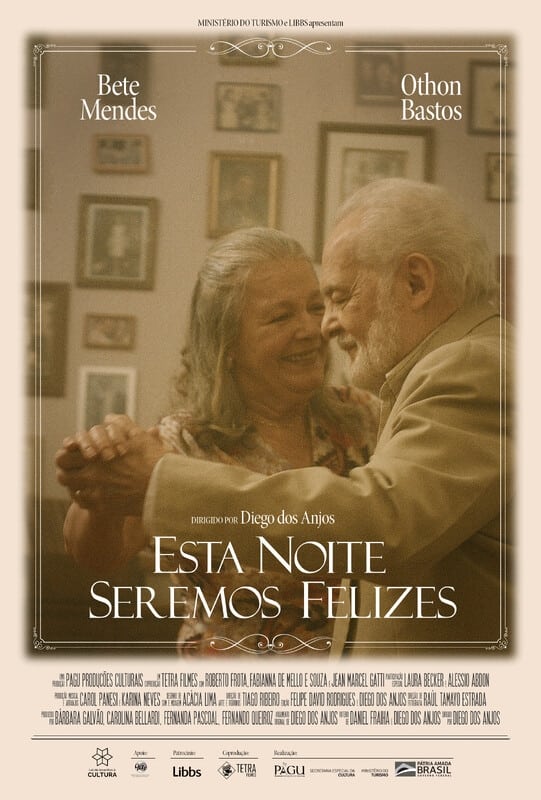
Two 80-year-olds, Miss. Daisy and Mr. Carlos, meet every week at the "Tonight We Will Be Happy" ball to live a delicate and nostalgic love story.
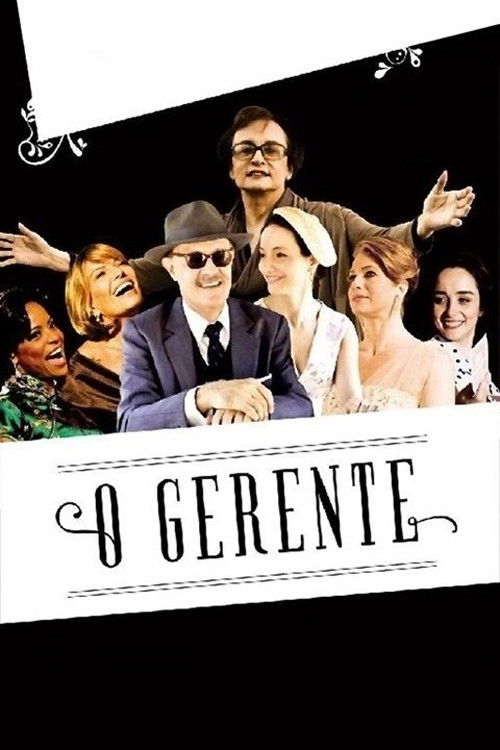
A bank manager has a secret. He is compelled to bite society women hands.

Two students make a date in a secluded cave behind their school, where they could be undisturbed. But on arrival they see a corpse. They run to inform the authorities, but when they arrive the corpse has mysteriously disappeared.
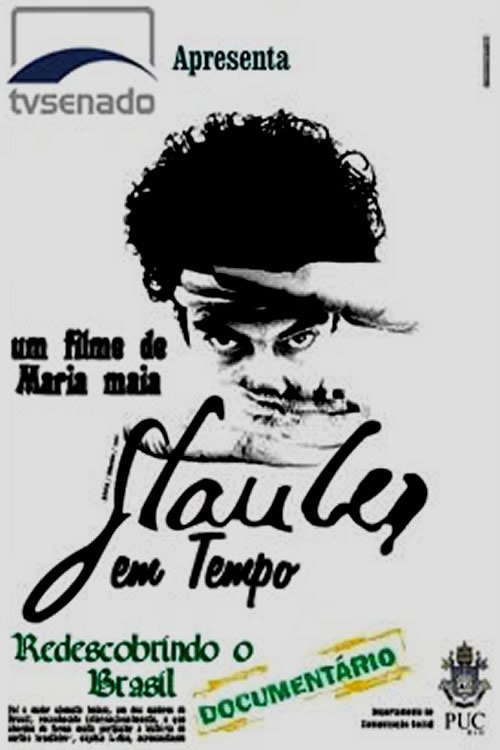
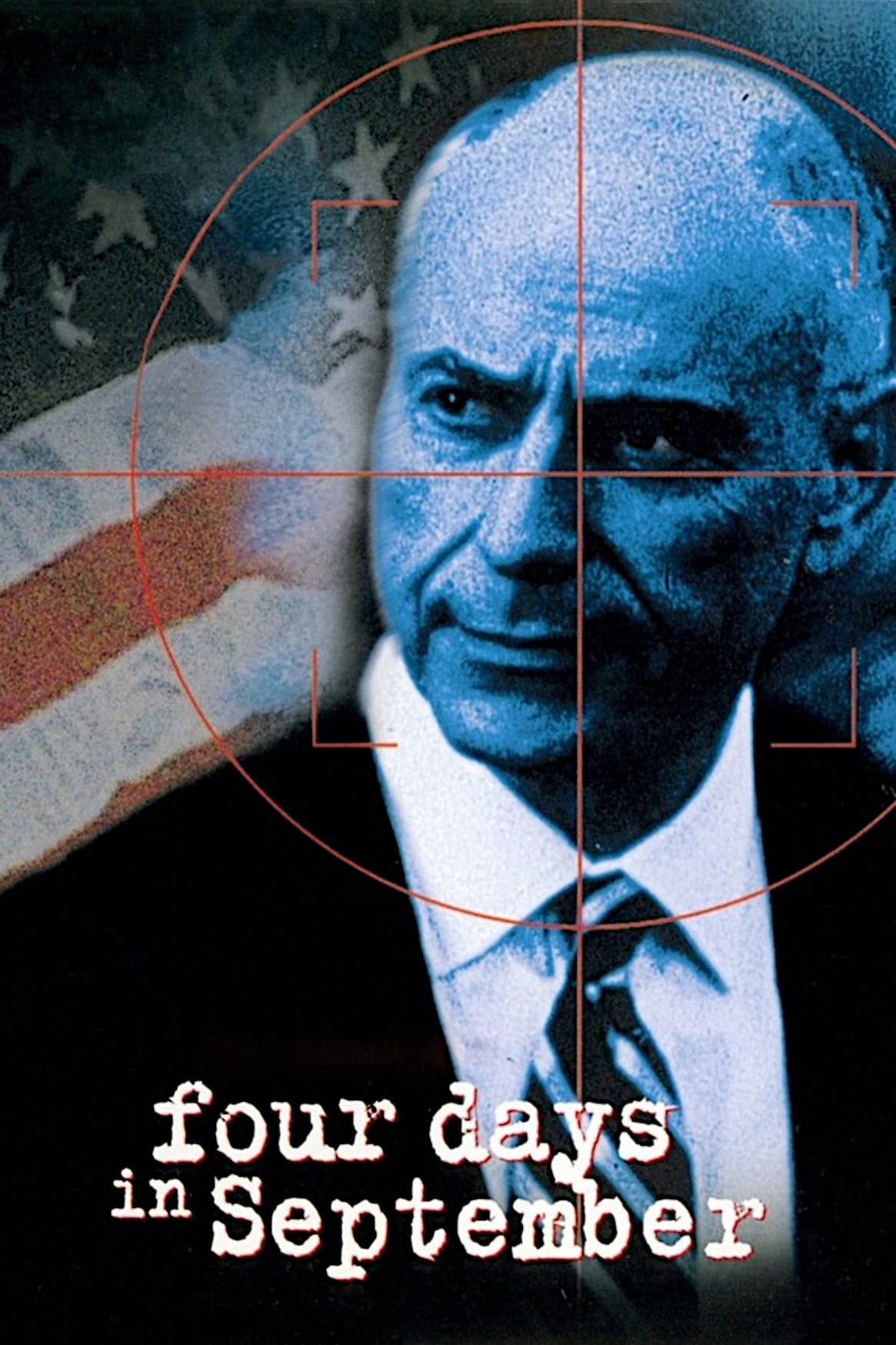
Fernando, a journalist, and his friend César join terrorist group MR8 in order to fight Brazilian dictatorial regime during the late sixties. César, however, is wounded and captured during a bank hold up. Fernando then decides to kidnap the American ambassador in Brazil and ask for the release of fifteen political prisoners in exchange for his life.
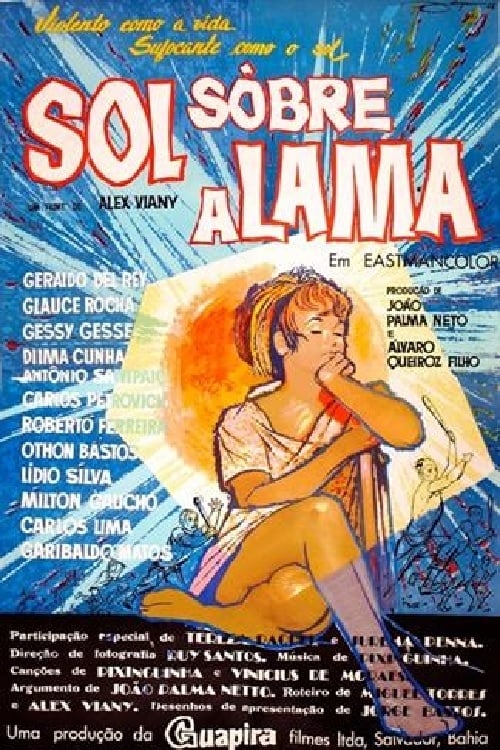
A poor community in Salvador organizes a resistance against the destruction of the Água de Meninos street market.
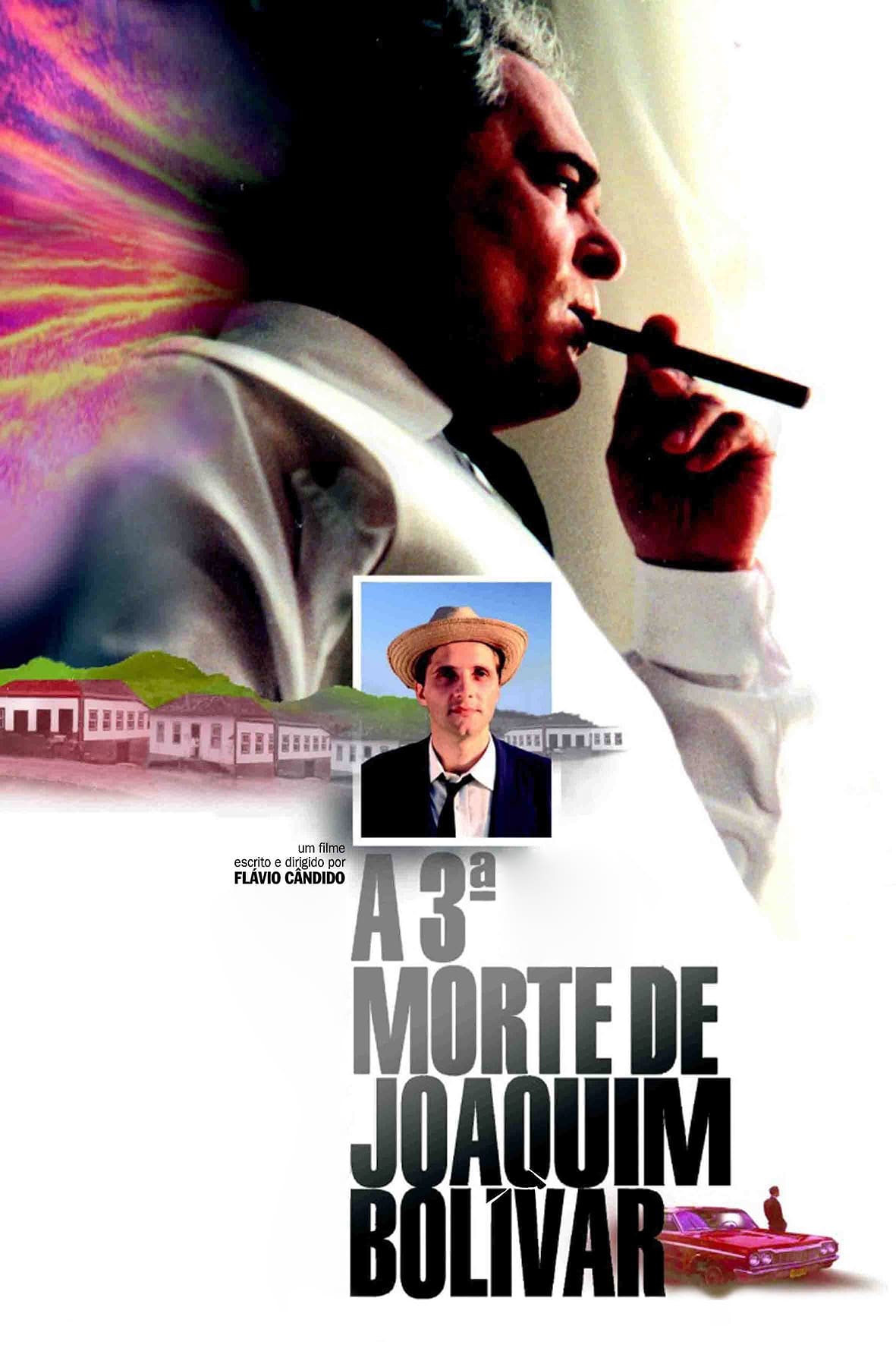
The ideological conflict between Joaquim Bolívar, a young barber member of the Communist Party and the powerful Coronel Gaudêncio, a typical province political leader.
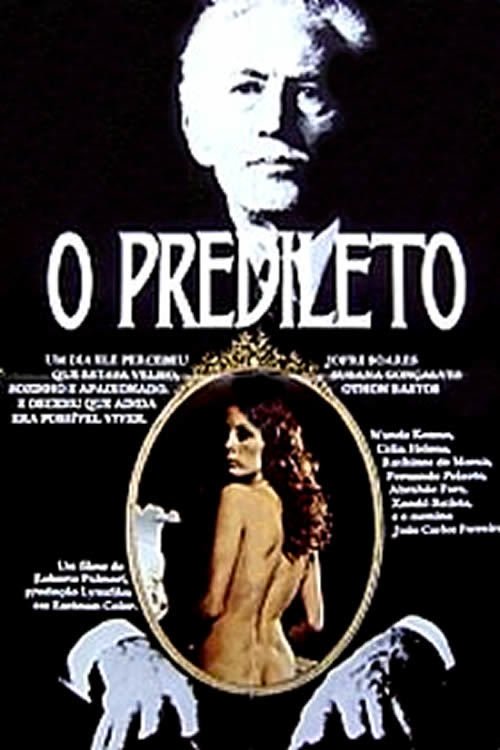
Based on the novel "Totônio Pacheco", written by João Alphonsus. At the time of the decadence of the great farms of Minas Gerais, Totônio is a symbol of the golden age of state farms: old and accustomed to having all his wills obeyed. However, after moving to his son's home because of his wife's death and the resulting loneliness, he realizes that he has lost his job as a boss and is struggling to regain his prestige by moving to a brothel.
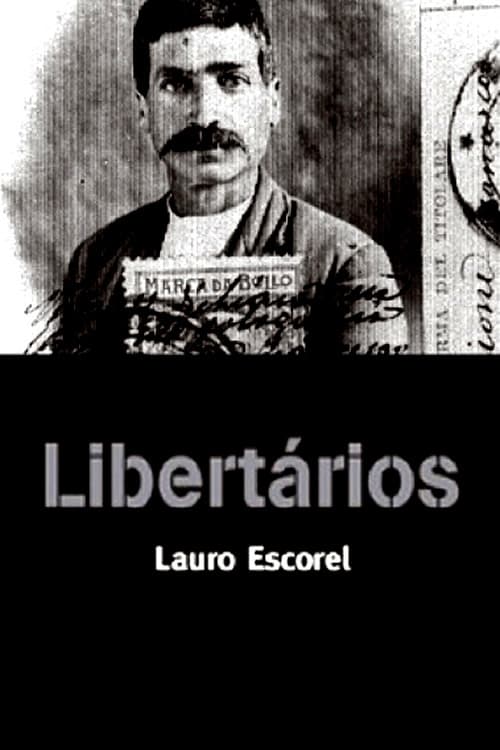
A documentary about the history of the anarchist-led workers' movement in Brazil. It shows the transformation of immigrants into the first urban workers and chronicles the most important strikes, the successes and defeats of the movement, from the end of the 19th century until 1922.
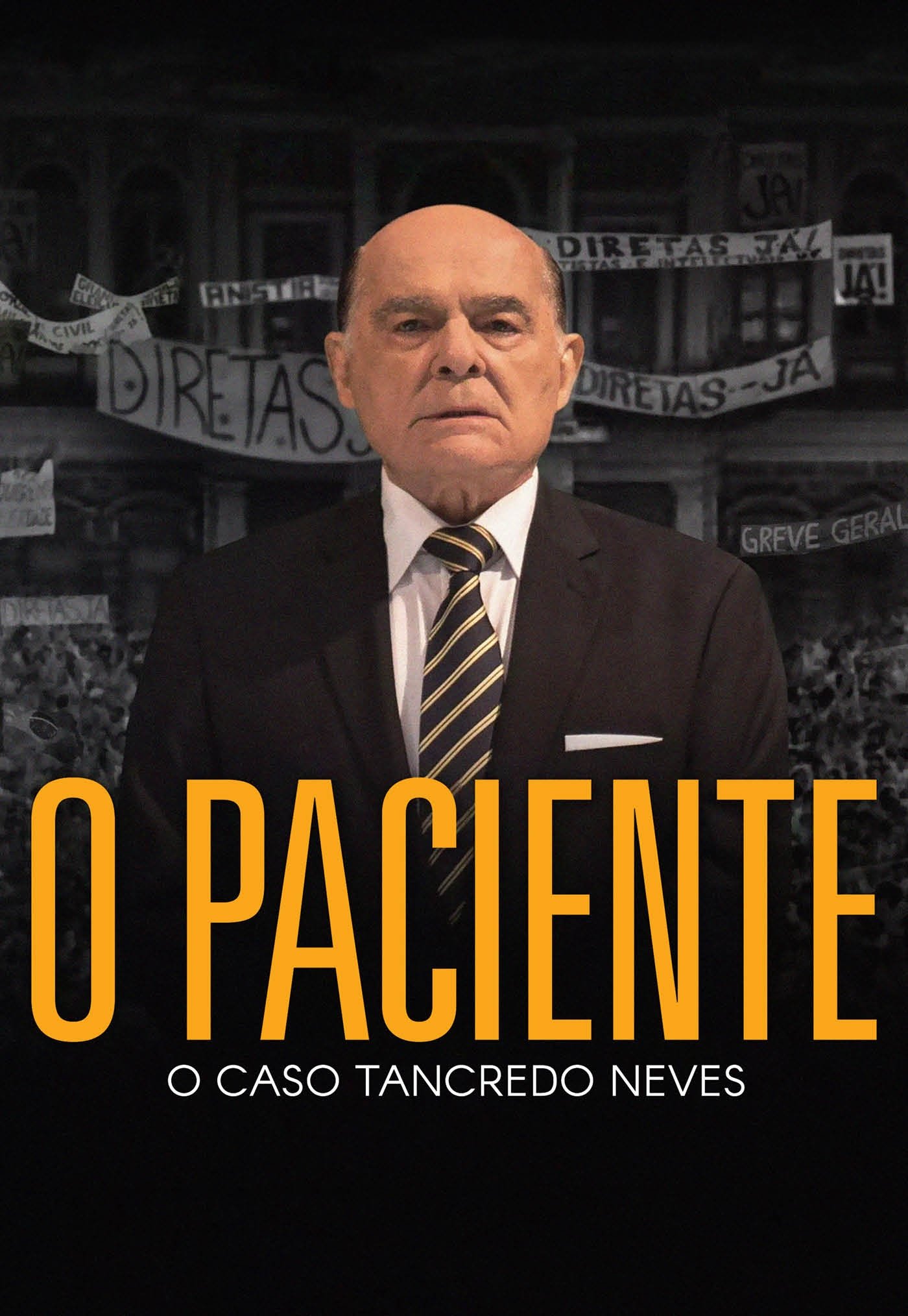
The true story of Tancredo Neves, the first civilian president of Brazil after a 20-year military dictatorship, and the infamous hospitalization which led to his death before he ever managed to take office.

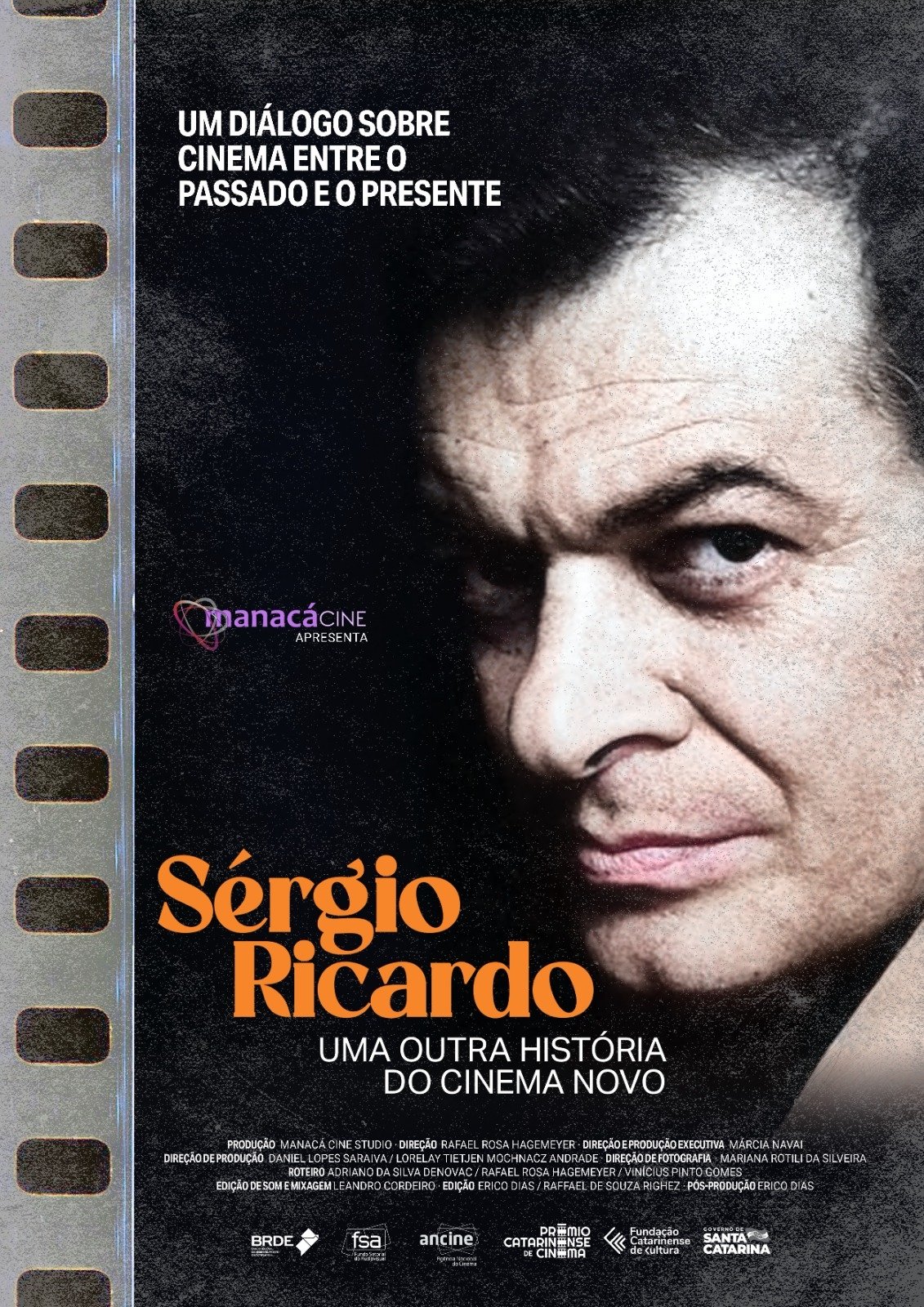
Amid the civil-military dictatorship implanted with the 1964 coup, Sergio Muniz had the idea of making a documentary about the action of the Death Squad. At the time, the press still had some freedom to disseminate the work of these death squads formed by police officers of various ranks, and that he acted on the outskirts of cities like Sao Paulo and Rio de Janeiro. The victims of police repression (as today) were men, poor and black, and this condition is supposed criminals.
A man whose name is constantly changed by the other people.
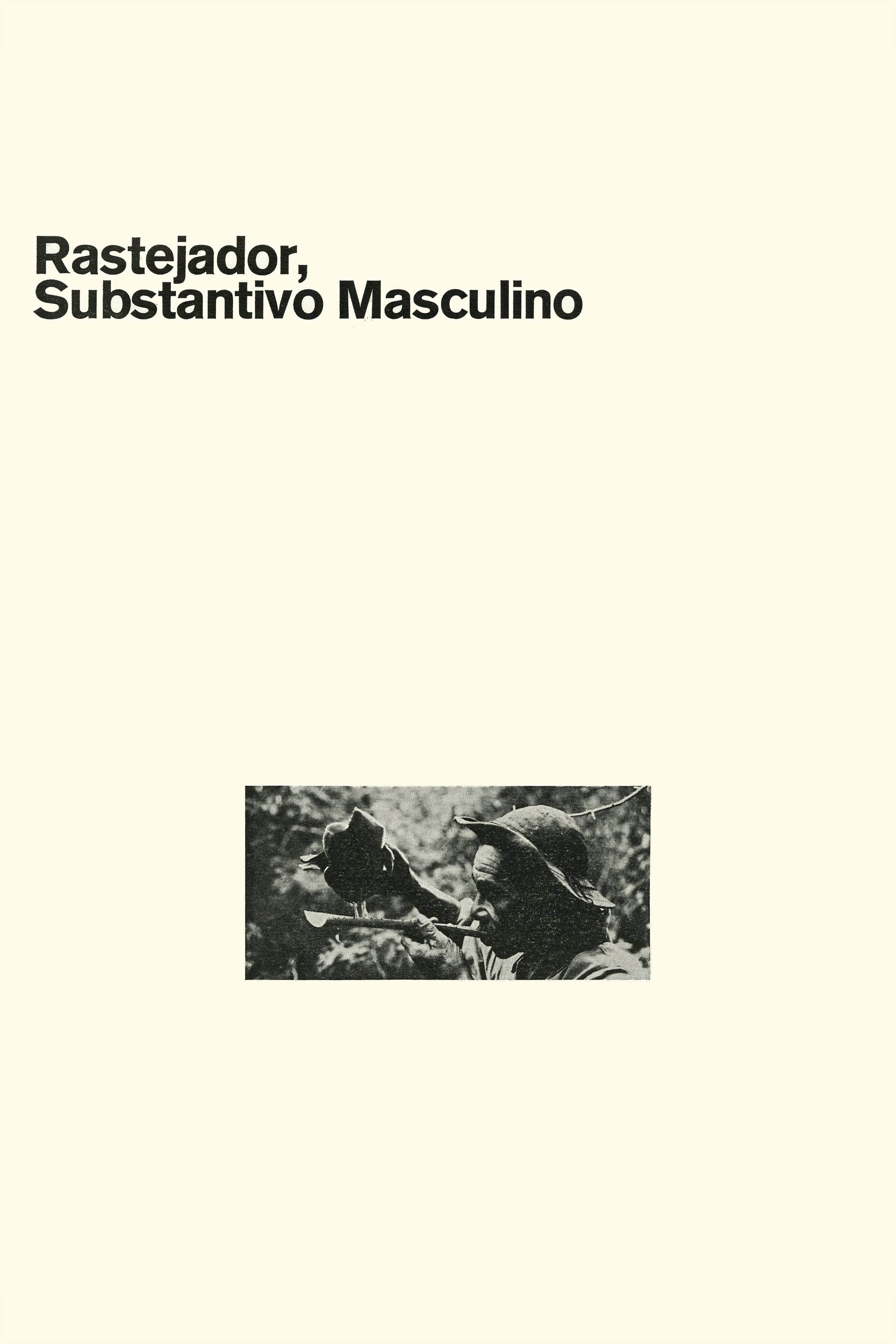
Report of a crawler, who helped the steering wheels to find traces of the cangaceiros in the caatinga and their knowledge to survive in this environment.
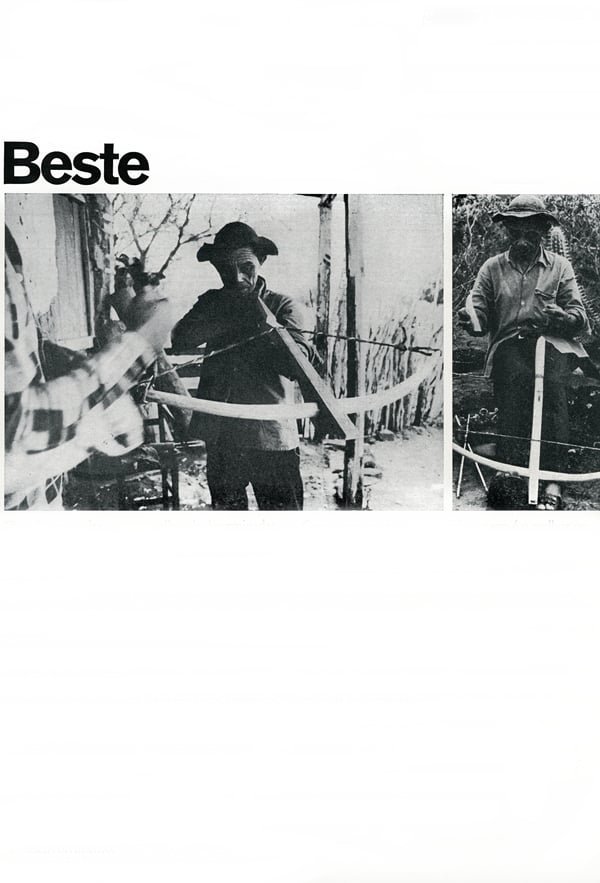
Deformed form by which the word "beast" (medieval weapon) is pronounced in the north of the Brazilian state of Bahia and was still present in the cultural memory of the region.
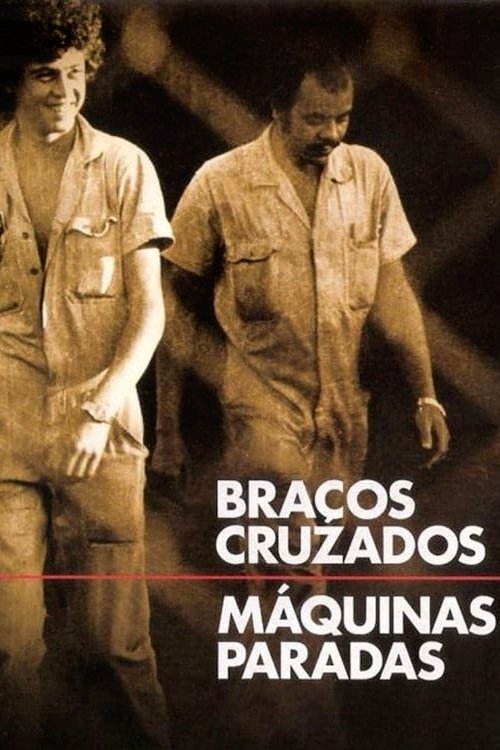
São Paulo, May 1978. Three slates compete for the leadership of the Metalworkers' Union of São Paulo, the largest in Latin America, with 300,000 associate workers, and presided over by a platoon since the military coup of 1964. In the midst of the Union electoral campaign, the first workers' strikes that would change the country began. Braços Cruzados, Máquinas Paradas reveals, in an engaging narrative, the Brazilian trade union structure of fascist inspiration.
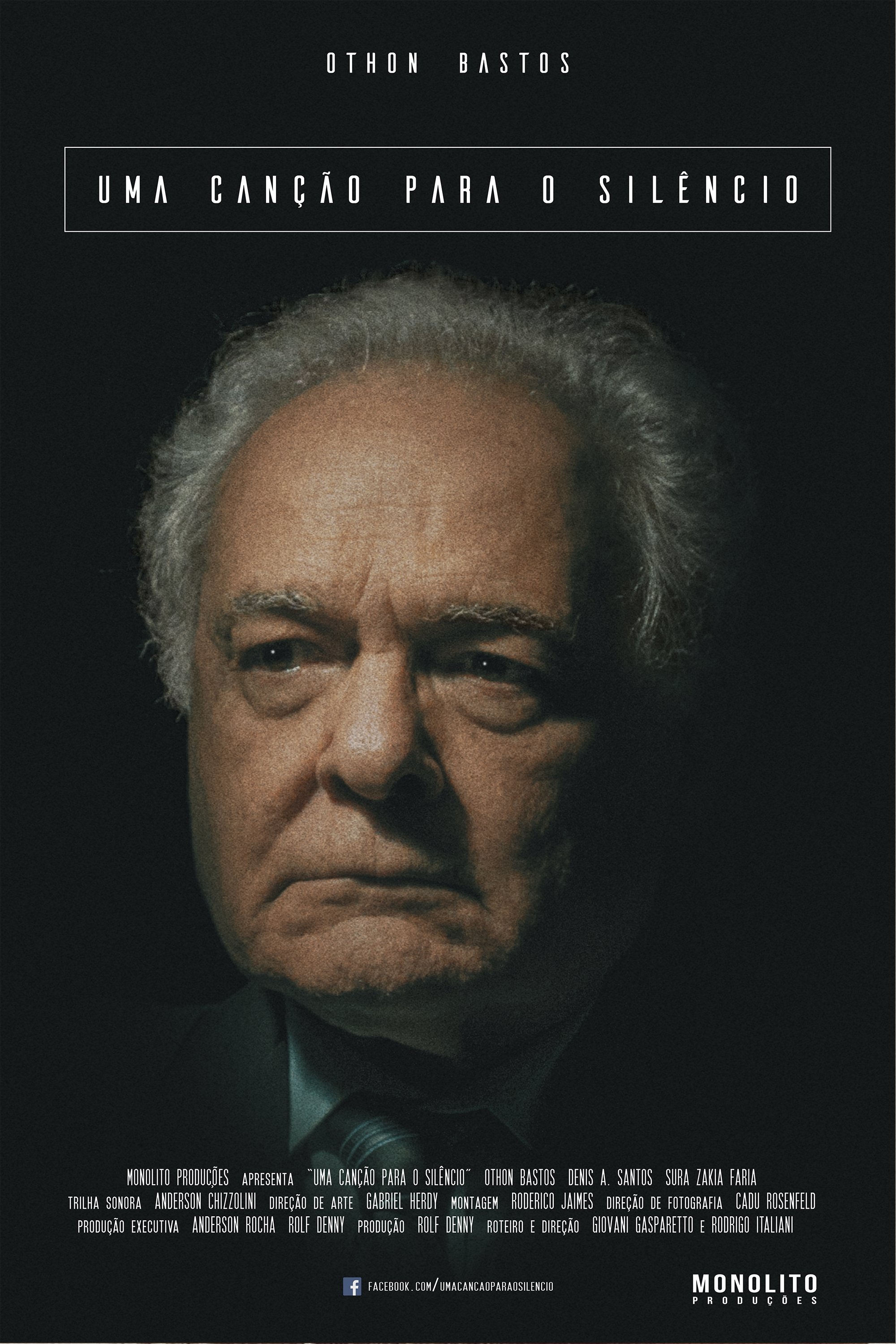
A father receives a devastating call: his son was found dead. This tragic news makes him travel in order to identify and release his son’s body for burial, a journey that will force him to recognize his absence as father and find a way to reconnect with the memories of his own child.
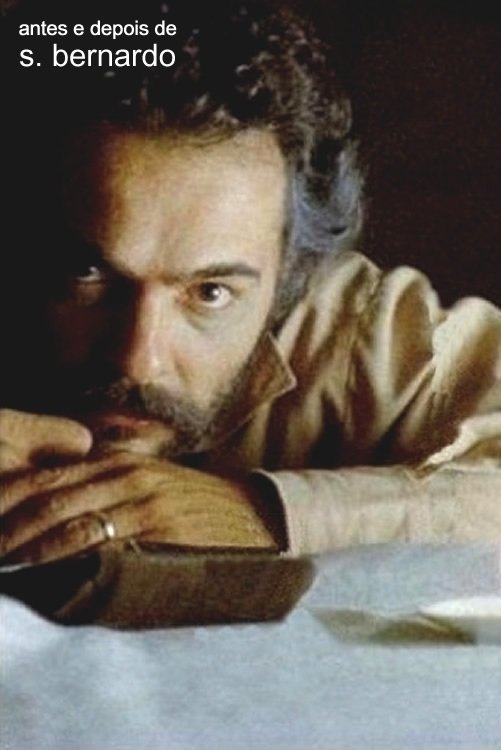
Extras from the remastered DVD of the film São Bernardo by Leon Hirszman. The process of restoring the film, with testimonials from actors and the film's technical team.

Locked up for decades in a maximum security prison, an old man tries to revive his glory days as a magician, putting into practice a perfect - but also very dangerous - escape plan.

Financial problems in a religious school for girls force the government to interfere. While waiting in the conference hall to communicate the fact to the school administrators, the intervenor falls asleep and a crazy dream begins, involving teachers, students and strange characters.
Laís Bodanzky and Luiz Bolognesi travel around the small cities of Brazil, exhibiting short films in public squares. From the south of Bahia to the farthest parts of Amazon, this documentary discovers a country that watches a movie and sees itself on the screen for the very first time, in the turning of the 21st century. What’s seen and heard is truly surprising.
Documentary about Brazilian soccer player Tostão.
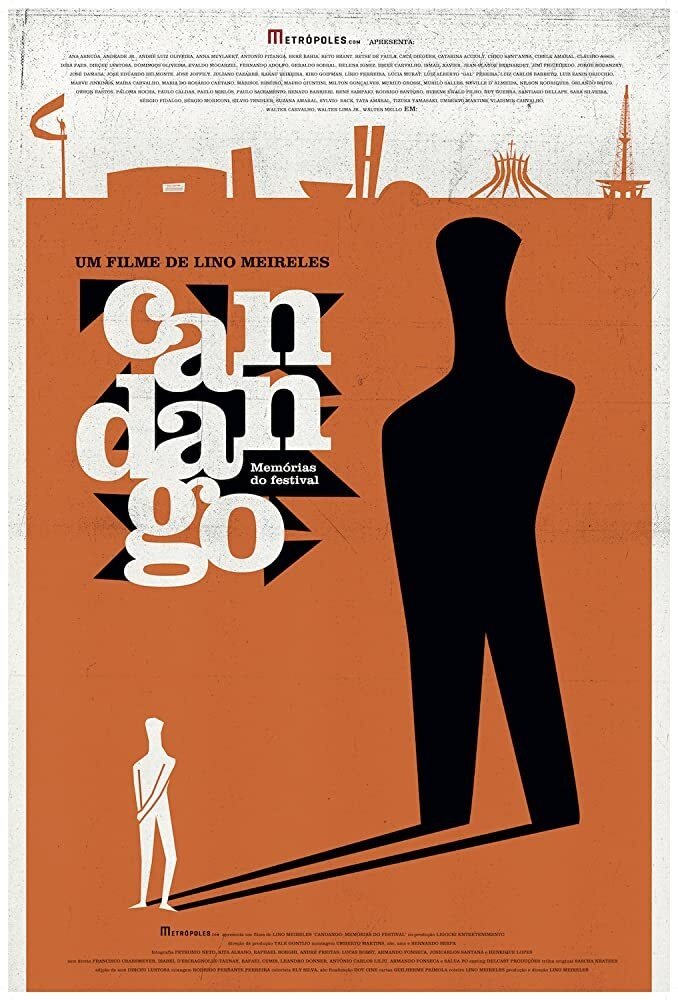
In 1965, a year after the military coup in Brazil, an oasis of freedom opened in the country's capital. The Brasília Film Festival: a landmark of cultural and political resistance. Its story is that of Brazilian cinema itself.

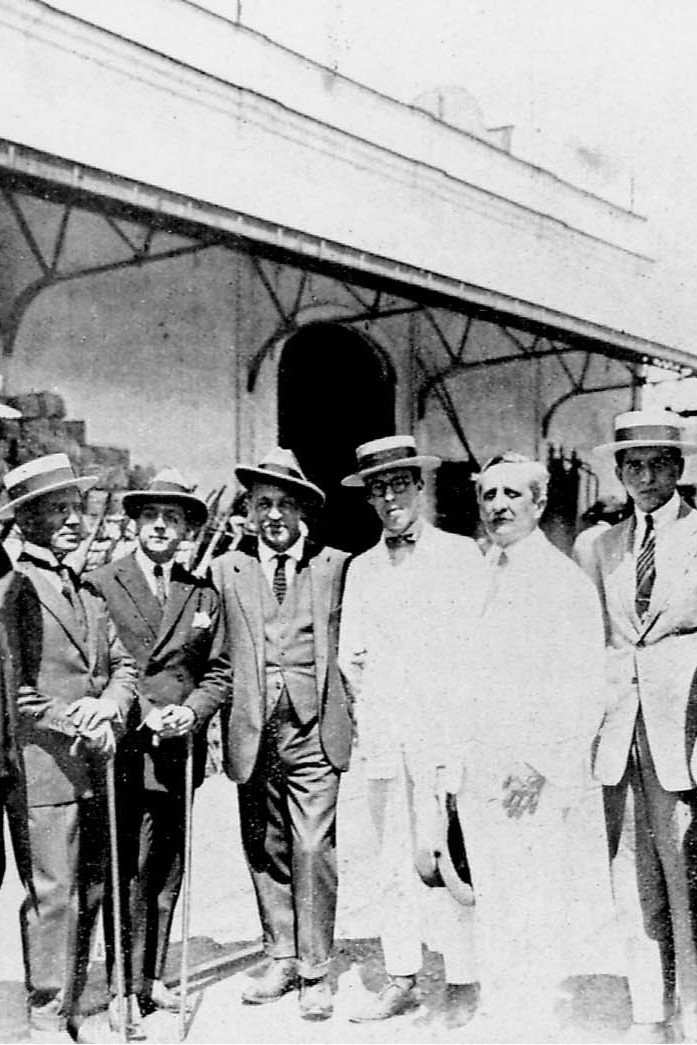
Reconstitution, through photos, films and texts, of the arrival in Brazil of the poet Cendrars, in 1924. Tributes received, visits throughout the country and the desire to make a "100 percent Brazilian film". Testimonials from figures who lived with the intensity of the core of modernist artists: Tarcila do Amaral, Oswald de Andrade, Mário de Andrade and Di Cavalcanti. Scenes from São Paulo, Rio de Janeiro, São Martinho Farm and the 1924 Revolution. Scenes from the movie LES HEURES CHAUDES DE MONTPARNASSE. Reference to Aleijadinho and Febrônio Indio do Brasil.
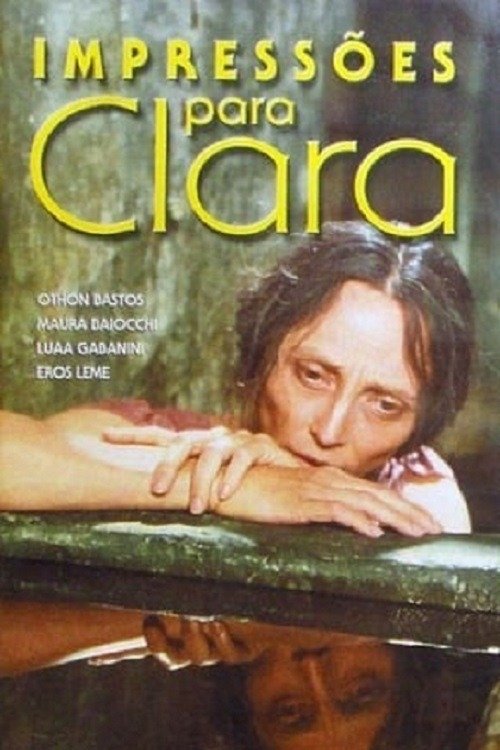
Remembrance of things past.

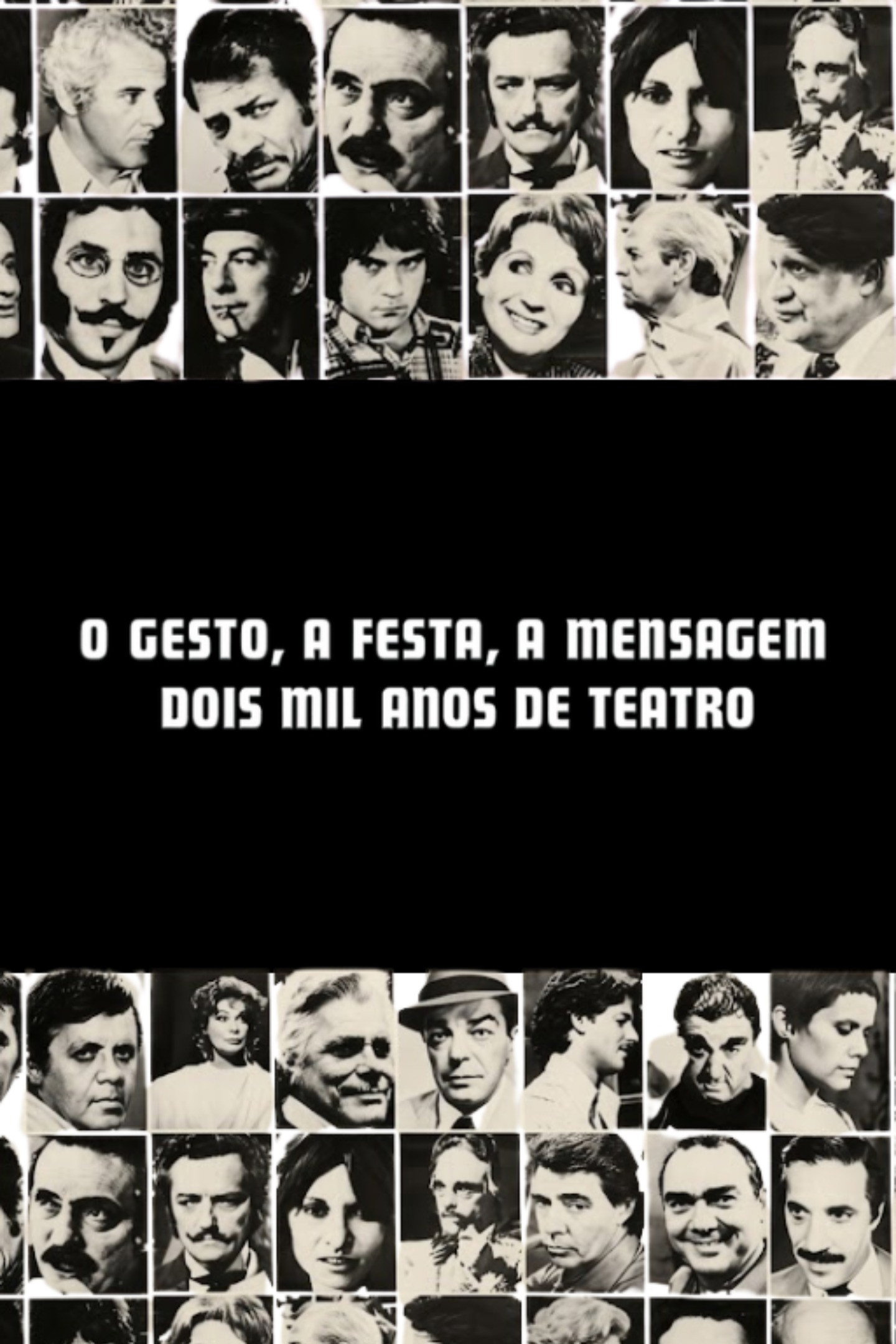
In six decades, Teatro Oficina has done more than revolutionize theatrical language in the country: the aesthetic influence of José Celso Martinez Corrêa's company extends from Tropicalism to the renewal of Brazilian audiovisual languages from the 1960s onwards. The film revisits a story that it involves personalities such as Caetano Veloso, Glauber Rocha, Lina Bo Bardi, Chico Buarque and Zé do Caixão, brings together scenic art, ecology, architecture and sexuality, and mixes art and life in the search for a Brazilian based language.
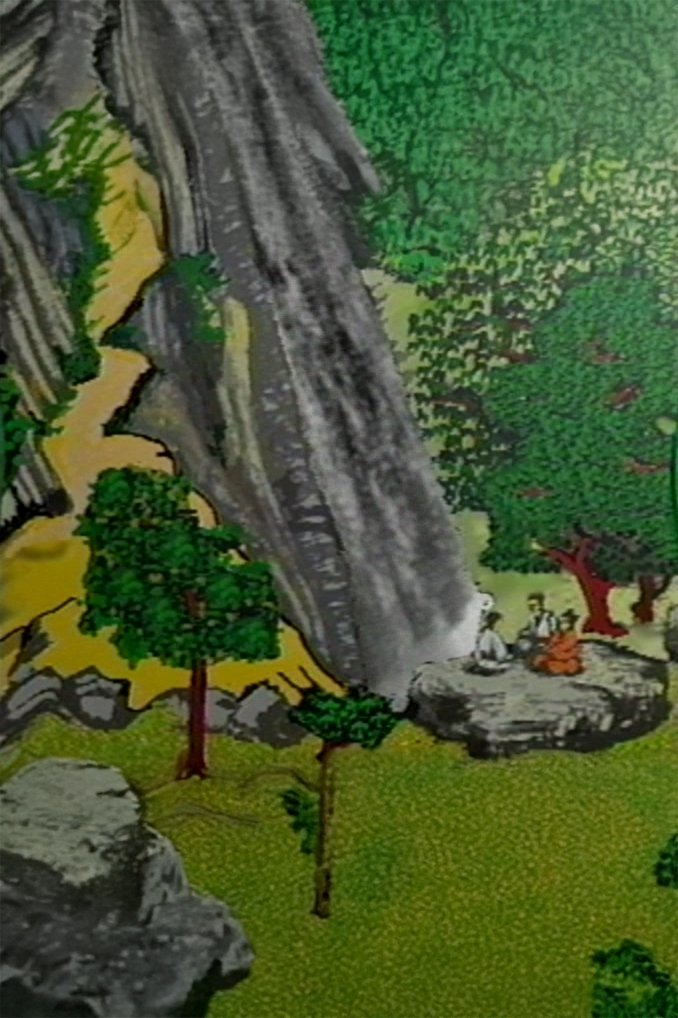
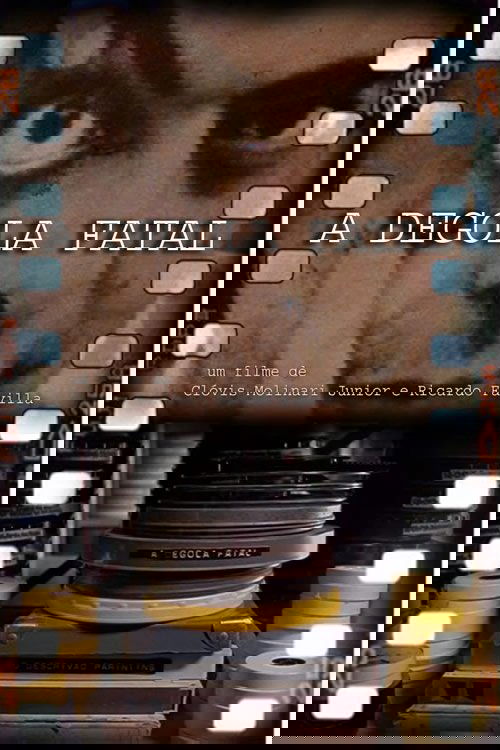

Discover the story of the father of the gang: Mauricio de Sousa, Brazil’s most important comic artist, and how he created his most famous characters. Responsible for bringing to life iconic figures that have marked generations, the film stars Mauro Sousa, the artist’s son. The production follows Mauricio’s journey from childhood, through his discovery and passion for comics, to the creation of a career once considered impossible and his adventures to make a living and achieve professional success.
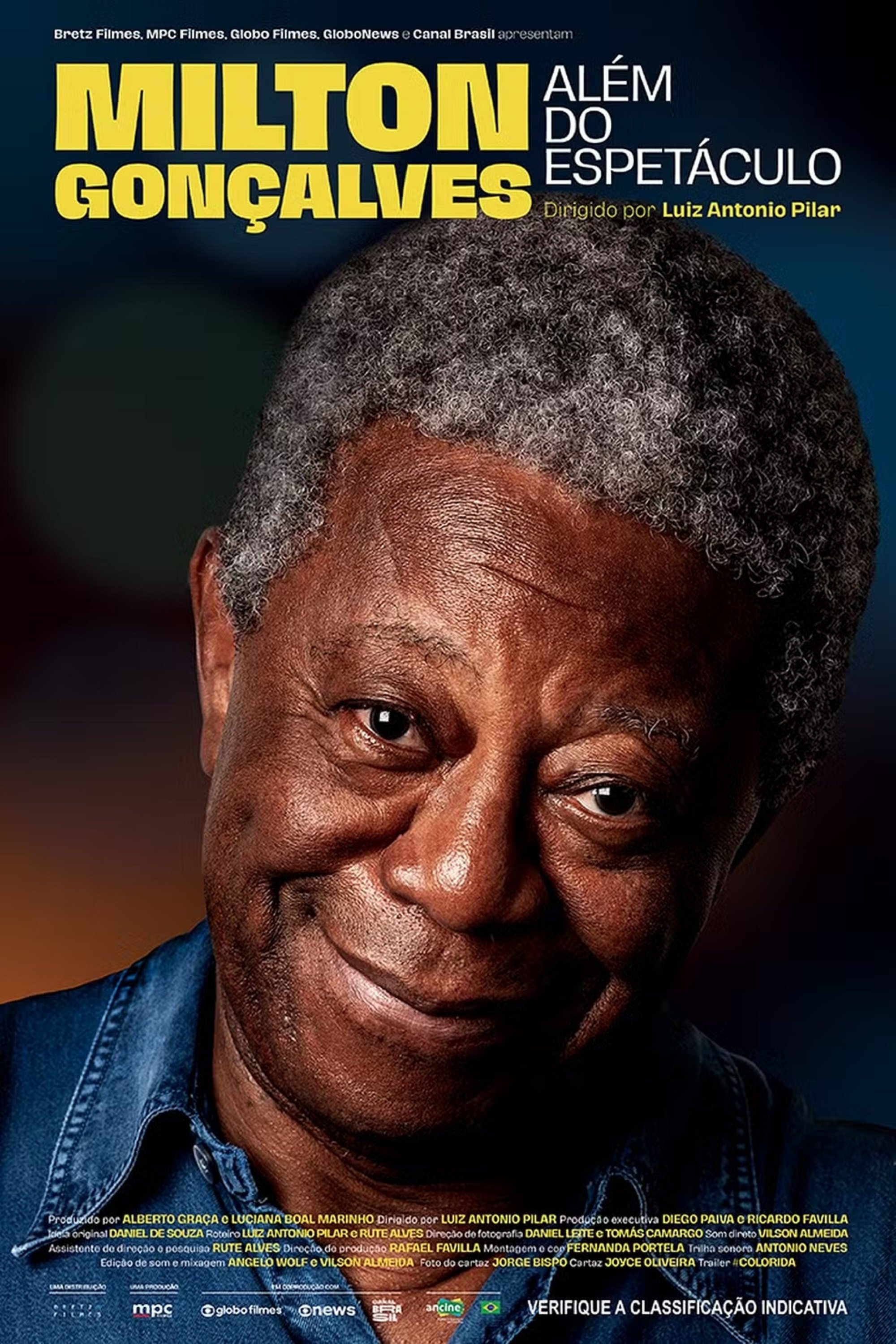
This biopic documents the life and work of one of Brazil’s most prolific artists: Milton Gonçalves. This actor and director are credited with more than sixty television titles, seventy movies and twenty plays. Known from classic full-length features like Macunaíma, They Don't Wear Black Tie and Kiss of the Spider Woman, his dramatic versatility also encompasses major Brazilian soap operas, including O Bem Amado and Roque Santeiro. With his talent, he overcame barriers faced by many Black performers in Brazil. An active on-screen and on-stage presence since the 1950s, his name is synonymous with the history of Brazilian television, theatre and cinema, making him a landmark talent in the performing arts world.