An emotional journey of a former school teacher, who writes letters for illiterate people, and a young boy, whose mother has just died, as they search for the father he never knew.
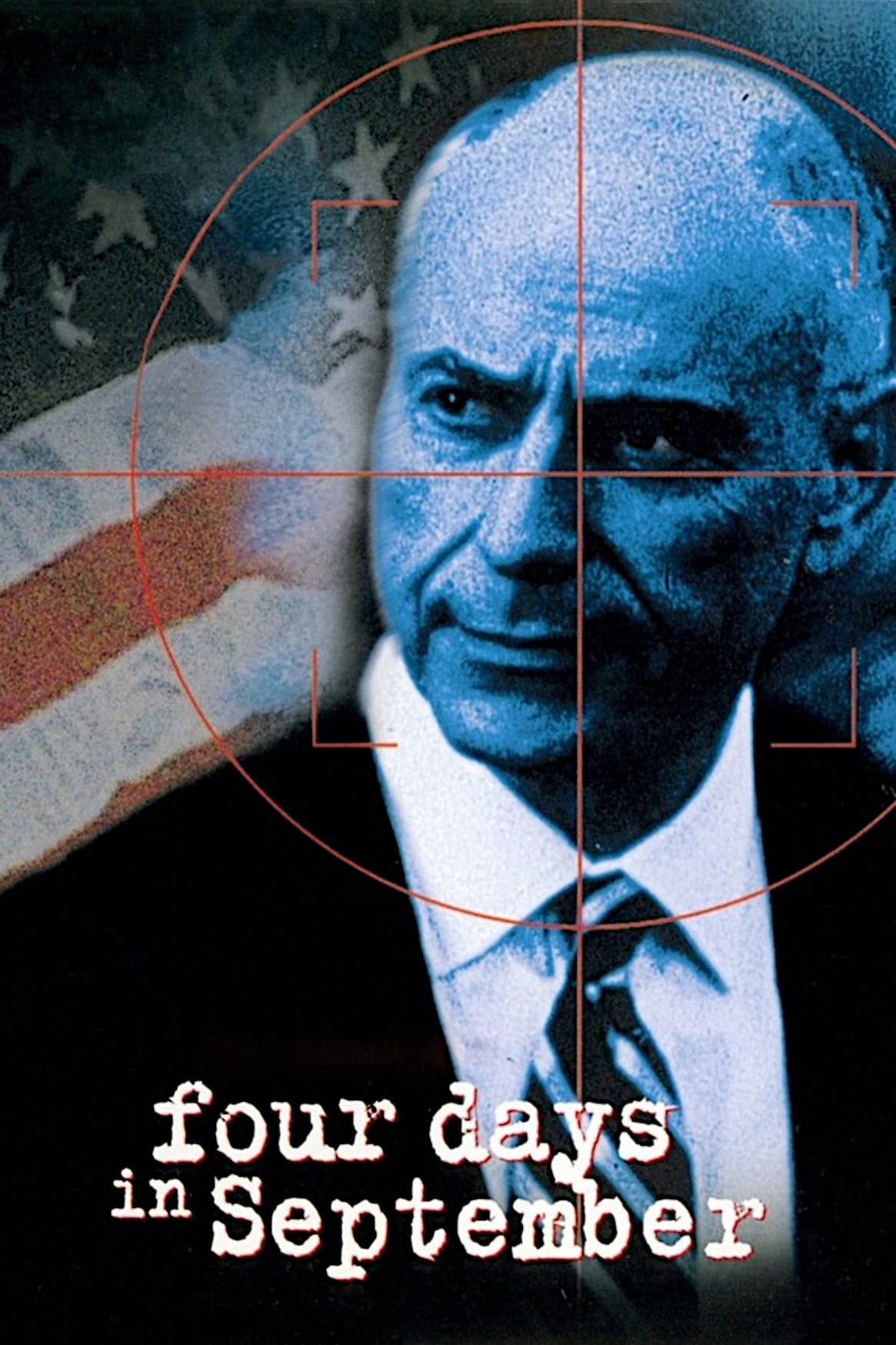
Fernando, a journalist, and his friend César join terrorist group MR8 in order to fight Brazilian dictatorial regime during the late sixties. César, however, is wounded and captured during a bank hold up. Fernando then decides to kidnap the American ambassador in Brazil and ask for the release of fifteen political prisoners in exchange for his life.

In Colombia just after the Great War, an old man falls from a ladder; dying, he professes great love for his wife. After the funeral, a man calls on the widow - she dismisses him angrily. Flash back more than 50 years to the day Florentino Ariza, a telegraph boy, falls in love with Fermina Daza, the daughter of a mule trader.

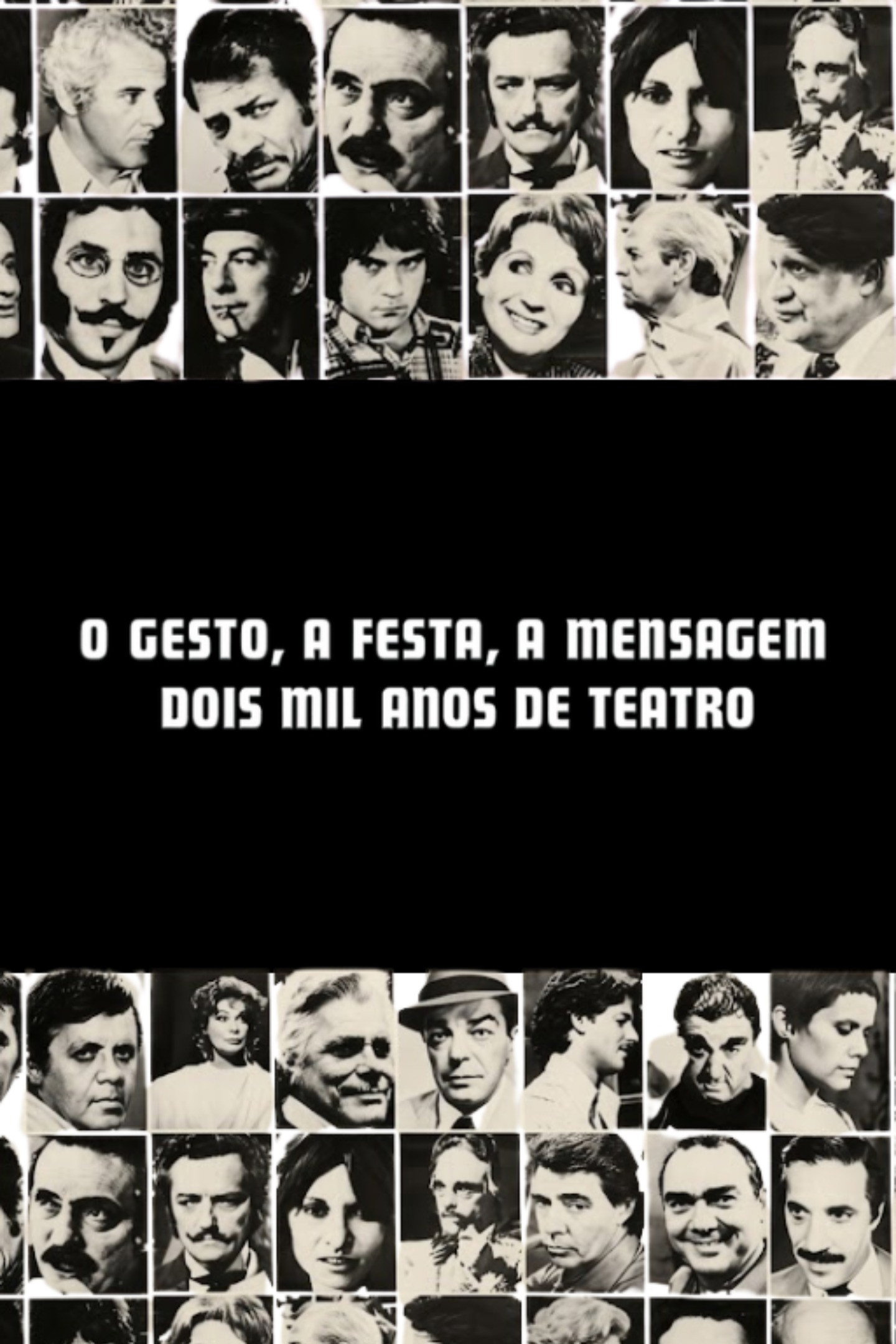
"Portraits and excerpts from Brazilian films from all times. Actors, directors and images that affirm cinema."
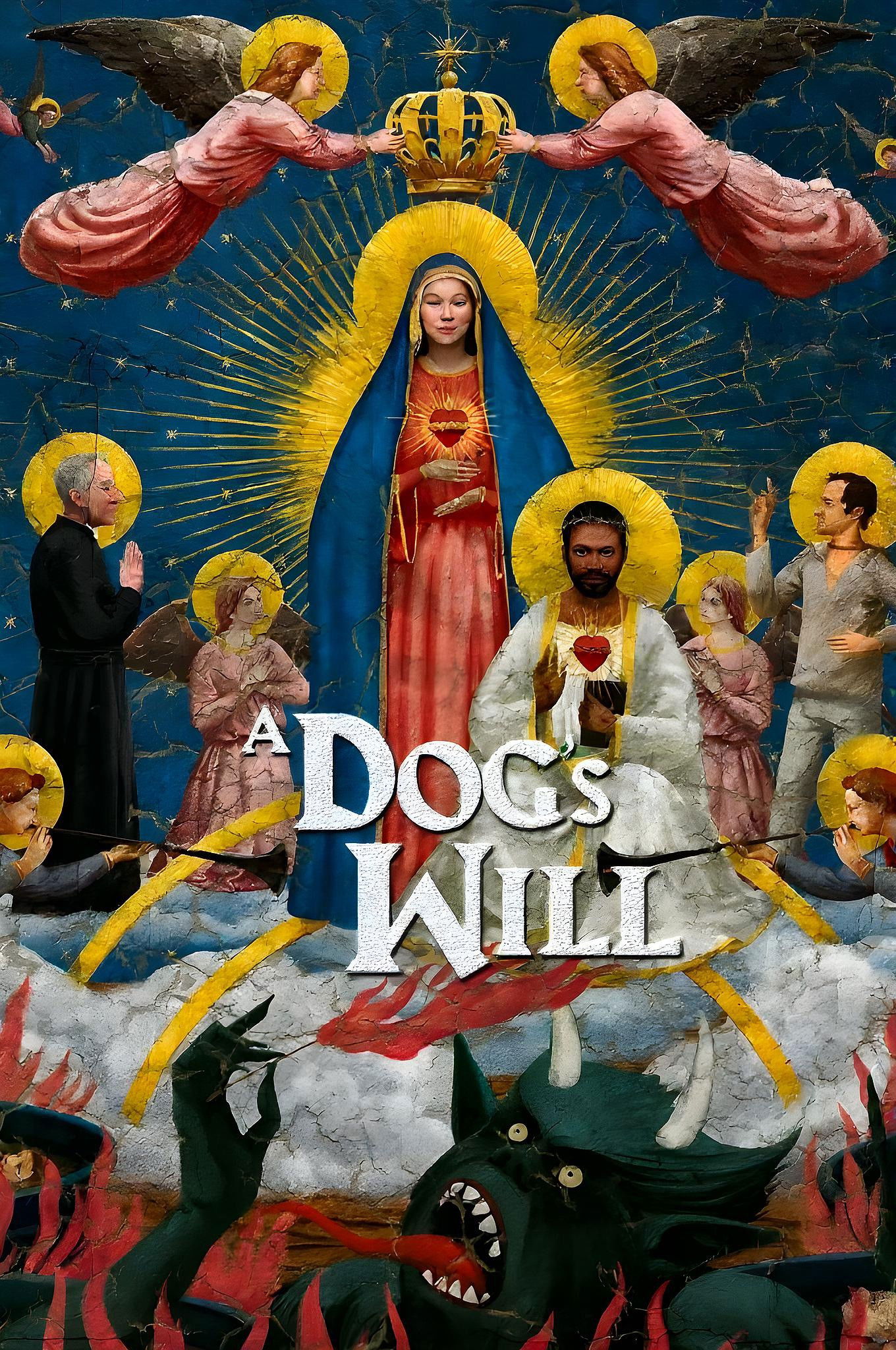
The lively João Grilo and the sly Chicó are poor guys living in the hinterland who cheat a bunch of people in a small town in Northeastern Brazil. When they die, they have to be judged by Christ, the Devil and the Virgin Mary before they are admitted to paradise.
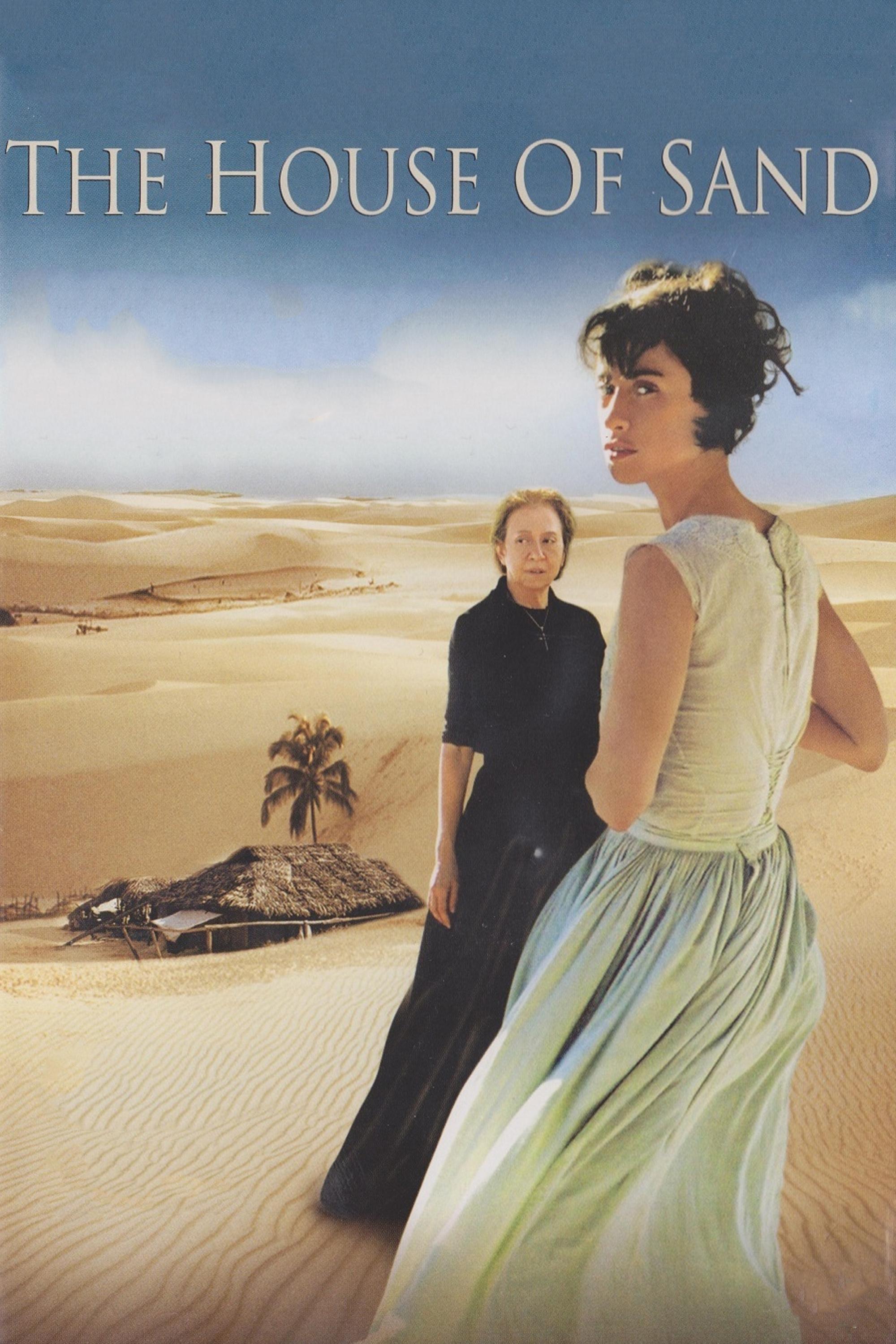
A woman is taken along with her mother in 1910 to a far-away desert by her husband, and after his passing, is forced to spend the next 59 years of her life hopelessly trying to escape it.

With the participation of great stars of television drama, the documentary promotes an emotional journey through the great moments of soap operas, celebrating its seven decades on Brazilian TV.

Célio Rocha believes he was assigned by God Himself a difficult mission: to persuade his childhood friend Otávio Sabóia, a corrupt entrepeneur in the construction business, to give away all his possessions to the poor.
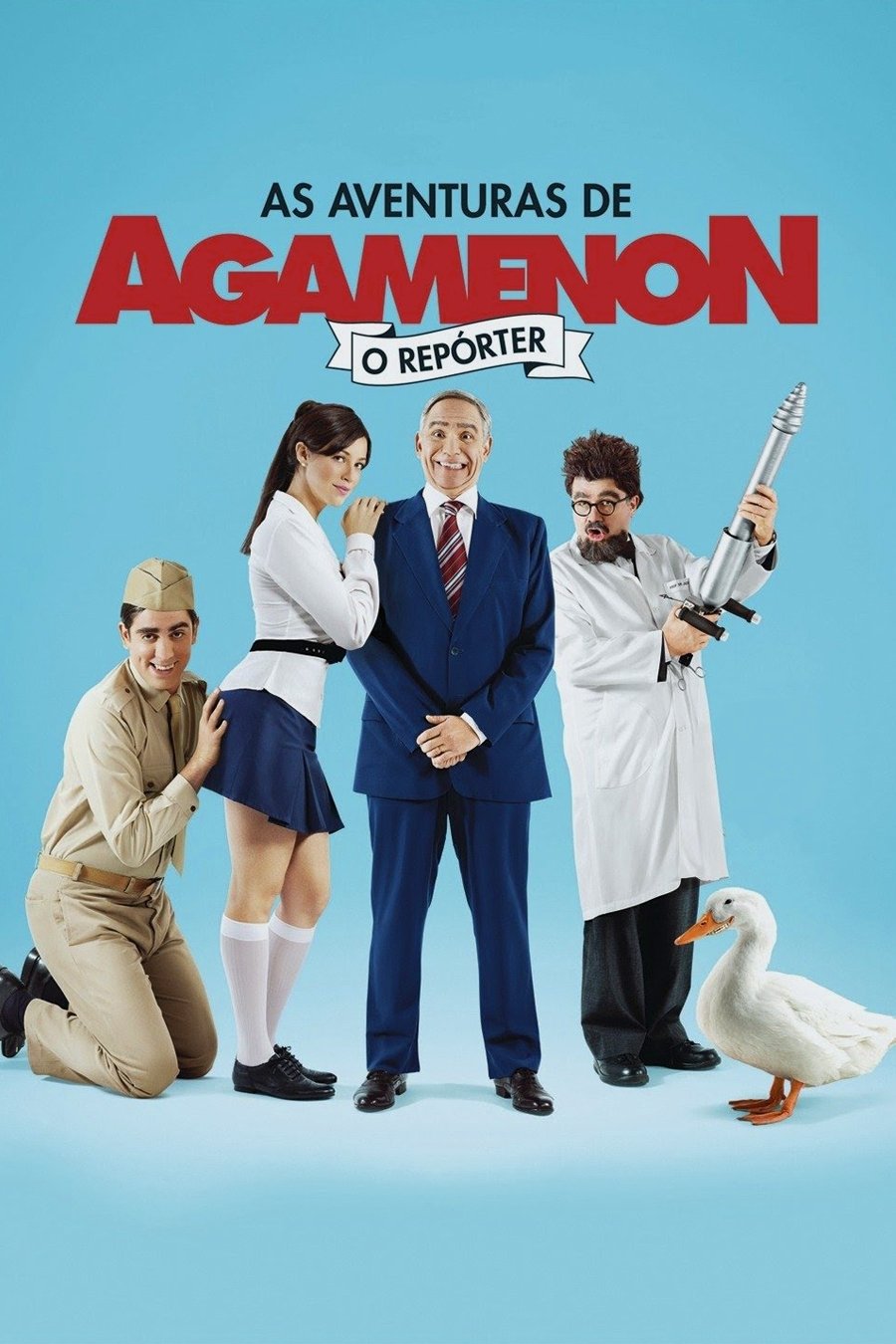
The trajectory of the clumsy reporter Agamenon Mendes Pereira, always present in key events of history, his biggest scoops and his eternal love for Isaura, who survives his unexpected travels around the world, in search of news and fame.
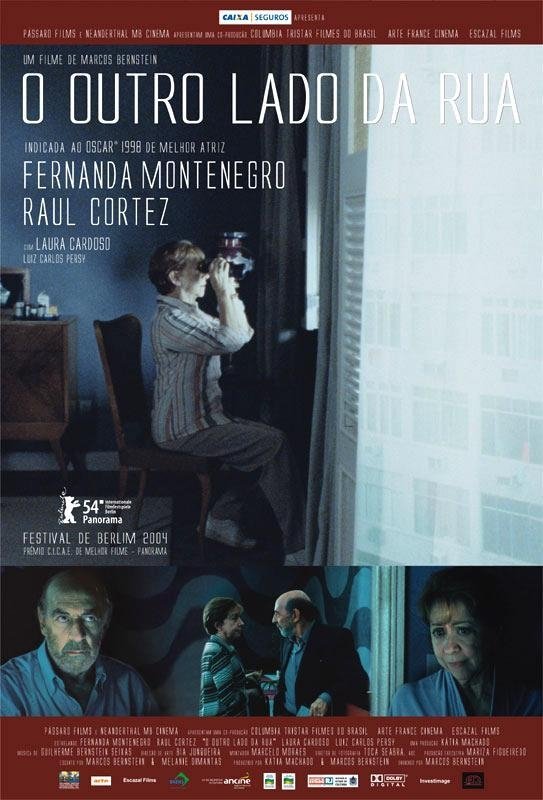
Regina, a lonely 65 year old who works on the neighborhood watch for the police in Copacabana, believes to have witnessed a murder in the building across the street, and ends up getting involved with the suspect in a potentially dangerous chain of events that will force her to take stock of her life.

To the beat of his avant-garde and eclectic rhythms, Brazilian rapper Emicida performs hits from his album AmarElo at the São Paulo Municipal Theater.
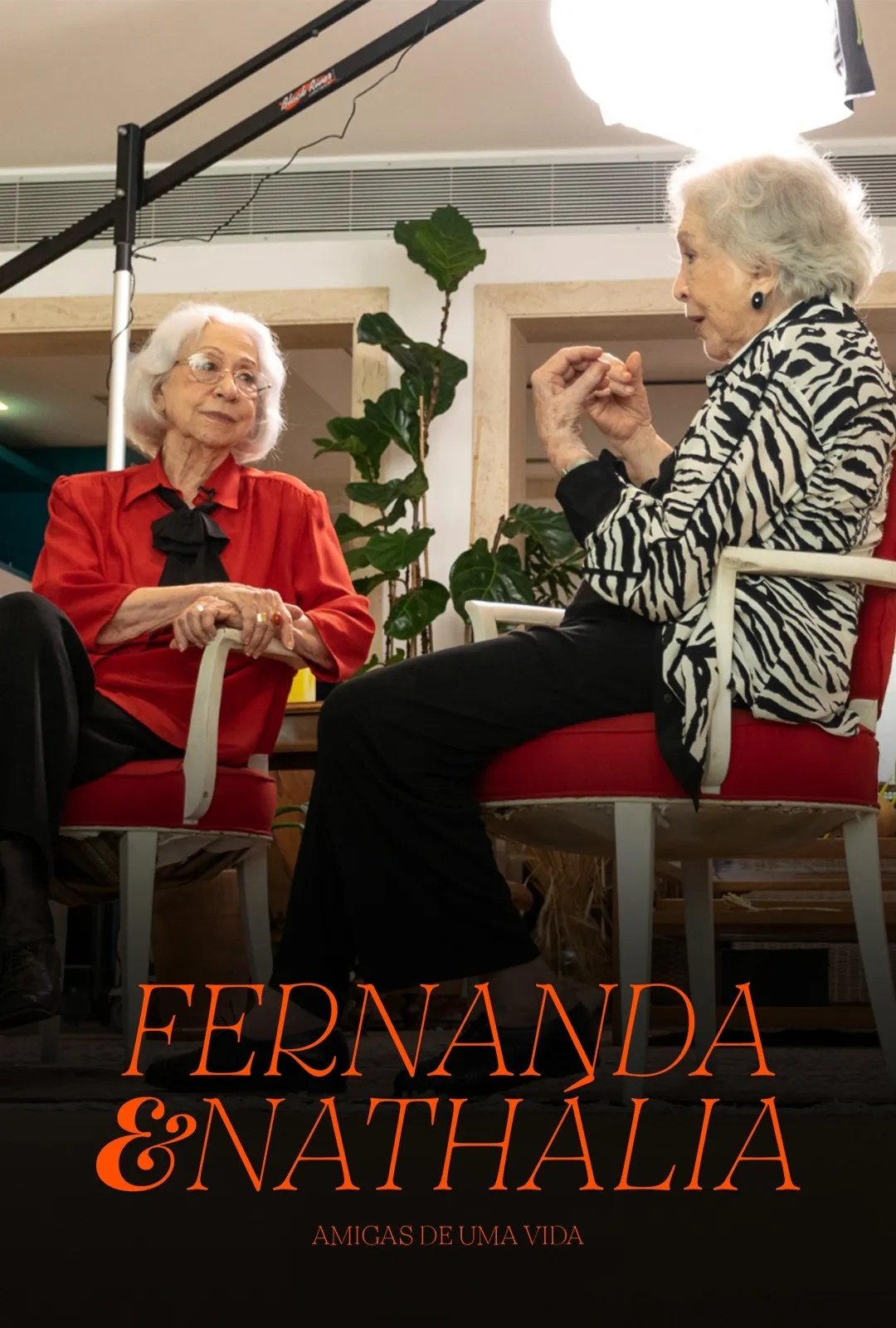
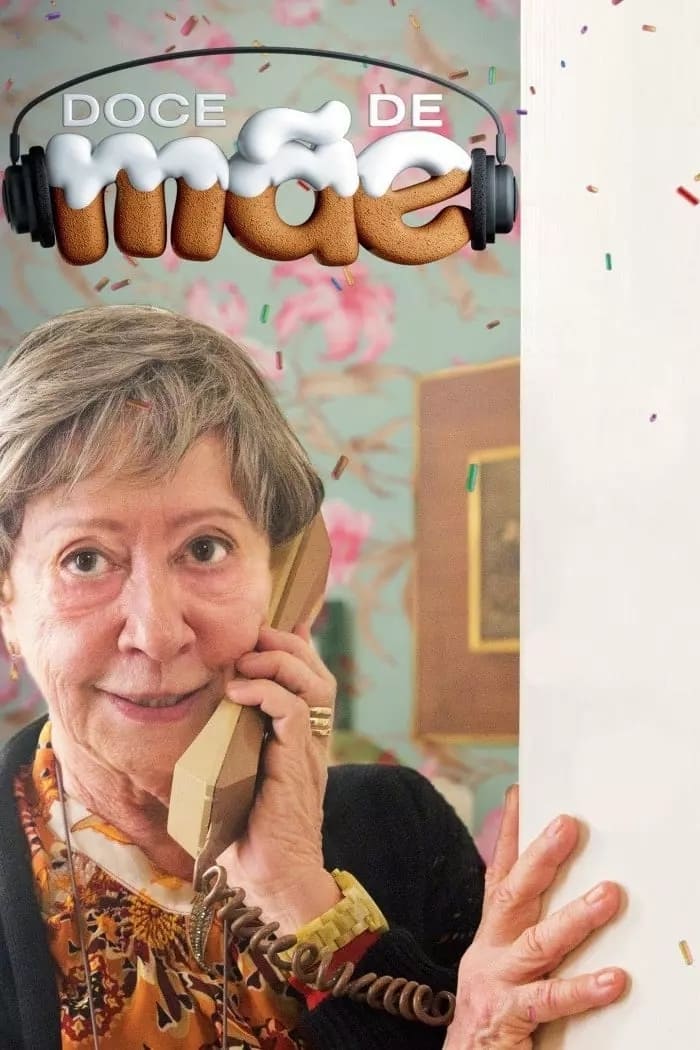
Picucha may seem old-fashioned, but she has modern ideas and a great sense of humor. As the matriarch of a big family, she is involved in the daily lives of her children, grandchildren and other relatives. Undeterred by the typical problems of old age, she uses her many years of experience to solve problems in the best way possible.
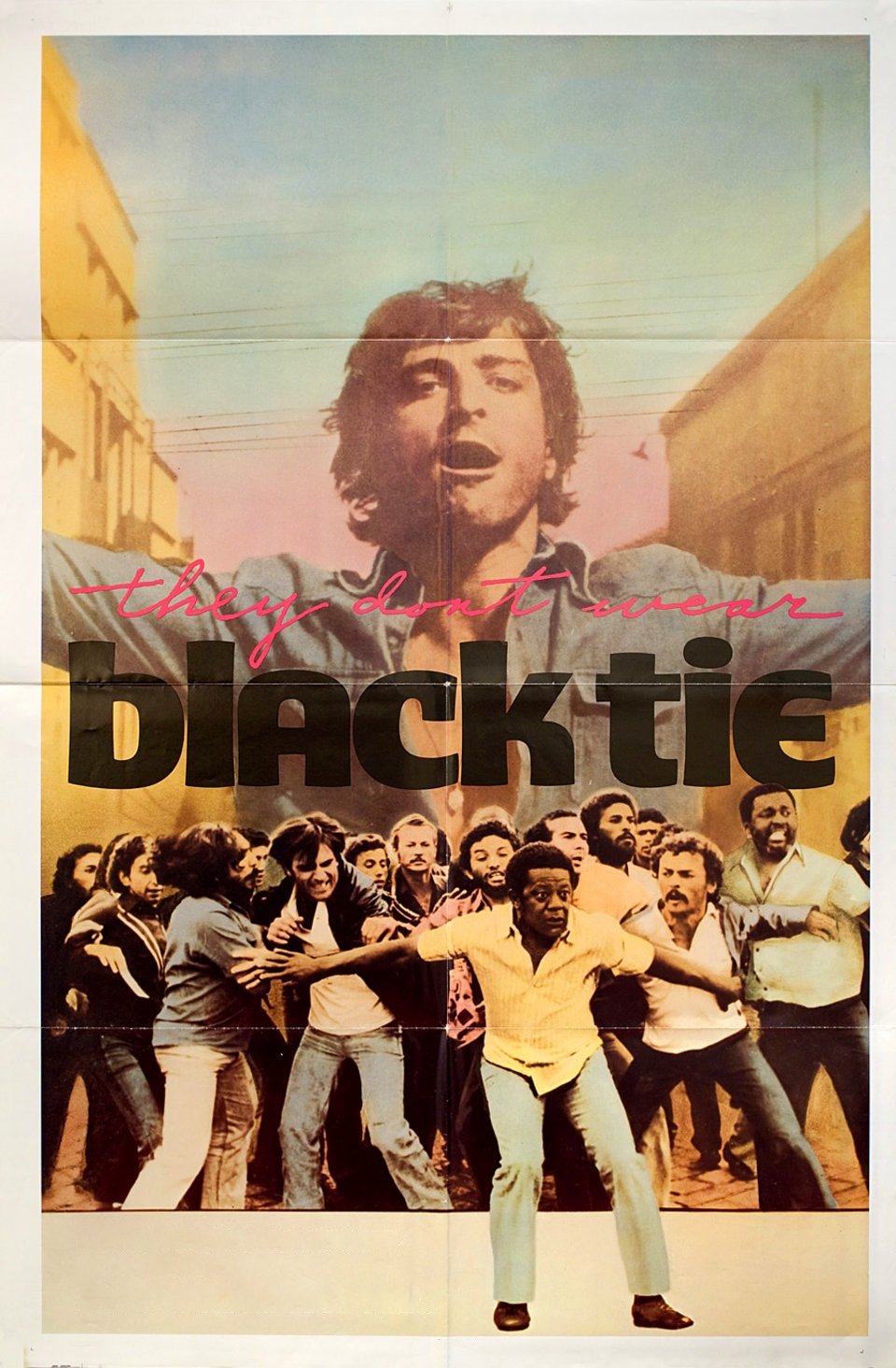
Otavio is an idealistic union leader trying to organize workers at a factory to resist the company's exploitative practices. His son, Tião, one of the employees, is more of a realist and doesn't want to risk losing his job by striking. This clash of perspectives puts the father and son at odds. Fortunately, Tião's mother, Romana, is on hand to act as a moderator between the two opinionated men.
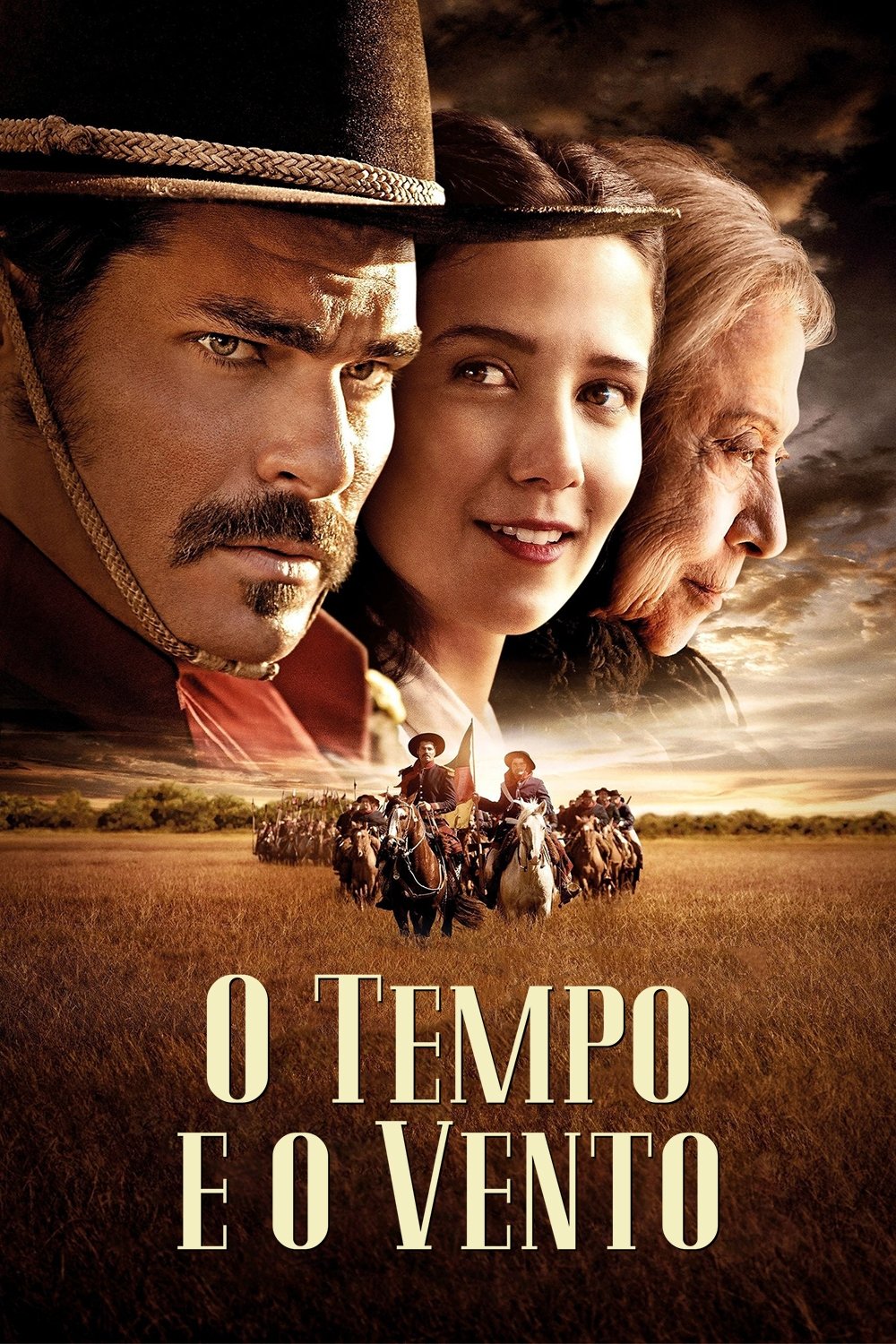
Based on Érico Verissimo's literary trilogy, Time and the Wind follows 150 years of the Terra Cambará family and their opponents, the Amaral family. The struggles between the two families begin in the missions and lasts until the end of the 19th century. The film also features the period of formation of the state of Rio Grande do Sul and the dispute of territory between the Portuguese and Spanish crowns.
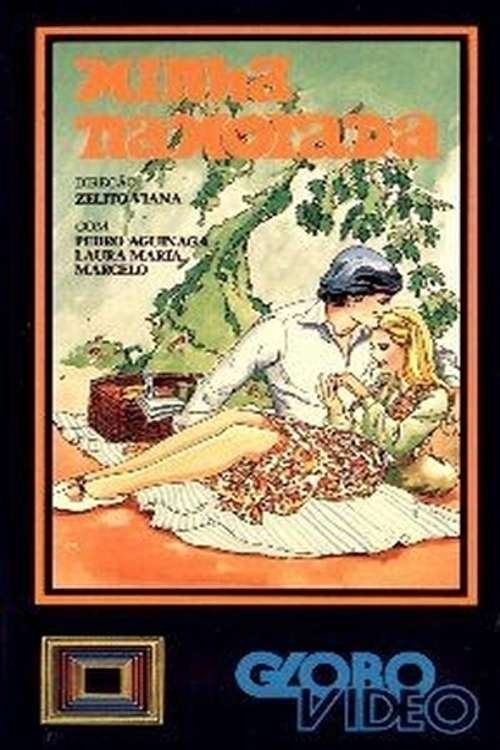
Middle-class teenage girl has a serious boyfriend that her parents approve of. Suddenly, she meets another boy with whom she is shown to have a greater identification.

After several behavior problems, teenager John is admitted to a psychiatric clinic by his family. There he meets Judith, for who he soon falls in love. The problem is that she does not have long to live and they know it. This shall not prevent the emergence of a great romance in the clinic.

Middle-class family reform their apartment, and the noise, the contact with the workers and strange occurrences turn what was supposed to be a trivial matter into a trip to hell.
After visiting a fortune teller, Zulmira is informed that a blonde woman will threaten her peace. After talking to her husband Toninho, she suspects that her cousin Glorinha may be that blonde.

Documentary about the life of Brazillian journalist Paulo Francis

A woman married to a former politician during the 1971 military dictatorship in Brazil is forced to reinvent herself and chart a new course for her family after a violent and arbitrary act.
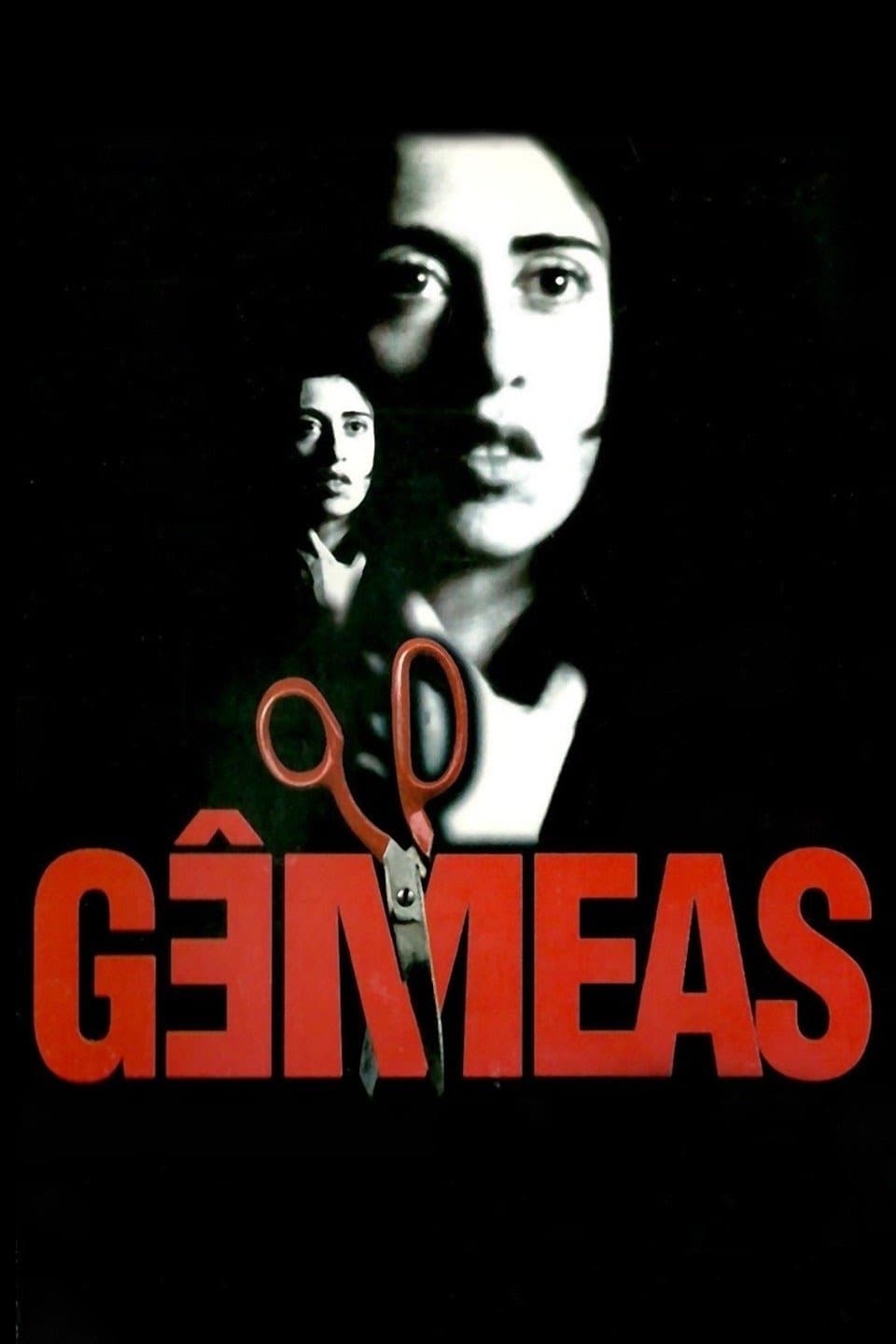
Identical twins Iara and Marilena like to play games and deceive men by pretending to be each other. But when they fall in love with the same man, a rivalry with devastating and horrifying consequences begins.
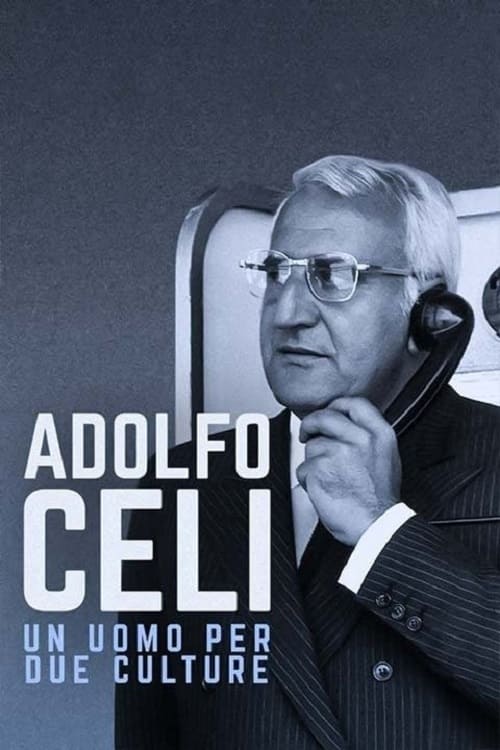
Created by his son Leonardo, this portrait of Adolfo Celi reconstructs his personal and artistic journey between Italy and Brazil. Through interviews, film clips, testimonials, photos, and extraordinary footage from the Celi family's personal archive, we will revisit the places that shaped his life.
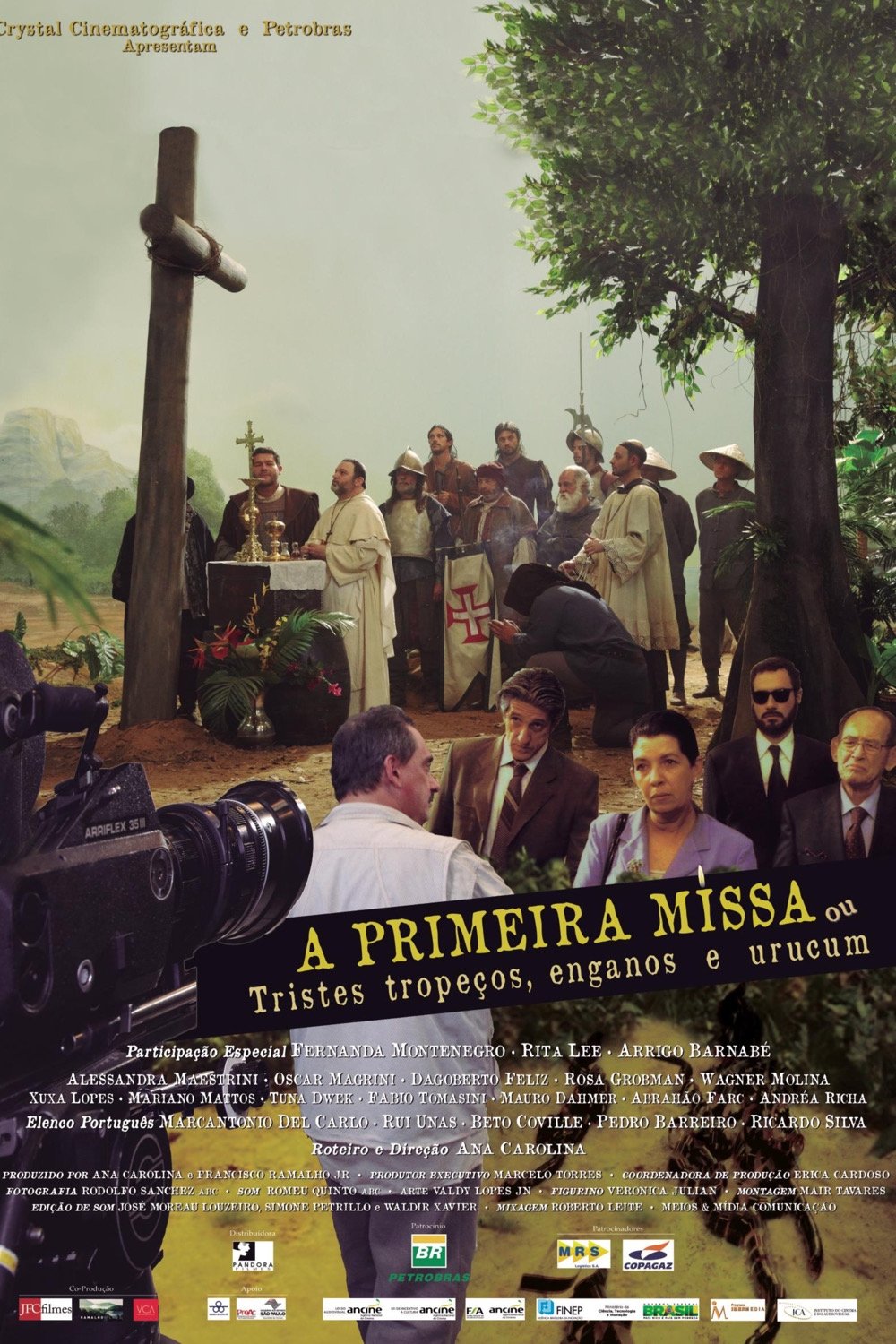
On set, in the middle of the Atlantic Forest, a stressed film director begins another day of filming, reproducing the celebration of the first mass in Brazil. Suddenly three strange agents emerge from the forest and abruptly interrupt the scene. Authoritarians, they confiscate the filmed negatives. The paranoid director grumbles: "Are they from the government?". The execution of the film is compromised. Will the director in trouble be able to complete his film?
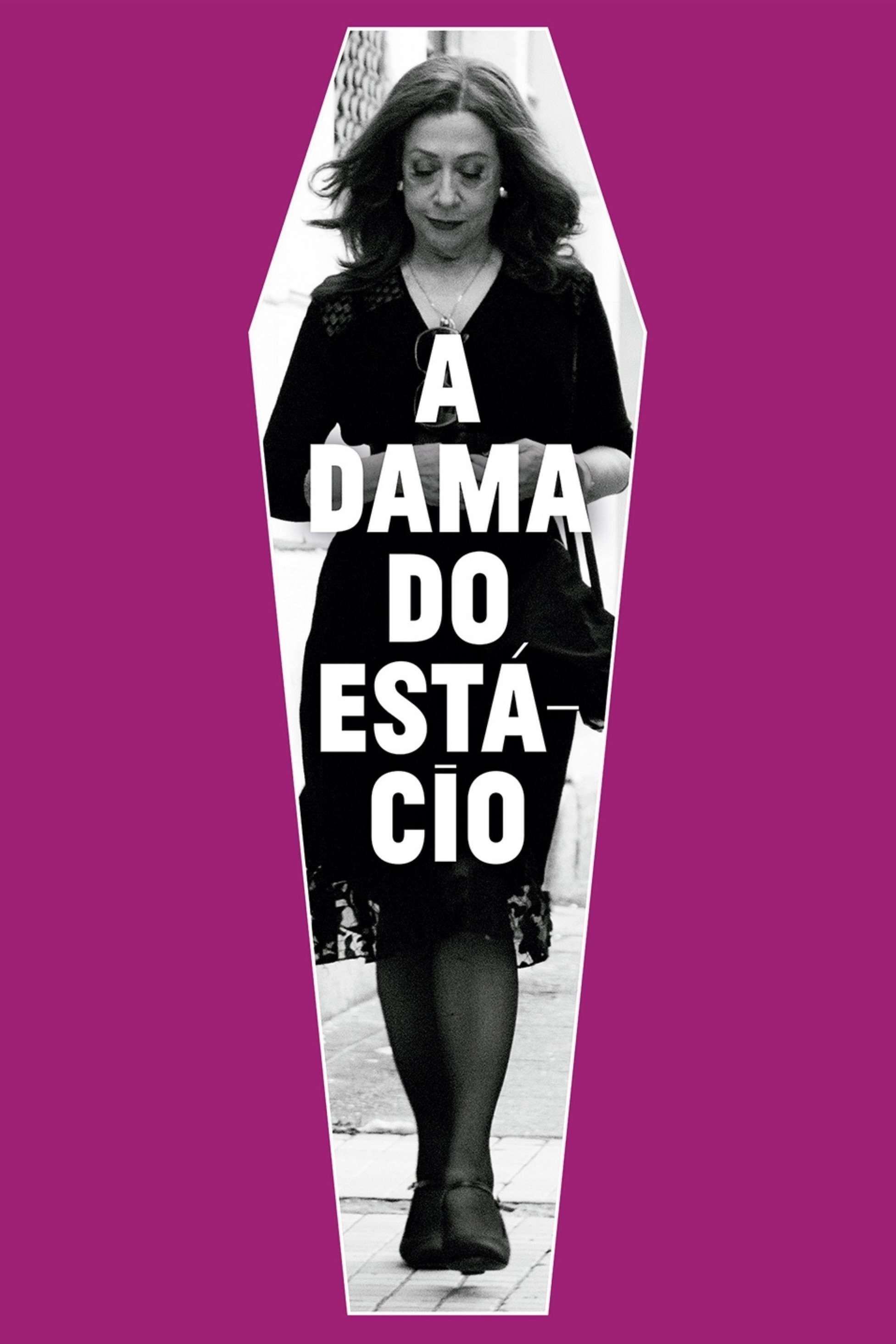
Zulmira is an old mistress who lives in the neighborhood of Estacio, in Rio de Janeiro. One day she wakes up obsessed with the idea of dying. All she needs is a good coffin. A tribute to Leon Hirszman's "The Deceased", the first film starred by Fernanda Montenegro.
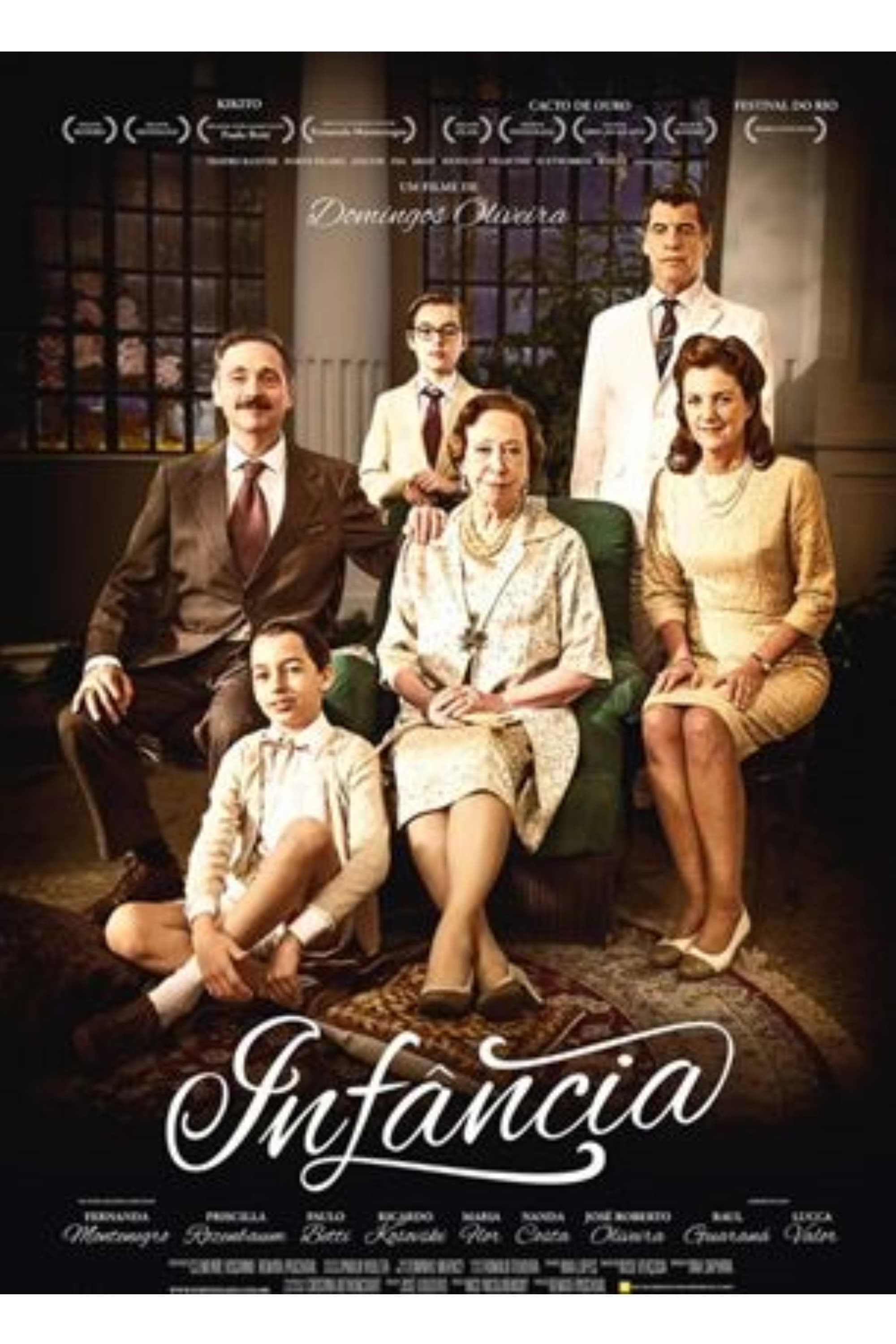
The film uses delicacy and humor to describe the authoritarian functioning of a typically Brazilian 1950 family in Rio de Janeiro. The family is headed by a matriarch anxiously waiting for the night to hear Carlos Lacerda. The intense emotional plot highlights the absurdity of the characters' behavior.
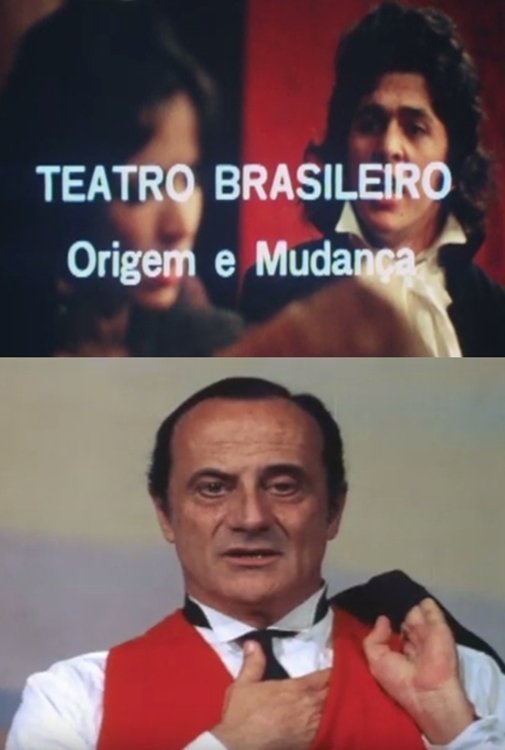

A portrait of the evolution of theater in the 20th century and a deep reflection on the art of acting through the career of Paulo Autran (1922-2007), one of the greatest actors in Brazil.
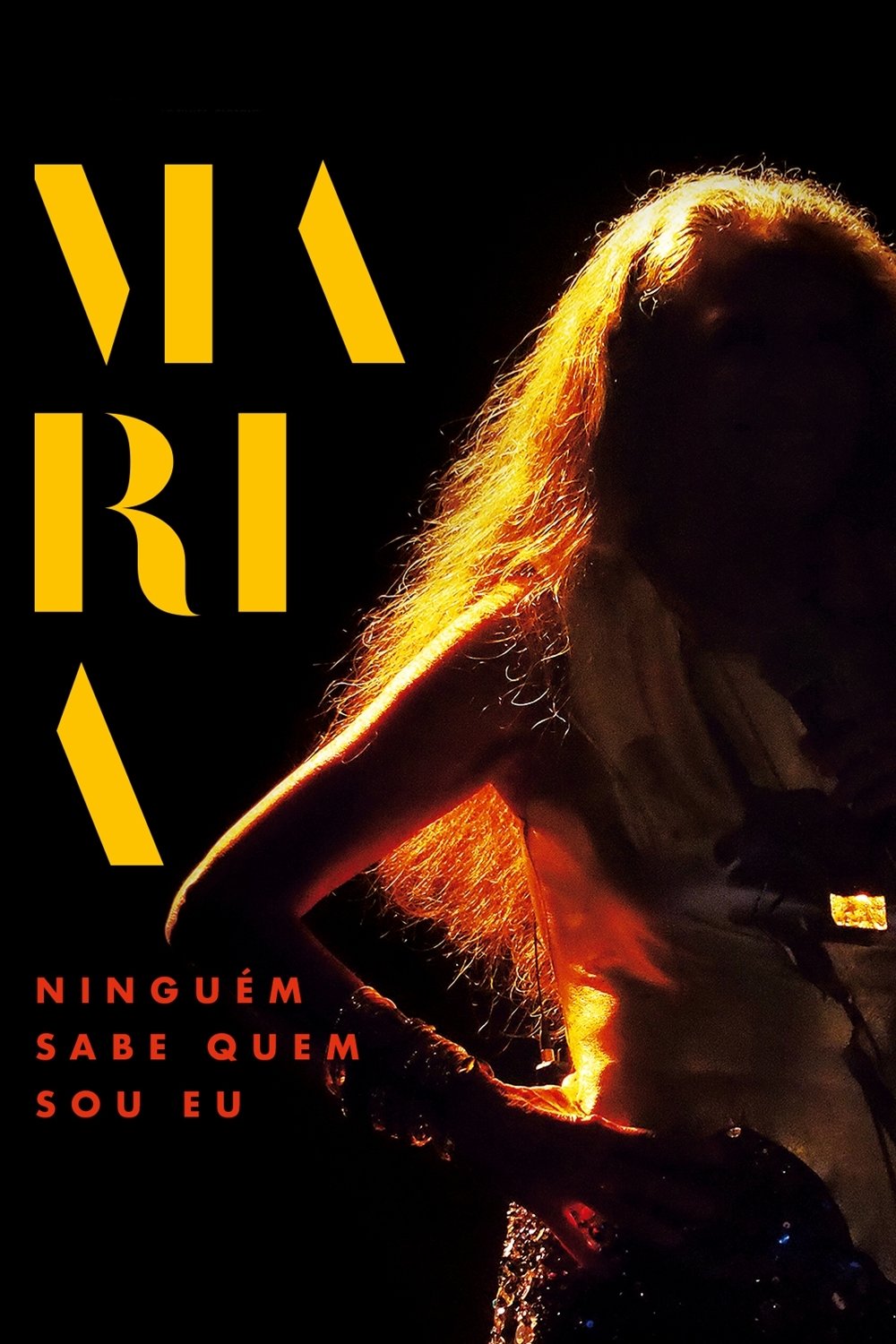
The film is an unprecedented and exclusive testimonial of Maria Bethânia from director and screenwriter Carlos Jardim, interspersed with rare footage of rehearsals and concerts by the singer throughout her 57-year career. Actress Fernanda Montenegro narrates five texts by authors such as Ferreira Gullar and Caio Fernando Abreu about Bethânia's importance on the Brazilian cultural scene.
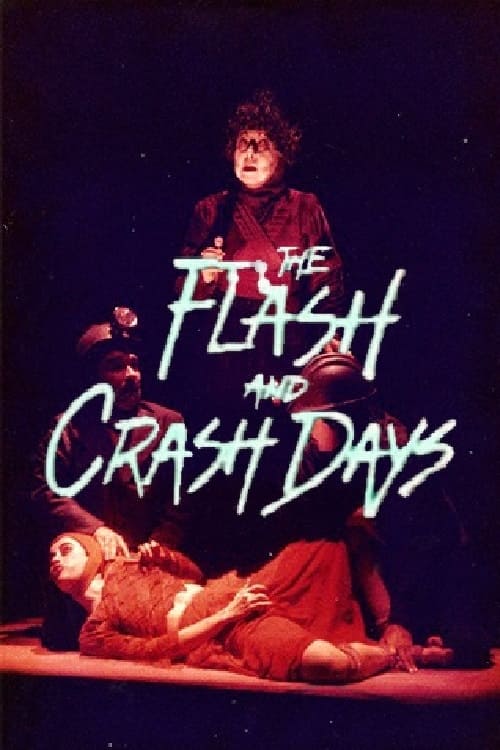
“Flash” is a post-industrial play with a touch of stochastic Freudian genealogy that has been to all the royal theaters and opera houses - then back to trashy punk clubs and now churches...
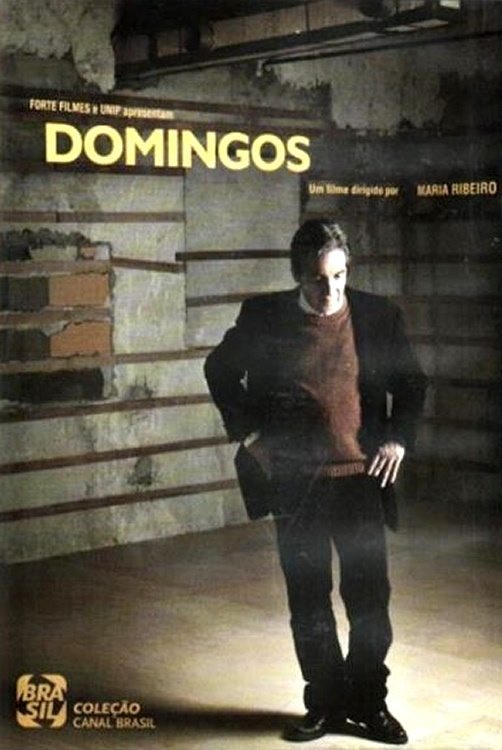
A look into the life and mind of Brazilian playwright and filmmaker Domingos Oliveira through his daily activities and artistic deeds.

The third episode of the Cities of Love franchise, Rio, I Love You is an anthology, created by 10 visionary directors from across the globe. The story line of each segment focuses on an encounter of love in a different neighborhood of the city, demonstrating the distinctive qualities and character of that location. The film serves to bridge gaps between cultures, educating and entertaining the audience, while celebrating unique and universal expressions of love.
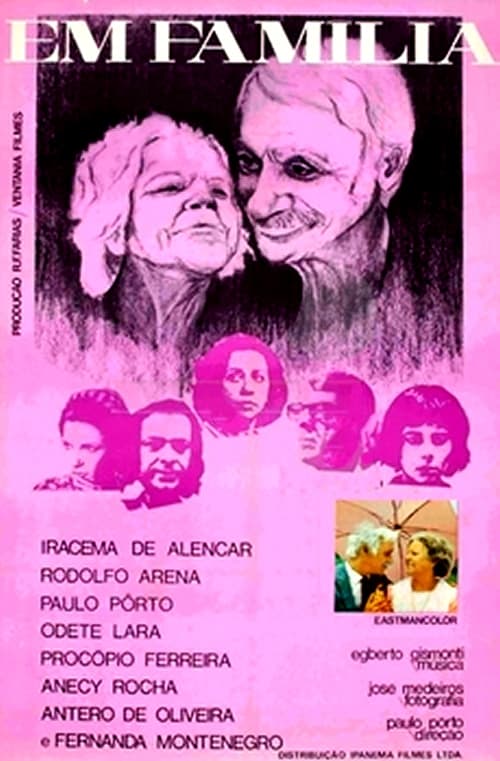
Old couple are being evicted and turn to their five children for help. Since no one can accommodate the two of them, the children decide to separate the couple.
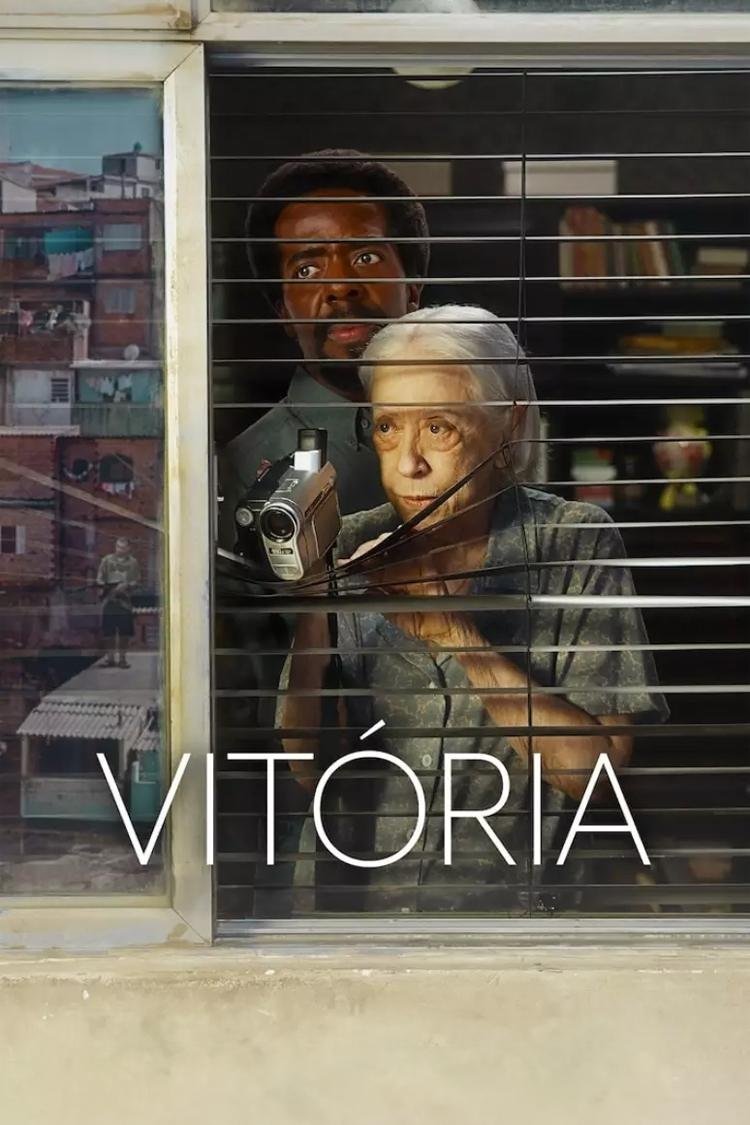
Nina is an elderly woman who lives alone and feels distressed by the increasing violence in her neighborhood. Amidst conflicts with her neighbors, she decides to film the movement of drug traffickers from her window, hoping to assist the police. After months of recording suspicious activities, her initiative attracts the attention of a journalist, who approaches Nina and offers to support her in her mission.

A documentary on Cosme Alves Netto (1937-1996), former head of the Cinematheque of the Museum of Modern Arts at Rio de Janeiro.
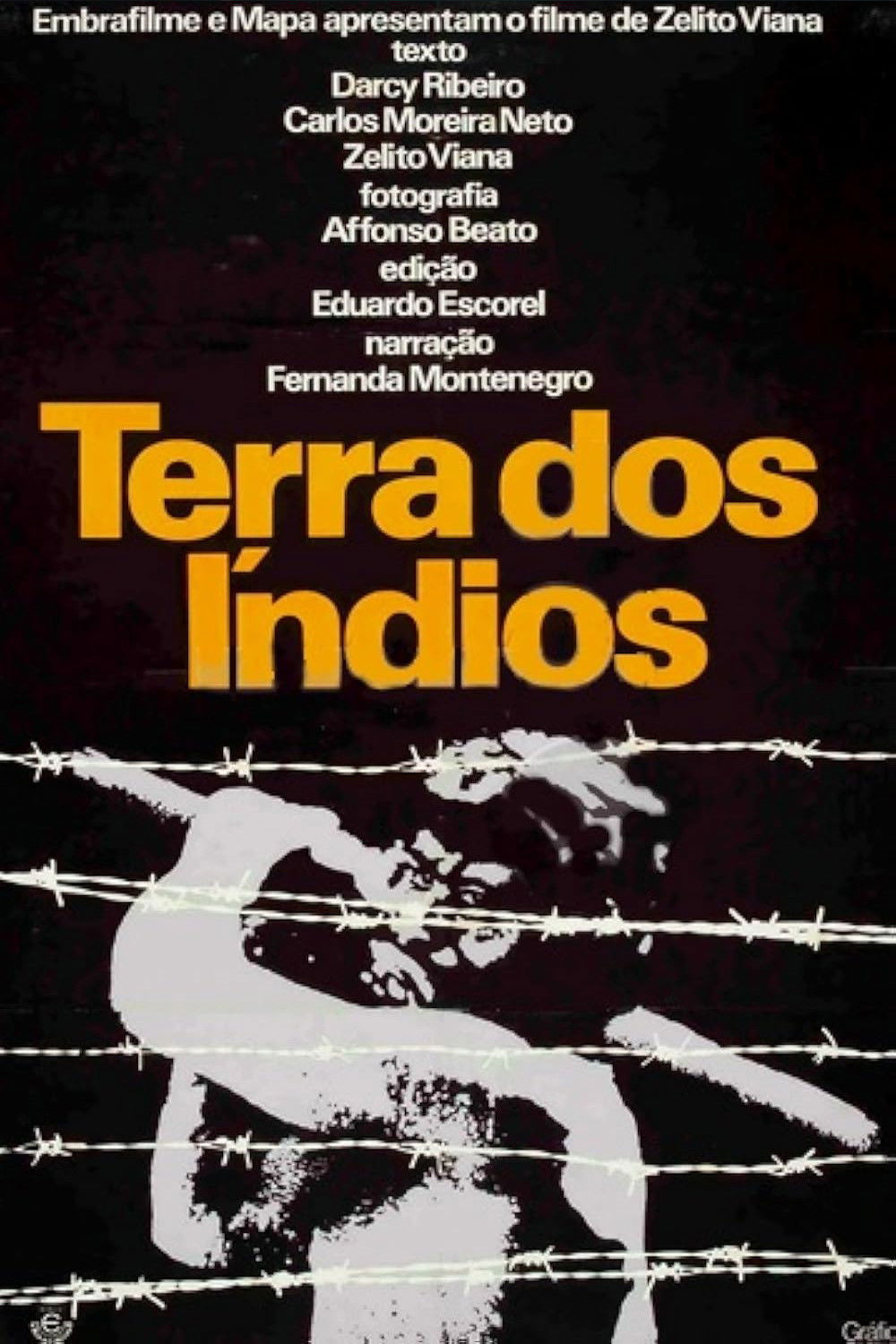
A collection of testimonies from Brazilian indigenous people about the interests of FUNAI (National Foundation for Indigenous Peoples), multinational corporations, and large landowners behind the disastrous policy of indigenous emancipation in Brazil. Narrated by Fernanda Montenegro.
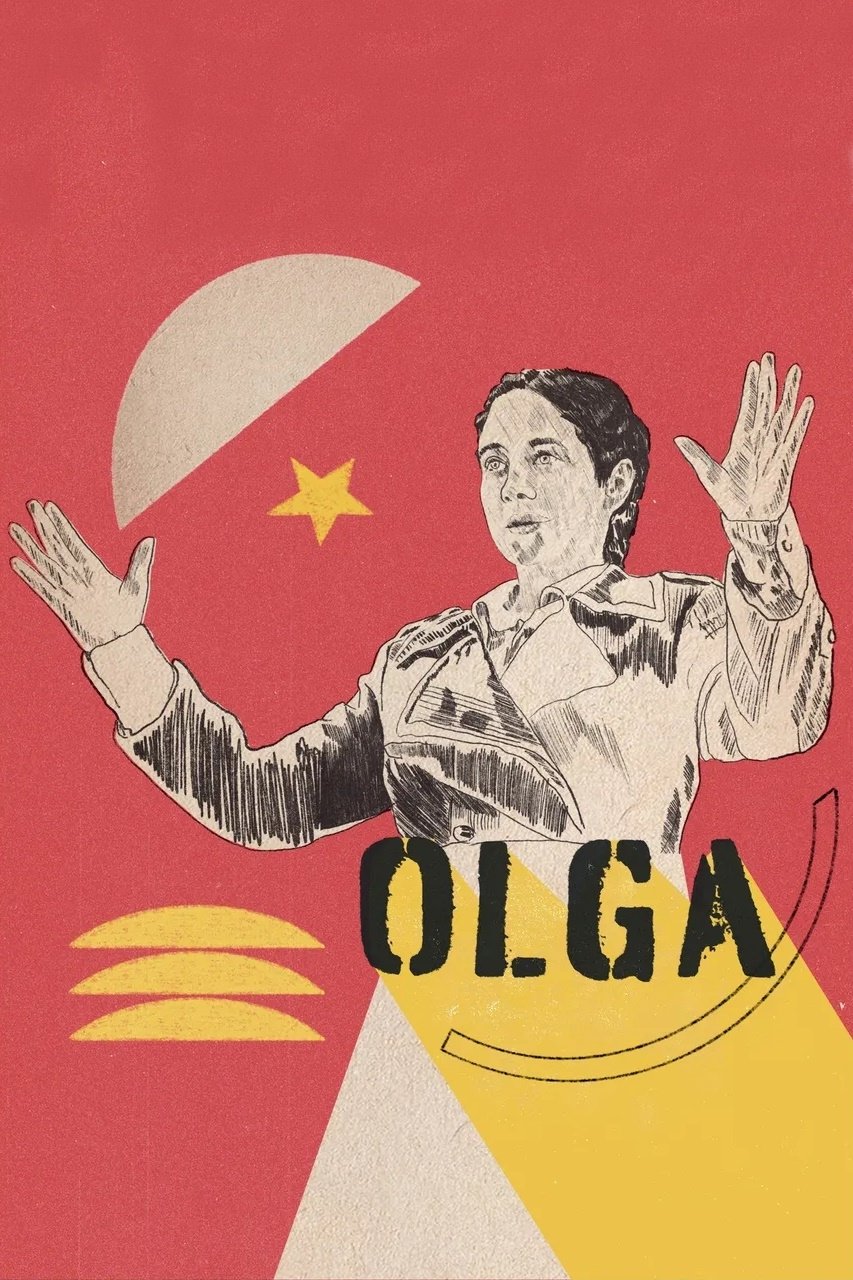
Based upon the true story of Olga Benário, the German-born wife of Brazilian communist leader Luís Carlos Prestes. During the dictatorship of Getúlio Vargas (1930-1945) she was arrested and sent to Nazi Germany, where she was put to death in a concentration camp. After World War II began, Vargas decided to uphold the Allies.
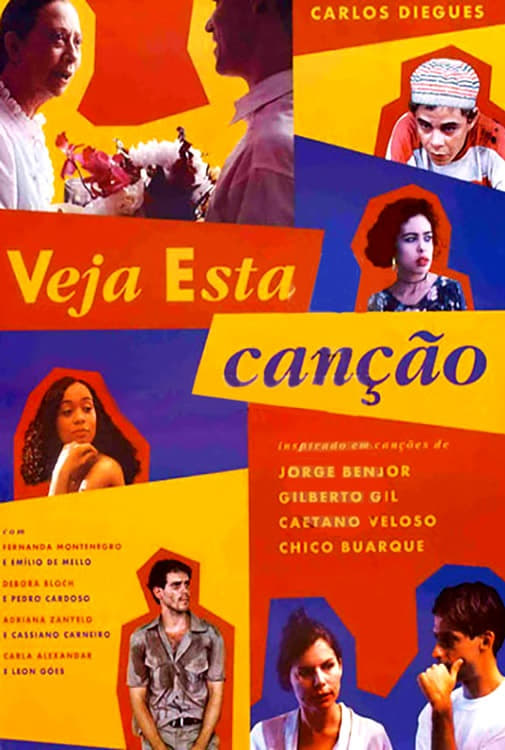
Four love stories which portray a wide gamut of emotions and desires against the backdrop of Rio de Janeiro. "Elephant's Stomp" : the story of a highway patrol officer who is infatuated with a mulatto dancer at a local nightclub. "Drao" : a publicity man and a boutique owner who face a crises in their marriage. "You Are Beautiful" : two homeless teenagers seek love amidst their personal misery. "Samba of the Great Passion" : a book maker who is charmed and captivated by the voice of a female singer coming from a building across the street. Characters in search of love in order to escape from the boredom, loneliness and helplessness of their lives.
A bus tour to São Paulo’s touristic spots bumps into several strange people.
The eccentric members of a wealthy Brazilian family each go through personal torment, debauchery and intense guilt. The father has made a fortune in the slaughterhouse business and ignores the feelings of his wife and his workers. When the mother threatens to leave, the father begs for her to stay and continue the hollow charade of their marriage for the sake of social appearances.
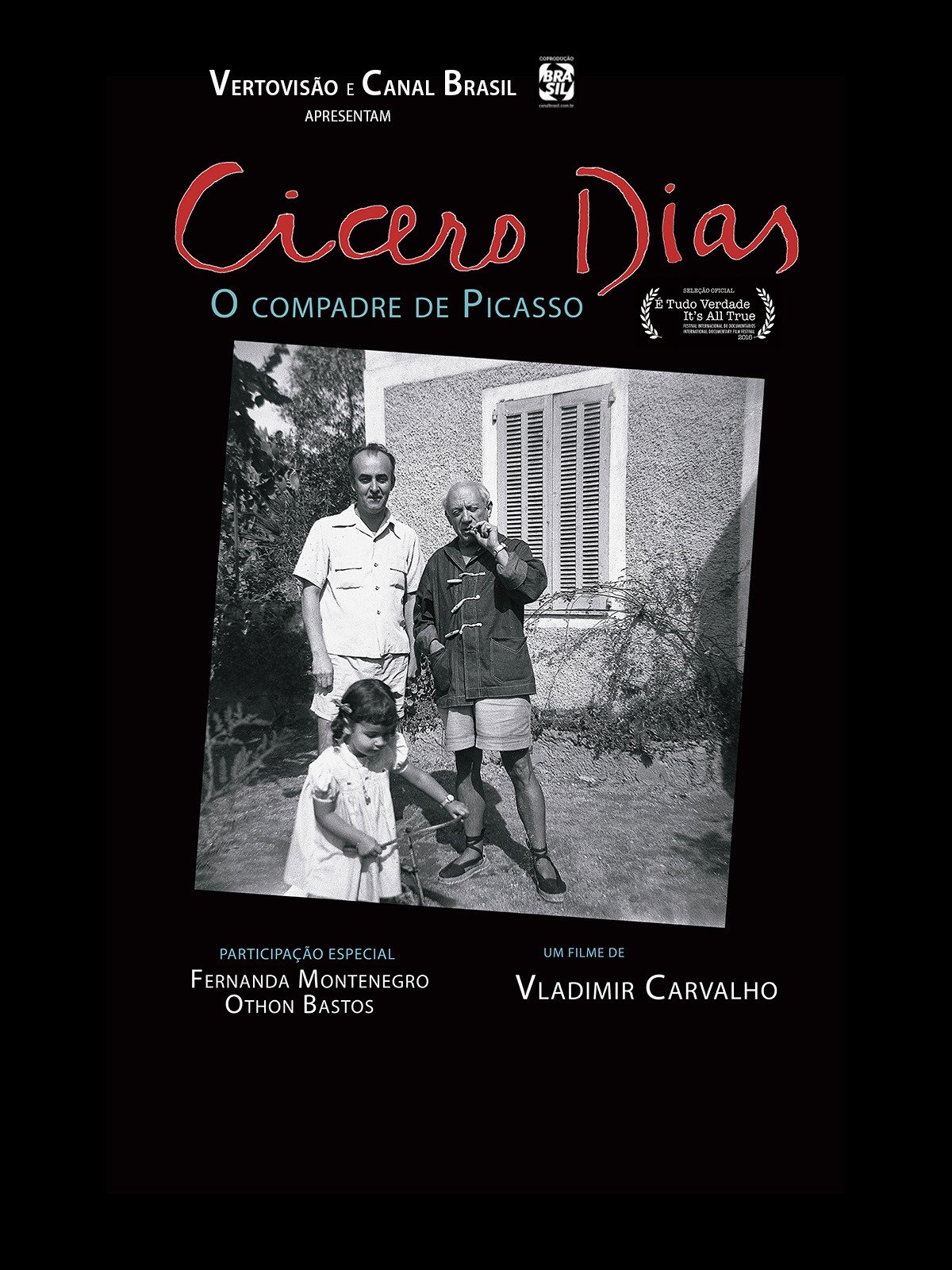
The Pernambuco painter Cicero Dias created an unparalleled art for the world. Close to a modernist and influenced by artists such as Pablo Picasso, Fernand Léger and Joan Miró, he marked the history of Brazilian art.
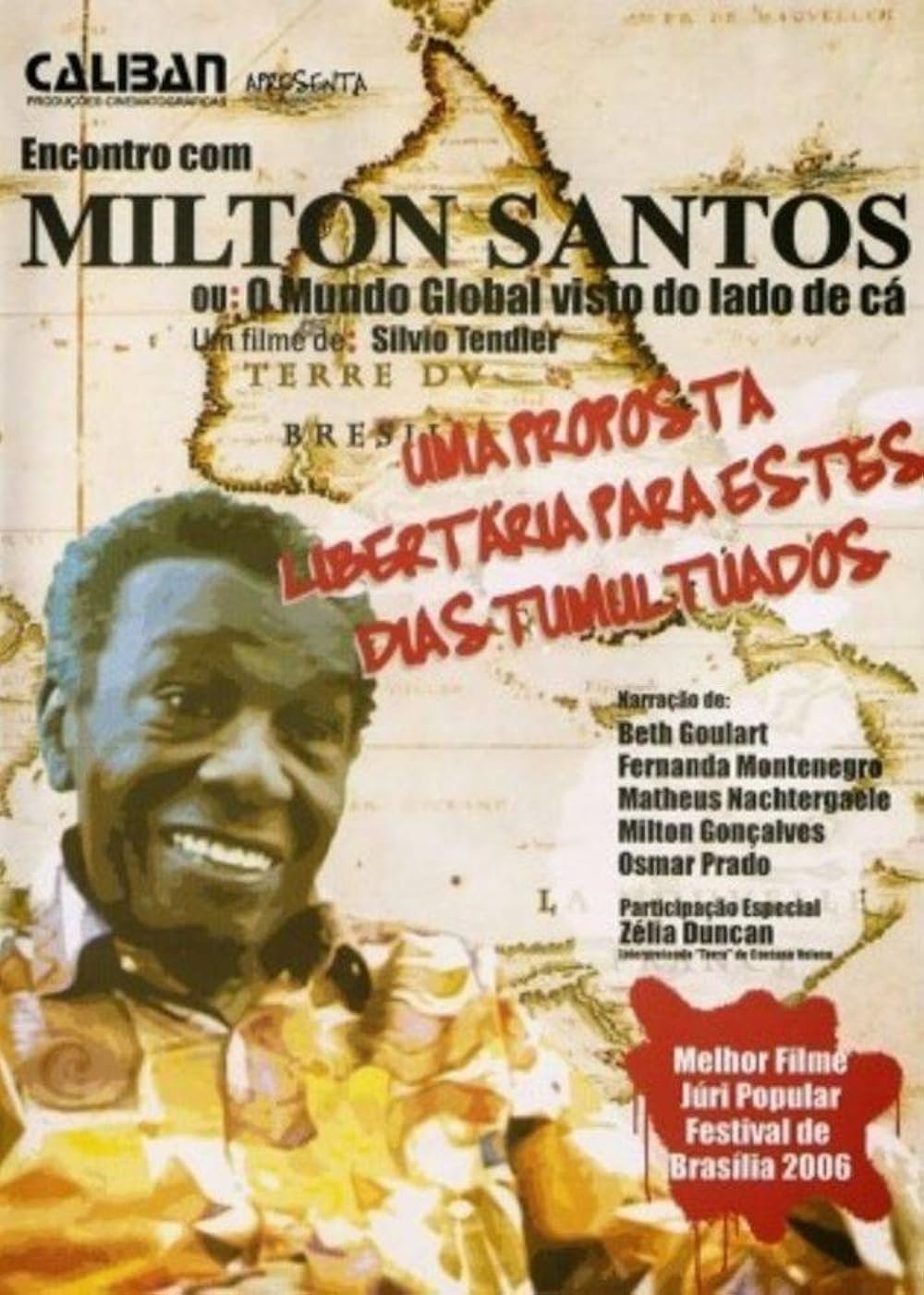
The film deals with the process of globalization based on the thought of geographer Milton Santos, who through his ideas and practices, inspires the debate about Brazilian society and the construction of a new world. Santos discusses his views on the importance of respecting difference and his belief that an alternative globalisation model could wholly enfranchise all citizens of the world. An illustrious presence in 20th century social sciences, the man dubbed as ‘geography’s philosopher’ eloquently elucidates a developing world perspective on the global age.
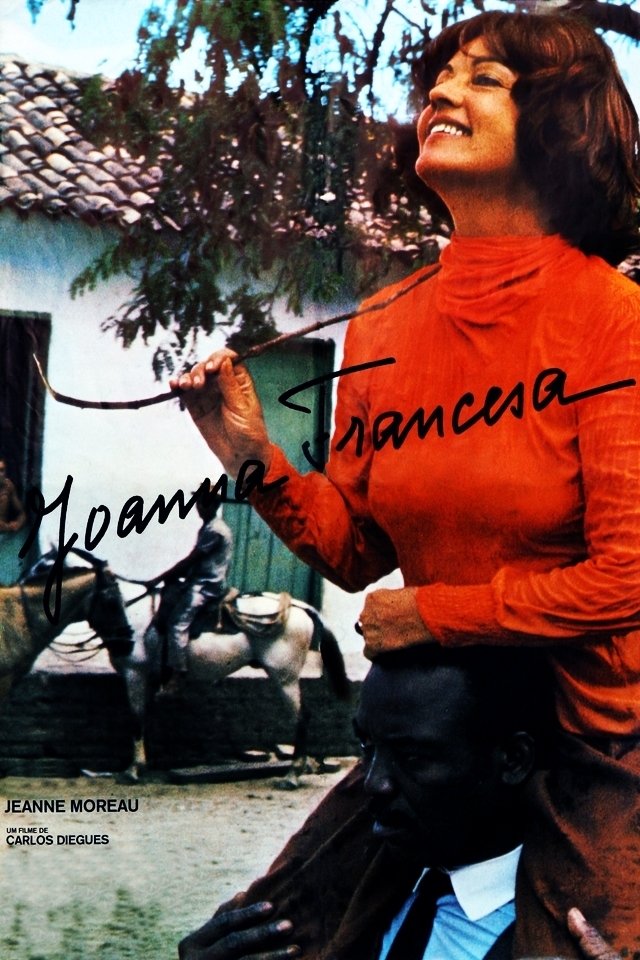
Joana is a sophisticated, beautiful woman, so she has a choice of lovers, and destinies. She will let down Pierre, the French consul at São Paulo, and with him the frivolity of tea-parties and comfort. Her wild inner-soul will develop into the wild forest surroundings of a landlord's farmhouse. To the extent she will defend her land like a 19th century owner - of lands and men alike.

With fireworks forming the word “Rio” in the sky and supermodel Gisele Bundchen shimmering to the tune of “The Girl from Ipanema,” Rio de Janiero welcomed the world to the first Olympic Games in South America with a serious message underlying the celebration: Let’s take care of our planet.
Documentary about Brazilian actress Fernanda Montenegro. The first South American and the first Latin American actress to be nominated for an Academy Award for Best Actress.
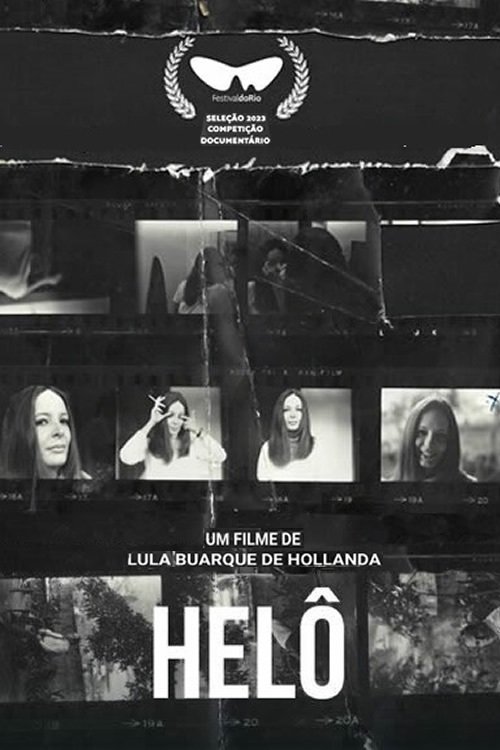
Considered one of the main Brazilian intellectuals, Heloisa Buarque de Hollanda — a member of the Brazilian Academy of Letters — left important marks on national thought and continues to be, at 84 years old, an active voice on the country's cultural and behavioral issues. The documentary sheds light on the trajectory of this icon who has always been at the forefront, serving as an antenna and beacon for cultural and social movements that are to come, while delving into Heloisa's intimacy thanks to the access of her eldest son, director Lula Buarque de Hollanda.

The quiet life of the small town Piedade's inhabitants is shaken up by the arrival of a big oil company, which barges in taking over houses and local businesses, throwing everyone out, to better reach and use the area's natural resources.
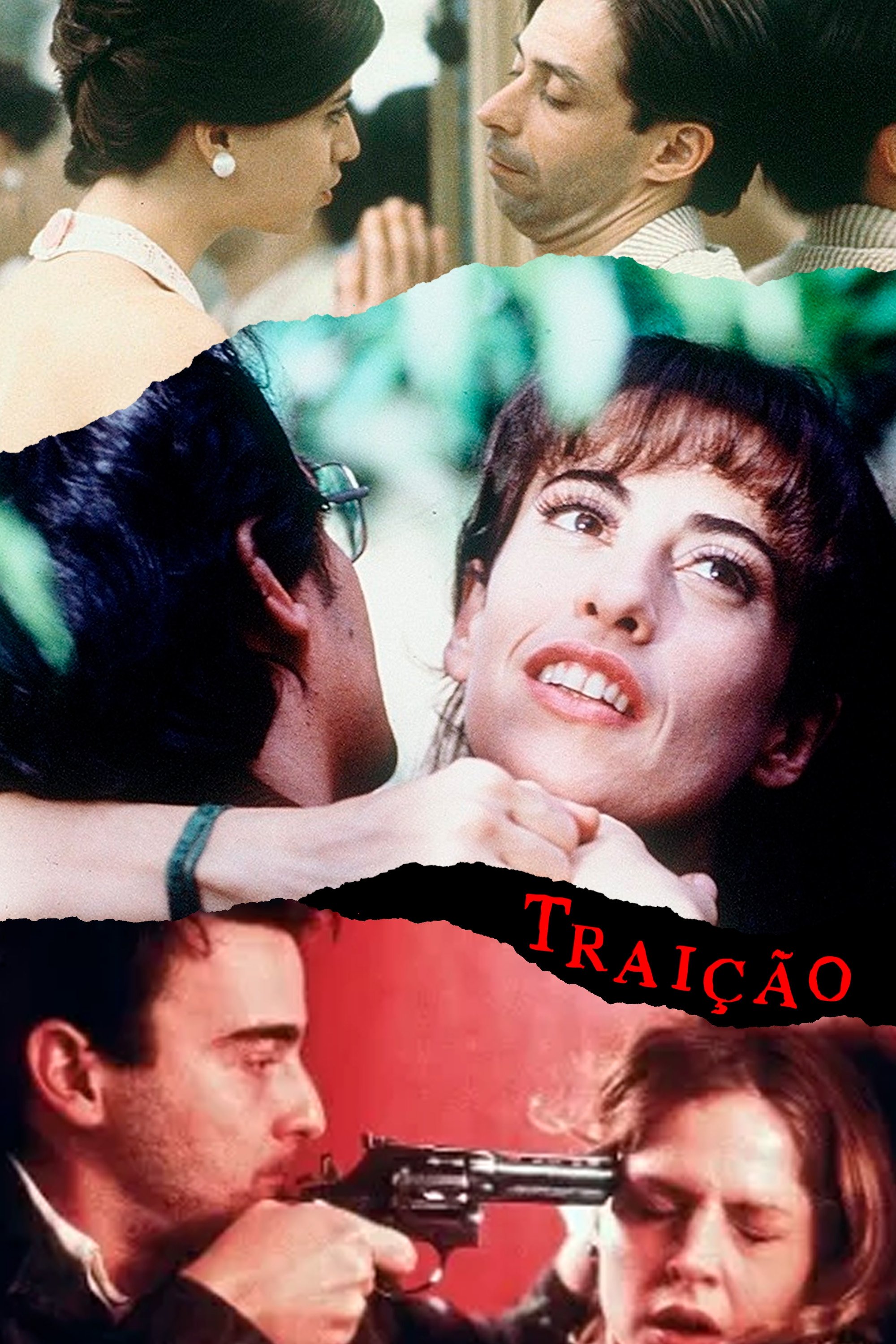
Three stories of infidelity unfold: a man falls for a married woman, a young girl draws the gaze of her sister’s fiancé, and a husband takes his unfaithful wife hostage after discovering her affair with his best friend.
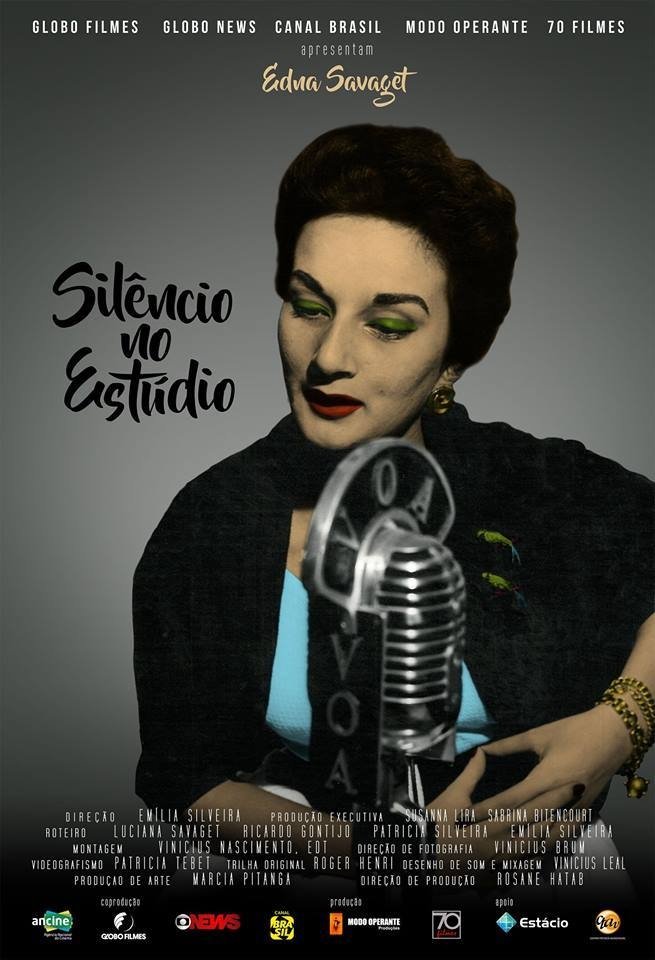
The life of writer, journalist, and TV presenter Edna Savaget, who began her career as a police reporter at Rádio Nacional in the late 1940s and hosted television programs between the 1950s and 1980s.
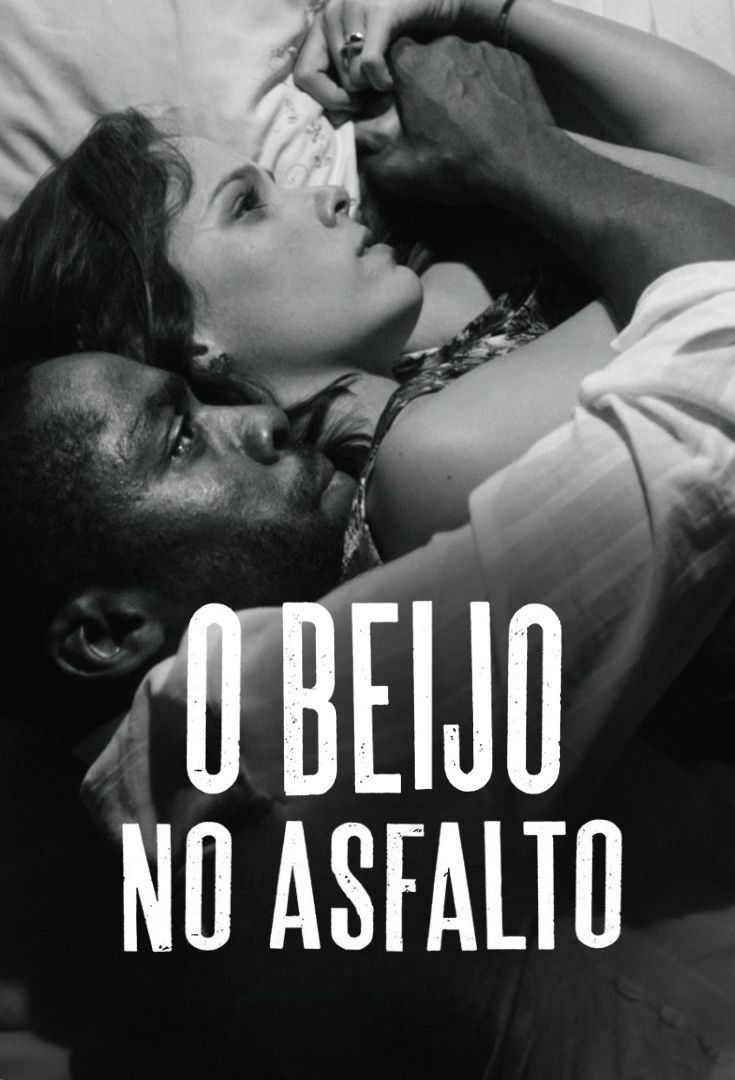
When witnessing a hit, Arandir, a newly married banker, tries to succor the victim, but the man, almost dead, has only time to make one last request: a kiss. Arandir kisses the man, but his act is spotted by his father-in-law Aprígio and photographed by Amado Ribeiro, a tabloid reporter.
Augusto moves with his family to an abandoned farm, inherited from his grandfather, hoping to put his life back on track. The property, however, carries the karma of the betrayal of the slave Couraça who seeks revenge against Augusto's family.
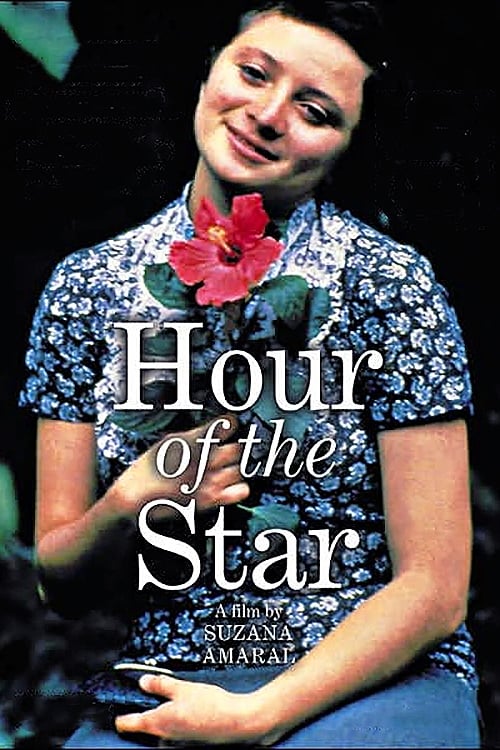
Macabéa has just moved to the big city after her aunt, who raised her, died. She gets a job as a typist and moves into a boarding house with three other women. In her spare time, she listens to a radio station called Time; on Sundays, she likes to ride the metro. Then she meets Olímpico, a northeasterner like herself, who has dreams of becoming a congressman.
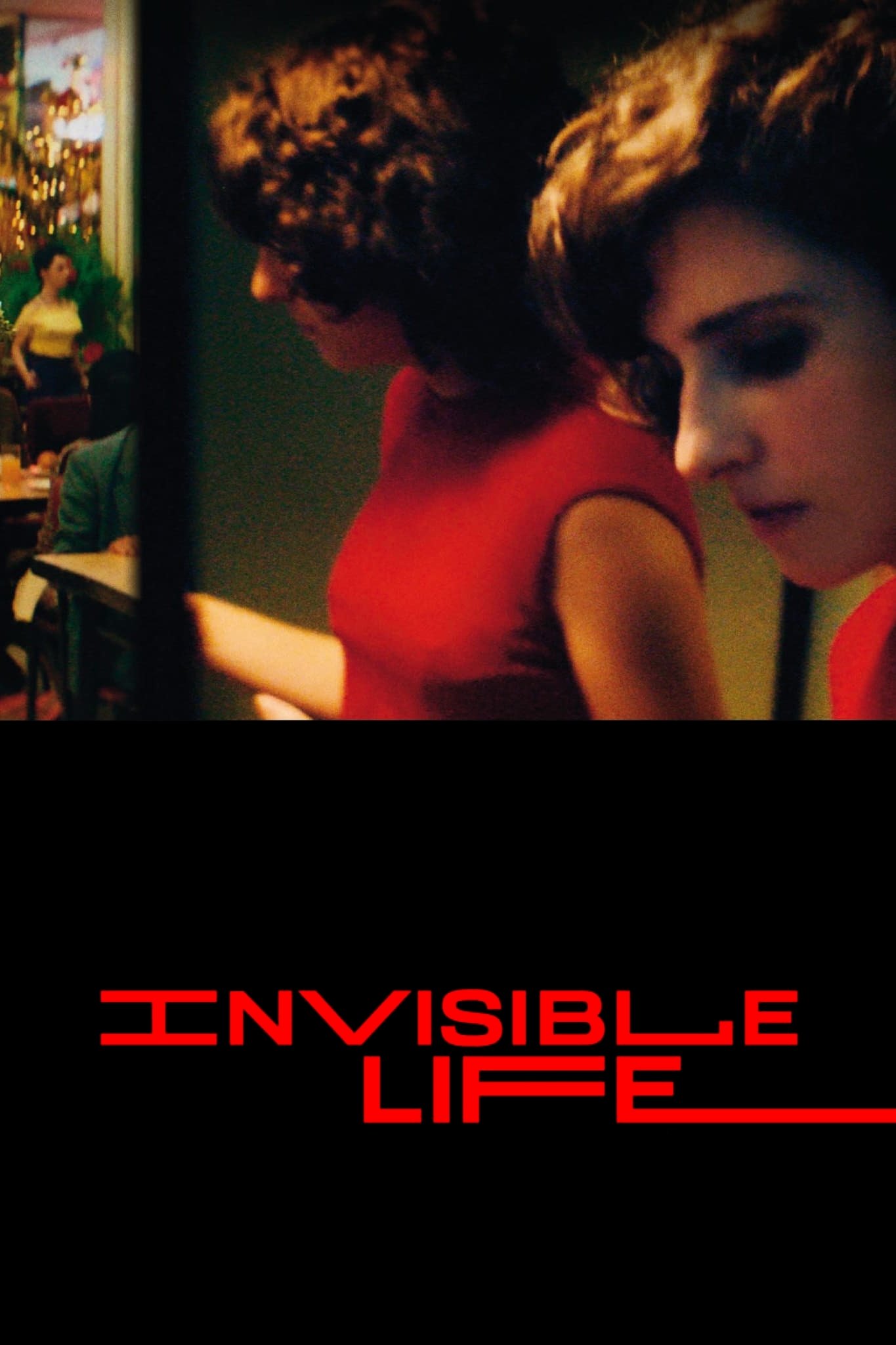
Rio de Janeiro, Brazil, 1950. In the conservative home of the Gusmão family, Eurídice and Guida are two inseparable sisters who support each other. While Guida can share with her younger sister the details of her romantic adventures, Eurídice finds in her older sister the encouragement she needs to pursue her dream of becoming a professional pianist.
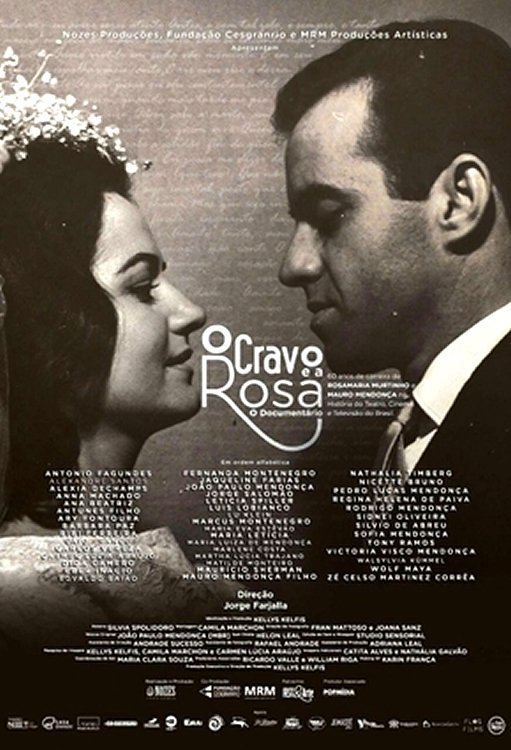
Documentary on Rosamaria Murtinho and Mauro Mendonça’s 60-year long career in Brazilian theater, film and television. The film not only runs through the career of these artists, but also paints a portrait of a generation that rose alongside them and that works with art till this day.

Documentary that chronicles the trajectory of the journalist, federal deputy, secretary of state, minister of state, governor and ambassador José Aparecido de Oliveira, who lived with the greatest authorities and personalities from the political, business and cultural circles in Brazil and the world.
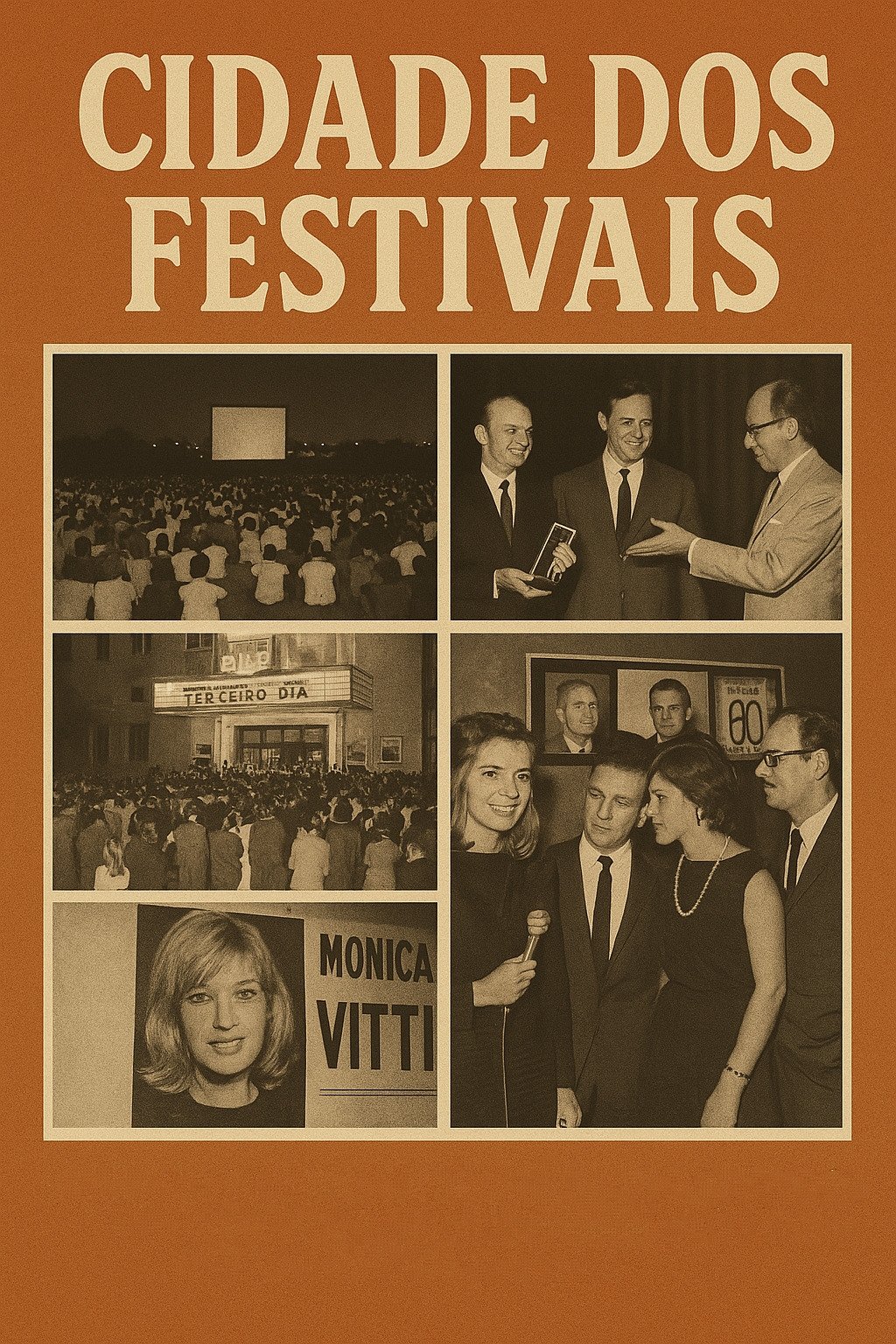
Historical film that rescues the memory of the early Brazilian film festivals through photos, films, testimonials, and posters.
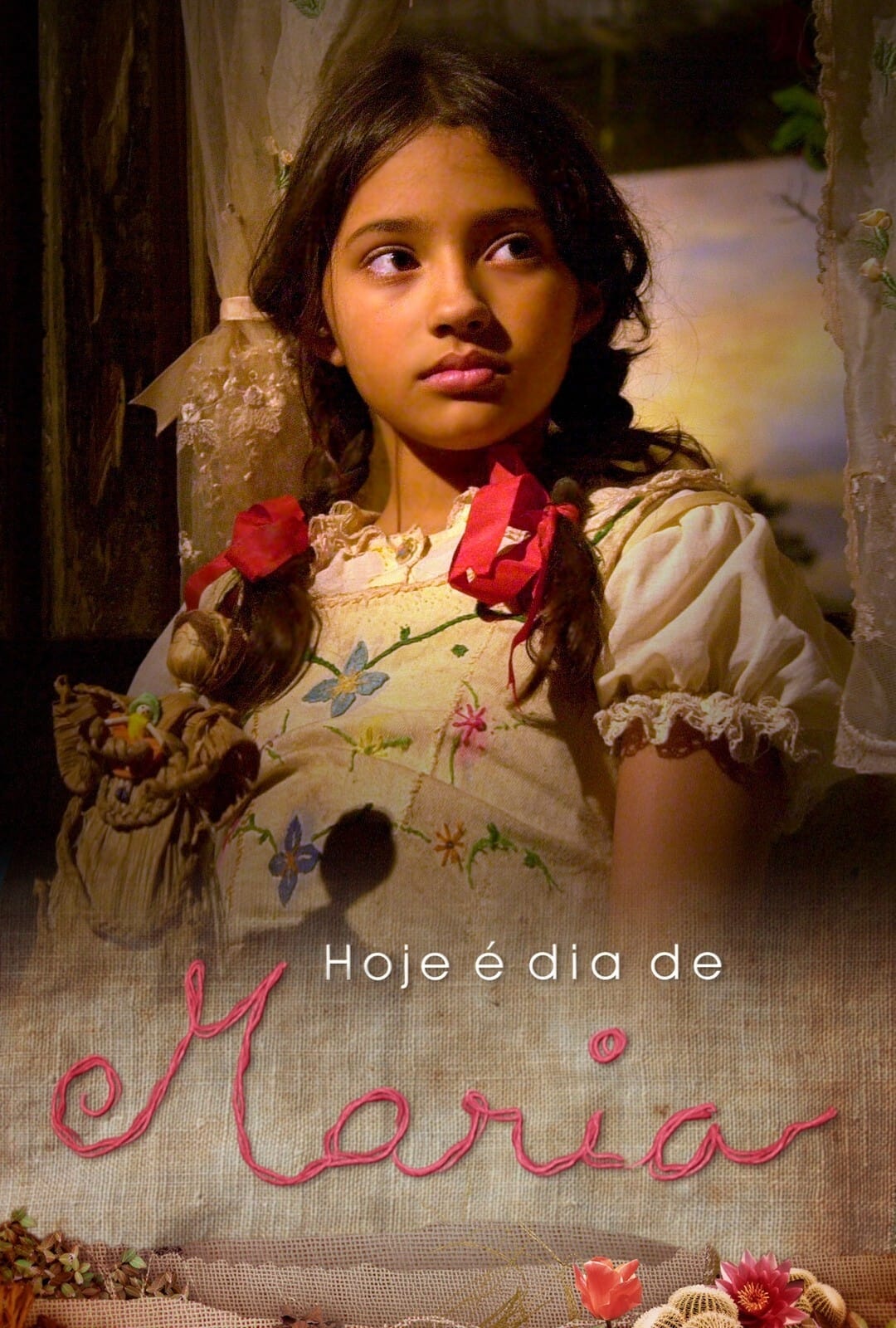
Maria is a gifted girl, who faces a hard life in the fields. She is happy when her father decides to remarry, thinking that he will rejoice again. However, to the girl's despair, her stepmother is bad and starts to mistreat her. Maria still has to face the devil's tricks. Adaptation of the miniseries shown in 2004.

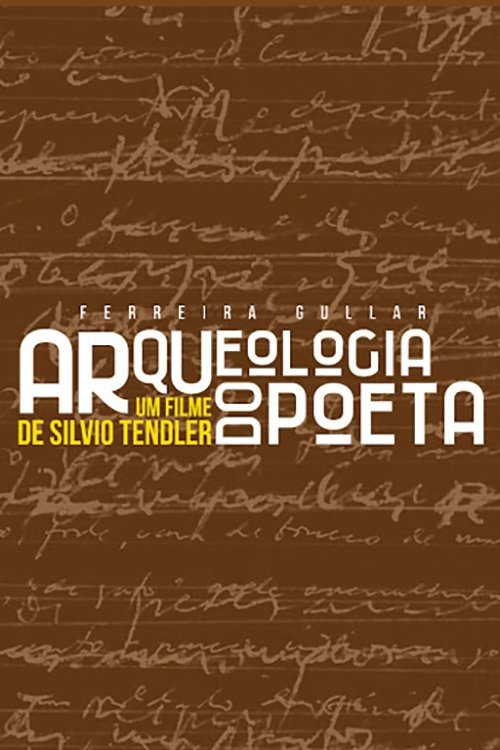
The intense life of Ferreira Gullar, one of the most influential poets in Brazil, is revisited by his personal friend Silvio Tendler, based on his most acclaimed work: Poema Sujo. In addition to addressing other poems by Gullar, the documentary also includes the testimony of people who lived directly with the artist's work.
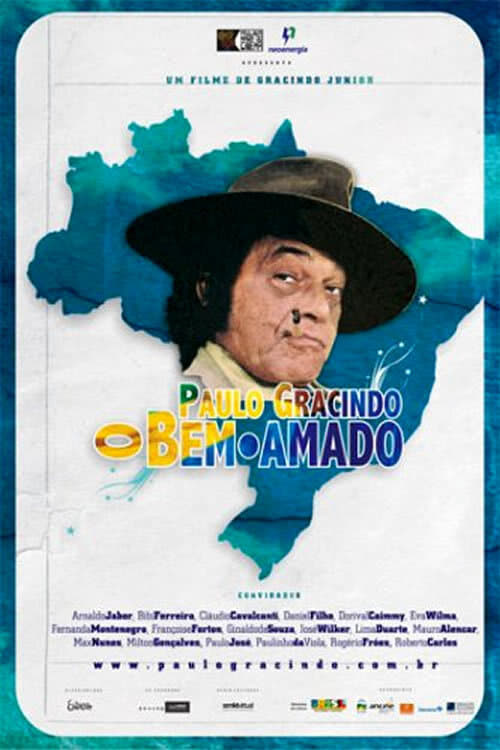
The life of a famous Brazilian film and television actor, including testimonials from people who knew him and worked with him, as well as excerpts from films and videos in which he acted.
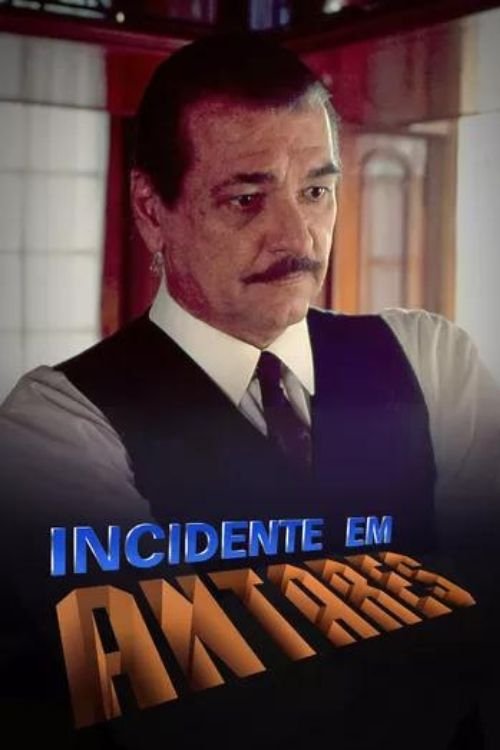
Film adaptation of the TV Show in 1994, based on the novel of the same name by Érico Veríssimo. During a general strike in the city of Antares, gravediggers refuse to carry out burials, to increase pressure on employers. During the night, however, the dead claim the right to be buried.

Between scenes from his concert in São Paulo's oft-inaccessible Theatro Municipal, rapper and activist Emicida celebrates the rich legacy of Black Brazilian culture.
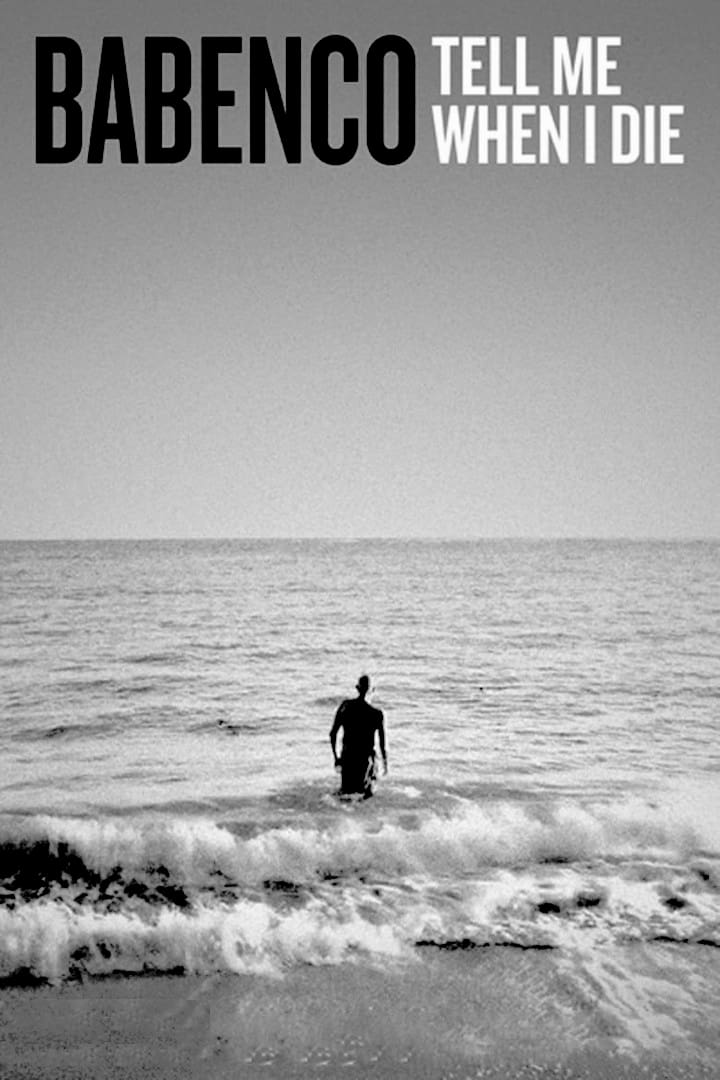
Besieged by cancer and nearing the end, the genius Argentine-Brazilian filmmaker Héctor Babenco (1946-2016) asks Bárbara Paz, his wife, for one last wish: to be the protagonist of his own death.
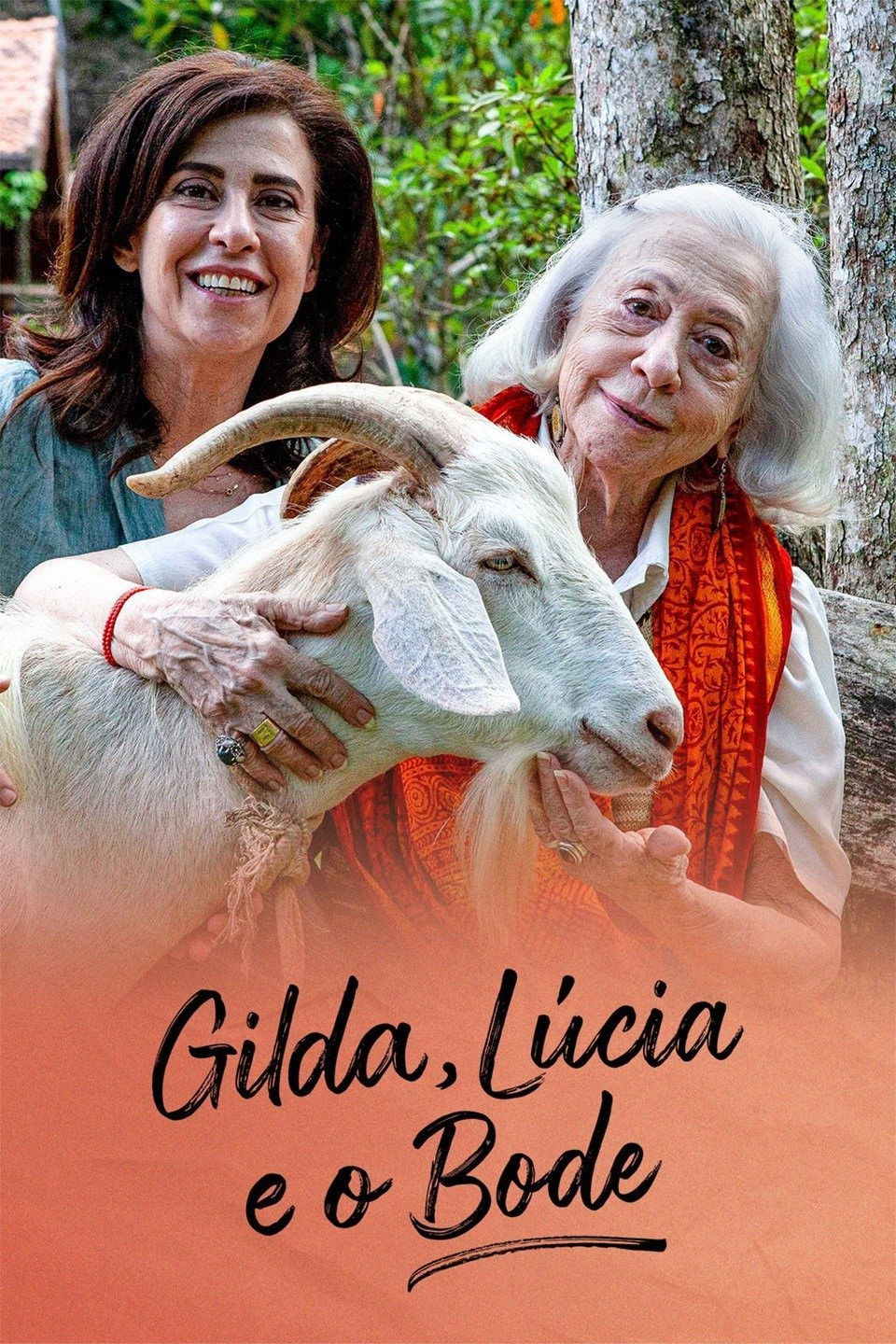
The special brings the continuation of the plot starring Gilda and Lúcia in the series 'Amor e Sorte'. After a period of forced coexistence due to social isolation, they face a new reality.
The paraplegic Bóris stays at home with the beautiful young woman Cacau, while his wife Ivette goes to the movie theater. When Cadú, the boyfriend of Cacau, unexpectedly arrives in the apartment, a night of sex, sadism and violence happens. When Ivette returns, the fantasies of a sick mind are disclosed in a surprising end.
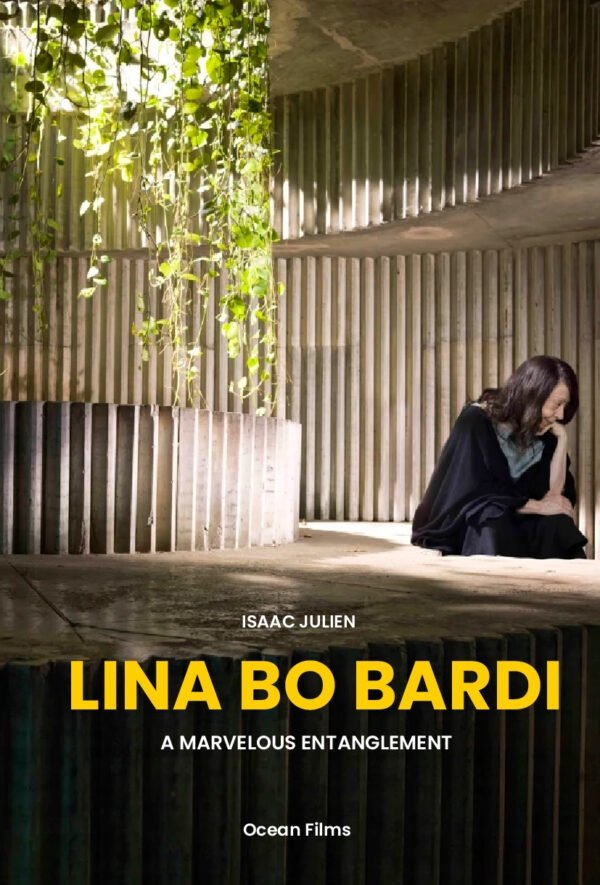
The multiple screen installation and photographic series A Marvellous Entanglement (2019) traverses a collection of Lina Bo Bardi’s most iconic buildings, offering a meditation on the work and legacy of the visionary modernist architect and designer (1914–1992).

The trajectory and artistic imagery of actor and director Zbigniew Ziembinski (1908-1978), precursor of modern theater in Latin America and master of generations of Brazilian actors. The polyphonic montage builds on vast unpublished material, covering half a century of performances, teletheaters and interviews by Zimba, as he was known – before and after fleeing Poland, on the eve of the invasion of Warsaw – and recreates fragments of Wedding Dress , a play by Nelson Rodrigues which the Polish-Brazilian director won a revolutionary montage in 1943.

In six decades, Teatro Oficina has done more than revolutionize theatrical language in the country: the aesthetic influence of José Celso Martinez Corrêa's company extends from Tropicalism to the renewal of Brazilian audiovisual languages from the 1960s onwards. The film revisits a story that it involves personalities such as Caetano Veloso, Glauber Rocha, Lina Bo Bardi, Chico Buarque and Zé do Caixão, brings together scenic art, ecology, architecture and sexuality, and mixes art and life in the search for a Brazilian based language.


An elderly retired couple teams up with young partners to plan a daring bank robbery, while trying to outwit a detective determined to stop them.
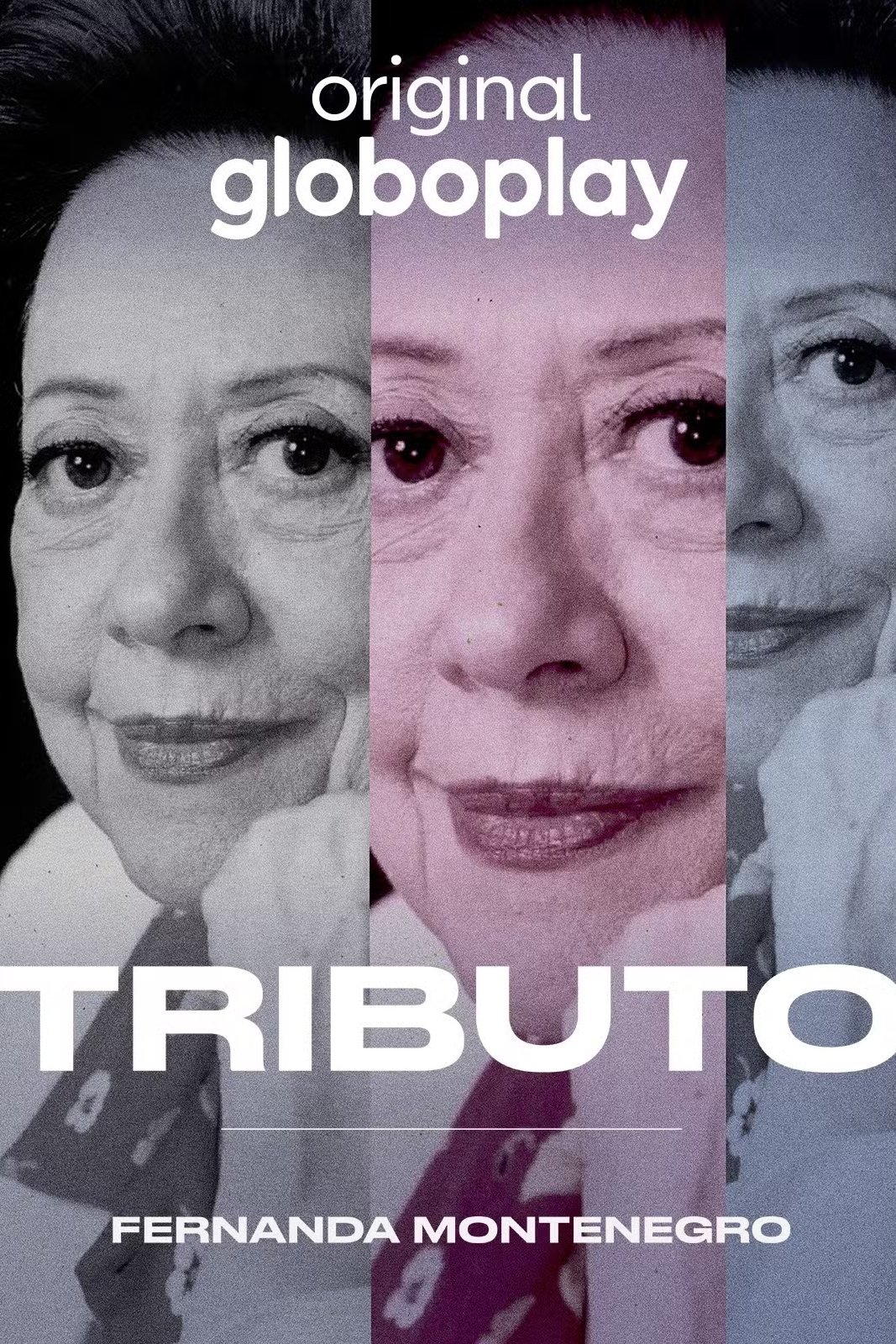
Fernanda Montenegro opens the doors of her home and recalls remarkable stories, from more modest productions to the Oscar ceremony, in the company of her daughter, actress Fernanda Torres.
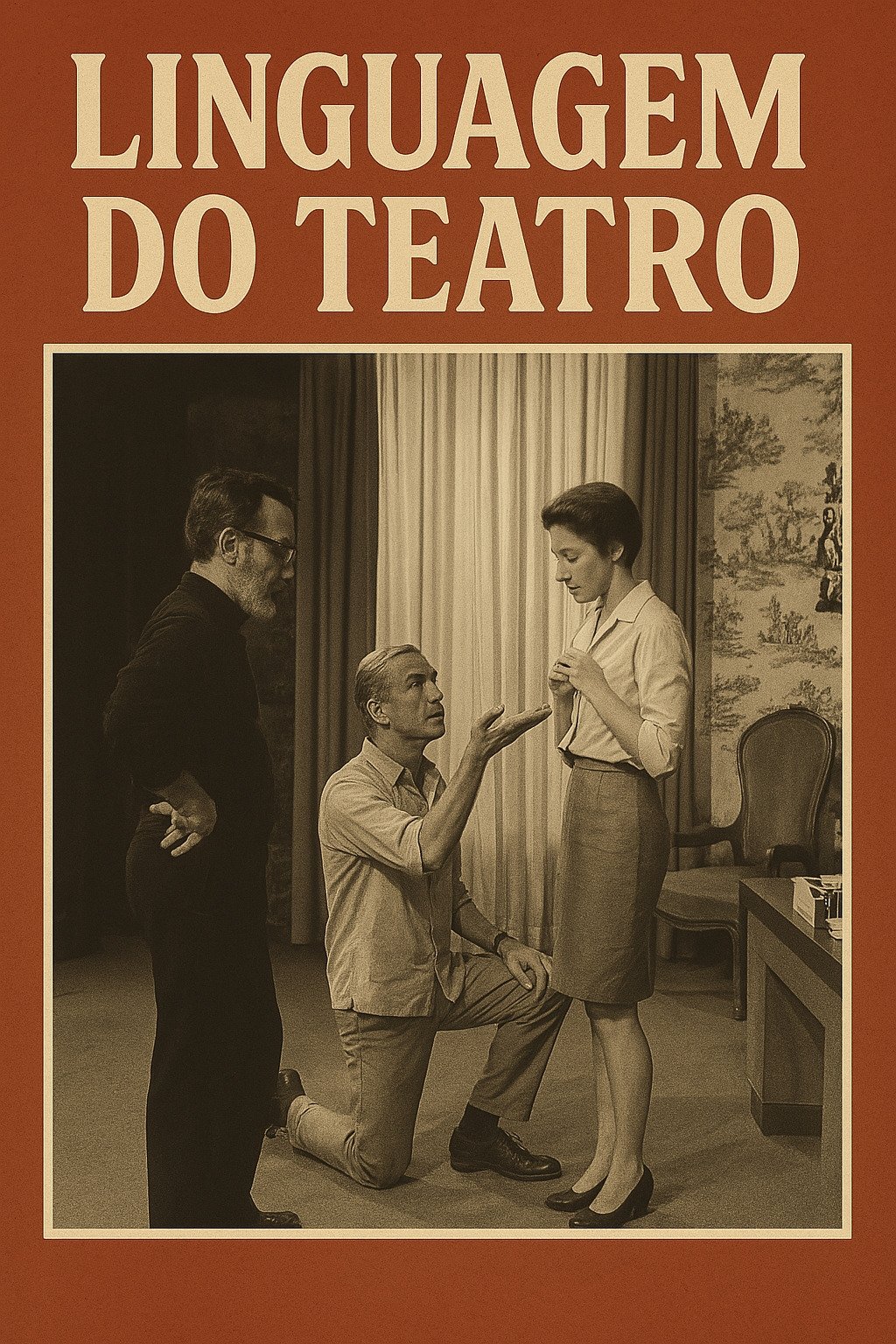
All the magic of the theatre is revealed to viewers as they follow the challenges involved in the various stages of putting on a play – from selection and reading to rehearsals and, finally, opening night before the audience.
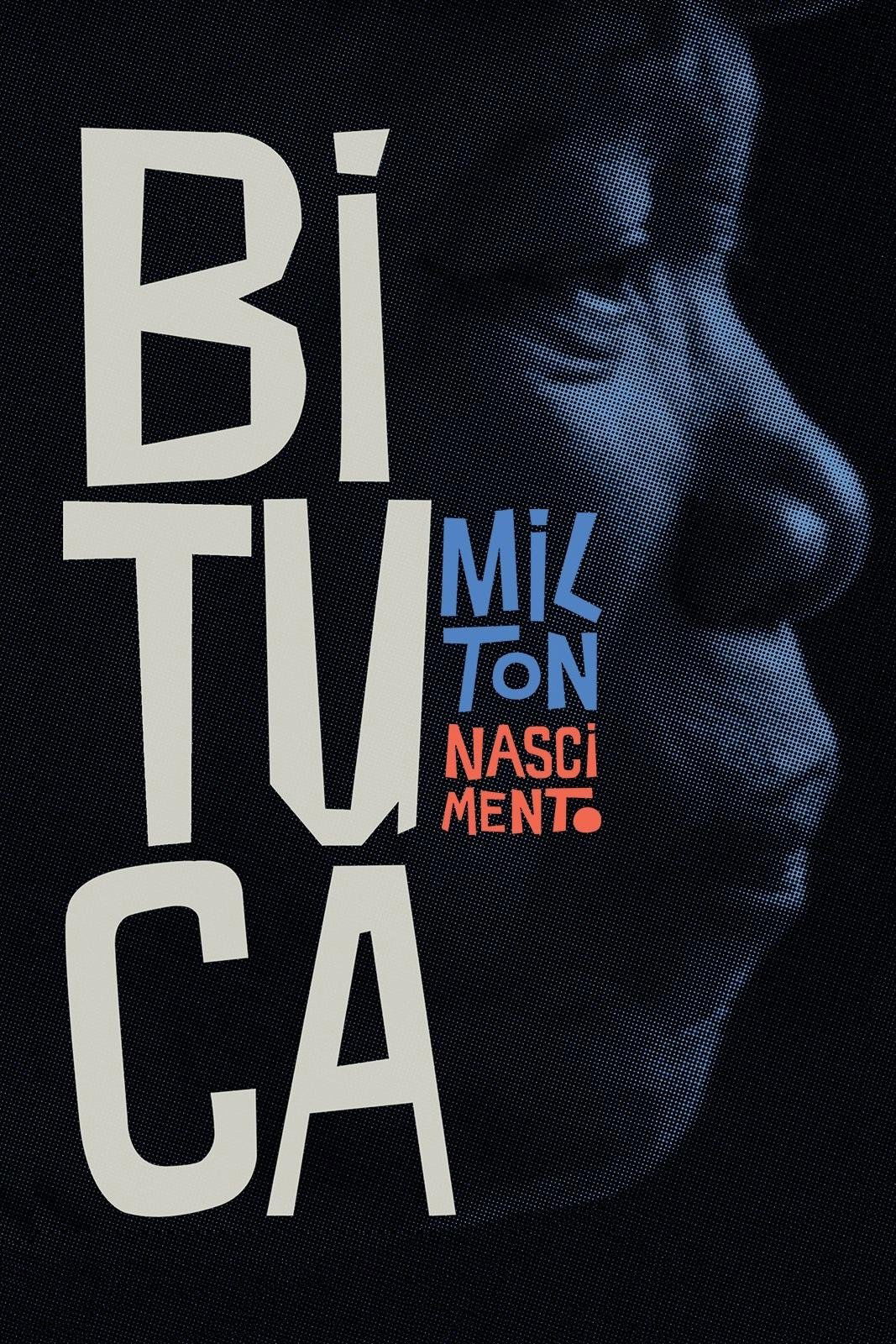
Milton Nascimento is a singer, a songwriter and a connoisseur of multiple instruments. Music is at the core of his being. He is also considered one of the most important Brazilian artists in its history, with musical partnerships (and friendships) with all of Brazil’s greats, and several Grammys to his name. The artist’s history and legacy are explored in this film, whose starting point is Nascimento’s farewell tour.
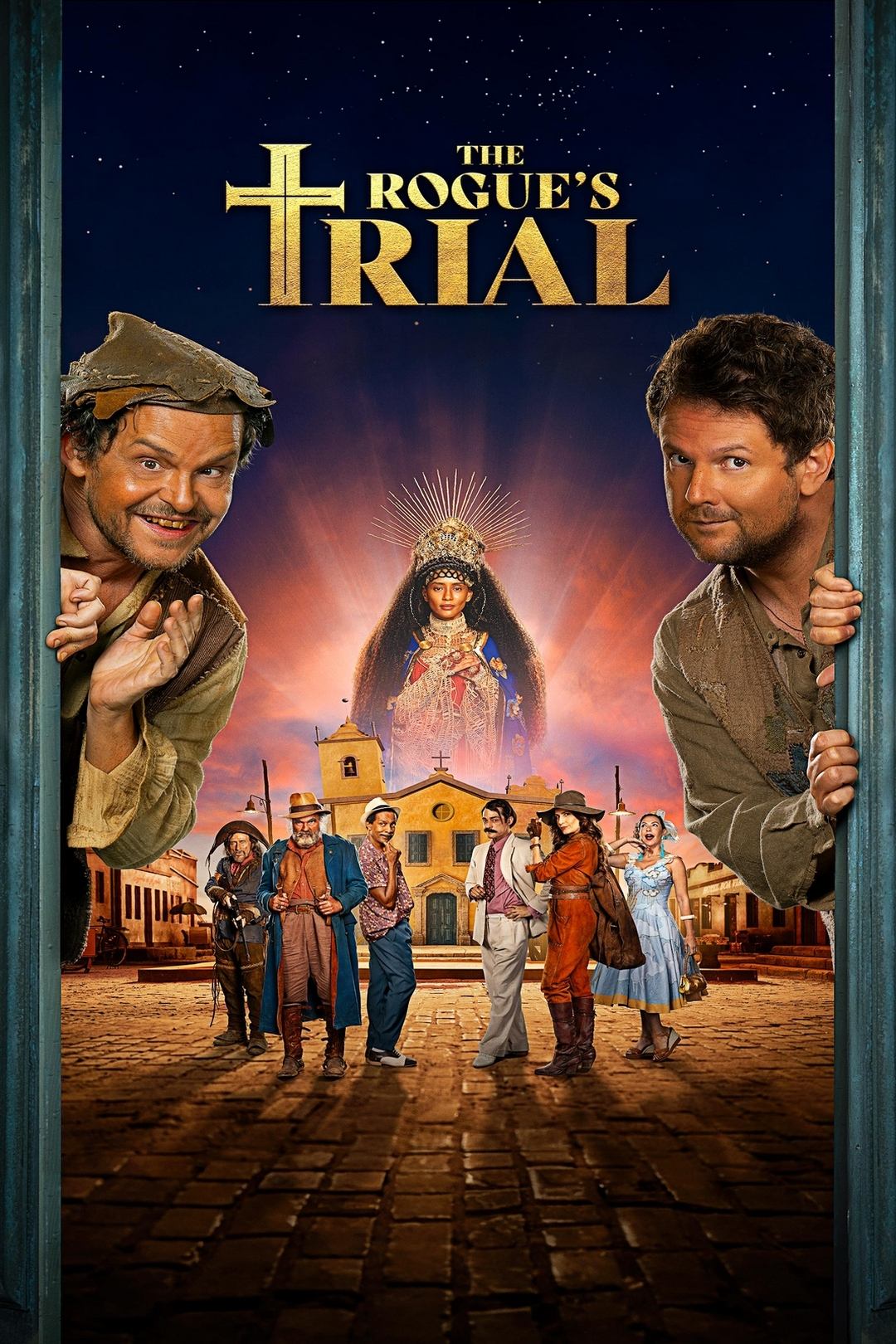
After 20 years missing, João Grilo returns to Taperoá to join his old friend Chicó and, after his story of resurrection spreads, he is disputed as an electoral candidate by the two most powerful politicians in the city.
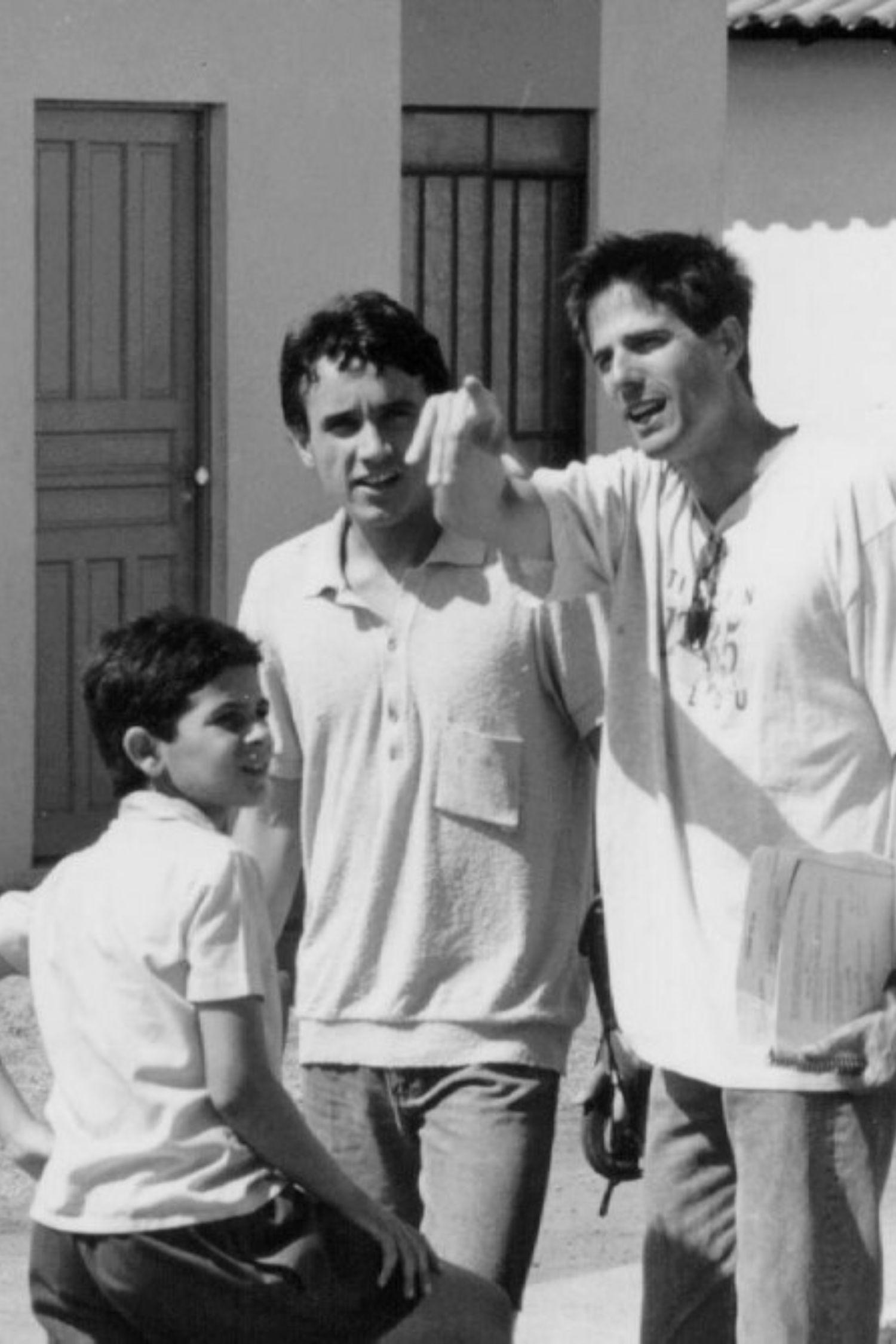
Exclusive record of the filming of Central do Brasil in Vitória da Conquista in 1997. The ProVídeo Uesb team had access to the backstage, testimonies from the team, actors and director Walter Sales, keeping unique moments from one of the most emblematic films of what came to be known as Cinema da Retomada. A project carefully thought out by cultural producer Jorge Melquisedeque, the video ended up not being produced by him - who would die in 2001. All the raw tapes were rescued in 2002 and edited with the script by Marcelo Lopes (based on Jorge's chronicles about the period) and directed by Esmon Primo for the tribute program to the 10 years of the Indiscreet Window Cine Vídeo Uesb Program.
One of Brazil's most popular contemporary dance ensembles, Grupo Corpo combines Afro-Brazilian movements with ballet and modern dance to create an innovative and visually dynamic stage performance unlike any other. Documentarian Jürgen Wilcke gives viewers a glimpse into the inner workings of this world-renowned troupe as the 19 dancers prepare to wow audiences around the globe with their energetic presentations of grace and passion.

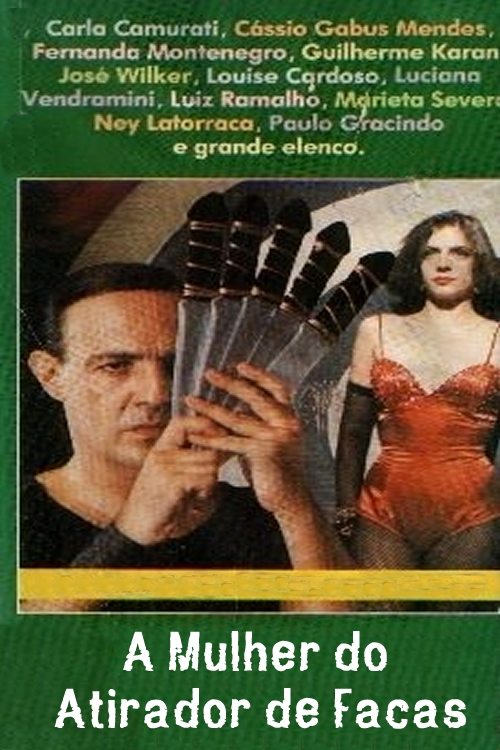
In a circus, the big act is that of the knife thrower, assisted by his wife. The couple takes risks in real life, in a show of great skill and coldness, which respects a blood treaty.
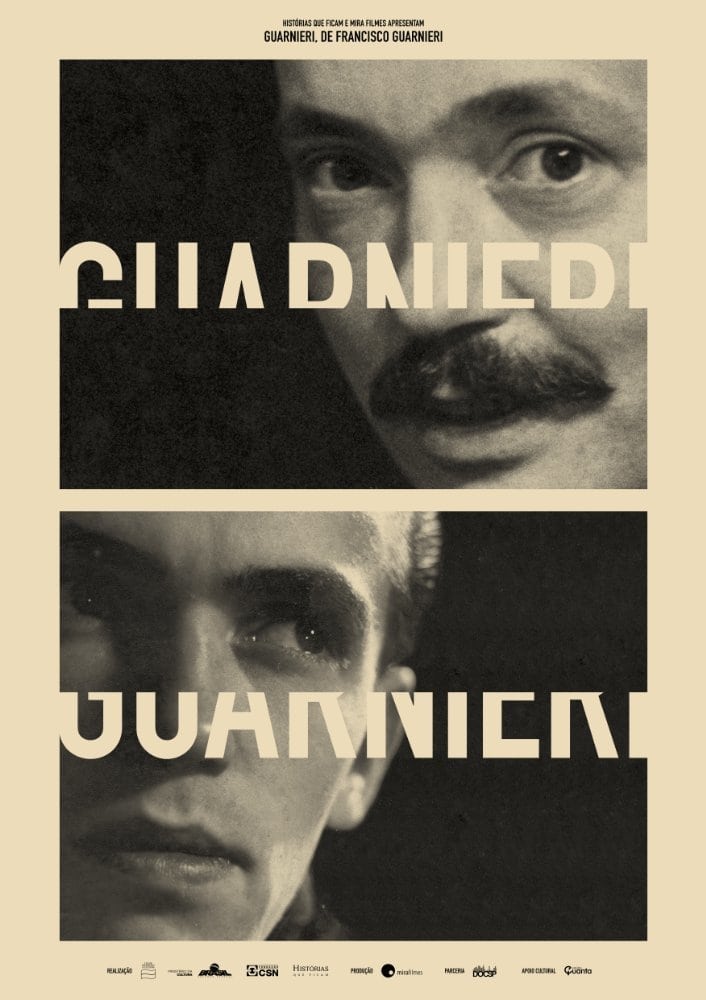
Develops from the life, work and memory of Gianfrancesco Guarnieri, one of the most important names in the history of Brazilian theater, to examine the courses of dramaturgy and politics in the last decades. Guarnieri, besides being a TV star, was also seen as the synthesis of the politically engaged artist in Brazil. His sons, also actors, saw a separation between art, work, and politics. As he investigates the portraits of two generations, grandson and director Francisco aims to understand the place of his own generation in history, in art and the world as a whole.
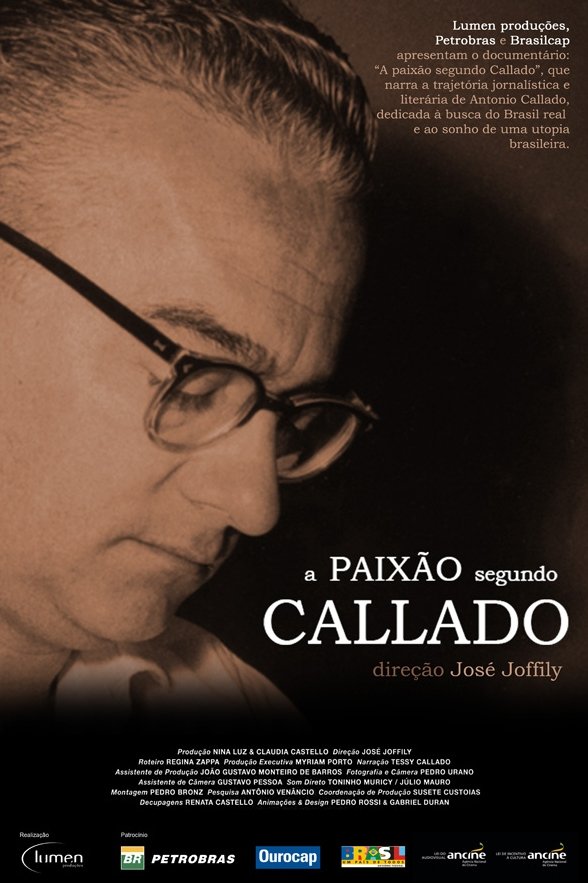
Callado said he had to leave Brazil to get to know Brazil. His six-year trip to England and France during World War II sparked a "hunger for Brazil." As a journalist, he traveled to the "geographic center" of his Brazilian identity. As a writer, he reached the depths of his passion for a more just, less prejudiced, freer, and more democratic country.
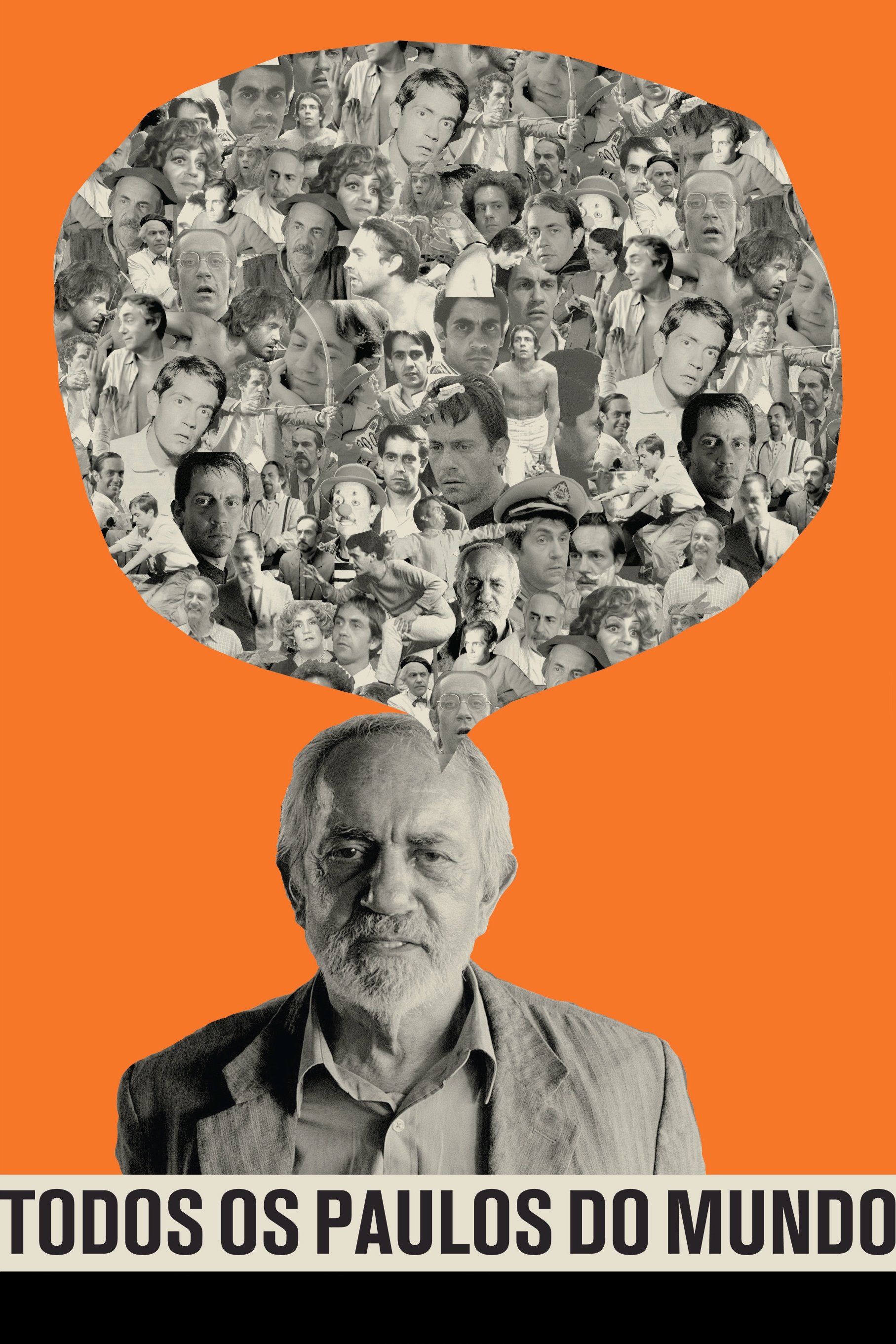
"All Paulos in the World" is a cinematographic essay about Paulo José, one of the greatest artists in Brazil, in the year in which he turns 80 years-old.
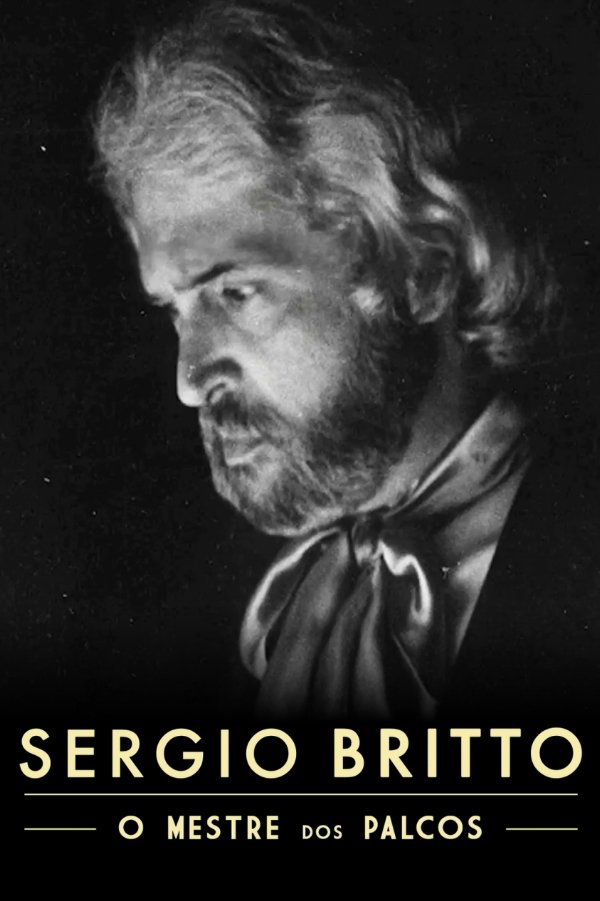
The documentary follows the many facets of actor and director Sérgio Britto, from behind the scenes at theater companies to his experiences in literature and opera. The actor was the creator of the "Grande Teatro Tupi," a program that produced over 450 play adaptations and featured actors such as Fernanda Montenegro and Ítalo Rossi.
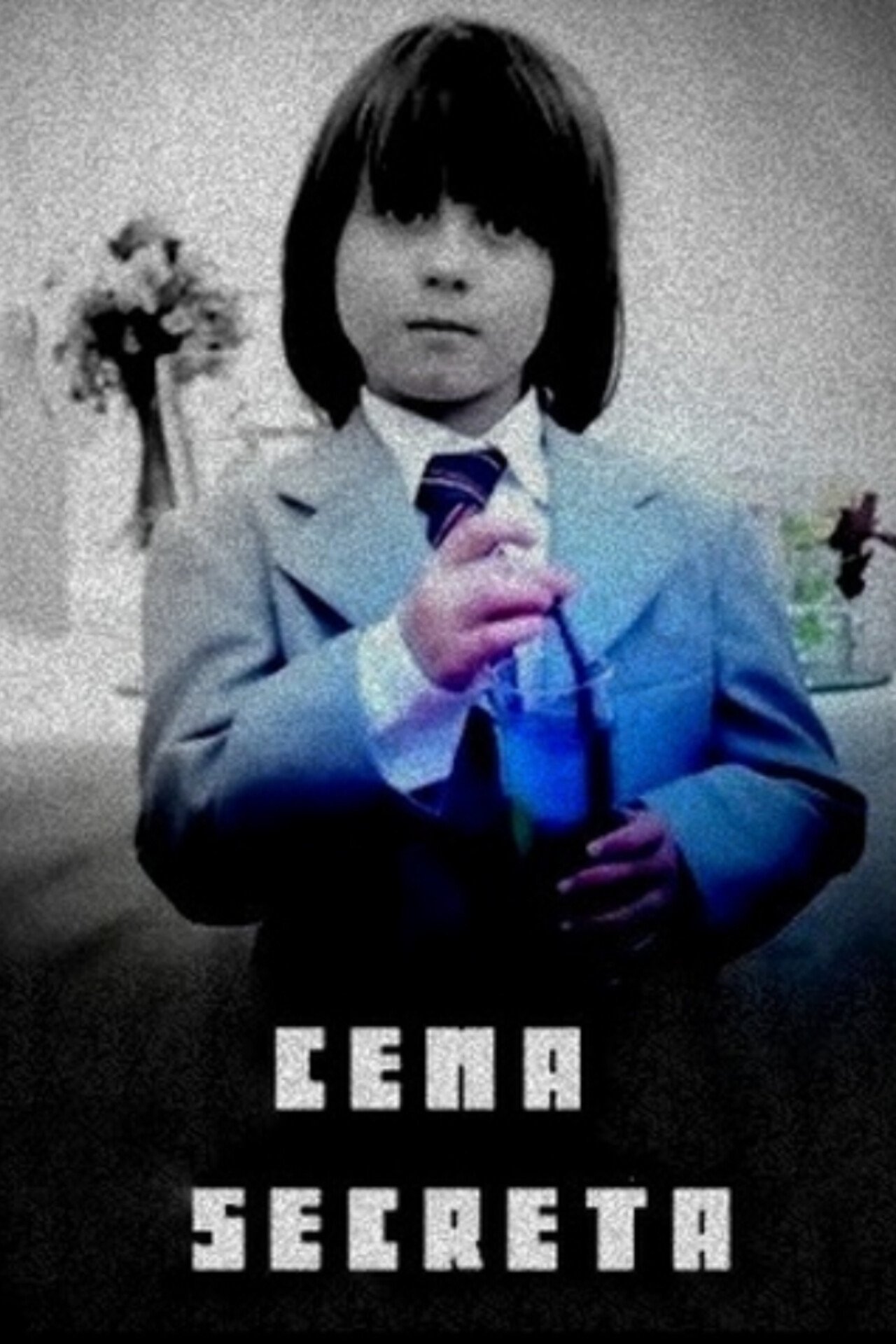
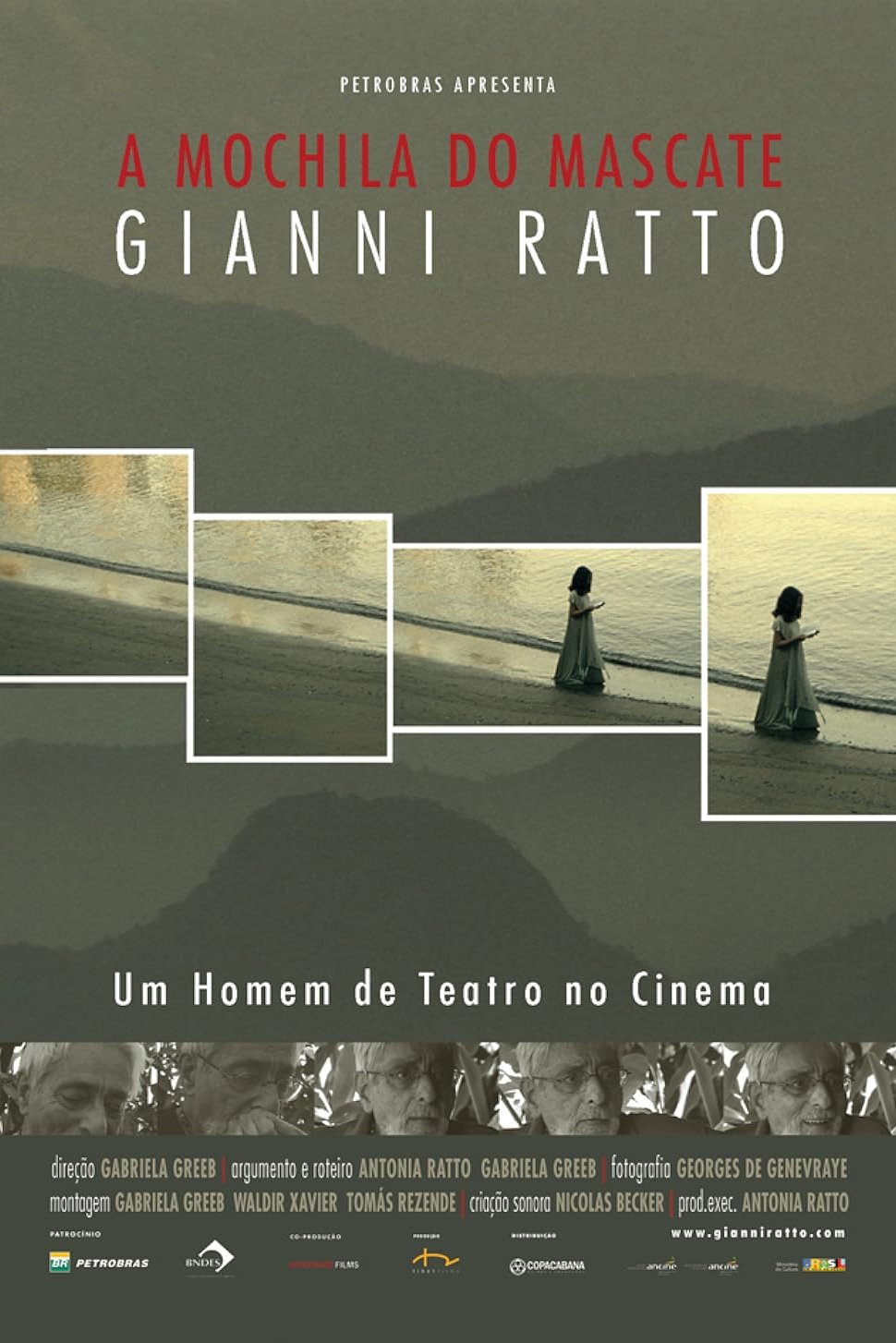
From Italian set designer to Brazilian stage director, Gianni Ratto, born in Italy in 1916 and based in Brazil since 1954, retraces the geographical path of his life, accompanied by his daughter, passing through Genoa, Milan, Florence, São Paulo, and Rio de Janeiro, visiting places and people who marked his journey. At each encounter, Gianni speaks of his work and reveals the ideas of someone who not only executes but also thinks about theater from a humanist perspective.
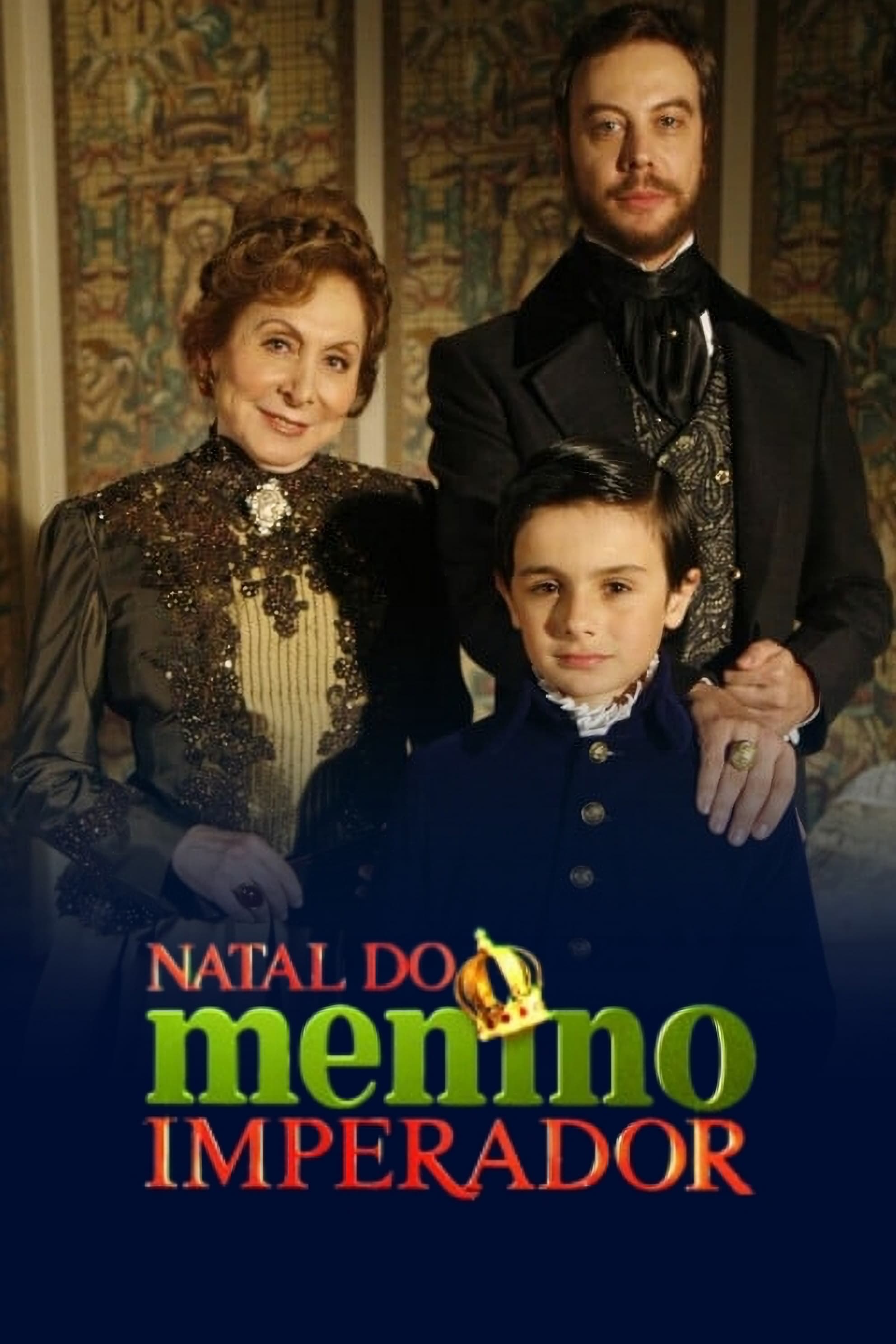

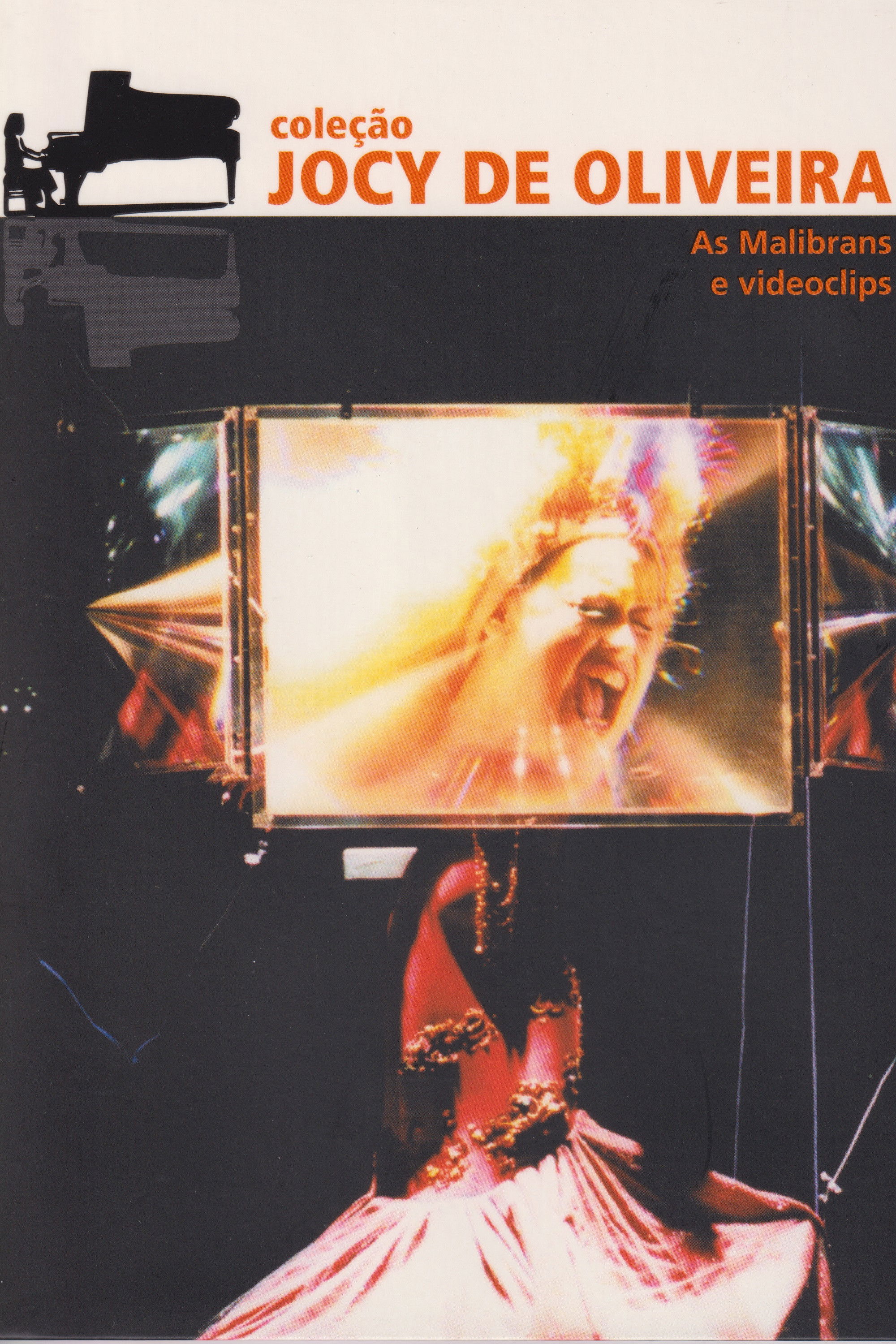
Filmed and recorded live during the premiere at the Carlos Gomes Theater, Rio de Janeiro, 2000.
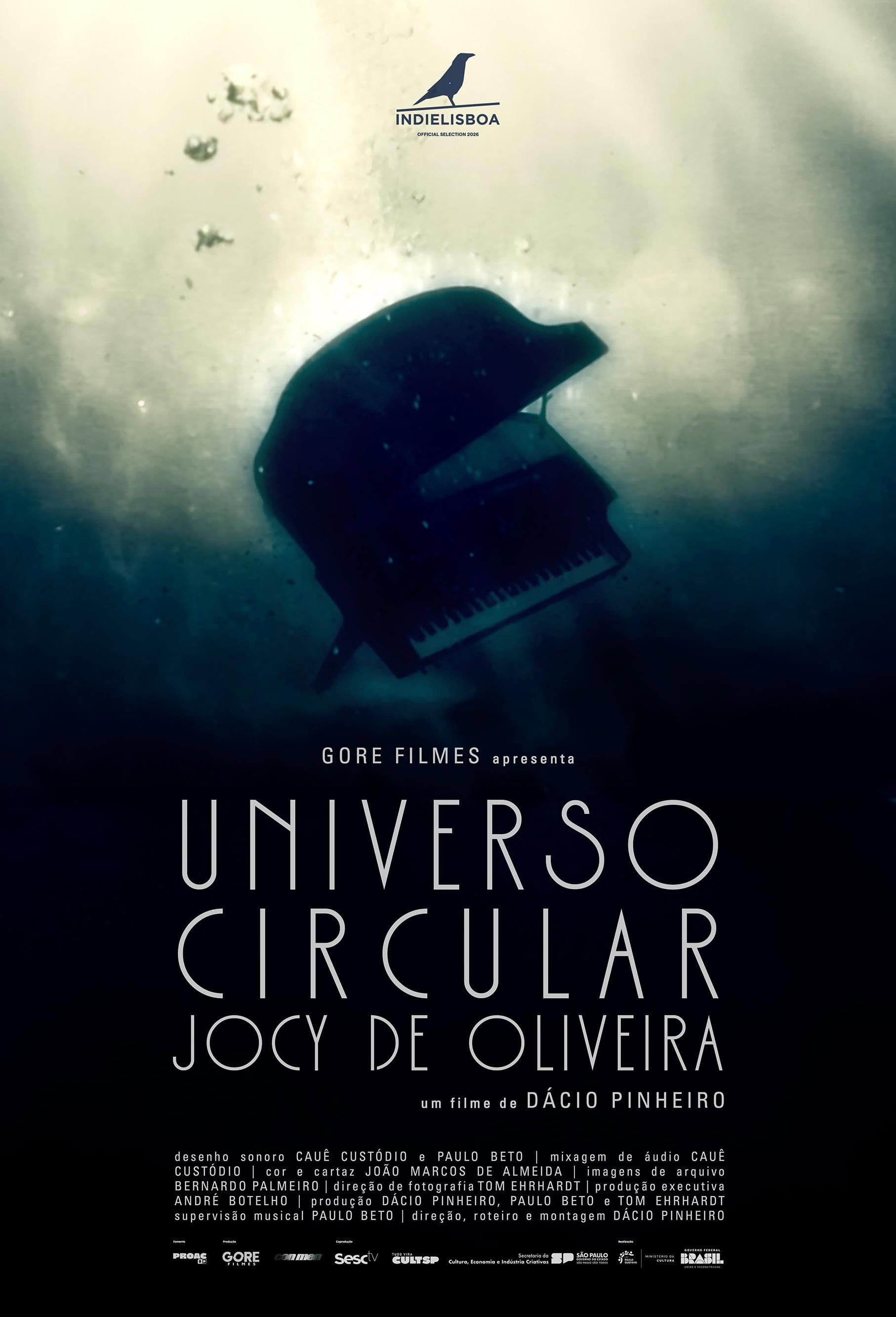
Few artists can claim the historical significance of Jocy de Oliveira. A pioneer of electronic music in Brazil — carrying a weight comparable to such towering figures as John Cage and Karlheinz Stockhausen — she was also a brilliant pianist, performing as a soloist under the direction of Igor Stravinsky.